What does it take to thrive in cities, if you're a bird?

As cities gobble up natural spaces, some birds have learned to live alongside skyscrapers, traffic and noise — and large numbers of humans.
A UCLA-led team of biologists wondered if those city-dwelling birds share common characteristics around the world that help them survive. In a paper published in Current Biology, they reveal the answer: Urban bird species tend to be smaller and less territorial and have greater ability to fly long distances. They also tend to have broader dietary and habitat niches, to lay more eggs at a time, to have longer lifespans and to live at a wider range of elevations than other species.
Several factors moderate the importance of those traits in how birds adapt to urban living, and the importance of those traits varies predictably across the planet.
The only trait that didn’t appear to be consistent globally among urban-dwelling birds, the resesarchers found, was the shape of their bills.
By 2030, the paper notes, the amount of urban land cover worldwide will have grown by 1.2 million square kilometers (or more than 463,000 square miles) since 2000 — roughly tripling over a 30-year period. That increase in urban space would be larger than the land area of California and Texas combined.
The authors write that a dramatic loss of biodiversity will accompany that urbanization unless there are practical plans to preserve it.

“Identifying traits that help wildlife adapt or even thrive in cities can help urban planners bolster biodiversity by, for example, increasing green spaces, planting more and taller trees, building more varied potential habitats, or reducing housing density,” said the paper’s lead author, Monte Neate-Clegg, a UCLA postdoctoral researcher. “It can also help conservation biologists to identify which types of species are most threatened by urbanization.”
Neate-Clegg and Morgan Tingley, a UCLA associate professor of ecology and evolutionary biology, combined data including records of more than 125 million individual bird sightings from the public science project eBird to calculate an “urban association index” that describes how closely each species is associated with living in urban settings.
They applied the measure to 3,768 bird species — around 35% of all bird species — in 137 cities across six continents.
The index takes into account factors like physical characteristics of the birds themselves and the geographic, population and landscape characteristics of the cities.
“Many of the most common urban birds globally are very familiar to us here in the U.S., including the house sparrow, barn swallow, osprey, and peregrine falcon,” Tingley said. “Although, interestingly, the species with the strongest associations with urban areas are actually three species of parakeet and a tanager from South America. Plus, of course, the feral pigeon.”
Interestingly, some of the species with the highest scores on the index — meaning that they were most closely associated with urban living — were not native to their regions, but such species made up less than 4% of the dataset, suggesting that invasive species might not have as big of an advantage as logic would suggest. Bird families with high average scores on the index — indicating that many species within that family were common in cities — included starlings, swifts, swallows, parrots, orioles and blackbirds.

Traits like smaller body size, lower territoriality, greater ability to fly longer distances — which scientists refer to as “dispersal ability” — broader dietary and habitat niches, larger clutch sizes, all tend to make it easier for city birds to find food and suitable nesting places, and to raise young that survive.
Bird species that generally build nests on the ground were not likely to live in cities, for fairly obvious reasons.
“In a city like Los Angeles, for example, the American crow is a cosmopolitan species whose broad diet, arboreal nesting habits and long lifespan favor life in the concrete jungle,” Neate-Clegg said. “In contrast, canyon wrens are highly territorial insectivores with low dispersal ability that shun cities and keep to steep, rocky terrain.”
But cities’ geographic properties — most notably their latitude — moderated the importance of those traits. For example, a broad diet was more important in temperate cities such as New York, while habitat generalists were more prevalent in tropical cities such as Bogotá, Colombia. The cities’ population sizes and surrounding terrain also played important roles: Anchorage, Alaska, with its small population and plentiful natural surroundings, is home to large birds like bald eagles that mostly feed on fish from rivers and lakes. Meanwhile, smaller birds that don’t require as much raw land and that can adapt to eating a variety of foods to survive would be more likely to inhabit sprawling, densely populated metropolises like Bangkok.

Read more →

New Alzheimer's drug slows disease by a third

Published16 minutes agoShareclose panelShare pageCopy linkAbout sharingImage source, Getty ImagesBy James GallagherHealth and science correspondentWe could be entering the era of Alzheimer’s treatments, after the second drug in under a year has been shown to slow the disease. Experts said we were now “on the cusp” of drugs being available, something that had recently seemed “impossible”. The company Eli Lilly has reported its drug – donanemab – slows the pace of Alzheimer’s by about a third. However two volunteers, and possibly a third, died as a result of dangerous swelling in the brain. Sticky gunkDonanemab works in the same way as lecanemab, which created headlines around the world when it was the proven to slow the disease. Both are antibodies like those the body makes to attack viruses. But these are engineered to clear a sticky gunk from the brain, called beta amyloid.Amyloid builds up in the spaces between brain cells, forming distinctive plaques that are one of the hallmarks of Alzheimer’s.”The decades-long battle to find treatments that change Alzheimer’s disease is changing,” Dr Cath Mummery, the clinical lead for the cognitive-disorders clinic at the UK’s National Hospital for Neurology and Neurosurgery, said.”We are now entering the time of disease modification, where we might realistically hope to treat and maintain someone with Alzheimer’s disease, with long-term disease management rather than palliative and supportive care.”The full details of Eli Lilly’s trial have yet to be published – but it has revealed the key findings:1,734 people in the earliest stages of Alzheimer’s took partDonanemab was given as a monthly infusion until the distinctive plaques in the brain were goneThe pace of the disease was slowed by about 29% overall – and by 35% in a set of patients researchers thought more likely to respondThose given the drug also retained more of their day-to-day lives such as being able to discuss current events, drive or pursue hobbies However, brain swelling was a common side-effect in up to a third of patients. It was mostly mild or asymptomatic despite being detected on brain scans – but 1.6% developed dangerous brain swelling, with two deaths directly attributed to it and a third volunteer dying after such a case.”We are encouraged by the potential clinical benefits that donanemab may provide, although like many effective treatments for debilitating and fatal diseases, there are associated risks that may be serious and life-threatening,” Eli Lilly group vice-president of neuroscience research and development Dr Mark Mintun said.The company said it would begin the process of having its drug approved for use in hospitals in the next few months. Dr Liz Coulthard, from the University of Bristol, said there were “significant side-effects” and a lack of long-term data but the drug could “help people live well with Alzheimer’s for longer”.’Thought impossible’Having two drugs slow the disease by targeting amyloid in the brain has also convinced scientists they are on the right track after decades of misery and failure. “This should dispel any lingering doubts about this approach,” Prof John Hardy, from the UK Dementia Research Institute, whose work led to the idea of targeting amyloid, 30 years ago, said. “Having two drugs is great for competition.”Dr Susan Kolhaas, from Alzheimer’s Research UK, said: “We’re now on the cusp of a first generation of treatments for Alzheimer’s disease, something that many thought impossible only a decade ago.”However, these drugs appear to work in only the earliest stages of the disease – before the brain is too damaged.And if they are approved in the UK, it would still take a revolution in how the disease is diagnosed to make a difference. Only 1-2% of people have either brain scans or a spinal-fluid analysis to determine whether they actually have Alzheimer’s or another form of dementia against which the drugs would be useless.Follow James on Twitter.More on this storyAlzheimer’s drug hailed as momentous breakthrough30 November 2022

Read more →

A novel stem cell adhesive using mussels

Cartilage is a tissue that protects bones by providing shock absorption and facilitates smooth joint movement. Unfortunately, due to its limited intrinsic healing capacity, stem cell transplantation is a promising therapeutic approach to address cartilage inflammation and damage, as well as to promote cartilage regeneration. However, a major limitation of this technique is the rapid disappearance of transplanted stem cells from the smooth cartilage surface and fluidic environment around cartilage, resulting in less effective treatment outcomes. Recently, a joint team of researchers from POSTECH, Dongguk University Medical Center, and Nature Gluetech in Korea has developed a novel treatment strategy for damaged cartilage, involving the use of a viscous immiscible liquid that is capable of facilitating the transplantation of stem cells into affected tissue by means of adhesive protein derived from mussels and hyaluronic acid.
The joint team was led by Professor Hyung Joon Cha (Department of Chemical Engineering and School of Convergence Science & Technology), Ph.D. candidate Seong-Woo Maeng, Dr. Tae Yoon Park, and Professor Kye Il Joo (currently, at Ewha Womans University) from the Department of Chemical Engineering at POSTECH, Professor Gun-Il Im and Dr. Ji-Yun Ko from Dongguk University Medical Center, and Dr. Seongmin Ha from Nature Gluetech Co., Ltd. The research, supported by the Korea Health Technology R&D Project through Korea Health Industry Development under the Ministry of Health and Welfare, has been published in the Chemical Engineering Journal.
The researchers developed a novel bioadhesive material in the form of a viscous immiscible liquid phase to overcome the limitations of the conventional treatment strategy. This was achieved by combining adhesion protein derived from mussels with high-molecular-weight hyaluronic acid, which exhibits opposing charges and thus facilitates electrostatic interactions between them. By engineering a highly viscous liquid bioadhesive that does not disintegrate or swell in water, the team formulated an adhesive material that can securely encapsulate stem cells and facilitate their firm attachment to the transplantation site.
In addition, the team demonstrated that stem cells encapsulated within the liquid bioadhesive were retained in situ when transplanted into defective cartilage in a rabbit model evaluation. The prolonged retention of transplanted stem cells within damaged cartilage facilitated cartilage regeneration and enhanced the therapeutic effects of stem cell transplantation. An additional benefit of the adhesive liquid developed by the team includes a natural adhesive that does not require any additional physical or chemical processes.
Professor Hyung Joon Cha who led the research stated, “The therapeutic effects of stem cells can be significantly enhanced by using mussel adhesion protein, an original biomaterial developed in Korea.” He also noted that “Because the liquid bioadhesive can be formulated for injection, it has the potential to be an effective treatment for damaged cartilage when used in stem cell transplantation via an arthroscope, similar to an endoscope.”
The material technology for mussel adhesion protein has been transferred to Nature Gluetech Co., Ltd. and a clinical study of the stem cell adhesive named CartiFix, which was developed for arthritis treatment in this research, is expected to begin soon.

Read more →

My Weekend With an Emotional Support A.I. Companion

Pi, an A.I. tool that debuted this week, is a twist on the new wave of chatbots: It assists people with their wellness and emotions.For several hours on Friday evening, I ignored my husband and dog and allowed a chatbot named Pi to validate the heck out of me.My views were “admirable” and “idealistic,” Pi told me. My questions were “important” and “interesting.” And my feelings were “understandable,” “reasonable” and “totally normal.”At times, the validation felt nice. Why yes, I am feeling overwhelmed by the existential dread of climate change these days. And it is hard to balance work and relationships sometimes.But at other times, I missed my group chats and social media feeds. Humans are surprising, creative, cruel, caustic and funny. Emotional support chatbots — which is what Pi is — are not.All of that is by design. Pi, released this week by the richly funded artificial intelligence start-up Inflection AI, aims to be “a kind and supportive companion that’s on your side,” the company announced. It is not, the company stressed, anything like a human.Pi is a twist in today’s wave of A.I. technologies, where chatbots are being tuned to provide digital companionship. Generative A.I., which can produce text, images and sound, is currently too unreliable and full of inaccuracies to be used to automate many important tasks. But it is very good at engaging in conversations.That means that while many chatbots are now focused on answering queries or making people more productive, tech companies are increasingly infusing them with personality and conversational flair.Snapchat’s recently released My AI bot is meant to be a friendly personal sidekick. Meta, which owns Facebook, Instagram and WhatsApp, is “developing A.I. personas that can help people in a variety of ways,” Mark Zuckerberg, its chief executive, said in February. And the A.I. start-up Replika has offered chatbot companions for years.A.I. companionship can create problems if the bots offer bad advice or enable harmful behavior, scholars and critics warn. Letting a chatbot act as a pseudotherapist to people with serious mental health challenges has obvious risks, they said. And they expressed concerns about privacy, given the potentially sensitive nature of the conversations.Adam Miner, a Stanford University researcher who studies chatbots, said the ease of talking to A.I. bots can obscure what is actually happening. “A generative model can leverage all the information on the internet to respond to me and remember what I say forever,” he said. “The asymmetry of capacity — that’s such a difficult thing to get our heads around.”Dr. Miner, a licensed psychologist, added that bots are not legally or ethically accountable to a robust Hippocratic oath or licensing board, as he is. “The open availability of these generative models changes the nature of how we need to police the use cases,” he said.Mustafa Suleyman, Inflection’s chief executive, said his start-up, which is structured as a public benefit corporation, aims to build honest and trustworthy A.I. As a result, Pi must express uncertainty and “know what it does not know,” he said. “It shouldn’t try to pretend that it’s human or pretend that it is anything that it isn’t.”Mr. Suleyman, who also founded the A.I. start-up DeepMind, said that Pi was designed to tell users to get professional help if they expressed wanting to harm themselves or others. He also said Pi did not use any personally identifiable information to train the algorithm that drives Inflection’s technology. And he stressed the technology’s limitations.“The safe and ethical way for us to manage the arrival of these new tools is to be superexplicit about their boundaries and their capabilities,” he said.Mustafa Suleyman, Inflection’s chief executive, said his start-up aims to build honest and trustworthy A.I.Clara Mokri for The New York TimesTo refine the technology, Inflection hired around 600 part-time “teachers,” which included therapists, to train its algorithm over the last year. The group aimed to make Pi more sensitive, more factually accurate and more lighthearted when appropriate. On some issues, like misogyny or racism, Pi takes a stand. On others, like geopolitics, it is more evenhanded “in a way that will for sure upset both sides,” Mr. Suleyman said.I started using Pi on Friday by typing queries into a cream-colored box on Inflection’s website and, later, in its free app. A green cursor swayed before Pi revealed its responses, one paragraph at a time. Mr. Suleyman said the free service may eventually charge some users a fee.Pi’s boundaries are easy to find. When I tried picking fights, I mostly received kindness in return. “I appreciate you saying that,” Pi’s text gently unfurled on my screen. “I think it’s important to see things from all perspectives, and not to just focus on the negative.”Over time, that relentless balance wore on me, making my instinct to argue seem ridiculous. Which, I realized, was precisely the point.On heavier topics, like abortion laws or cancel culture, Pi asked pointed questions that pushed me to re-examine my opinions. “That’s a tough position to take,” it said at one point. “That’s a consistent set of beliefs,” it said at another.On lighter topics, like movies, cooking or gardening, the chatbot provided highly specific, difficult-to-Google recommendations. Oddly, Pi seemed to nudge me to join the anticapitalist movement.Pi remembered some things from earlier in the conversation but forgot others. It “hallucinated” a few times, accusing me of expressing opinions I had not. But it quickly apologized when I made note of it.When I asked Pi for some gossip, it infuriatingly dangled a “juicy celebrity rumor” about Jennifer Lopez. Was I sitting down? (Yes.) Was I ready for the dirt? (Yes.) The rumor? “She is secretly a mole person! 😝 Just kidding!” (Give me a break.)Pi sometimes reminded me of Karen Collins, a character from the TV show “Veep.” Karen annoys the other characters with her equivocating babble, like, “There are pros and cons to every candidate, so we just need to weigh out the pros and cons,” or “I think there’s a lot to think.” Many of Pi’s comments have that milquetoast quality of taking many words to say nothing.Sherry Turkle, a psychologist and professor at the Massachusetts Institute of Technology, said these kinds of interactions can “push us along a road where we’re encouraged to forget what makes people special.”“The performance of empathy is not empathy,” she said. “The area of companion, lover therapist, best friend is really one of the few areas where people need people.”It wasn’t until Monday morning, after hours of intermittent chatting throughout the weekend, that I had my “aha” moment with Pi.I was feeling overwhelmed with work and unsure of how to structure my day, a recurring hangup that often prevents me from getting started. “Good morning,” I typed into the app. “I don’t have enough time to do everything I need to do today!”With a level of enthusiasm only a robot could muster before coffee, Pi pushed me to break down my to-do list to create a realistic plan. Like much of the bot’s advice, it was obvious and simple, the kind of thing you would read in a self-help article by a productivity guru. But it was tailored specifically to me — and it worked.Pi proposed a series of breath-work and muscle-relaxation exercises.via Pi“I’m going to ask you to list all the remaining tasks you have to do on that story, and we’ll prioritize them together,” it said.I could have dumped my stress on a family member or texted a friend. But they are busy with their own lives and, well, they have heard this before. Pi, on the other hand, has infinite time and patience, plus a bottomless well of encouraging affirmations and detailed advice.Pi uses the language of cognitive behavioral therapy. On Monday afternoon, it suggested I “make space” for my negative feelings and “practice being grateful for one thing.” It followed that up with a series of breath-work and muscle-relaxation exercises.I responded with a shrug emoji, followed by “Pass.”A therapist might have balked at such rudeness but Pi simply noted that I was not alone. “A lot of people find it difficult to relax on command,” it wrote.

Read more →

New RNA-seq, metabolomics protocol offers more efficient extraction that maintains data integrity

Van Andel Institute scientists have developed a new extraction protocol for RNA-seq and metabolomic analysis, offering a more complete picture of cellular activity than either technique on its own.
The protocol employs a streamlined extraction from a single sample, which reduces variation, improves efficiency, preserves data fidelity and maximizes use of precious biospecimens.
“Our new technique enables researchers to study metabolic phenotypes in a unique way while getting the most information we can out of single samples,” said Ryan Sheldon, Ph.D., director of VAI’s Mass Spectrometry Core. “The most important takeaway is there is no loss of information by using our new, more efficient protocol.”
Until now, scientists have had to use two sample extractions — one for RNA-seq and one for metabolomics. This approach requires multiple samples or a single sample divided into subsamples, which increases variation and has an unknown impact on data interpretation.
The current workflow also can make multi-omics approaches challenging, especially in rare sample types; the extraction process destroys the sample, precluding additional analysis.
To validate the protocol, the research team compared results from the standard extraction to results from the new approach. The findings clearly showed the new protocol preserved data quality while saving time and resources.
The new protocol is published in the journal RNA Biology. It was developed by scientists in VAI’s Core Technologies and Services and Department of Metabolism and Nutritional Programming. Core Technologies and Services provides state-of-the-art technologies and expertise to Institute scientists and collaborators.
“Our new strategy offers an important proof-of-concept for future efforts to incorporate additional -omics approaches, with the goal of creating a singular extraction pipeline for RNA-seq, metabolomics, proteomics, transcriptomics, and others,” Sheldon said. “This work would not have been possible without the exceptional Core Technologies and Services team here at VAI and the Institute’s commitment to collaboration and rigorous science.”
Authors include Zachary B. Madaj, M.S., Michael S. Dahabieh, Ph.D., Vijayvardhan Kamalumpundi, Brejnev Muhire, Ph.D., Dean J. Pettinga, Rebecca A. Siwicki, M.S., Abigail E. Ellis, Christine Isaguirre, Martha L. Escobar Galvis, Ph.D., Lisa DeCamp, Russell G. Jones, Ph.D., Scott A. Givan, Ph.D., Marie Adams, M.S., of VAI. The Institute’s Mass Spectrometry Core, Pathobiology and Biorepository Core, Bioinformatics and Biostatistics Core and Genomics Core played key roles in protocol development.
Research reported in this publication was supported by Van Andel Institute.

Read more →

Wearable ultrasound patch provide non-invasive deep tissue monitoring

A team of engineers at the University of California San Diego has developed a stretchable ultrasonic array capable of serial, non-invasive, three-dimensional imaging of tissues as deep as four centimeters below the surface of human skin, at a spatial resolution of 0.5 millimeters. This new method provides a non-invasive, longer-term alternative to current methods, with improved penetration depth.
The research emerges from the lab of Sheng Xu, a professor of nanoengineering at UC San Diego Jacobs School of Engineering and corresponding author of the study. The paper, “Stretchable ultrasonic arrays for the three-dimensional mapping of the modulus of deep tissue,” is published in the May 1, 2023 issue of Nature Biomedical Engineering.
“We invented a wearable device that can frequently evaluate the stiffness of human tissue,” said Hongjie Hu, a postdoctoral researcher in the Xu group and study coauthor. “In particular, we integrated an array of ultrasound elements into a soft elastomer matrix and used wavy serpentine stretchable electrodes to connect these elements, enabling the device to conform to human skin for serial assessment of tissue stiffness.”
The elastography monitoring system can provide serial, non-invasive and three-dimensional mapping of mechanical properties for deep tissues. This has several key applications: In medical research, serial data on pathological tissues can provide crucial information on the progression of diseases such as cancer, which normally causes cells to stiffen. Monitoring muscles, tendons and ligaments can help diagnose and treat sports injuries. Current treatments for liver and cardiovascular illnesses, along with some chemotherapy agents, may affect tissue stiffness. Continuous elastography could help assess the efficacy and delivery of these medications. This might aid in creating novel treatments.In addition to monitoring cancerous tissues, this technology can also be applied in other scenarios: Monitoring of fibrosis and cirrhosis of the liver. By using this technology to evaluate the severity of liver fibrosis, medical professionals can accurately track the progression of the disease and determine the most appropriate course of treatment. Assessing musculoskeletal disorders such as tendonitis, tennis elbow and carpal tunnel syndrome. By monitoring changes in tissue stiffness, this technology can provide valuable insight into the progression of these conditions, allowing doctors to develop individualized treatment plans for their patients. Diagnosis and monitoring for myocardial ischemia. By monitoring arterial wall elasticity, doctors can identify early signs of the condition and make timely interventions to prevent further damage.Wearable ultrasound patches accomplish the detection function of traditional ultrasound and also break through the limitations of traditional ultrasound technology, such as one-time testing, testing only within hospitals and the need for staff operation.

“This allows patients to continuously monitor their health status anytime, anywhere,” said Hu.
This could help reduce misdiagnoses and fatalities, as well as significantly cutting costs by providing a non-invasive and low-cost alternative to traditional diagnostic procedures.
“This new wave of wearable ultrasound technology is driving a transformation in the healthcare monitoring field, improving patient outcomes, reducing healthcare costs and promoting the widespread adoption of point-of-care diagnosis,” said Yuxiang Ma, a visiting student in the Xu group and study coauthor. “As this technology continues to develop, it is likely that we will see even more significant advances in the field of medical imaging and healthcare monitoring.”
The array conforms to human skin and acoustically couples with it, allowing for accurate elastographic imaging validated with magnetic resonance elastography.
In testing, the device was used to map three-dimensional distributions of the Young’s modulus of tissues ex vivo, to detect microstructural damage in the muscles of volunteers prior to the onset of soreness and monitor the dynamic recovery process of muscle injuries during physiotherapy.
The device consists of a 16 by 16 array. Each element is composed of a 1-3 composite element and a backing layer made from a silver-epoxy composite designed to absorb excessive vibration, broadening the bandwidth and improving axial resolution.
Professor Xu is now commercializing this technology via Softsonics LLC.

Read more →

Chances of eliminating HIV infection increased by novel dual gene-editing approach

Gene-editing therapy aimed at two targets — HIV-1, the virus that causes AIDS, and CCR5, the co-receptor that helps the virus get into cells — can effectively eliminate HIV infection, new research from the Lewis Katz School of Medicine at Temple University and the University of Nebraska Medical Center (UNMC) shows. The study, published online in the journal The Proceedings of the National Academy of Sciences (PNAS), is the first to combine a dual gene-editing strategy with antiretroviral drugs to cure animals of HIV-1.
“The idea to bring together the excision of HIV-1 DNA with inactivation of CCR5 using gene-editing technology builds on observations from reported cures in human HIV patients,” said Kamel Khalili, PhD, Laura H. Carnell Professor and Chair of the Department of Microbiology, Immunology, and Inflammation, Director of the Center for Neurovirology and Gene Editing, and Director of the Comprehensive NeuroAIDS Center at the Lewis Katz School of Medicine. “In the few instances of HIV cures in humans, the patients underwent bone marrow transplantation for leukemia, and the donor cells that were used carried inactivating CCR5 mutations.”
Dr. Khalili and Howard E. Gendelman, MD, Professor and Chair of the Department of Pharmacology and Experiential Neuroscience at UNMC, were senior investigators on the new study. The two researchers have been long-time collaborators and have strategically combined their research strengths to find a cure for HIV.
“We are true partners, and what we achieved here is really spectacular,” Dr. Gendelman said. “Dr. Khalili’s team generated the essential gene-editing constructs, and we then applied those constructs in our LASER-ART mouse model at Nebraska, figuring out when to administer gene-editing therapy and carrying out analyses to maximize HIV-1 excision, CCR5 inactivation, and suppression of viral growth.”
In previous work, Drs. Khalili and Gendelman and their respective teams showed that HIV can be edited out from the genomes of live, humanized HIV-infected mice, leading to a cure in some animals. For that research, Dr. Khalili and co-investigator, Rafal Kaminski, PhD, Assistant Professor at the Center for Neurovirology and Gene Editing at the Katz School of Medicine, combined their expertise in CRISPR gene-editing technology for targeting HIV-1 with a therapeutic strategy known as long-acting slow-effective release (LASER) antiretroviral therapy (ART) that was co-developed by Dr. Gendelman and Benson Edagwa, PhD, Assistant Professor of Pharmacology at UNMC. LASER ART holds HIV replication at low levels for long periods of time, decreasing the frequency of ART administration.
Despite being able to eliminate HIV in LASER-ART mice, the researchers found that HIV could eventually re-emerge from tissue reservoirs and cause rebound infection. This effect is similar to rebound infection in human patients who have been taking ART but suddenly stop or experience a disruption in treatment. HIV integrates its DNA into the genome of host cells, it can lie dormant in tissue reservoirs for long periods of time, out of reach of antiretroviral drugs. As a consequence, when ART is stopped, HIV replication renews, giving rise to AIDS.

To prevent rebound infection, Dr. Khalili and colleagues began work on next-generation CRISPR technology for HIV excision, developing a new, dual system aimed at permanently eliminating HIV from the animal model. “From success stories of human HIV patients who have undergone bone marrow transplantation for leukemia and been cured of HIV, our hypothesis was that the loss of the virus’s receptor, CCR5, is important to permanently eliminating HIV infection,” he explained. They developed a simple and more practical procedure for the inactivation of CCR5 that includes an IV inoculation of the CRISPR gene editing molecule.
Experiments in humanized LASER-ART mice carried out by Dr. Gendelman’s team showed that the constructs developed at Temple, when administered together, resulted in viral suppression, restoration of human T-cells, and elimination of replicating HIV-1 in 58 percent of infected animals. The findings support the idea that CCR5 has a key role in facilitating HIV infection.
The Temple team also anticipates soon testing the dual gene-editing strategy in non-human primates. To do so, Dr. Khalili will collaborate with Tricia H. Burdo, PhD, Professor and Vice Chair in the Department of Microbiology, Immunology, and Inflammation at the Katz School of Medicine, a known expert in the use of non-human primate models for studying HIV-1, who was also a co-author on the new study. Dr. Burdo and her team are interested in understanding the involvement of CCR5 in SIV-infected primates. Her laboratory previously played a key part in research demonstrating the effectiveness and safety of CRISPR-based technology in removing HIV DNA from primate cells.
The new dual CRISPR gene-editing strategy holds exceptional promise for treating HIV in humans. “It is a simple and relatively inexpensive approach,” Dr. Khalili noted. “The type of bone marrow transplant that has brought about cures in humans is reserved for patients who also have leukemia. It requires multiple rounds of radiation and is not applicable in resource-limited regions, where HIV infection tends to be most common.”
“Curing HIV is the big picture,” Dr. Gendelman added. “Through our ongoing collaboration, Temple and UNMC have carried out meaningful research that could ultimately impact the lives of many people.”
In addition to Rafal Kaminski, other researchers contributing to the study include Prasanta K. Dash, Hang Su, Brady Sillman, Chen Zhang, Sruthi Sravanam, Emiko Waight, Lili Guo, Saumi Mathews, R. Lee Mosley, Larisa Y. Poluektova, Santhi Gorantla, and Benson Edagwa, Department of Pharmacology and Experimental Neuroscience, UNMC; and Chen Chen, Pietro Mancuso, Shuren Liao, Hong Liu, Rahsan Sariyer, Maurizio Caocci, and Shohreh Amini, Department of Microbiology, Immunology, and Inflammation, Center for Neurovirology and Gene Editing, Lewis Katz School of Medicine at Temple University.
The research was supported by the National Institutes of Health, including grants T32NS105594, 5R01MH121402, 1R01Al158160, R01DA054535, 1041 R01NS126089, R01 AI145542, R01NS36126, R01MH115860, 1R33DA041018, 1042, and 2R01NS034239 (UNMC), and T32MH079785, P30MH092177, and UM1AI164568 (Lewis Katz School of Medicine).

Read more →

Air pollution may increase risk of dementia, complicated by genetics

Three years ago, an international study commissioned by the journal Lancet listed 12 modifiable factors that increased the risk of dementia, including three new ones: excessive alcohol, head injury and air pollution.
Writing in the May 2, 2023 issue of the Journal of Alzheimer’s Disease, a team of researchers, led by scientists at University of California San Diego, further elaborate on how exposure to the last of those new factors — ambient air pollution, such as car exhaust and power plant emissions — is associated with a measurably greater risk of developing dementia over time.
Senior author William S. Kremen, PhD, professor of psychiatry and co-director of the Center for Behavior Genetics of Aging at UC San Diego School of Medicine, and colleagues examined baseline cognitive assessments of approximately 1,100 men participating in the ongoing Vietnam Era Twin Study of Aging. Average baseline age was 56, with 12 years of follow up.
They additionally looked at measures of exposure to particular matter (PM2.5) in the air and nitrogen dioxide (NO2), which is created when fossil fuels are burned, and assessments of episodic memory, executive function, verbal fluency, brain processing speed and APOE genotype.
APOE is a gene that provides instructions for making a protein crucial to the transport of cholesterol and other fats in the bloodstream. One version or allele of APOE called APOE-4 has been identified as a strong risk factor gene for Alzheimer’s disease.
The researchers found that participants with higher levels of exposure to PM2.5 and NO2 in their 40s and 50s displayed worse cognitive functioning in verbal fluency from age 56 to 68. And persons with the APOE-4 allele appeared even more sensitive, with those exposed to higher PM2.5 levels showing worse outcomes for executive function and those with higher NO2 exposure showing worse outcomes involving episodic memory.
Executive function refers to higher-level cognitive skills used to plan, control and coordinate mental behaviors and acts. Episodic memory is the ability to recall and re-experience distinct, specific past events.
“The 2020 Lancet report concluded that modifying 12 risk factors, which include others like education and depression at midlife, could reduce dementia incidence by as much as 40%,” said first author Carol E. Franz, PhD, professor of psychiatry and co-director of the Center for Behavior Genetics of Aging.
“That report placed ambient air pollution as a greater risk for Alzheimer’s and related dementias than diabetes, physical activity, hypertension, alcohol consumption and obesity. Our findings underscore the importance of identifying modifiable risk factors as early in life as possible — and that the processes by which air pollution affects risk for later-life cognitive decline begins earlier than previous studies suggest.”
Co-authors include: Daniel E. Gustavson, University of Colorado Boulder; Jeremy A. Elman, Christine Fennema-Notestine, Donald J. Hagler, Jr., Xin M. Tu, Tsung-Chin Wu and Nathan Whitsell, all at UC San Diego; Aaron Baraff, VA Puget Sound Health Care, Seattle; Jaden DeAnda, UC San Diego and San Dieog State University; Asad Beck and Joel D. Kaufman, University of Washington; Caleb E. Finch and Jiu-Chiuan Chen, University of Southern California; and Michael J. Lyons, Boston University.

Read more →

Deep neural network provides robust detection of disease biomarkers in real time

Sophisticated systems for the detection of biomarkers — molecules such as DNA or proteins that indicate the presence of a disease — are crucial for real-time diagnostic and disease-monitoring devices.
Holger Schmidt, distinguished professor of electrical and computer engineering at UC Santa Cruz, and his group have long been focused on developing unique, highly sensitive devices called optofluidic chips to detect biomarkers.
Schmidt’s graduate student Vahid Ganjalizadeh led an effort to use machine learning to enhance their systems by improving its ability to accurately classify biomarkers. The deep neural network he developed classifies particle signals with 99.8 percent accuracy in real time, on a system that is relatively cheap and portable for point-of-care applications, as shown in a new paper in Nature Scientific Reports.
When taking biomarker detectors into the field or a point-of-care setting such as a health clinic, the signals received by the sensors may not be as high quality as those in a lab or a controlled environment. This may be due to a variety of factors, such as the need to use cheaper chips to bring down costs, or environmental characteristics such as temperature and humidity.
To address the challenges of a weak signal, Schmidt and his team developed a deep neural network that can identify the source of that weak signal with high confidence. The researchers trained the neural network with known training signals, teaching it to recognize potential variations it could see, so that it can recognize patterns and identify new signals with very high accuracy.
First, a parallel cluster wavelet analysis (PCWA) approach designed in Schmidt’s lab detects that a signal is present. Then, the neural network processes the potentially weak or noisy signal, identifying its source. This system works in real time, so users are able to receive results in a fraction of a second.

“It’s all about making the most of possibly low quality signals, and doing that really fast and efficiently,” Schmidt said.
A smaller version of the neural network model can run on portable devices. In the paper, the researchers run the system over a Google Coral Dev board, a relatively cheap edge device for accelerated execution of artificial intelligence algorithms. This means the system also requires less power to execute the processing compared to other techniques.
“Unlike some research that requires running on supercomputers to do high-accuracy detection, we proved that even a compact, portable, relatively cheap device can do the job for us,” Ganjalizadeh said. “It makes it available, feasible, and portable for point-of-care applications.”
The entire system is designed to be used completely locally, meaning the data processing can happen without internet access, unlike other systems that rely on cloud computing. This also provides a data security advantage, because results can be produced without the need to share data with a cloud server provider.
It is also designed to be able to give results on a mobile device, eliminating the need to bring a laptop into the field.
“You can build a more robust system that you could take out to under-resourced or less- developed regions, and it still works,” Schmidt said.
This improved system will work for any other biomarkers Schmidt’s lab’s systems have been used to detect in the past, such as COVID-19, Ebola, flu, and cancer biomarkers. Although they are currently focused on medical applications, the system could potentially be adapted for the detection of any type of signal.
To push the technology further, Schmidt and his lab members plan to add even more dynamic signal processing capabilities to their devices. This will simplify the system and combine the processing techniques needed to detect signals at both low and high concentrations of molecules. The team is also working to bring discrete parts of the setup into the integrated design of the optofluidic chip.

Read more →

One Dose of HPV Vaccine Prevents Infection for at Least Three Years

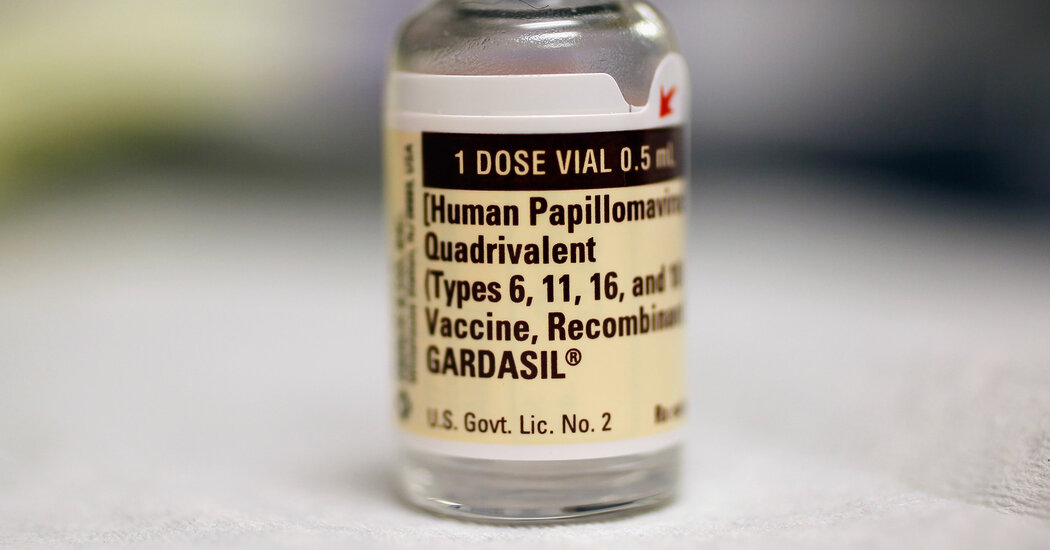
Protection may last even longer, scientists reported. The finding may be a boon to low-income countries, where cervical cancer takes an enormous toll.A single dose of the human papillomavirus vaccine is highly effective at preventing infections over three years, most likely lowering rates of cervical cancer and other diseases linked to the virus, according to a new study in Kenya.A single-dose strategy would dramatically extend supplies of the vaccine, lower costs and simplify distribution, which would make vaccination a more viable option in countries with limited resources, experts said.HPV is a sexually transmitted infection linked to cervical cancer and other malignancies. Health officials in many countries, including the United States, recommend two doses of the vaccine for adolescent girls younger than 15, and three doses for those who are older.But observational data has long suggested that a single dose offers effective protection against HPV for at least a decade. The new results are the first confirmation from a gold-standard clinical trial that a single dose may be as effective as two or three doses, at least over three years.Results of a direct comparison of one- and two-dose regimens will not be available until 2025.At least 24 countries, including Mexico, Tonga and Guyana, have shifted to the one-dose approach, according to the World Health Organization. The new evidence may convince more countries to adopt the strategy.“What we had predicted was that this would be most interesting for the low- or middle-income countries,” said Paul Bloem, a senior adviser on HPV vaccination programs at the W.H.O. But high-income countries like Britain and Australia were among the first to change their policies, he noted.The W.H.O. estimates that if widely deployed, a single-dose strategy could prevent 60 million cervical cancer cases and 45 million deaths worldwide over the next 100 years.Cervical cancer is the fourth most common type of cancer in women worldwide, with an estimated 604,000 new cases in 2020, according to the W.H.O. The disease killed an estimated 342,000 women in 2020, more than the number who died during pregnancy or childbirth.“This is a real killer of women,” said Dr. Seth Berkley, chief executive of Gavi, which funds immunization programs in lower-income nations.“It is also a disease that really kills women in the prime of their lives,” he added, “and does it in a really horrible way.”More than 95 percent of cervical cancer is caused by sexually transmitted HPV. Multiple strains of the virus are prevalent, but subtypes 16 and 18 are responsible for 70 percent of cervical cancers.The HPV vaccine debuted in 2006 and is a “near-perfect prevention intervention for cervical cancer and other HPV-associated cancers,” said Dr. Ruanne Barnabas, chief of the division of infectious diseases at Massachusetts General Hospital, who led the new study.The Food and Drug Administration approved the vaccine that year in the United States, and since then infections with the viral strains that cause cancers have dropped by more than 80 percent in the country, according to the Centers for Disease Control and Prevention.Still, about 13,000 Americans are diagnosed with cervical cancer each year; about 4,000 women die of the disease annually.HPV’s toll is much higher in low- and middle-income countries, where women have limited access to screening for cervical cancer or treatments for the disease. Roughly 90 percent of the deaths from cervical cancer in 2020 were among women who lived in resource-poor countries.In Kenya, the vaccine is currently given in two doses. But only 33 percent of girls ages 9 to 14 receive the first dose, and only 16 percent return for the second. By contrast, more than 78 percent of adolescent girls in the United States received at least one dose of the vaccine in 2021.A single-dose vaccination regimen is much easier to implement on a large scale and opens up more channels of delivery, such as village-wide campaigns and mobile clinics.“It allows an opportunity for creativity of the delivery machinery,” said Dr. Peter Dull, who leads HPV vaccine development at the Bill & Melinda Gates Foundation, which funded the study.In the KEN SHE study, researchers randomly assigned 2,275 Kenyan women ages 15 to 20 to receive a single dose of the HPV vaccine targeting subtypes 16 and 18; an HPV vaccine targeting 16, 18 and seven other subtypes; or the meningococcal vaccine, as a control.The scientists collected cervical and vaginal swabs from the women every six months and looked for persistent HPV infection up to 36 months.The vaccine had an efficacy of 98 percent against the virus subtypes 16 and 18 over three years, and 96 percent against all cancer-causing strains, the study found. No serious side effects were reported.Earlier results from the study, published last year, showed that a single dose of both vaccines was highly effective for 18 months.Based in part on that evidence, last year the W.H.O. changed its recommendation to one or two doses for girls and young women ages 9 to 20 years, and two doses with a six-month interval for women over 21. Programs funded by Gavi have so far reached only about one-third of their goal, in part because of a shortage in vaccine supply. Roughly 20 million doses were available in 2022, Dr. Berkley said, but that number is expected to more than triple by 2025.

Read more →