Canadian man charged over selling substance linked to UK deaths

Published1 day agoShareclose panelShare pageCopy linkAbout sharingImage source, Peel Regional PoliceBy Nadine YousifBBC News, TorontoCanadian police have arrested and charged a Toronto-area man they allege is linked to deaths by suicide in Canada, the UK and the US. Kenneth Law, 57, is facing two counts of counselling and aiding suicide. Peel Regional Police believe he may have sold a lethal substance online, with packages going to people in over 40 countries.His arrest comes after a recent Times investigation linked him to at least four deaths in the UK. Police said on Tuesday they began investigating the case a month ago following the sudden death of an adult in the Toronto-area. Mark Andrews, deputy chief of community policing for the Peel police, said authorities believe the person ingested a lethal substance that was sold to them by Mr Law. During the investigation, police say they became aware of a second local death allegedly linked to Mr Law, who is accused of operating several companies that provide a common food preservative, that can be deadly when ingested in certain quantities.Deputy Chief Andrews said his police force is now working with other forces in Canada and internationally to determine if more charges might be be laid. A tip line has been set up for people to come forward with any information. “We believe there could be more victims,” he said. He added police are aware of 1,200 packages sold by Mr Law that were shipped to over 40 countries, though they do not know how many may have included the substance.A report published by the Times of London last week linked Mr Law to up to seven deaths, including a 17-year-old boy in the US and four adult British citizens. One of them was 23-year-old Neha Raju, who died in the Surrey area last April. A coroner’s inquest into Ms Raju’s death revealed that she died after ingesting a substance that she purchased online.The inquest said the substance is “freely available to be purchased from the internet in lethal quantities for delivery within the UK”, and that “no protection is afforded to vulnerable people prior to them making such purchases”.Doctors in Canada have called for tighter regulation of the preservative. Speaking to the Canadian newspaper The Globe and Mail last week, Mr Law defended his actions and said that he sold a legal product. “What the person does with it? I have no control,” he told the newspaper. Mr Law is now in custody awaiting a bail hearing. His first court appearance has been scheduled for Wednesday. Under Canada’s criminal code, counselling or aiding a person to die by suicide can result in a 14-year prison sentence. If you’ve been affected by self-harm or emotional distress, help and support is available via the BBC Action LineMore on this storyCall for university duty of care after suicides25 AprilSelf-harm content to be criminalised in online bill27 November 2022

Read more →

US drug regulator approves world's first RSV vaccine

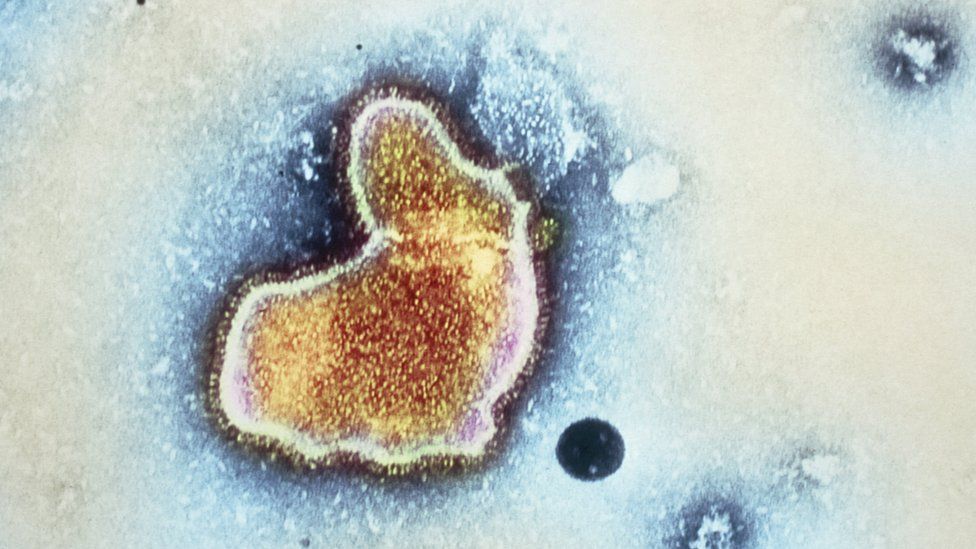
Published6 hours agoShareclose panelShare pageCopy linkAbout sharingImage source, Getty ImagesBy Max MatzaBBC NewsThe US Food and Drug Administration has approved a vaccine against respiratory syncytial virus (RSV) – an illness that kills thousands of Americans each year.The vaccine still needs approval from the US Centers for Disease Control and Prevention before it can be rolled out to the public. Officials say the vaccine, named Arexvy by the manufacturer GSK, is a major breakthrough that will save many lives. It could be available to people over 60 within months, officials say. “Today’s approval of the first RSV vaccine is an important public health achievement to prevent a disease which can be life-threatening,” said Dr Peter Marks, who leads the Center for Biologics Evaluation and Research at the Food and Drug Administration (FDA). RSV is a respiratory illness that typically results in cold-like symptoms for adults, but can be dangerous for young children, the elderly, and those with underlying health conditions.On average, it kills 100-300 children under the age of 5 in the US every year, according to the CDC. It also kills about 6,000 to 10,000 adults over 65 annually, and causes between 60,000 to 120,000 hospital admissions. In severe cases it can cause bronchiolitis, which includes a build-up of inflammation in the lungs and trouble in breathing. The drug was over 60 years in the making, and is the first to win approval to prevent RSV anywhere in the world. A study by GSK, a UK-based firm, which was published in February found a vaccine efficacy of 82.6%. Side effects were mostly “mild or moderate” and ended within two days. The most common are pain around the injection site or fatigue.How to spot RSV in childrenRSV starts with a blocked or runny nose and can progress to a dry cough, fever and sometimes breathing problemsFor most children, it will be mild and can be treated at home with infant paracetamol or ibuprofenCall a doctor or seek medical advice if your child is not feeding normally, is breathing fast or has a high temperature that will not go downCall emergency services if your child is exhausted from trying to breathe – you may see the muscles under their ribs sucking in with each breath or they may be pale and sweatyMore on this storyMother’s RSV warning as vaccine trial progresses19 FebruarySurging viruses stretch US children’s hospitals1 December 2022Doctors urge holiday caution as RSV and flu rise30 November 2022

Read more →

Eli Lilly Trial Finds Alzheimer’s Drug Can Slow Progress of Disease

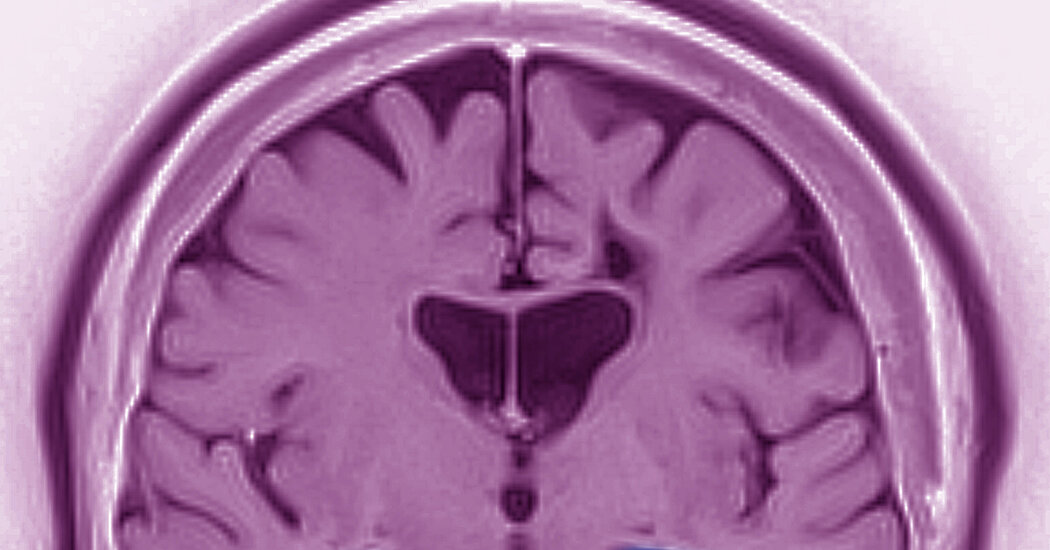
Donanemab is not a cure and comes with significant side effects, but patients had longer periods of independent living while on the drug.The drug manufacturer Eli Lilly announced on Wednesday that a clinical trial of an experimental Alzheimer’s drug showed it can slow progress of the feared disease and allow patients to have more time when they can still live independently, performing tasks like cooking meals, going to the store and driving a car.Lilly announced its results, from a trial involving 1,736 patients, in a news release, as required by the Securities and Exchange Commission. A peer-reviewed paper will follow.The drug, donanemab, is not a cure, but along with two other drugs recently approved by the Food and Drug Administration, it may be a turning point in the long and frustrating quest to find an Alzheimer’s treatment. “These all point in the same direction,” said Dr. Ronald Petersen, the director of the Alzheimer’s Disease Research Center at the Mayo Clinic. He added that the donanemab results were “modest” but “meaningful.” Dr. Petersen has done paid consulting work for pharmaceutical companies, including Lilly. He was not involved in the design or execution of any of the recent trials.Dr. Samuel Gandy, a professor of Alzheimer’s disease research at Mount Sinai, was more subdued.“Families and researchers are stuck with what we know now, which is that two drugs have a statistically meaningful but only modest clinical benefit,” he said, echoing Dr. Petersen’s assessment. He has consulted and received research support from pharmaceutical companies but was not involved in the Lilly trial.Dr. Petersen said that patients and their families must be counseled about a dire side effect of donanemab — a risk of brain swelling that can result in death. Three patients in the Lilly trial died.A similar percentage of deaths from the same side effect followed in the clinical trial of Leqembi, an F.D.A.-approved Alzheimer’s drug from the company Eisai. A third drug, Aduhelm, was also approved by the F.D.A., but is rarely used because of concerns about its effectiveness and its high price. Brain swelling was reported in its clinical trial and deaths were reported in patients taking Aduhelm after it was approved.The results come after decades of failed attempts, despair, discouragement and billions of dollars spent. Most big pharmaceutical companies simply gave up on Alzheimer’s drugs.After those failures, some researchers decided that a leading hypothesis about the disease — that it is driven by hard, Brillo-like plaques in the brain made of amyloid protein — was incorrect. But the successes of the new drugs, which attack amyloid, bolster the hypothesis.Taking the drugs is not like taking an antibiotic and seeing a fever go away. To measure the new drug’s effectiveness, the Lilly researchers instead looked at how likely patients were to progress through the categories of Alzheimer’s disease, going from mild cognitive impairment to mild dementia, or from mild to moderate dementia. These are significant changes that have a profound effect on patients and their families.The company reported that two to three out of 10 patients taking donanemab progressed over the next 18 months as compared to the expected three to four patients who did while taking a placebo.They also studied how likely it was that a patient’s disease would remain absolutely stable over a period of time.“One of the common things we always hear from patients who have Alzheimer’s but are very early in the disease is, ‘If I could just stay at this level I could get by,’” said Dr. Daniel Skovronsky, chief medical and scientific officer at Eli Lilly and Company.With the new drug, 47 percent of patients stayed stable over the subsequent year compared with 29 percent who took the placebo.In the Lilly trial, 24 percent of patients had the side effect of brain swelling and bleeding, and 6 percent had symptoms like dizziness, headache or fainting. That is twice the rate observed with Leqembi, the Eisai drug.But, Dr. Skovronsky said, it is difficult to compare data across trials because the studies had different patient populations — the Leqembi patients had less severe Alzheimer’s — and different designs. The M.R.I. scans were done on different schedules, and the way the scans are read can vary.Deaths from brain swelling and bleeding are rare, but still these drugs “are not for everyone,” Dr. Petersen said.“They do not make you better but they slow the disease,” he said.Dr. Petersen added that what is really needed is a drug that stops the disease before symptoms arise.With that goal in mind, Eisai and Lilly are testing their drugs in new studies of people who have large amounts of amyloid in their brains but no symptoms yet of Alzheimer’s.Advocacy groups applauded the data in the Lilly trial.George Vradenburg, chairman and co-founder of UsAgainstAlzheimer’s called the donanemab results “exciting news.” Lilly, along with other companies, gives the group general funding but not for any specific project.In a news release, he said, “Talk to anyone with early-stage Alzheimer’s and they will tell you that living independently and having a higher quality of life for a longer period of time are among the most important things to them.”

Read more →

Breakthrough for sweat: Health monitoring device

Sweat is more than just a sign of a good workout. It holds vital information about our health, providing clues to dehydration, fatigue, blood sugar levels and even serious conditions such as cystic fibrosis, diabetes and heart failure. Researchers at the University of Hawaii at Manoa College of Engineering have taken a giant leap forward in sweat analysis with an innovative 3D-printed wearable sweat sensor called the “sweatainer.”
Harnessing the power of additive manufacturing (3D-printing), the researchers have developed a new type of wearable sweat sensor that expands the capability of wearable sweat devices. The sweatainer is a small, wearable device similar in size to a child’s sticker that collects and analyzes sweat, offering a glimpse into the future of health monitoring. By incorporating various sensors, the sweatainer can analyze sweat in a mode similar to previous wearable sweat-sensing systems.
“3D-printing enables an entirely new design mode for wearable sweat sensors by allowing us to create fluidic networks and features with unprecedented complexity,” Department of Mechanical Engineering Assistant Professor Tyler Ray said. “With the sweatainer, we are utilizing 3D-printing to showcase the vast opportunities this approach enables for accessible, innovative and cost-effective prototyping of advanced wearable sweat devices.”
Efficient and cost-effective approach
Traditional approaches for sweat collection use absorbent pads or microbore (very narrow) tubes pressed against the epidermis (surface layer of the skin) using bands or straps to capture sweat as it emerges from the skin. These techniques require trained personnel, special handling and costly laboratory equipment. The recent emergence of wearable sweat sensors has addressed some of these challenges, but these devices still remain single-use. When the device is full, it must be removed and the sweat collection be stopped.
One unique feature of the sweatainer is its “multi-draw” sweat collection method, which allows for the collection of multiple, separate sweat samples for analysis either directly on the device or sent to a lab. Inspired by the vacutainer used in clinical blood sampling, this advancement not only makes sweat collection more efficient but also opens up new possibilities for at-home testing, storing samples for future research and integrating with existing health monitoring methods.
Field studies of the sweatainer system highlight the real-world potential of this groundbreaking technology. Through the blueprint established in the sweatainer, the researchers hope that this will continue to drive innovation to create a future where personal health monitoring is more accessible, convenient and insightful.
The findings were published in Sciences Advances on May 3.

Read more →

'Black sheep' of helper T cells may hold key to precision allergy treatment

A new Nature Immunologystudy led by University of Pittsburgh and National Institutes of Health researchers sheds light on how a rare type of helper T cell, called Th9, can drive allergic disease, suggesting new precision medicine approaches to treating allergies in patients with high levels of Th9.
“Th9 cells are kind of like the black sheep of helper T cells,” said senior author Daniella Schwartz, M.D., assistant professor of rheumatology at Pitt’s School of Medicine. “They need a perfect storm of occurrences to pop up, and they aren’t long-lived, which makes them hard to study. The other weird thing about Th9 cells is that they remain functional without seeing their antigen.”
T cells switch on when they encounter viruses, bacteria or other pathogens, causing them to ramp up production of inflammatory proteins called cytokines, which control a suite of immune responses via the JAK-STAT signaling pathway. The main “on” switch for T cells is when the T cell receptor recognizes an antigen, a specific identifying feature of a threat. Beyond this specific form of activation, there’s also another type of switch known as bystander activation, which doesn’t involve the T cell receptor.
“Bystander activation usually requires other types of dangerous signals that indicate a threat,” said Schwartz. “What’s really unusual about Th9 cells is that they can be turned on even without these dangerous signals.”
To learn more about how Th9 cells are activated in allergic responses, Schwartz and her team measured IL9, a cytokine produced by Th9 cells, in T cells from patients with atopic dermatitis, an allergic condition characterized by a dry, itchy rash, and healthy volunteers. They found that Th9 cells from the allergy patients responded to bystander activation, but not those from healthy volunteers.
“This told us that there’s some sort of checkpoint that prevents non-specific activation of Th9 cells in healthy people,” explained Schwartz. “In allergy patients, we hypothesized that the checkpoint breaks down, so you’re getting production of the cytokine even without restimulating the cells with antigen.”
In most helper T cells, when antigen binds to T cell receptor, this highly specific recognition process causes DNA in the T cell’s nucleus to unwind like thread on a spool, opening up regions of DNA that encode the production of cytokines that unleash a suite of immune responses. When the threat is eliminated, there’s no more antigen to stimulate T cell receptors and the cells turn off. But the DNA structure remains open so that the cell is poised for a possible future encounter.

Schwartz and her team found that Th9 cells have a different type of regulation. These cells are activated by transcription factors called STAT5 and STAT6, which bind to the open region DNA around IL9 to activate the gene. Unusually, the DNA closes over time, shutting down production of IL9.
In healthy people, this opening and closing mechanism acts like a checkpoint to manage immune responses being on all the time. But when this checkpoint breaks down in allergy, the DNA remains open, keeping the IL9 gene switched on and driving allergic inflammation.
In a mouse model of allergic asthma driven by Th9, blocking JAK-STAT signaling with a drug called tofacitinib, which is approved for treating rheumatoid arthritis, atopic dermatitis and other inflammatory disorders, improved disease symptoms
Analyzing data from allergic asthma patients, the researchers found that those with higher levels of Th9 cells had greater activation of STAT5 and STAT6-related genes. This finding supports the idea that Th9 could act as a biomarker to predict patients who are likely to respond to JAK inhibitors, pointing to new approaches for allergy precision medicine.
Other authors on the study are listed in the Nature Immunology paper.
This research was funded by the Intramural Research Programs of the National Institute of Allergy and Infectious Diseases and the National Institute of Arthritis and Musculoskeletal and Skin Diseases (AI001251, ZIA-AI001202, ZIA-AI001098, ZIA-AI001240 and ZIC-AR041181).

Read more →

Fundamentals of water as a solvent could lead to greener cellulose-based products

Water isn’t just a universal solvent that remains unaffected by its interactions. New publications from North Carolina State University show that water can change its solubility characteristics depending upon what it interacts with. Specifically, when water interacts with cellulose, it can stack in layered shells to control chemical reactions within, and physical properties of, the material. The work has implications for more sustainable and efficient design of cellulose-based products.
“Cellulose is the world’s most abundant biopolymer, and it’s used in applications that range from bandages to electronics,” says Lucian Lucia, professor of forest biomaterials and chemistry at NC State and corresponding author of a new study in Matter. “But cellulose processing has been mostly done by trial and error, and some of it utilizes incredibly harsh chemicals. To find better ways to process cellulose, we need to understand its most fundamental interactions — for example, with water.”
To do so, he worked with colleague Jim Martin, professor of chemistry at NC State, who studies the fundamental properties of water as a solvent.
“Water has the uncanny ability to change characteristics depending on what it’s with, which gives it wide range of solubility characteristics,” Martin says. Martin is the author of an opinion piece in Matter that is a companion to Lucia’s study.
“We change the nature of water by what we dissolve in it, and by the concentrations of those solutes in water,” Martin says. “Think of the continuum between Kool-Aid and hard candy. You start with sugar. In Kool-Aid the sugar is completely dissolved. As you remove the water, you get taffy, then hard candy, then back to crystalline sugar.”
“We know that water is critical to how cellulose is laid down,” Lucia says. “So in this study we probed how it orients itself and plays a reactive role in mitigating or leveraging chemistry.”
The researchers physically manipulated different types of wood fibers and looked at how water bound to itself and other molecules within the resulting structures. They saw that at lower water contents, the water distribution and resulting molecular interactions between the water and the fibers create bridging structures within the material that cause it to lose flexibility.
In fact, they saw that the water can “hide” itself within the cellulose network, forming strong hydrogen bonds. This bonding in turn dictates the tightness or looseness of the bridging structures.
“The water forms shells around the fibers that can stack, like a nesting Russian doll,” Martin says. “The fewer shells, or layers, the harder the fibers. But when you add more layers, the connection between fibers grows farther away and the material becomes softer.”
The researchers hope to explore the variety of bonds water forms within these structures in future work.
“Studying these interactions at the molecular level paves the way toward manipulating water in cellulose to design better products and processes,” Lucian says. “Understanding what is happening from fundamental principles lets us design approaches that take advantage of water’s properties for everything from drug delivery to designing electronics.”

Read more →

RSV Vaccine Approved for Older Adults

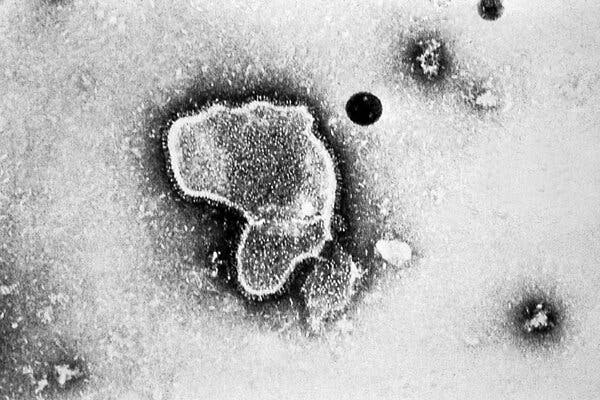
The shots would be the first vaccines available against a respiratory virus that kills thousands and leads to many more hospitalizations each year.The NewsThe Food and Drug Administration on Wednesday approved GSK’s vaccine for the respiratory syncytial virus, or R.S.V., for adults who are 60 and older, the company said. The vaccine, to be sold as Arexvy, appears to be the first in the world approved for sale to protect older adults.An transmission electron microscopic image of R.S.V.Centers for Disease Control and PreventionWhy It Matters: R.S.V. can be lethalThe F.D.A. estimates that R.S.V. is associated with 6,000 to 10,000 deaths each year in adults 65 and older and at least 60,000 hospitalizations in that age group. It is a leading killer of children worldwide.This winter, R.S.V. contributed to the “tripledemic” also involving flu and Covid cases that swamped children’s hospitals and some I.C.U. wards.Background: Benefits and risks of the shotsOn March 1, an F.D.A. advisory panel reviewed data from trials for two vaccines aimed at older adults, one from GSK and one from Pfizer. The panel recommended that the agency approve both.The GSK vaccine was nearly 83 percent effective in preventing lower respiratory tract illness in adults 60 and older in a study of about 25,000 patients, according to data published in The New England Journal of Medicine. The virus can lead to pneumonia, which is far more worrisome for older adults and especially for those with underlying medical conditions like heart and lung disease or diabetes.Pfizer’s R.S.V. vaccine for older adults is also expected to receive F.D.A. approval this month. In a large study of that shot, it was found to be nearly 67 percent effective in preventing R.S.V.-related illness.The Pfizer and GSK vaccines were even more effective in treating older and sicker patients.The advisers did learn of some rare side effects from the vaccine trials. In the days after the shots were given, two recipients of the Pfizer vaccine and one recipient of the GSK shot developed cases of Guillain-Barré, a condition where the immune system attacks the nervous system (but not the spine or brain), according to data given to the F.D.A. panel.Moderna is also developing a vaccine for R.S.V. in older adults and said it expected authorization in the first half of this year. The company said a trial of 37,000 older adults showed 82 percent efficacy of the shot. The study was completed with “no safety concerns identified,” a Moderna news release said, though the company added that safety analyses were continuing.AstraZeneca and Sanofi are also seeking F.D.A. approval of a monoclonal antibody treatment meant to protect infants and toddlers up to 2 years old from R.S.V. infections. The companies reported findings from a major study indicating that the therapy reduced confirmedillnesses by 75 percent after one shot, according to AstraZeneca.Pfizer is seeking a separate approval for an R.S.V. vaccine given in the later stages of pregnancy to protect young infants.What’s Next: When will the vaccines be available?The Centers for Disease Control and Prevention is expected to follow the F.D.A.’s approval with a recommendation for use of the R.S.V. vaccines for older adults, possibly in June. The vaccine is expected to be available in the fall at local pharmacies, clinics and other health care settings.GSK executives have said that supplies of the vaccine, which is manufactured mainly at a plant in Belgium, should be readily available once it’s approved for use. For Medicare patients with Part D drug coverage, the vaccine will be available with no out-of-pocket expense, Alison Hunt, a GSK spokeswoman, said. But the company has not released a price, although insurers typically cover vaccines.The company told investors this year that it hoped to gain approval from the European Union for its R.S.V. vaccine, and later in China. Last week, the European Medicines Agency did recommend approval of GSK’s vaccine for adults 60 and older.

Read more →

Discovery suggests route to safer pain medications

Strategies to treat pain without triggering dangerous side effects such as euphoria and addiction have proven elusive. For decades, scientists have attempted to develop drugs that selectively activate one type of opioid receptor to treat pain while not activating another type of opioid receptor linked to addiction. Unfortunately, those compounds can cause a different unwanted effect: hallucinations. But a new study led by Washington University School of Medicine in St. Louis has identified a potential route to pain relief that neither triggers addiction nor activates the pathway that causes hallucinations.
The research is published May 3 in the journal Nature.
Painkilling drugs such as morphine and oxycodone, as well as illegal street drugs such as heroin and fentanyl, activate what are known as mu opioid receptors on nerve cells. Those receptors relieve pain but also cause euphoria — the feeling of being high — and that feeling contributes to addiction. An alternative strategy is to target another opioid receptor, called the kappa opioid receptor. Scientists attempting to make drugs that target only the kappa receptor have found that they also effectively relieve pain, but they can be associated with other side effects such as hallucinations.
Researchers at the Center for Clinical Pharmacology at Washington University School of Medicine and the University of Health Sciences & Pharmacy, also in St. Louis, have identified the potential mechanisms behind such hallucinations, with the goal of developing painkillers without this side effect. Using electron microscopes, they identified the way that a natural compound related to the salvia plant selectively binds only to the kappa receptor but then causes hallucinations.
“Since 2002, scientists have been trying to learn how this small molecule causes hallucinations through kappa receptors,” said principal investigator Tao Che, PhD, an assistant professor of anesthesiology. “We determined how it binds to the receptor and activates potential hallucinogenic pathways, but we also found that other binding sites on the kappa receptor don’t lead to hallucinations.”
Developing new drugs to target these other kappa receptor binding sites may relieve pain without either the addictive problems associated with older opioids or the hallucinations associated with the existing drugs that selectively target the kappa opioid receptor.

Targeting the kappa receptor to block pain without hallucinations would be an important step forward, according to Che, because opioid drugs that interact with the mu opioid receptor have led to the current opioid epidemic, causing more than 100,000 overdose deaths in the U.S. in 2021.
“Opioids, especially synthetic opioids such as fentanyl, have contributed to far too many overdose deaths,” Che said. “There’s no doubt we need safer pain-relieving drugs.”
Che’s team, led by first author Jianming Han, PhD, a postdoctoral research associate in Che’s laboratory, found that a class of signaling proteins called G proteins cause the kappa opioid receptor to activate several different pathways.
“There are seven G proteins linked to the kappa receptor, and although they are very similar to each other, the differences between the proteins may help explain why some compounds can cause side effects such as hallucinations,” Han said. “By learning how each of the proteins binds to the kappa receptor, we expect to find ways to activate that receptor without causing hallucinations.”
The function of the G proteins has largely been unclear until now, particularly the protein that activates the pathway lined to hallucinations.
“All of these proteins are similar to one another, but the specific protein subtypes that bind to the kappa receptor determine which pathways will be activated,” Che said. “We have found that the hallucinogenic drugs can preferentially activate one specific G protein but not other, related G proteins, suggesting that beneficial effects such as pain relief can be separated from side effects such as hallucinations. So we expect it will be possible to find therapeutics that activate the kappa receptor to kill pain without also activating the specific pathway that causes hallucinations.”
e study was funded with support from the National Institute of General Medical Sciences and the National Institute of Neurological Disorders and Stroke of the National Institutes of Health (NIH). Grant numbers: R35 GM143061 and R01 NS099341.

Read more →

To boost cancer immunotherapy's fighting power, look to the gut

Cancer immunotherapy has transformed the treatment of many types of cancer. Yet, for reasons that remain poorly understood, not all patients get the same benefit from these powerful therapies.
One potent factor in treatment outcome appears to be an individual’s gut microbiota — the trillions of microorganisms that live in the human intestine — according to new research led by investigators at Harvard Medical School and Dana-Farber Cancer Institute.
The study, done in mice and published May 3 in Nature, pinpoints how gut microbes enhance the body’s response to a common type of immunotherapy known as PD-1 checkpoint blockade, currently used for the treatment of 25 forms of cancer.
The research found that specific gut bacteria can affect the activity of two immune molecules — PD-L2 and RGMb — as well as the interplay between them.
The work also showed that blocking the activity of either molecule or the interplay between them enhanced responses to cancer immunotherapy and optimized the body’s ability to detect and destroy cancer cells.
“The engagement between PD-L2 and RGMb acts as a brake on cancer-fighting T cells, and our work shows that treatment with antibodies that block the interaction of PD-L2 with RGMb releases this brake and allows T cells to eradicate tumors,” said co-senior author Arlene Sharpe, the Kolokotrones University Professor at Harvard and chair of the Department of Immunology in the Blavatnik Institute at HMS.

Sharpe co-led the research with Dennis Kasper, the William Ellery Channing Professor of Medicine and professor of immunology at HMS, and Gordon Freeman, professor of medicine at HMS and Dana-Farber.
The study also identifies the molecule RGMb as a previously unknown accomplice in sabotaging the body’s ability to spot and destroy tumors. RGMb, primarily known for its role in nervous system development, is also found on the surface of cancer-fighting T cells. Until now, however, no one knew it played a role in regulating T-cell responses to cancer immunotherapy.
If replicated in humans, the findings can inform the design of therapies that improve immunotherapy treatment outcomes, the researchers noted.
“Our findings offer a critical clue into a complex puzzle and in doing so suggest concrete ways to enhance the potency of cancer immunotherapy and improve patient outcomes,” said study co-first author Joon Seok Park, a postdoctoral research fellow in immunology in the Sharpe lab. “We propose a new approach to overcome the resistance to the current cancer immunotherapies by learning from gut bacteria that help our immune system to fight cancer.”
How cancer evades immune detection and destruction
Critical to cancer’s survival and spread is its ability to evade the body’s immune defenses. Starting in the 1990s, Sharpe and Freeman performed some of the critical early work that elucidated how cancer manages to do so.

Sharpe’s and Freeman’s work focused on two molecules, PD-L1 and PD-L2, that reside on the surface of immune cells. Their research showed that when PD-L1 or PD-L2 interact with another molecule, PD-1, on the surface of T cells, the activity of T cells is kept in check. Under normal conditions, this interaction functions as a brake on T cells to ensure they do not mistakenly attack the body’s own cells and tissues.
Sharpe, Freeman, and others discovered that cancer exploits precisely this safety mechanism to evade detection and destruction by T cells. Cancer cells do so by expressing PD-L1 and PD-L2 on their surfaces, engaging with PD-1 and reining in T cells. Cancer immunotherapies that block the interaction of PD-1 with PD-L1 or PD-L2 release the T cells’ attack against cancer and are known as immune checkpoint blockade.
Such treatments, currently used for 25 forms of cancer, have revolutionized cancer care, but a subset of patients do not benefit from them. Since the advent of these treatments, researchers have been trying to understand why.
The interplay between the immune system and the gut microbiota has been the focus of Kasper’s work for many years. His lab has identified not only mechanisms of regulation but also specific microbial molecules and microbial enzymes responsible for modulating the immune system.
The notion that gut microbes could affect cancer immunotherapy is not entirely new. Recent studies have found tantalizing clues about the role that gut microbes play in immunotherapy treatment outcomes. Until now, however, a critical question remained unanswered: How?
A new player enters the scene
In the new study, the researchers used mice whose colons were seeded with gut microbiota from patients with cancer. Some of those patients had responded well to immunotherapy, while others had not experienced much benefit. These animals’ response to immunotherapy mimicked the treatment response in the humans whose gut microbes now lived in their intestines.
Comparing the immune system profiles of the two groups of mice, the researchers identified telltale differences in various immune cells involved in cancer detection and destruction. The finding suggested that gut microbiota altered the immune cells’ behavior and, therefore, response to immunotherapy.
Mice seeded with gut microbes from patients that had themselves responded well to cancer immunotherapy had lower levels of PD-L2 on a class of immune cells known as antigen-presenting cells. These cells play a critical role in rallying the body’s immune defenses. They do so by patrolling the body for pathogens or tumors and presenting these foreign or abnormal proteins to T cells for destruction. Conversely, mice seeded with gut microbes from patients with a poor response to immunotherapy had increased levels of the PD-L2 molecule.
To tease out the effect of specific gut microbes, the researchers treated groups of mice with broad-spectrum antibiotics, which kill gut bacteria. Antibiotic-treated mice did not respond to immunotherapy that blocked the PD-1 molecule. These mice, however, had high levels of PD-L2, the other molecular brake that typically acts through PD-1. Animals that had a robust response to the same treatment had lower levels of PD-L2.
Intrigued that PD-1 blockade did not work, the researchers hypothesized that PD-L2 acts as a brake on T cells, not through PD-1 alone but through another molecular accomplice. The researchers turned their attention to RGMb, which the Freeman lab had previously shown that RGMb and PD-L2 regulated immune tolerance in lungs.
When the scientists treated the mice that had not responded to anti-PD-1 therapy alone with antibodies that blocked RGMb, these animals experienced both an increase in cancer-fighting T cells and rapid overall improvement.
“The interplay between the microbiota and immune cells in the anticancer response just got clearer, and with the identification of RGMb as PD-L2’s molecular accomplice, we have another target for cancer immunotherapy,” Freeman said.
Further analyses showed that the interaction between RGMb and PD-L2 depended on the composition of gut microbes. The researchers found that certain gut microbes could affect the levels of both molecules.
Mice with cancer whose intestines had been seeded with certain gut microbes had levels of RGMb on their T cells six times lower than animals with microbe-free guts and responded to anti-PD-L1 or anti-PD-1 therapy. In comparison, mice with depleted gut microbiota did not respond to these treatments and had higher levels of RGMb on their T cells, especially on T cells that had infiltrated their tumors.
Likewise, mice whose guts were seeded with microbiota from patients with poor treatment responses also had higher levels of RGMb, a finding suggesting that patients who do not mount a good response to cancer immunotherapy harbor higher levels of RGMb on their T cells, which in turn interferes with their immune cells’ antitumor response.
Disabling the activity of either PD-L2 or RGMb was sufficient to preserve T cells’ antitumor activity and ensured a robust response to PD-L1 and PD-1 therapy. Remarkably, blocking the activity of PD-L2 led to a potent antitumor response in animals treated with another form of cancer immunotherapy known as dendritic cell therapy. The observation suggests that modulating PD-L2 activity holds promise for boosting the response to multiple types of cancer immunotherapy.
Gut microbes as regulators of immune response
Altering the composition of the gut microbiota in different groups of mice revealed that one organism, C. cateniformis, suppressed PD-L2 levels and rendered immunotherapy more effective in mice with cancer.
Given that the human gut is home to thousands of bacterial species, this microbe is probably not the only organism capable of regulating antitumor immunity, the researchers said.
The finding suggests that specific microbial molecules can be harnessed in the form of small-molecule drugs to augment the immune system’s ability to control cancer. Such treatments could supplement or be an alternative to traditional antibody-based cancer immunotherapy.
A small-molecule approach would have the added appeal of being cheaper to develop and store and easier to deliver into the body, Sharpe noted. Small-molecule medicines are generally given as pills, while cancer immunotherapy is administered in the form of intravenously infused antibodies.
The researchers caution that while their work reveals a critical piece of the puzzle, it is likely only one of several ways in which the immune system and the microbiome interact in cancer.
“This is likely only the beginning of the story,” said Francesca Gazzaniga, co-first author on the study and a former postdoctoral researcher in the Kasper lab, now assistant professor of pathology at HMS and principal investigator at Massachusetts General Hospital. “Cancer, the immune system, and the microbiome are astoundingly complex individually, but when you put these systems together, the resulting interplay is exponentially more intricate.”
“There are likely many other ways in which the microbiome can affect cancer immunity in general and cancer immunotherapy in particular,” Kasper said. “With this work, we’ve found a whole new way of looking at how the gut microbiota affects not only the efficacy of cancer treatments but cancer immunity in general.”
Authorship, funding, disclosures
Co-authors included Meng Wu, Amalia Luthens, Jacob Gillis, Wen Zheng, and Martin LaFleur of HMS; Sarah Johnson, Golnaz Morad, Elizabeth Park, Yifan Zhou, Stephanie Watowich, and Jennifer Wargo of the University of Texas MD Anderson Cancer Center.
The work was supported by funding from Quark Ventures (grant A31696), National Institutes of Health (grants T32HD55148-10, F32CA247072-02, P50CA206963, P50CA101942, P01 AI56299, and 1F32CA260769-01), and CPRIT Training Award RP210028.
Park, Freeman, Kasper, and Sharpe are listed as inventors on a US utility application (17/311,587) covering identification of gut bacteria that promote an antitumor response to immunotherapy filed by President and Fellows of Harvard College.
Park, Freeman, Kasper, and Sharpe are listed as inventors on US utility application (17/473,083) covering methods and compositions for treating cancer or a tumor in a subject by administering to the subject a first agent that disrupts the interaction between PDL2/RGMb and a second agent that disrupts the interaction between PD-1/PD-L1 filed by President and Fellows of Harvard College.
Park, Gazzaniga, Freeman, Kasper, and Sharpe are listed as inventors on PCT patent applications (PCT/US21/50674) covering methods of treating an individual that has failed an anti-PD-1/PD-L1 therapy filed by President and Fellows of Harvard College and Dana-Farber Cancer Institute.
Park, Gazzaniga, Freeman, Kasper and Sharpe are listed as inventors on PCT patent applications (PCT/US23/12139) covering methods and compositions for treating cancer or a tumor in a subject by administering to the subject T cells with reduced RGMb expression or activity and an immune checkpoint inhibitor such as a PD-1 or PD-L1 inhibitor filed by President and Fellows of Harvard College and Dana-Farber Cancer Institute.
Park, Gazzaniga, Freeman, Kasper, and Sharpe are listed as inventors on a provisional patent application covering PD-L2 modulated dendritic cell therapy filed by President and Fellows of Harvard College and Dana-Farber Cancer Institute.
Freeman is listed as an inventor on US patent US11220545 on combination RGMb and PD-1 blockade for cancer immunotherapy assigned to Dana-Farber Cancer Institute.
Freeman and Sharpe have patents/pending royalties on the PD-1-PD-L1 pathway from Roche, Merck MSD, Bristol Myers Squibb, Merck KGA, Boehringer-Ingelheim, AstraZeneca, Dako, Leica, Mayo Clinic, and Novartis.
Freeman has a patent on RGMb in cancer immunotherapy. Freeman has served on advisory boards for Roche, Bristol Myers Squibb, Xios, Origimed, Triursus, iTeos, NextPoint, IgM, Jubilant, Trillium, GV20, IOME, and Geode. Freeman has equity in Nextpoint, Triursus, Xios, iTeos, IgM, Trillium, Invaria, GV20, and Geode.
Sharpe has patents/pending royalties on the PD-1 pathway from Roche and Novartis. She is on advisory boards for SurfaceOncology, SQZ Biotechnologies, Elpiscience, Selecta, Bicara and Monopteros, Bicara, Fibrogen,IOMEand Alixia. She also is on scientific advisory boards for the Massachusetts General Cancer Center, Program in Cellular and Molecular Medicine at Boston Children’s Hospital, the Human Oncology and Pathogenesis Program at Memorial Sloan Kettering Cancer Center, Bloomberg-Kimmel Institute for Cancer Immunotherapy, GlaxoSmithKline, and Janssen and Amgen. She is an academic editor for the Journal of Experimental Medicine, and has received research funding from Novartis, Roche, UCB, Ipsen, Merck, AbbVie, Moderna, Vertex, and Erasca unrelated to this project.
Kasper is on a scientific advisory board of IOME.
Watowich is on the advisory board for Asylia Therapeutics and reports compensation from Ridgeline Therapeutics.
Wargo reports compensation for speaker’s bureau and honoraria from Imedex, Dava Oncology, Omniprex, Illumina, Gilead, PeerView, Physician Education Resource, MedImmune, and Bristol Myers Squibb and serves as a consultant and advisory board member for Roche/Genentech, Novartis, AstraZeneca, GlaxoSmithKline, Bristol Myers Squibb, Merck, Micronoma, and Biothera Pharmaceuticals, with stock options for Micronoma.

Read more →

High-throughput experiments might ensure a better diagnosis of hereditary diseases

Researchers at the Department of Biology, University of Copenhagen, have now contributed to solving this problem for a specific gene called GCK. The study has just been published in Genome Biology.
Figure: GCK gene
Rasmus Hartmann-Petersen, Professor at the Department of Biology, explains:- “The GCK gene, which codes for the enzyme glucokinase, regulates the secretion of insulin in the pancreas. GCK gene variants can therefore cause a form of hereditary diabetes. Although the connection between GCKand diabetes has been known for several years, we have, until now, only known the effect of a few percent of the possible variants of this gene”.
Together with colleagues at the PRISM centre, UCPH, who are currently studying the effects of genetic variations, the researchers measured the effect of all of the possible variants of GCK.
PhD student Sarah Gersing, who is the first author of the article, explains:- “We used yeast cells to measure the activity of over 9000 different GCK variants. In this way, we were able to generate a list of the effects — both of already known variants, but also of variants that patients might carry, but that have not yet been discovered. This provides us with a reference for future GCK diagnostics”. 
Prof. Kresten Lindorff-Larsen, who heads the PRISM centre, continues:- “Our results are quite unique; not only have we measured the effect of several thousand variants, but for many of the variants, we can now explain what they do to the glucokinase protein. In our centre, we have gathered researchers working across a range of research fields, bridging from data analysis and biophysics to cell biology and medicine, and it is now clear how this broad approach pays off in explaining how diseases arise”.
Gene variants of GCK can, among other things, cause a form of hereditary diabetes called “GCK maturity onset diabetes of the young” (GCK-MODY).
Professor of genetics, dr. med. Torben Hansen, who is also a member of the PRISM centre, says: – “Although GCK-MODY patients exhibit elevated blood glucose levels, this is often not associated with complications. Hence, unlike other forms of diabetes, most GCK-MODY patients might therefore not need to be treated with medication. However, due to missing or inaccurate genetic data, more than half of the GCK-MODY patients are classified with having either type 1 or type 2 diabetes – and are therefore unnecessarily medicated. We estimate that approx. 1% of those who have recently been diagnosed with type 2 diabetes in Denmark have a variant in the GCK gene, meaning that they don’t need treatment, or need to be treated differently. Our new map of GCK variants can hopefully help give these patients a more correct diagnosis.”
The next step for PRISM is to transfer these methods to other genes and diseases.- “We are already well underway with genes involved in e.g., neurodegenerative diseases, and we are trying to develop precise methods that can provide us with insights on disease mechanisms”, says Rasmus Hartmann-Petersen.
 Kresten Lindorff-Larsen continues:- “Our data gives us the opportunity to test and develop computational models for variant effects, which will then be transferable to other genes and diseases.”
– “Now, we have measured the effects of almost all variants of GCK, giving us knowledge on which variants that function, and which that do not. The next step is to understand why, and how the same underlying molecular mechanisms can give rise to a wide range of different diseases”, concludes Sarah Gersing.

Read more →