AI voice coach shows promise in depression, anxiety treatment

Artificial intelligence could be a useful tool in mental health treatment, according to the results of a new pilot study led by University of Illinois Chicago researchers.
The study, which was the first to test an AI voice-based virtual coach for behavioral therapy, found changes in patients’ brain activity along with improved depression and anxiety symptoms after using Lumen, an AI voice assistant that delivered a form of psychotherapy.
The UIC team says the results, which are published in the journal Translational Psychiatry, offer encouraging evidence that virtual therapy can play a role in filling the gaps in mental health care, where waitlists and disparities in access are often hurdles that patients, particularly from vulnerable communities, must overcome to receive treatment.
“We’ve had an incredible explosion of need, especially in the wake of COVID, with soaring rates of anxiety and depression and not enough practitioners,” said Dr. Olusola A. Ajilore, UIC professor of psychiatry and co-first author of the paper. “This kind of technology may serve as a bridge. It’s not meant to be a replacement for traditional therapy, but it may be an important stop-gap before somebody can seek treatment.”
Lumen, which operates as a skill in the Amazon Alexa application, was developed by Ajilore and study senior author Dr.Jun Ma, the Beth and George Vitoux Professor of Medicine at UIC, along with collaborators at Washington University in St. Louis and Pennsylvania State University, with the support of a $2 million grant from the National Institute of Mental Health.
The UIC researchers recruited over 60 patients for the clinical study exploring the application’s effect on mild-to-moderate depression and anxiety symptoms, and activity in brain areas previously shown to be associated with the benefits of problem-solving therapy.

Two-thirds of the patients used Lumen on a study-provided iPad for eight problem-solving therapy sessions, with the rest serving as a “waitlist” control receiving no intervention.
After the intervention, study participants using the Lumen app showed decreased scores for depression, anxiety and psychological distress compared with the control group. The Lumen group also showed improvements in problem-solving skills that correlated with increased activity in the dorsolateral prefrontal cortex, a brain area associated with cognitive control. Promising results for women and underrepresented populations also were found.
“It’s about changing the way people think about problems and how to address them, and not being emotionally overwhelmed,” Ma said. “It’s a pragmatic and patient-driven behavior therapy that’s well established, which makes it a good fit for delivery using voice-based technology.”
A larger trial comparing the use of Lumen with both a control group on a waitlist, and patients receiving human-coached problem-solving therapy is currently being conducted by the researcher. They stress that the virtual coach doesn’t need to perform better than a human therapist to fill a desperate need in the mental health system.
“The way we should think about digital mental health service is not for these apps to replace humans, but rather to recognize what a gap we have between supply and demand, and then find novel, effective and safe ways to deliver treatments to individuals who otherwise do not have access, to fill that gap,” Ma said.
Co-first author of the study is Thomas Kannampallil at Washington University in St. Louis.
Other co-investigators include Aifeng Zhang, Nan Lv, Nancy E. Wittels, Corina R. Ronneberg, Vikas Kumar, Susanth Dosala, Amruta Barve, Kevin C. Tan, Kevin K. Cao, Charmi R. Patel and Emily A. Kringle, all of UIC; Joshua Smyth and Jillian A. Johnson at Pennsylvania State University; and Lan Xiao at Stanford University.

Read more →

How breast cancer arises

In what may turn out to be a long-missing piece in the puzzle of breast cancer, Harvard Medical School researchers have identified the molecular sparkplug that ignites cases of the disease currently unexplained by the classical model of breast-cancer development.
A report on the team’s work is published May 17 in Nature.
“We have identified what we believe is the original molecular trigger that initiates a cascade culminating in breast tumor development in a subset of breast cancers that are driven by estrogen,” said study senior investigator Peter Park, professor of Biomedical Informatics in the Blavatnik Institute at HMS.
The researchers said as many as one-third of breast cancer cases may arise through the newly identified mechanism.
The study also shows that the sex hormone estrogen is the culprit behind this molecular dysfunction because it directly alters a cell’s DNA.
Most, though not all, breast cancers are fueled by hormonal fluctuations. The prevailing view of estrogen’s role in breast cancer is that it acts as a catalyst for cancer growth because it stimulates the division and proliferation of breast tissue, a process that carries the risk for cancer-causing mutations. The new work, however, shows that estrogen causes mischief in a far more direct manner.

“Our work demonstrates that estrogen can directly induce genomic rearrangements that lead to cancer, so its role in breast cancer development is both that of a catalyst and a cause,” said study first author Jake Lee, a former research fellow in the Park lab who is now a medical oncology fellow at Memorial Sloan Kettering Cancer Center.
Although the work has no immediate implications for therapy, it could inform the design of tests that can track treatment response and could help doctors detect the return of tumors in patients with a history of certain breast cancers.
Birth of a cancer cell
The human body is made up of hundreds of trillions of cells. Most of these cells are constantly dividing and replicating, a process that sustains the function of organs day after day, over a lifetime.
With each division, a cell makes a copy of its chromosomes — bundles of tightly compressed DNA — into a new cell. But this process sometimes goes awry, and DNA can break. In most cases, these DNA breaks get swiftly mended by the molecular machinery that guardsthe integrity of the genome. However, every now and then, the repair of broken DNA gets botched, causing chromosomes to get misplaced or scrambled inside a cell.

Many human cancers arise in this manner during cell division, when chromosomes get rearranged and awaken dormant cancer genes that can trigger tumor growth.
One such chromosomal scramble can occur when a chromosome breaks, and a second copy of the broken chromosome is made before the break gets fixed.
Then, in what ends up being a botched repair attempt, the broken end of one chromosome is fused to the broken end of its sister copy rather than to its original partner. The resulting new structure is a misshapen, malfunctioning chromosome.
During the next cell division, the misshapen chromosome is stretched between the two emerging daughter cells and the chromosome “bridge” breaks, leaving behind shattered fragments that contain cancer genes to multiply and get activated.
Certain human cancers, including some breast cancers, arise when a cell’s chromosomes get rearranged in this way. This malfunction was first described in the 1930s by Barbara McClintock, who went on to win the Nobel Prize in Physiology or Medicine in 1983.
Cancer experts can often identify this particular aberration in tumor samples by using genomic sequencing. Yet, a portion of breast cancer cases do not harbor this mutational pattern, raising the question: What is causing these tumors?
These were the “cold” cases that intrigued study authors Park and Lee. Looking for answers, they analyzed the genomes of 780 breast cancers obtained from patients diagnosed with the disease. They expected to find the classical chromosomal disarray in most of the tumor samples, but many of the tumor cells bore no trace of this classic molecular pattern.
Instead of the classic misshapen and improperly patched-up single chromosome, they saw that two chromosomes had fused, suspiciously near “hot spots” where cancer genes are located.
Just as in McClintock’s model, these rearranged chromosomes had formed bridges, except in this case, the bridge contained two different chromosomes. This distinctive pattern was present in one-third (244) of the tumors in their analysis.
Lee and Park realized they had stumbled upon a new mechanism by which a “disfigured” chromosome is generated and then fractured to fuel the mysterious breast cancer cases.
A new role for estrogen in breast cancer?
When the researchers zoomed onto the hot spots of cancer-gene activation, they noticed that these areas were curiously close to estrogen-binding areas on the DNA.
Estrogen receptors are known to bind to certain regions of the genome when a cell is stimulated by estrogen. The researchers found that these estrogen-binding sites were frequently next to the zones where the early DNA breaks took place.
This offered a strong clue that estrogen might be somehow involved in the genomic reshuffling that gave rise to cancer-gene activation.
Lee and Park followed up on that clue by conducting experiments with breast cancer cells in a dish. They exposed the cells to estrogen and then used CRISPR gene editing to make cuts to the cells’ DNA.
As the cells mended their broken DNA, they initiated a repair chain that resulted in the same genomic rearrangement Lee and Park had discovered in their genomic analyses.
Estrogen is already known to fuel breast cancer growth by promoting the proliferation of breast cells. However, the new observations cast this hormone in a different light.
They show estrogen is a more central character in cancer genesis because it directly alters how cells repair their DNA.
The findings suggest that estrogen-suppressing drugs such as tamoxifen — often given to patients with breast cancer to prevent disease recurrence — work in a more direct manner than simply reducing breast cell proliferation.
“In light of our results, we propose that these drugs may also prevent estrogen from initiating cancer-causing genomic rearrangements in the cells, in addition to suppressing mammary cell proliferation,” Lee said.
The study could lead to improved breast cancer testing. For instance, detecting the genomic fingerprint of the chromosome rearrangement could alert oncologists that a patient’s disease is coming back, Lee said.
A similar approach to track disease relapse and treatment response is already widely used in cancers that harbor critical chromosomal translocations, including certain types of leukemias.
More broadly, the work underscores the value of DNA sequencing and careful data analysis in deepening the biology of cancer development, the researchers said.
“It all started with a single observation. We noticed that the complex pattern of mutations that we see in genome sequencing data cannot be explained by the textbook model,” Park said. “But now that we’ve put the jigsaw puzzle together, the patterns all make sense in light of the new model. This is immensely gratifying.”

Read more →

Researchers pinpoint brain cells that drive appetite in obesity

A team at the Garvan Institute of Medical Research has discovered a group of brain cells that boosts appetite when there is a prolonged surplus of energy in the body, such as excess fat accumulation in obesity.
The researchers discovered that these cells not only produced the appetite-stimulating molecule NPY, but they in fact made the brain more sensitive to the molecule, boosting appetite even more.
“These cells kickstart changes in the brain that make it more sensitive to even low levels of NPY when there is a surplus of energy in the body in the form of excess fat — driving appetite during obesity,” explains Professor Herbert Herzog, senior author of the study and Visiting Scientist at Garvan.
“Our study addresses a long-standing question about how appetite is controlled in obesity and has the potential to take the development of therapy into a new direction.”
The research was published in the journal Cell Metabolism.
The discovery of a vicious cycle
Obesity is a major public health issue and a disease that affects more than one in 10 adults and increases a person’s risk of developing other chronic conditions, such as diabetes or heart disease. While many factors can influence the development of obesity — an excessive accumulation of fat tissue in the body — eating patterns and physical activity levels are key contributors.

“Our brain has intricate mechanisms that sense how much energy is stored in our body and adjust our appetite accordingly. One way it does this is through the molecule NPY, which the brain produces naturally in response to stresses, such as hunger, to stimulate eating,” says Professor Herzog.
“When the energy we consume falls short of the energy we spend, our brain produces higher levels of NPY. When our energy intake exceeds our expenditure, NPY levels drop and we feel less hungry. However, when there is a prolonged energy surplus, such as excess body fat in obesity, NPY continues to drive appetite even at low levels. We wanted to understand why.”
In mouse models of obesity, the researchers investigated cells in the brain called neurons that produced NPY and discovered that surprisingly, 15% of them were different — they did not shut down NPY production during obesity.
“We found that under obese conditions, appetite was mostly driven by NPY produced by this subset of neurons. These cells did not only produce NPY, but also sensitised other parts of the brain to produce additional receptors or ‘docking stations’ for the molecule — supercharging appetite even further,” says Professor Herzog.
“What we have uncovered is a vicious cycle that disrupts the body’s ability to balance its energy input with energy storage and enhances obesity development.”
Wired to resist weight loss

“Our brain is wired to resist energy deficiency or weight loss, as it sees this as a threat to our survival and kickstarts mechanisms that increase our appetite so that we seek out food. As we found now, this even occurs when we have excess energy stored in the body,” Professor Herzog explains.
The researchers say their discovery opens the possibility of blocking the additional, more sensitised receptors for NPY as a new approach to developing anti-obesity medication.
“Our discovery helps us better understand the mechanisms in the brain that interfere with a balanced energy metabolism and how they may be targeted to improve health,” says Professor Herzog.

Read more →

Homo sapiens likely arose from multiple closely related populations

In testing the genetic material of current populations in Africa and comparing against existing fossil evidence of early Homo sapiens populations there, researchers have uncovered a new model of human evolution — overturning previous beliefs that a single African population gave rise to all humans. The new research was published today, May 17, in the journal Nature.
Although it is widely understood that Homo sapiens originated in Africa, uncertainty surrounds how branches of human evolution diverged and how people migrated across the continent, said Brenna Henn, professor of anthropology and the Genome Center at UC Davis, corresponding author of the research.
“This uncertainty is due to limited fossil and ancient genomic data, and to the fact that the fossil record does not always align with expectations from models built using modern DNA,” she said. “This new research changes the origin of species.”
Research co-led by Henn and Simon Gravel of McGill University tested a range of competing models of evolution and migration across Africa proposed in the paleoanthropological and genetics literature, incorporating population genome data from southern, eastern and western Africa.
The authors included newly sequenced genomes from 44 modern Nama individuals from southern Africa, an Indigenous population known to carry exceptional levels of genetic diversity compared to other modern groups. Researchers generated genetic data by collecting saliva samples from modern individuals going about their everyday business in their villages between 2012 and 2015.
The model suggests the earliest population split among early humans that is detectable in contemporary populations occurred 120,000 to 135,000 years ago, after two or more weakly genetically differentiated Homo populations had been mixing for hundreds of thousands of years. After the population split, people still migrated between the stem populations, creating a weakly structured stem. This offers a better explanation of genetic variation among individual humans and human groups than do previous models, the authors suggest.
“We are presenting something that people had never even tested before,” Henn said of the research. “This moves anthropological science significantly forward.”
“Previous more complicated models proposed contributions from archaic hominins, but this model indicates otherwise,” said co-author Tim Weaver, UC Davis professor of anthropology. He has expertise in what early human fossils looked like and provided comparative research for the study.
The authors predict that, according to this model, 1-4% of genetic differentiation among contemporary human populations can be attributed to variation in the stem populations. This model may have important consequences for the interpretation of the fossil record. Owing to migration between the branches, these multiple lineages were probably morphologically similar, which means morphologically divergent hominid fossils (such as Homo naledi) are unlikely to represent branches that contributed to the evolution of Homo sapiens, the authors said.
Additional co-authors include Aaron Ragsdale, University of Wisconsin, Madison; Elizabeth Atkinson, Baylor College of Medicine; and Eileen Hoal and Marlo Möller, Stellenbosch University, South Africa.

Read more →

How Do You Actually Help a Suicidal Teen?

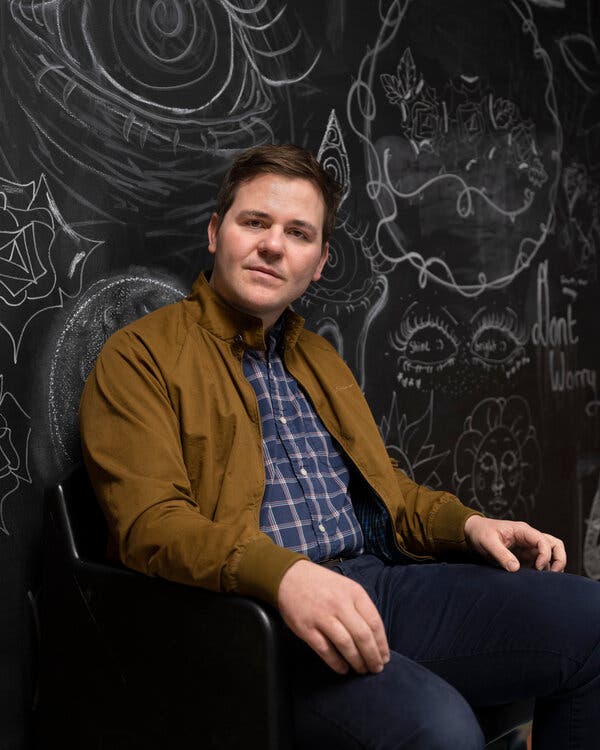
Listen to This ArticleAudio Recording by AudmEarly one morning last year, Dr. Daniel Bender, a psychiatrist at a child-and-​adolescent inpatient unit in Pittsburgh, sat in his office looking through his caseload. He had 12 patients, ages 10 to 17, half of whom had been admitted to the hospital for attempting suicide or for wrestling with ongoing thoughts about it. Some had psychotic disorders or behavioral problems. Most would stay in the hospital for several days to a couple of weeks.By 9 a.m., Bender was headed to a conference room to join his team — a psychiatric nurse, a social worker and a psychiatry resident — and to hear updates about his patients. Two colleagues, also psychiatrists, covered another 20 or so patients. And still, despite a need for mental health care that has been rising for years, only two-thirds of the beds in Bender’s unit at Western Psychiatric Hospital, which is part of the University of Pittsburgh Medical Center, were full. U.P.M.C., like many hospitals, simply lacked the staff to treat more children. Too many nurses, aides and other personnel had quit since the pandemic. Overwhelmed by the work, they had retired, sought higher paying jobs or found different careers altogether.Bender’s caseload that day included a 15-year-old boy who said he would kill himself after his parents, furious, caught him smoking weed. He was convinced his parents hated him. “Kids make threats and say things or do crazy things like that all the time, but not every parent brings them to the hospital,” Bender said to the team, wondering why the child was admitted. Then the psychiatry resident told Bender more of the boy’s story: He had not been eating or sleeping much, he had been cutting himself (a risk factor for suicide) and he showed little interest in anything, including his friends. His parents found him a therapist, who suggested he try antidepressants, but he resisted; he worried that meds would blunt his emotions. During rounds, about an hour after the conference-room meeting, Bender asked the boy what he imagined his life to be like five years from now: “All the worst things” is how Bender characterized the boy’s response to the team.Suicidal children are caught in a vortex of pain, and those around them are often unsure how to respond. Some pediatricians, as well as therapists, school counselors and others, lack the training to best help a teenager who reveals suicidal thoughts, leaving parents to wonder what to do. At what point do you take your child to the hospital? What if they refuse to go? If they have attempted suicide, do you consider residential care in a facility, where children live for weeks or months at a time? What else can you do to protect them? How do you know they won’t die the next time? You lock up your medications, your kitchen knives, your guns if you have them. You find a good therapist, if you’re lucky. But a teenager can always find a way. What alarm system, safety locks or rules guard against a desperate child’s resourcefulness?And the numbers of teenagers — in particular, girls — who are in despair about their lives is surging. Three out of five teenage girls felt persistent “sadness or hopelessness” in 2021, the highest rate in a decade, according to a Centers for Disease Control and Prevention survey released this year. And almost one in three girls (double the rate for boys) seriously considered attempting suicide; more than one in 10 girls actually tried to do so. (Though suicide rates among boys have long been greater, their feelings of sadness or hopelessness haven’t increased nearly as significantly.)Bender’s cases that day included a teenage girl who arrived on the unit a few days earlier after she tried for a second time to kill herself by attempting an overdose. (Bender never revealed the names of his patients to me.) Her parents told a psychiatry resident at the hospital that they were shocked; the suicide attempts seemed to come out of the blue. But the girl said she had had thoughts of taking her own life since fifth grade. She told the resident that a romantic breakup had been the precipitating factor. Her parents didn’t even know she was in a relationship. Two attempts in one year worried the team. Bender and the resident wanted her to enroll in what’s known as a partial hospitalization program, which runs six hours daily, five days a week and includes one-on-one therapy, group sessions with other teenagers and weekly appointments with a psychiatrist. The first time she was hospitalized after a suicide attempt, months earlier, Bender’s team recommended the same program to the family.She never went. The social worker explained that the family had no health insurance and would have to apply for Medicaid. They also didn’t have transportation to take their daughter to treatment. Bender suggested family-based therapy, in which therapists come to the home, as a start. “Is there any family therapy we can refer her to?” he asked the team. “Because I’m always hearing there are no openings.”A couple of hours later, Bender met with a third-year medical student, who had interviewed the teenager. Bender explained that the girl was fixated on being discharged: “She has one goal — to get out — and you’re in her way. What’s truly at the root of that? You are never going to get the story from her. Go through the chart. Did you notice when I walked around the table? She followed me and couldn’t turn her back on me.” To Bender, her vigilance suggested a history of trauma. And that only led to more questions: Did her parents have mental-health or substance-use issues? Did she have a history of sexual or physical abuse?Bender was reminded of another adolescent who was hospitalized a few months earlier, during the first day I spent with him on the unit. The teenager was nonbinary and had been to Western Psych multiple times, most recently after a near-fatal overdose. The mother was considering a residential facility that treated children for suicidal thoughts and attempts, among other things.Dr. Daniel Bender, a psychiatrist at the University of Pittsburgh Medical Center.Alec Soth/Magnum, for The New York TimesAt the time, Bender and a child-psychiatry fellow discussed the role that social media can play in enabling teenagers to act on their suicidal impulses. Then the fellow confessed that this case kept her up at night. “I don’t know if residential for six months is different than here for two weeks,” she told Bender. “But I get it. If it’s my kid, I want to put them in residential for safety.”Bender gets it, too. “Everyone wants to keep the kid wrapped up and protected at all times,” he said. “Maybe we can prevent a suicide by keeping them in the hospital, but maybe we can’t.” Bender warns parents about the risks of isolating children from people they love, including family members (though some chronically mentally ill children, including those with deeply dysfunctional families, may need more intensive care outside their home). “You can end up perpetuating the issue, where the kid feels progressively less seen, less heard,” he said.Experts cannot reliably forecast when someone will attempt suicide. In one prominent study of people who killed themselves, one-third of those who were screened the month before their deaths denied having suicidal thoughts at that time. “We don’t know if they weren’t truthful or if it came on quickly,” says David Brent, a psychiatrist at the University of Pittsburgh School of Medicine and one of the country’s leading experts in adolescent suicide. “Even if you can identify who is at risk, you can’t very well predict when they are at risk.”And hospitalization can do only so much: It is short-term, designed to stabilize children and then discharge them, ideally into outpatient treatment. “We’re going to discharge at the end of next week,” Bender told his team. He pointed out that the teenager seemed motivated to get better. But he acknowledged: “It’s a risk they could kill themselves. It’s the limitation of this place.”Bender, like so many pediatric and mental-health workers, finds himself on the front lines of a crisis of despair among adolescents, one that affects numerous parts of the medical system. Visits to emergency departments for children with psychiatric problems has climbed a startling 8 percent each year on average from 2015 to 2020, with suicide-​related and self-harm visits outpacing those for all other mental-health problems.There aren’t enough therapists and psychiatrists to meet the demand. The United States has only 14 child-and-adolescent psychiatrists for every 100,000 children — there are more in urban areas, fewer in rural and underserved ones — and wait times to see them can stretch to months. Pediatricians have responded by prescribing antidepressants and other psychiatric medications for children who might otherwise have relied on psychiatrists. In recent years, a growing number of pediatricians began calling U.P.M.C.’s TiPS line, a service that offers primary-care providers access to child-and-adolescent psychiatrists, according to Dr. Abigail Schlesinger, the clinical chief of child-and-adolescent psychiatry at U.P.M.C. Doctors are calling not only to ask how to prescribe psychiatric meds; they are also seeking advice for children with mental-health problems or who are thinking about suicide. They need help getting children into services. Some admit they feel at a loss. They have been considering retiring.Bender got into the field — in addition to psychiatry, he trained in psychodynamic therapy, a form of in-depth talk therapy — in part because he was the teenager whom friends confided in, and he never forgot how life can feel out of control when you are an adolescent. He wanted a career that allowed him to help children as much as possible by prescribing meds and providing therapy.Bender, who still has a boyish face at 35, wears his hair neatly combed and prefers plaid shirts (he never wears a doctor’s coat). He’s a horror-movie fan: His office décor includes a poster from “Halloween” and small figurines like Pennywise, Wolf Man and Stripe from “Gremlins.” With his patients (who don’t see him in his office), Bender plays the role of curious, open-minded confidant. By the time he gets to them, some children are, as he put it to me, “so done” — frustrated by school, parents, on-and-off-again friendships, romantic relationships, their lack of control over much of anything, life. “They are mad, so mad,” he says. One threw apple juice in his face; two girls threatened to kill him after they said they found his address on the internet. “I tell kids, please hate me if you need to,” he says. “I prefer you hate me instead of your parents.”His goal is to understand how it feels to be them, not to tell them what they need to do. “When you can’t make sense of your despair, I can make sense,” says Bender, who has won several teaching and clinical-care awards. “Not ‘expert’ sense, but a realistic sense of what may be going on. I can help them feel contained and engage them. Or not react in the same way as their family. I’m not going to understand everything while they are here. But we can find a closer gray about what the real story is. And, hopefully, help parents do so, too.”As he talked, more children were waiting at the hospital’s Psychiatric Emergency Services, six floors below. The PES (pronounced Pez) is the first stop when children and adolescents come to Western Psych’s emergency department after passing through security and handing over their phones and bags. To fill out forms, they have to use soft, bendable plastic pens, so they can’t harm themselves or others. (For the same reason, the bathrooms’ metal toilets have nondetachable seats.) TVs play cartoons, cooking shows, Hallmark movies. The only available phone is attached to the wall. Patients often spend hours in one of two pediatric waiting areas, sometimes wearing hospital gowns after having been transferred from another medical center. They sit in the blue-and-orange plastic chairs around a table with board games or in leather chairs that fold out to become single beds. Some patients stay overnight — or several nights — when Bender’s unit cannot accommodate them.Psychiatrists at PES interview children and their parents (or other caregivers) separately, to figure out if the patients needs to be admitted or if a referral for outpatient care, which can include crisis services, will be enough. Most teenagers who experience suicidal thoughts don’t need to be hospitalized and most don’t kill themselves (about 2,800 did in 2021). Psychiatrists have to weigh the possible protective factor of admitting a child against the reality of limited beds and the fact that hospitalization can make anxiety worse, which can drive adolescents away from mental health care altogether.Medical professionals use the word “suicidality” to refer to a range of thoughts and actions, from passive death wishes, like the desire to go to bed and not wake up, to more active thoughts and, at the most extreme, suicide attempts and death. Though we know a lot about some causes of suicidality — mood disorders, child abuse, substance use — experts don’t understand why the numbers have been rising, on the whole, over the last decade. Some blame social media, which can both deprive children of sleep — the lack of which is associated with increased suicidal thoughts — and increase loneliness and feelings of being left out (even as it offers helpful communities for children, especially those who feel marginalized). Since 2020, the pandemic has likely been another factor.Systemic conditions can also fuel anxiety, anger, dread and, in turn, suicidal thoughts and actions among particular groups — Black children facing trauma and persistent racism, for example, or trans children forced to use the wrong bathroom for them at school and made to feel ostracized, unseen and alone. Rates of suicidality in both populations have increased in recent years. “Ignore the social and family context at your peril,” says Brent, who has tracked the rise in adolescent suicide for years.“It’s hard to be in this field,” he says, “and watch things getting worse.”Salena Binnig spends most of her working hours trying to help teenagers feel understood and well enough that they don’t try to hurt or kill themselves. She is one of 10 therapists at U.P.M.C.’s STAR Center, which was co-founded by Brent 37 years ago. Patients arrive there via various routes, including a referral from a therapist, a psychiatrist or Western Psych. Parents, too, call STAR (which stands for Services for Teens at Risk) to make intake appointments for their children.Binnig, who is 32 and has worked at the center for four years, has an air of unassuming confidence and a broad smile. In addition to her regular appointments with patients, she sometimes checks in with them throughout the week, especially if they have been harming themselves or mentioning thoughts of suicide. She fields voice-mail messages and email from worried parents. She also runs an intensive outpatient program, known as an I.O.P., for college students and teaches a weekly class for parents to explain what their children learn in an I.O.P. In her leftover time, she occasionally talks to school counselors managing high-risk students.On a Monday afternoon earlier this year, I met with Binnig and her colleague Layne Filio in Binnig’s office during a lunch break. Each had been an intern at STAR, which is one of the few comprehensive youth suicide-prevention centers in the country.Layne Filio, a therapist.Alec Soth/Magnum, for The New York TimesDuring one of the worst periods in the pandemic, in the fall of 2020, Binnig’s typical caseload of 15 to 17 patients climbed to 29, several of whom she worried were at a high risk of suicide. For her and the rest of the staff, the responsibility was (as it continues to be) enormous. Sometimes they have had to take a child directly from a therapy session to the Western Psych’s emergency department, which is several blocks away.“In private practice,” she said, “you can just shut down your practice and say you’re full. We don’t do that.” Around the country, in fact, many therapists do have long waiting lists or have stopped taking new clients. But at STAR, the mission, Binnig said, is to do its best to meet demand, especially for high-risk teenagers. The staff also prides itself on evaluating adolescents quickly. And though the wait list to see a therapist reached six weeks at one point during the pandemic, that was shorter than at many places.Filio, who now works in a clinic for families and children, is often assigned suicidal children because, she said, “everyone knows I’m not afraid of them.” Filio is 32 with long dark hair and several tattoos. On her arm there are images of drawings by Shel Silverstein, the children’s book author, and, on one finger, three dots (“like Beyoncé,” Filio said), and two small lines on another, a symbol supposedly used by hobos in the Great Depression to mean “the sky is the limit.” She told me that the hardest stretch in her career took place last fall, during the week I first met with her. Two of her adolescent patients had been hospitalized after suicide attempts, and her concern about one of them in particular was causing her to lose sleep. The girl had just made her fourth attempt and had already gone through an intensive outpatient program. She and Filio had worked on what’s known as a safety plan for suicidality — in which, among other things, the girl listed coping strategies that might help if she felt herself entering a downward spiral. But the girl didn’t look at it later. “She does great one week and then feels awful in the moment and doesn’t know how to self-regulate,” Filio told me. Even though the girl felt a connection with Filio, Filio knew she wasn’t always telling the truth.That was just one case. Filio had so many others, including Black and L.G.B.T.Q. kids who were suffering from systemic harms. “We are holding people’s trauma for them, until they are able to hold it for themselves,” she said, “and that weighs on me. Incredibly.”Filio tries to find ways to relate on a personal level with her patients. For years she has been learning about Fortnite and talking to many of her patients about the online game. She sometimes tells teenagers about her own struggles with depression to destigmatize their feelings. And if a child who seems to need medications is wary about taking them, she reveals that she takes meds for depression.“Part of how I do therapy is to meet them where they are and take them at their word,” she said. “I don’t have any other options. I’m trying to understand what they are trying to say rather than tell them what they are trying to say, which is what it felt like when I was a kid.”Good therapists can be any age, of course, but younger therapists like Filio and Binnig can help suicidal children feel “this person gets me,” says Jonathan Singer, a suicide expert and professor of social work at Loyola University Chicago. “A key experience of being suicidal is a feeling like you don’t have a place in the world, you are a burden. You’ve failed in some fundamental way.”As Filio and I sat in a coffee shop last fall, not far from the house where she lives with her partner and dog, she looked over her list of 50 clients. “Five, six, seven, 12, um, 19,” she said, totaling how many grappled with suicidal thoughts. About half of the group were L.G.B.T.Q. Several of them had parents or other adults in their lives who wouldn’t use their pronouns, refused to accept their sexual identity or suggested that being trans or gay was a “stage.” In one case, a 13-year-old girl wanted to join an L.G.B.T.Q. support group that Filio had started, but because of her age, the girl needed parental permission. After Filio raised the prospect with the mother in an online meeting, the mother’s screen went blank. Filio never heard from her or her daughter again. According to the Trevor Project, which provides crisis services for L.G.B.T.Q. youth, children whose families don’t support their identity or who are in schools or communities that don’t accept or affirm L.G.B.T.Q. people have higher rates of attempted suicide.Families can increase the likelihood of suicide attempts, too, by rejecting the standard advice about locking up medications and guns. A 1993 study by Brent and his colleagues found that the biggest risk factor for suicide by adolescents who had no identifiable psychiatric disorder was having a loaded gun in their house. One 16-year-old girl told me the only reason she’s alive is because her parents locked up their medications.Some of the parents Binnig works with don’t fully buy into the program — they don’t want to lock up their meds and guns, they don’t like how much therapists check in with their children, they don’t believe in mental-health treatment. Binnig is known among her colleagues as the “queen of irritable parents,” because she is empathetic with parents and stays calm when they are anxious, unhappy or angry. She also tries to help parents understand why their teenagers refuse to go to school, turn in homework late or cut themselves — and that there are more supportive responses to those problems than grounding their children or taking away their phones.Then there are the parents who are so anxious and desperate for someone to alleviate their child’s pain that they blame the therapist when she can’t pull it off. When Binnig recommended to one father that his daughter might need hospitalization, in addition to continuing her therapy, he told Binnig she was incompetent.Binnig never dissuades parents from telling her what’s going on with their children — indeed, she needs to know if they are harming themselves. But sometimes parents call or email Binnig with small updates: She was in the bathroom last night crying about her boyfriend. She is spending too much time in bed. She had a fight with her best friend at school. Binnig understands the stress the parents feel, but she reminds them that she is the child’s therapist, not theirs. “ ‘I need your kid to be telling me these things,” she explains to them. “ ‘I don’t want to keep constantly saying, ‘Your mom told me this.’”As Binnig’s colleague James Russell puts it, “Therapists aren’t superheroes.” Russell’s office is just down the hall from Binnig’s, and sometimes she or other STAR therapists refer clients to him for family therapy. As one of the only Black therapists at U.P.M.C., he is in high demand by families who might be wary of white therapists or of therapy in general, given the long history of racism in psychiatry and psychology. (Among many other failings in the field, diagnoses of schizophrenia and conduct disorder are disproportionately given to Black children.) “We call it ghosts of therapy past,” Russell says, referring to the negative experiences that families have had with health care professionals. “We see it a mile away when we get these folks. Some damage has been done, and we have to repair.”Russell, who is 41, became interested in therapy after a college adviser suggested he study psychology. His family didn’t talk about strong emotions or the impact of trauma on their lives: “It didn’t feel natural or safe to do so,” he says. He also didn’t believe therapy was for people who looked like him or experienced the world as he did. Still, the psychology classes he took intrigued him and after college, and while getting his master’s degree, he worked various mental health care jobs before landing in family therapy.James Russell, a therapist.Alec Soth/Magnum, for The New York TimesBut in 2020, he decided to reduce his patient caseload and begin training and supervising U.P.M.C. staff members. Early that year, his father-in-law died. Then, in May, George Floyd was murdered by a police officer. Part of him wanted to go to protests; another part of him feared, he says, that “it could happen to me.” He also thought he could be arrested, which would leave his patients without a therapist. Months later, his own father became gravely ill. He would be on a call with his family discussing whether to remove him from life support and then have to go directly into a therapy session at which a client might start talking about her own father. He would briefly lose himself in thought. At the same time, the pandemic was raging. “It’s one of the hardest times in history,” says Russell, whose father died later that year. “And you have a mission. But then you think, Wait, is this right for me after all, or is this exactly what I expected? You’re working to make sure everyone’s OK, but you don’t have time to process your own loss and grief. With frontline staff, it’s all well and good if things are going well for us. But life stressors hit us, too.”That same fall, in 2020, as Russell wrestled with family losses and as Binnig’s caseload ballooned, a 15-year-old girl named Sophie began attending STAR, where Binnig became her therapist. Sophie quickly came to trust that with Binnig, unlike with her previous therapist, she could confess to having suicidal feelings or cutting the back of her thighs without panicking that she would be “sent away.” She liked that Binnig took her worries seriously without rushing to try to fix them or responding like an authority figure. (Binnig would not disclose details about her or any of her clients for privacy reasons. A U.P.M.C. psychiatrist put me in touch with Sophie.) She didn’t say, as others had about her cutting, “Why would you do something like that to yourself?” That only made Sophie feel worse.Sophie (who asked me to use her middle name to protect her privacy) is a thoughtful, emphatic person, with pale teal eyes. An animal lover — her bed is covered with stuffed animals — she makes her mom stop the car so she can take dead squirrels, raccoons or possums from the street and give them a proper burial in her backyard.But by late summer 2020, before she was seeing Binnig, Sophie could barely get out of bed. Her grades had fallen from As to Fs. Though her thoughts of suicide were mostly passive, her panic attacks had grown more frequent — small ones arrived every couple of days; large ones, every few weeks. A small conflict or feeling of anxiety would lead to painful memories and then ruminations in endless loops. Her body shook, her teeth chattered, she drooled and she often couldn’t speak. She felt as if she was losing her mind. She didn’t care if she lived or died. She just wanted the agony to go away.When her mother couldn’t find a psychiatrist to see her — the ones her mother called weren’t accepting new patients or had six-week waiting lists — she and her ex-husband took their daughter to Western Psych’s emergency department for an evaluation. The psychiatrist referred Sophie to STAR.Days later, Sophie had an intake session with a STAR staff member, during which they created a safety plan. The next week, when she first met with Binnig, they continued to talk about the plan, which included leaving her room if she was heading into a cycle of despair; playing with her two pet rats; and listening to a playlist she had created to distract her, with songs like “Chop Chop Slide,” by Insane Clown Posse; “Juicy,” by Doja Cat and Tyga; and “Obsessed,” by Mariah Carey. The plan also listed whom Sophie would call when she felt out of control: her mother, then two local crisis programs where she could talk to someone.Binnig encouraged Sophie to join STAR’s intensive outpatient program, too, where about 10 teenagers met for a few hours with therapists, three afternoons a week. The I.O.P. is less group therapy than a skills workshop. The program centers on dialectical behavior therapy, or D.B.T., which was developed over the past five decades by a psychologist named Marsha Linehan, who was suicidal herself. Studies suggest that D.B.T. reduces suicide attempts in adolescents experiencing high levels of suicidality. Sophie and the other adolescents learned D.B.T. techniques, including how to identify feelings of anxiety, depression, anger and disappointment and put those emotions into words. The patients can write down their feelings about suicide, but they aren’t allowed to talk about them in depth with others in their sessions, only with a therapist — teenagers, more than any other group, are vulnerable to the contagion effect in which a peer’s suicide can lead to copycat attempts.Therapists encouraged Sophie and the other teenagers to practice short-​term goals — complete a school assignment, engage more with friends, exercise — and to understand that there’s more than one way to see a situation or solve a problem, something Binnig reinforced in her sessions. And on a typical day they did a guided mindfulness exercise and worked on cognitive-behavioral-​therapy exercises like avoiding negative self-talk to challenge their thinking about their depression, anxiety or suicidal thoughts.‘Everyone here deserves nothing but kindness and relief.’The exercises aren’t always immediately effective — Binnig has had to send some patients to the hospital even after they have completed an I.O.P. more than once. Suicidality can also be like a wave that subsides only to return suddenly as an untamable swell. So it was for Sophie. After stretches of feeling stronger in 2021, that summer Sophie’s on-again-off-again girlfriend once again broke up with her. Sophie was struggling with her dad and stepmother and her feelings of abandonment. She had few friends; she had lost interest in jewelry making and playing music. The breakup felt like the final blow. As she listened to her girlfriend on the phone, Sophie began hyperventilating and sobbing in heaves; her hands and toes twitched. She wasn’t sure where she was.She hung up the phone and poured a bunch of pills into her hand. But just then her stepsister walked into her room. It was like cold water splashing in her face, awakening her. She put the pills back in the bottle.Sophie was in family therapy at that point, and the therapist encouraged her to attend a program similar to the I.O.P. but more extensive — six hours a day, five days a week. Before she got off the weekslong waiting list, she wrote in her journal that her pain felt like “a never-ending cycle and I’m losing my mind, like life is really pulling my final straws. I feel like I’m beyond coping now.”But once she started the program, Sophie felt relieved to be among people who battled similar issues. After the third day, she wrote in her journal: “Everyone here is super nice and full of a beautiful, unique mixture of struggles, talent and personality. I hope to cross paths with everyone again, someday. Everyone here deserves nothing but kindness and relief.”Still, that night she cut her thighs to distract herself from her anguish. But she also downloaded an app that helps users track self-harming behaviors and get support. And every weekday, for almost a month, she returned to the program, where she liked feeling that no one was judging her. When it was over, she resumed her weekly appointments with Binnig. Her progress was jagged for a long time, but with the help of Binnig and the coping strategies she learned, Sophie started to believe her identity extended beyond being a depressed person. She could imagine a future that would have felt impossible two years earlier. (She recently got into college with almost a full ride on tuition.) Her mother, who had become overwhelmed when Sophie wasn’t getting better, learned to stop trying to control parts of daughter’s life. She backed off making what she thought were helpful suggestions for Sophie — meditate, read self-help books, eat more, exercise — which Sophie just batted away.It’s a difficult balance for worried parents. But as Binnig told me, those who do best by their children take their problems seriously while managing to not hover over them. Ultimately, she said, “getting better has to be the child’s own process.”There is evidence that less intensive and less expensive therapeutic interventions against suicide might help children, at least those at the highest risk and, by extension, put less pressure on the medical system. For a study published in 2001, more than 800 patients in San Francisco who were hospitalized for suicidality or depression and who declined follow-up care were assigned to two groups: One had no follow-up contact and the other received periodic, typewritten letters from a health care worker who had interviewed them. The letters were brief but expressed concern and a desire to keep in touch. “It has been some time since you were here at the hospital, and we hope things are going well for you,” a typical letter read. “If you wish to drop us a note we would be glad to hear from you.” Patients in the contact group received eight letters the first year, then four letters for several years. Within two years of leaving the hospital — the span of time during which suicidal patients are most likely to kill themselves — the group that received letters was half as likely to die by suicide as the control group. Even several years later, the rate stayed lower. Since then, research has suggested that apps focused on suicide prevention may also help. Studies funded by the National Institute of Mental Health are investigating the efficacy of digital interventions that encourage children and teenagers, upon discharge from the hospital, to gauge their suicidal feelings and gives them strategies to help; another provides support for parents and tips about safety planning.Better, of course, would be reaching children far earlier. In the last two years, during which the American Academy of Pediatrics and other national children’s organizations declared a “national emergency” in child-and-adolescent mental health, President Biden’s administration began devoting hundreds of millions of dollars to mental health care. Many states have created suicide-prevention programs and efforts to connect students and families to community social services. We already know that schools that teach coping skills and ways for children to receive help when they are depressed or anxious reduce substance abuse, aggression and jail time, along with suicidal thoughts and behaviors.But for now, therapists and psychiatrists contend with an unceasing flow of children. “There are people who do this for years and years, but most of us leave after a couple years,” Binnig says, referring to STAR therapists. Many go into private practice, where they might treat lower-risk children and have more flexibility and the opportunity to make more money. Binnig isn’t sure what she will do. She loves her team; she’s invested in her patients, but she thinks about a hard day not long ago with a patient who resisted therapy and felt deeply hopeless and sad. She told Binnig that she worried she might attempt suicide, but she didn’t want to go to the hospital. She had received inpatient treatment before, and it was lousy. Binnig and another clinician called her parents, took her to the hospital and waited with her so they could be part of the evaluation. That evening, Binnig didn’t get home until 9:30.After hard days like that, Binnig usually collapses on the couch and stares at the TV with the volume low. “My husband gets it,” she says. But she is expecting their first child in August, and that gives her pause. “I wonder when I have my kids, will I be emotionally able to do the work that I do, and then come home to my kids and still have an emotional battery left?”Salena Binnig, a therapist.Alec Soth/Magnum, for The New York TimesBender knows the feeling. After a decade in this field, he’s good at compartmentalizing, but it has been impossible some days not to let cases get to him. Last year, for example, when his team was worried about the nonbinary teen who overdosed, he consulted with the child’s outpatient psychiatrist. “I have that feeling of, I’ve got to figure this case out,” he told his team. “Even though frequently you can’t in this setting.” While the teenager was hospitalized, Bender worked each day to understand their story and perspective. He regularly checked in with them: “Does this feel like we’re talking about things that matter?” Yes, they said. They also noticed how invested their mother was in family meetings, how she kept showing up and not giving up.Bender doesn’t know how the teenager is doing now. When he discharges children, he is hopeful that something from their therapeutic work sticks. (As far as he knew, only one teenager who stayed on his unit later died by suicide.) Still, some children show up in the hospital over and over. And Bender has learned not to be surprised when he sees them; patterns are not so easy to break.He has grown more patient since he was a psychiatry resident, when he often felt hopeless. No treatment was enough: not meds, not cognitive-behavioral therapy. He felt that he couldn’t save children from their agony. He became mad at the system, at the children themselves. “I felt like: What the hell is this? Nothing works,” he says. “I had to embrace my limitations, my helplessness. I only could really do this work when I started to ask: What am I capable of? Because if you feel like you’re going to ‘fix’ kids, really fix? Then you’re going to end up hating your work, because you’re going to end up disappointed.”Instead, he shifted his views about the work and his impulse to safeguard suicidal children at all costs. He began focusing on making them feel “seen and human,” as Bender puts it. “If I can help a kid feel understood and help parents understand their kids,” he told me, “that is treatment.”If you are having thoughts of suicide, call or text 988 to reach the 988 Suicide and Crisis Lifeline or go to SpeakingOfSuicide.com/resources for a list of additional resources.Maggie Jones is a contributing writer for the magazine and teaches writing at the University of Pittsburgh. She was a senior Ochberg fellow at the Dart Center for Journalism and Trauma. Sophi Miyoko Gullbrants is a Japanese American artist based in Brooklyn. Their work explores human connection and intimacy in relation to food, sex and mental health.

Read more →

Drug Shortages Near an All-Time High, Leading to Rationing

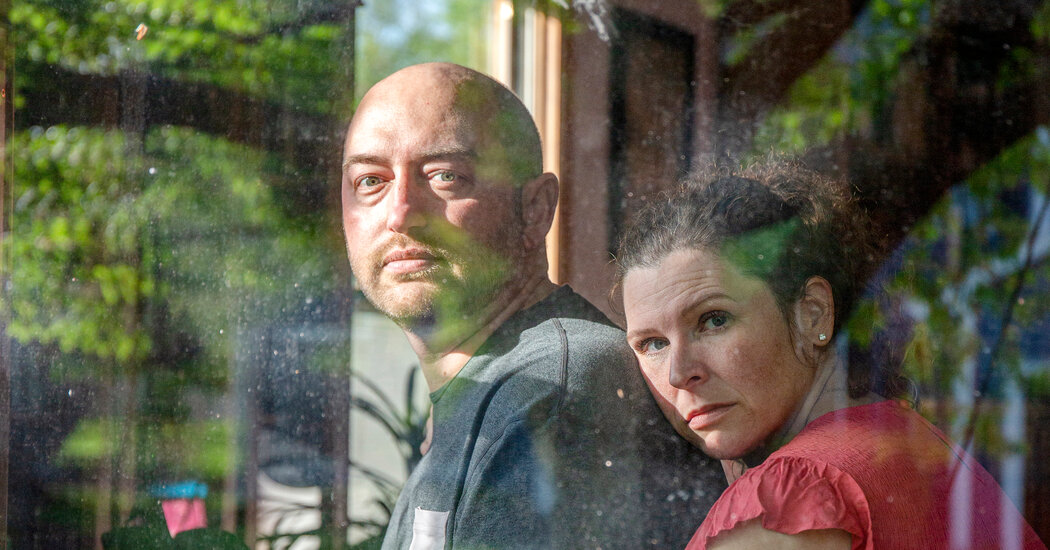
A worrisome scarcity of cancer drugs has heightened concerns about the troubled generic drug industry. Congress and the White House are seeking ways to address widespread supply problems.Thousands of patients are facing delays in getting treatments for cancer and other life-threatening diseases, with drug shortages in the United States approaching record levels.Hospitals are scouring shelves for supplies of a drug that reverses lead poisoning and for a sterile fluid needed to stop the heart for bypass surgery. Some antibiotics are still scarce following the winter flu season when doctors and patients frantically chased medicines for ailments like strep throat. Even children’s Tylenol was hard to find.Hundreds of drugs are on the list of medications in short supply in the United States, as officials grapple with an opaque and sometimes interrupted supply chain, quality and financial issues that are leading to manufacturing shutdowns.The shortages are so acute that they are commanding the attention of the White House and Congress, which are examining the underlying causes of the faltering generic drug market, which accounts for about 90 percent of domestic prescriptions.The Biden administration has assembled a team to find long-term solutions for shoring up the pharmaceutical supply chain, at a time when the United States remains heavily reliant on medicines and drug ingredients from India and China. And in recent weeks, generic drug makers, supply-chain experts and patient advocates have appeared before lawmakers to discuss the problems.The scarcity of generic forms of chemotherapy to treat lung, breast, bladder and ovarian cancers has only heightened concerns.“This is, in my opinion, a public health emergency,” said Dr. Amanda Fader, a professor at the Johns Hopkins School of Medicine and a president-elect of the Society of Gynecologic Oncology, “because of the breadth of the individuals it affects and the number of chemotherapy agents that are in shortage right now.”The American Cancer Society last week warned that delays caused by the shortages could result in worse outcomes for patients.“If these drugs are not available, people are going to get inferior care,” Dr. William Dahut, the society’s chief medical officer, said. “That’s the bottom line. These aren’t third- or fourth-line drugs where there are multiple other agents around. These are used up front for people you are trying to cure.”Ryan Dwars beat pancreatic cancer in 2021, but late last year a scan showed cancerous spots on his liver. Mr. Dwars, 39 and a father of two young girls, had hoped to receive his final four doses of chemotherapy in April.Then his doctor delivered stunning news: He didn’t make the cut of those given priority for the treatment.“The light at the end of the tunnel was within sight,” Mr. Dwars, a special education teacher in Iowa City, said. “It made it even worse to be so close — and now this.”Laura Bray, who founded a nonprofit called Angels for Change, works as a liaison among patients, health systems and drug companies to “micro-source,” as she calls it, hard-to-find medications.Dr. Robert Califf, the F.D.A. commissioner, said the agency had prevented a number of drug shortages. “Our employees can only plug a certain number of holes in a system which has got real problems,” he said.Julia Nikhinson/Reuters“Will we have the resolve and sense of urgency to fix this?’’ asked Ms. Bray, an adjunct business professor who has been providing information to the White House and Congress. “It’s possible. It can be done. It happens in other supply chains. But we have to focus on it and we have to think about ending it — instead of mitigating it. I think the jury’s out on that.”For Mr. Dwars, Ms. Bray contacted a maker of cisplatin, the chemo drug he needed and arranged for a supply to be sent within days and for others at his hospital. Some in states around the country have not been as fortunate, encountering frightening gaps between treatments.The White House team working on the broader issue of longstanding drug supply breakdowns includes national security, economic and health officials, according to James McKinney, a spokesman for the Food and Drug Administration. Bloomberg reported earlier on the White House involvement.Officials have been debating possible measures like tax incentives for generic drugmakers and greater transparency around generic drug quality. The current incentives favor drugmakers with the lowest prices, which includes those that might cut corners — leading to disruptive plant shutdowns if the F.D.A. demands a fix. (Some shortages, like those of weight-loss drugs, are the result of sky-high demand, while others have been attributed to overprescribing, including for antibiotics, or a lack of investment in potential alternatives.)The F.D.A., which employs a team of about 10 people who do the day-to-day work of mitigating and reporting drug shortages, has said it is seeking authority from Congress to get additional information about the drug manufacturing and supply chain.But the agency has also expressed its concerns to the White House about severe financial strain in the generic drug industry — an economic problem that F.D.A. officials say they are not suited to address.Dr. Robert Califf, the F.D.A. commissioner, highlighted the agency’s views during recent appearances before Congress, saying officials can only plug so many holes.“We have got to fix the core economics if we’re going to get this situation fixed,” Dr. Califf told a House panel on May 11.David Gaugh, the interim chief executive of the Association for Accessible Medicines, which represents generic drugmakers, recalled warning F.D.A. officials in an April meeting that the recent bankruptcy and shutdown of Akorn Pharmaceuticals would likely be followed by others.“Shortages are on the rise. We’ve all seen that,” Mr. Gaugh said in an interview. “And it is likely going to get worse, not better, very soon.”Mr. Gaugh cited data underscoring pressure facing the generic industry. Although the number of generic drugmakers has increased, a review by IQVIA, a health care analytics company, showed that the market has consolidated such that three buyers account for about 90 percent of generic drug purchases. The intermediaries are combined major drug distributors and retail chains, like Red Oak Sourcing, which includes CVS Health and Cardinal Health and ClarusONE, which includes Walmart and McKesson. Walgreens also has distribution agreements with AmerisourceBergen. The companies did not reply to requests for comment.The competition for the contracts with those intermediaries pits U.S. manufacturers against those in India, where labor costs are far lower. When a generic drug company can’t get a contract for a medication, it tends to stop making it and might see already-slim profits shrink.“The opportunity to get it wrong is much narrower if you’re a generic manufacturer,” Mr. Gaugh said.Hospital pharmacists and supply-chain experts were stunned in February by the abrupt shutdown of Akorn, whose products were then recalled since there was no staff remaining to address potential quality concerns.That added “insult to injury,” said Eric Tichy, a supply chain division chair at the Mayo Clinic and the board chairman of the End Drug Shortages Alliance.Akorn made roughly 100 medications, including cylinders of albuterol that children’s hospitals had relied on to ease their breathing difficulties. And it was the only company that made an antidote to lead poisoning, Dr. Tichy said.“Health is so foundational to our country functioning well,” Dr. Tichy said. “And then we have a domestic manufacturer that just goes under and there’s not a lot of action.”A respiratory therapist held a nebulizer with albuterol, one of the drugs manufactured by the shuttered pharmaceutical company Akorn, at a hospital in New Orleans.Erin Schaff/The New York TimesFour Senate bills with bipartisan sponsorship could help get generic drugs to market more quickly by addressing tactics or loopholes that cause delays. During a House hearing on the shortages Thursday, Anthony Sardella, a business research adviser at Washington University in St. Louis, said generic drug prices had fallen by about 50 percent since 2016.“But there is a high cost to low prices,” Mr. Sardella said, noting that they may lead to cost cutting that can result in quality problems.A recent case in point was Intas Pharmaceuticals, a company in India that makes three key chemotherapy drugs that are difficult to find: methotrexate, carboplatin and cisplatin, the drug Mr. Dwars needed. Intas temporarily suspended manufacturing of the drugs after the F.D.A. found serious quality-control violations.During an unannounced visit to the Intas plant, F.D.A. inspectors discovered a “truck full of” hundreds of plastic bags filled with torn and shredded documents, according to a report issued in December. One quality-control worker poured acid on torn records and stuffed them in a garbage bag, the report said.F.D.A. inspectors pieced papers together and found quality control records for products bound for the United States, the report said. The agency cited a raft of other problems as well.To ease the supply disruption, the U.S. distributor for Intas, Accord Pharmaceuticals, said a handful of lots were tested by a third party, certified and released to the U.S. market. The treatments arranged by Ms. Bray that reached patients in Iowa were among them.The companies were working with the F.D.A. to restart manufacturing for U.S. customers, a statement from Accord said, adding that it found the shredding to be an “isolated incident.”The Society of Gynecologic Oncology sent out a nationwide survey in recent weeks. In response, doctors in 35 states said they had little to no supply of key chemotherapy drugs, even at large cancer centers and teaching hospitals.Dr. Patrick Timmins, a partner of Women’s Cancer Care Associates in Albany, N.Y., said his practice ran out of some chemotherapy drugs on May 9, but still has 25 patients who need them.“Our patients are in a war, and what we’re doing is we’re taking their weapons away,” Dr. Timmins said. “It’s completely ridiculous that we can’t figure out a way, at least in the short run, to get our patients treated, and in the long run to solve these recurring problems.”When Ms. Bray met with White House staff members in late April, she said that she recommended creating an exchange, to get drugs where they were needed most, and increasing the production of small-batch medicines, often referred to as compounding.Dr. Kevin Schulman, a professor at Stanford Medicine who has studied the generic drug industry, said he had urged the White House team to examine how much power the intermediary companies have in contracting with generic drug makers. He said they demand rock-bottom prices, but unlike a customer-facing company like Apple that contracts with suppliers worldwide, the drug intermediaries face no accountability when shortages arise.Dr. Schulman said he had recommended expanded government contracting with the nonprofit Civica, which sells generic drugs at slightly inflated prices, which can help generic makers run a stable business.“The intermediaries are driving people out of the market,” Dr. Schulman said. “I think it’s a market problem and we need market-level solutions.”

Read more →

North Carolina upholds 12-week abortion ban

Published21 minutes agoShareclose panelShare pageCopy linkAbout sharingImage source, ReutersBy Bernd Debusmann JrBBC News, WashingtonNorth Carolina lawmakers have voted to override the governor’s veto of a ban on most abortions after 12 weeks. The measure was passed by the state’s Republican-controlled legislature in early May, but was vetoed by Democratic Governor Roy Cooper over the weekend. Republicans overturned the veto in back-to-back votes, prompting chants of “shame” from onlookers.The law, which cuts the window for abortion in the state down from 20 weeks, will now take effect on 1 July. On Tuesday, the state Senate voted 30-20 and the House by 72-48 to override the veto. A single Republican defector could have tipped the outcome the other way.”Shame! Shame! Shame!” protesters in the statehouse started shouting. Officially known as the Care for Women, Children and Families Act, it was passed by the state Senate along party lines on 4 May, a day after being passed by the state House of Representatives.The measure was vetoed by Governor Cooper at a rally on Saturday. He said the bill would stand “in the way of progress” and “turn the clock back 50 years on women’s health”. The legislation bans abortion at 12 weeks except in cases of rape, incest and medical emergencies. It mandates that any abortions taking place after that period be carried out in a hospital. The exceptions in the case of rape and incest are until 20 weeks of pregnancy, or in the event of a “life-limiting anomaly”, up to 24 weeks.For Supreme Court, the abortion battle is just beginningWhat comes next for the abortion pill in the US?The law also restricts use of abortions pills after 10 weeks of pregnancy and puts in place additional requirements, such as an in-person consultation with a doctor ahead of the procedure. Republicans hold slim supermajorities in both chambers of the statehouse, giving them the ability to override a veto from the Democratic governor.Near-total abortion bans have been passed by 14 states in the US since the Supreme Court ended the nationwide right to abortion last year. North Carolina saw abortions rise 37% in the wake of the Supreme Court ruling, according to the Society of Family Planning, a non-profit that advocates for abortion rights and research. The increase was largely driven by women travelling to North Carolina from other parts of the southern US, where restrictions are now largely restricted. More on this storyNorth Carolina lawmakers pass 12-week abortion banPublished5 MayTwo US hospitals broke law by denying abortionPublished2 MayNorth Dakota bans almost all abortionsPublished25 April

Read more →

Many Women Have an Intense Fear of Childbirth, Survey Suggests

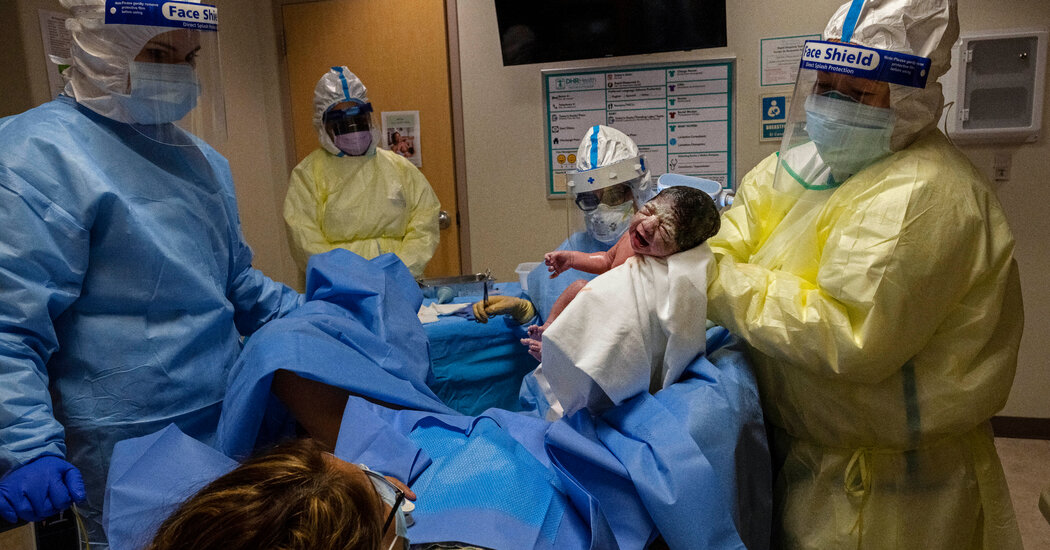
Tokophobia, as it’s called, is not often studied in the United States. But a new survey finds that it may be very common, particularly among Black women and in disadvantaged communities.When Zaneta Thayer, an anthropologist at Dartmouth College, asks students in her evolution class what words come to mind when they think of childbirth, almost all of them are negative: pain, screaming, blood, fear.Then she asks if any of the students has ever seen a woman give birth. Most have not.Curious about how cultural attitudes and expectations affect the physical experience of childbirth and its outcomes, Dr. Thayer began a study to assess the prevalence of tokophobia, the medical term for a pathological fear of childbirth.Though tokophobia has been well studied in Scandinavian countries, some of which screen pregnant women and offer treatment for it, little research has been done in the United States. Dr. Thayer’s online survey of nearly 1,800 American women found that in the early days of the pandemic, tokophobia may have affected the majority of American women: 62 percent of pregnant respondents reported high levels of fear and worry about childbirth.The results were published last month in the journal Evolution, Medicine, and Public Health.Other scientists who study childbirth said the levels of fear in the United States were higher than those reported in Europe and Australia, which are lower than 20 percent. But they noted that birthing conditions in the United States are different and that pandemic circumstances may have exacerbated fears.Some level of apprehension about childbirth is universal. It may be an adaptive behavior favored by evolution that prompts women to seek out assistance and emotional support during labor, said Karen Rosenberg, professor of anthropology at University of Delaware.“Other animals may give birth in a social context, but humans are the only primates that actively seek and routinely seek active assistance at birth,” said Wenda Trevathan, a senior scholar at the School for Advanced Research in Santa Fe, N.M., an anthropology think tank.Extreme pathological fear may be maladaptive, however, causing some women to have unnecessary cesarean sections or to refrain from becoming pregnant.The new study has limitations. The prenatal and postpartum data were collected during the first 10 months of the pandemic, when the health care system was under extreme duress. The sample was not nationally representative, consisting of a disproportionate percentage of white and higher-income women.Half of the women had never given birth, and more than one-third had experienced high-risk pregnancies.More than 80 percent of the women said that because of the pandemic, they were worried that they would not have the support person they wanted in the hospital with them while in labor, that their baby might be taken away if they were diagnosed with Covid or that they might infect their baby if they had the virus.Black mothers, who face almost three times the risk of dying from pregnancy-related complications, were almost twice as likely to have a strong fear of childbirth as white mothers.“Black women are more likely to have complications or die in childbirth,” one pregnant woman said in her response, adding that her concern was heightened because she was not assured she would have a family member or advocate in the hospital with her because of Covid. “Who’s going to speak up for me?”Women with tokophobia were almost twice as likely to go on to have a preterm birth, or a baby born before 37 weeks of gestation, the study found. Preterm babies are more likely to have health problems and are at higher risk for disability and death, often spending time in neonatal intensive care.The connection does not prove a causal relationship between fear and preterm birth. But the risk of preterm birth among women with high levels of fear and worry remained high even after adjustments were made for other factors, such as cesarean sections.The study also found links between fear and higher rates of postpartum depression and the use of formula to supplement breastfeeding. It did not find an association between tokophobia and a higher rate of cesarean sections or low birth weight among newborns.Dr. Thayer said that fear of childbirth might be “an underappreciated contributor to health inequity.”“Individuals who fear unfair treatment and discrimination in obstetrical settings likely have greater fear of childbirth, which could increase complications across the perinatal period,” she said.In the United States, Black women experience more preterm births than any other race or ethnic group; the rate is about 50 percent higher than those of white women. About 14 percent of Black infants are born preterm, compared with slightly more than 9 percent of white and Hispanic infants.Earlier studies have linked preterm birth to psychosocial stress, but this study is the first to find an association with tokophobia, Dr. Thayer said.Fear of childbirth was higher among all socially disadvantaged women, including lower-income women and those with less education, she found. Women who were single, those receiving care from an obstetrician and those having their first child were also more likely to be more fearful.Women with high-risk pregnancies and those suffering from prenatal depression were also more likely to fear childbirth, Dr. Thayer found.

Read more →

Asia is spending big to battle low birth rates – will it work?

Published1 day agoShareclose panelShare pageCopy linkAbout sharingImage source, Getty ImagesBy Mariko OiBusiness reporterFalling birth rates are a major concern for some of Asia’s biggest economies.Governments in the region are spending hundreds of billions of dollars trying to reverse the trend. Will it work?Japan began introducing policies to encourage couples to have more children in the 1990s. South Korea started doing the same in the 2000s, while Singapore’s first fertility policy dates back to 1987.China, which has seen its population fall for the first time on 60 years, recently joined the growing club.While it is difficult to quantify exactly how much these policies have cost, South Korean President Yoon Suk-yeol recently said his country had spent more than $200bn (£160bn) over the past 16 years on trying to boost the population.Yet last year South Korea broke its own record for the world’s lowest fertility rate, with the average number of babies expected per woman falling to 0.78.In neighbouring Japan, which had record low births of fewer than 800,000 last year, Prime Minister Fumio Kishida has pledged to double the budget for child-related policies from 10tn yen ($74.7bn; £59.2bn), which is just over 2% of the country’s gross domestic product.Globally, while there are more countries that are trying to lower birth rates, the number of countries wanting to increase fertility has more than tripled since 1976, according to the most recent report by the United Nations.Image source, Getty ImagesSo why do these governments want to grow their populations?Simply put, having a bigger population who can work and produce more goods and services leads to higher economic growth. And while a larger population can mean higher costs for governments, it can also result in bigger tax revenues.Also, many Asian countries are ageing rapidly. Japan leads the pack with nearly 30% of its population now over the age of 65 and some other nations in the region are not far behind.Compare that with India, which has just overtaken China as the world’s most populous nation. More than a quarter of its people are between the age of 10 and 20, which gives its economy huge potential for growth.And when the share of the working age population gets smaller, the cost and burden of looking after the non-working population grow.”Negative population growth has an impact on the economy, and combined that with an ageing population, they won’t be able to afford to support the elderly,” said Xiujian Peng of Victoria University.Most of the measures across the region to increase birth rates have been similar: payments for new parents, subsidised or free education, extra nurseries, tax incentives and expanded parental leave.But do these measures work?Data for last few decades from Japan, South Korea and Singapore shows that attempts to boost their populations have had very little impact. Japan’s finance ministry has published a study which said the policies were a failure.It is a view echoed by the United Nations.”We know from history that the types of policies which we call demographic engineering where they try to incentivise women to have more babies, they just don’t work,” Alanna Armitage of United Nations Population Fund told the BBC.”We need to understand the underlying determinants of why women are not having children, and that is often the inability of women to be able to combine their work life with their family life,” she added.But in Scandinavian countries, fertility policies have worked better than they did in Asia, according to Ms Peng.”The main reason is because they have a good welfare system and the cost of raising children is cheaper. Their gender equality is also much more balanced than in Asian countries.”Asian countries have ranked lower in comparison in the global gender gap report by the World Economic Forum.There are also major questions over how these expensive measures should be funded, especially in Japan, which is the world’s most indebted developed economy. Options under consideration in Japan include selling more government bonds, which means increasing its debt, raising its sales tax or increasing social insurance premiums.The first option adds financial burden to the future generations, while the other two would hit already struggling workers, which could convince them to have fewer children.But Antonio Fatás, professor of economics at INSEAD says regardless of whether these policies work, they have to invest in them. “Fertility rates have not increased but what if there was less support? Maybe they would be even lower,” he said.Governments are also investing in other areas to prepare their economies for shrinking populations.”China has been investing in technologies and innovations to make up for the declining labour force in order to mitigate the negative impact of the shrinking population,” said Ms Peng.Also, while it remains unpopular in countries like Japan and South Korea, lawmakers are discussing changing their immigration rules to try to entice younger workers from overseas.”Globally, the fertility rate is falling so it’ll be a race to attract young people to come and work in your country,” Ms Peng added.Whether the money is well spent on fertility policies, these governments appear to have no other choice.More on this storyWhat China’s baby woes mean for its economyPublished16 MarchMost populous nation: Should India rejoice or panic?Published1 MayJapan on the brink due to falling birth rate – PMPublished23 January

Read more →