Colorado’s Fabled Casa Bonita: South Park Creators Pour $40M Into Rebuild

Colorado’s defining features include glorious mountain peaks, vivid seasonal colors, skiing and a widespread compulsion to exercise and eat well. But for generations of Colorado children, arguably the most commonly shared experience involved Casa Bonita, a vast, filthy, poorly-lit, underground restaurant with food that many diners deemed barely edible.Casa Bonita — sprawling over 52,000 square feet in Lakewood, a Denver suburb — served steamed refried beans, tacos and enchiladas to thousands of people a day, buffet-style. The dinner entertainment was a child’s fever dream: waterfalls, cliff divers, Black Bart’s Cave, faux gold and silver mines, puppet shows and a person in a gorilla costume chased by a sheriff, who sometimes joined in the cliff diving. Casa Bonita’s curious childhood grip was chronicled in an episode of “South Park.”After that episode ran, Trey Parker and Matt Stone, the show’s creators, were regularly asked whether such a place actually existed. “Oh, that’s a place,” Mr. Parker would respond, he said recently. “It’s crazy. It’s weird.” Like so many Colorado children, Mr. Parker had held his birthday parties there.Then, in 2020, Casa Bonita went bankrupt, hit by the pandemic slump. The place was already in disrepair, crumbling from deferred maintenance, rife with electrical hazards, the ventilation systems coated with grease and the carpet encrusted into something like concrete. The jokes about the food had earned it the nickname Casa NoEata. Still, its passing was mourned.But in the coming weeks, the enormous casita will reopen with new owners: Mr. Parker and Mr. Stone, both native Coloradans, who have spent upward of $40 million to tear it down, rebuild it and, they joke, to keep everything the same, except now sanitary.“It doesn’t stink like chlorine anymore,” Mr. Stone said in an interview in late May, during the final, frantic stretch to reopen. “We could have rebuilt this twice as big, for half as much money, but we spent so much restoring it, like a piece of art.”Mr. Parker added: “And the food is excellent.”The cavern room, one of many themed dining areas.Frying plantains for the mole.Indeed, Casa Bonita returns as one of the biggest Mexican restaurants in the world, and the new executive chef, Dana Rodriguez, is a six-time James Beard Award nominee. Local fans of Casa Bonita speak of the reopening as if the beloved “Orange Crush” Denver Broncos of 1977 had been revived from a cryogenic state. More than 100,000 potential customers have signed up on the restaurant’s website to make a reservation, Mr. Stone said.“It’s its own Colorado thing,” said Rick Johnson last Friday night, when some 400 guests were invited for a test run, in the company of Mr. Stone and Mr. Parker. Mr. Johnson, 44, had come to the restaurant as a child and had now brought his own sons. “There are these certain places that bring you back — that bring the nostalgia,” he said.His son Isaac, 10, was struck by his father’s enthusiasm. “I don’t know if I’ve ever seen him more excited,” he said.Isaac had just joined a dozen other children watching a puppet show, during which a friendly taco puppet introduced a somber burrito puppet that sang an Italian aria. The puppet stage was tucked next to Black Bart’s Cave, a windy maze minded by two skeletons. Steps away, the mercado sold Casa Bonita T-shirts, mugs and other trinkets. Every 20 minutes, divers splashed from faux cliffs into a blue pool.“This is heaven on Earth,” Isaac said.Mr. Stone, smiling, took in a mariachi band near the bar. The original cost of renovations was projected at $10 million. When the figure reached $20 million, business advisers encouraged Mr. Stone and Mr. Parker to pack it in. These days, Mr. Stone said, the investment was closer to “infinity dollars.”As Mr. Parker put it, “It would be way cheaper if we just went hang gliding over volcanoes.”The Danger RoomCasa Bonita’s owners, Trey Parker, left, and Matt Stone, with a plate of sopaipillas. “We thought it would be $10 million,” Mr. Stone said of the renovation cost. Replicating the proper shade of pink was one of the more benign refurbishing challenges. “Twenty seven different tries to get the right color,” said Scott Shoemaker, who has overseen the renovations.Casa Bonita occupies a building colored a signature pink that looms like a flamingo’s neck over an outdoor shopping complex; other tenants include a Dollar Store, a Ross Dress for Less, an H&R Block and a coin-operated laundry. The restaurant first opened to the public at the same spot in 1974, patterned after another with the same name, and the same owner, that had opened in Oklahoma City a few years earlier.Finding the right shade of pink was one of the more benign refurbishing challenges, but still demanding. “Twenty seven different tries,” said Scott Shoemaker, who has overseen the renovations. Finding the right shade of gold for the lettering took nine. Some features, like the four fake deciduous trees and the 62 fake palm trees inside the restaurant, could simply be touched up: fake leaves removed, cleaned, trees repainted, leaves reattached.“There aren’t many construction projects where you have to re-frond the palms,” Mr. Shoemaker said. “Which is the name of my new band.”Other features, like the old cliff-diving pool, were actual physical hazards. It turned out that divers, once they leaped into the pool, could only exit through a 30-inch-wide underwater tunnel brimming with pipes, Mr. Shoemaker said. Then they emerged from the water into an electrical room.“There were 200 amps of power directly to the left,” Mr. Shoemaker said. “When I saw it, I called Matt and told him, ‘This is the most dangerous room I’ve ever seen.’”Cliff divers practicing their routines in a safer, much-improved pool area.The silver mine room, another themed dining area.(They have heard no reports of injuries.) The renovated pool, 14 feet deep, resembles the old one but provides the divers with a wider, relocated exit, among other changes.Other changes will be more evident to customers. There are four new bars. A new indoor ticketing plaza, meant to recall a street in Oaxaca, is intended to reduce waiting times before sitting down and eating. Some attractions, like Black Bart’s Cave, have received some narrative polish to help them make actual sense.The original Black Bart character “was a cross between a weird pirate and a bank robber,” said Chris Brion, the creative director of both “South Park” and Casa Bonita, and who goes by the nickname Crispy. “He was an amalgam of 16 different comical bad guys.” The new Black Bart, he said, was based on “the actual character who robbed stage coaches.”But part of Casa Bonita’s appeal was the thematic smorgasbord, and much of the original weirdness has been left untouched. “We sat down and talked a lot about it: We know how to clean this up, narratively,” Mr. Parker said. But they opted against, he said, and instead embraced a unifying theme of exploration.“It’s about discovery,” he said. “Little kids like to say, ‘What’s in that hole?’ There’s a lot of that.”Mole by LocaTasting the mole, which is made daily in 200-gallon batches.Executive chef Dana Rodriguez. In 1998 she applied for a job at Casa Bonita, her first, and was turned down. Since then, she has become a James Beard-nominated chef and has opened several restaurants.The whimsy of the original Casa Bonita was matched by culinary mystery: Why was the food so-so at best? “There’s got to be a place in hell for people who serve food like that,” said Victoria Gagnon, 57; she said she and her family got food poisoning after a visit to Casa Bonita in 2013.Nonetheless, she said, she was eager to go back to her favorite childhood destination. Years ago, when her father, a construction worker, received his pay, the family voted on where to dine. “Hands down, Casa Bonita,” Ms. Gagnon said. “I know it sounds corny.”During the demolition phase, one cause of Casa Bonita’s subpar cuisine became clear. “There were no ovens, no range tops,” Mr. Stone said. “It was all steamers. They steamed everything.”There were other surprises. The old gas lines leaked, and the gas service to the building had to be redone. All the drains had been plumbed improperly, allowing cooking grease to “get into the city wastewater,” Mr. Shoemaker said. The list went on.The quality of the food, at least, is being addressed by Ms. Rodriguez, who is known by the nickname Loca, owing to her relentless enthusiasm and her sailor’s vocabulary.Ms. Rodriguez immigrated from Chihuahua, Mexico, in 1998, and applied for her first job at Casa Bonita; she was turned down as being underqualified. She went on to establish and own several celebrated restaurants, including Work & Class, in Denver, and has her own Tequila brandñ Dona Loca. In 2021, when she heard that Casa Bonita might reopen under new ownership, she applied for the top job. “Now am I qualified?” she said she had asked.Her kitchen staff, numbering 110, will cook everything from scratch, in a modern, stainless-steel kitchen built to produce huge quantities. One hundred and ninety-eight gallons of mole sauce will be made for the chicken, every night. Also: enchiladas with red and green sauce; green chile-braised brisket; chile relleno, with vegan and vegetarian options, served with refried beans (not from a can, thank you very much) and rice; and of course, sopaipillas with honey.The Casa Bonita team said they were still working out the pricing, an area of uncertainty that reflected their inexperience in running a restaurant. “What we’ve come to realize over the last couple of months is, now we have a lot of work to do to make it a sustainable business,” Mr. Parker said.Not to mention balancing the weight of tradition and nostalgia, and their own high expectations.“It’s such a visceral place,” Mr. Parker said. “That’s what I hope makes it so cool.”Mr. Stone said: “That’s worth infinity dollars.”

Read more →
Ronnie Cummins, Scourge of Genetically Modified Food, Dies at 76

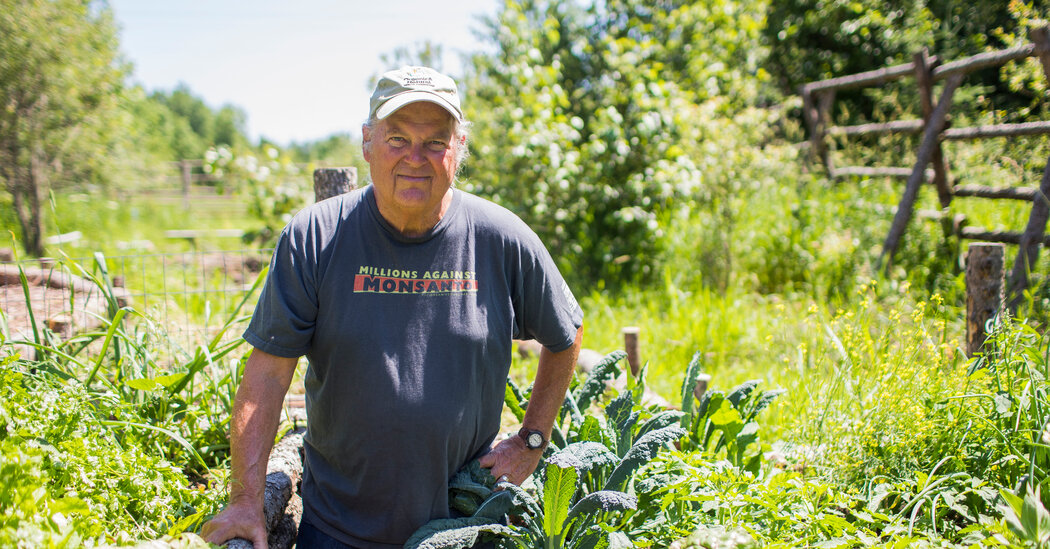
A lifelong protester, he became a leading promoter of organic food and a forceful critic of a food industry that genetically engineers what it produces and sells.Ronnie Cummins, a ponytailed activist who became one of the country’s leading advocates for organic food and a leading critic of genetically modified food, died on April 26 in San Miguel de Allende, Mexico, where he lived and worked part-time. He was 76.Rose Welch, his wife and partner in starting the Organic Consumers Association, an advocacy and informational organization, said his death, which was not widely reported at the time, was caused by bone and lymph cancer.Mr. Cummins was a lifelong activist and protester, beginning with his opposing the Vietnam War and nuclear power. He settled on organic food activism in the 1990s after he was hired as a director of the Pure Food Campaign, a lobbying group that sought to broaden awareness of the dangers of genetically engineered food while pushing for responsible labeling and government testing.Mr. Cummins worked in the field for the campaign, raising alarm at rallies and supermarkets about the perils of foods using genetically modified ingredients. He handed out leaflets, wrote opinion articles and answered consumers’ questions as a campaign spokesman.He also worked for the Beyond Beef campaign, aimed at reducing beef consumption and promoting safer methods of cattle production. Both campaigns were founded by the environmental activist and social theorist Jeremy Rifkin.Mr. Cummins “was a tough guy who could be an activist and also step back and do the intellectual homework behind what we were doing,” Mr. Rifkin said in a phone interview.“Too often activists burn out after starting out with high expectations,” he added. “But Ronnie could write, research, reflect and be open to all points of view.”One of Mr. Cummins’s frequent targets was recombinant bovine somatotropin, or bovine growth hormone, a genetically engineered hormone, produced by Monsanto, that stimulates milk production in cows.On the first day that farmers were allowed to sell milk from cows injected with the hormone, in 1994, Mr. Cummins told The Associated Press that “if we don’t slow down the technology of change with genetically engineered additives, we will be making a very major mistake in terms of human health, animal health and the survival of family farms.”He continued to rail about milk produced by hormone-treated cows after he and Ms. Welch started the Organic Consumers Association, based in Finland, Minn., in 1998.“Recombinant bovine growth hormone is bad for dairy cows, literally burning them out in three or four years, causing terrible physical stress and a long list of medical problems including reproductive complications,” Mr. Cummins wrote in The Fresno Bee in 2008.He relished battling with major brands. In 2001, he raised doubt about Starbucks’s promise not to use milk products with the hormone by asking to see its promise in writing. (The company eventually complied in 2007.) He warned about a “sneak attack engineered by the likes of Kraft, Dean Foods and Smucker’s.” To pressure companies using modified beet sugar, he threatened a protest against Hershey.Though there are unresolved questions about the effect of genetically modified organisms on biodiversity, there is a near-universal consensus among scientists that genetically modified foods are safe to eat.Most consumers do not share that view, however, a skepticism due in large part to the efforts of activists like Mr. Cummins.The safety of genetically modified food “is like global climate change, where 99 percent of scientists believe in it,” Pamela Ronald, a plant pathology professor at the University of California, Davis, told The Roanoke Times in 2013.She added, “You have scientists around the world who say genetically engineered crops are safe to eat — and then you have Ronnie Cummins.”Mr. Cummins fought for years for a labeling requirement on genetically modified food. But when Congress passed one in 2016, he considered it a victory only for food manufacturers and biotech companies.Derek Montgomery for The New York TimesMr. Cummins was born Adrian Alton Abel on Oct. 28, 1946, in Jefferson, Tex., about 20 miles from the Louisiana border. His father, Jack, was an accountant for Gulf Oil in Port Arthur, Texas, in the heart of the state’s oil industry. His mother, Elise (Stout) Abel, was a homemaker who died by suicide in 1951.In his 20s, Adrian changed his name to Ronnie Cummins, the name of a boy who was also born in 1946 and who died in 1954. Ms. Welch said he changed his name because he feared reprisals from the Ku Klux Klan for his antiwar activities at Rice University in Houston, where he had majored in English and philosophy and graduated with a bachelor’s degree in 1969.Ms. Welch said she did not know why her husband took the Cummins boy’s name in particular. She said he told her that he did not have a criminal record that he was seeking to hide with a new identity. His brother, Jack Abel Jr., said by phone that the story behind the name change “is so personal I can’t share it.”In addition to his wife and brother, Mr. Cummins is survived by his son, Adrian Cummins Welch; and his sisters, Molly Travis and Bonnie Abel.Adrian grew up among refineries and later recalled catching fish polluted by oil. But he also spent idyllic summers on his maternal grandparents’ farm, where he took care of animals and gathered eggs.“My life experience has taught me that money rules and power corrupts, and that putting profits before people and environmental health is not only wrong but deadly,” he wrote in his book “Grassroots Rising: A Call to Action on Climate, Farming, Food and Green New Deal” (2020). “Organized grass-roots power can make a big difference,” he added, “whether we’re talking about public consciousness, marketplace pressure or politics and public policy.”As a career, activism didn’t pay the bills, so he earned a living over the years as a newsstand owner at the University of Minnesota, the director of a food co-op in Burnsdale, Minn., outside Minneapolis, and a house painter. Ms. Welch waited tables.“He was pretty much a hippie,” she said in a phone interview.Both went to work for Mr. Rifkin in the 1990s, Mr. Cummins as a director, Ms. Welch as a campaign manager. They left to start the Organic Consumers Association, which supports enforcement of the U.S. Department of Agriculture’s organic food standards, produces educational material for organic consumers and businesses, and encourages public pressure campaigns on organic food issues.The “hippie” was finally earning a real salary — $112,900 in 2021.The O.C.A. has spun off two organizations: the Mexico-based Via Orgánica, an agroecology farm school and research center, in 2009, and, in 2014, Regeneration International, which advances ways to develop farming practices that rebuild degraded soil.In the view of André Leu, the international director of Regeneration International, Mr. Cummins had stood up to “the powerful elite who were monopolizing power and wealth” and were “undermining democracy, fair wages, healthy food, peace, the climate, and the environment.”A longtime goal of Mr. Cummins’s was for the government to require labeling on genetically modified food. He fought for ballot initiatives in several states and won his first major victory in Vermont, in 2014, when it became the first state to pass a labeling law.Faced with the prospect of a patchwork of state laws, Congress passed a sweeping federal labeling law in 2016.But Mr. Cummins did not consider it a victory.The law, which superseded the tougher Vermont legislation, gave companies the option of using an icon or a scannable QR code that would direct consumers to a website, instead of having to spell out the information on the package. And some foods, like highly refined sugars and oils, were exempt from the labeling requirement.Mr. Cummins, in an article on his website, called brands like Organic Valley and Stonyfield Farms “organic traitors” and accused the Grocery Manufacturers Association, the Whole Foods supermarket chain “and a cabal of sellout, nonprofit organizations” of surrendering “to Monsanto and a corporate agribusiness” by backing the legislation.“In other words business as usual,” he added, then used a buzzword for genetically modified products — “Shut up and eat your Frankenfoods.”Sheelagh McNeill

Read more →

A Cavernous Cantina Returns to Denver, Cliff Divers and All

Colorado’s defining features include glorious mountain peaks, vivid seasonal colors, skiing and a widespread compulsion to exercise and eat well. But for generations of Colorado children, arguably the most commonly shared experience involved Casa Bonita, a vast, filthy, poorly-lit, underground restaurant with food that many diners deemed barely edible.Casa Bonita — sprawling over 52,000 square feet in Lakewood, a Denver suburb — served steamed refried beans, tacos and enchiladas to thousands of people a day, buffet-style. The dinner entertainment was a child’s fever dream: waterfalls, cliff divers, Black Bart’s Cave, faux gold and silver mines, puppet shows and a person in a gorilla costume chased by a sheriff, who sometimes joined in the cliff diving. Casa Bonita’s curious childhood grip was chronicled in an episode of “South Park.”After that episode ran, Trey Parker and Matt Stone, the show’s creators, were regularly asked whether such a place actually existed. “Oh, that’s a place,” Mr. Parker would respond, he said recently. “It’s crazy. It’s weird.” Like so many Colorado children, Mr. Parker had held his birthday parties there.Then, in 2020, Casa Bonita went bankrupt, hit by the pandemic slump. The place was already in disrepair, crumbling from deferred maintenance, rife with electrical hazards, the ventilation systems coated with grease and the carpet encrusted into something like concrete. The jokes about the food had earned it the nickname Casa NoEata. Still, its passing was mourned.But in the coming weeks, the enormous casita will reopen with new owners: Mr. Parker and Mr. Stone, both native Coloradans, who have spent upward of $40 million to tear it down, rebuild it and, they joke, to keep everything the same, except now sanitary.“It doesn’t stink like chlorine anymore,” Mr. Stone said in an interview in late May, during the final, frantic stretch to reopen. “We could have rebuilt this twice as big, for half as much money, but we spent so much restoring it, like a piece of art.”Mr. Parker added: “And the food is excellent.”The cavern room, one of many themed dining areas.Frying plantains for the mole.Indeed, Casa Bonita returns as one of the biggest Mexican restaurants in the world, and the new executive chef, Dana Rodriguez, is a six-time James Beard Award nominee. Local fans of Casa Bonita speak of the reopening as if the beloved “Orange Crush” Denver Broncos of 1977 had been revived from a cryogenic state. More than 100,000 potential customers have signed up on the restaurant’s website to make a reservation, Mr. Stone said.“It’s its own Colorado thing,” said Rick Johnson last Friday night, when some 400 guests were invited for a test run, in the company of Mr. Stone and Mr. Parker. Mr. Johnson, 44, had come to the restaurant as a child and had now brought his own sons. “There are these certain places that bring you back — that bring the nostalgia,” he said.His son Isaac, 10, was struck by his father’s enthusiasm. “I don’t know if I’ve ever seen him more excited,” he said.Isaac had just joined a dozen other children watching a puppet show, during which a friendly taco puppet introduced a somber burrito puppet that sang an Italian aria. The puppet stage was tucked next to Black Bart’s Cave, a windy maze minded by two skeletons. Steps away, the mercado sold Casa Bonita T-shirts, mugs and other trinkets. Every 20 minutes, divers splashed from faux cliffs into a blue pool.“This is heaven on Earth,” Isaac said.Mr. Stone, smiling, took in a mariachi band near the bar. The original cost of renovations was projected at $10 million. When the figure reached $20 million, business advisers encouraged Mr. Stone and Mr. Parker to pack it in. These days, Mr. Stone said, the investment was closer to “infinity dollars.”As Mr. Parker put it, “It would be way cheaper if we just went hang gliding over volcanoes.”The Danger RoomCasa Bonita’s owners, Trey Parker, left, and Matt Stone, with a plate of sopaipillas. “We thought it would be $10 million,” Mr. Stone said of the renovation cost. Replicating the proper shade of pink was one of the more benign refurbishing challenges. “Twenty seven different tries to get the right color,” said Scott Shoemaker, who has overseen the renovations.Casa Bonita occupies a building colored a signature pink that looms like a flamingo’s neck over an outdoor shopping complex; other tenants include a Dollar Store, a Ross Dress for Less, an H&R Block and a coin-operated laundry. The restaurant first opened to the public at the same spot in 1974, patterned after another with the same name, and the same owner, that had opened in Oklahoma City a few years earlier.Finding the right shade of pink was one of the more benign refurbishing challenges, but still demanding. “Twenty seven different tries,” said Scott Shoemaker, who has overseen the renovations. Finding the right shade of gold for the lettering took nine. Some features, like the four fake deciduous trees and the 62 fake palm trees inside the restaurant, could simply be touched up: fake leaves removed, cleaned, trees repainted, leaves reattached.“There aren’t many construction projects where you have to re-frond the palms,” Mr. Shoemaker said. “Which is the name of my new band.”Other features, like the old cliff-diving pool, were actual physical hazards. It turned out that divers, once they leaped into the pool, could only exit through a 30-inch-wide underwater tunnel brimming with pipes, Mr. Shoemaker said. Then they emerged from the water into an electrical room.“There were 200 amps of power directly to the left,” Mr. Shoemaker said. “When I saw it, I called Matt and told him, ‘This is the most dangerous room I’ve ever seen.’”Cliff divers practicing their routines in a safer, much-improved pool area.The silver mine room, another themed dining area.(They have heard no reports of injuries.) The renovated pool, 14 feet deep, resembles the old one but provides the divers with a wider, relocated exit, among other changes.Other changes will be more evident to customers. There are four new bars. A new indoor ticketing plaza, meant to recall a street in Oaxaca, is intended to reduce waiting times before sitting down and eating. Some attractions, like Black Bart’s Cave, have received some narrative polish to help them make actual sense.The original Black Bart character “was a cross between a weird pirate and a bank robber,” said Chris Brion, the creative director of both “South Park” and Casa Bonita, and who goes by the nickname Crispy. “He was an amalgam of 16 different comical bad guys.” The new Black Bart, he said, was based on “the actual character who robbed stage coaches.”But part of Casa Bonita’s appeal was the thematic smorgasbord, and much of the original weirdness has been left untouched. “We sat down and talked a lot about it: We know how to clean this up, narratively,” Mr. Parker said. But they opted against, he said, and instead embraced a unifying theme of exploration.“It’s about discovery,” he said. “Little kids like to say, ‘What’s in that hole?’ There’s a lot of that.”Mole by LocaTasting the mole, which is made daily in 200-gallon batches.Executive chef Dana Rodriguez. In 1998 she applied for a job at Casa Bonita, her first, and was turned down. Since then, she has become a James Beard-nominated chef and has opened several restaurants.The whimsy of the original Casa Bonita was matched by culinary mystery: Why was the food so-so at best? “There’s got to be a place in hell for people who serve food like that,” said Victoria Gagnon, 57; she said she and her family got food poisoning after a visit to Casa Bonita in 2013.Nonetheless, she said, she was eager to go back to her favorite childhood destination. Years ago, when her father, a construction worker, received his pay, the family voted on where to dine. “Hands down, Casa Bonita,” Ms. Gagnon said. “I know it sounds corny.”During the demolition phase, one cause of Casa Bonita’s subpar cuisine became clear. “There were no ovens, no range tops,” Mr. Stone said. “It was all steamers. They steamed everything.”There were other surprises. The old gas lines leaked, and the gas service to the building had to be redone. All the drains had been plumbed improperly, allowing cooking grease to “get into the city wastewater,” Mr. Shoemaker said. The list went on.The quality of the food, at least, is being addressed by Ms. Rodriquez, who is known by the nickname Loca, owing to her relentless enthusiasm and her sailor’s vocabulary.Ms. Rodriquez immigrated from Chihuahua, Mexico, in 1998, and applied for her first job at Casa Bonita; she was turned down as being underqualified. She went on to establish and own several celebrated restaurants, including Work & Class, in Denver, and has her own Tequila brand, Dona Loca. In 2021, when she heard that Casa Bonita might reopen under new ownership, she applied for the top job. “Now am I qualified?” she said she had asked.Her kitchen staff, numbering 110, will cook everything from scratch, in a modern, stainless-steel kitchen built to produce huge quantities. One hundred and ninety-eight gallons of mole sauce will be made for the chicken, every night. Also: enchiladas with red and green sauce; green chile-braised brisket; chile relleno, with vegan and vegetarian options, served with refried beans (not from a can, thank you very much) and rice; and of course, sopaipillas with honey.The Casa Bonita team said they were still working out the pricing, an area of uncertainty that reflected their inexperience in running a restaurant. “What we’ve come to realize over the last couple of months is, now we have a lot of work to do to make it a sustainable business,” Mr. Parker said.Not to mention balancing the weight of tradition and nostalgia, and their own high expectations.“It’s such a visceral place,” Mr. Parker said. “That’s what I hope makes it so cool.”Mr. Stone said: “That’s worth infinity dollars.”

Read more →
Surgeons must tackle three global health challenges to save lives

Despite significant advances over the last 30 years, surgical research is still limited to comparing the benefit of one technique over another. It can be founded on assumptions that a new device or approach is always better — leading to poorly evaluated devices and procedures having negative effects on patients.
Writing in The Lancet, experts from the NIHR Global Health Research Unit for Global Surgery GlobalSurg Collaborative — a programme backed by funding from the NIHR (National Institute for Health and Care Research) — propose three priority areas for surgery: Access, equity, and public health must be recognised as crucial issues for surgery.In 2015, five billion people did not have access to safe and affordable surgical care. Of those who did, 33 million individuals faced catastrophic health expenditure in payment for surgery and anaesthesia. During the COVID-19 pandemic, over 28 million cases of elective surgery are likely to have been cancelled. Surgery has a key role in addressing the most important and growing global health challenges, such as trauma, congenital anomalies, safe childbirth, and non-communicable diseases. Inclusion and diversity must improve in both surgical research and the profession.Women, minoritised groups, and patients from low-income and middle-income countries remain under-represented in clinical practice and major research work. Advancing inclusion and diversity will ensure a research agenda that delivers pragmatic, simple, and context-specific research that reflects the needs of all patients. Climate change is the greatest global health threat facing the world.Surgical theatres are some of the most energy and resource intense areas of a hospital. Surgical practice relies on many single-use, non-biodegradable products as well as anaesthetic gases that have a large environmental footprint. Moving towards net-zero operating practices could reduce health-sector carbon emissions and allow surgeons and policy makers to reassess how surgery fits into a wider health system.
Comment co-author Dmitri Nepogodiev, from the University of Birmingham, said: “Richard Horton, Editor-in-Chief of The Lancet, once described surgical research as ‘a comic opera performance’. That was in 1996 and things have changed significantly since then.
“However, truly improving lives requires surgical researchers to use the next quarter of a century to tackle the most pressing questions on equity and access, the role of surgery in public health, and sustainability.
“Despite the problems of large waiting lists and an economic squeeze on health systems, surgeons must focus on these priority areas — placing surgery as a leader in medical specialties and demonstrating its value as a fundamental element of universal health care.”
The experts note that large, randomised controlled trials with well-defined endpoints are now more usual in surgical research, whilst exploration into the placebo effect, has led to a fundamental re-examination of the benefits of some surgical procedures and whether they benefit patients at all.
Surgeons and anaesthetists have developed successful international collaborative research efforts that have enabled rapid recruitment of participants and globally relevant studies and trials, while following internationally set standards of clinical trial practice. Surgeons can now provide reliable answers to crucial questions in operative surgery, and their research has improved patient care and resource use in health systems.

Read more →

A lung injury therapy derived from adult skin cells

Therapeutic nanocarriers engineered from adult skin cells can curb inflammation and tissue injury in damaged mouse lungs, new research shows, hinting at the promise of a treatment for lungs severely injured by infection or trauma.
Researchers conducted experiments in cell cultures and mice to demonstrate the therapeutic potential of these nanoparticles, which are extracellular vesicles similar to the ones circulating in humans’ bloodstream and biological fluids that carry messages between cells.
The hope is that a drop of solution containing these nanocarriers, delivered to the lungs via the nose, could treat acute respiratory distress syndrome (ARDS), one of the most frequent causes of respiratory failure that leads to putting patients on a ventilator. In ARDS, inflammation spiraling out of control in the lungs so seriously burdens the immune system that immune cells are unable to tend to the initial cause of the damage.
“These extracellular vesicles would be an alternative ARDS therapy that gives a fighting chance to your own immune system,” said senior author Natalia Higuita-Castro, associate professor of biomedical engineering and neurosurgery at The Ohio State University. “The issue with ARDS is that you have a shift in the normal balance that favors inflammation. By introducing the anti-inflammatory agents, you shift that balance to a more level stage so the immune system can resolve the underlying issue.”
The study was published online recently in the journal Advanced Materials.
Starting the engineering process with adult skin cells called dermal fibroblasts is a significant secret to this technology’s success, noted Higuita-Castro, also director of advanced therapeutics and engineering in the College of Medicine Davis Heart and Lung Research Institute.

Many nanocarriers are engineered from stem or progenitor cells that can differentiate into other cell types, but also have mysterious properties that aren’t yet fully understood.
“Using skin cells from adult animals is very important for us because we wanted to demonstrate the feasibility of translating this to clinical settings, where we could have a universal donor cell from adult patients,” Higuita-Castro said. “Dermal fibroblasts are easily available, we can grow them, they’re used in the clinic for grafting and wound healing, and they don’t produce an immune response like that seen with other cell sources.”
To create the vesicles, scientists apply an electrical charge to a donor skin cell to transiently open holes in its membrane, and deliver externally obtained DNA inside. The donor cell converts that genetic information into one of two anti-inflammatory proteins as well as into messenger RNA, molecules that translate instructions for the manufacture of more of those functional proteins.
Those materials are the payload inside these nanocarriers, whose surfaces are tagged with a molecule enabling interaction with specific cells to improve their retention in the lungs. In this study, separate nanocarriers were packed with one of two anti-inflammatory proteins, IL-4 or IL-10, plus mRNA for recipient cells in the lung to process and make more protein.
“The proteins have an immediate effect, and adding mRNA will give a more sustained effect,” said Higuita-Castro, also a core faculty member of Ohio State’s Gene Therapy Institute.

The different proteins were not combined into one vesicle for a reason: “Our vision for clinical applications is to have a mix-and-match platform depending on what the patient needs,” she said. “That way, we could also administer lower doses multiple times, if needed, and re-dosing with these nanocarriers will be OK because they don’t trigger a significant immune response.”
Cell culture experiments suggested these vesicles could be used as a pre-treatment in sick patients at high risk for developing ARDS. Studies in mice showed their potential to help patients who are already severely ill.
After mice were injected with a molecule that triggered high inflammation in the lung, researchers gave them a single drop of liquid loaded with engineered nanocarriers that traveled straight to their injured lungs and got to work. Inflammation was reduced as expected, but repeated experiments in the animals showed the vesicles also lowered damage to lung tissue.
Even more exciting to Higuita-Castro was a finding that cells in the treated lungs secreted substances with additional therapeutic benefits — including antioxidants and more anti-inflammatory molecules.
“Honestly, that was mind-blowing,” she said. “It’s a local treatment because it’s delivered intranasally, and it stays in the lung because we designed it that way, but it has this global effect that is really powerful.”
Finding a safe, effective treatment for ARDS is a significant medical need. The current use of ventilators and steroids comes with lots of side effects, and while the dangerous lung condition used to be relatively rare, case numbers skyrocketed during the COVID-19 pandemic.
“COVID-19 shined a light on the lack of effective therapeutic options for acute lung injury in general,” Higuita-Castro said.
There is more to do with the nanocarriers, including pinning down the precise details of all they can do to repair damaged lungs and testing the therapy in larger animals. But Higuita-Castro is optimistic about the technology’s future.
“These extracellular vesicles are naturally derived nanoparticles, and we think they’re great because nature is the best example we could have — as it has had millions of years to optimize the system,” she said.
This research was funded by Ohio State Office of Research COVID-19 seed funding and grants from the National Institutes of Health.
The work was led by co-first authors Ana Salazar-Puerta and María Rincon-Benavides. Additional Ohio State co-authors included Tatiana Cuellar-Gaviria, Julian Aldana, Lilibeth Ortega-Pineda, Devleena Das, Daniel Dodd, Charles Spencer, Binbin Deng, David McComb, Joshua Englert, Samir Ghadiali, Loren Wold and Daniel Gallego-Perez. Gabriela Vasquez Martinez and Diana Zepeda-Orozco of Nationwide Children’s Hospital also worked on the study.

Read more →

Swarming microrobots self-organize into diverse patterns

A research collaboration between Cornell and the Max Planck Institute for Intelligent Systems has found an efficient way to expand the collective behavior of swarming microrobots: Mixing different sizes of the micron-scale ‘bots enables them to self-organize into diverse patterns that can be manipulated when a magnetic field is applied. The technique even allows the swarm to “cage” passive objects and then expel them.
The approach may help inform how future microrobots could perform targeted drug release in which batches of microrobots transport and release a pharmaceutical product in the human body.
The team’s paper, “Programmable Self-Organization of Heterogeneous Microrobot Collectives,” published June 5 in Proceedings of the National Academy of Sciences.
The lead author is Steven Ceron, Ph.D. ’22, who worked in the lab of the paper’s co-senior author, Kirstin Petersen, assistant professor and an Aref and Manon Lahham Faculty Fellow in the Department of Electrical and Computer Engineering in Cornell Engineering.
Petersen’s Collective Embodied Intelligence Lab has been studying a range of methods — from algorithms and classical control to physical intelligence — to coax large robot collectives into behaving intelligently, often by leveraging the robots’ interactions with their environment and each other. However, this approach is exceedingly difficult when applied to microscale technologies, which aren’t big enough to accommodate onboard computation.
To tackle this challenge, Ceron and Petersen teamed up with the paper’s co-authors, Gaurav Gardi and Metin Sitti, from the Max Planck Institute for Intelligent Systems in Stuttgart, Germany. Gardi and Sitti specialize in developing microscale systems that are driven by magnetic fields.

“The difficulty is how to enable useful behaviors in a swarm of robots that have no means of computation, sensing or communication,” Petersen said. “In our last paper, we showed that by using a single global signal we could actuate robots, in turn affecting their pairwise interactions to produce collective motion, contact- and non-contact-based manipulation of objects. Now we have shown that we can expand that repertoire of behaviors even further, simply by using different sizes of microrobots together, such that their pairwise interactions become asymmetric.”
The microrobots in this case are 3D-printed polymer discs, each roughly the width of a human hair, that have been sputter-coated with a thin layer of a ferromagnetic material and set in a 1.5-centimeter-wide pool of water.
The researchers applied two orthogonal external oscillating magnetic fields and adjusted their amplitude and frequency, causing each microrobot to spin on its center axis and generate its own flows. This movement in turn produced a series of magnetic, hydrodynamic and capillary forces.
“By changing the global magnetic field, we can change the relative magnitudes of those forces, ” Petersen said. “And that changes the overall behavior of the swarm.”
By using microrobots of varying size, the researchers demonstrated they could control the swarm’s level of self-organization and how the microrobots assembled, dispersed and moved. The researchers were able to: change the overall shape of the swarm from circular to elliptical; force similarly sized microrobots to cluster together into subgroups; and adjust the spacing between individual microrobots so that the swarm could collectively capture and expel external objects.

“The reason why we’re always excited when the systems are capable of caging and expulsion is that you could, for example, drink a vial with little microrobots that are completely inert to your human body, have them cage and transport medicine, and then bring it to the right point in your body and release it,” Petersen said. “It’s not perfect manipulation of objects, but in the behaviors of these microscale systems we’re starting to see a lot of parallels to more sophisticated robots despite their lack of computation, which is pretty exciting.”
Ceron and Petersen used a swarming oscillator model — or swarmalator — to characterize precisely how the asymmetric interactions between different-sized disks enabled their self-organization.
Now that the team has shown that the swarmalator fits such a complex system, they hope the model can also be used to predict new and previously unseen swarming behaviors.
“With the swarmalator model, we can abstract away the physical interactions and summarize them as phase interactions between swarming oscillators, which means we can apply this model, or similar ones, to characterize the behaviors in diverse microrobot swarms,” said Ceron, currently a postdoctoral fellow at Massachusetts Institute of Technology. “Now we can develop and study magnetic microrobot collective behaviors and possibly use the swarmalator model to predict behaviors that will be possible through future designs of these microrobots.”
“In the current study, we were programming differences between exerted forces through the microrobots’ size, but we still have a large parameter space to explore,” he said. “I’m hoping this represents the first in a long line of studies in which we exploit heterogeneity in the microrobots’ morphology to elicit more complex collective behaviors.”
The research was supported by the Max Planck Society, the National Science Foundation, the Fulbright Germany Scholarship and the Packard Foundation Fellowship for Science and Engineering.

Read more →

A compound from fruit flies could lead to new antibiotics

Scientists at the University of Illinois Chicago have found that a peptide from fruit flies could lead to new antibiotics.
Their research, which is published in Nature Chemical Biology, shows that the natural peptide, called drosocin, protects the insect from bacterial infections by binding to ribosomes in bacteria. Once bound, drosocin prevents the ribosome from correctly completing its primary task — making new proteins, which cells need to function.
Protein production can be halted by interfering with different stages of translation — the process by which DNA is “translated” into protein molecules. The UIC scientists discovered that drosocin binds to the ribosome and inhibits translation termination when the ribosome reaches the stop signal at the end of the gene.
“Drosocin is only the second peptide antibiotic known to stop translation termination,” said Alexander Mankin, study author and Distinguished Professor from the Center for Biomolecular Sciences and the department of pharmaceutical sciences in the College of Pharmacy. The other, called apidaecin and found in honeybees, was first described by UIC scientists in 2017.
The UIC lab, which is co-run by Mankin and Nora Vázquez-Laslop, research professor in the College of Pharmacy, managed to produce the fruit fly peptide and hundreds of its mutants directly in bacterial cells.
“Drosocin and its active mutants made inside the bacteria forced bacterial cells to self-destruct,” Mankin said.
While the drosocin and apidaecin peptides work the same way, the researchers found that their chemical structures and the ways they bind to the ribosome are different.
“By understanding how these peptides work, we hope to leverage the same mechanism for potential new antibiotics. Comparing side-by-side the components of the two peptides facilitates engineering new antibiotics that take the best from each,” Mankin said.
The study, “Inhibition of translation termination by the antimicrobial peptide Drosocin,” was funded by a grant from the National Institutes of Health. Co-authors of the study include Kyle Mangano, Dorota Klepacki, Irueosa Ohanmu, Chetana Baliga, Weiping Huang and Yury Polikanov of UIC, and Alexandra Brakel, Andor Krizsan and Ralf Hoffmann of Leipzig University.

Read more →

Poorly insulated nerve cells promote Alzheimer's disease in old age

Alzheimer’s disease, an irreversible form of dementia, is considered the world’s most common neurodegenerative disease. The prime risk factor for Alzheimer’s is age, although it remains unclear why. It is known that the insulating layer around nerve cells in the brain, named myelin, degenerates with age. Researchers at the Max Planck Institute (MPI) for Multidisciplinary Sciences in Göttingen have now shown that such defective myelin actively promotes disease-related changes in Alzheimer’s. Slowing down age-related myelin damage could open up new ways to prevent the disease or delay its progression in the future.
What was I about to do? Where did I put the keys? When was that appointment again? It starts with slight memory lapses, followed by increasing problems to orient, to follow conversations, to articulate, or to perform simple tasks. In the final phase, patients are most often care-dependent. Alzheimer’s disease progresses gradually and mainly affects the elderly. The risk of developing Alzheimer’s doubles every five years after the age of 65.
Signs of aging in the brain
“The underlying mechanisms that explain the correlation between age and Alzheimer’s disease have not yet been elucidated,” says Klaus-Armin Nave, director at the MPI for Multidisciplinary Sciences. With his team of the Department of Neurogenetics, he investigates the function of myelin, the lipid-rich insulating layer of the brain’s nerve cell fibers. Myelin ensures the rapid communication between nerve cells and supports their metabolism. “Intact myelin is critical for normal brain function. We have shown that age-related changes in myelin promote pathological changes in Alzheimer’s disease,” Nave continues.
In a new study now published in the scientific journal Nature, the scientists explored the possible role of age-related myelin degradation in the development of Alzheimer’s. Their work focused on a typical feature of the disease: “Alzheimer’s is characterized by the deposition of certain proteins in the brain, the so-called amyloid beta peptides, or Aꞵ peptides for short,” states Constanze Depp, one of the study’s two first authors. “The Aꞵ peptides clump together to form amyloid plaques. In Alzheimer’s patients, these plaques form many years and even decades before the first symptoms appear.” In the course of the disease, nerve cells finally die irreversibly and the transmission of information in the brain is disturbed.
Using imaging and biochemical methods, the scientists examined and compared different mouse models of Alzheimer’s in which amyloid plaques occur in a similar way to those in Alzheimer’s patients. For the first time, however, they studied Alzheimer’s mice that additionally had myelin defects, which also occur in the human brain at an advanced age.
Ting Sun, second first author of the study, describes the results: “We saw that myelin degradation accelerates the deposition of amyloid plaques in the mice’ brains. The defective myelin stresses the nerve fibers, causing them to swell and produce more Aꞵ peptides.”
Overwhelmed immune cells
At the same time, the myelin defects attract the attention of the brain’s immune cells called microglia. “These cells are very vigilant and monitor the brain for any sign of impairment. They can pick up and destroy substances, such as dead cells or cellular components,” Depp adds. Normally, microglia detect and eliminate amyloid plaques, keeping the buildup at bay. However, when microglia are confronted with both defective myelin and amyloid plaques, they primarily remove the myelin remnants while the plaques continue to accumulate. The researchers suspect that the microglia are ‘distracted’ or overwhelmed by the myelin damage, and thus cannot respond properly to plaques.
A cornerstone for therapeutic approaches
The results of the study show, for the first time, that defective myelin in the aging brain increases the risk of Aꞵ peptide deposition. “We hope this will lead to new therapies. If we succeeded in slowing down age-related myelin damage, this could also prevent or slow down Alzheimer’s disease,” Nave says.

Read more →

Birth Control for Cats? Gene Therapy May Offer a Method

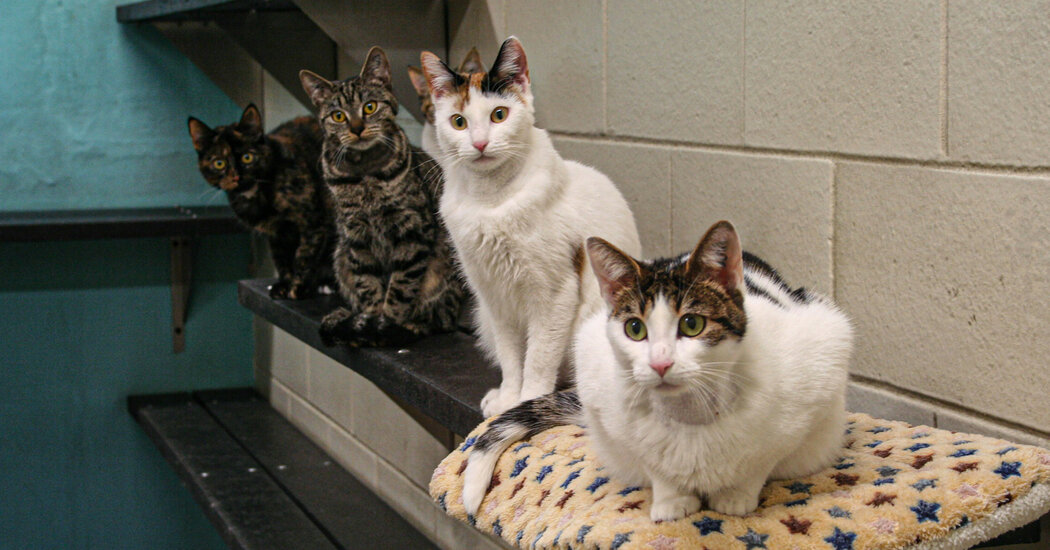
A small study uses genetic engineering with the goal of curbing vast stray feline populations.For all the cats who share our homes as companion animals, there is a vast shadow world of strays — a sprawling and fast-breeding crowd.Their lives are plagued by the threat of infectious diseases, predators and fast-moving cars. And they are major predators themselves, hunting down millions of birds and small mammals annually.In the United States, volunteers are especially active in trapping the cats, bringing them to clinics to get surgically sterilized, and then returning them to their colonies. But controlling stray cat populations is costly and logistically cumbersome. Many communities, especially in countries outside the United States and Europe, lack the veterinary and economic resources to coordinate such efforts.“Coming up with an alternative to surgery has been a goal for a lot of people for decades, and there just hasn’t been anything else that’s proven to be effective,” said William Swanson, director of animal research at the Cincinnati Zoo & Botanical Garden.Such a method might finally be on the horizon. In a study published Tuesday in the journal Nature Communications, a single shot of a gene therapy prevented pregnancy in cats for at least two years. The study was extremely small: Six female cats that received the gene therapy shot were compared to three who did not.By limiting the study size to just a few cats, the researchers were able to track each one extensively, analyzing 15,220 freeze-dried poop samples for estrogen and progesterone levels and examining 1,200 hours of video of mating behavior, Dr. Swanson said.The contraceptive shot delivers a gene that enters muscle cells, enabling them to pump out a substance called anti-Müllerian hormone, or AMH, which interferes with the development of egg follicles in the ovaries.Researchers cautioned that much more research would be needed to test the preliminary findings. And if larger studies confirm that the treatment — the first gene therapy developed specifically for animals — is safe and effective over a cat’s lifetime, controlling cat populations won’t require the surgical expertise of veterinarians, Dr. Swanson said.David Pépin, a reproductive biologist at Massachusetts General Hospital in Boston, was originally studying AMH as a potential therapy for ovarian cancer, but decided to look at its effect on ovaries. When he injected the hormone into mice, their ovaries shrunk to newborn size, suggesting AMH might have contraceptive properties.Dr. Pépin is investigating the potential use of AMH in people, not as a gene therapy but as a pill or injection that must be taken continuously. Most contraceptives today prevent ovulation, but AMH would act earlier, blocking follicles from maturing.He thinks that it might be useful for women who could not take birth control pills with progesterone or estrogen for medical reasons or that it could help women undergoing cancer treatments preserve their fertility. “It’s a hormone that we didn’t get to play with before that potentially has many different applications in women’s health,” he said.As a gene therapy that could be permanent, the use of AMH in people is unlikely. “But it’s actually the perfect tool to control cat overpopulation,” he said. Four of the cats in the study did not show behaviors indicating they were ready to mate, and two allowed male cats to mate with them, but did not ovulate.Dr. Pépin and Dr. Swanson, an expert in feline reproduction (and a scientific advisory board member of the Michelson Found Animals Foundation, which funded the work), are planning a larger study that could support an application to the Food and Drug Administration to consider approving the therapy to be marketed for use in cats.They are also testing the therapy in kittens, which can be treated starting at eight weeks of age, as well as in dogs, which also have enormous stray populations, particularly in other countries.“This is really exciting, and I hope it will pan out,” said Julie Levy, a veterinarian at the University of Florida College of Veterinary Medicine in Gainesville, who was not involved with the study. “Wouldn’t it be great if we could send out a technician into the field to inject cats and then let them go?”The study is an example of the Michelson foundation’s practice of “throwing a lot of big money at the problem” to find nonsurgical contraception for stray cats and dogs, said Dr. Levy, who works with cats in outdoor colonies and shelters, both in the United States and abroad.But she cautioned that there was still much to learn from a larger study, such as how long the shot lasts, whether it is as safe as it seems, and what proportion of cats it will actually protect from pregnancy, “because it probably won’t be 100 percent.”Others note that it might not be quite so easy. If the shot is effective, long-lasting and cheaper than spay and neuter surgery, it could be very valuable, said Autumn Davidson, a veterinarian at Cornell’s College of Veterinary Medicine in Ithaca, N.Y. But to receive the injection, animals have to be captured, and queens who are adept at evading people’s traps might still make population control a struggle.

Read more →

Children's doctors call for ban on disposable vapes

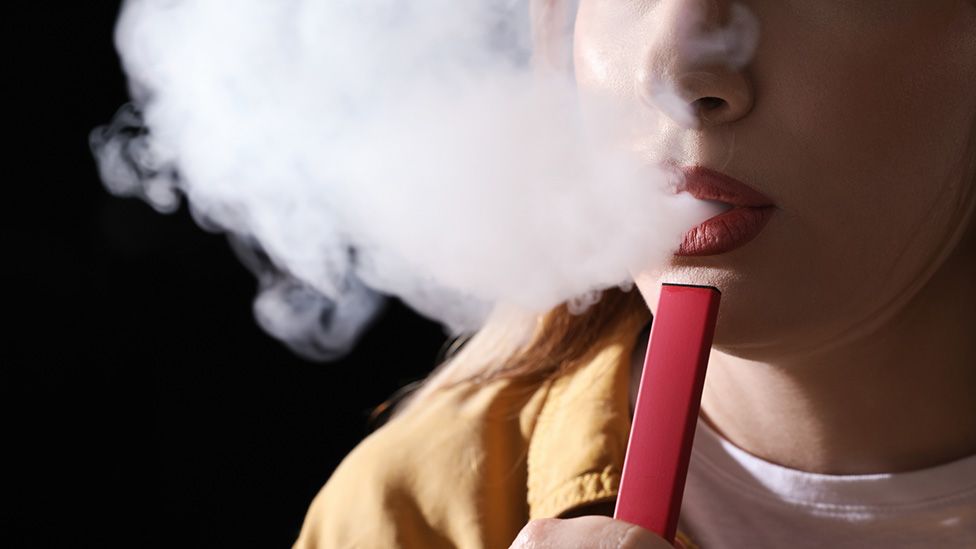
Published25 minutes agoShareclose panelShare pageCopy linkAbout sharingImage source, Getty ImagesBy Philippa RoxbyHealth reporterChildren’s doctors are calling for a complete ban on disposable vapes because they are likely to damage young lungs and are bad for the environment.But an anti-smoking campaign group says a ban would make it harder for some adults to give up smoking and increase the trade in illegal vapes.UK governments are planning steps to reduce vaping among under-18s.These are likely to include tighter rules on how vaping products are marketed and promoted.Selling vapes or e-cigarettes to children is illegal, but that has not stopped a rise in 11 to 17-year-olds experimenting with vaping – from 7.7% in 2022 up to 11.6% in 2023, according to a YouGov survey for Action on Smoking and Health (Ash).About 15% of 16 to 17-year-olds and 18% of 18-year-olds are current vapers, it suggests.Brightly-coloured nicotine vapes in a variety of flavours, which are used once and then thrown away, are the most popular product among teenagers, who tend to get them from corner shops for about £5 each.Prime Minister Rishi Sunak recently said it was “ridiculous” that vapes were designed and promoted to appeal to children when they were supposed to be used by adults giving up smoking.A BBC investigation found unsafe levels of lead, nickel and chromium in vapes confiscated from a secondary school, which could end up being inhaled into children’s lungs. Scientists analysing the vapes said they were the worst lab test results of their kind they had ever seen.The Royal College of Paediatrics and Child Health (RCPCH) now says the UK government should “without a doubt” ban disposable e-cigarettes.How easy is it to buy an illegal vape?Vaping – is it a risk-free option?Vaping nearly killed me, says British teenager”Youth vaping is fast becoming an epidemic among children, and I fear that if action is not taken, we will find ourselves sleepwalking into a crisis,” said Dr Mike McKean, paediatric respiratory consultant and RCPCH vice-president. Health experts stress that smoking cigarettes, which contain tobacco, is still the single biggest cause of preventable illness and disease in the UK. However, Dr McKean said vaping products were “not risk-free” and research on them was “still very much in its infancy”, meaning it was not possible to predict the long-term impacts on young people’s lungs, hearts and brains.Last week, Mr Sunak announced he would close a loophole allowing vaping companies to give free samples to children in England, and look at increasing fines for shops selling vapes illegally. A call for evidence on how to curb youth vaping ends on Tuesday.In Scotland, the First Minister recently said a ban on disposable vapes was under consideration in a report being compiled by an environmental expert group.The RCPCH said governments should now decide whether to take further action “to prioritise our children and our planet”.But others say a ban on disposable vapes is not needed and would not have the desired effect.’Pocket money prices’Charity and campaign group Ash says a complete ban would end up boosting the market for illegal vapes and make it harder to recycle them.And it said disposable vapes were a useful tool for adult smokers, particularly older people and those with learning disabilities, to quit tobacco.”We need to be really careful about banning them – vapes and e-cigarettes have been invaluable in stopping people smoking,” said Prof Ruth Sharrock, respiratory consultant in Gateshead, who works with patients with respiratory failure.Although disposable vapes are just one kind of vaping product, Ash estimates that they are used by 20% of vapers who have quit smoking.Prof Nick Hopkinson, respiratory physician and chairman of Ash, said smoking remained “the biggest health problem for adults and children”, and urged more funding for stop smoking services as well as stricter rules on vaping. Ash says disposable vapes can be bought for “pocket money prices” and is calling on the government to put a tax of £5 on their price. This means they would cost a similar amount to rechargeable, reusable vaping products – but still much less than a pack of cigarettes.It also wants rules to be tightened around the way vapes are promoted in shops, to reduce their appeal to children.The vaping industry also says a ban on single-use vapes is not the answer.It wants to see on-the-spot fines of at least £10,000 for shops caught selling vapes to under-18s and a retail registration scheme that would ensure shops meet strict standards before they are allowed to sell them.John Dunne, director general of the UK Vaping Industry Association (UKVIA) said “strong, targeted action directed at those illegally selling vape products to children is the way forward”.Green Alliance, an independent think tank, said disposable vapes wasted resources like lithium which are needed for batteries to power electric cars, and recycling them was costly.It called current government proposals to restrict marketing and end free giveaways to children “laughably inadequate”.A spokesperson for the Department for Health and Social Care in England said: “We are taking bold action to crack down on youth vaping through the £3m illicit vapes enforcement squad to tackle underage sales to children.”Do you or does someone in your family use disposable vapes? What is your reaction to a possible ban? You can get in touch by emailing haveyoursay@bbc.co.uk.Please include a contact number if you are willing to speak to a BBC journalist. You can also get in touch in the following ways:WhatsApp: +44 7756 165803Tweet: @BBC_HaveYourSayUpload your pictures/video hereOr fill out the form belowPlease read our terms & conditions and privacy policy

If you are reading this page and can’t see the form you will need to visit the mobile version of the BBC website to submit your question or comment or you can email us at HaveYourSay@bbc.co.uk. Please include your name, age and location with any submission. More on this storyFree vape samples for children to be bannedPublished6 days agoPromoting vapes to kids is ridiculous, says PMPublished25 MayHigh lead and nickel levels found in illegal vapesPublished23 MayRelated Internet LinksNo more free vapes for kids – GOV.UKTightening rules on advertising and promoting vaping products – Scottish Government – Citizen SpaceAction on Smoking and Health – ASHYouth vaping- call for evidence – GOV.UKThe BBC is not responsible for the content of external sites.

Read more →