U.S. Vaccine Program Now Flush With Cash, but Short on Key Details
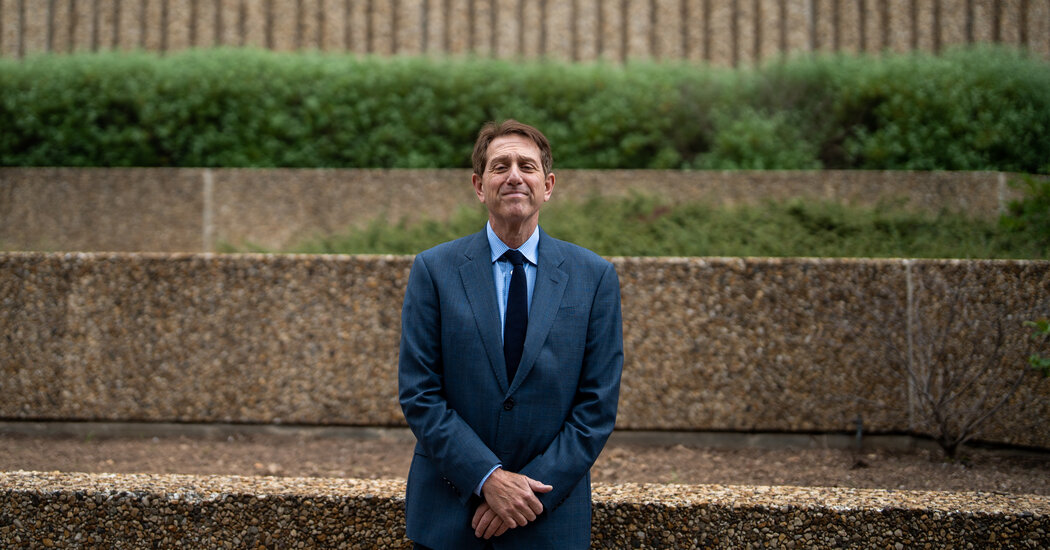
A $5 billion federal program aims to make better Covid vaccines. But vaccine makers are confused by murky regulatory guidance.Efforts to develop the next generation of Covid vaccines are running up against bureaucratic hassles and regulatory uncertainty, scientists say, obstacles that could make it harder to curb the spread of the coronavirus and arm the United States against future pandemics.The Biden administration, after months of delay, has now addressed at least a shortfall in funding, hurrying to issue the first major grants from a $5 billion program to expedite a new class of more potent and durable inoculations.But the program is facing the blunt reality that vaccine development, after being shifted into high gear early in the pandemic, has returned to its slower and more customary pace.Experiments on a promising nasal vaccine licensed from Yale University have slowed as researchers have tried for nearly a year to obtain older shots from Pfizer-BioNTech and Moderna to use in the studies. The federal government’s original purchase agreements for those shots prevent doses from being used for research purposes without the companies’ approval, despite tens of millions of unused shots being wasted in recent months.In Pennsylvania, a company developing an inhaled vaccine related to one already in wide use in India said that it tried in vain to get clarity about whether it was eligible for American government funding. The vaccine, the company said, may not have gone through advanced enough testing to qualify for the new pot of U.S. funding.And in academic laboratories and start-up offices across the country, vaccine makers have been left in the dark about whether clinical trials that the Biden administration funds will be large and sophisticated enough to win over regulators who are still ironing out what they will require for clearance.Federal officials, some of whom have become concerned about the leadership of the next-generation vaccine program, acknowledged that key questions remain about how the program will operate and how quickly it can deliver. Although some Biden administration officials hope to roll out new vaccine technology by fall 2024, many scientists believe doses are at least several years away.“There’s not the money, there’s not the infrastructure, there’s not the support,” John Moore, a virologist at Weill Cornell Medicine, said of the push for improved vaccines. “So I’m not expecting any next-generation major things in the near future.”A nasal spray vaccine candidate from Meissa Vaccines, which is based in California.Meissa VaccinesThe Pfizer and Moderna vaccines robustly prevent severe disease. But they have failed to stop variants like Omicron from circulating, which has kept more Americans than usual out of work and sickened some with long Covid. And they have not extinguished the danger for some vaccinated Americans, especially older people, contributing to weekly national Covid death tolls in the hundreds.While vaccine technology from 2020 dominates the American market, large nations like India and China have rolled out newer inoculations. If those vaccines perform better, they could fortify the United States against deadly future waves, much as a second generation of polio shots decades ago helped eliminate that disease from the country.But newer Covid vaccines, which rely on less certain technology, are no sure thing. Some are sprayed into the nose or mouth to arouse immune defenses where the virus first gains entry, possibly preventing people from becoming infected. Others are designed to protect against not only variants of this virus, but also other types of coronaviruses, making them a crucial tool in a future pandemic.With large pharmaceutical companies mostly sitting on the sidelines and private investors wary of the market for next-generation vaccines, small biotechnology companies have struggled to advance inoculations through the arduous and expensive clinical testing process.“Covid is still around, and the scientist part of me is thinking this is important and we should do it,” said Biao He, the chief executive of CyanVac, referring to the company’s nasal Covid vaccine, one of the few to have completed enough advanced testing to qualify for extensive government funding. But when he meets with investors about his company’s various products, he said, “The capitalist part of me is saying, ‘Maybe we shouldn’t mention it.’”Given the difficulties, vaccine makers have hurried to line up for the new federal money: More than 70 companies responded to the government’s recent call for applicants, a Department of Health and Human Services spokesman said.Federal health officials aim to finalize a handful of vaccine-related awards this summer and a dozen or more by early 2024, one official said.But key features of the initiative known as Project NextGen, including who will run it, have created divisions within the administration.White House officials, hoping for a leader in the mold of the former pharmaceutical executive who oversaw a 2020 program to accelerate vaccine development, vetted candidates from outside the government and identified three finalists: Dr. Larry Corey, an immunologist at the Fred Hutchinson Cancer Center; Dr. Michelle McMurry-Heath, the former chief executive of the Biotechnology Innovation Organization; and Dr. David A. Kessler, the former chief science officer for the Biden administration’s Covid response, according to people familiar with the search.Dr. Larry Corey directs a government-funded network of academic medical centers with experience testing H.I.V. and Covid vaccines.Fred Hutch News ServiceBut the health department has resisted an outside hire. “H.H.S. is the one that has to execute and deliver,” Xavier Becerra, the agency’s director, said this month at a Politico event. Some senior federal officials are concerned about whether the agency can operate with enough urgency, two federal officials said.Dawn O’Connell, the health department’s assistant secretary for preparedness and response, defended plans to run the program internally through a health agency known as the Biomedical Advanced Research and Development Authority, or BARDA. “We have the expertise within BARDA to move these products toward the finish line,” she said.Scientists and health officials acknowledge that Project NextGen will struggle to measure up to its 2020 predecessor, Operation Warp Speed. That $18 billion federal effort, coming amid an onslaught of Covid deaths, hastened vaccine development by helping companies simultaneously test and manufacture shots. It also cleared regulatory hurdles and ensured the government bought the resulting vaccines.Project NextGen, conceived with Covid deaths at their lowest level, has neither Warp Speed’s vast money nor the mandate to purchase shots in bulk.Still, some experts have questioned whether the new initiative draws on valuable lessons from Warp Speed.Dr. Corey, for example, noted that the 2020 program gave upstart vaccine makers access to a government-funded network of academic medical centers with experience testing H.I.V. vaccines, which helped recruit a more diverse group of tens of thousands of volunteers.But that expertise will not be available for next-generation inoculations. Instead, vaccine makers will have to pay private companies to run their trials.“The devil is in the details,” said Dr. Corey, who directs the clinical trial network. “To pull it off, the H.I.V. infrastructure we created and used in Warp Speed, and the trials I planned and conducted — they need to be brought back into the system.”Last month, the Biden administration asked vaccine makers to propose 10,000-person trials that would compare new inoculations with currently available booster shots. If the new vaccines are effective, they could attract the private funding necessary for additional testing and manufacturing.With strong results from that type of trial, “the calculus changes for you and your program,” said Marty Moore, the chief scientific officer of Meissa Vaccines, whose nasal spray is a likely candidate for federal funding.Still, it is not clear how these proposed trials align with what the Food and Drug Administration might require to authorize new vaccines.The agency relied on larger trials to clear the first coronavirus shots in 2020. In early conversations about NextGen with the Biden administration, regulators suggested that they may look for a similar level of data from the newer vaccines, two federal health officials said. But details of their position are still being worked out, and regulators are considering approaching candidates in the program on a case-by-case basis, one health official said.Neil King, right, with Audrey Olshefsky, a doctoral candidate, in the King Lab of the University of Washington. Dr. King has led the development of a Covid-19 vaccine made by SK Bioscience that is authorized in South Korea and Britain.David Ryder/Getty ImagesRegulators plan to publish guidance on their standards in the coming months, officials said. “The agency is committed to remaining flexible in its approach to the data,” said Michael Felberbaum, an F.D.A. spokesman.Regulatory uncertainty has hampered next-generation vaccines for years, said Neil King, a University of Washington biochemist. To protect against new variants, or even other coronaviruses, his team updated its earlier Covid vaccine, which is authorized in South Korea and Britain.But despite having repeatedly asked the government for guidance, he said, he has not received answers about what U.S. regulators will seek from advanced studies of the new vaccine.“Everyone is clamoring for clarity,” he said.The difference between requiring smaller or larger studies could add up to hundreds of millions of dollars, said Dr. Bruce Turner, chief executive of Xanadu Bio, which is developing Yale’s nasal vaccine.“For a small company,” he said, “it’s really life and death.”The bulk of NextGen funding is available only to researchers whose vaccines have data from Phase 1 trials and will be ready for advanced studies within six months — a hurdle that many groups have not cleared. The program will also fund earlier-stage trials at the National Institutes of Health to compare less-tested vaccines and figure out how to measure immune responses, said Dr. John Beigel, an N.I.H. associate director for clinical research.But companies with early-stage vaccines expressed confusion about whether they qualify.“A lot of companies won’t even be eligible,” said Shankar Musunuri, the chief executive of Ocugen, the Pennsylvania company with the inhaled vaccine. “They could have had a more structured approach to this.”Bureaucratic problems have tripped up vaccine developers such as Xanadu Bio, which cannot use Pfizer or Moderna vaccines for its experiments. The restriction stems from a provision in the federal purchase agreements that is generally meant to protect companies from the risk of a poorly run experiment hurting their product, though it can also help insulate firms from unflattering results.Health officials said that companies could obtain those doses once the shots become available on the commercial market, a change not expected until late summer or fall.

Read more →
How the Shortage of a $15 Cancer Drug Is Upending Treatment

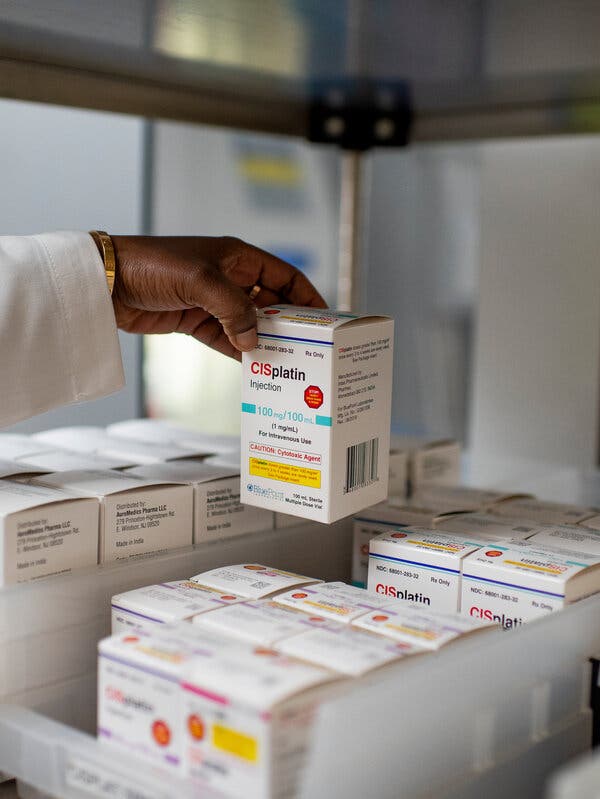
Tony Shepard learned he had vocal cord cancer this spring, but he was encouraged when his doctor said he had an 88 percent chance at a cure with chemotherapy and radiation.That outlook began to dim in recent weeks, though, after the oncology practice he goes to in Central California began to sporadically run out of the critical medication he needs.Since Mr. Shepard’s doctor informed him of the shortage, each treatment session has felt like a game of “Russian roulette,” he said, knowing that failure would mean the removal of his vocal cords and the disappearing of his voice.“I try not to even think about it,” said Mr. Shepard, 62, a manager of a gas station in Madera, a town in California’s Central Valley. “It’s something scary that you don’t really want to think about — but you know it’s a reality.”The nation’s monthslong shortage of highly potent cancer drugs is grinding on, forcing patients and their doctors to face even grimmer realities than those cancer typically presents. Thousands of patients like Mr. Shepard have been confronting gut-wrenching options, delays in treatment and potentially bleaker futures.Oncologists are concerned that the alternatives to two crucial chemotherapy drugs are far less effective in treating certain cancers, and are sometimes more toxic. The backup therapies or lack thereof, they say, pose particularly troubling prospects for patients with ovarian, testicular, breast, lung and head and neck cancers.There are few, if any, signs that the shortage will ease anytime soon. A plant that was a main producer of the more popular drugs shut down late last year and has not reopened, depleting its stock. The easing of restrictions on imported drugs from China this month has provided some relief, but doctors said the influx has yet to make much of a dent. Some companies that sell the medications are projecting that the shortage will last through the fall or later.So far, neither a group of experts organized by the Biden administration nor prominent medical organizations have found a way to avoid rationing the crucial chemo drugs.To bridge the gaps, some doctors are extending care intervals and skimming precious milliliters to stretch doses. Others are turning to a strategy of surgery first and chemo later, banking on a resumption of supplies.One of the nation’s top cancer care groups, the American Society of Clinical Oncology, is now advising doctors with low quantities of the medications to administer them to patients with a shot at a cure — and to deny them to patients with recurrent or widely spread disease.​​ “We’re in a situation where patients are being left behind, and we’re really worried survival could be affected by the chemotherapy shortage,” said Dr. Angeles Alvarez Secord, president of the Society of Gynecologic Oncology and a professor at Duke University School of Medicine.Two main chemotherapy drugs, cisplatin and carboplatin, are deployed as frontline medicines in cocktails used to shrink or eliminate tumors. More than a dozen cancer drugs are also officially in short supply, as well as hundreds of other medications, including antibiotics and sterile injectable fluids. Still, doctors predict that the absence of the powerful chemotherapies may hurt patients most.Cisplatin and carboplatin are inexpensive: They cost $15 and $23 per vial, according to the U.S. Pharmacopeia, a nonprofit aimed at medication safety and supply. But manufacturing the drugs requires a reliable supply of platinum, a metal used, as well as a sterile plant and special controls to protect workers from the drugs’ toxic effects. As a result, few companies make them.A cisplatin injection box in the pharmaceutical storage room at the Center for Cancer and Blood Disorders in Fort Worth, Texas.Emil Lippe for The New York TimesThe most recent shortages of these widely used drugs occurred when a leading manufacturer, Intas Pharmaceuticals, shut down production in December after the Food and Drug Administration had performed a surprise inspection at its plant in Ahmedabad, India. The U.S. agency issued a report that said employees were shredding, tearing and pouring acid on quality control records and noted a “cascade of failure” at the site.The company’s subsidiary, Accord Healthcare, in Durham, North Carolina, said recently that it was still making improvements at the plant that were needed to restart production.By this spring, the effects of the Intas shutdown were deeply felt. A survey by the National Comprehensive Cancer Network of academic treatment centers released earlier this month found that 93 percent of the 27 centers that responded were experiencing a carboplatin shortage. As a result, 36 percent of them reported altering treatments for their patients, resorting to lower doses and longer intervals between therapies.At cCare Cancer Center in Fresno, Calif., where Mr. Shepard receives care for his vocal cord cancer, efforts to stretch supply have given way to sporadic availability. For the last six weeks, vials of the platinum drugs have been unavailable roughly half of the time, an oncologist, Dr. Ravi Rao, said.He said Mr. Shepard’s odds of a cure without the drugs would fall from roughly 90 percent to about 45 percent. Fortunately, Mr. Shepard said, the drugs have been available for the first two of seven treatments.Patients with ovarian cancer are facing the worst outlook, Dr. Rao said, because of how common the disease is and how central the platinum drugs have been in tackling it for decades. Without those drugs, one patient with extensive ovarian cancer has odds of survival that fall to the single digits from about 30 percent, he said.“This shortage will lead to people dying,” said Dr. Rao, who is also a board member of the Community Oncology Alliance. “There’s just no way around it. You cannot remove these lifesaving drugs and not have bad outcomes.”Others who face heightened threats are patients with testicular cancer, because cisplatin has a known record of curing even advanced cases, said Dr. Julie Gralow, the ASCO chief medical officer, in her testimony to a House subcommittee earlier this month.“This is critical, impacting maybe as many as half a million Americans with just these two drugs,” Dr. Gralow said.Arias Pitts, a single mother living in Tampa, Fla., was diagnosed with an aggressive breast cancer in April and encountered the shortage at her first treatment last month.Octavio Jones for The New York TimesFor Florida Cancer Specialists, with more than 90 sites, the shortage initially meant conserving 10 to 15 percent of a patient’s dose to stretch stock, said Dr. Lucio Gordan, president of the practice.That was not enough, so doctors began to only give the drugs to patients with a chance at a cure or those enrolled in clinical trials. The practice found some products at vastly inflated prices — apparent price gouging — but bought them anyway.Still, by May, the practice was without carboplatin for 12 days and cisplatin for eight days, Dr. Gordan said.Arias Pitts, 33, who was diagnosed with an aggressive breast cancer in April, encountered the shortage when she arrived to begin treatment on May 16. The carboplatin her doctor had ordered for the first of six rounds of chemotherapy was not available.“Of course I had questions and concerns,” said Ms. Pitts, an academic adviser at the University of South Florida and a single mother of a 4-year-old. She added: “It’s stressful.”The F.D.A. has taken steps to ease the shortage. It oversaw the testing and release of batches of the platinum drugs manufactured by Intas in India that were made before the shutdown, but that stock has now been exhausted.It is also temporarily allowing Qilu Pharmaceuticals, based in China, to ship its cisplatin to the United States.Jordan Berman, a vice president of Apotex Pharmaceuticals, a Toronto company importing the Qilu drugs, said it received shipments of cisplatin on June 6 and began routing them through major U.S. distributors.Oncologists and supply chain experts said there was little data so far to gauge the effect the imports would have. About 600 vials of cisplatin from China arrived at Florida Cancer Specialists earlier this month, Dr. Gordan said. But that was not enough for the practice to resume offering the drugs to patients with advanced or recurrent cancers.“It’s about six days of treatment for us,” Dr. Gordan said. “We’re scrambling.”Studies in the 1980s and 90s showed that the platinum drugs were a vast improvement over existing treatments, performing best in combination with other drugs and doubling the response rates for ovarian and head and neck cancer. The platinum drugs pushed the five-year survival rate for testicular cancer to 95 percent from roughly 10 percent.While newer immunotherapy treatments have improved the outcome for patients with certain types of cancer, like melanoma, oncologists also include them in cocktails with the platinum drugs to extend their lives and enhance the potential for survival.“In general, we haven’t seen these home runs in cancer” in recent years, said Dr. Mikkael Sekeres, a University of Miami oncologist and former F.D.A. oncology adviser.Oncologists advising the field amid the current shortages have urged those treating early-stage lung cancer patients to send them to a center that has the drugs, noting, “there are no equally effective alternatives.”Dr. Evan Myers, a Duke University researcher in the obstetrics and gynecology department, said he was planning to measure the effects of the shortages. One study of a different medication shortage affecting children and adolescents with Hodgkin’s lymphoma found that the substitute drug was “significantly less effective,” and reduced the survival rate for the young people who received the backup treatment.Dr. Myers said this year’s shortages would, at a minimum, likely have an effect on the quality of life for people undergoing treatment. “They’re going to be waiting for the other shoe to drop,” he said.Dr. Prasanthi Ganesa at the infusion center of the Center for Cancer and Blood Disorders in Fort Worth. “We feel really helpless,” she said.Emil Lippe for The New York TimesDoctors are also struggling with how to convey such devastating news, said Dr. Prasanthi Ganesa, medical director of The Center for Cancer and Blood Disorders in Fort Worth. Her practice is looking at each case individually, but is also prioritizing crucial doses for patients who could potentially be cured.“I can imagine a patient listening to this and saying, ‘You know, I am trying to live longer, that is my priority. So I need that drug, doc,’” she said. “We feel really helpless.”The situation demands action, said Dr. Karen Knudsen, chief executive of the American Cancer Society. The White House and Congress, which have discussed the problem, have advanced few concrete solutions.“The necessity for a durable solution is growing greater by the day,” Dr. Knudsen said, adding, “Patients are left hanging.”

Read more →

Monkey dust like 'dancing with the devil'

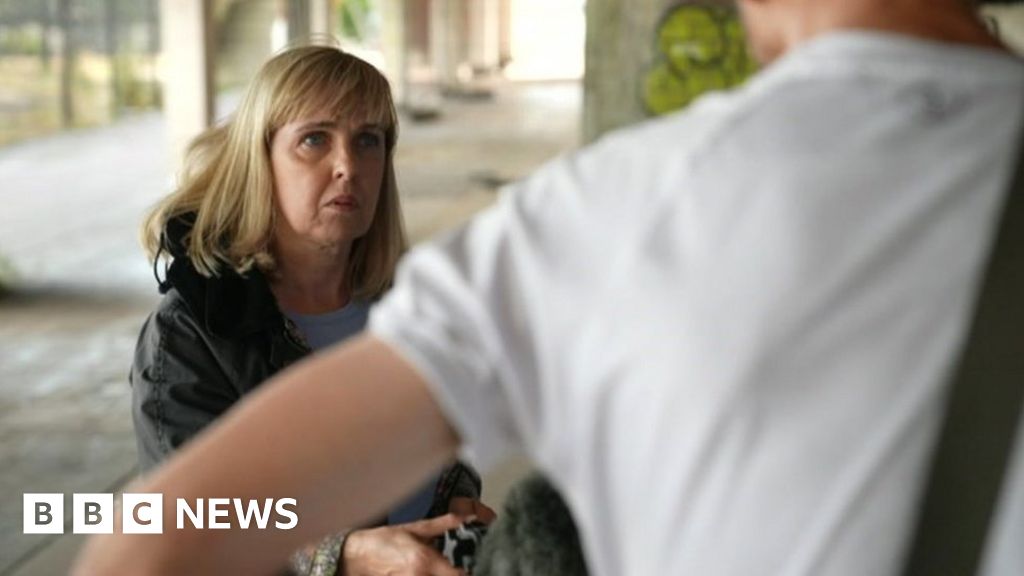
An addict who has used monkey dust for five years has described taking the drug as “soul-destroying”.He was speaking as a taskforce, looking at how to tackle problems caused by the psychoactive substance, begins work in Stoke-on-Trent. The government is considering reclassifying the synthetic drug, making it what is called a Class A substance – the most serious for sentencing in courts. The anonymous addict has been speaking to BBC Midlands Today’s Liz Copper.If you are affected by any of the issues raised in this story, support and advice is available via the BBC Action Line.

Read more →

UK's high rate of avoidable deaths linked to NHS woes

Published8 hours agoShareclose panelShare pageCopy linkAbout sharingImage source, Getty ImagesBy Nick TriggleHealth correspondentPeople in the UK are less likely to survive treatable conditions, such as breast cancer and stroke, than those in other rich nations, a study has found.The review, by the King’s Fund think tank, said the problem may be directly linked to the performance of the NHS.It said below-average spending on the UK health service led to fewer staff and equipment than systems elsewhere.But the study showed the NHS was very efficient within its budget, with less cash spent on admin than other nations.The government says the NHS is one of the most efficiently run healthcare systems, and that investment is happening to further improve services.Ahead of the 75th anniversary of the creation of the NHS next month, the think tank compared the UK’s health service with the performance of 18 other health systems, including those in Europe as well as Japan, the US and Australia.It found:Only the US had a worse record in terms of preventing death from treatable conditionsThe UK had one of the lowest levels of life expectancy – although the study acknowledged this would be affected by many factors, aside from the quality of NHS careThe NHS has strikingly low levels of key clinical staff, with fewer doctors and nurses per head than most of its peersAs well as one of the lowest number of hospital beds per capitaThe UK has less equipment relative to its population size: the US has five times as many scanners, for example, and Germany four timesBut the think tank also found the UK had low levels of people avoiding medical care due to cost fears – just one in 10 of those questioned maintain there are major difficulties accessing NHS treatment.The NHS also had the sixth-lowest spend on administration, with an outlay of less than 2% of the budget.Image source, Getty ImagesThe review noted waiting lists for routine treatments, such as knee and hip replacements, were rising in many countries – with waiting times in the NHS around average.For these reasons, it concluded the UK health service was neither a “leader nor a laggard”.But report author Siva Anandaciva said it was clear the the NHS had “sadly seen better days”. “While the UK stands out in removing most financial barriers to accessing healthcare and the NHS is run relatively efficiently, it trails behind its international cousins on some key markers of a good healthcare system. “The pressures of the pandemic on our health service compounded the consequences of more than a decade of squeezed investment,” he said”This leaves the NHS delivering performance that is middling, at best, and the UK must do much more to reduce the number of people dying early from diseases such as heart disease and cancer.”However, Mr Anandaciva said the findings were not an argument for moving to a different funding model, adding there was little evidence any one particular approach to health funding was inherently better than another.A Department of Health and Social Care spokesman said: “This report recognises the NHS is one of the most efficiently run healthcare systems and we are investing up to £14.1 billion to improve services and cut waiting lists, one of the government’s top five priorities.”He said this was paying for new community diagnostic centres, while the number of staff working in the NHS was increasing.The government is due to publish a workforce plan soon, which is expected to set out a big increase in training places for doctors and nurses.Sign up for our morning newsletter and get BBC News in your inbox.

Read more →

Duchess of York recovering after breast cancer op

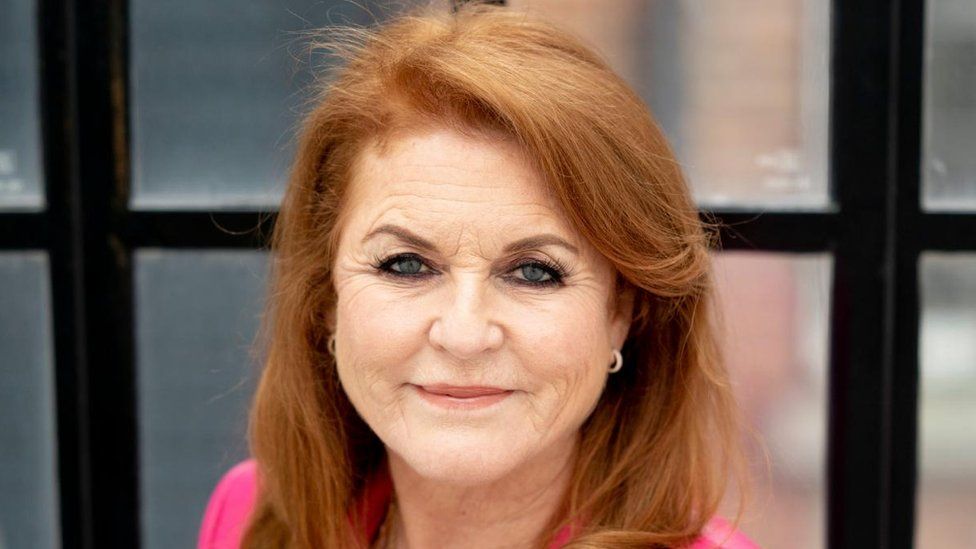
Published11 hours agoShareclose panelShare pageCopy linkAbout sharingBy Sean Seddon & Sean Coughlan, royal correspondentBBC NewsThe Duchess of York is recuperating with family after an operation following a diagnosis for breast cancer, her spokesman has said.Sarah Ferguson, 63, who was formerly married to Prince Andrew, was given the news after a routine mammogram screening.Her spokesman said: “She was advised she needed to undergo surgery which has taken place successfully.”Her doctors have told her that the prognosis is good, he added.The spokesman said she was “receiving the best medical care and… is now recuperating with her family”. She underwent the procedure earlier this week at King Edward VII hospital, a private clinic in central London which previously treated the late Queen Elizabeth II and other senior royals.The duchess is said to have returned home to Windsor this weekend, where she is now recovering.In her new podcast called Tea Talk released on Monday, the duchess is expected to discuss her diagnosis in a pre-recorded interview.In a statement, her spokesman expressed the duchess’s “immense gratitude to all the medical staff who have supported her in recent days”.She had been “symptom free” before the screening and the statement said she “believes her experience underlines the importance of regular screening”.The duchess and Prince Andrew were divorced in 1996 after 10 years of marriage, but remain close.They continue to live together at Royal Lodge, a property owned by the Crown Estate at Windsor Great Park.They have two daughters – Princess Beatrice, 34, and Princess Eugenie, 33 – and three grandchildren.The duchess has had something of a revitalised career, reinventing herself as a successful author and now podcast host, and cheerfully riding out such disappointments as not being invited to the Coronation.Her style has become relaxed and approachable, chatting to fans recently at the London Book Fair and posing for selfies.The Tea Talks podcast, which has been running for several weeks, is an often self-deprecating look at life, with a recent episode talking about her friendship with Princess Diana, and the loneliness and sense of being ostracised that they both felt.She said Diana had told her: “I know what it’s like to be left in the corner of a room.” And the duchess said in the podcast: “I know that feeling too, when people don’t wish to talk to you because ‘Bad Fergie’ sells papers. They’ve already judged you and you’re left alone.”Image source, Adam DavyThe majority of women whose breast cancer is detected early now beat the disease because of progress in treatments, analysis by the British Medical Journal found earlier this year.Surgery cures most breast cancers, while chemotherapy, radiotherapy and endocrine therapy can reduce the long-term risk of dying in cases where some disease remains.If you are affected by any of the issues raised in this story, support and advice is available via the BBC Action Line.More on this storyMany more women now beating early breast cancerPublished13 JunePrince Andrew offered Frogmore Cottage – reportsPublished1 March

Read more →

Human Embryo Models Made in Lab

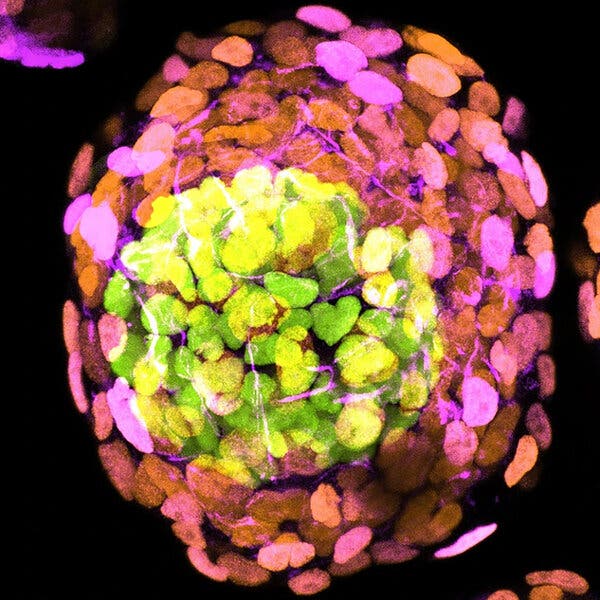
Four teams have coaxed human stem cells to organize themselves into embryo-like forms. The advance could shed light on fertility.In its first week, a fertilized human egg develops into a hollow ball of 200 cells and then implants itself on the wall of the uterus. Over the next three weeks, it divides into the distinct tissues of a human body.And those crucial few weeks remain, for the most part, a black box.“We know the basics, but the very fine details we just don’t know,” said Jacob Hanna, a developmental biologist at the Weizmann Institute of Science in Israel.Dr. Hanna and a number of other biologists are trying to uncover those details by creating models of human embryos in the lab. They are coaxing stem cells to organize themselves into clumps that take on some of the crucial hallmarks of real embryos.This month, Dr. Hanna’s team in Israel, as well as groups in Britain, the United States and China, all released reports on these experiments. The studies, while not yet published in scientific journals, have attracted keen interest from other scientists, who have been hoping for years that such advances could finally shed light on some of the mysteries of early human development.Ethicists have long cautioned that the advent of embryo models would further complicate the already complicated regulation of this research. But the scientists behind the new work were quick to stress that they had not created real embryos and that their clusters of stem cells could never give rise to a human being.“Our aims are never for the purpose of human reproduction,” said Tianqing Li, a developmental biologist at Kunming University of Science and Technology in China, who led one of the new studies.Instead, Dr. Li and his fellow scientists hope that embryo models will lead to new treatments for infertility and even diseases such as cancer.“We do it to save lives, not create it,” said Magdalena Zernicka-Goetz, a developmental biologist at the University of Cambridge and the California Institute of Technology, who led another effort.For decades, the only human embryos that developmental biologists could study were specimens collected from miscarriages or abortions. As a result, scientists were left with profound questions about the start of human development. Thirty percent of pregnancies fail in the first week, and another 30 percent fail during implantation. Researchers have been at a loss to explain why a majority of embryos don’t survive.After the development of in vitro fertilization in the 1970s, scientists began studying embryos donated from fertility clinics. Some countries banned the research, while others allowed it to proceed, typically with a 14-day limit. By then, the human embryo starts taking on some of its key features. A structure called the primitive streak, for example, organizes the head-to-foot arrangement that the body will take.For years, the 14-day rule was a moot point because no one could keep embryos alive more than a few days after fertilization. Things became more complicated in 2016, when Dr. Zernicka-Goetz’s group and another team managed to keep embryos alive close to the 14-day mark. The embryos did not survive longer because the scientists destroyed them.The accomplishment has led scientists to debate the possibility of allowing embryos to grow past 14 days. But even if those experiments were to become legal, they would still be hard to carry out because the supply of donated embryos is scarce.In recent years, researchers have been looking for an easier way to study embryos: by making models of them in the lab. The scientists have taken advantage of the fact that stem cells, given the right environmental conditions, can turn into new kinds of tissues.Adults have stem cells in only a few parts of the body. In the skin, for example, stem cells produce a range of new cells that heal wounds. In early embryos, on the other hand, all the cells have the potential to turn into a wide variety of tissues.Embryolike structures made using human stem cells in the lab of Magdalena Zernicka-Goetz at the University of Cambridge.Zernicka-Goetz et al., bioRxiv 2023Last year, Dr. Zernicka-Goetz’s team and Dr. Hanna’s team used embryonic stem cells from mice to make models of embryos. Since then, they and other scientists have been trying to do the same with human embryonic stem cells.Each team has used a different method, but they all take advantage of the same underlying biology. By the time a human embryo implants itself in the uterus, its cells have started to diverge into different types. One type of cell will go on produce the cells of the body. The other types will produce tissues that surround the embryo during development, such as the placenta. These cell types send out molecular signals to each other that are essential for their development.The researchers coaxed stem cells to mimic some of these cell types and then mixed them together. The cells swarmed together and spontaneously organized into clusters. The cells destined to become the embryo huddled in the middle, while the other types migrated to the outside.As the cells communicated to each other, they divided and formed new structures that resembled parts of embryos. Dr. Mo Ebrahimkhani, a developmental biologist at the University of Pittsburgh, and his colleagues observed the formation of a yolk sac in their experiment, for example. Out of the yolk sac, they even observed the development of progenitors of blood cells.Dr. Zernicka-Goetz and her colleagues likewise watched the development of cells that resembled the precursors of eggs and sperm.“This was absolutely thrilling,” Dr. Zernicka-Goetz said. “It’s sometimes hard to believe that these stem cells are growing into these structures.”If scientists can create close, reliable models of embryos, they will be able to run large-scale experiments to test potential causes of pregnancy failures, such as viral infections and genetic mutations.The models could lead to other medical advances too, noted Insoo Hyun, a member of the Harvard Medical School Center for Bioethics who was not involved in the new studies.“Once you get the embryo models in place and you can rely on them, that can be an interesting way to screen drugs that women take when they’re pregnant,” he said. “That would be an enormous benefit.”Dr. Hanna and Dr. Ebrahimkhani also saw a possibility of using embryo models as a new form of stem-cell treatment for diseases such as cancer.In conventional stem-cell transplants, doctors remove blood stem cells from the bone marrow before killing cancer cells with radiation or chemotherapy. They then return the healthy cells to the body.Unfortunately, this method does not have a high success rate. Some researchers have suggested that earlier forms of stem cells would be more likely to cure patients.Embryo models might make it possible for doctors to turn back time. Researchers would take skin cells from a patient and douse them with chemicals to put them into a stem-cell-like state. With other chemical baths, those stem cells could then be turned into an embryo model, which could in turn develop into the early blood cells the patient needs after a transplant.Alysson Muotri, a developmental biologist at the University of California San Diego who was not involved in the new studies, cautioned that the new studies demonstrated only a preliminary step. For one thing, while the techniques sometimes resulted in embryolike clusters, they often failed.“The work is in very early stages, and the current methods are far from reliable,” Dr. Muotri said.

Read more →

New nationwide modeling points to widespread racial disparities in urban heat stress

From densely built urban cores to sprawling suburbia, cities are complex. This complexity can lead to temperature hot spots within cities, with some neighborhoods (and their residents) facing more heat than others.
Understanding this environmental disparity forms the spirit of new research led by scientists at the Department of Energy’s Pacific Northwest National Laboratory. In a new paper examining all major cities in the U.S., the authors find that the average Black resident is exposed to air that is warmer by 0.28 degrees Celsius relative to the city average. In contrast, the average white urban resident lives where air temperature is cooler by 0.22 degrees Celsius relative to the same average.
The new work, published last week in the journal One Earth, involved a two-part effort. The study’s authors aimed to produce a more useful nationwide estimate of urban heat stress — a more accurate account of how our body responds to outdoor heat. By creating and comparing these estimates against demographic data, they also tried to better understand which populations are most exposed to urban heat stress.
The findings reveal pervasive income- and race-based disparities within U.S. cities. Nearly all the U.S. urban population — 94 percent, or roughly 228 million people — live in cities where summertime peak heat stress exposure disproportionately burdens the poor.
The study’s authors also find that people who now live within historically redlined neighborhoods, where loan applicants were once denied on racially discriminatory grounds, would be exposed to higher outdoor heat stress than their neighbors living in originally non-redlined parts of the city.
The work also highlights shortcomings in the typical approach scientists take in estimating urban heat stress at these scales, which frequently relies on satellite data. This conventional satellite-based method can overestimate such disparities, according to the new work. As the world warms, the findings stand to inform urban heat response plans put forward by local governments who seek to help vulnerable groups.

What is heat stress?
The human body has evolved to operate within a relatively narrow temperature range. Raise your core body temperature beyond just six or seven degrees and drastic physiological consequences soon follow. Cellular processes break down, the heart is taxed, and organs begin to fail.
Sweating helps. But the cooling power of sweating depends partly on how humid the environment is. When both heat and humidity are omnipresent and difficult to escape, the body struggles to adapt.
How is heat stress measured?
To measure heat stress, scientists use a handful of indicators, many of which depend on air temperature and humidity. Weather stations provide such data. Because most weather stations are outside of cities, though, scientists often rely on other means to get some idea about urban heat stress, including using sensors on satellites.

Those sensors infer the temperature of the land surface from measurements of thermal radiation. But such measurements fall short of delivering a full picture of heat stress, said lead author and Earth scientist TC Chakraborty. Measuring just the skin of the Earth, like the surface of a sidewalk or a patch of grass, said Chakraborty, offers only an idea of what it’s like to lay flat on that surface.
“Unless you’re walking around barefoot or lying naked on the ground, you’re not really feeling that,” said Chakraborty. “Land surface temperature is, at best, a crude proxy of urban heat stress.”
Indeed, most of us are upright, moving through a world where air temperature and moisture dictate how heat actually feels. And these satellite data are only available for clear-sky days — another limiting factor. More complete and physiologically relevant estimates of heat stress incorporate a blend of factors, which models can provide, said Chakraborty.
To better understand differences between satellite-derived land surface temperature and ambient heat exposure within cities, Chakraborty’s team examined 481 urbanized areas across the continental United States using both satellites and model simulations.
NASA’s Aqua satellite provided the land surface temperature; and through model simulations that account for urban areas, the authors generated nationwide estimates of all variables required to calculate moist heat stress. Two such metrics of heat stress — the National Weather Service’s heat index and the Humidex, often used by Canadian meteorologists — allowed the scientists to capture the combined impacts of air temperature and humidity on the human body.
They then identified heat stress hotspots across the country for summer days between 2014 and 2018. Overlaying maps of both historically redlined neighborhoods and census tracts, the team identified relationships between heat exposure and communities.
How is heat distributed within cities?
Residents in poorer neighborhoods often face greater heat stress. And a greater degree of income inequality in any given city often means greater heat stress exposure for its poorer residents.
Most U.S. cities, including heavily populated cities like New York, Los Angeles, Chicago, and Philadelphia, show this disparity. But the relationship between heat stress and race-based residential segregation is even more stark.
Roughly 87.5 percent of the cities studied show that Black populations live in parts of the city with higher land surface temperatures, warmer air, and greater moist heat stress. Moreover, the association between the degree of heat stress disparity and the degree of segregation between white and non-white populations across cities is particularly striking, said Chakraborty.
“The majority — 83 percent — of non-white U.S. urban residents live in cities where outdoor moist heat stress disproportionately burdens them,” said Chakraborty, “Further, higher percentages of all races other than white are positively correlated with greater heat exposure no matter which variable you use to assess it.”
In the 1930s, the U.S. federal government’s Home Owners’ Loan Corporation graded neighborhoods in an effort to rank the suitability of real estate investments. This practice is known as “redlining,” where lower grades (and consequently fewer loans) were issued to neighborhoods composed of poorer and minority groups. The authors find that these redlined neighborhoods still show worse environmental conditions.
Neighborhoods with lower ratings face higher heat exposure than their non-redlined neighbors. Neighborhoods with higher ratings, in contrast, generally get less heat exposure.
This is consistent with previous research on originally redlined urban neighborhoods showing lower tree cover and higher land surface temperature. Chakraborty, however, notes that using land surface temperature would generally overestimate these disparities across neighborhood grades compared to using air temperature or heat index.
“Satellites give us estimates of land surface temperature, which is a different variable from the temperature we feel while outdoors, especially within cities,” said Chakraborty. “Moreover, the physiological response to heat also depends on humidity, which satellites cannot directly provide, and urbanization also modifies.”
The findings are not without uncertainty, the authors added. “Ground-based weather stations helped to dwindle down, but not eliminate, model bias,” said co-author Andrew Newman of the National Center for Atmospheric Research, who generated the model simulations. However, the results are still consistent with both theory and previous large-scale observational evidence.
What can be done?
Planting more trees often comes up as a potential solution to heat stress, said Chakraborty. But densely built urban cores, where poorer and minority populations in the U.S. often live, have limited space for trees. And many previous estimates of vegetation’s potential to cool city surroundings are also based solely on land surface temperature — they are perhaps prone to similar overestimation, the authors suggest.
More robust measurements of urban heat stress would help, they added. Factors like wind speed and solar insolation contribute to how heat actually affects the human body. But those factors are left out of most scientific assessments of urban heat stress because they are difficult to measure or model at neighborhood scales.
In addition to Chakraborty, PNNL authors of the new work include Yun Qian. Andrew Newman at the National Center for Atmospheric Research, Angel Hsu at the University of North Carolina-Chapel Hill, and Glenn Sheriff at Arizona State University are also authors. This work was supported by DOE’s Office of Science and the National Institutes of Health.

Read more →

A subtype of depression identified

Scientists at Stanford Medicine conducted a study describing a new category of depression — labeled the cognitive biotype — which accounts for 27% of depressed patients and is not effectively treated by commonly prescribed antidepressants.
Cognitive tasks showed that these patients have difficulty with the ability to plan ahead, display self-control, sustain focus despite distractions and suppress inappropriate behavior; imaging showed decreased activity in two brain regions responsible for those tasks.
Because depression has traditionally been defined as a mood disorder, doctors commonly prescribe antidepressants that target serotonin (known as selective serotonin reuptake inhibitors or SSRIs), but these are less effective for patients with cognitive dysfunction. Researchers said that targeting these cognitive dysfunctions with less commonly used antidepressants or other treatments may alleviate symptoms and help restore social and occupational abilities.
The study, published June 15 in JAMA Network Open, is part of a broader effort by neuroscientists to find treatments that target depression biotypes, according to the study’s senior author, Leanne Williams, PhD, the Vincent V.C. Woo Professor and professor of psychiatry and behavioral sciences.
“One of the big challenges is to find a new way to address what is currently a trial-and-error process so that more people can get better sooner,” Williams said. “Bringing in these objective cognitive measures like imaging will make sure we’re not using the same treatment on every patient.”
Finding the biotype
In the study, 1,008 adults with previously unmedicated major depressive disorder were randomly given one of three widely prescribed typical antidepressants: escitalopram (brand name Lexapro) or sertraline (Zoloft), which act on serotonin, or venlafaxine-XR (Effexor), which acts on both serotonin and norepinephrine. Seven hundred and twelve of the participants completed the eight-week regimen.

Before and after treatment with the antidepressants, the participants’ depressive symptoms were measured using two surveys — one, clinician-administered, and the other, a self-assessment, which included questions related to changes in sleep and eating. Measures on social and occupational functioning, as well as quality of life, were tracked as well.
The participants also completed a series of cognitive tests, before and after treatment, measuring verbal memory, working memory, decision speed and sustained attention, among other tasks.
Before treatment, scientists scanned 96 of the participants using functional magnetic resonance imaging as they engaged in a task called the “GoNoGo” that requires participants to press a button as quickly as possible when they see “Go” in green and to not press when they see “NoGo” in red. The fMRI tracked neuronal activity by measuring changes in blood oxygen levels, which showed levels of activity in different brain regions corresponding to Go or NoGo responses. Researchers then compared the participants’ images with those of individuals without depression.
The researchers found that 27% of the participants had more prominent symptoms of cognitive slowing and insomnia, impaired cognitive function on behavioral tests, as well as reduced activity in certain frontal brain regions — a profile they labeled the cognitive biotype.
“This study is crucial because psychiatrists have few measurement tools for depression to help make treatment decisions,” said Laura Hack, MD, PhD, the lead author of the study and an assistant professor of psychiatry and behavioral sciences. “It’s mostly making observations and self-report measures. Imaging while performing cognitive tasks is rather novel in depression treatment studies.”
Pre-treatment fMRI showed those with the cognitive biotype had significantly reduced activity in the dorsolateral prefrontal cortex and dorsal anterior cingulate regions during the GoNoGo task compared with the activity levels in participants who did not have the cognitive biotype. Together, the two regions form the cognitive control circuit, which is responsible for limiting unwanted or irrelevant thoughts and responses and improving goal selection, among other tasks.

After treatment, the researchers found that for the three antidepressants administered, the overall remission rates — the absence of overall depression symptoms — were 38.8% for participants with the newly discovered biotype and 47.7% for those without it. This difference was most prominent for sertraline, for which the remission rates were 35.9% and 50% for those with the biotype and those without, respectively.
“Depression presents in different ways in different people, but finding commonalities — like similar profiles of brain function — helps medical professionals effectively treat participants by individualizing care,” Williams said.
Depression isn’t one size fits all
Williams and Hack propose that behavior measurement and imaging could help diagnose depression biotypes and lead to better treatment. A patient could complete a survey on their own computer or in the doctor’s office, and if they are found to display a certain biotype, they might be referred to imaging for confirmation before undergoing treatment.
Researchers at the Stanford Center for Precision Mental Health and Wellness, which Williams directs, in partnership with the Stanford Translational Precision Mental Health Clinic, which Hack directs, are studying another medication — guanfacine — that specifically targets the dorsolateral prefrontal cortex region with support from Stanford University Innovative Medicines Accelerator. They believe this treatment could be more effective for patients with the cognitive subtype.
Williams and Hack hope to conduct studies with participants who have the cognitive biotype, comparing different types of medication with treatments such as transcranial magnetic stimulation and cognitive behavioral therapy. In transcranial magnetic stimulation, commonly referred to as TMS, magnetic fields stimulate nerve cells; in cognitive behavioral therapy, patients are taught to use problem-solving strategies to counter negative thoughts that contribute to both emotional dysregulation and loss of social and occupational abilities.
“I regularly witness the suffering, the loss of hope and the increase in suicidality that occurs when people are going through our trial-and-error process,” Hack said. “And it’s because we start with medications that have the same mechanism of action for everyone with depression, even though depression is quite heterogeneous. I think this study could help change that.”
Researchers from the Sierra-Pacific Mental Illness Research, Education and Clinical Center; the Veterans Affairs Palo Alto Health Care System; Brain Dynamic Centre, Westmead Institute for Medical Research; and the University of Sydney, Westmead, contributed to the work.
The study was funded through Brain Resource Company Operations Pty Ltd. and Stanford University’s Clinical and Translation Science Award Program overseen by the National Center for Advancing Translational Sciences at the National Institutes of Health (grant UL1TR003142-01).

Read more →

Researchers show how a tumor cell's location and environment affect its identity

Using 3-D models of ovarian cancer tumors, scientists found differences in gene activity based on where a cell is in a tumor, demonstrating how a cell’s location and environment in a cancerous tumor can strongly influence which genes are active and the cell’s role in the cancer’s biology. More specifically, the team co-led by researchers at the National Center for Advancing Translational Sciences (NCATS), part of the National Institutes of Health, showed that gene activity in cells at or near a tumor’s surface differed from that of cells closer to the tumor center.
The approach pairs the use of a technology to reveal the genetic activity of single cells within a tumor with fluorescent dyes that spread into tumors. The work could allow researchers to study how the same diseases can vary in people and progress differently. This research could help clinicians identify treatment strategies focused on specific areas in tumors, which could lead to better therapies for cancers and other diseases. The team reported its results June 21 in Cell Systems.
“It’s commonly accepted that a cell’s location and surrounding environment influence the cell’s identity,” said Craig Thomas, Ph.D., a translational scientist at NCATS. “Two cells can be genetically identical but have different cellular identities, meaning different genes are turned on because of their location and environment. Our goal was to establish a straightforward method to study this concept in multiple settings.”
The new system, called Segmentation by Exogenous Perfusion, or SEEP, takes advantage of a dye that diffuses into cells throughout a tumor at a definable rate. Measuring how much dye gets into individual tumor cells provides information on the cell’s location, and specifically, its access to the outside environment. Using computational methods, the researchers linked this information to cells’ gene activity, allowing the scientists to connect the cells’ identities with their location.
“Understanding the relation of cells to each other and the effects of their positions in space has been a fundamental question in cancer, neurological disorders and other areas,” said co-author Tuomas Knowles, Ph.D., at the University of Cambridge.
In the work, researchers used three types of 3-D laboratory models — spheroids, organoids and mouse models — created from human ovarian cancer cells. Spheroids are 3-D clusters of cells grown in a lab dish that can mimic some traits of organs and tissues. Organoids, also grown in a dish, are more complex 3-D models that more closely mimic organ and tissue function and structure. In the mouse models, researchers implanted human ovarian cancer cells to form tumors.
“It’s critical to understand that not every cell in a tumor will be exposed to a drug in the same way,” Knowles said. “A cancer drug might kill the cells on the surface of a tumor, but the cells in the middle are different and affected differently. That’s likely contributing to why some therapies fail.”
The SEEP method revealed that tumor cells near the tumor surface were more likely to undergo cell division than cells closer to the tumor center. Cells on the surface of tumors also turn on genes to protect them from immune system responses. Not surprisingly, these gene responses are linked to how the tumor hides from the body’s immune defenses.
Researchers were surprised at the differences in gene activity between cells on or near the surface and those farther inside the ovarian cancer tumor models. The findings could help scientists better understand how tumors are structured. Such information could lead to improved treatments. One possible cancer treatment method could be to target cells likely to be affected in different areas of tumors.
“Certain tumor cell types are susceptible to certain therapies,” noted first author and Harvard University medical student David Morse, Ph.D. “Knowing where cells are located and their levels of accessibility in the tumor could help us decide how to use drugs in combination. It could help tell us how long to give a drug and when to move on to other therapies.”
The NIH research was supported by NCATS’ Division of Preclinical Innovation and the National Cancer Institute’s Center for Cancer Research. Work at Harvard University was funded by the National Science Foundation (DMR-1708729) and through the Harvard Materials Research Science and Engineering Center (DMR-2011754). The research at Cambridge University was supported by the Biotechnology and Biological Sciences Research Council, the Newman Foundation, the Wellcome Trust, and the European Research Council under the European Union’s Seventh Framework Program (FP7/2007-2013) through the European Research Council grant PhysProt (agreement no. 337969). There also was support by the NIH Oxford-Cambridge Scholars Program and the Certara Biomedical Research Scholarship.

Read more →

All the immunity, none of the symptoms

Worldwide, more than a million deaths occur each year due to diarrheal diseases that lead to dehydration and malnutrition. Yet, no vaccine exists to fight or prevent these diseases, which are caused by bacteria like certain strains of E. coli. Instead, people withbacterial infections must rely on the body taking one of two defense strategies: kill the intruders or impair the intruders but keep them around. If the body chooses to impair the bacteria, then the disease can occur without the diarrhea, but the infection can still be transmitted — a process called asymptomatic carriage.
Now, Salk scientists have found that pairing specific diets with disease-causing bacteria can create lasting immunity in mice without the costs of developing sickness, revealing a new potential vaccination strategy. Their findings, published in Science Advances on June 23, 2023, pave the way for the development of new vaccines that could promote immunity for those with diarrheal diseases and possibly other infections.
“We discovered that immunization against diarrheal infections is possible if we allow the bacteria to retain some of its disease-causing behavior,” says senior author Professor Janelle Ayres, Salk Institute Legacy Chair and head of the Molecular and Systems Physiology Laboratory. “This insight could lead to the development of vaccines that could reduce symptoms and mortality, as well as protect against future infections.”
In 2018, Ayres’ lab looked at how dietary interventions can create an asymptomatic infection, which Ayres calls a cooperative relationship between bacteria and host (the person or animal that the bacteria have infected) where the host does not experience any symptoms. They discovered that an iron-rich diet enabled mice to survive a normally lethal bacterial infection without ever developing signs of sickness or disease. The high-iron diet increased unabsorbed sugar (glucose) in the mice’s intestines, which the bacteriacould feast on. The excess sugar served as a “bribe” for the bacteria, keeping them full and incentivized to not attack the host.
This process produced long-term asymptomatic infection with the bacteria, leading the researchers to believe that the adaptive immune system (cells and proteins that “remember” infections) may be involved.
“Being able to generate lasting immunity against bacteria like C. rodentium or E. coli has not been possible using established vaccination strategies. We wanted to figure out what mechanism was sustaining this lasting immunity, so we could use that mechanism to create an impactful solution to these diarrheal diseases,” says first author Grischa Chen, a former postdoctoral researcher in Ayres’ lab.

The researchers moved to figure out how the body suppresses infection symptoms, whether infection without symptoms can create long-term immunity, and whether that immunity is reproducible as a vaccination strategy.
The team compared mice with iron-rich and normal diets after C. rodentium infection to find whether the diet impacted symptomless infection. Immediately after infection, mice fed an iron-rich diet had no symptoms whereas mice fed a normal diet did have symptoms. All mice were then put on a normal diet to see whether the asymptomatic infection would last.
Mice with nonfunctional adaptive immune systems (the immune system that “remembers” previous infections), regardless of whether they had ever been on an iron-rich diet, could not continue to maintain a cooperative relationship with the bacteria. Although the iron-rich diet suppressed symptoms immediately after infection, the adaptive immune system was required for lasting cooperation. Importantly, the mice with functional adaptive immune systems had the disease without any symptoms, with lastingimmunity, as demonstrated by survival upon reinfection after a month.
Ayres and team concluded that an iron-rich diet alone can prevent bacteria from creating deadly symptoms in mice during active infection. But a functional adaptive immune system is required for immunity against future infection in the absence of dietary supplementation.
Some bacterial strains, if mutated enough, don’t cause symptoms. To test whether such bacteria could produce lasting immunity, the team repeated their iron-diet versus normal-diet experiment in mice, but this time using bacteria that could cause disease and bacteria that could not cause disease. They found that only mice that received disease-causing, unmutated bacteria were able to support immunity upon reinfection.
The scientists note that people shouldn’t consume large amounts of iron after reading this study. Their findings are preliminary and will need to be confirmed in human subjects.
The researchers hope their insights will provide a basis for future research in humans and the creation of a vaccination regiment that protects and prevents against diarrheal illness.
Other authors include Natalia R. Thorup, Abigail J. Miller, and Yao-Cheng Li of Salk.
The work was supported by the National Institutes of Health (DPI AI144249, R01AI4929), the NOMIS Foundation, a DARPA Yong Faculty Award (YFA15 D15AP00097), a Hillblom Foundation Fellowship Grant, the Chapman Foundation, the Helmsley Charitable Trust,

Read more →