Follow the leader: Researchers identify mechanism of cancer invasion

A cancerous tumor is the accumulation of cells uncontrollably dividing, some of which can invade other parts of the body. The process is difficult to predict in detail, and eradicating the cells poses even greater difficulty. Now, a Penn State-led research team has revealed how the exodus initiates, shedding light on a potential therapeutic target to halt the invasion and providing a prognostic marker to help clinicians select the best treatment option.
They published their findings on June 26 in the Proceedings of the National Academy of Sciences.
“Cancer cells don’t randomly detach from the primary tumor and disseminate everywhere — they often exhibit coordination and collaboration,” said corresponding author Pak Kin Wong, professor of biomedical engineering, of mechanical engineering and of surgery at Penn State. “A leader cell may emerge to coordinate the invasion, thereby enhancing the efficiency of cancer cell dissemination. In this study, we found a molecular marker for leader cells that enables us to predict the invasiveness of the tumor and how they invade.”
In cancer cells derived from human patients with muscle invasive bladder cancer, the researchers designed a nanobiosensor to track long noncoding RNA (lncRNA), which refers to extensive lengths of genetic material that do not encode genes but regulate how a cell expresses them as proteins.
“lncRNA are often referred to as the dark matter of the cell,” Wong said. “While many RNA are involved in protein expression, lncRNA do not encode proteins. Their functions and how they regulate cell processes are still poorly understood. We developed this sensor to study lncRNA and their potential contribution to cancer progression.”
The sensor enables the researchers to identify and track individual lncRNA molecules of interest as they typically behave and function in cells. In conventional analysis approaches, Wong said, researchers usually cannot study how they function in space and time because the cells are typically fixed or broken apart.
Using the sensor, the researchers monitored how much and where lncRNA was distributed in the cells during collective cancer invasion. They found that MALAT1, a gene associated with metastasis in lung, bladder and other cancers, was highly present in leader cells. Importantly, Wong said, MALAT1 expression increased when a cancer cell became a leader and decreased when the leader cell was no longer needed — such as when the invasion process ceased or when it was replaced by another leader cell.
“We also found that reducing the expression of MALAT1 in cells prevents the formation of leader cells and abolishes the invasion of cancer cells,” Wong said. “Overall, our single-cell analysis suggests that MALAT1 plays an essential role in regulating leader cells during collective cancer invasion.”
Wong said the team will continue to study the mechanistic underpinnings of MALAT1 in leader cells, with the goal of providing a prognostic tool to guide treatment.
“If we can comprehend the crucial characteristics and functions of leader cells, we might be able to help clinicians identify aggressive disease and predict the behavior,” Wong said. “We hope this study will lead to the development of novel prognostics and therapeutic approaches targeting bladder and other cancer. For example, if applied clinically, determining the presence of leader cells and aggressive disease could enhance a physician’s understanding of an individual patient’s prognosis and inform the most suitable treatment strategy.”
Collaborators include Ninghao Zhu, who earned his doctorate degree in biomedical engineering from Penn State in 2022; Mona Ahmed, a doctoral student in biomedical engineering at Penn State; Yanlin Li, a doctoral student in electrical and electronics engineering at Penn State; and Joseph C. Liao, Kathryn Simmons Stamey Professor in Stanford University School of Medicine’s Department of Urology.
The National Science Foundation and the National Institutes of Health supported this work.

Read more →

Researchers develop digital test to directly measure HIV viral load

A milliliter of blood contains about 15 individual drops. For a person with human immunodeficiency virus (HIV), each drop of blood could contain anywhere from fewer than 20 copies of the virus to more than 500,000 copies. Called the viral load, this is what is measured to allow clinicians to understand how patients are responding to anti-viral medications and monitor potential progression.
The time-consuming viral load testing needs to be repeated several times as a patient undergoes treatment. Now, a Penn State research team has developed a time and cost-efficient digital assay that can directly measure the presence of HIV in single drop of blood. They published the work in ACS Nano.
According to the corresponding author Weihua Guan, associate professor of electrical engineering and biomedical engineering in the Penn State College of Engineering, the digital assay is the first step in providing a clinical diagnostic tool for a bevy of infectious diseases.
Conventional tests for HIV viral load involve taking genetic material from the sample, amplifying it and comparing it to reference samples. The gold standard test, called RT-PCR, can produce a close estimate of the actual viral load, but it is not a direct measurement. Guan and his team took a more direct approach with their test, named Self-digitization Through Automated Membrane-based Partitioning (STAMP), which is less expensive, quicker and requires less blood than the RT-PCR.
“Here’s how it works: We take a small sample of a person’s blood and extract the viral RNA — the genetic material of the virus — from it,” Guan said. “We then mix this RNA with a special protein called Cas13, which is part of the CRISPR system.”
CRISPR-Cas13 is a “revolutionary tool,” Guan said, that enables researchers to target and manipulate RNA sequences. In this study, the researchers are leveraging the technology not for its editing capabilities, but for its diagnostic potential. They are using CRISPR-Cas13 to detect and signal the presence of HIV.

Once the RNA is combined with Cas13, the researchers place a nanopore polycarbonate membrane — a thin filter that is readily available, making it a cost-effective material, Guan said — on the mixture. The nanopores are so tiny that they can partition the mixture into single droplets containing only one RNA molecule, which has the Cas13 protein attached. If HIV is in the RNA molecule, the Cas13 protein — which is activated by HIV RNA — will cut reporting molecules, generating a signal the researchers can detect.
“By counting the number of droplets showing this signal, we can determine the amount of HIV in the person’s blood,” Guan said. “The more droplets with the signal, the higher the viral load.”
The researchers tested this approach with synthetic HIV RNA to optimize the assay for sensitivity and accuracy before testing laboratory plasma and eventually patient plasma samples. They validated the STAMP method by quantifying HIV viral loads in 20 patient plasma samples with comparable accuracy to the traditional RT-PCR method, which typically requires more blood. Guan said they are working on procuring more samples to continue their testing.
The team also found that the approach can provide an accurate assessment for HIV viral loads at or higher than about 2,000 virus copies per milliliter of blood. A viral load is considered low when there are fewer than 10,000 copies of the virus per milliliter; undetectable at 20 copies or fewer; and high at roughly 100,000 copies but can extend beyond a million.
According to Guan, the 2,000 to 10,000 detection range can be important for clinicians monitoring patients for viral rebound. People undergoing antiretroviral therapy (ART) can achieve undetectable virus levels, meaning they can no longer sexually transmit the virus, but rising virus levels can indicate an individual is developing ART resistance or another issue.
“While further improvements are needed to enhance its detection limit and automate the setup, the STAMP-based digital CRISPR method shows great potential for advancing HIV viral load monitoring,” Guan said, explaining that the researchers plan to continue improving the platform’s efficiency and accuracy to quantify multiple viruses, with the eventual goal of bringing the device to market.
Co-authors include Reza Nouri and Tianyi Li, both graduate students in electrical engineering; Yuqian Jiang and Anthony J. Politza, both graduate students in biomedical engineering; Wallace H. Greene, associate professor emeritus, and Yusheng Zhu, professor, both in the Department of Pathology, Penn State College of Medicine; Jonathan J. Nunez, assistant professor in the Department of Medicine, Penn State College of Medicine, and internal medicine physician with the Penn State Health Milton S. Hershey Medical Center; and Xiaojun Lian, associate professor of biomedical engineering and of biology who is also affiliated with the Huck Institutes of Life Sciences.
The National Institutes of Health and the National Science Foundation supported this work.

Read more →

Transgender People Have Higher Suicide Risk, Says Landmark Study from Denmark

Using four decades of health data from Denmark, the study offers the clearest picture yet of the suicide risk among transgender people.Transgender people in Denmark have a significantly higher risk of suicide than other groups, according to an exhaustive analysis of health and legal records from nearly seven million people over the last four decades. The study is the first in the world to analyze national suicide data for this group.Transgender people in the country had 7.7 times the rate of suicide attempts and 3.5 times the rate of suicide deaths compared with the rest of the population, according to the records analyzed in the study, though suicide rates in all groups decreased over time. And transgender people in Denmark died — by suicide or other causes — at younger ages than others.“This is beyond doubt a huge problem that needs to be looked at,” said Dr. Morten Frisch, a sexual health epidemiologist at Statens Serum Institut in Copenhagen and a co-author of the new study.The findings, published on Tuesday in the Journal of the American Medical Association, come at a charged political moment in the United States, where Republican lawmakers across the country have enacted laws targeting sexuality and gender identity, restricting drag performances, bathroom use for transgender people and gender-related medical care.Studies of L.G.B.T.Q. people in the United States have shown that they have high rates of suicidal thoughts and attempts, putting them at high risk of death by suicide. But with scant data on actual deaths, suicide risk has become a matter of heated speculation and debate. Some Republicans have argued that suicides among transgender people are rare, while some L.G.B.T.Q. advocates have declared that the new laws could lead more young transgender people to die by suicide.“This offers a stark rebuttal to some of those political arguments suggesting suicide risk in these groups are exaggerated,” said Ann Haas, an emeritus professor at the City University of New York who has studied suicide risks among L.G.B.T.Q. people for two decades.But, Dr. Haas added, “This is not a time to use data for any political recrimination.”The United States, like most countries, does not have information about the sexual orientation or gender identity of people who die violent deaths because this information is not recorded on death certificates. A few death investigators are trying to collect such data by interviewing the friends and family of the deceased, though progress has been slow.Denmark, however, has a centralized data repository for all of its citizens, enabling researchers to conduct massive and rigorously controlled studies.The authors of the new report identified nearly 3,800 transgender people in Denmark by pulling data from two sources: hospital records and applications for legal gender changes. Among that group, nearly 43 percent had a psychiatric diagnosis, compared with 7 percent of the nontransgender group.The study identified 92 suicide attempts and 12 suicide deaths in the transgender group between 1980 and 2021, a rate considerably higher than what was found in the nontransgender group. The researchers said there were most likely other suicides that were not captured in the data because no records indicated the person’s gender identity. The study also found the rate of other, nonsuicide deaths in the transgender group was nearly double the rate of the nontransgender group.The United States and Denmark have comparable suicide rates — 14 per 100,000 people in the entire population — suggesting that the study’s findings may apply in the United States as well, researchers said.“Trans people face widespread poverty, widespread discrimination, they’re more likely to experience homelessness, they’re overrepresented in our nation’s prison system, our nation’s foster care system,” said Gillian Branstetter, a communications strategist at the American Civil Liberties Union who focuses on transgender rights. “That material lack has very real consequences on their lives, up to and including early deaths.”But the researchers cautioned against drawing overly broad conclusions about the calculated rates. For one thing, the raw number of suicides and attempts among transgender people was small.Based on their search tools, the researchers found that approximately .06 percent of the Danish population was transgender. In contrast, the Williams Institute at the University of California, Los Angeles, has estimated, using survey data, that the number of people who self-identify as transgender in the United States is 10 times higher than that. That might mean that a lot of transgender people in Denmark — and especially the increasing number of younger people who identify as trans or nonbinary — were not captured in the data, and perhaps that the true suicide rate is different than reported, the researchers said.“These surveys tend to include much broader spectrums of trans individuals, and we cannot be as certain that our results are as problematic in the broader group,” Dr. Frisch said.If you are having thoughts of suicide, call or text 988 to reach the Suicide and Crisis Lifeline or go to SpeakingOfSuicide.com/resources for a list of additional resources.

Read more →

US health alert over malaria cases in Florida and Texas

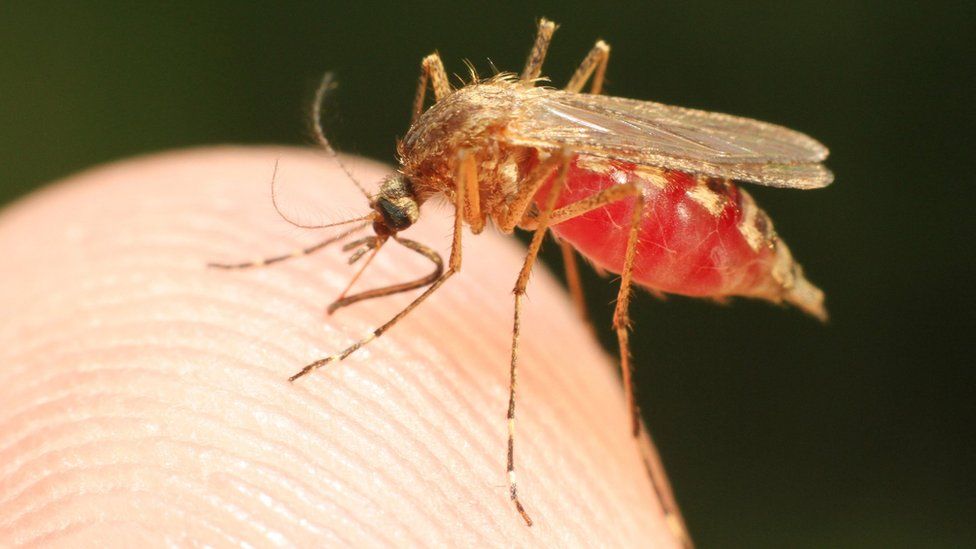
Published26 minutes agoShareclose panelShare pageCopy linkAbout sharingImage source, Getty ImagesBy Michelle RobertsDigital health editorFlorida and Texas are seeing some locally acquired cases of malaria – the first spread of the mosquito-transmitted disease inside the US in 20 years, officials warn in a health alert. Active surveillance for more cases is continuing, the Centres for Disease Control says.The risk of catching malaria in the US remains extremely low, it says.All five patients – four in Florida, one in Texas – have now had treatment. Malaria is caused by being bitten by an infected mosquito. People cannot catch it from each other. But the insects catch it from infected people – and the cycle continues. It is common in large areas of Africa, Asia and Central and South America but not the US. However, Anopheles mosquitoes, found throughout many parts of the US, can transmit malaria, if they have fed on an infected person.The risk is higher in areas where:the climate means insects survive during most of the year travellers from malaria-endemic areas are foundInfected people can suffer fever, sweats and chills. Malaria is an emergency and must be treated quickly with drugs to kill the parasite that causes the infection.Using insect repellent and covering up can help protect against mosquito bites. The CDC says it is working with the Florida and Texas health departments and those recently diagnosed and treated “are improving”.US doctors are being advised to consider malaria in any person with an unexplained fever, regardless of international travel history, particularly if they have visited or live in the affected areas of Florida or Texas. Florida has issued a mosquito-borne illness alert after cases were discovered in Sarasota County and Manatee County, warning residents to drain standing water where mosquitoes can breed and wear long-sleeved shirts and pants.More on this storyMosquito-borne diseases risk increasing in EuropePublished5 days agoRelated Internet LinksCDCThe BBC is not responsible for the content of external sites.

Read more →

Major research lost after cleaner turns off fridge, lawsuit says

Published41 minutes agoShareclose panelShare pageCopy linkAbout sharingImage source, Getty ImagesBy Mattea BubaloBBC NewsA cleaner destroyed decades of “ground-breaking” work by shutting off a lab freezer containing key samples over an “annoying” alarm sound, US lawyers have claimed. A sign explained how to mute the beep, but a breaker was reportedly switched off after a reading error. Samples stored at -80C were left “unsalvageable”, causing $1m in damages, lawyers said.The lab’s school is suing the cleaners’ employer for improper training.The company held a $1.4m (£1.1m) contract to clean the Rensselaer Polytechnic Institute in Troy, New York back in 2020 which is when the alleged incident happened, paper Times Union reported.Research on photosynthesis, headed by Prof. K.V. Lakshmi, had the potential to be “ground-breaking” in furthering solar panel development, a lawyer for the institute wrote. A few days before the freezer was turned off, an alarm went off to alert a 3C temperature rise. Though the fluctuation could have been catastrophic, Prof Lakshmi “determined that the cell cultures, samples and research were not being harmed,” the legal case read.Due to Covid restrictions at the time, it would take a week before any repairs could begin. In the meantime, a sign on the freezer’s door read: “This freezer is beeping as it is under repair. Please do not move or unplug it. No cleaning required in this area. “You can press the alarm/test mute button for 5-10 seconds if you would like to mute the sound.”But days after the alarm started sounding, the cleaner turned off the circuit breaker providing electricity to the freezer.The majority of specimens that were meant to be kept at -80C (-112F) were “compromised, destroyed and rendered unsalvageable, demolishing more than 20 years of research”, according to the legal case.A report filed by public safety staff at the institute said the cleaner thought they were flipping the breaker on when they actually turned it off, the New York Post reported,The temperature had allegedly risen by 50C (122F) by the time researchers discovered the error.Lawyer Michael Ginsberg told NBC News that the cleaning employee heard “annoying alarms”, and lawyers that interviewed him reported “he still did not appear to believe he had done anything wrong, but was just trying to help.”The institute’s legal team says the company that employed the cleaner failed to adequately train their employee. The company has not yet commented.

Read more →

Anthony Fauci to Teach at Georgetown University

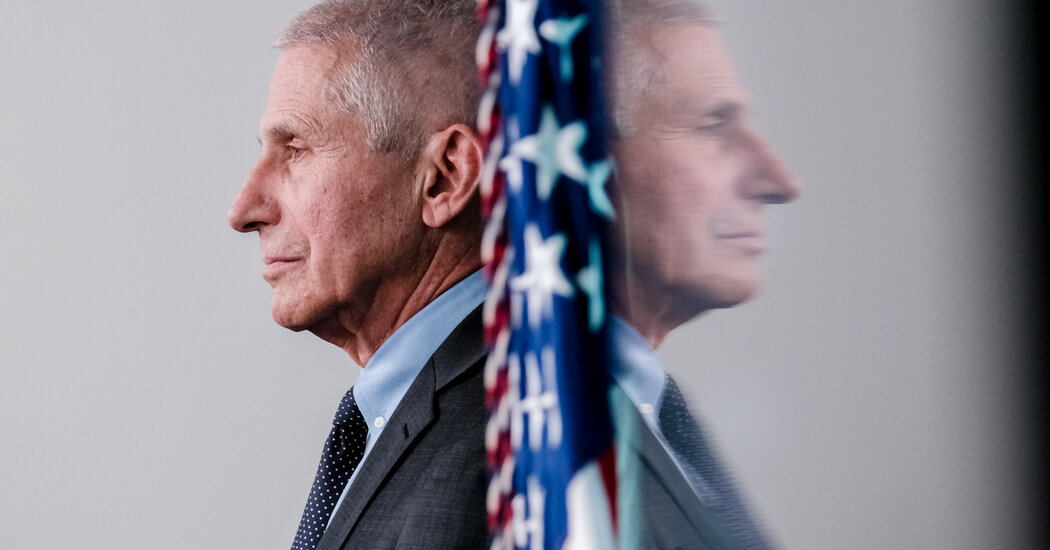
Dr. Fauci was the federal government’s top infectious disease expert for decades, and helped steer the U.S. response to Covid-19.Dr. Anthony S. Fauci, who served as the federal government’s top infectious disease specialist for nearly 40 years and played a key role in steering the United States through the coronavirus pandemic, will join the faculty of Georgetown University in Washington next month.Dr. Fauci, 82, retired from the National Institutes of Health last year, having served as the director of its National Institute of Allergy and Infectious Diseases since 1984. He was also the top Covid adviser to President Biden, a role he had filled under President Donald J. Trump. Georgetown announced his new job on Monday.Dr. Fauci will work at Georgetown’s School of Medicine and its McCourt School of Public Policy, the university said. A spokeswoman for Georgetown did not immediately respond to an inquiry seeking details about what courses he will teach. The university’s announcement said Dr. Fauci’s role at the School of Medicine will be in an infectious disease division focused on education, research and patient care.At the N.I.H., Dr. Fauci spent decades overseeing research on established infectious diseases — including H.I.V./AIDS, tuberculosis and malaria — and emerging ones like Ebola, Zika and Covid-19. He was also a principal architect of the President’s Emergency Plan for AIDS Relief, a program that has delivered lifesaving treatment to more than 20 million people in 54 countries since its inception 20 years ago under President George W. Bush.Dr. Fauci was already a high-profile public health official when the coronavirus pandemic hit in early 2020. But the race to understand and respond to the virus quickly thrust him to the forefront of American life. Through regular appearances at White House briefings, he became a larger-than-life personality counseling calm for an anxious nation.During an appearance at Georgetown University in 2014, Dr. Fauci, from left, spoke with Ron Klain, who at the time was coordinating the White House’s response to Ebola, and the university’s president, John DeGioia.Alex Wong/Getty ImagesHe was polarizing, too. Because his job frequently put him in the awkward position of publicly contradicting Mr. Trump, he became an enemy of the political right and a hero to the left.In an interview with The New York Times last year, Dr. Fauci said he was “completely nonpolitical” and “did not like nor seek out a position of having to publicly contradict a president of the United States.”“The far right seems to think I did that deliberately and took pleasure in it,” he said. “I did not.”When Dr. Fauci retired last year, he said that he hoped to do some public speaking, write a memoir, become affiliated with a university and treat patients if it had a medical center.As for the memoir, Dr. Fauci told The Times that he hoped to write a “real” one that told the story of his life, not just his turn in the national spotlight during the pandemic.“I would much rather give a story of the whole me, from the time I grew up in the streets of Brooklyn to where I am right now,” he said. “But I don’t know. I’ve never written a book before.”

Read more →

How Vivek Ramaswamy Made the Fortune Fueling His Presidential Run

On the campaign trail, as he lays out why he is a different kind of presidential candidate, Vivek Ramaswamy calls himself a Harvard-trained “scientist” from the lifesaving world of biotechnology.“I developed a number of medicines,” Mr. Ramaswamy, an entrepreneur and conservative writer, told a gathering at a construction firm this month in Davenport, Iowa. “The one I’m most proud of is a therapy for kids, 40 of them a year, born with a genetic condition who, without treatment, die by the age of 3.”The reality of Mr. Ramaswamy’s business career is more complex, the story of a financier more than a scientist, and a prospector who went bargain hunting, hyped his vision, drew investment and then cashed out in two huge payouts — totaling more than $200 million — before his 35th birthday.Mr. Ramaswamy’s enterprise is best known for a spectacular failure. As a 29-year-old with a bold idea and Ivy League connections, he engineered what was at the time the largest initial public offering in the biotechnology industry’s history — only to see the Alzheimer’s drug at its center fail two years later and the company’s value tank.But Mr. Ramaswamy, now 37, made a fortune anyway. He took his first payout in 2015 after stirring investor excitement about his growing pharmaceutical empire. He reaped a second five years later when he sold off its most promising pieces to a Japanese conglomerate.The core company Mr. Ramaswamy built has since had a hand in bringing five drugs to market, including treatments for uterine fibroids, prostate cancer and the rare genetic condition he mentioned on the stump in Iowa. The company says the last 10 late-stage clinical trials of its drugs have all succeeded, an impressive streak in a business where drugs commonly fail.Mr. Ramaswamy’s resilience was in part a result of the savvy way he structured his web of biotechnology companies. But it also highlights his particular skills in generating hype, hope and risky speculation in an industry that feeds on all three.“A lot of it had substance. Some of it did not. He’s a sort of a Music Man,” said Kathleen Sebelius, a Democrat and former health secretary during the Obama administration who advised two of Mr. Ramaswamy’s companies.For his part, Mr. Ramaswamy said that criticism that he overpromised was missing the point. Although he promoted the potential of the doomed Alzheimer’s drug, he now says he was actually selling investors on a business model.“The business model was to develop these medicines for the long run. That’s the punchline, that’s the most important point,” he said.Mr. Ramaswamy’s wealth is now underwriting a long-shot run for the Republican nomination that includes a campaign jet, plush bus and $10.3 million of his own money and counting. On the campaign trial, he sells what he calls “anti-woke” capitalism, skewering environmental, social and corporate governance programs and dismissing debates about racial privilege.He is the child of Indian immigrants, and “privilege,” he said recently in Iowa, “was two parents in the house with a focus on education, achievement and actual values. That gave me the foundation to then go on to places like Harvard and Yale and become a scientist.”With an undergraduate degree in biology from Harvard, Mr. Ramaswamy isn’t really a scientist; he made his name in the world of hedge funds and his graduate work was a law degree from Yale.Along the way, he invested in biotech and became enamored with an idea for developing high-risk prescription drugs: scour the patents held by pharmaceutical giants, searching for drugs that had been abandoned for business reasons, not necessarily for lack of promise. Buy the patents for a song, and bring them to market.Mr. Ramaswamy made his name in the world of hedge funds and his graduate work was a law degree from Yale.Forbes MagazineIn 2014, Mr. Ramaswamy founded Roivant Sciences — incorporated in the tax haven of Bermuda and backed by nearly $100 million in funding from investors including QVT, a hedge fund that employed Mr. Ramaswamy after college.Using his connections and his confidence, Mr. Ramaswamy assembled a star-studded, bipartisan advisory board. A friend from Harvard helped him recruit Democrats, including Ms. Sebelius; Tom Daschle, a former Senate majority leader; and Donald M. Berwick, a former administrator of the Centers for Medicare and Medicaid Services.The Republicans included former Senator Olympia Snowe of Maine and Mark McClellan, a prominent former health regulator.Ms. Sebelius said she was swayed by Mr. Ramaswamy’s promises of bringing critical drugs to market affordably.“It was an entrepreneurial view of how to lower drug prices,” she said of his pitch. “We shared a lot of the mission and vision.”But in making his pitch to a different crowd, Mr. Ramaswamy was blunt about Roivant’s chief aim.“This will be the highest return on investment endeavor ever taken up in the pharmaceutical industry,” he boasted in a cover story in Forbes.The “Roi” in the company’s name stands for return on investment.In late 2014, the Roivant subsidiary that would be called Axovant bought for $5 million upfront — pocket change in the biotech industry — an Alzheimer’s drug that GlaxoSmithKline had given up on after four failed clinical trials.Mr. Ramaswamy speaking in 2015 at the Forbes Under 30 Summit.Lisa Lake/Getty ImagesSix months later, before starting any new clinical trials for the drug, Mr. Ramaswamy took Axovant public in a debut that sent the company’s market value to nearly $3 billion.Around that time, the company reported it had just eight employees, including Mr. Ramaswamy’s mother and brother, both of them physicians.Mr. Ramaswamy was a powerful salesman. He talked up the Alzheimer’s drug, intepirdine, as a potential breakthrough that “could help millions” of people. “The potential opportunity is really tremendous for delivering value to patients,” he said on CNBC.Patrick Machado, a former director of Roivant and Axovant, described Mr. Ramaswamy as “brilliant and audacious.” Others said Mr. Ramaswamy was overpromising.Thanks to the public stock offering, Mr. Ramaswamy held a large and suddenly extraordinarily valuable stake in Axovant through its parent company Roivant, which was still privately held and controlled about 80 percent of Axovant.With the drug headed into a crucial clinical trial, he set out to raise more money to finance his broader ambitions with Roivant.In late 2015, Mr. Ramaswamy sold off a portion of his Roivant shares to an institutional investor, Viking Global Investors, that wanted in. The sale was a major payday: On his 2015 tax return, Mr. Ramaswamy claimed more than $37 million in capital gains.In an interview, Mr. Ramaswamy said he cashed out only to make room for Viking, not to hedge his bets ahead of intepirdine’s clinical trial.“We were forced to sell,” he said, “and in some ways it’s a regret because the shares would be more valuable today if they hadn’t been sold.”In 2017, Mr. Ramaswamy made his pitch to Masayoshi Son, the founder of the Japanese conglomerate SoftBank who runs the world’s largest tech investment fund. His presentation included slides mimicking ones Mr. Son is known for, with charts showing an arrow shooting up and to the right, according to a person familiar with Mr. Ramaswamy’s pitch who was not authorized to speak publicly.In August 2017, SoftBank led an investment of $1.1 billion in Roivant. The investment wasn’t about getting in on Axovant; SoftBank thought intepirdine was unlikely to succeed, the person said. But SoftBank was seeking to invest in Mr. Ramaswamy’s wider drug portfolio, according to two people with knowledge of the matter.SoftBank declined to comment.A few weeks later, the Alzheimer’s drug’s clinical trial failed. The stock price plunged, losing 75 percent of its value in a single day. The stock slid further in the months that followed and never recovered before the company was dissolved this year.Mr. Ramaswamy declined to disclose how much he lost on paper because of the drug’s failure.Thanks to the way he structured his biotechnology empire, he did not hold a direct stake in Axovant. His personal stake was through Roivant, allowing Mr. Ramaswamy to weather the storm. QVT, the hedge fund where Mr. Ramaswamy once worked, had also invested in Roivant, insulating it from much of the fallout. QVT did not respond to a request for comment.But some investors lost real money on Axovant. One large public pension fund, the California State Teachers’ Retirement System, sold its stake months later, when it was worth hundreds of thousands of dollars less than in the days leading up to the disappointing clinical trial news. (The fund declined to comment.)But for many Axovant shareholders who lost money, many of whom were sophisticated institutional investors, the loss was one missed gamble on a high-risk, high-reward stock within a large portfolio of safer bets.Mr. Ramaswamy campaigning in Iowa this month. On the campaign trial, he sells what he calls “anti-woke” capitalism, skewering environmental, social and corporate governance programs and dismissing debates about racial privilege.Jordan Gale for The New York TimesWith intepirdine’s failure, Mr. Ramaswamy ran into the hard reality of biology, said Derek Lowe, a longtime pharmaceutical researcher and industry commentator. “The patients’ diseased cells that you’re trying to treat don’t really care how hard-charging you are,” he said.“I think whipping people up into thinking this was a wonder drug was unconscionable,” he said. (Mr. Lowe bet against Axovant’s stock and made about $10,000 from the drug’s failure, he said.)Mr. Ramaswamy has expressed regret for years about the failure of his drug for Alzheimer’s, a disease that has long bedeviled researchers. And the criticism that he profited while his investors lost angers him, he said.“On a personal level, it grates on me a little bit,” he said. “The business model of Roivant was to see these drugs through the market, and we could have cashed out big, and employees could have cashed up big, but that was not the business model.”But Mr. Ramaswamy did eventually cash out on Roivant.In 2019, Roivant sold off its stake in five of its most promising spinoff companies to Sumitomo, a giant Japanese conglomerate.That proved to be Mr. Ramaswamy’s biggest payday. His 2020 tax return included nearly $175 million in capital gains.In recent years, Mr. Ramaswamy has stepped back from Roivant, leaving his roles as chief executive in 2021 and chairman in February. He remains the sixth largest shareholder in the company, with a stake currently valued at more than $500 million. (He has yet to file personal financial disclosures for his presidential run, but he has released 20 years of tax returns and called for his competitors in the Republican race to do the same.)Mr. Ramaswamy’s pitch that his business model would lead to affordable drug prices has not come to pass. One example is the product for which he has said he is most proud, a one-time implant for children with a rare and devastating immune ailment. When Enzyvant, the Roivant spinoff company by then controlled by Sumitomo, won regulatory approval in 2021, it set a sticker price of $2.7 million.Sumitomo declined to comment.

Read more →

NHS watchdog rejects Mounjaro fat loss jab for diabetes

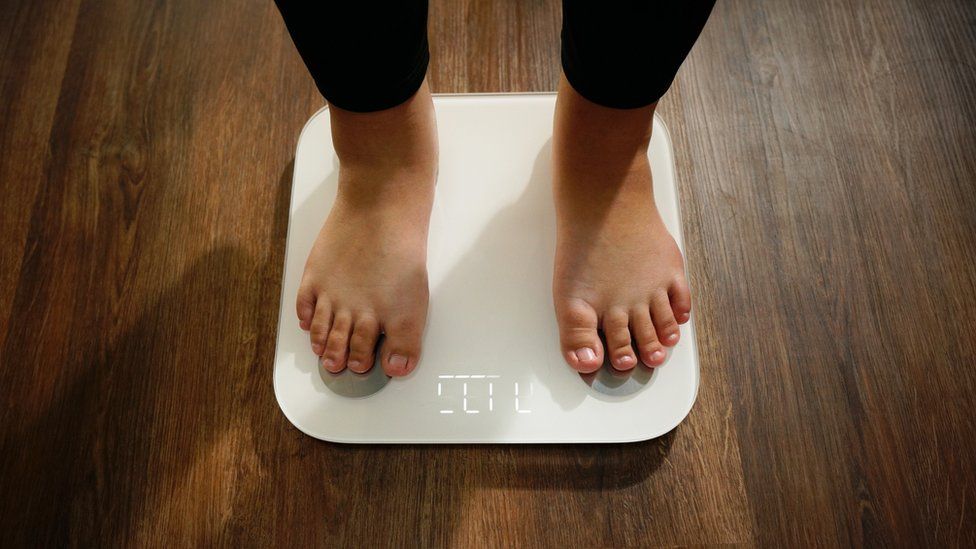
Published8 hours agoShareclose panelShare pageCopy linkAbout sharingImage source, Getty ImagesBy Michelle RobertsDigital health editorA new diabetes medicine dubbed the “King Kong” of weight loss jabs cannot be recommended on the NHS yet because the cost for benefit may not be justified, a spending watchdog says. The National Institute for Health and Care Excellence (NICE) says it needs more evidence on Mounjaro, even though it recently approved a similar weekly injection called Wegovy. Both drugs blunt appetite, so users feel full and eat less. They also help manage blood glucose. Social media posts about people, often celebrities, shedding large amounts of weight has led to big demand for these types of treatment. There have been ongoing global shortages of another injection for type 2 diabetes, called Ozempic, that some people have been buying off-label as a weight loss aid. The pre-filled pens contain a lower dose of of the same medicine – semaglutide – that is in Wegovy. The draft guidelines from NICE say it is yet to be established if Mounjaro, also known as tirzepatide, represents good value for money, alongside diet and exercise, for adults with type 2 diabetes and a high body mass index. The NHS price of the pre-filled pens has not been made public because of commercial sensitivities. Helen Knight, from NICE, said: “Type 2 diabetes is becoming more prevalent in society, so new treatment options are needed to help people with it to control their blood-glucose levels.”Our committee can see the promise in tirzepatide, but it requires more evidence to be able to evaluate both its clinical, and cost, effectiveness.”Manufacturer Eli Lilly has been asked to submit more data for the committee to look at ahead of its next meeting. This recommendation in England is not intended to affect treatment with tirzepatide that was started in the NHS before this guidance was published, says NICE. People having treatment outside this recommendation may continue without change, until they and their NHS clinician consider it appropriate to stop.Weight-loss: Are injections the answer to tackling obesity?Weight loss jab to be sold by UK chemist shopsWegovy (semaglutide), meanwhile, has been approved for use by the NHS in England for adults with at least one obesity-related health problem, which can include type 2 diabetes. Stocks are not yet available, but the prime minister has said GPs in England may soon start offering it to some patients, as well as specialist weight management clinics. Rishi Sunak said it could be a “game-changer”, as he announced a £40m pilot scheme to increase access to the drug. More on this storyGPs set to offer weight-loss jab to reduce obesityPublished7 JuneAre weight-loss injections the answer to obesity?Published19 March

Read more →

Organ harvesting: Trafficked for his kidney and now forced into hiding

Published8 hours agoShareclose panelShare pageCopy linkAbout sharingImage source, Getty ImagesBy Mark Lobel, Kate West and Melanie Stewart-SmithFile on 4When a man who’d been sleeping rough walked into a police station near Heathrow Airport, it would lead to the UK’s first prosecution of human trafficking for organ removal. The BBC has been given unprecedented access to the Metropolitan Police team that investigated this historic case. Daniel was about to get the fright of his life.He was sitting in a consulting room at the Royal Free hospital in London, speaking to doctors with his limited English.The 21-year-old street trader from Lagos, Nigeria, had come to the UK days earlier for what he had been told was a “life-changing opportunity”. He thought he was going to get a better job.But now doctors were talking to him about the risks of the operation and the need for lifelong medical care.It was at that moment, Daniel told investigators, that he realised there was no job opportunity and he had been brought to the UK to give a kidney to a stranger. “He was going to literally be cut up like a piece of meat, take what they wanted out of him and then stitch him back up,” according to Christine Huddlestone, from the anti modern slavery group Justice and Care.Luckily for Daniel, the doctors had become suspicious that he didn’t know what was going on and feared he was being coerced. So they halted the process. Daniel was not free of his traffickers though. Back in the flat he was staying in, two men came to examine him. It was then he overheard a conversation about sending him back to Nigeria to remove his kidney there. He fled, and after two nights sleeping rough, he walked into a police station near Heathrow, triggering an investigation that would lead to the UK’s first prosecution for human trafficking for organ removal.That was in May 2022, and Daniel – not his real name – now lives under heavy police protection. The BBC’s File on 4 has learned that his ground-breaking case alerted UK authorities to other instances of organ trafficking. These include: The case of an Indian man in his 60s who has been arrested in the UK on suspicion of conspiring to exploit a person for organ removal. He was arrested earlier this month and released on bailA case referred to police by the Human Tissue Authority, which must approve living organ transplants in the UK, after it refused to give the go-aheadA “handful” of other referrals to police by the authority, of people it suspects have returned to the UK after having illegally paid for transplants abroad Meanwhile, the Met Police says it is still investigating “other outstanding suspects” from its original investigation.Trafficked Daniel’s case reveals the tactics used by traffickers to lure people to the UK under false pretences. When Daniel was first offered the chance to work in the UK, while he was still in Nigeria, he was asked to go for a blood test. He thought it was for his UK visa, but it was really to check that his body was healthy enough to have his kidney removed. He was then put on a flight to London – but had no money and wasn’t allowed to touch his passport. His every move was now being controlled.His traffickers then introduced him to the young Nigerian woman who was hoping to get his kidney. Sonia, who was 25 at the time, has a serious form of kidney disease. She needs a transplant and is on dialysis for five hours a day, three or four times a week.Image source, Metropolitan PoliceA photograph of their meeting was taken as evidence of their relationship – he was being presented as her cousin, a willing donor for his family member. That’s because while it is legal to offer an organ to someone else – you cannot do it for financial reward.What is organ harvesting?Organ-harvesting involves illegally removing parts of the body for transplant, often for commercial gain, with or without the victim’s consent. Under modern slavery laws a victim cannot consent to their own exploitationIt often involves coercion, deception or a promise of a reward for vulnerable victimsThe UK’s Modern Slavery Act 2015 covers human trafficking, under which organ harvesting falls. It is punishable with a maximum sentence of life imprisonmentDaniel was taken to several meetings with medical consultants at the private patients’ unit at London’s Royal Free Hospital. An interpreter was also paid to coach Daniel to say whatever the doctors needed to hear.But the deception failed and Daniel went to the police.His testimony led detectives to Sonia’s father, one of Nigeria’s most powerful politicians.Ike Ekweremadu was a senior senator and a multi-millionaire, who was paying for his family to be schooled in the UK. At his trial earlier this year, Ekweremadu said he had been misled and never intended to exploit Daniel. In fact the jury heard the defendant had helped introduce laws that made organ donations for reward a criminal offence in Nigeria. Image source, MET POLICEMiddlemanIn court, it emerged that Daniel was not the only person to have been brought to the UK to have their kidney taken. Another transplant – also illegal – went ahead in 2021. The man who received that organ for himself was in fact in the dock, along with the Ekweremadus – Sonia’s parents. He was their middleman, Dr Obinna Obeta, who had orchestrated Daniel’s exploitation. Dr Obeta knew what the process involved because his own transplant had also taken place at the Royal Free Hospital.On sentencing, Mr Justice Johnson, referring to that first operation, put it bluntly: “The clinicians at the Royal Free, and the independent assessors at the Human Tissue Authority, were taken in by the lie.”The lie was that the transplant in 2021 was carried out on the understanding that the donor and recipient were cousins. In fact, it turned out they were not related. Image source, Metropolitan PoliceThe trial also heard that although Daniel’s transplant had been stopped, nobody from the Royal Free had informed the police of their concerns – which meant Daniel had remained at risk.The Royal Free Hospital told us it had followed the official guidance in Daniel’s case and “as such a decision was taken not to proceed”.The hospital also said it continues “to work closely with the Metropolitan Police to ensure all those working in our transplant services are aware of the law around organ trafficking and know what to do if they suspect a crime has been committed”.Transplant tourismIn July last year, having a paid-for transplant abroad became an offence in England, Scotland and Wales. All clinicians in Great Britain are now legally required to report any individuals who have returned and come to them seeking aftercare.Birmingham-based kidney specialist Dr Adnan Sharif says it is a hard crime to prove “but we know that it happens” – citing recent NHS research showing there have been about 150 recorded cases of people returning to the UK over a 10-year period. Most instances were kidney transplants. We asked The Human Tissue Authority (HTA) how many cases they have referred to police since the law changed last July.Chief executive Dr Colin Sullivan told us a “handful” of cases have been referred – adding that a number of those were flagged by doctors and other clinicians.He said the HTA has now changed guidance to staff, as well as its IT systems, to flag higher risk cases more easily. “What does guilty mean?” Modern slavery cases are often very difficult to prove.In Daniel’s case, the Met officers expected the investigation to last years, because the culprits had left the country.But, on 21 June 2022, Det Sgt Andy Owen received a phone call telling him that Ike Ekweremadu and his wife Beatrice were flying into London.He quickly scrambled his team to get to Heathrow, and armed officers escorted the couple from the plane. Seizing the suspect’s mobile phones, the police were able to uncover the plot. Vital evidence included messages about a donor fee of 4.5 million naira (£4,317 or $5,487). “It was like a treasure chest,” Det Sgt Owen told us. “I was just finding more and more incriminating evidence.” But dealing with such a powerful suspect wasn’t straightforward. Midway through the investigation, Nigerian senators attempted to move the trial to Nigeria.They also wanted to “have access to the victim”, said Det Supt Andy Furphy, “which obviously raises huge red flags for us. We immediately felt the victim was unsafe.”After seeking legal advice, police were able to ensure that access was denied. File on 4 spoke to the senator who led the delegation, Adamu Bulkachuwa, who visited Ike Ekweremadu in prison. He told us he had wanted to put “both diplomatic pressure and executive pressure on the British government to see if we can save the situation”. But Mr Bulkachuwa insisted it was not to give his colleague an “easier ride” back home, explaining that “we are also signatories to the human trafficking laws internationally”. On 23 March the three people involved in Daniel’s ordeal were found guilty. Ike Ekweremadu was sentenced to nine years and eight months in prison. His wife Beatrice got four and a half years. The middleman, Dr Obeta, was sentenced to 10 years. Sonia was found not guilty. Det Sgt Owen was in court with Daniel.”He actually said, ‘What does guilty mean?’ That’s the level of understanding of the criminal justice system that he had.” That response, along with the victim’s refusal to accept compensation from the perpetrators, offered a very different picture to people who saw “a young man just out for himself… to get as much money as he could,” says Det Sgt Owen. He told the BBC Daniel was happy at being believed, and just wanted to move on with his life.Broken familyBack in Nigeria, this episode has been nothing but heartbreak for Daniel’s loved ones.They now fear revenge attacks from allies of the powerful Nigerian politician he has jailed.We met Daniel’s brother in the busy Lagos market where Daniel used to sell mobile phone accessories.He told us he hasn’t spoken to his brother since he suddenly disappeared in February 2022 and only found out where he was when news of the trial was reported months later.”We’ve been crying every day and my father has grieved so much he’s become very sick,” he says. “Daniel was deceived and carried away.”Daniel’s landlord and mentor, who he spoke to every day before he vanished, is adamant he would not have agreed to sell his kidney. “Because he knows there are other ways to make money. Even for £1m he wouldn’t have done it,” he said. Daniel is now afraid for his safety. He is under police protection in the UK and feels he can’t return to Nigeria. He may never see his family again. He saved his kidney and made legal history, but his life has been torn apart. File on 4: The organ harvesters is at 20:00 on BBC Radio 4 – or listen now on BBC SoundsMore on this storyOrgan-trafficking plot politician and wife guiltyPublished23 MarchNigerian street trader trafficked in kidney plotPublished23 March

Read more →

Innovative paper-like, battery-free, AI-enabled sensor for holistic wound monitoring

Scientists from the National University of Singapore and A*STAR’s Institute of Materials Research and Engineering have invented a paper-like, battery-free, AI-enabled sensor patch — PETAL — for convenient and effective monitoring of wound recovery. This novel technology provides early warning of complications to improve wound care. The paper-like, battery-free PETAL sensor patch uses five colorimetric sensors to measure biomarkers in the wound within 15 mins. A proprietary AI algorithm quickly analyses the digital image of the sensor patch to determine wound healing status with an accuracy rate of 97%.
Timely and effective monitoring of wound healing status is critical to wound care and management. Impaired wound healing, such as chronic wounds (i.e. those that do not heal after 3 months) and post-burn pathological scars, could result in life-threatening medical complications and considerable economic burden to patients and healthcare systems worldwide.
A recent invention by a team of researchers from the National University of Singapore (NUS) and A*STAR’s Institute of Materials Research and Engineering (IMRE), provides a simple, convenient and effective way of monitoring wound recovery so that clinical intervention can be triggered in a timely manner to improve wound care and management.
Currently, wound healing is typically examined visually by a clinician. Wound infections are mostly diagnosed via swabbing followed by a bacteria culture which involves long waiting time and does not provide timely wound diagnosis. This makes accurate prediction of wound healing challenging in the clinical setting. In addition, wound assessment typically requires frequent manual removal of dressing, which elevates the risks of infection and may cause additional pain and trauma for patients.
“To address this challenge, NUS researchers combined our expertise in flexible electronics, artificial intelligence (AI) and sensor data processing with nanosensor capabilities of IMRE researchers to develop an innovative solution that could benefit patients with complex wound conditions,” said Associate Professor Benjamin Tee from the Department of Materials Science and Engineering under the NUS College of Design and Engineering, and the NUS Institute for Health Innovation & Technology.
The PETAL (Paper-like Battery-free In situ AI-enabled Multiplexed) sensor patch comprises of 5 colorimetric sensors that can determine the patient’s wound healing status within 15 minutes by measuring a combination of biomarkers — temperature, pH, trimethylamine, uric acid and moisture of the wound. These biomarkers were carefully selected to effectively assess wound inflammation, infection as well as the condition of the wound environment.

“We designed the paper-like PETAL sensor patch to be thin, flexible and biocompatible, allowing it to be easily and safely integrated with wound dressing for the detection of biomarkers. We can thus potentially use this convenient sensor patch for prompt, low-cost wound care management at hospitals or even in non-specialist healthcare settings such as homes,” explained Dr Su Xiaodi, Principal Scientist, Soft Materials Department, A*STAR’s IMRE.
The sensor patch is able to operate without an energy source — sensor images are captured by a mobile phone and analysed by AI algorithms to determine the patient’s healing status.
Assoc Prof Tee said, “Our AI algorithm is capable of rapidly processing data from a digital image of the sensor patch for very accurate classification of healing status. This can be done without removing the sensor from the wound. In this way, doctors and patients can monitor wounds more regularly with little interruption to wound healing. Timely medical intervention can then be administered appropriately to prevent adverse complications and scarring.”
The design and fabrication of the PETAL sensor patch was reported in the scientific journal Science Advances on 16 June 2023.
Battery-free sensor analyses five wound biomarkers in a single patch
Most wearable wound sensors measure only one or a small number of parameters, and they require bulky printed circuit boards and batteries. The PETAL sensor patch, on the other hand, currently measures 5 biomarkers and does not require any battery to operate. More biomarkers can be added if required.

Each PETAL sensor patch consists of a fluidic panel patterned in the form of a five-petal pinwheel flower, with each ‘petal’ acting as a sensing region. An opening in the centre of the fluidic panel collects fluid from wound and distributes the fluid evenly via 5 sampling channels to the sensing regions for analysis. Each sensing region uses a different colour-changing chemical to detect and measure the respective wound indicators — namely temperature, pH, trimethylamine, uric acid and moisture.
The fluidic panel is sandwiched between 2 thin films. The top transparent silicone layer allows for normal skin functions of oxygen and moisture exchange, and it also enables image display for accurate image capture and analysis. The bottom wound contact layer gently attaches the sensor patch to the skin and protects the wound bed from direct contact with the sensor panel, to minimise wound tissue disruptions.
After sufficient wound fluid is accumulated (usually within a few hours or over a few days), the PETAL sensor patch will complete the detection of biomarkers within 15 minutes. Images or a video of the sensor patch can be recorded on a mobile phone for classification using the proprietary AI algorithm.
In lab experiments, the PETAL sensor patch demonstrated a high accuracy of 97 per cent in differentiating healing and non-healing chronic and burn wounds.
Wound-friendly and versatile
There are no apparent signs of adverse reactions observed on the skin surface in contact with the PETAL sensor patch over four days, demonstrating the biocompatibility of the PETAL sensor patch for ambulatorywound monitoring.
In the current study, the performance of the PETAL sensor patch was demonstrated on chronic wounds and burn wounds. This AI-enabled technology can be adapted and customised for other wound types, by incorporating different colorimetric sensors, such as glucose, lactate or Interleukin-6 for diabetic ulcers. The number of detection zones can also be easily reconfigured to detect different biomarkers concurrently, so its application can be broadened for different wound types.
Next steps
An international patent for this invention has been filed and the researchers plan to advance to human clinical trials next.
The development of the PETAL sensor patch was conducted in collaboration with Professor David Becker’s research team from the Nanyang Technological University and the Skin Research Institute Singapore.

Read more →