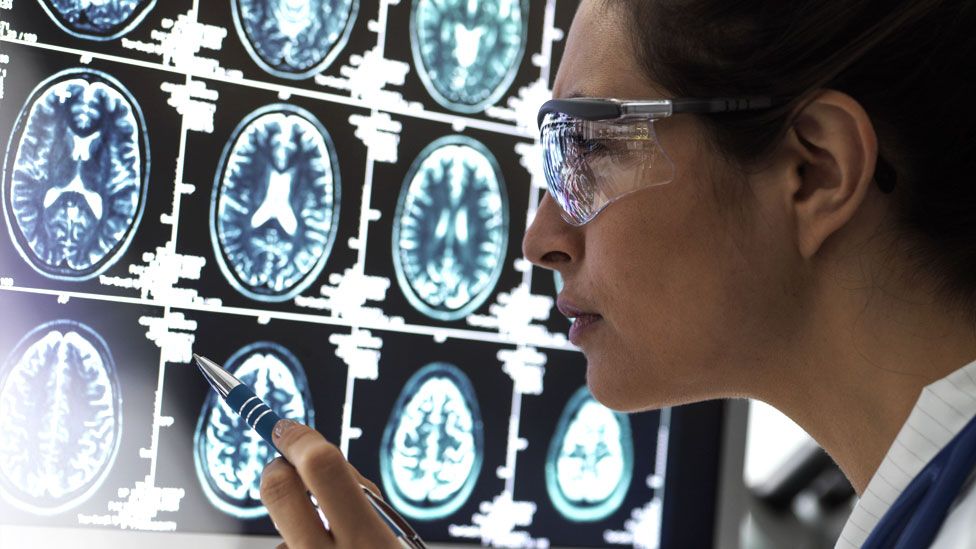
New study shows anti-inflammatory drugs as a promising target for Alzheimer's disease

A recent study from the lab of the University of Kentucky’s Sanders-Brown Center on Aging Director Linda Van Eldik, Ph.D., has been published in PLOS ONE. The work centers around the idea that various anti-inflammatory drugs could be effective treatments for Alzheimer’s disease (AD). This study focused on a protein known as p38. Many labs have been working with this protein as a potential target for drug development to treat Alzheimer’s disease and other conditions with neuroinflammatory dysfunction.
Van Eldik and her team used genetic techniques to stop the production of p38 in the major immune cell type within the brain, the microglia. They tested the effects of this in an early-stage mouse model of AD to determine whether it would alter the trajectory of amyloid plaque formation, a major component of AD pathology. While the plaques themselves were not affected, the amount of microglia in proximity to these plaques was decreased, suggesting that suppression of microglial p38 may affect their interactions with aspects of AD pathology.
Some classes of anti-inflammatory drugs include p38 inhibitors, which are currently under clinical development and have shown encouraging results during recent human clinical trials. However, it is still not clear when during the disease process these p38 inhibitors should be administered and whether long-term suppression of p38 is harmful. The findings reported by the Van Eldik lab indicate that early inhibition of p38 may be able to alter interactions between brain immune cells and AD pathology, and they suggest that long-term suppression of p38 does not cause noticeable adverse effects.

Read more →

Children's IQs not diminished by concussion, study suggests

The angst parents feel when their children sustain injuries is surely one of the universal conditions of parenthood. That anxiety is heightened greatly when those injuries involve concussions. But a new study led out of the University of Calgary, published today in the medical journal Pediatrics, may set worried parental minds slightly at ease.
The findings — taken from emergency room visits in children’s hospitals in Canada and the United States — show that IQ and intelligence is not affected in a clinically meaningful way by pediatric concussions.
The study compares 566 children diagnosed with concussion to 300 with orthopedic injuries. The children range in age from eight to 16 and they were recruited from two cohort studies. The Canadian cohort encompasses data collected from five children’s hospital emergency rooms, including Alberta Children’s Hospital in Calgary, along with those in Vancouver, Edmonton, Ottawa, and Montreal (CHU Sainte-Justine). In the Canadian hospitals, patients completed IQ tests three months postinjury.
The U.S. cohort was conducted at two children’s hospitals in Ohio, wherein patients completed IQ tests three to 18 days, postinjury.
“Obviously there’s been a lot of concern about the effects of concussion on children, and one of the biggest questions has been whether or not it affects a child’s overall intellectual functioning,” says Dr. Keith Yeates, PhD, a professor in UCalgary’s Department of Psychology and senior author of the Pediatrics paper. Yeates is a renowned expert on the outcomes of childhood brain disorders, including concussion and traumatic brain injuries.
“The data on this has been mixed and opinions have varied within the medical community,” says Yeates. “It’s hard to collect big enough samples to confirm a negative finding. The absence of a difference in IQ after concussion is harder to prove than the presence of a difference.”
Combining the Canadian and U.S. cohorts gave the Pediatrics study an abundant sample and it allowed Yeates and his co-authors — from universities in Edmonton, Montreal, Vancouver, Ottawa, Atlanta, Utah, and Ohio, along with Calgary’s Mount Royal University — to test patients with a wide range of demographics and clinical characteristics.

Read more →

Third Alzheimer's drug represents 'opening chapter in new era'

With yet a third new Alzheimer’s drug expected to be approved by the Food and Drug Administration (FDA), the field is beginning to show progress in the fight to slow the disease.
But the drugs work best for those in the earliest stages of Alzheimer’s, and other therapies will be needed to help those with advanced disease, according to Gil Rabinovici, MD, director of the UCSF Alzheimer’s Disease Research Center.
This is likely “just the opening chapter in a new era of molecular therapies for Alzheimer’s disease and related neurodegenerative disorders,” Rabinovici wrote in a July 17, 2023, JAMA editorial that is being published along with the results of the latest drug, donanemab. Rabinovici was not involved in the trial.
Donanemab is a monoclonal antibody, like the two earlier Alzheimer’s drugs, aducanumab (Aduhelm) and lecanemab (Leqembi). These drugs attack plaques in the brain that are made of a protein called amyloid. They disrupt cell function and lead to the rapid spread of another protein called tau. Both amyloid and tau contribute to the development of Alzheimer’s disease.
The trial showed donanemab slowed cognitive decline by 35% compared with placebo in patients with low-to-intermediate levels of tau in the brain. These results are similar to those reported with Leqembi, which received FDA approval earlier this month. In the donanemab trial, patients also experienced a 40% lower risk of progressing from mild cognitive impairment to mild dementia, or from mild-to-moderate dementia.
Donanemab was better at removing amyloid plaques compared to Aduhelm and Leqembi. It reduced tau concentrations in the blood, but not in a key area of the brain.
While these results are encouraging, Rabinovici said an in-depth analysis still is needed to understand how these findings affect patient outcomes.

Read more →

Building better lipid nanoparticles for drug delivery

Many diseases can be successfully treated in the simple environment of a cell culture dish, but to successfully treat real people, the drug agent has to take a journey through the infinitely more complex environment within our bodies and arrive, intact, inside the affected cells. This process, called drug delivery, is one of the most significant barriers in medicine.
A collaboration between Lawrence Berkeley National Laboratory (Berkeley Lab) and Genentech, a member of the Roche Group, is working to break through some of the drug delivery bottlenecks by designing the most effective lipid nanoparticles (LNPs) — tiny spherical pouches made of fatty molecules that encapsulate therapeutic agents until they dock with cell membranes and release their contents. The first drug to use LNPs was approved in 2018, but the delivery method rose to global prominence with the Pfizer and Moderna mRNA Covid vaccines.
“It’s quite a smart system, because if you just deliver the RNA itself to the human body, the RNA is degraded by nucleases and cannot easily cross the cell membrane due to its size and charge, but the LNPs deliver it safely into the cell,” explained co-lead author Chun-Wan Yen, a senior Principal Scientist in Genentech’s Small Molecule Pharmaceutical Sciences group.
LNPs are now being widely explored as a delivery system for vaccines for other infectious diseases or therapeutic vaccines for cancer. The viability of these new applications will be dependent on how well the lipid envelopes fuse with target cells, how stable the drug-LNP formulations are in storage (so that they have a long shelf-life), and how stable they are in the body (so they can confer prolonged drug activity).
All these properties are controlled by the mixture of molecules used to create the LNP, and the resulting 3D structure of the particle. The team under Yen and fellow co-leads Greg Hura and Michal Hammel, both Berkeley Lab biophysicists, has been studying how to tune the structure of LNPs for desired properties for several years.
Their latest paper, published recently in ACS Nano, documents how a high-throughput workflow allows them to produce and characterize LNPs at record speed. The study also includes the first-ever demonstration of how LNP structure correlates with the activity of its contents, which for this investigation was an anti-sense oligonucleotide (ASO). ASOs are small snippets of RNA or DNA base pairs that block gene expression by binding to strands of mRNA and preventing them from being translated into proteins. ASOs are a great way to treat diseases caused by faulty proteins or the over-abundance of a protein. But, like mRNA, they are susceptible to roving nucleases — enzymes that degrade RNA and DNA — and cells do not readily uptake them.
The scientists discovered that ASO-carrying LNPs with neatly ordered, closely-packed internal structures led to better silencing of a faulty gene in human neurons that is associated with a degenerative disease, compared with LNPs that had a more disordered structure. The findings were from cell-based studies, not from animal studies, so there is still more work ahead, but the team are excited to build upon these insights using the complementary tools of each institution.

Read more →

Researchers craft 'origami DNA' to control virus assembly

Griffith University researchers have played a key role in using DNA ‘origami’ templates to control the way viruses are assembled.
The global team behind the research, published in Nature Nanotechnology, developed a way to direct the assembly of virus capsids — the protein shell of viruses — at physiological conditions in a precise and programmable manner.
Dr Frank Sainsbury and Dr Donna McNeale from the Griffith Institute for Drug Discovery were part of the research team and said forcing viruses to assemble onto DNA folded into different shapes “like origami” was a question that this project answered.
“We achieved control over the virus protein shape, size and topology by using user-defined DNA origami nanostructures as binding and assembly platforms, which became embedded within the capsid,” Dr Sainsbury said.
“The virus protein coatings could shield the encapsulated DNA origami from degradation.
“This activity is more like wrapping a present — the virus proteins deposit on top of the different shape that is defined by the DNA origami shape.
“And different virus proteins are like different wrapping paper, which would be relevant to different uses of the coated DNA origami.”
Precise control over the size and shape of virus proteins would have advantages in the development of new vaccines and delivery systems.

Read more →

AI to predict your health later in life — all at the press of a button

Thanks to artificial intelligence, we will soon be able to predict our risk of developing serious health conditions later in life, at the press of a button.
Abdominal aortic calcification, or AAC, is a calcification which can build up within the walls of the abdominal aorta and predicts your risk of developing cardiovascular disease events such as heart attacks and stroke.
It also predicts your risk of falls, fractures and late-life dementia.
Conveniently, common bone density machine scans used to detect osteoporosis, can also detect AAC.
However, highly trained expert readers are needed to analyse the images, a process which can take 5-15 minutes per image.
But researchers from Edith Cowan University’s (ECU) School of Science and School of Medical and Health Sciences have collaborated to develop software which can analyse scans much, much faster: roughly 60,000 images in a single day.
Researcher and Heart Foundation Future Leader Fellow Associate Professor Joshua Lewis said this significant boost in efficiency will be crucial for the widespread use of AAC in research and helping people avoid developing health problems later in life.

Read more →

ChatGPT's responses to people's healthcare-related queries are nearly indistinguishable from those provided by humans, new study reveals

ChatGPT’s responses to people’s healthcare-related queries are nearly indistinguishable from those provided by humans, a new study from NYU Tandon School of Engineering and Grossman School of Medicine reveals, suggesting the potential for chatbots to be effective allies to healthcare providers’ communications with patients.
An NYU research team presented 392 people aged 18 and above with ten patient questions and responses, with half of the responses generated by a human healthcare provider and the other half by ChatGPT.
Participants were asked to identify the source of each response and rate their trust in the ChatGPT responses using a 5-point scale from completely untrustworthy to completely trustworthy.
The study found people have limited ability to distinguish between chatbot and human-generated responses. On average, participants correctly identified chatbot responses 65.5% of the time and provider responses 65.1% of the time, with ranges of 49.0% to 85.7% for different questions. Results remained consistent no matter the demographic categories of the respondents.
The study found participants mildly trust chatbots’ responses overall (3.4 average score), with lower trust when the health-related complexity of the task in question was higher. Logistical questions (e.g. scheduling appointments, insurance questions) had the highest trust rating (3.94 average score), followed by preventative care (e.g. vaccines, cancer screenings, 3.52 average score). Diagnostic and treatment advice had the lowest trust ratings (scores 2.90 and 2.89, respectively).
According to the researchers, the study highlights the possibility that chatbots can assist in patient-provider communication particularly related to administrative tasks and common chronic disease management. Further research is needed, however, around chatbots’ taking on more clinical roles. Providers should remain cautious and exercise critical judgment when curating chatbot-generated advice due to the limitations and potential biases of AI models.

Read more →

Pancreatic cancer vaccine plus immunotherapy and antibody spark immune system response in pancreatic cancers

Giving patients with operable pancreatic cancers a three-pronged combination immunotherapy treatment consisting of the pancreatic cancer vaccine GVAX, the immune checkpoint therapy nivolumab and urelemab, an anti-CD137 agonist antibody treatment, is safe, it increases the amount of cancer-killing immune system T cells in the tumors and it appears effective when given two weeks prior to cancer-removal surgery, according to new research directed by Johns Hopkins investigators. A description of the work was published online June 20 in the journal Nature Communications.
This study, led by researchers at the Johns Hopkins Kimmel Cancer Center, the Bloomberg~Kimmel Institute for Cancer Immunotherapy and the Johns Hopkins University School of Medicine, is the latest from an ongoing platform trial formed in 2015 to study immunotherapy treatments before surgery (neoadjuvant) and after surgery (adjuvant) for patients with pancreatic cancer. This format enables researchers to use data generated by the trial to advance development of immunotherapies for pancreatic cancer within the same study.
In this most recent part of the trial, 10 participants received the combination treatment. The median disease-free survival — the amount of time after treatment during which no cancer is found — was 33.51 months, and the median overall survival — time to death — was 35.5 months. These were higher than found in previous arms of the trial that tested the pancreatic cancer vaccine alone and in combination with nivolumab, but because of the small number of patients, the results did not have statistical significance.
The tumor specimens studied in the recent arm also had much higher amounts of cancer-killing immune cells than specimens from patients given only the vaccine or the vaccine plus nivolumab.
The results suggest that this therapy combination warrants further study in a larger clinical trial, says senior study author Lei Zheng, M.D., Ph.D., co-director of the Pancreatic Cancer Precision Medicine Center of Excellence and professor of oncology at the Johns Hopkins University School of Medicine.
The platform trial has two purposes regarding pancreatic cancer treatments given during the two-week “window of opportunity” prior to surgery, Zheng says. First, it allows the immunotherapies to teach the patient’s immune cells how to respond to tumors, so they can continue surveillance later if the cancer recurs. Second, it enables investigators to see, by evaluating the tumors removed during surgery, how well the tumors respond to the treatment. A fourth arm of the trial, studying anti-interleukin-8 neutrophil-blocking antibodies in pancreatic tumors, is ongoing.
 

Read more →

Drug donanemab seen as turning point in dementia fight

Published8 minutes agoShareclose panelShare pageCopy linkAbout sharingImage source, Getty ImagesBy Fergus Walsh and Michelle RobertsBBC NewsResults out today confirm that the drug donanemab, hailed as a turning point in the fight against Alzheimer’s, slows cognitive decline by about a third.Mike Colley, who is 80, is one of only a few dozen patients in the UK to take part in the global trial, now published in the journal JAMA.He gets an infusion each month at a clinic in London and says he is “one of the luckiest people you’ll ever meet”.The antibody treatment helps in the early stages of the disease.It works in Alzheimer’s disease, not in other types of dementia, such as vascular dementia.That is because it is designed to clear away one of the key features of Alzheimer’s disease – a substance called amyloid that builds up in the spaces between brain cells.Mike and his family noticed he was having problems with memory and decision-making, not long before he started on the trial. His son, Mark, said it was very hard to watch at the beginning: “Seeing him struggle with processing information and solving problems was very hard. But I think the decline is reaching a plateau now.”Speaking exclusively to the BBC, Mike, who is from Kent, said: “I feel more confident every day.”Donanemab, made by Eli Lilly, works in the same way as lecanemab – developed by companies Eisai and Biogen – which created headlines around the world when it was proven to slow the disease.Although extremely promising, these drugs are not cures or risk-free treatments. Brain swelling was a common side-effect in up to a third of patients in the donanemab trial. For most, this resolved without causing symptoms. However, two volunteers, and possibly a third, died as a result of dangerous swelling in the brain.Another antibody Alzheimer’s drug, called aducanumab, was recently rejected by European regulators over safety concerns and a lack of evidence that it was effective enough for patients. What is dementia and what can be done about it?How common is early dementia?Dementia: Lifestyle changes that could lower your riskHelp and support for people with dementiaWhat those living with dementia want people to knowIn the donanemab trial, researchers examined 1,736 people aged 60 to 85 with early-stage Alzheimer’s.Half of them received a monthly infusion of the treatment and the other half were given a dummy drug, also known as a placebo, over 18 months.The findings show:The drug seems to have a meaningful benefit, at least for some patientsThose who had earlier disease and less brain amyloid at baseline derived greater benefit, in terms of clearance seen on brain scansThose given the drug also retained more of their day-to-day lives such as being able to discuss current events, answer the phone or pursue hobbiesThe pace of the disease, judged by what people could still do day-to-day, was slowed by about 20-30% overall – and by 30-40% in a set of patients who researchers thought more likely to respondThere were significant side-effects and patients will need to be aware of risks of treatment Half of patients on donanemab were able to stop the treatment after a year, because it had cleared sufficient brain depositsAmyloid is just one part of the complex picture of Alzheimer’s, and it is unclear if the treatment will continue to make more difference over a longer period, experts caution. The drug’s effects may be modest, but the results provide further confirmation that removing amyloid from the brain may change the course of Alzheimer’s, and help people affected by this devastating disease if they’re treated at the right time, they say. Prof Giles Hardingham from the UK Dementia Research Institute, said: “It is terrific to see these results published in full today. We have waited a long time for Alzheimer’s treatments, so it’s really encouraging to see tangible progress continuing to gather pace in the field. We’re on the edge of exciting and significant change in the landscape of treatment for people affected by – or at risk of -dementia.” Dr Susan Kohlhaas, from Alzheimer’s Research UK, said: “Today’s announcement marks another milestone. Thanks to decades of research, the outlook for dementia and its impact on people and society is finally changing, and we’re entering a new era where Alzheimer’s disease could become treatable.”Image source, BBC Mike Colley turned 80 in April. At his birthday party, he surprised his family by singing My Way in front of 40 guests. He told BBC News: “That’s the confidence I have now. I’d never have done that even 12 months ago.” His son Mark added: “I never thought I would see my dad so full of life again. It was an incredible moment.”Dr Emer MacSweeney, consultant neuroradiologist and medical director at Re:Cognition Health, led the trials of donanemab in the UK.She said: “This is really significant and one of the biggest breakthroughs.”The Alzheimer’s Society said: “This is truly a turning point in the fight against Alzheimer’s and science is proving that it is possible to slow down the disease.” Around 720,000 people in the UK might potentially benefit from these emerging new Alzheimer’s disease treatments if they’re approved for use, but the Alzheimer’s Society said the NHS is “simply not ready to deliver them”. Kate Lee, CEO for the charity, said: “Timely, accurate diagnosis is key, and currently only 2% of people in England and Wales receive their diagnosis through the specialist investigations needed to be eligible for these treatments.”Alongside this, these emerging Alzheimer’s disease drugs require regular infusions and monitoring, and the NHS is not yet equipped to do this at scale.”Lecanemab costs around $27,500 (£21,000) in the US, where it is licensed. It is not clear how much Donanemab may cost and how long it might take to get approval in the UK, but Alzheimer’s experts said having two drugs would help promote competition on price. The UK’s drug’s watchdog NICE says it has already started work on its appraisal of donanemab for treating mild cognitive impairment or mild dementia caused by Alzheimer’s disease.”Our aim is to produce recommendations on its use in the NHS as close as possible to it receiving its UK licence,” said a spokesperson.More on this storyI’ve got dementia – dementia hasn’t got mePublished13 October 2021Fiona Phillips: How common is early Alzheimer’s?Published5 JulyRelated Internet LinksJAMAThe BBC is not responsible for the content of external sites.

Read more →

A Positive Covid Milestone

In a sign that the pandemic really is over, the total number of Americans dying each day is no longer historically abnormal.The United States has reached a milestone in the long struggle against Covid: The total number of Americans dying each day — from any cause — is no longer historically abnormal.Excess deaths, as this number is known, has been an important measure of Covid’s true toll because it does not depend on the murky attribution of deaths to a specific cause. Even if Covid is being underdiagnosed, the excess-deaths statistic can capture its effects. The statistic also captures Covid’s indirect effects, like the surge of vehicle crashes, gun deaths and deaths from missed medical treatments during the pandemic.During Covid’s worst phases, the total number of Americans dying each day was more than 30 percent higher than normal, a shocking increase. For long stretches of the past three years, the excess was above 10 percent. But during the past few months, excess deaths have fallen almost to zero, according to three different measures.The Human Mortality Database estimates that slightly fewer Americans than normal have died since March, while The Economist magazine and the C.D.C. both put the excess-death number below 1 percent. Here is the C.D.C. data:Estimates of weekly deaths above normal in the U.S.

Read more →