Report highlights public health impact of serious harms from diagnostic error in US

Improving diagnosis in health care is a moral, professional and public health imperative, according to the U.S. National Academy of Medicine. However, little is known about the full scope of harms related to medical misdiagnosis — current estimates range widely. Using novel methods, a team from the Johns Hopkins Armstrong Institute Center for Diagnostic Excellence and partners from the Risk Management Foundation of the Harvard Medical Institutions sought to derive what is believed to be the first rigorous national estimate of permanent disability and death from diagnostic error. 
The original research article was published July 17 by BMJ Quality & Safety. Results of the new analysis of national data found that across all clinical settings, including hospital and clinic-based care, an estimated 795,000 Americans die or are permanently disabled by diagnostic error each year, confirming the pressing nature of the public health problem. 
“Prior work has generally focused on errors occurring in a specific clinical setting, such as primary care, the emergency department or hospital-based care,” says David Newman-Toker, M.D., Ph.D., lead investigator and director of the Center for Diagnostic Excellence. “These studies could not address the total serious harms across multiple care settings, the previous estimates of which varied widely from 40,000 to 4 million per year. The methods used in our study are notable because they leverage disease-specific error and harm rates to estimate an overall total.” 
To identify their findings, researchers multiplied national measures of disease incidence by the disease-specific proportion of patients with that illness who experience errors or harms. Researchers repeated this method for the 15 diseases causing the most harms, then extrapolated to the grand total across all dangerous diseases. To assess the accuracy of the final estimates, the study’s authors ran the analyses under different sets of assumptions to measure the impact of methodological choices and then tested the validity of findings by comparing them with independent data sources and expert review. The resulting national estimate of 371,000 deaths and 424,000 permanent disabilities reflects serious harms widely across care settings, and it matches data produced from multiple prior studies that focused on diagnostic errors in ambulatory clinics and emergency departments and during inpatient care. 
Vascular events, infections and cancers, dubbed the Big Three, account for 75% of the serious harms. The study found that 15 diseases account for 50.7% of the total serious harms. Five conditions causing the most frequent serious harms account for 38.7% of total serious harms: stroke, sepsis, pneumonia, venous thromboembolism and lung cancer. The overall average error rate across diseases was estimated at 11.1%, but the rate ranges widely from 1.5% for heart attack to 62% for spinal abscess. The top cause of serious harm from misdiagnosis was stroke, which was found to be missed in 17.5% of cases. 
The researchers suggest that diseases accounting for the greatest number of serious misdiagnosis-related harms and with high diagnostic error rates should become top priority targets for developing, implementing and scaling systematic solutions.  
“A disease-focused approach to diagnostic error prevention and mitigation has the potential to significantly reduce these harms,” Newman-Toker says. “Reducing diagnostic errors by 50% for stroke, sepsis, pneumonia, pulmonary embolism and lung cancer could cut permanent disabilities and deaths by 150,000 per year.” 
Newman-Toker adds that disease-based solutions have already been developed and deployed at Johns Hopkins to address missed stroke, the top identified cause of serious harms. These solutions include virtual patient simulators to improve front-line clinician skills in stroke diagnosis, portable eye movement recordings via video goggles and mobile phones to enable specialists to remotely assist front-line clinicians in diagnosing stroke, computer-based algorithms to automate aspects of the diagnostic process to facilitate scaling, and diagnostic excellence dashboards to measure performance and provide feedback on quality improvement. 
Read more →

Bacterial protein found in the urogenital tract may contribute to reduced fertility, birth defects

A team of researchers from the University of Maryland School of Maryland’s (UMSOM) Institute of Human Virology (IHV), a Center of Excellence of the Global Virus Network (GVN), published new findings that emphasize the crucial role of the urinary and genital tract microbiota in adverse pregnancy outcomes and genomic instability that originate in the womb during fetal development.
The study, published on July 17 in the Proceedings of the National Academy of Sciences (PNAS), established a new link between genomic instability and a protein from Mycoplasma fermentans, a kind of bacterium that commonly colonizes the urogenital tract. This bacterial protein also reduced fertility in mother mice and resulted in more birth defects in their newborn pups.
This research was spearheaded by Davide Zella, PhD, Assistant Professor of Biochemistry and Molecular Biology at UMSOM’s IHV and Robert Gallo, MD, The Homer & Martha Gudelsky Distinguished Professor in Medicine, Co-Founder and Emeritus Director of UMSOM’s IHV, and Co-Founder and Chair of the Scientific Leadership Board of the Global Virus Network.
“Our results not only broaden our understanding of the interplay between the urogenital tract microbiota and human reproductive health, but also shed light on the previously unidentified contribution of the human microbiota to genetic abnormalities,” said lead author on the study Francesca Benedetti, PhD, Research Associate of Biochemistry and Molecular Biology in UMSOM’s IHV.
“We aim to further explore the mechanisms underlying these findings and their potential implications for preventing and treating chromosomal abnormalities and genetic diseases,” said co-lead authorGiovannino Silvestri, PhD, former Research Associate of Medicine in UMSOM’s IHV.
The human microbiota is known to affect metabolism, susceptibility to infectious diseases, immune system regulation, and more. One of these bacterial components, Mycoplasmas, have been linked to various cancers.
The research team has been studying one Mycoplasma protein, DnaK, which belongs to a family of proteins that safeguards other bacterial proteins against damage and aids in their folding when they are newly made, acting as a so-called ‘chaperone.’ However, while this protein is advantageous for bacteria, its effects on animal cells are less favorable. To this regard, the team had previously demonstrated that this DnaK is taken up by the body’s cells and it interferes with key proteins involved in preserving DNA integrity and in cancer prevention, such as the tumor suppressor protein p53.

Read more →

How skin cancer virus outcompetes host cell replication

University of Pittsburgh researchers have shown for the first time how Merkel cell polyomavirus (MCV), which causes an aggressive skin cancer called Merkel cell carcinoma, initiates DNA replication in host cells.
Published today in the journal PNAS, the study sheds light on the fundamental question of how viruses override their host cells’ carefully regulated DNA replicating system to make hundreds of new copies of themselves.
“Understanding how MCV replicates gives us really important clues about how this virus can cause cancer,” said co-senior author Patrick Moore, M.D., distinguished professor in the Pitt School of Medicine’s Department of Microbiology and Medical Genetics and UPMC Hillman Cancer Center. “It also provides insight into other cancer-causing viruses and why some viruses don’t cause cancer. In the future, this might help us develop new therapeutics or vaccines against cancers caused by infection.”
Moore and co-senior author Yuan Chang, M.D., distinguished professor in the Department of Pathology and UPMC Hillman Cancer Center first discovered MCV in 2008. According to Moore, most adults harbor this virus, which is usually harmless but occasionally causes Merkel cell carcinoma, a deadly form of skin cancer that is diagnosed in about 3,000 people in the U.S. each year.
In the new study, which was led by postdoctoral associate Li (James) Wan, Ph.D., the researchers teamed up with Bennett Van Houten, Ph.D., professor in Pitt’s Department of Pharmacology & Chemical Biology, and postdoctoral fellow Matthew Schaich, Ph.D., to study MCV replication in never-before-seen detail using an instrument called a C-trap and a technique called SMADNE.
“Until now, we’ve had to infer how viruses replicate from static images, which are essentially just a snapshot in time,” said Moore. “The C-trap allows us to watch proteins bind to a single molecule of DNA in real-time as little dots of light. It’s like watching a movie instead of looking at a photograph.”
During normal cell division, the first step of DNA replication involves proteins called helicases that form two sleeves around the DNA double helix. These sleeves push together to unzip the double-stranded DNA into single strands so that other proteins can bind and perform the next steps. This unzipping process requires cellular energy in the form of the molecule ATP.

Read more →

Immune cells in single file

The cells of the immune system circulate mainly in the blood and migrate into the body’s tissues after an inflammation. Some types of immune cells, however, are permanently located in the tissues, where they come together to form three-dimensional networks.
How do these networks form and how are they maintained? For the long-lived macrophages (phagocytes), the answer is already known: They settle in so-called niches. These are environments of connective tissue cells that supply the macrophages with nutrients and keep them alive.
A team led by Professors Georg Gasteiger, Dominic Grün and Wolfgang Kastenmüller from the Institute of Systems Immunology at Julius-Maximilians-Universität Würzburg (JMU) / Max Planck Research Group has now turned its attention to a related type of immune cells, the so-called dendritic cells.
These immune cells are essential for the control of immune responses because they are at the first line of defense of the immune system: They recognize foreign structures, take them in and process them into a kind of mugshot. They then present the photo to other immune cells and trigger a specific immune response, for example against pathogens or cancer cells.
Dendritic cells migrate through the tissue
The special thing about dendritic cells: They only live for about a week and during this time they continuously migrate through the body’s tissues. “In this respect, it was clear that the classic niche concept would not work here” , says Wolfgang Kastenmüller.
The JMU team found a completely new concept for this, according to which three-dimensional cell networks can organize themselves: Dendritic cells orient themselves to the blood vessels and migrate one after the other along their outer wall – similar to children walking in single file. The blood vessels thus determine the three-dimensional arrangement of the cells.

Read more →

New research shows babies' immunological weak spot and strength

A pair of new studies led by researchers at Columbia University explains why babies get so many common respiratory infections and identifies a specialized cluster of immune cells found only in babies that help them better cope with new pathogens.
“We know little about how the immune system develops throughout life, and most of what we know about immune system development in children comes from animal studies,” says Donna Farber, PhD, an expert in immune system development at Columbia University Vagelos College of Physicians and Surgeons who led the research. “But mice develop much more quickly than humans and their immune systems are a bit different than ours.”
Using a trove of tissue samples from deceased pediatric organ donors, Farber’s team was able to pinpoint aspects of immune system development that distinguish babies from adults.
Immune cells in lungs and gut take time to mature
One study, published in Immunity, found that specialized immune cells called memory T cells — formed after first exposure to a pathogen — accumulate rapidly in the lungs and intestines through age 3 and more gradually in blood and lymph tissues. These cells enable older children and adults to mount an immediate and specific immune response during the next encounter with a pathogen.
But there’s a hitch.
“We found that memory T cells in young children are not functionally mature and only begin to have the capacity for protective immunity at around ages 4 to 6 years,” Farber says. “This explains why babies and young children are more vulnerable to recurrent respiratory infections and other infectious diseases compared with adults.”
The findings also may explain why introducing foods to children during the first year of life could prevent severe food allergies. “Early memory T cells are more tolerant than mature memory cells, so they’re not going to create an immune response against new foods,” Farber says.

Read more →

The missing Americans: Unprecedented US mortality far exceeds other wealthy nations

A new study found that more than one million US deaths a year — including many young and working-age adults — could be avoided if the US had mortality rates similar to its peer nations.
In 2021, 1.1 million deaths would have been averted in the United States if the US had mortality rates similar to other wealthy nations, according to a new study led by a Boston University School of Public Health (BUSPH) researcher.
Published in the journal PNAS Nexus, the study refers to these excess deaths as “Missing Americans,” because these deaths reflect people who would still be alive if the US mortality rates were equal to its peer countries.
Comparing age-specific death rates in the U.S. and 21 other wealthy nations from 1933 through 2021, the authors find that current death rates in the US are much higher than other wealthy nations, and the number of excess U.S. deaths has never been larger.
“The number of Missing Americans in recent years is unprecedented in modern times,” says study lead and corresponding author Dr. Jacob Bor, associate professor of global health and epidemiology at BUSPH.
Nearly 50 percent of all Missing Americans died before age 65 in 2020 and 2021. According to Dr. Bor, the level of excess mortality among working age adults is particularly stark. “Think of people you know who have passed away before reaching age 65. Statistically, half of them would still be alive if the US had the mortality rates of our peers. The US is experiencing a crisis of early death that is unique among wealthy nations.”
The COVID-19 pandemic contributed to a sharp spike in mortality in the US — more so than in other countries — but the new findings show that the number of excess US deaths has been accelerating over the last four decades. Dr. Bor and colleagues analyzed trends in US deaths from 1933 to 2021, including the impact of COVID-19, and then compared these trends with age-specific mortality rates in Canada, Japan, Australia, and 18 European nations.

Read more →

Researchers develop AI model to better predict which drugs may cause birth defects

Data scientists at the Icahn School of Medicine at Mount Sinai in New York and colleagues have created an artificial intelligence model that may more accurately predict which existing medicines, not currently classified as harmful, may in fact lead to congenital disabilities.
The model, or “knowledge graph,” described in the July 17 issue of the Naturejournal Communications Medicine, also has the potential to predict the involvement of pre-clinical compounds that may harm the developing fetus. The study is the first known of its kind to use knowledge graphs to integrate various data types to investigate the causes of congenital disabilities.
Birth defects are abnormalities that affect about 1 in 33 births in the United States. They can be functional or structural and are believed to result from various factors, including genetics. However, the causes of most of these disabilities remain unknown. Certain substances found in medicines, cosmetics, food, and environmental pollutants can potentially lead to birth defects if exposed during pregnancy.
“We wanted to improve our understanding of reproductive health and fetal development, and importantly, warn about the potential of new drugs to cause birth defects before these drugs are widely marketed and distributed,” says Avi Ma’ayan, PhD, Professor, Pharmacological Sciences, and Director of the Mount Sinai Center for Bioinformatics at Icahn Mount Sinai, and senior author of the paper. “Although identifying the underlying causes is a complicated task, we offer hope that through complex data analysis like this that integrates evidence from multiple sources, we will be able, in some cases, to better predict, regulate, and protect against the significant harm that congenital disabilities could cause.”
The researchers gathered knowledge across several datasets on birth-defect associations noted in published work, including those produced by NIH Common Fund programs, to demonstrate how integrating data from these resources can lead to synergistic discoveries. Particularly, the combined data is from the known genetics of reproductive health, classification of medicines based on their risk during pregnancy, and how drugs and pre-clinical compounds affect the biological mechanisms inside human cells.
Specifically, the data included studies on genetic associations, drug- and preclinical-compound-induced gene expression changes in cell lines, known drug targets, genetic burden scores for human genes, and placental crossing scores for small molecule drugs.
Importantly, using ReproTox-KG, with semi-supervised learning (SSL), the research team prioritized 30,000 preclinical small molecule drugs for their potential to cross the placenta and induce birth defects. SSL is a branch of machine learning that uses a small amount of labeled data to guide predictions for much larger unlabeled data. In addition, by analyzing the topology of the ReproTox-KG more than 500 birth-defect/gene/drug cliques were identified that could explain molecular mechanisms that underlie drug-induced birth defects. In graph theory terms, cliques are subsets of a graph where all the nodes in the clique are directly connected to all other nodes in the clique.
The investigators caution that the study’s findings are preliminary and that further experiments are needed for validation.
Next, the investigators plan to use a similar graph-based approach for other projects focusing on the relationship between genes, drugs, and diseases. They also aim to use the processed dataset as training materials for courses and workshops on bioinformatics analysis. In addition, they plan to extend the study to consider more complex data, such as gene expression from specific tissues and cell types collected at multiple stages of development.
“We hope that our collaborative work will lead to a new global framework to assess potential toxicity for new drugs and explain the biological mechanisms by which some drugs, known to cause birth defects, may operate. It’s possible that at some point in the future, regulatory agencies such as the U.S. Food and Drug Administration and the U.S. Environmental Protection Agency may use this approach to evaluate the risk of new drugs or other chemical applications,” says Dr. Ma’ayan.

Read more →

RSV Shot Is Approved for Infants

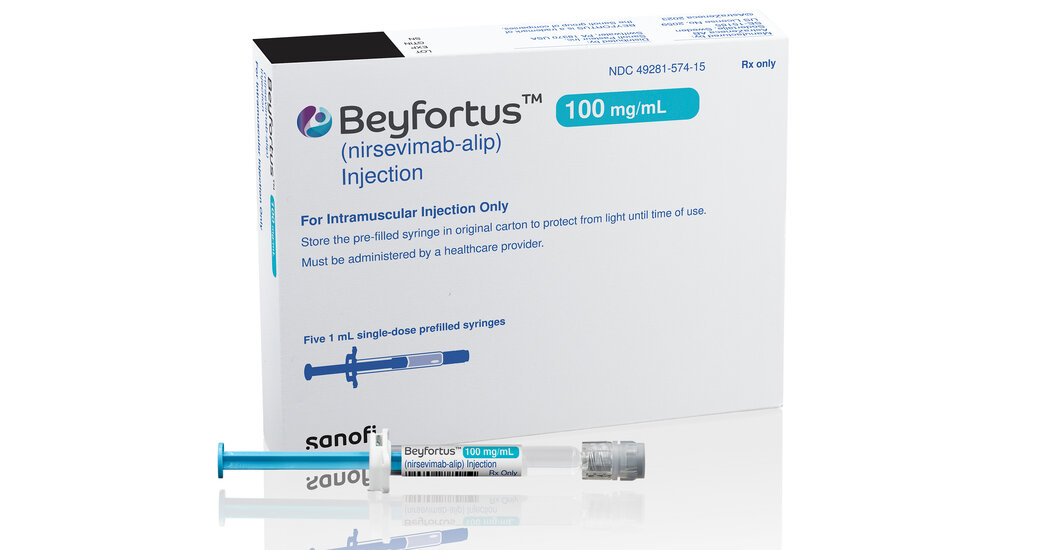
The respiratory virus is a global killer of babies and young children.The Food and Drug Administration on Monday approved a shot to protect infants and vulnerable toddlers against respiratory syncytial virus, or R.S.V., offering one of the first protections for an illness that fills children’s hospitals year after year.The monoclonal antibody shot is expected to be available at the start of the fall R.S.V. season. The F.D.A. is also considering approval of an R.S.V. vaccine by Pfizer for pregnant women that is meant to protect infants from the virus.The treatment approved on Monday, called Beyfortus by its developers Sanofi and AstraZeneca, addresses an illness that can be severe in older adults and young infants. About 80,000 children ages 5 and younger are hospitalized with the virus each year, according to the Centers for Disease Control and Prevention.“R.S.V. can cause serious disease in infants and some children and results in a large number of emergency department and physician office visits each year,” Dr. John Farley, an official in the F.D.A. Center for Drug Evaluation and Research, said. “Today’s approval addresses the great need for products to help reduce the impact of R.S.V. disease on children, families and the health care system.”The potential to blunt the effects of R.S.V. will extend to older adults: In recent months, the F.D.A. has approved two vaccines against the virus for adults 60 and older. The virus is linked to 60,000 hospitalizations and up to 10,000 deaths each year in people 65 and older, according to the C.D.C. The agency estimated that more than 21,000 people in that age group would need to take the GSK vaccine to prevent one R.S.V. death in one year; the number was nearly 25,000 for the Pfizer shot.Agency advisers considering the antibody shot for infants cast a unanimous vote in June in favor of approving the treatment for infants. More than 3,200 infants were given the shot in studies that Sanofi and AstraZeneca submitted to the F.D.A. One six-month study found that efficacy against very severe R.S.V. that required medical attention was 79 percent.F.D.A. advisers were more cautious about an R.S.V. shot by Pfizer intended for pregnant women. In May, a panel voted 10 to 4 that the vaccine was safe, a reflection of concerns about slightly elevated rates of preterm births among mothers who received the vaccine, compared with those who received a placebo.Studies of a similar vaccine by GSK were halted after researchers detected an increase in preterm births. The agency has yet to make a decision on that maternal Pfizer vaccine, called Abrysvo, though a company spokeswoman said that approval was anticipated in the coming weeks.

Read more →

Clinical trial to help millions with penicillin allergies

Penicillin allergy affects more than 25 million people in the United States (up to 1 in 10 Americans) and has been shown to lead to particularly poor health outcomes in pregnant women and surgical patients. It is also a public health threat, leading to antibiotic resistance and infections in hospitalized patients that can be life threatening.
Seventy-five% or more penicillin allergy labels come on by age 3 due to, for example, confusion with a viral rash. The majority of these rashes were never allergic, but the labels ‘stick’ into adulthood and carry many adverse consequences.”
Many low-risk patients with a penicillin allergy were able to have their penicillin allergy label removed through a simple procedure known as “direct oral challenge” as part of a world-first multicenter randomized control trial known as the Penicillin Allergy Clinical Decision Rule (PALACE) study.
In the PALACE study, investigators randomized low-risk penicillin allergic patients to two different approaches to remove their allergy label. They either underwent the current standard of care to have skin testing followed if negative by oral challenge with a penicillin or they went straight to oral challenge (“direct oral challenge”) without preceding skin testing.
“The majority of patients labeled as penicillin allergic, more than 90%, have low-risk histories, meaning they did not have a history to suggest a severe or more recent reaction to a penicillin,” said PALACE study protocol member and Vanderbilt University Medical Center principal investigator Elizabeth Phillips, MD, the John Oates Professor of Clinical Research. “We would expect more than 95% of these patients to have negative testing and be able to take penicillin in the future.”
The study, undertaken by a team of researchers from specialized centers in North America and Australia, enrolled 382 adults who were assessed using a specialized risk assessment tool called PEN-FAST. Participants were randomly assigned to receive either a direct oral penicillin challenge or the standard approach (penicillin skin testing followed by an oral challenge). The primary goal was to determine if the direct oral penicillin challenge was no worse than the standard method of skin testing followed by oral challenge which needs to be performed in an allergist’s office.
Only one patient (0.5%) in each group experienced a positive reaction to the penicillin challenge, demonstrating that the direct oral penicillin challenge performs just as well as the standard method. Importantly, there were no significant differences in adverse events between the two groups, and no serious adverse events were reported.

Read more →

Nanomedicine for treating inflammatory bowel disease

Chronic inflammatory bowel disease (IBD), such as Crohn’s disease and ulcerative colitis, is on the rise worldwide. The benefits of current medications are limited by problematic side effects. In the journal Angewandte Chemie, a South Korean research team has now introduced a new method of treatment. It is based on nanoparticles that mimic a special carbohydrate layer (glycocalyx) located on inflamed bowel cells, and which trigger anti-inflammatory effects in the diseased sites in the intestine.
Stomach cramps and severe diarrhea, often accompanied by significant weight loss, are some of the symptoms repeatedly suffered by patients with IBD, often for weeks at a time. The causes of this condition remain unclear but seem to involve a malfunction of the immune system. A cure is not yet in sight. Current treatments aim to reduce symptoms with anti-inflammatory medications, such as 5-aminosalicylic acid (5-ASA), corticosteroids, and immunomodulators. Their long-term use is not recommended because of their severe side effects, such as a high risk of infection resulting from immunosuppression. A team led by Hee-Seung Lee and Sangyong Jon at the Korea Advanced Institute of Science and Technology (KAIST) has now developed an innovative approach for a medication that can be taken orally and targets the inflamed sites in the gastrointestinal tract, minimizing systemic effects.
The starting point of their approach was the glycocalyx, a carbohydrate-rich layer that coats the cells on the surface of the intestine. Beneficial gut bacteria, which have their own matching glycocalyx, attach to this coating. With diseases from the IBD family, the glycocalyx carbohydrate patterns of inflamed intestinal regions are so altered that pathogenic bacteria can attach and enter the mucous membrane.
The team developed nanoparticles that mimic the glycocalyx pattern. Starting with the five sugar monomers most commonly found in nature, they produced a collection (“substance library”) of different polymer chains that have one, two, three, four, or five of these sugars in random order and composition as side chains. These polymer chains aggregate into nanoparticles. They also attached bilirubin molecules. Bilirubin is a bile pigment that is an antioxidant naturally produced by the body and it has an anti-inflammatory effect.
When administered orally to mice with IBD, some versions of these nanoparticles reduced symptoms significantly better than the drug 5-ASA. Nanoparticles with mannose and N-acetylglucosamine were the most effective. These two sugars increase uptake of the nanoparticles by activated macrophages in the inflamed intestine, and bilirubin very efficiently inhibits the inflammatory activity of these immune cells. The concentration of certain inflammatory cytokines is significantly reduced, the production of anti-inflammatory factors is stimulated, and oxidative stress is reduced. The immunosuppressive effect is limited to the inflamed areas of the intestine, minimizing unfavorable systemic side effects.

Read more →