Leprosy May Be Endemic in Central Florida, Scientists Report
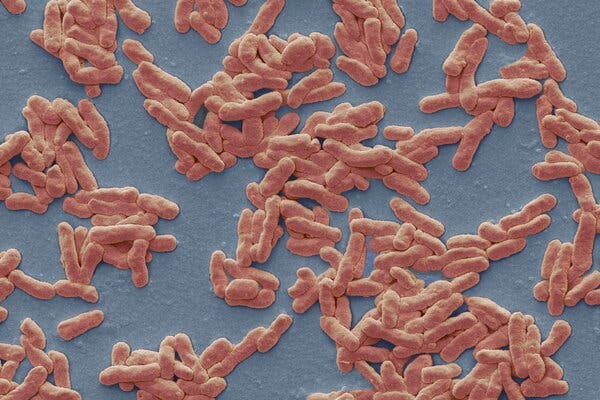
The NewsLeprosy, a fearsome scourge of ancient civilizations, may have become a permanent fixture in Florida, according to a new study.The authors described a 54-year-old man who was diagnosed with the illness but had no known risk factors and had never traveled outside Florida. Other people have similarly become infected without obvious explanation, suggesting that leprosy is now endemic in the state, the researchers said.Their report appeared in the journal Emerging Infectious Diseases.Still, there is no rising tide of leprosy in Florida. In the United States, the number of infections plummeted after peaking in 1983 but began a slow rise again about 20 years ago. The number of cases in the United States is fewer than 200 each year, and it is not rising.“It’s a drop in the bucket, especially when you view it through a global lens,” said Dr. Charles Dunn, a dermatologist and an author of the study.“Our paper simply highlights that there appears to be this really intriguingly strong geographic predilection for this illness that’s very uncommon,” he added.The Centers for Disease Control and Prevention “does not believe there is a great concern to the American public,” a spokeswoman said in an email. The number of cases “is very small.”Leprosy, also known as Hansen’s disease, is caused by slow-growing bacteria called Mycobacterium leprae. About 95 percent of people are genetically resistant to the bacteria.Steve Gschmeissner/Science SourceWhy It Matters: The disease can be treated if doctors recognize it.Leprosy, also known as Hansen’s disease, is caused by slow-growing bacteria called Mycobacterium leprae. About 95 percent of people are genetically resistant to the bacteria.There were 159 new cases in 2020, the most recent year for which national data are available. New cases are reported most commonly in Florida, California, Louisiana, Hawaii, New York and Texas. Central Florida accounts for 81 percent of the cases reported in that state.The bacteria are thought to be transmitted by droplets from the nose and mouth of an infected patient, but only after close, sustained contact. Armadillos famously carry the bacteria, and people may become infected through contact with the animals.Caught early enough, leprosy can be cured with standard antibiotic drugs taken over a year. Treatment can make patients noninfectious within a week.But, left untreated, the bacteria can damage nerves and lead to permanent disabilities including paralysis and blindness. The physical changes associated with the disease can also lead to the enduring stigmatization and isolation of infected people.“The fact that this patient had never traveled outside of the state of Florida was something that we just wanted to bring to light to those clinicians and physicians that are in the area,” said Dr. Rajiv Nathoo, a dermatologist and senior author on the study.What It Looks Like: Striking symptoms can take decades to develop.M. leprae may damage skin, peripheral nerves, the upper respiratory tract and the eyes.The disease starts with either discolored, numb patches on the skin or with tiny nodules under it. Early symptoms can easily be mistaken for other skin conditions like psoriasis or eczema. Symptoms can develop as many as 20 years after exposure, making it even more challenging to diagnose the disease.Left untreated, the bacteria slowly destroy nerves and muscles, leading to striking deformities in the hands and feet, sometimes referred to as claw hands and hammer toes.The disease was first described thousands of years ago. While it may seem like a thing of the past, roughly 200,000 new infections continue to crop up all over the world each year, with a majority in Southeast Asia and India, according to the World Health Organization.Eliminating the disease in some countries like India has proved to be much more challenging than public health officials expected.What Scientists Don’t Know: How some cases are acquired. Researchers have identified a second type of bacteria that leads to leprosy. Both pathogens are close cousins of the bacteria that cause tuberculosis.None of these bacterial species can easily be cultured in the lab, leaving many questions unanswered about the disease’s transmission and progression.New cases of leprosy were often diagnosed in people who had traveled to other parts of the world. But since 2015, more than one-third of the cases in the United States have been locally acquired.Many new patients report no travel or contact with armadillos that would explain their infection, according to the researchers.

Read more →
New review calls on Hockey Canada to raise age of body contact from 13 to 15

Hockey leagues in Canada should overhaul current rules and regulations to raise the age of bodychecking in the game from 13 to 15, says new research into the effect of body contact on teens.
The literature review was led by Dr. Kristian Goulet of the University of Ottawa’s Faculty of Medicine and Children’s Hospital of Eastern Ontario (CHEO) and calls on provincial and territorial governments to mandate schools — including those involved with school sports — and sports organizations to establish, update, and enforce policies and protocols to prevent concussion, with a keen focus on body contact.
Currently, hockey organizations in Canada allow body contact in competitive and recreational leagues from the age of 13. But studies have shown when body contact is initiated, injuries increase significantly, including concussion rates.
Almost half of hockey injuries are caused by bodychecking, with injury rates four times higher for kids and teens in leagues that allowed bodychecking. Other studies have found concussion rates decrease by over 50% when eliminating body contact. An estimated 200,000 concussions occur annually in Canada, with children and youth affected primarily. Ice hockey is the leading cause of all sports and recreationally related TBI across paediatric age groups, in both boys and girls.
Dr. Goulet is hopeful this review will spur Hockey Canada to lead a new path forward to strengthen our understanding of concussion and guidance for clinical management, especially related to acute care, persistent symptoms, and prevention.
“Sport is incredibly important for the mental physical emotional and social health of our kids. However, it is our duty as healthcare providers, parents, coaches, administrators and decision makers, that we take all reasonable efforts to make sport as safe as possible,” says Dr. Goulet, an Assistant Professor in uOttawa’s Faculty of Medicine and the Medical Director of The CHEO Concussion Clinic, The Eastern Ontario Concussion Clinic, and The Pediatric Sports Medicine Clinic of Ottawa.

Read more →

Scientists tie obesity to sex- and age-specific genes

From influencing how our body stores fat to how our brain regulates appetite, hundreds of genes, along with environmental factors, collectively determine our weight and body size. Now, researchers add several genes, which appear to affect obesity risk in certain sexes and ages, to that list. The study, published on August 2 in the journal Cell Genomics, may shed light on new biological pathways that underlie obesity and highlight how sex and age contribute to health and disease.
“There are a million and one reasons why we should be thinking about sex, age, and other specific mechanisms rather than just lumping everyone together and assuming that disease mechanism works the same way for everyone,” says senior author John Perry, a geneticist and professor at the Wellcome-MRC Institute of Metabolic Science, University of Cambridge, U.K. “We’re not expecting people to have completely different biology, but you can imagine things like hormones and physiology can contribute to specific risks.”
To untangle sex’s role in obesity risk, the research team sequenced the exome — the protein-coding part of the genome — of 414,032 adults from the UK Biobank study. They looked at variants, or mutations, within genes associated with body mass index (BMI) in men and women, respectively. Based on height and weight, BMI is an estimated measurement of obesity. The search turned up five genes influencing BMI in women and two in men.
Among them, faulty variants of three genes — DIDO1, PTPRG, and SLC12A5 — are linked to higher BMI in women, up to nearly 8 kg/m² more, while having no effect on men. Over 80% of the women with DIDO1 and SLC12A5 variants had obesity, as approximated by their BMI. Individuals carrying DIDO1 variants had stronger associations with higher testosterone levels and increased waist-to-hip ratio, both risk indicators for obesity-related complications like diabetes and heart disease. Others with SLC12A5 variants had higher odds of having type 2 diabetes compared with non-carriers. These findings highlight previously unexplored genes that are implicated in the development of obesity in women but not men.
Perry and his colleague then repeated their method to look for age-specific factors by searching for gene variants associated with childhood body size based on participants’ recollections. They identified two genes, OBSCN and MADD, that were not previously linked to childhood body size and fat. While carriers of OBSCN variants had higher odds of having higher weight as a child, MADD variant carriers were associated with smaller body sizes. In addition, the genetic variants acting on MADD had no association with adult obesity risk, highlighting age-specific effects on body size.
“What’s quite surprising is that if you look at the function of some of these genes that we identified, several are clearly involved in DNA damage response and cell death,” says Perry. Obesity is a brain-related disorder, whereas biological and environmental factors act to influence appetite. “There’s currently no well-understood biological paradigm for how DNA damage response would influence body size. These findings have given us a signpost to suggest variation in this important biological process may play a role in the etiology of obesity.”
Next, the research team hopes to replicate the study in a larger and more diverse population. They also plan to study the genes in animals to peer into their function and relationship with obesity.
“We’re at the very earliest stages of identifying interesting biology,” says Perry. “We hope the study can reveal new biological pathways that may one day pave the way to new drug discovery for obesity.”

Read more →

How immunity contributes to aging and neurodegeneration

As we age, our bodies undergo various changes that can impact our overall health and make us more susceptible to diseases. One common factor in the ageing process is low-grade inflammation, which contributes to age-related decline and impairment. However, the precise pathways responsible for this inflammation and their impact on natural ageing have remained elusive until now.
A new study led by Andrea Ablasser at EPFL now shows that a molecular signaling pathway called cGAS/STING, plays a critical role in driving chronic inflammation and functional decline during aging. By blocking the STING protein, the researchers were able to suppress inflammatory responses in senescent cells and tissues, leading to improvements in tissue function.
cGAS/STING is a molecular signaling pathway that detects the presence of DNA in cells. It involves two proteins, cyclic GMP-AMP synthase (cGAS) and Stimulator of Interferon Genes (STING). When activated, cGAS/STING triggers an immune response to defend against viral and bacterial infections.
Previous work by Ablasser and her colleagues has linked cGAS/STING to a number of biological processes, including cellular senescence, a hallmark of aging. Based on this, the researchers investigated whether it might underlie maladapted immune responses during ageing.
The research found that activating the STING protein triggers specific patterns of gene activity in microglia, the brain’s first-line-of-defense immune cells. These gene-activation patterns matched those arising in microglia in distinct neurodegenerative conditions, such as Alzheimer`s disease and ageing.
“In search for a mechanism that would engage the cGAS-STING pathway in ageing, we considered aberrant mitochondrial DNA species,” says Ablasser. “Mitochondria, the organelles that are responsible for energy production are well-known for disturbed functioning in ageing and disease. Indeed, in microglia from old, but not young mice, DNA from mitochondria accumulated in the cell cytoplasm, suggesting a possible mechanism by which the cGAS-STING pathway contributes to inflammation in the ageing brain.”
The researchers studied the effects of blocking the STING protein in aged mice. As expected by its central role in driving inflammation, inhibiting STING alleviated markers of inflammation both in the periphery and in the brain. More importantly, animals receiving STING inhibitors displayed significant enhancements in spatial and associative memory. STING blockade also affected physical function with improved muscle strength and endurance.
The study advances our understanding of ageing-related inflammation and also offers potential strategies for slowing cognitive deterioration in age-associated neurodegenerative conditions. The precise elucidation of the neuroimmune crosstalk governing microglial-dependent neurotoxicity also holds promise for the future study of neurodegenerative diseases.

Read more →

Moderna is safest, most effective mRNA vaccine against COVID-19 for older adults, study shows

While mRNA vaccines against COVID-19 have been found to be safe and effective for the general population, in-depth evidence about safety and effectiveness for older adults and individuals with chronic health conditions is more limited.
To address that gap, a team led by Brown University researchers conducted the largest head-to-head comparison study of the two mRNA vaccines approved by the U.S. Food and Drug Administration — the Moderna and Pfizer-BioNTech vaccines. The results, published in JAMA Network Open, showed that for older adults, the Moderna vaccine was associated with a slightly lower risk of adverse events than the Pfizer-BioNTech vaccine.
“The results of this study can help public health experts weigh which mRNA vaccine might be preferred for older adults and older subgroups, such as those with increased frailty,” said lead study author Daniel Harris, an epidemiologist and research scientist in the Center for Gerontology and Healthcare Research at the Brown University School of Public Health.
The study looked at more than six million older adults, with the average age of 76 years, who were vaccinated against COVID-19 using one of the two mRNA vaccines, Moderna and Pfizer-BioNTech. The vaccines have subtle differences in manufacturing, administration and immune response.
The study confirmed that for older adults in both vaccine groups, the risk of serious adverse events was very low. The researchers also observed that for these older adults, the Moderna vaccine was associated with a 4% lower risk of pulmonary embolism, which is a sudden blockage in blood vessels of the lungs, and a 2% lower risk of thromboembolic events, defined as several conditions related to blood clotting.
The Moderna vaccine was also associated with a 15% lower risk of diagnosed COVID-19 compared to the Pfizer-BioNTech vaccine.
Harris emphasized that the risk of adverse events from a natural infection with SARS-CoV-2, the virus that causes COVID-19, is substantially higher than the risk of adverse events from either mRNA vaccine. But now that over 70% of the global population has received one type of COVID-19 vaccine and vaccine supply is less of a concern, he said there is a need for detailed information about vaccine effects and safety to guide decision-making.

Read more →

Learning how to control HIV from African genomes

A study on almost 4000 people of African descent has identified a gene that acts as natural defense against HIV by limiting its replication in certain white blood cells. An international effort co-led by EPFL, Canada’s National Microbiology Laboratory, and Imperial College London, it paves the way for new treatment strategies.
“We searched for human genetic variation that associates with spontaneous control of HIV and identified a novel region in the genome that is only variable in populations of African ancestries,” says Professor Jacques Fellay at EPFL’s School of Life Sciences. “We used a combination of computational and experimental approaches to explore the biological mechanism behind the genetic association and provide evidence that the gene CHD1L acts to limit HIV replication in a subset of white blood cells.”
HIV is still a problem
Despite significant advances in treatment and access to therapy, the human immunodeficiency virus remains a global health challenge with almost 40 million affected individuals, no vaccine and no cure. The virus attacks the person’s immune cells (helper T cells, macrophages, and dendritic cells) damaging their ability to mount an immune response. Without treatment, the infected person grows more susceptible to opportunistic infections and cancer, and can develop acquired immunodeficiency syndrome, the well-known AIDS.
Although annual HIV infections have been declining because of widespread antiretroviral therapies, the trend has slowed substantially since 2005, and there are now alarming increases in the number of newly infected adults in some regions.
HIV and studies on the human genome
The way to therapies involves fundamental research, including studies into the relationship between the human genome and the progression of HIV infection, which can reveal possible therapeutic targets.

Read more →

Can field sobriety tests identify drivers under the influence of cannabis?

Road safety is a critical issue in an era of increasing cannabis legalization. Cannabis is known to impair reaction time, decision-making, coordination and perception — skills necessary for safe driving. In the last three years, California has seen a 62% increase in the number of fatal crashes involving drug-related impairment.
Unlike the association of blood alcohol concentrations with impairment, tetrahydrocannabinol (THC) blood concentrations do not correlate with driving performance. Law enforcement officers instead rely on behavioral tests to determine a driver’s level of impairment. However, these field sobriety tests were primarily validated based on alcohol ingestion, so how useful they are in detecting cannabis impairment remains unclear.
In a study published August 2, 2023 in JAMA Psychiatry, researchers at the University of California San Diego Center for Medicinal Cannabis Research performed a double-blind, placebo-controlled randomized clinical trial to evaluate how accurate field sobriety tests are in identifying drivers under the influence of THC. The results showed that tests administered by law enforcement officers could differentiate between individuals who had consumed THC versus those who had not at certain time points. Still, the overall accuracy of the tests may be insufficient to denote THC impairment on their own.
“Driving is a complex task that requires intact attention and motor skills to stay safe,” said first author Thomas Marcotte, PhD, professor of psychiatry at UC San Diego School of Medicine and co-director of the Center for Medicinal Cannabis Research at UC San Diego. “While cannabis can be impairing, the effects vary for each individual. There is thus a public health need to confirm that evaluations of impairment are effective and unbiased, and this study is an important step towards that goal.”
The study included 184 adult cannabis users between the ages of 21 and 55. During the experiment, 63 participants received a placebo cannabis cigarette while 121 participants received a THC cannabis cigarette. Participants who consumed the THC reported a median highness level of 64 on a scale of 0 to 100, suggesting the content was sufficient to achieve significant intoxication.
Highly trained law enforcement officers then performed field sobriety tests to examine abilities such as balance, coordination, divided attention and eye movements. These include the Walk and Turn, One Leg Stand, Finger to Nose, Lack of Convergence and Modified Romberg tests. The tests were performed at four different time intervals, roughly one, two, three and four hours after smoking.
The results showed that officers classified a significantly higher proportion of participants in the THC group as being impaired based on the field sobriety tests compared to the placebo group at three of the four time points measured. For example, one hour after smoking, they labeled 98 participants (81%) from the THC group as being impaired based on their performance, and 31 participants (49%) from the placebo group. But regardless of their actual assignment (THC vs. placebo), officers suspected that 99% of those who failed the tests had received THC.

Read more →

Important step toward next-generation probiotics

One of the beneficial gut bacteria residing in the human gut, which normally cannot survive in an environment with oxygen, can now be made oxygen-tolerant. This is a key finding in the development of future probiotic treatment that is now being explored to improve glucose control in individuals with prediabetes.
Our intestines are home to trillions of bacteria, the gut microbiota, which are important for functions such as digesting food and educating and activating the immune system. During the past decade it has been clarified that changes in the bacterial composition can be linked to various diseases.
Significant expectations have been attributed to the next generation probiotics, or live bacteria products, which can replace the missing bacteria in individuals with increased risk of developing diseases. However, a significant problem has been to overcome the bacteria’s oxygen sensitivity, since the vast majority are strictly anaerobic. With bacteria dying just seconds after being exposed to oxygen in the air, it has been hard to develop live bacterial cultures of extremely oxygen sensitive bacteria.
A naturally occurring symbiosis
In a paper published in the journal Nature, researchers from the University of Gothenburg and the probiotic company BioGaia AB, report how they have overcome the oxygen sensitivity of an anti-inflammatory gut bacterium, Faecalibacterium prausnitzii, which is significantly reduced in conditions including type 2 diabetes and cardiovascular disease.
In their study, Faecalibacterium prausnitzii was co-isolated with another bacterium, Desulfovibrio piger, which has beneficial effects on Faecalibacterium prausnitzii growth and function. By subsequently “training” the oxygen-sensitive bacteria in a favorable electrochemical environment, the researchers were able to isolate more oxygen-tolerant Faecalibacterium prausnitzii. The team’s leader, Professor Fredrik Bäckhed, explains:
“By combining a naturally occurring symbiosis with “training” of the bacteria, we have established a new strategy for producing otherwise oxygen-sensitive bacteria as live biotherapeutic products, which could prevent diseases when these bacteria are reduced in number.”
Studying the impact on sugar control

Read more →

New neuroimaging approach could improve diagnosis of schizophrenia

New research led by scientists working with Georgia State University’s TReNDS Center has identified age-related changes in brain patterns associated with the risk for developing schizophrenia.
The discovery could help clinicians identify the risk for developing mental illness earlier and improve treatment options. The study is published in the Proceedings of the National Academy of Sciences (PNAS).
The research is part of a collaboration by experts from the University of Bari Aldo Moro, the Lieber Institute of Brain Development and the Tri-institutional Center for Translational Research in Neuroimaging and Data Science (TReNDS) based at Georgia State University.
The study used new analytic approaches developed at the TReNDS center. Researchers used a hybrid, data-driven method called Neuromark to extract reliable brain networks from the neuroimaging data which were then further analyzed in the study.
Researchers started with functional MRI scans (fMRI) to detect age-related changes in brain connectivity and their association with schizophrenia risk. The research identified high-risk individuals for developing psychosis during late adolescence and early adulthood.
Using this novel approach to existing functional neuroimaging datasets led to a breakthrough in understanding both genetic and clinical risks for schizophrenia in the context of how brain regions communicate with each other.
“This study combined over 9,000 data sets using an approach which computes functional brain networks adaptively while also allowing us to summarize and compare across individuals,” said Distinguished University Professor Vince Calhoun, director of the TReNDS center. “This led us to a really interesting result showing that genetic risk for schizophrenia is detectable in brain network interactions even for those who do not have schizophrenia, and this change reduces with age. These results also motivate us to do further investigation into the potential of functional brain network interactions to be used as an early risk detector.”
The team analyzed data from 9,236 individuals in different age stages acquired by the University of Bari Aldo Moro, the Lieber Institute of Brain Development, the U.K. Biobank, the Adolescent Brain Cognitive Development Study and the Philadelphia Neurodevelopmental Cohort. Using fMRI scans, genetic and clinical measures, they found that alterations in prefrontal-sensorimotor and cerebellar-occipitoparietal brain connections are linked to genetic risk for schizophrenia. These alterations were observed in patients with schizophrenia, their neurotypical siblings and those displaying under-threshold psychotic symptoms.

Read more →

This Ancient Whale May Have Been the Heaviest Animal Ever

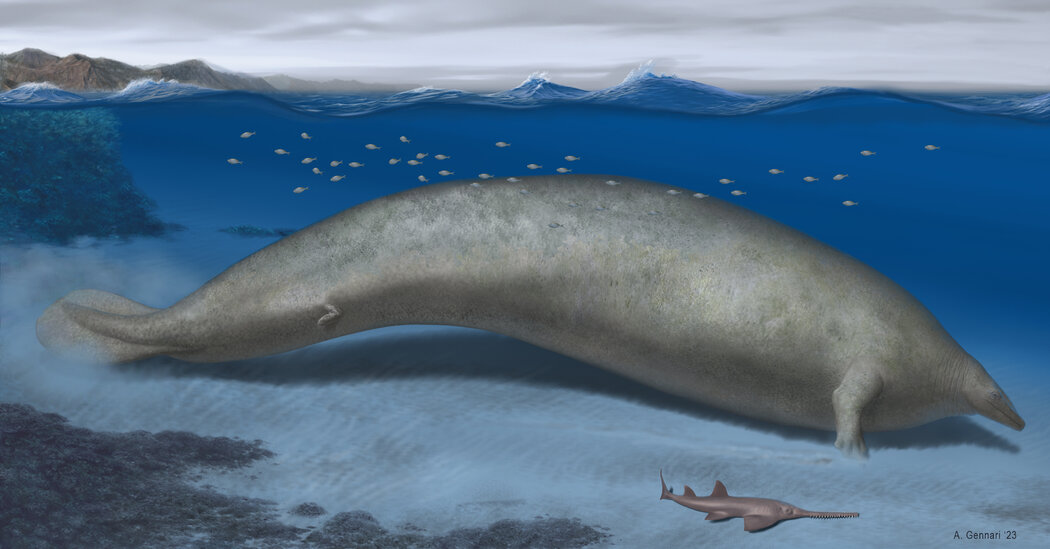
Perucetus drifted through shallow seas like a gigantic manatee, scientists suspect.Paleontologists on Wednesday unveiled the fossilized bones of one of the strangest whales in history. The 39-million-year-old leviathan, called Perucetus, may have weighed about 200 tons, as much as a blue whale — by far the heaviest animal known, until now.While blue whales are sleek, fast-swimming divers, Perucetus was a very different beast. The researchers suspect that it drifted lazily through shallow coastal waters like a mammoth manatee, propelling its sausage-like body with a paddle-shaped tail.Some experts cautioned that more bones would have to be discovered before a firm estimate of Perucetus’s weight could be made. But they all agreed that the bizarre find would change the way paleontologists saw the evolution of whales from land mammals.“This is a weird and stupendous fossil, for sure,” said Nicholas Pyenson, a paleontologist at the Smithsonian National Museum of Natural History, who was not involved in the study. “It’s clear from this discovery that there are so many other ways of being a whale that we have not yet discovered.”Mario Urbina, a paleontologist at the Museum of Natural History at the National University of San Marcos in Lima, Peru, first set eyes on Perucetus in 2010. He was walking across the Atacama Desert in southern Peru when he noticed a rocky bump bulging out of the sand. When he and his colleagues finished digging it out, the lump proved to be a gigantic vertebra.Digging further, the researchers found 13 vertebrae in total, along with four ribs and part of a pelvis. Except for the pelvis, all the fossils were remarkably dense and strangely thickened, making it hard to figure out what kind of animal they belonged to.Only the pelvis revealed exactly what the scientists had found. Unlike the other bones, the pelvis was small and delicately formed. It had crests and other distinctive features that revealed it to be a whale’s — in particular, from an early branch of the evolutionary tree of whales.Whales evolved from dog-sized land mammals about 50 million years ago. Some of the earliest species evolved short limbs and most likely led a seal-like existence, hunting for fish and then hauling themselves onto the shore to reproduce.Excavation of the Perucetus fossils in Ica Province, Peru.Giovanni BianucciThose early whales disappeared after a few million years. They were replaced by a group of entirely aquatic whales called basilosaurids. These slinky beasts could grow as long as a school bus but retained vestiges of their life on land — including tiny hind legs, complete with toes.Basilosaurids dominated the oceans until about 35 million years ago. As they became extinct, another group of whales emerged, giving rise to the ancestors of living whales.Today’s biggest whales, like blue whales and fin whales, only reached their gargantuan sizes in the past few million years. Shifts in ocean currents supported vast populations of krill and other invertebrates near the poles. The whales could grow immense by scooping up these prey on lunging dives.The pelvis of Perucetus revealed it to be a basilosaurid, but the whale had evolved into a basilosaurid unlike any found before. Eli Amson, an expert on bone tissue at the State Museum of Natural History in Stuttgart, Germany, found that its ribs and spine had extra layers of outer bone, giving them bloated shapes.A typical bone is full of pores, which make it lighter without sacrificing strength. Dr. Amson observed that the bones of Perucetus were solid throughout. The fossil is so hard in parts that it would be impossible to drive a nail into it with a hammer.“It would make nothing but sparks,” he said.Dr. Amson and his colleagues made three-dimensional scans of the fossil bones in order to reconstruct the whale’s full skeleton. They compared Perucetus to other basilosaurids that have been preserved from head to tail.If the rest of Perucetus were a denser, thickened version of these whales, its complete skeleton would weigh between 5.8 and 8.3 tons. That would mean Perucetus had the heaviest skeleton of any mammal — bones that were twice as heavy as a blue whale’s.That bulky skeleton also suggests that Perucetus had a thick, barrel-like body. Even though Perucetus was only about two-thirds the length of a blue whale, Dr. Amson and his colleagues suspect that it weighed about the same.“It’s definitely in the blue whale ballpark,” Dr. Amson said.A comparison of Perucetus, top, with a blue whale, middle, and another, smaller basilosaurid, Cynthiacetus peruvianus.Florent Goussard; Imaging and Analysis Centre at the Natural History Museum in London; Marco Merella and Rebecca BennionDr. Pyenson, of the Smithsonian National Museum of Natural History, thought it was premature to make such an estimate. “Until we find the rest of the skeleton, I think we should shelve the heavyweight-contender issue,” he said.But Hans Thewissen, a paleontologist at Northeast Ohio Medical University, who was not involved in the study, said the estimate was reasonable. “I agree with the excitement around the weight,” he said.The fossil suggests that Perucetus reached such a big size without feeding as blue whales do. The analysis of its bones suggests it lived more like a gargantuan manatee.Manatees graze on sea grass on the ocean floor. Their lungs are full of air, and their guts produce gas as they ferment their food. To stay underwater, manatees have evolved dense bones as ballast.The structure of Perucetus’s spine is similar to that of a manatee. Dr. Amson envisioned the whale swimming in a manatee style, slowly raising and lowering its tail.Based on the rocks where the fossils were found, Dr. Amson and his colleagues suspect that Perucetus moved slowly through coastal waters no deeper than 150 feet. But how they fueled their giant bodies is still a mystery.Dr. Amson said it was possible that Perucetus also fed on sea grass, but that would make it the first herbivorous whale known to science. “We deem it unlikely, but who knows?” he said.Dr. Amson even imagines Perucetus possibly living as a scavenger, picking over carcasses.By contrast, Dr. Thewissen favored the idea that these whales scooped up mud from the sea floor to eat the worms and shellfish it contained — something that gray whales do today.The head of Perucetus would have adaptations for whichever way of life it pursued. “I would love to see the skull of this guy,” Dr. Thewissen said.However it made a living, Perucetus is proof that whales did not have to wait until recently to get huge. “The most important message is not that we can enter the Guinness Book of World Records,” said Dr. Amson. “It’s that there’s another path to gigantism.”

Read more →