Deep learning for new protein design

The key to understanding proteins — such as those that govern cancer, COVID-19, and other diseases — is quite simple. Identify their chemical structure and find which other proteins can bind to them. But there’s a catch.
“The search space for proteins is enormous,” said Brian Coventry, a research scientist with the Institute for Protein Design, University of Washington and The Howard Hughes Medical Institute.
A protein studied by his lab typically is made of 65 amino acids, and with 20 different amino acid choices at each position, there are 65 to the 20th power binding combinations, a number bigger than the estimated number of atoms there are in the universe.
Coventry is the co-author of a study published May 2023 in the journal Nature Communications.
In it his team used deep learning methods to augment existing energy-based physical models in ‘do novo’ or from-scratch computational protein design, resulting in a 10-fold increase in success rates verified in the lab for binding a designed protein with its target protein.
“We showed that you can have a significantly improved pipeline by incorporating deep learning methods to evaluate the quality of the interfaces where hydrogen bonds form or from hydrophobic interactions,” said study co-author Nathaniel Bennett, a post-doctoral scholar at the Institute for Protein Design, University of Washington.
“This is as opposed to trying to exactly enumerate all of these energies by themselves,” he added.

Read more →

Scientists uncover a startling–and exploitable–coordination of gene expression in tumors

A Ludwig Cancer Research study has identified a pair of genes whose expression by a type of immune cell within tumors is predictive of outcomes for cancer patients and is linked to a vast network of gene expression programs, engaged by multiple cell types in the tumor microenvironment, that control human cancers.
Researchers led by Ludwig Lausanne’s Mikaël Pittet report in the current issue of Science that patients with higher expression of the gene CXCL9 in their tumor-associated macrophages had far better clinical outcomes than those with higher expression of a gene named SPP1 by the immune cells. Macrophages expressing the former gene, they show, are invariably poised to attack cancer cells, while those expressing SPP1 are in a state supportive of tumor growth. Most intriguing, however, is the discovery that when the ratio of CXCL9 to SPP1 is high in the tumor microenvironment (TME), gene expression programs in other TME cells indicate a similarly anti-tumor slant; a low CS ratio, on the other hand, invariably accompanies pro-tumor gene expression signatures across the TME.
“We were very surprised to find that just this one parameter — the ratio of two genes primarily expressed by macrophages — could tell us so much else about the tumor,” said Pittet. “This is true for multiple types of solid tumors. It means that, despite their enormous complexity, the microenvironments of tumors are governed by a clear set of rules. We have described one of them in this study.”
With further validation in prospective clinical studies, Pittet noted, the CS ratio could be an easily measured molecular marker of likely patient prognosis and a useful tool for the management of therapy. Beyond that, the networks of linked gene expression signatures across cell types identified by the study expose several potential molecular targets for the development of drugs that might tip the TME into a state more susceptible to treatments like immunotherapy.
Noncancerous cells of the TME play a critical role in the growth and viability of tumors. These include fibroblasts, which churn out the molecular filler of tissues, endothelial cells that build blood vessels, epithelial cells that line body cavities and a menagerie of immune cell species that variously help or hinder tumor growth. The possibility of targeting these cells to treat cancers is tantalizing because, unlike malignant cells, they do not mutate rapidly and are thus unlikely to evolve resistance to therapies.
Pittet and his colleagues were interested in how much the TME varies between tumors. To find out, they conducted an unbiased analysis of 52 primary and metastatic tumors from 51 patients with head and neck cancers, examining how global gene expression captured in individual cells but statistically analyzed across tumors as a whole corresponded to patient outcomes.
This approach identified CXCL9 and SPP1 — whose expression is mutually exclusive in individual macrophages — as being tightly linked to prognosis, and this turned out to be true for other solid cancers as well. The expression of the two genes, Pittet and colleagues show, is also more categorically associated with the anti-tumor or pro-tumor “polarity” of macrophages than currently used markers.

Read more →

Study links long-term artificial sweetener intake to increased body fat adipose tissue volume

Published in the International Journal of Obesity, University of Minnesota Medical School and School of Public Health researchers led a study on the relationship between dietary intake and cardiovascular disease risk factors.
Over 20 years, the research team examined people’s regular dietary intake, paying particular attention to non-nutritive sweeteners commonly found in artificial sweeteners. They found that long-term consumption of aspartame, saccharin and diet beverages were linked to increased fat stores in the abdomen and fat within muscle. However, the study found no significant association between the artificial sweetener sucralose and these measures of fat volume.
“This study showed that habitual, long-term intake of total and individual artificial sweetener intakes are related to greater volumes of adipose tissue, commonly known as body fat,” said Brian Steffen, PhD, MSCR, a professor in the Department of Surgery at the U of M Medical School and co-investigator on the funded grant. “This was found even after accounting for other factors, including how much a person eats or the quality of one’s diet.”
The study’s findings raise concerns about the recommendations from the American Diabetes Association and the American Heart Association that promote the replacement of added sugars with artificial sweeteners. Based on their results, the researchers recommend considering alternative approaches, as long-term artificial sweetener consumption may have potential health consequences.
“This is an especially timely study, given the World Health Organization’s recent warning of the potential health risks of aspartame,” said Lyn Steffen, PhD, MPH, a professor in the School of Public Health and principal investigator on the study. “These findings underscore the importance of finding alternatives to artificial sweeteners in foods and beverages, especially since these added sweeteners may have negative health consequences.”
The researchers emphasize the need for more studies to better understand the connection between artificial sweetener intake and increased body fat. Further research is warranted to explore the underlying mechanisms and gain clearer insights into how dietary habits affect metabolic health.
The study was funded by the National Institutes of Health and the National Heart, Lung and Blood Institute under grant numbers R21 HL135300 and R01 HL150053, as well as by contracts from the NIH/NHLBI funding the four field centers.

Read more →

Novel machine learning blood test detects cancers with genome-wide mutations in single molecules of cell-free DNA

Novel blood testing technology being developed by researchers at the Johns Hopkins Kimmel Cancer Center that combines genome-wide sequencing of single molecules of DNA shed from tumors and machine learning may allow earlier detection of lung and other cancers.
The test, called GEMINI (Genome-wide Mutational Incidence for Non-Invasive detection of cancer), looks for changes to DNA throughout the genome. First, a blood sample is collected from a person at risk for developing cancer. Then, cell-free DNA (cfDNA) shed by tumors is extracted from the plasma and sequenced using cost-efficient whole genome sequencing. Single molecules of DNA are analyzed for sequence alterations and are used to obtain mutation profiles across the genome. Finally, a machine learning model trained to identify changes in cancer and non-cancer mutation frequencies in different regions of the genome is used to distinguish people who have cancer from those who do not have cancer. The classifier generates a score ranging from 0 to 1, with a higher score reflecting a higher probability of having cancer.
In a series of laboratory tests of GEMINI, investigators found that the approach, when followed by computerized tomography imaging, detected over 90% of lung cancers, including among patients with stage I and II disease. A description of the work, a proof-of-concept study, was published online July 27 in the journal Nature Genetics.
“This study shows for the first time that a test like GEMINI, incorporating genome-wide mutation profiles from single molecules of cfDNA, in combination with other cancer detection approaches, may be used for early detection of cancers, as well as for monitoring patients during therapy,” says senior study author Victor Velculescu, M.D., Ph.D., professor of oncology and co-director of the cancer genetics and epigenetics program at the Kimmel Cancer Center.
The study mostly focused on detection of lung cancer in high-risk populations, says Daniel Bruhm, lead study author and graduate student in the human genetics program at the Johns Hopkins University School of Medicine. “However, we detected altered mutational profiles in cfDNA from patients with other cancers, including liver cancer, melanoma or lymphoma, suggesting it may be used more broadly,” Bruhm says.
To develop GEMINI, investigators examined whole-genome sequences of cancers from 2,511 people across 25 different cancers from the Pan-Cancer Analysis of Whole Genomes study, identifying distinct mutation frequencies across the genome in different tumor types. For example, lung cancers were found to have an average of 52,209 somatic mutations per genome. The investigators also identified genomic regions with the highest number of mutations, finding that genome regions with a high frequency of mutations were similar between tumor tissue and blood-derived cfDNA from patients with lung cancer, melanoma or B cell non-Hodgkin lymphoma.
Researchers evaluated GEMINI’s ability to detect sequence alterations in cfDNA from 365 people in the Longitudinal Urban Cohort Ageing Study (LUCAS), a cohort of people at high risk of having lung cancer. GEMINI scores were higher in people with cancer than in those without cancer. Researchers also assessed whether GEMINI could be combined with DELFI (DNA evaluation of fragments for early interception) — a previously developed test that detects changes in the size and distribution of cfDNA fragments across the genome — to improve detection of early-stage lung cancer. Several cancer samples that GEMINI missed were detected using the combined technique. In 89 samples from patients from the LUCAS cohort who had lung cancer, GEMINI combined with DELFI correctly detected cancers 91% of the time. Similar results were obtained in a separate validation cohort of 57 people who mostly had early-stage lung cancer.

Read more →

Outdoor air pollution may increase non-lung cancer risk in older adults

Chronic exposure to fine particulate air pollutants (PM2.5) and nitrogen dioxide (NO2) may increase non-lung cancer risk in older adults, according to a study led by Harvard T.H. Chan School of Public Health. In a cohort study of millions of Medicare beneficiaries, the researchers found that exposures to PM2.5 and NO2 over a 10-year period increased the risk of developing colorectal and prostate cancers. The researchers also found that even low levels of air pollution exposure may make people particularly susceptible to developing these cancers, in addition to breast and endometrial cancers.
“Our findings uncover the biological plausibility of air pollution as a crucial risk factor in the development of specific cancers, bringing us one step closer to understanding the impact of air pollution on human health,” said Yaguang Wei, research fellow in the Department of Environmental Health. “To ensure equitable access to clean air for all populations, we must fully define the effects of air pollution and then work towards reducing it.”
The study was published online August 1, 2023, in Environmental Epidemiology.
While air pollution has been established as a risk factor for lung cancer, and a link to breast cancer risk has been emerging, few studies have looked at its effects on prostate, colorectal, and endometrial cancer risk.
Researchers analyzed data from national Medicare beneficiaries aged 65 or older, collected from 2000 to 2016. All subjects were cancer-free for at least the initial 10 years of the study period. The researchers created separate cohorts for each type of cancer — breast, colorectal, endometrial, and prostate — with between 2.2 million and 6.5 million subjects in each cohort. Separate analyses looked at cancer risk under the impacts of air pollutants for various subgroups by factors including age, sex (for colorectal cancer only), race/ethnicity, average BMI, and socioeconomic status.
Drawing from a variety of air pollution data sources, the researchers developed a predictive map of PM2.5 and NO2 concentrations across the contiguous U.S. This was then linked to beneficiaries’ residential ZIP codes to enable the researchers to estimate individual exposures over a 10-year period.
Findings from the nationwide analysis showed that chronic PM2.5 and NO2 exposures increased the risk of developing colorectal and prostate cancers but were not associated with endometrial cancer risk. For breast cancer, NO2 exposure was associated with a decreased risk, while the association for PM2.5 was inconclusive. The researchers suggested that the mixed associations may be due to variations in the chemical composition of PM2.5, which is a complex mixture of solid and liquid particles.

Read more →

Insulin-like hormones critical for brain plasticity

Research from the Max Planck Florida Institute for Neuroscience has identified a mechanism through which insulin-like growth factors facilitate brain plasticity.
The insulin super-family of hormones, including insulin, insulin-like growth factor 1 (IGF1), and insulin-like growth factor 2 (IGF2), play a crucial role not only in regulating blood sugar, metabolism, and growth, but also in healthy brain development and function, including learning and memory. These hormones can enter the brain through the bloodstream from the liver or can be synthesized directly in neurons and glial cells within the brain. They bind to receptors, including the IGF1-Receptor, activating signals that modulate neuron growth and activity. Disruption of this signaling pathway is involved in cognitive decline and diseases such as Alzheimer’s.
To understand how IGF1 and IGF2 promote brain health, scientists investigated the activation of this signaling pathway in the hippocampus, an area of the brain critical for learning and memory. Specifically, they wanted to explore whether IGF signaling was active during synaptic plasticity, the cellular process that strengthens connections between neurons during memory formation and protects against cognitive decline.
To do this, Max Planck scientists developed a biosensor that detected when the IGF1-Receptor was active, allowing them to visualize the activity of the signaling pathway involved in plasticity. When a synapse was undergoing plasticity, the scientists observed that the IGF1-Receptor was robustly activated in the strengthening synapse and nearby synapses. This receptor activation was critical for synaptic growth and strengthening during plasticity. However, where the IGF that activates the receptor was coming from was unknown.
Lead researcher and first author of the scientific publication, Dr. Xun Tu, however, described how being able to visualize the receptor activation during plasticity gave them a clue. “The fact that the activation of the IGF-Receptor was localized near the synapse undergoing plasticity suggested that IGF1 or IGF2 might be produced in hippocampal neurons and locally released during plasticity,” she explained.
To explore this hypothesis, the scientists tested whether IGF1 and IGF2 were produced and could be released from hippocampal neurons. Interestingly, they found a region-specific difference in the production of IGF1 and IGF2. One group of neurons in the hippocampus, CA1 neurons, produced IGF1; another group, CA3 neurons, produced IGF2. When either CA1 or CA3 neurons were activated in a way that mimicked synaptic plasticity, IGF was released. Importantly, when the scientists disrupted the ability of the neurons to produce IGF, the activation of the IGF1-Receptor during plasticity and synaptic growth and strengthening was blocked.
Senior author on the publication and Max Planck Scientific Director, Dr. Ryohei Yasuda, summarized the findings. “This work reveals a local, autocrine mechanism in neurons that is critical for brain plasticity. When a synapse undergoes plasticity, IGF is released locally to activate the IGF1-Receptor on the same neuron. Disrupting this mechanism impairs the plasticity, highlighting its critical role in maintaining cognitive health.”
This discovery of this new mechanism sheds light on how memories are encoded in the brain and highlights the importance of further study on the insulin super-family of hormones in the brain. The scientists hope that understanding the mechanism through which IGF hormones facilitate brain plasticity, will lead to research into whether targeting this signaling pathway could prevent cognitive decline and combat diseases like Alzheimer’s.
This research was supported by Louis D Srybnik Foundation Inc. and Foundation for the Art, Science, and Education Inc., the National Institutes of Health (Grant Numbers: R35NS116804, DP1NS096787, and R01MH080047), and the Max Planck Florida Institute for Neuroscience. This content is solely the responsibility of the authors and does not necessarily represent the official views of the funders.

Read more →

A mother's diet can protect her grandchildren's brains: genetic model study

Mothers who eat apples and herbs in early pregnancy could be protecting the brain health of their children and grandchildren, a Monash University study using genetic models has found.
The discovery is part of a project that found a mother’s diet can affect not just her child’s brain but also those of her grandchildren.
Published in Nature Cell Biology, the Monash Biomedicine Discovery Institute study found that certain foods could help protect against the deterioration of brain function.
More specifically, the study used roundworms (Caenorhabditis elegans) as the genetic model because many of their genes are also found conserved in humans, allowing insights into human cells.
The researchers found that a molecule present in apples and herbs (basil, rosemary, thyme, oregano, and sage) helped reduce the breakdown of communication cables needed for the brain to work properly.
Senior author Professor Roger Pocock and his team were investigating nerve cells in the brain that connect and communicate with each other through about 850,000 kilometres of cables called axons. For axons to function and survive, essential materials need to be transported along an internal structure that contains microtubules.
Professor Pocock explained that a malfunction that caused the axons to become fragile led to brain dysfunction and neurodegeneration.

Read more →

Chance discovery helps fight against malaria

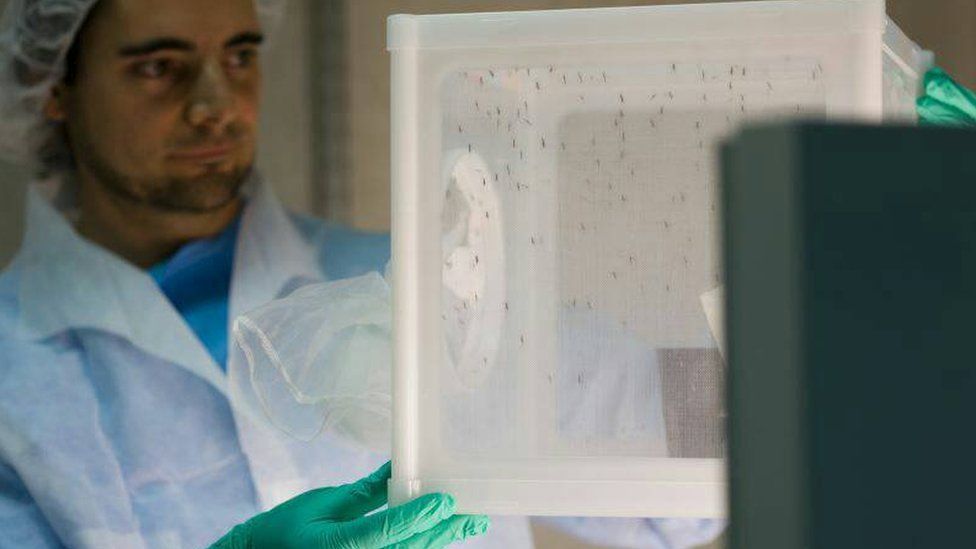
Published32 minutes agoShareclose panelShare pageCopy linkAbout sharingImage source, GSKBy Naomi GrimleyHealth CorrespondentScientists have found a naturally occurring strain of bacteria which can help stop the transmission of malaria from mosquitoes to humans. They found it by chance, after a colony of mosquitoes in one experiment did not develop the malaria parasite.The researchers say the bacteria could be a new tool for fighting one of the world’s oldest diseases, which kills 600,000 people every year. Trials assessing its safety in the real world are now taking place.Scientists at a research facility in Spain, run by the GSK pharmaceutical company, made the discovery after noticing that a colony of mosquitoes being used for drug development had stopped carrying malaria. “The infection rate in the mosquitoes started dwindling and so by the end of the year the mosquitoes just would not be infected with the malaria parasite,” says Dr Janneth Rodrigues, who led the programme. The team froze the samples from their 2014 experiment and went back to them two years later to explore what had happened. US health alert over malaria cases in Florida and TexasBelize declared free from malaria by health chiefsGhana first to approve ‘world-changer’ malaria vaccineFurther studies revealed that a specific strain of bacteria – TC1 – which is naturally present in the environment, had stopped the development of the malaria parasites in the gut of the mosquitoes. “Once it colonises the mosquito, it lasts for the entire lifespan,” says Dr Rodrigues.”And we found out that, yes, it is the bacteria which was responsible for reducing transmission in those mosquitoes.” Image source, GSKNew data published in Science magazine suggests the bacteria can reduce a mosquito’s parasite load by up to 73%.The bacteria works by secreting a small molecule, known as harmane, which inhibits the early stages of the malaria parasite growing in the mosquito’s gut. In conjunction with Johns Hopkins University, the GSK scientists discovered that harmane can either be ingested orally by the mosquito, if mixed with sugar, or absorbed through its cuticle on contact. This lays open the possibility of treating surfaces in areas where the insects rest with the active compound.End the threatMore trials are now taking place at a contained field research facility called MosquitoSphere in Burkina Faso to assess how effective and safe it would be to use harmane at scale in the real world. The hope is that by developing this bacteria-based intervention into a product, scientists may soon have another tool in the box against one of the world’s oldest diseases. Malaria kills about 620,000 people a year – often children under the age of five. Vaccines have now been developed, but they are still in the early stages of being rolled out in Africa. Gareth Jenkins, from the charity Malaria No More, said the new discovery was promising. “Malaria kills a child every minute. Significant progress has been made in reducing the global burden of malaria, but to get us back on track we need new and innovative tools in the arsenal. “With a strong innovation pipeline, it is possible to end the threat of malaria in our lifetimes.”More on this storyHealth alert issued over malaria spread in the USPublished27 JuneBelize declared free from malaria by health chiefsPublished21 JuneGhana first to approve ‘world-changer’ malaria vaccinePublished13 April

Read more →

Medical Group Backs Youth Gender Treatments, but Calls for Research Review

The American Academy of Pediatrics renewed its support of gender care for minors while commissioning a fresh look at the evidence.The American Academy of Pediatrics backed gender-related treatments for children on Thursday, reaffirming its position from 2018 on a medical approach that has since been banned in 19 states.But the influential group of doctors also took an extra step of commissioning a systematic review of medical research on the treatments, following similar efforts in Europe that found uncertain evidence for their effectiveness in adolescents.Critics across the political spectrum — including a small but vocal group of pediatricians — have been calling for a closer look at the evidence in recent years, particularly as the number of adolescents who identify as transgender has rapidly increased.The treatments are relatively new, and few studies have tracked their long-term effects. Health bodies in England and Sweden have limited access to the treatments after carrying out systematic reviews, the gold standard for evaluating medical research.“The board has confidence that the existing evidence is such that the current policy is appropriate,” said Mark Del Monte, the chief executive of the A.A.P. “At the same time, the board recognized that additional detail would be helpful here.”As for the policy changes in Europe, he said, “they engaged in their process, we’re engaging in our process.”After completing the review, he said, the group will issue additional clinical guidance for doctors and likely update its recommendations.All 16 board members of the A.A.P., which represents 67,000 pediatricians across the United States, voted to reaffirm the 2018 guidelines at a meeting on Thursday in Itasca, Ill. The vote comes at a time of intense political pressures on transgender people and the doctors who care for them.Over the past two years, Republican lawmakers across the country have banned what’s known as gender-affirming care, which can include psychotherapy, puberty-blocking drugs, hormones and, rarely, surgeries. Opponents of the care argue that it is experimental and children lack the maturity to consent to it.The A.A.P. has roundly condemned the legislative bans as a dangerous intrusion into complex medical decisions between doctors and families, and has filed amicus briefs to support the many legal challenges brought against the bans by civil rights groups.Much of the academy’s support for gender-affirming care rests on its 2018 previous position statement, which said the treatments were essential and should be covered by health insurers. Transgender adolescents have high rates of anxiety, depression and suicide attempts, and early evidence suggested that gender-affirming care could improve their mental health.Position statements like those voted on today remain valid for five years before they are up for review, at which point they may be reaffirmed, retired or revised in light of new evidence. One example of such a reversal is the academy’s 2017 endorsement of infant peanut consumption, based on a landmark study showing that early exposure could help prevent lethal allergies.Some scientists criticized the decision to continue to recommend the treatments for young people before completing a rigorous review.The move is “very clearly putting the cart before the horse,” said Dr. Gordon Guyatt, a clinical epidemiologist at McMaster University who helped develop the field of evidence-based medicine.Based on previous systematic reviews, Dr. Guyatt said, the A.A.P.’s report will most likely find low-quality evidence for pediatric gender care. “The policies of the Europeans are much more aligned with the evidence than are the Americans’,” he said.In June, England’s National Health Service announced that it would restrict the use of puberty blockers to clinical trials because “there is not enough evidence to support their safety or clinical effectiveness as a routinely available treatment.” Last year, Sweden’s national health care oversight body similarly determined that, on the basis of its systematic review, “the risks of puberty-inhibiting and gender-affirming hormone treatment for those under 18 currently outweigh the possible benefits.”In the United States, a small group of pediatricians has pushed for a similar review from the A.A.P., one of the few institutions with enough centralized power to influence health care practices. Dr. Julia Mason, a pediatrician in Gresham, Ore., co-founded a group called the Society for Evidence-Based Gender Medicine that has been highly critical of gender treatments for minors. Since 2020, she said, she has unsuccessfully lobbied the academy’s leadership to commission a systematic review.Dr. Mason said she was pleased the group finally decided to take a close look at the data. “We are making strong recommendations based on weak evidence,” she said.But Dr. Marci Bowers, a gynecologic and reconstructive surgeon and the president of the World Professional Association for Transgender Health, was heartened by the A.A.P.’s endorsement of the care, which she said profoundly improves many children’s lives.“They know this population,” said Dr. Bowers, who is a transgender woman. “They know the stories. Anecdotally, it’s overwhelmingly positive.”She also pointed out that doctors in many specialties, and particularly in pediatrics, routinely use medicines that haven’t yet been tested in large and rigorous clinical trials. And Europe, unlike many U.S. states, has not banned the care entirely.“What they’re saying is this population needs to be studied,” she said, referring to European policies. “And I agree with that.”

Read more →

CAR-T immune therapy attacks ovarian cancer in mice with a single dose

CAR-T immune therapies could be effective against solid tumors if the right targets are identified, a new study led by University of Illinois Urbana-Champaign researchers suggests. The researchers successfully deployed CAR-T in a mouse model of ovarian cancer, a type of aggressive, solid-tumor cancer that has eluded such therapies until now.
“Even with an advanced stage tumor model, even with a single dose, we saw strong anti-tumor effects,” said Diana Rose Ranoa, first author of the study published in the Journal of ImmunoTherapy for Cancer. Ranoa is a postdoctoral researcher at the Carl R. Woese Institute for Genomic Biology at Illinois. “There are still a lot of questions to be answered, but this study shows that CAR-T can kill this type of cancer once it recognizes the right target.”
T cells are the white blood cells in the immune system that recognize and attack specific foreign invaders to the body. CAR-T therapies use special molecular receptors, called chimeric antigen receptors, that bind to cancer biomarkers. These CARs help a patient’s own T cells target the cancer in their body as though it were an outside invader.
While such therapies are effective against blood cancers such as leukemia and lymphoma, cancers that produce solid tumors have remained difficult to treat with CAR-T immune therapies, said study leader David Kranz, a professor emeritus of biochemistry at Illinois. He also is affiliated with the Carl R. Woese Institute for Genomic Biology and with the Cancer Center at Illinois.
“There aren’t the same type of targets for these receptors on solid tumors that there are in blood cancers, and it’s very difficult to find a target that isn’t found in healthy tissues as well,” Kranz said. “The other factor is that solid tumor cells have their own way of suppressing the immune response to evade recognition by T cells and other immune cells. A lot of work is being done to try to overcome those two barriers — finding good targets and finding the right kind of CARs that could recognize those targets.”
In the new study, the researchers focused on a carbohydrate found on the surface of solid tumor cells, but not healthy cells. They developed CAR molecules with varying affinity for the molecule and tested them first in ovarian cancer cell cultures, and then in live mice with ovarian cancer tumors.
They found that the receptors with the highest affinity for the carbohydrate were highly effective at helping T cells find and destroy the cancer, shrinking or eliminating tumors after just one intravenous or injected dose — and continuing to work for months or even more than a year after the initial dose, extending the lives of the mice.

Read more →