Arterial stiffness may cause and worsen heart damage among adolescents by increasing blood pressure and insulin resistance

Arterial stiffness is a novel cause of premature heart damage among adolescents, according to a new follow-up study. The study was conducted in collaboration between Texas Children’s Hospital and Baylor College of Medicine in the US, the University of Bristol in the UK, the University of Exeter in the UK, and the University of Eastern Finland, and the results were published in Atherosclerosis.
Left ventricular hypertrophy and left diastolic dysfunction are measures of structural and functional heart damage, which have been associated with an increased risk of cardiovascular-related death in adults. These cardiac measures are also used in the paediatric population as indicators of premature heart damage.
Arterial stiffness estimated from carotid-femoral pulse wave velocity has been discovered as a novel cause of increased blood pressure, insulin resistance, and metabolic syndrome in adolescents and young adults. It was also recently shown that increased blood pressure in adolescence may cause premature heart damage, but it is not known whether arterial stiffness could independently cause structural and functional damage to the heart.
The current study was conducted among 1,856 adolescents of whom 1,011 were female. The adolescents were 17 years old at baseline, and they were followed up for 7 years until young adulthood at age 24 years. Arterial stiffness, carotid intima-media thickness, and evidence of heart damage were assessed at baseline and follow-up. Signs of heart structure damage are left ventricular hypertrophy and high relative wall thickness, whereas signs of heart function damage are left ventricular diastolic dysfunction and increased left ventricular filling pressure.
During the 7-year follow-up period, the prevalence of heart structural damage among adolescents doubled. With extensive control for fat mass, muscle mass, glucose, insulin, blood pressure, lipids, smoking status, sedentary time, physical activity, socio-economic status, and family history of cardiovascular disease, and using adults’ cut points for diagnosing heart damage, it was observed that adolescents in the highest tertile category of arterial stiffness and carotid intima-media thickness had a 23 — 27% increased risk of progressively worsening structural heart damage.
Only arterial stiffness appears to independently cause both structural and functional heart damage, whereas increased carotid wall thickness does not seem to have a causal role. Increased carotid wall thickness is an early indicator of atherosclerosis, whereas increased arterial stiffness describes arteriosclerosis. The study further reported that arterial stiffness caused heart damage by increasing blood pressure and insulin resistance. The increase in blood pressure explained 34% of the heart damage caused by arterial stiffness. Moreover, insulin resistance explained 15% of the heart damage caused by arterial stiffness.
“We are seeing for the first time that arterial stiffness is a novel cause of several diseases such as hypertension, insulin resistance, metabolic syndrome, and heart damage in the young population. Among adults, arterial stiffness is currently being established as a cause of type 2 diabetes. We discovered that approximately 50% of the deleterious role of arterial stiffness in causing heart damage is enhanced by the mechanism of increased blood pressure and insulin resistance. Thus, preventing and lowering blood pressure and insulin resistance may potentially diminish the negative impact of arterial stiffness on the heart, by up to half,” says Andrew Agbaje, a physician and clinical epidemiologist at the University of Eastern Finland.
“Experimental and clinical intervention studies are urgently needed on comprehensive approaches to treating and reversing arterial stiffness from adolescence. At least, targeting blood pressure and insulin resistance leaves the problem half-solved,” Agbaje continues.
Dr Agbaje’s research group (urFIT-child) is supported by research grants from Jenny and Antti Wihuri Foundation, the Finnish Cultural Foundation Central Fund, the Finnish Cultural Foundation North Savo Regional Fund, the Orion Research Foundation, the Aarne Koskelo Foundation, the Antti and Tyyne Soininen Foundation, the Paulo Foundation, the Yrjö Jahnsson Foundation, the Paavo Nurmi Foundation, the Finnish Foundation for Cardiovascular Research, Ida Montin Foundation, Eino Räsänen Fund, Matti and Vappu Maukonen Fund, and the Foundation for Pediatric Research.

Read more →

Many expensive cancer drugs have unclear patient benefit

New cancer drugs are being launched at a rapid pace, before their long-term effectiveness for patients can be evaluated. Several years later, most of them still lack scientific evidence for actually increasing life expectancy or improving quality of life. This has been shown by a study at the University of Gothenburg.
Cancer drugs are a dominant area within the pharmaceutical industry, which is constantly developing and launching new treatments. Cancer drugs are approved centrally by the European Medicines Agency (EMA) and are often subsequently launched in European countries after national reimbursement processes.”
To reach patients sooner, it has become increasingly common for cancer drugs to be approved based on studies that show an effect on biomarkers, but without clear evidence that they extend life or improve patients’ quality of life. A study by health economics researchers at the University of Gothenburg shows that there is still a lack of such evidence for many new cancer drugs, even several years after their launch.
Unclear effect on key outcomes
The study includes multi-year follow-up data for 22 cancer drug indications approved for reimbursement in Sweden during the last ten years. The average follow-up time for these drug indications was 6.6 years.
For seven of the 22 drug indications, at least one study clearly showed that the treatment either improved quality of life or increased life expectancy. For the other 15, randomized controlled trials failed to show any such effect, or there were no results from these trials. Only one of the drugs had scientific evidence of both increased life expectancy and improved quality of life for its indication.
Limited resources
“We have shown that the majority of the drugs launched with limited evidence still lack clear evidence of how they actually affect survival and quality of life in patients,” says Gabriella Chauca Strand, a doctoral student at the University of Gothenburg’s Sahlgrenska Academy and the lead author of the scientific publication.

Read more →

Genetically engineered vesicles target cancer cells more effectively

Nanovesicles can be bioengineered to target cancer cells and deliver treatments directly, according to research at Binghamton University, State University of New York.
Two unfortunate facts about chemotherapy: It can harm healthy cells as well as cancerous ones, and many therapeutic targets stay within cancer cells, making them harder to reach.
Binghamton University biomedical engineers are among those researching the use of cell-derived nanovesicles to deliver therapeutic agents to the interior of cancer cells with better accuracy and efficiency. The small sacks of proteins, lipids and RNA that cells secrete as a method of intercellular communication could be modified to carry medications.
“These nanocarriers have some excellent properties,” said Yuan Wan, an assistant professor in the Thomas J. Watson College of Engineering and Applied Science’s Department of Biomedical Engineering. “For example, they can be harvested from human cell strains, so the immune response is very low. That allows for optimal biocompatibility, so they evade immune clearance and have an extended blood half-life. The time for circulation around the body is maybe 45 seconds, so the drug-loaded nanovesicles can safely travel to the tumors many times and the drugs have more chances to be taken up by cancer cells compared to drugs freely introduced into the body.
“Large amounts of encapsulated drugs can be well protected and retained by the nanovesicles’ lipid membranes. Once cancer cells uptake these nanovesicles, high drug concentrations in the tumor microenvironment effectively kill cancer cells. In comparison, free drugs can diffuse quickly and then are cleaned from the body. Only a very tiny amount of drugs reaches the tumors, making treatment efficacy very low. You can increase the dose, but a higher dose also results in high systematic toxicity.”
In their new study, published in Nature Communications, the Binghamton team experimented with targeting moieties and engineered viral fusogens, which are proteins that facilitate cancer targeting and the fusion of cell membranes.
By identifying overexpressed or cancer-specific antigens that occur in malignant cells and using targeting moieties and fusogen co-equipped nanovesicles, encapsulated drugs are injected into cancer cells while leaving healthy cells alone.

Read more →

More than 800 human-harvested shellfish species tend to be more resistant to extinction

In a new study, scientists Stewart Edie of the Smithsonian, Shan Huang of the University of Birmingham and colleagues drastically expanded the list of bivalve species, such as clams, oysters, mussels, scallops and their relatives, that humans are known to harvest and identified the traits that make these species prime targets for harvesting. They also discovered that some of these same traits have also made this group of shellfish less prone to extinction in the past and may protect these shellfish in the future. The authors flagged certain ocean regions, such as the east Atlantic and northeast and southeast Pacific, as areas of special concern for management and conservation.
The research, published today in Nature Communications, finds that humans exploit some 801 species of bivalves. That figure adds 720 species to the 81 listed in the Food and Agriculture Organization of the United Nations’ Production Database, calling attention to the huge diversity of shellfish humans are known to harvest and use.
Edie, who serves as the National Museum of Natural History’s curator of fossil bivalves, said that luckily many of the traits that make these bivalve species attractive to humans have also lowered their risk of extinction. Specifically, these species live in a range of climates all over the world, with a wide range of temperatures. This adaptability promotes resilience against natural drivers of extinction. But at the same time, human demand for these species can put them and the ecosystems they are part of at greater risk of destruction.
“We’re fortunate that the species we eat also tend to be more resistant to extinction,” said Edie. “But humans can transform the environment in the geologic blink of an eye, and we have to sustainably manage these species so they are available for generations that will come after us.”
“It is somewhat ironic that some of the traits that make bivalve species less vulnerable to extinction also make them far more attractive as a food source, being larger, and found in shallower waters in a wider geographical area,” said Huang. “The human effect, therefore, can disproportionately remove the strong species. By identifying these species and getting them recognised around the world, responsible fishing can diversify the species that are gathered and avoid making oysters the dodos of the sea.”
Bivalve mollusks such as clams, oysters, scallops and mussels have filtered water and have fed humans for millennia. In places like Estero Bay, Florida, the indigenous Calusa tribe sustainably harvested an estimated 18.6 billion oysters and constructed an entire island and 30-foot high mounds out of their shells.
But the history of humans harvesting bivalves is also rife with examples of overexploitation, largely by European colonizers and mechanized commercial fisheries, that led to collapses of oyster populations in locations including Chesapeake Bay, San Francisco Bay and Botany Bay near Sydney, Australia.

Read more →

ADHD Medication Shortage Continues as the School Year Begins

Parents and doctors say that drug shortages are leading to declines in learning and self-esteem.In the spring, Riana Shaw Robinson learned that her 11-year-old son, Madison, had sprinted out of class to chase a squirrel through his school’s courtyard in Berkeley, Calif.It’s not how her sixth grader would typically behave. But that day Madison hadn’t taken his Adderall — the medication that, in his words, helps his brain slow down, “from 100 miles per hour — like a car — to 70 miles per hour.”Ms. Robinson said Adderall worked better for her son than the other medications they had used to treat his attention deficit hyperactivity disorder. With Adderall, he was calmer and better able to focus.“He actually had a taste for what relief could look like,” Ms. Robinson said.But for nearly a year now the medication — Madison takes the generic version — has been difficult to find. He has had to skip doses, sometimes for up to two weeks, because nearby pharmacies have been out of stock.The family is rationing his pills this summer so that Madison, who recently turned 12, will have them during the school year.“We try to manage with a couple of caffeine drinks during the day and soccer in the afternoons,” Ms. Robinson said, strategies that she said have helped her son regulate his emotions.In July, the Food and Drug Administration posted more shortages in A.D.H.D medications, adding generic versions of Concerta and two types of Vyvanse capsules to the list. And in August, the F.D.A. and the Drug Enforcement Administration took the rare step of issuing a joint public letter acknowledging the shortage and asking manufacturers to increase production.Without regular access to Adderall, Madison, 12, said one of his friendships became strained. “I felt like we just were starting to disconnect and I was sort of being rude,” he said. “But I think I can do better.”Mike Kai Chen for The New York TimesA.D.H.D. stimulants have been a game changer for Madison. The medication works by increasing dopamine levels in the brain.Mike Kai Chen for The New York TimesA representative from Takeda Pharmaceuticals, which makes Vyvanse, said in an email that a “manufacturing delay, which we are actively working to resolve,” had created a temporary disruption in the supply of certain Vyvanse capsules, adding that “we expect this to continue into September 2023.”Parents and caregivers across the country are spending hours each month hunting down pharmacies with A.D.H.D. medication in stock and asking their doctors to either transfer or rewrite prescriptions, a process many equate to having a second job. Others pay hundreds of dollars out of pocket for name-brand drugs that are sometimes more readily available but, unlike generics, are not covered by their insurance. Some children end up taking similar but less effective medications or go without medication for months at a time because their families do not have the extra time or cash.A.D.H.D., which is often characterized by inattention, disorganization, hyperactivity and impulsivity, is one of the most common childhood neurodevelopmental disorders. Because of the medication shortage, children across the country with the condition fell behind in their schoolwork over the spring, and their relationships often suffered as they struggled to regulate their emotions, according to interviews with multiple doctors and parents. Meanwhile, they all wonder: Why is this happening, and when will it end?‘She couldn’t catch up’One of the cruelest aspects of the A.D.H.D. medication shortage, some parents have said, has been the collateral damage to their children’s self-esteem.Kari Debbink, who lives in Bowie, Md., said her daughter, who is about to enter her senior year of high school, would lose motivation to do her school work when her A.D.H.D. medication, Concerta, was not available in either the brand name or the generic version. Her grades, which had typically been B’s, plummeted — and so did her confidence.“Once she got behind, she couldn’t catch up,” Ms. Debbink said. “By the end of the year, we were just trying to prevent her from failing classes.”Drew Tolliver, 12, who lives in DeKalb, Ill., typically takes the generic version of Concerta, but since February, his family has had difficulty finding it.When taking the medication regularly, Drew said, “I felt like I knew myself.”“I felt like a better me,” he added, “like how ‘myself’ should be.”Michelle Tolliver, left, and her wife, Amy Tolliver, say that when their son Drew is unmedicated he is “bouncing off the walls” and much more hyper, which can lead to fights with his older brother.Taylor Glascock for The New York TimesHis mother Amy Tolliver recently located the medicine — but she had to pick it up 40 minutes away from the gas company where she works 10-hour shifts, six days a week.In the spring, Drew would refuse to go to class when he didn’t have his medication, said Michelle Tolliver, Amy’s wife and Drew’s second parent. She and Amy sometimes relented and allowed him to stay home.“I hated to see him feel like he failed,” Michelle Tolliver said.‘I was on hold for 50 minutes’Because A.D.H.D. medications are considered controlled substances, patients are required to get a new prescription for each 30-day supply.“I was on hold for 50 minutes waiting to talk to a pharmacist,” Dr. David Grunwald, a child and adolescent psychiatrist in Berkeley, Calif., said of a recent call to track down A.D.H.D. medication for a child whose mother has a chronic illness and cannot spend hours on the phone.In his practice, he said, long hold times with large pharmacy chains are becoming the norm.“It feels like a game where you don’t know which stimulant is going to be in short supply each week or month,” he said. “It’s very frustrating.”Dr. Kali Cyrus, a psychiatrist with a private practice in Washington, D.C., has had to call pharmacies so often that she is planning to hire someone to help her check availability. Right now she tries to squeeze in calls throughout the day, including in the morning, when she is making breakfast or walking her dog.In her sessions with patients, she said, she sometimes has to decide “how to combine different strengths or formulations to get my patient their normal dose — or as close as we can,” or switch to another stimulant that is more available.Changing medications can result in a less effective treatment, doctors say, because certain stimulants work better for some people than others. Even switching from name-brand drugs to generic versions can be problematic. Generic versions of Concerta, for example, may not release their drugs over time in the same way as the original.Because of the shortage, Paige and Leo, who live in Northern California, are now giving their 7-year-old son, Andy, the drug Metadate, which they say lasts only six hours. (The family asked to be referred to by their middle names to protect their privacy.)Riana Shaw Robinson, left, is rationing her son Madison’s A.D.H.D. medication to prepare for the school year. During the summer, an iced coffee in the morning helps him calm down and feel less “buzzy.”Mike Kai Chen for The New York TimesThis means that Andy then requires an additional dose in the afternoon, administered during his after-school program. Sometimes the staff would forget, Paige said.When that happened, “we would get a call like, ‘Your kid’s out of control,’” Leo said.Demand for stimulants has soaredFor children with A.D.H.D. who have trouble functioning in daily life, stimulant medications like amphetamines (Adderall) and methylphenidate (including Ritalin and Concerta), have long been considered the gold standard of treatment by psychiatrists and pediatricians.“They are one of our most effective treatments in psychiatry — period,” said Dr. Alecia Vogel-Hammen, an assistant professor of psychiatry at the Washington University School of Medicine. “They have been life-changing.”In recent years, these drugs have been in high demand. The use of prescription stimulants to treat A.D.H.D. doubled from 2006 to 2016. And between the pandemic years 2020 and 2021, the percentage of people who had a prescription filled for a stimulant rose by more than 10 percent among some adults and teens, according to an analysis from the Centers for Disease Control and Prevention.The growing numbers — and the ease of being evaluated via telehealth — have raised concerns that some people are being misdiagnosed and that stimulants for A.D.H.D. are being overprescribed, or abused by people who do not have A.D.H.D. but who use the drug to be more productive in school or at work. But this is not the case across the board. Studies have found that girls, people of color and those who identify as L.G.B.T.Q. are often underdiagnosed and undertreated for A.D.H.D.Doctors say demand for A.D.H.D. medications has also risen because of increasing awareness about the condition in both children and adults.Why is the shortage happening?The disruption in A.D.H.D. medications mirrors the shortage of hundreds of other types of drugs, including generic forms of chemotherapy, that have fallen victim to a faltering pharmaceutical supply chain.Typically, drug shortages are tied to a single manufacturing facility, said Michael Ganio, an expert in drug shortages at the American Society of Health-System Pharmacists.But in this case, according to the F.D.A.’s online drug database, the A.D.H.D. medication shortage now involves several manufacturers — mostly those who make generic drugs — and has been ongoing since the fall of last year. On the F.D.A.’s website, the reasons offered by each manufacturer are sometimes as opaque as “regulatory delay” or “other.” Others say “shortage of active ingredient” or “increased demand.”Some manufacturers have given specific time frames for when the issues might be resolved, such as “mid-August.” But it is unclear when that will translate to restocked pharmacy shelves.Because controlled substances have a high potential for abuse, the D.E.A. sets limits on how many of these drugs can be produced. But in 2022, the manufacturers of amphetamine medications produced about 1 billion fewer doses than they were permitted to make, according to government records. They did not fully meet their quotas in 2020 or 2021 either.When asked for more specifics about which companies were not meeting the quotas or whether any companies had asked to increase their quotas, a D.E.A. official responded that details about each company’s quotas are considered confidential.“The fact that there’s no information is just that much more frustrating,” Dr. Ganio said.Emails to the drug manufacturers currently described as having a shortage of A.D.H.D. medications provided little clarity as to when the problems might be resolved. A representative from Teva Pharmaceuticals, which manufactures Adderall, said it was continuing to see “unprecedented demand” that may cause “intermittent delays” but that it planned to produce the full amount of doses it was permitted to make. Granules Pharmaceuticals, which makes the generic equivalent of Adderall XR and Adderall IR, said it had requested to raise its D.E.A. quota.Another factor potentially driving the shortage: a $21 billion settlement brokered between three pharmaceutical distributors and most states that placed new requirements on pharmaceutical companies to help stem the flow of controlled substances like prescription painkillers. It has resulted in tens of thousands of drug orders being canceled, including those for A.D.H.D. drugs.“There is a higher level of scrutiny on all controlled-substance ordering by pharmacies,” said Ilisa Bernstein, a senior vice president at the American Pharmacists Association. “It’s created a perfect storm.”Drew Tolliver uses a pill organizer to keep track of his A.D.H.D. medication. Taylor Glascock for The New York TimesSuzana, who lives in Tennessee and asked to be referred to by her first name to protect her family’s privacy, described the shortage as a “nightmare.”This year, she said, her 16-year-old son’s extended release generic Focalin became difficult to find. And because they couldn’t get it consistently, his fourth quarter played out like a “roller coaster.”“One week he will have a 100 in the class and next week multiple zeros,” she said.Over the summer, Suzana said, he was on and off his medication so they could save his pills for the school year, which began Monday. That meant she would have extra time to find a refill for his medication.“This morning I actually counted pills to see how many he had left,” she said.Now that her son has his driver’s license, she plans to limit his driving, but she worries: “If he doesn’t take a dose and he drives — will he be OK?”

Read more →

Addiction Treatment Eludes More Than Half of Americans in Need

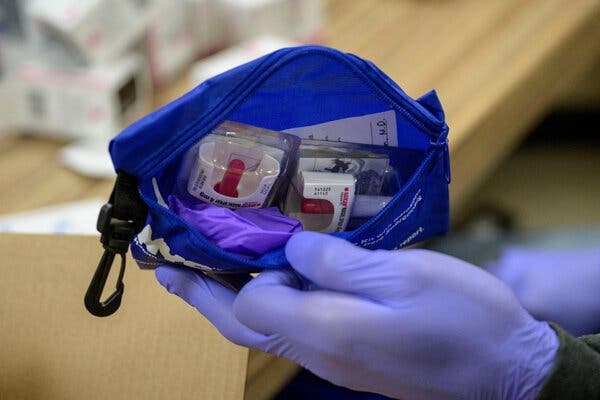
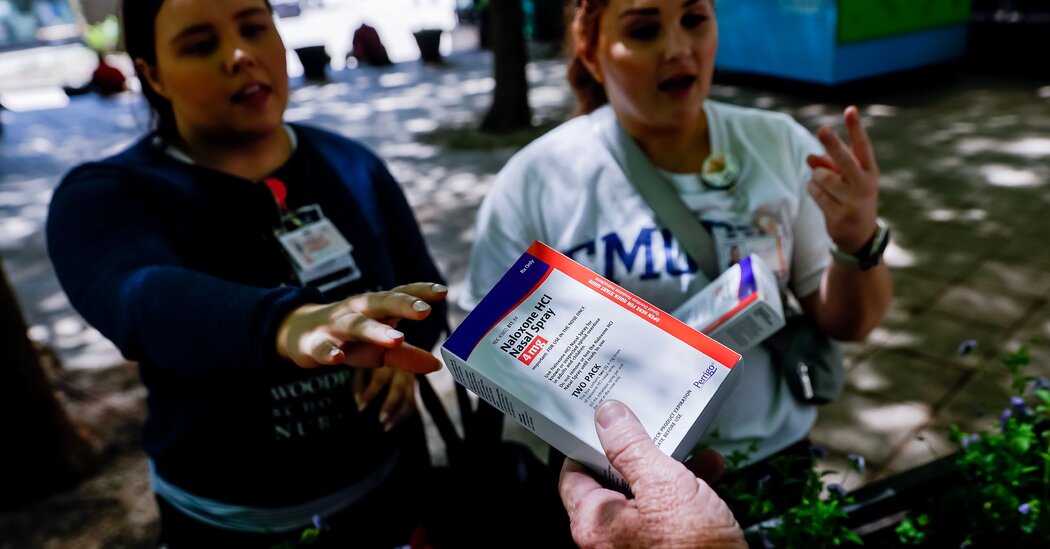
About 30 percent of Americans have been addicted to opioids or have a relative who has been, researchers also reported.The NewsRoughly three in 10 adults have been addicted to opioids or have a family member who has been, and less than half of those with a substance use disorder have received treatment, according to a new survey conducted by KFF, a health policy research group.The survey, which polled more than 1,300 adults in July, underscores the broad and often harmful influence of opioid addiction across the nation, which recorded around 110,000 fatal drug overdoses last year alone.And the findings suggest that some proven medications for helping curb drug cravings, such as buprenorphine and methadone, are still not getting to those who need them. Only 25 percent of participants in the poll who said they or someone in their family had an opioid addiction reported receiving medication for themselves or family members.Mollyann Brodie, the executive director of KFF’s polling program, said that the numbers might be an undercount, as some survey participants might have been hesitant to share histories of opioid addiction. It was also possible, she added, that some people had their own ideas about what qualified as addiction. “It’s our best estimate based on people’s willingness to self-report,” she said.More than 80 percent of the respondents said that naloxone, a medicine that can reverse an opioid overdose, should be readily available in places like bars.Angela Weiss/Agence France-Presse — Getty ImagesWhy It Matters: Opioid addiction affects every part of American society.Addiction cuts across class, race and geography, the KFF researchers found. Rural and white Americans were the likeliest to report personal or family opioid addiction, but significant percentages of Black, Hispanic, urban and suburban families did, as well.White families were more likely than Black or Hispanic families to say that they had received treatment. Overdose fatality rates among Black Americans have climbed substantially in recent years, the Centers for Disease Control and Prevention found in a study last year.Low household income levels also appear to influence experience with addiction, KFF found. A higher percentage of households making less than $40,000 annually reported possible prescription painkiller, illegal drug and alcohol addiction, compared with households with higher incomes.Addiction has also weighed on the psyche of families, the study found. A third of Americans fear that someone in their family will die of an opioid overdose, researchers discovered. Roughly four in 10 adults said that they were concerned a family member would unintentionally ingest fentanyl, a potent and deadly synthetic opioid that is often mixed into other drugs or counterfeit pills and that can go undetected.Background: Recent efforts to make treatment more accessible have had limited success.In December, Congress scrapped a special licensing requirement for health providers who want to prescribe buprenorphine, a medication that dulls cravings and prevents withdrawal, expanding the number of places drug users can seek treatment. But this year researchers found that less restrictive training requirements for health workers had not led to greater prescribing of the medication.Federal researchers this month found that in 2021, only about 20 percent of the roughly 2.5 million people with opioid use disorder had received medication treatment, a problem that especially affects Black adults, women and the unemployed.The reasons may be cultural and financial. KFF researchers published some anonymous responses from survey participants who were asked why they or a family member did not get treated. “We are not raised that way,” a 22-year-old Black woman in Georgia said.“Lack of funding, no insurance coverage — turned away for treatment,” a 50-year-old white woman in South Carolina said.More than 80 percent of the respondents said that naloxone, a medicine that can reverse an opioid overdose, should be readily available in places like bars and fire stations.What’s Next: Getting treatment into more medical practices.Dr. David Fiellin, an addiction physician at the Yale School of Medicine, said the survey showed the need for a stronger federal response to substance use disorders, akin to the one for AIDS. Primary care practices are especially critical to treating Americans, he noted.“There’s often a misunderstanding of what treatment actually looks like and what it is — people often look to a quick fix,” he said, referring to a detox strategy. “Effective treatment tends to be much more long term and requires addressing the denial that can be part of the condition.”President Biden this month requested $350 million from Congress to fund addiction treatment and other drug-related services across the country. The Biden administration and federal lawmakers also continue to search for ways to loosen restrictions on treatment.Methadone, another opioid addiction medication that alleviates cravings, is heavily regulated and often difficult for drug users to access and use continuously, prompting repeated calls from addiction physicians and public health experts for easing restrictions.

Read more →

Weight-loss apps to offer NHS help to obese

Published7 hours agoShareclose panelShare pageCopy linkAbout sharingImage source, Getty ImagesFour apps to help people with obesity lose weight, including the offer of medication, could be used by the NHS in England, under draft health guidance.With 30-70% of the population having no access to weight management services in their area, the apps aim to reduce waiting times for treatment.Weight-loss drugs can be prescribed alongside healthy eating, exercise and psychological support.But the much-heralded drug Wegovy has not launched in the UK yet. The company which makes it, Novo Nordisk, recently said it was restricting the number of doses it is supplying to different countries to make sure patients have the correct all-round care and support in place when they start taking the drug.It also makes weight-loss drug Saxenda, also known as liraglutide, which is available.Under draft recommendations from the National Institute for Health and Care Excellence (NICE), the four apps can be used by the NHS while evidence is collected on their cost-effectiveness over the next four years.Weight loss drug semaglutide approved for NHS useWeight-loss drug heart benefit ‘significant’GPs set to offer weight-loss jab to reduce obesityTheir success will be judged on the change in people’s weight, how often they complete the programme and the number of appointments needed and cost of medicines prescribed. Up to 48,000 people could use the apps, saving 145,000 hours of doctors’ time, calculations by NICE show.Some patients may need to be given a tablet computer and mobile internet connection to access the apps, it added.Another three apps need more research before being used by the NHS, NICE concluded.The technology aims to provide support for those who are not able to attend face-to-face appointments with weight management services, affecting 10-30%, or who do not have access to local help or are on a waiting list.’Patients need a solution’Only those with a BMI of 35 (near the top of the obese range) plus a weight-related illness, or slightly less in some cases, will qualify to use the apps.At present, a quarter of adults in England are obese and more than a third are overweight.Mark Chapman, interim director of medical technology and digital evaluation at NICE, said traditional face-to-face services treating people living with obesity “are unable to keep up with demand”.”Waiting lists are long, some areas don’t have a service, and patients need a solution,” he added.NICE says it wants to ensure it is balancing delivering the best care and getting value for money for the taxpayer. Health and Social Care Secretary Steve Barclay said the use of apps alongside life-changing weight-loss drugs would help tackle obesity, which costs the NHS billions every year.”The newest obesity medicines have the potential to help patients lose significant amounts of weight and reduce related conditions, but it’s vital they are used alongside diet, physical activity, and wider behavioural support to help stop people regaining weight,” he said.The drug Wegovy was approved for use by the NHS in England in March after trials showed it could help people reduce their weight by more than 10%, if they also followed a healthy diet and an exercise regime.The drug makes people feel full by mimicking a hormone called Glucagon-like peptide-1 (GLP-1), and helps to reduce their calorie intake.But NHS England has yet to decide the details of how the drug will be rolled out, and its UK launch date has not been confirmed.There will be a 10-day public consultation on the draft NICE recommendations around the apps, ending on Friday 25 August.More on this storyWeight-loss drug heart benefit ‘significant’Published6 days agoGPs set to offer weight-loss jab to reduce obesityPublished7 JuneWeight loss drug semaglutide approved for NHS usePublished8 March

Read more →

Ukraine therapist: I've got no weapon but knowledge

Published15 minutes agoShareclose panelShare pageCopy linkAbout sharingImage source, Courtesy of Inna PochtarukBy Natasha BootyBBC News”Whenever the blackouts hit, I automatically start swearing,” laughs Inna Pochtaruk. Expressing yourself this way is a healthy reaction, the 45-year-old says, because “anger equals energy for action” and can help us protect personal boundaries. As a therapist in Ukraine during the war with Russia, she treats patients suffering grief, guilt, anger, fear, isolation and feelings of powerlessness, but that doesn’t mean she herself is immune. So she and about a dozen others meet every fortnight over Zoom – wi-fi connections permitting – to offer mutual support and receive free clinical supervision from two therapists based in London, all mediated by a Ukrainian translator called Max. “The most difficult thing has been the prolonged, full-scale threat of death,” says Svetlana Koval, 47, also a therapist. The war forced her to flee her hometown and move to the city of Odesa, leaving her elderly mother behind. Although her mother has a support network and Svetlana speaks to her regularly, she still ends each conversation feeling hopeless. There are no quick fixes but hobbies, therapy and coping mechanisms help Svetlana through. “I’ve been ballroom dancing for two years,” she says, smiling. “But it’s a small community with very few men, unfortunately.” Many have been conscripted into the army.Small joys are far from frivolous in times of hardship, say the therapists. Yoga, gardening and cups of tea are some of their favourite ways to look after themselves – much like anywhere else in the world. But being joyful has become taboo during the war, they tell the BBC, because a lot of Ukrainians think they should suffer in solidarity with others. ‘Forced to choose a side’ “I ended all of my relationships with any Russians because I’m angry and I’m not ready to continue them,” says Larysa, a psychology student in her 20s whose name we have changed.Deep anti-Russian feeling has spread since the invasion began and destroyed many relationships. It is known as “splitting” or “black-and-white thinking” in psychology, and the therapists admit it has affected them too. “It’s as if I see a middle split between two chairs. And I have to choose one side in order not to get split apart,” says Svetlana. “There were Russian colleagues I had to say goodbye to – I can’t work with them because I see fault in their behaviour in not being able to separate good from evil.” The feeling is widely shared. “How can you work with victims if you justify violence?” asks another group member. Some of the therapists gently suggest this anger would be better directed at President Vladimir Putin and his invading army, not Russian colleagues. But others point out that black-and-white thinking evolved to help people survive times of acute danger. “The amygdala part of the brain is like a fire alarm – it’s linked to anxiety and controls ‘freeze’, ‘run’, ‘fight’ reactions, and it signals about life and death situations,” explains Larysa. There is a paradox at the heart of being a therapist when your country is at war, it seems. If the goal of therapy is to dismantle defences so that people can feel things and deal with them, how do you reconcile that with a terrifying and traumatic environment where those same defences can actually keep you alive? Shelling, explosions and blackouts sometimes disrupt online sessions with vulnerable clients, the therapists tell the BBC. But they are determined to keep offering a safe space for clients to sit with difficult feelings and work through them. “We will win. We just need time, and I’m not sure how long,” says Svetlana, adding: “I’ve got no weapon but knowledge”. Image source, Courtesy of Svetlana KovalOne day the war will be over. But the psychological toll may last for generations. The therapists tell the BBC they suffer some of the same traumas as their clients, although they try not to project their own feelings onto their patients. One member of the group says she has lost her son. Her bereavement is still raw and very difficult to talk about but through it all she has learnt that, as a therapist, “you can’t take somebody further than you’ve been yourself”. Empathy comes of suffering. ‘My work energises me’Money is another worry for these therapists, all of whom helped patients for free when the war robbed them of their livelihoods. Inna is happy to have found paid, full-time therapy work. In fact, her new schedule of crisis services and youth support is so full-on that she says she will no longer attend these fortnightly therapists’ meetings. “I love my work and it doesn’t exhaust me, it actually energises me. Yesterday I led a group and I was getting text messages until 11pm from people saying how grateful they were.” Larysa makes a living as a photo editor for international magazines and brands, and has recently set up a private psychotherapy practice that is mostly free of charge to help the most needy. “My husband jokes that it cost us a pretty penny to run my therapy business and pay for all the supervision whilst I was getting nothing in return,” she says, “but thankfully we had some savings from before the war, and my husband’s solidly employed.” The therapists know that their work is vital and want to secure more paid work so they can reach more civilians and soldiers in need, while also sustaining themselves financially and avoiding emotional burnout. “This is what sets us apart from the people attacking us. Giving refuge to people is a form of humanity,” says Larysa.”And when I do that, I feel human.” More on this storyClash of generations in Russia as war sees young take on parentsPublished20 FebruaryAmateur pilots fundraise to deliver aid to UkrainePublished20 February

Read more →

Opioid Settlement Money Is Being Spent on Police Cars and Overtime

As states and counties spend the first wave of billions of dollars from the pharmaceutical industry, public health groups are challenging how some funds are being used.After years of litigation to hold the pharmaceutical industry accountable for the deadly abuse of prescription painkillers, payments from what could amount to more than $50 billion in court settlements have started to flow to states and communities to address the nation’s continuing opioid crisis.But though the payments come with stacks of guidance outlining core strategies for drug prevention and addiction treatment, the first wave of awards is setting off heated debates over the best use of the money, including the role that law enforcement should play in grappling with a public health disaster.States and local governments are designating millions of dollars for overdose reversal drugs, addiction treatment medication, and wound care vans for people with infections from injecting drugs. But law enforcement departments are receiving opioid settlement money for policing resources like new cruisers, overtime pay for narcotics investigators, phone-hacking equipment, body scanners to detect drugs on inmates and restraint devices.“I have a great deal of ambivalence towards the use of the opioid money for that purpose,” said Chester Cedars, chairman of Louisiana’s advisory opioid task force and president of St. Martin Parish. The state’s directives say only “law enforcement expenditures related to the opioid epidemic,” added Mr. Cedars, a retired prosecutor. “That is wide open as to what that exactly means.”On Monday, 133 addiction medicine specialists, legal aid groups, street outreach groups and other organizations released a list of suggested priorities for the funds. Their recommendations include housing for people in recovery and expanding access to syringe exchange programs, personal use testing strips for fentanyl and xylazine, and medication that treats addiction.They expressly stated that no funds “should be spent on law enforcement personnel, overtime or equipment.”“Law enforcement already gets a lot of funding, and I’m sure they would say it’s never enough,” said Tricia Christensen, an author of the proposed priorities, who is the policy director at Community Education Group, which has been tracking opioid settlement money across Appalachia. But the opioid money, she said, “is really unique.”Law enforcement departments have been receiving opioid settlement money for policing resources like new cruisers, overtime pay, phone-hacking equipment, body scanners and restraint devices.Whitney Curtis for The New York TimesGroups that monitor opioid settlements use various criteria to estimate the total payout. But even employing the most conservative tabulation, the final amount could well be north of $50 billion when pending lawsuits are resolved, notably the multibillion-dollar Purdue bankruptcy plan, which the Supreme Court temporarily paused last week.At first glance, that looks like a fabulous trove of money. In reality, it will be parceled out over 18 years and is already dwarfed by the behemoth dimensions of the opioid crisis, now dominated by illicit fentanyl and other drugs.The spectacle of states as well as thousands of cities, counties and towns all struggling to determine the most effective uses of these desperately needed funds is raising many questions.Underlying the wrangling is a push for greater transparency in awarding the money and a determination not to repeat the mistakes of the Big Tobacco settlement 25 years ago. State governments have used most of the $246 billion from tobacco companies to plug budget holes and pay for other projects, and reserved relatively little to redress nicotine-related problems.Now, states and local governments have committees to determine appropriate allocation of the opioid money. Sheriffs and police officials comprise less than a fifth of the members on those task forces, according to a recent analysis by KFF Health News, Johns Hopkins University and Shatterproof, a national nonprofit that focuses on addiction.But public sentiment in many communities favors ridding the streets of drug dealers as a means of abating the crisis.When Samuel Sanguedolce, the district attorney of Luzerne County in Pennsylvania, presented his budget to the County Council in November, he made a pitch for some of the county’s settlement money, about $3.4 million so far.“With 10 more detectives, I could arrest those cases around the clock,” he said, referring to drug dealers. “I think this is a good way to use money that resulted from this opioid crisis to assist those detectives without putting it on the taxpayers.”“And I’ve asked not just for detectives,” he continued. “But hiring people, of course, costs money, in the way that they need guns and vests and computers and cars.”In many areas of the country, the lines between law enforcement and health care can be somewhat blurred: Police and sheriffs’ departments are also emergency responders, trained to administer overdose reversal drugs. Louisiana is dedicating 20 percent of its opioid money to parish sheriffs.OnPoint NYC, an overdose prevention center and safe injection site.Seth Wenig/Associated PressSheriff K.P. Gibson of Acadia Parish, who represents sheriffs on Louisiana’s opioid task force, said that he intended to use the $100,000 his department is set to receive for “medical needs” of people in the jail, including various opioid treatments and counseling. The goal, he said, is to help inmates become “productive citizens within our community,” once they are released.Public health officials and addiction treatment specialists are also concerned about another use of the money: grants for faith-based rehab programs that prohibit federally approved medications like Suboxone and methadone, which blunt cravings for opioids.“I would be open to a faith-based cancer program, but not one that doesn’t let you take effective medicines to treat the cancer,” said Dr. Joshua Sharfstein, a professor at Johns Hopkins Bloomberg School of Public Health, which has released its own guidance principles for the settlement funds.Throughout the years of negotiating opioid settlements, lawyers for states, tribes and local governments and those defending drug distributors, manufacturers and pharmacy chains struggled to avoid the pitfalls that emerged from the Big Tobacco litigation.This time, local governments have struck agreements with state attorneys general over the allocation of the money. Legislatures are largely excluded from most of the funds.Johns Hopkins praised Rock County, Wis., as a jurisdiction that strove to get a full picture of local needs for the money: It put together a working group to review evidence-based literature and conducted surveys and meetings to elicit community suggestions.In North Carolina, county governments receive 85 percent of the funds, which have reached nearly $161 million so far. Having signed onto the core principles worked up with the attorney general, the counties have great discretion in spending their allotments.“When you look at who addresses the issues of the opioid epidemic, it’s addressed locally by E.M.S., social services and jails. Those are all county functions in North Carolina, so that’s why it made sense for them to get the bulk of the resources,” said Josh Stein, the North Carolina attorney general, who helped negotiate the national opioid settlements.Dressing a skin wound in the Kensington neighborhood of Philadelphia.Matt Rourke/Associated PressEach county is establishing its own priorities. Stanly County, he said, is setting up teams to reach people who have just survived overdoses, hoping to connect them with services. Mecklenburg County has directed some of its funding for post-recovery education and job-training programs.Such uses can help to lift a community stricken by addiction, said Ms. Christensen, whose group monitors opioid settlements for 13 states. “I really subscribe to the idea that overdoses are often ‘deaths of despair’ — that the reason many folks spiral into chaotic drug use has a lot to do with what has happened to them and their lack of opportunities,” she said. “So how can we invest in the community to prevent that from happening generation after generation? That’s why I think community input is so important in this process.”The groups that released the new set of priorities cited examples of promising use of the funds. Michigan’s plans include adding rooms in hospitals so that new mothers can stay with infants born with neonatal abstinence syndrome. Kentucky is giving $1 million to four legal aid groups to represent people with opioid-related cases.“I was blown away by that,” said Shameka Parrish-Wright, executive director of VOCAL-KY, a community group that worked on the priorities documents. Ms. Parrish-Wright, a former candidate for Louisville mayor who had been addicted to drugs, homeless and incarcerated, added: “Those legal entities are really helpful in making sure we deal with paraphernalia charges and evictions. People coming out of treatment are sometimes discriminated against because of those charges and can’t get housing or jobs.”VOCAL-KY has not applied for settlement money but works closely with groups that do. Its members attend meetings held by Kentucky’s opioid task force. “Knowing that Black and brown and poor white communities are dealing with it the worst, we pushed them to have another town hall in those communities,” Ms. Parrish-Wright said.With Big Tobacco’s cautionary tale shadowing these debates, the issue of accountability looms. Who ensures that grantees spend their money appropriately? What sanctions will befall those who color outside the lines of their grants?So far, the answers remain to be seen. Christine Minhee, a lawyer who runs the Opioid Settlement Tracker, which analyzes state approaches to spending the funds, noted that on that question, the voluminous legal agreements could be opaque.“But between the lines, the settlement agreements themselves imply that the political process, rather than the courts, will bear the actual enforcement burden,” she said. “This means that the task of enforcing the spirit of the agreement — making sure that settlements are spent in ways that maximize lives saved — is left to the rest of us.”

Read more →

Images of enzyme in action reveal secrets of antibiotic-resistant bacteria

Bacteria draw from an arsenal of weapons to combat the drugs intended to kill them. Among the most prevalent of these weapons are ribosome-modifying enzymes. These enzymes are growing increasingly common, appearing worldwide in clinical samples in a range of drug-resistant bacteria.
Now scientists have captured the first images of one important class of these enzymes in action. The images show how the enzymes latch onto a particular site on the bacterial ribosome and squeeze it like a pair of tweezers to extract an RNA nucleotide and alter it. The Proceedings of the National Academy of Sciences (PNAS) published the findings, led by scientists at Emory University.
The advanced technique of cryoelectron microscopy made the ultra-high-resolution, three-dimensional snapshots possible.
“Seeing is believing,” says Christine Dunham, Emory professor of chemistry and co-corresponding author of the paper. “The minute you see biological structures interacting in real life at the atomic level it’s like solving a jigsaw puzzle. You see how everything fits together and you get a clearer idea of how things work.”
The insights may lead to the design of new antibiotic therapies to inhibit the drug-resistance activities of RNA methyltransferase enzymes. These enzymes transfer a small hydrocarbon known as a methyl group from one molecule to another, a process known as methylation.
“Methylation is one of the smallest chemical modifications in biology,” says Graeme Conn, professor of biochemistry in Emory’s School of Medicine and co-corresponding author of the paper. “But this tiny modification can fundamentally change biology. In this case, it confers resistance that allows bacteria to evade an entire class of antibiotics.”
Both Conn and Dunham are also members of the Emory Antibiotic Resistance Center.

Read more →