Woman receives sister's womb in first UK transplant
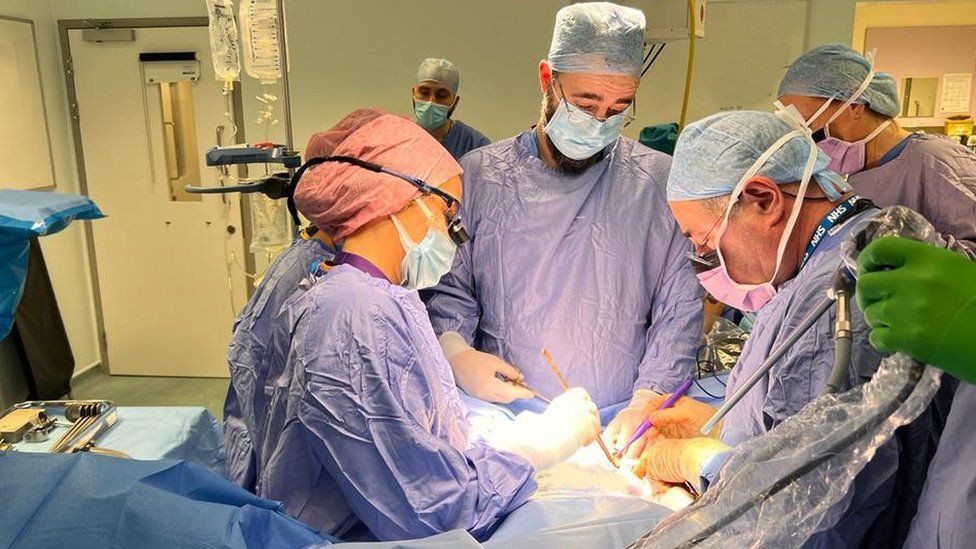
Published1 day agoShareclose panelShare pageCopy linkAbout sharingBy Fergus WalshMedical editor Surgeons in Oxford have carried out the first womb transplant in the UK. The recipient was a 34-year-old woman, and the donor her 40-year-old sister, both of whom wish to remain anonymous.Doctors say both recovered well from surgery and the younger sister – with her husband – has several embryos in storage, waiting to be transferred.A team of more than 30 carried out the procedures, lasting around 17 hours, in adjoining operating theatres at the Churchill hospital in February. Her sister already had two children and had completed her family. Both sisters live in England. Prof Richard Smith, gynaecological surgeon, who led the organ retrieval team, has spent 25 years researching womb transplantation. He told the BBC it was a “massive success”.He said: “The whole thing was emotional. I think we were all a bit tearful afterwards.” Transplant surgeon Isabel Quiroga, who led the team implanting the womb, said the recipient was delighted: “She was absolutely over the moon, very happy, and is hoping that she can go on to have not one but two babies. Her womb is functioning perfectly and we are monitoring her progress very closely.”The woman had her first period two weeks after the surgery. Like other transplant patients, she needs to take immunosuppressive drugs to prevent tissue rejection. These carry some long-term health risks, so the uterus will be removed after a maximum of two pregnancies. She was born with a rare condition, Type 1 Mayer-Rokitansky-Küster-Hauser (MRKH) where the uterus is absent or underdeveloped, but has functioning ovaries. Prior to surgery she had fertility treatment with her husband, and they have eight embryos in storage. Both underwent counselling before surgery, and their case was reviewed and approved by the Human Tissue Authority. The NHS costs, estimated at £25,000, were paid for by the charity Womb Transplant UK. More than 30 staff involved on the day gave their time for free.Prof Smith, who is Chairman of Womb Transplant UK, said the team had been authorised to carry out a total of 15 transplants – five with live donors and 10 with deceased, brain-dead donors – but would need another £300,000 to pay for all the procedures.He said: “The shocking truth is that there are currently more than 15,000 women of child-bearing age in this country who have Absolute Uterine Factor Infertility. They were either born without a womb or have had a hysterectomy due to cancer or other abnormalities of the womb.”In 2014 a woman in Sweden became the first to have a baby as a result of a womb transplant. She had received a donated womb from a friend in her 60s. Since then 100 womb transplants have taken place worldwide and around 50 babies have been born, mostly in the US and Sweden, but also in Turkey, India, Brazil, China, Czech Republic, Germany and France.Surgeons in the UK were given permission to begin performing womb transplants in 2015. Writing in the British Journal of Obstetrics and Gynaecology, the team cited “institutional delays” and Covid as reasons why the UK had taken so long to perform its first operation. Womb Transplant UK said more than 500 women had contacted the charity wishing to take part in the programme, and around a dozen had embryos in storage or were undergoing fertility treatment – a prerequisite for getting on the waiting list. One of them is 31-year-old Lydia Brain, who needed a hysterectomy after having womb cancer. She was diagnosed when she was 24 after experiencing heavy periods, and bleeding between periods, which led to anaemia. She and her partner have paid £15,000 for fertility treatment and now have several embryos in storage. Image source, BBC Lydia said she was delighted by the news of the first successful womb transplant in the UK, describing it as “miraculous”. She told the BBC: “Infertility was a huge part of the impact of my cancer. It affects you every day as you can’t avoid pregnant people, babies, and your friends getting into that phase of their life.”She said it “would mean everything” if she could get on the waiting list and have a womb transplant, because she wants to “carry my own child and have that experience, being able to breastfeed and to have a newborn baby, at least once.”Lydia said she would consider surrogacy and adoption, but said both routes were problematic. “The laws and the process are very difficult,” she explained, adding that with adoption “you often don’t get a newborn baby”.Lydia now works for the charity Eve Appeal, which funds research and raises awareness into the five gynaecological cancers – womb, ovarian, cervical, vulval and vaginal. More on this storyFirst UK womb transplant ‘by end of 2018’Published5 June 2018Womb transplants: how do they work?Published30 September 2015First womb-transplant baby bornPublished4 October 2014Related Internet LinksChurchill Hospital OxfordThe Eve AppealThe BBC is not responsible for the content of external sites.

Read more →
AI can predict certain forms of esophageal and stomach cancer

In the United States and other western countries, a form of esophageal and stomach cancer has risen dramatically over the last five decades. Rates of esophageal adenocarcinoma, or EAC, and gastric cardia adenocarcinoma, or GCA, are both highly fatal.
However, Joel Rubenstein, M.D., M.S., a research scientist at the Lieutenant Colonel Charles S. Kettles Veterans Affairs Center for Clinical Management Research and professor of internal medicine at Michigan Medicine, says that preventative measures can be a saving grace.
“Screening can identify pre-cancerous changes in patients, Barrett’s esophagus, which is sometimes diagnosed in individuals who have long-term gastroesophageal reflux disease, or GERD,” he said.
“When early detection occurs, patients can take additional steps to help prevent cancer.”
While current guidelines already consider screening in high-risk patients, Rubenstein notes that many providers are still unfamiliar with this recommendation.
“Many individuals who develop these types of cancer never had screening to begin with,” he said.
“But a new automated tool embedded in the electronic health record holds the potential to bridge the gap between provider awareness and patients who are at an increased risk of developing esophageal adenocarcinoma and gastric cardia adenocarcinoma.”
Rubenstein and a team of researchers used a type of artificial intelligence to examine data regarding EAC and GCA rates in over 10 million U.S. veterans.

Read more →

Cells with an ear for music release insulin

Diabetes is a condition in which the body produces too little or no insulin. Diabetics thus depend on an external supply of this hormone via injection or pump. Researchers led by Martin Fussenegger from the Department of Biosystems Science and Engineering at ETH Zurich in Basel want to make the lives of these people easier and are looking for solutions to produce and administer insulin directly in the body.
One such solution the scientists are pursuing is enclosing insulin-producing designer cells in capsules that can be implanted in the body. To be able to control from the outside when and how much insulin the cells release into the blood, researchers have studied and applied different triggers in recent years: light, temperature and electric fields.
Fussenegger and his colleagues have now developed another, novel stimulation method: they use music to trigger the cells to release insulin within minutes. This works especially well with “We Will Rock You,” a global hit by British rock band, Queen.
Equipping cells to receive sound waves
To make the insulin-producing cells receptive to sound waves, the researchers used a protein from the bacterium E. coli. Such proteins respond to mechanical stimuli and are common in animals and bacteria. The protein is located in the membrane of the bacterium and regulates the influx of calcium ions into the cell interior. The researchers have incorporated the blueprint of this bacterial ion channel into human insulin-producing cells. This lets these cells create the ion channel themselves and embed it in their membrane.
As the scientists have been able to show, the channel in these cells opens in response to sound, allowing positively charged calcium ions to flow into the cell. This leads to a charge reversal in the cell membrane, which in turn causes the tiny insulin-filled vesicles inside the cell to fuse with the cell membrane and release the insulin to the outside.
Booming bass boosts insulin secretion
In cell cultures, the researchers first determined which frequencies and volume levels activated the ion channels most strongly. They found that volume levels around 60 decibels (dB) and bass frequencies of 50 hertz were the most effective in triggering the ion channels. To trigger maximum insulin release, the sound or the music had to continue for a minimum of three seconds and pause for a maximum of five seconds. If the intervals were too far apart, substantially less insulin was released.

Read more →

One in Five Women Feel Mistreated During Maternity Care, C.D.C. Reports

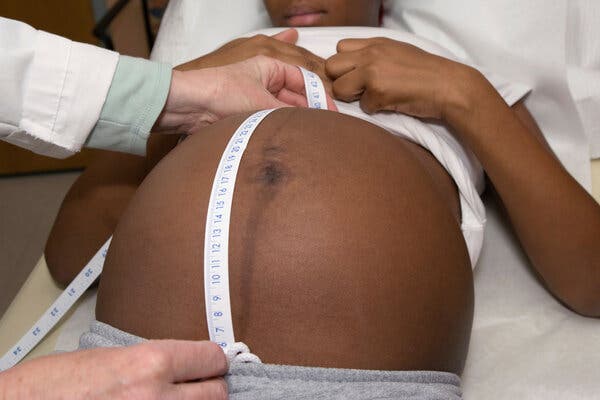
Among Black, Hispanic and multiracial mothers, 40 percent said they had been mistreated during pregnancy or childbirth.The NewsOne in five women in the United States said they had been mistreated while receiving maternity care, and almost one in three said they had experienced discrimination because of factors like age, weight or income, according to a survey of 2,400 mothers released Tuesday by the Centers for Disease Control and Prevention.Women of color reported even higher rates. Roughly 30 percent of Black, Hispanic and multiracial women said they had been mistreated, and 40 percent of Black and multiracial women reported discrimination because of race and ethnicity, income, type of health insurance or differences of opinion with caregivers, among other reasons.Among the most common complaints about mistreatment: health care providers ignoring their patients, refusing requests for help or failing to respond to a call for help in a timely manner. Women reported being shouted at or scolded, having their physical privacy violated and having health care providers threaten to withhold treatment or force them to accept medical interventions they did not want.AlamyWhy It Matters: Many pregnant women are afraid to discuss their worries.Almost half of the women surveyed said they had held back in talking with a maternity care provider about their questions or concerns, a particularly disturbing finding. The most common reason given was that patients thought that what they were experiencing was normal.Other common reasons: Women said they didn’t want to “make a big deal” about a problem, or were embarrassed to talk about it; they’d been told by friends or family that the problem was “a normal part of pregnancy”; or they feared being seen as a difficult patient.Some also said they held back because their provider seemed to be in a rush, and they weren’t sure their concern was important enough to merit additional attention, or they were scared to talk about it.Background: Maternal mortality rates have soared in the U.S.Maternal mortality rates in the United States are among the highest in the industrialized world. They have risen steadily in recent years, with a sharp but apparently temporary spike during the pandemic.Black and Native American women are at particularly high risk. Maternal mortality rates are two to three times higher among these women than among white and Hispanic women.Yet studies have found that the vast majority of the deaths — some 80 percent — are preventable.The new survey, which was designed by the C.D.C. and carried out by the communications consultancy firm Porter Novelli, included some 2,400 mothers of children ages 5 or older, who answered questions online between April 24 and April 30 of this year.The survey was not a nationally representative sample of the population giving birth, however, so its utility is somewhat limited. Nevertheless, the findings suggest serious flaws in the care provided to pregnant women and women giving birth.A First Step: Hearing the patient.Birthing women deserve respectful health care, which is strongly linked to positive outcomes, C.D.C. officials said.“If you are consistently feeling like your concerns are not being heard and you’re experiencing mistreatment, you’re less likely to seek further treatment in the future,” said Dr. Wanda Barfield, director of the agency’s division of reproductive health.“And for those women who may be at higher risk and have a concern that may be life-threatening — if they are reluctant to seek help, and this study suggests that almost half of them are, they may be at risk for a very adverse outcome.”

Read more →

Study adds to evidence that Parkinson's starts in the gut

Ask any neurologist: Parkinson’s disease is a brain disorder. The conspicuous symptoms of Parkinson’s disease — uncontrollable tremors, slowed down motions, and the feeling that one’s feet are stuck to the ground — all stem from the loss of neurons in a region of the brain that helps control movement.
But many researchers believe that the neurodegenerative disorder may get started far away from the brain — in the gut — and years before the first neurological signs appear.
New findings by Columbia researchers David Sulzer, PhD, and Dritan Agalliu, PhD, and two of their graduate students are adding to evidence backing this hypothesis — and showing that what triggers initial gastrointestinal changes in Parkinson’s could be a misdirected immune attack.
“If this is the beginning of Parkinson’s in many people, we could potentially identify who has the disease before it ever reaches the brain and hopefully stop it in its tracks,” Sulzer says. The new findings were published Aug. 18 in Neuron.
Autoimmunity and the gut
The gut-first theory of Parkinson’s, originally proposed 20 years ago, started to intrigue Sulzer after his own research pointed toward the role of an autoimmune response in Parkinson’s.
In Parkinson’s, a protein called alpha-synuclein becomes misfolded, accumulates inside neurons, and slowly poisons the cells. Sulzer’s lab in collaboration with immunologists at the La Jolla Institute of Immunology has shown that small portions of the misfolded alpha-synuclein also can appear on the outside of neurons, which makes the neurons vulnerable to attack from the immune system. The immune attack could be doing more acute damage to the neurons than the internal deposits of alpha synuclein.

Read more →

Researchers discover potential target for gastric cancers associated with Epstein-Barr virus

Now, scientists at The Wistar Institute have discovered a potential target for gastric cancers associated with Epstein-Barr Virus; study results were published in the journal mBio. In the paper, Wistar’s Tempera lab investigates the epigenetic characteristics of gastric cancer associated with the Epstein-Barr Virus: EBVaGC. In evaluating EBVaGC’s epigenetics — the series of biological signals associated with the genome that determines whether a given gene is expressed — the Tempera lab highlights a target that could advance as a future treatment for this type of cancer.
The work of Italo Tempera, Ph.D., associate professor in the Gene Expression & Regulation Program in the Ellen and Ronald Caplan Cancer Center, at The Wistar Institute, and collaborators demonstrates that an epigenetically active compound called decitabine disrupts the genome of EBVaGC by epigenetically modifying the cancer’s DNA, a finding that offers the potential for a new approach to treating EBVaGC.
“What we have identified is essentially a self-destruct button within this kind of cancer, and our paper shows that we figured out how to press that self-destruct button,” said Tempera. “Normally, a latent virus that reactivates and starts to kill cells is a bad thing. But by switching that viral lytic process back on in these cancer cells by using epigenetic signaling, we’re effectively getting the virus to kill the cancer cells that it’s responsible for in the first place.”
The research — supported by a research program project grant, otherwise known as a P01-series grant, from The National Institute of Health (NIH) — includes scientists from The Wistar Institute, The Coriell Institute for Medical Research and Brigham and Women’s Hospital of Harvard Medical School.
In EBVaGC, the cancer cells’ DNA is hypermethylated: the DNA contains a high percentage of cytosine with a 5-methyl group attached to it (relative to normal, unmethylated cytosine). As a silencer of gene expression, DNA methylation allows EBV to remain latent. This methylation pattern plays a significant role in regulating the EBV latency-lysis cycle within the cancer cells. DNA methylation, as an epigenetic factor, usually functions as a gene-silencing mechanism, particularly in certain regions of the genome; a methylated gene still exists within the genome — methylation does not delete the genetic information — but methylation can prevent the protein the gene encodes from being transcribed.
To disrupt this epigenetic profile, the researchers turned to decitabine, a compound known for its ability to reduce DNA methylation levels (i.e., to hypomethylate the DNA). Tempera and his co-authors treated two cell lines that were derived from EBVaGC tumors with decitabine. The cell lines that received the treatment demonstrated massive reductions in DNA methylation across the genome relative to the control as assessed by a variety of epigenetic assay techniques.
In observing the effects of decitabine treatment on EBVaGC, Tempera’s team found a significant disruption of the cancer’s epigenetic profile. The EBV genome within EBVaGC treated with decitabine resulted in widespread, mostly uniform hypomethylation of the EBVaGC epigenome (with a few regional exceptions). Tempera and his co-authors discovered that the hypomethylating effect of decitabine treatment reactivated the lytic cycle of the latent EBV in the cancer cells. Because lysis is lethal to cells, the epigenetic reactivation of lysis within gastric cancer associated with EBV offers a promising potential treatment for the specific subset of EBVaGC.
“Now we know that we can use the epigenome of Epstein Barr Virus against the gastric cancer that it affects — that’s an exciting potential cancer therapy we have as a result of investigating the interplay between epigenetic patterns and disease lifecycle,” explained Tempera.

Read more →

How bacteria surf cargo through the cell

Bacteria live in nearly every habitat on earth including within soil, water, acidic hot springs and even within our own guts.
Many are involved in fundamental processes like fermentation, decomposition and nitrogen fixation. But scientists don’t understand a fundamental process within bacteria cells: how they organize themselves before division.
Driving vs. surfing
When cells divide the cell splits into two “daughter cells” with the same genetic material as the original cell.
During this process, the DNA and other cellular components replicate, and then this “cargo” is shipped to opposite sides of the cell.
Once everything is in place, the cell splits down the middle to make two identical daughter cells.
The way eukaryotes (the cell type found in animals, plants, fungi, and some unicellular organisms) ship cellular cargo is well known. Protein motors drive along “highways” made of proteins called actin filaments and microtubules to pull DNA and organelles to opposite sides of the cell.

Read more →

Neuroscientists create new resource to improve Alzheimer's disease research models

A new study by Indiana University School of Medicine researchers uses more genetically diverse mouse models to study the accumulation and spread of abnormal tau protein deposits in the brain — a known sign of Alzheimer’s disease and several other neurodegenerative diseases. The study’s findings, recently published in the Journal of Experimental Medicine, could lead to better research models that improve understanding of how different genetic backgrounds influence neurodegenerative disease development and treatment needs.
“As the medical community aims to treat those suffering from neurodegenerative diseases like Alzheimer’s, it is critical for us to understand how the brain responds to these tau abnormalities,” said Dominic J. Acri, first author on the study and a PhD candidate at IU School of Medicine. “Genetically diverse animal models are an exciting new avenue to discover novel mechanisms of disease. This work is a foundational first step for genetic mapping studies that could reveal druggable targets for neurodegenerative diseases.”
The research team was led by Jungsu Kim, PhD, the P. Michael Conneally Professor of Medical and Molecular Genetics and an investigator in the Stark Neurosciences Research Institute at IU School of Medicine.
Kim said the study was made successful in part by IU School of Medicine scientists’ expertise in animal research models for Alzheimer’s disease — one of many neuroscience strengths that make the school home to one of the world’s most comprehensive Alzheimer’s disease research programs, from basic science to drug discovery.
“I am grateful for the great collaborative environment that we have created at IU,” Kim said. “It has allowed us to share ideas, learn from each other and work together on this project more efficiently. Without this type of collaborative support from the laboratories of Drs. Cristian Lasagna-Reeves, Stephanie Bissel, and Bruce Lamb, this project might have taken a few more years.”
To date, most preclinical studies performed in mouse models of diseases utilize one inbred genetic background.
“This means that — unlike humans — every mouse in a given study is essentially a clone containing identical genetic information,” Acri said. “We hypothesized that using genetically diverse mouse models may improve our ability to translate findings in mice to help patients suffering from neurodegenerative diseases.”
This new study is unique, Acri said, because the research team used models of mice from three different genetic backgrounds, in addition to the single genetic background often presumed to be sufficient to model various human diseases.

Read more →

Keep fit to avoid heart rhythm disorder and stroke

A study in more than 15,000 people has found that physical fitness is linked with a lower likelihood of developing atrial fibrillation and stroke. The research is presented at ESC Congress 2023.
Atrial fibrillation is the most common heart rhythm disorder, affecting more than 40 million people worldwide. It is estimated that one in three Europeans will develop atrial fibrillation in their lifetime. Patients with the condition have a five-fold higher risk of stroke than their peers. This study examined whether fitness was related to the likelihood of developing atrial fibrillation.
The study included 15,450 individuals without atrial fibrillation who were referred for a treadmill test between 2003 and 2012. The average age was 55 years and 59% were men. Fitness was assessed using the Bruce protocol, where participants are asked to walk faster and at a steeper grade in successive three-minute stages. Fitness was calculated according to the rate of energy expenditure the participants achieved, which was expressed in metabolic equivalents (METs).
Participants were followed for new-onset atrial fibrillation, stroke, myocardial infarction and death. The researchers analysed the associations between fitness and atrial fibrillation, stroke and major adverse cardiovascular events (MACE; a composite of stroke, myocardial infarction and death) after adjusting for factors that could influence the relationships including age, sex, cholesterol level, kidney function, prior stroke, hypertension and medications.
During a median of 137 months, 515 participants (3.3%) developed atrial fibrillation. Each one MET increase on the treadmill test was associated with an 8% lower risk of atrial fibrillation, 12% lower risk of stroke and 14% lower risk of MACE.
Participants were divided into three fitness levels according to METs achieved during the treadmill test: low (less than 8.57 METs), medium (8.57 to 10.72) and high (more than 10.72). The probability of remaining free from atrial fibrillation over a five-year period was 97.1%, 98.4% and 98.4% in the low, medium and high fitness groups, respectively.
Study author Dr. Shih-Hsien Sung of the National Yang Ming Chiao Tung University, Taipei, Taiwan said: “This was a large study with an objective measurement of fitness and more than 11 years of follow up. The findings indicate that keeping fit may help prevent atrial fibrillation and stroke.”

Read more →

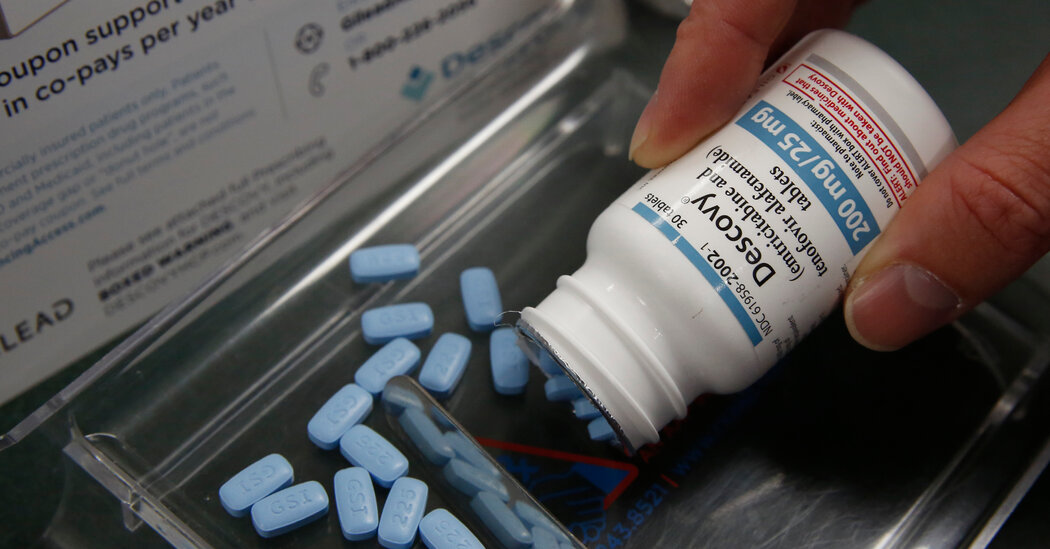
Expert Panel Recommends New Drugs for HIV Prevention

The “grade A” endorsement means that two additional drugs should be covered under the Affordable Care Act.An influential expert panel has given its highest recommendation to an expanded menu of H.I.V. prevention strategies for adults and adolescents, a move that will require private insurers to cover the drugs without a co-pay or deductible under the Affordable Care Act.The recommendation arrives as the Biden administration is fighting to preserve no-cost coverage of all preventive services under the A.C.A., after a Texas judge ruled the mandate to be unconstitutional.The ruling was aimed in particular at medications approved for use as pre-exposure prophylaxis (or PrEP) to prevent H.I.V., arguing that requiring its coverage violated the religious rights of employers.In the new recommendations, published on Tuesday in JAMA, the U.S. Preventive Services Task Force gave its highest or “grade A” recommendation to three medications approved for PrEP.The new ruling updates the earlier endorsement of a single daily pill, Truvada or generic equivalents, for PrEP. The task force now has included Descovy, another pill, and cabotegravir (marketed as Apretude), an injectable drug given every two months.Generic Truvada generally costs $1 per day, while the new options may cost more than $20,000 per year.An estimated 1.2 million Americans are living with H.I.V. Thanks to powerful medications, the virus is not the death sentence it once was. Still, H.I.V. is not yet curable, save for a handful of extraordinary examples, and preventing new cases is a public health priority.Nearly 31,000 people acquired H.I.V. in 2020, and nearly 70 percent of those cases occurred among adolescents and adult men who have sex with men. A 2018 study estimated that more than 12 percent of men who have sex with men in the United States are living with H.I.V.“We already do a really, really crummy job in our country of providing preventive services,” Dr. Thomas Dobbs, dean of the University of Mississippi’s John D. Bower School of Population Health, said.“If we don’t have no-cost access to some of the most essential preventive services, our poor health standing is only going to deteriorate.”The new guidelines recommend that clinicians routinely ask patients about their sexual and injection drug use history. Doctors should offer PrEP to anyone who has a sexual partner with H.I.V., has had a bacterial sexually transmitted infection within the past six months, uses condoms inconsistently or never, injects drugs or has a drug-injecting partner with H.I.V., or engages in transactional sex, the task force said.The C.D.C., on the other hand, recommends that clinicians discuss PrEP with all sexually active adults and adolescents, and prescribe PrEP to anyone who asks for it.“It’s hard to tease out who might be a risk, and certainly sometimes those conversations are kind of tricky,” Dr. Dobbs said. “If people think that they need it, that’s all that we have to hear to say yes.”In June 2019, the task force recommended the only drug available for PrEP at the time, Truvada. (Generic versions have since become available.)In October 2019, the Food and Drug Administration approved another daily pill, Descovy, to prevent H.I.V. in men and transgender women; the drug is only now being studied in cisgender women. Descovy is thought to be safer than Truvada for people with kidney disease or osteoporosis.And in December 2021, the agency approved the long-acting shot, cabotegravir, for PrEP. Cabotegravir is administered every two months and offers an alternative to people who are unable or unwilling to take a daily pill to prevent H.I.V. In two trials, the injection appeared to be more effective at thwarting H.I.V. than Truvada and its generic equivalents were.To update its recommendations in 2019, the task force commissioned a systematic review of 32 studies, most of which clearly showed PrEP’s benefits.The task force sometimes moves slowly, but in this case it “acted fairly swiftly to update the recommendation,” Amy Killelea, a consultant to the advocacy organization PrEP4All, said. The new stance “matches the evidence base that we have right now for PrEP.”Several studies have also shown that cisgender men who have sex with men can use generic Truvada for “on-demand” PrEP. Two pills are taken two to 24 hours before sex, one pill 24 hours after the double dose and another 24 hours later. The International AIDS Society and World Health Organization endorse this approach as effective.Adoption of PrEP has been slow for a number of reasons, including a lack of awareness and unwillingness to take the daily pills. It’s not yet clear whether insurance companies will stand up hurdles to the new regimens, such as offering generic Truvada as the first-line preventive and requiring prior authorization for the other options.“Those prioritizations and stuff are a real impediment to having choice,” Dr. Dobbs said.Clinicians will also need to combat striking racial disparities in PrEP use. In 2021, Black Americans accounted for roughly 40 percent of new H.I.V. diagnoses. That year, only 11 percent of Black people who were expected to benefit from PrEP received it, compared with 78 percent of white people who met the criteria.The task force’s recommendation also does not ease access for uninsured people.“We have a huge access problem for people who are uninsured in this country, and we have a growing health equity crisis,” Ms. Killelea said. “A federal national PrEP program would help to solve that problem.”PrEP does not reduce the risk of other sexually transmitted infections. Clinicians should counsel patients about taking their medications on time, practicing safe sex, including condom use, and testing regularly for H.I.V. and other sexually transmitted diseases, the task force said.

Read more →