New human cell-based 3D model reveals insights into how immune cells contribute to Alzheimer's disease

Cognitive decline associated with Alzheimer’s disease (AD) develops when neurons begin to die, which can be caused by inappropriate immune responses and excessive inflammation in the brain triggered by amyloid beta deposits and tau tangles, two hallmarks of the disease.
Also, immune cells outside of the brain, particularly T cells, can enter the brain and worsen AD pathology, but studying this process has been difficult.
Now, a team led by researchers at Massachusetts General Hospital (MGH) has engineered a novel 3D human cellular model that mimics the intricate interactions between brain cells and these immune invaders.
The work, which builds on previous 3D models of AD developed by the team, is described in Nature Neuroscience.
In the new study, the team used the model to demonstrate that as Alzheimer’s pathology accumulates in the brain, specific types of immune cells called CT8+ T Cells surge into the brain and amplify the destruction caused by neuroinflammation.
The team also identified the molecular mechanisms that drives the infiltration of T cells to the brain and showed that blocking these mechanisms reduced the destructive effects of T cell infiltration.
The findings could lead to new therapies for Alzheimer’s patients that target immune cell infiltration in the brain.

Read more →

88 UK deaths linked to Canada 'poison seller'

Published1 hour agoShareclose panelShare pageCopy linkAbout sharingImage source, Peel Regional PoliceBy Angus CrawfordBBC NewsEighty-eight people in the UK died after buying a poisonous substance from a seller in Canada, the National Crime Agency (NCA) has said.The NCA says it cannot confirm the chemical was the direct cause of the deaths in the UK but is investigating potential criminal offences.British police have been making welfare visits to hundreds of addresses to trace buyers across the country.Kenneth Law was arrested in May and is accused of assisting suicide in Canada.Mr Law, 57, is thought to have run a number of websites selling equipment to assist suicide.That also included a poisonous chemical which he sent to customers in more than 40 countries.Peel Regional Police said they began investigating the case in April following the sudden death of an adult in the Toronto area.Since Mr Law’s arrest, police forces across the UK have been making checks on everyone who ordered the substance. The NCA, which was coordinating the checks, said that 232 people in the UK had been identified as buying from Mr Law over a two-year period. The agency says 88 of them later died but it could not confirm a direct link with the death. NCA deputy director Craig Turner said: “Our deepest sympathies are with the loved ones of those who have died. They are being supported by specially trained officers from police forces.”In consultation with the Crown Prosecution Service, the NCA has taken the decision to conduct an investigation into potential criminal offences committed in the UK. This operation is under way.”Image source, David ParfettTom Parfett, from Maidenhead, was 22 when he ended his own life in October 2021 after buying the chemical from Mr Law.His father David Parfett is angry at what he sees as police failures.”It’s important for families to understand what has happened and why policing worldwide allowed this scale of deaths despite clear warning signs,” he said. Mr Parfett fears there other suppliers out there and unregulated websites promoting suicide.”What can be done immediately to close down internet sites that prey on vulnerable young people and prosecute the people who take pleasure in helping others take their own life?” he asked.In a separate interview with BBC Radio 4’s Today programme, Mr Parfett said his son had discussed taking his own life with people he met online in communities set up to discuss the subject, and was encouraged to do so by some.He added: “We have to accept that in the modern age, people can find like-minded people to discuss even the most difficult problems…those communities are unregulated and causing a huge amount of harm.”Mr Parfett called for stronger action from police and policymakers to crack down on people selling poison, and for online communities targeting vulnerable people to be regulated.He continued: “We need to be more sensitive around the risks that people like Tom have in society through their ability to find information online that is unchallenged.”Mr Law, who is in custody, is due to appear in court again later this month.Under the country’s criminal code, counselling or aiding a person to die by suicide can result in a 14-year prison sentence.If you’ve been affected by self-harm or emotional distress, help and support is available via the BBC Action LineSign up for our morning newsletter and get BBC News in your inbox.More on this storyCanadian man charged over selling lethal substancePublished4 May

Read more →

Families sue government for failing to protect care homes from Covid

Published23 minutes agoShareclose panelShare pageCopy linkAbout sharingBy Alison HoltSocial affairs editorThirty families are starting legal action against the government, care homes and several hospitals in England over the deaths of their relatives in the early days of the Covid pandemic.The families argue not enough was done to protect their loved ones from the virus. They are claiming damages for loss of life and the distress caused. The government says it specifically sought to safeguard care home residents using the best evidence available.The legal claims focus on the decision in March 2020 to rapidly discharge hospital patients into care homes without testing or a requirement for them to isolate. The cases follow a 2022 High Court judgement that ruled the policy was unlawful – as it failed to take into account the risk to elderly and vulnerable care home residents of asymptomatic transmission of the virus.Between early March and early June 2020, nearly 20,000 care home residents in England and Wales died with Covid-19. That’s about a third of all care home deaths during that period.The government said at the time it had “tried to put a protective ring” around care home residents. One of the cases is being brought by Liz Weager, whose 95-year-old mother Margaret tested positive for the virus in her care home in May 2020 and died later in hospital. “What was happening in the management of those care homes? What advice were they having?” Liz asks. “It goes back to the government. There was a lack of preparedness, which then translated down to the care home.”Image source, Liz WeagerAll the families are bringing claims for damages against the secretary of state for health and social care – plus the individual care homes and hospitals involved in each case. They argue the European Convention on Human Rights was breached, including a failure to protect their relatives’ rights to life and to protect them from discrimination.Emma Jones, from Leigh Day solicitors is representing the families. She says she hopes for “a full and thorough investigation into the deaths, which might help our clients to feel they have obtained justice for their loved ones”.The diaryLiz Weager believes important evidence is provided by her mother’s diary – a small black book embossed with the date 2020 and packed with bits of paper.”She kept diaries all her life,” says Liz. “This one is particularly special.”Although Margaret’s physical health had declined in her nineties, “mentally she was all there still,” says Liz. “And she knew everything that was going on in the world.”Margaret’s final diary mainly documents the times of visits, phone calls and the staff who came in to look after her – but there are also observations which paint a picture of what was going on in the care home more widely. Her daughter feels it provides a timeline which shows a care system under huge pressure in the early weeks of the pandemic.On 3 March 2020, the government sets out its Coronavirus action plan, with the then-Prime Minister, Boris Johnson, telling people “our country remains extremely well-prepared”.It is also the day that experts on the Scientific Advisory Group on Emergencies (Sage) talk about care homes for the first time – it is their 12th meeting. The minutes mention the difficulty of introducing social distancing in residential settings. Image source, Liz WeagerMeanwhile, Margaret has other matters on her mind. She writes she is feeling well, “but the staff situation is bad”.In the days that follow, the virus takes hold in the UK. Most of the focus is on the NHS. Care providers supporting vulnerable elderly and disabled clients warn they do not have enough personal protective equipment (PPE), such as masks and gloves. They are also calling for testing and clearer, quicker government guidance. On 17 March, the NHS tells hospitals to rapidly discharge patients where possible, including into care homes. There is no requirement for testing or isolation. Margaret’s family say they were later told that some hospital patients had ended up in her care home.On 23 March, the whole country goes into lockdown.Over the weeks, Margaret jots down in her diary what she sees. It ranges from a note about the lack of potatoes for her dinner, to the Do Not Attempt Resuscitation (DNAR) form she is asked to sign with the doctor on the phone, and the matron in her room. Initially she signs it, but then asks for things to be “put back as they were”. It would later be claimed that some care home residents in England had bans on resuscitation placed on them without discussion.By early to mid-April deaths from Covid in care homes reach a peak. On 13 April, Margaret writes that staff have started taking her temperature each day. From then on, she makes a daily note of it.Care homes: The ones they couldn’t save The government publishes its social care action plan on 15 April and says all patients discharged from hospital will now be tested. Previous advice had said “Negative [coronavirus] tests are not required prior to transfers/admissions into the care home.” On 20 April, Margaret records that it is the “first day of masks”, then on the following day notes, “all wearing masks”.On 30 April, she writes that her “breathing is very bad” if she exerts herself in any way.Two days later, she is told her door must be kept shut for “public health”.And on 4 May, after a visit from the matron at 10:30 in the morning, she notes in spidery letters – “I have the virus”.”It’s hard to see,” says her daughter, Liz. This is Margaret’s last entry in her diary – the blank pages that follow tell their own story.Liz had not been able to visit her mother for nearly seven weeks. Now she had to watch from a distance as Margaret arrived at the hospital with the paramedics. “She was in her wheelchair, and they took her out of the ambulance. And we waved. And that was the last time we managed to get a glimpse of her.”Margaret died on 14 May 2020.The following day the then-Health and Social Care Secretary, Matt Hancock, made his now well-known statement that: “Right from the start, we’ve tried to throw a protective ring around our care homes.” Image source, Downing StreetLiz says she was upset and angry after her mother died but thought long and hard before deciding to take legal action. “I felt that her care was completely lacking,” she says. “Ultimately, we all put our trust and our faith in these public servants. And it seemed to me that there was a lot of headless-chicken action going around. Where was the planning?”The UK Covid-19 Inquiry, which started hearing evidence earlier this year, will look at many of the issues arising from the pandemic – including what happened in care homes. But it won’t examine individual cases.Solicitor Emma Jones, who is representing the families taking legal action, says they will ask the courts to look at whether the decisions taken in their cases were reasonable. “If not,” she says, “did the decisions cause or contribute to individuals losing their lives? And I would say that without the legal claims, the families won’t get answers to the questions.”The government says it doesn’t comment on ongoing legal action, but a statement from the Department of Health and Social Care says: “Our thoughts are with all those who lost loved ones during the pandemic.”It says that, as well as specifically safeguarding care home residents, it aimed to protect the public throughout the pandemic.It concludes: “We provided billions of pounds to support the sector, including on infection and prevention control, free PPE and priority vaccinations – with the vast majority of eligible care staff and residents receiving vaccinations.”More on this storyDischarging Covid patients to care homes ‘unlawful’Published27 April 2022Covid Inquiry: What have we learnt so far?Published20 July

Read more →

Gut problems may be early sign of Parkinson's disease

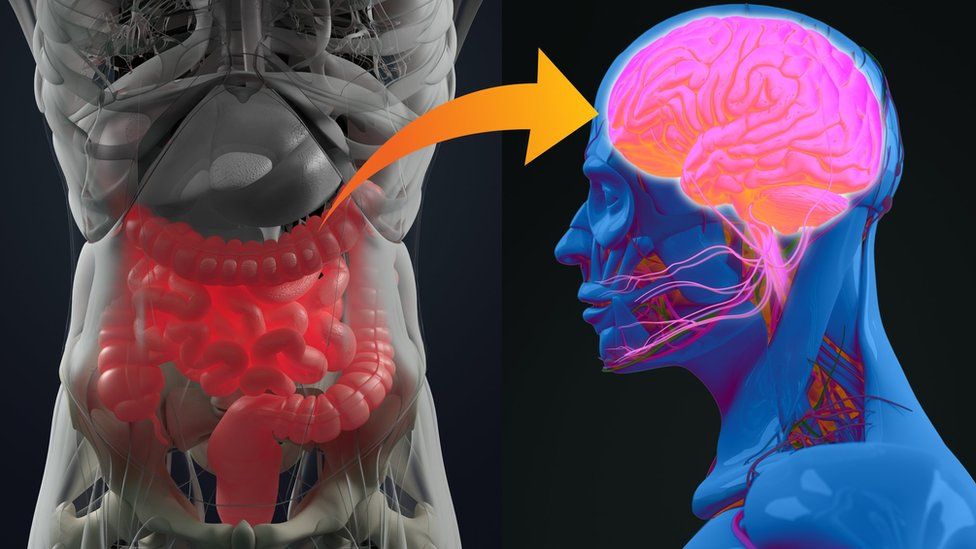
Published30 minutes agoShareclose panelShare pageCopy linkAbout sharingImage source, Getty ImagesBy Michelle RobertsDigital health editorGut problems including constipation, difficulty swallowing and an irritable bowel may be an early warning sign of Parkinson’s disease in some people, a new study suggests. The findings in the journal Gut add more evidence to the idea that brain and bowel health are intimately linked. Understanding why gut issues happen might allow earlier treatment of Parkinson’s, say the researchers. Parkinson’s is progressive, meaning the brain disorder gets worse over time. What is Parkinson’s?People with Parkinson’s do not have enough of the chemical dopamine in their brain because some of the nerve cells that make it are damaged.This causes symptoms including involuntary tremor or shaking, slow, shuffling movements and stiff muscles. Although there is currently no cure, treatments are available to help reduce the main symptoms and maintain quality of life for as long as possible. Spotting the disease even sooner – before neurological symptoms appear and there is substantial brain cell damage – might make a big difference.Woman who smelled Parkinson’s on husband helps scientistsBilly Connolly: Challenges of Parkinson’s getting worseActor Michael J Fox on living with Parkinson’sFor the study, researchers analysed US medical records of 24,624 people with Parkinson’s, comparing them with:19,046 people with Alzheimer’s 23,942 people with brain bleeds or clots (cerebrovascular disease)24,624 people with healthy brainsWhat they wanted to find out was:Did the patients with Parkinson’s have any recent prior gut problems in the six years before their brain disorder was diagnosed?Did people with gut problems have a higher chance of developing Parkinson’s?The answer that came back for both questions was “yes”, based on five years of data. Specifically, four gut conditions – constipation, difficulty swallowing, gastroparesis (a condition that slows the movement of food to the small intestine) and irritable bowel – were associated with a higher risk of Parkinson’s. Appendix removal, however, seemed to be protective, which is something that other scientists have recognised before.Brain-gut axisThe gastrointestinal tract has millions of nerve cells that communicate with the brain. Experts say it is possible that therapies that help one system might also help the other, or that an illness in one region will affect the other. Clare Bale, from Parkinson’s UK, said the results “add further weight” to the hypothesis that gut problems could be an early sign of the disease.Prof Kim Barrett, from University of California, Davis, said more studies were needed to understand whether the link was something that could be used by doctors to help patients. “It remains possible that both gastrointestinal conditions and Parkinson’s disease are independently linked to an as yet unknown third risk factor – the work reported cannot ascribe causality. “Nevertheless, the conclusions may have clinical relevance, and certainly should prompt additional studies.”Dr Tim Bartels, from the UK Dementia Research Institute at University College London, said the work firmly establishes that the gut might be a “prime target” to search for biomarkers of Parkinson’s – measurable physical changes that can act as an early warning sign. He said being able to predict Parkinson’s earlier would be “highly valuable for earlier, and therefore more effective, treatment and drug targeting”. More on this storyParkinson’s disease ‘may’ start in gutPublished31 October 2018Rory Cellan-Jones: Reporting the news with Parkinson’sPublished6 December 2019AI scans could detect Parkinson’s, scientists sayPublished2 days agoRelated Internet LinksParkinson’s UKGut, BMJ journalsThe BBC is not responsible for the content of external sites.

Read more →

Menstrual blood tests could aid women's healthcare

Published4 hours agoShareclose panelShare pageCopy linkAbout sharingImage source, QvinBy Carrie KingBerlinOn any given day, about 800 million people around the world are on their period.Given those numbers, surprisingly little is known about menstrual blood itself.Sara Naseri, a doctor, hopes to change that with her healthcare start-up Qvin. She believes that testing this largely-ignored monthly blood sample could offer ground-breaking new health insights.Backing up this hypothesis will take time, however, as there is not much research on menstrual blood.While still in medical school, Dr Naseri could find only one study on menstrual blood, a 2012 paper that described its composition and structure and found 385 proteins that are unique to menstrual blood.As well as blood, menstrual effluent contains vaginal secretions, cervical mucus, and endometrial cells. The endometrium is a membrane that lines the uterus and thickens every month to support embryo implantation. If pregnancy doesn’t occur, this lining is shed through the vagina.”Blood is the most commonly-used bodily fluid for medical decision-making,” says Dr Naseri. “I thought: ‘Women bleed every month. Why has nobody used this blood for health purposes?'”Image source, QvinThe team at Qvin are trying to bridge the research gap by conducting a broad range of studies to assess if there are meaningful correlations between menstrual blood and blood taken from a vein or pricked finger.Initial results have been promising but further studies are required. If reliable parallels can be proven, testing menstrual blood could become a viable method of monitoring or diagnosing a range of common health conditions.For example, if the biological markers for cholesterol or blood sugar levels are found to be equivalent, menstrual blood tests could be used as a monthly means of monitoring cardiovascular conditions or diabetes. However, the real potential lies in finding non-invasive ways to diagnose and treat conditions that affect the female reproductive system.A lack of research into female reproductive diseases has resulted in slow diagnosis times, relatively few treatment options, and tests that are often painful and distressing for the patient.In the UK, just 2.1% of medical research funding goes to reproductive conditions, despite research showing that 31% of women experience severe issues with their reproductive health.Less than half of those affected will seek medical help. As well as a lack of research and precedent, seeking to test menstrual blood means negotiating a lot of resistance and societal taboos.Berlin-based start-up Theblood struggled to find a lab partner that would agree to analyse menstrual blood samples. “We have to do everything from scratch, from the very, very start. Labs will test saliva, urine, or stool samples but there’s just nothing for menstrual blood,” says Theblood co-founder Miriam Santer.Image source, Feinstein Institutes for Medical ResearchDr Christine Metz, a professor and endometriosis researcher at the Feinstein Institutes for Medical Research at Northwell Health on Long Island, New York, believes that a “yuck factor” is a large part of the reason there’s been so little research into period blood. “When we set out to collect menstrual effluent to study it, I had several physicians tell us that they can’t ask their patients to do that,” she says. “[But when] we [put a call out on] social media, we got 6,000 people in our registry. Obviously, they got beyond the yuck factor.”Testing menstrual blood has never been part of clinical gynaecology practice.Endometriosis is one of the most common gynaecological conditions. It’s extremely painful and occurs when tissue that normally lines the uterus grows on the outside of other organs in the pelvic cavity. It affects roughly 10% of women and girls. Diagnosis can take up to 12 years and can only be confirmed through surgery.There are currently no effective treatments for endometriosis. Things are slowly getting better thanks in part to awareness raised by prominent advocates like Lena Dunham and Padma Lakshmi.Nevertheless, pain is currently treated with hormones that can have severe side effects and even a hysterectomy does not guarantee the removal of endometriosis lesions. More technology of business:Back to the future for India’s rice farmersWhy it matters where your data is storedDevastating wildfires spur new detection systemsDo you need a degree to work in tech?Christine Metz is part of a team running the Rose (Research Outsmarts Endometriosis) study which is looking into menstrual effluent in an effort to speed up diagnosis times and develop treatments for endometriosis. Getting funding for studying menstrual blood has been hard to come by. “I’m told all the time: ‘Oh, you should work in cancer. There’s so much more money.’ And it’s true. There’s just no money available for this. It’s worth fighting all the time to get a dime but it’s very, very, very difficult,” she says.Companies like Qvin and Theblood are paying for their studies with venture capital funding, in the hope that that the fastest way to drive change may be through demonstrating that menstrual blood tests have value as a consumer product.However, each admits that pitching to investors often means explaining the very basics of menstruation, like how tampons, sanitary pads, and menstrual cups are used. Image source, ThebloodHome-testing solutions would make testing for some conditions far more convenient. Ashley Draper, a 36-year-old from Washington DC, took part in a Qvin study that aimed to assess if menstrual blood could be used to screen for cervical cancer after responding to an Instagram ad. For over ten years, abnormal smear test results have required Ms Draper to go in for cervical cancer checks every 6 months.During a cervical cancer test, a doctor will use a speculum to open the vagina and insert a small brush or spatula to scrape cell samples from the cervix at the entrance to the uterus. Pain relief is generally not offered. “It’s obviously a very invasive process,” says Ms Draper. “Although you’re there to work with the doctor…, as far as going through the process itself, you kind of feel just like a slab of meat on a table. It just seems like they’re using very archaic processes.”Reducing the high cost of care and feeling more in control of health outcomes is also appealing to Ms Draper. “For me, it’s just a win overall if this becomes a product because it will reduce my anxiety and will give me more control over what’s going on with the testing.”

Read more →

The right combo: Getting the most health benefits from fruit smoothies

Smoothies can be a tasty and convenient way to get the important fruits and vegetables you need for a healthy diet. But is a banana and blueberry smoothie the best combo? Researchers at the University of California, Davis, suggest that blending certain ingredients in smoothies can influence whether your body is getting a nutritional boost.
The study, published today in the Royal Society of Chemistry’s journal Food and Function, used smoothies to test how various levels of polyphenol oxidase, an enzyme in many fruits and vegetables, affects the levels of flavanols in food to be absorbed by the body. Flavanols are a group of bioactive compounds that are good for your heart and cognitive health and are naturally found in apples, pears, blueberries, blackberries, grapes and cocoa — common smoothie ingredients.
“We sought to understand, on a very practical level, how a common food and food preparation like a banana-based smoothie could affect the availability of flavanols to be absorbed after intake,” said lead author Javier Ottaviani, director of the Core Laboratory of Mars Edge, which is part of Mars, Inc., and an adjunct researcher with the UC Davis Department of Nutrition.
Slice an apple or peel a banana and the fruit will quickly turn brown. That happens because of polyphenol oxidase, or PPO, an enzyme naturally present in those foods. The browning occurs when the food containing that enzyme is exposed to air, cut or bruised. The researchers wanted to know whether consuming freshly prepared smoothies made with different PPO-containing fruits impacted the amount of flavanols available to the body.
Bananas versus berries
The researchers had participants drink a smoothie made with banana, which has naturally high PPO activity, and a smoothie made with mixed berries, which have naturally low PPO activity. Participants also took a flavanol capsule as a control. Blood and urine samples were analyzed to measure how much flavanols were present in the body after ingesting the smoothie samples and capsule. The researchers found that those who drank the banana smoothie had 84% lower levels of flavanols in their body compared to the control.
“We were really surprised to see how quickly adding a single banana decreased the level of flavanols in the smoothie and the levels of flavanol absorbed in the body,” Ottaviani said. “This highlights how food preparation and combinations can affect the absorption of dietary compounds in foods.”
Last year, the Academy of Nutrition and Dietetics issued a dietary recommendation, advising people to consume 400 to 600 milligrams of flavanols daily for cardiometabolic health. Ottaviani said for people who are trying to consume those flavanols, they should consider preparing smoothies by combining flavanol-rich fruits like berries with other ingredients that also have a low PPO activity like pineapple, oranges, mango or yogurt.

Read more →

Faulty Oxygen Readings Delayed Covid Care for Black and Hispanic Patients: Study

The NewsPulse oximeters routinely overestimated levels of oxygen in the blood in darker-skinned Covid patients, leading to delays in treatment and hospital readmissions, according to a research article published on Thursday.The research focused on the first years of the coronavirus pandemic, when patients overwhelmed hospitals. At the time,blood-oxygen levels were a key factor in deciding which patients wound up in limited hospital beds and received treatment.Researchers from Baylor College, Johns Hopkins University and HCA Healthcare reviewed the cases of about 24,500 patients whose blood-oxygen levels were first measured with a pulse oximeter via a fingertip and whose blood was then drawn and tested to further examine those levels.These researchers and other experts have raised concerns that the pulse oximeter readings via fingertip of people with darker skin pigment often show flawed results. The issue has already led to reviews by federal regulators, with some efforts underway to determine how to produce more accurate readings.iStock/GettyWhy It Matters: The readings influence patient care.Pulse oximeter readings are used routinely and help inform doctors in shaping medical care for any number of illnesses, including heart failure, sleep apnea and respiratory conditions. A normal reading for a patient in good health should be an oxygen saturation level in the blood of about 95 percent or higher. If the readings are falsely high, patients may look fine on paper — but they may not get the level of care they need.The patients in the study released Thursday in JAMA Network Open were the ones researchers would have expected to have fared the best: Their doctors saw the need to take a more precise measure of their blood-oxygen levels. (Most patients’ fingertip reading is never double-checked with a blood draw.)Patients with a fingertip pulse-oximeter reading of 94 percent or more but whose blood tests showed lower levels were deemed to have an unrecognized need for Covid therapy. Black patients were found to be nearly 50 percent more likely than white patients to have their condition go undetected. Hispanic patients were 18 percent more likely than white patients to have an unrecognized need.Patients with unrecognized needs, regardless of race, experienced delays of roughly an hour that translated into a 10 percent higher risk of delayed Covid treatment. They were also more than twice as likely to be readmitted to the hospital.The new study did not include patients whose oxygen levels might have mistakenly appeared normal via the pulse oximeter but had no follow-up blood test, and perhaps were sent home even though they may have been seriously ill.“That’s the patient population that we’re really truly concerned about,” said Dr. Ashraf Fawzy, a study author who is a Johns Hopkins assistant professor and intensive care physician.Background: Flaws could lead to great health disparities.The Food and Drug Administration approves the type of fingertip pulse oximeter used in hospitals and sold by prescription. The agency issued a safety communication about the flaws in early 2021. And it held a hearing in the fall before an expert panel, with researchers outlining studies pointing to the role the device might have in deepening health disparities for patients with darker skin tone.The agency approved those devices through its so-called 510(k) program, which clears devices that are similar to existing ones — with some additional scrutiny. The program has been criticized over the years because the standards for clearing devices are typically lower than those for the agency’s approval of new drugs.During the hearing in November, the F.D.A. noted that the pulse oximeters sold over the counter are subject to even less oversight, prompting agency advisers to call for warnings to consumers who use the devices to gauge their own respiratory health.What’s Next: The F.D.A. promises further review.The F.D.A. has not announced a major change in how it oversees pulse oximeters, but it said on Thursday that it planned to publish a discussion paper to get feedback on the issue and convene another meeting with experts to discuss potential approaches.“It is a high priority for the agency to ensure that oximetry device performance is equitable and accurate for all U.S. patients,” the agency said in a statement.Some work has also begun to design a better pulse oximeter.For now, though, Dr. Fawzy said doctors should trust their overall impression of a patient’s condition when taking a pulse-oximeter reading into account.“It’s important for us to recognize that this device may lead to clinical decisions that are inaccurate,” he said, “or that we may be under-treating certain people or under-recognizing their needs.”

Read more →

Scientists discover a previously unknown way cells break down proteins

Short-lived proteins control gene expression in cells to carry out a number of vital tasks, from helping the brain form connections to helping the body mount an immune defense. These proteins are made in the nucleus and are quickly destroyed once they’ve done their job.
Despite their importance, the process by which these proteins get broken down and removed from cells once they are no longer needed has eluded scientists for decades — until now.
In a cross-departmental collaboration, researchers from Harvard Medical School identified a protein called midnolin that plays a key role in degrading many short-lived nuclear proteins. The study shows that midnolin does so by directly grabbing the proteins and pulling them into the cellular waste-disposal system, called the proteasome, where they are destroyed.
The findings are published Aug. 24 in Science.
“These particular short-lived proteins have been known for over 40 years, but no one had established how they are actually degraded,” said co-lead author Xin Gu, a research fellow in neurobiology at HMS.
Because the proteins broken down by this process modulate genes with important functions related to the brain, the immune system, and development, scientists may eventually be able to target the process as a way of controlling protein levels to alter these functions and correct any dysfunction.
“The mechanism we found is very simple and quite elegant,” added co-lead author Christopher Nardone, a PhD candidate in genetics at HMS. “It is a basic science discovery, but there are many implications for the future.”
A molecular mystery

Read more →

Nonprofit Health System Says It Is Ending Policy That Denied Care to Indebted Patients

Allina Health, a large Midwestern system of hospitals and clinics, says it has decided to stop cutting off medical care to patients with unpaid medical bills of $4,500 or more.Allina Health, a large nonprofit health system based in Minnesota, announced Wednesday that it would end its policy of denying medical care to patients with $4,500 or more in outstanding bills.Although Allina’s hospitals treated anyone in emergency rooms, other services were cut off for indebted patients, including children and those with chronic illnesses like diabetes and depression, The New York Times reported in June. Patients weren’t allowed back until they had paid off their debt entirely.Allina issued its policy change less than a week after Keith Ellison, the attorney general of Minnesota, announced that his office was investigating Allina’s practice of withholding care from patients with debt. The investigation is part of a broader look at how the state’s hospitals, which are all nonprofit, bill patients for medical care.“There is a growing consensus that there is very little difference between a for-profit and nonprofit hospital when it comes to behavior,” Mr. Ellison said in an interview.Nonprofit hospitals like Allina get massive tax breaks in exchange for providing care for the poorest, most vulnerable people in their communities. But an investigation by The Times last year found that over the past several decades, many nonprofits had largely abandoned their charitable missions, with devastating consequences for patients.Allina Health owns 13 hospitals and more than 90 clinics in Minnesota and Wisconsin. Its nonprofit status enabled Allina to avoid roughly $266 million in state, local and federal taxes in 2020, according to the Lown Institute, a think tank that studies health care.In exchange for those lucrative tax breaks, the Internal Revenue Service requires Allina and its nonprofit peers to provide services to their communities, in part by offering free or reduced-cost care to patients with low incomes.But the federal rules are silent on how poor patients need to be to qualify for free care. In 2020, Allina spent less than half of 1 percent of its expenses on charity care, well below the nationwide average of about 2 percent for nonprofit hospitals, according to an analysis of hospital financial filings by Ge Bai, a professor at the Johns Hopkins Bloomberg School of Public Health.“The industry needs to tell people they might be eligible for charity care,” Mr. Ellison said. “People don’t seem to be told that ever.”At least 100 million Americans struggle with medical debts. Their bills account for about half of all the outstanding consumer debt in the country.Hospitals have increasingly used an array of aggressive tactics to collect debt from patients. Some flood local courts with lawsuits to wring payments from patients. Others garnish patients’ wages or seize their tax refunds.But Allina’s policy took things a step further.A 12-page document had instructed the health system’s staff on how to cancel appointments for patients whose debt totaled $4,500 or more. The policy walked providers through how to lock the patients’ electronic health records so that staff members could not schedule future appointments.Some of the patients who were kicked out had incomes low enough to qualify for Medicaid, the federal-state insurance program for poor people.Allina employees said the policy had forced them to ration care, even for children.The health system had initially defended this policy when contacted by The Times in May, noting that it only cut off patients after contacting them by phone and after sending repeated letters that included information about applying for financial help.But Conny Bergerson, a spokeswoman for Allina, said in a statement this week that the health system had re-examined the policy this summer, and decided that there were “opportunities to engage our clinical teams and technology differently to provide financial assistance resources for patients who need this support.”Allina’s doctors are continuing to press for additional changes. Earlier this month, the system’s primary care physicians began an effort to form a union. If successful, it would be the nation’s largest union of clinicians. Some doctors are pressing for legislative changes that would restrict or outlaw the practice of withholding care from patients with outstanding bills.“The state of Minnesota should prohibit the refusal of medical care to children based on medical debt,” said Jennifer Mehmel, a pediatrician who recently retired from her position at Allina. “Children are clearly the innocent victims in this, yet they’re bearing the cost of the problem.”

Read more →

Metabolite in urine predicts diabetic kidney failure 5-10 years early; oral therapeutic drug shows promise in mice

Urine levels of adenine, a metabolite produced in the kidney, are predictive and a causative biomarker of looming progressive kidney failure in patients with diabetes, a finding that could lead to earlier diagnosis and intervention, researchers from The University of Texas Health Science Center at San Antonio (also called UT Health San Antonio) reported Aug. 24 in the Journal of Clinical Investigation.
Elevated adenine was also associated with all-cause mortality.
The study results are significant because until now, the most important marker for kidney disease has been protein (or albumin) in the urine. Up to half of diabetes patients who develop kidney failure never have much protein in their urine. As 90% of patients with diabetes (more than 37 million patients in the U.S.) remain at increased risk despite low levels of albumin in their urine, this study has widespread consequences. It is the first study to identify these patients at an early stage by measuring this new causative marker in the urine.
The finding paves the way for clinic testing to determine — five to 10 years before kidney failure — that a patient is at risk, said the senior study author, Kumar Sharma, MD. Sharma is professor and chief of nephrology at UT Health San Antonio, where he is the founding director of the Center for Precision Medicine. He is also vice chairman for research in the Department of Medicine in the Joe R. and Teresa Lozano Long School of Medicine.
Importantly, the research team identified a small molecule that blocks the major pathway of endogenous adenine production in the body. This therapeutic drug reduced kidney adenine levels in mice with type 2 diabetes. “The drug protected against all the major aspects of diabetic kidney disease without affecting blood sugar,” Sharma said. “The study is remarkable as it could pave the way to precision medicine for diabetic kidney disease at an early stage of the disease.”
Findings consistent across diverse study populations
The researchers studied more than 1,200 patients with diabetes across three international research cohorts. The Chronic Renal Insufficiency Cohort (CRIC) study included African American, Hispanic and Caucasian participants in the U.S. A separate study was in the American Indian population. The team also evaluated an Asian cohort of mostly Chinese, Asian Indians and Malay populations in a study based in Singapore.

Read more →