Study finds high blood and urinary metal levels among exclusive marijuana users

Research conducted at Columbia University Mailman School of Public Health detected significant levels of metals in the blood and urine among marijuana users, concluding that marijuana may be an important and under-recognized source of lead and cadmium exposure. This is among the first studies to report biomarker metal levels among marijuana users and most likely the largest study to date, that links self-reported marijuana use to internal measures of metal exposure, rather than just looking at metal levels in the cannabis plant. The results are published online in the journal Environmental Health Perspectives,
Measurements reported by participants for exclusive marijuana use compared to nonmarijuana-tobacco had significantly higher lead levels in blood (1.27 ug/dL) and urine (1.21 ug/g creatinine).
“Because the cannabis plant is a known scavenger of metals, we had hypothesized that individuals who use marijuana will have higher metal biomarker levels compared to those who do not use,” said Katelyn McGraw, postdoctoral researcher in Columbia Public Health’s Department of Environmental Health Sciences, and the first author. “Our results therefore indicate marijuana is a source of cadmium and lead exposure.”
The researchers combined data from the National Health and Nutrition Examination Survey for the years 2005-2018). Led by the National Center for Health Statistics (NCHS) at the CDC, NCHS NHANES is a biannual program of studies designed to assess the health and nutritional status of adults and children in the U. S.
McGraw and colleagues classified the 7,254 survey participants by use: non-marijuana/non-tobacco, exclusive marijuana, exclusive tobacco, and dual marijuana and tobacco use. Five metals were measured in the blood and 16 in urine.
The researchers used four NHANES variables to define exclusive marijuana and tobacco use: current cigarette smoking, serum cotinine levels, self-reported ever marijuana use, and recent marijuana use. Exclusive tobacco use was defined as individuals who either answered yes to ‘do you now smoke cigarettes, or if individuals had a serum cotinine level >10ng/mL.
Marijuana is the third most commonly used drug in the world behind tobacco and alcohol. As of 2022, 21 states and Washington D.C., covering more than 50 percent of the U.S. population, have legalized recreational use of marijuana; and medical marijuana is legal in 38 states and Washington D.C. However, because marijuana is still illegal at the federal level, regulation of contaminants in all cannabis-containing products remains piecemeal and there has been no guidance from federal regulatory agencies like the FDA or EPA. As of 2019, 48.2 million people, or 18 percent of Americans, report using marijuana at least once in the last year.
Read more →

Bird Flu Raced Through South America. Antarctica Could Be Next.

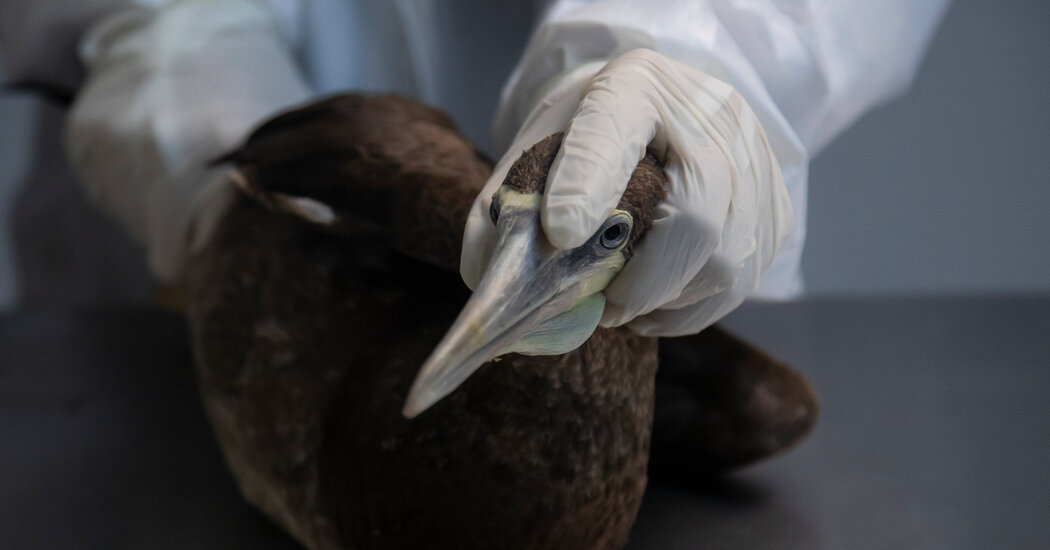
More than 100 million birds breed in the region, and many are likely to be vulnerable to the virus, scientists warned.Over the last three years, a highly lethal form of avian influenza has whipped around the world, felling birds in Europe, Africa and Asia before jumping across the ocean and setting off the worst bird flu outbreak in United States history.Last fall, the virus, known as H5N1, finally arrived in South America. It raced quickly down the Pacific coast and killed wild birds and marine mammals in staggering numbers. Peru and Chile alone have reported more than 500,000 dead seabirds and 25,000 dead sea lions, according to a new report, which was published last week by OFFLU, a global network of flu experts.Now, scientists are worried that the virus will make its way to Antarctica, one of only two continents — along with Australia — that have not yet been hit by the pathogen. “The negative impact of this virus on Antarctic wildlife could be immense — likely worse than that on South American wildlife,” the report warns.More than 100 million birds breed in Antarctica and on the islands nearby, and many marine mammals swim in the surrounding waters. Some of those species, including the distinctive emperor penguin and Antarctic fur seal, crowd together in large colonies. “And that could be a recipe for disaster,” said Dr. Ralph Vanstreels, a researcher at a Latin American wildlife health program at the University of California, Davis, and an author of the new report. “We could be looking at a very high death toll.”This bird flu variant, which emerged in 2020, has caused enormous outbreaks on poultry farms, resulting in the deaths of nearly 60 million farmed birds in the United States alone. But unlike earlier versions of the virus, it has also spread widely in wild birds and routinely spilled over into wild mammals.The virus first appeared in South America in October 2022, spreading from Colombia down to Chile in just three months. “As soon as it started moving south, it did so very, very rapidly,” said Dr. Marcela Uhart, who directs the U.C. Davis Latin American wildlife health program and is an author of the OFFLU report.The casualties are difficult to tally because many infected animals were probably never detected, scientists said, and not all of the dead animals that did turn up were tested for the virus. But hundreds of thousands of dead seabirds, including boobies, cormorants and gulls, were reported in South America. The losses accounted for 36 percent of Peru’s population of Peruvian pelicans and 13 percent of Chile’s Humboldt penguins, according to the report.South American sea lions also died by the thousands, representing 9 percent of the population in Peru and Chile. (Scientists are still not sure exactly how marine mammals are contracting the virus or whether it is spreading readily among them.)The virus has continued to move south. In June, it turned up in a South American sea lion in the far south of Chile, just 670 miles from the Antarctic Peninsula. Some birds routinely wander between South America and Antarctica, feeding in both locations. Others will make their way to their Antarctic breeding sites as spring arrives in the Southern Hemisphere, potentially bringing the virus with them.Antarctica has never had an outbreak of highly pathogenic bird flu before and its residents are likely to have few immune defenses against the virus. “The populations are completely naïve,” said Dr. Thijs Kuiken, a veterinary pathologist at Erasmus University Medical Center in the Netherlands and an author of the new report. “The worry is that the first time that it goes through, it will really have a high impact in terms of rate of mortality.”Many of the region’s birds, including emperor penguins and sooty shearwaters, are already facing other threats, from sources including climate change, the fishing industry or other human activities. Some species, like the southern pintail and the Macquarie shag, are restricted to just a few islands. “So if you were to get an outbreak in those islands, basically the whole species collapses,” Dr. Vanstreels said.Local marine mammals could be at risk, too. Although the Antarctic fur seal can range widely, 95 percent of the population lives around just one island, making it vulnerable to an outbreak.At this point, the virus is so widespread that it may not be possible to stop it from reaching Antarctica. “At the moment, there’s nothing we can do to prevent it,” Dr. Kuiken said. “So it’s important in the coming months to be as alert as possible.”It will be critical to monitor wild populations to learn more about how the virus is spreading, what species might be most at risk and what conservation actions might be needed to help them recover, scientists said. “What we’re trying to do is document this really well, trying to understand how the virus is moving to see how we can better protect the species going forward,” Dr. Uhart said.

Read more →

Narcan Available for Over-the-Counter Purchase: What to Know

The overdose-reversal drug should be more widely available, health experts have said. It arrives in many stores next week, no prescription necessary.Narcan, the first opioid overdose reversal medication approved for over-the-counter purchase, is being shipped to drugstore and grocery chains nationwide, its manufacturer said Wednesday. Big-box outlets like Walgreens, CVS, Walmart and Rite Aid said they expected Narcan to be available online and on many store shelves early next week.Public health experts have long called for greater accessibility to the drug, which they describe as a critical weapon against rising overdose rates. There were more than 100,000 opioid overdose fatalities in each of the last two years in the United States.Narcan is already a staple for emergency personnel and street outreach teams. Now scientists and health officials are hoping Narcan will eventually become commonplace in public libraries, subways, dorms, corner delis and street vending machines.They also predict it may become a fixture in medicine cabinets, as more people realize that illicit party drugs like cocaine and counterfeit Xanax pills may be tainted with deadly fentanyl, an opioid.Here’s what you need to know about buying this lifesaving medication.How Narcan WorksNarcan is a nasal-spray version of the drug naloxone, which blocks an opioid’s effects on the brain, rescuing a person overcome by drugs like fentanyl, heroin or oxycodone.An individual may be overdosing if his or her breathing is slowed or stopped, and the pupils of the eyes narrow to a pinpoint. Naloxone is generally considered so safe that experts say that, when confronted with a possible overdose, it is better to risk using it than to hesitate.Each carton contains two palm-size plunger devices, each filled with four milligrams of naloxone. The rescuer inserts the spray tip into the patient’s nostril and depresses the plunger.Usually one dose is sufficient to reverse an overdose within two to three minutes. But addiction specialists have reported that in areas where the fentanyl supply is quite potent, a second dose may be needed.How To Use Narcan to Save a LifeNarcan and other naloxone nasal sprays swiftly reverse an opioid overdose and are easy to use.How Much Will It Cost?The cost is likely to dictate the extent of Narcan’s uptake. The manufacturer, Emergent BioSolutions, suggests $44.99 as the price of the two-dose box.“People with some money and motivation will seek this product out, which is fantastic,” said Brendan Solaner, an addiction policy expert at Johns Hopkins Bloomberg School of Public Health. “That may include concerned family members.”But those who will need Narcan the most may not be able to afford it, he added, saying that “this includes people who are unhoused or financially insecure and are at greatest risk of overdose.”When Narcan was available only by prescription, public and private insurance readily covered it. But those plans typically restrict coverage of over-the-counter drugs.Some state Medicaid programs have already announced that they will cover Narcan when it becomes available over the counter. Those states include Missouri, California, Massachusetts, Washington, Rhode Island and Oregon.Emergent said that prices would be lower for bulk sales to public interest groups and state health departments, which will in turn distribute Narcan to local outreach organizations and clinics.How Will I Find Narcan in Stores?Retailers often put pricier products or those that are likely to be stolen behind a counter or in a locked case. But behavioral health experts say that customers may be reluctant to ask store workers for Narcan, fearing raised eyebrows and dismissive comments — marks of the pervasive stigma surrounding drug use and addiction.Through a spokeswoman, Rite Aid said Narcan would be available at its pharmacy counter and in pain care aisles. Many stores, including CVS, will also have it by the front register. Rite Aid, Walgreens, Walmart and CVS also said that Narcan could be purchased next week through their online sites, offering greater privacy.“Stigma will always be there, but I think there’s been a sea change in how the public perceives naloxone over the last decade, and many more people are willing to carry it,” Dr. Solaner said.What’s Next?Although Narcan is the first overdose reversal medicine to be sold over the counter, the field is likely to be crowded soon with less expensive competitors.A generic naloxone spray by Teva Pharmaceuticals is still available by prescription, which means that public and private insurance policies typically cover it. Pharmacists in most states rely on a “standing order” for the spray, which means they don’t need a physician’s prescription to dispense it. For a person with Medicaid or commercial insurance, generic naloxone could well be less than $10.CVS is encouraging customers to ask for Narcan at the pharmacy counter “so our pharmacy teams can check a patient’s insurance plan for potential savings on prescription naloxone products,” a spokesman said.Earlier this summer, the Food and Drug Administration gave over-the-counter approval to RiVive, a naloxone spray expected in early 2024. RiVive, manufactured by Harm Reduction Therapeutics, is intended as a low-cost product largely for outreach groups.Other forms of naloxone, including some with higher concentrations and some that are loaded in syringes, are already available by prescription.

Read more →

She Was Depressed and Forgetful. It Was the Worm in Her Brain.

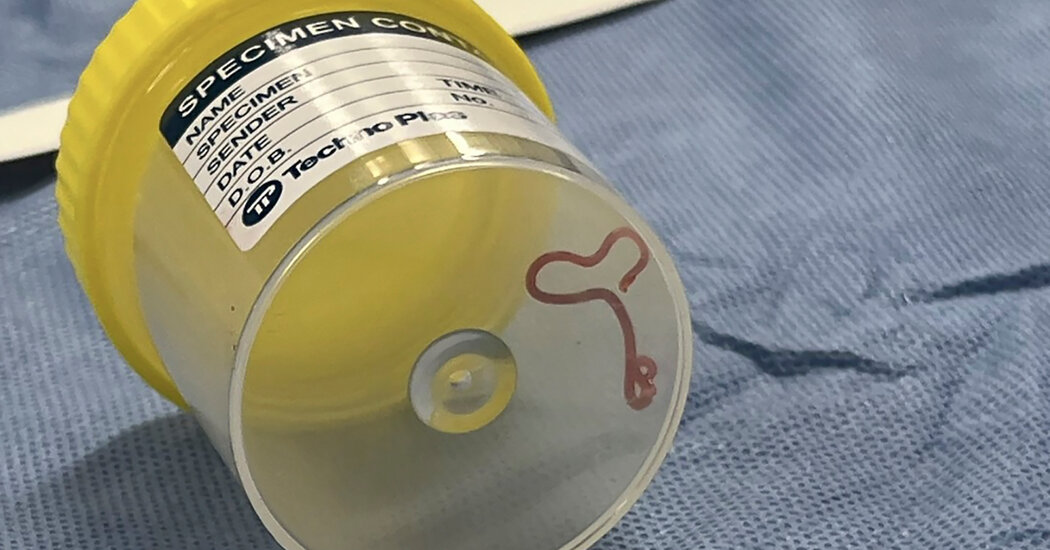
Doctors in Australia found a three-inch live parasitic worm in a woman’s brain during surgery after they spent more than a year trying to find the cause of her distress.Doctors in Australia had screened, scanned and tested a woman to find out why she was sick after being hospitalized with abdominal pains and diarrhea. They were not prepared for what they found.A three-inch red worm was living in the woman’s brain.The worm was removed last year after doctors spent more than a year trying to find the cause of the woman’s distress.The hunt for the answer, and the alarming discovery, was described this month in Emerging Infectious Diseases, a monthly journal published by the Centers for Disease Control and Prevention.The woman, whom the article identifies as a 64-year-old resident of southeastern New South Wales, Australia, was admitted to a hospital in January 2021 after complaining of diarrhea and abdominal pain for three weeks. She had a dry cough and night sweats.Scientists and doctors from Canberra, Sydney and Melbourne said in the journal article that the woman was initially told she had a rare lung infection, but the cause was unknown.Her symptoms improved with treatment, but weeks later, she was hospitalized again, this time with a fever and cough. Doctors then treated her for a group of blood disorders known as hypereosinophilic syndrome, and the medicine they used suppressed her immune system.Over a three-month period in 2022, she experienced forgetfulness and worsening depression. An MRI showed that she had a brain lesion and, in June 2022, doctors performed a biopsy.Inside the lesion, doctors found a “stringlike structure” and removed it. The structure was a red, live parasitic worm, about 3.15 inches long and .04 inches in diameter.They determined that it was an Ophidascaris robertsi, a type of roundworm that is native to Australia and reproduces in a large snake, the carpet python, which takes its name from its intricate markings. The pythons shed the worm’s eggs in their feces. The eggs are then ingested by small mammals, and the worms can grow inside them.Roundworms infect hundreds of millions of people globally, according to the Cleveland Clinic, but the researchers in Australia said this was the first report of the Ophidascaris worm species infecting a human.The woman may have been infected by the worm the same way small animals typically are: by accidentally consuming worm eggs.Carpet pythons were at a lake area near where the woman lived, the article said. She had no direct contact with the snakes but often gathered warrigal greens, which are similar to spinach, from around the lake to cook. The article said that she could have inadvertently consumed worm eggs by eating the greens or because her hands or her kitchen were contaminated by them.Scott Gardner, a professor of biological sciences and the curator of the Manter Laboratory of Parasitology at the University of Nebraska-Lincoln, said that people do not need to panic about being infected by an Ophidascaris from snakes and should use good hygiene to avoid being infected by parasites.“A lot of the parasites that can affect people do so because we get in the wrong place at the wrong time,” Dr. Gardner, who was not involved with the Australia study, said in an interview. “So we ingest some eggs that aren’t supposed to come into us, and if we’re immunocompromised, then we can have a pretty serious infection.”Karina Kennedy, the director of microbiology at Canberra Hospital and an author of the article, said in a news release that the woman’s initial symptoms “were likely due to migration of roundworm larvae from the bowel and into other organs, such as the liver and the lungs.”In the first stages of the woman’s illness, however, doctors were not able to find evidence of the parasite, Dr. Kennedy said.“At that time, trying to identify the microscopic larvae, which had never previously been identified as causing human infection, was a bit like trying to find a needle in a haystack,” she said.Six months after the brain surgery, the woman’s psychiatric symptoms remained, but had improved, the article said. She was also treated with medicine to kill worm larvae that may have been in her other organs. She is still being monitored by infectious disease and brain specialists.Dr. Kennedy, who is also an associate professor at the Australian National University medical school, advised people to wash their hands after gardening and touching foraged products, and to thoroughly wash foods and surfaces used for cooking.In the article, the scientists and doctors involved with the woman’s case said that her experience emphasized the risk of diseases spreading from animals to humans. Outbreaks of these diseases have become more frequent in recent decades and account for about 60 percent of all known infectious diseases and 75 percent of new and emerging ones, according to the C.D.C.Though the type of worm that infected the woman is endemic to Australia, the Ophidascaris species infects snakes in other parts of the world. Scientists said in the article that this case shows “that additional human cases may emerge globally.”

Read more →

Former Pediatrician Ordered To Pay $22 Million in Sexual Abuse Suit

The judgment is the first handed down against Stuart Copperman. More than 100 similar lawsuits are pending.A Long Island judge has ordered former pediatrician Stuart Copperman to pay $22 million in compensatory and punitive damages to a 42-year-old woman who claimed he had sexually abused her from the time she was a toddler until she turned 18.The ruling was the first to be handed down against Mr. Copperman, who has been accused of abusing scores of patients over decades. More than 100 other civil claims against him by former patients are pending.Mr. Copperman did not mount a defense in the case and has no attorney of record. He did not respond to requests for comment.The plaintiff, identified only as Jane Doe A.R. I, brought the lawsuit under the New York State Child Victims Act, which gives adult victims of child sexual abuse the right to sue their abusers until their 55th birthday. Prosecutors may file felony criminal charges on behalf of victims until their 28th birthday.In addition, the law provided a one-year window after its enactment that allows people to file a civil suit at any age regardless of when the alleged abuse took place.Many attorneys are reluctant to take on such cases against individuals, since the likelihood of being able to recover damages is small. Jane Doe A.R. I was represented by attorneys Michael Della, of Long Island, and Kristen Gibbons Feden, who prosecuted Bill Cosby and is now with a firm in Philadelphia.In the decision handed down late last week, Nassau County Judge Leonard D. Steinman said that the years of abuse had caused the woman to develop severe and lasting psychological disorders and to suffer emotional distress, anxiety and depression that continue to this day.“Plaintiff has been unable to participate in a normal, healthy romantic relationship — she has never dated — and though plaintiff is a highly educated and intelligent woman, she cannot maintain continuous employment” and receives disability payments, the judge wrote.“Copperman’s abuse has robbed plaintiff of a normal, healthy and happy life,” the judge wrote in his decision. “The psychological scars resulting from the abuse are permanent.”Jane Doe A.R. I did not speak until she was five years old, and developed a dissociative identity disorder as a result of the trauma, Ms. Gibbons Feden said.“The thing it’s really important to convey is that sexual trauma doesn’t just go away,” Ms. Gibbons Feden said in an interview. “It has a lifelong impact on a person.”For decades, Mr. Copperman had a thriving pediatric practice in Merrick, N.Y. He had a sterling reputation as a physician who made house calls and would respond in a medical emergency. He was sought after as an expert speaker.Mr. Copperman often saw young female patients alone in the exam room, asking parents who accompanied them to wait in the reception area, under the guise of giving the girls an opportunity to speak freely.His status in the community was such that when children and teens complained of abuse, many parents simply did not believe them.Although the state’s Office of Professional Medical Conduct received a steady stream of sexual abuse complaints about Mr. Copperman for nearly two decades, it did not strip him of his medical license until December 2000. By then, he was 65 years old and ready to retire.Officials could have acted much earlier: Two young women testified before a medical disciplinary panel in 1985 about their abuse, but the panel members — dominated by physicians — did not believe them.Prosecutors in Nassau County, where Mr. Copperman had served as president of the local pediatric society, did not press criminal charges.According to the judgment handed down last week, Mr. Copperman assaulted Jane Doe A.R. I at every examination, digitally penetrating her vagina and anus and stimulating her clitoris, even if she visited him for a sore throat or a cough.Mr. Copperman insisted on “examining” her even when an appointment had been made for her sister, whom she accompanied.The plaintiff was confused and discomfited by the doctor’s actions, but didn’t fully appreciate that the behavior constituted abuse until she was older and stopped being his patient, according to the ruling.She continues to be traumatized by the constant abuse, which caused emotional distress as well as physical symptoms, loss of self esteem, shame and humiliation, the judge said.“We would have loved to cross-examine him and really put him to the test,” said Mr. Della But, he added, “This is as close to justice as we could have gotten.”“We fully intend to attempt to collect whatever assets he may or may not have.”

Read more →

Yeast studies show that diet in early life matters for lifelong health

Researchers at the Babraham Institute are proposing an alternative link between diet and ageing based on studies in yeast. Dr Jon Houseley and his team have published their experiments, showing that healthy ageing is achievable through dietary change without restriction by potentially optimising diet, and that ill-health is not an inevitable part of the ageing process.
Scientists have long known that caloric restriction — intentionally consuming far less calories than normal without becoming malnourished — improves health in later life and may even extend life. However, studies in mice show that caloric restriction really needs to be maintained throughout life to achieve this impact, and the health benefits disappear when a normal diet is resumed. Dr Houseley’s new research conducted in yeast suggests an alternative to calorie restriction can lead to improved health through the lifecycle.
“We show that diet in early life can switch yeast onto a healthier trajectory. By giving yeast a different diet without restricting calories we were able to suppress senescence, when cells no longer divide, and loss of fitness in aged cells.” Said Dr Dorottya Horkai, lead researcher on the study.
Rather than growing yeast on their usual glucose-rich diet, the researchers swapped their diet to galactose and observed that many molecular changes which normally accompany ageing did not occur. The cells grown on galactose remained just as fit as young cells even late in life, despite not living any longer, showing that the period of ill-health towards the end of life was dramatically reduced.
“Crucially, the dietary change only works when cells are young, and actually diet makes little difference in old yeast. It is hard to translate what youth means between yeast and humans, but all these studies point to the same trend — to live a long and healthy life, a healthy diet from an early age makes a difference.” explains Dr Houseley.
Yeast are good model organisms for studying ageing as they share many of the same cellular machinery as animals and humans. This avenue of research in yeast helps us to seek a more achievable way to improve healthy ageing though diet compared to sustained and severe calorie restriction, although more research is needed.

Read more →

Some hosts have an 'evolutionary addiction' to their microbiome

We’ve long known that hosts malfunction without their microbiome — whether they are missing key microbial species or are completely microbe free. This malfunctioning is usually explained by the need for microbes to perform unique and beneficial functions, but evolutionary ecologist Tobin Hammer of the University of California, Irvine, is questioning that narrative.
In a peer-reviewed opinion article publishing August 29 in the journal Trends in Microbiology, Hammer argues that, in some cases, microbes might not actually be helping their hosts; instead, microbe-free hosts might malfunction because they have evolved an addiction to their microbes. In this case, hosts are dependent on the microbes to function, but the microbes don’t actually provide any benefits in return.
Evolutionary addiction is also sometimes called “evolved dependence,” and it could occur in any host system — from the human gut, to plant roots, to microbes that host other microbes. Hammer compares it to his own dependence on coffee.
“I need coffee to perform basic functions, but I do not perform them any better now than before the addiction began; I need coffee just to get back to normal,” writes Hammer. “The same process can occur with host-microbe symbioses: a dependence evolves without an improvement in functionality.”
Though the concept of evolutionary addiction has been discussed in the context of other symbiotic relationships — for example, herbivores and plants as well as parasites and their hosts — it has rarely been considered in the context of the microbiome. Hammer argues that evolutionary addiction should be considered when interpreting microbe-removal experiments because it might have unique implications for the evolution and stability of host-microbe interactions.
“By largely ignoring evolutionary addiction, the microbiome field has missed a plausible and likely common evolutionary explanation for microbially dependent host traits,” writes Hammer. “The host organism is a complex, internally interconnected system, and the absence of a microbe that has been integrated into it, like a cog in a machine, will cause components to malfunction.”
There are several possible ways that a host could become evolutionarily addicted to a microbe. During one pathway, hosts adapt to accommodate and function in the presence of microbes and in the process become dependent on them. This pathway is one explanation for how mammalian immune systems came to be dependent on gut microbes: if, as well as receiving benefits, a host experiences inflammation during the early stages of a symbiotic relationship, it might be selected to have a less-sensitive immune response. In this way, our immune systems have been calibrated to function in the presence of microbes and so their absence causes immune malfunction.

Read more →

AI-powered triage platform could aid future viral outbreak response

A team of researchers from Yale University and other institutions globally has developed an innovative patient triage platform powered by artificial intelligence (AI) that the researchers say is capable of predicting patient disease severity and length of hospitalization during a viral outbreak.
The platform, which leverages machine learning and metabolomics data, is intended to improve patient management and help health care providers allocate resources more efficiently during severe viral outbreaks that can quickly overwhelm local health care systems. Metabolomics is the study of small molecules related to cell metabolism.
“Being able to predict which patients can be sent home and those possibly needing intensive care unit admission is critical for health officials seeking to optimize patient health outcomes and use hospital resources most efficiently during an outbreak,” said senior author Vasilis Vasiliou, a professor of epidemiology at Yale School of Public Health (YSPH).The researchers developed the platform using COVID-19 as a disease model. The findings were published online in the journal Human Genomics.
The platform integrates routine clinical data, patient comorbidity information, and untargeted plasma metabolomics data to drive its predictions.
“Our AI-powered patient triage platform is distinct from typical COVID-19 AI prediction models,” said Georgia Charkoftaki, a lead author of the study and an associate research scientist in the Department of Environmental Health Sciences at YSPH. “It serves as the cornerstone for a proactive and methodical approach to addressing upcoming viral outbreaks.”
Using machine learning, the researchers built a model of COVID-19 severity and prediction of hospitalization based on clinical data and metabolic profiles collected from patients hospitalized with the disease. “The model led us to identify a panel of unique clinical and metabolic biomarkers that were highly indicative of disease progression and allows the prediction of patient management needs very soon after hospitalization,” the researchers wrote in the study.
For the study, the research team collected comprehensive data from 111 COVID-19 patients admitted to Yale New Haven Hospital during a two-month period in 2020 and 342 healthy individuals (health care workers) who served as controls. The patients were categorized into different classes based on their treatment needs, ranging from not requiring external oxygen to requiring positive airway pressure or intubation.

Read more →

Reduced risk of bleeding with modern blood thinners

Modern blood-thinning drugs (known as NOACs) reduce the risk of serious bleeding by up to 45 percent compared to the traditional drug Waran in the treatment of blood clots in the legs and lungs, according to a comprehensive and long-term study conducted at the University of Gothenburg.
Blood thinners are among the most commonly prescribed drugs. The pharmaceutical substance warfarin has been used for over fifty years and is most commonly known by the brand name Waran. In recent years, other pharmaceutical substances that prevent blood clots have been launched, including a group of four different blood-thinning drugs known as NOACs (non-vitamin K oral anticoagulants).
Prior to the introduction of NOACs, studies on short-term treatment regimens showed that such treatment reduced the risk of bleeding compared to Waran. This has resulted in an increasing number of patients who have had a blood clot in the lung or the leg receiving lifelong treatment with this new type of blood thinner.
Extensive Swedish study
For the first time, researchers have now examined the risk of bleeding in both short-term and extended treatment of blood clots in the legs and lungs in a nationwide study in Sweden. The study demonstrates the advantages of NOACs, in particular the substance apixaban, which is marketed under the brand name Eliquis. The study shows that the risk of serious bleeding is 45 percent lower with apixaban compared to warfarin.
The study’s lead author, Katarina Glise Sandblad, is a doctoral student at Sahlgrenska Academy at the University of Gothenburg as well as a specialist doctor at Sahlgrenska University Hospital:
“We see that apixaban is associated with a lower risk of bleeding in both the short and the long term compared to warfarin. The short-term risk of bleeding is also lower compared to rivaroxaban (Xarelto), another pharmaceutical substance in the NOAC family. The difference between the different drugs is greatest during the initial months of treatment,” says Sandblad.

Read more →

Sleep data from over 220,000 people reveal global differences in weekly sleep variability and sleep extension

People in Asia are known to report worse sleep than their counterparts in Europe and North America. New research, using objective measures of sleep rather than subjective reports, has shown that not only do people in Asia go to sleep later and have shorter sleep, they also have lower sleep quality than those in other parts of the world. Additionally, their sleep during the work week is more variable and they do not extend their sleep as much at the weekend.
This finding surfaced after a team of researchers from the Centre for Sleep and Cognition at the Yong Loo Lin School of Medicine, National University of Singapore (NUS Medicine) in partnership with Oura Health Oy (Finland), analysed 50 million nights of anonymised sleep data, contributed by over 220,000 users of the Oura Ring, a consumer sleep tracker, from across 35 countries. Most of the users were working adults, aged between 30 and 55 years. To provide a comprehensive analysis of sleep measures for each user, the team gathered sleep data from multiple nights across a whole year — on average, each user contributed 242 nights of data. Weekday and weekend sleep were analysed separately to assess the impact of the working week on sleep patterns.
The results showed that people in Asia have shorter sleep, and display higher variability in both sleep timing and duration on weekdays. They also fall asleep later than those living in Europe, Oceania and North America. Previous studies have shown that shorter sleep duration is usually associated with higher sleep efficiency as people try to make the most of their sleep opportunity; however, in this study, despite sleeping less, people in Asia also had lower sleep efficiency. This may be because factors that result in short sleep (e.g., work-related anxiety) also lead to lower quality sleep.
People often sleep for longer at the weekends than during the week, a phenomenon known as weekend sleep extension. While there was a clear association between shorter weekday sleep and longer weekend sleep extension, suggesting that people caught up on sleep at the weekend, even after accounting for this, people in Asia had the shortest weekend sleep extension.
While there are many socio-cultural factors that affect sleep patterns, the team hypothesises that because it plays such a fundamental role in our lives, work (and the broader work culture) is one of the most influential factors affecting how we sleep. Previous evidence from time use studies have demonstrated a strong association between long work hours and short sleep. Additionally, there is evidence that preoccupation with work demands and the inability to stop thinking about work contribute to sleep disturbances.
Dr Adrian Willoughby, Senior Research Fellow at NUS Medicine’s Centre for Sleep and Cognition, said, “In Europe, weekends are generally considered time for relaxation, and engaging in social activities with friends and family. In Asia, however, people may use the weekends to catch up on work, do the things they didn’t have time for during the week or attend to more family responsibilities. We think that longer working hours and the difference in work culture in Asia means that people don’t catch up on sleep as much at the weekends, but try to catch up whenever they have the opportunity over the course of the week.”
Prof Michael Chee, Director of the Centre for Sleep and Cognition at NUS Medicine said, “Sleep is a significant issue to address, especially for people living in Asia, who seem to sleep less than other global regions. Access to such a large dataset has allowed us to have unique insights into global sleep patterns. This research enables us to work towards our goal of giving customised sleep advice that considers individual sleep needs, environment factors and larger socio-cultural pressures that affect sleep. We want people to practise sleep routines that fit different contexts, but also promote health, well-being and performance.”

Read more →