A new approach to stop cancer growth?

Case Western Reserve University biochemical researchers have identified a new function of a key protein that leads to cancer-a finding they believe could lead to more effective treatments for a range of cancers and other diseases.
The protein is LSD1 (lysine-specific histone demethylase 1A), which functions as a type of traffic cop inside human cells. It controls gene activity during embryonic development and regulating gene expression throughout life.
Scientists have also identified in recent years that the overexpression of LSD1 — in this instance, producing too many proteins — can drive development of cancer and heart disease.
And some researchers have recently looked to slow cancer growth by stopping the catalytic activity of LSDI — the chemical reaction that spurs cell growth, but also appears to lead to its overexpression.
But Kaixiang Cao, an assistant professor of biochemistry is leading a team that challenges that assumption: The medical school researchers argue that they can achieve far greater success to slow or stop cancer growth in stem cells by instead degrading the entire LSD1 protein, not merely short-circuiting the chemical reaction that leads to its overexpression.
“Our findings really challenge the current paradigm,” Cao said.
Their research was published in August in the journal Nature Communications.
“We need a really precise and effective way of targeting these proteins, and our research shows that stopping that catalysis might be effective (at stopping the overexpression) 15% of the time, while our approach is closer to 80%,” Cao said. “So, if we can develop a degrader of LSD1, we can help the patient go through less therapy — even if we cannot completely cure cancer.”
Cao said he and his team were surprised LSD1 functions mainly in a catalytic-independent manner, but now that they’ve provided to the research community a “theoretical foundation that this is going to be a more effective way to treat these diseases,” they’ll begin to test further, first in cancerous tissues, then animal models and eventually human trials.
“This is the future — you add the degrader, and it will kill the protein completely,” he said. “The technique is already there because it has been done to other proteins by other researchers — but not yet to LSD1.”

Read more →

Scientists unpick how lung cells induce immune response to influenza

Researchers from Trinity College Dublin have discovered some new and surprising ways that viral RNA and influenza virus are detected by human lung cells, which has potential implications for treating people affected by such viruses.
Influenza viruses remain a major threat to human health and can cause severe symptoms in young, elderly, and immuno-compromised populations, leading to annual epidemics which endanger between 3 and 5 million people of severe illness and cause 290,000 to 650,000 deaths worldwide.
These viruses primarily target respiratory epithelial cells to replicate, where they cause cell damage and death. Scientists have become aware that these epithelial cells are not mere passive barriers, helpless to attack, but instead are vital in driving the antiviral immune response.
However, until now, our understanding of the mechanism underpinning that response has been very limited. Now, thanks to work performed by PhD student Coralie Guy, in the research team of Andrew Bowie, Professor of Innate Immunology in Trinity’s School of Biochemistry and Immunology, some answers have arisen.
The team discovered that viral RNA and influenza viruses stimulate two different molecular pathways in which specific proteins set off chain reactions that result in two proteins called “gasdermin D” and “gasdermin E” being processed in such a way that they form membrane pores in the epithelial cells.
These pores allow the release of special agent “cytokines” charged with sparking the immune system into life, and also cause death of the cells which prevents the virus spreading.
To assess the importance of this finding, the team suppressed the formation of the gasdermin pores to see what would happen, and this resulted in increased replication of influenza viruses, underlining how important these gasdermins are in the antiviral response.
The research has just been published in the journal iScience. Speaking about the research and its implications, Professor Bowie, who is based in Trinity’s Biomedical Sciences Institute, said:
“By forming an EU-wide network of scientists with different expertise in immunology and virology, we were able to ask some fundamental questions about how our bodies respond to RNA viruses such as influenza and SARS-CoV-2.
“We realised that very little was known about the initial response to viruses in those early moments when our lungs first encounter a virus. Through Coralie’s work we were able to make some important discoveries that highlight previously unknown aspects of the immune response to influenza, which we will now build on to examine how relevant they are to other viral infections of the lung, such as SARS-CoV-2 and RSV.”

Read more →

Expanding the impact of CAR T cell therapy: An immunotherapy strategy against all blood cancers

A broad new strategy could hold hope for treating virtually all blood cancers with CAR T cell therapy, which is currently approved for five subtypes of blood cancer. Scientists in the Perelman School of Medicine at the University of Pennsylvania have demonstrated the potential efficacy of this approach in preclinical tests.
In the study, published today in Science Translational Medicine, the researchers used engineered CAR T cells to target CD45 — a surface marker found on nearly all blood cells, including nearly all blood cancer cells. Because CD45 is found on healthy blood cells too, the research team used CRISPR base-editing to develop a method called “epitope editing” to overcome the challenges of an anti-CD45 strategy, which would otherwise result in low blood counts, with potentially life-threating side effects. The early results represent a proof-of-concept for epitope editing, which involves changing a small piece of the target CD45 molecule just enough so that the CAR T cells don’t recognize it, but it can still function normally within the blood immune system.
“Up to this point, we haven’t had the tools to create a targeted cell therapy approach that could work across all different forms of blood and bone marrow cancers,” said senior corresponding author Saar Gill, MD, PhD, an associate professor of Hematology-Oncology. “We’re excited to create a new solution that could solve a major issue in immunotherapy, which is the inability to target surface markers that are found on both cancer cells and healthy cells.”
Each of the currently available cell-based immunotherapies for blood cancer is designed to work against a narrow range of malignancies based on their target antigens. For example, the first CAR T cell therapy, developed at Penn by Carl June, MD, the Richard W. Vague Professor in Immunotherapy, targets the CD19 protein marker on B cells, to treat B-cell lymphomas and leukemias. Four of the six CAR T cell therapies currently approved to treat blood cancers target CD19. The other two target the BCMA protein marker to treat multiple myeloma. While CAR T cell therapy has been remarkably successful, researchers at Penn and across the world are working to make it even more effective for more patients.
“One drawback of the current approach to CAR T cell therapy is that each therapy must be developed individually based on the targets for that cancer type,” said June, co-senior author of the study, who also directs the Center for Cellular Immunotherapies at Penn. “This study lays the groundwork for a more universal approach that could potentially expand CAR T cell therapy to all blood cancers.”
Because CD45 is found on nearly all blood cells — and is usually highly expressed on blood cancer cells — a treatment that wipes out all CD45-bearing cells would leave patients without any blood cells, including red blood cells, platelets, plasma, and even the marrow-based stem cells that generate new blood cells. Furthermore, since T cells are blood cells and normally express CD45, CAR T cells targeting CD45 effectively would kill each other before they could be infused into patients.
The team built on previous work to overcome this challenge, using CRISPR base-editing to develop a new strategy called epitope editing. This involves the genetic modification of both the CAR T cells and blood stem cells to alter a small piece of the CD45 structure or “epitope” where the CAR T cells bind to the CD45 molecule. The altered version of CD45 still works but differs enough from normal CD45 that the anti-CD45 CAR T cells do not recognize and attack it.

Read more →

Largest genetic study of epilepsy to date provides new insights on why epilepsy develops and potential treatments

The largest genetic study of its kind, coordinated by the International League Against Epilepsy, including scientists from FutureNeuro at RCSI University of Medicine and Health Sciences, has discovered specific changes in our DNA that increase the risk of developing epilepsy.
The research, published today in Nature Genetics, greatly advances our knowledge of why epilepsy develops and may inform the development of new treatments for the condition.
Epilepsy, a common brain disorder of which there are many different types, is known to have genetic component and to sometimes run in families. Here, researchers compared the DNA from diverse groups of almost 30,000 people with epilepsy to the DNA of 52,500 people without epilepsy. The differences highlighted areas of our DNA that might be involved in the development of epilepsy.
The researchers identified 26 distinct areas in our DNA that appear to be involved in epilepsy. This included 19 which are specific to a particular form of epilepsy called ‘genetic generalized epilepsy’ (GGE). They were also able to point to 29 genes that are probably contributing to epilepsy within these DNA regions.
The scientists found that the genetic picture was quite different when comparing distinct types of epilepsy, in particular, when ‘focal’ and ‘generalized’ epilepsies were compared. The results also suggested that proteins that carry electrical impulse across the gaps between neurons in our brain make up some of the risk for generalized forms of epilepsy.
“Gaining a better understanding of the genetic underpinnings of epilepsy is key to developing new therapeutic options and consequently a better quality of life for the over 50 million people globally living with epilepsy,” said Professor Gianpiero Cavalleri, Professor of Human Genetics at RCSI School of Pharmacy and Biomolecular Science and Deputy Director of the SFI FutureNeuro Research Centre.
“The discoveries we report on here could only be achieved through international collaboration, on a global scale. We are proud of how the global community of scientists working to better understand the genetics of the epilepsies have pooled resources and collaborated effectively, for the benefit of people impacted the condition” commented Professor Cavalleri.

Read more →

Adding complex component of milk to infant formula confers long-term cognitive benefits for bottle-fed babies

Breast milk is widely acknowledged as the most beneficial nutrition for infants, but many families face medical or logistical challenges in breastfeeding. In the U.S., just 45% of infants continue to be exclusively breastfed at 3 months of age, according to the Centers for Disease Control.
For decades, researchers have sought to create a viable complement or alternative to breast milk to give children their best start for healthy development. New research out of the University of Kansas has shown how a complex component of milk that can be added to infant formula has been shown to confer long-term cognitive benefits, including measures of intelligence and executive function in children.
The research by John Colombo, KU Life Span Institute director and investigator, along with colleagues at Mead Johnson Nutrition and in Shanghai, China, adds to the growing scientific support for the importance of ingredients found in milk fat globule membrane (MFGM) in early human development.
The study, which was published in the Journal of Pediatrics, showed that feeding infants formula supplemented with MFGM and lactoferrin for 12 months raised IQ by 5 points at 5 ½ years of age. The effects were most evident in tests of children’s speed of processing information and visual-spatial skills. Significant differences were also seen in children’s performance on tests of executive function, which are complex skills involving rule learning and inhibition.
All forms of mammalian milk contain large fat globules that are surrounded by a membrane composed of a variety of nutrients important to human nutrition and brain development, Colombo said. When milk-based infant formula is manufactured, the membrane has typically been removed during processing.
“No one thought much about this membrane,” Colombo said, “until chemical analyses showed that it’s remarkably complex and full of components that potentially contribute to health and brain development.”
The 2023 study was a follow-up to one that Colombo also co-wrote with colleagues in Shanghai, China, published in the Journal of Pediatrics in 2019. That study showed that babies who were fed formula with added bovine MFGM and lactoferrin had higher scores on neurodevelopmental tests during the first year and on some aspects of language at 18 months of age.
The global nutrition research community has been looking at MFGM for about a decade, Colombo said. Because the membrane is made up of several different components, it isn’t known whether one of the components is responsible for these benefits, or whether the entire package of nutrients act together to improve brain and behavioral development.
These benefits were seen in children long after the end of formula feeding at 12 months of age.
“This is consistent with the idea that early exposure to these nutritional components contribute to the long-term structure and function of the brain,” said Colombo, who has spent much of his career researching the importance of early experience in shaping later development.

Read more →

Antioxidants stimulate blood flow in tumors

Vitamin C and other antioxidants stimulate the formation of new blood vessels in lung cancer tumours, a new study from Karolinska Institutet published in The Journal of Clinical Investigation shows. The discovery corroborates the idea that dietary supplements containing antioxidants can accelerate tumour growth and metastasis.
“We’ve found that antioxidants activate a mechanism that causes cancer tumours to form new blood vessels, which is surprising, since it was previously thought that antioxidants have a protective effect,” says study leader Martin Bergö, professor at the Department of Biosciences and Nutrition and vice president of Karolinska Institutet in Sweden. “The new blood vessels nourish the tumours and can help them grow and spread.”
Antioxidants neutralise free oxygen radicals, which can damage the body, and are therefore commonly found in dietary supplements. But overly high doses can be harmful.
“There’s no need to fear antioxidants in normal food but most people don’t need additional amounts of them,” says Professor Bergö. “In fact, it can be harmful for cancer patients and people with an elevated cancer risk.”
Previously unknown mechanism
Professor Bergö’s research group has previously shown that antioxidants like vitamin C and E accelerate the growth and spread of lung cancer by stabilising a protein called BACH1. BACH1 is activated when the level of free oxygen radicals drops, which happens, for example, when extra antioxidants are introduced via the diet or when spontaneous mutations in the tumour cells activate endogenous antioxidants. Now the researchers have been able to show that the activation of BACH1 induces the formation of new blood vessels (angiogenesis).
While low oxygen levels (hypoxia) are known to be required for angiogenesis to occur in cancer tumours, the new mechanism identified by the researchers demonstrates that tumours can form new blood vessels in the presence of normal oxygen levels as well. The study also shows that BACH1 is regulated in a similar way as the HIF-1α protein — a mechanism that was awarded the 2019 Nobel Prize in Physiology or Medicine and that allows cells to adapt to changes in oxygen levels. HIF-1α and BACH1 work together in the tumours, the new research shows.

Read more →

Radiologists must monitor novel Alzheimer's treatment side effect

A new article published in RadioGraphics, a journal of the Radiological Society of North America (RSNA), examines the use of monoclonal antibody therapies for treating Alzheimer disease and alerts physicians to be on the lookout for a potential side effect: amyloid-related imaging abnormalities (ARIA).
Alzheimer disease is a progressive, irreversible brain disorder that slowly degrades memory and cognitive function. It is the most common form of dementia worldwide. While previous treatment methods focused on addressing Alzheimer disease symptoms, recent approvals of monoclonal antibodies have provided a path to target the underlying disease itself.
The main pathologic feature of Alzheimer disease is a buildup of toxic amyloid-B. Disease-modifying drugs like monoclonal antibodies work by clearing toxic amyloid-B protein from the brain. In June 2021, the U.S. Food and Drug Administration (FDA) gave accelerated approval for aducanumab (Aduhelm) as a treatment for Alzheimer disease. The FDA has determined that there is substantial evidence that aducanumab reduces amyloid-B plaques in the brain and that the reduction in these plaques is likely to result in benefits to patients.
“FDA-approved drugs such as aducanumab, as well as upcoming newer-generation drugs, have provided an exciting new therapy focused on reducing the amyloid plaque burden in Alzheimer disease,” said Amit K. Agarwal, M.B.B.S., M.D., lead author of the article and neuroradiologist at Mayo Clinic in Jacksonville, Florida.
Although this groundbreaking new therapy has shown benefits in Alzheimer’s patients, it is not without complications. Increased use of monoclonal antibodies led to the discovery of amyloid-related imaging abnormalities (ARIA). The abnormalities have been further classified into two categories, ARIA-E, representing edema (swelling) and/or effusion, and ARIA-H, representing hemorrhage. ARIA is thought to be caused by increased vascular permeability following an inflammatory response, leading to the leakage of blood products and fluid into surrounding tissues.
Patients with ARIA sometimes have headaches, but they are usually asymptomatic and only diagnosable with MRI.
“It is essential for the radiologist to recognize and monitor ARIA,” Dr. Agarwal said. “As the use of monoclonal antibodies becomes more widespread, close collaboration between neurologists and radiologists is needed before and during therapy to plan for image monitoring per established guidelines.”
ARIA-E is the most common side effect of monoclonal antibody treatment. In two phase III trials, 35% of patients on the approved dose had ARIA-E. These trials also showed that most ARIA-E cases were clinically asymptomatic and that 98% were resolved at follow-up imaging. ARIA-E occurred most frequently between three and six months of treatment, with incidence sharply dropping after the first nine months. ARIA-H typically occurs in about 15 to 20% of patients treated with monoclonal antibodies. Unlike ARIA-E, ARIA-H is not transient and does not resolve over time.

Read more →

Humanity’s Ancestors Nearly Died Out, Genetic Study Suggests

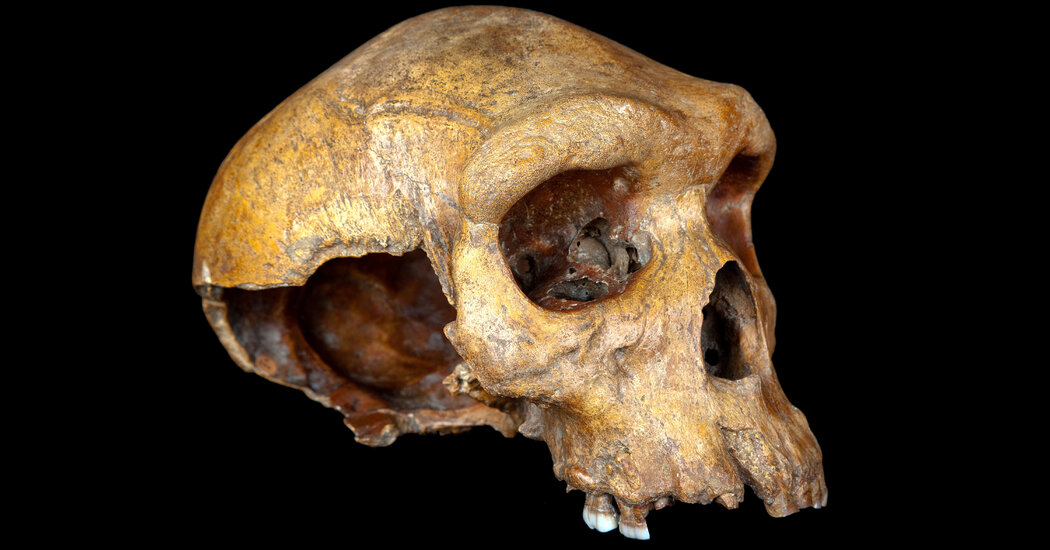
The population crashed following climate change about 930,000 years ago, scientists concluded. Other experts aren’t convinced by the analysis.No place on the planet has escaped the influence of Homo sapiens, from the rainforests cleared for farms to microplastic-laced deep oceans to climate-altered jet streams. Last November, the world population reached 8 billion.But as omnipresent as humans may be today, a team of scientists now claims that our species came very close to never appearing at all.Researchers in China have found evidence suggesting that 930,000 years ago, the ancestors of modern humans suffered a massive population crash. They point to a drastic change to the climate that occurred around that time as the cause.Our ancestors remained at low numbers — fewer than 1,280 breeding individuals — during a period known as a bottleneck. It lasted for over 100,000 years before the population rebounded.“About 98.7 percent of human ancestors were lost at the beginning of the bottleneck, thus threatening our ancestors with extinction,” the scientists wrote. Their study was published on Thursday in the journal Science.If the research holds up, it will have provocative implications. It raises the possibility that a climate-driven bottleneck helped split early humans into two evolutionary lineages — one that eventually gave rise to Neanderthals, the other to modern humans.But outside experts said they were skeptical of the novel statistical methods that the researchers used for the study. “It is a bit like inferring the size of a stone that falls into the middle of the large lake from only the ripples that arrive at the shore some minutes later,” said Stephan Schiffels, a population geneticist at Max Planck Institute for Evolutionary Anthropology in Leipzig, Germany.For decades now, scientists have reconstructed the history of our species by analyzing the genes of living people. The studies all take advantage of the same basic facts of our biology: every baby is born with dozens of new genetic mutations, and some of those mutations can be handed down over thousands or even millions of years.By comparing genetic variations in DNA, scientists can trace people’s ancestry to ancient populations that lived in different parts of the world, moved around and interbred. They can even infer the size of those populations at different times in history.These studies have gotten more sophisticated as DNA sequencing technology has grown more powerful. Today, scientists can compare the entire genomes of people from different populations.Every human genome contains over 3 billion genetic letters of DNA, each of which has been passed down for thousands or millions of years — creating a vast record of our history. To read that history, researchers now use increasingly powerful computers that can carry out the vast numbers of calculations required for more realistic models of human evolution.Haipeng Li, an evolutionary genomics researcher at Chinese Academy of Sciences in Shanghai, and his colleagues spent over a decade creating their own method for reconstructing evolution.The researchers named the method FitCoal (short for Fast Infinitesimal Time Coalescent). FitCoal lets scientists cut up history into fine slices of time, allowing them to create a model of a million years of evolution divided into periods of months.“It is a tool we created to figure out the history of different groups of living things, from humans to plants,” Dr. Li said.At first he and his colleagues focused on animals like fruit flies. But once enough genetic data from our own species had been sequenced, they turned to the history of humans, comparing the genomes of 3,154 people from 50 populations around the world.The researchers explored various models in order to find one that best explains today’s genetic diversity among humans. They ended up with a scenario that included a near-extinction event among our ancestors 930,000 years ago.“We realized we had discovered something big about human history,” said Wangjie Hu, a computational biologist at the Icahn School of Medicine at Mount Sinai in New York and an author of the study.Before the bottleneck, the scientists concluded, the population of our ancestors included about 98,000 breeding individuals. It then shrank to fewer than 1,280 and stayed that small for 117,000 years. Then the population rebounded.Dr. Hu and his colleagues argue in their paper that this bottleneck is consistent with the fossil record of our human ancestors.Our branch of the evolutionary tree split from that of other apes about seven million years ago in Africa. Our ancestors had evolved to be tall and big-brained in Africa by about a million years ago. Afterward, some of those early humans spread out to Europe and Asia, evolving into Neanderthals and their cousins, the Denisovans.Our own lineage continued to evolve into modern humans in Africa.After decades of fossil hunting, the record of ancient human relatives remains relatively scarce in Africa in the period between 950,000 and 650,000 years ago. The new study offers a potential explanation: there just weren’t enough people to leave behind many remains, Dr. Hu said.Brenna Henn, a geneticist at University of California, Davis who was not involved in the new study, said that a bottleneck was “one plausible interpretation.” But today’s genetic diversity might have been produced by a different evolutionary history, she added.For example, humans might have diverged into separate populations then come together again. “It would be more powerful to test alternative models,” Dr. Henn said.Dr. Hu and his colleagues propose that a global climate shift produced the population crash 930,000 years ago. They point to geological evidence that the planet became colder and drier right around the time of their proposed bottleneck. Those conditions may have made it harder for our human ancestors to find food.But Nick Ashton, an archaeologist at the British Museum, noted that a number of remains of ancient human relatives dating to the time of the bottleneck have been found outside Africa.If a worldwide disaster caused the human population in Africa to collapse, he said, then it should have made human relatives rarer elsewhere in the world.“The number of sites in Africa and Eurasia that date to this period suggests that it only affected a limited population, who may have been ancestors of modern humans,” he said.Dr. Li and his colleagues also drew attention to the fact that modern humans appear to have split from Neanderthals and Denisovans after their proposed population crash. They speculate that the two events are related.The researchers noted that most apes have 24 pairs of chromosomes. Humans have only 23, thanks to the fusion of two sets. After the crash, the scientists suggest, a fused set of chromosomes may have arisen and spread through the tiny population.“All humans with 24 pairs of chromosomes became extinct, while only the small isolated population with 23 pairs of chromosomes fortunately survived and passed down from generation to generation,” said Ziqian Hao, a bioinformatics researcher at Shandong First Medical University and an author of the study.But Dr. Schiffels isn’t buying the story of the bottleneck quite yet: “The finding is very surprising indeed, and I think the more surprising the claim, the better the evidence should be.”

Read more →

New blood test gives very high accuracy to screen for Alzheimer's disease

A new blood test called p-tau217 shows promise as an Alzheimer’s disease biomarker, and when used in a two-step workflow very high accuracy to either identify or exclude brain amyloidosis, the most important and earliest pathology. That is an innovation now presented by researchers at the University of Gothenburg, together with colleagues at University of Lund and in Montreal, Canada.
In recent years, a lot of effort has been put on developing biomarkers in blood that could potentially help to identify Alzheimer’s disease (AD). Tau protein, in particular its phosphorylated variant (p-tau) — and one of the main proteins involved in AD pathology — has been the focus of extensive research and developments the last years.
The new blood-based p-tau biomarkers, especially a variant called p-tau217, have shown great promise as clinically useful tools to screen patients with memory problems or other early cognitive symptoms suggestive of early Alzheimer’s disease.
However, even if promising, a concern has been that classifying early patients into either having “AD or not AD” will still result in a rather high percentage of false positives (individuals with a positive test result who do not have AD) and false negatives (individuals with a negative test result who prove to have AD based on other examinations such as amyloid PET scans).
Considering not only ethical and psychological concerns induced by possible misdiagnosis, but also high costs and potential medical risks of initiating treatments on people not having the target disease), the scientists at the University of Gothenburg and their colleagues developed a novel strategy for the clinical implementation of blood biomarkers.
Two-step workflow
The two-step model is built on a first step with a diagnostic model (based on plasma p-tau217 together with age and APOE e4) to stratify patients with mild cognitive impairment (MCI) for risk of amyloid PET positivity. Step 2 is based on confirmatory testing with CSF Ab42/40 ratio (or amyloid EPT) only in those with uncertain outcomes in step 1.

Read more →

Unraveling the long history of breast cancer formation

From the early stages of cell mutations starting in puberty to their manifestations as breast cancer in later years, the entire process has remained shrouded in mystery.
Now, a team of researchers at Kyoto University has revealed the mechanism by which breast cancer is formed in the cells of the mammalian epithelium, whose main function is to secrete milk.
According to the team’s first analysis, approximately 20 mutations accumulate annually in each epithelial cell until menopause. After menopause, however, the mutation rate significantlydecreases.
“Additionally, our results suggest that estrogen influences mutation accumulation in mammary epithelium, which correlates with our discovery of decreased accumulation after childbirth,” says corresponding author Seishi Ogawa of KyotoU’s Graduate School of Medicine.
As 70% of breast cancers are understood to be estrogen-sensitive, Ogawa’s team may shed light on estrogen’s role in the initiation of breast cancer.
Further investigation of the genetic relationship between breast cancer, its surrounding lesions, and normal epithelial cells led to mapping breast cancer’s translocation-positive expansion. During this expansion process, cells of multiple origins that would subsequently develop breast cancer manifested themselves at the average age of 30. Previous studies have focused on driver mutations — the genetic changes in cells that are already cancerous — leading to abnormal growth. But these findings only paint a partial picture of the process and do not reveal the timing and order of driver mutations or cancer formation.
“Normal-looking tissues may already contain numerous populations of non-cancer cells — or clones — that have acquired mutations in cancer-related genes,” says co-author author Tomomi Nishimuraof KyotoU’s Graduate School of Medicine.
After examining the similarities and differences in the mutations of both cancer and non-cancer lesions originating from the clones, the team reconstructed an evolutionary tree to visualize the unique pattern of cancer evolution.
“Our study brings us closer to exposing the clinical profile of estrogen-sensitive breast cancer, particularly in pre-menopausal women, potentially aiding cancer risk monitoring and prevention,” adds Ogawa.

Read more →