Statin May Lower Heart Disease Risk for H.I.V. Patients
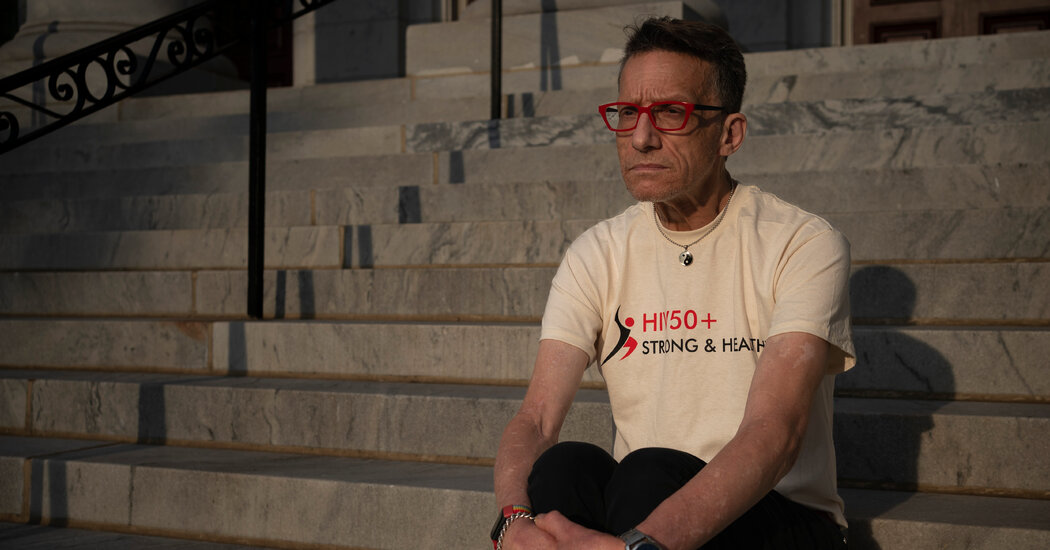
A recent study showed that a statin drug significantly lowered the risk of heart attacks and strokes among middle-aged and older people with the virus.Americans with H.I.V. are achieving the once unthinkable: a steady march into older age. But beginning around age 50, many people living with the virus face a host of health problems, from heart disease and diabetes to social isolation and cognitive decline.And so the medical research community, which some three decades ago developed lifesaving drugs to keep the virus at bay, is now hunting for new ways to keep people with H.I.V. healthier in their later years.A recent study, for example, showed that a statin drug significantly lowered the risk of heart attacks and strokes among middle-aged and older adults with H.I.V., and may reveal biological insights into why this group tends to age faster than others. And a crop of academic hospitals have established specialized clinics for older people with the virus, offering medical experts as well as social workers, substance abuse counselors, psychologists and nutritionists.“I have been unbelievably impressed at how care for the older H.I.V. population has really exploded,” said Dr. Nathan Goldstein, who heads one such clinic at Mount Sinai in New York City. “I get emails every day about new models, new grant funding. People are paying so much attention to this.” More than two dozen H.I.V. and aging experts also expressed optimism, in contrast to the more grim perspective many held a decade ago.Researchers have often referred to a looming “silver tsunami” of older people with H.I.V. needing better care. In 2021, there were 572,000 Americans aged 50 and older diagnosed with H.I.V., up 73 percent from 2011.Today, two-thirds of deaths in the H.I.V. population are from causes other than the virus. This aging group faces an increased risk of diabetes, liver and kidney disease, osteoporosis, cognitive decline and various cancers.But perhaps their most pressing health concern is a doubled risk of cardiovascular disease compared with people who do not carry the virus. Researchers in the Netherlands estimated that by 2030, more than three-quarters of that country’s H.I.V. population will have cardiovascular disease, including high blood pressure, high cholesterol, heart attacks or strokes.Seeking a bulwark against this mounting threat, the National Institutes of Health invested $100 million in a randomized controlled trial, called Reprieve, that tested a statin medication against a placebo among 7,769 people with H.I.V. 40 to 75 years old. The volunteers were relatively healthy and on stable antiretroviral treatment, so they typically would not have been recommended a statin. But the results of that trial, published in The New England Journal of Medicine, showed that the drug lowered the volunteers’ risk of major cardiovascular events by more than one-third.“This is really an important study,” said Dr. Anthony S. Fauci, who as the former director of the National Institute of Allergy and Infectious Diseases — he retired in December — was among the N.I.H.’s leaders who approved Reprieve’s mammoth budget. “The results, in some respects — they’re even better than I would have expected.”Donté Smith, a health consultant from Kansas City, Mo., is 37 but began taking a statin earlier this year. Mx. Smith, who is genderqueer and uses gender-neutral pronouns, said they were motivated to take the medication because, in addition to H.I.V., they had a family history of cardiovascular disease and diabetes and had smoked on and off.Donté Smith of Kansas City. “A lot of us don’t make it,” they said. “The best revenge for me is being an elder and being able to share and exist and to still be here.”Arin Yoon for The New York TimesMx. Smith also noted that the virus took an extra toll on Black and L.G.B.T.Q. people. Of the nearly 1.1 million Americans diagnosed with H.I.V., 63 percent are gay and bisexual men, and 40 percent are Black.“A lot of us don’t make it,” Mx. Smith said. “It’s important to buck that trend. The best revenge for me is being an elder and being able to share and exist and to still be here.”Heart disease and other conditions occur disproportionately among H.I.V.-positive people in part because of environmental risk factors that are more common among this group.“People aging with H.I.V. are more likely to continue to smoke cigarettes, consume unhealthy amounts of alcohol and use cocaine than people aging without H.I.V.,” said Dr. Amy Justice, a clinical epidemiologist at Yale School of Medicine who studies this population. “Each of these behaviors adds to the excess risk of cardiovascular disease.”Even without those risk factors, aging is accelerated in people with H.I.V. Researchers have long believed the reason to be chronic inflammation and immune dysregulation spawned by the virus, even when it is controlled by antiretroviral drugs.Dr. Steven Grinspoon, Reprieve’s lead author and a professor at Harvard Medical School, said that the clinical trial also measured many chemical markers of inflammation in the volunteers’ blood and scanned their coronary arteries. The researchers are now looking at whether these data can help explain why the statin lowered cardiovascular events. The researchers will present their findings at a meeting in November.Dr. Fauci suspected that this analysis will likely reveal that the statin tamped down the volunteers’ chronic inflammation, and in turn prevented the plaque buildup in the arteries that can precipitate a heart attack or stroke.But experts said that the long-term care of people with H.I.V. will depend on much more than prescription drugs. An array of social problems are especially prevalent among older people with H.I.V. and can exacerbate the perils of aging, including poverty, loneliness, addiction, mental illness, stigma and housing insecurity.Paul Aguilar, 60, was given five years to live when he was diagnosed with H.I.V. in 1988. He has survived, but not without struggle. The fat has drained from his face, a side effect of the toxic early generation of antiretroviral drugs. And he has weathered waves of lost peers in San Francisco: first from AIDS and more recently from other illnesses.Last year, he began going to the “Golden Compass” program for aging H.I.V. patients at the University of California, San Francisco, which provides a panoply of services, including cardiology, exercise classes and dental, vision and mental health care. He said that the psychological counseling and support he received there helped him cope with his closest friend’s death by suicide and his own subsequent mental health crisis.The university’s program is “really a godsend,” Mr. Aguilar said, noting that he has no out-of-pocket costs, thanks to his coverage from Medicare and Medicaid.But the vast majority of older people with the virus still lack the type of high-quality care that has helped Mr. Aguilar thrive, experts said. Such programs are often prohibitively expensive and pose staffing and space demands that many clinics, especially in resource-poor areas, cannot hope to meet.“Patients are falling through the cracks,” said Jules Levin, 73, a leading activist holding the bullhorn on behalf of H.I.V.-positive seniors such as himself.After learning about the Reprieve study’s findings, Mr. Aguilar asked his doctor about starting a statin.“I’m going to be crotchety and telling kids to get off my lawn,” he quipped.

Read more →
Max Gomez, Longtime TV Medical Reporter, Dies at 72

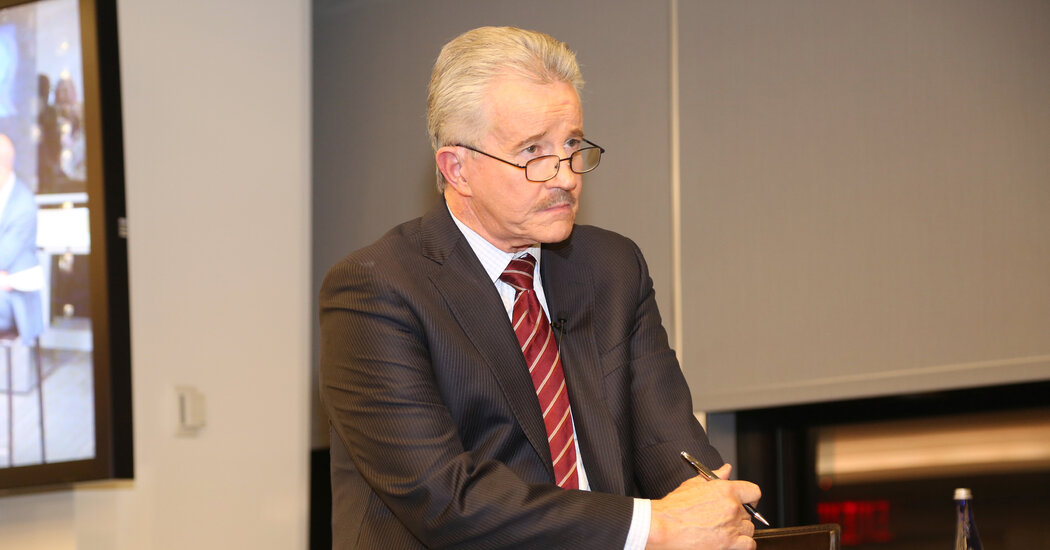
Known as Dr. Max (he was not a medical doctor. but had a Ph.D. in neuroscience), he reported on health and science with an easygoing gravitas.Max Gomez, an award-winning medical and science journalist who delivered informed reports for more than 40 years on TV stations in New York and Philadelphia, most recently during the Covid-19 pandemic, died on Sept. 2 at his home in Manhattan. He was 72.His partner, Amy Levin, said the cause was head and neck cancer, with which he had been diagnosed four years ago.Billed as “Dr. Max,” he brought an easygoing gravitas to reporting on subjects like vaccinations, knee replacements, prostate cancer, colonoscopies, sickle cell anemia and, when he himself contracted them, Lyme disease and the MRSA infection. One of his reports on Alzheimer’s disease focused on his father, a physician, who was swindled as his memory abandoned him.Dr. Gomez had been chief medical correspondent at WCBS, Channel 2, in New York City since 2007 and made his last appearance there in March 2022. He also worked at WNBC, Channel 4, and WNEW, Channel 5 (now WNYW), as well as KYW, Channel 3, in Philadelphia.“What he did best was to care deeply and combine that with being able to explain complex things so well that regular folks could understand them,” Dan Forman, a former managing editor of the Channel 2 news department, said by phone. “And he would activate it by helping viewers find the help they needed.”Dr. Gomez won seven local Emmy Awards in New York and two in Philadelphia, and some of his work was seen nationally, on the CBS News program “48 Hours” and on NBC News. He was also a semifinalist in NASA’s journalist-in-space program, which was suspended indefinitely after the shuttle Challenger exploded in 1986, and a co-author of three books, among them “Cells Are the New Cure: The Cutting-Edge Medical Breakthroughs That Are Transforming Our Health” (2017, with Dr. Robin L. Smith).He was a regular presence on Channel 2 from the start of the pandemic, when there were very few diagnosed Covid cases in the United States. For two years, as he dealt with cancer, he explained the medical issues facing viewers; showed how the coronavirus mutates; and sorted through infection data and studies.He was not a medical doctor — he had a doctorate in neuroscience — and he and the stations where he worked were sometimes criticized for referring to him as Dr. Max Gomez. “Max doesn’t tell people he’s an M.D., nor do we,” Paula Walker, then an assistant news director at Channel 4, told The Philadelphia Inquirer in 1991. “In our estimation, he’s probably more informed than the average health reporter.”Mr. Gomez in the studio of WCBS-TV in New York. He was a regular presence on the station from the start of the Covid-19 pandemic.via Gomez familyMaximo Marcelino Gomez III was born on Aug. 9, 1951, in Havana and moved to Miami with his family three years later. His father was an obstetrician and gynecologist; his mother, Concepción (Nespral) Gomez, worked for Cubana Airlines, Cuba’s national carrier, and later for Avianca, the largest airline in Colombia.After graduating from Princeton University in 1973 with a bachelor’s degree in geosciences, Dr. Gomez earned a Ph.D. in neuroscience from the Wake Forest University School of Medicine in 1978. He then became a National Institutes of Health postdoctoral fellow at Rockefeller University in Manhattan.While studying there, he chose not to pursue a career in research or academia, but rather to look for work in the media that would make use of his scientific background.“When I first decided to go after television, it was because I thought that if I didn’t, 20 years from now I’d be saying, ‘What if?’” he told The Philadelphia Daily News in 1985.He added: “Why television? Well, if I said money and ego aren’t part of it, then I’d be lying to you or to myself.”He contacted Mark Monsky, the news director of Channel 5’s “10 O’Clock News,” who gave him a one-month tryout in July 1980 that turned into a four-year stay. While there, Dr. Gomez was one of the first television reporters to focus on the AIDS crisis, according to Ms. Levin, who was then a producer at the station.Dr. Gomez moved to KYW in late 1984 and stayed there for six years. While there, he received an award from United Press International for his documentary on AIDS. He later received an award from New York City’s health department for his coverage of the 9/11 attacks while he was working for Channel 4.“Fear and anxiety levels were out of control in the city, but we were spending the first 20 minutes of every broadcast scaring the living daylights out of people,” he said in an interview in 2016 for the newsletter of CaringKind, an nonprofit Alzheimer’s caregiving organization, “and then, as my news director said, at the end of the show, I had 90 seconds to talk them off the ledge.”He moved to Channel 2 in 1994 and returned to Channel 4 in 1997 where, after nearly a decade, he was let go when the station cut costs. He came back to Channel 2 in 2007.In addition to Ms. Levin, Dr. Gomez is survived by a daughter, Katie Gomez; a son, Max IV; and a brother, George. His marriage to SuElyn Charnesky ended in divorce.In the 1985 Philadelphia Daily News interview, Dr. Gomez said that he viewed his role seriously: Being on television, he said, gave him credibility and a major responsibility.“I feel I owe it to people to be their first filter,” he said. “So if I’m talking about a health cure, I want to know where has this information been published. I present the best product I can. I know that it’s scientifically accurate.”

Read more →

These worms have rhythm

There’s a rhythm to developing life. Growing from a tiny cell cluster into an adult organism takes precise timing and control. The right genes must turn on at the right time, for the right duration, and in the correct order. Losing the rhythm can lead to diseases like cancer. So, what keeps every gene on beat?
Cold Spring Harbor Laboratory (CSHL) Professor Christopher Hammell has found that in the worm C. elegans, this genetic orchestra has no single conductor. Instead, a quartet of molecules works in concert to time each developmental stage. Hammell says this process shares some similarities with the circadian clocks that control human behavior. Understanding how the worm’s clock is regulated could help explain how time affects development in other animals. Hammell explains:
“This clock we’ve discovered sets the cadence of development. It’s a coordinator of the orchestra. It controls when the trombone goes, how loud it gets, and how long the note lasts.”
Each stage of C. elegans’ development begins with two proteins, NHR-85 and NHR-23. They work together to spark a pulse of gene expression, switching on the microRNA lin-4, which controls stem cell development patterns. The pulse’s timing, strength, and duration depend on the short stretch when NHR-85 and NHR-23 interact, and another protein, LIN-42, which ends each developmental period by shutting off NHR-85.
“Mess up the orchestra — it’ll still make sound,” Hammell says. “But the way the music changes lets us know proper timing is critical for development.”
Hammell teamed with Wolfgang Keil from Paris’ Curie Institute to observe this gene expression cycle in action. C. elegans takes about 50 hours to reach adulthood. During that time, it’s always on the move, like a restless teenager. The team developed a new imaging technique to hold the tiny worm in place long enough to take pictures and video. This let them measure each developmental beat as it occurred.
“We could see every time genes turned on from birth to adulthood,” Hammell says. “This kind of imaging had never been done in animals, only in single cells.”
Hammell is now working with CSHL Professor & HHMI Investigator Leemor Joshua-Tor to image how clock proteins interact over time.
“We want to work out, with even more precision, how this clock operates,” Hammell says. “Humans can do things like write music or perform calculus, not because we have a calculus or music gene, but because our developmental clocks enable our brain to develop longer into a more complex organ.”
In other words, when it comes to development, time is truly of the essence.

Read more →

Exercise-induced hormone irisin may reduce Alzheimer's disease plaque and tangle pathology in the brain

Researchers who previously developed the first 3D human cell culture models of Alzheimer’s disease (AD) that displays two major hallmarks of the condition — the generation of amyloid beta deposits followed by tau tangles — have now used their model to investigate whether the exercise-induced muscle hormone irisin affects amyloid beta pathology.
As reported in the journal Neuron, the Massachusetts General Hospital (MGH)-led team has uncovered promising results suggesting that irisin-based therapies might help combat AD.
Physical exercise has been shown to reduce amyloid beta deposits in various mouse models of AD, but the mechanisms involved have remained a mystery.
Exercise increases circulating levels of the muscle-derived hormone irisin, which regulates glucose and lipid metabolism in fat tissue and increases energy expenditure by accelerating the browning of white fat tissue.
Studies have revealed that irisin is present in human and mouse brains and that its levels are reduced in patients with AD and in mouse models of the condition.
To test whether irisin plays a causal role in the link between exercise and reduced amyloid beta, Se Hoon Choi, PhD and Eun Hee Kim, PhD, of the Genetics and Aging Research Unit at MGH, along with additional research colleagues applied the hormone to their 3D cell culture model of AD.
“First, we found that irisin treatment led to a remarkable reduction of amyloid beta pathology,” says Choi. “Second, we showed this effect of irisin was attributable to increased neprilysin activity owing to increased levels of neprilysin secreted from cells in the brain called astrocytes.”
Neprilysin is an amyloid beta-degrading enzyme that has been found to be elevated in the brains of mice with AD that were exposed to exercise or other conditions leading to reduced amyloid beta.

Read more →

New Covid variant BA.2.86 behind Norfolk care home outbreak

Published13 minutes agoShareclose panelShare pageCopy linkAbout sharingImage source, Getty ImagesBy Philippa RoxbyHealth reporterA new Covid variant is spreading in England and has led to an outbreak at a care home in Norfolk, UK health officials say.There have been 34 confirmed cases of BA.2.86, with 28 of those at the care home. There have been no deaths.It is too early to draw conclusions on whether it is more serious than past variants, the UK Health Security Agency (UKHSA) said.People eligible for a booster jab this autumn are encouraged to come forward.The government recently announced that the vaccine rollout would be earlier than planned because of the new variant. It will start next week.Who can get another Covid jab this autumn?The UK Health Security Agency’s latest briefing on Covid includes an analysis on BA.2.86, an Omicron spin-off.It says out of the 34 cases confirmed through sequencing in a lab, five people have needed hospital treatment.Norfolk County Council has been offering infection advice and support to the care home where there was an outbreak.Staff and residents were asked to have tests when an unusually high number of people became unwell, health officials say.Lab analysis found that BA.2.86 was confirmed in the majority of samples from those tests, they confirmed.This variant has been detected in a number of countries around the world. Dr Renu Bindra, incident director at UKHSA, said BA.2.86 had a significant number of mutations to the viral genome compared to other Covid variants circulating at the moment.But she added: “The data so far is too limited to draw firm conclusions about the impact this will have on the transmissibility, severity or immune escape properties of the virus.”Dr Bindra said it was likely to be some time before a confident assessment on that could be made.”It is clear that there is some degree of widespread community transmission, both in the UK and globally, and we are working to ascertain the full extent of this,” she said.Changing dates criticisedThe Department of Health and Social Care has been criticised for changing its mind on the start date of the autumn Covid and flu vaccine programme.It usually begins in early September, but was pushed back to October to increase protection in December and January when flu and Covid are more likely to cause problems.The timing has now changed again, to 11 September, because of concerns over the new variant.Pharmacists said last week that they had been left with very little time to prepare for the rollout of Covid and flu vaccines.People who are eligible for a Covid-19 vaccine include:residents in a care home for older adultsall adults aged 65 years and overanyone aged six months to 64 years in a clinical risk groupfront-line health and social care workersanyone aged 12 to 64 years who lives in the same house as people with weakened immune systemsMore on this storyWho can get another Covid jab this autumn?Published2 days agoCovid and flu winter jabs to be brought forwardPublished30 AugustWhat did the government do about Covid and care homes?Published1 March

Read more →

Study links epigenetic changes to historic trauma in Alaska Native communities

Researchers investigated the relationship between historical traumatic events experienced by Alaska Native communities and epigenetic markers on genes that previous studies have linked to trauma. The new study found a similar pattern among Alaska Native participants, with specific epigenetic differences observed in those who reported experiencing the most intense symptoms of distress when reflecting on historic losses.
The study also found that individuals who strongly identified with their Alaska Native heritage and participated in cultural activities generally reported better well-being. The new findings are detailed in the International Journal of Health Equity.
The study is the result of a close collaboration between the scientists and members of two Alaska Native communities. The Native Nations guided the design and interpretation of the study and retain control of all of the data, in accordance with principles of Indigenous data sovereignty, said Ripan Malhi, a professor of anthropology at the University of Illinois Urbana-Champaign and corresponding author of the new study.
While DNA sequence remains stable throughout the lifespan, small chemical modifications to specific genes can turn up or turn down the expression of those genes, said study lead author Mary LaVanne, who conducted the analysis while a postdoctoral researcher at the U. of I.
“These epigenetic modifications are often studied in response to severe changes in lived environments,” LaVanne said. “Epigenetic alterations can persist throughout the lifespan and are sometimes maintained over multiple generations.”
Research on epigenetic changes in response to trauma is in its infancy, but studies involving other groups have found trauma-related modifications to genes involved in homeostasis, the immune response, the stress response and other functions, Malhi said.
Native communities in Alaska have experienced centuries of disruptive violence, disease and displacement, largely resulting from colonial expansion into the Americas and centuries of mistreatment well beyond the colonial era.

Read more →

Mums exposed to air pollution give birth to smaller babies, but living in a greener area may mitigate the risks

Women exposed to air pollution give birth to smaller babies, according to research that will be presented at the European Respiratory Society International Congress in Milan, Italy. The research also shows that women living in greener areas give birth to bigger babies and this may help counteract the effects of pollution.
There is a strong relationship between birthweight and lung health, with low birthweight children facing a higher risk of asthma and higher rates of chronic obstructive pulmonary diseases (COPD) as they grow older.
Researchers say there is a need to reduce air pollution and make towns and cities greener to help protect babies and their developing lungs from potential harm.
The study was based on data from the Respiratory Health in Northern Europe (RHINE) study and presented by Mr Robin Mzati Sinsamala, a researcher in the Department of Global Public Health and Primary Care at the University of Bergen (UiB), Norway. It included 4286 children and their mothers living in five European countries (Denmark, Norway, Sweden, Iceland and Estonia).
The researchers gauged the greenness of the areas where the women were living during pregnancy by measuring the density of vegetation on satellite images. This vegetation includes forests and farmland as well as parks in urban areas. The researchers also used data on five pollutants: nitrogen dioxide (NO2), ozone, black carbon (BC), and two types of particulate matter (PM2.5 and PM10). The average levels of air pollution were within European Union standards. Researchers compared this information with the babies’ birthweights, taking account of factors that are known to affect birthweight, such as mother’s age, whether the mothers smoked or had any other health conditions.
They found that higher levels air pollution were linked with lower birthweights, with PM2.5, PM10,NO2 and BC associated with average reductions in birth weight of 56g, 46g, 48g and 48g, respectively. When researchers took greenness into account, the effect of air pollution on birthweight was reduced. Women who lived in greener areas had babies with slightly higher birth weight (27g heavier on average) than mothers living in less green areas.
Mr Sinsamala said: “The time when babies are growing in the womb is critical for lung development. We know that babies with lower birthweight are susceptible to chest infections, and this can lead on to problems like asthma and COPD later on.

Read more →

New at-home test for gingivitis protects oral health

Engineers at the University of Cincinnati have developed a new device that can warn consumers about early risks of tooth decay from diseases such as gingivitis and periodontitis.
Gingivitis, the earliest form of gum disease, is caused by bacteria. But not just any bacteria.
The problem for researchers was getting a device to single out the particular type responsible for the disease, said Andrew Steckl, an Ohio Eminent Scholar and distinguished research professor in UC’s College of Engineering and Applied Science.
“It’s been quite the challenge to get to the point where we can detect this toxin created by the bacteria responsible for gingivitis,” he said.
Steckl and UC Senior Research Associate Daewoo Han collaborated with Sancai Xie, a principal scientist at Procter & Gamble Co., and described their results in a paper published in the Royal Society of Chemistry journal Sensors and Diagnostics.
Steckl’s research team has been exploring biosensing for various applications. They studied stress hormones in sweat in collaboration with the Air Force Research Lab at Wright-Patterson Air Force Base. Now they are studying saliva.
“There are good reasons to use saliva,” he said. “It’s relatively plentiful and easy to obtain through noninvasive methods. And saliva has a lot of important elements that can act as indicators of your health.”
Bacteria from gingivitis can travel through the bloodstream, leading to cardiovascular disease and other serious health problems, Steckl said.

Read more →

Scientists unlock secrets of red blood cell transporter, potentially paving the way for new drugs

Researchers at the Icahn School of Medicine at Mount Sinai have identified the structure of a special transporter found in red blood cells and how it interacts with drugs. Details on the findings, which were reported in the September 7 issue of Nature Structural & Molecular Biology, could lead to the development of more targeted medicines.
The research team, led by Daniel Wacker, PhD, Bin Zhang, PhD, and Avner Schlessinger, PhD, found that this transporter facilitates the movement of a substance called bicarbonate, which certain drugs can inhibit. They discovered how these drugs block the transporter and devised novel compounds capable of achieving the same effect.
“Our findings provide a detailed understanding of how bicarbonate transporters work, and the newly identified tool compounds open doors to studying conditions involving red blood cells, including hemolytic anemias,” says Dr. Wacker, corresponding author and an Assistant Professor of Pharmacological Sciences, Neuroscience, and Genetic and Genomic Sciences at Icahn Mount Sinai.
Previously, human bicarbonate transporters were poorly understood, despite being involved in many aspects of human physiology, including regulating pH that involves keeping the level of acidity within a specific range.
Using cryo-electron microscopy, the team identified high-resolution structures revealing bicarbonate and inhibitor binding, and their impact on the transport mechanism. With these insights, the researchers used computer simulations to analyze millions of compounds that could interact with the substrate binding site.
Their experiments pinpointed a group of innovative chemical inhibitors specifically designed for anion exchanger 1, a protein that is crucial for maintaining the proper function of the blood and red blood cells.
“Our study also demonstrates the potential for developing new inhibitors with medical potential for other solute carrier (SLC) proteins, a protein family gaining importance in drug development,” says co-author Dr. Zhang, the Willard T.C Johnson Research Professor of Neurogenetics and Director of the Mount Sinai Center for Transformative Disease Modeling at Icahn Mount Sinai.

Read more →

CAR-T-cell therapy without side effects? Researchers show results in preclinical models

When Richard O’Neil, Ph.D., joined MUSC Hollings Cancer Center two years ago, he knew that he wanted to continue finding ways to make CAR-T-cell therapy easier on patients.
What he didn’t expect was that a side project — worked on by Megan Tennant, a graduate student in his lab, as a way to keep busy while a key piece of equipment was being serviced — would potentially open up this treatment beyond the world of cancer.
“I don’t think that either of us expected that first initial experiment to work,” Tennant said. “But when we saw how well it worked and really started to conceptualize where this could go and how important this could be, it was exciting.”
O’Neil said they’ve begun conversations with biotechnology companies about how to push forward their findings.
“Right now, we’re trying to out-license the technology,” O’Neil added. “The most interest, actually, has come in the context of lupus.”
CAR-T-cell therapy is currently used to treat some types of blood cancers that have returned after treatment or that haven’t responded to chemotherapy. It is both expensive and extensive — some of a patient’s T-cells are removed and sent to a lab where, in a process that can take several weeks, they’re engineered to add chimeric antigen receptors (CAR) that are tuned to home in on specific proteins on the surface of cancer cells. The newly formed CAR-T-cells are then reinfused into the patient to attack the cancer.
Some patients have experienced incredible recoveries after CAR-T-cell therapy. But they’ve also endured incredibly strong and scary side effects, in part because of the lymphodepleting chemotherapy that is performed before the CAR-T-cells are reinfused.

Read more →