Malaria-causing parasites resistant to both treatment and detection have emerged in Ethiopia

Scientists have detected new strains of malaria-causing parasites in Ethiopia that are both resistant to current treatments and escape detection by common diagnostic tests — a development that could increase cases and deaths from malaria and make eliminating the persistent disease an even greater challenge.
The authors detailed their findings from a genomic surveillance study in Nature Microbiology. Already, scientists had found in Uganda, Tanzania and Rwanda strains of the parasite that causes malaria that were resistant to most available antimalarial drugs; and separately, malaria parasites resistant to diagnostic tests had emerged in the Horn of Africa.
Those parasites have been spreading independently of one another, but the new study is the first published report to confirm the prevalence of this type of double-resistant malaria strain, said study author Jeffrey Bailey, an associate professor of translational research and pathology and laboratory medicine at Brown University.
“Now we’re essentially seeing the worst-case scenario: parasites with the mutation that make them resistant to treatment have also picked up the chromosomal deletions that make them invisible to the diagnostic tests,” Bailey said. “This means that it will be harder to detect people who are infected, and then when infected people are treated with antimalarial drugs, that may not work to stop them from spreading the disease.”
The standard method to diagnose malaria in Africa is through rapid diagnostic tests that detect specific parasite proteins in the blood that are highly expressed. The tests can confirm malaria even if the patient is asymptomatic. The parasites lacking the genes for these proteins have evolved to be invisible to the tests.
The first-line malaria treatment recommended by the World Health Organization is a combination therapy involving artemisinin-based drug compounds, which tend to be very effective in preventing death and reducing transmission. The mutations now detected in Africa provide resistance to artemisinin.
Bailey’s research team at Brown, in close collaboration with the researchers from the Ethiopian Public Health Institute and the University of North Carolina at Chapel Hill, conducted a comparative genomic analysis of malaria-parasite samples with the deleted protein-expressinggenes that had been collected across three regions of Ethiopia. Led by Bailey, co-director of the Ph.D. program at Brown’s Center for Computational Molecular Biology, the scientists used molecular sequencing to assess the prevalence of mutations that confer resistance to artemisinin. Abebe Fola, a postdoctoral researcher in Bailey’s lab, was instrumental in this work and is the first author of the paper.

Read more →

Antidepressants may reduce negative memories while improving overall memory

New research from Rice University finds that antidepressants may actually reduce negative memories in individuals suffering from depression while improving overall memory function.
The study, “Perceived antidepressant efficacy associated with reduced negative and enhanced neutral mnemonic discrimination,” appears in the latest edition of Frontiers in Human Neuroscience. It examines how antidepressant use in depressed individuals affects memories, both good and bad.
Stephanie Leal, an assistant professor of psychological sciences at Rice, is the study’s lead author. She said the study’s main finding about the link between antidepressants and memories was an important one, because there is still much to be learned about how these drugs work.
“While antidepressants have been around since the 1950s, we still don’t really know how they work,” Leal said. “They only work about 50% of the time, and users often have to go through multiple types of antidepressants to get to a place where they actually feel like the drugs are beneficial. We don’t fully understand how these drugs reduce depressive symptoms and why they are so often ineffective. That’s a big problem.”
The study’s results suggest that antidepressants, when effective, can shift memory dynamics toward healthy function, Leal said.
“How antidepressants affect cognition is a hugely understudied area of research,” she said. “By measuring how antidepressants impact memory, we can use this information to better select treatments depending on people’s symptoms of depression.”
The study included 48 participants ages 18-35. All individuals were surveyed and had been actively taking antidepressants (regardless of the type of antidepressant and diagnosis) for at least one month prior to participation in the study. A follow-up study is currently being conducted to examine how the brain responds to antidepressants.

Read more →

Ceramic tea set glazing affects health benefits of tea, finds new study

Tea contains flavonoids such as catechins, which have numerous health benefits. Now, researchers from Nagoya Institute of Technology, Japan, reveal that the glazing on ceramic tea sets plays a crucial role in retaining the beneficial components of tea. By examining the effects of different glazes on the catechin content in green tea, they find that the choice of glaze materials affects the concentration of these compounds, as well as the color and flavor of tea.
Introduced as a medicinal drink around 2700 B.C., tea has grown to be the one of the most popular beverages worldwide. One of the key reasons for its popularity is its rich content of flavonoids and polyphenols, which contribute to the antioxidant property, flavor, and aroma of tea, offering various potential health benefits. These compounds are extracted from tea leaves during brewing and can be influenced by several factors, such as water temperature, brewing time, and the materials used in tea preparation vessels.
Recently, researchers from Nagoya Institute of Technology (NITech) in Japan have revealed, for the first time, that the choice of glazing on ceramic tea sets used to prepare tea plays a key role in the retention of catechin flavonoids. In their study published online in the journal Scientific Reports on June 28, 2023, Associate Professor Takashi Shirai, along with Dr. Yunzi Xin, Mr. Sota Shido, and Dr. Kunihiko Kato from the Advanced Ceramics Research Center at NITech, examined the impact of four different typical Japanese commercial glazes — Oribe, Namako, Irabo, and Toumei — on the content of catechins, the most abundant flavonoid found in green tea.
While glaze coatings primarily consist of feldspar minerals, such as silicon, aluminum, sodium, and calcium oxides, they also contain distinct metal oxide species that impart a unique appearance and texture to the ceramic vessel. Oribe glaze predominantly contains copper (Cu) oxides and imparts a vibrant green color, while Namako glaze contains cobalt (Co) oxides for a dark blue appearance. Irabo glaze contains iron (Fe) oxides that impart orange tones, while Toumei glaze has a high titanium (Ti) content, providing a transparent finish.
To examine the effect of the glaze on tea catechins, the researchers brewed a green tea solution using ion-exchanged water at 80°C for three minutes. The tea leaves were separated, and the supernatant (liquid lying above solid residue) was mixed with glaze powders coated on ceramic tiles. The glaze-tea mixture was then allowed to react for six hours, followed by the removal of the glaze powder through centrifugation and filtration.
The researchers observed that the pristine tea solution had a clear bright yellow color, but after six hours of degradation, it turned into a yellowish-brown color. In contrast, the tea solutions degraded by different glazes exhibited darker black or brown colors. In other words, the extent of color change depended significantly on the type of glaze.
Additionally, the researchers also observed a selective reduction in the amount of altered catechins in tea. The tea solutions mixed with Oribe, Namako, and Irabo glazes showed significantly lower concentrations of epicatechin, epicatechin gallate, epigallocatechin, and epigallocatechin gallate, while the Toumei glaze selectively degraded epigallocatechin gallate. The reduction in catechin concentration and the resulting color change can be attributed to the oxidation process of catechins, which forms brownish thearubigins and reddish-orange theaflavin and its oxide pigments.
“During the degradation process, Cu-, Co-, Fe-, and Ti-oxides in glaze powders can act as a Lewis acid catalyst and promote the oxidation of catechin molecules to ortho-quinones, followed by further reaction to form thearubigins and/or theaflavin and its oxides. Another oxidation route is through the polymerization of intermediate free radical catechins,” explains Dr. Shirai. “And it is very interesting that thearubigins and theaflavins are the main components of fermented tea like black tea. In other words, green tea brewed by specific ceramic tea sets can be turned into black tea.”
In summary, this study highlights that the choice of glaze materials used in ceramic tea sets can significantly affect the concentration of beneficial compounds such as catechins in tea. “The specific function of glazes on the degradation of catechins not only provides principal information for the design and development of functional materials but can also impact daily tea drinking and long-term human health-related issues,” concludes Dr. Shirai.

Read more →

Climate change can alter the risk of succumbing to infectious diseases

A new Europe-wide study investigated the prevalence of protozoans, bacteria and viruses potentially pathogenic to humans and domestic animals in birds and bats in varying climatic conditions. The prevalence of many of these pathogens was associated with temperature or rainfall.
The new study compiled information on the occurrence of over 75 pathogenic microbes across Europe from almost 400 bird- and 40 bat species. Combining data on occurrence with climatic factors revealed that the occurrence of most pathogens was associated with temperature or rainfall.
“In general, the occurrence of pathogenic bacteria increased in areas with a warm and dry climate. On the other hand, pathogenic viruses prefer moist climate,” according to lead author Yanjie Xu from the Finnish Museum of Natural History, University of Helsinki.
The association between climatic factors and pathogens could be investigated on the 17 pathogen taxa with most data. The observed associations varied.
“Temperature was positively associated with occurrence of avian flu virus, malaria -parasite, and bacteria that cause chlamydia, salmonella, Q-fever and typhus in birds and bats,” explains university lecturer Arto Pulliainen from the University of Turku Institute of Biomedicine.
Rainfall had both positive and negative associations with the occurrence of pathogens. For instance, increasing rainfall increased the probability for the occurrence of Usutu-, Sindbis- and avia flu viruses, as well as that of the occurrence of salmonella bacteria.
“Usutu- and Sindbis- viruses are vectored by mosquitoes, and rainfall can increase the occurrence of wetlands favoured by mosquitoes. Similarly, avian flu and salmonella are prevalent particularly in waterfowl, for whom wetlands are also of importance,” says academy research fellow Thomas Lilley from the Finnish Museum of Natural History.
The study, compiling results of over 700 research papers and almost half a million observations, bolsters the notion that climate change can alter the risk of succumbing to infectious diseases. Climate change modifies the distribution ranges of both the pathogens and their hosts, the wild animals. The distribution ranges of birds have already been observed to shift northwards by over a kilometer per year. Climate change also influences the occurrence of pathogens in the environments, for instance in water bodies.
“There is a possibility that for instance thermophilic pathogens become more common in northern Europe as a cause of climate change,” ponders senior curator Aleksi Lehikoinen from the Finnish Museum of Natural History.
The study was published in Ecography, a merited scientific journal, and was funded by a grant from the Academy of Finland “Climate change and Health”- research program to a research consortium consisting of members from the University of Helsinki and University of Turku.

Read more →

AI tool helps optimize antibody medicines

Antibody treatments may be able to activate the immune system to fight diseases like Parkinson’s, Alzheimer’s and colorectal cancer, but they are less effective when they bind with themselves and other molecules that aren’t markers of disease.
Now, new machine-learning algorithms developed at the University of Michigan can highlight problem areas in antibodies that make them prone to binding non-target molecules.
“We can use the models to pinpoint the positions in antibodies that are causing trouble and change those positions to correct the problem without causing new ones,” said Peter Tessier, the Albert M. Mattocks Professor of Pharmaceutical Sciences at U-M and corresponding author of the study in Nature Biomedical Engineering.
“The models are useful because they can be used on existing antibodies, brand new antibodies in development, and even antibodies that haven’t been made yet.”
Antibodies fight disease by binding specific molecules called antigens on disease-causing agents — such as the spike protein on the virus that causes COVID-19. Once bound, the antibody either directly inactivates the harmful viruses or cells or signals the body’s immune cells to do so.
Unfortunately, antibodies designed to bind their specific antigens very strongly and quickly can also bind non-antigen molecules, which removes the antibodies before they target a disease. Such antibodies are also prone to binding with other antibodies of the same type and, in the process, forming thick solutions that don’t flow easily through the needles that deliver antibody drugs.
“The ideal antibodies should do three things at once: bind tightly to what they’re supposed to, repel each other and ignore other things in the body,” Tessier said.

Read more →

Nutrients drive cellular reprogramming in the intestine

Researchers have unveiled an intriguing phenomenon of cellular reprogramming in mature adult organs, shedding light on a novel mechanism of adaptive growth. The study, which was conducted on fruit flies (Drosophila), provides further insights into dedifferentiation — where specialized cells that have specific functions transform into less specialized, undifferentiated cells like stem cells.
Until now, dedifferentiation has primarily been associated with severe injuries or stressful conditions, observed during tissue regeneration and diseases like tumorigenesis. However, the researchers have unearthed a previously unknown facet: enteroendocrine cells (EEs) within the intestinal epithelium undergo dedifferentiation into intestinal stem cells (ISCs) in response to nutritional changes, such as recovery from starvation.
“Through meticulous experimentation, we identified a subset of enteroendocrine cells residing in the adult midgut of Drosophila, which exhibit dedifferentiation into ISCs when nutrient levels fluctuate,” states Hiroki Nagai, first author of the study and a postdoc who was previously based at Tohoku University’s Frontier Research Institute for Interdisciplinary Sciences (FRIS). “By utilizing in vivo lineage tracing of EEs and single-cell RNA sequencing, we pinpointed the dedifferentiating EE subpopulation and developed a genetic system for selectively removing ISCs derived from dedifferentiation, a process known as ablation.”
Remarkably, the ablation experiments demonstrated that dedifferentiation is vital for ISC expansion and subsequent intestinal growth following food intake. Previous studies using mice relied on massive stem cell ablation to induce dedifferentiation. Yet, in the current research, stem cells were not lost but instead increased in response to nutritional stimuli. This crucial distinction demonstrates that dedifferentiation is not limited to regenerative contexts but significantly contributes to organ remodeling during environmental adaptations.
Furthermore, the team unraveled the molecular mechanism driving nutrient-dependent dedifferentiation: a deficiency in dietary glucose and amino acids activates the JAK-STAT signaling pathway in EEs, facilitating the conversion of EEs into ISCs during post-starvation recovery. When combined with findings from other studies, this implies that the nutrient-dependent dedifferentiation could be an evolutionary conserved mechanism across species.
Yuichiro Nakajima, also formerly based at FRIS and corresponding author of the paper, states that this could lead to being able to control artificial cellular reprogramming in vivo. “If we figure out specific nutrients and the detailed signaling that induce dedifferentiation, we could control cell fate plasticity by nutritional intervention and/or pharmacological treatments”
Looking ahead, they hope to focus on examining cell fate plasticity under physiological conditions beyond nutrition, such as reproduction, temperature, light, and exercise. Doing so may uncover novel mechanisms underlying environmental adaptations.

Read more →

Red Cross Blames Climate Disasters for Blood Shortage

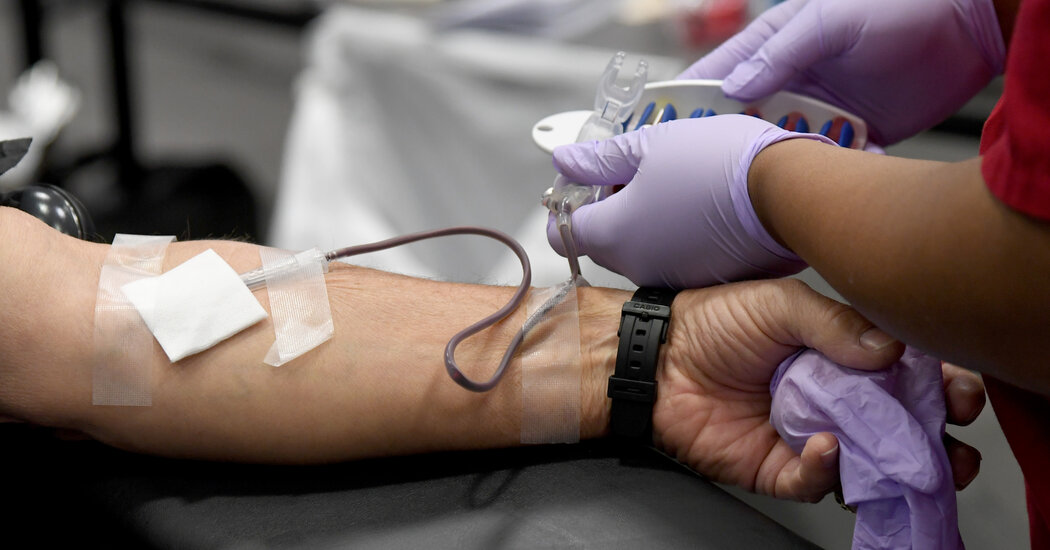
The supply in the United States has fallen nearly 25 percent since early August, the organization said.The blood supply in the United States has dropped to critically low levels, in part because of “back-to-back months of worsening climate-related disasters,” the American Red Cross said on Monday.The national supply has fallen nearly 25 percent since early August, and Hurricane Idalia, which made landfall in Florida late last month, caused more than 700 units of blood and platelets to go uncollected, the organization said in a news release.The distribution of blood was outpacing the number of donations, officials said, adding that 2,500 hospitals and transfusion centers rely on the Red Cross to collect 12,500 blood donations each day.Donor turnout last month also dropped after one of the busiest travel seasons on record, along with back-to-school activities, contributing to a shortfall of 30,000 donations.“For so many patients living with urgent medical care needs, crises don’t stop with natural disasters,” Dr. Pampee Young, chief medical officer for the American Red Cross, said in a statement. “In fact, in some instances the stress of a disaster can lead to a medical crisis for some individuals battling sickle cell disease.”Dr. Young said that the need for blood was constant, and that someone in the United States needs blood every two seconds.With the Atlantic hurricane season now peaking, Red Cross officials have turned a watchful eye to the coastlines and were monitoring the track of Hurricane Lee, although it was unclear whether the storm would pose a threat to the United States. If it does, the Red Cross said the storm could further disrupt the collection of blood products.The demand for blood is not new, and the Red Cross has issued warnings in the past. In the summer of 2021, the Red Cross announced a blood shortage, causing some hospitals to slow the pace of elective surgeries until blood levels had rebounded. Another shortage was announced the year before, when donation centers had to close because of the coronavirus pandemic.

Read more →

Covid Vaccines May Roll Out Within Days

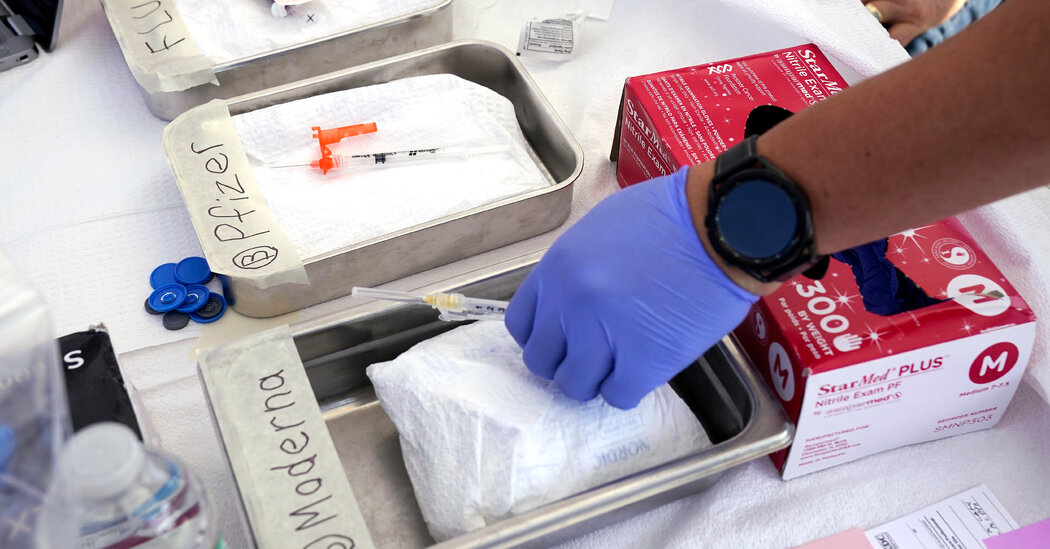
The F.D.A. is expected to approve a new round of shots by Pfizer and Moderna as early as Monday to prepare Americans for the fall and winter season when infections usually tick upward.The latest Covid boosters are expected to be approved by the Food and Drug Administration as early as Monday, arriving alongside the seasonal flu vaccine and shots to protect infants and older adults from R.S.V., a potentially lethal respiratory virus.The Centers for Disease Control and Prevention is expected to follow up on Tuesday with an advisory meeting to discuss who should get the new shots, by Pfizer-BioNTech and Moderna. After a final decision by the C.D.C.’s director, millions of doses will be shipped to pharmacies, clinics and health systems nationwide within days.As Covid cases creep up, the prevention measures could portend the first winter of the decade without a crush of patients pushing hospitals beyond capacity. But a healthy winter is far from a lock: Last year, the updated Covid vaccine made it into the arms of only 20 percent of adults in the United States.Some experts view that statistic with little alarm because the number of Covid deaths slowed over the last year, thanks to an increasingly immune population and higher vaccine rates among older Americans. Others see this year as an opportunity to protect more vulnerable people from severe illness or death.“We now have some really good tools,” said Dr. Marcus Plescia, chief medical officer of the Association of State and Territorial Health Officials, a public health group. “It’s just — what is it going to take to get people comfortable with using them?”Federal officials have been retreating from labeling the new formulation as boosters to previous shots, preferring to recast them as an annual immunization effort akin to the flu vaccine. That shift may reflect concern over the fatigue that some Americans have expressed about yet another round of shots against the virus.The vaccine campaign will also be the first since the end of the public health emergency, which expired in May. In previous years, the U.S. government bought hundreds of millions of vaccine doses and distributed them for free. This year, private insurance and government payers like Medicare that cover the vast majority of Americans are expected to provide the vaccines to people for no fee.But the question remains whether the private market of hospitals, clinics and pharmacies will be able to calibrate their vaccine orders to stock a realistic supply. Experts are uncertain how much demand there will be for the latest shots.“There could be a period in here where things are a little bit chaotic, and that’s never a good situation,” Dr. Plescia said.Packing the Moderna vaccine at a distribution center in Mississippi in 2020. This year, vaccine makers are expected to donate doses for the uninsured.Paul Sancya/Agence France-Presse — Getty ImagesAlso of concern in the handoff to the private market: the nation’s 23 million adults with no health insurance. The Biden administration has made plans to cover costs and offer the Covid vaccine through local clinics and major pharmacies, but some experts are worried about whether people who lack insurance will be aware of the new shots — or where to get them.“They don’t have an insurer sending them leaflets — they may not have a usual source of care,” said Anthony Wright, executive director of Health Access, a California advocacy group. “And so the trusted messenger of their health plan, their doctor, their clinic, is not there saying, ‘It’s no cost. It’s really easy.’”Vaccine manufacturers are expected to donate doses for the uninsured. Kelly Cunningham, a spokeswoman for Moderna, said the company had no cap on the number of Covid vaccine doses it planned to donate.The latest shots are becoming available as Covid hospitalizations and deaths are rising slightly, albeit not to the levels of past years. In the week ending Aug. 26, there were 17,400 people admitted to the hospital — more than about 6,000 at a low point this summer. Deaths were also up to about 600 a week last month, though far lower than the weekly average of 14,000 deaths of 2021.Once the vaccines are approved and the C.D.C. signs off, the Biden administration plans to urge the public to get their Covid and flu shots at the same time, a practice that has been studied and deemed safe, an administration official said. It’s a messaging effort they expect to share with major vaccine makers, which will be marketing the Covid doses commercially for the first time.Walgreens and CVS said they both already have the updated flu and R.S.V. shots available in stores. Once Covid vaccine approvals are in place, Dr. Kevin Ban, Walgreens’ chief medical officer, said the chain would have the new shots on hand “as soon as possible.” A CVS spokesperson said doses could be arriving later this week. Representatives of both chains said the Covid shot would be available at no cost to all who are eligible under the C.D.C. guidelines expected Tuesday.Targeted populations most certainly will include people 65 and older as well as those who are immunocompromised or have serious underlying medical conditions that leave them more susceptible to severe illness from the virus.Nursing homes, some of which were host to inoculation teams from the major drugstore chains when vaccines first became available, are now relying on their usual long-term-care pharmacies to supply most vaccines. But many homes have fallen behind on booster rates: Recent Medicare data show that about 62 percent of residents are up-to-date on their shots even though older adults are among the most vulnerable to severe disease and death from the virus.The new Covid vaccines target the XBB.1.5 variant, which was dominant when vaccine makers began to formulate and test a new version. Though the virus has had a rotating cast of variants, experts say the new Covid jab should fortify protections against severe infection.Recent fears that one newer, highly mutated variant would escape the vaccine proved unfounded by reputable independent labs, said Fikadu Tafesse, an associate professor of molecular microbiology and immunology at Oregon Health & Science University. The C.D.C. also reviewed studies on the matter and confirmed Friday that the vaccine was holding strong.“We were really getting ready for no response at all, but the data is very, very promising,” Dr. Tafesse said.A production line of Pfizer’s Covid vaccine in Michigan. As with previous shots, the latest vaccine won’t eliminate the chances of getting the disease, but is expected to reduce the chances of severe illness, hospitalization or death.Pfizer, via Associated PressAs with earlier shots, the updated ones are not expected to eliminate the chances of contracting a mild case of Covid. Instead, they are expected to reduce the chances of severe illness, hospitalization or death. The first Covid vaccines, given in early 2021 and targeting the initial form of the virus that emerged in Wuhan, had an efficacy rate of about 95 percent, meaning that far fewer vaccinated people became sick than those who were not immunized.As the first vaccine’s potency waned with newer Omicron variants, a bivalent booster was approved in August 2022 that targeted the initial virus and BA.5, which was dominant at the time. That shot led to fewer people with Covid being hospitalized, dropping over several months to 25 percent from 60 percent..The latest mRNA vaccines by Pfizer and Moderna is called a monovalent because it was aimed at one variant of Omicron, XBB.1.5., and unlike earlier boosters does not include protection against the original virus that caused widespread infections in China more than three years ago. But experts and researchers say that it should provide protection against many of Omicron’s variants.Pfizer and Moderna reported that their vaccines had a potent response to the newest circulating variants, though only Moderna posted its initial data on Thursday. But researchers continue to discuss how well it will stand up to new variants. The F.D.A. has mainly reviewed results submitted by the companies of animal or smaller human studies of immune response.Jerica Pitts, a spokeswoman for Pfizer, said the data submitted by the company to the F.D.A. in June involved tests in animals. Trials following people who received the shot are continuing, she said.Moderna submitted data to the F.D.A. on the immune response of 100 people to the new shots, which the company said in June “robustly elicit neutralizing antibodies” against XBB variants.John Moore, a professor of virology and immunology at Weill Cornell Medicine, said he was not impressed with the latest results. He said the new shot showed an immune response similar to last fall’s booster. That means that although the new shot will be worth getting, “it’s nothing remotely like a game changer.”Regulators are also considering whether to authorize a booster dose from Novavax, which employs a different but widely used technology for its coronavirus vaccine. That shot could be authorized in the coming weeks, giving some Americans who may prefer Novavax’s formulation as an alternative to the vaccines offered by Moderna and Pfizer-BioNTech.Dr. Daniel Griffin, an infectious disease physician at Columbia University in New York, said getting the Covid shot in late October would provide robust protection at a time when people gather for holidays, and would help stop the virus’s spread to the most vulnerable, including older adults, pregnant people and those with compromised immune systems.And while many might be weary of the social-protection argument, he said they could lessen their own odds of a more serious outcome.“So a younger individual may say, ‘I’m not going to get a booster for the public health,’” Dr. Griffin said, “‘but I am going to get a booster because if I can reduce my chance of getting Covid, I can reduce my chance of long Covid.’”Noah Weiland and Carl Zimmer contributed to this report.

Read more →

Global Regulation of Essential Medicines Is a Dangerous Mess

In April, a pregnant woman died at a hospital in Kandy, Sri Lanka, of complications blamed on an anaesthetic manufactured in India. A few months earlier, Indian-made cough syrups were linked to the deaths of children in Gambia and Uzbekistan. Substandard medicines also were found this year in the Marshall Islands and Micronesia before they could do any harm.These incidents in far-flung corners of the world reveal the contours of a global crisis of unsafe drugs that inordinately affects poor countries. Over the past two decades, India emerged as the “pharmacy of the developing world,” the leading manufacturer of generic drugs and medicines, producing more than 20 percent of the world’s supply. This has helped to make a range of medicines available to poor patients around the world who previously had to do without.Today, however, India stands accused of distributing death, as its regulators fail to prevent the manufacture and export of substandard medicines. But this isn’t entirely a made-in-India problem. There is a dirty secret in global health: Rich countries get quality medicines, the poor sometimes get poison.The problem lies mainly in regulatory inequities between rich and poor nations. Developed countries have well-funded regulators keeping an eye on the safety and quality of drugs. India’s output, however, is overseen by its Central Drugs Standard Control Organization, an opaque agency that has long faced allegations of mismanagement and corruption. Many developing nations don’t have the resources to properly vet imported medicines.The World Health Organization estimated in 2017 that one in 10 medicines sold in low- and middle-income countries were thought to be substandard or falsified. Independent modeling studies based on those numbers indicate that this could result in as many as 285,000 children dying every year from malaria and pneumonia. The W.H.O. has not released more recent numbers, and there is limited data on exactly how much of this comes from India.The global drug supply system is a vast and complex network. As of 2021, India manufactured 62 percent of the raw materials for drugs, known as active pharmaceutical ingredients. China manufactures 23 percent, and the United States and Europe make most of the remainder. These ingredients get shipped all over the world and are turned into drugs that have to be vetted by national regulators with varying levels of oversight and quality standards. The resulting medicines and vaccines enter intricate supply chains and end up being administered to pregnant women in Sri Lanka and coughing children in Gambia.The recent deaths bring with them a strong sense of déjà vu. As H.I.V. spread in the 1990s, new antiretroviral treatments first developed in the United States were locked in patent monopolies, which kept prices high and delayed the introduction of affordable generics. The monopolies prevented these lifesaving treatments from getting to patients in Africa — where the H.I.V. crisis was snowballing — for nearly a decade. In 2003 alone, an estimated 3 million people in sub-Saharan Africa were newly infected, and 2.2 million died of AIDS. By 2004, the region — then home to around 10 percent of the world’s population — had close to two-thirds of all people living with H.I.V., some 25 million. This tragedy led, however, to one of the greatest and least celebrated successes in global health.By 2001, the Indian drug maker Cipla had begun making an antiretroviral treatment that cost less than $1 a day. Patents on pharmaceutical products were not recognized under Indian law at the time, allowing India’s generic pharmaceutical industry to reverse-engineer H.I.V. drugs. It was a watershed moment. By 2002, the average annual cost of antiretrovirals plummeted from as much as $15,000 per patient in the 1990s to as little as $300 — and India was on its way to becoming the pharmacy of the world.As Indian-made drugs began flowing across the globe, the W.H.O. in 2001 set up a groundbreaking program to monitor safety and quality, called the Prequalification of Medicines Program or P.Q.P., which set global standards for H.I.V. medicines made by different nations. A year later, it was expanded to include medicines used to treat tuberculosis and malaria. With that, there was new hope in the fight against three of the biggest plagues of our time. The program is one of those unsung policies that keep the global health structure ticking.The P.Q.P. effectively became a de facto drug approval authority for developing countries, and today it assures the safety of over 1,700 medical products — including medicines, vaccines, diagnostics and a wide range of other medical and disease-control equipment. Yet it does not cover all “essential medicines,” a regularly updated W.H.O. list of hundreds of drugs ranging from antibiotics to opioids and anesthetics that are considered vital for any basic health care system.The program should be expanded to cover all of these medicines. However, it relies largely on voluntary and potentially unsteady philanthropic funding from organizations like the Gates Foundation. Expanding it will surely require more funding, which should be borne by W.H.O. member states.American and European regulators can and do conduct their own on-site inspections of foreign facilities churning out essential medicines. India has the largest number of Food and Drug Administration-approved plants outside the United States. But many developing nations remain vulnerable.The recent deaths have drawn new attention to drug safety. The African Union is setting up its own drug regulatory agency. Last month, a Gambian government task force recommended suing the Indian government over deadly cough syrup. Yet the administration of Prime Minister Narendra Modi of India last month pushed a bill through Parliament that features lighter punishments for manufacturing substandard medicines, highlighting why individual nations cannot be relied on to address the problem.India needs to clean up its act for its own good — its growth into a powerhouse of generic drug production has polluted its rivers with antibiotic waste, spawned dangerous superbugs and made it a global hot spot for drug-resistant tuberculosis. For the rest of the world, the main benefit of India becoming the pharmacy of the poor was to break Big Pharma’s control of lifesaving medicines. More cases involving deadly Indian-made medicines could undo that positive achievement by causing irreparable harm to the global reputation of cheap generics.Our response to the Covid pandemic was far from perfect, but it showed that the world can come together during an emergency, scaling up vaccine production and vaccination rates. W.H.O. member-states are now discussing a new pandemic treaty, which would have been unprecedented a few years ago.For much of the pandemic the United States, the European Union, the United Kingdom and other developed nations presented a unified stand to protect the patent monopolies of their Covid vaccine manufacturers. Similar urgency and solidarity must be shown toward the scourge of substandard medicines.Equal access to quality health care, regardless of wealth, nationality or race, is a global civil rights issue. Until that right is assured, millions will remain vulnerable to the next pandemic.Vidya Krishnan (@VidyaKrishnan) is an Indian journalist specializing in health issues and is the author of “The Phantom Plague: How Tuberculosis Shaped History.”Source photographs by Irena Sowinska, Monty Rakusen, Tek Image, Carlos Duarte, Jordan Lye, FotografiaBasica, and Thomas Barwick/Getty ImagesThe Times is committed to publishing a diversity of letters to the editor. We’d like to hear what you think about this or any of our articles. Here are some tips. And here’s our email: letters@nytimes.com.Follow The New York Times Opinion section on Facebook, Twitter (@NYTopinion) and Instagram.

Read more →

Covid vaccines at care homes as BA.2.86 variant spreading

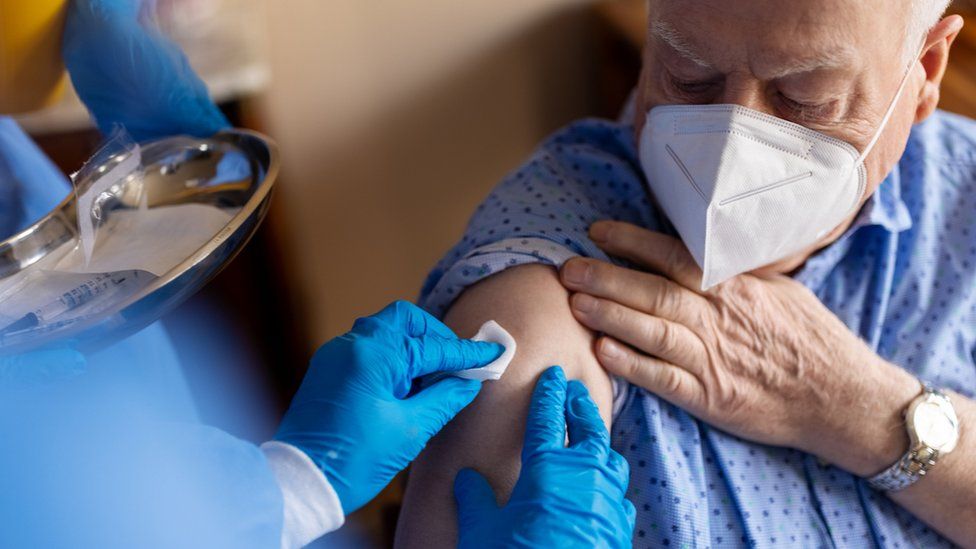
Published2 hours agoShareclose panelShare pageCopy linkAbout sharingImage source, Getty ImagesBy Michelle RobertsDigital health editorThe NHS is starting to give booster shots of Covid and flu vaccine to older people living in care homes in England over concerns about a highly-mutated new Covid variant that is spreading. The faster-than-planned rollout, which begins on Monday, is to quickly top up the protection of those at most risk.There have been 34 confirmed cases of BA.2.86 in England, with 28 of those behind a Norfolk care home outbreak.It is too early to know if it is more serious than past variants.Starting with adult care homes and people who are housebound, other eligible groups will begin to be invited for their shots soon afterwards.Scotland, Wales and Northern Ireland have also brought forward the booster rollout to early September. People who can have a Covid booster include: residents in a care home for older adultsall adults aged 65 years and overpeople aged six months to 64 years in a clinical risk groupfrontline health and social care workerspeople aged 12 to 64 who are household contacts of people with weakened immune systemspeople aged 16 to 64 who are carers, and staff working in care homes for older adultsLast autumn, all over-50s were offered an extra dose, but the government’s advisers on vaccines recommended that only over-65s should automatically be included this year.The NHS will contact those who are eligible. People in England will be able to book their jabs through the NHS website, the NHS app or by calling 119 from 18 September. Who can get a Covid booster this autumn?Several Covid vaccines are being used across the UK, including ones made by Pfizer-BioNTech, Moderna, and Sanofi/GSK. All of them have been updated to make sure they more closely match recent new variants of Covid.The top-up dose helps improve protection against becoming seriously ill from Covid-19.People are advised to take whichever brand they are offered, as all protect against severe illness or death.Like all medicines, no vaccine is completely effective. Some people may still get coronavirus despite having a vaccine, but any illness should be less severe.Free flu vaccines are being offered to:all adults aged 65 years and over in England and Wales, and aged 50 or over in Northern Ireland and Scotlandpeople aged six months to under 65 years in clinical risk groups pregnant womenall children aged two or three years on 31 August 2023school-aged children (from Reception to Year 11)people in long-stay residential care homescarers in receipt of carer’s allowance, or those who are the main carer of an elderly or disabled personclose contacts of immunocompromised individualsfrontline care workers Flu and Covid shots can safely be given together at the same appointment. Prof Susan Hopkins, chief medical advisor at the UK Health Security Agency (UKHSA), told BBC Breakfast that the boosters had been brought forward as part of a “highly precautionary approach”.She said: “We’re seeing a new variant circulating that we are worried may envade the immune system more than variants that have been circulating in the past, and therefore we want to boost the immunity of those people most at risk of severe infection.” The chief medical advisor added the vast majority of people will have immunity from an infection or vaccinations.What is BA.2.86 new Covid variant?The UKHSA’s latest briefing on Covid includes an analysis on BA.2.86, an Omicron spin-off.It says cases are being seen in many countries around the world. Dr Renu Bindra, UKHSA incident director, said: “UKHSA scientists are working with international partners to culture the samples and analyse the evidence as it becomes available.”However, it is likely to be some time before we have enough data to make a confident assessment.”It is clear that there is some degree of widespread community transmission, both in the UK and globally, and we are working to ascertain the full extent of this.”In the meantime, it remains vital that all those eligible come forward to receive their autumn vaccine as soon as it is offered to them.”It is also too soon to know if the symptoms are any different from earlier versions of Covid, but the changes the virus has undergone through mutations is on a par with the shift from Delta to Omicron.What are the symptoms?Loss of smell and taste was one of three key Covid symptoms (along with cough and fever) identified in the first two years of the pandemic. But it appeared to be much less common with the Omicron infections that came later. Have I got Covid, a bad cold or something else?Testing for Covid has been massively scaled back, making it difficult to know how many people in the UK might have it. For example, most people are not required to test if they feel ill and think they might have Covid, but are advised to stay at home and avoid contact with others. There is some testing being done in hospitals – cases of Covid have been rising in recent weeks, which suggests there is more around in the community too. According to US experts, existing tests, for detection, and medications, for treatment, appear to work still for BA.2.86. Sign up for our morning newsletter and get BBC News in your inbox.More on this storyWho can get another Covid jab this autumn?Published5 days agoNew Covid variant behind care home outbreakPublished2 days agoRelated Internet LinksSARS-CoV-2 variant surveillance and assessment- technical briefing 53 – UKHSAThe BBC is not responsible for the content of external sites.

Read more →