Overlooked No More: Margaret Chung, Doctor Who Was ‘Different From Others’
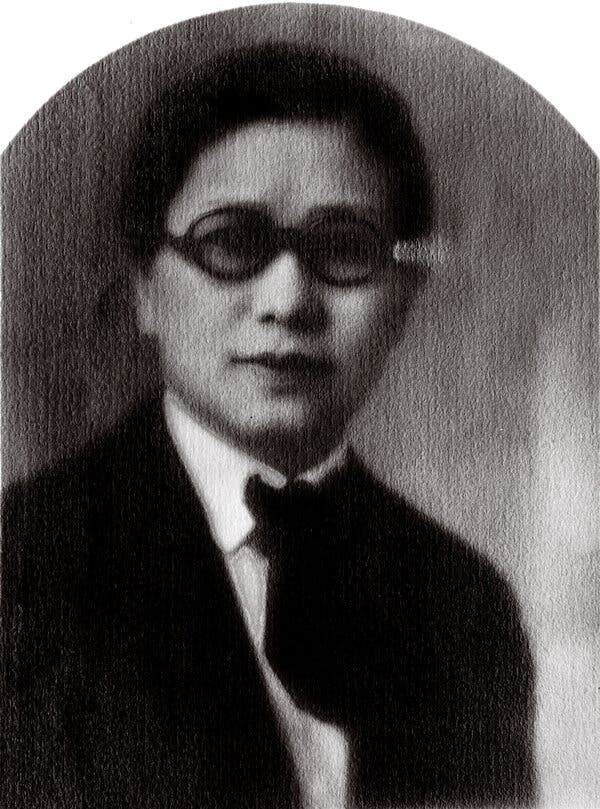
This article is part of Overlooked, a series of obituaries about remarkable people whose deaths, beginning in 1851, went unreported in The Times.Margaret Chung knew from age 10 that she wanted to become a medical missionary to China. She was inspired by stories her mother had told of life in a mission home, where her mother stayed as a child after emigrating from China to California. She named Margaret after the home’s superintendent.Religion was an important part of young Margaret’s life in California. She was raised in a Presbyterian household, where her father insisted that the family pray before every meal and sang hymns with the children before bed.So it was a blow that after graduating from medical school, at the University of Southern California, in 1916, her application to be a medical missionary was rejected three times by administrative boards. Though she had been born on United States soil, she was regarded as Chinese, and no funding for Chinese missionaries existed.Still, following that dream led her to a different accolade: Chung became the first known American woman of Chinese ancestry to earn a medical degree, according to her biographer.She opened a private practice in San Francisco’s Chinatown. It was one of the few places that would provide Western medical care to Chinese and Chinese American patients, who were often scapegoated as the source of epidemics and turned away by hospitals. (Her father died after he was denied treatment for injuries he sustained in a car accident.)As a physician and surgeon during the Second Sino-Japanese War (beginning in 1937) and World War II, she was praised for her patriotic efforts, including starting a social network in California for pilots, military officials, celebrities and politicians that she leveraged to help in recruitment for the war and to lobby for the creation of a women’s naval reserve.Every Sunday she hosted dinners for men in the military, catering for crowds of up to 300 people, who called her “Mom.” Her efforts caught the attention of the press, which portrayed her as representing unity between China and the U.S., allies in the war.Margaret Jessie Chung was born on Oct. 2, 1889, in Santa Barbara, Calif. At the time, the 1882 Chinese Exclusion Act was in full force. Her parents, who had immigrated from China in the 1870s, were barred from obtaining U.S. citizenship under the act. They faced limited job opportunities, so the family moved around California as they looked for work. Her father, Chung Wong, was a former merchant who toiled on California farms and sold vegetables. Her mother, Ah Yane, also farmed and sometimes worked as a court interpreter.Margaret herself was no stranger to hard labor. She took on farming chores when her parents were unwell and helped raise all 10 of her siblings, duties that disrupted her schooling; she did not complete the eighth grade until she was 17. To fund the rest of her education, she spent summer evenings knocking on doors to sell copies of The Los Angeles Times as part of a competition for a scholarship, which she won. It paid for preparatory school, which enabled her to gain acceptance to the University of Southern California College of Physicians and Surgeons in 1911.“As the only Chinese girl in the U.S.C. medical school, I am compelled to be different from others,” she said in a 1913 interview. She reinvented herself as “Mike,” slicking back her black hair and dressing in a long blazer draped over a shirt and tie, completing the outfit with a floor-length skirt. She worked throughout college, sometimes scrubbing dishes at a restaurant while studying textbooks propped on a shelf.After she graduated and was rejected as a medical missionary, Chung turned to surgery, performing trauma operations at Santa Fe Railroad Hospital in Los Angeles. Touring musicians and actors used the hospital; most famously, she removed the actress Mary Pickford’s tonsils.Chung soon established her own private practice in Los Angeles, with a clientele that included actors in the movie industry’s early days in Holllywood.In medical school, Chung reinvented herself as “Mike” and dressed in a blazer and tie.Margaret Chung Papers, The Ethnic Studies Library, University of California, BerkeleyWhile accompanying two patients to San Francisco, Chung fell in love with the city’s landscape, its dramatic hills cloaked in fog. After learning that no doctor practiced Western medicine in the city’s Chinatown, home to the largest Chinese American population in the country, she left her Los Angeles practice and set up a clinic on Sacramento Street in 1922.San Francisco was isolating. People from the community invited Chung out, but she declined, writing in her unpublished autobiography, “I was embarrassed because I couldn’t understand their flowery Chinese.” Rumors persisted that because she was single, she must have been interested in women. She was protective of her personal life, but her biographer, Judy Tzu-Chun Wu, said Chung had frequented a North Beach speakeasy with Elsa Gidlow, who openly wrote lesbian poetry. Chung’s practice initially had difficulty attracting patients. But as word spread, her waiting room filled, in some cases with white tourists curious to see her Chinese-inspired furniture and her consultation room, whose walls were plastered with pictures of her celebrity patients.Years of planning and community fund-raising culminated in the opening of San Francisco’s Chinese Hospital in 1925. Chung became one of four department heads, leading the gynecology, obstetrics and pediatrics unit while still running her private practice.When Japan invaded the Chinese province of Manchuria in September 1931, an ensign in the United States Naval Reserves, looking to support the Chinese military, visited Chung at her practice. She invited the man, who was a pilot, and six of his friends for a home-cooked dinner. It was the first of many that she would host almost every night for months. It was, she wrote in her autobiography, “the most selfish thing I’ve ever done because it was more fun that I had ever known in all my life.”Chung in 1937 with war relief supplies she planned to send to China.Chinese DigestEvery Sunday, “Mom” personally catered suppers for hundreds of her “boys.” By the end of World War II, her “family” swelled to about 1,500. To help keep track, everyone had a number and group: Leading pilots were the Phi Beta Kappa of Aviation; those who could not fly (including celebrities and politicians) were Kiwis; and the submarine units were Golden Dolphins.She called upon influential members of her network to secretly recruit pilots for the American Flying Tigers, an American volunteer group that pushed back against Japan’s invasion of China. She also enlisted two of her Kiwis to introduce a bill in the U.S. House and Senate that led to the creation of Women Accepted for Volunteer Emergency Services in 1942, a naval group better known as the WAVES. Eager to support her country, she sought to join the group but her application was rejected.Despite her efforts, no official recognition of her contributions ever came. After the war ended, attendance at her Sunday dinners dwindled. Nevertheless, Chung continued to practice medicine, visit her military “sons” and write her memoir.She died of ovarian cancer on Jan. 5, 1959. She was 69.

Read more →

Incubator or barrier? Exploring the links between agriculture, biodiversity and the spread of pathogens

Many pathogens, including the virus that causes COVID-19, are thought to have originated in wild animals before spilling into human populations.
Agriculture is often blamed for accelerating this process, which is known as zoonotic spillover, through deforestation and habitat fragmentation that reduce biodiversity and increase the likelihood of contact between infected wildlife and humans.
But in a Perspectives article published online Sept. 15 in the journal One Earth, University of Michigan ecologist Ivette Perfecto and her colleagues argue that agriculture can both help and hinder: It can act as an incubator of novel animal-borne microbes, facilitating their evolution into human-ready pathogens, or it can form barriers that help block their spread.
To prevent zoonotic spread and spillover in the future, it’s important to promote agricultural practices that boost biodiversity and create pathogen barriers, while minimizing conditions that form incubators, according to the authors.
“Many people assume that agriculture is always in conflict with biodiversity conservation, but that’s not always the case,” said Perfecto, a professor at the U-M School for Environment and Sustainability.
“It’s true that large-scale industrial monocultures are notorious for destroying biodiversity. As biodiversity declines locally, the normally species-rich collection of animals is reduced to a few species that are likely to harbor pathogens that may already be — or certainly have the potential to evolve into — pathogens that can infect humans.”
For example, monocultures of corn attract large populations of mice, which tend to harbor potential zoonotic pathogens. Palm-oil plantations attract large populations of bats that feed on palm fruits. Bats and mice are generally known sources of zoonoses, defined as infections or diseases that are transmissible from animals to humans.

Read more →

Study finds significant chemical exposures in women with cancer

In a sign that exposure to certain endocrine-disrupting chemicals may be playing a role in cancers of the breast, ovary, skin and uterus, researchers have found that people who developed those cancers have significantly higher levels of these chemicals in their bodies.
While it does not prove that exposure to chemicals like PFAS (per- and poly-fluoroalkyl substances) and phenols (including BPA) led to these cancer diagnoses, it is a strong signal that they may be playing a role and should be studied further.
The study showed that particularly for women, higher exposure to PFDE, a long-chained PFAS compound, had double the odds of a previous melanoma diagnosis; women with higher exposure to two other long-chained PFAS compounds, PFNA and PFUA, had nearly double the odds of a prior melanoma diagnosis.
The study showed a link between PFNA and a prior diagnosis of uterine cancer; and women with higher exposure to phenols, such as BPA (used in plastics) and 2,5-dichlorophenol (a chemical used in dyes and found as a by-product in wastewater treatment), had higher odds of prior ovarian cancer diagnoses.
The study was conducted by researchers from UC San Francisco (UCSF), University of Southern California (USC) and University of Michigan, all of whom are part of a National Institutes of Health-funded Environmental Health Sciences Core Centers.
They used data from blood and urine samples from more than 10,000 people in the National Health and Nutrition Examination Survey (NHANES). They investigated current exposure to phenols and PFAS in relation to previous cancer diagnoses, and explored racial/ethnic disparities in these associations.
The study appears Sept. 17, 2023, in the Journal of Exposure Science and Environmental Epidemiology.

Read more →

What is the carbon footprint of a hospital bed?

Researchers from the University of Waterloo completed the first-ever assessment of a Canadian hospital to reveal its total environmental footprint and specific carbon emission hotspots.
Studying a hospital in British Columbia during its 2019 fiscal year, the researchers identified energy and water use and purchasing of medical products as the hospital’s primary hotspots, accounting for over half of the yearly footprint, totalling 3500-5000 tons of CO2 equivalent. One hospital bed is roughly equivalent to the carbon footprint of five Canadian households.
The new method brings an unprecedented level of comprehensiveness and detail to hospital emissions data that can equip administrative leaders to assess which improvements to focus on to meet their environmental commitments.
“In our work, we often find that the biggest environmental footprints are where you least expect them to be. As the adage goes: out of sight, out of mind,” said Alex Cimprich, a postdoctoral fellow in the School of Environment, Enterprise and Development. “The goal is to make hidden environmental footprints more visible so that we can start to manage them.”
The researchers calculated the carbon footprint by assessing thousands of unique products purchased by hospitals and using a combination of statistical sampling and calculations of carbon intensity — CO2 equivalent per dollar spent — for the sampled products. The approach is distinct from commonly used environmental assessments that give a rough overall estimate because it employs a bottom-up approach.
“The results suggest that hospital sustainability initiatives need to look further to achieve deeper emissions reductions,” said Cimprich. “While transportation of patients and products supplied to hospitals and hospital waste are visible areas of environmental concern, other more hidden areas like the supply-chains of medical products could have much bigger environmental footprints.”
Future research could zoom in on the hotspots identified, and the new approach could also be applied to other hospitals and other types of healthcare facilities, such as primary care or long-term care, or even organizations outside the healthcare sector.

Read more →

Step change in upconversion the key to clean water, green energy and futuristic medicine

Achieving photochemical upconversion in a solid state is a step closer to reality, thanks to a new technique that could unlock vital innovations in renewable energy, water purification and advanced healthcare.
Exciton Science researchers based at UNSW Sydney have demonstrated that a key stage in the upconversion process can be achieved in the solid state, making it more likely that a functioning device can be manufactured at commercial scale. Possible applications include hydrogen catalysis and solar energy generation.
Their work has been published in the high-impact journal ACS Energy Letters and is likely to drive major changes in the approach of scientists around the world researching this challenging but potentially transformational field.
Professor Tim Schmidt of UNSW Sydney, an Exciton Science Chief Investigator and the senior author on the paper, said: “I think people are going to immediately start copying us. I consider this a breakthrough because this approach can be adapted to upconverting into the ultraviolet or from the infrared. There’s so much we can do with it.”
Upconversion involves gluing two low-energy photons of light together to create more energetic, visible light, which can be captured by solar cells or harnessed for other purposes.
The technical term for the gluing process is ‘triplet-triplet annihilation’, which produces a ‘singlet exciton’. An exciton is a quasiparticle which exists when an electron and the hole it is bound to becomes excited by light or another source of energy.
Controlled and reliable triplet-triplet annihilation and the photochemical upconversion it enables could raise the efficiency limit of solar energy devices from 33.7% to 40% or beyond.

Read more →

'Circular logic' of RNAs in Parkinson's disease

Researchers are gaining new insights into neurological diseases by studying circular RNAs (circRNAs) in brain cells. A new study by investigators from the Brigham and Women’s Hospital, a founding member of the Mass General Brigham healthcare system, identified over 11,000 distinct RNA circles that characterized brain cells implicated in Parkinson’s disease and Alzheimer’s disease. Their results are published in Nature Communications.
“Circular RNA has long been cast aside as junk, but we believe it has an important role in programming human brain cells and synapses,” said corresponding author Clemens Scherzer, MD, of the Department of Neurology and the American Parkinson Disease Association Center for Advanced Parkinson Research at Brigham. “We found that these circular RNAs were produced in large quantities by brain cells, including those associated with Parkinson’s and Alzheimer’s.”
Scherzer and colleagues laser-captured neurons from 190 frozen postmortem human brain samples, including some non-neuronal cells for comparison. Then, they used ultra-deep, total RNA sequencing to study the exact sequences of genetic code found in the circular RNAs within these two cell types.
They found that 61% of all synaptic circRNAs they characterized were associated with brain disorders. Notably, they found 4,834 cell-type specific circular RNAs in dopamine and pyramidal neurons, two highly functioning brain cells. Dopamine neurons control movement, mood, and motivation while pyramidal neurons play an important role in memory and language.
“It was surprising that the circular RNAs rather than the linear RNAs produced from these gene locations defined neuron identity,” said the first author Xianjun Dong, PhD, an assistant professor in the Department of Neurology and the Genomics and Bioinformatics Hub at the Brigham. “circRNA diversity provides finely tuned, cell type-specific information that is not explained by the corresponding linear RNAs from the same gene.”
Degeneration of these dopamine and pyramidal neurons plays a key role in the development of neurological disorders. When researchers investigated this connection further, they found that a surprising number of Parkinson’s and Alzheimer’s genes produced circular RNA. For example, expression of one circRNA produced from the Parkinson’s gene DNAJC6 was reduced in vulnerable dopamine neurons even prior to symptom onset.
“Naturally occurring circRNAs have the potential to serve as biomarkers for specific brain cells implicated in early, prodromal stages of a disease,” Scherzer said. “Circular RNAs cannot easily be broken down, making them a powerful tool as reporters and for delivering therapies. They could be rewritten synthetically and harnessed as future digital RNA medicines.”
The team identified that genes associated with different diseases produced circRNAs in particular cell types. For example, addiction-associated genes gave rise to circRNAs in dopamine neurons, autism-associated genes in pyramidal neurons, and cancer associated genes in non-neuronal cells.

Read more →

Engineered compound shows promise in preventing bone loss in space

A new study published in a Nature Partner Journal, npj Microgravity, finds an engineered compound given to mice aboard the International Space Station (ISS) largely prevented the bone loss associated with time spent in space. The study, led by a transdisciplinary team of professors at the University of California at Los Angeles (UCLA) and the Forsyth Institute in Cambridge, Massachusetts, highlight a promising therapy to mitigate extreme bone loss from long-duration space travel as well as musculoskeletal degeneration on Earth.
Microgravity-induced bone loss has long been a critical concern for long-term space missions. Decreased mechanical loading due to microgravity induces bone loss at a rate 12-times greater than on Earth. Astronauts in low Earth orbit may experience bone loss up to 1% per month, endangering astronaut skeletal health and increasing risk for fractures during long-duration spaceflight and later in life.
The current mitigation strategy for bone loss relies on exercise-induced mechanical loading to promote bone formation but is far from perfect for crewmembers spending up to six months in microgravity. Exercise does not always prevent bone loss, takes up valuable crew time, and may be contraindicated for certain types of injuries. The new study led by Chia Soo, MD, vice chair for research in the Division of Plastic and Reconstructive Surgery, professor in Departments of Surgery and Orthopaedic Surgery at UCLA David Geffen School of Medicine, investigated whether systemic delivery of NELL-like molecule-1 (NELL-1) can reduce microgravity induced bone loss. Discovered by Kang Ting, DMD, DMSc at the Forsyth Institute, NELL-1 is crucial for bone development and bone density maintenance. Professor Ting also led numerous studies to show that local delivery of NELL-1 can regenerate musculoskeletal tissues such as bone and cartilage.
Systemic delivery of NELL-1 aboard the ISS requires the team to minimize the number of injections. Ben Wu, DDS, PhD and Yulong Zhang, PhD at the Forsyth Institute enhanced NELL-1’s therapeutic potential by extending the molecule’s half-life from 5.5 hours to 15.5 hours without losing bioactivity, and bioconjugated an inert bisphosphonate (BP) to create a “smart” BP-NELL-PEG molecule that more specifically targets bone tissues without the common deleterious effects of BP.
The modified molecule was then extensively assessed by the Soo and Ting teams to determine the efficacy and safety of BP-NELL-PEG on earth. They found that BP-NELL-PEG displayed superior specificity for bone tissue without causing observable adverse effects.
To ascertain the practical applicability of BP-NELL-PEG in real space conditions, the researchers worked with Center for the Advancement of Science in Space (CASIS) and National Aeronautics and Space Administration (NASA) Ames to prepare extensively for the SpaceX CRS-11 mission to the ISS, where astronauts Peggy Whitson, PhD and Jack D. Fisher, MS carried out the studies. Half of the ISS mice were exposed to microgravity (“TERM Flight”) for a lengthy 9-week period to simulate the challenges of long-duration space travel, while the remaining mice were flown back to Earth at 4.5 weeks post-launch, for the first ever live animal return (“LAR Flight”) of mice in US history. Both TERM and LAR Flight groups were treated with either BP-NELL-PEG or phosphate buffered saline (PBS) control. An equivalent cohort of mice remained at the Kennedy Space Center and were treated similarly with BP-NELL-PEG or PBS to serve as normal Earth gravity (“Ground”) controls.
Both Flight and Ground mice treated with BP-NELL-PEG exhibited a significant increase in bone formation. The treated mice in space and on Earth displayed no apparent adverse health effects.

Read more →

That smell: New gut microbe produces smelly toxic gas but protects against pathogens

An international team of scientists led by microbiologist Alexander Loy from the University of Vienna has discovered a new intestinal microbe that feeds exclusively on taurine and produces the foul-smelling gas hydrogen sulfide. The researchers have thus provided another building block in the understanding of those microbial processes that have fascinating effects on health. This is also true of Taurinivorans muris: the bacterium shows a protective function against Klebsiella and Salmonella, two important pathogens. The results are currently published in Nature Communications.
What’s that smell?
The gut microbiome mediates our health in a myriad of ways. One of those ways is by contributing to the levels of hydrogen sulfide — the toxic gas responsible for foul smelling farts. Having small amounts of hydrogen sulfide in the gut is a good thing; in fact, it’s essential for a number of physiological processes, and can even protect against pathogens. Hydrogen sulfide-producing microbes in the gut may help “choke out” oxygen-dependent pathogens such as Klebsiella, making it harder for them to colonize.
However, excessive levels can have negative consequences and have been associated with gut inflammation and damage to the intestinal lining. Discovering the key players and processes that produce this noxious gas in our gut is a fundamental first step on the road to developing therapeutic interventions, for example, for inflammatory bowel disease.
Keeping young: the role of taurine
The bacterium Bilophila wadsworthia is one of the most important taurine utilizers in humans. In the current study, researchers led by Alexander Loy at CeMESS, the Centre for Microbiology and Environmental Systems Science of the University of Vienna, have discovered a new genus of hydrogen sulfide-producing bacteria in the mouse intestine. “The bacterium we described has a rather unbalanced diet,” explains Loy, “it specializes in consuming taurine.” Taurine is a semi-essential amino acid, which we synthesize in small amounts in our liver. However, we get most of our taurine from our diets — especially meat, dairy and seafood.
Like hydrogen sulfide, taurine is implicated in a smorgasbord of physiological processes. Recent studies have found a link between taurine and healthy ageing — it seems this nutrient may stave away age-related disease. In light of these findings, the discovery of a new gut microbe that feeds exclusively on taurine (aptly named Taurinivorans muris) is another piece of an exciting puzzle. “By isolating the first taurine degrader in the mouse gut, we’re one step closer to understanding how these gut microbes mediate animal and human health” explains Huimin Ye, lead author of the study.
To access sufficient taurine in the gut, however, Taurinivorans muris needs the help of other gut microbes to release it from bile acids. Taurine-containing bile acids are produced in the liver and are increasingly released into the intestine during a high-fat diet to help our body digest fats. The activities of the bacteria in the intestine in turn influence the bile acid metabolism in the liver. The results of the Viennese researchers therefore also contribute to a better understanding of these complex interactions in bile acid metabolism, which has an impact on processes and diseases throughout the body.
Taurine degrading microbes protect against pathogens
One of the most important functions of the symbiotic microbes in the gut is to defend against pathogens. The microbiome has a versatile arsenal of protective mechanisms — and utilizing taurine to create hydrogen sulfide is one of them. “Hydrogen sulfide may suppress the oxygen-dependent metabolism of some pathogens,” explains Ye. In the present study, the researchers found that Taurinivorans muris has a protective role against Klebsiella and Salmonella, two important gut pathogens. “The protective mechanism of Taurinivorans muris against pathogens may be via hydrogen sulfide but is essentially not yet fully understood” adds Alexander Loy. Taurine is one of the most important sources of hydrogen sulfide production in the gut. The study thus generates basic knowledge on the physiological interactions between the different gut microbes and their hosts, which is necessary to develop new microbiome-based therapies.

Read more →

Autoimmune diseases: Protein discovered as potential new target for therapies

Autoimmune diseases are complex illnesses, the causes of which are diverse and have not yet been fully explained. A research team at MedUni Vienna has now discovered an immunoregulatory protein that could be linked to the development of autoimmune diseases such as rheumatoid arthritis. The identified component of the immune system is called “Rinl,” which could provide a new target for the development of immunomodulatory therapies. The study results were recently published in the Journal of Experimental Medicine.
In the course of their research, the team led by Nicole and Ruth Herbst (Centre for Pathophysiology, Infectiology and Immunology at MedUni Vienna) found particularly high levels of Rinl in special immune cells, the T cells. Rinl, like its siblings Rin 1-3, is a member of the Ras interaction protein (Rin) family and is a comparatively young object of research. While a deficiency or excess of Rin 1-3 proteins has already been linked in recent years in international studies, for example, to cancer, Alzheimer’s disease or the spinal disease scoliosis, Rinl has so far been little researched.
Mechanism in the immune system deciphered
The function of this protein in the immune system has been clarified by the scientific team as part of the current study. “By analysing mouse models and cultures of human T cells, we have discovered that Rinl controls the development of follicular T helper cells, the Tfh,” say study leaders Nicole Boucheron and Ruth Herbst. Tfh are a subset of T cells and support the maturation of other essential components of the immune system, the B cells. Mature B cells, in turn, produce highly effective antibodies and thus play a major role in the body’s immune response: in vaccinations, a large amount of such antibodies is desired, but in autoimmune diseases such as rheumatoid arthritis (RA), they turn against the body’s own body and damage it. “Our study reveals the previously unknown mechanism of how Rinl controls the development of Tfh cells in various immunological reactions, such as during a viral infection or during a vaccination,” explains first author Lisa Sandner.
As the researchers’ investigations of patient data from public databases also showed, there is a low concentration of Rinl proteins in the T cells of rheumatoid arthritis (RA). Based on these results, the protein may represent a new target for the development of immunomodulatory therapies for RA: “Pharmacotherapies that control Rinl and Rinl-dependent signalling pathways could help alleviate the symptoms of RA,” Nicole Boucheron looks to the future. Conversely, interventions that inhibit Rinl could be used in immunodeficiency to help the body fight disease. Further research should confirm the results and show whether the Rinl protein can also open up new therapy options for other diseases that are associated with a disturbed immune response, particularly in the regulation of Tfh cells.

Read more →

Study shows nearly 300% increase in ADHD medication errors

Attention-deficit/hyperactivity disorder (ADHD) is among the most common pediatric neurodevelopmental disorders. In 2019, nearly 10% of United States (U.S.) children had a diagnosis of ADHD. Approximately 3.3 million children, or roughly 5 out of every 100 children in the U.S., are currently prescribed medication for ADHD.
In a new study, published today in Pediatrics, researchers at the Center for Injury Research and Policy and Central Ohio Poison Center at Nationwide Children’s Hospital investigated the characteristics and trends of out-of-hospital ADHD medication errors among people younger than 20 years old reported to U.S. poison centers from 2000 through 2021.
According to the study, the annual number of ADHD-related medication errors increased 299% from 2000 to 2021. During the study period, there were 87,691 medication error cases involving ADHD medications as the primary substance among this age group reported to U.S. poison centers, yielding an average of 3,985 individuals annually. In 2021 alone, 5,235 medication errors were reported, equalling one child every 100 minutes. The overall trend was driven by males, accounting for 76% of the medication errors and by the 6-12-year-old age group, accounting for 67% of the errors. Approximately 93% of exposures occurred in the home.
Among medication errors involving ADHD medications as the primary substance, the most common scenarios were: 54% — “Inadvertently taken/given medication twice” 13% — “Inadvertently taken/given someone else’s medication” 13% — “Wrong medication taken/given””The increase in the reported number of medication errors is consistent with the findings of other studies reporting an increase in the diagnosis of ADHD among U.S. children during the past two decades, which is likely associated with an increase in the use of ADHD medications,” said Natalie Rine, PharmD, co-author of the study and director of the Central Ohio Poison Center at Nationwide Children’s Hospital.
In 83% of cases, the individual did not receive treatment in a health care facility; however, 2.3% of cases resulted in admission to a health care facility, including 0.8% to a critical care unit. In addition, 4.2% of cases were associated with a serious medical outcome. Some children experienced agitation, tremors, seizures, and changes in mental status. Children younger than 6 years old were twice as likely to experience a serious medical outcome and were more than three times as likely to be admitted to a health care facility than 6-19-year-olds.
“Because ADHD medication errors are preventable, more attention should be given to patient and caregiver education and development of improved child-resistant medication dispensing and tracking systems,” said Gary Smith, MD, DrPH, senior author of the study and director of the Center for Injury Research and Policy at Nationwide Children’s Hospital. “Another strategy may be a transition from pill bottles to unit-dose packaging, like blister packs, which may aid in remembering whether a medication has already been taken or given.”
Although prevention efforts should focus on the home setting additional attention should be given to schools and other settings where children and adolescents spend time and receive medication.
Data for this study were obtained from the National Poison Data System (NPDS), which is maintained by America’s Poison Centers, formerly the American Association of Poison Control Centers (AAPCC). Poison centers receive phone calls through the national Poison Help Line (1-800-222-1222) and document information about the product, route of exposure, individual exposed, exposure scenario, and other data, which are reported to the NPDS.

Read more →