Feeling Terrible After Your Covid Shot? Then It’s Probably Working.
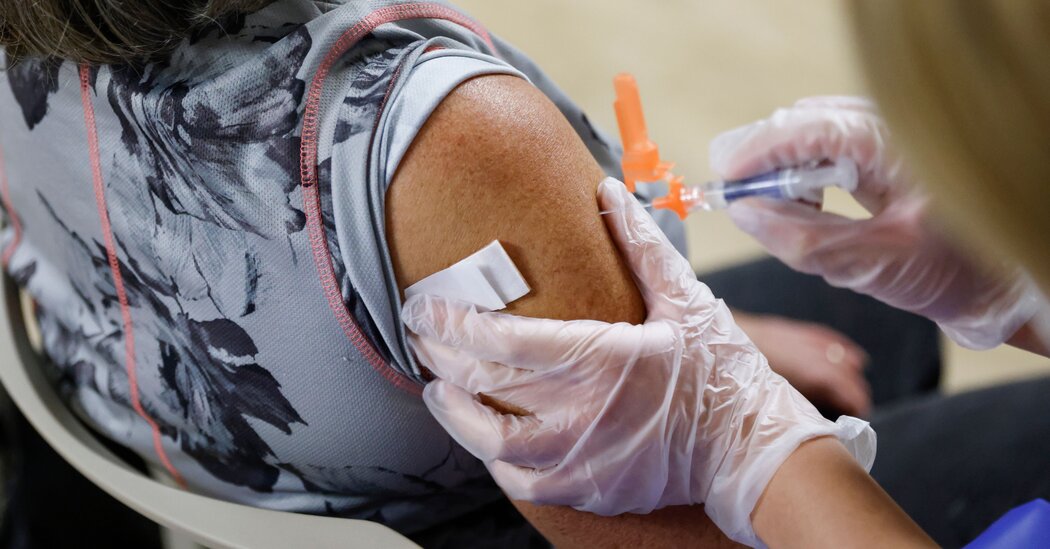
Fever, chills and fatigue may all be signs of vigorous antibody production, a new study finds.A new study has an encouraging message for Americans who shy away from Covid shots because of worries about side effects: The chills, fatigue, headache and malaise that can follow vaccination may be signs of a vigorous immune response.People who had those side effects after the second dose of a Covid vaccine had more antibodies against the coronavirus at one month and six months after the shot, compared with those who did not have symptoms, according to the new study. Increases in skin temperature and heart rate also signaled higher antibody levels.“We know that vaccine uptake can be challenging, and in some cases, it can be so because some people have strong reactions to the vaccine,” said Aric Prather, a clinical psychologist at the University of California, San Francisco, who led the study.“My hope is that this actually helps assuage some of those concerns,” said Dr. Prather, who studies how behavioral factors affect the immune system. “In fact, those symptoms, though they may be unpleasant, may actually be working for you.”The study was posted online last week. It has not been reviewed for publication in a scientific journal. But several experts said it was well done, and its results were consistent with those from other research.The relative increase in antibody levels among those who experienced side effects was small and doesn’t mean that people without symptoms don’t muster a strong immune response, experts said.“Lack of side effects should not be taken as a sign that the vaccine’s not working,” said Alessandro Sette, co-director of the La Jolla Institute of Immunology’s Center for Vaccine Innovation, who was not involved in the work.An earlier study found that 98 percent of people who felt no ill effects still produced copious amounts of antibodies, compared with 99 percent of those who had localized symptoms or worse, Dr. Sette said.Still, the new results suggest that people who have a rough time after vaccination are likely to be well protected from the virus. “If you’re feeling crappy, then odds are that you’re probably mounting a pretty reasonable immune response,” said Deepta Bhattacharya, an immunologist at the University of Arizona who was not involved in the new study.In research published last year, Dr. Bhattacharya and his colleagues looked at vaccine responses in 2,354 people, about half of whom took a painkiller to relieve side effects from the shot.In mice, nonsteroidal anti-inflammatory drugs, such as aspirin and ibuprofen, severely impair immune responses to the coronavirus. But Dr. Bhattacharya’s team found that in people, the medications did not mute the immune response to Covid vaccines.Not only that, but those who took a painkiller seemed to have more antibodies than those who tolerated the symptoms without medication. The most likely explanation for that is not that the painkillers increase antibody levels, Dr. Bhattacharya said.“It’s more that people who have symptoms tend to have a slightly greater antibody response than those who don’t, and of course the people who have symptoms are more likely to take painkillers,” he said.Other studies have also found that people with self-reported side effects, including fever, chills, body aches and fatigue, had slightly more antibodies than those without the symptoms.In the new study, Dr. Prather and his colleagues tracked people’s antibody levels over time. When the vaccines were introduced in December 2020, they scrambled to recruit study participants through ads placed in newspapers and on television and social media.At the time, much of U.C.S.F. was still closed down, so they commandeered a Pilates studio in the university gym, moving equipment out of the way and bringing in phlebotomists to draw the participants’ blood. The scientists excluded anyone who had evidence of a coronavirus infection before or during the study.“We knew we had this very finite period where people were rushing to get vaccinated,” Dr. Prather said. “It was just an intense time, but we had to do what we had to do.”The team tracked symptoms among 363 participants who received the Pfizer-BioNTech or Moderna Covid vaccines for six days after each dose, and gave some participants biometric devices to record their temperature, breathing and heart rate.Those who had seven distinct side effects — including chills, tiredness, feeling unwell and headache — produced nearly double the levels of antibodies as those who reported no symptoms, the researchers found. And a change in skin temperature of just one degree Celsius predicted antibody levels three times higher six months after the second dose.The study measured protection against the Wuhan variant, the original version of the coronavirus. The research would be difficult to perform now because people have already had multiple infections or shots that would influence their immune responses, Dr. Prather said.The current Covid shots are designed to protect from the XBB.1.5 Omicron subvariant, but the results should still be relevant to all iterations of the vaccines, experts said.The rollout of Covid vaccines this fall has been bumpy, with canceled appointments and confusion about insurance coverage. But about four million Americans received the shots last month, according to the Department of Health and Human Services.

Read more →
Kaiser Permanente Health Workers Near End of Strike

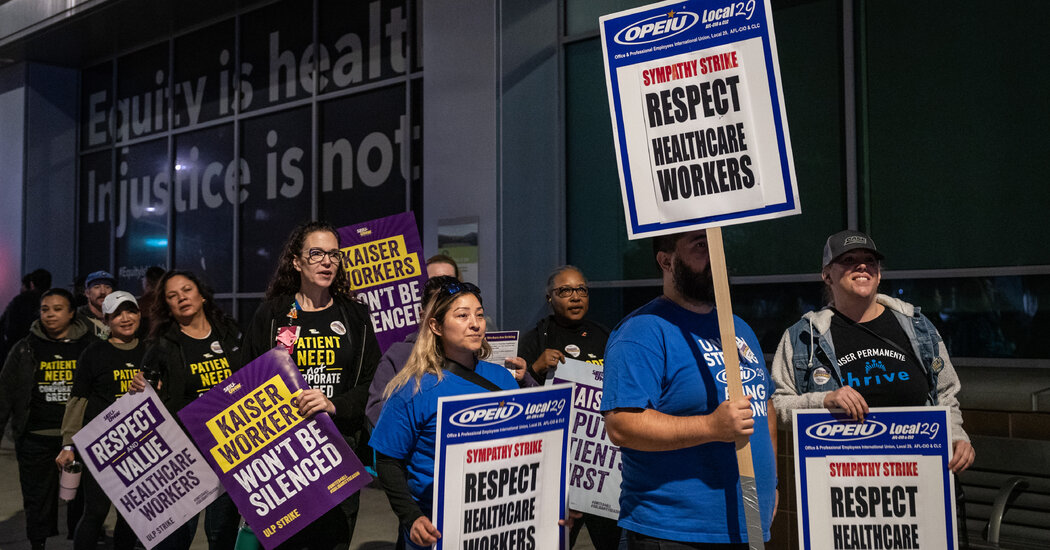
Friday was the third day of a walkout for thousands of health care employees. No new contract talks were scheduled until next week.Kaiser Permanente health care workers were finishing a three-day strike on Friday, and were expected to return to work early Saturday morning without a new contract.No new negotiation sessions were scheduled until Thursday, Oct. 12, and Friday, Oct. 13. Union officials warned another walkout was possible. The two sides had not yet come to an agreement on several key issues, including wage increases.“Outsourcing of critical health care duties has become a key sticking point in negotiations in recent days, as Kaiser executives have refused to put limitations on subcontracting and outsourcing, which keep experienced health care workers in jobs and provide strong continuity of care for patients,” the union officials said in a statement.The effects of the three-day strike, which included X-ray technicians, receptionists, medical assistants and sanitation workers, were immediately apparent. Kaiser brought in thousands of outside workers to keep its hospitals, emergency departments and urgent care centers open, but a spokeswoman said the organization had been forced to reschedule some appointments and procedures, including surgeries not considered urgent.On Friday, more than half of Kaiser’s 106 laboratories in Southern California were closed, according to the company’s website. In Oregon and Washington, almost two dozen Kaiser medical offices were also closed, and another 11 facilities that were still operating had temporarily shuttered various departments. Kaiser encouraged patients to use mail-order pharmacy services instead of picking up prescriptions in person and suggested that patients conduct virtual visits rather than appear at offices.The acting head of the U.S. Department of Labor, Julie A. Su, met with officials from both sides of the negotiations this week and plans to be present when talks resume on Thursday, the agency said.The stalemate occurred during a time of labor unrest nationwide. The tight labor market has emboldened many unions, causing a ripple of labor action across various industries. A Hollywood actor strike, autoworker picket lines and a threatened (but averted) United Parcel Service walkout, all within the last three months, indicate a cultural shift with no signs of slowing down.Across the country, health workers have voiced frustration with working conditions and pay, pointing to burnout and excruciating staffing shortages that were exacerbated by the pandemic. More than a dozen health worker strikes have taken place this year in New York City, California, Illinois, Michigan and elsewhere.The Coalition of Kaiser Permanente Unions, a collection of about a dozen unions, represents about half of Kaiser’s unionized work force and more than 75,000 workers who walked off the job. Its largest member union is S.E.I.U.-United Healthcare Workers, which has been active in labor disputes in California with other hospital systems like HCA Healthcare and Tenet Healthcare. The union recently authorized a possible strike at 11 Tenet hospitals.For Kaiser Permanente, whose health plans cover 13 million people in eight states, the labor action represented a turning point in what has historically been a relatively amicable relationship with employees.Edith Hurtado, a medical assistant at a Kaiser clinic in San Francisco, said that she went on strike because her job was “getting exhausting,” and that patients were waiting longer for care because her clinic was so short-staffed.The unions say they are fighting for more than higher wages and want Kaiser Permanente to address dangerously low levels of staffing at its hospitals and clinics. Unions across the country have pushed for improved conditions, including higher staffing levels and better protective equipment against the pandemic.Research shows that health care unions’ fight to improve working conditions for their members often increases quality of care, said Adam Dean, an associate professor of political science at George Washington University who has studied the impact of unions on nursing homes. “There is very clear spillover effects for patients,” he said.The strike is also about the rising cost of living. The group of unions represents clerical and maintenance workers, many of whom have been particularly hard hit and are struggling financially. Many are enraged by the million-dollar salaries of Kaiser executives.“The lower-wage workers are finding they are falling behind,” said John August, who was the executive director for the coalition of Kaiser unions until 2013 and is now a program director at Cornell’s School of Industrial and Labor Relations.Timothy Regan, a clinical health educator for 25 years, was among the sea of protesters, clad in purple and yellow, who had flooded the sidewalks and medians in San Francisco on Wednesday, cheering and rattling tambourines.“We want that collaborative good-faith partnership, and we wanted it months ago,” Mr. Regan said, adding that he wanted to ensure good working conditions for the next generation. “Many of us are surprised actually that it got to this point.”Soumya Karlamangla

Read more →

My Husband Is Facing Dementia. Can I Help Him End His Life?

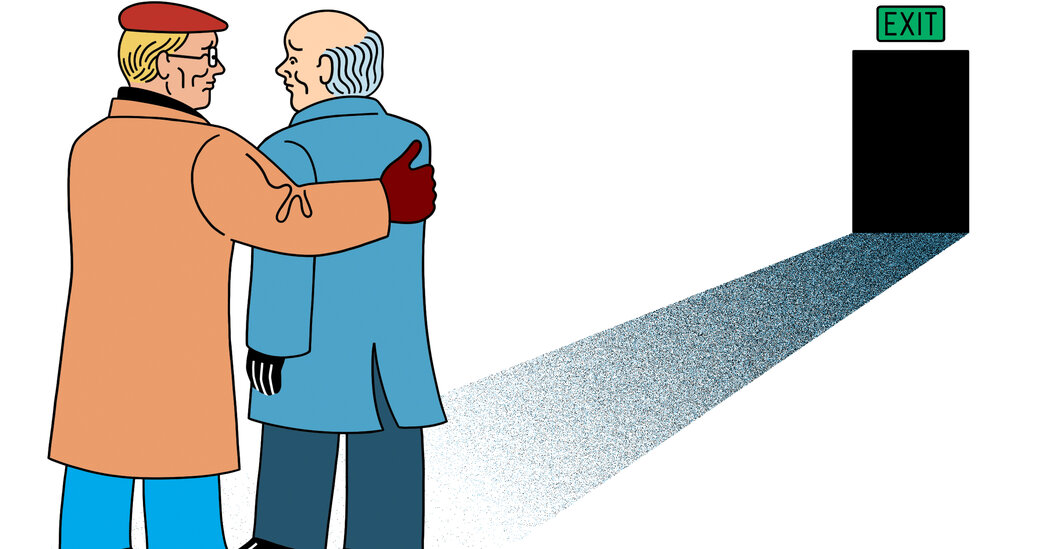
The magazine’s Ethicist columnist on how to assist a spouse in the midst of a life-or-death dilemma.I’m in my early 70s, and I’m married to a man in his 60s. My husband’s father struggled with Alzheimer’s for almost a dozen years before he died. It was incredibly hard on everyone involved. And now my husband is in the midst of his own health crisis. He has had some significant cognitive decline in the past two years, which affects his ability to function to his satisfaction. He is constantly looking for his phone or iPad. He gets lost while driving. He sometimes asks me to help him send a text or email because he can’t remember how to do it. This causes him so much shame. He says he no longer belongs in this world. His dysfunction reminds him of his father’s decline, and he doesn’t want to put himself or others through that pain.The neurologist is less than helpful. My husband does fairly well on 10-minute cognitive screenings, so he receives a diagnosis of mild cognitive decline instead of dementia. He has started to talk about suicide and is afraid I will stop him. He has asked me to commit to letting him choose his time of death. Frankly, I respect his choice and believe he has the right to decide for himself. He has also asked for help in researching the best way to kill himself. I have considered trying to help him with that but fear that I am committing or abetting a crime.What’s the ethical thing to do? (And yes, I understand that what’s ethical and what’s legal may differ.) — Name Withheld, North Carolina From the Ethicist:I’m so sorry about the situation you both find yourselves in, and wish it were rarer than it is. We are, I agree, entitled to decide that losing the cognitive functions necessary for a life of autonomy deprives us of the possibility of a dignified existence. And so we’re entitled, in my view, to make plans to end our lives when that happens. Unfortunately, once it does happen, we may not be able to recognize our situation or to execute our plans. Even states that (unlike yours) have “medical aid in dying” statutes don’t allow such aid to patients with an impaired capacity for decision-making — it can’t be secured by an advance directive.How do these broad principles and circumstances apply to your case? I’m not going to pronounce on the legality of helping your husband end his life — either now, when he remains mentally competent, or at some later point when, as he fears, he will no longer be. (A lawyer can tell you how your legal exposure will be affected by the details of your assistance given the laws of your state.) I will say that, inasmuch as it isn’t morally wrong for your husband to end his own life, it isn’t wrong for you to provide the advice that he requests.But to deny that an action is wrong isn’t to say that it’s necessarily wise, or anyway, that you should hastily pursue it. Right now, your husband — distraught, suffused with shame, anguished by the prospect of sharing his father’s fate — could be prone to acting precipitously. Older men are far more likely to kill themselves than older women, and one reason may relate to gender norms; men may feel especially humiliated when they come to depend more on others. The fact remains that countless people lead lives of value while experiencing some noticeable measure of cognitive decline. They’re able to give and receive love, even joy. And it’s impossible to predict when deficits will cross into outright dementia, if this is what’s in store; there can be extended periods of stability. Advance care planning, prepared while your husband is legally competent, can give him at least some control over his medical future. In the meantime, I’d urge him to consider that his current impairment doesn’t mean his existence offers nothing of value, to him and to those who care about him.Readers RespondLast week’s question was from a reader who was concerned about vacationing in a country that has a poor human rights record. She wrote: “My husband and I are now retired and are looking forward to making some long-postponed, once-in-a-lifetime trips. Unfortunately, the country at the very top of our bucket list has an authoritarian government and a poor human rights record. … Our tourism dollars would directly support the local tourism industry and the people who rely on it for their livelihoods. But we’re concerned that it would indirectly support the regime in power, as well. How do we evaluate the ethical implications?”In his response, the Ethicist noted: “The case against visiting isn’t so much that you’re actually going to be prolonging a bad regime (any effect would be microscopic); rather, it’s that there’s something inherently regrettable about contributing to the welfare of wrongdoers. … suppose there were currently a boycott in place that had support from credible representatives of the people of that country and was having, or was likely to have, positive effects in improving conditions there. If that were the case, you should honor the boycott. It can be good to participate in a political process even when — as with voting — your personal contribution has a minuscule effect on the outcome.” (Reread the full question and answer here.)⬥I agree with the Ethicist. The government does not necessarily represent the entire population. I would not want a political outcome in the United States to make people reconsider visiting. — Theresa⬥Letting the boycott gods decide whether or not to go is abrogating personal moral responsibility. — Larry⬥A separate issue is whether it’s safe for Americans to travel to the country in question. Check the State Department’s list to make sure there is no travel advisory for this country, and if there is, do not disregard it. Making reckless choices that may require others to take on risks to rescue you from the consequences is itself unethical. — Anna⬥One additional factor that should be considered is the fact that long-distance travel by jet is highly destructive environmentally. Anyone who is seriously concerned about global warming should reconsider any such travel that is purely for pleasure. — Ray⬥My husband and I are retired and living in his birth nation, whose democratic government was replaced by a military dictatorship a decade ago. By all means visit your bucket list destination and, to the extent that you can, give all of your business to small hotels, markets, local stores and people on the streets. Avoid high-end hotels, restaurant chains, big time tour operators and other businesses that you expect might be owned by autocrats and their rich cronies. You’ll be rewarded by charming people who greatly appreciate your business and attention. — DouglasIf you are having thoughts of suicide, call or text 988 to reach the 988 Suicide and Crisis Lifeline or go to SpeakingOfSuicide.com/resources for a list of additional resources. Go here for resources outside the United States.

Read more →

Fathers' parental leave might protect men against alcohol-related morbidity

Men who have been on parental leave have a significantly reduced risk of being hospitalized due to alcohol consumption. This is shown by a study published in Addiction from researchers at the Department of Public Health Sciences, Stockholm University.
The aim of the study was to assess whether fathers’ parental leave influences alcohol-related morbidity and mortality. In order to try to find out if that is the case, the researchers have investigated the effects of parental leave policy that was implemented in Sweden in 1995. The policy encouraged fathers to use parental leave by reserving 30 days of leave for their use alone and resulted in the proportion of fathers using parental leave increasing from 43 percent to 75 percent.
“Our findings were pretty remarkable considering the severity of the studied outcome. Although alcohol-related hospitalizations were rather uncommon, we found that after the policy was implemented there was a 34% decrease in these hospitalizations among fathers in the two years after birth, as well as smaller decreases up to 8 and 18 years after birth,” says Helena Honkaniemi, researcher at the Department of Public Health Sciences, Stockholm University.
“Most changes were found among hospitalizations for alcohol intoxication and alcohol-related mental and behavioral disorders. Additional analyses evaluating actual changes in parental leave use from before to after the policy suggest that these health consequences could be explained by the increase in fathers’ parental leave use, rather than other underlying trends,” says Helena Honkaniemi.
However, no changes were found for alcohol-related mortality.
Co-author Associate Professor Sol Juárez believes that the results of the study could be useful for policymakers.
“Policymakers should consider that fathers’ parental leave not only promotes more gender-equal participation in childcare, but can also reduce alcohol-related harms,” Juárez says.
The study “Alcohol-related morbidity and mortality by fathers’ parental leave: A quasi-experimental study in Sweden” draws on Swedish register data of all fathers of singleton children born from January 1992 to December 1997, three years before and after the policy was implemented.

Read more →

Scientists discover 'long colds' may exist, as well as long Covid

A new study from Queen Mary University of London, published in The Lancet’s EClinicalMedicine, has found that people may experience long-term symptoms — or ‘long colds’ — after acute respiratory infections that test negative for COVID-19.
Some of the most common symptoms of the ‘long cold’ included coughing, stomach pain, and diarrhea more than 4 weeks after the initial infection. While the severity of an illness appears to be a key driver of risk of long-term symptoms, more research is being carried out to establish why some people suffer extended symptoms while others do not.
The findings suggest that there may be long-lasting health impacts following non-COVID acute respiratory infections such as colds, influenza, or pneumonia, that are currently going unrecognised. However, the researchers do not yet have evidence suggesting that the symptoms have the same severity or duration as long Covid.
The research, funded by Barts Charity, compared the prevalence and severity of long-term symptoms after an episode of COVID-19 vs. an episode of another acute respiratory infection that tested negative for COVID-19. Those recovering from COVID-19 were more likely to experience light-headedness or dizziness and problems with taste and smell compared to those who had a non-COVID-19 respiratory infection.
While long Covid is now a recognised condition, there have been few studies comparing long-term symptoms following SARS-CoV-2 coronavirus infection vs. other respiratory infections.
The study is the latest output from COVIDENCE UK, Queen Mary University of London’s national study of COVID-19, launched back in 2020 and still in follow-up, with over 19,000 participants enrolled. This study analysed data from 10,171 UK adults, with responses collected via questionnaires and statistical analysis carried out to identify symptom clusters.
Giulia Vivaldi, researcher on COVIDENCE UK from Queen Mary University of London and the lead author of the study, said: “Our findings shine a light not only on the impact of long Covid on people’s lives, but also other respiratory infections. A lack of awareness — or even the lack of a common term — prevents both reporting and diagnosis of these conditions.

Read more →

How bacteria can organize themselves

Structural patterns can be created due to the chasing interactions between two bacterial species. In a new model, scientists from the Max Planck Institute for Dynamics and Self-Organization (MPI-DS) describe how interactions on the individual level can result in a global self-organization of species. Their findings provide insights into general mechanisms of collective behavior.
In a recent study, scientists from the department Living Matter Physics at MPI-DS developed a model describing communication pathways in bacterial populations. Bacteria show an overall organizational pattern by sensing the concentration of chemicals in their environment and adapting their motion.
The structure only becomes visible on a higher level
“We modeled the non-reciprocal interaction between two bacterial species,” first author Yu Duan explains. “This means that species A is chasing species B, whereas B is aiming to repel from A,” he continues. The researchers found, that just this chase-and-avoid interaction is sufficient to form a structural pattern. The type of the resulting pattern depends on the strength of the interaction. This complements a previous study, where a model was proposed that also included intraspecies interactions of the bacteria in order to form a pattern.
In this new model, which also includes the effect of bacterial motility, neither adhesion nor alignment are required to form complex super-structures encompassing millions of individuals. “Although the bacterial population dynamics show a global order, this is not the case on the individual bacterial level. In particular, a single bacterium seems to move in a disordered way, with the structure becoming visible only on a higher level, which is very fascinating,” summarizes Benoît Mahault, group leader in the department Living Matter Physics at MPI-DS.
A general model for collective behavior
The model also allows to consider more than two species, increasing the amount of possible interactions and emerging patterns. Notably, it is also not limited to bacteria but can be applied to a variety of collective behaviors. These include light-controlled microswimmers, social insects, animal groups and robotic swarms. The study therefore provides general insights on the mechanisms responsible for the formation of large-scale structures in networks with many components.

Read more →

How male mosquitoes compensate for having only one X chromosome

The research group of Dr. Claudia Keller Valsecchi at the Institute of Molecular Biology (IMB) in Mainz and their collaborators have discovered the master regulator responsible for balancing the expression of X chromosome genes between males and females in the malaria mosquito. This discovery helps scientists to better understand the evolution of the epigenetic mechanisms responsible for equalizing gene expression between the sexes. The findings may contribute to the development of new ways to prevent the spread of malaria.
Most people would agree that mosquitoes are among the most annoying species on the planet. They keep us up all night with their whining, whirring wings, all while seeking a way to bite us and suck our blood. Yet mosquitoes are more than just a nuisance — they can also carry a whole host of serious, sometimes deadly diseases. One of the most dangerous diseases that mosquitoes can carry is malaria, a disease that affects millions of people and causes hundreds of thousands of deaths every year, primarily in African countries. Malaria is caused by Plasmodium parasites, which are spread through mosquito bites — specifically those of marsh mosquitoes (Anopheles). Importantly, only female mosquitoes bite, as they need the nutrients from blood to produce eggs. Scientists are therefore interested in understanding the mechanisms responsible for the molecular differences between male and female mosquitoes, as it could help us develop new ways to combat malaria.
Just like humans, the sex of a mosquito is determined by the sex chromosomes: females have two X chromosomes (XX), while males have an X and a Y chromosome (XY). This can be problematic, as males have only half the number of X chromosome genes as females, and hence would have only half the amount of proteins from the X chromosome. To compensate for this, there must be a way to increase the expression of X chromosome genes in males. However, no one knew what this mechanism could be in mosquitoes.
Agata Kalita from Dr. Claudia Keller Valsecci’s group, who is the first author of the study and funded by a fellowship from the Boehringer Ingelheim Fonds (BIF), spearheaded the research. They collaborated with the groups of Dr. Maria Felicia Basilicata at the Mainz University Medical Center, Dr. Eric Marois at the University of Strasbourg in France, and Professor Franjo Weissing at the University of Groningen in the Netherlands. Together, the researchers discovered that the protein SOA (sex chromosome activation) is the key regulator that balances X chromosome gene expression in male mosquitoes. They found that SOA works by binding to X chromosome genes and increasing their expression, but only in males. Female mosquitoes, on the other hand, only produce a small amount of very short, non-functional SOA.
Kalita commented on the study: “Balancing gene expression on sex chromosomes is essential for development in some species. However, others do not have such a mechanism at all. Unexpectedly, we discovered that in mosquitoes, balancing X chromosome expression by SOA is not necessary for development, but it does give males a head start.” Keller Valsecci added: “This is an important clue as to how the mechanisms that balance gene expression on sex chromosomes may have evolved in the first place.” Basilicata, a joint senior author, emphasized: “Understanding the molecular principles acting on sex chromosomes will help us to understand differences between males and females in various human pathologies.”
The groups’ findings, which were published in the journal Nature, mark a major step forward in our understanding of how gene expression is balanced on the sex chromosomes. The researchers speculate that genetically manipulating genes that exclusively affect one sex could be a useful strategy for reducing the number of blood-sucking female mosquitoes, which would be a huge boon in the fight against malaria.
For her part in the study, Agata Kalita was given an honourable mention for the International Birnstiel Award for Doctoral Research in Molecular Life Sciences 2023.

Read more →

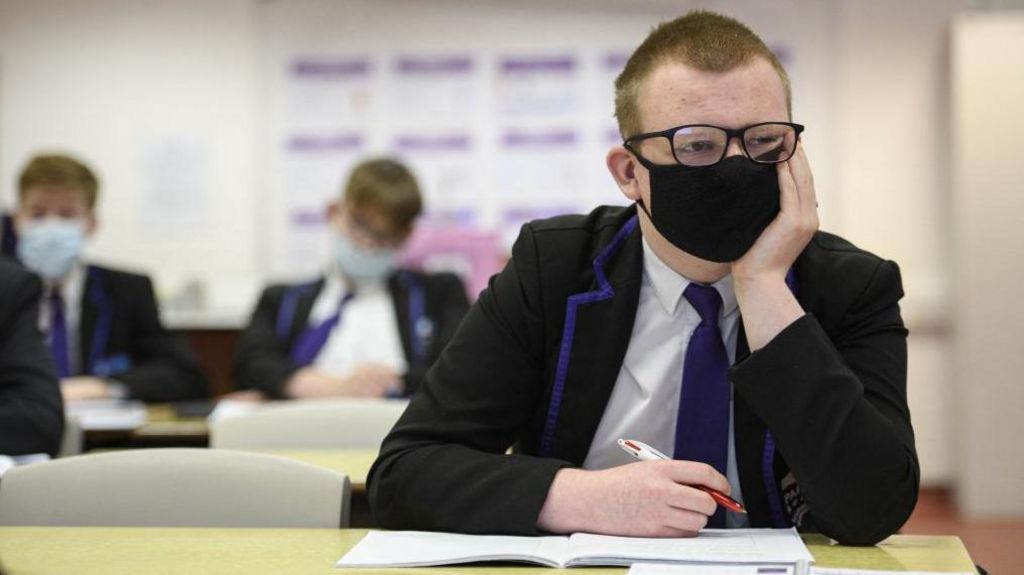
Error to open pubs not schools, Covid inquiry told

Image source, Getty imagesAt a glanceThe former children’s commissioner for England said the decision to open pub gardens while schools remained closed during the pandemic was a “terrible mistake”Giving evidence to the Covid inquiry, Anne Longfield said schools should be “the last to close and the first to reopen” in future emergenciesThe then-Education Secretary Gavin Williamson had said during the pandemic that he wanted nothing more than to “get schools back to normal”Vanessa ClarkeEducation reporterPublished6 October 2023It was a “terrible mistake” to open pubs while keeping schools shut during the pandemic, an inquiry has heard. Anne Longfield, who was the children’s commissioner for England during Covid, was giving evidence to the second round of public hearings.Politicians should ensure children’s needs are never overlooked again in future emergencies, she said.She added schools should be “the last [services] to close and the first to reopen” – unlike what happened during Covid.The most vulnerable children will be struggling with the impact of the pandemic for the next 10 or 20 years, she said.In March 2020, the UK’s 24,000 schools were closed for most children and examinations cancelled.In the months that followed, schools were reopened and closed multiple times for most children.The then-Education Secretary Gavin Williamson said at the time he wanted nothing more than to “get schools back to normal”.Ms Longfield told the inquiry the government made decisions which on occasion “lacked coherence” and was “indifferent” to the impact of policy decisions in children.While the initial school closures were necessary, she says the decision to keep schools closed for most children from March 2020 to September 2020, while at the same time increasing social interaction in other parts of society, was a “terrible mistake”.”We had ‘Eat Out to Help Out’ instead of schools opening,” she said.What is the UK Covid inquiry and how long will it take?Published1 hour agoThe devastating toll of the pandemic on childrenPublished30 January 2021Johnson accused of chaotic flip-flopping in CovidPublished3 OctoberIn June 2020, as part of a phased return in schools, Mr Williamson said robust protective measures had been put in place, and that it was “in every child’s best interest to return to school if they are eligible and able”.“A measured return is part of our roadmap, it’s part of how we will recover and rebuild,” he said, adding the plan was to bring all children back to school in September 2020,

Read more →

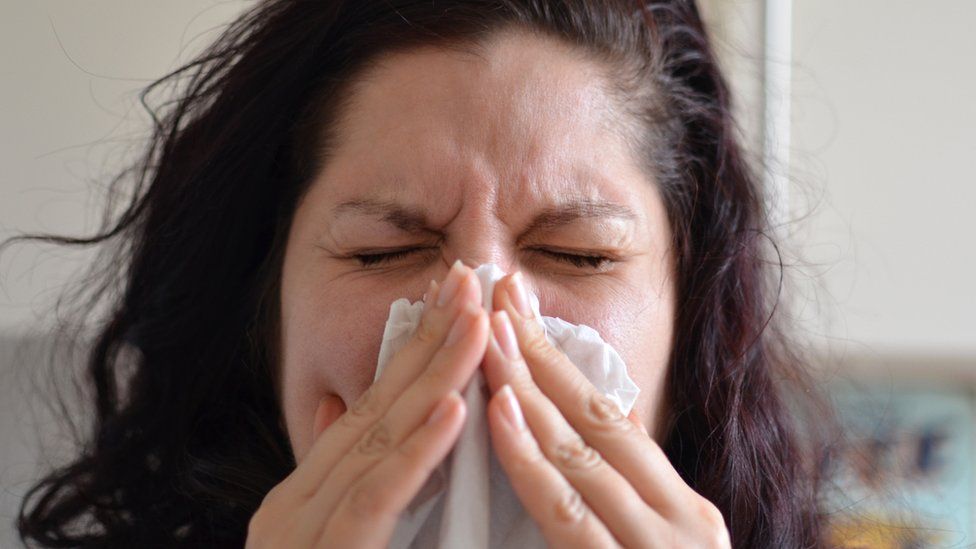
'Long colds' are a thing, like long Covid say experts

Published3 days agoShareclose panelShare pageCopy linkAbout sharingImage source, Getty ImagesBy Michelle RobertsDigital health editor”Long colds” can be a thing in the same way that “long Covid” is, with some people experiencing prolonged symptoms after an initial infection, according to a UK study. Common long cold symptoms included a cough, stomach pain and diarrhoea.The findings come from 10,171 adults who completed questionnaires.More work is needed to understand who is at risk, how bad it can be and what can be done about it, experts say.Why are there so many coughs and colds around at the moment?What to do if you have CovidWhat you need to know about Covid as new variant risesThe idea that a respiratory virus – or indeed other viral infections – can cause longer-lasting illness is not new, but the recent Covid pandemic has brought fresh attention to the phenomenon. The researchers behind the new work say the results provide validation for patients who experience problems like this. Investigator Prof Adrian Martineau, from Queen Mary University of London, told the BBC: “People really can feel very run down after a virus. It’s not in their imagination and it is a recognised thing.”The study, published in The Lancet’s eClinical Medicine journal, asked people to report any respiratory illness and other symptoms they had in the first two months of 2021 – when the Covid pandemic was entering its second year and vaccines were starting to be rolled out. All of the participants were yet to have their Covid jab.Out of the 10,171 in the study:1,343 said they had recently caught Covid472 said they had been infected with another respiratory virus, such as flu or a coldNot everyone recovering from a bout of illness had persistent or new symptoms. But, compared with those who said they had no recent respiratory illness, those who said they had Covid or flu or a cold in the weeks before were more likely to experience certain symptoms in the month or so after. Those symptoms included:diarrhoeastomach problemsmuscle or joint painsleep problemsmemory problems/difficulty concentratingdizziness/feeling lightheadedcoughingPeople who recently had Covid were more likely to report problems with smell and taste, brain fog, dizziness and sweating than people who had prolonged symptoms after a cold or flu. Post-viral fatigue or other symptoms can affect people of any age. And the severity of the initial illness doesn’t always predict risk – some people can be very unwell at the start but recover relatively quickly, while others who were only mildly unwell at first can then go on to experience debilitating symptoms for a long time afterwards.Lead researcher Giulia Vivaldi, from Queen Mary University of London, said: “Our findings shine a light not only on the impact of long Covid on people’s lives, but also other respiratory infections. A lack of awareness, or even the lack of a common term, prevents both reporting and diagnosis of these conditions.”As research into long Covid continues, we need to take the opportunity to investigate and consider the lasting effects of other acute respiratory infections.”These ‘long’ infections are so difficult to diagnose and treat, primarily because of a lack of diagnostic tests and there being so many possible symptoms. There have been more than 200 investigated for long Covid alone.”According to data gathered by the Office for National Statistics, an estimated 1.9 million people in the UK – about 3% of the population – were experiencing long Covid this spring. It is difficult to know for certain how many people are affected though. Peter Openshaw, professor of experimental medicine, at Imperial College London, said: “The study is important in showing that recovery from an acute respiratory infection may be slow regardless of cause, that people should expect a slow return to normality and not expect to immediately return to full activities. And he caution the term “long cold” should not belittle the very significant disability that some with long Covid suffer. Prof Paul Harrison, Professor of Psychiatry at the University of Oxford, said: “The study supports previous findings that long-term symptoms are common after respiratory infections in general, not just following Covid.”More on this storyScans reveal new clues to long Covid symptomsPublished23 SeptemberLong Covid: Three years and no magic bulletPublished26 MarchRelated Internet LinksThe Lancet eClinical MedicineThe BBC is not responsible for the content of external sites.

Read more →

Protein that could help defeat Alzheimer's and increase productive lifespan

Alzheimer’s disease is the most common type of dementia, a disorder of progressively worsening memory and other thinking abilities. It rose up in the ranks of leading causes of death over the past several decades. It can also limit the duration of a working career, create uncertainty in the financial planning for retirement and rob patients of enjoyment and happiness in the final years. An effective treatment against this disease could give back to the patient the decision when to retire and improve quality of life in advanced age.
Now, scientists at the Alzheimer’s Center at Temple at the Lewis Katz School of Medicine at Temple University are on the trail of a promising new therapeutic target — ABCA7, a protein known to protect from Alzheimer’s disease. The study, published online in the journal Cells, uncovers new information about the relationship between ABCA7, cholesterol, and inflammation in human brain cells.
The importance of ABCA7 in the development of Alzheimer’s disease first emerged in genome-wide association studies, which are large investigations of the human genome that involve thousands of participants. “But genome studies only point to a protein and do not tell us anything about how it functions or how it affects a disease,” said Joel Wiener, an investigator with the Alzheimer’s Center at Temple and first author on the new report. “Our goal is to reveal ABCA7’s functions and to use what we learn about its role in pathology to turn it into an effective therapy against Alzheimer’s disease.”
Previous work led by Nicholas Lyssenko, PhD, an investigator at the Alzheimer’s Center at Temple and corresponding author on the new study, suggested that individuals between ages 63 and 78 who have low ABCA7 protein levels in the brain are at a greater risk of developing Alzheimer’s disease. This finding corroborated the conclusions of earlier genome studies and further indicated that the protein protects the human brain.
In the new study, Dr. Lyssenko’s team addressed how cholesterol metabolism and inflammation may manipulate ABCA7 levels in human brain cells and thus affect Alzheimer’s disease pathogenesis. In one set of experiments, the researchers depleted cholesterol in different neural cell lines, such as microglia, astrocytes and neurons, and then treated the cells with rosuvastatin, a medication that suppresses cholesterol synthesis. To determine the effect of inflammation on ABCA7, the team carried out another set of experiments in which the same cell lines were treated with one of three major proinflammatory cytokines: IL-1β, IL-6, or TNFα. Cytokines are small molecules that can trigger inflammation following their secretion from certain types of immune cells.
The researchers found that ABCA7 levels dropped by about 40 percent in microglia cell lines and about 20 percent in an astrocyte cell line after the cells were depleted of more than half their usual amount of cholesterol. Meanwhile, no changes were observed in ABCA7 levels in a neuronal cell line following cholesterol loss. In addition, IL-1β and TNFα suppressed ABCA7 expression only in microglial cells. The third cytokine, IL-6, had no impact on ABCA7 in microglia, and none of the three cytokines induced changes in ABCA7 levels in either astrocytes or neurons.
These observations advance understanding of how ABCA7 is regulated in the brain. “Our findings suggest that cholesterol loss downregulates ABCA7 in many cells in the human brain. Previous work in mice showed that cholesterol loss upregulates ABCA7,” said Mr. Wiener. “In addition, other investigators found that inflammation suppresses ABCA7 in astrocytes, and we show now that this can also happen in microglia. Overall, cholesterol depletion and inflammation may reduce ABCA7 levels in the brain and cause the onset of Alzheimer’s disease.”
The Temple team is taking multiple approaches to studying ABCA7, using not only human cells but also carrying out experiments in animal models and in postmortem human brain tissue. “The greatest challenge now is to figure out how to measure ABCA7 levels in the brain of living humans,” Dr. Lyssenko added. “If we achieve this, we could verify whether inflammation suppresses ABCA7 in the human body. Effective testing for ABCA7 levels in the brain will also identify individuals who are at greater risk for Alzheimer’s disease and spur the development of new ABCA7-based therapies.”
Other researchers who contributed to the study include Sindy Desire, Viktor Garliyev, Nicholas Lyssenko III, and Domenico Praticò, Alzheimer’s Center at Temple, Department of Neural Sciences, Lewis Katz School of Medicine.
The research was supported by funding from the National Institute on Aging at the National Institutes of Health (NIH) and from the Pennsylvania Department of Health, Commonwealth Universal Research Enhancement Program.

Read more →