Scientists shed light on potential breakthrough biomedical molecule

Scientists from the Department of Energy’s SLAC National Accelerator Laboratory have gained valuable insights into producing nitroxide, a molecule with potential applications in the biomedical field. While nitric oxide (NO) has long been on researchers’ radar for its significant physiological effects, its lesser-known cousin, nitroxide (HNO), has remained largely unexplored.
The study, published recently in the Journal of the American Chemical Society, was born out of a joint endeavor between teams at SLAC’s Linac Coherent Light Source (LCLS) X-ray laser and Stanford Synchrotron Radiation Lightsource (SSRL).
Nitroxide has many of the same physiological effects of nitric oxide — such as its ability to fight germs, prevent blood clots, and relax and dilate blood vessels — with additional therapeutic properties, such as efficacy in treating heart failure, as well as more potent antioxidant activity and wound healing. However, it is not a chemically long-lived species so methods that enable its targeted delivery are key to future biomedical applications.
To address this challenge, the team focused on a unique molecule, an iron-nitrosyl complex (Fe-NO). Their research aimed to understand the intricate properties of the Fe-NO bond, both before and after light exposure, to navigate the complexities of nitroxide production. They discovered that by exposing this molecule to optical light, they could break its bond, potentially producing nitroxide.
“Although this research is fundamental in nature, the hope is that other researchers can take what we learn from this molecule and build therapeutic technologies off of it by optimizing similar molecules for medicine,” said SLAC scientist and collaborator Leland Gee. “The idea would be to get a molecule that releases HNO in the body where it is needed and shine light on it to release it for the therapeutic properties.”
One of the challenges the team faced was the ambiguous distribution of electrons between the iron atom and the nitrosyl ligand — a molecule or ion that binds to a central metal atom or ion — in the Fe-NO complex, which limits how much information can be gained using traditional methods. The scientists employed advanced X-ray spectroscopic techniques at SSRL that allowed them to peer deeper into the chemical properties of the molecule and its bond, providing a more complete picture of the Fe-NO system and how it responds to light.
To follow up, the scientists plan to further explore the intricacies of the bond-breaking process and how to optimize the production of nitroxide or nitric oxide. They are also considering replacing iron with other metals to better understand the photoproduction process.

Read more →

More animal welfare or more environmental protection?

Which sustainability goals do people in Germany find more important: Animal welfare? Or environmental protection? Human health is another one of these competing sustainability goals. A team of researchers from the Department of Agricultural and Food Market Research at the University of Bonn have now found that consumers surveyed in their study would rather pay more for salami with an “antibiotic-free” label than for salami with an “open barn” label that indicates that the product promotes animal welfare. The results have now been published in the journal Q Open.
The animal husbandry sector faces a complex set of challenges as a result of various competing interests. “Sustainability goals such as animal welfare, environmental protection and human health can quickly conflict with one another,” says Jeanette Klink-Lehmann from the Department of Agricultural and Food Market Research at the Institute for Food and Resource Economics at the University of Bonn. At the same time, stricter standards in animal husbandry could have an impact on competitiveness because it is not always possible to compensate for any associated increases in costs with higher consumer prices. This can threaten the viability of family-run farms and also impact rural communities. “In order to develop appropriate policy conditions, it is vital to investigate and clarify these conflicts in the sustainability debate,” says Prof. Monika Hartmann, Head of the Department of Agricultural and Food Market Research at the University of Bonn.
A team from the Department of Agricultural and Food Market Research at the University of Bonn investigated consumer preferences for various different sustainability goals. Their study focused on three main conflicts between animal welfare and environmental protection, human health and animal health and finally human health and animal welfare. The research team analyzed the consumer preferences for these conflicting sustainability goals. They also investigated how positive information on safeguarding certain goals and information on potential conflicts can influence these preferences. Psychographic (e.g. the level of awareness for the environment, health and animal welfare) and socio-demographic factors (such as the sex and age of the participants) were taken into account in the analyses in order to explain possible differences between the preferences expressed by consumers.
In this experimental study, one group of participants were provided with information on the advantages of the pig husbandry practices associated with two fictitious labels: the “open barn” label promoting animal welfare and the “antibiotic-free” label that helps protect human health. A second group not only received this information but were also given information on potential negative effects of the production practices. A third group — which served as a control group — was only provided with information on the University of Bonn. A daily trip to the supermarket was then simulated and participants were asked to choose between two different salami products in three different scenarios, whereby the salami products each represented different sustainability goals. The willingness of consumers to pay for the chosen salami was also analyzed in each case.
The team of researchers discovered that most people chose a salami with a sustainability label and were also willing to pay more for it. However, the participants were more willing to pay for a salami with the “antibiotic-free” label than for a salami with the “open barn” label. “The results show that personal health is more important to people than animal welfare,” says Jeanette Klink-Lehmann. The study also demonstrated that animal welfare considerations were more important to people than environmental protection. Furthermore, the results demonstrate that people’s willingness to choose a more sustainable alternative is highly dependent on the price.
The researchers at the University of Bonn demonstrated that the extent to which information has an effect is dependent on which sustainability aspects are being considered and how the information is presented. “We were surprised to discover that if consumers were only provided with positive information, the willingness to pay more for ´open barn´ salami in comparison to the ‘no label’ salami increased but this was not true for ‘antibiotic-free’ salami,” says Jeanette Klink-Lehmann. The lead author has interpreted this to mean that although consumers perceive the “antibiotic-free” animal product as being beneficial for their own health, this advantage is sufficiently communicated by the label itself and additional information has no influence on consumer preferences. In contrast, the team believes that consumers might be less aware of the positive effects of “open barn” production on animal welfare. In this case, the positive information provided to consumers improved their level of knowledge and thus their willingness to pay more for salami with the “open barn” label.
To ensure full transparency, it was important to inform consumers not only about the benefits but also the potential disadvantages of a production method. “However, our results suggest that such a strategy comes at a price,” says Milan Tatic, a doctoral candidate in the Department of Agricultural and Food Market Research at the University of Bonn. The team believes that two-sided information has a neutralizing effect. “This means that we were unable to detect any positive influence on the willingness of consumers to pay more for a particular product in comparison to the control group when the positive information was paired with information on potential negative effects of the production method.”
“The results demonstrate that those participants who place importance on animal welfare and human health were willing to pay more for ‘open barn’ salami,” says Prof. Hartmann, who is a member of the transdisciplinary research area “Sustainable Futures” at the University of Bonn alongside her co-author Jeanette Klink-Lehmann. Furthermore, the study showed that health-conscious people were willing to pay more for ‘antibiotic-free’ salami in comparison to a ‘no label’ variety. “Surprisingly, the latter is also true for those people who place particular importance on animal welfare,” according to Prof. Hartmann.

Read more →

Bacteria can enhance host insect's fertility with implications for disease control

Mosquitoes and other insects can carry human diseases such as dengue and Zika virus, but when those insects are infected with certain strains of the bacteria Wolbachia, this bacteria reduces levels of disease in their hosts. Humans currently take advantage of this to control harmful virus populations across the world.
New research led at UC Santa Cruz reveals how the bacteria strain Wolbachia pipientis also enhances the fertility of the insects it infects, an insight that could help scientists increase the populations of mosquitoes that do not carry human disease.
“With insect population replacement approaches, they keep all the mosquitos and just add Wolbachia so that fewer viruses are carried in those mosquitoes and transmitted to humans when they bite them — and it’s working really, really well,” said Shelbi Russell, an assistant professor of biomolecular engineering at UCSC who led this research. “If there is some fertility benefit of Wolbachia that could evolve over time, then we could use that to select for higher rates of mosquitos that suppress our viral transmission.”
These results were detailed in a new paper led by Russell, published today in the journal PLOS Biology. UCSC Professor of Molecular, Cell, and Developmental Biology William Sullivan is the paper’s senior author.
Humans and Wolbachia
Different strains of Wolbachia bacteria naturally infect a number of different animals worldwide, such as mosquitos, butterflies, and fruit flies. Once they infect an insect, the bacteria are able to manipulate the reproduction and development of their host to increase their own population. Humans take advantage of this to control the population size of insects that carry diseases that threaten us.
Wolbachia have developed a mechanism to poison the sperm of infected males so that if the male mates with an uninfected female, most of the potential offspring die at the very first cell division, and the rest are lost soon after. Humans have taken advantage of this to kill off insect populations.

Read more →

Study suggests even more reasons to eat your fiber

Health professionals have long praised the benefits of insoluble fiber for bowel regularity and overall health. New research from the University of Minnesota suggests even more reasons we should be prioritizing fiber in our regular diets. In a new study published in Nutrients, researchers found that each plant source of insoluble fiber contains unique bioactives — compounds that have been linked to lower incidence of cardiovascular disease, cancer and Type 2 diabetes — offering potential health benefits beyond those of the fiber itself.
“People understand the need for fiber and how it relates to gut health — an area of wellness that is becoming increasingly important as scientific research continues to reveal its impact on overall health and wellbeing,” said Joanne Slavin, co-author of the paper and a professor in the College of Food, Agricultural and Natural Resource Sciences at the University of Minnesota. “Fiber is the marker of health that is included in our dietary guidelines and found on product labels, but our research indicates that we need to ensure the other valuable components of fiber-containing plant sources — the bioactives — are also recognized as providing valuable benefits for human health.”
The study aggregated the available literature on the health benefits of bioactives in plant sources of insoluble dietary fiber.
They found: A variety of plant foods, including fruits, vegetables, legumes, nuts, seeds and whole grains contain insoluble dietary fiber, and each source contains unique bioactives that support health in different ways. Desirable bioactives like Quercetin, Resveratrol, Catechins, Anthocyanins, Lutein, Lycopene and Beta-Carotene were found in a variety of plant foods that also contain insoluble dietary fiber. Plant sources with bioactives and insoluble dietary fiber could be used to fortify processed foods to increase their nutritional value. Food production byproducts such as peel, hulls, pulp or pomace are generally high in fiber and bioactives and therefore offer unique nutritional value from sustainable sources. Consumer research found that utilizing this fortification at a low level did not decrease consumer acceptability of the food product.”The suggestion to eat more fruits and vegetables isn’t a novel idea, but it’s something most people still struggle to do,” said Jan-Willem Van Klinken, co-author of the study and senior vice president of medical, scientific, and regulatory affairs for Brightseed. “If we can offer widely accessible fiber-fortified products that have been developed to enhance rather than negate bioactive content, we can provide consumers with increased nutritional value.”
This most recent research on bioactives’ impact on human health further illuminates the need for industry, academia and government to join forces to champion broad awareness and education of bioactives in food and health systems.
“The collection of literature we reviewed and the results of this research can serve as a paradigm shift in how the food and health industries, as well as consumers, view insoluble dietary fiber and bioactives,” said lead author Madeline Timm, who co-authored the research for her graduate project at the University of Minnesota. “Continued research and broad inclusion of bioactives in foods and supplements can have a real impact on human health.”
Further research is required to identify extraction and processing methods that preserve and optimize bioactive compounds.

Read more →

Sepsis death lessons still not learnt – UK ombudsman

Published19 minutes agoShareclose panelShare pageCopy linkAbout sharingImage source, Getty / Science Photo LibraryBy Aurelia FosterBBC NewsToo many people are still dying from sepsis due to “the same mistakes” highlighted more than 10 years ago, the UK’s health ombudsman has warned. Rob Behrens, who handles complaints about the NHS, said sepsis diagnosis and treatment was taking too long.The UK Sepsis Trust estimates about 48,000 people die each year from sepsis-related illnesses, “thousands” of which are preventable.NHS England said it was working to improve sepsis management.Sepsis develops when the body’s immune system overreacts to an infection and starts attacking its own tissues and organs. Symptoms can be similar to those of flu and include severe breathlessness and a high fever.In 2013, the ombudsman looked into several sepsis deaths and concluded patients were not being diagnosed or treated quickly enough.A series of recommendations were made at the time. However, in a new report the service found that although some improvements had been made in the past decade “significant improvements” were urgently needed to avoid more deaths.’Harrowing stories’Mr Behrens found there were still delays in spotting and treating the condition in hospitals.He also identified issues with insufficient staff training, poor communication, poor record-keeping and missed opportunities for follow-up care.”I’ve heard some harrowing stories about sepsis through our investigations and it frustrates and saddens me that the same mistakes we highlighted 10 years ago are still occurring,” he said.Mr Behrens highlighted a series of deaths that he believed may have been preventable. Image source, Merope MillsAmong the cases he examined was that of a patient named in the report as Kath, who died at Blackpool Teaching Hospitals Trust after being admitted with pneumonia two weeks earlier.After her death it was revealed that medical notes showed sepsis was suspected by clinical staff but this was not acted upon. This was a “missed opportunity” to spot and treat the condition, Mr Behrens said.The patient’s daughter said the report’s findings had left the family “grieving all over again”.Another patient, named in the report as “Ms R”, died of sepsis which developed after she was discharged from hospital, having had bowel cancer surgery. She had suffered complications in hospital but her recovery was not monitored.The ombudsman concluded her death may have been avoided if follow-up appointments had been arranged.Mr Behrens also said the NHS needed to “listen to patients and their families when they raise concerns”.He said: “Crucially, NHS staff must be sepsis-aware.”Image source, Philliskirk familyThe UK Sepsis Trust said there was now a need for sepsis to become a “key priority” for healthcare.Dr Ron Daniels, the charity’s CEO, said: “Although progress was certainly made in the years following the report up until the time of the pandemic, not only is it clear that there is significant opportunity for greater improvement but we are also gravely concerned that attention to sepsis is being afforded lower priority in the wake of the pandemic and in an already emburdened NHS.”NHS England said there had been improvements in sepsis care but admitted more work was needed. In a separate case that was not investigated by the ombudsman, the family of a 16-month-old boy who died from sepsis after hospital failings recently told the BBC their “parental concerns were dismissed” by medics when their son was ill.James Philliskirk was wrongly diagnosed with chicken pox by doctors at Sheffield Children’s Hospital in May 2022.James’s mother Helen Philliskirk said: “On both trips to the hospital we feel like it was quite a blinkered approach.”Recently, the ombudsman said he wanted to see the introduction of “Martha’s rule”, which would entitle patients to a second medical opinion about their hospital care. The rule, which is to be introduced by the NHS, is named after 13-year-old Martha Mills, who died from sepsis following a cycling accident in 2021. An inquest found she would have survived if her care had been better.What is sepsis?Sepsis is known as the “hidden killer” because it can be so hard to detect.It is caused by the immune system going into overdrive. Instead of just fighting an infection, it starts attacking other parts of the body too.Ultimately it causes organ failure. Even survivors can be left with long-term damage and disability.Bacteria and viruses that cause diarrhoeal infections or lung diseases are the leading triggers of sepsis.The symptoms include loss of consciousness, severe breathlessness, a high temperature, slurred speech, nausea and vomiting, diarrhoea and severe muscle pain.More on this storyBoss of NHS complaints calls for Martha’s rulePublished5 SeptemberAmputee musician’s call for sepsis awarenessPublished13 SeptemberSepsis victim describes impact of losing both legsPublished2 AugustConcerns dismissed before toddler sepsis – parentsPublished19 MayWoman, 24, dies of sepsis weeks after flu symptomsPublished6 AprilHospital missed sepsis signs before girl, 4, diedPublished28 January 2022Related Internet LinksNHS EnglandHealth Service Ombudsman – Parliamentary and Health Service Ombudsman (PHSO)The BBC is not responsible for the content of external sites.

Read more →

Scientists: Allow forbidden 28-day embryo experiments

Published24 minutes agoShareclose panelShare pageCopy linkAbout sharingImage source, Getty ImagesBy Michelle RobertsDigital health editorMany top UK scientists are calling for the current 14-day limit on embryo research to be doubled to 28-days, so they can study the unexplored secrets of early human development. Lifting the ban could yield major scientific breakthroughs for infertility, miscarriage and birth defects – and it appears there could be public support. Newly published fieldwork with 70 people, designed to hear diverse public views on the highly controversial topic, suggests the mood is favourable.Part-funded by the government’s independent UK Research and Innovation body along with the Wellcome Trust, the £100,000 project ran between May and July of this year, asking probing ethical and philosophical questions about the idea of stretching the limit. The group behind the work – the Human Developmental Biology Initiative (HDBI) – say it is an important first step in a much longer debate that will inevitably be needed if the legal rules around embryo experiments are to be changed.Organisations such as Right To Life UK and some religious groups strongly oppose doing medical experiments on human embryos.Right To Life UK spokesperson, Catherine Robinson, said: “Human embryos should never be experimented on.” She accused the project of being a thinly veiled attempt to lobby for the removal of the 14-day limit – something the HDBI denies. It says the aim is to better understand public hopes and concerns around the regulation of research involving human embryos.Unstoppable science?Prof Robin Lovell-Badge, HDBI Oversight group co-chair, senior group leader and head of the Laboratory of Stem Cell Biology and Developmental Genetics at the Francis Crick Institute, said: “When we think about ‘are we able to change the law?’ we have to be very careful. It’s been this contract between society and researchers for a long time.”The government will not do anything without public support… and this exercise suggests there might be [support].”He stressed that no one is suggesting growing the embryos to make babies. Instead, it’s about examining the earliest days and developmental processes of new life.Image source, Getty ImagesHe says the 14-day limit in the UK’s Human Fertilisation and Embryology Act, which dates back to 1990, was “always an arbitrary limit” or acceptable cut-off. At the time there was a boon in lab studies into fertility treatments and early embryo development. Observing what happens can help understanding of what can go wrong. The science has progressed considerably since then, pushing the boundary of how long a developing embryo could be viably kept alive in a dish for research purposes after fertilisation, if that were to be legally allowed. Ethical red linesSome argue the 14‐day rule was never meant to represent a firm moral boundary for embryo research, just a practical time limit. Precisely what happens after 14 days is somewhat of a mystery, because the research has not been allowed. It was proposed by the Warnock Committee in 1984, not that long after the birth of Louise Brown, the world’s first IVF baby in 1978.The 14-day threshold is reached when a physical milestone happens and something called the “primitive streak” appears as the 1mm-long embryo organises itself from a ball of cells into something with a definite top, bottom, front and back. After that, more complex structures start to form.Experts know from other work with animals and scans of pregnant women that by four weeks or 28 days, the heart forms and starts beating. At that point, the embryo is still smaller than a grain of rice and has no functioning central nervous system to feel pain, they say. Experts argue that extending the window for embryo research to 28 days would allow scientists to closely study vital developmental processes that occur during something called gastrulation – when the main tissue building blocks are established.Dr Peter Rudd Gunn, who is scientific lead for the HDBI, explained: “We know very little after two weeks. Two to five weeks is black box.”He says learning more about this stage could lead to improvements in IVF success rates and spina bifida research. “The IVF success rate is one in four. Often, it fails after the second week of development. We know very little about what contributes to that failure currently.”An important early structure in the embryo, called the neural tube that goes on to form the brain and spine, closes at around four weeks. When this process fails, babies can have something called a neural tube defect, which includes spina bifida where, in the severest form, the spine is exposed and can be damaged. Observing this closure could also be a way to date research embryos approaching 28 days in the lab that should then be destroyed, if the new cut-off limit was agreed, scientists say. The people who took part in the HDBI fieldwork were also asked their opinions about scientists developing synthetic embryos – ones created from stem cells, not egg and sperm. Scientists build synthetic embryosSynthetic human embryo raises ethical issuesSome ethically opposed all forms of human embryo research. Some called for case-by-case permission.The UK is currently debating how to regulate this type of pioneering work. Legal and ethical experts in the UK are drawing up a voluntary set of guidelines which are tipped to be published before the end of the year.In the UK there are laws to prevent synthetic embryos being used to create babies. Researchers elsewhere are already testing different human-hybrid embryo models in animals.More on this storySynthetic human embryo raises ethical issuesPublished15 JuneShould embryo research rules be changed?Published17 January 2017Related Internet LinksHuman Development Biology InitiativeUK Research and InnovationThe BBC is not responsible for the content of external sites.

Read more →

Ugandan teenage cancer patient: How a bed saved my life

Published2 hours agoShareclose panelShare pageCopy linkAbout sharingBy Anne OkumuBBC News, KampalaWhen 14-year-old Dorcas Cherop’s family was told she needed to undergo at least a year’s treatment in Uganda for bladder cancer – her future looked bleak.The challenge lay not just in getting the medical care, which is mostly free at the Uganda Cancer Institute (UCI), but the high costs involved in making multiple journeys to the capital and finding accommodation for the frequent visits to the hospital.”My mum and dad are farmers and so they didn’t have enough money to transport me from Kapchorwa in eastern Uganda to Kampala,” the teenager told the BBC.She was diagnosed aged 11 in 2020 and while undergoing tests, and even before the treatment began, her aunt Stella Chepchirir says they had to make an arduous journey to see doctors every fortnight. “It was bad. At one point, the family contemplated giving up and returning home,” Ms Chepchirir admitted.”We had run out of money. But the saddest part was seeing her in pain while we travelled seven hours to Kampala and back.”Their predicament was not unusual in the East African nation, where it was estimated in 2021 that one in three children with cancer abandoned their treatment because of these hidden costs. Dr Joyce Balagadde-Kambugu, head of paediatric oncology at UCI, says that just like Dorcas, many children with cancer live in rural areas.”Eighty to 85% of the population of the children with cancer here at the institute are peasants who live on less than $3 [£2.50] a month.””We’ve had a very sorry situation, with almost 50% treatment abandonment rate because of this,” she said.Image source, BCFThe dropout figure varies from year to year, but was put at around 30% in 2021 – meaning out of the approximately 1,000 cancer patients admitted to the UCI each year, only about 300 complete their treatment.Dr Balagadde-Kambugu says many of the patients who come from different parts of the country need to ideally stay in Kampala for six to seven months, and sometimes years. Most cancer treatment involves regular chemotherapy – a treatment regime that involves drugs that destroy rapidly growing cancer cells in the body.Some families come up with makeshift solutions between appointments often camping in hospital corridors, sleeping on cold floors with only a fleece blanket as protection.These are referred to by hospital staff as “floor cases”.This also has a knock-on effect for the children’s health, with some ending up catching diseases like malaria and diarrhoea, says Dr Balagadde-Kambugu.The paediatric cancer unit has now teamed up with a charity that is stepping in to provide help.Dorcas’s family in Kapchorwa, who three years ago had given up hope of proceeding with her treatment, received an unexpected call from a man at the UCI.He put them in contact with Bless a Child Foundation (BCF), which offers free shelter to children with cancer while they undergo treatment.BCF opened its doors in 2010, initially offering accommodation for up to 10 children with cancer at a house in Kampala.It has since expanded to four homes, two in Kampala, one in the western town of Mbarara and another in Gulu in the north. Each home can accommodate about 100 children and one caregiver and now provides meals, an in-house teacher, psycho-social support and transport to and from the hospitals on treatment days. “We get everything, from accommodation, food to even clothes,” Dorcas told the BBC as she sat on a swing in a BCF garden in Kampala.Some children nearby were seen on slides, others playing a board game and another group danced to music.Their gleeful laughter a balm to stressed relatives.Over the last 13 years, the BCF homes have served more than 6,000 children, says its co-founder Peter Genza.”The homes provide accommodation, psycho-social, bereavement support, play therapy, remedial education and anything they need in order for them to access care,” he told the BBC.According to Dr Balagadde-Kambugu, the initiative appears to be having a positive impact – with the dropout rate falling dramatically over the last year to 9%.She says it is not possible to conclusively say that this is all to do with the shelter that offers aid to children up to the age of 15, but she feels it has played a role.For Dorcas, who is determined to beat the disease, it certainly has made a huge difference.”I am very happy and I’m no longer in pain like in the past,” she says.”I’m grateful to the foundation for giving me a new lease of life.”The teenager is now back at home and will be going back to Kampala in December to see if she is in remission. More on Uganda and cancer treatment:Surviving cancer with no radiotherapyCancer: Not only a rich-world diseaseAround the BBCFocus on Africa podcasts

Read more →

Why Health Care Workers Are Burning Out

The NewsHealth workers feel burnout more frequently than they did before the Covid-19 pandemic, while also struggling with symptoms of anxiety and depression, sleep problems and harassment, according to a federal survey of American workers published on Tuesday by the Centers for Disease Control and Prevention.The results offer a rare glimpse of worker morale before and after the peak of the pandemic.The research compared data from 2018 and 2022 and underscored a dire staffing crisis in the nation’s health work force, which limped through the pandemic amid long hours, high turnover, violence in emergency departments and public vitriol over vaccines, masks and treatments. Hundreds of thousands of medical workers have left their jobs in recent years.“Prior to Covid, we knew that many hospitals were understaffed, that health care workers were burning out,” Dr. Debra Houry, the chief medical officer at the C.D.C., said in an interview on Tuesday. “I think Covid escalated that, and I think just really strained the system.”Compared with other groups surveyed, health care workers reported a substantial jump in poor mental health days, from 3.3 in 2018 to 4.5 in 2022.Erin Schaff/The New York TimesThe Toll: Nearly five days of poor mental health a month.Federal researchers tracked self-reported mental health symptoms among more than a thousand adult workers in 2018 and 2022, including 226 health care workers in 2018 and 325 in 2022. Compared with other groups surveyed, health care workers reported a substantial jump in poor mental health days in the month prior, from 3.3 in 2018 to 4.5 in 2022. Less than 30 percent of health workers last year described themselves as very happy, a decline from 2018. More than a third reported symptoms of depression, while more than half said they had symptoms of anxiety.And the percentage of health care workers reporting harassment on the job more than doubled, compared with the rate in 2018.“Hospitals and other health care entities are microcosms of society,” said Rumay Alexander, who teaches nursing at the University of North Carolina at Chapel Hill and advises the American Nurses Association. “Whatever is happening out in the world walks into our health care facilities.”Nearly half of health care workers surveyed said they were somewhat or very likely to look for new work, the researchers found — an ominous sign for providers already struggling to retain staff. Dr. Houry said that statistic jumped out at her more than any other in the survey.Expert Diagnosis: Medical institutions are failing workers.The survey showed a decrease in the odds of burnout if health workers received help from supervisors, had enough time to do their work and trusted management. But efforts by medical institutions to address the mental health of their workers have been uneven at best, experts said.Dr. Amy Locke, the chief wellness officer at University of Utah Health, said that medical workers, many of whom are poorly paid, were especially vulnerable to overwork in environments with understaffing and huge financial and moral pressures to perform.“You get this mentality of, Oh, I can do it. I can do it by myself. And I can do it because people are counting on me,” she said. Dr. Locke, whose institution received a federal grant for health worker wellness, added that the financial pressures on health providers were even greater now than pre-Covid. “It’s hard for a health system to think, I’m going to pour a lot of money into my people when I need to keep the lights on,” she said.Who’s Suffering: Nurses and local health workers are particularly vulnerable.Burnout from work conditions has been especially acute for nurses. Katie Carroll, a nurse at a hospital in New Brunswick, N.J., said that 10 nurses in her unit had left in the last two years or so, around half of the nursing staff. “You’re running around so busy with a frazzled mind that more mistakes can happen, because there’s so much on your plate,” she said.Local health departments, often the target of public hectoring during the pandemic, have also suffered. Scott Lockard, the public health director of the Kentucky River District Health Department, said on Tuesday that his 130 employees, who make an average of $23 an hour, were busy regaining their focus and energy.His department organized a staff celebration over the summer at a local park. “We’ve done activities around mission, vision, values — to anchor ourselves again,” he said. “So people know why we’re doing what we do.”

Read more →

What to Know About Dengue Fever as Cases Spread to New Places

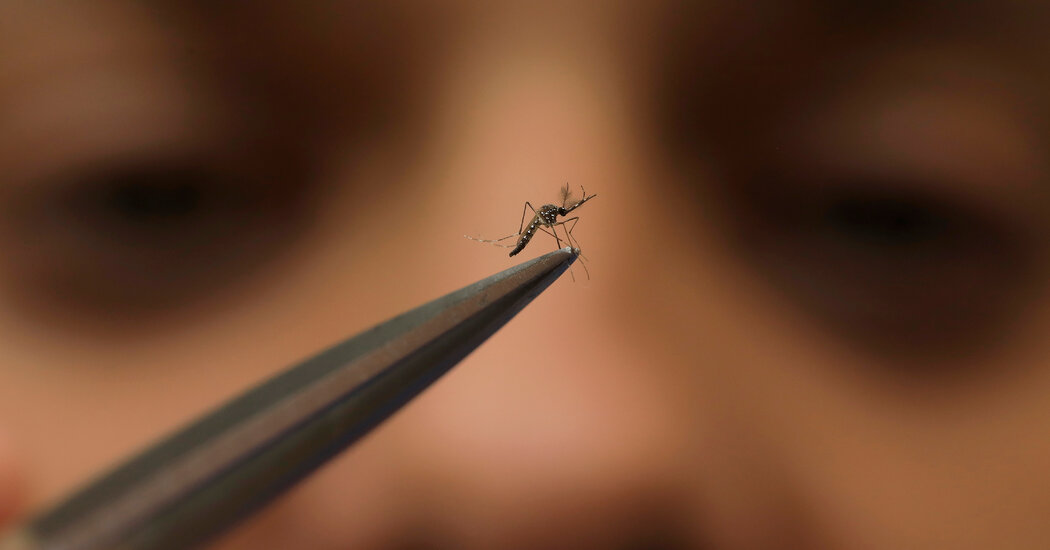
Dengue, the excruciating mosquito-borne disease, is surging throughout the world and coming to places that had never had it. California just confirmed a rare U.S. case.Cases of dengue fever, a mosquito-borne viral illness that can be fatal, are surging around the world. The increase is occurring both in places that have long struggled with the disease and in areas where its spread was unheard-of until the last year or two, including France, Italy and Chad, in central Africa. Last week, health officials in Pasadena, Calif., reported a first case of locally transmitted dengue.What is dengue fever and why is it becoming more widespread?Dengue, a viral fever, is transmitted by Aedes species of mosquitoes. It can cause excruciating joint pain; is also known by the grim nickname “breakbone fever.” The Aedes aegypti mosquito, which has been driving many of the current outbreaks, is native to Africa, where it originally lived in forests and fed on animals. But decades ago it spread to the rest of the world via trade routes and adapted to thrive in urban areas, feeding on people and breeding in small bits of trapped water in places such as old tires, discarded bottle caps and trays used to catch air-conditioner drips. Now as more people move to urban areas — many to lower-quality housing in developing countries — they are more vulnerable to the virus. And climate change is bringing the mosquito to new places, where it is thriving. “Aedes mosquitoes thrive in warm and humid environments, so definitely climate change and rising temperatures and also extreme weather events are helping extend their habitat range,” said Dr. Gabriela Paz-Bailey, chief of the dengue branch at the division of vector-borne diseases at the U.S. National Center for Emerging and Zoonotic Infectious Diseases. How dangerous is it?Only one in four dengue cases are symptomatic. Some infections may produce only a mild flulike illness. But others can result in dreadful symptoms, including headache, vomiting, high fever and the aching joint pain. Full recovery can take weeks.About 5 percent of people who get sick will progress to what’s called severe dengue, which causes plasma, the protein-rich fluid component of blood, to leak out of blood vessels. Some patients may go into shock, causing organ failure.Severe dengue has a mortality rate of between 2 and 5 percent in people whose symptoms are treated. When left untreated, however, the mortality rate is 15 percent.Severe dengue may go untreated because patients live far from medical care or can’t afford it, or because hospitals are overwhelmed with cases during an outbreak.Or it can happen when dengue isn’t diagnosed in time because it’s appearing in a new area. That is a problem in resource-strapped countries such as Chad, of course, but also a challenge for a patient or clinician in Pasadena who is unfamiliar with dengue, Dr. Paz-Bailey said.Who is at risk?Demonstrators in Kolkata, India, last month protesting what they said were insufficient efforts to control a dengue outbreak.Dibyangshu Sarkar/Agence France-Presse — Getty ImagesForty percent of people globally live in areas where they are at risk of dengue infection; the disease is most common in tropical countries such as Brazil.The people most vulnerable to dengue live in housing that doesn’t keep mosquitoes away from them. In studies on communities along the U.S. southern border in areas where the aegypti mosquito is well established, researchers found that there were as many or sometimes even more of the mosquitoes on the Texas side, but far fewer dengue cases there than on the Mexican side.That is because more people on the U.S. side of the border had screened windows and air-conditioners, which limited their exposure to mosquitoes, and lived farther apart and were less social: By making fewer visits to friends and relatives, they were less likely to take the virus into new areas where a mosquito might pick it up from them and pass it on.It is unlikely that dengue will become a serious problem in the United States, “as long as people keeping living like they’re living now,” said Thomas W. Scott, a dengue epidemiologist and professor emeritus at University of California, Davis.Outside Puerto Rico and other territories where the disease is endemic, there are about 550 dengue cases each year in the United States, but they are imported by travelers who were infected abroad and passed the disease along to their close contacts.The case in Pasadena is a rare locally acquired case of dengue in the United States. City officials said on Friday that they had been trapping and testing mosquitoes in the neighborhood where the case was reported and had not found any further insects with the virus.But scientists say dengue will continue to spread to places that haven’t experienced it before.In addition to climate change, rising rates of urbanization around the world are playing a role, said Alex Perkins, who is an associate professor of biological sciences at the University of Notre Dame and an expert in the mathematical modeling of dengue transmission. If people have recently come from rural areas, they are unlikely to have priority immunity, so the virus can move swiftly through the population.“I don’t think that the case in Pasadena or anything else that I’ve seen lately is an indication of any looming crisis in the United States in the short term,” Dr. Perkins said. “But I think the general expectation that this is going to be a growing problem in the United States is reasonable.”Dr. Perkins said the experience of southern China offers a cautionary tale: Historically, the region saw only a handful of dengue cases each year. Then in 2014, there were 42,000 cases in Guangdong Province. “All of a sudden in one year, it grew by a couple of orders of magnitude without any real forewarning,” he said. He added, “In endemic settings, we’re continuing to have record years, year in and year out, and that’s what’s driving all these imported cases in the United States and elsewhere. And when it comes to the more marginal transmission settings such as the southern United States, southern Europe, China — it’s not getting better there either. So it’s really getting better nowhere: it’s all bad.”Is there treatment for dengue?There is at present no specific treatment for dengue infection, and patients are given only symptom management, such as medication to control pain. Drug companies have antivirals in clinical trials.Is there a vaccine?The effort to find a dengue vaccine has been long and complicated. Dengvaxia, a vaccine developed by the French firm Sanofi, was rolled out widely in countries such as the Philippines and Brazil starting in 2015, but two years later the company said it was causing vaccinated people who caught the virus to have more severe cases. The U.S. Centers for Disease Control and Prevention recommends use of Dengvaxia in endemic areas for people with a laboratory-confirmed previous dengue infection.The World Health Organization recently recommended a new vaccine called QDENGA, which can be used regardless of prior infection status, for children aged 6 to 16 living in areas with high dengue transmission. This vaccine has already been introduced in Indonesia, Brazil, Thailand and 16 European countries, including Britain and Italy, but it won’t be available in the U.S. any time soon. Takeda, the Japanese company that makes it, withdrew it from the F.D.A. approval process in July after a dispute over what data was being considered.Aedes aegypti cannot pass on the dengue virus when infected with the Wolbachia bacteria.Dado Galdieri for The New York TimesWhat else can we do?Some countries that have acted aggressively against dengue have controlled it. Singapore uses a combination of methods, including the inspection of homes and construction sites for breeding areas, with high fines for rules violations. “It’s a successful approach but they have a really large budget to support those activities, but not every country has that,” Dr. Paz-Bailey said.Brazil and Colombia have had success using a bacteria called Wolbachia: When Aedes aegypti is infected with the bacteria, it can no longer pass on the dengue virus. Projects there are mass-producing mosquitoes infected with Wolbachia, and releasing them to breed with wild insects in an effort to get the bacteria through the mosquito population.

Read more →

Covid Shots May Slightly Raise Stroke Risk in the Oldest Recipients

A federal study hinted at increased risk when the vaccine was given with the high-dose flu shot, but the research is far from conclusive.The Covid vaccines made by Pfizer-BioNTech and Moderna may be linked to a slight increase in the risk of stroke when administered along with a high-dose flu vaccine, according to a new analysis by the Food and Drug Administration.The high-dose flu vaccine is usually given to older people, and the risk association is clearest in adults aged 85 and older. But that increase, if real, seems very small, and it is possible that the risk may stem from the flu vaccine alone.A separate analysis by the agency points to a small increase in the incidence of seizures after Covid vaccinations in children ages 2 to 5. The papers were posted online last week, and have not yet been vetted for publication in a scientific journal. Experts in vaccine safety said the studies were well done.Neither study is definitive, and even if these links were confirmed, the increases are so slight that the benefits of vaccination still far outweigh the risks, especially in older adults, experts said. Flu and Covid themselves both raise the risk of stroke.Although the findings do not warrant a change to vaccine recommendations, they are suggestive enough to merit further study, the experts said.“Without these types of efforts, the absence of data, the absence of evidence, just leads to a lot of misperceptions,” said Dr. Susan Cheng, a cardiologist and epidemiologist at the Smidt Heart Institute at Cedars Sinai in Los Angeles.The F.D.A. did not make the researchers available for interviews. In a statement, Cherie Duvall-Jones, a spokeswoman for the agency, said it was “making this information known at this time through publication of this paper for transparency.”Both studies are based on observational data, which cannot identify cause and effect. The agency is planning to study the occurrence of seizures in children after vaccination “using a more robust design,” Ms. Duvall-Jones said.“Sometimes, similar small associations of increased risk are not confirmed upon further investigation,” she added.Administration of flu and Covid vaccines at the same time — or with a single shot that combines both, once one becomes available — is an increasingly popular strategy with health officials aiming to increase vaccine uptake and ease logistical burdens, said Marco Cavaleri, who heads the office of biological health threats and vaccines strategy at the European Medicines Agency.“That’s the way for the future,” Dr. Cavaleri said. “We, of course, need to be sure that indeed this is a good strategy also from a safety perspective.”Dr. Cavaleri said he was not yet convinced that the increase in stroke risk was real. Strokes and related health problems occur frequently among those aged 85 or older, he noted. “We have to be extremely careful in not overinterpreting data before we get really large data sets, maybe from different regions, that could tell us exactly what is going on,” he said.Officials in the United States first noted a possible association about a year ago. At the time, data from the Vaccine Safety Datalink, a federal safety surveillance system, suggested that Americans aged 65 or older might be at increased risk of an ischemic stroke, which interrupts blood supply to the brain, within 21 days of receiving the Pfizer-BioNTech bivalent vaccine offered last fall.But federal officials said in January that a deeper investigation suggested that a link was “very unlikely,” and that other surveillance systems, including those in other countries, had not found a connection.Waiting to receive a vaccine at a Walmart in Florida. Mike Segar/ReutersIn the new study, researchers at the F.D.A. and the Centers for Medicare and Medicaid Services analyzed stroke risk among nearly 5.4 million Medicare beneficiaries aged 65 years or older. They looked at the health records of those who received a Covid bivalent shot either on its own or along with the flu vaccine between Aug. 31 and Nov. 6, 2022.Their initial analysis found no statistically significant increases in stroke with the Covid vaccines administered by themselves. When federal researchers broke down the data by age, they found an increased risk of stroke among those who were 85 years or older who got the Pfizer-BioNTech vaccine, and in those who were 65 to 74 who got the Moderna vaccine.The link was most consistent when the bivalent Covid shot was given at the same time as a high-dose flu vaccine or one containing an adjuvant, a chemical added to elicit a stronger immune response.Those who received both Covid and flu vaccines saw a 20 percent increase in the risk of ischemic stroke with Pfizer-BioNTech bivalent shot, and an increase of 35 percent in the risk of transient ischemic stroke after the Moderna bivalent shot. (The bivalent shots were replaced in September with new formulations.)The researchers then looked more closely at the relationship between the flu vaccine and stroke in nearly 7 million Medicare participants who received a high-dose or adjuvanted flu vaccine. They found a small but statistically significant increase, of about 9 percent, in the risk of stroke after receiving the flu vaccine alone.The results suggest that the high-dose flu vaccine itself may be responsible for the increase in strokes observed in the study, Daniel Salmon, director of the Institute for Vaccine Safety at Johns Hopkins Bloomberg School of Public Health, said.The study found some odd patterns, however — for example, an increased risk of some types of stroke with the flu vaccine in those ages 65 to 74 and those 85 or older, but not among those who were 75 to 84.“That’s the sort of thing that would make me wonder if there might be something weird going on in their data, because you would expect there to be more consistency,” Dr. Salmon said.Federal researchers also calculated a separate measure called attributable risk, or the increased in risk that can be attributed to the exposure. Except in those 85 or older, the attributable risk was roughly three additional cases of stroke for every 100,000 people vaccinated with the Covid vaccine.The numbers are too small to warrant alarm, Dr. Salmon said, especially because the diseases themselves also carry a risk of stroke.“If I tell you that your risk of getting struck by lightning doubled, I wouldn’t really sweat it, to be honest with you, because your risk of getting hit by lightning is pretty small,” he said. “Because the background rate is so small, a doubling of that risk isn’t very much.”Experts also said they were not surprised or concerned by the findings regarding seizures among vaccinated children.In that study, F.D.A. researchers looked at the incidence of 21 health outcomes in more than 4.1 million children after immunization with the original Covid-19 vaccines made by Pfizer-BioNTech, Moderna and Novavax.The researchers based their analysis on commercial claims in insurance databases, as well as vaccination data from local and state systems.The analysis confirmed a previously observed risk of uncommon heart problems after the Pfizer-BioNTech Covid shots in children aged 12 to 17. The study also detected a small rise in the incidence of seizures and convulsions after the Moderna or Pfizer-BioNTech shots, but only among children aged 2 to 5.A consistent trend in seizures across all age groups would have been more worrisome. But young children are prone to seizures when they have a high fever, Dr. Cheng said, and other vaccines that produce fevers are known to induce seizures in very young children.“We know that the Covid vaccines can cause a fever, so it’s not a terribly surprising finding if it’s true,” Dr. Salmon said of the seizures.Children are at much smaller risk of Covid than older adults, so many parents have opted not to vaccinate them. The low numbers make it challenging to study potential risks, experts noted.“I commend them for doing the work,” Dr. Salmon said of the F.D.A.’s research. “I do wish they were done earlier, but it’s great that the studies are being done.”

Read more →