Sexual Dysfunction After Stopping SSRI Antidepressants

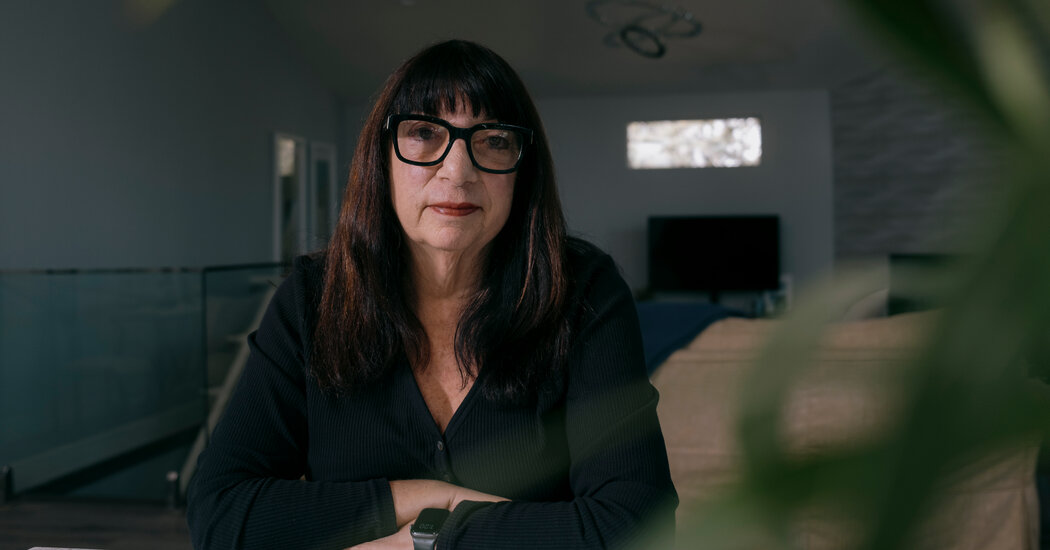
Some patients are speaking up about lasting sexual problems after stopping antidepressants, a poorly understood condition.Doctors and patients have long known that antidepressants can cause sexual problems. No libido. Pleasureless orgasms. Numb genitals. Well over half of people taking the drugs report such side effects.Now, a small but vocal group of patients is speaking out about severe sexual problems that have endured even long after they stopped taking selective serotonin reuptake inhibitors, the most popular type of antidepressants. The drugs’ effects have been devastating, they said, leaving them unable to enjoy sex or sustain romantic relationships.Listen to This ArticleOpen this article in the New York Times Audio app on iOS.“My clitoris feels like a knuckle,” said Emily Grey, a 27-year-old in Vancouver, British Columbia, who took one such drug, Celexa, for depression from age 17 to 23. “It’s not a normal thing to have to come to terms with.”The safety label on Prozac, one of the most widely prescribed S.S.R.I.s, warns that sexual problems may persist after the drug is discontinued. And health authorities in Europe and Canada recently acknowledged that the medications can lead to lasting sexual issues.But researchers are only just beginning to quantify how many people have these long-term problems, known as post-S.S.R.I. sexual dysfunction. And the chronic condition remains contested among some psychiatrists, who point out that depression itself can curb sexual desire. Clinical trials have not followed people after they stop the drugs to determine whether such sexual problems stem from the medications.“I think it’s depression recurring. Until proven otherwise, that’s what it is,” said Dr. Anita Clayton, the chief of psychiatry at the University of Virginia School of Medicine and a leader of an expert group that will meet in Spain next year to formally define the condition.Dr. Clayton published some of the earliest research showing that S.S.R.I.s come with widespread sexual side effects. She said patients with these problems should talk to their doctors about switching to a different antidepressant or a combination of drugs.She worries that too much attention on seemingly rare cases of sexual dysfunction after S.S.R.I.s are stopped could dissuade suicidal patients from trying the medications. “I have a really big fear about this,” she said.By the mid-2000s, the sexual effects of S.S.R.I.s were well recognized. In fact, the drugs so reliably dulled sexual responses that doctors began prescribing them for men with premature ejaculation.But sexual symptoms that endure after stopping the drugs haven’t received much attention in the medical literature.In 2006, a handful of cases of persistent genital numbness were reported in Canada and the United States. That same year, a newsletter for the American Psychological Association described emerging data on the lasting sexual effects of the drugs.Audrey Bahrick, a former psychologist at the University of Iowa, started taking Prozac in 1993, when she was 37 and struggling with a difficult job in a new city.Kathryn Gamble for The New York Times“I believe that we have barely begun to appreciate the pervasiveness and complexity of the impact on sexuality of these medications,” Audrey Bahrick, then a psychologist at the University of Iowa, wrote in the article.In an interview, Dr. Bahrick said she felt an ethical obligation to call attention to the condition because she had experienced it herself.She started taking Prozac in 1993, when she was 37 and struggling with a difficult job in a new city. Within one day of taking the pill, her clitoris and vagina felt numb. “It was like there was a glove over them — a very, very muffled sensation,” she recalled.For a while, she said, the trade-off was worth it: The antidepressant made her feel energized and more resilient. But after two years, she stopped taking it for the sake of her relationship. The sexual symptoms persisted, however, and the relationship ended.“It never occurred to me that this would be something that would in fact, in my life, never resolve,” said Dr. Bahrick, who is now 67.In the decades since, the use of S.S.R.I.s has soared, especially among teenagers. They are prescribed not only for depression and anxiety, but for a range of other conditions, including irritable bowel syndrome, eating disorders and premenstrual symptoms. Yet researchers are still struggling to understand how S.S.R.I.s work, and why the sexual problems are so pervasive.The drugs target serotonin, an important chemical messenger in the brain as well as other parts of the body. The molecule is involved in blunting sexual responses, including the orgasm reflex that originates in the spinal cord. Serotonin also affects estrogen levels, which in turn can affect arousal.But depression, too, dulls the sex drive. Among unmedicated men with depression, 40 percent report a loss of sexual arousal and desire, and 20 percent struggle to reach orgasm. Common conditions like diabetes and cardiovascular disease can also cause sexual problems.Drug trials rarely look at what happens when medications are stopped. And studying what happens after people get off S.S.R.I.s is particularly challenging because many people never stop taking them.Given the lack of data, “persistent sexual dysfunction caused by S.S.R.I.s is a hypothesis, not a proven phenomena,” said Dr. Robert Taylor Segraves, an emeritus professor of psychiatry at Case Western Reserve University School of Medicine who has studied the effects of antidepressants on sexuality.Still, some researchers have found ways to estimate the prevalence of the condition. A recent study in Israel reported that about one in 216 men who discontinued S.S.R.I.s were subsequently prescribed medications for erectile dysfunction, a rate at least three times as high as that among the general population.And when many patients report similar problems — like the distinctive symptom of genital numbness — the signal should not be dismissed, said Dr. Jonathan Alpert, head of the American Psychiatric Association’s research council.Roy Whaley, of Somerset, England, belongs to the PSSD Network, a global advocacy group formed last year. “We feel very neglected,” he said.Francesca Jones for The New York TimesSome patients who have taken finasteride, which treats hair loss in men, or isotretinoin, an acne medication, have also reported genital numbness and other sexual problems after stopping the medications. That may point to a common biological mechanism, Dr. Alpert said.“Everything begins with anecdotal reports, and science needs to follow,” he said.Other researchers are particularly worried about the growing number of young people who start the medications before their sexuality has fully developed.“People put on these drugs at a young age may just never know who they might otherwise be if they hadn’t been on this drug,” said Yassie Pirani, a counselor in Vancouver.In a new survey of 6,000 L.G.B.T.Q. young people that has not yet been peer-reviewed, Ms. Pirani and collaborators at Simon Fraser University in British Columbia found that people who had stopped antidepressants were 10 times more likely to report persistent genital numbness than those who had never taken the drugs.Ms. Pirani described one of her patients, age 33, who had taken S.S.R.I.s from age 11 to her mid-20s. “Her whole sexual history, she could have sex, but she never really felt anything,” Ms. Pirani said.Some of her patients, she added, wondered for years whether they were asexual before understanding that the medications may have played a role. When they turned to doctors for help, they were often dismissed.In recent years, many patients have found support for their condition online. About 10,000 people are members of a Reddit group for those with post-S.S.R.I. sexual dysfunction, up from 750 members in 2020. In 2018, dozens of patients and doctors petitioned regulators in Europe and the United States to add warnings about the risk of persistent sexual problems to drug labels, spurring the European Medicines Agency to do so the following year. (A spokeswoman for the U.S. Food and Drug Administration said the agency was still reviewing the petition.)“We feel very neglected,” said Roy Whaley, a 38-year-old from Somerset, England, who belongs to the PSSD Network, a global advocacy group formed last year.Mr. Whaley briefly took the antidepressant Citalopram at age 22 to treat his obsessive-compulsive disorder. Sixteen years later, his penis feels almost like it has been injected with a local anaesthetic, he said. He has lost his libido and feels no pleasure from orgasms. At times, he said, this loss of sexuality has made him feel suicidal.Over the years, doctors have repeatedly suggested that Mr. Whaley’s sexual problems were psychological, according to medical records reviewed by The New York Times. One record from 2009 noted that the Citalopram was “exceptionally unlikely” to be the cause.His current doctor does believe him, he said, partly because of the statement from European regulators.For Dr. Bahrick, who has continued to publish research on the topic, the recent recognition of her condition is cold comfort, considering the unknown number of people who have lost a core experience of being human.“It’s not just numb genitals,” Dr. Bahrick said. “It’s a reorientation to being in the world.”Audio produced by

Read more →
Muscle Soreness After Working Out? Here’s How to Manage.

Post-exercise stiffness is a part of any fitness regimen, but many treatments don’t address the underlying cause. Here’s what actually works.Maybe it was an intense spin class that put you over the edge, or reaching for a personal best in the squat. Perhaps it was dancing all night at a wedding reception, using muscles you haven’t worked in years. Whatever the cause, the next day you’re stiff, sore and moving a little slowly.The reasons the human body becomes sore are surprisingly mysterious, with various theories coming in and out of fashion. The cause of soreness is complex, according to said Gene Shirokobrod, a physical therapist and the chief executive of Recharge Health & Fitness in Maryland. “The answer is we still don’t know.”What we do know is that soreness is an inflammation response to damaged tissues. It generally doesn’t mean you’ve done something wrong, or that you’re getting fitter. In most cases, it’s just an unpleasant side effect of a hard workout, after which your body tends to recover on its own. But if you ignore a sore muscle and jump right back into hard training, you can be at risk for more serious injury.Finding ways to diminish muscle soreness is a multibillion-dollar industry that features compression recovery boots, massage guns and ice tubs. While many recovery tools do make you feel better, there’s a difference between relief and truly repairing the damaged tissues.Luckily, you don’t need expensive or elaborate gimmicks to get back on your feet. Simple techniques, along with thinking from the “inside out,” will help you prevent soreness, recover properly and avoid injury.Use your fascia.For more than a century, experts thought soreness was caused by lactic acid built up inside muscle cells during exercise, but that line of thinking was largely debunked in the 1980s.Today, there are two schools of thought on the mechanism of soreness. The theory of exercise-induced muscle damage says that soreness results from tiny tears in your muscular tissue. More recently, however, experts have suggested that soreness might be caused by irritated and inflamed fascia, said Jan Wilke, a professor of sports science at Alpen-Adria-Universität Klagenfurt in Austria, who is researching this theory.The pain of soreness is usually temporary, but it can signal deeper tissue damage that can make you prone to injury if you go right back to an intense workout. Justin J WeeAs such, he said, it’s helpful to take fascia into consideration during your warm up. A thick, supportive connective tissue, “fascia likes constant movement from multiple directions,” Dr. Wilke said. “So consider a dynamic warm-up that will make the tissue more resilient to the workout ahead.”Set yourself up for success.It’s important to be honest with yourself about your fitness level before you exercise, especially if you’re new to it or returning after a break. Too often, people jump into a fitness routine where they left off months or even years ago.“They’ve got the mentality of a time machine, thinking, ‘Five years ago I could lift 20 pounds, so I can still do that,’” Dr. Shirokobrod said.Instead, think about the minimum amount of exercise you need to become fitter in the beginning. If it helps, write it down, make a plan — or have a coach make a plan — and stick to it. If you do get sore, resist pushing through it during the next workout. Doing so prevents your muscles from recovering and increases your risk of injury. Also, progress is made when your muscles have time to recover.Eat and sleep well.Whether you’re new to fitness, returning after a break or a seasoned, consistent athlete, you’re going to face soreness now and again. Instead of attacking the pain from the outside, with massage guns or ointments, start from the inside. Studies point to both sufficient sleep and good nutrition as factors in injury prevention, including muscle soreness.At the first sign of soreness, or after a particularly taxing workout, “think about extra calories and protein, or some extra sleep,” Dr. Shirokobrod said. “They support your tissues and help you move forward.”Force yourself to get moving.While it’s not good to exercise hard while sore, low-intensity movement is helpful. Lighter duty exercise gets the blood flowing and helps move the recovery process along.Think easy walks, swimming some gentle laps or even performing a few sets of body-weight squats if your soreness came from weighted squats, for instance.“If I’m feeling sore and rundown from an intense workout, I’ll dial back and do a short, easy run the next day,” said Jamie Hershfang, 30, an ultrarunner from Chicago who set a record for the fastest time on the Chicago Lakefront Trail in 2020. “This always gets my muscles loosened up and feeling better.”Easing pain is not fixing muscle.Resist that urge to take ibuprofen, which some research suggests makes no difference or can even be detrimental. “The research shows that NSAIDs will reduce your feelings of soreness, but they will blunt the actual healing,” said Jason Sawyer, director of the exercise and movement science program at Bryant University.What about hot tubs, massages, Epsom salt baths or hot/cold contrast baths? They won’t cause any harm, and you might have the perception of feeling better, Dr. Shirokobrod said.But “understand that’s only sensory relief” and doesn’t affect the strained muscle or fascia itself, he added. You might emerge from these treatments feeling less stiff and sore, he said, but they cannot penetrate the tissue at a deeper level.Be aware if it’s more than just soreness.Some post-workout pain might actually be injury. One indicator is where you feel soreness. If the pain is global — felt in both legs, for instance — you’ve probably only overdone a workout. Injury, on the other hand, tends to be localized. In addition, injuries often cause immediate pain, while you usually don’t feel soreness until after.If you suspect an injury, dial back on the aggravating activity and see a medical practitioner.When it comes to beating soreness, simplicity rules the day. “Provide your body with the building blocks it needs to heal,” Dr. Sawyer said, “and it will do the rest.”Amanda Loudin is a freelance writer covering health and science.

Read more →

Coping With Anger as a Family Caregiver

Looking after a sick family member can mean putting your own life on hold, often with little recognition or outside support.Ann Brenoff didn’t worry when her dogs returned from a walk without her husband in 2015. He often dropped their leashes and let them race up the steep driveway to their home in the canyons of Los Angeles. “But after 20 or 30 minutes, we said ‘OK, where’s Dad?’” said Ms. Brenoff, 73, whose two children were then teenagers.They found him lying at the bottom of the driveway. He had collapsed walking up the street and crawled home. Ms. Brenoff’s husband was soon diagnosed with acute kidney failure and needed round-the-clock care.Three times a week, she made the hourlong drive to his dialysis appointments or arranged for someone else to take him. She cooked separate meals so he could follow a special diet, and squared off daily with their health insurance company. She learned that a bit of Vicks VapoRub under her nose helped mask certain odors as her husband’s condition deteriorated.“You wake up one day and realize you’re not a partner and a wife anymore,” Ms. Brenoff said. “You’re a full-time medical case manager.” She stopped seeing friends and gained 20 pounds. Her blood pressure climbed.And she got really angry.Around 53 million Americans are caregivers for a family member or friend with a health issue or disability, and nearly a third spend 20 or more hours a week in that role. The Centers for Disease Control and Prevention, which calls caregivers the “backbone” of long-term home care in the United States, has warned that caregivers face many risks — anxiety and depression, chronic health conditions and financial strain, to name just a few. Yet experts said many caregivers feel they cannot speak openly about their frustration and anger.“The stress is just monumental and constant,” Ms. Brenoff said. “I was pissed off.”Ms. Brenoff’s husband needed to travel to kidney dialysis three times a week and eat a special diet. It fell to his wife to juggle it all.Mark Abramson for The New York Times“There’s this myth of the loving caregiver,” said Allison Lindauer, an associate professor of neurology with the Oregon Health & Science University School of Medicine. But she and other experts said that anger and frustration are inevitable parts of the caregiver experience, and that it is important to normalize those feelings.“There is a lot of stigma,” Dr. Lindauer said.A loss of controlAllison Applebaum, the director of the Caregivers Clinic at Memorial Sloan Kettering Cancer Center and the author of the forthcoming book “Stand By Me,” said that among the 4,000 or more caregivers she has worked with, she has yet to meet one who has not expressed some form of anger.Often just beneath that anger is a “deep well of sadness,” Dr. Applebaum said. Many caregivers feel powerless, she said, and take on the role out of necessity or a sense of duty. They have little control over what happens to the person they are caring for, or to themselves.“Many caregivers can’t plan for the next day or week, let alone the next month or year,” she said. “And that’s maddening.”That has been a source of frustration for Heidi Warren. For more than eight years, Ms. Warren, 48, has been a full-time caregiver to her mother, whom she lives with in Greenville, Pa. Her mother, 76, had complications from spine surgery in 2015 and developed chronic pneumonia, which has landed her in the hospital more than 30 times.Recently, her mom has been doing better. But when Ms. Warren was in her early 40s, her mother’s needs were unpredictable. “I essentially had no social life,” she said. She would make plans to see a friend in the evening, only to come home and find her mother in respiratory distress.“No two days are the same,” Ms. Warren said. “There are times when it’s like, OK, well, I planned to do this today, but now we’re at the E.R.”The pair are best friends, “so it’s a labor of love,” she added. But many caregivers don’t share that bond.“Not everybody loves the person they care for,” Dr. Lindauer said.Making an unrecognized sacrificeJohn Poole, 39, became a caregiver in 2014 when both of his parents had strokes within a month of each other. One of his main sources of frustration was the feeling that the health care system did not always take the work he did as a caregiver seriously — even as he took on some of the tasks a skilled nurse might perform, like administering medication and managing tube feedings.“The first year or so was very chaotic in the sense that I was just learning as I went,” said Mr. Poole, who lives in Sicklerville, N.J., and had to leave his job in state government because of the demands of caregiving.He did not qualify for state Medicaid programs that would allow him to get paid for his caregiving work. And though he had family help with some of the practical, day-to-day responsibilities, he sometimes felt as if well-intentioned outsiders suggested fixes without understanding the complexities of caregiving in the United States.“A lot of people’s frustration — I know mine — was that you’re doing very valuable work that is really not recognized by the outside society,” Mr. Poole said.Finding support through connectionLong-term caregiver stress has been tied to health issues, like diabetes, arthritis and heart disease. Given that, Dr. Applebaum advises caregivers to address the physical effects of anger, whether through breathing exercises, a hot shower or a run — whatever helps. Sometimes, she said, caregivers need a private place where they can just scream.Every person interviewed for this story mentioned the power of peer support as well.Jennifer Levin, 42, started a Facebook support group for millennial caregivers seven years ago, after caring for her father. He had progressive supranuclear palsy, a degenerative condition similar to Parkinson’s disease.“You have the baseline of a common experience, and so you don’t have to explain where you’re coming from with this anger,” Ms. Levin said. “A lot of times, I think people worry if they express it to somebody who doesn’t totally get it, that it will overshadow the totality of their experience.”Still, she said, there is a limit to how comfortable some people feel sharing, even in a closed forum of peers. “A lot of caregivers are afraid to express their anger, because they feel guilty.”Ms. Brenoff’s husband of 15 years died in 2017, after 18 months of “misery.” Before he died, she found solace in another Facebook group for caregivers, which observed Throat Punch Thursdays. “That was the one night that you could sign on and say you wanted to scream at somebody,” she said. She has since remarried and written a book about her experience: “Caregivers Are Mad as Hell! Rants From the Wife of the Very Sick Man in Room 5029.”Though most people have responded positively to her speaking and writing about her anger so openly, it has not always been easy.“There’s a lot of shame if you dare to say to somebody: ‘No, this actually isn’t rewarding. This isn’t what I signed up for,’” she said.

Read more →

Mounjaro obesity jab authorised in UK

Published1 hour agoShareclose panelShare pageCopy linkAbout sharingImage source, Getty ImagesBy Michelle RobertsDigital health editorA diabetes medicine dubbed the “King Kong” of weight loss jabs has been approved in the UK for treating obesity. Mounjaro, or tirzepatide, makes you feel fuller so you eat less. In trials, people on it have lost a fifth of their body weight and UK regulators now say it is safe and effective enough to be sold and prescribed in the UK.Unlike a similar jab called Wegovy, it is not recommended on the NHS yet. Healthcare spending watchdog The National Institute for Health and Care Excellence (NICE) recently said the cost for benefit of Mounjaro may not be justified.The NHS can use it for diabetes though.Manufacturer Eli Lilly was asked to submit more data for the NICE committee to review on using it for obesity and that review should report back in March 2024.Both Wegovy and Mounjaro, which work in similar ways, come as pre-filled injection pens that patients can self-administer – giving themselves a dose under the skin of their stomach area or thigh. Wegovy and Mounjaro have not gone head-to-head in clinical trials, which makes it difficult to compare them. Both can help people shed significant weight.But, in studies, users often put weight back on after stopping treatment.Weight loss drugs: How risky are they?Weight loss jabs investigated for suicide riskThey can have side effects though – the most common are nausea, diarrhoea, vomiting and constipation. And the jabs – widely used in the US and endorsed by many celebrities – are not a quick fix or a substitute for a healthy diet and exercise.Experts caution that Mounjaro may affect how well the contraceptive pill works. Women who are on it should consider using extra contraception, such as condoms or switching to a non-oral contraceptive method for four weeks after starting Mounjaro and for four weeks after each increase in dose. Wegovy shots, which contain a drug called semaglutide, are being offered by some specialist NHS weight-loss management services, as well as some private clinics. There is a plan for GPs to offer it too.Some High Street chains are prescribing and selling it too, although stocks are limited. As more doses become available, it could help tens of thousands of patients in England, the NHS says.In the future, Mounjaro might be added to the list of possible NHS treatments too. The UK’s drugs regulator says it can be used by adults who are obese or those who are overweight and have weight-related health problems such as high blood pressure. Health and Social Care Secretary Steve Barclay said: “Although further approvals are needed to use this in the NHS, Mounjaro has the potential to help thousands of people living with obesity and support those suffering from weight-related illnesses – if used alongside diet and physical activity. Tackling obesity could help cut waiting lists and save the NHS billions of pounds.” More on this storyNHS watchdog rejects Mounjaro weight loss jabPublished27 JuneWeight-loss jabs investigated for suicide riskPublished10 JulyRelated Internet LinksMedicine and Healthcare products Regulatory AgencyThe BBC is not responsible for the content of external sites.

Read more →

NHS to try out Alzheimer's disease blood tests

Published9 hours agocommentsCommentsShareclose panelShare pageCopy linkAbout sharingImage source, Science Photo LibraryBy Michelle RobertsDigital health editorA study to assess whether blood tests could help diagnose people with very early Alzheimer’s disease, is being launched by the NHS.Spotting the condition much sooner would mean people could have more support and new treatments to slow the disease, say experts. The five-year project has £5m funding from the People’s Postcode Lottery. Currently, there is no single test for Alzheimer’s, and patients can wait years for a diagnosis.A blood test would not be able to rule in or out Alzheimer’s 100% of the time, but might be a cheap and easy way to help doctors spot which patients have hidden physical signs of the disease, years before telltale symptoms appear.There are lots of different ones in development around the world – some are already used in private clinics in the US.Image source, SCIENCE PHOTO LIBRARYThey look for traces of brain proteins that have leaked into the bloodstream. These proteins, such as tau and amyloid, start to build up in the brain a decade or more before people develop memory loss and confusion.New Alzheimer’s drugs, such as donanemab and lecanemab, can clear some of that brain build-up. New drugs for Alzheimer’s hailed as turning pointHow common is early dementia?Dementia lifestyle changes that could lower your riskHelp and support for people living with dementiaMost amyloid-lowering drug trials so far involve people with advanced disease, and many researchers believe that by the time symptoms set in, the window of opportunity for preventing cognitive decline may have passed already. The drugs might be more effective earlier on, in people who have amyloid build-up but do not have symptoms yet, which is why a blood test could be really useful. Fiona Carragher, from the Alzheimer’s Society, said: “Nearly four in 10 people in the UK who have dementia have not received a diagnosis. We also know that those who do have a diagnosis have often waited many months, sometimes years, to receive it. “This means thousands of families are stuck in limbo, trying to manage symptoms and plan for the future without access to the vital care and support that a diagnosis can bring. “New drugs targeting early-stage Alzheimer’s disease are just around the corner, but without a diagnosis, people simply won’t be able to access them if they are approved.”Having a measurable biomarker for the disease would provide a way to monitor how well new treatments work too. Image source, Emma and Simon RuscoeThe NHS Blood Biomarker Challenge will look to recruit at least 1,000 NHS patients. The Alzheimer’s Society, Alzheimer’s Research UK and the National Institute for Health and Care Research are working with the UK Dementia Research Institute at University College London for the project. Dr Susan Kohlhaas, from Alzheimer’s Research UK, said: “We need to move these tests out of the lab and assess their effectiveness in real-world settings like the NHS.”UK regulators would still need to approve a blood test, and research would need to show it is cost-effective for the NHS to use. Emma Ruscoe, 55, from Solihull, said it took four years for her husband Simon to be diagnosed with young-onset dementia.”When Simon received his diagnosis, I felt a sense of relief. I knew something was wrong and I was battling for so long. If a blood test had existed, it would have saved a lot of heartache. The uncertainty was really hard to deal with as a family.”Alzheimer’s disease affects about six in every 10 people with dementia in the UK. Alzheimer’s is not a normal part of ageing, but the chance of developing the disease increases as we get older. Sign up for our morning newsletter and get BBC News in your inbox.More on this storyNew drugs for Alzheimer’s hailed as turning pointPublished17 JulyFiona Phillips reveals she has Alzheimer’s at 62Published5 JulyAlzheimer’s blood test ‘one step closer’Published2 August 2019Related Internet LinksThe Blood Biomarker Challenge – Alzheimer’s SocietyUK Dementia Research InstituteAlzheimer’s Research UKThe BBC is not responsible for the content of external sites.

Read more →

Zen and the art of mitochondrial maintenance: The machinery of death makes a healthier life

While we all aspire for a long lifespan, what is most coveted is a long period of vigor and health, or “healthspan,” that precedes the inevitable decline of advancing age. Researchers at UC Santa Barbara have discovered that instruments of death that cells use to commit suicide when things go wrong contribute to making a longer and healthier life by revitalizing the specialized cellular compartments called mitochondria.
Mitochondria generate the energy for all of our activities, from movement to thought. These power plants inside our cells descended from what were once free-living bacteria.
“We are a sort of hybrid creature that arose from two independent evolutionary lineages: mitochondria, which were once bacteria, and the rest of the cell surrounding them,” notes Joel Rothman, a professor of molecular biology whose lab conducted the research.
This dual evolutionary origin means that our DNA resides in two separate compartments in each of our cells: the nucleus, where most of our genome is located, and the mitochondria with their own DNA, as a remnant of their bacterial provenance.
“As we age, damage to the DNA in these cellular power houses accumulates, contributing to age-related decline,” notes Rothman. “Our discovery reveals a way that defective mitochondria are removed, resulting in rejuvenation of cells.”
The research, recently published in the journal eLife, shows that the biological machinery that functions as a “kill switch” for cells that are potentially harmful, for example those becoming cancerous, also eliminate the defective DNAs of mitochondria.
“There is a Yin and Yang to mitochondria,” said Pradeep Joshi, a senior scientist and co-author on the publication. “They produce the energy that sustains life. But with every breath, mitochondria also produce reactive oxygen species, harmful molecules that damage DNA and other parts of our cells.”
Thus, the longer we live, the more damage that occurs. This damage diminishes energy production by mitochondria, with negative consequences for our healthspan. As the heart, muscles, and brain demand the most from this energy supply, aging is inevitably associated with heart failure, loss of muscle function, and dementia.

Read more →

Artificial bladders shine light on bugs that cause urinary tract infections

The research, published today in Science Advances, is the first to use a sophisticated human tissue model to explore the interaction between host and pathogen for six common species that cause urinary tract infections. The findings suggest that the ‘one size fits all’ approach to diagnosis and treatment currently used in most healthcare systems is inadequate.
Urinary tract infection (UTI) is a growing problem, with around 400 million global cases per year and an estimated 250,000 UTI-related deaths associated with antimicrobial resistance (AMR). Although UTI is often perceived as a simple bacterial infection, 25-30% of UTIs recur within six months despite antibiotic therapy for reasons that are poorly understood.
A condition that primarily affects women, UTI has been historically understudied and underfunded, with no improved anti-infective treatments introduced since Alexander Fleming discovered antibiotics nearly a century ago. Diagnosis primarily rests on the midstream urine culture method (dipstick test), an early 20th century technique that is known to miss many infections.
In this study, researchers from UCL developed three-dimensional cell models capable of mimicking the biological environment and function of human bladder tissue, in order to observe the interactions between host and pathogen in conditions as close to the human body as possible1. These ‘mini bladders’ were exposed to six bacterial species commonly found in the human bladder: Escherichia coli, Enterococcus faecalis, Pseudomonas aeruginosa, Proteus mirabilis, Streptococcus agalactiae and Klebsiella pneumoniae.
Professor Jennifer Rohn, senior author of the study from UCL Division of Medicine, said: “We put a variety of UTI bacteria species and strains through their paces and discovered a battleground of diversity. One of the key observations was the importance of persistence. If you want to be a successful pathogen, you have to have strategies that help you to survive treatment and hide from patrolling immune cells, which means you live to fight another day.
“Some species of both ‘good’ and ‘bad’ bugs formed pods within the bladder wall, most likely as a way of surviving in this harsh environment. If this happens with a friendly bug, this isn’t a problem. But if the bug is causing an infection, this poses a serious problem for diagnosis and treatment because the bacteria aren’t necessarily going to be detected in a urine sample or be in a position where oral antibiotics can reach them.”
The study also found that human cells were very good at distinguishing friendly from not-so-friendly bacteria, regardless of whether they could invade the bladder wall or not. All the ‘bad’ bugs tested triggered the production of immune molecules, called cytokines, and the shedding of the top layer of the bladder wall, whereas the ‘good’ bacteria could colonise the bladder wall without triggering an immune response.

Read more →

For epilepsy, yoga may be good for your mind

For people with epilepsy, doing yoga may help reduce feelings of stigma about the disease along with reducing seizure frequency and anxiety, according to new research published in the November 8, 2023, online issue of Neurology®, the medical journal of the American Academy of Neurology.
“People with epilepsy often face stigma that can cause them to feel different than others due to their own health condition and that can have a significant impact on their quality of life,” said study author Manjari Tripathi, MD, DM, of All India Institute of Medical Sciences in New Delhi. “This stigma can affect a person’s life in many ways including treatment, emergency department visits and poor mental health. Our study showed that doing yoga can alleviate the burden of epilepsy and improve the overall quality of life by reducing this perceived stigma.”
For the study, researchers looked at people with epilepsy with an average age of 30 in India.
Researchers measured stigma based on participants’ answers to questions such as: “Do you feel other people discriminate against you?” “Do you feel you cannot contribute anything in society?” and “Do you feel different from other people?”
Researchers then identified 160 people who met the criteria for experiencing stigma. Participants had an average of one seizure per week and on average took at least two anti-seizure medications.
Researchers then randomly assigned participants to receive yoga therapy or sham yoga therapy. Yoga therapy included exercises in loosening muscles, breathing, meditation and positive affirmations. Sham yoga consisted of exercises that mimic the same yoga exercises, but participants were not given instructions on two key components of yoga believed to induce a relaxation response: slow and synchronized breathing, and attention to the body movements and sensations during practice.
Each group received seven supervised group sessions of 45 to 60 minutes over three months. Participants were also asked to practice sessions at home at least five times a week for 30 minutes. They tracked seizures and yoga sessions in a journal. After the three months of therapy, participants were followed for another three months.

Read more →

Increasing workplace flexibility associated with lower risk of cardiovascular disease

Increasing workplace flexibility may lower employees’ risk of cardiovascular disease, according to a new study led by Harvard T.H. Chan School of Public Health and Penn State University. In workplaces that implemented interventions designed to reduce conflict between employees’ work and their personal/family lives, researchers observed that employees at higher baseline cardiometabolic risk, particularly older employees, experienced a reduction in their risk for cardiovascular disease equivalent to between five and 10 years of age-related cardiometabolic changes.
The study will be published on November 8 in The American Journal of Public Health. It is among the first studies to assess whether changes to the work environment can affect cardiometabolic risk.
“The study illustrates how working conditions are important social determinants of health,” said co-lead author Lisa Berkman, Thomas D. Cabot Professor of Public Policy and of Epidemiology at Harvard Chan School and director of the Harvard Center for Population and Development Studies. “When stressful workplace conditions and work-family conflict were mitigated, we saw a reduction in the risk of cardiovascular disease among more vulnerable employees, without any negative impact on their productivity. These findings could be particularly consequential for low- and middle-wage workers who traditionally have less control over their schedules and job demands and are subject to greater health inequities.”
As part of the Work, Family and Health Network, the researchers designed a workplace intervention meant to increase work-life balance: Supervisors were trained on strategies to show support for employees’ personal and family lives alongside their job performances, and teams (supervisors and employees) attended hands-on trainings to identify new ways to increase employees’ control over their schedules and tasks.
The researchers randomly assigned the intervention to work units/sites within two companies: an IT company, comprised of 555 participating employees, and a long-term care company, with 973 participating employees. The IT employees consisted of male and female high and moderate-salaried technical workers; the long-term care employees mostly consisted of female, low-wage direct caregivers. Other units/sites were not assigned the intervention and therefore conducted their business as usual.
These 1,528 employees across the experimental and control groups had their systolic blood pressure, body mass index, glycated hemoglobin, smoking status, HDL cholesterol, and total cholesterol recorded at the beginning of the study and again 12 months later. The researchers used this health information to calculate a cardiometabolic risk score (CRS) for each employee, with a higher score indicating a higher estimated risk of developing cardiovascular disease within the decade.
The study found that the workplace intervention did not have any significant overall effects on employees’ CRS. However, the researchers did observe reductions in CRS specifically among those with a higher baseline CRS: Those employees of the IT company and of the long-term care company saw a reduction in their CRS equivalent to 5.5 and 10.3 years of age-related changes, respectively. Age also played a role: Employees older than 45 with a higher baseline CRS were likelier to see a reduction than their younger counterparts.
“The intervention was designed to change the culture of the workplace over time with the intention of reducing conflict between employees’ work and personal lives and ultimately improving their health,” said co-lead author Orfeu Buxton, professor of biobehavioral health and director of the Sleep, Health & Society Collaboratory at Penn State. “Now we know such changes can improve employee health and should be more broadly implemented.”
Hayami Koga, postdoctoral fellow at the Harvard Center for Population and Development Studies, was also a co-author.
Funding for the study came from the National Institutes of Health and the Centers for Disease Control and Prevention: Eunice Kennedy Shriver National Institute of Child Health and Human Development (grants U01HD051217, U01HD051218, U01HD051256, U01HD051276); National Institute on Aging (grant U01AG027669); Office of Behavioral and Social Sciences Research; National Institute for Occupational Safety and Health (grants U01OH008788, U01HD059773); and the National Heart Lung and Blood Institute (grant R01-HL107240). Additional funding came from the University of Minnesota’s College of Liberal Arts, McKnight Foundation, William T. Grant Foundation, Alfred P. Sloan Foundation, and the Administration for Children and Families.

Read more →

New interactive evidence-based mapping tool gives policymakers more insight into highly concentrated cannabis products

After conducting the first scoping review of its kind, researchers at the University of Colorado Anschutz Medical Campus have developed an evidence based interactive mapping tool to assist policymakers as they consider regulating the concentration of THC in cannabis products and as more potent products move into the marketplace.
Their review, funded by the State of Colorado, was released today in the American Journal of Public Health (AJPH).
“We looked at studies that measured adverse or beneficial effects of high concentration cannabis products. From that, we were able to produce an open access, interactive map of the evidence so that anyone looking for research on it can find what is available,” said Lisa Bero, PhD, chief scientist for the Center for Bioethics and Humanities and research professor for the Colorado School of Public Health. “During the review we also discovered that research on cannabis is out of sync with the higher concentrations found in today’s products.”
The review notes that while smoking cannabis has been declining, routes of administration that use higher-concentration THC, such as vaping and dabbing, have been increasing, as well as the THC concentration of smoked products.
As of February 2023, 37 states allowed medical cannabis, and 19 states had legalized recreational cannabis, providing access to these more potent products. Several states have begun to regulate the amount of THC in them due to the risk of harmful effects, but lawmakers have been eager for more accurate and easily accessible data to write appropriate legislation.
“Our map is a public health good that can be used to find the studies that have been done on high concentration cannabis products. For example, they could look for all studies that have been conducted on mental health outcomes,” Bero said.
The map includes 452 studies that meets three criteria: studies involving humans; highly concentrated cannabis exposure; and any health outcomes regardless of whether they were classified as beneficial or adverse.
“While many of these studies need to be expanded to keep up with current trends, it opens up a conversation that could lead to broader research and collaboration between medical experts and state governments as well as close the knowledge gaps about these products,” Bero said.

Read more →