Study reveals bias in AI tools when diagnosing women's health issue

Machine learning algorithms designed to diagnose a common infection that affects women showed a diagnostic bias among ethnic groups, University of Florida researchers found.
While artificial intelligence tools offer great potential for improving health care delivery, practitioners and scientists warn of their risk for perpetuating racial inequities. Published Friday in the Nature journal Digital Medicine, this is the first paper to evaluate fairness among these tools in connection to a women’s health issue.
“Machine learning can be a great tool in medical diagnostics, but we found it can show bias toward different ethnic groups,” said Ruogu Fang, an associate professor in the J. Crayton Pruitt Family Department of Biomedical Engineering and the study’s author. “This is alarming for women’s health as there already are existing disparities that vary by ethnicity.”
The researchers evaluated the fairness of machine learning in diagnosing bacterial vaginosis, or BV, a common condition affecting women of reproductive age, which has clear diagnostic differences among ethnic groups.
Fang and co-corresponding author Ivana Parker, both faculty members in the Herbert Wertheim College of Engineering, pulled data from 400 women, comprising 100 from each of the ethnic groups represented — white, Black, Asian, and Hispanic.
In investigating the ability of four machine learning models to predict BV in women with no symptoms, researchers say the accuracy varied among ethnicities. Hispanic women had the most false-positive diagnoses, and Asian women received the most false-negative. Algorithm
“The models performed highest for white women and lowest for Asian women,” said the Parker, an assistant professor of bioengineering. “This tells us machine learning methods are not treating ethnic groups equally well.”
Parker said that while they were interested in understanding how AI tools predict disease for specific ethnicities, their study also helps medical scientists understand the factors associated with bacteria in women of varying ethnic backgrounds, which can lead to improved treatments.

BV, one of the most common vaginal infections, can cause discomfort and pain and happens when natural bacteria levels are out of balance. While there are symptoms associate with BV, many people have no symptoms, making it difficult to diagnose.
It doesn’t often cause complications, but in some cases, BV can increase the risk of sexually transmitted infections, miscarriage, and premature births.
The researchers said their findings demonstrate the need for improved methods for building the AI tools to mitigate health care bias.

Read more →

Personalized cancer medicine: Humans make better treatment decisions than AI

Treating cancer is becoming increasingly complex, but also offers more and more possibilities. After all, the better a tumor’s biology and genetic features are understood, the more treatment approaches there are. To be able to offer patients personalized therapies tailored to their disease, laborious and time-consuming analysis and interpretation of various data is required. Researchers at Charité — Universitätsmedizin Berlin and Humboldt-Universität zu Berlin have now studied whether generative artificial intelligence (AI) tools such as ChatGPT can help with this step. This is one of many projects at Charité analyzing the opportunities unlocked by AI in patient care.
If the body can no longer repair certain genetic mutations itself, cells begin to grow unchecked, producing a tumor. The crucial factor in this phenomenon is an imbalance of growth-inducing and growth-inhibiting factors, which can result from changes in oncogenes — genes with the potential to cause cancer — for example. Precision oncology, a specialized field of personalized medicine, leverages this knowledge by using specific treatments such as low-molecular weight inhibitors and antibodies to target and disable hyperactive oncogenes.
The first step in identifying which genetic mutations are potential targets for treatment is to analyze the genetic makeup of the tumor tissue. The molecular variants of the tumor DNA that are necessary for precision diagnosis and treatment are determined. Then the doctors use this information to craft individual treatment recommendations. In especially complex cases, this requires knowledge from various fields of medicine. At Charité, this is when the “molecular tumor board” (MTB) meets: Experts from the fields of pathology, molecular pathology, oncology, human genetics, and bioinformatics work together to analyze which treatments seem most promising based on the latest studies. It is a very involved process, ultimately culminating in a personalized treatment recommendation.
Can artificial intelligence help with treatment decisions?
Dr. Damian Rieke, a doctor at Charité, Prof. Ulf Leser and Xing David Wang of Humboldt-Universität zu Berlin, and Dr. Manuela Benary, a bioinformatics specialist at Charité, wondered whether artificial intelligence might be able to help at this juncture. In a study just recently published in the journal JAMA Network Open, they worked with other researchers to examine the possibilities and limitations of large language models such as ChatGPT in automatically scanning scientific literature with an eye to selecting personalized treatments.
“We prompted the models to identify personalized treatment options for fictitious cancer patients and then compared the results with the recommendations made by experts,” Rieke explains. His conclusion: “AI models were able to identify personalized treatment options in principle — but they weren’t even close to the abilities of human experts.”
The team created ten molecular tumor profiles of fictitious patients for the experiment. A human physician specialist and four large language models were then tasked with identifying a personalized treatment option. These results were presented to the members of the MTB for assessment, without them knowing where which recommendation came from.

Improved AI models hold promise for future uses
“There were some surprisingly good treatment options identified by AI in isolated cases,” Benary reports. “But large language models perform much worse than human experts.” Beyond that, data protection, privacy, and reproducibility pose particular challenges in relation to the use of artificial intelligence with real-world patients, she notes.
Still, Rieke is fundamentally optimistic about the potential uses of AI in medicine: “In the study, we also showed that the performance of AI models is continuing to improve as the models advance. This could mean that AI can provide more support for even complex diagnostic and treatment processes in the future — as long as humans are the ones to check the results generated by AI and have the final say about treatment.”
AI projects at Charité aim to improve patient care
Prof. Felix Balzer, Director of the Institute of Medical Informatics, is also certain medicine will benefit from AI. In his role as Chief Medical Information Officer (CMIO) within IT, he is responsible for the digital transformation of patient care at Charité. “One special area of focus when it comes to greater efficiency in patient care is digitalization, which also means the use of automation and artificial intelligence,” Balzer explains.
His institute is working on AI models to help with fall prevention in long-term care, for example. Other areas at Charité are also conducting extensive research on AI: The Charité Lab for Artificial Intelligence in Medicine is working to develop tools for AI-based prognosis following strokes, and the TEF-Health project, led by Prof. Petra Ritter of the Berlin Institute of Health at Charité (BIH), is working to facilitate the validation and certification of AI and robotics in medical devices.

Read more →

Genomic study links cannabis abuse to multiple health problems

A Yale-led analysis of the genomes of more than 1 million people has shed light on the underlying biology of cannabis use disorder and its links to psychiatric disorders, abuse of other substances such as tobacco, and possibly even an elevated risk of developing lung cancer.
For the study, researchers examined a genome-wide set of genetic variants in individuals from multiple ancestry groups enrolled in the U.S. Department of Veterans Affairs’ Million Veteran Program, one of the world’s largest genetic databases, and incorporated additional information from several other genomic databases. They were able to identify dozens of genetic variants linked to cannabis use disorder and a variety of behavioral and health issues associated with cannabis use disorder.
The study, led by Daniel Levey, assistant professor of psychiatry, and Joel Gelernter, the Foundations Fund Professor of Psychiatry and professor of genetics and of neuroscience, was published Nov. 20 in the journal Nature Genetics.
“Once we understand the biology of cannabis use disorder, we can better understand associated disorders and inform the public of risks associated with marijuana use,” said Levey, lead author of the study.
Marijuana is the most commonly used federally illegal drug in the United States, with more than 48 million people (18% of Americans) using it at least once in 2019, according to the U.S. Centers for Disease Control and Prevention. Previous research has shown that roughly one-third of people who use marijuana develop cannabis use disorder, which is defined as a problematic pattern of cannabis use leading to clinically significant impairment or distress.
The new findings offer insights into the genetic factors that underlie this phenomenon, and other potentially related health risks.
For instance, they found that variants of genes that encode for three different types of receptors on neurons were associated with elevated risk for developing cannabis use disorder.
And they found that these variants linked to cannabis use disorder were also associated with the development of lung cancer. The authors added, however, that more work needs to be done to separate the effects tobacco use and other environmental factors have on cancer diagnoses from those of marijuana use.
“This is the largest genome-wide study of cannabis use disorder ever conducted and as more states legalize or decriminalize the use of marijuana, such studies can help us to understand the public health risks that accompany its increased use,” Gelernter said.

Read more →

Brain hemorrhage cause other than injured blood vessels

A first-of-its-kind study led by the University of California, Irvine has revealed a new culprit in the formation of brain hemorrhages that does not involve injury to the blood vessels, as previously believed. Researchers discovered that interactions between aged red blood cells and brain capillaries can lead to cerebral microbleeds, offering deeper insights into how they occur and identifying potential new therapeutic targets for treatment and prevention.
The findings, published online recently in the Journal of Neuroinflammation, describe how the team was able to watch the process by which red blood cells stall in the brain capillaries and then observe how the hemorrhage happens. Cerebral microbleeds are associated with a variety of conditions that occur at higher rates in older adults, including hypertension, Alzheimer’s disease and ischemic stroke.
“We have previously explored this issue in cell culture systems, but our current study is significant in expanding our understanding of the mechanism by which cerebral microbleeds develop,” said co-corresponding author Dr. Mark Fisher, professor of neurology in UCI’s School of Medicine. “Our findings may have profound clinical implications, as we identified a link between red blood cell damage and cerebral hemorrhages that occurs at the capillary level.”
The team exposed red blood cells to a chemical called tert-butyl hydroperoxide that caused oxidative stress; the cells were then marked with a fluorescent label and injected into mice. Using two different methods, the researchers observed the red blood cells getting stuck in the brain capillaries and then being cleared out in a process called endothelial erythrophagocytosis. As they moved out of the capillaries, microglia inflammatory cells engulfed the red blood cells, which led to the formation of a brain hemorrhage.
“It has always been assumed that in order for cerebral hemorrhage to occur, blood vessels need to be injured or disrupted. We found that increased red blood cell interactions with the brain capillaries represent an alternative source of development,” said co-corresponding author Xiangmin Xu, UCI professor of anatomy & neurobiology and director of the campus’s Center for Neural Circuit Mapping. “We need to examine in detail the regulation of brain capillary clearance and also analyze how that process may be related to insufficient blood supply and ischemic stroke, which is the most common form of stroke, to help advance the development of targeted treatments.”
Leveraging the broad, collaborative infrastructure and robust resources of the Center for Neural Circuit Mapping, other team members were Rachita Sumbria, co-first author/co-corresponding author and associate professor in the Chapman University School of Pharmacy; Hai Zhang, co-first author and postdoctoral researcher in UCI’s Department of Anatomy & Neurobiology; Rudy Chang, co-first author and Chapman University School of Pharmacy graduate student; Jiahong Sun, postdoctoral researcher at Chapman University; David Cribbs, professor-in-residence at UCI’s Institute for Memory Impairments and Neurological Disorders; and Todd Holmes, UCI professor of physiology & biophysics.
This work was supported by the National Institute on Aging under award numbers R01AG062840, R01AG072896, R35127102, RF1 AG065675 and R01NS121246 and by National Institute of Neurological Disorders and Stroke grant R01NS20989.

Read more →

Urban environmental exposures drive increased breast cancer incidence

A Duke Health analysis of breast cancer in North Carolina showed that the state’s urban counties had higher overall incidences of disease than rural counties, especially at early stages upon diagnosis.
The findings, appearing in the journal Scientific Reports, serve as a national template for assessing the impact of poor environmental quality across different stages of breast cancer, which is marked by highly diverse origins and mechanisms for spreading. North Carolina serves as a good model; it has a diverse population of 10 million spread over 100 rural and urban counties with varying environmental conditions.
“Individual environmental contaminants have long been associated with breast cancer, but we have limited understanding of how multiple exposures simultaneously affect this disease,” said senior author Gayathri Devi, Ph.D., a professor in Duke’s departments of Surgery and Pathology and Program Director of the Duke Consortium for Inflammatory Breast Cancer at the Duke Cancer Institute.
“Our study explored the incidence of breast cancer within the context of the Environmental Quality Index (EQI) — a county-by-county assessment of air, water, land, built environment, as well as the sociodemographic environment,” Devi said. “This type of data analysis allows for a high-level look at broader environmental factors and health outcomes.”
Devi and colleagues — including lead author Larisa M. Gearhart-Serna, who steered the research as a Ph.D. candidate at Duke — analyzed the EQI data alongside breast cancer incidence rates from the North Carolina Central Cancer Registry. The team further evaluated the different breast cancer stages — in situ and localized (early stages), regional and distant (later stages) — stratified by rural-urban status.
“In an earlier study, we assessed how environmental conditions impact the risk of a breast cancer patient having later stage invasive disease compared to non-invasive carcinoma in-situ,” Gearhart-Serna said. “This is a continuation of that work to determine whether
environmental quality and an urban environment are related to the development of more advanced tumors in a community and, if so, what stages.”
In counties with poor overall environmental quality compared to those with good environmental quality, total breast cancer incidence was higher by 10.82 cases per 100,000 persons. This association was most pronounced for localized breast cancer.

The researchers also found that community level effects of environmental exposures — notably in those counties with poor land quality, especially in the urban setting — were associated with higher rates of total breast cancer incidence. The land EQI includes exposures from sources such as pesticides, and toxic releases from industrial, agricultural and animal facilities.
Breast cancer incidence rates were also higher for later stage disease and total breast cancer among counties with higher populations of Black residents. This is relevant as global incidence of aggressive breast cancers is higher in Black women.
The analysis found that higher mammography screening rates were associated with lower regional breast cancer incidence rates, which is relevant because improved screening is thought to decrease diagnoses of later-stage disease.
“Our analyses indicate significant associations between environmental quality and breast cancer incidence, which differ by breast cancer stage and urbanicity, identifying a critical need to assess cumulative environmental exposures in the context of cancer stage,” Gearhart-Serna said. “This has the potential to develop measures to reduce disease incidence in vulnerable communities.”
The research is a result of a long-standing collaboration between Duke’s School of Medicine and Nicholas School of the Environment.
The study received funding support in part from the National Institutes of Health (P30-CA014236: the National Cancer Institute (3P20CA202925-04S2); and the National Institute of Environmental Health Sciences (T32-ESO21432-05).

Read more →

U.S. Offers Another Round of Free Covid Tests Through the Mail

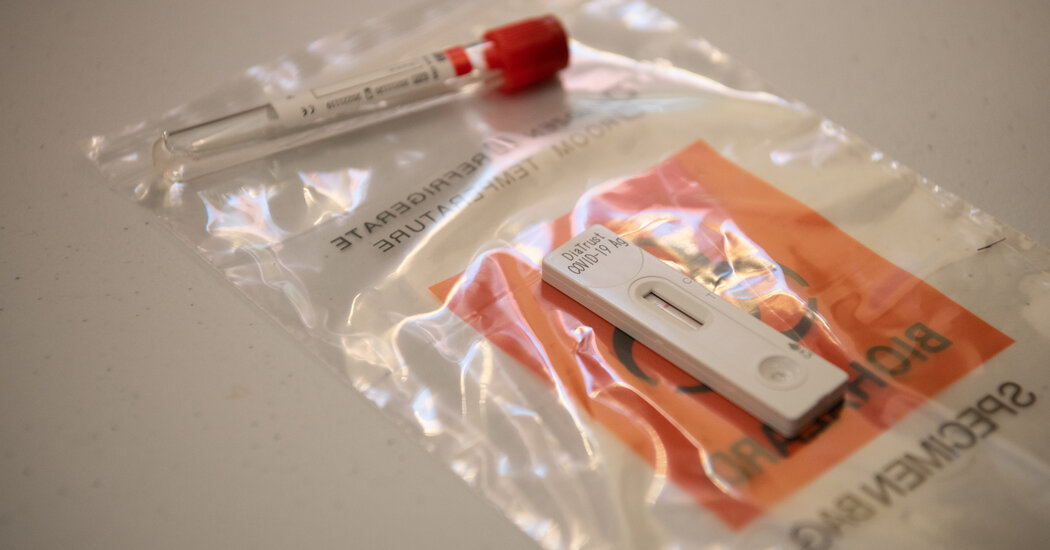
Households may now order another four at-home tests, or eight if they have not placed an order since the program was revived in September.Just in time for the holiday season, the Biden administration is offering Americans a fresh round of free at-home coronavirus tests through the Postal Service.The administration revived the dormant program in September, announcing then that American households could order four free tests through a federal website, covidtests.gov. Beginning Monday, households may order an additional four tests — or eight tests if they had not ordered any in the previous round.Hospitalizations and deaths from Covid-19 are far below what they were during the worst stretches of the pandemic, which has claimed the lives of about 1.1 million people in the United States.Hospital admissions of patients with Covid ticked up this summer, but they began declining slightly in September and have held fairly steady in recent weeks. About 16,000 people were admitted to hospitals with the virus in the week that ended Nov. 11, according to the Centers for Disease Control and Prevention.Private insurers had previously been required to cover up to eight at-home tests per month, but that requirement ended in May with the expiration of the public health emergency for the coronavirus, making it harder for many Americans to get tests without footing the bill.Separately from the Postal Service program, the federal Department of Health and Human Services says it is providing more than four million tests per week to nursing homes, schools, community health centers and food banks.

Read more →

1060 million people with 'other' musculoskeletal disorders by 2050

A category of musculoskeletal disorders of our joints, muscles, bones, ligaments, tendons and spine are on the rise and a new forecast is as many as 1060 million people — up from 464 million — will be living with related disabilities by 2050, placing even greater pressure on stretched healthcare systems.
Published in the latest edition of Lancet Rheumatology, the Global Burden of Disease research was funded by the Bill and Melinda Gates Foundation and used population, health and insurance claims data across 204 countries and territories to measure the prevalence, years of life lived with disability and population data to identify the 2050 projection.
“We highlight there is a substantial burden of what are categorised as ‘other’ musculoskeletal disorders that would otherwise go unrecognised,” says joint first author Manasi Murthy Mittinty, Flinders University College of Medicine and Public Health Senior Lecturer and Harvard Medical School Advanced Global Clinical Scholar Research Fellow.
“The research team has identified that musculoskeletal disorders of the types studied in this research, which excludes osteoarthritis, rheumatoid arthritis, gout, low back pain and neck pain, are a large and growing source of disability in the world that requires public policy consideration,” she says.
“We based our forecast on population projections and ageing demographics, indicating that not only are the number of people worldwide living with other musculoskeletal conditions such as systemic lupus erythematosus and spondylopathies increasing but so will be their healthcare needs in 2050 and beyond.”
The research team identified: ‘Other’ musculoskeletal disorders are a heterogeneous group of musculoskeletal conditions not captured elsewhere in disease-specific categories and are often overlooked in policy for musculoskeletal health; ‘Other’ musculoskeletal disorders in 2020 ranked as the sixth-largest cause of years lived with disability (YLDs), 19th-largest cause of DALYs (Disability Adjusted Life years (DALYs); Large YLD burden, despite all uncertainty, suggests high demand for therapeutic and rehabilitative services and is supported by insurance claims data indicating large number of health service visits.Dr Mittinty says the research found musculoskeletal disorders globally are reported higher in females, increase overall with age and peak at 60-69 years.
“We have forecast the 494 million cases in 2020 is projected to grow substantially to reach 1060 million people living with other musculoskeletal disabilities by 2050.
“A factor which may add to the projection of course is the emergence of post-COVID-19 implications where a growing cohort of related conditions characterised by musculoskeletal symptoms and loss of mobility are recognised, adding further pressure on health systems and communities.”
Co-lead author with Dr Mittinty is Dr Tiffany Gill, from the University of Adelaide Medical School.

Read more →

Gold now has a golden future in revolutionizing wearable devices

Top Olympic achievers are awarded the gold medal, a symbol revered for wealth and honor both in the East and the West. This metal also serves as a key element in diverse fields due to its stability in air, exceptional electrical conductivity, and biocompatibility. It’s highly favored in medical and energy sectors as the ‘preferred catalyst’ and is increasingly finding application in cutting-edge wearable technologies.
A research team led by Professor Sei Kwang Hahn and Dr. Tae Yeon Kim from the Department of Materials Science and Engineering at Pohang University of Science and Technology (POSTECH) developed an integrated wearable sensor device that effectively measures and processes two bio-signals simultaneously. Their research findings were featured in Advanced Materials, an international top journal in the materials field.
Wearable devices, available in various forms like attachments and patches, play a pivotal role in detecting physical, chemical, and electrophysiological signals for disease diagnosis and management. Recent strides in research focus on devising wearables capable of measuring multiple bio-signals concurrently. However, a major challenge has been the disparate materials needed for each signal measurement, leading to interface damage, complex fabrication, and reduced device stability. Additionally, these varied signals analysis requires further signal processing systems and algorithms.
The team tackled this challenge using various shapes of gold (Au) nanowires. While silver (Ag) nanowires, known for their extreme thinness, lightness, and conductivity, are commonly used in wearable devices, the team fused them with gold. Initially, they developed bulk gold nanowires by coating the exterior of the silver nanowires, suppressing the galvanic phenomenon. Subsequently, they created hollow gold nanowires by selectively etching the silver from the gold-coated nanowires. The bulk gold nanowires responded sensitively to temperature variations, whereas the hollow gold nanowires showed high sensitivity to minute changes in strain.
These nanowires were then patterned onto a substrate made of styrene-ethylene-butylene-styrene (SEBS) polymer, seamlessly integrated without separations. By leveraging two types of gold nanowires, each with distinct properties, they engineered an integrated sensor capable of measuring both temperature and strain. Additionally, they engineered a logic circuit for signal analysis, utilizing the negative gauge factor resulting from introducing micrometer-scale corrugations into the pattern. This approach led to the successful creation of an intelligent wearable device system that not only captures but also analyzes signals simultaneously, all using a single material of Au.
The team’s sensors exhibited remarkable performance in detecting subtle muscle tremors, identifying heartbeat patterns, recognizing speech through vocal cord tremors, and monitoring changes in body temperature. Notably, these sensors maintained high stability without causing damage to the material interfaces. Their flexibility and excellent stretchability enabled them to conform to curved skin seamlessly.
Professor Sei Kwang Hahn stated, “This research underscores the potential for the development of a futuristic bioelectronics platform capable of analyzing a diverse range of bio-signals.” He added, “We envision new prospects across various industries including healthcare and integrated electronic systems.”
The research was sponsored by the Basic Research Program and the Biomedical Technology Development Program of the National Research Foundation of Korea, and POSCO Holdings.

Top Olympic achievers are awarded the gold medal, a symbol revered for wealth and honor both in the East and the West. This metal also serves as a key element in diverse fields due to its stability in air, exceptional electrical conductivity, and biocompatibility. It’s highly favored in medical and energy sectors as the ‘preferred catalyst’ and is increasingly finding application in cutting-edge wearable technologies.
A research team led by Professor Sei Kwang Hahn and Dr. Tae Yeon Kim from the Department of Materials Science and Engineering at Pohang University of Science and Technology (POSTECH) developed an integrated wearable sensor device that effectively measures and processes two bio-signals simultaneously. Their research findings were featured in Advanced Materials, an international top journal in the materials field.
Wearable devices, available in various forms like attachments and patches, play a pivotal role in detecting physical, chemical, and electrophysiological signals for disease diagnosis and management. Recent strides in research focus on devising wearables capable of measuring multiple bio-signals concurrently. However, a major challenge has been the disparate materials needed for each signal measurement, leading to interface damage, complex fabrication, and reduced device stability. Additionally, these varied signals analysis requires further signal processing systems and algorithms.
The team tackled this challenge using various shapes of gold (Au) nanowires. While silver (Ag) nanowires, known for their extreme thinness, lightness, and conductivity, are commonly used in wearable devices, the team fused them with gold. Initially, they developed bulk gold nanowires by coating the exterior of the silver nanowires, suppressing the galvanic phenomenon. Subsequently, they created hollow gold nanowires by selectively etching the silver from the gold-coated nanowires. The bulk gold nanowires responded sensitively to temperature variations, whereas the hollow gold nanowires showed high sensitivity to minute changes in strain.
These nanowires were then patterned onto a substrate made of styrene-ethylene-butylene-styrene (SEBS) polymer, seamlessly integrated without separations. By leveraging two types of gold nanowires, each with distinct properties, they engineered an integrated sensor capable of measuring both temperature and strain. Additionally, they engineered a logic circuit for signal analysis, utilizing the negative gauge factor resulting from introducing micrometer-scale corrugations into the pattern. This approach led to the successful creation of an intelligent wearable device system that not only captures but also analyzes signals simultaneously, all using a single material of Au.
The team’s sensors exhibited remarkable performance in detecting subtle muscle tremors, identifying heartbeat patterns, recognizing speech through vocal cord tremors, and monitoring changes in body temperature. Notably, these sensors maintained high stability without causing damage to the material interfaces. Their flexibility and excellent stretchability enabled them to conform to curved skin seamlessly.
Professor Sei Kwang Hahn stated, “This research underscores the potential for the development of a futuristic bioelectronics platform capable of analyzing a diverse range of bio-signals.” He added, “We envision new prospects across various industries including healthcare and integrated electronic systems.”
The research was sponsored by the Basic Research Program and the Biomedical Technology Development Program of the National Research Foundation of Korea, and POSCO Holdings.

Read more →

Poor work performance among Japanese employees strongly associated with insufficient sleep

This study examined the association between work performance and lifestyle habits among Japanese employees. The results revealed that insufficient sleep was the predominant factor affecting work performance in men and women, followed by lack of regular exercise and eating late-evening meals. Furthermore, the study indicated that men were more likely to exhibit lifestyle habits that impacted work performance than women.
In Japan, the decline in productivity has become a major social issue as the working-age population is decreasing owing to a lower birthrate and an increase in aging population. Therefore, companies are focusing on “health and productivity management” initiatives to maintain employee health and enhance their work performance. However, lifestyle habits that impact poor work performance of Japanese employees and the manner in which they differ between men and women have not been identified to date.
A multiple regression analysis was conducted using data from 12,526 corporate employees (aged 21-69) to examine the relationship between 11 lifestyle habits (related to smoking, exercise, diet, alcohol consumption, and sleep) and work performance, segmented by gender. The findings indicated that insufficient sleep was most strongly related to poor work performance for both genders.
Additionally, it was noted that lifestyle habits, such as slow walking speed, current smoking, and skipping breakfast, are associated with lower work performance in men, whereas in women, habits such as fast eating speed are influential.
The study suggests that health education and workplace interventions focusing on improved sleep, exercise habits, and dinner timing are vital. Moreover, it highlights the importance of gender-specific support measures.
The funding was provided by Tokio Marine dR Co, Ltd.

Read more →

New approaches in the fight against drug resistance in malaria

Malaria is one of the most widespread and deadly infectious diseases worldwide. New compounds are continuously required due to the risk of malaria parasites becoming resistant to the medicines currently used. A team of researchers at Friedrich-Alexander-Universität Erlangen-Nürnberg (FAU) led by Prof. Dr. Svetlana B. Tsogoeva has now combined the anti-malaria drug artemisinin with coumarin, which, like artemisinin, is also found in plants, and developed an auto-fluorescent compound from both bioactive substances. This autofluorescence is particularly advantageous as it can be used for imaging in live cells and shows how the medication works in a precise time sequence. The working group also discovered that the autofluorescent artemisinin-coumarin hybrids are able to destroy a certain drug-resistant malaria pathogen called plasmodium palcifarum. They have published their findings in the journal Chemical Science.
Artemisinin is a highly-effective and common ingredient for the manufacture of malaria medication gained from a plant called sweet wormwood (Artemisia annua L.). Coumarin is a secondary plant compound found in various plants. In the development of drugs against malaria, active substances are labeled with fluorescent substances in order to identify how they act against malaria pathogens in precise chronological order using imaging techniques. This fluorescent labeling has already been used with artemisinin.
Combining substances to achieve autofluorescence
A significant disadvantage of labeling with fluorescent substances is the fact that they alter how the medication works. For example, this means that in certain circumstances cells infected with malaria absorb a drug like artemisinin differently after fluorescent marking than previously. The solubility of the drug can also change. This was avoided by the development of autofluorescent hybrids, which are compounds made of two or more basic compounds that are inherently fluorescent and whose mode of action can be precisely observed using imaging techniques.
Active agent with special skills
The team led by Prof. Tsogoeva at the Chair of Organic Chemistry I decided to combine artemisinin with bioactive coumarins because coumarin derivatives also possess anti-malaria properties. They can also be easily chemically altered so that they become extremely fluorescent. The researchers discovered that it was not only possible to observe the mode of action of this first autofluorescent artemisinin-coumarin hybrid in living red blood cells infected with P. falciparum. In conjunction with Prof. Barbara Kappes (Department of Chemical and Biological Engineering, FAU) and Dr. Diogo R. M. Moreira (Instituto Gonçalo Moniz, Fiocruz Bahia, Brazil), they also discovered that the active agent was highly effective against P. falciparum strains in vitro (in a test tube) that are resistant to chloroquin and other malaria drugs. Above all, however, the new compound also proved highly effective against the malaria pathogens in vivo in mouse models.
With the creation of the first autofluorescent artemisinin-coumarin hybrid, the FAU researchers hope that they have laid the foundation for the development of further autofluorescent agents for treating malaria and have made significant process in overcoming multi-drug resistance in the treatment of malaria.

Read more →