Stem cell-based treatment controls blood sugar in people with Type 1 diabetes

An innovative stem cell-based treatment for Type 1 diabetes can meaningfully regulate blood glucose levels and reduce dependence on daily insulin injections, according to new clinical trial results from the University of British Columbia (UBC) and Vancouver Coastal Health (VCH).
“This is a significant step toward a functional cure for Type 1 diabetes,” said Dr. David Thompson, principal investigator at the Vancouver trial site, clinical professor of endocrinology at UBC and director of the Vancouver General Hospital Diabetes Centre. “For the first time, a stem cell-based device can reduce the amount of insulin required for some trial participants with Type 1 diabetes. With further refinement of this approach, it’s only a matter of time until we have a therapy that can eliminate the need for daily insulin injections entirely.”
The findings, published today in Nature Biotechnology, arise from a multicenter clinical trial for an experimental cell therapy developed by U.S. biotechnology company ViaCyte (acquired by Vertex Pharmaceuticals) that is being clinically tested in Canada.
The therapy aims to replace the insulin-producing beta cells that people with Type 1 diabetes lack. Dubbed VC-02, the small medical implant contains millions of lab-grown pancreatic islet cells, including beta cells, that originate from a line of pluripotent stem cells.
The devices — approximately the size of a Band-Aid and no thicker than a credit card — are implanted just beneath a patient’s skin where it is hoped they will provide a steady, long-term regulated supply of self-sustaining insulin.
“Each device is like a miniature insulin-producing factory,” said co-author Dr. Timothy Kieffer, a professor within the departments of surgery and cellular and physiological sciences at UBC, and past chief scientific officer of ViaCyte. “The pancreatic islet cells, grown from stem cells, are packaged into the device to essentially recreate the blood sugar-regulating functions of a healthy pancreas. This may have tremendous benefits over transplant of scarcely available donor-derived cells, given that we can create a virtually limitless supply.”
The clinical trial was conducted at Vancouver General Hospital, with additional sites in Belgium and the U.S. Ten participants, each of whom had no detectable insulin production at the start of the study, underwent surgery to receive up to 10 device implants each.

Six months later, three participants showed significant markers of insulin production and maintained those levels throughout the remainder of the year-long study. These participants spent more time in an optimal blood glucose range and reduced their intake of externally administered insulin.
One participant, in particular, showed remarkable improvement, with time spent in the target blood glucose range increasing from 55 to 85 per cent, and a 44-per-cent reduction in their daily insulin administration.
The results are the latest in a series of clinical trials funded by Canada’s Stem Cell Network and conducted by the UBC-VCH team.
“The Stem Cell Network is delighted to support this clinical trial and we’re pleased to see the promising results,” said Cate Murray, president and CEO of the SCN. “Moving toward a functional cure for diabetes will require a coordinated and collaborative effort. It takes excellent science by top researchers in world-leading institutions, funders, like SCN, that de-risk research, and innovative biotech companies that can manufacture and scale the technology. SCN is proud to play its part and we look forward to what’s next in game-changing diabetes research.”
The trials aim to accelerate the development and clinical testing of novel stem-cell based therapies for the 300,000 Canadians living with Type 1 diabetes. Diabetes is estimated to cost the Canadian health-care system $29 billion annually.
Previously, in a 2021 study in Cell Stem Cell, the researchers were the first to show that the approach could produce insulin in the human body. The latest trial sought to significantly increase the amount of insulin produced by leveraging two-to-three times more devices per participant, alongside an updated device design with small perforations to allow for blood vessel ingrowth — a feature aimed at improving survival of the lab-grown cells.
In another ongoing trial, the UBC-VCH team is investigating whether a version of the device containing cells that have been genetically engineered to evade the immune system, using CRISPR gene-editing technology, could eliminate the need for participants to take immunosuppressant drugs alongside the treatment.
“We envision a future where people with Type 1 diabetes are able to live their lives free from daily insulin injections and free from immune-suppressing drugs,” said Dr. Thompson. “That future is now within reach, and Canada is leading the way in efforts to bring these novel treatments to patients.”
Read more →

Swine flu: UK detects first human case of new strain

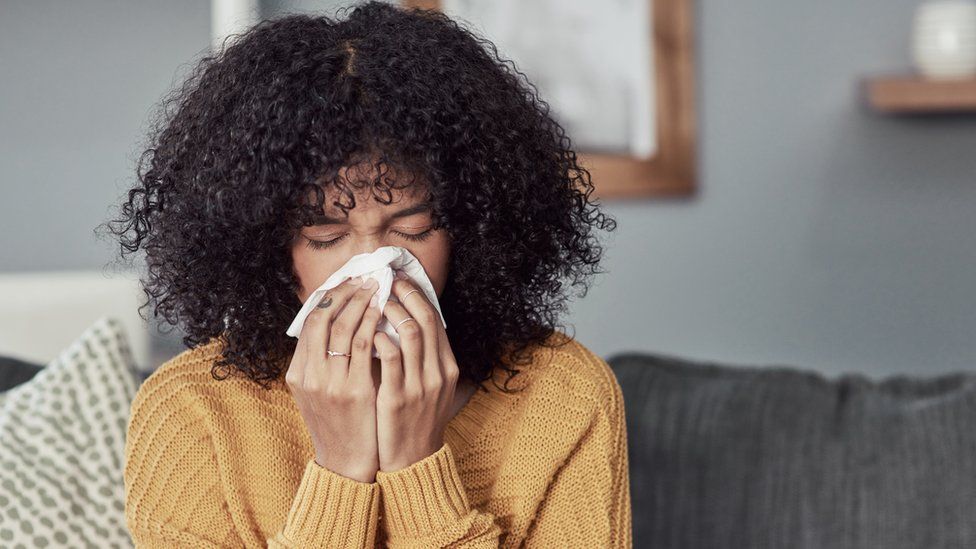
Published26 minutes agoShareclose panelShare pageCopy linkAbout sharingImage source, Getty Images (stock image)Health officials are investigating the first confirmed case of a new strain of swine flu in the UK.The A(H1N2)v infection was detected in a routine flu screening test at a GP surgery in North Yorkshire.The UK Health Security Agency (UKHSA) said the person had respiratory symptoms, a mild illness and had fully recovered from the infection.Investigations will look at where the infection came from and its risk to human health.Human infections with swine flu viruses do occur – there have been 50 cases of A(H1N2)v reported globally in the past 20 years.There was a case reported in the United States in August.The infection found in the UK is slightly different from recent human cases of swine flu globally, health officials say, but similar to viruses in UK pigs.In 2009, there was a pandemic of swine flu in humans caused by a virus spreading in pigs, birds and humans.The UKHSA said it planned to increase surveillance through GP surgeries and hospitals in parts of North Yorkshire where the case was detected.Meera Chand, the agency’s incident director, said: “We are working rapidly to trace close contacts and reduce any potential spread. “In accordance with established protocols, investigations are under way to learn how the individual acquired the infection and to assess whether there are any further associated cases.”The new Health Secretary Victoria Atkins said the individual was identified through a “thorough and extensive” screening and monitoring programme run by UKHSA.”It’s good that this case has been spotted -please trust the UKHSA to do their job and to monitor carefully,” she said.People with flu-like symptoms are advised to avoid contact with others, particularly those who are elderly or vulnerable, with other health conditions.Chief Veterinary Officer Christine Middlemiss said: “We know that some diseases of animals can be transferred to humans – which is why high standards of animal health, welfare and biosecurity are so important.” She said pig-owners must report any signs of swine flu in their herds to their local vet.More on this storyIs Covid now just a regular winter bug?Published31 OctoberCovid and flu winter jabs to be brought forwardPublished30 August

Read more →

New Zealand smoking ban: Health experts criticise new government's shock reversal

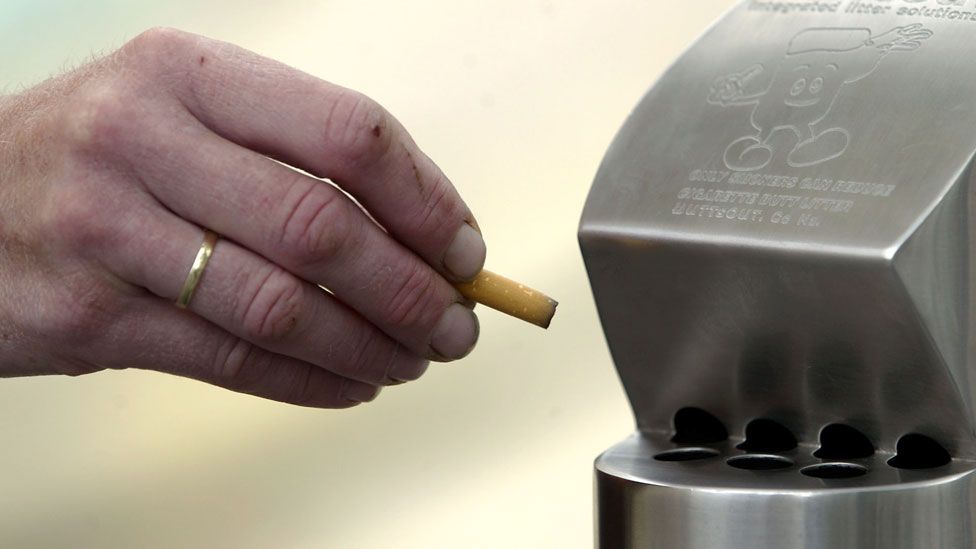
Published52 minutes agoShareclose panelShare pageCopy linkAbout sharingImage source, Getty ImagesBy Frances MaoBBC NewsNew Zealand’s new government says it plans to scrap the nation’s world-leading smoking ban to fund tax cuts.The legislation, introduced under the previous Jacinda Ardern-led government, would have banned cigarette sales next year to anyone born after 2008.Smoking is the leading cause of preventable deaths in New Zealand, and the policy had aimed to stop young generations from picking up the habit.Health experts have strongly criticised the sudden reversal.”We are appalled and disgusted… this is an incredibly retrograde step on world-leading, absolutely excellent health measures,” said Prof Richard Edwards, a tobacco control researcher and public health expert at the University of Otago.”Most health groups in New Zealand are appalled by what the government’s done and are calling on them to backtrack,” he told the BBC.The legislation passed last year had been acclaimed internationally with research models backing the key reforms.Measures included restricting the number of tobacco retailers, and reducing the level of nicotine in cigarettes.Modelling had suggested the Smokefree laws could save up to 5,000 lives each year.New Zealand’s laws were believed to have inspired the UK government in September to announce a similar smoking ban for young people. A spokeswoman said Prime Minister Rishi Sunak’s position remained unchanged after New Zealand’s reversal.Will Rishi Sunak’s plan to ban smoking in UK work?NZ set for right-wing coalition after National winDisillusioned New Zealand eyes shift away from the leftWhile it has been praised as a public health policy, the Smokefree measures drew opposition from some business groups in New Zealand. Owners of newsagents and corner shops criticised the loss of revenue – even with government subsidies.Some lawmakers – including the new Prime Minister Chris Luxon – also argued a ban would lead to a black market for tobacco.However his National party, which won 38% of the vote in the 14 October election, hadn’t mentioned the Smokefree laws during election campaigning. The announcement by the new finance minister Nicola Willis on Saturday that the government would repeal the laws shocked health experts who believed the policy would be untouched.But Ms Willis said National’s partners in the governing coalition- the populist New Zealand First and libertarian Act – had been “insistent” on reversing the laws.Despite election victory, the centre-right National party has struggled for weeks in policy negotiations to form a government with the two minor parties.A deal was only agreed to on Friday, six weeks after the election, allowing the new government to be sworn in on Monday. New Zealand First – which won 6% of the vote – had been the only party to campaign on repealing the smoking laws.Image source, EPABoth minor parties blocked a flagship National policy to open up foreign property ownership – which the party had been relying on to fund tax cuts for middle and higher-income earners. Ms Willis said on Saturday that had led to the party looking elsewhere.”We have to remember that the changes to the Smokefree legislation had a significant impact on the government books, with about a billion dollars there,” she told New Zealand broadcaster TV3’s Newshub Nation.The laws still need to be actively repealed through parliament, where the government has a majority. “The suggestion that tax cuts would be paid by people who continue to smoke is absolutely shocking,” Emeritus Prof Robert Beaglehole, chair of New Zealand’s Action for Smokefree 2025 committee told Pacific Media Network.A national Māori health organisation, Hāpai Te Hauora, called it an “unconscionable blow to the health and wellbeing of all New Zealanders”. Smoking rates, and associated disease and health issues, are highest among New Zealand’s indigenous Māori population, for whom experts had said the policy would have the most positive impact.”The government is flying in the face of public opinion and obviously in the face of the vast majority of people who work in this field, health professionals, doctors, nurses,” said Prof Edwards.Public health modelling conducted in 2022 had shown the Smokefree policy would have saved New Zealand’s health system about NZ$1.3bn (£630m; $790m) over the next 20 years.New Zealand still aims to reduce its national smoking rate to 5% by 2025, with the aim of eventually eliminating it altogether. More than 80,000 adults have quit in the past year, its national data shows. Currently, about 8% of its adult population smokes. Sign up for our morning newsletter and get BBC News in your inbox.More on this storyDisillusioned New Zealand eyes shift away from the leftPublished12 OctoberYouth vaping crisis clouds New Zealand’s smoke-free futurePublished13 August

Read more →

'Long Covid triggered our MCAS, but doctors didn't believe us'

Published27 NovemberShareclose panelShare pageCopy linkAbout sharingImage source, Elle Gorman/George CooperBy Liz JacksonBBC NewsPeople with long Covid feel “forgotten, unheard, disbelieved, isolated”, barrister Anthony Metzer KC told the Covid-19 Inquiry last month on behalf of advocacy groups for people with the condition.A growing number of people who have secondary illnesses thought to be triggered by long Covid – including an immune disorder called mast cell activation syndrome (MCAS) – say this feeling is especially acute.I spoke to two young Londoners who, like me, have been diagnosed with long Covid and now MCAS and are starting to feel better, but faced poor treatment by doctors.In George Cooper’s case, he says one was “so unreceptive to the point where they were actually angry”, and for Elle Gorman, they questioned whether she was “not eating on purpose”.LIVE: Follow the latest updates from the Covid inquiryWarning: This article contains details some may find distressing, including illness and mention of suicide.The National Institute for Health and Care Excellence defines long Covid, or post-Covid syndrome, as symptoms during or after infection that continue for more than 12 weeks and are not explained by an alternative diagnosis.The BMJ says MCAS “is characterised by recurrent sudden-onset episodes of severe systemic symptoms associated with the release of mast cell mediators”, which can include histamine.George, 27, from Putney in south-west London, was recovering from glandular fever when he became “really ill” in March 2020 with suspected Covid. Although there was no testing at all during this time, antibody tests in June of 2020 showed he had been exposed to the virus and, after experiencing months of lingering symptoms, he was diagnosed with long Covid.’I lost almost half my body weight’The keen runner and rugby player said he began getting food allergies, swollen lymph nodes, palpitations and was fainting, and had “massive stomach pain to the point where I was like, what is this, am I dying?”.More than two years later George was seen by an NHS long Covid clinic and was told he might have MCAS.But when he took the news to his GP “he effectively said ‘you’ve got ME (myalgic encephalomyelitis) and you’ll have it for life’,” George explained. A different doctor advised him to pay for a private appointment, where a consultant also suspected MCAS and prescribed antihistamines and ordered biopsies – but George was unknowingly reacting to bulking ingredients in the medicine and was still getting sicker.He said he developed non-viral hepatitis and saw another GP who looked at his diagnosis of suspected MCAS and was “so unreceptive to the point where they were actually angry”. “I’d gone from being 87kg (13st 10lbs) and playing rugby to 47kg (7st 6lbs) and I was near to not being around, I think, because I was eating food that was making me sick, and I was in so much pain,” he continued.Image source, George CooperGeorge reached out for help again when he started having thoughts about taking his own life.”I was so low. I think it had taken everything from me, and I didn’t trust anything around me or anyone, including myself,” George said.A different doctor suggested he should go to an eating disorders clinic and George said he agreed because he felt most doctors thought he was “just mentally ill” and his MCAS was “in his head”.At the clinic, George struggled. If he didn’t eat he was told to drink liquid nutrition drinks which made him vomit, but five days into his stay the results of his biopsy from months earlier came through. He had MCAS. He said the news “just made me whole”, adding: “I nearly wasn’t here.””When I was discharged the psychologist said she thought I never had an eating disorder in the first place and I shouldn’t have been there,” he said. George is now on MCAS medication with different ingredients and is recovering, but said it had been “difficult not to get angry”.”I’m more wary around doctors now,” he said. “I don’t think I’ll ever actually fully process things from that time, and PTSD has been discussed.”It’s OK to say ‘I don’t understand’. But to say ‘you’re wrong, that’s not happening’, is a totally different kettle of fish.”Why isn’t the health system helping?Image source, PA MediaThere are no NICE guidelines for MCAS, which would allow NHS staff to recognise and treat it – even though the NHS recognises other forms of mast cell disease such as mastocytosis.While the NHS doesn’t yet recognise MCAS, medical bodies in other countries have begun to, among them the American Academy of Allergy, Asthma and Immunology, and global research into its links to long Covid is growing.Joy Mason from UK charity Mast Cell Action said MCAS had “loose diagnostic criteria” and no national guidelines, making it “very complex to discuss in a short appointment”.Researchers are looking into links between long Covid and other illnesses, and are examining whether treatment with medicines like antihistamines could be effective.Prof Danny Altmann from Imperial College London is running one of Europe’s largest immunological studies into long Covid, and he and co-authors published a review of the immunology of long Covid, which noted some investigations “highlighted features of the long Covid immune response that are reminiscent of mast-cell activation”.Despite this, the immunologist said there were no “rock-solid studies” on MCAS yet, though he pointed out “the bar [is] quite high” for research to get off the ground.”They might have shifted their immune profile to be more allergic and one of the things that speaks to that is the only properly powered big randomised controlled drug trial – the Stimulate ICP trial at University College London. One of the four arms is using two different histamines as a trial to see in a properly controlled environment whether that works,” he said.Prof Altmann stressed that relying on private prescribers was only a temporary solution and researchers, drug companies and health authorities needed to “bang heads together and say ‘these are the steps that would be needed to get large-scale long Covid clinical trials in a way that satisfies the authorities, these are the drugs… these are the cohort sizes’.”Long Covid: What’s changed, and what we know nowLong Covid: Three years and no magic bulletScans reveal new clues to long Covid symptomsI approached NHS England to ask whether it recognised MCAS, or had plans to request a NICE review of the condition, but after incorrectly signposting me to NHS information about mastocytosis, the press office declined to answer any questions about MCAS.An NHS spokesperson said: “Long Covid remains a relatively new condition and research is under way to continue to build our understanding of how best to diagnose and treat people affected by the condition.”The spokesperson advised those concerned about ongoing symptoms after Covid-19 to “see their GP team, who can rule out any other possible underlying causes for symptoms”. “If appropriate, they will also be able to refer to one of over 100 specialist long Covid clinics for further support and treatment from a wide range of health professionals that can address both the physical and psychological aspects of living with long Covid.”If people suspect they have symptoms that correlate with possible MCAS, they should speak to their doctor.’I was accused of not eating on purpose’Elle, 19, a City University student from Greenwich, south-east London, said she was also continually dismissed.When she and her father fell ill at the start of lockdown in 2020 with Covid, Elle struggled to recover before a choking episode led to her going to hospital.Image source, Elle GormanIn the following weeks she felt “like food was just falling down my throat, and I had no control over when I swallowed” but, when she saw her GP, she was told she was “traumatised from the choking experience, or it’s scar tissue”.”They said, are you sure you’re not doing it on purpose? You’re presenting like a typical teenage girl.”Elle was diagnosed with an allergic disorder of the oesophagus and prescribed a strict elimination diet but she said she “still felt awful”.She experienced “the worst nausea, stomach pain, loss of appetite” and had bleeding gums, but was repeatedly asked if she was “scared of eating” and told to force herself to eat.Just before her A-levels the teenager broke out in a rash all over her face and body, and spent months in and out of hospital.Image source, Elle GormanWhen she asked her dermatologist if she might have MCAS, she was told, “‘oh, no, that doesn’t exist'”.She was incorrectly diagnosed with everything from shingles to scurvy and was even told to “eat more vegetables” because her prescribed diet had “made my digestive system lazy”.Eventually, Elle chose to see a consultant privately who said “‘this definitely sounds like MCAS'”.”It was the biggest relief ever because I had been gaslit so much about what my symptoms were,” she said.Elle’s GP prescribed the medication the consultant advised, which have helped her, but she said: “I still, every day, doubt myself. “It’s been ingrained in me to believe that I’m wrong, as though I’m making it up and that it’s in my head,” she said.Help and supportIf you’re affected by any of the issues in this article you can find details of organisations that can help via the BBC Action Line.Listen to the best of BBC Radio London on Sounds and follow BBC London on Facebook, X and Instagram. Send your story ideas to hello.bbclondon@bbc.co.ukAre you experiencing long Covid and other secondary illnesses? Share your stories by emailing haveyoursay@bbc.co.uk.Please include a contact number if you are willing to speak to a BBC journalist. You can also get in touch in the following ways:WhatsApp: +44 7756 165803Tweet: @BBC_HaveYourSayUpload pictures or videoPlease read our terms & conditions and privacy policy

If you are reading this page and can’t see the form you will need to visit the mobile version of the BBC website to submit your question or comment or you can email us at HaveYourSay@bbc.co.uk. Please include your name, age and location with any submission. More on this storyLong Covid: What’s changed, and what we know nowPublished18 November 2022Halsey: ‘I’ve been sick for most of my adult life’Published11 May 2022The gymnast ‘allergic to everything’Published27 June 2018’I’m allergic to my husband’Published16 January 2017Related Internet LinksMast Cell ActionNICENHS EnglandMedicines and Healthcare Regulatory AgencyThe BBC is not responsible for the content of external sites.

Read more →

Kenya abortion: Women go to backstreet clinics amid legal ambiguity

Published8 hours agoShareclose panelShare pageCopy linkAbout sharingBy Zoe Flood, Linda Ngari & Tamasin FordBBC Africa Eye, Nairobi & LondonLegal ambiguity over abortions in Kenya is pushing thousands of women to turn to backstreet clinics. BBC Africa Eye explores how abortion is shrouded in stigma and misinformation.Edith is lying on a bed covered in old newspaper in a backstreet clinic in Nairobi. Her legs are held high by stirrups while a man in a white medical coat explains he is about to put some medicine inside her uterus. A red bucket of bleach containing medical instruments sits on the floor. The mum-of-three, whose name has been changed to protect her identity, is four months pregnant and is about to have an abortion. “I had to terminate because I had to go back to work, and I have another small baby,” she later tells BBC Africa Eye. Abortion is a complicated issue in Kenya. The penal code, which has its origins in the colonial era, outlaws abortion, criminalising the woman, the person who carries out the abortion and the person who supplies the material required. However, the 2010 constitution, combined with a wider body of law, does allow abortion when “the life or health of the mother is in danger” or when the pregnancy has resulted from rape or incest.Edith discovered she was HIV-positive a few years ago. Her partner, after refusing to get tested himself, later left her.A lawyer told the BBC that having a child while living with HIV meant “her physical wellbeing is probably in danger”. This, as well as other factors, meant that Edith may have qualified for a legal abortion. But she felt the backstreet clinic was her only choice. Image source, Zoe FloodFew doctors providing legal abortions are willing to talk about the issue openly. High-profile arrests over the years have made the situation “dangerous for health workers”, according to Prof Joachim Osur, a reproductive and sexual health expert at Amref International University in Nairobi. It is about how the law is understood. “Depending on how the judge interprets the legality of the procedure that someone has done, it can go either way,” he says. In 2004, Dr John Nyamu, along with two nurses, was arrested for the murder of two foetuses, a crime that carried the death penalty. He was held at the Kamiti Maximum Security Prison in Nairobi for 12 months before he was found not guilty. The media sensation in Kenya around his case eventually led to the formation of the Reproductive Health and Rights Alliance. It was this group that led the debate to help draft the 2010 constitution, which for the first time in the country’s history provided a legal, albeit limited, avenue for abortion. However, Dr Nyamu, who now provides safe and legal abortions, believes that the legal ambiguity over abortion makes it hard for women to access these services, even when they should be allowed and particularly in public health facilities. “Unsafe abortion is rampant in Kenya,” he says, arguing that poor women suffer the most as safe terminations are not available in public hospitals because of the uncertainty and lack of guidelines. The unsafe abortions they then seek can lead to health problems. “The ones who come with the post-abortion complications, most of them are young people…. The women actually start [the procedure] themselves, or they do it with assistance of an untrained person,” Dr Nyamu adds. According to the global human rights organisation, Center for Reproductive Rights, around seven women and girls die every day in Kenya because of unsafe abortions. Thousands more are hospitalised. At an unregulated clinic on the outskirts of Nairobi, the man in charge offers women abortions for 2,500 Kenyan shillings ($16; £13). “We have girls who are still going to school. You get others who are raped. “You get someone who is not ready, and they want to terminate it. We do help because they come for help. They need that help from us,” he says, speaking on condition of anonymity. He charges extra for the safe disposal of the foetus. If the woman cannot afford that he pays someone to throw it in the river. Anti-abortion campaigners and associated religious organisations in Kenya, many of whom are supported by the anti-abortion lobby in the United States, insist the law is clear: abortion is illegal. Charles Kanjama, chairperson of the Kenya Christian Professionals Forum, regularly speaks out against abortion and organises rallies in Nairobi. “For us, we don’t think there is any contradiction. We think [the penal code and the constitution] are aligned. I do not support an amendment of our laws to remove the crime of abortion,” he says. In 2012, the government published guidelines for health workers on legal abortions. A year later they were withdrawn, and training on safe abortion care was suspended.That remains the case and Mr Kanjama’s group wants it to stay that way. “Our position is that whether abortion is safe or unsafe, first of all, the child always dies. So, it is always unsafe for the child. And number two, you cannot train people to do something that is illegal in the country.” There are many leading voices in Kenya who disagree.BBCThe rich have an opportunity to take their children to five-star hospitals and procure a safe abortion, silently… But the poor have to struggle”Esther PassarisMember of the National AssemblyMP Esther Passaris not only speaks out in favour of abortion but is pushing for improved sexual health and family planning education too. “Our constitution allows abortion only when the wellbeing of the mother is in question, and the wellbeing is not just physical and biological, it’s emotional and economical. “I think it’s about time that we understand the emotional burden of not having access to family planning, not empowering the woman so that she knows that she doesn’t have to become a baby-producing machine.” Ms Passaris says that while the 2010 constitution legalised abortion in certain circumstances, she argues that the fear around it restricts women’s access to health services, particularly for those from poorer communities. “The rich have an opportunity to take their children to five-star hospitals and procure a safe abortion, silently, without anyone knowing or speaking. But the poor have to struggle,” she says. In March 2022, Kenya’s High Court affirmed abortion as a fundamental right under the terms of constitution and ruled that arbitrary arrests were illegal, but it has done little to allay the fears of some women, like Edith. Back in the clinic where she is seeking a termination, the man, who says he trained as a doctor and performs around 150 abortions a month, has finished putting the medicine inside her to induce an abortion. “We have, like, four to five hours before the medicine starts taking action. But later, when hell breaks loose, she’s going to experience the same thing people experience when giving birth,” he says. Edith saved up 4,000 Kenyan shillings for the abortion. It was not enough but the clinic agreed to do the procedure on condition she would pay more later. A week after the abortion, Edith speaks to the BBC again, describing what it was like to get an abortion in secret. “I was alone and in so much pain that I was hitting the walls. I was wondering what was going on, if this was a birth. I was thinking: ‘I don’t want to die in this house alone.’ “You do it in pain, because you did not expect something like that. You love children but considering the life you live, you have to do that.” You can watch the full BBC Africa Eye documentary Breaking the Silence: Abortion Rights in Kenya on the BBC Africa YouTube channel.More from Africa Eye:Beaten into a coma for taking extra food at schoolBaby stealer convicted after BBC Kenya exposeHow a sex abuse ring targeted Gabon’s child footballersThe uniformed group targeting foreigners in South AfricaLured into a trap and blackmailed for being gay

Read more →

Illness Surge in China Is Not From a Novel Pathogen, Data Suggests

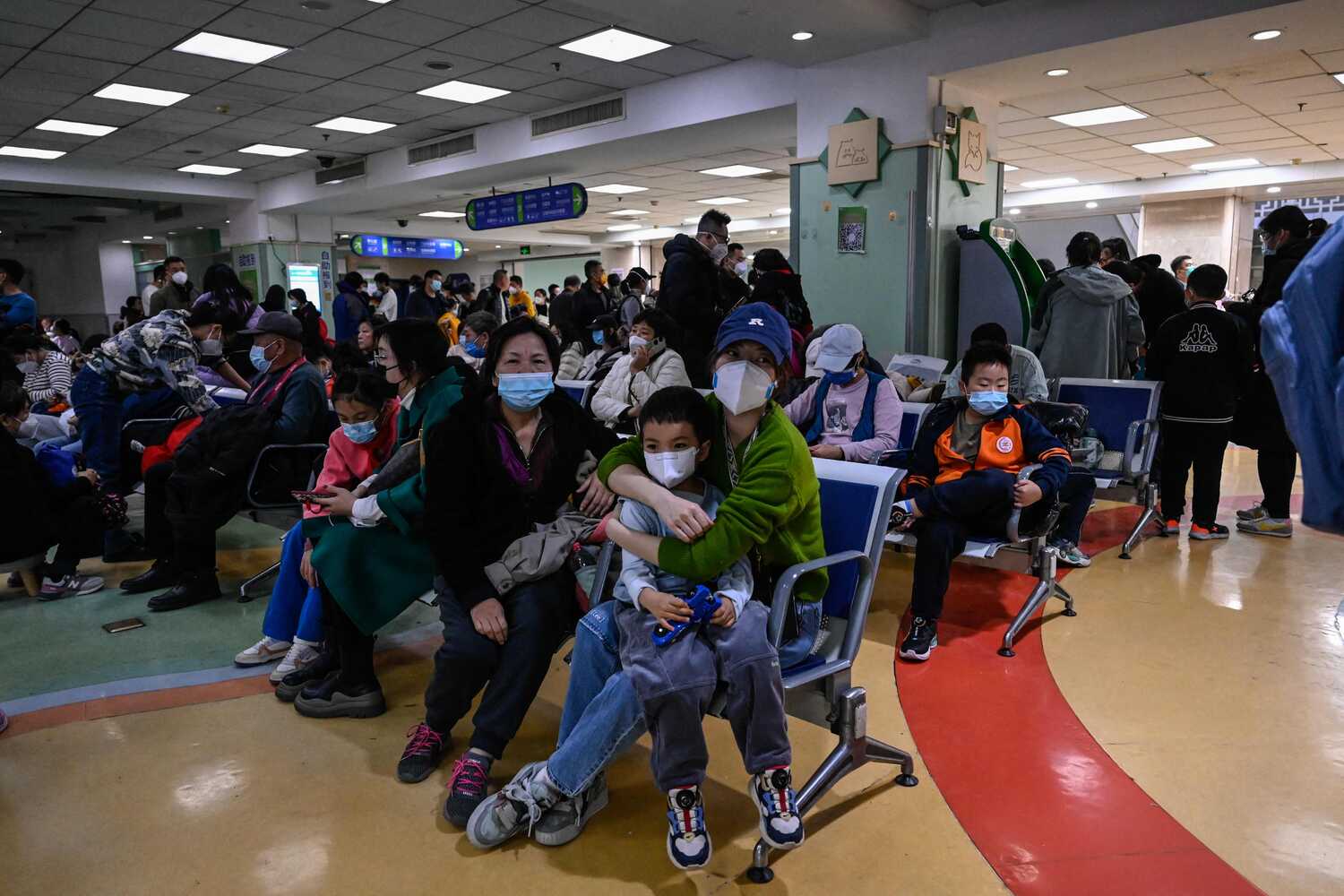
The W.H.O. had requested detailed information about a reported surge in respiratory illnesses in children in China. Chinese data suggested the surge was caused by known bacteria and viruses.The World Health Organization said that China had shared data about a recent surge in respiratory illnesses in children, one day after the agency said it was seeking information about the possibility of undiagnosed pneumonia cases there.The Chinese data indicated “no detection of any unusual or novel pathogens,” according to a W.H.O. statement on Thursday. The data, which included laboratory results from infected children, indicated that the rise in cases was a result of known viruses and bacteria, such as influenza and mycoplasma pneumoniae, a bacterium that causes usually mild illness.Hospital admissions of children had increased since May, as had outpatient visits, but hospitals were able to handle the increase, China told the global health agency.The W.H.O. requested information after Chinese news reports, and social media posts, indicated a notable surge in sick children in recent weeks. Parents reported long lines, sometimes of eight hours or more, at children’s hospitals. China’s National Health Commission acknowledged the reports of overcrowding.Families crowded the waiting room and registration area of Capital Institute of Pediatrics, a hospital in Beijing, with respiratory illnesses in children increasing in the country.By The New York TimesSome of those reports also caught the attention this week of members of ProMED, a disease tracking site run by the International Society for Infectious Diseases that health officials monitor for early warnings of potential emerging diseases.China’s transparency in reporting outbreaks has been the subject of intense global scrutiny, after it covered up early cases of both the SARS virus in 2003 and the virus that led to the coronavirus pandemic in 2020. The W.H.O. early this year rebuked Chinese officials for withholding data that the agency said could shed light on the coronavirus’s origins.The W.H.O. issued its formal request for data one day after a ProMED member shared a news report from Taiwan about an uptick in sick children in Beijing and Liaoning, a northeastern Chinese province. Chinese officials had already publicly acknowledged an increase in respiratory diseases among children, but the W.H.O. said it was unclear at the time whether that increase was caused by known pathogens.“A key purpose was to identify whether there have been ‘clusters of undiagnosed pneumonia’ in Beijing and Liaoning, as referred to in media reports,” the W.H.O. statement said.The W.H.O. said the increased infections in China were earlier in the season than historically expected but “not unexpected,” given that this was the first winter since China had lifted the stringent coronavirus restrictions it imposed in 2020. Other countries experienced similar leaps in other illnesses after lifting their Covid controls.

Read more →

Unvaccinated and Vulnerable: Children Drive Surge in Deadly Outbreaks

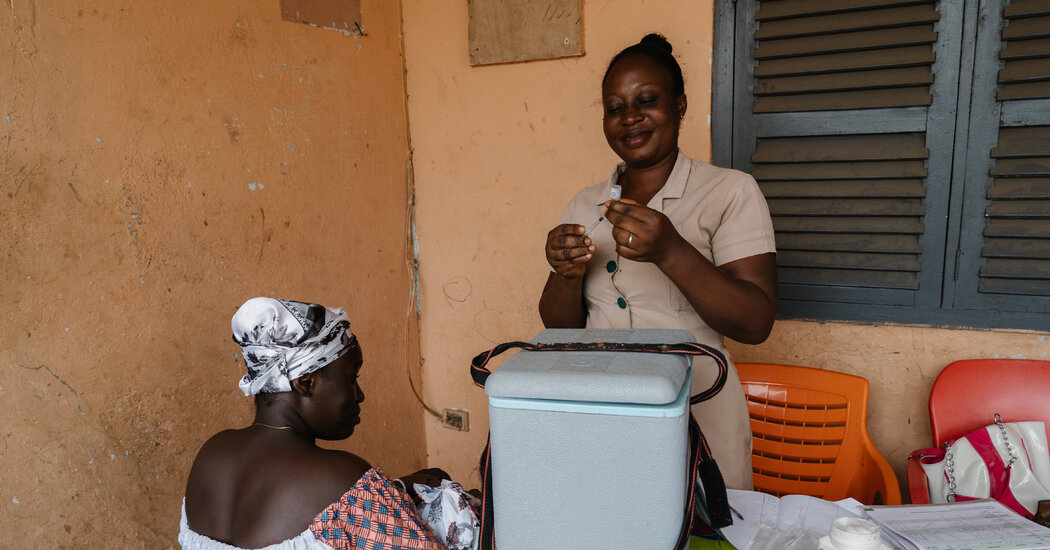
About 60 million “zero-dose children” have not received any vaccines and have aged out of routine immunization programs. Protecting them will require a costly vaccination blitz.Large outbreaks of diseases that primarily kill children are spreading around the world, a grim legacy of disruptions to health systems during the Covid-19 pandemic that have left more than 60 million children without a single dose of standard childhood vaccines.By midway through this year, 47 countries were reporting serious measles outbreaks, compared with 16 countries in June 2020. Nigeria is currently facing the largest diphtheria outbreak in its history, with more than 17,000 suspected cases and nearly 600 deaths so far. Twelve countries, from Afghanistan to Zimbabwe, are reporting circulating polio virus. Many of the children who missed their shots have now aged out of routine immunization programs. So-called “zero-dose children” account for nearly half of all child deaths from vaccine-preventable illnesses, according to Gavi, the organization that helps fund vaccination in low- and middle-income countries.An additional 85 million children are under-immunized as a result of the pandemic — that is, they received only part of the standard course of several shots required to be fully protected from a particular disease.The cost of the failure to reach those children is fast becoming clear. Deaths from measles rose 43 percent (to 136,200) in 2022, compared with the previous year, according to a new report from the World Health Organization and the Centers for Disease Control and Prevention. The figures for 2023 indicate that the total could be twice as high again.“The decline in vaccination coverage during the Covid-19 pandemic led us directly to this situation of rising diseases and child deaths,” said Ephrem Lemango, associate director of immunization for UNICEF, which supports delivery of vaccines to almost half the world’s children every year. “With each new outbreak, the toll on vulnerable communities rises. We need to move fast now and make the investment needed to catch up the children that were missed during the pandemic”Mothers and babies waiting for shots in Accra, Ghana.Natalija Gormalova for The New York TimesOne of the biggest challenges is that the children who missed their first shots between 2020 and 2022 are now older than the age group typically seen routinely at primary health care centers and in normal vaccination programs. Reaching and protecting them from diseases that can easily turn fatal in countries with the most fragile health systems will require an extra push and new investment.“If you were born within a certain period of time, you were missed, full stop, and you’re not going to get caught just by restoring normal services,” said Lily Caprani, UNICEF’s chief of global advocacy.UNICEF is asking Gavi for $350 million to purchase vaccines to try to reach those children. Gavi’s governing board will consider the request next month.Unicef is urging countries to implement a catch-up vaccination blitz, an exceptional, one-time program to reach all the children between the ages of 1 and 4 who were missed.Many developing countries have some experience of carrying out catch-up campaigns for measles, targeting children between 1 and 5, or even 1 and 15, in response to outbreaks. But now those countries also need to deliver the other vaccines and train personnel — typically community health workers who are only accustomed to vaccinating babies — and to procure and distribute the actual vaccines.Dr. Lemango said that despite the urgency of the situation, it had been a struggle to get plans for such campaigns in place and that he hoped most could come together in 2024.“Coming out of the pandemic, there was this hangover — no one wanted to do campaigns,” he said. “Everyone wants to return to normalcy and do regular strengthening of immunization. But we already had unfinished business.”In some countries, such as Brazil, Mexico and Indonesia, health systems have recovered from severe Covid disruption and have regained or even surpassed the levels of vaccination coverage they had reached before the pandemic. But others — mostly countries where vaccination rates were already considerably lower than the targets set by UNICEF — have not caught up to their previously lower levels.The countries with the most zero-dose children include Nigeria, Ethiopia, India, the Democratic Republic of Congo and Pakistan. Many with the lowest levels of coverage are facing compounding challenges, such as the civil conflicts in Syria, Ethiopia and Yemen the growing population of climate refugees in Chad, and both of those problems in Sudan.Priscilla Obiri, a community health nurse in charge of vaccinations at the Teshie clinic in Accra.Natalija Gormalova for The New York TimesGhana’s experience is representative of the challenges of many lower-income countries. Parents couldn’t take their children for routine shots when communities were locked down to protect against Covid, and when those restrictions were lifted, many parents still stayed away because of fear of infection, said Priscilla Obiri, a community health nurse in charge of vaccinations in low-income fishing communities on the edge of the capital, Accra.Of the children Ms. Obiri sees these days at a typical pop-up vaccination clinic, where she sets up a table and a few chairs in the shade at a crossroads, as many as a third will have incomplete vaccinations, or sometimes none at all, she said. She agrees on a plan with their mothers to make up the gap.But some parents don’t, or can’t, bring their children to a clinic. “We must go out to the community and hunt for them,” she said.As Ms. Obiri and her colleagues attempt to regain that lost ground, they face another challenge: disinformation campaigns and hesitation about Covid vaccines have spilled over and eroded some of the traditional eagerness that parents had to get their children routine immunizations, according to the Vaccine Confidence Project, a long-running research initiative at the London School of Hygiene and Tropical Medicine.“In 55 countries, there was a precipitous drop between 2015 and 2022 in the number of people who said that routine immunization is important for children,” said the project’s director, Heidi Larson, whose team collected what she described as “robust global polling data” in more than 100 nationally representative surveys.Even as people around the world were seeking information about vaccines, there was a surge in mis- and disinformation, she said, and people with low trust in officials and official guidance were particularly vulnerable to believing alternative sources of information.In 2015, 95 percent of Ghanaian parents said they believed vaccines were safe. That figure plunged to 67 percent of parents in 2022. It had climbed back to 83 percent by October of this year.Ms. Sebi carried immunizations in a refrigerated box on her way to set up the Teshie mobile clinic.Natalija Gormalova for The New York TimesDr. Kwame Amponsah-Achiano, who oversees the childhood immunization program in Ghana, said he did not believe that confidence had fallen during the Covid pandemic. Demand remains high and has outstripped the program’s ability to supply in some areas, he said.Ms. Caprani said UNICEF had found that both problems were occurring in parallel.“You can have demand outstripping not just physical supply, but also outstripping access — convenient, affordable, reachable access — and simultaneously see some declining confidence,” she said. “It’s not necessarily the same people.”Last year, 22 million children missed the routine measles vaccination given in their first year of life — 2.7 million more than in 2019 — while an additional 13.3 million did not receive their second doses. To reach herd immunity, and prevent outbreaks, 95 percent of children must have both doses. Measles acts as an early warning system for gaps in immunization, because it is highly transmissible.“There are communities where an outbreak of measles is a bad thing, and there are communities where it’s a death sentence, because of the combination of other risk factors such as poor malnutrition, poor access to health care, poor access to clean water,” Ms. Caprani said.

Read more →

Cantaloupes Linked to Deadly Salmonella Outbreak, U.S. Says

Two deaths were reported in Minnesota, and the number of people sickened by salmonella has doubled since the outbreak was announced last week, federal officials said.Two people have died in a salmonella outbreak linked to cantaloupes as cases have more than doubled since the outbreak was first announced last week, the U.S. Centers for Disease Control and Prevention said on Friday.The Food and Drug Administration said on Nov. 17 that it was investigating the outbreak. At that point, 43 cases and 17 hospitalizations had been reported in 15 states. As of Friday, federal officials had reported 99 cases in 32 states.Several fruit producers have issued recalls for a number of cantaloupe and cantaloupe products that were distributed nationwide, the C.D.C. said.Health officials asked consumers and business to throw away the recalled fruits, which include imported whole cantaloupes grown in Mexico labeled “Rudy” and “Malichita,” pre-cut cantaloupes sold under the “Vinyard,” “Aldi,” “Freshness Guaranteed” and “RaceTrac” brand names.The C.D.C. posted a full list of the recalled fruits on its website.As of Friday, at least two people in Minnesota had died and 45 people had been hospitalized. Health officials in Canada were also investigating the outbreak there.“The true number of sick people in this outbreak is likely much higher than the number reported, and the outbreak may not be limited to the states with known illnesses,” the C.D.C. said, adding that it usually takes three to four weeks to determine if a case is part of an outbreak.Salmonella is a food-borne bacteria that infects people with a potentially fatal disease called salmonellosis.The bacteria accounts for most the food-borne illnesses reported in the United States, according to the U.S. Department of Agriculture, with an estimated 1.35 million people reported sick every year.More than 400 people in the United States die from the infection annually.Symptoms can last for days and include diarrhea, fever and stomach pain. Young children, older adults and people with weakened immune symptoms are especially vulnerable to the disease, which, in serious cases, is treated with antibiotics, according to the C.D.C.The bacteria thrive in uncooked meats, though recent outbreaks have been linked to various food products such as diced onions, alfalfa sprouts, cookie dough and peanut butter.The recalled cantaloupes are part of a recent rash of food-borne illness outbreaks.Last month, diced onions were recalled in connection to another salmonella outbreak. This week, recalled peaches, nectarines and plums were linked to a listeria outbreak that caused one death.

Read more →

The Neighbors Are All Older, Too. Is That What You Want?

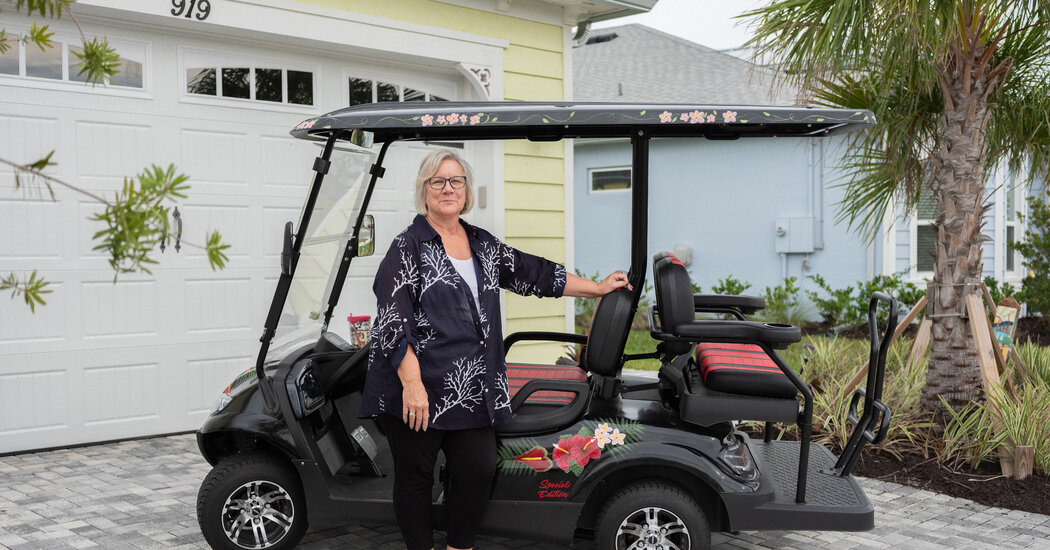
Some seniors prefer age-restricted communities, while others want intergenerational living. There is little research to show which option is healthier.Kathy Fitts loved her roomy house in suburban Atlanta. But after her children moved out, and the pandemic exacerbated the isolation she often felt as a divorced woman, she left for Latitude Margaritaville, a Jimmy Buffett-themed housing development in Daytona Beach, Fla., for those “55 and better.”Visiting a friend who had relocated there, “I thought, wow, these people are having a good time,” Ms. Fitts, 68, said. She bought a two-bedroom villa and settled in almost two years ago.“I’m loving it,” she said. “There are so many things to do.” Traveling around in her golf cart, she plays bocce and bunco, takes birding walks and goes to tribute band concerts. You probably couldn’t pry her out with a crowbar.Do older people benefit from living exclusively with other older people? That’s the standard model for senior housing of many configurations: independent and assisted living, continuing care retirement communities (also called life plan communities), 55-plus developments, subsidized affordable complexes.But the prospect of life in an age-restricted development makes Robyn Ringler shudder. She and her husband, both retired in upstate New York, downsized from a big house on 30 rural acres to a rented one near an elementary school in suburban Albany.“I love my friends who are the same age as me, but I adore meeting and knowing people of all ages,” said Ms. Ringler, who is 66. She meets people while biking through her neighborhood or walking her goldendoodle; she knows trick-or-treaters by name.“It keeps me more engaged with the world,” she said. “It makes me feel part of a real community, a larger family.” As for the couple’s actual family, their adult daughter, who is about to start a new job, has moved in with them temporarily — something 55-plus communities typically ban.Though surveys repeatedly show that most older people prefer to remain in their own homes as they age, about 800,000 were in assisted living last year, according to LeadingAge, which represents nonprofit aging services providers. An additional 745,000 lived in continuing care communities and three million in federally supported affordable senior housing.The National Investment Center for Seniors Housing and Care estimates that 540 active adult communities with 82,000 units offer market-rate rental properties for seniors. In other 55-plus developments, residents purchase houses and condos.Age-restricted housing often requires a middle- or upper-middle-class income. Homes at the Margaritaville community in Daytona Beach, for example, start at about $300,000.At Riderwood, a continuing care community in Silver Spring, Md., that Lynn Cave moved into in 2021, the entrance fee for her one bedroom-plus-den apartment was $270,000 (90 percent is refundable after a resident moves out or dies). Her $3,300 monthly fee includes utilities; cable, phone and internet; use of the pool and fitness center; and 30 meals a month.Often, as in Ms. Cave’s case, the sale of a house covers the costs. Low-income seniors have far fewer options.The Jimmy Buffett-themed housing development, Latitude Margaritaville, has drawn many “55 and better” residents.Dustin Miller for The New York Times“There are so many things to do,” Ms. Fitts said of her new home.Dustin Miller for The New York TimesYet research on whether age-segregated housing leads to improved health or quality of life is scant and dated; it’s not a subject that lends itself to controlled studies. “It’s still an open question,” said Jennifer Molinsky, director of the Housing an Aging Society program at the Harvard Joint Center for Housing Studies.The motives for relocating vary, of course. Ms. Cave, 67, moved to Riderwood because “I was the daughter who had to take care of parents from afar, and I swore I’d never do that to my kids,” she said.At first, Ms. Cave recalled, “I looked around and saw the walkers and the scooters and thought, ‘My God, what have I done?’” Now, though, she appreciates the community college courses offered on campus, the square dancing and the pickleball, the shared meals. “The people are so interesting,” she added.Such graduated communities allow residents to transfer to assisted living, nursing care or memory care units as their health declines. It’s a benefit that Carol Holmes Alpern, 81, learned to value after she and her husband, Bowen Alpern, moved into Foulkeways, a nonprofit Quaker-affiliated continuing care community in Gwynedd, Pa.A healthy 68-year-old when he arrived in 2021, Mr. Alpern was diagnosed with a brain tumor the following year. When his wife could no longer care for him by herself, he entered hospice care in the Foulkeways nursing center, a short walk from the couple’s apartment. Having the option of 24-hour aides and unlimited visiting hours “probably saved my life,” Ms. Alpern said.Her husband died last month, and now, “I can’t imagine leaving,” she said. Other residents “not only supported both of us, they cherished us.”No such safety net awaits residents of so-called active adult communities, age-restricted developments that can offer rentals or homeownership. But “I see why they’re popular,” Dr. Molinsky said.“They’re lower maintenance than a single-family home,” she said. “They’re more likely to have accessibility features. If the design is thoughtful, with proximity, you have opportunities to socialize. And municipalities are more apt to approve projects that don’t increase school budgets.But Toni Keyes, 65, moved into an apartment in a small 62-plus community in Clearlake, Calif., last year after the single-family homes she had been renting were sold, twice. A retired library worker living on Social Security disability, she found the apartment rent affordable with her federal Section 8 voucher, but the environment unwelcoming and unpleasant.“It’s like a ghost town, always quiet,” said Ms. Keyes, who also remains very conscious of being the only Black tenant. “It feels like a nursing home.“Being surrounded by all seniors is very limiting,” she added. “There should be a mix of age groups.”That’s difficult to find, but “I definitely see growing interest in creating models of intergenerational housing,” Dr. Molinsky said. Some developers and operators have introduced mixed-age programs within senior housing or have built complexes that place senior buildings next to all-age apartments.In Long Island City, N.Y., for instance, the Gotham Organization last year opened an 11-story senior independent living building, part of 1,132 units of housing at rents that range from low to upper income.Though older residents, whose units provide grab bars and other safety features, and younger tenants don’t live side by side, they share a rooftop farm and other amenities and programs that encourage interaction. “They’re in the same ecosystem,” said Bryan Kelly, president of development.Another Gotham development on the Lower East Side of Manhattan will incorporate a Jewish cultural center at the base of the senior building and a large community center in the adjacent all-ages building. “The days of the suburban model, the circular drive-up, are over,” Mr. Kelly said. He expects “more integrated, walkable, active, mixed use” senior housing.Creating intergenerational housing will require federal and local policy changes, said Robyn Stone, senior vice president for research at LeadingAge. “We don’t have the regulatory environment that allows some of these things to happen, or the incentives to encourage and support them,” she said.A few experiments in intergenerational living serve as proof of concept. In Oregon, Bridge Meadows has developed three communities, with more to come, for older adults and for families adopting or fostering children from the foster care system.Treehouse Communities has built a similar combination in Easthampton, Mass. Olmsted Village in Mattapan, a Boston neighborhood, will offer homeownership to middle-income families along with apartments to fostering and adopting families — and to seniors who will mentor them. Some Cohousing communities are seniors-only, but others draw residents of all ages.For now, though, when older people want or need to leave their homes, they usually acquire neighbors who are also, exclusively, older.“I don’t know, if you asked people, if that’s what they want,” said Susan Popkin, a fellow and housing researcher at the Urban Institute. “But we haven’t asked.”

Read more →