How does neonatal listeriosis impact children's health?

Maternal-fetal listeriosis is a severe disease that can lead to miscarriage, premature birth or serious neonatal infection. But what are the long-term consequences of neonatal listeriosis on the health of surviving infants? For the first time, a team of scientists and physicians from the Institut Pasteur, Université Paris Cité, the Paris Public Hospital Network (AP-HP) and Inserm monitored the development of children infected with the bacterium Listeria monocytogenes up to the age of 5, and compared their development with that of uninfected gestational age-matched children. The study showed that the long-term outcomes of neonatal listeriosis were mainly due to prematurity. The results, published in the journal The Lancet Child and Adolescent Health on October 20, 2023, will allow parents to be better informed about how the health of their children may develop and help anticipate the potential onset of neurodevelopmental sequelae.
Pregnant women today are all too aware of the risk of acquiring listeriosis, a foodborne infection, during pregnancy, and they are advised to avoid unpasteurized cheeses, cold meats and ready-to-eat foods that have not been thoroughly reheated. And with good reason, as the consequences can be severe: the bacterium Listeria monocytogenes can lead to miscarriage, premature birth and/or serious infection in newborn babies (septicemia or lung/neurological infection). In France, around 40 newborn babies are affected each year. “Since 2009 we have been studying all the strains of Listeria and all listeriosis patients in France — since listeriosis is a notifiable disease — to elucidate the characteristics of the disease. One of our questions was how infants with neonatal listeriosis, who have recovered after antibiotic treatment, go on to grow and develop,” explains Marc Lecuit, Head of the National Reference Center for Listeria and the Biology of Infection Unit (Institut Pasteur/Université Paris Cité/Inserm), Professor of Infectious Diseases at Université Paris Cité and Necker-Enfants Malades Hospital, and co-last author of the study.
The team of scientists and physicians used the French MONALISA cohort, which recruits all confirmed cases of listeriosis, to study the long-term neurological and neurodevelopmental consequences of infection in surviving children. This in-depth follow-up, made possible thanks to the active participation of the children’s families, provided an unprecedented picture of the consequences of neonatal listeriosis on the neurocognitive development of children at a key age, when they are entering primary school. The multidisciplinary team, consisting in infectious disease experts, pediatricians, neuropsychologists and epidemiologists, followed about 50 children born to mothers who had contracted listeriosis at different stages of pregnancy, and conducted a comprehensive health assessment at age 5.
Cognitive development was assessed using the French version of the Wechsler Preschool and Primary Scale of Intelligence, and motor and visual development was assessed using a physical examination designed to screen for cerebral palsy and developmental coordination disorder. Parental interviews and clinical tests were also used to assess hearing, functional communication and socialization. The results obtained were compared with those of uninfected gestational age-matched children from two large contemporary national cohorts: EPIPAGE-2 (preterm infants) and ELFE (term infants).
This comparative approach revealed that two-thirds of infants born with listeriosis had sequelae (cognitive dysfunction, motor coordination problems, visual or hearing impairment) at age 5, mainly attributable to their prematurity. “We can now confirm that the long-term outcomes of neonatal listeriosis are mainly a result of prematurity rather than infection. These results will enable clinicians to provide science-based guidance to parents of newborns with listeriosis and to inform them about the development of their child’s health. They also support the implementation of systematic long-term screening for possible sequelae so that appropriate early treatment can be offered, together with tailored educational support,” concludes Caroline Charlier, a scientist at the Biology of Infection Unit (Institut Pasteur/Université Paris Cité/Inserm), Professor of Infectious Diseases at Université Paris Cité and Cochin Hospital, and first author and coordinator of the study.

Read more →

Child-centric approach: Blueprint to improve communities

Communities can prosper by providing attentive education and social services to their youngest residents — but the challenge is for leaders to work together.
That is the message of Craig Ramey and Sharon Ramey, Virginia Tech distinguished research professors of the Fralin Biomedical Research Institute at VTC, who today (December 1, 2023) presented details of a decades-long study that focuses on early childhood education and development.
In a research article in the journal Medical Research Archives, the official journal of the European Society of Medicine, the scientists discuss lessons learned from the Abecedarian Project, a study that followed the children who participated in an early intervention program initiated by Craig Ramey and colleagues in Chapel Hill, North Carolina, in 1971.
“Coordinated education, health care, and well-thought-out social services with participation from the private sector make communities more attractive, bring in new business, and improve the quality of life for the people who are already there,” said Craig Ramey, an original founder of the Abecedarian Project “Each segment of the community has to be included in these efforts because it allows for the scale-up that needs to occur for places that aspire to be a more attractive destination for families and businesses.”
The scientists have gathered extensive evidence of how the Abecedarian approach has improved the trajectories of children’s lives and suggest the findings can be used to realize more widespread improvements.
In the research article, the scientists present a set of vital standards associated with the successful implementation of child and family programs with the aim of integrating these scientifically validated approaches into a framework that leaders can use to enhance their communities.
“We’ve summarized 50 years of research since the landmark study began, pointing out successful replications of key interventions,” said Sharon Ramey. “We believe that what we’ve learned is ready for global application. There’s ample reason to keep moving forward in this direction.”
The Abecedarian Project has entered its fifth decade, examining the effects of educational, social, health, and family support services on high-risk infants who now are in their 50s.

In repeated interviews and examinations, the children who originally participated in the program displayed enduring benefits that have enhanced their careers, families, and social networks.
Some of the more recent findings from the Abecedarian Project show children who were given high-quality education at an early age — starting at six weeks old and continuing through their first five years of life — are more likely to be employed full-time and have better relationships with their parents as adults.
Even more recently, researchers demonstrated that vulnerable children who received stimulating and emotionally supportive learning experiences exhibit statistically significant changes in brain structure through middle age.
The Rameys are also professors in the Department of Psychology of the Virginia Tech College of Science.

Read more →

How pre- and postnatal B-12 vitamins improve breast milk vitamin B-12 levels, which supports infant brain development

Babies and children need vitamins, including vitamin B-12, to help their brains and bodies develop and grow. Babies get B-12 from their mothers and can have low levels of B-12 if their mothers had low vitamin levels during pregnancy and breastfeeding. The vitamin B-12 levels of infants strongly depend on maternal levels. Adequacy of vitamin B-12 in breast milk is particularly important for infants during the first six months of life when breastfeeding is highly recommended. Even after the first six months of life, breast milk may continue to be a critical source of vitamin B-12 for infants.
Pregnant and lactating women are at exceptionally high risk for vitamin B-12 deficiency due to the increased nutritional demands as they provide the micronutrient for themselves and their babies. Many people receive the necessary B-12 the body needs from animal-source foods. However, in countries with low intake of animal-source diets, mother’s and infant’s deficiency in vitamin B-12 is a serious public health challenge.
In resource-limited settings where maternal undernutrition is pervasive, researchers sought to understand the optimal timing and dosage of B-12 supplements during pregnancy and lactation.
A new study led by Mason Assistant Professor in the College of Public Health Dongqing Wang found that pregnant women who took high doses of oral vitamin B-12 supplements prior to delivery experienced short-term benefits on the levels of B-12 in their breast milk. However, women who took high doses of vitamin B-12 supplements during lactation experienced these benefits for a longer period of time.
“Understanding the impacts of prenatal and postnatal vitamin B-12 supplements on the level of B-12 in breast milk is crucial to design effective nutritional interventions to protect mothers and infants from vitamin B-12 deficiencies,” said Wang, who was the principal investigator. “Our findings underscore the importance of prenatal vitamins for short-term benefits in breast milk and postnatal vitamins for more sustained impacts on B-12 adequacy in breast milk; both prenatal and postnatal supplements support healthy growth and development in the baby.”
The study also found that the effect of the prenatal vitamin B-12 supplement diminished when used together with the postnatal supplement. Likewise, the effect of the postnatal vitamin B-12 supplement diminished when used together with the prenatal supplement.
“It appears that there was a certain plateau in the effect when prenatal and postnatal supplements were used together,” said Wang. “The plateau could mean that either prenatal or postnatal vitamins could correct maternal vitamin B-12 deficiency, but the plateau does not preclude the need for combined prenatal and postnatal supplements through pregnancy and breastfeeding to sustain maternal B-12 levels in populations with high levels of dietary inadequacy.”
The research was primarily funded by an Early Career Award from the Thrasher Research Fund.

Read more →

Strictly Come Dancing: Amy Dowden's blood clot after chemo

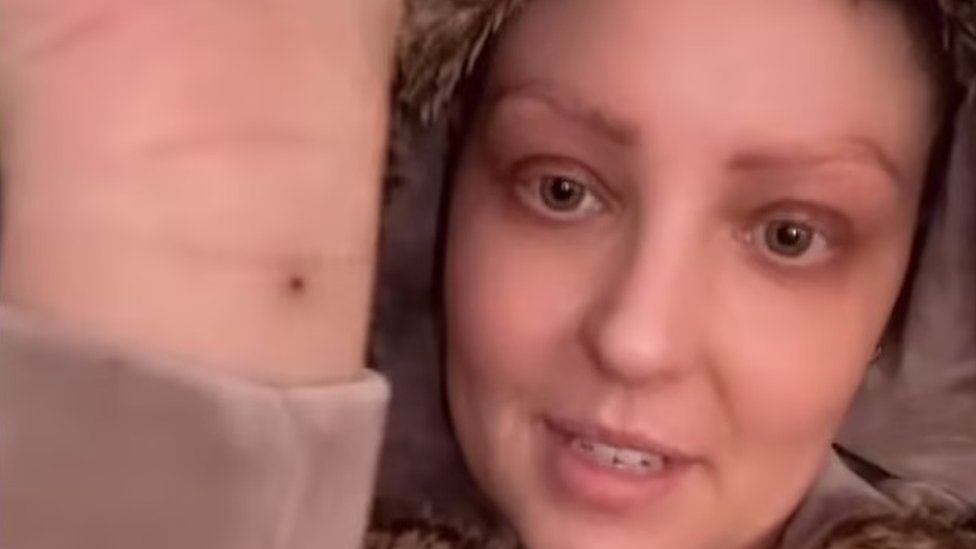
Published4 days agoShareclose panelShare pageCopy linkAbout sharingImage source, Instagram/Amy DowdenBy Paul PigottBBC NewsStrictly Come Dancing’s Amy Dowden has spoken of her “nightmare week” after being taken to hospital with a blood clot on her lung.Doctors worried the clot might move towards her heart, she said on Instagram.”Lucky enough, it’s not,” she said in a post to her 600,000 followers. The 33-year-old from Caerphilly announced she had breast cancer in May and finished chemotherapy three weeks ago. “I’ve had another nightmare this week,” she says in a video on Instagram revealing her two-day hospital stay. “Just seems to be never ending.”I’ve got a blood clot on my lung, obviously because it’s so close to my heart that’s a risk,” she says, explaining how she was now on blood thinning injections that made her stomach sore.Strictly’s Amy Dowden angry at cancer diagnosisAmy Dowden makes surprise Strictly returnStrictly’s Amy is feeling positive after surgeryIn November she revealed that her hopes of returning to the show this year had been dashed by a broken foot.”I’ve just been really frustrated, lots of plans this week… getting my life back and it just seems to be with my foot as soon as I get it back you know something comes up.”I think we get into our heads that when we finish chemo that’s it, but you learn it really isn’t,” explaining how “chemo is still in my body for six weeks” after her last treatment.How common are blood clots for cancer patients? Blood clots – also known as a thrombosis or embolism – can happen when a collection of blood forms inside a vein or artery. Cancer Research UK said they are a common side effect of the disease, with up to one in five cancer patients expected to get a clot. It is because cancer cells can make blood “stickier” and some cancer treatments can also increase the risk of blood clotsAmy said it was not the first time she has had blood clots since getting cancer, but doctors were concerned by the latest because of its location on her lung.Now she said she was looking ahead to a follow-up scan in a few weeks. “At least I’m home and the tree is up so it’s cosy,” she said, while going on to express frustration about her lack of hair regrowth. Amy has said she she felt “empowered and positive” by shaving her head during cancer treatment, posting an emotional video of herself getting clipped and appearing on Strictly without a wig. But in her latest video she said she “thought her hair would grow back way quicker”.”That’s frustrating and getting me down but hey, I’m home from hospital. That’s the main thing.”More on this storyStrictly no dancing as Amy Dowden breaks footPublished16 NovemberAmy Dowden makes surprise Strictly returnPublished7 OctoberStrictly star with cancer shaves her head in videoPublished21 September

Read more →

Darlington Hospital launches new camera-based weight loss surgery

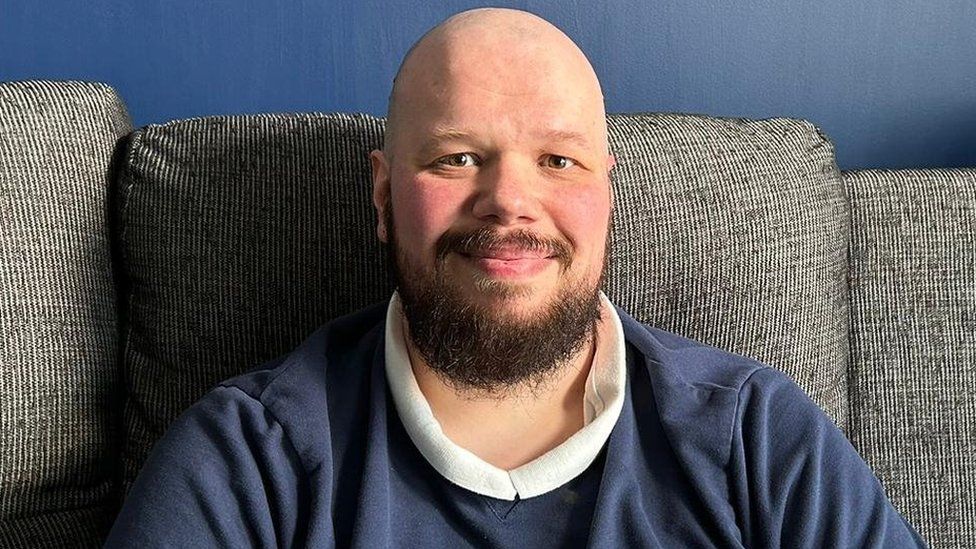
Published5 days agoShareclose panelShare pageCopy linkAbout sharingBy Philippa GoymerBBC NewsA hospital in Darlington has become the first outside London to use a pioneering new surgery to help people combat obesity. Surgeons can carry out the operation without the risk of having to cut the patient open. The BBC spoke to some of the patients about their experience.For Adam Crathorne, the surgery was a lifeline.Several years ago, the 34-year-old from Ferryhill in County Durham had a stoma fitted due to pre-existing conditions. In 2022, he wanted it removed.But during the coronavirus lockdowns the father-of-two had gained weight, reaching more than 27 stone (171.5kg), which made the procedure “far too risky”.He had little success at traditional weight loss clubs so was referred to Akeil Samier, a consultant bariatric surgeon at Darlington Memorial Hospital.Abdominal scars from previous operations made Mr Crathorne unsuitable for regular surgeries, so Mr Samier suggested they try the new endoscopic sutured gastroplasty (ESG).Image source, Adam CrathorneAn ESG is carried out under general anaesthetic with a surgeon inserting a small camera into the patient’s stomach via their mouth.Attached to the camera is a tiny stitching device, involving a fine needle and permanent sutures. With the help of the camera, the endoscopist stitches the stomach from the inside to shrink it to less than half of its normal size and reduce its food capacity. ‘Real lifeline'”Whilst the normal stomach is usually able to expand following food, after this procedure expansion is usually restricted, meaning the patient will feel incredibly full after a small meal,” Prof Anjan Dhar, consultant gastroenterologist and endoscopist said.Mr Crathorne said: “It felt like a real lifeline, a chance to lose weight so I could have the stoma reversed.”The surgery went well and in the first year he has lost six stone (38.1kg), with his weight now down to 21 stone (133.4kg).”Initially, I could only have liquids, moving to soups and a soft diet,” he said.”Small portions are here to stay and my approach to eating and food has changed for the better. “I’m hoping to have the stoma reversed in the near future. The weight loss itself has made a big difference to my life.”My children have noticed and love that I’m becoming more agile. “Friends and family and, of course, my wife, Elizabeth, have noticed the weight loss and tell me I look a great deal better for it. “My bank balance has certainly noticed – I’ve had to buy a whole new wardrobe of clothes.”Jools Aspinall is the latest to have the procedure, having undergone surgery on Thursday.The 49-year-old grandmother from Darlington had decided on her eldest son’s wedding day that enough was enough. Standing in a size 30 dress at the ceremony in the spring of 2022, she knew something had to change. She had struggled with her weight since she was 21 and gained five stone (31.8kg) when she had her first child.She approached her GP and asked to see if she was eligible for weight loss surgery. When she was referred to Darlington Memorial Hospital, she was told she would be able to have an ESG because of a pre-existing issue with her liver. Speaking the day before the surgery, she said she was “excited” and could not wait for her “new life”. Seeing the success of patients has been “enormously satisfying”, Prof Dhar said, adding the new technique was “much less risky” than traditional methods which would involve the patient being cut into.’Life changing’Mr Samier added: “Some people who have become very overweight are keen to undergo surgery, recognising that their obesity is causing or adding to other serious health conditions like diabetes, heart disease or stroke. “Unfortunately, those health conditions can also make surgery by traditional techniques which involve an incision, too risky.”This new endoscopic procedure can be life changing.”After surgery, it is anticipated a patient will lose around 12% of their weight in the first year.Prof Dhar said: “There’s evidence that this can be so transformational that in around 30% of people using diabetes medication are able to come off it. “There is also evidence of a reduced risk of heart problems or stroke and of overall health improvement.”Follow BBC Tees on Facebook, X (formerly Twitter), and Instagram. Send your story ideas to northeastandcumbria@bbc.co.uk.More on this storyHospital hopes robot ops will cut weight loss waitPublished16 NovemberRelated Internet LinksDarlington Memorial HospitalThe BBC is not responsible for the content of external sites.

Read more →

Head teacher says autistic student died despite family's plea for support

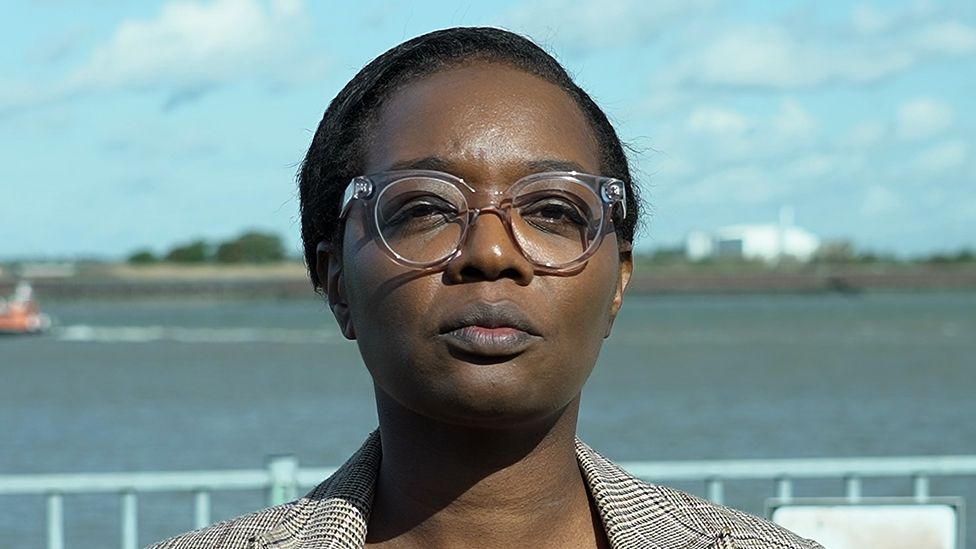
Published5 days agoShareclose panelShare pageCopy linkAbout sharingBy Ruth CleggBBC NewsA former head teacher has spoken out after an autistic student, whose family had been pleading for support, died.Isaac Uzoegbu, 16, was hit by a car after he ran from his house into the road. His parents were struggling to manage as his behaviour became increasingly out of control. He is the third autistic boy BBC News has identified to die in the Kent and Medway area over the past three years.Medway Council said it had given prompt support to the family.Isaac, who also had learning disabilities, died five days after the accident outside his house in Gillingham, Kent, just after Christmas two years ago.The head teacher of his special needs school at the time, Frances Akinde, believes his death could have been prevented if his local authority, Medway Council, had put in extra behaviour support for him. Experts have told BBC News that autistic children are far more likely to flee and put themselves in danger if they feel overwhelmed. Too often local authorities fail to recognise the risks and ways to manage a child’s behaviour, they say.Mrs Akinde contacted BBC News after reading about our investigation which highlighted the dozens of autistic people who had died following serious failings in their care by their local health and social services across England and Wales.Of the 51 we identified, we highlighted the deaths of two boys from the Kent and Medway area – Sammy Alban Stanley, 13, and 15-year-old Stefan Kluibenschadl – after the same coroner called for action to prevent future deaths. The coroner said if children with complex needs were not given access to the care and treatment they needed, it was “predictable that a similar incident may arise”. Mrs Akinde said the failings in Isaac’s care resembled those in Sammy’s death two years earlier.She told the BBC: “I said to myself, if I stay quiet on this, I’m part of that system.”Sammy and Stefan died within two years of each other. Both were autistic, both went to the same school, both were under the care of NHS Kent and Medway and both experienced serious failings in their care.Sammy died in April 2020, nearly two years before Isaac. He fell from a cliff near his house in Ramsgate. His autism – combined with Prader-Willi Syndrome, which causes learning disabilities and behavioural challenges – meant he could often run away after becoming overwhelmed and would disassociate from the world around him. At these times, he would lose any understanding of danger. Sammy’s mum had begged for more support.Autistic people dying despite warnings over careSix months before Stefan’s death, he began to really struggle with his mental health. Despite a referral from his GP, NHS Kent and Medway rejected his family’s pleas for help. The coroner ruled Stefan had died as a result of his own actions, but she said she could not be sure of his intention.Isaac’s family have given Mrs Akinde permission to tell Isaac’s story on their behalf.”He was just the most joyful young boy,” recalls the former head teacher of Rivermead School in Gillingham. “Everyone remembers Isaac for his smile.”His behaviour began to change as he hit adolescence. Mrs Akinde says as he started to struggle socially, he became increasingly anxious, frightened and began to lash out.Image source, Patricia Alban Stanley/Emma KluibenschadlIsaac’s behaviour began to escalate in early September 2021, and Mrs Akinde says the school was doing all it could to manage it. She says she was in regular contact with the local authority but, despite her pleas, little support came. Medway Council disputes this, saying it was not made aware of Isaac’s issues until late November.His family adapted their small, terraced home, by changing the living room into a bedroom and living area for Isaac – to give him more space and to try to prevent him from feeling so overwhelmed.Mrs Akinde says the situation reached crisis point in early December, just a few weeks before the accident. A referral to the local authority had been made on 25 November and assessments were still taking place.With the Christmas holidays approaching, Mrs Akinde and her team were worried how Isaac would cope without the structure and routine of school.The school offered respite provision over the holiday to help Isaac and his family, which would have had to be paid for by Medway Council.The former head teacher says this offer was turned down because it was not seen as financially viable.The local authority told the family to lock the door every night in case he ran away, as his behaviour became more unpredictable and volatile.Mrs Akinde says they felt they tried everything they could. “We had begged the local authority for help at school and at home, we checked in with the parents,” she says.But their worst fears materialised. On 28 December, his father, who was also caring for his three other children, fell asleep and didn’t lock the door.Isaac escaped barefoot and ran into the path of an oncoming car.He died five days later after suffering major head injuries.Holding a card from Isaac, in which he had drawn a big smiley face, Mrs Akinde says tearfully, “he shouldn’t have died in this way”.Dr Sarah Cassidy, an associate professor at the University of Nottingham who specialises in autism research, says between 30% and 50% of autistic children may flee an area when they are overwhelmed – which researchers call “elopement”.”As many as a third who elope experience severe or even fatal injuries,” she says.”There is a clear lack of understanding of autism in this case and it’s something we see time and time again.”She says even ordering the family a magnetic lock so the front door was secured automatically might have made a difference.For details of organisations offering advice and support for issues relating to autism, visit BBC Action Line.Mrs Akinde highlighted the lack of support for Isaac’s family in a child death review – a process which takes place after any child dies in England and which should inform the coroner’s investigations at the inquest.BBC News has obtained an audio recording of Isaac’s inquest. Neither the school or the local authority were asked to give evidence.The coroner ruled that Isaac’s death was due to a road traffic collision.The BBC approached Kent and Medway Coroner Service for comment but it did not respond.Medway Council told the BBC it had acted promptly to provide direct support to the family, and it arranged an emergency review about Isaac’s future education after becoming aware of the former head teacher’s concerns, adding it was “truly a tragic accident”.While Medway Council has responsibility for social services provision, NHS Kent and Medway oversaw Isaac’s child death review.Alison Cannon, Kent and Medway’s chief nurse, said the loss of a child is traumatic and it took its statutory role very seriously, adding that it had “followed all national guidance and law”.Anne Longfield, the former children’s commissioner, told BBC News that having so many different organisations involved in a child’s care often means it is hard to find who was responsible after a tragedy.She said: “No-one is clear enough whose job it is to keep these children safe.”Mrs Akinde says she was not only devastated by Isaac’s death, but also by the lack of accountability afterwards.She says: “I want Isaac to be an example of what happens when you don’t care enough.” More on this storyAutistic people dying despite warnings over carePublished7 SeptemberLack of autism awareness contributed to teen’s deathPublished6 January

Read more →

Abraham Bergman, Doctor Who Sought Answers on SIDS, Dies at 91

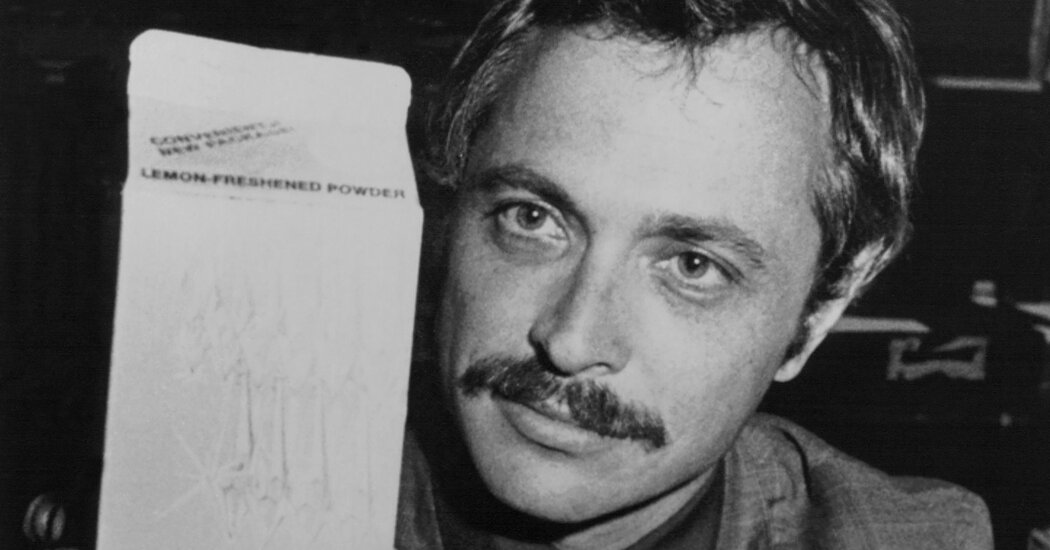
He worked for the passage of major public health legislation; most notably, he helped secure millions in federal dollars for research into sudden infant death syndrome.Dr. Abraham B. Bergman, a pediatrician who was instrumental in passing a federal law to combat sudden infant death syndrome, a once misunderstood loss that caused not just parental heartbreak but guilt and blame, and who put his stamp on other enduring public health laws, died on Nov. 10 in Seattle. He was 91.The cause of his death, on a family member’s boat, was amyloid heart disease, his son Ben Bergman said.In the 1960s and early ’70s, Dr. Bergman was president of the National Foundation for Sudden Infant Death, a grass-roots group that supported parents who had lost children to what once was commonly called crib death. Although SIDS, as the syndrome became known, was the leading killer of infants less than a year old, its cause was unknown. Parents often blamed themselves, marriages broke up and, in some cases, authorities investigated for child abuse.“What we do to those parents is crime,” Dr. Bergman told The New York Times in 1972. “The police investigate, there’s a coroner’s inquest, and often the family doctor abandons the parents.”We are having trouble retrieving the article content.Please enable JavaScript in your browser settings.Thank you for your patience while we verify access. If you are in Reader mode please exit and log into your Times account, or subscribe for all of The Times.Thank you for your patience while we verify access.Already a subscriber? 

Read more →

Scientists build tiny biological robots from human cells

Researchers at Tufts University and Harvard University’s Wyss Institute have created tiny biological robots that they call Anthrobots from human tracheal cells that can move across a surface and have been found to encourage the growth of neurons across a region of damage in a lab dish.
The multicellular robots, ranging in size from the width of a human hair to the point of a sharpened pencil, were made to self-assemble and shown to have a remarkable healing effect on other cells. The discovery is a starting point for the researchers’ vision to use patient-derived biobots as new therapeutic tools for regeneration, healing, and treatment of disease.
The work follows from earlier research in the laboratories of Michael Levin, Vannevar Bush Professor of Biology at Tufts University School of Arts & Sciences, and Josh Bongard at the University of Vermont in which they created multicellular biological robots from frog embryo cells called Xenobots, capable of navigating passageways, collecting material, recording information, healing themselves from injury, and even replicating for a few cycles on their own. At the time, researchers did not know if these capabilities were dependent on their being derived from an amphibian embryo, or if biobots could be constructed from cells of other species.
In the current study, published in Advanced Science, Levin, along with PhD student Gizem Gumuskaya discovered that bots can in fact be created from adult human cells without any genetic modification and they are demonstrating some capabilities beyond what was observed with the Xenobots. The discovery starts to answer a broader question that the lab has posed — what are the rules that govern how cells assemble and work together in the body, and can the cells be taken out of their natural context and recombined into different “body plans” to carry out other functions by design?
In this case, researchers gave human cells, after decades of quiet life in the trachea, a chance to reboot and find ways of creating new structures and tasks. “We wanted to probe what cells can do besides create default features in the body,” said Gumuskaya, who earned a degree in architecture before coming into biology. “By reprogramming interactions between cells, new multicellular structures can be created, analogous to the way stone and brick can be arranged into different structural elements like walls, archways or columns.” The researchers found that not only could the cells create new multicellular shapes, but they could move in different ways over a surface of human neurons grown in a lab dish and encourage new growth to fill in gaps caused by scratching the layer of cells.
Exactly how the Anthrobots encourage growth of neurons is not yet clear, but the researchers confirmed that neurons grew under the area covered by a clustered assembly of Anthrobots, which they called a “superbot.”
“The cellular assemblies we construct in the lab can have capabilities that go beyond what they do in the body,” said Levin, who also serves as the director of the Allen Discovery Center at Tufts and is an associate faculty member of the Wyss Institute. “It is fascinating and completely unexpected that normal patient tracheal cells, without modifying their DNA, can move on their own and encourage neuron growth across a region of damage,” said Levin. “We’re now looking at how the healing mechanism works, and asking what else these constructs can do.”
The advantages of using human cells include the ability to construct bots from a patient’s own cells to perform therapeutic work without the risk of triggering an immune response or requiring immunosuppressants. They only last a few weeks before breaking down, and so can easily be re-absorbed into the body after their work is done.

In addition, outside of the body, Anthrobots can only survive in very specific laboratory conditions, and there is no risk of exposure or unintended spread outside the lab. Likewise, they do not reproduce, and they have no genetic edits, additions or deletions, so there is no risk of their evolving beyond existing safeguards.
How Are Anthrobots Made?
Each Anthrobot starts out as a single cell, derived from an adult donor. The cells come from the surface of the trachea and are covered with hairlike projections called cilia that wave back and forth. The cilia help the tracheal cells push out tiny particles that find their way into air passages of the lung. We all experience the work of ciliated cells when we take the final step of expelling the particles and excess fluid by coughing or clearing our throats. Earlier studies by others had shown that when the cells are grown in the lab, they spontaneously form tiny multicellular spheres called organoids.
The researchers developed growth conditions that encouraged the cilia to face outward on organoids. Within a few days they started moving around, driven by the cilia acting like oars. They noted different shapes and types of movement — the first. important feature observed of the biorobotics platform. Levin says that if other features could be added to the Anthrobots (for example, contributed by different cells), they could be designed to respond to their environment, and travel to and perform functions in the body, or help build engineered tissues in the lab.
The team, with the help of Simon Garnier at the New Jersey Institute of Technology, characterized the different types of Anthrobots that were produced. They observed that bots fell into a few discrete categories of shape and movement, ranging in size from 30 to 500 micrometers (from the thickness of a human hair to the point of a sharpened pencil), filling an important niche between nanotechnology and larger engineered devices.
Some were spherical and fully covered in cilia, and some were irregular or football shaped with more patchy coverage of cilia, or just covered with cilia on one side. They traveled in straight lines, moved in tight circles, combined those movements, or just sat around and wiggled. The spherical ones fully covered with cilia tended to be wigglers. The Anthrobots with cilia distributed unevenly tended to move forward for longer stretches in straight or curved paths. They usually survived about 45-60 days in laboratory conditions before they naturally biodegraded.

“Anthrobots self-assemble in the lab dish,” said Gumuskaya, who created the Anthrobots. “Unlike Xenobots, they don’t require tweezers or scalpels to give them shape, and we can use adult cells — even cells from elderly patients — instead of embryonic cells. It’s fully scalable — we can produce swarms of these bots in parallel, which is a good start for developing a therapeutic tool.”
Little Healers
Because Levin and Gumuskaya ultimately plan to make Anthrobots with therapeutic applications, they created a lab test to see how the bots might heal wounds. The model involved growing a two-dimensional layer of human neurons, and simply by scratching the layer with a thin metal rod, they created an open ‘wound’ devoid of cells.
To ensure the gap would be exposed to a dense concentration of Anthrobots, they created “superbots” a cluster that naturally forms when the Anthrobots are confined to a small space. The superbots were made up primarily of circlers and wigglers, so they would not wander too far away from the open wound.
Although it might be expected that genetic modifications of Anthrobot cells would be needed to help the bots encourage neural growth, surprisingly the unmodified Anthrobots triggered substantial regrowth, creating a bridge of neurons as thick as the rest of the healthy cells on the plate. Neurons did not grow in the wound where Anthrobots were absent. At least in the simplified 2D world of the lab dish, the Anthrobot assemblies encouraged efficient healing of live neural tissue.
According to the researchers, further development of the bots could lead to other applications, including clearing plaque buildup in the arteries of atherosclerosis patients, repairing spinal cord or retinal nerve damage, recognizing bacteria or cancer cells, or delivering drugs to targeted tissues. The Anthrobots could in theory assist in healing tissues, while also laying down pro-regenerative drugs.
Making New Blueprints, Restoring Old Ones
Gumuskaya explained that cells have the innate ability to self-assemble into larger structures in certain fundamental ways. “The cells can form layers, fold, make spheres, sort and separate themselves by type, fuse together, or even move,” Gumuskaya said. “Two important differences from inanimate bricks are that cells can communicate with each other and create these structures dynamically, and each cell is programmed with many functions, like movement, secretion of molecules, detection of signals and more. We are just figuring out how to combine these elements to create new biological body plans and functions — different than those found in nature.”
Taking advantage of the inherently flexible rules of cellular assembly helps the scientists construct the bots, but it can also help them understand how natural body plans assemble, how the genome and environment work together to create tissues, organs, and limbs, and how to restore them with regenerative treatments.

Read more →

Harnessing the power of a parasite that can stop pain

For the first time, scientists have begun to figure out why the disfiguring skin lesions caused by cutaneous leishmaniasis don’t hurt.
Researchers analyzed leishmaniasis lesions on mouse skin to detect metabolic signaling pathways that differed from uninfected mice. Results suggested the parasites that cause the disease change pain perception — presumably as a way to delay treatment and promote their own survival.
“No one knows why these lesions are painless — but it has been thought that the parasite somehow manipulates the host physiological system,” said Abhay Satoskar, senior author of the study and professor of pathology in The Ohio State University College of Medicine.
“Based on our data, something the parasites do triggers pathways that suppress pain. How they do that, we’re still investigating.”
Beyond increasing understanding of this parasitic disease afflicting 1 million new patients each year, the research could lead to development of new non-narcotic pain medications.
“We hypothesize that any molecules the parasite’s presence is producing could be potential painkillers for other health problems,” Satoskar said.
The study was published recently in the journal iScience.

The lack of pain in leishmaniasis lesions has puzzled scientists for years, especially when similar blisters caused by conditions like chicken pox, staphylococcus infections or the herpes virus are itchy, oozy and sore.
After giving mice chronic infections with Leishmania mexicana, the species that causes cutaneous leishmaniasis in South, Central and North America, researchers used an unbiased mass spectrometry analysis of the lesions to identify molecules known to be associated with pain suppression.
They found numerous metabolites — products of bio-chemical reactions that break down food to produce energy and perform other essential functions — that have been linked in previous research to blockage of pain perception. They also found pathways with pain-relief properties tied to the brain’s endocannabinoid system, which is involved in a host of physiological processes, including the pain response.
Cell-culture experiments in infected macrophages, the immune cells in which Leishmania parasites live, showed an increase in most, but not all, of the same changes as in the lesions.
The parasites use these metabolites as nutrition to help them replicate. But finding that certain pain-suppression pathways aren’t increased in infected macrophages leaves some questions unanswered, said Satoskar, also a professor of microbiology at Ohio State.
“The infection does something in the cell that could be a direct or indirect effect — we don’t know. But the environment that the infection creates leads to production of these metabolites,” he said. “The exciting thing is that this is the first time we’ve begun to understand the cellular basis of why there is no pain in these lesions.

“The next key question is, if we know these pathways are responsible, then how are they triggered? By the parasite, or something the parasite is doing to the host cell, or a combination of both? There could be a lot of things happening.”
Skin test for immunity to Leishmania-caused diseases
Satoskar has also co-led an initiative to develop a standardized skin test to check for immunity to Leishmania donovani, the parasite that causes visceral leishmaniasis — a potentially lethal form of the disease that affects the organs and is fatal if untreated.
He and colleagues recently reported in Nature Communications on this work, which is critical for disease surveillance in the most affected regions of the world and will be needed for phase 3 clinical trials of leishmaniasis vaccines the team has developed.
The test, using an antigen called leishmanin, is similar to a skin test for tuberculosis — a positive response means a person has been exposed to the parasite and has cellular immunity that prevents further clinical symptoms.
No tests or reagents are available to detect sporadic cases of leishmaniasis reported in the southern United States, so the skin test being developed will facilitate surveillance studies to assess exposure throughout the endemic regions for leishmaniasis — which include the U.S.
“This is a very important test in the field to understand who is exposed to this disease or not,” Satoskar said. “For many stakeholders going into a community to conduct surveillance, knowing who is immune and who is not immune is essential so they can deploy their limited resources appropriately for disease control.”
Leishmanin skin tests have existed and been in use in past years but are no longer available. This research team developed the antigen following Good Laboratory Practice guidelines and tested it in hamsters, a model for human visceral leishmaniasis, to ensure the skin test triggers the expected immune response to both infection and vaccination.
“This kind of data can be used for fast-track approval for Leishmania vaccines which are under development. We anticipate fulfilling the need of the entire global community,” Satoskar said.
Co-lead authors of the Nature Communications paper were Sanjay Singh of Gennova Biopharmaceuticals, Shinjiro Hamano of Nagasaki University, Sreenivas Gannavaram and Hira Nakhasi of the Food and Drug Administration, Greg Matlashewski of McGill University, and Shaden Kamhawi and Jesus Valenzuela of the National Institute of Allergy and Infectious Diseases (NIAID).
The Nature Communications work was supported by the Global Health Innovative Technology Fund, the Canadian Institutes of Health Research, the FDA, the National Institutes of Health, NAIAD and the Fonds de recherche du Quebec-Sante.
Nakhasi, Gannavaram and Nazli Azodi of the FDA also co-authored the iScience paper along with co-authors Greta Volpedo, Blake Cox, Yulian Mercado, Candice Askwith, and Matthew Bernier of Ohio State and Timur Oljuskin of the U.S. Department of Agriculture.
The iScience study was supported by the Metabolomics Workbench/National Metabolomics Data Repository, Common Fund Data Ecosystem and Metabolomics Consortium Coordinating Center.

Read more →

New research explores future limits of survival and livability in extreme heat conditions

Commonly associated with longer days and slower paces, this summer’s record-smashing heat in Arizona demonstrated a concerning future for the planet’s warmest season. From power outages endangering entire neighborhoods and heat-related deaths rising among some of the state’s most vulnerable populations, the city of Phoenix found itself in national headlines. As national attention grew, one question became clear: How does anyone live there?
The consequences of extreme heat do not affect Arizona residents alone. Extreme heat made worldwide news this year, including in November when a 23-year-old woman died of cardiorespiratory arrest at a Taylor Swift concert in Brazil where heat indexes that day exceeded 120 degrees.
Jennifer Vanos, associate professor in the School of Sustainability at Arizona State University, studies extreme heat and its health impacts. She is the lead author of a new paper published Nov. 29 in Nature Communications. Titled “A physiological approach for assessing human survivability and liveability to heat in a changing climate,” the paper explores temperatures at which humans can survive. The research demonstrates that the current estimated upper temperature and humidity limits used for human survivability may not paint an accurate picture of the impacts of a warming planet on human health.
“For the past decade or so we have been using what we call a ‘wet bulb temperature’ of 35 degrees Celsius, or 95 degrees Fahrenheit, as the limit for human survivability,” said Vanos, also a Senior Global Futures Scientist in the Julie Ann Wrigley Global Futures Laboratory.
The wet-bulb temperature limit for human survival indicates the maximum combinations of temperature and humidity that humans can tolerate without suffering inevitable heat stroke over a fixed duration of exposure.
“The idea is that you could survive for up to six hours at that level of heat exposure,” Vanos said. “That number really oversimplifies what happens physiologically in the body when your body is exposed to that temperature, and it doesn’t account for important variables like age or other vulnerability factors.”
Vanos said the commonly-used wet-bulb temperature for human survivability assumes the person is indoors or shaded, unclothed, completely sedentary, fully heat acclimatized and of an “average size.” These assumptions do not align, in most cases, with how humanity navigates the summer season. The paper models scenarios that adjust for factors such as humidity, age, activity level and sun exposure, and provides a range of safe temperatures based on a series of characteristics.

“We didn’t only want to better understand the conditions that people could survive in,” Vanos said. “We wanted to understand the conditions that allowed people to live their lives. If the only safe way to live in an area is to be completely sedentary, people won’t want to live there. Being able to spend time outdoors and live your life without seeing a sustained rise in core temperature is a really important metric to understand today and as we move into the future.”
Vanos said Gisel Guzman Echavarria, an ASU student, was instrumental in creating the figures used throughout the paper to demonstrate the research findings.
The research, funded by the National Science Foundation, was conducted by a combination of climate scientists and physiologists, a collaboration that Vanos said was crucial in understanding the intertwined nature of heat and human health. Ollie Jay, professor and director of the Heat and Health Research Incubator at the University of Sydney, said the combined perspectives allow for a cohesive understanding of exactly how climate outcomes can impact people on the physiological and biophysical level.
“The existing wet-bulb temperature estimate of 35 degrees Celsius is used very commonly, with one example being the Intergovernmental Panel on Climate Change report,” said Jay, senior author of the paper. “These kinds of reports can shape policy efforts, but they are using a model for heat that is a very conservative estimate of what the impacts are going to be on humans. If we start using a more realistic, human-based model, the impacts are going to be more severe. They’re going to be more widespread and they’re going to happen sooner than we are projecting.”
Vanos and Jay agree that the survivability ranges provided in the paper can give an important glimpse into the future: one that includes an increased need for cooling infrastructure, a personalized approach to heat protection and possible heat-driven migration.
“One of the most important things I hope people understand from these findings is that conditions that are survivable for one person who is a very healthy young adult may be experienced much differently by someone who has a comorbidity or is taking prescription medication,” Vanos said. “As we move forward in extreme heat conditions, we need to give people the tools they need to make the unsurvivable days survivable.”

Read more →