The pedigree of brain cells

The superior colliculus in the mammalian brain takes on many important tasks by making sense of our environment. Any mistakes during the development of this brain region can lead to severe neurological disorders. ISTA scientist Giselle Cheung and colleagues have now, for the first time, delineated the pedigree and origin of nerve cells that make up the superior colliculus. Their findings have been published in the journal Neuron.
Cells in the brain have families too — with all the perks and baggage that come along with them. In a human family, your ancestry influences both your body on a genetic level and your social life through your upbringing, education, and connections. For cells, their pedigree — also known as lineage — dictates their identities and how they interact and connect with each other in our developing brain.
Postdoc Giselle Cheung from the Hippenmeyer research group at the Institute of Science and Technology Austria (ISTA) together with colleagues from the Shigemoto and Siegert groups, the CeMM Research Center for Molecular Medicine, and the Medical University of Vienna now unraveled the family relationships of neurons and glia, two major cell types in the superior colliculus. Their findings — now published in the journal Neuron — provide insights into how disruptions in the formation of this brain region may lead to neurodevelopmental disorders like autism and attention deficit hyperactivity disorder (ADHD).
Stem cells with unrestricted potential
“The superior colliculus in the mammalian brain takes in sensory signals, especially those coming from the eyes and ears and even the sense of touch,” Cheung explains. “It processes these signals and triggers responses, for example, the unconscious movement of the eyes or the whole head. It also plays a role in maintaining focus. While being a crucial part of the brain across species, we still do not know much about its development from embryo to adult.”
Like any other organ, the brain — and the superior colliculus as part of it — develops from stem cells in an embryo. Stem cells divide and specialize further and further, eventually resulting in the enormous variety of cell types each organ needs. Now for the first time, Cheung and her colleagues shed some light on this complex process in the superior colliculus by mapping the lineage of its neural stem cells.
“We found that the development of the superior colliculus works differently than in other brain regions,” Cheung recounts the findings of the study she has been working on since she joined ISTA almost six years ago. “For example, while dividing stem cells in some brain regions take weeks to create all neurons, those in the superior colliculus quickly finish their job in just a few days. While doing so, the neural stem cells in the superior colliculus retain their ability to generate any type of neuron until the end. This extraordinary capacity contrasts with stem cells in many parts of the brain, where they are specialized to only make certain groups of neurons — for example, either excitatory or inhibitory ones. In our case, we found that both kinds of neurons can be produced at the same time by the same stem cell.”
These were not the only new findings by Cheung and her colleagues. They also discovered that, during development, the layered structure of the superior colliculus is not built one layer after the other, as previously thought, but rather all at once. They also reported that a fraction of neural stem cells continue to produce glia after they have finished making neurons, a behavior similarly observed in other parts of the brain.

“All our findings together show the exceptional potential of the neural stem cells in the superior colliculus that was previously unknown to us,” adds Simon Hippenmeyer, head of the research group at ISTA. “These results help us understand how development shapes the organization and potential functions of neurons in the superior colliculus and eventually the entire brain. We went even further and also investigated the molecular mechanisms underpinning these developmental processes.”
Making neurons is a balancing act
After revealing what happens during development of the superior colliculus, the researchers also tested what happens when they remove a critical gene called Pten (Phosphatase and tensin homolog) in neural stem cells. Scientists suspect that a mutated Pten gene is one of the contributing factors to autism and have shown its association with macrocephaly, the abnormal development of an enlarged brain and head.
Similar to the other parts of this study, Cheung and her colleagues used a technique called Mosaic Analysis with Double Markers (MADM). MADM allowed them to mark and observe all of the progenies of individual stem cells, making them glow with distinct fluorescent colors. Simultaneously, the Pten gene was removed in one branch of daughter cells, marked in green, but remained intact in the other, marked in red. This way, the scientists could trace and compare brain cells generated in the presence or absence of a functional Pten gene side-by-side.
The researchers found that without the Pten gene, many more inhibitory neurons were produced in the superior colliculus compared to when Pten was functional. “We showed for the first time that Pten gene function plays a role in the establishment of appropriate cell-type balance in this brain region,” Hippenmeyer adds. “We think that the disruption of such balance in the superior colliculus may lead to a deficit in the processing of sensory signals, potentially explaining disorders like autism and ADHD.”
Thinking about the familial ancestry of cells, Cheung adds on the topic of her future research program that she plans to initiate shortly in her independent laboratory in the UK, “My scientific career, like the cells of the brain, has been largely shaped and greatly supported by my family, mentors, and institutions. This rewarding journey has always motivated me to explore how genetics shape different aspects of the superior colliculus and to contribute to the understanding of various disorders.”
Information on Animal Studies
To holistically understand how genes act during development of an organ, such as the brain, it is essential to study their function in mice in vivo. No other methods, such as in vitro or in silico models, can serve as alternatives. The animals were raised, kept, treated and euthanized according to the strict regulations of Austrian law. Experimental procedures were discussed and approved by the institutional ethics and animal welfare committees at ISTA in accordance with good scientific practice guidelines and national legislation.


Read more →

DNA discovery opens door to personalized medicine for Indigenous Australians

The most comprehensive analysis of Indigenous Australians’ genomes collected to date has revealed an “abundance” of DNA variations — some of which have never been reported anywhere else in the world — paving the way for new, personalised treatments that address health inequities for Aboriginal and Torres Strait Islander peoples.
A team of Australian researchers, led by scientists from The Australian National University (ANU), found DNA differences between Indigenous Australians living in the Tiwi Islands and Indigenous peoples living in the Australian desert is equivalent to comparing the genetic information of someone from Bangladesh to the United Kingdom.
The researchers detected hundreds of thousands of ‘structural gene variants’ that affect large segments of DNA. These variants occur naturally in different individuals of a population, make up most of the genetic differences between individuals, and may be linked to genetic disease in some families.
“The DNA sequencing shows for the first time this level of DNA variation observed anywhere else in the world outside of Africa, reflecting Aboriginal and Torres Strait Islander peoples’ deep cultural and linguistic diversity and long-standing connection to the Australian continent,” Dr Hardip Patel, from ANU, said.
“Some of the DNA variations we discovered appear to be exclusively found in Indigenous Australians, while others appear to be found only in one out of the four Indigenous communities that we consulted and worked with.
“Previously we’ve had to try to utilise the DNA of non-Indigenous populations to help diagnose and treat disease among Indigenous Australians, which has proven difficult and is often less reliable. But now we have a new, more accurate and personalised genomic dataset to build off.”
Led by the National Centre for Indigenous Genomics (NCIG) at ANU, research teams examined the DNA of 160 Indigenous Australians from four Aboriginal communities in the Central Desert, Far North Queensland and two islands off the coast of the Northern Territory.

It’s hoped the research will improve health outcomes for Indigenous Australians by enabling tailored treatments for a range of conditions including diabetes, coronary disease and cancer — all of which disproportionately impact Indigenous peoples compared to the rest of the Australian population.
“Aboriginal people have long said you can’t treat us the same because we are so different. Having scientific proof to show this is true is remarkable,” ANU Associate Professor Azure Hermes, a proud Gimuy Walubara Yidinji woman and deputy director of NCIG, said.
“Clinicians must realise treatment options for Indigenous Australians can’t be viewed through a one-model-fits-all lens. We are not a single genetic group and can’t be lumped into one category.”
Dr Ira Deveson, from the Garvan Institute of Medical Research, said: “we identified more than 160,000 structural gene variants, which is more than any previous population-level, long-read study to date.”
“The research team discovered at least 300 structural variants in each individual that appear to be unique to Indigenous Australians.”
A genome is equivalent to an instruction manual for the body. It is a blueprint that contains all the genetic information we need to grow, develop, function and respond to the environments in which we live.

Genomics medicine harnesses an individuals’ genetic information to develop personalised prevention and treatment strategies for a range of health conditions, as well as rare genetic disease.
“The code embedded in our genome is unique to each individual — it’s what makes us different to other human beings. Variations within our genetic code can not only explain the way we look but can sometimes impact our risk of developing certain diseases,” Dr Patel said.
“We still don’t understand why Aboriginal people are more prone to health conditions such as kidney disease, diabetes, coronary disease, cancer and other conditions. But genomics might be an important piece of the puzzle that helps unlock some of these answers.”
Associate Professor Hermes said the project is also about giving Indigenous communities oversight of how their genetic information is used by science.
“Our goal is to work with and empower Indigenous Australians to take ownership of their genetic information and show them the power of genomics and the health benefits it can deliver,” Associate Professor Hermes said.
“It’s taken us almost eight years to get to this point and has only been made possible because of guidance by Indigenous communities, careful consultation, building relationships with communities and understanding their priorities and protocols.”
NCIG houses a biobank of 7,000 blood samples from 35 Aboriginal communities across Australia. The centre is working in collaboration with Indigenous communities to figure out the best ways to care for and return these samples.
“At ANU we have established a plan for communities to decide the future use and management of these important blood samples and the data that can be generated from them,” Associate Professor Hermes said.
“This is an important step toward long-lasting reconciliation with Indigenous Australians.”
The research is published in two separate papers in Nature. This work was led by ANU in collaboration with The University of Melbourne and the Garvan Institute of Medical Research, as well as other institutions across the country.

Read more →

How stress activates neurons that disrupt sleep

New research reveals that neurons in the preoptic hypothalamus — the region of the brain that regulates sleep and body temperature — are rhythmically activated during non-rapid eye movement sleep (NREM). Stress activates these brain cells out of turn, causing “microarousals,” that interrupt sleep cycles and decrease the duration of sleep episodes, according to research from Perelman School of Medicine at the University of Pennsylvania, published today in Current Biology.
While our bodies are at rest when we are asleep, our brains are still very active during four different stages of sleep. In each 90-minute sleep cycle, there are three stages of NREM sleep, and one stage of rapid eye movement (REM) sleep. During the first two stages of NREM sleep, brain waves, heartbeat, and breathing slow, and body temperature decreases. Stage two also includes unique brain activity, called spindles and K-complexes, which are short bursts of activity responsible for processing outside stimuli, as well as for consolidating memory. Stage three of the NREM sleep cycle is when the body releases growth hormone, which is important for repairing the body, keeping the immune system healthy, and further improving memory. During phase three, brain waves are larger, called delta waves. REM sleep, which happens in this phase when dreaming normally occurs, is also critical for memory formation, emotional processing, and brain development.
“When you have a bad night of sleep, you notice that your memory isn’t as good as it normally is, or your emotions are all over the place — but a bad night of sleep interrupts so many other processes throughout your body. This is even more heightened in individuals with stress-related sleep disorders,” said senior author, Shinjae Chung, PhD, an assistant professor of Neuroscience. “It’s crucial to understand the biology driving the brain activity in these crucial stages of sleep, and how stimuli like stress can disrupt it, so that we might someday develop therapies to help individuals have more restful sleep that allows their brain to complete these important processes.”
The researchers monitored the activity in the preoptic area (POA) of the hypothalamus of mice during their natural sleep and found that glutamatergic neurons (VGLUT2) are rhythmically activated during NREM sleep. They also found that VGLUT2 neurons were most active during wakefulness, and less active during NREM and REM sleep.
During microarousals in NREM sleep, VGLUT2 neurons were the only active neurons within the POA, and their signals started to increase in the time before a microarousal. To confirm that active VGLUT2 neurons were indeed the cause of microarousal, the researchers stimulated the VGLUT2 neurons in sleeping subjects, which immediately increased the amount of microarousals and wakefulness.
Next, to illustrate the connection between stress and increased VGLUT2 neuron activation, researchers exposed subjects to a stressor, which increased awake time and microarousals, and decreased overall time spent in REM and NREM sleep. Researchers also noted increased VGLUT2 neuron activity during NREM sleep in the stressed subjects. What’s more, when researchers inhibited VGLUT 2 neurons, microarousals during NREM sleep decreased, and NREM sleep episodes were longer.
“The glutamatergic neurons in the hypothalamus give us a promising target for developing treatments for stress-related sleep disorders,” said first author, Jennifer Smith, a graduate researcher in Chung’s lab. “Being able to reduce interruptions during the important stages of non-REM sleep by suppressing VGLUT2 activity would be groundbreaking for individuals struggling with disrupted sleep from disorders like insomnia or PTSD.”
This research was supported by the National Institute of Neurological Disorders and Stroke (R01NS110865).

Read more →

Using next-gen CRISPR tool, scientists create unprecedented molecular map of human immune response

In a study of historic scale, scientists at Gladstone Institutes have created an intricate map of how the immune system functions, examining the detailed molecular structures governing human T cells using the next-generation CRISPR tool known as base editing.
Their findings, published in Nature, uncover detailed information that could help overcome the limitations of today’s immunotherapies and identify new drug targets for a wide range of diseases, including autoimmune diseases and cancer.
Led by Gladstone Senior Investigator Alex Marson, MD, PhD, the team dove deep into the DNA of T cells, pinpointing specific nucleotides — the basic units of genetic information in DNA — that influence how immune cells respond to stimuli. In all, they scrutinized more than 100,000 sites across nearly 400 genes found in functioning human T cells.
Nucleotides serve as the basic code for constructing proteins in cells, so by identifying these specific units of DNA the scientists now have clarity into exact locations within proteins that tune immune responses critical for health. The results serve as a bullseye, marking sites that can be targeted with future immune-modulating drugs.
“We’ve created astoundingly precise and informative maps of DNA sequences and protein sites that tune actual human immune responses,” says Marson, who is also director of the Gladstone-UCSF Institute of Genomic Immunology and the Parker Institute for Cancer Immunotherapy at Gladstone Institutes. “Our mapped sites provide insights into mutations found in patients with immune disorders. The enormous genetic dataset also works as a sort of cheat sheet, explaining biochemical code that will help us program future immunotherapies for cancer, autoimmunity, infections, and beyond.”
T cells play a central role in immune response and regulation, making them of keen interest to scientists looking to solve complex diseases such as cancer or immune disorders. For the past decade, the Marson lab and others have established the gene-editing technology CRISPR to study how primary immune cells work. For this study, the team went a step further, leveraging a newer CRISPR-based technology known as base editing to make more targeted changes to hundreds to thousands of DNA sites across individual genes — painting a much more nuanced picture at high-resolution.
Because the study was conducted using primary T cells sourced from human blood donors, results hold great clinical relevance, noted Ralf Schmidt, MD, co-first author of the paper. Schmidt, a medical fellow at the Medical University of Vienna, is a former postdoctoral researcher at Gladstone Institutes.

“This study is zooming into the genetic basis of immune cell functions,” Schmidt says. “We can now interrogate T cells at nucleotide resolution, generating blueprints for drug development, diagnostics, and further scientific endeavors.”
With immense pools of data generated from the more-than-100,000 sites on T cells, computational genomics became a critical piece of the study. Carl Ward, PhD, a Gladstone postdoctoral researcher and co-first author, led the team’s efforts in this area, keying in on important measures of cell function to create what he hopes can serve as an indispensable resource for immunologists and drug developers alike.
“We can now assign functions to specific mutations that had been a mystery,” Ward says. “Our detailed functional maps also can be combined with existing datasets and AI tools to amplify our discoveries and predict new avenues of investigation.”
Ward notes that the new Nature study is just the beginning of a new chapter of immune cell discoveries: “Our tools for solving disease are going to get better and better,” he says. “We’re nearing a point where we can use these maps to design therapies that can tune up the T cell function for cancer treatments or tune it down to treat autoimmune disease.”
About the Study
The paper, “Base editing mutagenesis maps functional alleles to tune human T cell activity,” was published in Nature on December 13. In addition to Alex Marson, Ralf Schmidt, and Carl Ward, authors are: Rama Dajani, Zev Armour-Garb, Mineto Ota, Vincent Allain, Rosmely Hernandez, Galen Xing, Laine Goudy, Charlotte Wang, Yan Yi Chen, Chun Jimmie Ye, Luke A. Gilbert, Justin Eyquem, Jonathan K. Pritchard, and Stacie E. Dodgson.

Read more →

A rare enzyme role change with bacterial defense system assembly

Scientists have revealed a never-before-seen phenomenon in a protein: Alone, the enzyme processes DNA and RNA but, when bound to another protein as part of a defense system, interacts with a completely different type of compound to help bacteria commit suicide.
The finding came about as the researchers focused on detailing how this defense mechanism works in bacteria that are infected by phages, viruses that invade and make copies of themselves inside bacterial cells. In addition to detailing the proteins’ structures and binding sites, the experiments unearthed this unprecedented switch in enzymatic functions.
“This was a big discovery,” said senior study author Tianmin Fu, assistant professor of biological chemistry and pharmacology in The Ohio State University College of Medicine. “When proteins form a complex, that usually increases or decreases an enzyme’s activity — but we’ve never seen a complete switch in function. That’s entirely new to the enzymology field.”
In the bigger picture, he said, a better understanding of how bacteria use defense systems to die versus staying infected by phages could be translated into therapies that convince cancer cells to program their own death as well.
“If we could introduce this type of system into a cancer cell, that could lead to development of a new strategy for cancer treatment,” said Fu, also an investigator in the Ohio State University Comprehensive Cancer Center.
The research is published today (Dec. 13, 2023) in Molecular Cell.
When infected by phages, bacteria opt for death to prevent phages from taking over a bacterial community. The complex examined in this study, the combination of proteins called SIR2 and HerA, was identified along with hundreds of other bacterial defense systems in previous research that focused on genomic analyses.

In an E. coli model, Fu and colleagues used cryo-electron microscopy to determine the biochemical structures of the proteins alone and during and after their assembly as a supramolecular complex.
“This system has been identified in many different bacteria, and though we studied it in E. coli, we think it would function very similarly in other bacteria,” Fu said.
The analysis suggested that SIR2 and HerA have an affinity for each other, showing that SIR2’s wheel-like structure functions as an organizer of HerA molecular clusters before the two settle into a complex consisting of six identical molecular subunits. However, exactly what triggers their connection is still a mystery.
Results showed that once assembled, the complex could exist in bacteria without incident, suggesting bacteria somehow inhibit the system’s defense activity unless a phage enters the scene. When phages were introduced, the bacteria quickly died — by their own design, because the defense system had been activated to deplete a small molecule called NAD+ that bacteria require to survive. That activation mechanism remains unknown, for now, as well.
Experiments confirmed SIR2 was responsible for discarding the NAD+, which was a surprise. SIR2’s first job as a nuclease is digesting nucleic acids to maintain proper cell functions. But when bound to HerA and activated as part of the defense system, its enzymatic function switched — SIR2 became an entirely different type of enzyme called an NADase, which generates a water-based reaction to dissipate NAD+.
“We now want to address this huge, fundamental biological question — how does complex assembly switch SIR2’s activity from a nuclease to an NADase?” Fu said. “Figuring out this mechanism would be big for the field, and this system is extremely interesting because it has so many different enzymatic activities in one preassembled complex.”
Fu also envisions a synthetic biology toolbox of the future in which bacterial tricks are adapted into cancer cell-killing strategies. “We’re starting to learn from bacteria, and hopefully we can reprogram them into powerful tools for cancer diagnosis and treatment,” he said.
This work was supported by the National Institutes of Health.
Co-authors include Zhangfei Shen, Qingpeng Lin, Xiao-Yuan Yang and Elizabeth Fosuah, all of Ohio State.

Read more →

New chemical method advances toward targeted RNA medicine

A novel scientific method holds importance in the creation of customized medicine aimed at precisely targeting diseased cells, representing a pivotal stride towards more efficient and gentle treatments to optimize patients’ quality of life.
Targeted drugs aim to pinpoint the exact location in the body where diseased tissue is located and where the medicine is required. The manifold benefits of administering a targeted drug include heightened efficacy, as the drug is meticulously designed for specificity, thereby reducing side effects, and minimizing damage to healthy tissue. Consequently, this approach enhances the patient’s quality of life during treatment.
Oligonucleotides (ONs), specifically designed short chains of DNA or RNA, have emerged as a crucial tool with immense potential in personalized medicine. These therapeutic ONs are already in use for conditions, such as certain types of muscular dystrophy and liver disease, which conventional drugs cannot address.
Depending on the type, ONs can function by, preventing or changing the production of a protein in the cell, particularly beneficial in diseases caused by the overproduction of a specific protein.
Peptide conjugates as a precise drug delivery solution
However, a persistent challenge lies in precisely delivering therapeutic ONs to a broader range of tissues where treatment of diseased cells is needed. Researchers have attempted to overcome this hurdle by attaching small, specific protein markers to these ONs, known as peptide conjugates, recognizable by the diseased cells.
One such peptide is glucagon-like peptide-1 (GLP1), which has been used to specifically target therapeutic ONs to the pancreas. This peptide is the natural analog of the diabetes and obesity drug Semaglutide sold as Ozempic, Rybelsus and Wegovy.

The positioning of chemical modifications on the therapeutic ON is crucial for the clinical success of this class of drugs. Likewise, the placement of GLP1 in peptide-ON conjugates could be of absolute importance. However, placing the ligand inside the ON sequence has, until now, required specialized and costly ON building blocks.
Development of peptide conjugates without expensive building blocks
In close collaboration with Novo Nordisk, Professor Kurt Gothelf and his research group have now devised a method to simplify the construction of an entire library of therapeutic ON — peptide conjugates. As a central part of the collaboration, iNANO PhD student Jakob M. Smidt visited Specialist Lennart Lykke at Novo Nordisk in Måløv. The expertise led to a highly successful collaboration with novel discoveries that are beneficial for researchers in the pharmaceutical industry and at universities. In this collaboration, the researchers have discovered a synthesis method for ON conjugates that incorporates built-in handles and a special linker, enabling easy linkage of ONs to a peptide marker by adjusting the pH.
The noteworthy aspect of this method is the elimination of the need for specialized and expensive ON building blocks to integrate peptides into the oligonucleotide sequence.
Potential for effective medicine with multiple functions
The significance of this method lies in its streamlining of the process, making the production of these conjugates more accessible and cost-effective. This breakthrough holds the potential to produce therapeutic ONs with multiple functions, paving the way for more effective drugs.
By joining the expertise in ON chemistry, including novel functionalization technology, of the Gothelf lab together with the peptide science legacy of Novo Nordisk, new and robust conjugation chemistry has emerged. The method has enabled insights into the structure-activity relationship of ON conjugates and is thus a very important scientific contribution to understanding this promising class of therapeutic molecules.
This work is the product of a fruitful public-private collaboration where knowledge and new ideas have openly been shared and discussed with the common ambition to make a scientific impact, and potentially make a difference to people living with disease.
Gothelf envisions a future where this method directs ON-based drugs to specific tissues in the body. The development of this method marks a significant stride towards more effective and targeted drugs, indicating the potential for customized therapeutic ONs to deliver drugs precisely to the intended location in the body.

Read more →

Pharmacies Shared Patient Records Without a Warrant, an Inquiry Finds

A congressional investigation found that the nation’s largest pharmacies have handed over prescription records to law enforcement without a warrant, raising privacy concerns.Law enforcement agencies have obtained the prescription records of thousands of Americans from the country’s largest pharmacy chains without a warrant, a congressional inquiry found, raising concerns about how the companies handle patient privacy.Three of the largest pharmacy groups — CVS Health, Kroger and Rite Aid — do not require their staff members to contact a lawyer before releasing information requested by law enforcement, the inquiry found. The other five — Walgreens, Cigna, Optum Rx, Walmart and Amazon — said that they do require a legal review before honoring such requests.The policies were revealed on Tuesday in a letter to Xavier Becerra, the secretary of health and human services, from Senator Ron Wyden of Oregon and Representatives Pramila Jayapal of Washington and Sara Jacobs of California, all Democrats.The inquiry began in June, a year after the Supreme Court ended the constitutional right to an abortion and cleared the way for Republican-controlled states to enact near-total bans on the procedure. Reproductive health advocates and some lawmakers have since raised privacy concerns regarding access to birth control and abortion medication.We are having trouble retrieving the article content.Please enable JavaScript in your browser settings.Thank you for your patience while we verify access. If you are in Reader mode please exit and log into your Times account, or subscribe for all of The Times.Thank you for your patience while we verify access.Already a subscriber? 

Read more →

Supreme Court Will Hear Challenge to Abortion Pill Access

The justices announced that they would hear a case challenging a federal agency’s approval of the commonly used pill.The Supreme Court announced on Wednesday that it would decide on the availability of a commonly used abortion pill, the first major case involving abortion on its docket since it overturned the constitutional right to an abortion more than a year ago.The move sets up a high-stakes fight over the drug, mifepristone, that could sharply curtail access to medication that is used in more than half of all pregnancy terminations in the United States. It could also have implications for the regulatory authority of the Food and Drug Administration, which approved the pill more than two decades ago.The Supreme Court is now in the unusual position of ruling on abortion access even after its conservative majority declared that it would leave that question to the states. Until it issues a decision, the Food and Drug Administration’s approval of the drug remains in place, delaying the potential for an abrupt end to the medication.The justices had been slated to discuss the case at their Friday conference, the private meeting among the nine.The Biden administration had asked the Supreme Court to hear the case after a panel of the United States Court of Appeals for the Fifth Circuit issued a decision that would curb the availability of the drug. The three-judge panel said that the pill would remain legal but with significant restrictions on patients’ access.In its appeal, lawyers for the Justice Department described the ruling by the appeals court as unprecedented in questioning the expert judgment of the F.D.A. Such a decision, they added, “would threaten to severely disrupt the pharmaceutical industry and prevent F.D.A. from fulfilling its statutory responsibilities according to its scientific judgment.”Alliance Defending Freedom, a conservative Christian legal advocacy organization that has brought cases for clients opposed to abortion and gay and transgender rights, represents the challengers. In a brief, lawyers for the group argued that the court had “no compelling reason” to weigh in, pushing for legal proceedings to unfold in the trial court to “allow the parties to develop a full record.”

Read more →

Baby formula prices: Soaring costs devastating family finances – survey

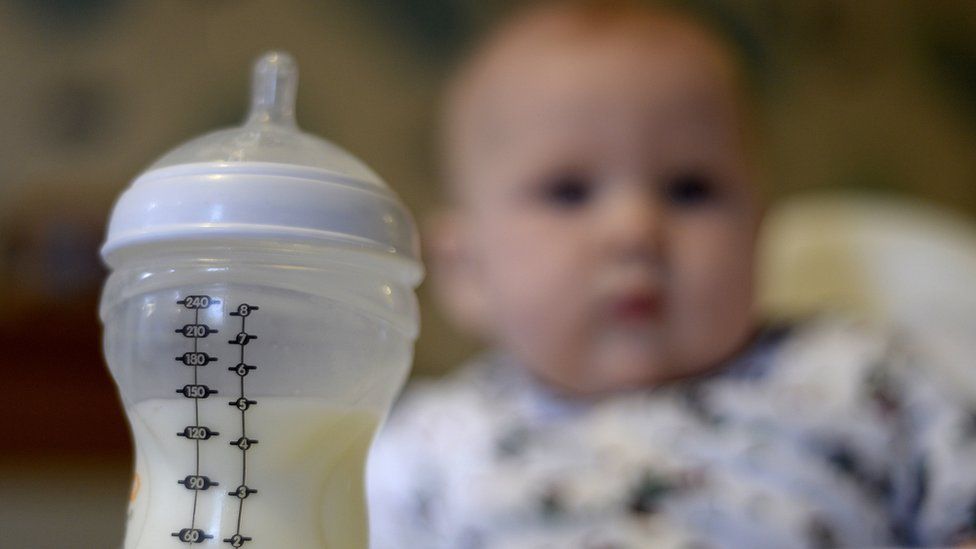
Published58 minutes agoShareclose panelShare pageCopy linkAbout sharingImage source, PA MediaThe rising cost of formula milk is having a “devastating” effect on families and forcing them into “tough” financial choices, a report says.Two thirds of women surveyed said the 25% leap in costs over the last two years had hit family finances.Many reported cutting back on food for the rest of the household or using cow’s milk in their babies’ diets.The British Pregnancy Advisory Service (BPAS), called for “bold” solutions such as subsidises and price caps.The service said the cost of one box of the cheapest formula milk is now greater than the £8.50-a-week Healthy Start voucher families receiving qualifying benefits can claim.Two thirds of women surveyed for BPAS said they felt anxious or worried about the product’s cost.Last month, the Consumer and Markets Authority (CMA) said formula prices had risen by a quarter over the past two years.Just two suppliers accounted for 85% of infant formula sales, the CMA said, and there was “very limited availability” of cheaper own-brand alternatives.The rise in costs has correlated with a spike in formula thefts as part of a surge of shoplifting during the cost of living crisis. Sainsbury’s stores placed security tags on formula products last year and some Co-op stores placed them behind tills in an attempt to prevent shoplifting.The service’s chief executive Clare Murphy said: “Our report clearly shows the toll the current cost of formula is having on women and their families. “For some women this was also compounded by a sense of guilt and shame around not breastfeeding. This must change.”Supporting breastfeeding does not need to come at the, quite literal, expense of failing to tackle the issues of access to an affordable, consistent supply of formula milk, and we need some bold initiatives to achieve this.”Infant feeding, whether by breast or bottle, is both a child health issue and a matter of reproductive choice. We must get this right.”The BPAS survey was conducted in October by Censuswide. All 1,001 participants were British women who had formula-fed their baby aged under one in the last year.More on this storyConcerns over ‘desperation’ theftPublished18 December 2012’Money is tight, but I won’t buy a cheaper baby formula’Published2 DecemberShoppers hit by escalating prices of branded goodsPublished29 November

Read more →

A sugar analysis could reveal different types of cancer

In the future, a little saliva may be enough to detect an incipient cancer. Researchers at the University of Gothenburg have developed an effective way to interpret the changes in sugar molecules that occur in cancer cells.
Glycans are a type of sugar molecule structures that is linked to the proteins in our cells. The structure of the glycan determines the function of the protein. It has been known for a while that changes in glycan structure can indicate inflammation or disease in the body. Now, researchers at the University of Gothenburg have developed a way to distinguish different types of structural changes, which may provide a precise answer to what will change for a specific disease.
“We have analysed data from about 220 patients with 11 differently diagnosed cancers and have identified differences in the substructure of the glycan depending on the type of cancer. By letting our newly developed method, enhanced by AI, work through large amounts of data, we were able to find these connections,” says Daniel Bojar, associate senior lecturer in bioinformatics at the University of Gothenburg and lead author of the study published in Cell Reports Methods.
AI enhanced method found the patterns
There are also other research groups that study the substructures of the glycan in search of so-called biomarkers that describe what is wrong. This often involves statistical tests using mass spectroscopy to find out whether the level of individual sugars is significantly higher or lower in cancer. These tests have too low sensitivity and are not reliable because different sugars are structurally related and therefore not independent of each other.
Daniel Bojar’s research team uses a new method that includes AI, which takes these problems into account and can find the patterns in the data sets where others fail.
“We can rely on our results; they are statistically significant. If we know what we are looking for, it is easier to find the correct result. Now we will take these biomarkers and develop test methods,” says Daniel Bojar.
New mass spectrometer
During the fall, his research group received SEK 4 million from the Lundberg Foundation to purchase a state-of-the-art mass spectrometer. This instrument will serve as an AI platform to support researchers in the study of glycans, for example in lung cancer samples. The aim is to detect the cancer earlier to improve the chances of recovery.
“We want to develop a reliable and rapid analytical method to detect cancer, and also the type of cancer, through a blood sample or saliva. I think we might be able to perform clinical tests on human samples in 4-5 years,” says Daniel Bojar.

Read more →