Questions over mysterious death in mental health hospital

14 minutes agoShareSaveJames MelleySenior Social Affairs ProducerShareSaveFamily photoA mental health trust says it is planning to install CCTV following the death of a patient in mysterious circumstances.Maria Morris, 44, was found unresponsive at Bethlem Hospital in south London on 21 September 2021 with four socks down her throat, and a large unexplained bruise on her back.She died hours later in hospital from a brain injury caused by a lack of oxygen. A consultant who treated her questioned whether she had been assaulted.An inquest jury at South London Coroners’ court concluded that her death was accidental, but her family says they still have questions about what led to her death.Large bruise on her backThe inquest heard that Maria Morris, who worked as a teaching assistant, had bi-polar affective disorder.In September 2021, her family and friends became concerned when she started acting erratically and found that she had stopped taking her medication.Police were called after she ran away from a friend while on a walk in a park. When found, she was delusional and taken to Croydon Hospital.She was transferred to Bethlem Royal Hospital, a mental health hospital run by South London and Maudsley NHS Trust (SLAM), on 18 September where she was sectioned under the Mental Health Act.The jury was told that while Maria was on the unit, she raised a number of concerns about how staff were treating patients. She told one member of staff that patients were being “punished” at night.On the evening of the 21 September, Maria was observed by staff in her room at 20:00 and then again at 20:30.At 21:23 a member of staff found her unconscious on the floor of her room, having had a cardiac arrest.During attempts to resuscitate her, a sock was found in her throat. When paramedics arrived, three further socks were removed from her throat.By the time she was transferred to Croydon University Hospital, she had suffered a hypoxic brain injury. A few hours later she went into cardiac arrest again and died on 22 September.The jury was told that Dr Simon Wood, an intensive care doctor at Croydon Hospital who treated Maria, alerted the police to a large bruise on her back.He also said that, in his view, a patient wouldn’t have been able to push socks down their own throat without gagging. He was concerned that this may have indicated she’d been assaulted.The jury heard that there was no CCTV used on the wards at Bethlem Hospital and there was nothing in Maria’s notes or observations to explain the bruising.Maria’s room was locked when she was found. The court heard that most patients had keys for their own rooms, but there was no record on who had what key.Staff had master keys that could unlock all the patients’ rooms.Untested bloodIn a statement read to the court, Metropolitan police officer DC Herdeep Jugdev said that his investigation had been hindered because Maria’s room in Bethlem had been cleared, and the sock disposed of, before they got there 19 hours after her death was reported.During their investigation, the police spotted what appeared to be blood under Maria’s nails, although this did not appear to have been tested to see whose it was.John Taylor, the South London Coroner, told the jury that there was not sufficient evidence to conclude that Maria was assaulted on the ward, or that someone else had pushed socks into her airway.The inquest heard conflicting evidence from staff at Bethlem about how often Maria was checked on the night she died.Some documents and witnesses suggested she should have been checked four or five times an hour. Others suggested she should have been checked once an hour.The jury concluded that Maria had pushed the socks down her own throat, but that her death had been accidental. They were unable to reach a conclusion on whether a lack of observations contributed to her death, because of the conflicting evidence.’Immense pain’In a statement, Maria’s family said she was a much-loved mother, daughter and sister, and that her death “has left a profound and lasting void in the hearts of her family and all who loved her”.”We are grateful to the jury for having identified that there were missed opportunities around communication, documentation and observations. “As a family, the idea that more could have been done to keep her safe causes us immense pain.”The family also said it felt the jury was not allowed to comment on all the issues it considered to be important.”As a family we still have questions about exactly what happened that night.”South London and Maudsley NHS Trust (SLAM) says it will be rolling out CCTV in all its wards and opening a new CCTV control centre in November.

Read more →

Concerns over monitoring system used by mental health trusts

29 minutes agoShareSaveSophie HutchinsonBBC health correspondent andStuart Woodwardat the Lampard InquiryShareSaveBBCThe public inquiry into the deaths of at least 2,000 people under the care of mental health services heard “grave concerns” about the use of a digital patient monitoring system.The technology, called Oxevision, was used by half of England’s mental health trusts and uses infrared sensors and cameras to monitor patients alone in their rooms, sending alerts to staff when it detects signs of distress or abnormal activity.The Lampard Inquiry was told campaigners were concerned the technology had been overly relied upon by staff, and many patients’ experiences of the technology were “intrusive, undignified, dehumanising and traumatising”.Oxevsion’s manufacturer said the system played a critical role in preventing harm, but agreed filming a patient 24 hours a day could possibly “constitute a very significant invasion of privacy”.’De-humanising’This week marked the fifth set of hearings overseen by Baroness Lampard as part of England’s first public inquiry into mental health deaths.The inquiry aimed to examine why at least 2,000 patients died while being cared for under NHS mental health services in Essex between 2000 and 2023.Essex Partnership University NHS Foundation Trust [EPUT] previously apologised to families at the inquiry.Lampard Inquiry / YouTubeCounsel for the Lampard Inquiry, Nicolas Griffin KC, said Oxevision had proved controversial and had featured in a number of recent inquests. These included patients Michael Nolan and Morgan Rose-Hart, who died in 2022, along with Elise Sebastian, who died in April 2021. Elise was found unresponsive in her bedroom at the St Aubyn Centre in Colchester.The 16-year-old was supposed to receive one-to-one care, but an inquest was told the Oxevision alert system, linked with her bedroom, was muted and she was left alone for 28 minutes.The coroner was told changes had been made to the alert system by EPUT.Stuart Woodward/BBCHow does Oxevision work?Oxevision is a remote monitoring system, which manufacturers said was used in half of all NHS mental health trusts in England, providing in-patient care.Infra-red cameras installed in patients’ bedrooms can track their pulse rates by detecting “micro-blushes” of the skin – invisible to the naked eye – as well as their breathing rates due to the rise and fall of a patient’s chest.A camera can also take images and provide a clean video feed of up to 15 seconds.Alerts and warnings were meant to be sent to staff on computers and tablets in the case of an emergency.Richard Daniel/BBCIn a statement to the inquiry, the campaign group made up of former and current NHS inpatients, Stop Oxevision, said the system had led to serious harm.Their spokesperson, Hat Porter, described it as a “superficial quick fix for wider systemic issues” and said many patients’ experiences of the technology were “intrusive, undignified, dehumanising and traumatising”.Their research raised concerns, including significant invasion of privacy, the impact of the technology on patients’ health and recovery, and staffing issues.Stop Oxevision is due to appear at the Lampard Inquiry on Tuesday in a pre-recorded evidence session.Getty ImagesLaura Cozens from LIO – the company formerly called Oxehealth, which created Oxevision – said “the platform may not be suitable for everyone – and we do recognise that”.Asked by Mr Griffin KC, “Would you agree that filming a patient 24 hours a day constitutes a very significant invasion of privacy?”, Ms Cozens said, “Possibly, yes”.Ms Cozens added that it was important that the use of the technology was properly communicated to patients, and it had played a critical role in preventing serious incidents, including falls at a dementia ward.She named 1,774 incidents where staff were supported in responding to situations where patients could otherwise have come to some serious harm, adding that the system helped to free up staff time from paperwork.A spokesperson for EPUT said that Oxevision was used by the trust “to support our staff to better care for our patients on our wards”.”This is always carried out in conjunction with clear clinical assessment and the consent of our patients.””Their safety, care and recovery is our number one priority,” the spokesperson added.A representative of the trust is due to appear at the Lampard Inquiry on Tuesday.More on this storyRelated internet links

Read more →

Prostate cancer symptoms and treatment: What to check for

6 hours agoShareSaveMichelle RobertsDigital health editorShareSaveGetty ImagesFormer prime minister Rishi Sunak has told the BBC that a targeted prostate cancer screening programme is needed urgently, and would “save countless lives”.Sunak is an ambassador for the Prostate Cancer Research charity, and made his comments as the UK National Screening Committee reconsiders its 2020 decision not to recommend routine screening.Not everyone thinks extending screening a good idea though.Prostate cancers can behave very differently, and while some can spread quickly, others are very slow growing and may need minimal or even no treatment.What is prostate cancer?The prostate is a gland that is about the size of a walnut which sits just below the bladder within the pelvis.It surrounds the urethra – the tube that takes urine out of the body through the penis.Prostate cancer – abnormal and uncontrolled cell growth – often develops slowly.There may be no signs or symptoms for years and some people never develop any problems from it.But in others, the cancer can be aggressive and deadly.Prostate cancer that’s detected early has the best chance for successful treatment.Getty ImagesHow common is prostate cancer?Prostate Cancer UK says one in eight men will get prostate cancer at some point in their lives. Around 52,300 men are diagnosed each year in the UK, and there are around 12,200 prostate cancer deaths every year, according to Cancer Research UK. It is most common in older age – among men over 75. Cases in the under-50s are rare.Your risk of prostate cancer is higher if you have a close relative – a father, brother, grandfather or uncle – who has had prostate cancer.It is also more common in black men.Getty ImagesWhat symptoms should people check for?The common ones are:needing to urinate more frequently – particularly at nightdifficulty starting to urinate, weak flow and it taking a long timeblood in urine or semenThese symptoms can be caused by other conditions too – but it is important to have any changes checked by a doctor.Is there a test for prostate cancer?There is no single, diagnostic test. Doctors make a diagnosis based on various measures.This can include a prostate-specific antigen (PSA) blood test and a scan, as well as a biopsy, which involves taking a small tissue sample to examine in the laboratory.PSA tests are not routinely used to screen healthy men for prostate cancer because the results can be unreliable.A high PSA does not always mean cancer. It can go up if there is an infection, for example.Some men with a raised PSA may have a prostate cancer that would not have caused problems or needed treatment, causing unnecessary worry and further investigations.Men over 50 can usually ask their GP for a PSA blood test if they want to. Your GP will explain the potential benefits and risks of having a PSA test.If you decide you want a PSA test, you should refrain from sexual activity and vigorous exercise, such as cycling, in the two days beforehand as this can affect the results.Doctors are also considering whether adding MRI scans to PSA tests might improve the situation.Would a prostate screening programme help? Researchers have repeatedly looked at whether it would be beneficial to introduce the screening. Those studies, overall, show that offering all men of a certain age a PSA test would only lead to a small reduction in the number of men dying from prostate cancer.In 2020, the UK National Screening Committee said it did not recommend screening for the condition.However, the latest report from Prostate Cancer Research calls for a screening programme targeted at men aged 45–69 with a family history of prostate cancer and black men. This group includes around 1.3 million men in the UK.The charity estimates the programme would cost £25 million a year – or about £18 per patient – similar to bowel and breast cancer screening. It says the benefits of introducing targeted screening for those at the highest risk would outweigh the financial and logistical costs. But others have argued that it would take scanning capacity away from patients being treated for other conditions.Some medical experts are sceptical about the value of screening. They argue there is still a risk that patients will be treated for the cancer when it is not strictly necessary and will then have to live with side effects such as incontinence and erectile dysfunction.How is prostate cancer treated?Different options are available and your doctor will be able to advise which might be most suitable.If the cancer is at an early stage and not causing symptoms or growing quickly, it might be possible to keep it under observation or “watch and wait”.Some prostate cancers can be cured with treatments such as surgery and radiotherapy.Hormone therapy may also slow cancer growth.It may also be possible to destroy the cancer cells using extreme cold (cryotherapy) or high-intensity focused ultrasound.

Read more →

Could I have saved my parents if I’d been taught CPR?

2 hours agoShareSaveJonathan GeddesGlasgow and west reporter andHayley JarvisShareSaveBBCCameron McGerr should have been with his parents to celebrate their 30th wedding anniversary last month. Instead, Lynne and Kevin McGerr’s 16-year-old son stood in front of MSPs in the Scottish Parliament and revealed he had lost both to heart conditions. He believes he might have been able to help at least one of his parents in their moment of crisis if he had been taught life-saving CPR skills at a younger age. Having already persuaded his school in Inverclyde to introduce the first aid training, he now wants to see it introduced to schools across Scotland. Cameron’s dad Kevin died from a cardiac arrest in February this year. It came three years after Lynne suffered a fatal heart attack.The couple had been married since 30 September 1995.”After my dad died I kind of thought maybe I should do something about this,” said Cameron, a pupil at Clydeview Academy in Gourock.”The first time I kind of thought it was bad luck but the second time I thought ‘well I was 15, I really should have been able to know what to do’.”McGerr FamilyNow Cameron and his classmates are learning how to give CPR – a potentially life-saving treatment using chest compressions to restart a person’s heartbeat.He hopes more schools across Scotland will soon do the same and adopt his campaign, which is called Pulse of Life.”It could be your mum, it could be your dad, it could be your sister or it could be a friend, neighbour, stranger,” said Cameron, who now lives with his aunt. “The truth is it can happen to anyone at any time. I think that’s what a lot of people don’t realise, and I think that’s why everyone needs to be fully equipped to be able to step in and do it.”Scottish ParliamentWhen Cameron spoke to MSPs at Holyrood last month, he estimated that when his dad collapsed he lost about two and a half minutes of time panicking about what to do.He said: “I believe that if I had known CPR, I would have been able to save my dad. I would have been more confident while performing CPR, worrying less as his ribs broke under the force of my hands. “I would not have had to wait for the 999 operator to instruct me in what to do. In my panic, I lost probably two and a half minutes, which instantly decreased his chance of survival by 25%.” British Heart Foundation figures suggest around 3,800 people experience a cardiac arrest out of hospital in Scotland each year – with a survival rate of one in 10.Health groups and medical charities believe that number could improve if more people felt confident about performing CPR, and were able to take action quickly. “I’m not doing it for me and I’m not doing it to try and prove the point – I’m doing it because I know it will make a difference” says Cameron of the campaign.Clydeview pupils and staff have responded with enthusiasm to the CPR lessons, saying it has given them confidence about performing it if needed. Craig Gibson, the headteacher at Clydeview, told BBC Scotland News that Cameron had shown “outstanding resilience in the face of such tragedy” over the past three years.”Cameron and I have met a number of times and he’s spoken to me quite openly about the impact of the loss that’s had on him, but more importantly the changes that he would like to make,” says Craig.The school is hopeful all current S1 pupils will be taught CPR by the end of the current academic year. The teaching model will then be shared with other secondary schools throughout the region.However, Cameron has already seen his campaign go further afield, leading to his appearance at the Scottish Parliament.It came on the day of what would have been his parents’ wedding anniversary.Despite his nerves, he movingly recalled waking up to his dad screaming, unsure of what to do after his mum’s heart attack.”I wonder whether, if I had been given CPR training, I would have been able to step in and make a difference. “However, I cannot live life wondering ‘what if?’. I need to live to make a difference for other people who might encounter the same problem.”Education Secretary Jenny Gilruth has now written to Cameron offering to meet him.A Scottish government spokesperson said it would continue to work with partners to make sure pupils have the opportunity to learn CPR, with many schools already doing so.McGerr FamilyHowever far his campaign goes, and whatever difference it makes, Cameron is sure of one thing – that his parents would be proud of what he’s doing.”I think they’d be a bit, not caught off guard, but a bit shocked because here’s this shy boy that didn’t like confrontation, didn’t like public speaking, who just went and addressed the country’s parliament.”They would be immensely proud, and I knew that even before I’d done this.”They would always be proud, no matter what, and I think that’s what keeps me going.”

Read more →

‘My leg helped rebuild my tongue after cancer’

3 hours agoShareSaveJen SmithSouth West health correspondentShareSaveBBCA woman whose tongue had to be reconstructed with a piece of her leg because of mouth cancer is urging people to check for the warning signs.Candi Hulley, 52, from Bude, Cornwall, said a chance check-up at her dentist had led to her diagnosis.The Mouth Cancer Foundation charity said more than 3,000 people died of mouth cancer last year nationally – a 20% rise over the past five years.It said it wanted the public to know it was not just dentists who could check for mouth cancer and “if you’re unsure, go and see your doctor, or a pharmacist”.”My children call this my shark bite,” Ms Hulley said as she displayed the back of her calf where surgeons removed veins and an artery to reconstruct nearly half of her tongue.It took a team more than 12 hours to remove the tumour from her mouth to ensure she would be able to eat, speak and swallow again.She said: “The plastic surgeon described it as like magic… I’ve had a few operations but that was pretty much the scariest thing I’ve ever been through.”Now she said she was urging people to check themselves for the warning signs. She said: “I was lucky, it would have spread if it hadn’t been monitored”.Ms Hulley said the recovery had been almost as intensive as the surgery, with a month spent in hospital and another six months before she could return to work.She said: “I had speech therapists and nutritionists because I was on a feeding tube for so long – I lost loads of weight. “Then you have to try and eat. That’s scary, you can choke.”The Mouth Cancer Foundation said it believed awareness around the disease was low.”We have figures that suggest only about 17% of the UK population is aware of mouth cancer,” said dental hygienist Alison Brown from the charity.”And it [treatment and recovery] can be particularly unpleasant – it can involve dissection of the tongue, people lose teeth, they have to learn to speak and eat again.”Dental students in the south-west of England are among those being taught to check for the signs of mouth cancer. Fourth-year student Isabelle Adams, who is studying at the Peninsula Dental School in Truro, said such teaching was “so important”.She said: “When we’re practising dentists, we’re able to spot cancers early, and educate our patients so that they know when to spot when something’s not normal.”Mouth cancer symptomsAccording to the NHS, symptoms of mouth cancer can affect any parts of your mouth, including the gums, tongue, inside the cheeks or lips.Symptoms can include:A mouth ulcer in the mouth that lasts more than three weeksA red or white patch inside the mouthA lump inside the mouth or on the lipPain inside the mouthDifficulty swallowingDifficulty speaking or a hoarse (croaky) voiceA lump in the neck or throatLosing weight without tryingMore on this storyRelated internet links

Read more →

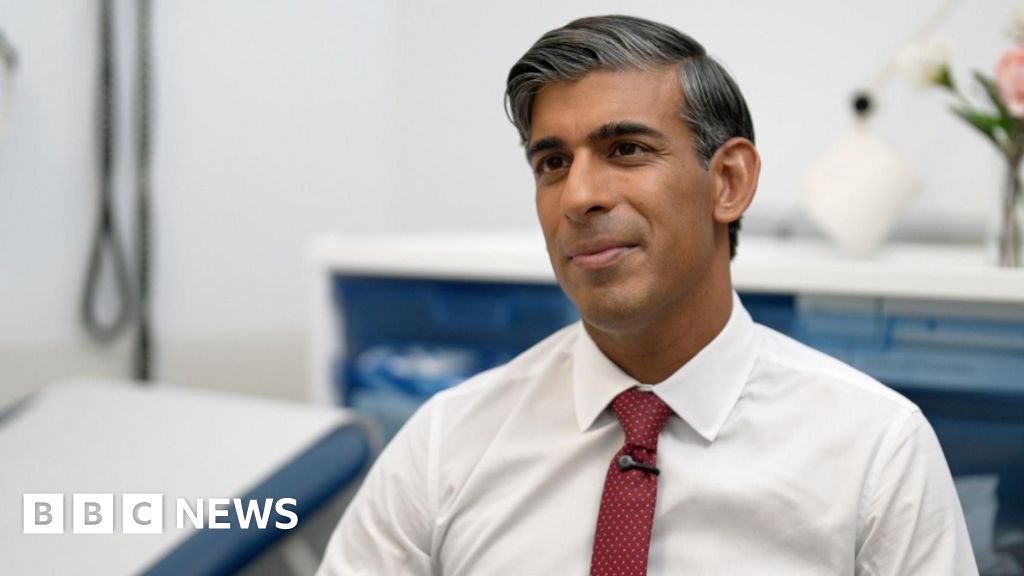
Prostate cancer screening urgently needed, says Rishi Sunak

Former prime minister Rishi Sunak has stepped up his call for a targeted screening programme for prostate cancer. In a BBC interview he said he was “convinced of the urgency ” of introducing such a programme which would be affordable, deliverable and “save countless lives”.His comments come as the UK National Screening Committee reconsiders its decision from five years ago not to recommend routine screening. Media reports suggest it may stick with its current stance.Olympic cycling champion Sir Chris Hoy, who has advanced prostate cancer, wants younger men to be checked. He wants the age threshold for requesting a PSA (prostate-specific antigen) blood test lowered. Currently, it is not routinely offered to men without symptoms who are under 50. The PSA test is controversial though. Levels can rise for reasons other than cancer, such as infections, leading to false positives. Critics say this can result in unnecessary treatment and side effects.Sunak is an ambassador for Prostate Cancer Research, which is publishing a report on the costs and benefits of a targeted screening programme. It would focus on men aged 45–69 with a family history of prostate cancer and black men, who face double the risk. This group includes around 1.3 million men in the UK.The charity estimates the programme would cost £25 million a year – or about £18 per patient – similar to bowel and breast cancer screening. It assumes 20% of eligible men would be invited annually, with a 72% uptake rate. Diagnostic activity (scans and biopsies) would need to rise by 23%, with only a modest increase in NHS staffing, it says. The benefits of introducing targeted screening for those at the highest risk outweigh the financial and logistical costs, according to the report authors.Speaking to the BBC, Sunak said: “I’ve had family and friends that have been impacted by it – thankfully not lost their lives – but that partly has made me aware of why its so important we catch it early – the doctors are so brilliant now at treating you if you catch it early.”He said men, including himself, were often shy of coming forward to discuss health issues: “That’s why a proactive targeted screening programme could make a difference in helping save lives.”The screening programme backed by the Prostate Cancer Research Charity would involve an MRI scan as well as the PSA test and then a biopsy.Asked whether he might have done more while in Downing Street to push the case for prostate cancer screening, Sunak said testing had now become more reliable: “The thing that has changed is use of MRI scans so we can now much more effectively and safely target the people who most need our help – the moment is now – its deliverable and affordable”.But some medical experts are sceptical about the value of screening. They argue there is still a risk that patients will be treated for the cancer when it is not strictly necessary and will then have to live with side effects such as incontinence and erectile dysfunction.Professor Hashim Ahmed, Chair of Urology at Imperial College, says more research is needed to determine the potential value of screening.”The problem is we can often find disease that doesn’t need to be treated and we end up causing harm…and my concern at the moment is that harm to benefit equation isn’t quite right.”The National Screening Committee will have to weigh up the evidence and arguments. While the new report by Prostate Cancer Research says the implications for staffing and availability of a screening programme would be manageable, others have argued that it would take scanning capacity away from patients being treated for other conditions.Patient voices are also shaping the debate. On a recent visit to a prostate cancer clinic at Guy’s Hospital in London, Sunak met David Bateman who is 66. After asking for a PSA test he was diagnosed with the cancer at the age of 59 and was told it had spread to his pelvis. He has since been given chemotherapy, radiotherapy and hormone treatment but cannot be cured. David supports screening for those who are potentially vulnerable.”That is very important to me because of my sons – they are 38 and 40 – I want them checked as soon as possible. If I had been screened at 50 I am sure I wouldn’t be in the position I am today,” he said.

Read more →

This new blood test can catch cancer 10 years early

Human papilloma virus (HPV) is responsible for about 70% of head and neck cancers in the United States, making it the leading HPV-related cancer and one that continues to rise in frequency each year. Unlike cervical cancer, which can be detected through routine screening, there is currently no test that can identify HPV-associated head and neck cancers before symptoms develop. As a result, most patients are diagnosed only after the tumor has expanded to billions of cells, often spreading to nearby lymph nodes and causing noticeable symptoms. Finding a way to detect these cancers much earlier could allow for prompt treatment and better outcomes.
A new federally funded study published in the Journal of the National Cancer Institute by researchers at Mass General Brigham introduces a promising advance. The team developed a liquid biopsy test called HPV-DeepSeek, which can identify HPV-linked head and neck cancers up to 10 years before symptoms begin. Detecting the disease this early could increase the chances of successful treatment and reduce the need for aggressive therapies, the researchers report.
“Our study shows for the first time that we can accurately detect HPV-associated cancers in asymptomatic individuals many years before they are ever diagnosed with cancer,” said lead study author Daniel L. Faden, MD, FACS, a head and neck surgical oncologist and principal investigator in the Mike Toth Head and Neck Cancer Research Center at Mass Eye and Ear, a member of the Mass General Brigham healthcare system. “By the time patients enter our clinics with symptoms from the cancer, they require treatments that cause significant, life-long side effects. We hope tools like HPV-DeepSeek will allow us to catch these cancers at their very earliest stages, which ultimately can improve patient outcomes and quality of life.”
HPV-DeepSeek works by using whole-genome sequencing to identify trace fragments of HPV DNA that have separated from a tumor and entered the bloodstream. Earlier research from this team showed that the test could reach 99% specificity and 99% sensitivity in detecting cancer during its initial clinical presentation, outperforming all existing diagnostic methods.
To explore whether HPV-DeepSeek could identify these cancers long before symptoms appear, the researchers analyzed 56 blood samples from the Mass General Brigham Biobank. The samples included 28 from people who later developed HPV-associated head and neck cancer and 28 from healthy individuals who served as controls.
HPV-DeepSeek detected HPV tumor DNA in 22 out of 28 blood samples from patients who later developed the cancer, whereas all 28 control samples tested negative, indicating that the test is highly specific. The test was better able to detect HPV DNA in blood samples that were collected closer to the time of the patients’ diagnosis, and the earliest positive result was for a blood sample collected 7.8 years prior to diagnosis.
Using machine learning, the researchers were able to improve the test’s power so that it accurately identified 27 out of 28 cancer cases, including samples collected up to 10 years prior to diagnosis.
The authors are now validating these findings in a second blinded study funded by the National Institutes of Health (NIH) using hundreds of samples collected as part of the Prostate, Lung, Colorectal, and Ovarian Cancer Screening Trial (PLCO) at the National Cancer Institute.

Read more →

A single protein could stop sudden death after heart attacks

Nina Kumowski, MD, of the Department of Radiology and Center for Systems Biology at Massachusetts General Hospital, is the lead author and Matthias Nahrendorf, MD, PhD of the Department of Radiology and Center for Systems Biology at MGH, is the senior author of a paper published in Science, “Resistin-like molecule γ attacks cardiomyocyte membranes and promotes ventricular tachycardia.”
Q: How would you summarize your study for a lay audience?
In short: We found that the defense protein “Resistin like molecule gamma” (Relmy), produced by neutrophils, punches holes into heart cells after a heart attack. This promotes dangerous, fast, and irregular heart rhythm and cell death in the heart.
The longer version: The most lethal complications of coronary artery disease are myocardial infarction (MI) and sudden cardiac death.
In MI, the blockage of a heart artery leads to insufficient oxygen supply to heart muscle cells (cardiomyocytes). This compromises their ability to maintain a stable rhythm and can give rise to a dangerous, unstable heart rhythms (arrhythmia) called ventricular tachycardia (VT) and ventricular fibrillation (VF).
VT and VF are both serious arrhythmias that can lead to sudden cardiac arrest and death within minutes. In VT, the heart beats very rapidly, but in a coordinated rhythm. In VF, the rhythm is chaotic and uncoordinated.
Most arrhythmias occur within 48 hours after MI and coincide with massive immune cell infiltration into the heart tissue. We were interested in how these immune cells may promote arrhythmia.

We found neutrophils that get recruited into the infarct (the area of dead tissue resulting from the cutoff of oxygen supply) in large numbers upregulate the gene “Retnlg,” coding the protein resistin like molecule gamma (RELMy). We also found a comparable gene, “RETN,” in human infarcted heart tissue. When we removed this protein from neutrophils in mice, the arrhythmia burden after MI was reduced 12-fold.
Q: What question were you investigating?
We were investigating the question of how neutrophils, a specific kind of immune cell, promote ventricular arrhythmia (a dangerous fast irregular heartbeat) after heart attacks. Cardiomyocytes as the main actors in arrhythmia are very well studied, but if and how immune cells can promote arrythmia is less clear. This work is important because ventricular arrhythmia is the most lethal complication after myocardial infarction. We need to understand better what promotes arrythmia to help us develop new antiarrhythmic drugs.
Q: What methods or approach did you use?
We used a plethora of methods to figure this out. For an initial understanding about which proteins in neutrophils might be important, we used deposited data on gene expression generated by single cell and spatial RNA-sequencing from mice that underwent myocardial infarction. But we also used data from human studies to find similarities in human tissue.
We also relied on confocal and super-high resolution microscopy in isolated mouse heart muscle cells that were treated with the labeled protein. Further, we deployed in vitro assays such as a liposome model and cell culture techniques to investigate the mouse and the human version of the protein to find out if they work similar.

Q: What did you find?
We found that after MI in mouse models, neutrophils upregulatethe expression of “Retnlg,” the gene coding for RELMy. We also found that the human biological homolog “RETN,” the genecoding for Resistin, was higher expressed in human infarcted myocardial tissue compared to non-infarcted tissue, similar to mice.
We saw that deleting the gene from bone marrow derived cells (such as neutrophils) and deleting the gene from neutrophils specifically significantly reduced incidents of ventricular arrhythmia in the mouse models.
Q: What are the implications?
The implications are that immune cells play a crucial role in sudden death and arrhythmia.
We should think about treating both the myocardial infarction both by quick recanalization of the vessel to restore oxygenated blood supply and also by targeting immune cells to mitigate the arrhythmic effects of the injury.
When we understand the underlying mechanisms better, we can pursue therapeutic targets that go beyond the broad immune suppression that is used today.
If we can treat targets more specifically, we can reduce unwanted side effects and unravel the full potential of immune modulation in cardiovascular disease.
Q: What are the next steps?
The next steps are to find a way to neutralize the harmful protein and test if this can reduce VT burden and infarct size. First in the mouse models, but, we hope, eventually also in humans.
We should gather more evidence about the significance of this protein in human disease. It is also interesting to see these findings have implications for other diseases with neutrophil recruitment and activation.
Authorship: In addition to Nina Kumowski and Matthias Nahrendorf, Mass General Brigham authors include Steffen Pabel, Jana Grune, Noor Momin, Kyle I. Mentkowski, Yoshiko Iwamoto, Yi Zheng, I-Hsiu Lee, Fadi E. Pulous, Hana Seung, Alexandre Paccalet, Charlotte G. Muse, Kenneth K. Y. Ting, Paul Delgado, Andrew J. M. Lewis, Vaishali Kaushal, Antonia Kreso, Dennis Brown, Kamila Naxerova, Michael A. Moskowitz, and Maarten Hulsmans.
Funding: This work was supported by grants from the Leducq Foundation, the National Institutes of Health (NIH grants HL155097, HL149647, HL142494, HL176359, NS136068, DP2AR075321); the Deutsche Forschungsgemeinschaft (DFG) Walter Benjamin Programm (491497342 and 530157297); the British Heart Foundation (FS/ICRF/24/26111 and RE/18/3/342140), and the NIHR Oxford Biomedical Research Centre.
Disclosures: Nahrendorf has received funds or material research support from Alnylam, Biotronik, CSL Behring, GlycoMimetics, GSK, Medtronic, Novartis, and Pfizer, and has received consulting fees from Biogen, Gimv, IFM Therapeutics, Molecular Imaging, Sigilon, Verseau Therapeutics and Bitterroot. Matthias and Wirth are employees of the company Abberior Instruments America, which commercializes the MINFLUX technology. Lewis is on the advisory board of Abbott, AstraZeneca, and Novartis. Pabel is employed by the Novartis Institute of Biomedical Research. Hayat is a cofounder and shareholder of Sequantrix GmbH and has received research funding from Novo Nordisk and AskBio. The remaining authors declare no competing interests.

Read more →

Popular hair-loss pill linked to depression and suicide

A new analysis by a public health expert at the Hebrew University of Jerusalem has found that finasteride, a widely used treatment for hair loss, has been associated with depression and suicide for more than twenty years. Despite these long-standing concerns, neither regulators nor the drug’s manufacturer took meaningful action. Drawing on adverse event reports and health records from several countries, the review identifies a consistent pattern of psychiatric side effects linked to the drug. Even with growing evidence, both Merck and the FDA failed to launch necessary safety investigations. The author is now urging major reforms to the way medications are approved and monitored for long-term risks.
For more than two decades, finasteride has been prescribed to millions of men seeking to slow or reverse hair loss. Behind its cosmetic appeal, however, evidence has continued to emerge suggesting serious mental health consequences, including depression, anxiety, and in some cases, suicide.
Prof. Mayer Brezis of the Hebrew University of Jerusalem argues that both the medical community and regulators have repeatedly failed to protect the public by overlooking signs of psychiatric harm associated with the drug.
His review analyzed data from eight large studies published between 2017 and 2023. The findings show a clear trend: people who used finasteride were far more likely to experience mood disorders and suicidal thoughts than those who did not. This pattern appeared consistently across various national databases, including the FDA’s adverse event system and healthcare records from Sweden, Canada, and Israel.
“The evidence is no longer anecdotal,” said Prof. Brezis, a professor emeritus of medicine and public health. “We now see consistent patterns across diverse populations. And the consequences may have been tragic.”
The report estimates that hundreds of thousands of users may have suffered from finasteride-related depression, and that hundreds — possibly more — may have died by suicide. Originally approved by the FDA in 1997 for male pattern baldness, the drug has remained popular for its perceived safety and effectiveness, particularly among younger men. Critics say, however, that its risks were downplayed or ignored.
A Delayed Response, With a High Cost
Although the FDA recognized depression as a possible side effect in 2011 and added suicidal thoughts to the label in 2022, researchers had been warning of potential dangers as early as 2002. Internal FDA files from 2010, cited in Brezis’ review, contained entire sections redacted as “confidential,” including estimates of how many people might have been affected.

By 2011, only 18 suicides linked to finasteride had been reported to the FDA. Based on worldwide usage, Brezis concluded the actual number should have been in the thousands. “It wasn’t just underreporting,” Dr. Brezis wrote. “It was a systemic failure of pharmacovigilance.”
Unlike drugs used to treat obesity or psychiatric disorders, which are often closely monitored after approval, finasteride’s classification as a cosmetic treatment may have shielded it from deeper scrutiny. None of the data-mining studies referenced in the review were initiated by Merck, the company that developed the drug, nor were they commissioned by regulatory authorities.
A Cosmetic Drug With Life-Altering Risks
Brezis argues the drug’s classification as a non-essential, appearance-enhancing medication changes the risk calculus. “This wasn’t about life or death medical necessity,” he said. “This was about hair.”
The biological rationale is clear. Finasteride works by blocking the conversion of testosterone into dihydrotestosterone (DHT), but in doing so, it may also disrupt neurosteroids like allopregnanolone — linked to mood regulation in the brain. Animal studies have shown long-term effects on neuroinflammation and even changes in hippocampal structure.
For some patients, the consequences don’t end when the pills do. Reports of lingering symptoms — dubbed “post-finasteride syndrome” — include insomnia, panic attacks, cognitive dysfunction, and suicidal thoughts that persist months or even years after stopping treatment.

Regulatory Gaps, Corporate Silence
The report is especially scathing toward the FDA and Merck. Despite having access to millions of patient records and robust pharmacovigilance tools, neither party acted in time, Brezis argues. The industry’s silence was strategic, he suggests, driven by market pressures and legal liability — echoing past controversies like Merck’s handling of Vioxx.
“Nothing is more important to Organon than the safety of our medicines,” the company recently claimed in a public statement. Yet none of the safety studies cited were initiated by the manufacturer.
The FDA, meanwhile, took five years to respond to a citizen petition calling for a black-box warning. Its final decision? To add suicidal ideation to the label — but not as a formal warning.
What Now?
Brezis is calling for immediate changes in how drugs like finasteride are approved, monitored, and prescribed. His recommendations include suspending marketing of the drug for cosmetic purposes until safety is re-established, mandatory post-approval studies with strict enforcement, and systematic recording of drug histories in suicide investigations.
“For many, those changes come too late. The paper is dedicated to one such individual — a previously healthy man who took finasteride “just” to improve his hair. Within days, he spiraled into severe psychiatric distress. He never recovered. Months later, he took his own life.”

Read more →

Eat kiwi fruit to relieve constipation, says guidance

Eating several kiwi fruit a day can help relieve constipation and is a better starting point than worrying about a high-fibre diet, according to new guidance on the condition.The advice says drinking water high in minerals is better for constipation than tap water, and magnesium oxide supplements are good for improving symptoms.Researchers from King’s College London, who looked at all evidence to date on what works and what doesn’t, said there are many more options for getting things moving than the standard advice to “just have more fibre in your diet”.Constipation that doesn’t go away affects one in 10 people and can have a major impact on someone’s quality of life.You are constipated if you haven’t had a bowel motion (poo) at least three times during the last week, or you’re going less often than usual, says the NHS.Straining on the loo or feeling like you haven’t fully emptied your bowels may also be signs of constipation – but these aren’t the only ones.”People can report up to 30 different symptoms of constipation,” says Dr Eirini Dimidi, lead study author and reader in nutritional sciences at King’s College London (KCL).The best remedy is to focus on fruit and drinks first, rather than worrying about the latest probiotic in the supermarket, she says.Dr Dimidi recommends eating two or three kiwis throughout the day or 8-10 prunes to improve constipation. Skin on or skin off the kiwi? “Even without the skin, it’s good and contains fibre,” she explains, but adds there’s no harm keeping the skin on either.The fibre affects the gut in a way which increases the volume of stool, which can also induce contractions in the bowel.”Kiwi also increases water content into the gut which may soften stools,” Dr Dimidi says.Snacking on 8-10 prunes a day and some rye bread can also have a similar effect.Mineral water “is better than tap water” to drink, she says, although bottled water in the UK is lower in minerals than water available elsewhere, such as eastern Europe.The crucial mineral is magnesium, which has a laxative effect. And that’s why taking magnesium oxide supplements was found to have lots of benefits, according to the research.These included reducing lower tummy pain, bloating, straining – and making it easier to poo. Regarding probiotics, the guidelines suggest some types can improve some symptoms but there is also a lack of research on the impact of many different strains.Up until now, guidance for doctors treating patients with constipation has been limited and outdated, and focused on advice to increase dietary fibre and water intake, say the researchers.The new recommendations are based on evidence from 75 clinical trials – all those available – which have been analysed by a panel of experts.Prof Kevin Whelan, senior research author and professor of dietetics at KCL, said the new guidance “marks a promising step towards empowering health professionals and their patients to manage constipation through diet”. He said this meant people suffering from constipation could now access up-to-date advice to help improve their symptoms, wellbeing and quality of life.The British Dietetic Association, which funded the project to produce the new guidelines, said they were an excellent resource for dietitians, doctors and nurses, and supported “a more diet-focused and evidence-based approach to the management of chronic constipation”.The research and the new guidelines are published in the Journal of Human Nutrition & Dietetics.

Read more →