This everyday vitamin could be the closest thing we have to an “anti-aging pill”

A new review suggests that vitamin D supplements may help protect the ends of our chromosomes, known as telomeres, which play a vital role in slowing the aging process. This finding has raised hopes that the “sunshine vitamin” could support longer-lasting health.
Researchers found that taking 2,000 IU (international units, a standard measure for vitamins) of vitamin D daily helped preserve telomeres — the tiny protective caps on our DNA that function like the plastic tips on shoelaces, preventing damage each time a cell divides.
Why Telomeres Matter
Each of our 46 chromosomes is capped with a telomere that becomes shorter every time a cell replicates. When these structures get too short, cells stop dividing and eventually die.
Shortened telomeres have been linked to major age-related diseases such as cancer, heart disease, and osteoarthritis. Factors like smoking, chronic stress, and depression can speed up this shortening process, while inflammation in the body also contributes to it.
More Than Just Bone Support
Most people know vitamin D for its essential role in building strong bones by helping the body absorb calcium. Children, teenagers, and those with darker skin or limited exposure to sunlight especially need sufficient levels to maintain bone strength.

Vitamin D also supports the immune system. Evidence shows that supplements can reduce the risk of respiratory infections, particularly in people who are deficient. Early research indicates that it might even help prevent autoimmune diseases such as rheumatoid arthritis, lupus, and multiple sclerosis, though more studies are needed to confirm this.
Because inflammation can accelerate telomere damage, vitamin D’s anti-inflammatory properties may help explain its apparent protective effects.
Inside the Study
The recent research, conducted at Augusta University in the United States, followed 1,031 adults with an average age of 65 over five years. Participants were randomly assigned to take either 2,000 IU of vitamin D daily or a placebo. Their telomere lengths were measured at the beginning, after two years, and again after four years.
Results showed that those taking vitamin D maintained their telomeres by 140 base pairs compared with the placebo group. Considering that telomeres naturally shorten by roughly 460 base pairs over ten years, this preservation could be significant.
This study adds to previous research suggesting similar benefits. Diets rich in anti-inflammatory foods, such as the Mediterranean diet, have also been linked to longer telomeres.

What Scientists Still Don’t Know
Despite the promising results, experts caution against jumping to conclusions. Some scientists note that overly long telomeres might actually raise the risk of certain diseases, suggesting there could be an ideal range that remains unclear.
There is also no universal agreement on the right dosage. The 2,000 IU used in the Augusta study is much higher than the recommended daily intake of 600 IU for adults under 70 and 800 IU for older adults. Other studies have suggested that even 400 IU per day may help prevent common infections such as colds.
Specialists emphasize that the optimal dose likely depends on individual factors like current vitamin D levels, diet, and how other nutrients interact in the body.
A Balanced Approach to Healthy Aging
While these findings are intriguing, researchers agree it’s premature to rely on high-dose vitamin D supplements as an anti-aging strategy. The strongest evidence for maintaining long-term health still points to the basics: eating a balanced diet, exercising regularly, getting enough sleep, avoiding smoking, and managing stress — all of which support telomere health naturally.
However, for those who are vitamin D deficient or at risk of bone problems, supplementation remains a well-supported and practical choice. As scientists continue to explore how aging works at the cellular level, vitamin D may turn out to be one important factor in a much larger picture of how to stay healthy as we grow older.

Read more →

Mother of Baby P begins latest bid for release

A parole hearing to decide whether to re-release the mother of Baby P, who was jailed over his death following months of abuse, has heard “extremely moving” victim statements from the child’s loved ones.Tracey Connelly was jailed at the Old Bailey in 2009 for causing or allowing the death of her 17-month-old son Peter – known as Baby P – at their home in Tottenham, north London, on 3 August 2007.The public hearing is being held to decide whether she can be re-released or if she can be moved to open conditions.Sally Allbeury from the parole board panel told the hearing on Wednesday that it had heard statements by Peter’s loved ones in private about their concerns about parole being granted.”Those statements told the panel about the ongoing impact on the authors’ of Peter’s death and their concerns about Ms Connelly’s potential release,” Ms Allbeury said.”Each one has also requested in the event of Ms Connelly’s release that certain conditions be put in place to protect them.”We found these statements extremely moving.”There can be no doubt that Peter’s death has caused lifelong harm to those who loved him.”Now in her 40s, Connolly was recalled to prison last year after breaching her licence conditions, having initially left prison in 2022 following a successful parole bid.The parole board ruled she was suitable for release in March that year – after hearing she was considered to be at “low risk of committing a further offence” and that probation officers and prison officials supported the plan.This was despite the panel highlighting concerns over Connelly’s ability to manipulate and deceive, and hearing evidence of how she had become embroiled in prison romances and traded secret love letters with an inmate.Then-justice secretary Dominic Raab appealed against the decision, but a judge rejected his bid to keep her behind bars.She had previously been released on licence in 2013 but was recalled to prison in 2015 for breaching her parole conditions.Three previous parole bids, in 2015, 2017 and 2019, were rejected.Peter was found dead in his cot in 2007 following months of violent abuse by Connolly, her boyfriend Steven Barker, and his brother, Jason Owen.Connelly had admitted the offence of causing or allowing the death of her son and was handed a sentence of imprisonment for public protection with a minimum term of five years.Barker and Owen were convicted of the same crime.A series of reviews identified missed opportunities for officials to save Peter’s life had they reacted properly to warning signs.Parole hearings are usually held in private, but a judge approved applications for Connelly’s review to be heard in public, concluding “there can be no doubt that there is a substantial public interest” in the case.Parole hearings are usually held in private, but a judge approved this to be heard in public because of “substantial public interest” in the case, described by the board as “one of the most high-profile and devastating child protection failures in UK history”.

Read more →

Bird Flu Is Back

After a quiet summer, the virus is hitting poultry flocks hard in the run-up to the holidays — and in the midst of a federal government shutdown.Bird flu is back. After a quiet summer, the virus has hit dozens of poultry flocks, resulting in the deaths of nearly seven million farmed birds in the United States since the beginning of September. Among them: about 1.3 million turkeys, putting pressure on the nation’s turkey supply in the run-up to Thanksgiving.Reports of infected wild birds have also surged this fall, and three states — Idaho, Nebraska and Texas — have identified outbreaks in dairy cows.The virus often flares up in the fall as wild birds begin migrating south; this year, the uptick is occurring during a government shutdown, as federal agencies that are typically involved in the response are working with skeletal staff.The Centers for Disease Control and Prevention, which tracks human cases, and the Department of Agriculture, which monitors animal outbreaks, have both suspended routine communication with states, leaving many officials without up-to-date guidance on how to detect and contain the disease, or a clear national picture of the surge.“Because of the government shutdown, I know less than I would normally know,” said Dr. Amy Swinford, director of the Texas A&M Veterinary Medical Diagnostic Laboratory, which is part of a national network of labs that conducts bird flu surveillance.The agriculture department did not immediately respond to a request for comment. Emily Hilliard, a spokeswoman for the health department, said the C.D.C. was maintaining its emergency operations center and its ability to detect and respond to urgent public health threats.We are having trouble retrieving the article content.Please enable JavaScript in your browser settings.Thank you for your patience while we verify access. If you are in Reader mode please exit and log into your Times account, or subscribe for all of The Times.Thank you for your patience while we verify access.Already a subscriber? Log in.Want all of The Times? Subscribe.

Read more →

Two NHS trusts dropped from national maternity review

18 minutes agoShareSaveAndy GiddingsWest MidlandsShareSaveGetty ImagesTwo England NHS trusts have been removed from a review of maternity failings.The news trusts in Shropshire and Leeds had been dropped comes after the government said it would carry out rapid examinations of “failures in the system”, confirming last month they were two of 14 included.However, the Shrewsbury and Telford Hospital Trust (SaTH) has been dropped after “discussions with West Mercia Police about the detail and schedule of [an] ongoing investigation”. The decision has left families shocked.Leeds Teaching Hospitals NHS Trust has also been removed, following a “separate maternity inquiry announced by the Secretary of State” on Monday, the review body, led by Baroness Amos, said.The national inquiry is due to urgently look at the worst-performing maternity and neonatal services in the country and to report back by December.In 2022, a review of maternity services in Shropshire, led by senior midwife Donna Ockenden, concluded catastrophic failures may have led to the deaths of more than 200 babies, nine mothers and left other infants with life-changing injuries.West Mercia Police began its own investigation in 2020, to explore whether there was evidence to support a criminal case against the trust or any individuals involved.Earlier this year, the force announced it had started interviewing current and former members of staff.’Absolutely horrified’Charlotte Cheshire, of Newport in Shropshire, has a son who was left severely disabled because of maternity failings in the county.She said she was “absolutely horrified” to hear SaTH had been removed from the review.She learned of the decision when a letter was sent to some parents on Tuesday.The decision to exclude Shropshire and Leeds from the review would mean stories from families would not be heard, she explained.”I cannot see how there is any possibility of Baroness Amos and her team actually getting to the bottom of the issues that could improve maternity care going forward,” Ms Cheshire said.More on this storyRelated internet links

Read more →

Effects of antidepressants on physical health ranked for first time

53 minutes agoShareSaveJames GallagherHealth and science correspondentShareSaveGetty ImagesSide effects of different antidepressants have been ranked for the first time, revealing huge differences between drugs.Academics looked at the impact medications had on patients in the first eight weeks after starting treatment, with some causing patients to gain up to 2kg in weight or vary heart rate by as much as 21 beats every minute.Around eight million people in the UK take antidepressants.Researchers warned the gulf in side effects could affect people’s health and whether they could stick to their prescription.They said nobody reading this should stop their treatment, but have called for antidepressants to be closely matched to the needs of each person.”There are big differences between [antidepressants] and this is important not just for individual patients, but large numbers of people are taking them, so even modest changes could have a big effect across the whole population,” said researcher Prof Oliver Howes.We’ve always known antidepressants affect physical health. The study by King’s College London and the University of Oxford is the first to produce a ranking so the effects of medicines can be easily compared.The team analysed 151 studies of 30 drugs commonly used in depression, involving more than 58,500 patients.Not everybody develops side effects but, on average, the results published in the Lancet medical journal showed:An eight-week prescription of agomelatine was linked to a 2.4kg drop in weight compared with maprotiline, which led to nearly 2kg of weight gainA difference of 21 beats per minute between fluvoxamine, which slowed the heart, and nortriptyline, which sped it upAn 11 mmHg difference in blood pressure between nortriptyline and doxepin”Clearly no two antidepressants are built the same,” said Dr Atheeshaan Arumuham, from King’s College London.Those differences can stack up in ways that become clinically important, including an increased risk of heart attack or stroke.It means even people with the same diagnosis could be better suited to different antidepressants depending on their own preferences and other health conditions.Dr Toby Pillinger told BBC Radio 4’s Today programme: “The majority of the studies we looked at were relatively short. We’re looking at eight weeks’ duration and still within that duration we were seeing large changes in physical health parameters which we would argue have clinical relevance.”The last thing I want is for this story to be scaring people,” he added.”I want to see this as empowering individuals to take the initiative and to engage in shared decision-making with their practitioner.”Which antidepressant is best for me?In a hypothetical scenario, Sarah, 32, John, 44, and Jane, 56, have all received the same depression diagnosis and have been recommended antidepressants.But they each want to avoid different side effects. For Sarah, the priority is avoiding weight gain, while John already has high blood pressure and Jane has raised cholesterol.Dr Pillinger, who worked through the examples for the BBC, says each would be recommended a different medicine.Dr Toby Pillinger says: Sarah should have an antidepressant that avoids weight gain, such as agomelatine, sertraline or venlafaxine rather than amitriptyline or mirtazapine which are more likely to increase weight.Dr Toby Pillinger says: John should avoid drugs such as venlafaxine, amitriptyline or nortriptyline which raise blood pressure, and would be better suited to citalopram, escitalopram and paroxetine.Dr Toby Pillinger says: For Jane, some antidepressants are linked to higher cholesterol, including venlafaxine, duloxetine and paroxetine, so she might steer clear of those. Citalopram or escitalopram are more neutral on cholesterol and could suit her better.Push for ‘generic, cheap medications’ It is too simplistic to say there are good and bad antidepressants, the researchers say. Even though amitriptyline increases weight, heart rate and blood pressure it also helps with pain and struggling to sleep. Overall, the most prescribed class of antidepressants – SSRIs such as paroxetine, citalopram, escitalopram and sertraline – tended to have fewer physical side effects. Fluoxetine – an SSRI that is also called Prozac – was linked to a drop in weight and higher blood pressure, in the study. Prof Andrea Cipriani from the University of Oxford said it was “impossible” to say how many of the millions of people being prescribed antidepressants should be on a different drug.However, he said there had been a push for “generic, cheap medications” that meant 85% of antidepressant prescriptions in the UK were for just three drugs: the SSRIs citalopram, sertraline and fluoxetine.He said implementing the findings of this report would see “the 85% reduce dramatically” with “more people accessing better treatments”.The researchers are developing a free online tool to help doctors and patients choose the right drug. However, that would still require a significant change in culture within the NHS. The study also only analysed what happened eight weeks after starting treatment. Dr Pillinger said “complimentary data” meant they expected the short-term changes “will persist” but this still needs to be properly tested.Dr Prasad Nishtala, from the University of Bath which was not involved in the study, said the findings were “novel and valuable”.He said: “In a real-world setting, where patients often receive antidepressants for months or years, the cumulative risks are likely to be higher, particularly among those with chronic depression.”

Read more →

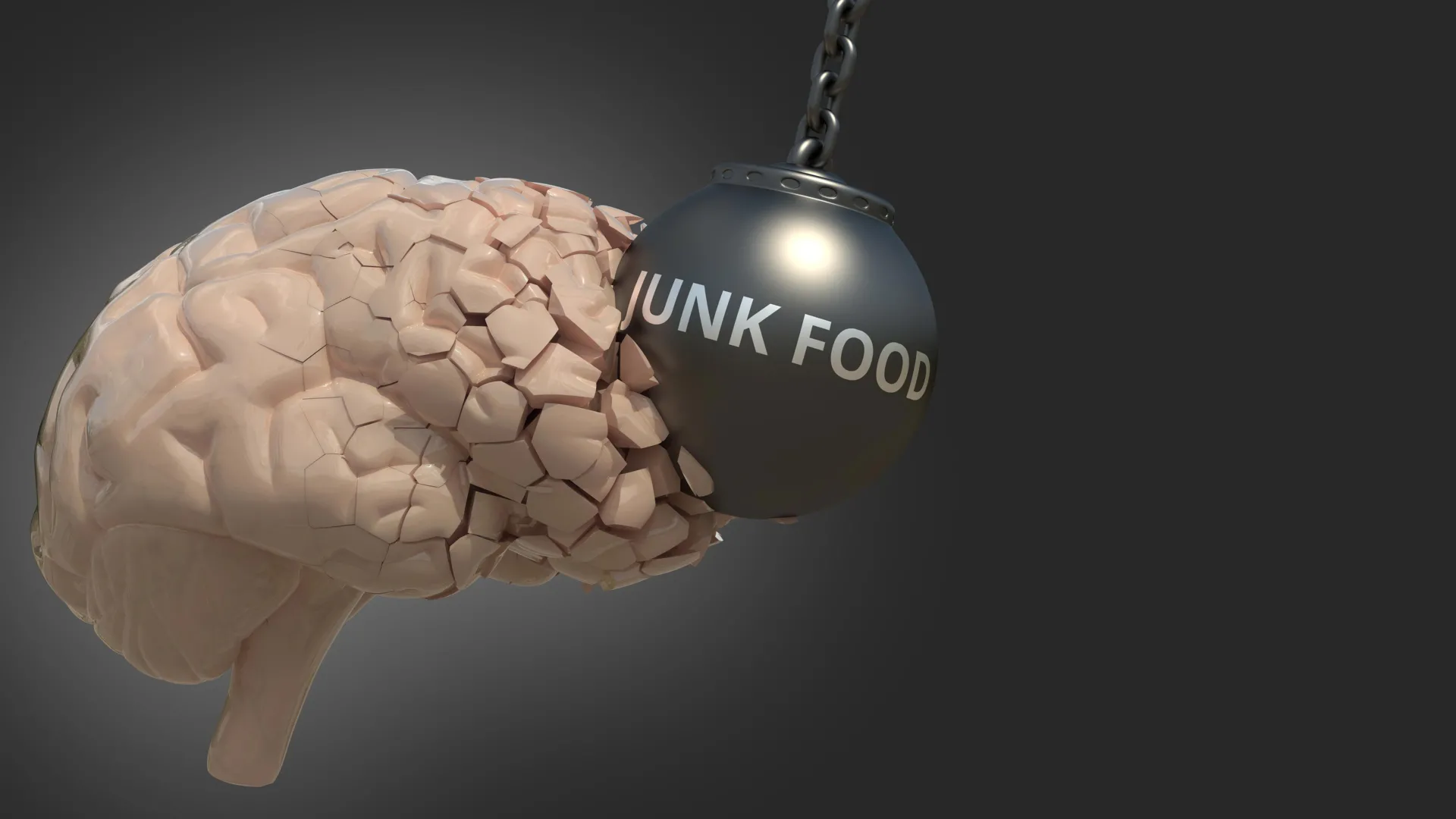
Running fixes what junk food breaks in the brain

Researchers at University College Cork, led by Professor Yvonne Nolan, have uncovered the specific metabolic processes that explain how exercise helps offset the harmful behavioral effects of eating a Western-style cafeteria diet. Published on October 21 in the peer-reviewed journal Brain Medicine, the study shows that voluntary running can reduce depression-like behaviors triggered by diets high in fat and sugar. These changes appear to involve both circulating hormones and metabolites produced in the gut. The discovery offers valuable insight into how lifestyle habits like exercise can be used to support mental well-being in an age where ultra-processed foods are common.
To investigate, the team studied adult male rats fed either a standard chow diet or a rotating cafeteria diet made up of high-fat, high-sugar foods for seven and a half weeks. Half of the animals in each group were given access to a running wheel. This setup allowed the researchers to distinguish the separate and combined influences of diet quality and physical activity on the brain and behavior.
Novel Mechanisms Connecting Exercise and Mood
The findings showed that voluntary running produced an antidepressant-like effect even when the rats consumed an unhealthy diet, suggesting that regular physical activity could benefit people who eat Western-style foods.
Using a comprehensive metabolomic approach, Professor Nolan and her colleagues examined the caecal contents of the animals and found that the cafeteria diet profoundly altered gut metabolism. Out of 175 metabolites analyzed in sedentary rats, 100 were significantly affected. Exercise influenced a smaller subset of these, partially restoring the balance. Three metabolites known to play a role in mood regulation — anserine, indole-3-carboxylate, and deoxyinosine — were reduced by the cafeteria diet but rebounded with exercise.
Behavioral tests assessing learning, memory, and emotional responses revealed further insights. The cafeteria diet alone did not greatly impair spatial learning or recognition memory, but exercise slightly improved navigation skills. The researchers also found mild anti-anxiety effects from exercise that occurred regardless of diet type.What are caecal contents?
The term caecal contents refers to the material found inside the caecum, a pouch located at the beginning of the large intestine. In animals such as rats, this area is rich in gut microbes that help break down food and produce a wide variety of chemical compounds called metabolites. Scientists often analyze caecal contents to understand how diet, exercise, or medication affect gut health and metabolism.

Hormonal Pathways in the Diet-Exercise Relationship
Analysis of blood samples revealed strong hormonal changes that mirrored the behavioral outcomes. Sedentary rats on the cafeteria diet had sharply higher insulin and leptin levels, but these elevations were significantly reduced in those that exercised. According to Dr. Minke Nota, the study’s first author, this hormonal rebalancing may help explain how exercise protects against the behavioral effects of poor diet.
The team also identified intricate interactions between diet and exercise involving other hormones that regulate metabolism. In animals eating standard chow, exercise boosted glucagon-like peptide 1 (GLP-1) levels, but this response was weakened in those on the cafeteria diet. In contrast, exercise increased peptide YY (PYY) levels only in the cafeteria-fed rats, suggesting that compensatory hormonal mechanisms help stabilize metabolism when diet quality is low.
Levels of fibroblast growth factor 21 (FGF-21) rose substantially in response to the cafeteria diet regardless of physical activity, while glucagon levels declined. Together, these findings reveal a complex hormonal network through which diet and exercise interact to influence metabolism and brain function.
Implications for Understanding Diet-Brain Relationships
Perhaps most intriguingly, the study found that the cafeteria diet prevented the typical exercise-induced increase in adult hippocampal neurogenesis (formation of new neurons), as measured by doublecortin-positive cells in the dentate gyrus. In standard chow-fed animals, exercise robustly increased neurogenesis throughout the hippocampus, a brain region involved in emotion and memory. This finding suggests that diet quality may fundamentally alter the brain’s capacity to benefit from physical activity at the cellular level.

The research team conducted correlation analyses to identify relationships between specific metabolites and behavioral outcomes. Several caecal metabolites including aminoadipic acid and 5-hydroxyindole-3-acetic acid showed negative associations with cognitive performance. These correlations were independent of experimental condition, suggesting fundamental relationships between gut metabolite profiles and brain function.
An accompanying editorial by Professor Julio Licinio and colleagues emphasizes the clinical relevance of these findings, noting that “exercise has an antidepressant-like effect in the wrong dietary context, which is good news for those who have trouble changing their diet.” The editorial highlights how this research provides a biological framework for understanding why exercise remains beneficial even when dietary improvements prove challenging to implement.
Future Directions and Clinical Translation
The study raises important questions about optimal sequencing of lifestyle interventions. The findings suggest that while exercise can provide mood benefits regardless of diet quality, achieving full neuroplastic benefits may require attention to nutritional status. This has implications for designing interventions that maximize both feasibility and biological impact.
Several limitations warrant consideration. The study was conducted exclusively in male rats, and sex differences in metabolic and neurogenic responses to diet and exercise are well-documented. Additionally, the seven-week intervention period may not capture longer-term adaptations that could emerge with chronic exposure. Future studies incorporating female animals, longer intervention periods, and dose-response designs will help refine understanding of these complex interactions.
The research also opens new avenues for investigating specific metabolites as potential therapeutic targets. The protective effects of exercise on anserine, indole-3-carboxylate, and deoxyinosine levels suggest these compounds may serve as biomarkers or even therapeutic agents for mood disorders. The strong correlations between specific gut metabolites and behavioral measures support growing interest in the microbiota-gut-brain axis as a target for mental health interventions.
This peer-reviewed research represents a significant advance in understanding the biological mechanisms linking diet, exercise, and mental health, offering new insights into how lifestyle factors interact at molecular and cellular levels to influence brain function. The findings challenge existing paradigms about the relationship between metabolic and mental health by demonstrating that exercise can provide antidepressant-like effects even in the context of poor dietary choices. By employing innovative metabolomic approaches combined with comprehensive behavioral and neurobiological assessments, the research team has generated data that not only advances fundamental knowledge but also suggests practical applications for addressing the mental health challenges associated with modern dietary patterns. The reproducibility and validation of these findings through the peer-review process ensures their reliability and positions them as a foundation for future investigations. This work exemplifies how cutting-edge research can bridge the gap between basic science and translational applications, potentially impacting individuals struggling with mood disorders in the coming years.

Read more →

Doctors just found a way to slow one of the deadliest prostate cancers

A major international study led by UCL researchers has found that combining two cancer drugs could substantially slow the progression of a severe and often deadly form of prostate cancer in men with specific genetic mutations.
Published in Nature Medicine, the Phase III AMPLITUDE trial tested whether adding niraparib, a targeted cancer therapy known as a PARP inhibitor1, could enhance the effectiveness of the current standard treatment, abiraterone acetate and prednisone (AAP).2
Targeting Genetic Weaknesses in Prostate Cancer
The study focused on men with advanced prostate cancer that had spread to other parts of the body and who were beginning treatment for the first time. All participants had mutations in genes involved in homologous recombination repair (HRR), a key system that helps repair damaged DNA.
When these DNA repair genes malfunction, cancer cells can multiply and spread more rapidly. About one in four men with advanced prostate cancer at this stage have mutations in HRR-related genes, including BRCA1, BRCA2, CHEK2, and PALB2.
How the Study Was Conducted
Currently, the standard treatment for advanced prostate cancer is AAP (or similar drugs). Roughly one in five patients also receive docetaxel chemotherapy. However, patients with HRR gene mutations typically experience faster disease progression and shorter survival under standard care.

The AMPLITUDE trial, led by Professor Gerhardt Attard of the UCL Cancer Institute, involved 696 men across 32 countries, with a median age of 68. Half received the combination of niraparib and AAP, while the other half received standard AAP treatment with a placebo. More than half of the participants (55.6%) carried mutations in BRCA1 or BRCA2.
The trial was double-blind, meaning neither the patients nor their doctors knew who received the active treatment.
Key Findings from the AMPLITUDE Trial
After a median follow-up period of just over two and a half years (30.8 months), researchers found notable benefits from the drug combination: Reduced progression risk: Niraparib lowered the risk of cancer growth by 37% in all participants, and by 48% in those with BRCA1 or BRCA2 mutations. Slower symptom worsening: The time until symptoms worsened was about twice as long for those receiving niraparib. Only 16% of these patients experienced significant symptom progression, compared to 34% in the placebo group. Potential survival benefit: A trend toward improved overall survival was seen in the niraparib group, though a longer follow-up period is needed to confirm whether it extends life expectancy.Expert Perspective
Professor Attard said: “Although current standard treatments are very effective for the majority of patients with advanced prostate cancer, a small but very significant proportion of patients have limited benefit. We now know that prostate cancers with alterations in HRR genes account for a significant group of patients whose disease recurs quickly and has an aggressive course. By combining with niraparib we can delay the cancer returning and hopefully significantly prolonging life expectancy.

“These findings are striking because they support widespread genomic testing at diagnosis with use of a targeted treatment for patients who stand to derive the greatest benefit.
“For cancers with a mutation in one of the eligible HRR genes, where niraparib has been approved, a doctor should consider a discussion that balances the risks of side effects against the clear benefit to delaying disease growth and worsening symptoms.” 3
Side Effects and Safety
While the treatment was generally well tolerated, side effects were more common in the niraparib group. Significantly more cases of anemia and high blood pressure were reported with niraparib, and 25% of patients required blood transfusions. Treatment-related deaths were also higher in the niraparib group (14 versus 7), though overall discontinuation rates remained low.
The study’s authors note that while the results are promising, further research is needed to confirm long-term survival benefits and to explore the impact of newer imaging techniques and broader genetic testing.
Prostate Cancer: Key Statistics
Globally, an estimated 1.5 million men are diagnosed with prostate cancer each year. In the UK prostate cancer is the most common cancer in men, with more than 56,000 men diagnosed every year, and around 12,000 men die from the disease each year.
The AMPLITUDE trial was sponsored by Janssen Research & Development, part of Johnson & Johnson.
Notes PARP inhibitors, such as niraparib, are a type of targeted therapy that work by blocking the PARP protein, which is involved in repairing damaged DNA in cancer cells. By inhibiting PARP, the cancer cells are unable to repair the DNA damage, leading to their death. Abiraterone acetate and prednisone (APP) are both hormone therapies. This combination blocks androgen production in the testes, adrenal glands, and the tumor itself, slowing cancer growth by reducing the available testosterone for the cancer cells. In the UK, Niraparib is approved to treat some types of cancer but has not yet been approved for prostate cancer. The National Institute for Clinical Excellence has said it waiting for further information, before it can make a decision. https://www.nice.org.uk/guidance/ta1032

Read more →

Staff skipped checks and said a vulnerable young woman was safe. Days later, she was dead

15 hours agoShareSaveAlison HoltSocial affairs editor andJames MelleySenior social affairs producerShareSaveFamily handoutWarning: The following article contains details about suicide which some may find distressingCerys Lupton-Jones pauses between two doorways.One door leads into a side room in the Manchester mental health unit where she’s a patient. The other leads into a toilet.The 22-year-old had tried to end her life just 20 minutes earlier – but no staff are seen on the CCTV footage from inside the unit.She hesitates for about 30 seconds, walking backwards and forwards. Then she enters the toilet and shuts the door.The next time she is seen on the footage, doctors and nurses are fighting to resuscitate her.Cerys dies five days later, on 18 May 2022.A coroner has concluded that some of the care Cerys was given at Park House, which was run by the Greater Manchester Mental Health NHS Foundation Trust, was a “shambles”.Staff were meant to be checking on her every 15 minutes.But the last recorded observation – at 15:00 – had been falsified, saying she had been seen in a corridor. CCTV shows at that point, Cerys was already in the toilet where she would fatally harm herself.A staff member who was supposed to be looking after her has now admitted to falsifying these records.Zak Golombeck, coroner for Manchester, said that if someone had stayed with her after the earlier attempt to take her life, what followed may never have happened. He said neglect was likely to have contributed to her death.Campaigners are calling for an inquiry into the number of deaths at the mental health trust and believe the services are in crisis.Greater Manchester Mental Health Trust said it “failed her that day, and we are so very sorry that we did not do more”.Family handoutCerys’s parents, Rebecca Lupton and Dave Jones, describe their daughter as a loving young woman who would do anything for her friends. She was studying to be a nurse and was months away from completing her degree, with a job lined up.She was autistic and had also struggled with her mental health since her teens.Her family, who lived miles away in Sussex, say the pandemic and the reduction in community mental health support exacerbated Cerys’s problems.The inquest was told Cerys had tried to take her life in the days running up to her death, spending time in A&E.She was then readmitted to Park House and put on one-to-one observations for a short time. Later, she was supposed to be checked by staff every 15 minutes.The inquest heard how, at about 14:35 on 13 May 2022, Cerys was found in a toilet by Mohammed Rafiq, a health support worker who had been assigned to check on her. Cerys had tried to hang herself.Mr Rafiq and the duty nurse, Thaiba Talib, intervened.However, the inquest heard the 15-minute observations were not then increased and staff had no proper conversation with her.The nurse told the inquest she did not believe Cerys meant to seriously harm herself.She told the coroner she chose not to increase observations on Cerys because she did not want her to feel punished, as she did not like being under observation.When asked by the coroner if she should have gone with Cerys to her room after the incident and check she was safe, Ms Talib answered: “In hindsight, yes.”Damning CCTV from inside the unit was described minute by minute in court.It showed Cerys going into the ward garden at 14:42. The observation record, which says at 14:45 she was in her bedspace, was described by the coroner as “not accurate”.At 14:54, Cerys walked into another toilet on the ward and closed the door.Yet Mr Rafiq told the coroner he remembered seeing Cerys at 14:57. He wrote in the observation notes that he had seen her at 15:00 “along the corridor, looking flat-faced”. He then went on a break. In reality, Cerys was still in the toilet.The coroner told Mr Rafiq that his recollections were wrong, and that he had “falsified” the observation records. Mr Rafiq responded: “I’m afraid so”.Mr Rafiq said other staff had shown him how to record observations every 15 minutes, even if he hadn’t done them at that time. “That’s how they did it and that’s how I did it”, he told the court.A new support worker took over the observations at 15:00. There was no verbal handover and, according to Mr Rafiq’s notes, Cerys had just been seen.The CCTV shows the new support worker checking on other patients. At 15:15 she looked for Cerys.She could be seen becoming increasingly desperate as she searched the communal areas and ran along the corridor.At 15:19, she tried the door to the toilet, using a master key to unlock it. She found Cerys inside and immediately raised the alarm.By that point, 25 minutes had passed since Cerys went into the toilet. She died in hospital on 18 May, five days later.The coroner said there was a gross failure by Ms Talib to provide “basic medical attention to a person in a dependent position”.He also found there was a culture of falsifying records on the ward.The coroner said it was not clear what Cerys’s intention had been. In a narrative conclusion, he recorded that neglect had contributed to her death.”I knew it was bad,” Cerys’s mother Rebecca told the BBC, “but listening to the evidence highlighted quite how poor the care was.”Her father, Dave, says when Cerys was sectioned and taken to the hospital at the start of 2022, they believed it would keep her safe and help her get better. “In fact, it just made everything worse,” he says. “It was the wrong environment.””Cerys was a wonderful, wonderful young person. We feel that she would be here today if she’d been given better care by Manchester Mental Health Trust,” Rebecca said outside court, after the coroner gave his conclusion.Dave described the disbelief and anger as difficult to put into words. “We need more funding for mental health services, more staff, better training and much better oversight.”Immy Swithern was a patient at the same time as Cerys. They became close friends. She says they tried to make the best out of a bad situation and would talk all day.She also claims some staff regularly failed to carry out 15-minute safety checks, so they tried to look out for each other.”I was there to get better, and I was there to have help with that,” she says. “Instead, I was constantly checking on people. On that ward, I think that is the most scared I’ve ever felt in my life.”Park House mental health unit has since closed. It was replaced by a new £105.9m hospital in November 2024.The NHS trust said it had “significantly improved” its provision of care and it was grateful to the coroner for “acknowledging the work that has been done to prevent something of this nature from happening again”.But campaigners claim mental health services in Manchester are in crisis.Responding to Tuesday’s inquest verdict, the Communities for Holistic, Accessible and Rights-based Mental Health (CHARM) group, says: “It is devastating to hear of yet another young person losing their life as a result of neglect and poor care.”The group says it is due to meet Mayor of Greater Manchester Andy Burnham this week to call for a statutory inquiry into the deaths and the financial crisis in the city’s mental health services.In October 2022, five months after Cerys death, an undercover BBC panorama programme exposed bullying and the mistreatment of patients at the medium secure Edenfield centre, which was also run by GMMH.As a result, an independent review was commissioned by the NHS and published in 2024.It found a “closed culture” at GMMH. It also raised concerns about the number of deaths by ligature.In 2022, 19 people took their own lives by hanging on mental health units in the UK, five were GMMH patients, the trust itself said that meant it had 26% of all such deaths in the whole country.If you are suffering distress or despair, details of help and support in the UK are available at BBC Action Line.

Read more →

Boris Johnson left Inquiry in a hurry – he’ll be pleased not to come back

21 October 2025ShareSaveVanessa ClarkeEducation reporterShareSavePapers in hand, Boris Johnson arrived at the Covid Inquiry before the sun came up.He was there to answer questions on decisions he made during the pandemic that directly impacted children.And what an impact they had.School attendance, behaviour, screen time, speech and language – we now know the pandemic had an enduring effect on all of these issues for children.Demand for speech and language support increased markedly after the pandemic. The number of children who are persistently absent from school is still stubbornly high. And school suspensions and exclusions have hit record levels.Each of these issues can be traced back to a part of the pandemic which has been central to this session of the inquiry: the closure of schools. The decision to shut schools was one described by Boris Johnson on Tuesday as a “personal horror” for him, a “nightmare idea”, but one which he also said seemed like the only option at the time. We know that, in March 2020, the government was still maintaining an almost total focus on efforts to keep schools open.But last week the former education secretary Gavin Williamson told the inquiry ministers should have “bitten the bullet” and done more to prepare for school closures.We heard in earlier evidence given to the inquiry that there wasn’t even a plan for the closure of schools until the day before it was announced on 18 March 2020.This was described as an “extraordinary dereliction of duty” in the evidence of Sir Jon Coles, chief executive of the United Learning trust.But on Tuesday, the former PM pushed back on that claim. Getty Images”If you look at the sequence from February onwards, it’s clear that Sage (Scientific Advisory Group for Emergencies) is talking about the possibility, the Cabinet is discussing it in March. Certainly I remember the subject coming up repeatedly,” he said.It is right to say Sage had referenced the prospect of “mass school closures” in February 2020. But the top civil servant at the Department for Education (DfE) at the time, Jonathan Slater, wrote in his evidence submitted to the inquiry that “DfE’s contingency plans were premised on the assumption that schools (and other education settings) would remain open”.And Williamson told the inquiry last week that his ability to plan for closures was impeded by Downing Street.It all points to the chaos of the decision-making processes at the heart of government at the time – something explicitly referenced in earlier evidence by the former children’s commissioner Anne Longfield.It wasn’t clear who had responsibility for planning for children at the time, she said.What is now clear is that there was no love lost between Johnson and Williamson, the people with the highest responsibility for children’s welfare at the time of the pandemic.Last week, we saw the expletive-laden rant Williamson texted to his former boss in which he lamented the “abuse” he had received for the government’s decision to shut schools the day after reopening them in January 2021.And on Tuesday, Johnson was confronted with his own leaked messages to his advisers, in which he suggested he wanted to fire those in the DfE after the exam results fiasco of August 2020.He now says the DfE did a “heroic” job of trying to cope with the pandemic. This was described as an “insult” by the Liberal Democrats “to the true heroes of the Covid pandemic: the teachers and doctors, nurses and key workers who put their lives on the line to keep crucial public services going”.Johnson now concedes that the lockdowns and social-distancing rules “probably went too far” – and there could have been a way to make children exempt.These are all points that Baroness Heather Hallett, chairman of the inquiry, will be paying particular attention to when it comes to her final report, and the question of what could be done differently if it were ever to happen again.In the inquiry room itself, no technology is allowed, no mobile phones or laptops, and so many of the journalists were in the press room upstairs watching the live feed.Tuesday was busier than it has been over the last few weeks, and downstairs the public gallery was full. There was a reminder before proceedings began that hecklers were not allowed – a nod to the previous time Boris Johnson appeared, when protesters had to be escorted out of the building.Campaigners from various groups, including Long Covid Kids and Clinically Vulnerable Families have been a noticeable presence outside the front door – trying to get their voices heard with placards and banners.Boris Johnson is used to speaking to large crowds and at formal events like this, but at the end of the inquiry, when Baroness Hallett turned to thank him for his evidence, he was already trying to get out of his seat – clearly keen to finish up for the day.He will likely be pleased not to be coming back.

Read more →