Gum disease may quietly damage the brain, scientists warn
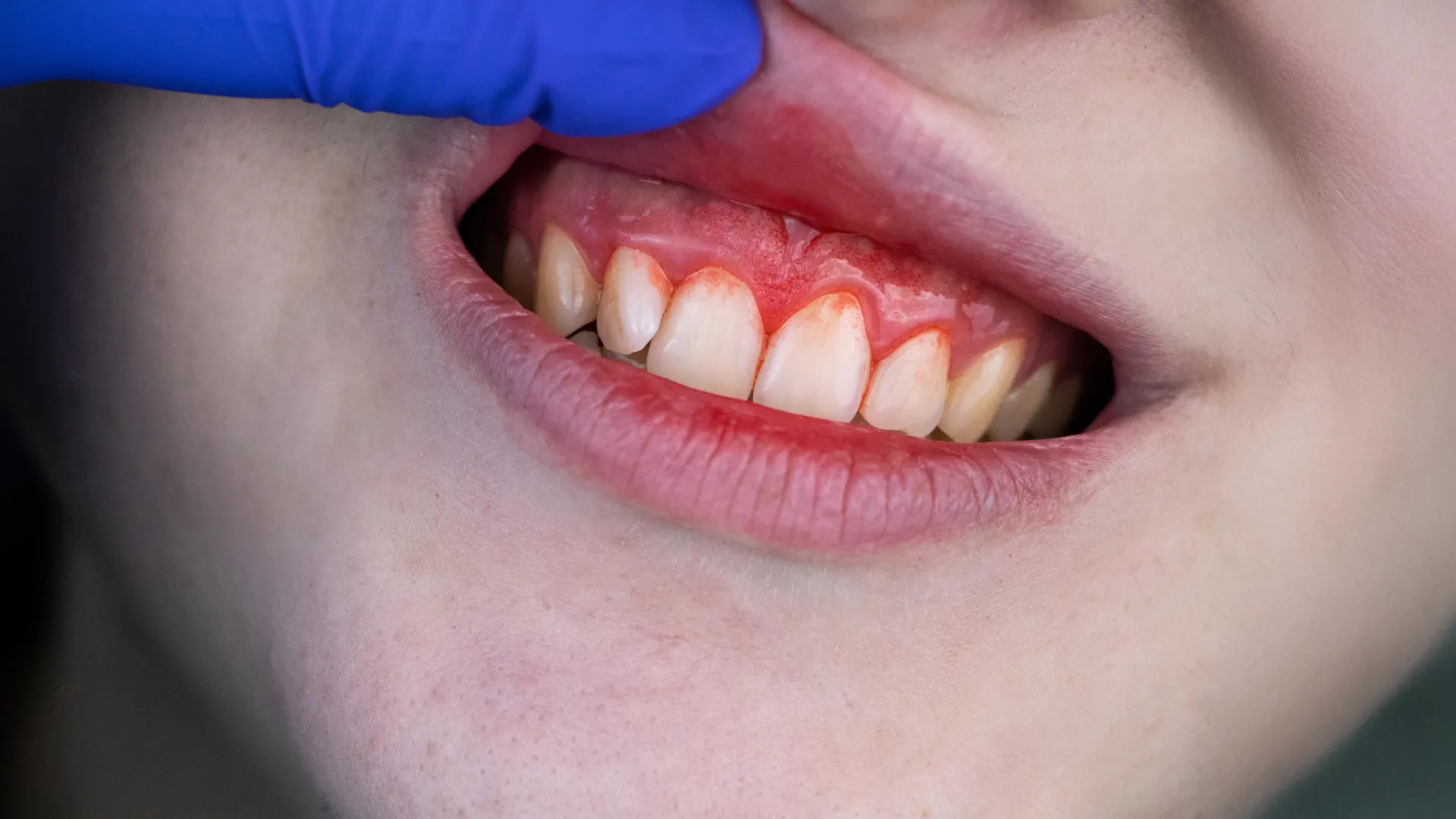
Adults who suffer from gum disease could be more likely to show signs of injury in the brain’s white matter, according to new research published on October 22, 2025, in Neurology® Open Access, a journal of the American Academy of Neurology. These signs, known as white matter hyperintensities, are small bright spots that appear on brain scans and are thought to reflect areas of tissue damage. The study found an association between gum disease and these brain changes, though it does not prove that one causes the other.
White matter consists of bundles of nerve fibers that allow different parts of the brain to communicate. When this tissue is damaged, it can interfere with memory, reasoning, balance, and coordination, and it has also been linked to an increased risk of stroke.
White matter hyperintensities often increase with age and are considered a marker of underlying brain injury. Researchers believe that chronic inflammation in the mouth could potentially influence blood vessel health in the brain, although more work is needed to confirm how the two are connected.
Oral Health and Brain Health Connection
“This study shows a link between gum disease and white matter hyperintensities suggesting oral health may play a role in brain health that we are only beginning to understand,” said study author Souvik Sen, MD, MS, MPH, of the University of South Carolina in Columbia. “While more research is needed to understand this relationship, these findings add to growing evidence that keeping your mouth healthy may support a healthier brain.”
Researchers examined 1,143 adults with an average age of 77. Each participant underwent a dental exam to assess gum health. Of the total group, 800 had gum disease, while 343 did not. Participants also received brain scans to look for evidence of cerebral small vessel disease, a condition involving damage to tiny blood vessels in the brain. This type of disease can appear on imaging as white matter hyperintensities, cerebral microbleeds, or lacunar infarcts, all of which become more common with aging and are tied to stroke risk, memory problems, and movement difficulties.
Measuring Brain Changes
Those with gum disease were found to have a higher average volume of white matter hyperintensities, measuring 2.83% of total brain volume, compared to 2.52% in those without gum disease. Researchers grouped participants based on the volume of these hyperintensities. Individuals in the highest category had more than 21.36 cubic centimeters (cm³) of affected tissue, while those in the lowest group had less than 6.41 cm³.

Among people with gum disease, 28% were in the highest group, compared with 19% of those without the condition. After adjusting for other factors including age, sex, race, blood pressure, diabetes, and smoking, participants with gum disease had a 56% greater likelihood of being in the group with the most extensive white matter damage.
The researchers did not find any connection between gum disease and two other types of brain changes associated with small vessel disease: cerebral microbleeds and lacunar infarcts. This suggests that the observed link may be specific to white matter damage rather than all forms of small vessel injury.
Why Oral Care Could Matter for the Brain
“Gum disease is preventable and treatable,” said Sen. “If future studies confirm this link, it could offer a new avenue for reducing cerebral small vessel disease by targeting oral inflammation. For now, it underscores how dental care may support long-term brain health.”
One limitation of the study is that both dental evaluations and brain scans were performed only once, making it difficult to track how these conditions might change over time. Even so, the findings add to a growing body of research suggesting that maintaining oral health could play a larger role in protecting the brain than previously recognized.


Read more →

Damning report finds ‘culture of mistrust’ at maternity unit

19 hours agoShareSaveAndrew PickenBBC ScotlandShareSaveGetty ImagesStaffing shortages and a “culture of mistrust” led to delays and patients being harmed at one of the busiest maternity units in the UK, a review has found.An inspection of maternity care at the Royal Infirmary of Edinburgh said some women waiting for labour to be induced had experienced delays of more than 24 hours.It also said staff were reluctant to submit safety reports and had raised concerns about being overwhelmed and unsupported.The damning findings echo those of NHS Lothian’s own review into the troubled maternity unit last year – but the health board insisted it was making progress in improving and investing in its women’s services.The review of Edinburgh’s maternity unit follows a BBC Disclosure investigation which heard calls for urgent action to improve maternity safety across Scotland.The investigation heard from a number of families who had experienced poor and sometimes deadly care.Concerns about Edinburgh’s maternity unit were raised in 2024 by whistleblowers, which forced NHS Lothian to hold an internal safety review.It concluded that mothers and newborn babies had come to harm because of staffing shortages and a “toxic” workplace culture.Health Secretary Neil Gray said the Healthcare Improvement Scotland (HIS) report was “deeply, deeply concerning”.Gray, who said he had experienced loss in his own family, told BBC Radio’s Good Morning Scotland he had directed NHS Lothian to deliver its recommendations “immediately”.Getty ImagesAn unannounced inspection was carried out in June this year by safety watchdog HIS.It has now published its report, which found that staff were “working hard to provide compassionate and responsive care in very challenging circumstances”.It made 26 requirements for improvement and escalated “serious concerns” about the unit to NHS Lothian and the Scottish government.The inspectors found:Delays of between seven and 15 hours for an obstetric review within the triage department for some women, and that the induction of labour process had been delayed by up to 29 hoursOnly 13% of the charts for patients’ essential observations, such as blood pressure and heart rate, were fully complete at the time of the visit. One inspector had to tell staff that these observations indicated a potential deterioration in a woman’s conditionDelays in the escalation of care resulted in “significant adverse outcomes” for womenErrors were occurring because of poor communication between different care areas, resulting in problems such as missed medicationThe majority of staff described a negative culture with a lack of visible senior management. Many staff were “emotional and tearful” talking about the “overwhelming feeling of helplessness, frustration and worry for not only patient, but staff safety”Five of the six single rooms within maternity triage had no call bell system available. One woman told inspectors she had been in pain but had no way to get staff attentionHIS chief inspector Donna Maclean said all interactions observed during the inspection between women, babies and families were “positive and respectful”.”Some staff were complimentary and described their line manager as supportive,” she said.”However, the majority of the multi-disciplinary team we spoke with were frustrated at staffing levels and told us this presented a safety risk, which they’d raised on multiple occasions with managers.”They shared their concerns of being overwhelmed, unsupported and not listened to.”There were concerns about the mix of skills within the department, challenges in providing one-to-one care for women, and delays to observations or the escalation of clinical concerns.”Our inspection has highlighted gaps in incident reporting and a reluctance to submit incident reports, with staff describing a culture of mistrust,” she added.”These are concerning issues that may have significant impact on the learning from adverse events in the system and reduce opportunities to improve safety.”Women told us of mixed experiences within the hospital. Whilst some were complimentary of their care, they also informed inspectors of poor communication that left them feeling uninformed and with no ‘voice’ in their care.”BBC Scotland News has spoken to more than a dozen midwives, on an anonymous basis, who work at Edinburgh’s maternity unit. They explained some of the challenges they faced in the unit when it came to dealing with pressures such as short staffing and workload. NHS Lothian’s 2024 review upheld or partially upheld 17 concerns about safety and concluded “there is no dispute that there have been safety concerns, near misses and actual adverse outcomes for women and babies”.At the time, BBC Scotland spoke to some families with experiences of poor care at the maternity unit.This included Naomi Robertson, whose son Roddy was born there in August 2023. A review of his birth found he suffered a brain injury after multiple missed opportunities for observation and treatment due to short-staffing and high numbers of complex patients at the hospital. The HIS inspection in June this year also found evidence that suggested not all serious birth tears were being recorded properly, and that the number of women experiencing a significant blood loss could be being under-reported.Staff also described an environment where staffing numbers varied vastly on a shift-to-shift basis, with HIS observing a reduced availability of midwives by up to 50% on some shifts and noting “at times there was no staff to undertake care needs”.Naomi RobertsonThe leading cause for maternal death in the UK is venous thromboembolism, where a blood clot blocks the flow of blood.In the incident reports provided by NHS Lothian, HIS found that errors regarding venous thromboembolism risk assessments and medication was the second leading cause for a patient safety incident report to be submitted by staff in the six months prior to the inspection.Elsewhere, inspectors found gaps in incident reporting, including some stillbirth reports not being submitted until 11 days after the death, with some workers describing a “reluctance to submit incident reports due to perceived repercussions and a culture of mistrust”.And some student midwives at the maternity unit said they felt pressure to ‘just get on with it’ without adequate support, with some of them then being involved in patient medication errors.Health Secretary Neil Gray said he had met some of the families who had shared their experiences at the maternity unit and was grateful to them for doing so.He told BBC Scotland News: “They should know that it is not just words that I have but an empathy and a personal commitment to seeing improvements being made.”In a statement to Holyrood, Mr Gray announced NHS Lothian’s maternity services would be placed under further Scottish government oversight and support.In Scotland, health boards are subject to the “NHS Board Performance Escalation Framework” which ranks from one to five, with five being the worst, and it relates to specific problem areas.NHS Lothian’s maternity services have been moved to stage three of this framework. In addition, a new Scottish Maternity and Neonatal Taskforce will be formed to oversee improvements in the area.In his statement, Mr Gray issued his condolences to the families who featured in the BBC Disclosure investigation and those who lost loved ones in the care of NHS Lothian maternity services.He added: “I am deeply disappointed and concerned by the findings in this report, particularly those relating to the experiences of women giving birth.”I am also greatly concerned about the findings relating to poor culture. We will not tolerate these issues in our NHS. I appreciate the bravery of the nurses who spoke out both in the BBC programme and to HIS.”PA MediaIn May, NHS Lothian issued an apology to maternity care staff after an investigation found a toxic workplace culture across its women’s services.Prof Caroline Hiscox, chief executive of NHS Lothian, said the HIS report “effectively endorses” its ongoing programme to improve patient safety and working culture. This includes hiring 70 extra midwives, who will all be in post by the end of December.She added: “I know these reports are concerning and I apologise to women and their families and can reassure them that these issues are being taken extremely seriously.”An improvement plan is ongoing in NHS Lothian after whistleblowing concerns were raised in 2024 and we have been very clear that wider ranging matters, such as staffing, recruitment and working culture within the department, will take time to resolve.”Significant investment and improvements have already been made.”She added: “I want to reiterate the apology we made to staff earlier in the year when they told us about their concerns over staffing numbers and about a working culture that was difficult, and where bad behaviours were tolerated. “That is not acceptable in any workplace. We know there is still more to do to ensure our staff feel supported at work, safe to raise concerns and able to thrive.”

Read more →

Omega-3 benefits may vanish quickly after you stop

A new study has found that the benefits of a fatty acid known as eicosapentaenoic acid vary widely from person to person. Researchers say the results highlight how individual metabolism plays a crucial role in protecting against cardiovascular disease.
Scientists in Finland explored how eicosapentaenoic acid (EPA), an omega-3 fatty acid found in fish oil, affects metabolism and blood lipid levels in healthy adults.
While EPA is already recognized for lowering cardiovascular risk in people with high cholesterol or heart disease, its effects in otherwise healthy individuals have not been well understood. Little was also known about how EPA becomes incorporated into lipoproteins, the particles that transport fat molecules through the bloodstream.
High-Dose Supplement Study Reveals Wide Variation
In this research, 38 volunteers were given unusually high doses of EPA supplements. Blood samples were collected before, during, and after supplementation to observe how the body processed the fatty acid. The results showed large differences among participants in how their bodies responded to EPA.
“The samples taken during supplementation clearly show the effect of EPA on all participants. Having said that, all samples were different among the group. In other words, each individual has a unique lipoprotein lipidome in their circulation, a ‘lipid fingerprint’, if you will, that persisted despite EPA supplementation,” explains Professor Katariina Öörni, one of the lead authors from the Faculty of Biological and Environmental Sciences, University of Helsinki, and the Wihuri Research Institute.
The researchers confirmed that EPA is absorbed efficiently, causing a sharp rise in its concentration in the blood. However, the levels declined quickly once supplementation stopped. The strongest changes were observed in participants who started with lower baseline EPA levels.

In addition, EPA improved blood lipid profiles and reduced the tendency of lipoproteins to attach to the walls of arteries — an important factor in preventing atherosclerosis.
Short-Term Effects and Future Research
Because the study lasted only a short time, it did not measure long-term outcomes. Still, the findings reveal that EPA can alter blood lipid composition and influence early risk mechanisms for atherosclerosis even in healthy people.
“The findings highlight the importance of metabolism in the prevention of cardiovascular diseases. EPA’s effects varied more between individuals than we expected. We also demonstrated that these effects dissipate quickly, which is good to know in case EPA were to have adverse effects,” notes Doctoral Researcher Lauri Äikäs.
Next, the team plans to study how EPA supplementation affects inflammatory cells and the production of lipid mediators that help control inflammation.
“It’s interesting to see how, for instance, dietary changes affect lipoprotein quality, or the individual lipid fingerprint,” Öörni adds.

Read more →

Your IQ may determine how well you hear in a crowd

Picture yourself chatting with a friend in a crowded café. The clatter of dishes and hum of voices make it tough to follow the conversation. It might seem like a sign that you need a hearing aid, but new research suggests the issue may be linked to how your brain processes sound rather than your ears.
Cognitive Ability and Hearing in Noisy Environments
Researchers studying three groups of people — individuals with autism, those with fetal alcohol syndrome, and a “neurotypical” control group — found that cognitive ability strongly influenced how well participants understood speech in noisy conditions. All participants had normal hearing, yet their performance varied based on their intellectual abilities.
“The relationship between cognitive ability and speech-perception performance transcended diagnostic categories. That finding was consistent across all three groups,” said the study’s lead investigator, Bonnie Lau. She is a research assistant professor in otolaryngology-head and neck surgery at the University of Washington School of Medicine and directs lab studies of auditory brain development.
The findings were published in PLOS One.
Intelligence as a Factor in Real-World Listening
Lau noted that the study’s small sample — fewer than 50 participants — means the results should be replicated with larger groups. Even so, she said the findings indicate that intellectual ability is one of several factors affecting how effectively people listen in complex sound environments, such as busy classrooms or social gatherings.

To test their hypothesis, researchers recruited people with autism and fetal alcohol syndrome, both groups known to experience challenges with listening in noisy settings despite normal hearing. Including these neurodivergent participants also provided a wider range of IQ scores, with some scoring above average, allowing for a more comprehensive comparison than studying neurotypical individuals alone.
The study included 12 participants with autism, 10 with fetal alcohol syndrome, and 27 neurotypical individuals matched by age and biological sex. Ages ranged from 13 to 47 years.
Each participant first completed an audiology screening to confirm normal hearing, then took part in a computer-based listening task.
The “Multitalker” Challenge
During the task, participants listened to a main speaker’s voice while two other voices spoke simultaneously in the background. The goal was to focus on the main speaker, who was always male, while ignoring the distractions. Each voice delivered a short command that included a call sign, color, and number, such as “Ready, Eagle, go to green five now.”
Participants then selected the colored and numbered box that matched the main speaker’s statement as the background voices gradually grew louder.

Afterward, they completed standardized intelligence tests measuring verbal and nonverbal ability as well as perceptual reasoning. The researchers compared those results with performance on the multitalker listening test.
The results showed a clear connection between intelligence and listening skill.
“We found a highly significant relationship between directly assessed intellectual ability and multitalker speech perception,” the researchers reported. “Intellectual ability was significantly correlated with speech perception thresholds in all three groups.”
A lot of brain processing contributes to successful listening in complex environments, Lau said.
Hearing Loss vs. Cognitive Processing
“You have to segregate the streams of speech. You have to figure out and selectively attend to the person that you’re interested in, and part of that is suppressing the competing noise characteristics. Then you have to comprehend from a linguistic standpoint, coding each phoneme, discerning syllables and words. There are semantic and social skills, too — we’re smiling, we’re nodding. All these factors increase the cognitive load of communicating when it is noisy.”
The study directly addresses a common misconception, Lau added, that any person who has trouble listening is suffering from peripheral hearing loss.
“You don’t have to have a hearing loss to have a hard time listening in a restaurant or any other challenging real-world situation,” she said.
The researchers suggested that people who are neurodivergent or have lower cognitive ability may benefit from evaluating and modifying their listening environments. In classrooms, for instance, simple adjustments such as placing a student closer to the front or providing hearing-assistive tools could make communication easier.
Lau conducts her work at the UW Virginia Merrill Bloedel Hearing Research Center. Her coauthors represent the UW Autism Center, the Institute for Learning and Brain Sciences, and the departments of bioengineering, epidemiology, pediatrics, radiology, and speech and hearing sciences at the University of Washington, along with the Department of Otolaryngology-Head and Neck Surgery at the University of Michigan, Ann Arbor.

Read more →

Scientists find hidden antibiotic 100x stronger against deadly superbugs

Chemists from the University of Warwick and Monash University have identified a promising new antibiotic that can combat drug-resistant bacterial infections, including MRSA and VRE.
Antimicrobial resistance (AMR) is considered one of the most serious threats to global health. The World Health Organization (WHO) recently warned that there are “too few antibacterials in the pipeline” and that most easily discoverable antibiotics have already been found. Because developing new antibiotics is costly and offers limited financial reward, few pharmaceutical companies are investing in this critical area.
Discovery of a Hidden Antibiotic Intermediate
In a recent paper in the Journal of the American Chemical Society, researchers from the Monash Warwick Alliance Combatting Emerging Superbug Threats Initiative reported the discovery of a potent new antibiotic called pre-methylenomycin C lactone. The compound had been “hiding in plain sight” as an intermediate chemical in the natural process that produces the known antibiotic methylenomycin A.
Professor Greg Challis, co-lead author from the Department of Chemistry at the University of Warwick and the Biomedicine Discovery Institute at Monash University, explained: “Methylenomycin A was originally discovered 50 years ago and while it has been synthesized several times, no-one appears to have tested the synthetic intermediates for antimicrobial activity! By deleting biosynthetic genes, we discovered two previously unknown biosynthetic intermediates, both of which are much more potent antibiotics than methylenomycin A itself.”
A 100-Fold Boost in Antibacterial Strength
When tested, one of these intermediates — pre-methylenomycin C lactone — proved to be over 100 times more active against a range of Gram-positive bacteria than methylenomycin A. It was particularly effective against Staphylococcus aureus and Enterococcus faecium, the bacterial species responsible for Methicillin-resistant Staphylococcus aureus (MRSA) and Vancomycin-resistant Enterococcus (VRE).

Co-lead author Dr. Lona Alkhalaf, Assistant Professor at the University of Warwick, said: “Remarkably, the bacterium that makes methylenomycin A and pre-methylenomycin C lactone — Streptomyces coelicolor — is a model antibiotic-producing species that’s been studied extensively since the 1950s. Finding a new antibiotic in such a familiar organism was a real surprise.”
She added that it appears S. coelicolor may have originally evolved to produce a strong antibiotic (pre-methylenomycin C lactone), but over time shifted toward making methylenomycin A, a weaker version that could serve a different biological role.
Encouragingly, the research team found no evidence of bacterial resistance to pre-methylenomycin C lactone in Enterococcus under conditions that typically lead to resistance against vancomycin. Since vancomycin is often a “last-resort” treatment for these infections, this result is a particularly hopeful sign for addressing VRE, which the WHO lists as a high-priority pathogen.
A New Direction for Antibiotic Discovery
Professor Challis noted: “This discovery suggests a new paradigm for antibiotic discovery. By identifying and testing intermediates in the pathways to diverse natural compounds, we may find potent new antibiotics with more resilience to resistance that will aid us in the fight against AMR.”
The next step in the development of the antibiotic will be pre-clinical testing. In a coordinated publication earlier this year in the Journal of Organic Chemistry, a team led by Monash collaborating with the Warwick team and funded by the Monash Warwick Alliance Combatting Emerging Superbug Threats initiative reported a scalable synthesis of pre-methylenomycin C lactone, paving the way for further research.
Professor David Lupton, School of Chemistry, Monash University who led the synthesis work says: “This synthetic route should enable the creation of diverse analogues that can be used to probe the structure−activity relationship and mechanism of action for pre-methylenomycin C lactone. The Centre to Impact AMR at Monash gives us a great platform to take this promising antimicrobial forward.”
With its straightforward chemical structure, strong antibacterial power, apparent resistance-proof profile, and scalable production process, pre-methylenomycin C lactone stands out as a promising new candidate. It could ultimately help save many of the estimated 1.1 million lives lost each year to antimicrobial resistance.

Read more →

‘Chances missed,’ says damning report into surgeon

51 minutes agoShareSavePhil Shepka,Cambridgeshire political reporter and Katy PrickettShareSaveOrthopaedic Academy”A series of missed opportunities” have been revealed by an investigation into hundreds of children’s surgeries carried out by a specialist working at a world-renowned NHS hospital. Kuldeep Stohr was suspended by Addenbrooke’s Hospital in Cambridge earlier this year, amid concerns over surgeries that were “below the expected standard”.A “pivotal missed opportunity” came when the hospital trust failed to act upon recommendations made by an external reviewer into her work in 2016, the report said.Cambridge University Hospitals NHS Foundation Trust (CUH), which runs Addenbrooke’s, said it accepted “the findings and recommendations” in the report and noted a separate external review was ongoing.The report looked at about 700 planned and 100 emergency operations involving Dr Stohr, some of which were for adults.If appropriate actions had been taken, they “would have likely reduced harm to paediatric orthopaedic patients”, the independent investigators concluded. Radd Seiger, a retired lawyer who represents 25 of the affected families said: “This was not a rogue surgeon — this was a rogue system.”The investigation was commissioned by CUH and carried out by Verita, which describes itself as an “objective investigations company providing expert advice to regulated organisations in the UK”.Ms Stohr was suspended by the hospital and has not been at work since March 2024, initially for personal reasons.In her absence, her patients were seen by other doctors who discovered, a letter to the parents from the hospital said, a “higher than expected level of complications”.That led to an initial review, which found operations involving nine children fell “below expected standards”.One of those was Darcey, whose parents previously told the BBC they feared problems with her hip operation, which left her leg rotated inwards “to almost 90 degrees” and in need of further surgery, were “brushed under the rug”.It emerged that concerns about Ms Stohr dated back as early as 2015 and wider reviews were started into about 800 patient procedures.The latest report concluded there was “a series of missed opportunities, both major and minor, in how CUH and its leadership addressed concerns” about Ms Stohr’s medical practice and “appropriate actions could have been taken”.Surgical shortcomingsIn particular, the report focused on an external review into Ms Stohr’s work written in 2016 by Robert Hill, a senior paediatric orthopaedic surgeon.The external report had been commissioned after a senior colleague raised concerns about the quality of her work.Mr Hill’s report identified a series of shortcomings in her surgery and proposed steps to address them.But he told the current investigators: “I regret to conclude, on the information I have – and I would be happy to be wrong – that the trust failed to draw the correct conclusions from my report, made no effort to check with me that their conclusions were correct and demonstrated little if any insight into the issues confronting them.”The report said: “As a result, deficiencies in Ms Stohr’s practice persisted for years as her caseload and patient complexity grew.”It is to the credit of Ms Stohr that she understood the findings of the Hill report and made her own efforts to improve her clinical practice. She did this without the help and support of the trust.”The report made a series of recommendations including:clearer line-management arrangementsmentoring and buddying arrangements for new consultantsthe creation of reliable records for any future reviews and on how findings and recommendations from external reviews should be shared Steve Hubbard/BBCMr Seiger said: “Cambridge University Hospitals knew there were serious concerns about Ms Stohr’s practice as far back as 2016, but failed to act. “Children were harmed, families were misled, and the trust’s leadership concealed the truth for nearly a decade.”Restrictions have since been placed on Ms Stohr by the General Medical Council registration, including that she must be “closely supervised in all of her posts by a clinical supervisor”.’Difficult reading’Roland Sinker, chief executive of CUH, said the trust was “deeply sorry” for the impact on patients and “we accept the findings and recommendations made in Verita’s report in full”.”This should not have happened and today we are publishing an action plan which describes the changes we will make,” he said.”Throughout this process, we have remained committed to supporting patients and families affected and will continue to do so as the separate external clinical review remains ongoing. “Verita’s report makes for difficult reading, and we will learn from this.”Now is a pivotal moment to change our hospitals for the better. With the backing of the whole CUH board, we will work tirelessly to deliver our action plan in full to build a safer and more effective organisation.”The Care Quality Commission has been considering whether to take regulatory action in this case.More on this storyRelated internet links

Read more →

Widower backs new pancreatic cancer breath trial

1 day agoShareSaveChloe HughesWest MidlandsShareSaveAndrew PalmerA man whose wife died from pancreatic cancer is backing a new clinical trial into breath tests which could help detect the disease.Andrew Palmer’s wife Jen, 50, was diagnosed with pancreatic cancer in February 2024 and died a month later.Pancreatic Cancer UK has invested more than £1.1m, to develop the test into a study. It finds volatile organic compounds in the breath, detectable in cancer patients even at the early stages of disease, it said. “If there had been a breath test, perhaps that would have been performed when she first presented with symptoms – she may have been eligible for treatment, at least giving her more time,” said Mr Palmer, 55, of Oswestry, Shropshire.”Jen thought she had time and had planned things to do for the kids. We had no idea how little time we had left with her.”No screening or early detection tests exist for pancreatic cancer.Andrew Palmer”Jen had so many different tests: blood tests, scans, endoscopies, but it didn’t pick up the cancer,” Mr Palmer said. “She was diagnosed too late and was too physically weak for chemotherapy to have given her more time. “The brutality of the disease can’t be understated, there are no options at late stages – there must be hope for those who will go through this in the future.”The money invested by Pancreatic Cancer UK will see the test become a multi-centre validation study, and will then seek adoption by the NHS. Patients would be recruited from the NHS Urgent Suspected Cancer Pathway – under which patients should receive an appointment within two weeks of a GP referral. The trial would involve more than 6,000 patients with an unknown diagnosis, and would see about 40 trial sites set up at hospitals across England, Scotland and Wales.Jeff MooreSuzanne, a former theatre nurse from York, was diagnosed with the disease in September 2023, but was eligible for surgery.She said she wanted to underline the difference an early diagnosis makes and hoped that in future, the test could save thousands of other families the pain of losing a loved one.”I have no doubt that if my doctor hadn’t taken note of my symptoms and referred me to the hospital where I was quickly sent for a CT scan, things would have been different,” she said.Louise Dale from Gresford in Wrexham lost her mum 12 weeks after she was diagnosed with pancreatic cancer.She hopes the test can save others.”We were heartbroken and angry that it had been left so long. From then, Mum went downhill very quickly,” she said.”On top of her existing symptoms, she suffered from diarrhoea and horrendous nausea… she couldn’t even bear to sit upright. It was truly horrendous.”Diana Jupp, CEO of Pancreatic Cancer UK, said the breath test had the potential to revolutionise the early detection of pancreatic cancer. “It is, undoubtedly, the most significant step toward a lifesaving breakthrough in 50 years,” she said.More on this storyRelated internet links

Read more →

Illegal teeth-whitening industry exposed by BBC

10 hours agoShareSaveDaniel O’Donoghue & Laura O’NeillBBC North West InvestigationsShareSaveGettyIllegal teeth-whitening treatments that can burn gums and destroy teeth are being handed over in car parks and on doorsteps, a BBC investigation has found.Some gels, containing more than 500 times the legal limit of bleaching agent for over-the-counter products, are sold blatantly on social media.As part of the investigation, a BBC North West reporter was able to obtain a fraudulent teeth-whitening qualification, as well as being given “extreme” bleach and advised to “practise on friends and family”.The British Dental Association (BDA) said it was “appalled” by the BBC’s findings.In one case, a seller boasted that there are “insane” profits to be made from providing the treatments.In the UK, treatments using teeth-whitening products containing more than 0.1% hydrogen peroxide can only be carried out by dentists and other professionals registered with the General Dental Council (GDC).And products used in treatments offered by dentists cannot contain more than 6% hydrogen peroxide.However, products sold to undercover BBC reporters were sent to a laboratory for tests where results showed they contained hydrogen peroxide levels of up to 53%.’I was in agony’Kellie Howson, 54, who lost four teeth after she paid £65 for a whitening treatment at a beauty salon in Lancaster, urged the public to be aware of the dangers. She said: “I just remember not long into the treatment my gums starting to really hurt, and afterwards it just got worse and worse.”I was in agony.”Mrs Howson, who works in a hospital, was told by her dentist that the gel had caused irreparable damage and only the removal of four teeth would stop the pain.The grandmother said it had taken years and tens of thousands of pounds to repair some of the damage done by the hydrogen peroxide treatment, which she got in 2015.”It destroyed my confidence, I didn’t want to go out, didn’t want to see anyone,” she said.’So strong it’s not available to buy in the UK'”I just don’t think there’s enough knowledge about this. You go on social media and see so many offers.”The beautician who carried out Mrs Howson’s treatment was prosecuted for unlawfully practising dentistry and was ordered to pay £250 compensation.The BBC’s North West investigation began after the team was contacted by a beautician concerned about how widespread the use of illegal treatments was in the region.It did not take long to uncover evidence of kits containing levels of chemicals far beyond the legal safe limits being advertised and sold online by other beauticians in the Manchester and Merseyside areas.Some of the gels were advertised as containing “extreme bleach” and boasted that they were “so strong it’s not available to buy in the UK”.A BBC undercover journalist approached salons and agreed to meet and purchase the whitening kits.White n Bright in Droylsden, Manchester, advertised kits containing 35% carbamide peroxide, a bleaching agent which, at that strength, breaks down into approximately 12% hydrogen peroxide. That level is 120 times the legal limit that can be used in cosmetic treatments by non-dentists, and twice the strength that dentists can legally use.The company owner – who sold the kits for £55 – claimed on social media that the business offered “advanced teeth-whitening” and described the treatment as “safe and non-sensitive”.When the BBC’s reporter went to collect the kit, she was handed two syringes of “whitening gel” in a plastic sandwich bag on the doorstep of the seller’s home by someone understood to be a relative of the seller.There were no instructions for use and no safety advice was given.On Merseyside, the BBC found a beautician advertising illegal whitening products and training courses for fraudulent qualifications.Pearly White Diamonds was charging £300 for an online training course including a kit containing “high” and “extreme” hydrogen peroxide gels, described as up to 35% and up to 53% in strength.FacebookThe company owner directed the BBC’s reporter to meet her in the car park of a retirement home to collect the kit.Before this meeting, the owner messaged the undercover reporter and said: “Are you aware the rules have changed who can whiten teeth? In 2012 it changed from anyone to dentist only… however as you will be aware everyone’s still doing it anyway.”The company boss said the rule change “doesn’t make a difference, to be honest”.In the car park, she handed over three pink sparkly party bags containing unlabelled gels, a pre-signed teeth whitening-qualification and a set of plastic teeth to practise on.Over the following days, the company boss provided a “training course” in the form of a series of messages sent via WhatsApp.The instructions, which were provided over three messages, gave advice on where to apply the gel, patient safety and satisfaction.The company owner advised to “practise on friends and family” after reading the instructions.”Once you’re all settled, I can then pass you over to my dental manufacturer to brand your own teeth-whitening products. It’s really cheap to do and the profit is insane,” she said.

Read more →