Mental health: 'We need to care for patients, but also ourselves'

It is estimated that a doctor dies every three to four weeks in the UK from suicide.Dr Dan Gearon’s cousin Liz took her own life in 2016. She had been an anaesthetist at King’s College London. Following Liz’s death, Dan created the charity, You Okay, Doc? to provide doctors with a safe space to talk about their mental health.Now as the pandemic starts to ease, Dan and many other doctors across the country are voicing the need to have better mental health services for medics.If you’ve been affected by any issues in this story, you can find support at BBC Action Line.Video by Gem O’Reilly

Read more →

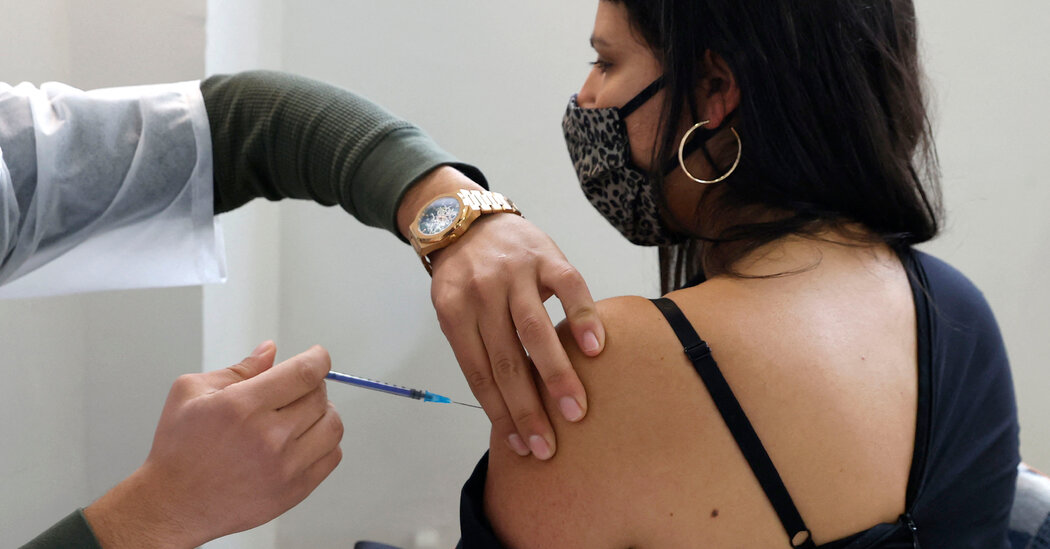
Pfizer-BioNTech Vaccine is Highly Effective Against Variants, Studies Find

Two studies showed the vaccine to be more than 95 percent effective at protecting against severe disease or death from the variants first identified in South Africa and the U.K.The Pfizer-BioNTech coronavirus vaccine is extraordinarily effective at protecting against severe disease caused by two dangerous variants, according to two studies published Wednesday.The studies, which are based on the real-world use of the vaccine in Qatar and Israel, suggest that the vaccine can prevent the worst outcomes — including severe pneumonia and death — caused by B.1.1.7, the variant first identified in the U.K., and B.1.351, the variant first identified in South Africa.“This is really good news,” said Dr. Annelies Wilder-Smith, an infectious disease researcher at the London School of Hygiene and Tropical Medicine. “At this point in time we can confidently say that we can use this vaccine, even in the presence of circulating variants of concern.”Previous research suggested that B.1.1.7 is more infectious and more deadly than other variants, but that vaccines still worked well against it. But vaccines appeared to be less effective against B.1.351, according to earlier studies.One of the new studies, which appeared in the New England Journal of Medicine, is based on information about more than 200,000 people that was pulled from Qatar’s national Covid-19 databases between Feb. 1 and March 31.During that time, the variants were widespread there: Sequencing conducted between Feb. 23 and March 18 suggested that roughly half of the coronavirus infections in that period were caused by B.1.351 and 44.5 percent were caused by B.1.1.7.In multiple analyses, the researchers found that the vaccine was 87 to 89.5 percent effective at preventing infection with B.1.1.7 among people who were at least two weeks past their second shot. It was 72.1 to 75 percent effective at preventing infection with B.1.351 among those who had reached the two-week point.Even that slightly reduced effectiveness against infection with B.1.351 is still largely good news, one of the study’s authors, Laith Abu-Raddad, an infectious disease epidemiologist at Weill Cornell Medicine-Qatar, said. “We’re talking about a variant which is probably the nastiest of all the variants of concern,” he said. “It’s not the 95 percent we were hoping, but the 75 percent is really great.”The vaccine was highly effective at protecting against the worst outcomes. Over all, it was 97.4 percent effective at preventing severe, critical or fatal disease from any form of the coronavirus, and 100 percent effective at preventing severe, critical or fatal disease caused by B.1.1.7 or B.1.351. (This slight difference in effectiveness is likely a result of the fact that the sample sizes were smaller for the subgroups of patients with a documented variant, Dr. Abu-Raddad said.)The second new study, which was published in The Lancet, was conducted by researchers at the Israel Ministry of Health and Pfizer. It is based on more than 230,000 coronavirus infections that occurred in Israel between Jan. 24 and April 3. During that period, B.1.1.7 accounted for nearly 95 percent of all coronavirus cases in the country, which has vaccinated more than half of its population.The researchers found that the vaccine was more than 95 percent effective at protecting against coronavirus infection, hospitalization and death among fully vaccinated people 16 and older. It also worked well in older adults. Among those 85 or older, the vaccine was more than 94 percent effective at protecting against infection, hospitalization and death.As the percentage of fully vaccinated people in each age group grew, the incidence of coronavirus infections in that cohort fell, the researchers found. The declines in infection rates matched the timing of increasing vaccine coverage in each age group better than the start of a nationwide lockdown. The results suggest that Israel’s rapid pace of vaccination has been responsible for the decline in infections in the country.“I’m just really happy to see this data that in the real world these vaccines are having such an amazing impact on curtailing infection and disease,” said Akiko Iwasaki, an immunologist at Yale University.Both studies also reported that two doses of the vaccine provided significantly more protection than one dose did. In the Israel study, for example, one dose of the vaccine was 77 percent effective against death, while two doses were 96.7 percent effective.“It absolutely emphasizes the need for the second dose,” said Dr. Kathleen Neuzil, who directs the Center for Vaccine Development and Global Health at the University of Maryland School of Medicine.Together, the studies suggest that even with the new variants, vaccination remains a plausible path out of the pandemic, experts said. “If we can get vaccines to the world and get coverage up,” Dr. Neuzil said, “I believe we can get on top of this and we can get on top of the emergence of new variants.”

Read more →

Possible novel migraine therapy

By discovering a potential new cellular mechanism for migraines, researchers may have also found a new way to treat chronic migraine.
Amynah Pradhan, associate professor of psychiatry at the University of Illinois Chicago, is the senior author of the study, whose goal was to identify a new mechanism of chronic migraine, and propose a cellular pathway for migraine therapies. The study, “Neuronal complexity is attenuated in preclinical models of migraine and restored by HDAC6 inhibition, is published in eLife.
Pradhan, whose research focus is on the neurobiology of pain and headache, explained that the dynamic process of routing and rerouting connections among nerve cells, called neural plasticity, is critical to both the causes and cures for disorders of the central nervous system such as depression, chronic pain, and addiction.
The structure of the cell is maintained by its cytoskeleton which is made up of the protein, tubulin. Tubulin is in a constant state of flux, waxing and waning to change the size and shape of the cell. This dynamic property of the cell allows the nervous system to change in response to its environment.
Tubulin is modified in the body through a chemical process called acetylation. When tubulin is acetylated it encourages flexible, stable cytoskeleton; while tubulin deacetylation — induced by histone deacetylase 6, or HDAC6, promotes cytoskeletal instability.
Studies in mice models show that decreased neuronal complexity may be a feature, or mechanism, of chronic migraine, Pradhan said. When HDAC6 is inhibited, tubulin acetylation and cytoskeletal flexibility is restored. Additionally, HDAC6 reversed the cellular correlates of migraine and relieved migraine-associated pain, according to the study.
“This work suggests that the chronic migraine state may be characterized by decreased neuronal complexity, and that restoration of this complexity could be a hallmark of anti-migraine treatments. This work also forms the basis for development of HDAC6 inhibitors as a novel therapeutic strategy for migraine,” the researchers report.
Pradhan said this research reveals a way to possibly reset the brain toward its pre-chronic migraine state.
“Blocking HDAC6 would allow neurons to restore its flexibility so the brain would be more receptive to other types of treatment. In this model we are saying, maybe chronic migraine sufferers have decreased neuronal flexibility. If we can restore that complexity maybe we could get them out of that cycle,” she said.
Once out of the cycle of decreased neuronal complexity, the brain may become more responsive to pain management therapies, Pradhan said. HDAC6 inhibitors are currently in development for cancer, and HDCA6 as a target has been identified for other types of pain.
“It opens up the possibility of something we should be looking at on a broader scale,” she said. “Are these changes maybe a hallmark of all sorts of chronic pain states?”
Migraine is a common brain disorder that is estimated to affect 14% of the world population. Current U.S. cost estimates for migraine are as high as $40 billion annually. One particularly debilitating subset of migraine patients are those with chronic migraine, defined as having more than 15 headache days a month. Migraine therapies are often only partially effective or poorly tolerated, creating a need for more diverse drug therapies.

Read more →

Cardiovascular disease could be diagnosed earlier with new glowing probe

Researchers have created a probe that glows when it detects an enzyme associated with issues that can lead to blood clots and strokes.
The team of researchers, from the Department of Chemistry and the National Lung and Heart Institute at Imperial College London, demonstrated that their probe quickly and accurately detects the enzyme in modified E. Coli cells.
They are now expanding this proof-of-concept study, published in the Journal of the American Chemical Society and funded by the British Heart Foundation (BHF), with the hope of creating rapid tests for cardiovascular problems and a new way to track long-term conditions.
The build-up of plaque in the arteries — known as atherosclerosis — can lead to coronary artery disease and stroke, and is one of the leading causes of death in the Western world.
As atherosclerosis progresses, intraplaque haemorrhages (IPHs) can occur when portions of the plaque break away from the artery walls. These events can lead to the formation of more vulnerable plaques and blood clots, restricting blood flow to the heart and the brain and potentially leading to chronic diseases or catastrophic events like strokes.
Detecting IPHs and their impacts would therefore provide a warning system and allow early diagnosis of vascular conditions. The research team designed a chemical probe that can detect rises in levels of an enzyme that accompanies IPHs and even plaque instabilities that precede IPHs.

Read more →

Crohn's disease patients have specific IgG antibodies to human bacterial flagellins

Last year, Charles O. Elson, M.D., demonstrated a potential preventive treatment for Crohn’s disease, a form of inflammatory bowel disease. He used a mouse model that included immune-reactive T cells from patients with Crohn’s disease in a flagellin peptide-specific immunotherapy. This study provided proof-of-principle that a flagellin-directed immunotherapy might provide similar benefits in patients.
Now University of Alabama at Birmingham researchers have moved a step closer to possible clinical testing of this treatment, say Elson and co-first authors Katie Alexander, Ph.D., and Qing Zhao, M.D., Ph.D. Their study, published in the journal Gastroenterology, is the first to describe IgG antibodies in Crohn’s disease specific for human-derived flagellins of bacteria belonging to the Lachnospiraceae family. Knowledge of the specific flagellin epitopes that drive the pathogenic adaptive immune response in Crohn’s disease is necessary information for Elson’s potential triple-punch Crohn’s disease treatment. Goals of the treatment are removing or exhausting pathogenic T memory cells and increasing the number of immunomodulatory T regulatory cells.
Elson is a professor, Alexander an assistant professor and Zhao a postdoctoral fellow in the UAB Department of Medicine Division of Gastroenterology and Hepatology.
Crohn’s disease and ulcerative colitis — another type of inflammatory bowel disease — are characterized by dysregulated adaptive immune responses to the microbiota in genetically susceptible individuals, but the human specificity of these responses had so far been largely undefined. Mouse microbiota flagellins have previously been defined as immunodominant antigens in Crohn’s disease.
Flagellins are building blocks of the hairlike motility flagella that extend from the bacterial cell wall. Flagellin is a potent immune activator and antigen, and it is the only known microbial protein that has three receptors for innate immunity encoded in the host genome, in addition to immunoglobulin and T cell receptors.
The UAB researchers individually probed blood sera from 87 healthy volunteers, 152 patients with Crohn’s disease and 170 patients with ulcerative colitis. They used protein arrays of microbiota bacterial flagellins of both mouse and human origin, and they analyzed sera for IgG and IgA antibody responses.
They found selective patterns of antibody reactivity to microbiota flagellins among the inflammatory bowel disease patients.
The Crohn’s disease patients — but not the ulcerative colitis patients — had augmented serum IgG antibodies to Lachnospiraceae flagellins from various species of Roseburia and one species of Eubacterium. These bacteria are normal residents in the human ileum, the third segment of the small intestine. A subset of the Crohn’s disease patients had very high responses, with antibodies against more than 10 different flagellins.
For that subset of Crohn’s disease patients, the multiflagellin hyper-reactivity was associated with indications of severe dysregulated immune response. Patients in the subset had: 1) elevated flagellin-specific T memory cells; 2) a reduced ratio of flagellin-reactive T regulatory to T effector cells; and 3) a high frequency of disease complications.
“Thus,” Elson said, “Crohn’s disease patients displayed a strong adaptive immune response to human-derived Lachnospiraceae flagellins, which may be targeted for prognosis and future personalized therapies.”
Story Source:
Materials provided by University of Alabama at Birmingham. Original written by Jeff Hansen. Note: Content may be edited for style and length.

Read more →

Our immune systems blanket the SARS-CoV-2 spike protein with antibodies

The most complete picture yet is coming into focus of how antibodies produced in people who effectively fight off SARS-CoV-2 work to neutralize the part of the virus responsible for causing infection. In the journal Science, researchers at The University of Texas at Austin describe the finding, which represents good news for designing the next generation of vaccines to protect against variants of the virus or future emerging coronaviruses.
Previous research focused on one group of antibodies that target the most obvious part of the coronavirus’s spike protein, called the receptor-binding domain (RBD). Because the RBD is the part of the spike that attaches directly to human cells and enables the virus to infect them, it was rightly assumed to be a primary target of the immune system. But, testing blood plasma samples from four people who recovered from SARS-CoV-2 infections, the researchers found that most of the antibodies circulating in the blood — on average, about 84% — target areas of the viral spike protein outside the RBD — and, apparently, for good reason.
“We found these antibodies are painting the entire spike, both the arc and the stalk of the spike protein, which looks a bit like an umbrella,” said co-corresponding author Greg Ippolito, who is a research associate professor in UT Austin’s Department of Molecular Biosciences and an assistant professor of oncology at the university’s Dell Medical School. “The immune system sees the entire spike and tries to neutralize it.”
Many of these non-RBD-directed antibodies the team identified act as a potent weapon against the virus by targeting a region in a part of the spike protein located in what would be the umbrella’s canopy called the N-terminal domain (NTD). These antibodies neutralize the virus in cell cultures and were shown to prevent a lethal mouse-adapted version of the virus from infecting mice.
The NTD is also a part of the viral spike protein that mutates frequently, especially in several variants of concern. This suggests that one reason these variants are so effective at evading our immune systems is that they can mutate around one of the most common and potent types of antibody in our arsenals.
“There’s an evolutionary arms race going on between the virus and our immune systems,” said Jason Lavinder, research associate in the McKetta Department of Chemical Engineering and co-corresponding author of the new study. “We’re all developing a standard immune response to this virus that includes targeting this one spot and that’s exerting selective pressure on the virus. But then the virus is also exerting its evolutionary strength by trying to change around our selective immune pressures.”
Despite these maneuvers by SARS-CoV-2, the researchers said about 40% of the circulating antibodies target the stalk of the spike protein, called the S2 subunit, which is also a part that the virus does not seem able to change easily.

Read more →

From yeast to hypha: How Candida albicans makes the switch

You might call Candida albicans a shape-shifter: As this fungus grows, it can multiply as single, oval-shaped cells called yeast or propagate in an elongated form called hypha, consisting of thread-like filaments.
This dual nature can help the pathogen survive in the body, where it can cause disease, including dangerous hospital-acquired infections.
But how does this switching ability occur?
New research identifies one factor that may contribute. In a study that will be published on May 5 in the journal mSphere, University at Buffalo biologists Guolei Zhao and Laura Rusche report that a protein called Sir2 may facilitate C. albicans’ transition from ovoid yeast to thread-like hypha. C. albicans cells that were missing the Sir2 gene were less likely to form true hyphae in lab experiments than cells of the same species that had that gene.
“When we got rid of the Sir2 gene, we saw less of the true hyphae form,” says Zhao, first author and a PhD candidate in biological sciences in the UB College of Arts and Sciences. This is interesting, she says, because both the “tiny round yeast form” and the “elongated hyphae form” are “essential to infection,” helping C. albicans invade different niches of the human body.
The influence of Sir2 on morphology differed depending on the cells’ surroundings: In a nutrient-poor environment, C. albicans cells that were missing the Sir2 gene were less likely to form both true hyphae and pseudohyphae, a sort of in-between stage where the cells are elongated and grow in chains. But in a nutrient-rich situation, C. albicans lacking the Sir2 gene formed more pseudohyphae even as the formation of true hyphae declined.

Read more →

Novel switch found in proteins with wide-ranging implications for medical treatments

Proteins perform a vast array of functions in the cell of every living organism with critical roles in almost every biological process. Not only do they run our metabolism, manage cellular signaling and are in charge of energy production, as antibodies they are also the frontline workers of our immune system fighting human pathogens like the coronavirus. In view of these important duties, it is not surprising that the activity of proteins is tightly controlled. There are numerous chemical switches that control the structure and, therefore, the function of proteins in response to changing environmental conditions and stress. The biochemical structures and modes of operation of these switches were thought to be well understood. So a team of researchers at the University of Göttingen were surprised to discover a completely novel, but until now overlooked, on/off switch that seems to be a ubiquitous regulatory element in proteins in all domains of life. The results were published in Nature.
The researchers investigated a protein from the human pathogen Neisseria gonorrhoeae that causes gonorrhea, a bacterial infection with over 100 million cases worldwide. This disease is typically treated with antibiotics but increasing rates of antibiotic resistance pose a serious threat. In order to identify new treatments, they studied the structure and mechanism of a protein that is a key player in carbon metabolism of the pathogen. Surprisingly, the protein can be switched on and off by oxidation and reduction (known as a “redox switch). The scientists suspected this was caused by a common and well-established “disulfide switch” formed between two cysteine amino acids. When they deciphered the X-ray structures of the protein in the “on” and “off” state at the DESY particle accelerator in Hamburg, Germany, they were hit by an even bigger surprise. The chemical nature of the switch was completely unknown: it is formed between a lysine and a cysteine amino acid with a bridging oxygen atom.
“I couldn’t believe my eyes,” says Professor Kai Tittmann, who led the study, when he remembers seeing the structure of the novel switch for the first time. “We thought initially that this must have formed artificially as a by-product of the experimental process as this chemical entity was unknown.” However, numerous repetitions of the experiments always gave the same result and an analysis of the protein structure database further disclosed that there are many other proteins that very likely possess this switch, which apparently escaped earlier detection as the resolution of the protein structure analysis was insufficient to detect it for certain. The researchers admit that good fortune was on their side because the crystals they measured allowed the protein structure to be determined at extremely high resolution, meaning the novel switch couldn’t be missed. “The extensive screening for high-quality protein crystals has really paid off, I couldn’t be happier,” says Marie Wensien, first author of the paper.
The researchers believe the discovery of the novel protein switch will impact the life sciences in numerous ways, for instance in the field of protein design. It will also open new avenues in medical applications and drug design. Many human proteins with established roles in severe diseases are known to be redox-controlled and the newly discovered switch is likely to play a central role in regulating their biological function as well.
Story Source:
Materials provided by University of Göttingen. Note: Content may be edited for style and length.

Read more →

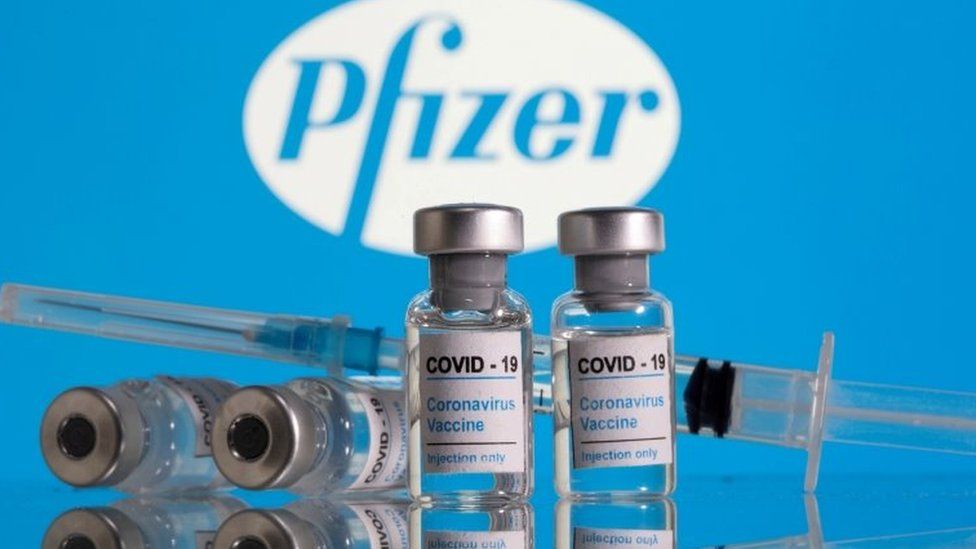
Covid: Canada authorises Pfizer vaccine for children aged 12 to 15

SharecloseShare pageCopy linkAbout sharingimage copyrightReutersCanada has authorised the use of the Pfizer coronavirus vaccine for children between the ages of 12 and 15. It is the first country to do so for that age group. The country’s health ministry made the decision based on data from phase three clinical trials on children that age. “The department determined that this vaccine is safe and effective when used in this younger age group,” an adviser at the ministry said. Pfizer says its jab works well in the age group.Canada has already authorised the use of the Pfizer vaccine in people over 16. The country has recorded more than 1.2 million coronavirus cases and roughly 20% of those have been in people under the age of 19. Children’s risk of becoming very ill or dying with Covid-19 is tiny, and throughout the pandemic they have very rarely needed hospital treatment.’No evidence’ schools spread lots of Covid How will we know Covid vaccines are safe?As part of the vaccine’s approval, Pfizer will have to continue providing information to Canada’s health ministry on the safety, efficacy and quality of the vaccine in those aged 12 to 15. Last March, Pfizer said initial results from trials of its vaccine in this age group showed 100% efficacy and a strong immune response. US President Joe Biden this week laid out plans to roll out vaccines for 12-15 year-olds as soon as possible. US media has reported that the authorisation could come as early as next week. What about other vaccine manufacturers? Pfizer is one of a number of vaccine manufacturers testing jabs on children. The aim of vaccinating them – particularly older children – would be to keep schools open, reduce the spread of coronavirus in the community and protect vulnerable children with conditions which put them at increased risk. Moderna and Johnson & Johnson are currently testing their vaccines on those aged 12-18 with Moderna’s data expected soon. Moderna and Pfizer are also testing their jabs on younger children between six months and 11-years-old. In the UK, AstraZeneca is testing its vaccine on 300 child volunteers. Researchers will assess whether the jab produces a strong immune response in children aged between six and 17.

Read more →

Process for eliminating unneeded cells may also protect against cancer

For all animals, eliminating some cells is a necessary part of embryonic development. Living cells are also naturally sloughed off in mature tissues; for example, the lining of the intestine turns over every few days.
One way that organisms get rid of unneeded cells is through a process called extrusion, which allows cells to be squeezed out of a layer of tissue without disrupting the layer of cells left behind. MIT biologists have now discovered that this process is triggered when cells are unable to replicate their DNA during cell division.
The researchers discovered this mechanism in the worm C. elegans, and they showed that the same process can be driven by mammalian cells; they believe extrusion may serve as a way for the body to eliminate cancerous or precancerous cells.
“Cell extrusion is a mechanism of cell elimination used by organisms as diverse as sponges, insects, and humans,” says H. Robert Horvitz, the David H. Koch Professor of Biology at MIT, a member of the McGovern Institute for Brain Research and the Koch Institute for Integrative Cancer Research, a Howard Hughes Medical Institute investigator, and the senior author of the study. “The discovery that extrusion is driven by a failure in DNA replication was unexpected and offers a new way to think about and possibly intervene in certain diseases, particularly cancer.”
MIT postdoc Vivek Dwivedi is the lead author of the paper, which appears today in Nature. Other authors of the paper are King’s College London research fellow Carlos Pardo-Pastor, MIT research specialist Rita Droste, MIT postdoc Ji Na Kong, MIT graduate student Nolan Tucker, Novartis scientist and former MIT postdoc Daniel Denning, and King’s College London professor of biology Jody Rosenblatt.
Stuck in the cell cycle
In the 1980s, Horvitz was one of the first scientists to analyze a type of programmed cell suicide called apoptosis, which organisms use to eliminate cells that are no longer needed. He made his discoveries using C. elegans, a tiny nematode that contains exactly 959 cells. The developmental lineage of each cell is known, and embryonic development follows the same pattern every time. Throughout this developmental process, 1,090 cells are generated, and 131 cells undergo programmed cell suicide by apoptosis.

Read more →