Serotonin transporters increase when depression fades

Low levels of serotonin in the brain are seen as a possible cause of depression and many antidepressants act by blocking a protein that transports serotonin away from the nerve cells. A brain imaging study at Karolinska Institutet now shows that the average level of the serotonin transporter increased in a group of 17 individuals who recovered from depression after cognitive behavioural therapy. The results are published in the journal Translational Psychiatry.
“Our results suggest that changes to the serotonin system are part of the biology of depression and that this change is related to the episode rather than a static feature — a state rather than a trait,” says the study’s last author Johan Lundberg, researcher at the Department of Clinical Neuroscience, Karolinska Institutet. “The finding raises many questions about the function of the serotonin system in depression and opens up for lines of research that could challenge the prevailing concept of serotonin and depression.”
Serotonin is a neurotransmitter that affects, amongst other things, mood and emotion. Its transporter protein, 5-HTT, is considered to play a critical part in depression, as it pumps serotonin away from the cerebral neuron synapses, thus regulating the amount of active serotonin the brain.
Many modern antidepressant drugs inhibit this transporter, which increases the concentration of serotonin in the synapses. However, the effect of these drugs can be delayed by several weeks and in certain cases they have no effect at all, so the need for new or improved drug therapies is pressing. To achieve this, more knowledge is needed about the biological causes of the disease.
Earlier studies have shown that depressed individuals have lower levels of 5-HTT in the brain than healthy individuals. This finding is somewhat surprising given the dominant theory of serotonin function in depression, “the serotonin hypothesis.” This theory dictates that low levels of synaptic serotonin causes depressive symptoms, and since the function of 5-HTT is to reduce the concentration of serotonin, high levels of the protein could be expected in depressed individuals. To better understand these findings a longitudinal or post-treatment study design can be used to answer the question of whether 5-HTT is temporarily or chronically low in people with depression.
In this study, the researchers sought to investigate how the serotonin transporter changes when a depressed person is successfully treated. To do this, they measured levels of 5-HTT in 17 individuals with depression before and after a course of internet-based cognitive behavioural therapy. The measurements were achieved with positron emission tomography (PET), a brain imaging technique in which scientists can gauge levels of different substances in the brain using radioactive tracers.
The researchers found that levels of 5-HTT were on average 10 percent higher after three months’ treatment, when 13 of the 17 patients reported a significant improvement in their symptoms. Prior to treatment, the individuals with depression had roughly the same average level of 5-HTT as a control group of 17 healthy individuals.
“Instead of lower levels of serotonin transporter when depression had been treated, we found the opposite — more transporter after improved symptoms,” says Jonas Svensson, postdoc researcher in Dr Lundberg’s group. “One possible interpretation is that the serotonin system doesn’t cause depression but is part of the brain’s defence mechanism for protecting itself against depression. One might hypothesize, for example, that the level of 5-HTT drops when an individual is subjected to stress, such as during a depressive state, and that the level rises or normalises when this stress goes away. It’s important to point out, however, that even if these ideas are raised by our study, its design doesn’t allow us to draw any conclusions about why levels of 5-HTT change.”
The study had some limitations, such as that it only included 17 individuals with depression, which is a heterogeneous state, and that the control group was examined only once. The researchers are now designing new studies to test whether the dynamic function of the serotonin system can be part of a stress-defence system.
Story Source:
Materials provided by Karolinska Institutet. Note: Content may be edited for style and length.

Read more →

Do Statins Really Cause Muscle Aches?

People taking cholesterol-lowering statin drugs often report muscle pain, but the pain may be the same when they take a look-alike placebo pill.Many people who take the cholesterol-lowering statin drugs report that they cause muscle pain, but a randomized trial suggests that the pain is no different when they take a placebo pill.In rare cases, statins are known to cause a severe muscle condition called rhabdomyolysis, in which skeletal muscle tissue is destroyed, leading to serious complications. But much more frequently, people complain that the drugs simply cause muscle pain.Whether statins are responsible for the muscle pain, however, remains uncertain. Muscle pain has many causes and is common in the older age group using statins, so determining whether statins are causing the pain is not easy. Results from observational studies, along with many media reports, may have led some to unnecessarily discontinue a treatment that is potentially lifesaving.This new study, published in BMJ, involved a series of what is known as n-of-1 clinical trials, a methodology that allows researchers to examine the results of treatment and placebo in individual patients, rather than studying them as a group. In effect, each patient serves as his or her own control.Mike Mergen for The New York TimesResearchers assembled 200 people in England and Wales who had either stopped or planned to stop taking statins because of intolerable muscle pain. For a year, each patient randomly took either a statin or a placebo pill over six two-month periods. Half the time they received 20 milligrams of Lipitor, and the other half they got a look-alike dummy pill. Until the end of the study, neither the researchers nor the patients knew when they were taking the statin and when they were taking the placebo.During the last seven days of each two-month phase, the researchers measured each patient’s pain daily using a validated 10-point visual pain scale, with 10 indicating the worst possible pain. They also tracked other aspects of daily life, including the patient’s general activity level, mood, comfort in walking, ability to pursue normal work activities, social relationships, sleep and enjoyment of life.The study found no differences between the statin and placebo periods in either muscle pain or reports on daily life activities and moods. Nine percent withdrew because of pain while they were on statins, but so did 7 percent who were taking placebos, an insignificant difference.“These studies are difficult to do,” said Dr. Henry N. Ginsberg, a professor of medicine at Columbia who was not involved in the work. “This one is done as well as you can, and it’s a nice one to talk about with patients. You can tell your patients, ‘They’ve done studies in people like you, and these people couldn’t tell the difference between placebo and medicine.’”Three months after the final treatment, when the patients had been informed of their results, the researchers asked them whether they had restarted statins, or intended to, and whether they found their own trial result helpful in making their decision. Most of the patients said that the trial was helpful, and more than two-thirds reported that they planned to start taking statins again.The lead author, Dr. Liam Smeeth, a primary care physician and professor of clinical epidemiology at the London School of Hygiene and Tropical Medicine, said that when people stop statins because of muscle pain “they’re missing out on the huge benefits — reducing the risk of heart attack or stroke by about a third. What we’ve shown is that among these people who gave up their medicine because of pain — and their pain was real — it wasn’t made worse by statins.”

Read more →

Alder Hey children's mental health team see rise in calls for help

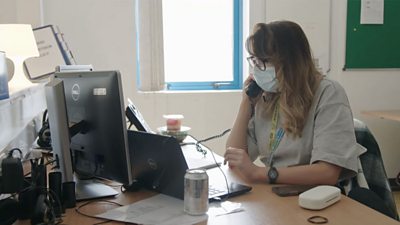
The Covid-19 pandemic and resulting lockdowns have had an effect on many people’s mental health.For Mental Health Awareness Week, BBC North West Tonight has been given access to the Child and Adolescent Mental Health Services (CAMHS) team at Alder Hey Children’s Hospital in Liverpool.Right at the start of the pandemic, the mental health crisis team began covering their helpline 24 hours a day – and they have seen a huge rise in the number of calls they are receiving. You can see more from Alder Hey all this week on BBC North West Tonight.If you’re affected by the issues in this piece, you can find support from BBC Action Line.Why not follow BBC North West on Facebook, Twitter and Instagram? You can also send story ideas to northwest.newsonline@bbc.co.uk

Read more →

Mental health: Can you tell if someone is struggling?

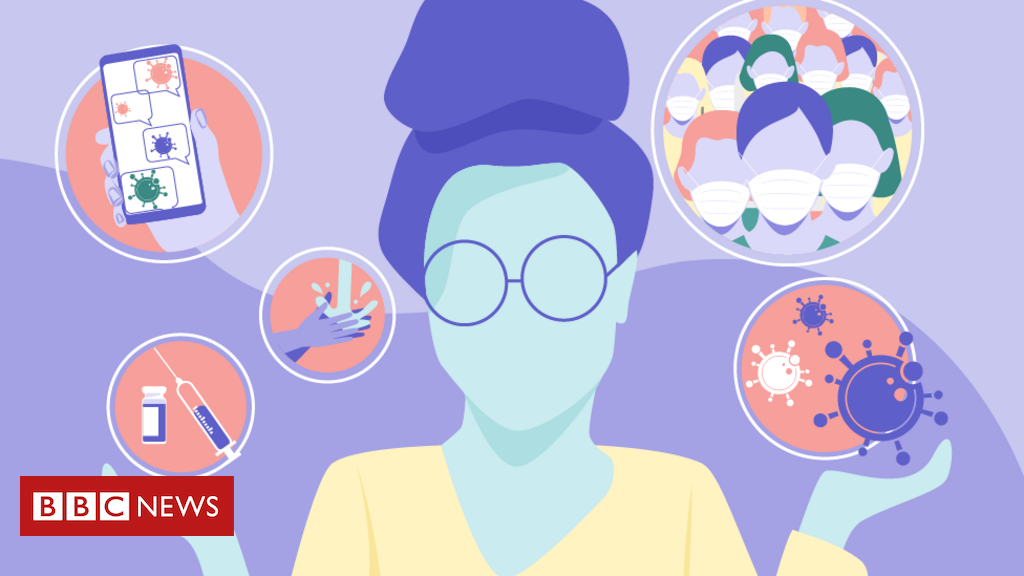
SharecloseShare pageCopy linkAbout sharingLockdowns, social distancing, working from home, furloughs and job losses – the pandemic has put an extra strain on people’s lives, relationships and mental wellbeing.According to a study by the Mental Health Foundation published in February, anxiety and worry because of the pandemic actually declined, as people became more hopeful about lockdowns lifting. But amongst vulnerable groups, there are still high levels of anxiety.See how you would react in this scenario, where someone is struggling:

As we emerge from restrictions and start interacting with colleagues, friends and family more then we have done over the last few months, looking out for someone’s mental health is just as important as their physical health. Around one in five adults experienced some form of depression in the first few months of this year, more than twice as many as before the coronavirus pandemic struck.See how you would react in this scenario, where someone is struggling:

If you or someone you know needs support, here are some organisations and charities that may be able to help:Mental Health First Aid EnglandEvery Mind Matters | One You – NHS No PanicAnxiety UKSamaritansShout 85258The scenario tools have been produced with guidance from Mental Health First Aid England, a social enterprise which offers training courses and resources.Produced by Chi Chi Izundu and Dominic Bailey with illustrations by Sandra Rodriguez Chillida

Read more →

India Covid: Kumbh Mela pilgrims turn into super-spreaders

SharecloseShare pageCopy linkAbout sharingimage copyrightEPAWhen millions of devout Hindus gathered last month in the Himalayan town of Haridwar to participate in the Kumbh Mela festival even as India battled a devastating second wave of coronavirus, many feared that it would turn out to be a “super-spreader event”. Those fears, it now seems, are coming true, with reports of Kumbh returnees testing positive – and possibly spreading the infection – coming from many parts of the country.When Mahant Shankar Das arrived in Haridwar on 15 March to participate in the festival, cases of Covid-19 were already rising in many parts of India.On 4 April, just four days after the festival officially began, the 80-year-old Hindu priest tested positive for Covid-19 and was advised to quarantine in a tent.But instead of isolating, he packed his bags, boarded a train and travelled 1,000km (621 miles) to the city of Varanasi.There, his son Nagendra Pathak met him at the railway station and they rode a shared taxi to their village 20km (12 miles) away in the adjoining district of Mirzapur.Speaking to me on the phone from his home recently, Mahant Das said he was “now hale and hearty” and that after his return, he had remained at home in quarantine.He insisted that he did not pass on the virus to anyone else, but within days, his son and a few other villagers also developed Covid symptoms.Mr Pathak, who’s also made a full recovery, says their village has seen “13 deaths in the past fortnight from fever and cough”.The infections in the villagers may – or may not – be linked to Mahant Das, but health experts say his behaviour was irresponsible and that by travelling in a crowded train and sharing a taxi, he may have spread the virus to many along the way.Epidemiologist Dr Lalit Kant says “huge groups of mask-less pilgrims sitting on the river bank singing the glories of the Ganges” created an ideal environment for the virus to spread rapidly. “We already know that chorus singing in churches and temples are known to be super-spreader events.”image copyrightReutersIn Haridwar, officials said 2,642 devotees had tested positive, including dozens of top religious leaders. Akhilesh Yadav, former chief minister of neighbouring Uttar Pradesh state, and Nepal’s former King Gyanendra Shah and former Queen Komal Shah, were among those who tested positive after returning home. Bollywood composer Shravan Rathod died in a Mumbai hospital soon after his return from Kumbh. Nine Hindu seers from one group also perished.With growing fears that the Kumbh returnees could start to infect others, several worried state governments ordered a 14-day mandatory quarantine and warned of strict action against those who withheld information about their travels. Some made the RT-PCR test mandatory for them, but few states have a database of travellers and no state has a foolproof system of testing and tracing those entering its borders. In the past fortnight, reports of Kumbh returnees testing positive have come from all over India: Authorities in Rajasthan blame the pilgrims for the rapid spread of Covid cases in the state, especially in rural areas At least 24 Kumbh visitors tested positive on return to the eastern state of Odisha (formerly Orissa) In Gujarat, at least 34 of a total of 313 passengers returning by one train were positive And 60 of the 61 – or 99% – returnees tested in a town in central Madhya Pradesh state were found to be infected. Officials are now frantically looking for 22 others who are missing”It’s disastrous,” says Dr Kant. “And these numbers are only the tip of the iceberg. The groups of pilgrims travelling in crowded trains and buses would have the multiplier effect on the number of infections. I can say without hesitation that the Kumbh Mela is one of the main reasons behind the rise in cases in India.”Mahant Das is combative when I ask him if it would have been better to cancel the Kumbh at a time India was recording huge surges in daily cases and hospitals were turning away patients due to a shortage of beds, medical oxygen and life-saving drugs.”How is it right for the government to hold election rallies and elections in West Bengal then? Why is it that only we, the devout, are being told that it was wrong to gather?” he asks.image copyrightReutersCritics say Prime Minister Narendra Modi’s reluctance to cancel the gathering was because of possible backlash from Hindu religious leaders like Mahant Das. The priests, the seers and the ascetics are among the party’s biggest supporters and play an important role in mobilising Hindu votes during elections. On 12 April, the first big day of the festival – when more than three million devotees took a dip in the river Ganges in the belief that bathing there would help them attain salvation – India logged more than 168,000 new cases, overtaking Brazil to become the country with the second-highest number of cases globally. The festival was scaled down only a week later after the lead monk of one of the participating groups died. Mr Modi requested the seers to turn the festival from then on into a symbolic event.But the damage had already been done.India is a Covid disaster – it didn’t have to beA visual guide to the Covid crisis in IndiaLast week, the event organisers said 9.1 million pilgrims visited Haridwar even as the Uttarakhand high court said the state had become a “laughing stock by allowing the Kumbh Mela in the midst of a raging pandemic”.There had been concerns from the start that holding the Kumbh was fraught with risks.Health experts had warned the government in early March that “a new and more contagious variant of the coronavirus was taking hold in the country” and letting millions of largely unmasked people gather for a festival was not prudent. Uttarakhand’s former chief minister, Trivendra Singh Rawat, told me that he had planned the Kumbh to be a “limited, symbolic event” from the start because experts were “telling me that the pandemic is not going to end soon”. “The festival attracts people from not just India, but other countries too. I was worried that healthy people would visit Haridwar and take the infection back with them everywhere. “But just days before the festival, he was replaced by Tirath Singh Rawat, who famously remarked that with “the blessings of Ma Ganga [Ganges, the river goddess] in the flow, there would be no corona”.The new chief minister said “nobody will be stopped”, a negative Covid report was not necessary to attend, and that it would be enough to follow safety rules. But as millions descended on the town, officials struggled to impose safety norms.Haridwar’s chief medical officer, Dr Shambhu Kumar Jha, told me that crowd management became “very difficult” because people didn’t come with negative reports and that they “couldn’t turn back the devout who had come all the way driven by faith”. “You can’t hang people for wanting to attend a religious festival, can you?” he asked.”There were standard operating procedures (SOPs) by the federal government and the high court and we tried our best to implement them,” he added.”With crowds of that size, SOPs became almost impossible to follow. They look very good on paper, but it’s impossible to implement them,” Anoop Nautiyal, founder of an Uttarakhand-based think tank, told the BBC.Mr Nautiyal, who has been collating the health ministry data since the state recorded its first case on 15 March 2020, says Uttarakhand had recorded 557 cases in the week from 14 to 20 March, just as pilgrims had begun arriving. The cases rose rapidly after that, with 38,581 cases recorded between 25 April and 1 May – the last week of the festival.”It will be wrong to say all the cases were because of the festival, but the surge has coincided with the festival,” he said.I asked Dr Kant if there’s anything India could do now to contain the damage done by allowing the gathering.”Someone said that the devotees will take the coronavirus as prasad [god’s blessing] and spread it. It’s tragic that the pilgrims have carried the infection everywhere,” he said.”I can’t think of anything that can be done now to rectify the situation. Our ship has gone too far out into the sea. We can’t even return to the safety of the harbour. It’s very, very tragic. I just pray that the infections were mild and people can get over them.”

Read more →

How MDMA and Psilocybin Became Hot Investments

It’s been a long, strange trip in the four decades since Rick Doblin, a pioneering psychedelics researcher, dropped his first hit of acid in college and decided to dedicate his life to the healing powers of mind-altering compounds. Even as antidrug campaigns led to the criminalization of Ecstasy, LSD and magic mushrooms, and drove most researchers from the field, Dr. Doblin continued his quixotic crusade with financial help from his parents.Dr. Doblin’s quest to win mainstream acceptance of psychedelics will take a significant leap forward later this month when the journal Nature Medicine is expected to publish the results of his lab’s study on MDMA, the club drug popularly known as Ecstasy and Molly. The study, the first Phase 3 clinical trial conducted with psychedelic-assisted therapy, found that MDMA paired with counseling brought marked relief to patients with severe post-traumatic stress disorder.The results, coming weeks after a New England Journal of Medicine study that highlighted the benefits of treating depression with psilocybin, the psychoactive ingredient in magic mushrooms, has excited scientists, psychotherapists and entrepreneurs in the rapidly expanding field of psychedelic medicine. They say it is only a matter of time before the Food and Drug Administration grants approval for psychoactive compounds to be used therapeutically — for MDMA as soon as 2023, followed by psilocybin a year or two later.After decades of demonization and criminalization, psychedelic drugs are on the cusp of entering mainstream psychiatry, with profound implications for a field that in recent decades has seen few pharmacological advancements for the treatment of mental disorders and addiction. The need for new therapeutics has gained greater urgency amid a national epidemic of opioid abuse and suicides.“Some days I wake up and can’t believe how far we’ve come,” said Dr. Doblin, 67, who now oversees the Multidisciplinary Association for Psychedelic Studies, a multimillion dollar research and advocacy empire that employs 130 neuroscientists, pharmacologists and regulatory specialists working to lay the groundwork for the coming psychedelics revolution.The nation’s top universities are racing to set up psychedelic research centers, and investors are pouring millions of dollars into a pack of start-ups. State and cities across the country are beginning to loosen restrictions on the drugs, the first steps in what some hope will lead to the federal decriminalization of psychedelics for therapeutic and even recreational use.“There’s been a sea change in attitudes about what not long ago was considered fringe science,” said Michael Pollan, whose best-selling book on psychedelics, “How to Change Your Mind,” has helped destigmatize the drugs in the three years since it was published. “Given the mental health crisis in this country, there’s great curiosity and hope about psychedelics and a recognition that we need new therapeutic tools.”The question for many is how far — and how fast — the pendulum should swing, and even researchers who champion psychedelic-assisted therapy say the drive to commercialize the drugs combined with a growing movement to liberalize existing prohibitions could prove risky, especially for those with severe psychiatric disorders, and derail the field’s slow, methodical return to mainstream acceptance.The psychedelic researcher Rick Doblin dropped his first hit of acid in college and decided to dedicate his life to the healing powers of mind-altering compounds. Now his research center, MAPS, has raised $44 million over the past two years.Tony Luong for The New York TimesThat’s him on the cover: Dr. Doblin holding a September 1984 issue of The Miami Herald magazine.Gretchen Ertl for The New York TimesDr. Doblin’s organization, MAPS, is largely focused on winning approval for drug-assisted therapies and promoting them around the globe, but it is also pushing for the legalization of psychedelics at the federal level, though with strict licensing requirements for adult recreational use.Numerous studies have shown that classic psychedelics like LSD and psilocybin are not addictive and cause no organ damage in even high doses. And contrary to popular lore, Ecstasy does not leave holes in users’ brains, studies say, nor will a bad acid trip lead to chromosome damage.But most scientists agree that more research is needed on other possible side effects — like how the drugs might affect those with cardiac problems. And while the steady accumulation of encouraging data has softened the skepticism of prominent scientists, some researchers warn against the headlong embrace of psychedelics without stringent oversight. Although “bad trips” are rare, a handful of anecdotal reports suggest that psychedelics can induce psychosis in those with underlying mental disorders.Dr. Michael P. Bogenschutz, a professor of psychiatry who runs the four-month-old Center for Psychedelic Medicine at NYU Langone Health, said most of the clinical studies to date had been conducted with relatively small numbers of people who were carefully vetted to screen out those with schizophrenia and other serious mental problems.That makes it hard to know whether there will be potential adverse reactions if the drugs are taken by millions of people without any guidance or supervision. “I know it sounds silly but, Kids, don’t take these at home,” Dr. Bogenschutz said. “I would just encourage everyone to not get ahead of the data.”The Rush to InvestPsychedelics are suddenly awash in money.Dr. Doblin can remember when research funding was nearly impossible to come by. But MAPS is flush now, having raised $44 million over the past two years.“I spend a lot of my time saying no to investors,” said Dr. Doblin, whose work has been funded by an unlikely collection of philanthropists, among them Rebekah Mercer, the Republican political donor, and David Bronner, a liberal heir to the liquid soap company Dr. Bronners.Johns Hopkins, Yale, the University of California, Berkeley, and Mount Sinai Hospital in New York are among the institutions that have recently established psychedelic research divisions or are planning to do so, with financing from private donors.And scientists are conducting studies on whether psychedelics can be effective in treating everything from depression, autism and opioid addiction to anorexia and the anxieties experienced by the terminally ill.A Field Trip Health clinic in Manhattan.Calla Kessler for The New York TimesClients are encouraged to be creative at the Field Trip clinic in Manhattan.Calla Kessler for The New York TimesMore than a dozen start-ups have jumped into the fray, and the handful of companies that have gone public are collectively valued at more than $2 billion. Field Trip Health, a two-year-old Canadian company that trades on the New York Stock Exchange, has raised $150 million to finance dozens of high-end ketamine clinics in Los Angeles, Chicago, Houston and other cities across North America. Compass Pathways, a $240-million health care company listed on the Nasdaq, is conducting 22 clinical trials across 10 countries of psilocybin therapy for treatment-resistant depression.Investors have been encouraged by the changing politics, a shift inspired in part by the nation’s accelerating embrace of recreational marijuana and by public weariness over America’s endless war on drugs. Last year, Oregon became the first state to legalize the therapeutic use of psilocybin. Denver, Oakland, Calif., and Washington, D.C., have decriminalized the drug, and several states, including California, are mulling similar legislation. Though the drugs remain illegal under federal law, the Justice Department has so far taken a hands-off approach to enforcement, similar to how it has handled recreational marijuana.Even some Republicans, a group that has traditionally opposed the liberalization of drug laws, are starting to come around. Last month, the former Texas governor Rick Perry, citing the high rates of suicide among war veterans, called on his state’s legislators to support a Democratic-sponsored bill that would establish a psilocybin study for patients with PTSD.“We’ve had 50 years of government propaganda around these substances, and thanks to the research and a grass-roots movement, that narrative is changing,” said Kevin Matthews, a psilocybin advocate who led Denver’s successful ballot measure.Decades in the WildernessLong before Nancy Reagan warned the nation to just say no to drugs and President Richard Nixon pronounced Timothy Leary “the most dangerous man in America,” researchers like William A. Richards were using psychedelics to help alcoholics go dry and cancer patients cope with end-of-life anxiety.The drugs were legal, and Dr. Richards, then a psychologist at the Maryland Psychiatric Research Center, was among scores of scientists studying the therapeutic prowess of entheogens, the class of psychoactive substances that humans have used for millenniums. Even years later, Dr. Richards and other researchers say, many early volunteers called the psychedelic sessions the most important and meaningful experiences of their lives.But as the drugs left the lab in the 1960s and were embraced by the counterculture movement, the country’s political establishment reacted with alarm. By the time the Drug Enforcement Administration issued its emergency ban on MDMA in 1985, funding for psychedelic research had largely disappeared.“We were learning so much, and then it all came to an end,” said Dr. Richards, 80, and now a researcher at Johns Hopkins University School of Medicine.These days, the Center for Psychedelic and Consciousness Research at Johns Hopkins, created two years ago with $17 million in private funding, is studying, among other things, psilocybin for smoking cessation and the treatment of depression associated with Alzheimer’s as well as more spiritual explorations involving religious clergy.“We have to be careful not to overpromise, but these are fantastically interesting compounds with numerous possible uses,” said Roland R. Griffiths, the center’s founding director and a psychopharmacologist whose 2006 study, on which he is a co-author with Dr. Richards, administered psilocybin to healthy volunteers — the first psychedelics study to win F.D.A. approval in a generation.Early pioneers: Dr. William Richards, left, and Dr. Roland R. Griffiths.Matt Roth for The New York TimesArt trip: A wood carving and a painting of mushrooms that contain psilocybin decorate Dr. Richards’s office.Matt Roth for The New York TimesThough researchers are still trying to understand the cognitive and therapeutic mechanics of psychedelics, they have concluded that psilocybin, DMT and other psychoactive chemicals can help people feel more tolerance, understanding and empathy. They also induce neuroplasticity, the brain’s ability to change and reorganize thought patterns, enabling people with psychological disorders to find new ways to process anxiety, depression or deeply embedded trauma.“They can help people who have lost the plotline of their lives,” Dr. Doblin said.The Trip BusinessThe future of psychedelic medicine can already be glimpsed at a suite of plush, soothingly decorated “journey rooms” that occupy the top floor of an office building in Midtown Manhattan. The clinic, run by Field Trip Health, is a year-old venture where patients wear eyeshades and listen to electronic music and Tibetan chanting, as they are administered six ketamine injections over the course of several weeks.The 90-minute trips are interspersed with therapist-guided “integration sessions” to help participants process their experiences and work on achieving their mental health goals. A typical course of four sessions starts at $4,100, though some insurance companies reimburse patients for a portion of the cost.Ketamine is not a classic psychedelic; it is an anesthetic perhaps best known as both a club drug and a horse tranquilizer. But at higher doses, it can produce hallucinations, and it has shown promise treating major depression and severe PTSD, though the effects tend to be less enduring than therapies with psilocybin or MDMA. Ketamine, however, has a distinct advantage over those other drugs: It is the only one in the United States that is legally available to patients outside a clinical study.Emily Hackenburg, Field Trip’s clinical director, said the drug was only one component of a demanding therapeutic process. “The drug is not a magic bullet,” she said.Joe, a marketing executive in his mid-40s who has battled depression and anxiety for decades, said he decided to visit the company’s Atlanta location after seeing one of its ads on Facebook. Antidepressants, he said, left him emotionally brittle, and his years of psychotherapy were of little use. (He asked that his full name be withheld, citing the stigmas surrounding both mental illness and mind-altering drugs.)In an interview one week after his final session, he described a newfound awareness of the factors that could drive him to despair: his “alpha male” obsession with success, the frustrations stoked by his 9-year-old daughter’s misbehavior and the poor eating and drinking habits that often leave him feeling unwell.In a follow-up conversation two weeks later, Joe said the therapy’s effects were beginning to fade. He said that he was eager to try psilocybin-assisted therapy. “I’m really looking forward to the day when that becomes legal,” he said.A meditation chair at Field Trip, which offers ketamine-assisted therapy.Calla Kessler for The New York TimesEmily Hackenburg, Field Trip’s clinical director, said ketamine was only one component of a demanding therapeutic process. “The drug is not a magic bullet,” she said.Calla Kessler for The New York TimesSo, too, is Field Trip. The company, which got its start opening cannabis clinics across Canada, is planning to test psilocybin therapy next month in Amsterdam, where magic mushroom truffles are legal. And its scientists are currently developing a new psychedelic that carries the therapeutic punch of psilocybin but works in about half the time — about two to three hours. Creating a proprietary short-lived psychedelic would reduce the staffing costs of supervised sessions, but more important, it would give the company lucrative exclusivity over its new drug. Other biotech companies are also developing new psychedelic compounds.Ronan Levy, Field Trip’s executive chairman, said the company was hoping to grab a slice of the $240 billion that Americans spend each year on mental health services. “We are riding the forefront of what I think is going to be a significant cultural and business wave,” he said.To veteran scientists who lived through the nation’s earlier star-crossed love affair with psychedelics, such corporate boosterism is both thrilling and troubling. They are mindful about potential missteps that could undo the progress of recent years, and they question whether the coming commercialization could limit access to those with limited financial means.Dr. Charles S. Grob, a professor of psychiatry at U.C.L.A.’s school of medicine who has spent decades researching hallucinogens, worries that commercialization and a rush toward recreational use could prompt a public backlash, especially if increased availability of the drugs leads to a wave of troubling psychotic reactions.What is needed, he said, are rigorous protocols and a system to train and credential psychedelic medicine professionals. “We have to be very attentive to safety parameters, because if conditions are not properly maintained, there is a risk for some people to go off the rails psychologically,” he said. “And if the primary motivator is extracting profit, I feel the field is more vulnerable to mishaps.”Dr. Doblin shares some of those concerns, even if his institute stands to profit handsomely. Although MAPS is a nonprofit, it has recently created a corporate entity and hired management consultants to help plot the future of legalized MDMA therapy.Winning F.D.A. approval would give MAPS at least six years of exclusivity to market its MDMA-guided treatments for PTSD, with a potential windfall of $750 million. Most of that money, he said, would help train a generation of psychedelic practitioners, fund lobbying efforts to require insurance coverage for such treatments and promote new therapies around the world. “Our goal is mass mental health,” he said, explaining the organization’s rejection of private investment. “It’s not to amass a whole bunch of money.”Despite his optimism, Dr. Doblin is not blind to the possibility that society’s fascination with psychedelics could sour. “We’ve made so much progress so fast but there are so many challenges ahead,” he said. “I realize,” he said, “we could screw things up at the last minute so I’m not planning to celebrate any time soon.”

Read more →

Vegetarians have healthier levels of disease markers than meat-eaters

Vegetarians appear to have a healthier biomarker profile than meat-eaters, and this applies to adults of any age and weight, and is also unaffected by smoking and alcohol consumption, according to a new study in over 166,000 UK adults, being presented at this week’s European Congress on Obesity (ECO), held online this year.
Biomarkers can have bad and good health effects, promoting or preventing cancer, cardiovascular and age-related diseases, and other chronic conditions, and have been widely used to assess the effect of diets on health. However, evidence of the metabolic benefits associated with being vegetarian is unclear.
To understand whether dietary choice can make a difference to the levels of disease markers in blood and urine, researchers from the University of Glasgow did a cross-sectional study analysing data from 177,723 healthy participants (aged 37-73 years) in the UK Biobank study, who reported no major changes in diet over the last five years.
Participants were categorised as either vegetarian (do not eat red meat, poultry or fish; 4,111 participants) or meat-eaters (166,516 participants) according to their self-reported diet. The researchers examined the association with 19 blood and urine biomarkers related to diabetes, cardiovascular diseases, cancer, liver, bone and joint health, and kidney function.
Even after accounting for potentially influential factors including age, sex, education, ethnicity, obesity, smoking, and alcohol intake, the analysis found that compared to meat-eaters, vegetarians had significantly lower levels of 13 biomarkers, including: total cholesterol; low-density lipoprotein (LDL) cholesterol — the so-called ‘bad cholesterol; apolipoprotein A (linked to cardiovascular disease), apolipoprotein B (linked to cardiovascular disease); gamma-glutamyl transferase (GGT) and alanine aminotransferase (AST) — liver function markers indicating inflammation or damage to cells; insulin-like growth factor (IGF-1; a hormone that encourages the growth and proliferation of cancer cells); urate; total protein; and creatinine (marker of worsening kidney function).
However, vegetarians also had lower levels of beneficial biomarkers including high-density lipoprotein ‘good’ (HDL) cholesterol, and vitamin D and calcium (linked to bone and joint health). In addition, they had significantly higher level of fats (triglycerides) in the blood and cystatin-C (suggesting a poorer kidney condition).
No link was found for blood sugar levels (HbA1c), systolic blood pressure, aspartate aminotransferase (AST; a marker of damage to liver cells) or C-reactive protein (CRP; inflammatory marker).
“Our findings offer real food for thought,” says Dr Carlos Celis-Morales from the University of Glasgow, UK, who led the research. “As well as not eating red and processed meat which have been linked to heart diseases and some cancers, people who follow a vegetarian diet tend to consume more vegetables, fruits, and nuts which contain more nutrients, fibre, and other potentially beneficial compounds. These nutritional differences may help explain why vegetarians appear to have lower levels of disease biomarkers that can lead to cell damage and chronic disease.”
The authors point out that although their study was large, it was observational, so no conclusions can be drawn about direct cause and effect. They also note several limitations including that they only tested biomarker samples once for each participant, and it is possible that biomarkers might fluctuate depending on factors unrelated to diet, such as existing diseases and unmeasured lifestyle factors. They also note that were reliant on participants to report their dietary intake using food frequency questionnaires, which is not always reliable.

Read more →

New Strep A human challenge model paves the way to test vaccines against the deadly bacteria

Researchers have successfully developed a new Strep A human challenge model, paving the way to test vaccines against the common deadly bacteria that causes sore throats, scarlet fever and skin sores.
The collaborative research effort, led by the Murdoch Children’s Research Institute (MCRI) and published in The Lancet Microbe, found the model, which deliberately infected healthy adult volunteers with the bacteria in a controlled environment, was safe and would now be used to trial Strep A candidate vaccines.
Strep A infections affect about 750 million people and kill more than 500,000 globally every year — more than influenza, typhoid or whooping cough. Strep A can also cause severe life-threatening infections like toxic shock syndrome and flesh eating disease and post-infectious illnesses such as acute rheumatic fever, rheumatic heart disease and kidney disease.
Strep A infections disproportionately affect young children, the elderly, pregnant women and Indigenous Australians. There is currently no vaccine available to prevent Strep A and can only potentially be treated with antibiotics.
MCRI’S Dr Josh Osowicki said given Strep A only naturally infected humans, researchers were limited in what they could learn in the lab and using animal models.
“Human challenge models can be used to test vaccines, drugs and diagnostic tests, as well as driving all sorts of wonderful scientific collaborations to understand more about how diseases work and how to stop them,” he said.

Read more →

Coronavirus: Expert urges caution over hugs as lockdown eases

SharecloseShare pageCopy linkAbout sharingPeople should take precautions when hugging others, says an expert, amid expectations of a further easing of England’s Covid restrictions this week.Prof Cath Noakes said hugs should be selective, short, and avoid face-to-face contact.Cabinet Office minister Michael Gove said No 10 wants to see “friendly contact” between people restored.He said the PM will on Monday confirm an easing of England’s rules from 17 May.Under the next stage of the government’s roadmap for lifting England’s lockdown, people can meet in groups of up to 30 outdoors, while six people, or two households, can meet indoors.People will also be allowed to stay overnight with those not in their household or bubble. Pubs, restaurants and other hospitality venues will be permitted to reopen indoors.When can I hug my friends again? The science of hugs: Why do we miss them so much?Portugal and Israel on quarantine-free listSome foreign holidays are set to be allowed. On Friday, the government announced that 12 countries would be added to England’s travel green list, meaning anyone returning will not need to quarantine from 17 May.On Sunday, the UK recorded another two deaths within 28 days of a positive test and a further 1,770 cases.Prof Noakes, a member of the Sage committee that advises the government, said the risks of grandparents who are fully vaccinated hugging their grandchildren are likely to be low in most cases.Speaking in a personal capacity, she said it would worry her “if we were advocating we could hug all of our friends every time we meet them again” as it would “perpetuate an awful lot of additional close contact that could spread the virus”.”The reality is that when you hug someone you are very close to them and we know the virus is in people’s breath and you are very close to that breath at that moment.”She advised that if people are going to hug others, it should be restricted “to very small numbers of close family who perhaps you really value a hug from. “I think don’t hug too frequently, keep it short, try and avoid being face to face, so perhaps turn your face away slightly, and even wearing a mask could help,” she said.Prof Noakes warned that, even after vaccination, someone could get infected and could transmit it to others while unaffected themselves,”So that’s why we still need to be a bit cautious for a while yet. We’ve come a long way with this. The virus, although it’s now very low prevalence, hasn’t gone away.”The scientists and engineers advising the government realise that their caution about hugging might not be popular.They know how many people see hugs as an essential form of bonding with their nearest and dearest.But they’ve also studied how the virus spreads – how an infected person releases it in their breath.That means that if someone gets very close, there’s an increased chance of them inhaling the infectious particles floating in the air.The tips for reducing those risks won’t be popular – they go right against the grain of human instinct.Basically, hug as few people as possible and don’t linger over it. And maybe wear a mask if someone is vulnerable.That’s why the prime minister talks of us using common sense about this. But in the excitement of reunions, after so long apart, that might not be easy.Current social distancing rules advise people to stay 2m (6ft) away from those they don’t live with, or are in a social bubble with.In England, if it’s not possible to stay 2m apart, the “one-metre plus” guidance means people should be at least 1m (3ft) apart with extra precautions in place (such as face coverings).Earlier, Mr Gove told the BBC’s Andrew Marr show that “all being well” Prime Minister Boris Johnson would confirm on Monday that there will be a relaxation of restrictions starting 17 May.He also hinted that closer contact between family and friends could soon be allowed.”Without prejudice to a broader review of social distancing, it is also the case that friendly contact, intimate contact, between friends and family is something that we want to see restored,” he said.’Time is right’Meanwhile Prof Andrew Pollard, director of the Oxford vaccine institute, told Andrew Marr that he believed it is the right time to ease England’s restrictions. Asked whether it would be safe for family and friends to hug on 17 May, he said the country has seen the “extraordinary success” of both the Covid vaccine rollout and the “prolonged” lockdown.”I think it is time to start, based on the very careful modelling that’s been done, relaxing some of those restrictions,” he said.”That means we’re in a very fortunate position here in the UK.”LOOK-UP TOOL: How many cases in your area?LOCKDOWN RULES: What are they and when will they end?OXFORD JAB: What is the Oxford-AstraZeneca vaccine?”CAN YOU KILL PABLO ESCOBAR?”: A Scot and his mission to eliminate the notorious drug lordTHE DANGERS OF FILTERS: Has social media made it “easier to compare yourself” to others?

Read more →

After a Traumatizing Year, Black People Turn to Therapy

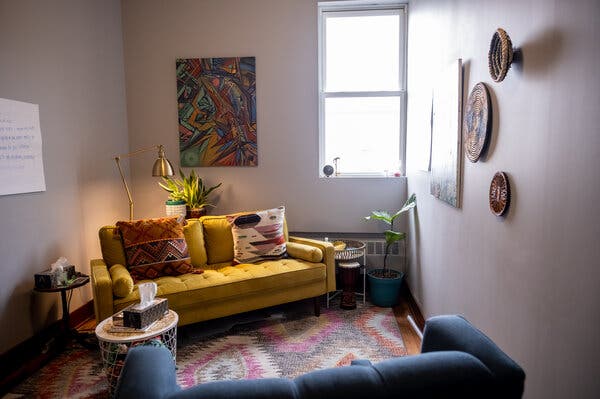
The death of George Floyd and other high-profile police killings have helped encourage African-Americans to seek treatment, mental health experts say.In the aftermath of the police killing of George Floyd in Minneapolis last year, mental health experts around the country say they have seen an increase in the number of African-Americans seeking therapy, a group whose skepticism of the practice has been documented by researchers.Jamil and Sara Stamschror-Lott, the founders of Creative Kuponya, a mental health practice in Minneapolis just minutes from where Mr. Floyd, a Black man, was murdered, said the demand for therapy had “gone through the roof” over the past year. The couple said 31 percent of their practice’s clientele are Black.“We’ve seen everything that the nation has seen from afar, from folks in civil unrest and devastation, despair,” said Mr. Stamschror-Lott, who is Black. The couple said that some residents were overwhelmed and exhausted by the events of the past year, and that there remained a “great deal of pain and trauma.”Researchers have often found a hesitancy toward therapy among Black people. A 2013 study found that they were not very open to acknowledging psychological problems and were concerned about stigma, especially Black men. In 2007, researchers called the underuse of mental health services among Black people a “serious concern.”Mr. Stamschror-Lott’s therapy practice, Creative Kuponya, is near where George Floyd was killed by the police in Minneapolis last year.Caroline Yang for The New York TimesSara Stamschror-Lott, left, the co-founder of Creative Kuponya, and Asha Williams, a licensed therapist at the practice.Caroline Yang for The New York TimesThat skepticism is part of a broader mistrust of the medical establishment by Black people, whose illnesses are more often misdiagnosed compared with other groups, researchers said. Historically, groups of Black people have been exploited by the federal government for medical studies. Black patients also tend to receive lower-quality health services, including for cancer, H.I.V., prenatal care and preventive care, according to research.However, there are signs of changing cultural attitudes toward seeking mental health treatment.Douglas E. Lewis Jr., a clinical and forensic psychologist in Decatur, Ga., said he was seeing more Black people willing to seek therapy now than in the past.“I think people are starting to see therapy for exactly what it’s always been, which is more of an insight, building, more of an opportunity to see things in a different perspective, reframing,” Dr. Lewis said. “It’s something that everyone could benefit from, not just people who may be diagnosed with a severe persistent mental illness.”About a third of Creative Kuponya’s clientele are Black, its founders said.Caroline Yang for The New York TimesDr. Lewis said some Black people were experiencing a form of “shared trauma” as a result of the news media’s coverage of the George Floyd case and other high-profile police shootings, sometimes resulting in increased anxiety or nervousness.“We’re being inundated with these things repeatedly,” he said, “and what I think increases and compounds these issues is that Black Americans in the United States already experience difficulties that seem to be linked to race already in their daily lives.”Racism, economics and parenthood are sometimes topics of discussion for Str8 Mental, a virtual group that provides a space for Black men nationwide to discuss issues affecting their lives, said Brad Edwards, the community organizer for Dear Fathers, a platform that tells stories of Black fatherhood. Str8 Mental meets monthly, and sessions, which allow at least 30 participants, are led by two Black male therapists.“Oftentimes as Black men, because we have not been taught to open up and discuss what we’re dealing with, we often think we’re dealing with those things alone,” said Mr. Edwards, who is Black. “These guys are really forming bonds. It’s purely strangers coming together, being an open vulnerable safe space and pouring into each other.”Mr. Edwards said Str8 Mental started nearly a year ago and was born out of the effects the pandemic had on the Black community. “We created this just to have an opportunity for guys to come and start to unpack,” he said. “I think that the talks around therapy and therapists has started to become more and more common in the Black community” over the past couple of years. At least 700 men have participated, he said.A string of large pharmacy chains have recently entered the mental health market. Since January, CVS has added licensed clinical social workers trained in cognitive behavioral therapy in more than a dozen locations, and Walmart and Rite Aid are working to provide similar services.In addition, there has been a growing chorus of celebrity voices advocating for mental health treatment, including the actress Taraji P. Henson, who started a foundation to eradicate the stigma around mental health issues in the Black community.Dr. Lewis said that he was pleased by the recent crop of programs and discussions around normalizing therapy in the Black community, but that more needed to be done.“We should all be working toward maintaining our mental health,” he said, “particularly when we’re facing increased visibility of police aggression seemingly without any justice.”

Read more →