Covid vaccine: Period changes could be a harmless side effect

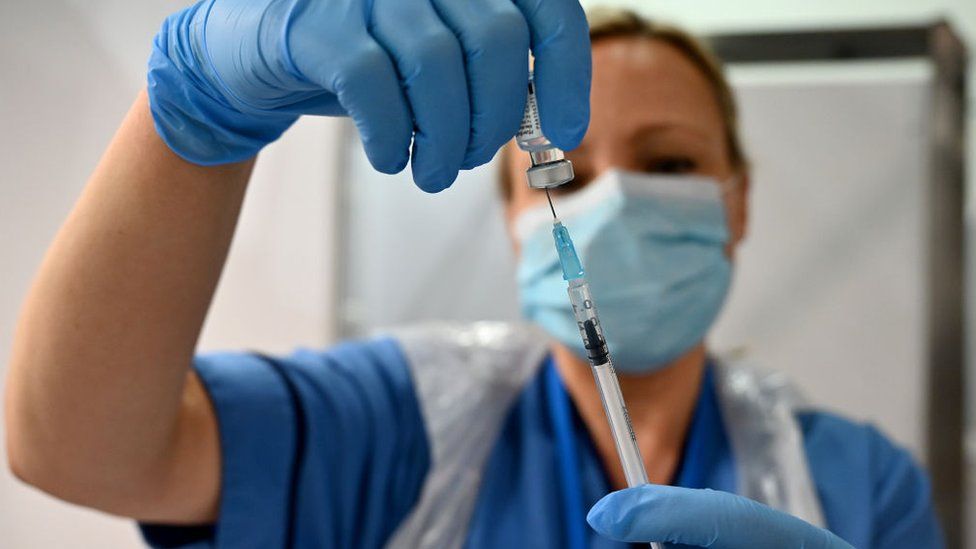
SharecloseShare pageCopy linkAbout sharingimage copyrightGetty ImagesAt a Covid vaccine appointment, you will probably be warned of possible side effects – fever, headache, a sore arm for a day or two afterwards. Changes to the menstrual cycle will not appear on the list.But women online around the world have started asking if early, heavy or painful periods might be an unlisted reaction to the jab. Dr Kate Clancy, a medical anthropologist, shared on Twitter her experience of an unusually heavy period following the Moderna vaccine, and received dozens of similar accounts in response. With former colleague Dr Katharine Lee, she launched a survey documenting people’s experiences.We don’t yet know whether the vaccine is causing these changes – it hasn’t been studied. It’s possible women post-vaccination were more likely to notice or attribute changes, particularly after hearing about others’ experiences.But Dr Victoria Male, a reproductive immunologist at Imperial College London, said some post-menopausal women, and people taking hormones which stop their periods, have reported bleeding. So she’s inclined to suspect there may be a harmless physical reaction occurring. A number of trans men and post-menopausal women who don’t normally have periods got in touch with Drs Clancy and Lee saying they had experienced bleeding after the jab. And, though the link is unproven, there are logical reasons the vaccine could be causing changes to periods – but these changes are not anything to worry about, reproductive specialists say. Plausible linkThe womb lining is part of the immune system – in fact there are immune cells in almost every part of the body. Immune cells play a role in building up, maintaining and breaking down the lining of the uterus – which thickens to prepare for a pregnancy, and then sheds in the form of a period if the egg is not fertilised. After vaccination, lots of chemical signals which have the potential to affect immune cells are circulating round the body. This could cause the womb lining to shed, and lead to spotting or earlier periods, Dr Male explained.No link to miscarriageThis doesn’t mean there is any link to miscarriages though – during pregnancy different processes maintain the womb lining, including the presence of the placenta – the organ linking the fetus to its mother’s blood supply. There is now extensive evidence to suggest there is no link between the vaccine and pregnancy loss.Pregnant women should be offered Covid vaccineAs well as effects on the womb lining, the timing of ovulation (when an egg is released) can be affected by inflammation, for example if someone has a fever, Dr Alexandra Alvergne, at the University of Oxford, explains. This can lead to an early or delayed period. There is also some evidence from a previous study that people with signs of inflammation had more painful periods.Vaccines also cause an inflammatory response in the body – it’s all part of your immune system firing up and starting to produce the antibodies and other cells that fight disease. The effects are all temporaryThere is evidence from both the flu and HPV vaccines that they can affect the menstrual cycle temporarily – but there are no long-term side effects. And there’s “masses of evidence” they don’t affect fertility, Dr Male said. The unfounded claims about vaccines and fertilityWhile these changes shouldn’t be of concern, Dr Male and others spoken to for this article emphasise the need for studies into the effect of the vaccine on periods, so that people know what to expect.”There’s an issue here about how often women’s health is ignored,” she said.”Imagine if you didn’t know that fever could be a vaccine side effect?” gynaecologist Dr Jen Gunter wrote on her site The Vajenda.”You might be concerned that something untoward was happening to your body, when all you were experiencing was a typical post-vaccine fever. That is exactly the same with menstrual irregularities.”Equally, for trans men and post-menopausal women, bleeding can be a sign of cancer, so it’s important for people to know whether it is also a harmless vaccine side effect, Dr Lee explained.Dr Sue Ward, vice-president of the Royal College of Obstetricians and Gynaecologists, said anyone who notices bleeding that is unusual for them should consider contacting their doctor. And she encouraged people to think about reporting any concerns or possible side effects to the Yellow Card scheme to help track them. Vaccine misinformationMeanwhile, the notion of vaccines affecting periods has been picked up by people spreading misinformation on social media. Anti-vaccine and conspiracy theory groups have presented genuine accounts of people’s personal experiences – like Dr Clancy’s thread – as evidence of vaccines causing damage, or being part of a sterilisation plot by global elites. False claims that women’s cycles or even pregnancies could be affected just by being near vaccinated people have gained significant traction on social media in recent weeks.One such video, viewed well over 300,000 times since mid-April, shows a “holistic reproductive practitioner” warning users that “women’s periods and their menstrual cycles are being significantly affected, even if they haven’t received it [the vaccine] themselves”. Other anti-vaccine advocates and holistic health practitioners, in posts gaining hundreds of thousands of views across platforms, claimed vaccinated people can “shed” the virus’s spike protein to others. This is physically impossible.Most Covid-19 vaccines work by giving the body instructions to make a tiny fragment of the virus’s distinctive spike so it can learn how to fight it off. The spike protein, which cannot reproduce, then disintegrates or is destroyed.The mRNA – the instruction to make the spike protein – is also extremely fragile. That’s why those vaccines are so hard to store and transport, because the genetic information falls apart and becomes useless very easily. None of the vaccines allow any part of the virus to replicate, let alone shed – the only thing replicating are your immune cells which produce antibodies to fight off viruses.

Read more →

MDMA could help trauma survivors face painful memories

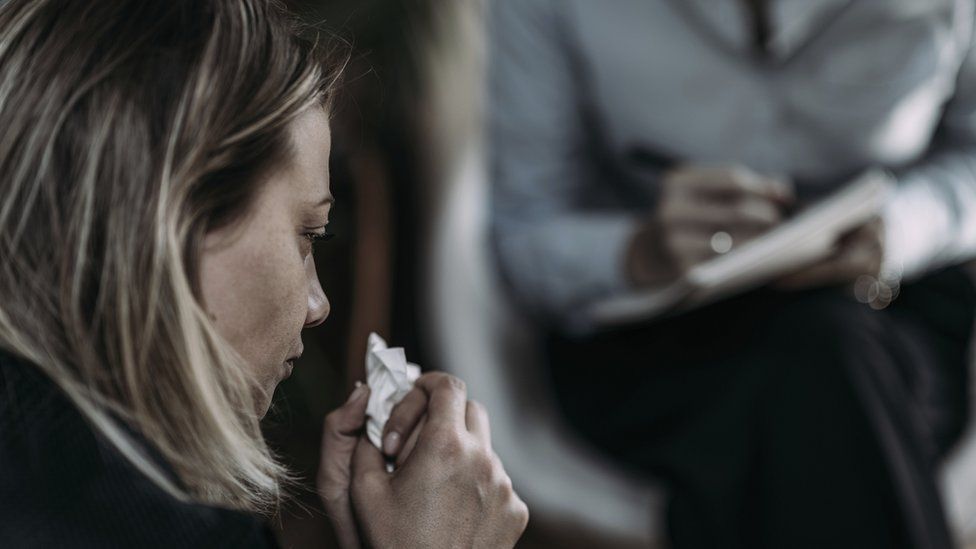
SharecloseShare pageCopy linkAbout sharingimage copyrightGetty ImagesMDMA – most commonly known as a party drug – could be more effective than therapy alone at treating post-traumatic stress disorder (PTSD). The results of a keenly-awaited trial suggest two-thirds of people no longer qualified for a PTSD diagnosis after treatment.The study represents a significant step towards approval of the drug in the US. But UK experts warn against overhyping MDMA’s potential, saying more research is needed to understand its effects. PTSD can be the result of a very distressing or frightening event, or longer-term series of experiences. That might include accidents, abuse, rape, combat or illness. And it can be very difficult to treat.This trial, run by US charity the Multidisciplinary Association for Psychedelic Studies (Maps), found 88% of people had a “meaningful reduction in symptoms” and 67% no longer qualified for a PTSD diagnosis at all after 18 weeks and three sessions of MDMA-assisted therapy. Talking therapy alone led to a significant improvement in 60%, and remission in 32% of people. The participants in the study, which was published in the journal Nature, had suffered from PTSD for an average of 14 years. While scientists acknowledge these findings provide important evidence in MDMA’s favour, they are based on just 91 people. And since they were self-selecting (they volunteered for the study), they may not be representative of all trauma survivors. The trial also compared MDMA with a type of therapy not recommended by the NHS for trauma, making the comparison less useful, according to some UK psychiatrists. How could MDMA treat mental health?MDMA appears to work in part by calming the amygdala – the part of the brain which acts as a smoke alarm, telling the body to prepare for danger.In people with PTSD and anxiety disorders, this part of the brain can overreact, sounding the alarm over seemingly small events (slight noises, changes of tone or facial expression, for example). The Maps researchers suggest flooding the brain with feel-good hormones like serotonin at the same time as dampening its response to fear, might allow people to face and deal with painful memories without becoming overwhelmed.”At its core, PTSD is a disorder of memory”, said Dr Michael Bloomfield, a consultant psychiatrist at University College London (UCL).Forming new connectionsWhen we are babies, and again during adolescence, we experience periods where our brains are very pliable – they grow and change much more than they’re generally capable of in adulthood, and we can form lots of new connections. The scientists involved in the study speculate that psychedelics and similar-acting drugs like MDMA might allow a “reopening” of this critical window of brain development, during which therapy can help healthier connections form. Magic mushroom compound ‘promising’ for depressionPsychedelic therapy could ‘reset’ depressed brainGaps in the researchThe Maps researchers said commonly prescribed antidepressants were ineffective for 40-60% of sufferers. But in the UK, talking therapy rather than medication is generally recommended as the first way of treating PTSD.Dr Bloomfield at UCL said the treatment most recommended for trauma involves a therapist actively working with an individual to relive and process traumatic memories. But the therapy used in the study was closer to counselling, involving empathetic but mostly passive listening. This makes it difficult to say whether MDMA-assisted therapy works better than trauma-focused therapy on its own, he explained. Positive expectations might also be driving some of the effects, Dr Bloomfield said, since the patients who volunteered to take part in the study were likely to have an existing interest in the drug. Although the study used a placebo group to help correct the effect of positive expectations, it’s difficult to “blind” someone to the fact they’ve been given a drug like MDMA, which causes a strong and fairly immediate reaction. Nevertheless, while more research is needed, Dr Bloomfield described the study as “very exciting”, providing further evidence MDMA-assisted psychotherapy may be helpful for people with PTSD. Guy Goodwin, a professor of psychiatry at the University of Oxford, also flagged the study’s relatively small sample size and self-selecting patients as limiting what the findings can tell us. But he agreed the study “adds to the growing conviction that drugs producing psychedelic effects have real potential in the treatment of severe mood and anxiety disorders”.Final hurdleMany psychedelic studies are exploratory – early-stage research investigating the potential of various drugs but remaining a long way from actually being available to prescribe. But the Maps research is what is known as a phase three trial – the final hurdle before investigators can apply for the drug to be approved and therefore becomes available to patients.The study was designed and conducted with the approval of the US regulatory authority, the Food and Drug Administration.Maps’ chief scientific officer Dr Berra Yazar-Klosinski said MDMA could be legalised and available for prescription by 2023 in the US, and this summer she plans to travel to Europe to begin the process of seeking regulatory approval from the EU and the UK. The team later plans to explore its potential for other conditions, including depression. Follow Rachel on Twitter

Read more →

Covid: The race to vaccinate the world

More than a billion Covid-19 vaccines have gone into arms around the world. We take a look at how five countries – the UK, the US, Canada, India, and Chile – are faring in their vaccination efforts, and what it means for ending lockdowns. Video by Dan Lytwyn

Read more →

Covid vaccines: Mixing increases reports of mild side-effects

SharecloseShare pageCopy linkAbout sharingimage copyrightGetty ImagesAdults are more likely to report mild and moderate side-effects after mixing doses of the AstraZeneca and Pfizer Covid vaccines, a study indicates.Chills, headaches and muscle pain were reported more frequently when different vaccine doses were combined.Any adverse reactions were short lived, with no other safety concerns.”It’s a really intriguing finding and not something we were necessarily expecting,” Prof Matthew Snape, from the Oxford Vaccine Group said.The Com-Cov study launched in February to see whether a different jab for the second dose might give longer-lasting immunity, better protection against new variants or simply allow clinics to swap vaccines if supplies are interrupted.The Canadian provinces of Ontario and Quebec have both said they plan to mix vaccines in the near future, amid uncertainty over shipments of the Oxford-AstraZeneca jab and concerns about rare blood clots. How many people have been vaccinated so far?Pfizer vaccine authorised by US FDA for adolescentsThe study, led by the University of Oxford, has recruited 830 volunteers aged over 50.It is expected to publish its first full results in June.But preliminary data has now been published in a research letter in the medical journal the Lancet.One in 10 volunteers given two AstraZeneca jabs four weeks apart reported feverishness – but if they received one AstraZeneca jab and one Pfizer, in any order, the proportion rose to about 34%”The same real differences applied for other symptoms such as chills, fatigue, headache, malaise and muscle ache,” Prof Snape, the trial’s chief investigator, said. “One things it’s telling us is that you wouldn’t want to vaccinate a ward full of nurses on same day [with mixed doses of different vaccines], because you might have more absenteeism the next day.”In April, the study was expanded, adding another 1,050 volunteers to test combinations of the Moderna and Novavax Covid vaccines alongside the AstraZeneca and Pfizer. VACCINE: When will I get the jab?SOCIAL DISTANCING: How can I meet my friend safely? LOOK-UP TOOL: How many cases in your area?LOCKDOWN RULES: What are they and when will they end?A DIFFERENT TAKE ON THE BIGGEST FOOTBALL STORIES: From Man U to Watford with The Squad”AT ONE POINT I THOUGHT MY LIFE WAS OVER”: The ‘friendly fire’ in my brainRelated Internet LinksAlternating vaccines study – University of OxfordThe BBC is not responsible for the content of external sites.

Read more →

Ovarian cancer: Setback as major screening trial fails to save lives

SharecloseShare pageCopy linkAbout sharingimage copyrightGetty ImagesA major trial to detect one of the most elusive and deadly cancers – ovarian – has failed to save lives, after two decades of work. The researchers, at University College London, said the results were a disappointment – and thanked the 200,000 people who participated. The trial had looked promising, with annual blood tests detecting cases of ovarian cancer earlier.But routine screening for the cancer is now a distant prospect. Ovarian cancer is tricky to diagnose because the symptoms are easily mistaken for less serious health problems. They include:feeling bloateda swollen or painful stomachquickly feeling full when eatingneeding to urinate more frequently”Some women are diagnosed so late they are too sick to start treatment,” the trial’s lead investigator, Prof Usha Menon, said. And two out of every three patients die within a decade of diagnosis.The UK Collaborative Trial of Ovarian Cancer Screening – the largest in the world – tracked levels of CA125, a chemical released by ovarian tumours, in the blood and sent participants in whom they were rising for an ultrasound scan.And this led to:39% more stage-one or two cases of cancer being detected10% fewer stage-three or four cases But the final results, published in the Lancet medical journal, showed the screening had failed to save lives. Prof Menon told BBC News: “I was hoping there’d be something in this – it is disappointing news.”It is about not giving up at this point – we have suffered a setback and need to get up and march forward again.”There is some evidence the cases detected earlier than usual were still highly aggressive and hard to treat. And the researchers say they may need to find cancers even earlier and in even more women to affect survival rates. ‘Decade away’Scientists hoping to detect ovarian cancer early are now looking at other chemicals in the blood, fragments of DNA released by tumours and exosomes – microscopic fatty spheres break off cancerous cells.But these would have to go through the same long-term, large-scale trials. “Realistically, this means we have to reluctantly accept that population screening for ovarian cancer is more than a decade away,” Prof Ian Jacobs, from the University of New South Wales, said.”This is deeply disappointing and frustrating given the hope of all involved that we would save the lives of thousands of women.”‘Quite vague’About 4,000 people die from ovarian cancer every year in the UK alone. Cancer Research UK chief executive Michelle Mitchell said people needed to be more aware of the symptoms. “Symptoms of ovarian cancer can be quite vague [so] whether it’s needing to go to the toilet more often, pain, bloating or something else, raise it with your GP,” she said.”In most cases it won’t be cancer – but it’s best to get it checked out.”Follow James on Twitter

Read more →

C.D.C Confirms More Cases of Rare Blood Clot Disorder Linked to J&J Vaccine

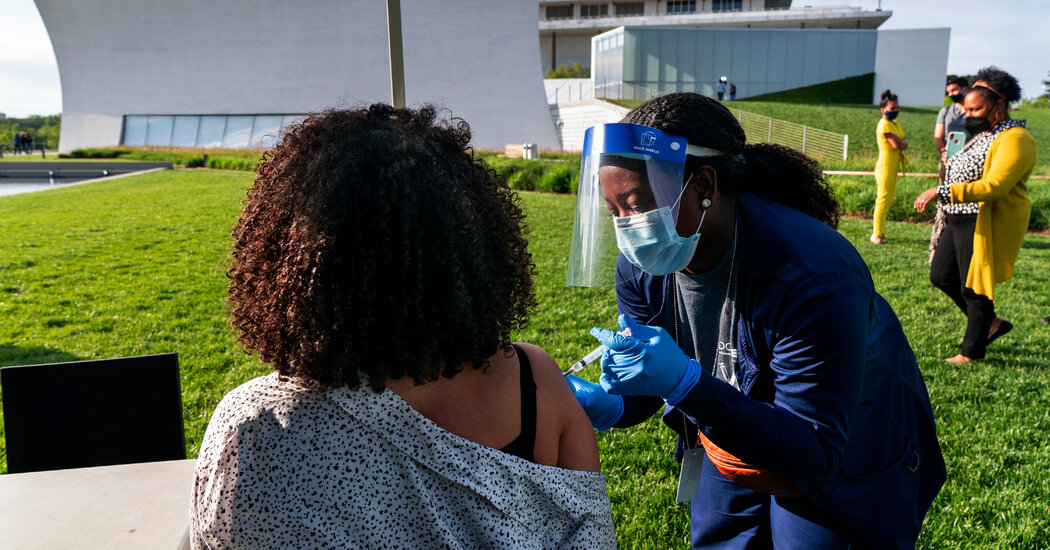
Federal health officials have now confirmed 28 cases, including six in men, of a rare blood clotting disorder in adults who have received the Johnson & Johnson Covid-19 vaccine.Dr. Tom Shimabukuro, the deputy director of the immunization safety office at the Centers for Disease Control and Prevention, presented the new cases on Wednesday at a meeting of a panel of advisers to the C.D.C.The figure is an increase from the 15 confirmed cases, all of which were in women, that were reported at last month’s meeting.Although officials have now identified a handful of cases in men, women – especially those between the ages of 30 and 49 – appear to remain at elevated risk. “The trend is that the reporting rates are higher in females compared to males in all age categories,” Dr. Shimabukuro said at the meeting.Patients with the rare but serious disorder develop both blood clots, often in the brain, and low levels of platelets, blood components that promote clotting. The disorder is a “rare, clinically serious and potentially life-threatening condition,” Dr. Shimabukuro said.Last month, after reports first emerged that six women who had received the vaccine had developed the disorder, federal health officials recommended pausing use of the vaccine while they investigated. They lifted the suspension 10 days later and added a warning about the potential risks to the vaccine’s label, which notes that a connection between the vaccine and the condition is “plausible.”Twenty-two of the confirmed cases so far have been in women, and six have been in men. All were in adults between the ages of 18 and 59 who received the vaccine before the national pause. (There was also one additional case recorded in a 25-year-old man who participated in the clinical trial.)Three people have died and four remain hospitalized, including one who is in intensive care. No new deaths have been documented since last month’s meeting, Dr. Shimabukuro said.The overall risk remains exceedingly low. More than 9 million doses of the Johnson & Johnson vaccine have now been administered in the United States.There have been 12.4 cases per million doses among women between the ages of 30-39 and 9.4 cases per million doses among women between 40 and 49, the two demographic groups that appear to be at highest risk. Among older women and men of all ages, there were fewer than 3 cases per million doses.Among the 28 confirmed cases, 12 people who developed the disorder had obesity, 7 had high blood pressure, 3 had diabetes, and 3 were taking estrogen, though it is not yet clear whether any of those factors might substantially increase the risk of the disorder.Officials will continue to monitor for cases of the clotting disorder in people who have been vaccinated, Dr. Shimabukuo said.There have been no confirmed cases of the clotting disorder following the Pfizer-BioNTech or Moderna vaccines, which employ a different technology, Dr. Shimabukuro said.

Read more →

Scientists decode the 'language' of immune cells

UCLA life scientists have identified six “words” that specific immune cells use to call up immune defense genes — an important step toward understanding the language the body uses to marshal responses to threats.
In addition, they discovered that the incorrect use of two of these words can activate the wrong genes, resulting in the autoimmune disease known as Sjögren’s syndrome. The research, conducted in mice, is published this week in the peer-reviewed journal Immunity (Cell Press).
“Cells have evolved an immune response code, or language,” said senior author Alexander Hoffmann, the Thomas M. Asher Professor of Microbiology and director of the Institute for Quantitative and Computational Biosciences at UCLA. “We have identified some words in that language, and we know these words are important because of what happens when they are misused. Now we need to understand the meaning of the words, and we are making rapid progress. It’s as exciting as when archaeologists discovered the Rosetta stone and could begin to read Egyptian hieroglyphs.”
Immune cells in the body constantly assess their environment and coordinate their defense functions by using words — or signaling codons, in scientific parlance — to tell the cell’s nucleus which genes to turn on in response to invaders like pathogenic bacteria and viruses. Each signaling codon consists of several successive actions of a DNA binding protein that, when combined, elicit the proper gene activation, in much the same way that successive electrical signals through a telephone wire combine to produce the words of a conversation.
The researchers focused on words used by macrophages, specialized immune cells that rid the body of potentially harmful particles, bacteria and dead cells. Using advanced microscopy techniques, they “listened” to macrophages in healthy mice and identified six specific codon-words that correlated to immune threats. They then did the same with macrophages from mice that contained a mutation akin to Sjögren’s syndrome in humans to determine whether this disease results from the defective use of these words.
“Indeed, we found defects in the use of two of these words,” Hoffmann said. “It’s as if instead of saying, ‘Respond to attacker down the street,’ the cells are incorrectly saying, ‘Respond to attacker in the house.'”
The findings, the researchers say, suggest that Sjögren’s doesn’t result from chronic inflammation, as long thought, but from a codon-word confusion that leads to inappropriate gene activation, causing the body to attack itself. The next step will be to find ways of correcting the confused word choices.

Read more →

A delicate balance: Learning new ways that gut microbes educate the immune system

The immune system’s main job is identifying things that can make us sick. In the language of immunology, this means distinguishing “self” from “non-self”: The cells of our organs are self, while disease-causing bacteria and viruses are non-self.
But what about the billions of bacteria that live in our guts and provide us with benefits like digesting food and making vitamins? Are they friend or foe?
This isn’t only a philosophical question. An immune system that mistakes our good gut bacteria for an enemy can cause a dangerous type of inflammation in the intestines called colitis. An immune system that looks the other way while gut microbes spill past their assigned borders is equally dangerous. Understanding how the immune system learns to make a brokered peace with its microbial residents, called the microbiota, is therefore an important area of research.
“Right now, each of us has immune cells in our body that can recognize and attack specific members of our gut microbiota,” says Gretchen Diehl, an immunologist in the Sloan Kettering Institute. “So, it’s a puzzle why more of us don’t have colitis caused by these cells attacking our gut microbes.”
To try to solve that puzzle, Dr. Diehl and her colleagues, including SKI postdoctoral researcher Daniel Zegarra-Ruiz and immunologist Matthew Bettini at the University of Utah, recently conducted a study using lab mice to explore what happens to microbe-specific T cells (a type of immune cell) when mice are exposed as young pups to a common gut microbe.
“We thought that maybe T cells specific for this microbe would be eliminated from the mice, or perhaps the mice would develop anti-inflammatory T cells that would protect them from developing colitis,” Dr. Diehl says. In other words, they hypothesized the bacteria would be seen as self.

Read more →

How the body builds a healthy relationship with 'good' gut bacteria

Our body’s relationship with bacteria is complex. While infectious bacteria can cause illness, our gut is also teaming with “good” bacteria that aids nutrition and helps keep us healthy. But even the “good” can have bad effects if these bacteria end up in tissues and organs where they’re not supposed to be.
Now, research published in Nature reveals insights into how the body maintains this balance. Investigations with mice demonstrate that early life is a critical time when the immune system learns to recognize gut bacteria and sets up surveillance that keeps them in check. Defects in these mechanisms could help explain why the immune system sometimes attacks good bacteria in the wrong place, causing the chronic inflammation that’s responsible for inflammatory bowel disease, the study’s authors say.
“From the time we are born, our immune system is set up so that it can learn as much as it can to distinguish the good from the bad,” says Matthew Bettini, Ph.D., associate professor of pathology at U of U Health and co-corresponding author with Sloan Kettering Institute immunologist Gretchen Diehl, Ph.D. “Our studies make clear that there is a window in which gut microbiota have access to the immune education process. This opens up possibilities for designing therapeutics that can influence the trajectory of the immune system during this early time point.”
Setting Boundaries
In seeking to understand how the body maintains a healthy relationship with bacteria, Bettini, Diehl, and colleagues discovered ways in which the resident gut microbiota shape the developing immune system. They found that specialized immune cells capture pieces of bacteria and carry them over long distances, from the gut to the thymus. Located in the chest, above the heart, the thymus is a gland responsible for “educating” immune T cells. Delivery of the cargo prompts the thymus to produce T cells that are targeted to the microbiota. Then, the T cells exit the thymus to surveil lymph nodes, the gut, and other sites in order to keep the bacteria under control.
The scientists identified these steps by seeding the intestines of mice with a certain type of bacteria. In response, the thymus produced T cells that specifically recognized those bacteria. However, the scientist didn’t know how this occurred.

Read more →