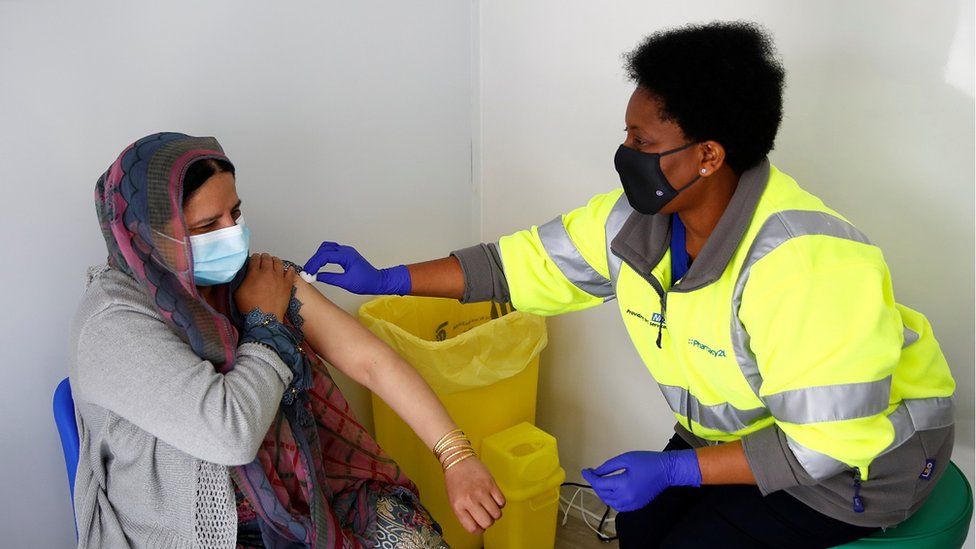
Forgotten Cyprus hero who eradicated island's malaria
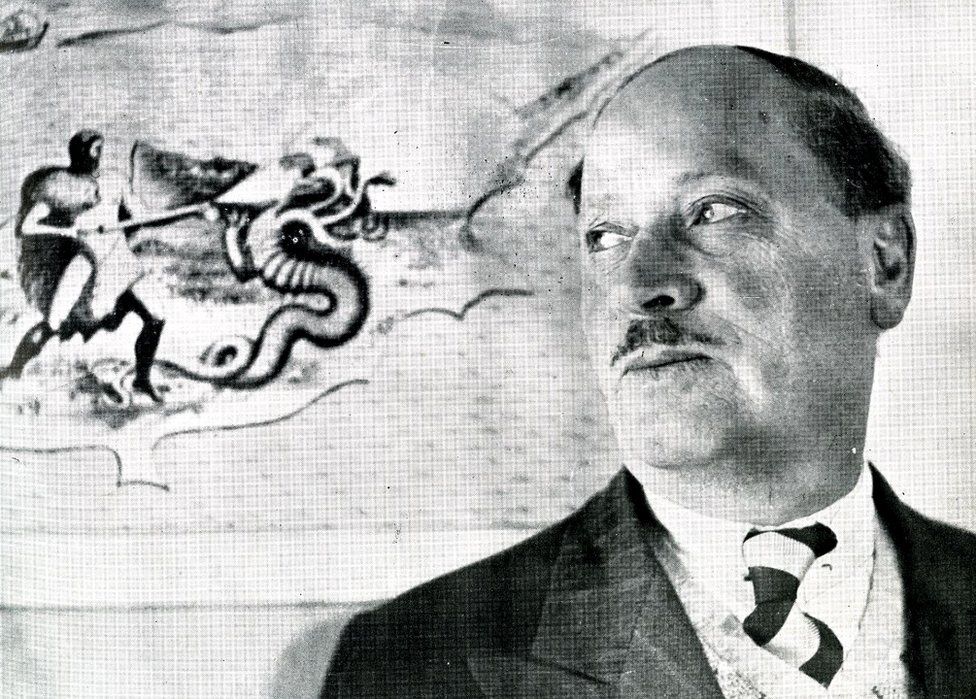
SharecloseShare pageCopy linkAbout sharingimage copyrightThe Cyprus ReviewThey called him The Great Liberator. His name was Mehmet Aziz and he was behind one of Cyprus’s most important achievements of the last century. And yet no-one apart from a handful of Cypriots has heard of him. Aziz was a Turkish Cypriot health official who ensured that Cyprus became the first malarial country in the world to completely eradicate the disease. Known to his compatriots as “the fly man”, he had studied under Nobel-prize winning malaria specialist Sir Ronald Ross, who had found the type of mosquito that transmitted the disease. I came across Aziz’s story accidentally in the course of researching a book about British colonial Cyprus.image copyrightGetty ImagesBy 1936, Cyprus – then a British colony – was known as one of the world’s most malarial countries, with around 18,000 cases every year. The disease was particularly devastating for children. One elderly man, recalling his childhood, explained that “an awful lot of youngsters never made it, others were not fit to do a day’s work after contracting the disease”.Military-style campaign against malariaTen years later, Aziz, in his capacity as chief health inspector, secured a grant from the Colonial Development Fund to eradicate the malaria-transmitting anopheles mosquito from Cyprus. He planned his campaign along military lines, dividing the entire island up into 500 grids, each of which could be covered by one man over 12 days. His team worked their way systematically through the grid plan, metre by painstaking metre, bombarding all sources of standing water (including drinking wells) with DDT. image copyrightConstantinos EmmanuelleAziz’s team pioneered a technique to minimise its use, pouring a thin petroleum film on to water surfaces to prevent mosquito larvae from hatching. According to the Cyprus Review of June 1948, “every pool and stream and area of water-logged ground” was sprayed with insecticide. Even the hoof-prints of animals were treated. Aziz’s men waded into marshes and were lowered into caves by ropes. Tested areas were checked weekly for evidence of mosquito larvae and, if necessary, sprayed again. While the campaign lasted, all traffic moving from “unclean” to “clean” areas had to be sprayed. What is malaria?Malaria is a preventable, curable disease caused by Plasmodium parasites, spread to people by the bites of female mosquitoes in search of a blood meal.Once infected, people become very sick: the parasites infect cells in the liver and red blood cells. Eventually the disease affects the whole body, including the brain, and can be fatal.image copyrightScience Photo LibraryIn 2019 there were 229 million cases worldwide and an estimated 409,000 deaths, two-thirds of them children.Source: World Health Organization.Defeat malaria in a generation – here’s howHow malaria vaccine could change world healthStopping malaria outbreaks before they startThree-year search for mosquito coloniesAziz’s daughter Turkan remembered her father’s official, military-style sanitary inspector’s uniform, complete with epaulettes and chevrons. She also recalled childhood picnics spent traipsing after him along dried-up river beds, as he searched tirelessly for sources of water seepage. A visiting US malariologist joined Aziz on a visit to a Cypriot village where 72% of the children showed signs of malarial infection. Aziz, he noted, “was adept at finding ladders and searching the high ceilings” as he sought out mosquito colonies, eventually discovering “a fair batch on the moist walls of the village bathhouse”.It took just over three years. By February 1950, Cyprus was the world’s first malaria-free country. Hailed a hero and then airbrushed awayAziz himself was hailed by the London News Chronicle as “The Great Liberator”, while his Greek and Turkish Cypriot colleagues were described as “front-line fighters in the anti-malaria battle”. He was awarded the MBE and applauded by the Secretary of State for the Colonies for having won “fame among doctors and scientists all over the world”. Once his mission to eradicate malaria was complete, Aziz continued his task as chief health inspector, running numerous health education campaigns on infectious diseases such as typhoid and tuberculosis, and lecturing at universities across the Eastern Mediterranean.But his success did not secure him enduring fame. What makes his story particularly interesting is not so much his remarkable achievement, but the way in which it has been completely airbrushed out of a nation’s history.image copyrightConstantinos EmmanuelleThe reason for that lies in the ensuing history of a small island ripped apart by a vicious independence – and subsequently internecine – struggle.The end of World War Two (in which many Cypriots fought bravely), together with the election of a Labour government in the UK, had led many to hope the island could soon cast off colonial rule. From independence to divisionUnluckily for Cyprus, unrest in other parts of the Middle East meant that Britain’s “unsinkable aircraft carrier” became more strategically important than ever. The British were not going to leave easily. In 1955, five years after Aziz’s resounding success, Cypriot frustration at British intransigence erupted in violent struggle. While the island finally won independence from Britain in 1960, it became increasingly fragmented along ethnic, religious and political lines and the story of Mehmet Aziz slipped quietly between the cracks.Cyprus has been divided since 1974, when Turkey invaded the north in response to a coup on the island backed by the military junta then in power in Greece.Since then, the northern third has been mainly inhabited by Turkish Cypriots and the southern two-thirds by Greek Cypriots.That division has left little space for commemoration – still less celebration – of someone like Mehmet Aziz. The “fly man” hero who led Cyprus’s anti-malaria campaign died aged 98 in 1991 in the northern part of Nicosia, having spent his retirement living quietly on his state pension. He was buried without official ceremony. Aziz’s rehabilitation, by Turkish Cypriots and Greek Cypriots alike, could be one small step towards telling another national story about Cyprus.Tabitha Morgan is the author of Sweet and Bitter Island: A History of the British in Cyprus 1878-1960. Key events in CyprusJuly 1878: British arrive, having acquired the right to “occupy and administer the territory” from the Ottoman PorteMay 1925: Cyprus becomes a crown colonyApril 1955: EOKA (The Organisation of Cypriot Fighters) launches a guerrilla campaign to end British rule on the island and unite Cyprus with GreeceAugust 1960: Cyprus gains independence from Britain. Under an elaborate constitution the President, Archbishop Makarios, is chosen from the Greek Cypriot community; his deputy, Dr Fazil Küçük is a Turkish Cypriot. December 1963: “Bloody Christmas”: Intercommunal violence erupts following the announcement of planned constitutional change. Turkish Cypriots seek refuge in militarised enclaves across the island. July 1974: Greece’s military junta launches a short-lived coup in Cyprus, forcing Makarios to flee. Turkey launches a military invasion in response. Cyprus is effectively partitioned, with a United Nations-manned buffer zone running across the island from east to west. An estimated 150,000 Greek Cypriots flee to the southern part of the island.

Read more →

Paul J. Hanly Jr., Top Litigator in Opioid Cases, Dies at 70

Mr. Hanly had been central to the current nationwide litigation against pharmaceutical companies, pharmacies and others in the opioid supply chain.Paul J. Hanly Jr., a top trial lawyer who had been central to the current nationwide litigation against pharmaceutical companies and others in the supply chain for their role in the deadly opioid epidemic, died on Saturday at his home in Miami Beach. He was 70. The cause was anaplastic thyroid cancer, an extremely rare and aggressive disease, said Jayne Conroy, his longtime law partner.Over his four-decade career, Mr. Hanly, a class-action plaintiffs’ lawyer, litigated and managed numerous complex legal cases, involving among other things the funding of terrorists, stemming from the attacks of Sept. 11, 2001, and allegations of the sexual abuse of dozens of boys by a man who ran an orphanage and school in Haiti.But nothing compares to the national opioid cases that are pending in federal court in Cleveland on behalf of thousands of municipalities and tribes against the manufacturers and distributors of prescription opioid pain medications. The federal opioid litigation is regarded by many as perhaps the most complex in American legal history — even more entangled and far-reaching than the epic legal battles with the tobacco industry.The defendants — including every link in the supply chain of opioid manufacturing, distributing and dispensing — are accused of aggressively marketing painkillers while downplaying the risks of addiction and overdose. Their actions, Mr. Hanly has argued, contributed to the opioid epidemic that has raged across the country for two decades, killing hundreds of thousands of people who started abusing pain medications like OxyContin and transitioned to street drugs like heroin and fentanyl.“This has probably been the most complicated constellation of litigation that’s come to the federal court in my tenure,” Judge Dan A. Polster of the Northern District of Ohio, who is overseeing the sprawling case, said in a phone interview on Saturday. “I’ve been fortunate to have the best lawyers in the country on all sides, and Paul was one of them.”“He was an excellent lawyer, a consummate professional,” the judge added. “He fought hard. He fought fairly. And that’s what you want from a lawyer, from an advocate.” He said that Mr. Hanly had a leadership role “in helping to organize and make cohesive the plaintiffs’ side of the case.”Mr. Hanly, of Simmons Hanly Conroy in New York, played a leading role in the litigation as one of three plaintiffs’ lawyers appointed by Judge Polster to handle major aspects of the cases, including negotiations. The others were Joe Rice, of Motley Rice in South Carolina, and Paul T. Farrell Jr., of Farrell Law in West Virginia.At the same time, multiple opioid cases are proceeding at the state level. Mr. Hanly had also been preparing for a bellwether case against manufacturers and distributors that is scheduled to go to trial next month in Suffolk County, N.Y.He had long been at the forefront of efforts to hold drug companies accountable. He brought one of the first big lawsuits against Purdue Pharma in 2003 for failing to warn more than 5,000 patients about the addictive properties of OxyContin. His clients eventually settled with Purdue for $75 million. It was one of the few instances in which a drug maker agreed to pay individual patients who had accused it of soft-pedaling the risk of addiction.Mr. Hanly had a history of taking on complex cases with vast numbers of plaintiffs. Shortly after the 2001 terrorist attacks, he represented some of the families who had lost loved ones on the planes and in the World Trade Center. He also filed suit to stop the sale of tanzanite, a raw stone used as a cash alternative to fund terrorist activities. That lawsuit was expanded to include foreign governments, banks and others that supported Al Qaeda. Portions of it remain pending.Another of his important cases was a 2013 landmark settlement of $12 million on behalf of 24 Haitian boys who said they had been sexually abused by Douglas Perlitz, who ran programs for underprivileged boys and was subsequently sentenced to 19 years in prison. Mr. Hanly said the defendants, including the Society of Jesus of New England, Fairfield University and others, had not properly supervised Mr. Perliitz. Mr. Hanly filed additional charges in 2015, bringing the total number of abused youths to more than 100 between the late 1990s and 2010.“Paul was a lawyer’s lawyer,” said Ms. Conroy, his law partner. She said he was renowned for his exhaustive trial preparation, his creative trial strategies and his nearly photographic memory of the contents of documents.He was also known for veering sartorially from the muted grays and blacks of most lawyers to more jaunty attire in bright yellows, blues and pinks. He favored bespoke styles that were flashy yet sophisticated. His two-tone shoes were all handmade.“He was an excellent lawyer, a consummate professional,” the judge overseeing the nationwide opioid case said of Mr. Hanly.Simmons Hanly ConroyIn a recently published book about the opioid industry, “Empire of Pain,” Patrick Radden Keefe described Mr. Hanly as looking “like a lawyer in a Dick Tracy cartoon” with his bold colors and tailored shirts with stiff, contrasting collars. But none of this, Mr. Keefe made clear, diminished his competitive edge.“Paul was a man of few words and a commanding presence,” said David Nachman, who recently retired from the New York attorney general’s office, where he was the lead lawyer on the state’s opioid case and was working with Mr. Hanly to bring the case to trial in Suffolk County.“When he entered a room, everyone noticed,” Mr. Nachman said by email. “When he spoke, everyone listened, and when he smiled, you knew things would be OK.”Paul James Hanly Jr. was born in Jersey City, N.J., on April 18, 1951. His father held various government posts, including deputy warden of the Hudson County Penitentiary and hospital administrator. His mother, Catherine (Kenny) Hanly, was a homemaker.His family was rather notorious in New Jersey; some members had been indicted on corruption charges and had served time in jail. These included his maternal grandfather, John V. Kenny, a former mayor of Jersey City and a powerful Hudson County Democratic boss known as “the pope of Jersey City,” who was jailed in the 1970s after pleading guilty to charges of income tax evasion.Mr. Hanly took a different path. He went to Cornell, where his roommate was Ed Marinaro, who went on to play professional football and later became an actor (best known for “Hill Street Blues”). Mr. Hanly, who played football with him, graduated in 1972 with a major in philosophy and received a scholar-athlete award as the Cornell varsity football senior who combined the highest academic average with outstanding ability.Mr. Hanly was known for veering sartorially from the muted grays and blacks of most lawyers to more jaunty attire. Simmons Hanly ConroyHe earned a master’s degree in philosophy from Cambridge University in 1976 and a law degree from Georgetown in 1979. He then clerked for Lawrence A. Whipple, a U.S. District Court judge in New Jersey.Mr. Hanly’s marriage in the mid-1980s to Joyce Roquemore ended in divorce. He is survived by two sons, Paul J. Hanly III and Burton J. Hanly; a daughter, Edith D. Hanly; a brother, John K. Hanly; and a sister, Margo Mullady.He began his legal career as a national trial counsel and settlement counsel to Turner & Newall, a British asbestos company, one of the world’s largest, in its product-liability cases. The company was purchased by an American firm, Federal-Mogul, in 1998, after which it was overwhelmed with asbestos claims and filed for bankruptcy in 2001.Mr. Hanly and Ms. Conroy spent much of their time steeped in negotiations with plaintiffs’ lawyers. They soon switched to representing plaintiffs themselves.“We recognized over time that that was more important to us,” Ms. Conroy said, “to make sure victims were compensated for what happened.”Jan Hoffman contributed reporting.

Read more →

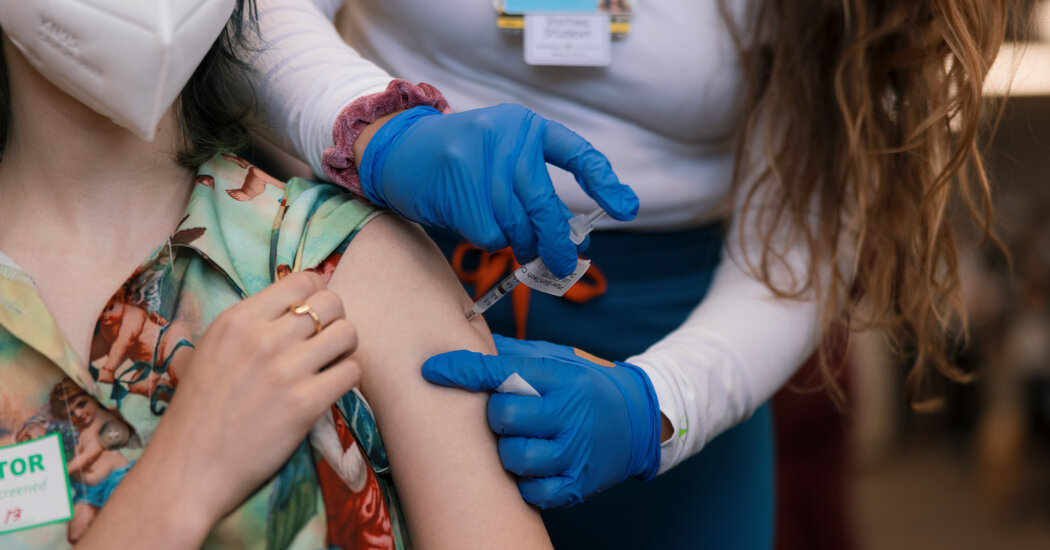
Heart Problems in a Few Younger Vaccine Recipients Are Under Investigation

The agency is reviewing several dozen reports that teenagers and young adults may have developed myocarditis after vaccination, officials said. But the agency has not determined whether the vaccine caused the condition.The Centers for Disease Control and Prevention is looking into reports that a very small number of teenagers and young adults vaccinated against the coronavirus may have experienced heart problems, according to the agency’s vaccine safety group.The group’s statement was sparse in details, saying only that there were “relatively few” cases and that they may be entirely unrelated to vaccination. The condition, called myocarditis, is an inflammation of the heart muscle, and can occur following certain infections.The C.D.C.’s review of the reports is in the early stages, and the agency has yet to determine whether there is any evidence that the vaccines caused the heart condition. It has posted some guidance on its website for doctors and clinicians to be alert to unusual heart symptoms among young people who had just received their shots.“It may simply be a coincidence that some people are developing myocarditis after vaccination,” said Dr. Celine Gounder, an infectious disease specialist at Bellevue Hospital Center in New York. “It’s more likely for something like that to happen by chance, because so many people are getting vaccinated right now.”The cases seem to have occurred predominantly in adolescents and young adults about four days after their second dose of one of the mRNA vaccines, which are Moderna and Pfizer-BioNTech. And the cases were more common in males than in females.“Most cases appear to be mild, and follow-up of cases is ongoing,” the vaccine safety group said. The C.D.C. strongly recommends Covid vaccines for Americans ages 12 and older.“We look forward to seeing more data about these cases, so we can better understand if they are related to the vaccine or if they are coincidental,” said Dr. Yvonne Maldonado, chair of the American Academy of Pediatrics’s Committee on Infectious Diseases. “Meanwhile, it’s important for pediatricians and other clinicians to report any health concerns that arise after vaccination.”Experts emphasized that the potentially rare side effect of myocarditis paled in comparison to the potential risks of Covid, including the persistent syndrome called “long Covid.” Acute Covid itself can cause myocarditis. As of May 13, the coronavirus has infected more than 3.9 million children and sent more than 16,000 to hospitals, more than are hospitalized for flu in an average year, according to data collected by the A.A.P. About 300 children have died of Covid-19 in the United States, making it one of the top 10 causes of death in children since the pandemic began.“And that’s in the context of all the mitigation measures taken,” said Dr. Jeremy Faust, an emergency medicine physician at Brigham and Women’s Hospital in Boston.In the general population, about 10 to 20 of every 100,000 people each year develop myocarditis, or an inflammation of the heart, experiencing symptoms ranging from fatigue and chest pain to arrhythmias and cardiac arrest. Many others likely have mild symptoms and are never diagnosed, according to researchers.At the moment, the number of cases of myocarditis reported after vaccination does not appear to be greater than would normally be seen in young people, according to the C.D.C. But members of the agency’s vaccine safety group “felt that information about reports of myocarditis should be communicated to providers,” the report said.The agency did not specify the ages of the patients involved. The Pfizer-BioNTech vaccine has been authorized for ages 16 and above since December. Earlier this month, the Food and Drug Administration extended that authorization to children 12 through 15 years of age.On May 14, the C.D.C. alerted clinicians to the possible link between myocarditis and vaccines. And on May 17, the working group reviewed data on myocarditis from the Department of Defense, reports filed with the Vaccine Adverse Event Reporting System and others.State health departments in Washington, Oregon and California have alerted emergency providers and cardiologists to the potential problem, and a report of seven cases has been submitted to the journal Pediatrics for review.Dr. Liam Yore, past president of the Washington State chapter of the American College of Emergency Physicians, said in an interview that he recently had seen a teenager with myocarditis after vaccination.The patient was treated for mild inflammation of the lining of the heart, and was sent home afterward. But the teenager later returned for care with a decrease in the heart’s output. Still, Dr. Yore said he had seen worse outcomes in youngsters with Covid, including in a 9-year-old who had arrived at the hospital following a cardiac arrest last winter.“The relative risk is a lot in favor of getting the vaccine, especially considering how many doses of the vaccine have been administered,” he said.More than 161 million people in the United States have received at least one dose of a coronavirus vaccine; about 4.5 million of them were between 12 and 18 years of age.

Read more →

Covid: Pfizer and AstraZeneca jabs effective against Indian variant – study

SharecloseShare pageCopy linkAbout sharingimage copyrightReutersThe Pfizer and AstraZeneca coronavirus vaccines are highly effective against the variant identified in India after two doses, a study has found.Two jabs of either vaccine give a similar level of protection against symptomatic disease from the Indian variant as they do for the Kent one.However, both vaccines were only 33% effective against the Indian variant three weeks after the first dose.This compared with 50% effectiveness against the Kent variant.Health Secretary Matt Hancock described the outcome as “groundbreaking”.And Public Health England, which ran the study, said the vaccines are likely to be even more effective at preventing hospital admission and deaths.Where is the Indian variant and how is it spreading?My vaccine side effects and what they meanWho can book their Covid vaccine now?The Pfizer vaccine was found to be 88% effective at stopping symptomatic disease from the Indian variant two weeks after the second dose, compared with 93% effectiveness against the Kent variant.While the AstraZeneca jab was 60% effective against the Indian variant, compared with 66% against the Kent variant.Public Health England (PHE) said the difference in effectiveness between the vaccines after two doses may be explained by the fact that rollout of second doses of Astra-Zeneca was later than for the Pfizer vaccine, which was approved first.And other data shows it takes longer to reach maximum effectiveness with the AstraZeneca vaccine, PHE said.Some 12,675 genome-sequenced cases were included in the study, which took place between 5 April and 16 May. Only 1,054 of those cases were of the Indian variant, known as B.1.617.2.’Very reassuring’As the virus changes, protection against infection was always going to be the first thing that slips.So the fact that the Pfizer and AstraZeneca vaccines offer such a high degree of protection against the Indian and Kent variant after the second dose is very reassuring.But what are the implications of the drop in effectiveness of the first dose where the Indian variant is concerned?Given it’s expected to become the dominant variant in the UK, it’s now even more important people get their second jab.The more difficult question to answer is what this means for the speed of the route back to normality.Its ability to evade the vaccines even by a small degree will be a factor in how more transmissible this variant is here.There are also other biological reasons why it might find it easier to spread.But this does not necessarily mean we will see a surge in cases and, crucially, hospital admissions – the protection vaccines give us against serious illness will be much much higher than their ability to block mild infections.The Indian variant certainly gives the virus a bit more of an advantage, but it doesn’t mean the vaccines won’t win out.The study looked at data from all age groups from 5 April, to cover the period since the Indian variant emerged.There is not enough data to estimate how effective the vaccine is against severe outcomes for the Indian variant, PHE said.Dr Jamie Lopez Bernal, consultant medical epidemiologist at PHE and the study’s lead author, said there was a higher confidence in the data from the first vaccine dose than that from the second.He said: “There are bigger numbers that have been vaccinated with one dose. So I think we classify that as moderate certainty around the first dose, but low levels of confidence around the second dose.”However, Professor Susan Hopkins, PHE’s Covid-19 strategic response director, said the data trend was “quite clear” and was heading in the “right direction”.Meanwhile, more than 50 million coronavirus vaccine doses have now been given in England. More than 31 million people have had their first jab, and over 18m have had their second.Some 13,000 deaths and 39,100 hospitalisations have been prevented in the UK due to the vaccination programme up to 9 May, according to PHE analysis.

Read more →

Big Candy Is Angry at Look-Alike THC Treats

As more states legalize recreational cannabis, Wrigley and others are suing over look-alike THC treats. They’re protecting their brands — and also, they argue, your kids.At first glance, the Skittles package appears to be just like the one sold in the candy aisle of a supermarket: It has block letters filled in with white, a flowing rainbow and a red candy that replaces the dot above the letter “i.”A closer look reveals some small differences: a background pattern of small, stylized marijuana leaves; a warning label; and numbers that reveal the amount of THC, the intoxicating substance in cannabis, in each piece of candy.The images are included in a lawsuit that the Wm. Wrigley Jr. Company, owned by the candy behemoth Mars Inc., filed in May against five companies for selling cannabis-infused edibles that look like our old friends Skittles, Starburst and Life Savers. Though the suit focuses on intellectual property rights, the plaintiffs also argue that the copycat products could lead people, particularly children, to mistakenly ingest drugs.Zombie Skittles, above, and their marijuana-infused doppelganger.A spokeswoman for Mars Inc. wrote in an email that the company is “deeply disturbed” by the products.America is at an interesting crossroads: one where Big Candy, vilified in the wellness era as a primary source of refined sugar, has become an unlikely sheriff in the Wild West of recreational marijuana consumption roamed by pandemic-stressed adults.In recent years, lawsuits similar to the one filed by Wrigley have been brought by the Hershey Company (against TinctureBelle for products resembling Reese’s Peanut Butter Cups, Heath bars, Almond Joy bars and York peppermint patties), Mondelez International (against a company hawking Stoney Patch Kids) and Ferrara Candy Company (against a store selling Medicated Nerds Rope). These lawsuits have all been settled, with the smaller companies agreeing to halt production and sales of the offending products.Many public health officials fret that without proper regulation, accidental ingestion cases will continue to rise among children as the availability of edibles grows. Some poison control centers have already observed this trend in their data.For example, there were 122 cases of exposure to THC for children under 5 in Washington State in the first nine months of 2020, compared to 85 for the same time period in 2019. The most common side effects reported included vomiting, lethargy and chest pain.While many edible companies operating in states where medical or recreational cannabis is legal strive to comply with their local regulations, the illegal market is still thriving.“When companies like these create headlines for doing what we’ve purposely avoided at Wana, I feel anger and frustration,” said Joe Hodas, the chief marketing officer at Wana Brands, a Colorado company that sells cannabis-infused products.A recent review of the websites belonging to defendants in the Wrigley suit turned up cannabis-infused offerings like Stoner Patch Dummies, the Worlds Dankest Gushers, Gasheads Xtremes Sourfuls, Trips Ahoy, Buttafingazzz and Caribo Happy Cola.“The situation has become more and more egregious,” said Christopher Gindlesperger, a spokesman for the National Confectioners Association, a trade organization in D.C. with 350 members, including Mars Inc., Hershey’s, Ferrara and Mondelez. “The cannabis companies cannot and should not be allowed to tarnish existing brands at will. It creates consumer confusion.”Fruity with a twist: Starburst Gummies, and a similar candy containing THC.Discreet Little TreatsA majority of states now allow the use of medical marijuana (Alabama just joined the list), and 18 of them, including New York, have legalized recreational marijuana as well. Though sales in New York are not expected to begin until 2022 at the earliest, businesses are rushing to grab real estate and prepare for the market’s opening. Some are already selling Delta-8-THC, derived from hemp, in candy form.The spread of legalization has brought more players and consumers into the edibles market. “Edibles are easy. They’re portable. You don’t have to find a space to step aside and smoke,” said Sean Arnold, a founder of Terradigm Consulting, which advises cannabis companies on licensing, infrastructure and product development.Edibles have come a long way from the days of pot brownies, when half a pastry could lead to hours of debilitated function or to nothing at all. “Ten years ago it was the luck of the draw if you bought a brownie,” said Henry Wykowski, a lawyer who has focused on cannabis law for 17 years. “You didn’t know where you would wind up.”Today, licensed manufacturers are required by states to test their products for potency and to label packages with the amount of THC in each dose, and in the entire package. Some edibles companies make products with small amounts of THC, allowing the inexperienced to experiment with dosages.The accessibility of edibles and the discretion they afford has made them the fastest-growing category in cannabis, according to Surfside, a cannabis data-analytics company in New York. Surfside estimates that edibles have outpaced the growth of the rest of the cannabis market by 29 percent in the last three months compared with the same period in 2020.Mr. Wykowski said that transgressions that may have escaped the notice of large corporations like Mars or Hershey’s in the past are on their radar today “because cannabis is big business now.”He teaches a course on cannabis law at University of California’s Hastings College of the Law, and one of the sessions deals with laws around likenesses of other products. “Five or 10 years ago when cannabis was starting to take off, it was a joke to have something like Cap’n Punch, a cereal that’s infused,” Mr. Wykowski said. “But the industry has matured, and the people who know what they’re doing no longer engage in that kind of conduct.”Nonetheless, he regularly works with edibles companies that receive cease-and-desist letters from candy corporations. Most of these cases do not reach the courts. “Ninety percent of the time people will look at the letter and stop,” Mr. Wykowski said.Most legal cannabis companies strive to follow regulations closely.Lightshade, which runs nine dispensaries in the Denver area, has an eight-person compliance and auditing team led by Charisse Harris. Ms. Harris said that there are four checkpoints at which a product is assessed, and that every week, her auditors do random checks in the stores.Some red flags include products that feature any iteration of the word “candy” (for example, “kandy” or “candie”), and ones that do not come in packaging that meets state requirements around child safety, Ms. Harris said. “I say no a lot,” she added.Compliance becomes more complicated for companies operating in different states, since there are no federal regulations around cannabis.State lines: THC gummies packaging sold in Oregon, left, Colorado and Florida, right.“In Florida, our packaging is black-and-white, and there are no images,” Mr. Hodas said of Wana, which operates in 11 states and in Canada. The gummies are a plain off-white color. In Colorado, on the other hand, the Wana container has a picture of pink watermelon slices and the gummies are a rich coral hue.There are three main aspects of a candy that can be protected by trademark and copyright laws, said Nancy J. Mertzel, a lawyer who specializes in intellectual property law.Take Hershey’s Kisses. “You have the name Kisses, which is a trademark, the shape of the candy itself, which is both a trademark and trade dress, and the packaging, which is protected by copyright,” Ms. Mertzel said.Ms. Mertzel said other possible intellectual property protections include patents — for example, Mars has sought patents for its chocolate, which is more resistant to melting than other formulations — and trade-secret laws. The most famous example of a trade secret is the Coca-Cola formula; another is Hellmann’s mayonnaise.The case Wrigley has brought against the cannabis copycats, Ms. Mertzel said, is straightforward. “I certainly understand Wrigley’s concerns about having its intellectual property used by a third party, and those concerns are exacerbated when it’s for a product that children really shouldn’t be getting,” Ms. Mertzel said.She compared the public health concerns at stake to those that were widely discussed when the tobacco industry used cartoons to target children in the 1960s. Even the Flintstones were in on it, with Fred and Barney promoting Winston cigarettes in an infamous commercial spot.Life is sweet: Sugar high (above) and actual high (below).Child-Proofing CannabisAndrew Brisbo, the executive director of the Marijuana Regulatory Agency in Michigan, said that preventing youth access to cannabis is one of the primary functions of the program he oversees. And edibles are top of mind.“When we look at accidental consumption, edibles are a primary issue,” Mr. Brisbo said. “A young person won’t accidentally smoke a marijuana cigarette.”Gillian Schauer, a public health and policy consultant who has worked with a number of states on cannabis policy issues, said there are two potential concerns with edibles from a public health policy perspective: overconsumption and accidental consumption.Because edibles can take a while to kick in, people sometimes rush to eat more without waiting for the first effects. Some inexperienced users do not know what amount of THC they should consume and are not educated on the potential effects of cannabis. A low-dose amount is considered 1 to 2 milligrams of THC, but effects vary based on many factors, like body weight and how much food the consumer ate that day.Accidental consumption can affect anyone, but, Dr. Schauer said, “it has primarily impacted children because they can confuse cannabis edible products with other edible products, because most edibles look like candy or cookies or cake.” She pointed to reports compiled by poison control centers in Colorado and Washington, the two earliest states to legalize recreational cannabis use, in 2012.Between 2014 and 2018, annual calls to the Washington Poison Center about children under 5 being unintentionally exposed to cannabis nearly tripled, rising from 34 to 94. In 2017, Washington State began requiring that all edibles have a logo stating “Not for Kids” (not that this will mean much to a 2-year-old).In Colorado, edibles are the leading method by which children under 5 accidentally consume cannabis. In 2019, in Colorado, 108 people under the age of 19 were accidentally exposed to cannabis. In 2011, the year before the state legalized recreational use, that number was 16.Like Washington, Colorado now requires packaging of edibles to include a warning symbol. The state also bans the use of the word “candy” on any marijuana packaging, and the sale of edibles that look like people, animals or fruit.Dr. Schauer said other ways to reduce the risks of accidental ingestion include mandating childproof packaging, requiring that each edible item in a package is individually wrapped, limiting the potency of each individual edible, and educating consumers who live with children on how to store their cannabis products.Making packages that will not catch the eye of a child is important, she said. In Canada, for example, where cannabis is legal, federal law requires packaging to have a uniform color and a smooth texture, and not to have cutout windows, scents, sounds or inserts (among other requirements).Despite the stringency of Canada’s laws, as recently as mid-May, a child was hospitalized in the province of New Brunswick after eating Stoneo cookies that were made to look like Oreos, according to the Canadian Broadcasting Corporation. In America, state laws are far less strict; for the most part, they prohibit the inclusion of cartoon characters and make general statements about how the packaging should not appeal to a child.“The risks can be much more limited than we’ve seen them be so far,” Dr. Schauer said.Mr. Hodas has three children, aged 12, 17 and 19. He has been in the cannabis industry for more than seven years. When he has products at home, he keeps them secure in bags made by StashLogix. It may not slow down a motivated 15-year-old, but it will stop a toddler, he said.“If you have it locked up, and you keep in a place where they can’t reach it or see it, that’s the best way to prevent ingestion,” Mr. Hodas said.To parents of a certain age, the situation may bring to mind the 1983 public service announcement “We’re Not Candy,” in which a barbershop quartet of singing pills on television advises children “to have a healthy fear of us.”That the products now under scrutiny are a form of candy, just enhanced — and that no one is watching the same screen anymore — makes it difficult to imagine a marijuana meme so memorable.

Read more →

Yes, Pot Is Legal. But It’s Also in Short Supply.

Cannabis corporations are rushing to meet what is expected to be a “tidal wave” of demand in New York and New Jersey.In New York and New Jersey, the race is on to grow legal weed.In Orange County, N.Y., there are plans to build a large cannabis cultivation and processing plant on the grounds of a defunct state prison.About 25 miles south, over the border in New Jersey, an industrial complex once owned by the pharmaceutical giant Merck will be converted into an even bigger marijuana-growing hub.In Winslow, N.J., about 30 miles outside Philadelphia, a new indoor cultivation complex just celebrated its first harvest.The advent of legalized adult-use marijuana in New York and New Jersey is an entrepreneur’s dream, with some estimating that the potential market in the densely populated region will soar to more than $6 billion within five years.But the rush to get plants into soil in factory-style production facilities underscores another fundamental reality in the New York metropolitan region: There are already shortages of legal marijuana.Within New Jersey’s decade-old medical marijuana market, the supply of dried cannabis flower, the most potent part of a female plant, has rarely met the demand, according to industry lobbyists and state officials. At the start of the pandemic, as demand exploded, it grew even more scarce, patients and business owners said.The supply gap has narrowed as the statewide inventory of flower and products made from a plant’s extracted oils more than doubled between March of last year and this spring. Still, patients and owners say dispensaries often sell out of popular strains.“There’s very little stock,” said Shaya Brodchandel, the chief executive of Harmony Foundation in Secaucus, N.J., and president of the New Jersey Cannabis Trade Association. “Almost no wholesale. As we harvest we’re putting it straight into retail.”Harmony purchased the former Merck site in Lafayette, N.J., late last year and is awaiting permits to begin construction, Mr. Brodchandel said.Because marijuana is illegal under federal law and cannot be transported across state lines, marijuana products sold in each state must also be grown and manufactured there.Federal banking law also makes it nearly impossible for cannabis-related businesses to obtain conventional financing, creating a high hurdle for small start-ups and a built-in advantage for multistate and international companies with deep pockets.Oregon, which issued thousands of cultivation licenses after legalizing marijuana six years ago, has an overabundance of cannabis. But many of the other 16 states where nonmedical marijuana is now legal have faced supply constraints similar to those in New York and New Jersey as production slowly scaled up to meet demand.“There’s always a dearth of flower in a new market,” said Greg Rochlin, chief executive of the Northeast division of TerrAscend, a cannabis company that operates in Canada and the United States and this month opened New Jersey’s 17th medical marijuana dispensary.In New York, where the medical marijuana program is smaller and more restrictive than New Jersey’s, the menu of products includes oils, tinctures and finely ground flower suitable for vaping. But the sale of loose marijuana buds for smoking is prohibited, and only 150,000 of the state’s 13.5 million adults who are 21 or older are registered as patients.With modest demand, there has been little incentive to boost supply. Until now.Adult-use marijuana sales could begin within a year in New Jersey and in early 2023 in New York, industry experts predict.The Warwick Valley Office and Technology Corporate Park is on the site of a defunct New York State prison. Cannabis-related companies are moving in.Mohamed Sadek for The New York Times“I would be a fool not to be making the product,” said Ben Kovler, the founder and chief executive of Green Thumb Industries, a cannabis company with operations in both states.“There’s not a lot of inventory sitting around,” he said, at a moment when there’s a “tidal wave’’ of demand on the horizon. “It’s not likely there’s going to be enough supply,” Mr. Kovler said.His company, he said, was awaiting final approval from New York State to begin construction on the grounds of the former men’s prison in Warwick, N.Y., Mid-Orange Correctional Facility, which was closed in 2011.Citiva, a competitor, is also building a new production hub there. A cannabis testing lab and a CBD extract facility, urbanXtracts, are already there.“We’re calling it a cannabis cluster,” said Michael Sweeton, Warwick’s town supervisor.“It is the definition of irony,” he added about the reinvented role for a correctional facility that boomed during the war on drugs, imprisoning 750 men at a time and providing 450 jobs.A former dairy barn in Warwick’s office park will feature tours showing how CBD and THC oils are extracted from hemp and cannabis.Mohamed Sadek for The New York TimesMark Jaskowski of Phyto-Farma Labs operating a cannabinoid testing machine in a lab in the office park.Mohamed Sadek for The New York TimesNew York officials said that the state’s hemp farmers will play an important role in the effort to generate enough cannabis to satisfy what is quickly expected to become one of the country’s largest marijuana markets.With fewer overhead costs, and a smaller carbon footprint, hemp farmers who expand to grow cannabis for certain uses may even be able to undercut indoor-facility prices for at least part of the year, officials said. Hemp, which has much less of the intoxicating chemical found in cannabis, THC, is used to make CBD oil.New York’s law also permits individuals to grow as many as six marijuana plants for personal use; New Jersey’s legislation does not allow so-called home grow.In the coming months, both states are expected to issue regulations to govern the new industry. Each has framed legalization as a social justice imperative and has dedicated a large share of the anticipated tax revenue to communities of color disproportionately harmed by inequities in the criminal justice system.Trying to balance the goal of building markets focused on social and racial equity against the inherent dominance of multistate corporations with early toeholds in the region will be crucial, officials in New York and New Jersey said.“They should have that ability to help jump start the market,” Norman Birenbaum, New York’s director of cannabis programs, said about the 10 medical marijuana companies already licensed to operate in the state. But it should not come “at the expense of new entrants,” he said.Jeff Brown, who runs New Jersey’s cannabis programs, said the market has room — and a crucial need — for newcomers.The state’s current operators, he said, “are not by themselves going to be able to supply the personal-use market.”The issuance of two dozen new medicinal licenses has been delayed for more than a year by a court challenge, and some of the 12 current operators, Mr. Brown said, have been slow to take full advantage of their ability to expand.This has resulted in caps on the amount of cannabis that can be sold to patients in a single visit. Lines to enter stores, intensified by Covid-19 regulations, are common.“You can’t always find the strain that you may have found works best for your condition,” said Ken Wolski, a retired nurse who now leads the Coalition for Medical Marijuana, a nonprofit advocacy group. “And that’s a very frustrating thing for patients.”“Popular products run out and prices are still higher than we’d like to see them,” said Jeff Brown, executive director of New Jersey’s Cannabis Regulatory Commission.Mohamed Sadek for The New York TimesThe supply-chain challenges have taken on new urgency in New Jersey, where the state’s medical marijuana dispensaries are expected to be the first locations where adults can legally buy cannabis without clearance from a doctor.First, however, dispensaries will need to prove that they have an ample supply for patients and facilities that can adequately accommodate both types of customers.The market in New Jersey has grown since 2019, when Gov. Philip D. Murphy, a Democrat, authorized a major expansion of a medical marijuana program that had languished under his predecessor, Chris Christie, a Republican.The number of dispensaries has tripled. There are now 500,000 plants being grown throughout the state, up from 50,000 in 2018, Mr. Brown said.In March, 20,000 pounds of cannabis products were on hand in New Jersey, up from 8,000 pounds the previous March, he said.Still, the price of flower in New Jersey hovers between $350 and $450 an ounce before discounts. In California, the average price of an ounce of premium marijuana was about $260, according to priceofweed.com, a frequently cited price directory.“Popular products run out and prices are still higher than we’d like to see them,” Mr. Brown said. “The key to all that is more competition.”Last month, Curaleaf, which operates a dispensary and two cultivation facilities in New Jersey, eliminated its half-ounce limit on sales of flower after a strong yield at its new indoor-grow facility in Winslow, said Patrik Jonsson, the company’s regional president responsible for seven Northeast states.The Apothecarium in Maplewood, N.J., is the state’s 17th medical marijuana dispensary.Mohamed Sadek for The New York TimesWorkers at a similarly large cultivation facility in Boonton, N.J., operated by TerrAscend, put hundreds of plants into bundles of coconut coir in early 2021 to begin a four-month growing and drying process. Tiered platforms are now filled with rows of pale green and purple-hued plants.TerrAscend’s new dispensary, in Maplewood, N.J., drew a line of customers within hours of opening earlier this month.Stuart Zakim, one of the first people in line, talked to a cashier — the “budtender” — about alternatives to the product he originally requested but was told was not in stock.“You’re not waiting in the dark for your dealer anymore,” said Mr. Zakim, a longtime medical marijuana patient. “You’re walking into a beautiful facility.”“The supply issue,” he added, “is really the biggest issue.”

Read more →

Yes, Pot Is Legal. But It’s Also in Short Supply in NY and NJ

Cannabis corporations are rushing to meet what is expected to be a “tidal wave” of demand in New York and New Jersey.In New York and New Jersey, the race is on to grow legal weed.In Orange County, N.Y., there are plans to build a large cannabis cultivation and processing plant on the grounds of a defunct state prison.About 25 miles south, over the border in New Jersey, an industrial complex once owned by the pharmaceutical giant Merck will be converted into an even bigger marijuana-growing hub.In Winslow, N.J., about 30 miles outside Philadelphia, a new indoor cultivation complex just celebrated its first harvest.The advent of legalized adult-use marijuana in New York and New Jersey is an entrepreneur’s dream, with some estimating that the potential market in the densely populated region will soar to more than $6 billion within five years.But the rush to get plants into soil in factory-style production facilities underscores another fundamental reality in the New York metropolitan region: There are already shortages of legal marijuana.Within New Jersey’s decade-old medical marijuana market, the supply of dried cannabis flower, the most potent part of a female plant, has rarely met the demand, according to industry lobbyists and state officials. At the start of the pandemic, as demand exploded, it grew even more scarce, patients and business owners said.The supply gap has narrowed as the statewide inventory of flower and products made from a plant’s extracted oils more than doubled between March of last year and this spring. Still, patients and owners say dispensaries often sell out of popular strains.“There’s very little stock,” said Shaya Brodchandel, the chief executive of Harmony Foundation in Secaucus, N.J., and president of the New Jersey Cannabis Trade Association. “Almost no wholesale. As we harvest we’re putting it straight into retail.”Harmony purchased the former Merck site in Lafayette, N.J., late last year and is awaiting permits to begin construction, Mr. Brodchandel said.Because marijuana is illegal under federal law and cannot be transported across state lines, marijuana products sold in each state must also be grown and manufactured there.Federal banking law also makes it nearly impossible for cannabis-related businesses to obtain conventional financing, creating a high hurdle for small start-ups and a built-in advantage for multistate and international companies with deep pockets.Oregon, which issued thousands of cultivation licenses after legalizing marijuana six years ago, has an overabundance of cannabis. But many of the other 16 states where nonmedical marijuana is now legal have faced supply constraints similar to those in New York and New Jersey as production slowly scaled up to meet demand.“There’s always a dearth of flower in a new market,” said Greg Rochlin, chief executive of the Northeast division of TerrAscend, a cannabis company that operates in Canada and the United States and this month opened New Jersey’s 17th medical marijuana dispensary.In New York, where the medical marijuana program is smaller and more restrictive than New Jersey’s, the menu of products includes oils, tinctures and finely ground flower suitable for vaping. But the sale of loose marijuana buds for smoking is prohibited, and only 150,000 of the state’s 13.5 million adults who are 21 or older are registered as patients.With modest demand, there has been little incentive to boost supply. Until now.Adult-use marijuana sales could begin within a year in New Jersey and in early 2023 in New York, industry experts predict.The Warwick Valley Office and Technology Corporate Park is on the site of a defunct New York State prison. Cannabis-related companies are moving in.Mohamed Sadek for The New York Times“I would be a fool not to be making the product,” said Ben Kovler, the founder and chief executive of Green Thumb Industries, a cannabis company with operations in both states.“There’s not a lot of inventory sitting around,” he said, at a moment when there’s a “tidal wave’’ of demand on the horizon. “It’s not likely there’s going to be enough supply,” Mr. Kovler said.His company, he said, was awaiting final approval from New York State to begin construction on the grounds of the former men’s prison in Warwick, N.Y., Mid-Orange Correctional Facility, which was closed in 2011.Citiva, a competitor, is also building a new production hub there. A cannabis testing lab and a CBD extract facility, urbanXtracts, are already there.“We’re calling it a cannabis cluster,” said Michael Sweeton, Warwick’s town supervisor.“It is the definition of irony,” he added about the reinvented role for a correctional facility that boomed during the war on drugs, imprisoning 750 men at a time and providing 450 jobs.A former dairy barn in Warwick’s office park will feature tours showing how CBD and THC oils are extracted from hemp and cannabis.Mohamed Sadek for The New York TimesMark Jaskowski of Phyto-Farma Labs operating a cannabinoid testing machine in a lab in the office park.Mohamed Sadek for The New York TimesNew York officials said that the state’s hemp farmers will play an important role in the effort to generate enough cannabis to satisfy what is quickly expected to become one of the country’s largest marijuana markets.With fewer overhead costs, and a smaller carbon footprint, hemp farmers who expand to grow cannabis for certain uses may even be able to undercut indoor-facility prices for at least part of the year, officials said. Hemp, which has much less of the intoxicating chemical found in cannabis, THC, is used to make CBD oil.New York’s law also permits individuals to grow as many as six marijuana plants for personal use; New Jersey’s legislation does not allow so-called home grow.In the coming months, both states are expected to issue regulations to govern the new industry. Each has framed legalization as a social justice imperative and has dedicated a large share of the anticipated tax revenue to communities of color disproportionately harmed by inequities in the criminal justice system.Trying to balance the goal of building markets focused on social and racial equity against the inherent dominance of multistate corporations with early toeholds in the region will be crucial, officials in New York and New Jersey said.“They should have that ability to help jump start the market,” Norman Birenbaum, New York’s director of cannabis programs, said about the 10 medical marijuana companies already licensed to operate in the state. But it should not come “at the expense of new entrants,” he said.Jeff Brown, who runs New Jersey’s cannabis programs, said the market has room — and a crucial need — for newcomers.The state’s current operators, he said, “are not by themselves going to be able to supply the personal-use market.”The issuance of two dozen new medicinal licenses has been delayed for more than a year by a court challenge, and some of the 12 current operators, Mr. Brown said, have been slow to take full advantage of their ability to expand.This has resulted in caps on the amount of cannabis that can be sold to patients in a single visit. Lines to enter stores, intensified by Covid-19 regulations, are common.“You can’t always find the strain that you may have found works best for your condition,” said Ken Wolski, a retired nurse who now leads the Coalition for Medical Marijuana, a nonprofit advocacy group. “And that’s a very frustrating thing for patients.”“Popular products run out and prices are still higher than we’d like to see them,” said Jeff Brown, executive director of New Jersey’s Cannabis Regulatory Commission.Mohamed Sadek for The New York TimesThe supply-chain challenges have taken on new urgency in New Jersey, where the state’s medical marijuana dispensaries are expected to be the first locations where adults can legally buy cannabis without clearance from a doctor.First, however, dispensaries will need to prove that they have an ample supply for patients and facilities that can adequately accommodate both types of customers.The market in New Jersey has grown since 2019, when Gov. Philip D. Murphy, a Democrat, authorized a major expansion of a medical marijuana program that had languished under his predecessor, Chris Christie, a Republican.The number of dispensaries has tripled. There are now 500,000 plants being grown throughout the state, up from 50,000 in 2018, Mr. Brown said.In March, 20,000 pounds of cannabis products were on hand in New Jersey, up from 8,000 pounds the previous March, he said.Still, the price of flower in New Jersey hovers between $350 and $450 an ounce before discounts. In California, the average price of an ounce of premium marijuana was about $260, according to priceofweed.com, a frequently cited price directory.“Popular products run out and prices are still higher than we’d like to see them,” Mr. Brown said. “The key to all that is more competition.”Last month, Curaleaf, which operates a dispensary and two cultivation facilities in New Jersey, eliminated its half-ounce limit on sales of flower after a strong yield at its new indoor-grow facility in Winslow, said Patrik Jonsson, the company’s regional president responsible for seven Northeast states.The Apothecarium in Maplewood, N.J., is the state’s 17th medical marijuana dispensary.Mohamed Sadek for The New York TimesWorkers at a similarly large cultivation facility in Boonton, N.J., operated by TerrAscend, put hundreds of plants into bundles of coconut coir in early 2021 to begin a four-month growing and drying process. Tiered platforms are now filled with rows of pale green and purple-hued plants.TerrAscend’s new dispensary, in Maplewood, N.J., drew a line of customers within hours of opening earlier this month.Stuart Zakim, one of the first people in line, talked to a cashier — the “budtender” — about alternatives to the product he originally requested but was told was not in stock.“You’re not waiting in the dark for your dealer anymore,” said Mr. Zakim, a longtime medical marijuana patient. “You’re walking into a beautiful facility.”“The supply issue,” he added, “is really the biggest issue.”

Read more →

Candy Makers Sue THC Lookalikes

As more states legalize recreational cannabis, Wrigley and others are suing over look-alike THC treats. They’re protecting their brands — and also, they argue, your kids.At first glance, the Skittles package appears to be just like the one sold in the candy aisle of a supermarket: It has block letters filled in with white, a flowing rainbow and a red candy that replaces the dot above the letter “i.”A closer look reveals some small differences: a background pattern of small, stylized marijuana leaves; a warning label; and numbers that reveal the amount of THC, the intoxicating substance in cannabis, in each piece of candy.The images are included in a lawsuit that the Wm. Wrigley Jr. Company, owned by the candy behemoth Mars Inc., filed in May against five companies for selling cannabis-infused edibles that look like our old friends Skittles, Starburst and Life Savers. Though the suit focuses on intellectual property rights, the plaintiffs also argue that the copycat products could lead people, particularly children, to mistakenly ingest drugs.Zombie Skittles, above, and their marijuana-infused doppelganger.A spokeswoman for Mars Inc. wrote in an email that the company is “deeply disturbed” by the products.America is at an interesting crossroads: one where Big Candy, vilified in the wellness era as a primary source of refined sugar, has become an unlikely sheriff in the Wild West of recreational marijuana consumption roamed by pandemic-stressed adults.In recent years, lawsuits similar to the one filed by Wrigley have been brought by the Hershey Company (against TinctureBelle for products resembling Reese’s Peanut Butter Cups, Heath bars, Almond Joy bars and York peppermint patties), Mondelez International (against a company hawking Stoney Patch Kids) and Ferrara Candy Company (against a store selling Medicated Nerds Rope). These lawsuits have all been settled, with the smaller companies agreeing to halt production and sales of the offending products.Many public health officials fret that without proper regulation, accidental ingestion cases will continue to rise among children as the availability of edibles grows. Some poison control centers have already observed this trend in their data.For example, there were 122 cases of exposure to THC for children under 5 in Washington State in the first nine months of 2020, compared to 85 for the same time period in 2019. The most common side effects reported included vomiting, lethargy and chest pain.While many edible companies operating in states where medical or recreational cannabis is legal strive to comply with their local regulations, the illegal market is still thriving.“When companies like these create headlines for doing what we’ve purposely avoided at Wana, I feel anger and frustration,” said Joe Hodas, the chief marketing officer at Wana Brands, a Colorado company that sells cannabis-infused products.A recent review of the websites belonging to defendants in the Wrigley suit turned up cannabis-infused offerings like Stoner Patch Dummies, the Worlds Dankest Gushers, Gasheads Xtremes Sourfuls, Trips Ahoy, Buttafingazzz and Caribo Happy Cola.“The situation has become more and more egregious,” said Christopher Gindlesperger, a spokesman for the National Confectioners Association, a trade organization in D.C. with 350 members, including Mars Inc., Hershey’s, Ferrara and Mondelez. “The cannabis companies cannot and should not be allowed to tarnish existing brands at will. It creates consumer confusion.”Fruity with a twist: Starburst Gummies, and a similar candy containing THC.Discreet Little TreatsA majority of states now allow the use of medical marijuana (Alabama just joined the list), and 18 of them, including New York, have legalized recreational marijuana as well. Though sales in New York are not expected to begin until 2022 at the earliest, businesses are rushing to grab real estate and prepare for the market’s opening. Some are already selling Delta-8-THC, derived from hemp, in candy form.The spread of legalization has brought more players and consumers into the edibles market. “Edibles are easy. They’re portable. You don’t have to find a space to step aside and smoke,” said Sean Arnold, a founder of Terradigm Consulting, which advises cannabis companies on licensing, infrastructure and product development.Edibles have come a long way from the days of pot brownies, when half a pastry could lead to hours of debilitated function or to nothing at all. “Ten years ago it was the luck of the draw if you bought a brownie,” said Henry Wykowski, a lawyer who has focused on cannabis law for 17 years. “You didn’t know where you would wind up.”Today, licensed manufacturers are required by states to test their products for potency and to label packages with the amount of THC in each dose, and in the entire package. Some edibles companies make products with small amounts of THC, allowing the inexperienced to experiment with dosages.The accessibility of edibles and the discretion they afford has made them the fastest-growing category in cannabis, according to Surfside, a cannabis data-analytics company in New York. Surfside estimates that edibles have outpaced the growth of the rest of the cannabis market by 29 percent in the last three months compared with the same period in 2020.Mr. Wykowski said that transgressions that may have escaped the notice of large corporations like Mars or Hershey’s in the past are on their radar today “because cannabis is big business now.”He teaches a course on cannabis law at University of California’s Hastings College of the Law, and one of the sessions deals with laws around likenesses of other products. “Five or 10 years ago when cannabis was starting to take off, it was a joke to have something like Cap’n Punch, a cereal that’s infused,” Mr. Wykowski said. “But the industry has matured, and the people who know what they’re doing no longer engage in that kind of conduct.”Nonetheless, he regularly works with edibles companies that receive cease-and-desist letters from candy corporations. Most of these cases do not reach the courts. “Ninety percent of the time people will look at the letter and stop,” Mr. Wykowski said.Most legal cannabis companies strive to follow regulations closely.Lightshade, which runs nine dispensaries in the Denver area, has an eight-person compliance and auditing team led by Charisse Harris. Ms. Harris said that there are four checkpoints at which a product is assessed, and that every week, her auditors do random checks in the stores.Some red flags include products that feature any iteration of the word “candy” (for example, “kandy” or “candie”), and ones that do not come in packaging that meets state requirements around child safety, Ms. Harris said. “I say no a lot,” she added.Compliance becomes more complicated for companies operating in different states, since there are no federal regulations around cannabis.State lines: THC gummies packaging sold in Oregon, left, Colorado and Florida, right.“In Florida, our packaging is black-and-white, and there are no images,” Mr. Hodas said of Wana, which operates in 11 states and in Canada. The gummies are a plain off-white color. In Colorado, on the other hand, the Wana container has a picture of pink watermelon slices and the gummies are a rich coral hue.There are three main aspects of a candy that can be protected by trademark and copyright laws, said Nancy J. Mertzel, a lawyer who specializes in intellectual property law.Take Hershey’s Kisses. “You have the name Kisses, which is a trademark, the shape of the candy itself, which is both a trademark and trade dress, and the packaging, which is protected by copyright,” Ms. Mertzel said.Ms. Mertzel said other possible intellectual property protections include patents — for example, Mars has sought patents for its chocolate, which is more resistant to melting than other formulations — and trade-secret laws. The most famous example of a trade secret is the Coca-Cola formula; another is Hellmann’s mayonnaise.The case Wrigley has brought against the cannabis copycats, Ms. Mertzel said, is straightforward. “I certainly understand Wrigley’s concerns about having its intellectual property used by a third party, and those concerns are exacerbated when it’s for a product that children really shouldn’t be getting,” Ms. Mertzel said.She compared the public health concerns at stake to those that were widely discussed when the tobacco industry used cartoons to target children in the 1960s. Even the Flintstones were in on it, with Fred and Barney promoting Winston cigarettes in an infamous commercial spot.Life is sweet: Sugar high (above) and actual high (below).Child-Proofing CannabisAndrew Brisbo, the executive director of the Marijuana Regulatory Agency in Michigan, said that preventing youth access to cannabis is one of the primary functions of the program he oversees. And edibles are top of mind.“When we look at accidental consumption, edibles are a primary issue,” Mr. Brisbo said. “A young person won’t accidentally smoke a marijuana cigarette.”Gillian Schauer, a public health and policy consultant who has worked with a number of states on cannabis policy issues, said there are two potential concerns with edibles from a public health policy perspective: overconsumption and accidental consumption.Because edibles can take a while to kick in, people sometimes rush to eat more without waiting for the first effects. Some inexperienced users do not know what amount of THC they should consume and are not educated on the potential effects of cannabis. A low-dose amount is considered 1 to 2 milligrams of THC, but effects vary based on many factors, like body weight and how much food the consumer ate that day.Accidental consumption can affect anyone, but, Dr. Schauer said, “it has primarily impacted children because they can confuse cannabis edible products with other edible products, because most edibles look like candy or cookies or cake.” She pointed to reports compiled by poison control centers in Colorado and Washington, the two earliest states to legalize recreational cannabis use, in 2012.Between 2014 and 2018, annual calls to the Washington Poison Center about children under 5 being unintentionally exposed to cannabis nearly tripled, rising from 34 to 94. In 2017, Washington State began requiring that all edibles have a logo stating “Not for Kids” (not that this will mean much to a 2-year-old).In Colorado, edibles are the leading method by which children under 5 accidentally consume cannabis. In 2019, in Colorado, 108 people under the age of 19 were accidentally exposed to cannabis. In 2011, the year before the state legalized recreational use, that number was 16.Like Washington, Colorado now requires packaging of edibles to include a warning symbol. The state also bans the use of the word “candy” on any marijuana packaging, and the sale of edibles that look like people, animals or fruit.Dr. Schauer said other ways to reduce the risks of accidental ingestion include mandating childproof packaging, requiring that each edible item in a package is individually wrapped, limiting the potency of each individual edible, and educating consumers who live with children on how to store their cannabis products.Making packages that will not catch the eye of a child is important, she said. In Canada, for example, where cannabis is legal, federal law requires packaging to have a uniform color and a smooth texture, and not to have cutout windows, scents, sounds or inserts (among other requirements).Despite the stringency of Canada’s laws, as recently as mid-May, a child was hospitalized in the province of New Brunswick after eating Stoneo cookies that were made to look like Oreos, according to the Canadian Broadcasting Corporation. In America, state laws are far less strict; for the most part, they prohibit the inclusion of cartoon characters and make general statements about how the packaging should not appeal to a child.“The risks can be much more limited than we’ve seen them be so far,” Dr. Schauer said.Mr. Hodas has three children, aged 12, 17 and 19. He has been in the cannabis industry for more than seven years. When he has products at home, he keeps them secure in bags made by StashLogix. It may not slow down a motivated 15-year-old, but it will stop a toddler, he said.“If you have it locked up, and you keep in a place where they can’t reach it or see it, that’s the best way to prevent ingestion,” Mr. Hodas said.To parents of a certain age, the situation may bring to mind the 1983 public service announcement “We’re Not Candy,” in which a barbershop quartet of singing pills on television advises children “to have a healthy fear of us.”That the products now under scrutiny are a form of candy, just enhanced — and that no one is watching the same screen anymore — makes it difficult to imagine a marijuana meme so memorable.

Read more →

Vast under-treatment of diabetes seen in global study

Nearly half a billion people on the planet have diabetes, but most of them aren’t getting the kind of care that could make their lives healthier, longer and more productive, according to a new global study of data from people with the condition.
Many don’t even know they have the condition.
Only 1 in 10 people with diabetes in the 55 low- and middle-income countries studied receive the type of comprehensive care that’s been proven to reduce diabetes-related problems, according to the new findings published in Lancet Healthy Longevity.
That comprehensive package of care — low-cost medicines to reduce blood sugar, blood pressure and cholesterol levels; and counseling on diet, exercise and weight — can help lower the health risks of under-treated diabetes. Those risks include future heart attacks, strokes, nerve damage, blindness, amputations and other disabling or fatal conditions.
The new study, led by physicians at the University of Michigan and Brigham and Women’s Hospital with a global team of partners, draws on data from standardized household studies, to allow for apples-to-apples comparisons between countries and regions.
The authors analyzed data from surveys, examinations and tests of more than 680,000 people between the ages of 25 and 64 worldwide conducted in recent years. More than 37,000 of them had diabetes; more than half of them hadn’t been formally diagnosed yet, but had a key biomarker of elevated blood sugar.

Read more →

Covid Vaccines: Could they be magnetic?

Videos of people sticking magnets to where they claim they’ve had the Covid vaccine have racked up millions of views on social media platforms like TikTok and Instagram. Some people say there must be something magnetic in the vaccines and others have gone further to say it’s proof of a microchip – a theory which just isn’t true.BBC Reality Check’s Jack Goodman debunks the so-called #magnetchallenge.

Read more →