'Dangerous' home teeth-whitening kits sold online
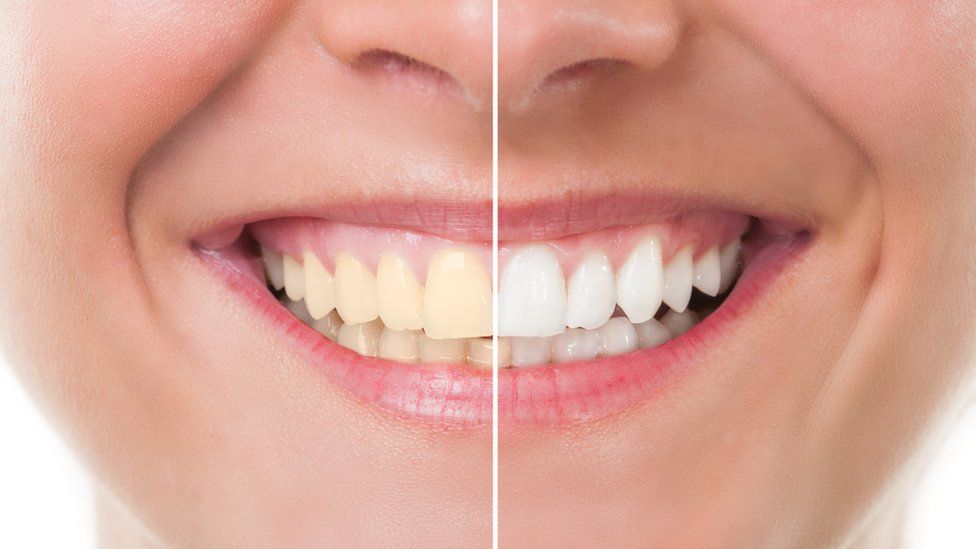
SharecloseShare pageCopy linkAbout sharingimage copyrightGetty ImagesSome home teeth-whitening kits sold online contain dangerous levels of bleaching chemical that can burn gums and cause tooth loss, an investigation has revealed. The worst had more than 300 times the recommended amount of hydrogen peroxide, says consumer group Which?. A further 20 products out of 36 tested also had illegal levels of the bleach.All have since been removed from sale by outlets including AliExpress, Amazon and eBay.Oral Orthodontic Materials Store, the company behind the product containing the highest levels of hydrogen peroxide – at 30.7% – told Which? that it had “found the mistake, corrected it in time” and that the product “has been removed from sale”.AliExpress, the online store selling it, said: “We take product safety very seriously and after being notified by Which? of its findings, we took prompt action and removed the third-party product listings identified to be in violation of our listing policy.”We are a third-party marketplace and all merchants selling on AliExpress must comply with our platform rules and policies, as well as comply with all local laws and regulations. We will take action against sellers that are found to be in violation of our terms.”Chemical burnsProducts sold over the counter in the UK should contain no more than 0.1% hydrogen peroxide, while the legal limit for application by professional dentists is 6%. I didn’t know teeth whitening was illegalIllegal tooth-whitening is a ‘health gamble’, say expertsSix of the products that Which? tested contained more than 10% hydrogen peroxide. image copyrightWhich?Which? says consumers should seek help from a professional dentist if they want whiter teeth, as the procedure, if done incorrectly, can cause lasting damage. Dr Paul Woodhouse, a director of the British Dental Association, warned: “Hydrogen peroxide is a seriously strong chemical and not to be messed with. Dentists are trained in its usage and they also know what whitening products are effective to use and safe for teeth and gums.”If you destroy gum tissue, you are never going to get it back and you lose your teeth. If it penetrates the surface of your tooth, which is likely, it’s probably going to lead to the death of that tooth.”Teeth whitening – facts and tipsWhitening isn’t permanent. It can last from a few months to up to few yearsYou can have it done on the NHS only if there’s a medical justificationProviders offering the service in the UK should be registered with the General Dental Council. Dental hygienists and therapists can carry out teeth whitening on the prescription of a dentist if they have the necessary additional skillsSome beauty salons offer teeth whitening, but this is illegal if there’s no dental professional presentIf you go the DIY route, look to buy teeth-whitening kits from a reputable high-street retailer, as the legal responsibilities to ensure products are safe are stronger there than on online marketplaces, says Which?It’s shared the findings with the Office for Product Safety and Standards. Sue Davies, head of consumer protection policy at Which?, said: “It’s clear that self-regulation is not working, leaving people exposed to a flood of unsafe products online. “It is absolutely crucial that online marketplaces are given greater legal responsibility for the safety of products sold on their sites, so that shoppers are far better protected from dangerous and illegal items.”Related Internet LinksBritish Dental AssociationThe BBC is not responsible for the content of external sites.

Read more →

Covid: How the pandemic is affecting your dreams

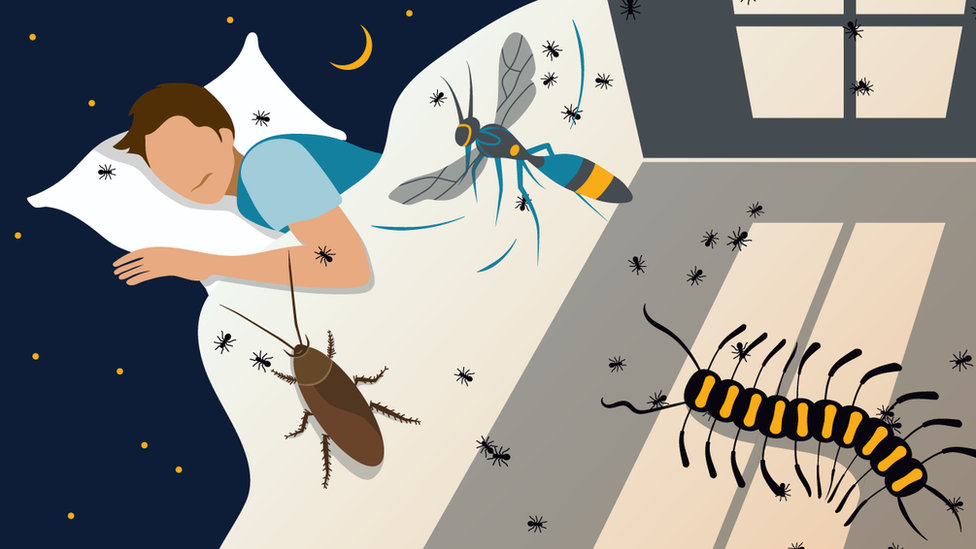
SharecloseShare pageCopy linkAbout sharingWhen coronavirus swept the globe last year, reports were everywhere of startling, vivid dreams plaguing us.Faced with the Covid-19 threat, our brains were overwhelmed and they transferred the stress to our sleeping state.Now, more than a year on, as many people have become used to pandemic life, we set out to find from you if your dreams had also adapted to the “new normal”. Are masks, empty streets and social distancing now simply a backdrop to our everyday dreams? What do you see when you nod off?From circling sharks to hand-washingHere are a handful of the dreams readers sent us.”I will be walking along a beach with water filled to the brim with sharks, and wonder why people aren’t social distancing,” says Fiona Ramage in Dundee, Scotland. She says the pandemic is now the backdrop of most of her dreams and they sometimes include a “casual, matter-of-fact” fear of coughing.Sayaka, who moved to the UK from Japan with her family, says her seven-year-old daughter tells her about her Covid dreams. “She mainly ‘stays at home’. Only her parents wear masks, and all members of the family wash hands in the dream.”While Mariela Cortés, in Santiago, Chile, says her dreams have taken a more surreal turn. “I even want the animals – cats and dogs – to wear masks, but they don’t.”We received just a sample of dreams from our readers, but scientists have been researching the issue for months now. Deirdre Barrett, a psychologist at Harvard Medical School in the US, has collected some 15,000 dreams in an online survey of the public.So far, around two-thirds of the respondents are women and one-third men.Her resulting book, Pandemic Dreams, focuses on the pandemic’s first wave. She says that when it initially hit, many people dreamed about threats like insect attacks or being unable to breathe. Then during lockdowns and home-schooling, a common theme was being trapped in prison or being forced to take a surprise maths test. Have we become more forgetful in lockdown?When can we stop wearing masks?How has coronavirus affected mental health?However, after about six months, Dr Barrett told us she noticed a significant uptick in people describing dreams about forgetting to wear a mask or being out in public and seeing others not wearing a mask.Dr Barrett suggests that initial dreams, which tended to express fear of catching the virus, decreased as dreams about social anxiety rose.”Many dreams became ‘I forgot my mask’ and a social shame came over the dreamer. They were more concerned about getting out of there before anyone noticed that they had made a mistake,” she says. Maskless in the supermarketA number of readers told us they dreamt of scenarios involving social shaming or anxiety. “I’m in a crowded space, like a shopping centre, and all of a sudden I realise I have no mask. Nobody around me is wearing masks either. I feel in danger and become suddenly extremely aware of people’s proximity to me,” says Diletta de Cristofarro in Nottingham, UK.Naomi Harvey in Cambridgeshire says she dreamed about hugging her nephew, before the rules relaxed, and as she hugged him, her family approached and she suddenly remembered the pandemic. “I woke with a feeling of panic at having broken the rules and risked exposing each other to the virus.” And Diana Valk from London says in one dream she mistakenly hugged a stranger thinking it was someone she knew. The person was “horrified… because she was scared of getting Covid and neither of us were wearing masks,” she recalls. “My main emotion was embarrassment because I hugged the woman in front of others and she looked so shocked.”Valdas Noreika, a lecturer in psychology at Queen Mary University of London, explains there is a complex link between the waking mind and the sleeping mind. “Some themes move between waking and sleeping, but there are some things in daily life that we never dream about, for example browsing the internet,” he explains. He and colleagues are collecting dream diaries for a study that will analyse whether daytime thoughts about Covid have affected what people dream about.It is normally things that arouse strong emotions that cross into our dreams, he says.”Someone who is very threatened in the pandemic is more likely to dream about it for many years to come, which is interesting but also sad,” he adds. Your coronavirus stories The science of hugs: Why do we miss them so much?And what about our idea that coronavirus may have blended into the background of our dreams – it’s there in the masks and distancing but as a normal part of life?Dr Barrett says she hasn’t come across dreams like this so far. “Often there is a real time delay… we often dream about periods of our past, not always the present,” she explains. But, she adds, there is a chance that once the pandemic is over, we will have dreams casting back to this time.”I wouldn’t be surprised if two to three years from now, we see dreams like someone is out in a restaurant and people are wearing masks and when they wake, the dreamer associates it with the pandemic,” she explains. One of the newest themes in pandemic dreams that Dr Barrett has recorded is vaccines. “Once the vaccines were approved, we started to see that in dreams but they are overwhelmingly negative. For example, someone goes to get their vaccine and they realise the syringe has a cyanide label on it,” she explains.She puts this down to the subconscious dislike many people have for injections, rather than any link to anti-vaxxer beliefs. (There is no evidence of Covid-19 vaccines causing deaths.)Her research so far suggests that more than 90% of the pandemic dreams are negative. But in recent months a small number have reported positive dreams about life after the virus.”There are dreams where the environment is better – the ocean is cleaner or there is less rubbish. There are lots in which unrealistically large whales are swimming close to shore. One woman walked out for the first time after the pandemic and looked up and saw that the whales had learned to fly, and there were big whales swooping through the sky,” she says.And for some people, throughout the pandemic sleep has remained a place of respite from Covid. “My dreams are probably the only thing that stayed the same during this difficult year. I have never dreamed of people wearing their masks and being unable to touch each other – it simply isn’t part of my dream life,” says Kiesa Kay, from North Carolina in the US.Illustrations by Lilly Huynh

Read more →

Small Study Looks at Children With Covid Inflammatory Syndrome

A small study found that six months after hospitalization, most children with MIS-C did not have debilitating health issues. But some had lingering muscle weakness and emotional difficulties.Children who get sick from the rare but serious Covid-related inflammatory syndrome may surmount their most significant symptoms within six months, but they may still have muscle weakness and emotional difficulties at that time, a new small study suggests.Published in the journal Lancet Child and Adolescent Health on Monday, the study appears to be the first detailed look at the health status of children six months after they were hospitalized with the condition, called Multisystem Inflammatory Syndrome in Children. The syndrome typically emerges two weeks to six weeks after a Covid-19 infection that is often quite mild, and it can result in hospitalizations for children with severe symptoms involving the heart and several other organs.A major question has been whether children who survive MIS-C will end up with lasting organ damage or other health problems. The new study, of 46 children under 18 who were admitted to a London hospital for MIS-C (it has a different name and abbreviation, PIMS-TS, in Britain), suggests that many of the most serious problems can resolve with time.“To be honest, I think we all didn’t know what to expect,” said Dr. Justin Penner, a pediatric infectious disease physician at the hospital involved in the study, Great Ormond Street Hospital, known as GOSH. “We didn’t know which body systems would require assistance or become a problem one month, three months, six months down the line.”The children in the study were hospitalized between April 4 and Sept. 1, 2020, part of the first wave of the inflammatory syndrome. Many were quite sick. They all had systemic inflammation, and most had symptoms involving multiple organ systems, such as the heart, kidneys or circulatory system. Forty-five children had gastrointestinal symptoms, and 24 had neurological symptoms such as confusion, memory problems, hallucinations, headaches or problems with balance or muscle control.Sixteen of the children were placed on ventilators, 22 needed medication to help their hearts pump more effectively and 40 were treated with immunotherapies like intravenous immunoglobulin. All survived.Six months after they were discharged from the hospital, only one child still had systemic inflammation, just two children had heart abnormalities and six children had gastrointestinal symptoms. All but one child was able to resume school, either virtually or in person.Still, 18 of the children were experiencing muscle weakness and fatigue, scoring in the bottom 3 percent for their age and sex on the six-minute walking test, a standard test of endurance and aerobic capacity. And 15 children were experiencing emotional difficulties like anxiety or severe mood changes, according to questionnaires answered by either the parents or the children.In the United States, 3,742 young people age 20 and under have developed the syndrome, and 35 have died, according to the most recent data from the Centers for Disease Control and Prevention. A major study of long-term outcomes has already recruited 600 children and will follow them for five years, according to a leader of that effort, Dr. Jane Newburger, associate chief for academic affairs in the cardiology department at Boston Children’s Hospital.Dr. Newburger, who was not involved in the British report, called it a “small but important study” that “contributes new information to the knowledge gap about long-term effects of MIS-C.”She and the authors themselves noted that there were limitations to the findings because the children in the study were not compared with a control group of children without MIS-C or those with other illnesses. It is unclear, for example, if their emotional problems and muscle weakness were the result of the syndrome, the process of being hospitalized for an illness or other stressors during this time. “Mental health and physical conditioning have taken a hit in children and adolescents in general during the pandemic,” Dr. Newburger said.Dr. Srinivas Murthy, an associate professor of pediatrics at the University of British Columbia, who was not involved in the new study, said it might be difficult to tease out which residual problems were directly attributable to the syndrome and which might have resulted from any critical illness. He said the fact that some of the children still had trouble with muscle weakness and endurance could yield important lessons, because such issues can require a different kind of a care including “post-hospitalization rehabilitation opportunities.”In fact, Dr. Penner said, the team at Great Ormond Street Hospital has made changes in the treatment of children hospitalized with the syndrome since the fall, because it has recognized “how affected their muscles are at the onset and how profoundly fatigued and weakened these kids are.”In the hospital, for example, “often just transferring from the bed to the toilet is exceptionally difficult for these children,” he said.The hospital now has a more concerted focus on providing the children in-hospital physical therapy and work with musculoskeletal therapists, he said, and it sends them home with an individualized rehabilitation plan that is linked to an app.“We’ve also involved our occupational therapists, and we’ve developed a fatigue program that’s run once a month where the parents dial in for a group session,” Dr. Penner said. “I think the main message that we give them is to avoid this boom-and-bust cycle, where the kids try to do the things they used to do at full speed and then they kind of crash afterwards — as opposed to a gradual increase of activity back to their normal state.”The hospital’s team is continuing to follow the children’s health. One potential concern is whether kidney or gastrointestinal problems might emerge later, which can occur after other critical illnesses, the study’s authors wrote. The team also hopes to conduct neurocognitive evaluations and other neurological testing, Dr. Penner said.“We don’t know what the longer-term outcomes will be,” Dr. Penner said. But for now, he added, “being able to relay at least what we’ve seen so far to parents has really enabled us to alleviate some of their anxieties about this black box of unknowns with regard to this new condition.”

Read more →

Children With Covid Inflammatory Syndrome May Overcome Their Most Serious Symptoms

A small study found that six months after hospitalization, most children with MIS-C did not have debilitating health issues. But some had lingering muscle weakness and emotional difficulties.Children who get sick from the rare but serious Covid-related inflammatory syndrome may surmount their most significant symptoms within six months, but they may still have muscle weakness and emotional difficulties at that time, a new small study suggests.Published in the journal Lancet Child and Adolescent Health on Monday, the study appears to be the first detailed look at the health status of children six months after they were hospitalized with the condition, called Multisystem Inflammatory Syndrome in Children. The syndrome typically emerges two weeks to six weeks after a Covid-19 infection that is often quite mild, and it can result in hospitalizations for children with severe symptoms involving the heart and several other organs.A major question has been whether children who survive MIS-C will end up with lasting organ damage or other health problems. The new study, of 46 children under 18 who were admitted to a London hospital for MIS-C (it has a different name and abbreviation, PIMS-TS, in Britain), suggests that many of the most serious problems can resolve with time.“To be honest, I think we all didn’t know what to expect,” said Dr. Justin Penner, a pediatric infectious disease physician at the hospital involved in the study, Great Ormond Street Hospital, known as GOSH. “We didn’t know which body systems would require assistance or become a problem one month, three months, six months down the line.”The children in the study were hospitalized between April 4 and Sept. 1, 2020, part of the first wave of the inflammatory syndrome. Many were quite sick. They all had systemic inflammation, and most had symptoms involving multiple organ systems, such as the heart, kidneys or circulatory system. Forty-five children had gastrointestinal symptoms, and 24 had neurological symptoms such as confusion, memory problems, hallucinations, headaches or problems with balance or muscle control.Sixteen of the children were placed on ventilators, 22 needed medication to help their hearts pump more effectively and 40 were treated with immunotherapies like intravenous immunoglobulin. All survived.Six months after they were discharged from the hospital, only one child still had systemic inflammation, just two children had heart abnormalities and six children had gastrointestinal symptoms. All but one child was able to resume school, either virtually or in person.Still, 18 of the children were experiencing muscle weakness and fatigue, scoring in the bottom 3 percent for their age and sex on the six-minute walking test, a standard test of endurance and aerobic capacity. And 15 children were experiencing emotional difficulties like anxiety or severe mood changes, according to questionnaires answered by either the parents or the children.In the United States, 3,742 young people age 20 and under have developed the syndrome, and 35 have died, according to the most recent data from the Centers for Disease Control and Prevention. A major study of long-term outcomes has already recruited 600 children and will follow them for five years, according to a leader of that effort, Dr. Jane Newburger, associate chief for academic affairs in the cardiology department at Boston Children’s Hospital.Dr. Newburger, who was not involved in the British report, called it a “small but important study” that “contributes new information to the knowledge gap about long-term effects of MIS-C.”She and the authors themselves noted that there were limitations to the findings because the children in the study were not compared with a control group of children without MIS-C or those with other illnesses. It is unclear, for example, if their emotional problems and muscle weakness were the result of the syndrome, the process of being hospitalized for an illness or other stressors during this time. “Mental health and physical conditioning have taken a hit in children and adolescents in general during the pandemic,” Dr. Newburger said.Dr. Srinivas Murthy, an associate professor of pediatrics at the University of British Columbia, who was not involved in the new study, said it might be difficult to tease out which residual problems were directly attributable to the syndrome and which might have resulted from any critical illness. He said the fact that some of the children still had trouble with muscle weakness and endurance could yield important lessons, because such issues can require a different kind of a care including “post-hospitalization rehabilitation opportunities.”In fact, Dr. Penner said, the team at Great Ormond Street Hospital has made changes in the treatment of children hospitalized with the syndrome since the fall, because it has recognized “how affected their muscles are at the onset and how profoundly fatigued and weakened these kids are.”In the hospital, for example, “often just transferring from the bed to the toilet is exceptionally difficult for these children,” he said.The hospital now has a more concerted focus on providing the children in-hospital physical therapy and work with musculoskeletal therapists, he said, and it sends them home with an individualized rehabilitation plan that is linked to an app.“We’ve also involved our occupational therapists, and we’ve developed a fatigue program that’s run once a month where the parents dial in for a group session,” Dr. Penner said. “I think the main message that we give them is to avoid this boom-and-bust cycle, where the kids try to do the things they used to do at full speed and then they kind of crash afterwards — as opposed to a gradual increase of activity back to their normal state.”The hospital’s team is continuing to follow the children’s health. One potential concern is whether kidney or gastrointestinal problems might emerge later, which can occur after other critical illnesses, the study’s authors wrote. The team also hopes to conduct neurocognitive evaluations and other neurological testing, Dr. Penner said.“We don’t know what the longer-term outcomes will be,” Dr. Penner said. But for now, he added, “being able to relay at least what we’ve seen so far to parents has really enabled us to alleviate some of their anxieties about this black box of unknowns with regard to this new condition.”

Read more →

Covid: Deaf campaigner calls for clear mask research

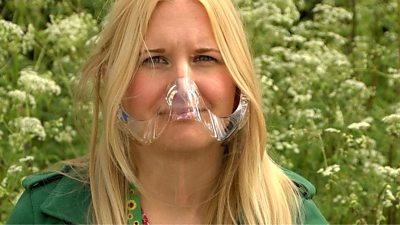
More research needs to be done into effective clear masks to help deaf people communicate during the pandemic, according to a campaigner. Melissa Julings, 35, from Norwich, said the wearing of masks had left deaf people feeling “isolated” and “lost” throughout the past year. The government is due to review face coverings before 21 June, but Ms Julings said more work was needed to find better clear masks.A spokesman for the Department of Health and Social Care said: “Transparent face coverings may be worn by those who communicate through lip-reading or facial expressions. “However, their effectiveness is not supported by evidence so the government does not recommend their use by the wider public at this time.”Video by Dawn Gerber.

Read more →

Can antibiotics treat human diseases in addition to bacterial infections?

According to researchers at the University of Illinois Chicago, the antibiotics used to treat common bacterial infections, like pneumonia and sinusitis, may also be used to treat human diseases, like cancer. Theoretically, at least.
As outlined in a new Nature Communications study, the UIC College of Pharmacy team has shown in laboratory experiments that eukaryotic ribosomes can be modified to respond to antibiotics in the same way that prokaryotic ribosomes do.
Fungi, plants, and animals — like humans — are eukaryotes; they are made up of cells that have a clearly defined nucleus. Bacteria, on the other hand, are prokaryotes. They are made up of cells, which do not have a nucleus and have a different structure, size and properties. The ribosomes of eukaryotic and procaryotic cells, which are responsible for the protein synthesis needed for cell growth and reproduction, are also different.
“Some antibiotics, used for treating bacterial infections, work in an interesting way. They bind to the ribosome of bacterial cells and very selectively inhibit protein synthesis. Some proteins are allowed to be made, but others are not,” said Alexander Mankin, the Alexander Neyfakh Professor of Medicinal Chemistry and Pharmacognosy at the UIC College of Pharmacy and senior author of the study. “Without these proteins being made, bacteria die.”
When people use antibiotics to treat an infection, the cells of the patient are not affected because the drugs are not designed to bind to the differently shaped ribosomes of eukaryotic cells.
“Because there are many human diseases caused by the expression of unwanted proteins — this is common in many types of cancer or neurodegenerative diseases, for example — we wanted to know if it would be possible to use an antibiotic to stop a human cell from making the unwanted proteins, and only the unwanted proteins,” Mankin said.
To answer this question, Mankin and study first author Maxim Svetlov, research assistant professor with the department of pharmaceutical sciences, looked to yeast, a eukaryote with cells similar to human cells.
The research team, which included partners from Germany and Switzerland, performed a “cool trick,” Mankin said. “We engineered the yeast ribosome to be more bacteria-like.”
Mankin and Svetlov’s team used biochemistry and fine genetics to change one nucleotide of more than 7,000 in yeast ribosomal RNA, which was enough to make a macrolide antibiotic — a common class of antibiotics that works by binding to bacterial ribosomes — act on the yeast ribosome. Using this yeast model, the researchers applied genomic profiling and high-resolution structural analysis to understand how every protein in the cell is synthesized and how the macrolide interacts with the yeast ribosome.
“Through this analysis, we understood that depending on a protein’s specific genetic signature — the presence of a ‘good’ or ‘bad’ sequence — the macrolide can stop its production on the eukaryotic ribosome or not,” Mankin said. “This showed us, conceptually, that antibiotics can be used to selectively inhibit protein synthesis in human cells and used to treat human disorders caused by ‘bad’ proteins.”
The experiments of the UIC researchers provide a staging ground for further studies. “Now that we know the concepts work, we can look for antibiotics that are capable of binding in the unmodified eukaryotic ribosomes and optimize them to inhibit only those proteins that are bad for a human,” Mankin said.

Read more →

Chemical changes to peptide siRNA-carrier enhance gene silencing for future cancer drugs

MUSC Hollings Cancer Center researchers are exploring the use of peptide carriers for the delivery of small RNA drugs as a novel treatment for cancer. The team’s recent work, published online March 19 in the Molecular Therapy — Nucleic Acids journal, lays the foundation for developing a clinically relevant peptide carrier RNAi-based drug treatment strategy for human oral cancer.
According to the American Cancer Society, the estimated risk of developing oral cancer in the U.S. is 1 in 60 for men and 1 in 140 for women. Cancer therapies face multiple challenges, including off-target side effects and low efficacy. RNAi-based therapeutics have great potential to overcome these specific treatment challenges.
Andrew Jakymiw, Ph.D., who is also an associate professor in the Oral Health Sciences Department at MUSC, focuses on the study of RNA interference (RNAi)-based therapies for oral cancer. RNAi is a method of gene silencing that specifically targets, or tags, messenger RNA (mRNA) for degradation. mRNA contains the genetic code needed to make proteins. Small interfering RNA (siRNA) are the pieces of RNA that can bind to specific regions on mRNA that stop proteins from being made. Scientists are figuring out how to use this to target and silence disease-causing genes. Decades of research have shown that certain proteins are overexpressed in cancer and drive cancer cell growth. The goal of the RNAi drug treatment strategy is to “turn off” the proteins that promote cancer development.
Jakymiw said that although the principle is biologically sound, there are many technical challenges with siRNA delivery. “For example, rapid renal excretion, degradation by RNases, low intracellular uptake, endosomal entrapment and low release of the siRNA cargo from the delivery platform are all challenges that we must consider when modifying a peptide siRNA carrier,” he said.
To harness the gene silencing capabilities of siRNA, scientists must get the siRNA into the appropriate cells. The siRNA must be attached to a larger molecule to protect it during delivery to the desired location. Peptide carriers are an attractive tool for delivering siRNA, because they are affordable and easy to modify.
In earlier studies, the Jakymiw laboratory found that the original peptide carrier they designed, called 599, could deliver the siRNA cargo into cancer cells and turn off a targeted cancer gene, which inhibited tumor growth in a mouse cancer model.

Read more →

Sterile male mosquitoes created using CRISPER/Cas9

Mosquitoes are one of humanity’s greatest nemeses, estimated to spread infections to nearly 700 million people per year and cause more than one million deaths.
UC Santa Barbara Distinguished Professor Craig Montell has made a breakthrough in one technique for controlling populations of Aedes aegypti, a mosquito that transmits dengue, yellow fever, Zika and other viruses. The study, published in the Proceedings of the National Academy of Sciences, documents the first use of CRISPER/Cas9 gene editing to target a specific gene tied to fertility in male mosquitoes. The researchers were then able to discern how this mutation can suppress the fertility of female mosquitoes.
Montell and his coauthors were working to improve a vector-control practice called the sterile insect technique (SIT). To manage populations, scientists raise a lot of sterile male insects. They then release these males in numbers that overwhelm their wild counterparts. The idea is that females that mate with sterile males before finding a fertile one are themselves rendered infertile, thereby decreasing the size of the next generation. Repeating this technique several times has the potential to crash the population. What’s more, because each generation is smaller than the last, releasing a similar number of sterile males has a stronger effect over time.
SIT has proven effective in managing a number of agricultural pests, including the medfly (Mediterranean fruit fly), a major pest in California. It has also been attempted with A. aegypti mosquitoes, which originated in Africa, but have since become invasive across many parts of the world, due in no small part to climate change and global travel.
In the past, scientists used chemicals or radiation to sterilize male A. aegypti. “There are enough genes that affect fertility that just a random approach of blasting a large number of genes will cause the males to be infertile,” said Montell, the Duggan Professor of Molecular, Cellular, and Developmental Biology. However, the chemicals or radiation impacted the animals’ health to such an extent that they were less successful in mating with females, which undercuts the effectiveness of the sterile insect technique.
Montell figured there had to be a more targeted approach with less collateral damage. He and his colleagues, including co-first authors Jieyan Chen and Junjie Luo, set out to mutate a gene in mosquitoes that specifically caused male sterility without otherwise impacting the insects’ health. The best candidate they found was b2-tubulin (B2t); mutation of the related B2t gene in fruit flies is known to caused male sterility.

Read more →

Fat around the heart linked to increased risk of heart failure

Having excess pericardial fat — fat around the heart — increases the risk of developing heart failure, especially in women, according to new Mount Sinai research.
Women with high amounts of pericardial fat are twice as likely to develop heart failure, while men are 50 percent more likely, according to the study, published in the May 24 online issue of the Journal of the American College of Cardiology. It is the largest study to identify the link between pericardial fat and heart failure, which could potentially lead to early intervention and heart disease prevention.
“For nearly two decades we have known that obesity, based on simple measurement of height and weight, can double one’s risk of heart failure, but now, we have gone a step further by using imaging technology to show that excess pericardial fat, perhaps due to its location close to the heart muscle, further augments the risk of this potentially fatal condition — heart failure” explains lead researcher Satish Kenchaiah, MD, Associate Professor of Medicine (Cardiology) at the Icahn School of Medicine at Mount Sinai. “This work provides us with an important tool to stratify patients into higher and lower risk of heart failure, which can possibly lead to early intervention and heart failure prevention to ultimately save people’s lives.”
Researchers involved with a multi-institutional collaboration examined the association between pericardial fat and the risk of heart failure by using chest computed tomography (CT) scans from the Multi-Ethnic Study of Atherosclerosis (MESA), a medical research study sponsored by the National Heart, Lung, and Blood Institute of the National Institutes of Health. This prospective study used CT scans from nearly 7,000 women and men between 45 and 84 years of age across the United States with diverse racial backgrounds to measure pericardial fat. None of the participants had evidence of heart disease when the study began.
Researchers followed these participants for more than 17 years and noted that almost 400 of them developed heart failure. Their analysis found that excess pericardial fat was associated with a higher risk of heart failure in both women and men, even after adjusting for established risk factors for heart failure such as age, cigarette smoking, alcohol consumption, sedentary lifestyle, high blood pressure, high blood sugar, high cholesterol, and heart attacks. After accounting for these risk factors for heart failure, high pericardial fat volume increased the risk of developing heart failure by approximately 100 percent, or double, in women and about 50 percent in men. For this study, the researchers defined excess or “high” pericardial fat volume as 70 cubic centimeters (2.4 fluid ounces) or more in women, and 120 cubic centimeters (4 fluid ounces) or more in men. Amounts below that were considered “normal.”
The researchers also reported that pericardial fat was weakly or moderately correlated with indicators of being overweight or obese such as body mass index, waist girth, hip circumference, and waist-to-hip ratio, and that it remained a risk factor for heart failure above and beyond the risk from being overweight or obese. In fact, pericardial fat was associated with new heart failure cases regardless of whether the participants were lean, overweight, or obese. Also, in a smaller sample of participants who underwent abdominal CT scans to determine the amount of belly fat beneath the skin and in the abdomen, pericardial fat predicted the risk of heart failure even after taking excess belly fat into consideration.
The link between pericardial fat and heart failure was similar among all racial and ethnic groups represented in the study: white, Black, Hispanic, and Chinese.
“Our research provides strong evidence that excess pericardial fat substantially raises the risk of heart failure,” says Dr. Kenchaiah. “Additional studies are needed to confirm our findings. Future research in this field should also focus on ways and means, such as eating a heart-healthy diet and staying physically active, to achieve and maintain optimal body weight and reduce and avoid fat deposition around the heart.”

Read more →

Full-genome CRISPR screen reveals surprising ways neurons survive oxidative stress

When a single gene in a cell is turned on or off, its resulting presence or absence can affect the function and survival of the cell. In a new study appearing May 24 in Nature Neuroscience, UCSF researchers have successfully catalogued this effect in the human neuron by separately toggling each of the 20,000 genes in the human genome.
In doing so, they’ve created a technique that can be employed for many different cell types, as well as a database where other researchers using the new technique can contribute similar knowledge, creating a picture of gene function in disease across the entire spectrum of human cells.
“This is the key next step in uncovering the mechanisms behind disease genes,” said Martin Kampmann, PhD, associate professor, Institute for Neurodegenerative Diseases and the UCSF Weill Institute for Neurosciences, noting that the work leverages recent advances in gene sequencing, stem cell technology, and CRISPR.
“There are lots of human genetics studies linking specific genes to specific diseases,” Kampmann said. “The work we’re doing can provide insight into how changes in these genes lead to disease and allow us to target them with treatments.”
His team was interested in pinpointing genes that might be involved in neurodegenerative diseases such as Alzheimer’s and related forms of dementia. Their approach included using stem-cell-generated human neurons and identifying chemical changes that occur in the cell when individual genes are turned on and off.
They were looking specifically for downstream changes in gene expression that would produce oxidative stress in the cell, a circumstance in which highly reactive forms of oxygen can create a toxic environment. Such conditions are thought to contribute to neurodegeneration.

Read more →