For men, low testosterone means high risk of severe COVID-19, study suggests

Throughout the pandemic, doctors have seen evidence that men with COVID-19 fare worse, on average, than women with the infection. One theory is that hormonal differences between men and women may make men more susceptible to severe disease. And since men have much more testosterone than women, some scientists have speculated that high levels of testosterone may be to blame.
But a new study from Washington University School of Medicine in St. Louis suggests that, among men, the opposite may be true: that low testosterone levels in the blood are linked to more severe disease. The study could not prove that low testosterone is a cause of severe COVID-19; low levels could simply serve as a marker of some other causal factors. Still, the researchers urge caution with ongoing clinical trials investigating hormonal therapies that block or lower testosterone or increase estrogen as a treatment for men with COVID-19.
The study appears online May 25 in JAMA Network Open.
“During the pandemic, there has been a prevailing notion that testosterone is bad,” said senior author Abhinav Diwan, MD, a professor of medicine. “But we found the opposite in men. If a man had low testosterone when he first came to the hospital, his risk of having severe COVID-19 — meaning his risk of requiring intensive care or dying — was much higher compared with men who had more circulating testosterone. And if testosterone levels dropped further during hospitalization, the risk increased.”
The researchers measured several hormones in blood samples from 90 men and 62 women who came to Barnes-Jewish Hospital with symptoms of COVID-19 and who had confirmed cases of the illness. For the 143 patients who were admitted to the hospital, the researchers measured hormone levels again at days 3, 7, 14 and 28, as long as the patients remained hospitalized over these time frames. In addition to testosterone, the investigators measured levels of estradiol, a form of estrogen produced by the body, and IGF-1, an important growth hormone that is similar to insulin and plays a role in maintaining muscle mass.
Among women, the researchers found no correlation between levels of any hormone and disease severity. Among men, only testosterone levels were linked to COVID-19 severity. A blood testosterone level of 250 nanograms per deciliter or less is considered low testosterone in adult men. At hospital admission, men with severe COVID-19 had average testosterone levels of 53 nanograms per deciliter; men with less severe disease had average levels of 151 nanograms per deciliter. By day three, the average testosterone level of the most severely ill men was only 19 nanograms per deciliter.
The lower the levels of testosterone, the more severe the disease. For example, those with the lowest levels of testosterone in the blood were at highest risk of going on a ventilator, needing intensive care or dying. Thirty-seven patients — 25 of whom were men — died over the course of the study.
The researchers noted that other factors known to increase the risk of severe COVID-19, including advanced age, obesity and diabetes, also are associated with lower testosterone. “The groups of men who were getting sicker were known to have lower testosterone across the board,” said first author Sandeep Dhindsa, MD, an endocrinologist at Saint Louis University. “We also found that those men with COVID-19 who were not severely ill initially, but had low testosterone levels, were likely to need intensive care or intubation over the next two or three days. Lower testosterone levels seemed to predict which patients were likely to become very ill over the next few days.”
In addition, the researchers found that lower testosterone levels in men also correlated with higher levels of inflammation and an increase in the activation of genes that allow the body to carry out the functions of circulating sex hormones inside the cells. In other words, the body may be adapting to less testosterone circulating in the bloodstream by dialing up its ability to detect and use the hormone. The researchers don’t yet know the implications of this adaptation and are calling for more research.
“We are now investigating whether there is an association between sex hormones and cardiovascular outcomes in long COVID-19, when the symptoms linger over many months,” said Diwan, who is a cardiologist. “We also are interested in whether men recovering from COVID-19, including those with long COVID-19, may benefit from testosterone therapy. This therapy has been used in men with low levels of sex hormones, so it may be worth investigating whether a similar approach can help male COVID-19 survivors with their rehabilitation.”
This study used Washington University’s COVID-19 biorepository and was conducted as a collaboration of the university’s Institute of Clinical and Translational Sciences (ICTS), which includes Saint Louis University School of Medicine.
This work was supported by the National Institutes of Health (NIH), grant numbers R37 AI049653, P30 DK020579, HL107594 and HL143431; and a grant from The Foundation for Barnes-Jewish Hospital to facilitate data collection from the WU350 cohort, which supported these studies. These studies also were supported by the Washington University Institute of Clinical and Translational Sciences, grant number UL1TR002345 from the National Center for Advancing Translational Sciences (NCATS) of the NIH.
Read more →

How to boost muscle regeneration and rebuild tissue

One of the many effects of aging is loss of muscle mass, which contributes to disability in older people. To counter this loss, scientists at the Salk Institute are studying ways to accelerate the regeneration of muscle tissue, using a combination of molecular compounds that are commonly used in stem-cell research.
In a study published on May 25, 2021, in Nature Communications, the investigators showed that using these compounds increased the regeneration of muscle cells in mice by activating the precursors of muscle cells, called myogenic progenitors. Although more work is needed before this approach can be applied in humans, the research provides insight into the underlying mechanisms related to muscle regeneration and growth and could one day help athletes as well as aging adults regenerate tissue more effectively.
“Loss of these progenitors has been connected to age-related muscle degeneration,” says Salk Professor Juan Carlos Izpisua Belmonte, the paper’s senior author. “Our study uncovers specific factors that are able to accelerate muscle regeneration, as well as revealing the mechanism by which this occurred.”
The compounds used in the study are often called Yamanaka factors after the Japanese scientist who discovered them. Yamanaka factors are a combination of proteins (called transcription factors) that control how DNA is copied for translation into other proteins. In lab research, they are used to convert specialized cells, like skin cells, into more stem-cell-like cells that are pluripotent, which means they have the ability to become many different types of cells.
“Our laboratory previously showed that these factors can rejuvenate cells and promote tissue regeneration in live animals,” says first author Chao Wang, a postdoctoral fellow in the Izpisua Belmonte lab. “But how this happens was not previously known.”
Muscle regeneration is mediated by muscle stem cells, also called satellite cells. Satellite cells are located in a niche between a layer of connective tissue (basal lamina) and muscle fibers (myofibers). In this study, the team used two different mouse models to pinpoint the muscle stem-cell-specific or niche-specific changes following addition of Yamanaka factors. They focused on younger mice to study the effects of the factors independent of age.
In the myofiber-specific model, they found that adding the Yamanaka factors accelerated muscle regeneration in mice by reducing the levels of a protein called Wnt4 in the niche, which in turn activated the satellite cells. By contrast, in the satellite-cell-specific model, Yamanaka factors did not activate satellite cells and did not improve muscle regeneration, suggesting that Wnt4 plays a vital role in muscle regeneration.
According to Izpisua Belmonte, who holds the Roger Guillemin Chair, the observations from this study could eventually lead to new treatments by targeting Wnt4.
“Our laboratory has recently developed novel gene-editing technologies that could be used to accelerate muscle recovery after injury and improve muscle function,” he says. “We could potentially use this technology to either directly reduce Wnt4 levels in skeletal muscle or to block the communication between Wnt4 and muscle stem cells.”
The investigators are also studying other ways to rejuvenate cells, including using mRNA and genetic engineering. These techniques could eventually lead to new approaches to boost tissue and organ regeneration.
Story Source:
Materials provided by Salk Institute. Note: Content may be edited for style and length.

Read more →

Immune cells imperfect at distinguishing between friend and foe

When it comes to distinguishing a healthy cell from an infected one that needs to be destroyed, the immune system’s killer T cells sometimes make mistakes.
This discovery, described today in eLife, upends a long-held belief among scientists that T cells were nearly perfect at discriminating friend from foe. The results may point to new ways to treat autoimmune diseases that cause the immune system to attack the body, or lead to improvements in cutting-edge cancer treatments.
It is widely believed that T cells can discriminate perfectly between infected cells and healthy ones based on how tightly they are able to bind to molecules called antigens on the surface of each. They bind tightly to antigens derived from viruses or bacteria, but less tightly to our own antigens on normal cells. But recent studies by scientists looking at autoimmune diseases suggest that T cells can attack otherwise normal cells if they express unusually large numbers of our own antigens, even though these bind only weakly.
“We set out to resolve this discrepancy between the idea that T cells are near perfect at discriminating between healthy and infected cells based on the antigen binding strength, and clinical results that suggests otherwise,” says co-first author Johannes Pettmann, a D.Phil student at the Sir William Dunn School of Pathology and Radcliffe Department of Medicine, University of Oxford, UK. “We did this by very precisely measuring the binding strength of different antigens.”
The team measured exactly how tightly receptors on T cells bind to a large number of different antigens, and then measured how T cells from healthy humans responded to cells loaded with different amounts of these antigens. “Our methods, combined with computer modelling, showed that the T cell’s receptors were better at discrimination compared to other types of receptors,” says co-first author Anna Huhn, also a D.Phil student at the Sir William Dunn School of Pathology, University of Oxford. “But they weren’t perfect — their receptors compelled T cells to respond even to antigens that showed only weak binding.”
“This finding completely changes how we view T cells,” adds Enas Abu-Shah, Postdoctoral Fellow at the Kennedy Institute and the Sir William Dunn School of Pathology, University of Oxford, and also a co-first author of the study. “Instead of thinking of them as near-perfect discriminators of the antigen binding strength, we now know that they can respond to normal cells that simply have more of our own weakly binding antigens.”
The authors say that technical issues with measuring the strength of T cell receptor binding in previous studies likely led to the mistaken conclusion that T cells are perfect discriminators, highlighting the importance of using more precise measurements.
“Our work suggests that T cells might begin to attack healthy cells if those cells produce abnormally high numbers of antigens,” says senior author Omer Dushek, Associate Professor at the Sir William Dunn School of Pathology, University of Oxford, and a Senior Research Fellow in Basic Biomedical Sciences at the Wellcome Trust, UK. “This contributes to a major paradigm shift in how we think about autoimmunity, because instead of focusing on defects in how T cells discriminate between antigens, it suggests that abnormally high levels of our own antigens may be responsible for the mistaken autoimmune T-cell response. On the other hand, this ability could be helpful to kill cancer cells that mutate to express abnormally high levels of our antigens.”
Dushek adds that the work also opens up new avenues of research to improve the discrimination abilities of T cells, which could be helpful to reduce the autoimmune side-effects of many T-cell-based therapies without reducing the ability of these cells to kill cancer cells.
Story Source:
Materials provided by eLife. Note: Content may be edited for style and length.

Read more →

'Rejuvenating' the Alzheimer's brain

Alzheimer’s disease is the main cause of dementia and current therapeutic strategies cannot prevent, slow down or cure the pathology. The disease is characterized by memory loss, caused by the degeneration and death of neuronal cells in several regions of the brain, including the hippocampus, which is where memories are initially formed. Researchers from the Netherlands Institute for Neuroscience (NIN) have identified a small molecule that can be used to rejuvenate the brain and counteract the memory loss.
New cells in old brains
The presence of adult-born cells in the hippocampus of old people was recently demonstrated in scientific studies. It suggests that, generally speaking, the so-called process of adult neurogenesis is sustained throughout adulthood. Adult neurogenesis is linked to several aspects of cognition and memory in both animal models and humans, and it was reported to sharply decrease in the brains of patients with Alzheimer’s disease. Researchers also found that higher levels of adult neurogenesis in these patients seem to correlate with better cognitive performance before death. “This could suggest that the adult-born neurons in our brain may contribute to a sort of cognitive reserve that could later on provide higher resilience to memory loss,” says Evgenia Salta, group leader at the NIN. Therefore, researchers from the NIN investigated if giving a boost to adult neurogenesis could help prevent or improve dementia in Alzheimer’s disease.
A small molecule with big potential
Salta: “Seven years ago, while studying a small RNA molecule that is expressed in our brain, called microRNA-132, we came across a rather unexpected observation. This molecule, which we had previously found to be decreased in the brain of Alzheimer’s patients, seemed to regulate homeostasis of neural stem cells in the central nervous system.” Back then, Alzheimer’s was thought to be a disease affecting only mature neuronal cells, so at first glance this finding did not seem to explain a possible role of microRNA-132 in the progression of Alzheimer’s.
In this study, the researchers set out to address whether microRNA-132 can regulate adult hippocampal neurogenesis in healthy and Alzheimer’s brains. Using distinct Alzheimer’s mouse models, cultured human neural stem cells and post-mortem human brain tissue, they discovered that this RNA molecule is required for the neurogenic process in the adult hippocampus. “Decreasing the levels of microRNA-132 in the adult mouse brain or in human neural stem cells in a dish impairs the generation of new neurons. However, restoring the levels of microRNA-132 in Alzheimer’s mice rescues neurogenic deficits and counteracts memory impairment related to adult neurogenesis,” Sarah Snoeck, technician in the group of Salta, explains.
These results provide a proof-of-concept regarding the putative therapeutic potential of bringing about adult neurogenesis in Alzheimer’s. Salta: “Our next goal is to systematically assess the efficacy and safety of targeting microRNA-132 as a therapeutic strategy in Alzheimer’s disease.”
Story Source:
Materials provided by Netherlands Institute for Neuroscience – KNAW. Note: Content may be edited for style and length.

Read more →

SARS-CoV-2 RNA discovery unlocks new potential treatments

An international and multidisciplinary team led by researchers at the University of Oxford, University of Glasgow, and University of Heidelberg, has uncovered the interactions that SARS-CoV-2 RNA establishes with the host cell, many of which are fundamental for infection. These discoveries pave the way for the development of new therapeutic strategies for COVID-19 with broad-range antiviral potential.
The genetic information of SARS-CoV-2 is encoded in an RNA molecule instead DNA. This RNA must be multiplied, translated, and packaged into new viral particles to produce the viral progeny. Despite the complexity of these processes, SARS-CoV-2 only encodes a handful of proteins able to engage with viral RNA. To circumvent this limitation SARS-CoV-2 hijacks cellular proteins and repurposes it for its own benefit. However, the identity of these proteins has remained unknown until now.
Researchers from the University of Oxford in collaboration with other labs across UK and Europe have developed a new approach to discover in a comprehensive manner the proteins that ‘stick’ to SARS-CoV-2 RNA in infected cells. With this method, authors uncovered that SARS-CoV-2 RNA hijacks more than a hundred cellular proteins, which appear to play critical roles in the viral life cycle.
This work, published in Molecular Cell, identifies many potential therapeutic targets with hundreds of available drugs targeting them. In a proof-of-principle experiment, authors selected four drugs targeting four different cellular proteins. These drugs caused from moderate to strong effects in viral replication.
“These exciting results are only the beginning,” said Alfredo Castello, one of the researchers that has led the work. “With hundreds of compounds that target these critical cellular proteins, it will be possible to identify novel antivirals. Our efforts, together with those of the scientific community, should focus now on testing these drugs in infected cells and animal models to uncover which ones are the best antivirals.”
An unexpected observation of this study is that viruses from different origin such as SARS-CoV-2 and Sindbis, hijack a similar repertoire of cellular proteins. This discovery is very important, as cellular proteins with important and wide-spread roles in virus infection have potential as target for broad-spectrum antiviral treatments.
“In this stage of the pandemic in which vaccines have proved their value,” added Alfredo Castello. “It becomes fundamental to develop new therapeutic approach to counteract emergent vaccine-resistant variants or novel pathogenic viruses with pandemic potential.”
Professor Shabaz Mohammed adds: “These new methods to discover the interactors of viral RNA builds on nearly 6 years of joined effort between the Castello and Mohammed labs using Sindbis virus as discovery model. This pre-existent work allowed us to react rapidly at the beginning of the COVID-19 pandemic and study the interactions between SARS-CoV-2 and the host cell in a reduced timeframe. Our methodology will now be ready to respond rapidly to future viral threads.”
The paper ‘Global analysis of protein-RNA interactions in SARS-CoV-2 infected cells reveals key regulators of infection’ is published in the journal Molecular Cell. The work was led by Dr Wael Kamel and Marko Noerenberg, postdoctoral researchers at Glasgow and Oxford, and Berati Cerikan, postdoctoral fellow at the University of Heidelberg.
Story Source:
Materials provided by University of Oxford. Note: Content may be edited for style and length.

Read more →

The hunt for drugs to neutralize critical enzymes

Scientists from the UK’s University of Bath explore racemases — an important type of enzyme that is linked to certain cancers and other life-threatening diseases while also being critical to cell function — in a paper published in the prestigious journal Chemical Society Reviews. The scientists also propose new strategies for finding drugs that neutralise these enzymes.
Many racemases and epimerases perform vital roles in human and animal cells, and in disease-causing organisms. They facilitate proper nerve function, the degradation of toxic substances, the formation of bacterial cell walls and the conversion of certain drugs into their active form (the best known conversion is seen with ibuprofen, which is taken as a mixture of isomers and converted in the liver to the active S-isomer). But while normal levels of racemase and epimerase function are generally beneficial, increased levels can be harmful. Because of this, there is considerable interest in developing drugs that impact these enzymes.
There have been promising outcomes in lab experiments where racemases (and related epimerases) have been targeted with experimental drug molecules. These molecules reduce the functional activity of racemases and have the potential to be developed into new treatments for a wide range of diseases, including prostate, breast and brain cancers; Alzheimer’s disease and other dementias; bacterial and viral infections; Chagas disease, and the complications of diabetes.
Notable successes in developing racemase-fighting molecules include the identification of D-cycloserine (a natural product discovered in 1954), which is used in the treatment of tuberculosis — a major global health threat.
Until now, there has been no general review of how drugs can be used to stop these potent enzymes from working. The new Bath paper explores all known strategies used to design or discover such drugs, including methods adopted to measure racemase function and by extension drug effectiveness. The paper also surveys recent advances in the development of drugs targeting specific enzymes, including alpha-methylacyl-CoA racemase — an enzyme that is linked to prostate cancer, and which is the focus of the team’s own research.
In addition, the Bath researchers set out to develop a coherent model of how racemases and epimerases perform their functions. Their hope is to use this model to design and develop more effective drugs.

Read more →

Researchers seek deeper understanding on how cells in the body operate

Cells sense and respond to the mechanical properties of the cellular microenvironment in the body. Changes in these properties, which occur in a number of human pathologies, including cancer, can elicit abnormal responses from cells. How the cells adapt to such changes in the mechanical microenvironment is not well understood.
A team of researchers at Texas A&M University are working to understand cellular mechanosensing — the ability to sense and respond to the mechanical properties of the microenvironment — in a unique way. Dr. Tanmay Lele, Unocal Professor in the Department of Biomedical Engineering, Department of Chemical Engineering and the Department of Translational Medical Sciences, partnered with Dr. Charles Baer, an evolutionary biologist at the University of Florida. Together they used methods of experimental cellular evolution as a means to understand cellular adaptation to biomaterials of controlled mechanical properties.
The experiments were led by doctoral student Purboja Purkayastha from the Artie McFerrin Department of Chemical Engineering and technical laboratory coordinator Kavya Pendyala from the Department of Biomedical Engineering at Texas A&M.
“Before our work, it was basically unknown if cells would evolve in controlled mechanical environments,” Lele said. “We set out to test this possibility.”
Cells are products from hundreds of millions of years of evolution, and their response to environments — whether chemical or mechanical — has likely evolved through a process of natural selection. Chemical constraints are well known to exert selection pressure on cell populations, but whether the mechanical properties of a cell’s environment constitutes a significant agent of natural selection has never been investigated before.
Many types of animal cells exhibit “phenotypic plasticity” — they look and function differently — in different mechanical environments. There are two possible explanations for the plasticity of cells in different mechanical environments. First, the phenotypes may be optimal, such that there is no better way for a cell to function in each environment. Alternatively, the plasticity may be a compromise such that the phenotypic trait is optimal for a given mechanical context, but suboptimal in other mechanical contexts.
The team’s research demonstrated that cellular mechanosensing is, in fact, not optimal but a tradeoff. Using a combination of experimental cellular evolution on biomaterials of controlled stiffness, genome sequencing, simulations and gene expression analysis, the team showed that cells evolve under selection pressure from biomaterials of controlled mechanical stiffness.
The team’s research was recently published in the journal Molecular Biology and Evolution.
Lele said that experimental cell evolution is a good approach to better understand the mechanisms underlying cellular mechanosensing.
“We are currently using experimental cellular evolution to understand how cancer cells, which have great genomic variation, respond to the altered mechanical stiffness and other mechanical properties of tumor microenvironments,” Lele said. “Further, the fact that cells can be evolved on biomaterials of controlled properties in vitro opens up new ways to generate engineered cells with properties optimal for those properties.”
Story Source:
Materials provided by Texas A&M University. Note: Content may be edited for style and length.

Read more →

Moderna vaccine 'highly effective' in teens

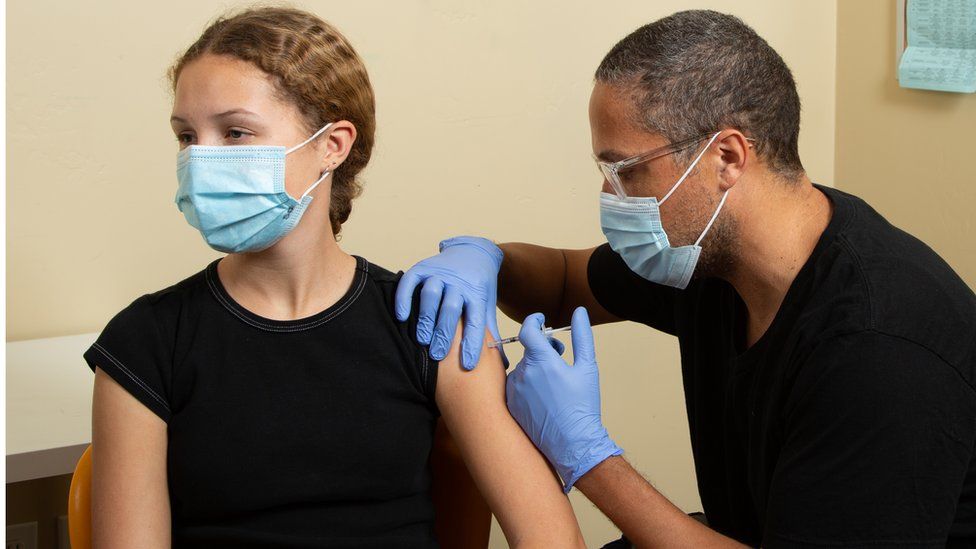
SharecloseShare pageCopy linkAbout sharingimage copyrightGetty ImagesModerna says its Covid vaccine is “highly effective” in adolescents aged 12 to 17. No cases of Covid-19 were seen in a trial involving 3,732 young volunteers who received two doses of the vaccine, compared to four cases in controls who had placebo injections. Moderna says it will soon submit the data to regulators globally to seek approval for use in teens. The Pfizer vaccine has already been approved for use in US adolescents. Although teenagers rarely get seriously ill with Covid, they can spread the infection. Experts hope vaccinating them against the virus will help stop the pandemic. What is the risk of schools spreading coronavirus?Should all children get a Covid vaccine?Covid vaccines: How fast is worldwide progress?Alongside trials in teenagers, the Pfizer-BioNTech vaccine, which is authorised for use in those aged over 16, is also being tested in children under 12, with the aim of involving babies from just six months old.Moderna’s vaccine is currently authorised for people 18 and older. GLOBAL SPREAD: How many worldwide cases are there?THE R NUMBER: What it means and why it mattersEPIDEMIC v PANDEMIC: What’s the difference?VACCINE: When will I get the jab?NEW VARIANTS: How worried should we be?

Read more →

From harmless skin bacteria to dreaded pathogens

The bacterium Staphylococcus epidermidisis primarily a harmless microbe found on the skin and in the noses of humans. Yet some strains of this species can cause infections — in catheters, artificial joints, heart valves, and in the bloodstream — which are difficult to treat. These bacteria are often resistant to a particularly effective antibiotic, methicillin, and are among the most feared germs in hospitals. How these usually harmless skin microbes become deadly pathogens has been unclear up to now.
An international research team has now discovered what distinguishes peaceful S. epidermidis microorganisms from the many dangerous invaders. The scientists have identified a new gene cluster that enables the more aggressive bacteria to produce additional structures in their cell walls. This morphological alteration allows the staphylococci to attach more easily to human cells forming the blood vessels, a process via which they can persist in the bloodstream to become pathogens. These new cell wall structures may also allow the spread of methicillin resistance, by transferring it, for example, from Staphylococcus epidermidis to its more dangerous relative Staphylococcus aureus.
The study was carried out under the direction of researchers of the Cluster of Excellence “Controlling Microbes to Fight Infections” (CMFI) of the University of Tübingen and the German Center for Infection Research (DZIF) in cooperation with universities in Copenhagen, Hamburg, Shanghai and Hanover as well as the German Center for Lung Research (DZL) in Borstel. The results are being published in the journal Nature Microbiology.
Set apart by structure
A considerable portion of the cell walls of Staphylococci — like other gram-positive bacteria — is made up of teichoic acids. Chain-like, these polymers cover the bacterial surface. Their chemical structures vary according to species. “During our examination we determined that many pathogenic strains of S. epidermidis have an additional gene cluster that contains information for the synthesis of wall teichoic acids that are actually typical of S. aureus,” says researcher Dr. Xin Du of the Cluster of Excellence of the CMFI and DZIF. She adds that experiments have shown S. epidermidis bacteria with only species-specific teichoic acids in their walls are not very invasive, colonizing the surfaces of the skin and mucous membranes. If the wall teichoic acids for S. aureus are also present, Xin Du explains, they are unable to attach effectively to those surfaces. Instead, they are more successful in penetrating the tissues of their human host. “At some point, a few S. epidermidis clones took on the corresponding genes from S. aureus and became threatening pathogens as a result,” says Professor Andreas Peschel of the Cluster of Excellence CMFI and of the DZIF.
It’s long been known that bacteria can share genetic material through gene transfer. Bacteriophages — viruses that infect bacteria — carry out the transfer. Mostly, this takes place within one species and requires similar surface structures to which the bacteriophages bind. “Differing cell wall structures normally prevent gene transfer between S. epidermidis and S. aureus. But in S. epidermidis strains that can also produce the wall teichoic acids of S. aureus, that type of gene transfer suddenly becomes possible between different species,” explains Peschel. That would explain, he continues, how S. epidermidis could transfer methicillin resistance to even more threatening — and then methicillin-resistant — S. aureus, adding that more investigation is still needed. The new findings are an important step, says Peschel, towards developing better treatments or vaccinations against dangerous pathogens such as S. epidermidis ST 23, which has been known for fifteen years and belongs to the group of HA-MRSE (healthcare-associated methicillin-resistant S. epidermidis).
Story Source:
Materials provided by German Center for Infection Research. Note: Content may be edited for style and length.

Read more →

Data from smartwatches can help predict clinical blood test results

Smartwatches and other wearable devices may be used to sense illness, dehydration and even changes to the red blood cell count, according to biomedical engineers and genomics researchers at Duke University and the Stanford University School of Medicine.
The researchers say that, with the help of machine learning, wearable device data on heart rate, body temperature and daily activities may be used to predict health measurements that are typically observed during a clinical blood test. The study appears in Nature Medicine on May 24, 2021.
During a doctor’s office visit, a medical worker usually measures a patient’s vital signs, including their height, weight, temperature and blood pressure. Although this information is filed away in a person’s long-term health record, it isn’t usually used to create a diagnosis. Instead, physicians will order a clinical lab, which tests a patient’s urine or blood, to gather specific biological information to help guide health decisions.
These vital measurements and clinical tests can inform a doctor about specific changes to a person’s health, like if a patient has diabetes or has developed pre-diabetes, if they’re getting enough iron or water in their diet, and if their red or white blood cell count is in the normal range.
But these tests are not without their drawbacks. They require an in-person visit, which isn’t always easy for patients to arrange, and procedures like a blood draw can be invasive and uncomfortable. Most notably, these vitals and clinical samples are not usually taken at regular and controlled intervals. They only provide a snapshot of a patient’s health on the day of the doctor’s visit, and the results can be influenced by a host of factors, like when a patient last ate or drank, stress, or recent physical activity.
“There is a circadian (daily) variation in heart rate and in body temperature, but these single measurements in clinics don’t capture that natural variation,” said Duke’s Jessilyn Dunn, a co-lead and co-corresponding author of the study. “But devices like smartwatches or Fitbits have the ability to track these measurements and natural changes over a prolonged period of time and identify when there is variation from that natural baseline.”
To gain a consistent and fuller picture of patients’ health, Dunn, an assistant professor of biomedical engineering at Duke, Michael Snyder, a professor and chair of genetics at Stanford, and their team wanted to explore if long-term data gathered from wearable devices could match changes that were observed during clinical tests and help indicate health abnormalities.

Read more →