Depressive symptoms linked to rapid kidney function decline

In a study of adults with normal kidney function, those who had frequent depressive symptoms were more likely to later experience a rapid decline in kidney function. The study will appear in an upcoming issue of CJASN.
Depression is a common condition in middle-aged and older adults, and it can contribute to a variety of mental and physical problems. Previous research has found a link between depressive symptoms and rapid kidney function decline in patients with chronic kidney disease (CKD). To look for a potential link in adults with normal kidney function as well, a team led by Xianhui Qin, MD (Nanfang Hospital, Southern Medical University, in China) examined information on 4,763 individuals with healthy kidneys when they enrolled in the China Health and Retirement Longitudinal Study (CHARLS).
At the start of the study, 39% of participants had high depressive symptoms, and during a median follow-up of 4 years, 260 (6%) participants experienced rapid kidney function decline. There was a significant association between depressive symptoms at the start of the study and rapid decline in kidney function during follow-up. Participants with frequent depressive symptoms were 1.4-times more likely to experience rapid kidney function decline than participants with infrequent depressive symptoms, after adjustments.
“CKD is a leading risk factor for cardiovascular disease, kidney failure, and mortality worldwide. Therefore, the identification of more modifiable risk factors may possibly reduce the huge burden of CKD and its related complications by leading to early detection and prevention,” said Dr. Qin. “While our study does not show causality, it demonstrated that high depressive symptoms were significantly associated with rapid decline in kidney function among Chinese adults with normal kidney function. If further confirmed, our data provide some evidence for depressive symptom screening and effective psychosocial interventions to improve the prevention of CKD.”
An accompanying Pantiet Voice article provides the perspective of a two-time kidney transplant recipient with an American-Born Chinese background.
Story Source:
Materials provided by American Society of Nephrology. Note: Content may be edited for style and length.

Read more →

C.D.C. Says Vaccinated Camps Can Stop Masking and Distancing

Federal health officials are encouraging young people aged 12 and over who are heading to camp this summer to get vaccinated against the coronavirus as soon as possible, saying on Friday that camps where all staff and campers are vaccinated can drop many Covid restrictions, including masks, and return to full capacity. Unvaccinated children can also go without masks most of the time when they are outside because the risk of transmission outdoors is low.“For camps where everyone is fully vaccinated prior to the start of camp, it is safe to return to full capacity, without masking and without physical distancing,” the new guidance says.In camps where not everyone is fully vaccinated, mask recommendations for all have been relaxed for most outdoor activities, unless the setting is crowded and involves sustained close contact. But other prevention strategies should be maintained, including physical distancing, grouping youngsters in cohorts or pods that don’t mix with one another; encouraging frequent hand washing; avoiding crowded settings and poorly ventilated indoor areas.The guidance, issued by the Centers for Disease Control and Prevention, says that if campers prefer to wear masks despite being fully vaccinated, camps should be supportive of their choice. Staff members and campers with compromised immune systems are urged to talk to their providers, and continue practicing precautions, like wearing masks.Individuals are considered fully vaccinated by the C.D.C. two weeks after receiving the one-shot Johnson & Johnson vaccine or the second dose of either the Pfizer-BioNTech or Moderna vaccines.“We’re going to start to see more and more adolescents fully vaccinated by mid summer, so it is possible that camps could provide a camp experience for children who are fully vaccinated, and you could get back to the camp experience that was pre-pandemic: no masking, no distancing, and all the activities you would normally do,” said Erin Sauber-Schatz, who leads the C.D.C. task force for community interventions and critical populations.She noted that 2.5 million children aged 12 to 15 have received the first dose of a Pfizer vaccine in the last 18 days alone.Individual camps will have the flexibility to determine both how they go about verifying the vaccination status of campers and how they run programs where not everyone is fully vaccinated, she said. They could mix vaccinated and unvaccinated campers or group them in separate cohorts with different rules, she said, or decide that in order “to keep non-vaccinated campers as safe as possible, they may have standard rules across the camp regardless of vaccination status.”The guidance to campers comes after the agency’s recent recommendation that fully vaccinated people can choose to go maskless in most situations.Though there is still no vaccine for children under the age of 12, the Food and Drug Administration authorized the use of the Pfizer vaccine in children aged 12 to 15 earlier this month. Younger children will probably be eligible for vaccination in the fall.Tom Rosenberg, president and chief executive of the American Camp Association, a nonprofit that accredits camps, said the new guidance was issued just in time, as many camps in the southern United States start as early as next week.But, he said, “The reality is that the majority of camps are for kids six years old to 17, so a good portion of the kids attending camp, by virtue of their age alone, will not be vaccinated. So camps are preparing to manage another Covid summer with a layered mitigation strategy, like last year.”Federal health officials urged camps where campers are vaccinated to continue with other precautions, including making sure there is good ventilation in indoor spaces by keeping windows open, using fans and air filters; practicing good hand hygiene and respiratory etiquette; and cleaning and disinfecting high-touch areas frequently.

Read more →

Declining biodiversity in wild Amazon fisheries threatens human diet

A new study of dozens of wild fish species commonly consumed in the Peruvian Amazon says that people there could suffer major nutritional shortages if ongoing losses in fish biodiversity continue. Furthermore, the increasing use of aquaculture and other substitutes may not compensate. The research has implications far beyond the Amazon, since the diversity and abundance of wild-harvested foods is declining in rivers and lakes globally, as well as on land. Some 2 billion people globally depend on non-cultivated foods; inland fisheries alone employ some 60 million people, and provide the primary source of protein for some 200 million. The study appears this week in the journal Science Advances.
The authors studied the vast, rural Loreto department of the Peruvian Amazon, where most of the 800,000 inhabitants eat fish at least once a day, or an average of about 52 kilograms (115 pounds) per year. This is their primary source not only of protein, but fatty acids and essential trace minerals including iron, zinc and calcium. Unfortunately, it is not enough; a quarter of all children are malnourished or stunted, and more than a fifth of women of child-bearing age are iron deficient.
Threats to Amazon fisheries, long a mainstay for both indigenous people and modern development, are legion: new hydropower dams that pen in big migratory fish (some travel thousands of miles from Andes headwaters to the Atlantic estuary and back); soil erosion into rivers from deforestation; toxic runoff from gold mines; and over-exploitation by fishermen themselves, who are struggling to feed fast-growing populations. In Loreto, catch tonnages are stagnating; some large migratory species are already on the decline, and others may be on the way. It is the same elsewhere; globally, a third of freshwater fish species are threatened with extinction, and 80 are already known to be extinct, according to the World Wildlife Fund.
Different species of animals and plants contain different ratios of nutrients, so biodiversity is key to adequate human nutrition, say the researchers. “If fish decline, the quality of the diet will decline,” said the study’s senior coauthor, Shahid Naeem, director of Columbia University’s Earth Institute Center for Environmental Sustainability. “Things are definitely declining now, and they could be on the path to crashing eventually.”
To study the region’s fish, the study’s lead author, then-Columbia PhD. student Sebastian Heilpern, made numerous shopping trips to the bustling Belén retail market in the provincial capital of Iquitos. He also visited the city’s Amazon River docks, where wholesale commerce begins at 3:30 in the morning. He and another student bought multiple specimens of as many different species as they could find, and ended up with 56 of the region’s 60-some main food species. These included modest-size scale fish known locally as ractacara and yulilla; saucer-shaped palometa (related to piranha); and giant catfish extending six feet or more. (The researchers settled for chunks of the biggest ones.)
The fish were flown on ice to a government lab in Lima, where each species was analyzed for protein, fatty acids and trace minerals. The researchers then plotted the nutritional value of each species against its probability of surviving various kinds of ongoing environmental degradation. From this, they drew up multiple scenarios of how people’s future diet would be affected as various species dropped out of the mix.

Read more →

New tool activates deep brain neurons by combining ultrasound, genetics

Neurological disorders such as Parkinson’s disease and epilepsy have had some treatment success with deep brain stimulation, but those require surgical device implantation. A multidisciplinary team at Washington University in St. Louis has developed a new brain stimulation technique using focused ultrasound that is able to turn specific types of neurons in the brain on and off and precisely control motor activity without surgical device implantation.
The team, led by Hong Chen, assistant professor of biomedical engineering in the McKelvey School of Engineering and of radiation oncology at the School of Medicine, is the first to provide direct evidence showing noninvasive, cell-type-specific activation of neurons in the brain of mammal by combining ultrasound-induced heating effect and genetics, which they have named sonothermogenetics. It is also the first work to show that the ultrasound- genetics combination can robustly control behavior by stimulating a specific target deep in the brain.
Results of the three years of research, which was funded in part by the National Institutes of Health’s BRAIN Initiative, were published online in Brain Stimulation May 11, 2021.
The senior research team included experts from both the McKelvey School of Engineering and the School of Medicine, including Jianmin Cui, professor of biomedical engineering; Joseph P. Culver, professor of radiology, of physics and of biomedical engineering; Mark J. Miller, associate professor of medicine in the Division of Infectious Diseases in the Department of Medicine; and Michael Bruchas, formerly of Washington University, now professor of anesthesiology and pharmacology at the University of Washington.
“Our work provided evidence that sonothermogenetics evokes behavioral responses in freely moving mice while targeting a deep brain site,” Chen said. “Sonothermogenetics has the potential to transform our approaches for neuroscience research and uncover new methods to understand and treat human brain disorders.”
Using a mouse model, Chen and the team delivered a viral construct containing TRPV1 ion channels to genetically-selected neurons. Then, they delivered small burst of heat via low-intensity focused ultrasound to the select neurons in the brain via a wearable device. The heat, only a few degrees warmer than body temperature, activated the TRPV1 ion channel, which acted as a switch to turn the neurons on or off.
“We can move the ultrasound device worn on the head of free-moving mice around to target different locations in the whole brain,” said Yaoheng Yang, first author of the paper and a graduate student in biomedical engineering. “Because it is noninvasive, this technique has the potential to be scaled up to large animals and potentially humans in the future.”
The work builds on research conducted in Cui’s lab that was published in Scientific Reports in 2016. Cui and his team found for the first time that ultrasound alone can influence ion channel activity and could lead to new and noninvasive ways to control the activity of specific cells. In their work, they found that focused ultrasound modulated the currents flowing through the ion channels on average by up to 23%, depending on channel and stimulus intensity. Following this work, researchers found close to 10 ion channels with this capability, but all of them are mechanosensitive, not thermosensitive.
The work also builds on the concept of optogenetics, the combination of the targeted expression of light-sensitive ion channels and the precise delivery of light to stimulate neurons deep in the brain. While optogenetics has increased discovery of new neural circuits, it is limited in penetration depth due to light scattering and requires surgical implantation of optical fibers.
Sonothermogenetics has the promise to target any location in the mouse brain with millimeter-scale resolution without causing any damage to the brain, Chen said. She and the team continue to optimize the technique and further validate their findings.
Story Source:
Materials provided by Washington University in St. Louis. Original written by Beth Miller. Note: Content may be edited for style and length.

Read more →

Exoskeleton-assisted walking may improve bowel function in people with spinal cord injury

A team of researchers has shown that physical intervention plans that included exoskeleton-assisted walking helped people with spinal cord injury evacuate more efficiently and improved the consistency of their stool.
The authors of the new article in Journal of Clinical Medicine are Peter H. Gorman, MD, of the University of Maryland School of Medicine, Gail F. Forrest, PhD, of Kessler Foundation’s Tim and Caroline Reynolds Center for Spinal Stimulation, Dr. William Scott, of VA Maryland Healthcare System, Pierre K. Asselin, MS, Stephen Kornfeld, MD, Eunkyoung Hong, PhD, and Ann M. Spungen, EdD, of the James J. Peters VA Medical Center.
Bowel dysfunction, a common experience after spinal cord injury, can lead to chronic constipation and incontinence, causing discomfort and frustration. In one survey, more than a third of men with spinal cord injury reported that bowel and bladder dysfunction had the most significant effect on their lives post-injury. Unfortunately, these issues are not easily managed.
Rehabilitation professionals have traditionally managed bowel dysfunction using approaches that target the gastrointestinal system or require manual intervention, but some newer research suggests that physical activity and upright posture may enhance bowel motility. However, few studies have explored the possibility that exoskeletal-assisted walking — in which a person with spinal cord injury wears a robotic suit, enabling them to stand and walk — may be an effective addition to existing intervention plans.
In this study, the research team investigated whether exoskeletal-assisted walking improved bowel function in people with chronic spinal cord injury. They performed a three-center, randomized, controlled, crossover clinical trial in which 50 participants completed 36 sessions of exoskeletal-assisted walking. The researchers evaluated bowel function as a secondary outcome in 49 participants. Bowel function was measured via a 10-question bowel function survey, the Bristol Stool Form Scale, and the Spinal Cord Injury Quality of Life Bowel Management Difficulties instrument.
Results showed that the exoskeletal-assisted walking program provided some improvement in bowel function when compared to a control group. “We saw a notable reduction in bowel evacuation time, with 24 percent of participants reporting an improved experience,” said Dr. Forrest, co-author and associate director of the Center for Mobility and Rehabilitation Engineering Research at Kessler Foundation. “We also noted that participants’ stools trended toward better consistency, supporting our hypothesis that this intervention may improve several measures of bowel function.”
“Our results support the idea that walking, and not just standing, may have a beneficial effect on bowel function,” said Dr. Gorman, co-author and chief of the Division of Rehabilitation Medicine at the University of Maryland Rehabilitation and Orthopaedic Institute. “Our goal is to improve the quality of life of those with chronic spinal cord injury, and these encouraging results will help inform future studies on the emerging field of mobility intervention.”
Story Source:
Materials provided by Kessler Foundation. Note: Content may be edited for style and length.

Read more →

New CRISPR tools help contain mosquito disease transmission

Since the onset of the CRISPR genetic editing revolution, scientists have been working to leverage the technology in the development of gene drives that target pathogen-spreading mosquitoes such as Anopheles and Aedes species, which spread malaria, dengue and other life-threatening diseases.
Much less genetic engineering has been devoted to Culex genus mosquitoes, which spread devastating afflictions stemming from West Nile virus — the leading cause of mosquito-borne disease in the continental United States — as well as other viruses such as the Japanese encephalitis virus (JEV) and the pathogen causing avian malaria, a threat to Hawaiian birds.
University of California San Diego scientists have now developed several genetic editing tools that help pave the way to an eventual gene drive designed to stop Culex mosquitoes from spreading disease. Gene drives are designed to spread modified genes, in this case those that disable the ability to transmit pathogens, throughout the targeted wild population.
As detailed in the journal Nature Communications, Xuechun Feng, Valentino Gantz and their colleagues at Harvard Medical School and National Emerging Infectious Diseases Laboratories developed a Cas9/guide-RNA expression “toolkit” designed for Culex mosquitoes. Since such little attention in genetic engineering has been devoted to Culex mosquitoes, the researchers were required to develop their toolkit from scratch, starting with a careful examination of the Culex genome.
“My coauthors and I believe that our work will be impactful for scientists working on the biology of the Culex disease vector since new genetic tools are deeply needed in this field,” said Gantz, an assistant research scientist in the Division of Biological Sciences at UC San Diego. “We also believe the scientific community beyond the gene drive field will welcome these findings since they could be of broad interest.”
While Culex mosquitoes are less problematic in the United States, they are much more of a health risk in Africa and Asia, where they transmit the worm causing filariasis, a disease that can lead to a chronic debilitating condition known as elephantiasis.
The researchers also demonstrated that their tools could work in other insects.
“These modified gRNAs can increase gene drive performance in the fruit fly and could potentially offer better alternatives for future gene drive and gene-editing products in other species,” said Gantz.
Gantz and his colleagues have now tested their new tools to ensure proper genetic expression of the CRISPR components and are now poised to apply them to a gene drive in Culex mosquitoes. Such a gene drive construct could be used to halt pathogen transmission by Culex mosquitoes, or alternatively employed to suppress the mosquito population to prevent biting.
Story Source:
Materials provided by University of California – San Diego. Original written by Mario Aguilera. Note: Content may be edited for style and length.

Read more →

Exoskeleton therapy improves mobility, cognition and brain connectivity in people with MS

A team of multiple sclerosis (MS) experts at Kessler Foundation led the first pilot randomized controlled trial of robotic-exoskeleton assisted exercise rehabilitation (REAER) effects on mobility, cognition, and brain connectivity in people with substantial MS-related disability. Their results showed that REAER is likely an effective intervention, and is a promising therapy for improving the lives of those with MS.
It is common for people with MS to experience impairments in both mobility and cognition, and few therapies exist to manage the range of debilitating symptoms. This lack of treatment options is a major problem for people with MS, especially those with substantial MS-related neurological disability.
Previous research shows that exercise rehabilitation, such as walking, is an effective approach to symptom management, with some research suggesting that even a single exercise rehabilitation intervention can improve both mobility and cognition.
Yet there is a lack of efficacy of exercise rehabilitation on mobility and cognitive outcomes in people with MS who have substantial disability. Adaptive exercise rehabilitation approaches such as body-weight supported treadmill training and robot-assisted gait training have not demonstrated convincing results. Moreover, adaptive interventions lack key interactions between patients and therapists that may improve efficacy.
In this pilot study of 10 participants with significant MS-related neurological disability, researchers explored the use of robotic exoskeletons to manage symptoms. Rehabilitation exercise using robotic exoskeletons is a relatively new approach that enables participants to walk over-ground in a progressive regimen that involves close engagement with a therapist. The Foundation has dedicated a Ekso NR to MS studies to facilitate further research in this area.
As compared to conventional gait training, REAER allows participants to walk at volumes needed to realize functional adaptations — via vigorous neurophysiological demands — that lead to improved cognition and mobility. Effects on brain activity patterns were studied using the functional MRI capabilities of the Rocco Ortenzio Neuroimaging Center at Kessler Foundation.
Investigators compared participants’ improvement after four weeks of REAER vs four weeks of conventional gait training, looking at functional mobility, walking endurance, cognitive processing speed, and brain connectivity.
The results were positive: Relative to conventional gait training, four weeks of REAER was associated with large improvements in functional mobility (?p2=.38), cognitive processing speed (?p2=.53), and brain connectivity outcomes, most significantly between the thalamus and ventromedial prefrontal cortex (?p2=.72). “Four weeks is relatively short for an exercise training study,” noted Dr. Sandroff, senior research scientist at Kessler Foundation and director of the Exercise Neurorehabilitation Research Laboratory. “Seeing improvements within this timeframe shows the potential for exercise to change how we treat MS. Exercise is really powerful behavior that involves many brain regions and networks that can improve over time and result in improved function.”
“This is particularly exciting because therapy using robotic exoskeletons shows such promise for improving the lives of people with co-occurring mobility and cognitive disability, a cohort that likely has the greatest potential to benefit from this new technology,” said Dr. Androwis, lead author and research scientist in the Center for Mobility and Rehabilitation Engineering Research at Kessler Foundation. “We’re eager to design a larger trial to further study these effects. Based on our initial results, we’re optimistic that this approach may be superior to the current standard of care.”
Story Source:
Materials provided by Kessler Foundation. Note: Content may be edited for style and length.

Read more →

Climate change makes West Nile virus outbreaks 'plausible' in UK

Climate change will make outbreaks of West Nile virus more likely in the UK within the next 20-30 years, scientists say.
West Nile virus is spread by mosquitoes and has no vaccine. Most people have no symptoms, but it can cause serious neurological disease.
Scientists from the UK Centre for Ecology & Hydrology (UKCEH), Biomathematics and Statistics Scotland (BioSS) and the University of Glasgow developed a new model to determine the risk of a West Nile virus outbreak in the UK.
They found the risk is low for the next two to three decades, but will increase as temperatures rise.
Dr Steven White, a theoretical ecologist at UKCEH, said: “Knowing if or when a new disease will affect us is vitally important.
“West Nile virus is currently absent in the UK, but we do harbour the Culex pipiens mosquito, which can transmit the disease and potentially lead to spill-over into humans.

Read more →

Researchers discover drug that blocks multiple SARS-CoV-2 variants in mice

The drug diABZI — which activates the body’s innate immune response — was highly effective in preventing severe COVID-19 in mice that were infected with SARS-CoV-2, according to scientists in the Perelman School of Medicine at the University of Pennsylvania. The findings, published this month in Science Immunology, suggest that diABZI could also treat other respiratory coronaviruses.
“Few drugs have been identified as game-changers in blocking SARS-CoV-2 infection. This paper is the first to show that activating an early immune response therapeutically with a single dose is a promising strategy for controlling the virus, including the South African variant B.1.351, which has led to worldwide concern,” said senior author Sara Cherry, PhD, a professor of Pathology and Laboratory Medicine and scientific director of the High-Throughput Screening (HTS) Core at Penn Medicine. “The development of effective antivirals is urgently needed for controlling SARS-CoV-2 infection and disease, especially as dangerous variants of the virus continue to emerge.”
The SARS-CoV-2 virus initially targets epithelial cells in the respiratory tract. As the first line of defense against infection, the respiratory tract’s innate immune system recognizes viral pathogens by detecting their molecular patterns. Cherry and her research team first sought to better understand this effect by observing human lung cell lines under the microscope that had been infected with SARS-CoV-2. They found that the virus is able to hide, delaying the immune system’s early recognition and response. The researchers predicted that they may be able to identify drugs — or small molecules with drug-like properties — that could set off this immune response in the respiratory cells earlier and prevent severe SARS-CoV-2 infection.
To identify antiviral agonists that would block SARS-CoV-2 infection, the researchers performed high throughput screening of 75 drugs that target sensing pathways in lung cells. They examined their effects on viral infection under microscopy and identified nine candidates — including two cyclic dinucleotides (CDNs) — that significantly suppressed infection by activating STING (the simulation of interferon genes).
Since CDNs have low potency and make poor drugs, according to Cherry, she and her team decided to also test a newly-developed small molecule STING agonist called diABZI, which is not approved by the Food and Drug Administration but is currently being tested in clinical trials to treat some cancers. The researchers found that diABZI potently inhibits SARS-CoV-2 infection of diverse strains, including variant of concern B.1.351, by stimulating interferon signaling.
Finally, the researchers tested the effectiveness of diABZI in transgenic mice that had been infected with SARS-CoV-2. Because the drug needed to reach the lungs, diABZI was administered through a nasal delivery. diABZI-treated mice showed much less weight loss than the control mice, had significantly-reduced viral loads in their lungs and nostrils, and increased cytokine production — all supporting the finding that diABZI stimulates interferon for protective immunity.
Cherry said that the study’s findings offer promise that diABZI could be an effective treatment for SARS-CoV-2 that could prevent severe COVID-19 symptoms and the spread of infection. Additionally, since diABZI has been shown to inhibit human parainfluenza virus and rhinovirus replication in cultured cells, the STING agonist may be more broadly effective against other respiratory viruses.
“We are now testing this STING agonist against many other viruses,” Cherry said. “It’s really important to remember that SARS-CoV-2 is not going to be the last coronavirus that we will see and will need protection against.”
Story Source:
Materials provided by University of Pennsylvania School of Medicine. Note: Content may be edited for style and length.

Read more →

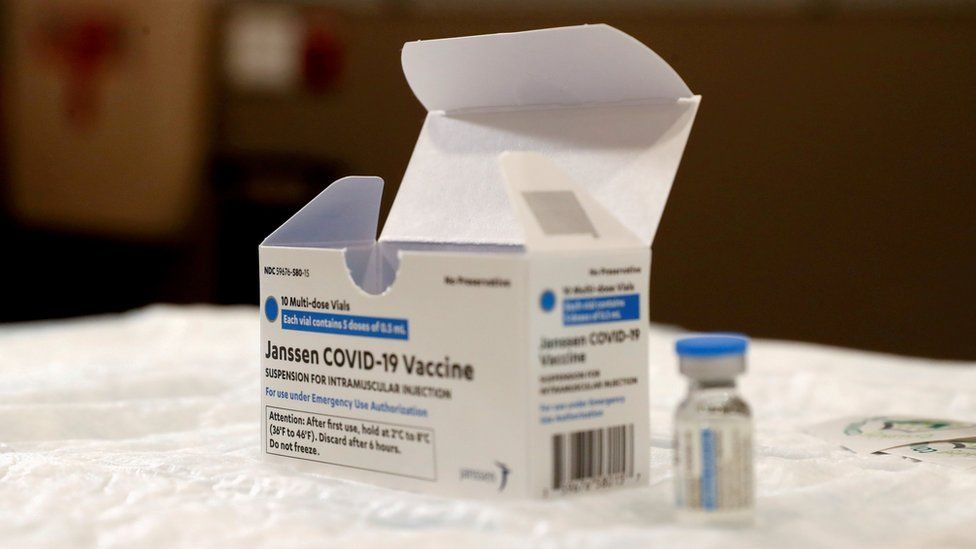
Janssen single-dose Covid vaccine approved by UK

SharecloseShare pageCopy linkAbout sharingimage copyrightReutersA single-dose Covid vaccine made by Janssen has been approved for use in the UK by the medicines regulator.The vaccine was 85% effective in stopping severe illness from Covid-19 in trials and has met expected safety standards.Twenty million doses have been ordered for the UK and will arrive later this year.It will be the fourth vaccine to be used in the UK to protect against Covid-19.More than 38 million people have now received a first dose of a vaccine in the UK – nearly three-quarters of the adult population.The vaccine can be given to people aged 18 and over and is likely to be used as a booster jab for care home residents ahead of winter because it can be easily stored and transported at fridge temperatures.The UK’s Joint Committee on Vaccination and Immunisation (JCVI) will produce advice on exactly who should receive the Belgian-made jab in due course.The single-dose option has already been authorised by the European Medicines Agency (EMA), the Food and Drug Administration (FDA) in the US and the World Health Organization (WHO).The vaccines that work – and the others on the wayHow many people have been vaccinated so far?Who can book their Covid vaccine now?Covid vaccines and rare clots – what do we know?Nadhim Zahawi, vaccine deployment minister, said the Janssen jab would be “another weapon in our arsenal to beat this pandemic”.”We are doing everything we can to vaccinate all adults as quickly as possible and I encourage everybody to come forward for a jab as soon as they are eligible.”First Minister Nicola Sturgeon said the approval was “really good news” but “we’re focused right now on the supplies we actually have and getting them into people’s arms as quickly as possible”, she said.Originally, the UK ordered 30 million doses but reduced its order after the vaccination programme in the UK picked up pace.The vaccine, developed by Johnson & Johnson’s pharmaceutical arm, Janssen, uses the same technology as the Oxford-AstraZeneca one and is likely to be more suitable for older adults than younger people. Under-40s are being offered an alternative to AstraZeneca in the UK because of a potential link to a type of rare blood clot in the brain.Both vaccines use a modified version of a different virus to deliver instructions to the body’s cells to fire up the immune system and produce antibodies.Since the Janssen jab is given as one single dose, it could speed up rollout to vulnerable people in care homes and those living in remote locations.It has not yet been tested against the variant first detected in India which is spreading fast in the UK, although at low levels.The US, South Africa and the European Union briefly paused the rollout of the Janssen vaccine in April after reports of rare blood clots in very small numbers of people after their jab.The US is now offering the vaccine to people over 18, after concluding that the benefits of using it outweighed any risks of side-effects. The European Medicines Agency (EMA) came to the same conclusion after looking at a potential link between the vaccine and clots.The Janssen jab is currently being tested as part of a UK study to find out whether a third dose could protect against new variants.Dr June Raine, head of the body which approves vaccines in the UK – the Medicines and Healthcare products Regulatory Agency (MHRA) – said information on quality, safety and effectiveness of the Janssen jab had been thoroughly reviewed.”We now have four safe and effective vaccines approved to help protect us from Covid-19,” she said, adding that their work did not end there.”We are continually monitoring all Covid-19 vaccines in use once they have been approved to ensure that the benefits in protecting people against the disease continue to outweigh any risks. “The safety of the public will always come first – you can be absolutely sure of our commitment to this.”The MHRA said pregnant or breast-feeding women should decide whether to have the Janssen option in consultation with a healthcare professional after considering the benefits and risks.There have been a further 10 deaths within 28 days of a positive test for coronavirus and another 4,182 confirmed cases on Friday.

Read more →