Diabetes remission diet also lowers blood pressure and reduces need for medication

New research has shown that if people achieve and maintain substantial weight loss to manage their type 2 diabetes, many can also effectively control their high blood pressure and stop or cut down on their anti-hypertensive medication.
A weight management programme, developed by researchers at the Universities of Glasgow and Newcastle for the Diabetes UK-funded DIabetes REmission Clinical Trial (DIRECT), has proved effective at lowering blood pressure and reducing the need for anti-hypertensive medications, as well as bringing remission of type 2 diabetes.
The programme involves an initial 12 weeks on a nutritionally complete formula diet (low calorie soups and shakes) which will induce weight loss of over 15 kg (over 2 stones) if followed fully. Diabetes and blood pressure drugs were stopped at the start, and only re-started if blood sugar or blood pressure rose.
The weight loss phase is followed by support to choose foods and eat wisely for weight loss maintenance. Maintaining the 15 kg weight loss allowed 8 out of 10 people to become free from type 2 diabetes, without the need for diabetes medications for at least 2 years.
This study, published in the journal Diabetologia (the journal of the European Association for the Study of Diabetes [EASD]), looked at 143 people who started the diet programme, with more than half (78 people) on tablets for high blood pressure at the start (and 44 on two or more drugs). The researchers found that, overall, average blood pressure fell steadily as people lost weight. And blood pressure remained lower after the formula diet period finished, and then at 12 and at 24 months.
For those not previously treated for high blood pressure, blood pressures fell sharply from week one. For those who had stopped their blood pressure tablets, blood pressure still fell, although more slowly. Just over a quarter (28%) needed to reintroduce a blood pressure tablet during the formula diet period. However, researchers also found that the same proportion of participants (28%) were able to remain off their medications for at least two years.

Read more →

Covid: WHO renames UK and other variants with Greek letters

SharecloseShare pageCopy linkAbout sharingimage copyrightGetty ImagesThe World Health Organization (WHO) has announced a new naming system for variants of Covid-19.From now on the WHO will use Greek letters to refer to variants first detected in countries like the UK, South Africa and India. The UK variant for instance is labelled as Alpha, the South African Beta, and the Indian as Delta. The WHO said this was to simplify discussions but also to help remove some stigma from the names.Earlier this month the Indian government criticised the naming of variant B.1.617.2 – first detected in the country last October – as the “Indian variant”, though the WHO had never officially labelled it as such. Where is the Indian variant and how is it spreading?What we know about the different variants”No country should be stigmatised for detecting and reporting variants,” the WHO’s Covid-19 technical lead, Maria Van Kerkhove, tweeted. She also called for “robust surveillance” of variants, and for the sharing of scientific data to help stop the spread. Today, @WHO announces new, easy-to-say labels for #SARSCoV2 Variants of Concern (VOCs) & Interest (VOIs)They will not replace existing scientific names, but are aimed to help in public discussion of VOI/VOCRead more here (will be live soon): https://t.co/VNvjJn8Xcv#COVID19 pic.twitter.com/L9YOfxmKW7— Maria Van Kerkhove (@mvankerkhove) May 31, 2021
The BBC is not responsible for the content of external sites.View original tweet on TwitterLetters will refer to both variants of concern, and variants of interest. A full list of names has been published on the WHO website. These Greek letters will not replace existing scientific names. If more than 24 variants are officially identified, the system runs out of Greek letters, and a new naming programme will be announced, Ms Van Kerkhove told STAT News in an interview.”We’re not saying replace B.1.1.7, but really just to try to help some of the dialogue with the average person,” she told the US-based website. “So that in public discourse, we could discuss some of these variants in more easy-to-use language.”On Monday, a scientist advising the UK government said the country was in the early stages of a third wave of coronavirus infections, in part driven by the Delta, or Indian variant. It is thought to spread more quickly than the Alpha (UK; Kent) variant, which was responsible for the surge in cases in the UK over the winter.Vietnam, meanwhile, has detected what appears to be a combination of those two variants. On Saturday, the country’s health minister said it could spread quickly through the air and described it as “very dangerous”.

Read more →

Ethnic diversity helps identify more genomic regions linked to diabetes-related traits

By including multi-ethnic participants, a large scale genetic study has identified more regions of the genome linked to type 2 diabetes-related traits than if the research had been conducted in Europeans alone.
The international MAGIC collaboration, made up of more than 400 global academics, conducted a genome-wide association meta-analysis led by the University of Exeter. Now published in Nature Genetics, their findings demonstrate that expanding research into different ancestries yields more and better results, as well as ultimately benefitting global patient care.
Up to now, nearly 87 per cent of genomic research of this type has been conducted in Europeans. This means that the way these findings are implemented may not optimally benefit people from non-European ancestries.
The team analysed data across a wide range of cohorts, encompassing more than 280,000 people without diabetes. Researchers looked at glycaemic traits, which are used to diagnose diabetes and monitor sugar and insulin levels in the blood.
The researchers incorporated 30 percent of the overall cohort with individuals of East Asian, Hispanic, African-American, South Asian and sub-Saharan African origin. By doing so, they discovered 24 more loci — or regions of the genome -linked to glycaemic traits than if they had conducted the research in Europeans alone.
Professor Inês Barroso, of the University of Exeter, who led the research, said: “Type 2 diabetes is an increasingly huge global health challenge- with most of the biggest increases occurring outside of Europe. While there are a lot of shared genetic factors between different countries and cultures, our research tells us that they do differ, in ways that we need to understand. It’s critical to ensuring we can deliver a precision diabetes medicine approach that optimises treatment and care for everyone.”
First author Dr Ji Chen, of the University of Exeter, said: “We discovered 24 additional regions of the genome by including cohorts which were more ethnically diverse than we would have done if we’d restricted our work to Europeans. Beyond the moral arguments for ensuring research is reflective of global populations, our work demonstrates that this approach generates better results.”
The team found that though some loci were not detected in all ancestries, they were still useful to capture information about the glycaemic trait in that ancestry. Co-author Cassandra Spracklen, Assistant Professor at the University of Massachusetts-Amherst, said: “Our findings matter because we’re moving towards using genetic scores to weigh up a person’s risk of diabetes. We know that scores developed exclusively in individuals of one ancestry don’t work well in people of a different ancestry. This is important as increasingly healthcare is moving towards a more precise approach. Failing to account for genetic variation according to ancestry will impact our ability to accurately diagnose diabetes.”
Story Source:
Materials provided by University of Exeter. Note: Content may be edited for style and length.

Read more →

Global warming already responsible for one in three heat-related deaths

Between 1991 and 2018, more than a third of all deaths in which heat played a role were attributable to human-induced global warming, according to a new article in Nature Climate Change.
The study, the largest of its kind, was led by the London School of Hygiene & Tropical Medicine (LSHTM) and the University of Bern within the Multi-Country Multi-City (MCC) Collaborative Research Network. Using data from 732 locations in 43 countries around the world it shows for the first time the actual contribution of human-made climate change in increasing mortality risks due to heat.
Overall, the estimates show that 37% of all heat-related deaths in the recent summer periods were attributable to the warming of the planet due to anthropogenic activities. This percentage of heat-related deaths attributed to human-induced climate change was highest in Central and South America (up to 76% in Ecuador or Colombia, for example) and South-East Asia (between 48% to 61%).
Estimates also show the number of deaths from human-induced climate change that occurred in specific cities; 136 additional deaths per year in Santiago de Chile (44.3% of total heat-related deaths in the city), 189 in Athens (26.1%), 172 in Rome (32%), 156 in Tokyo (35.6%), 177 in Madrid (31.9%), 146 in Bangkok (53.4%), 82 in London (33.6%), 141 in New York (44.2%), and 137 in Ho Chi Minh City (48.5%). The authors say their findings are further evidence of the need to adopt strong mitigation policies to reduce future warming, and to implement interventions to protect populations from the adverse consequences of heat exposure.
Dr Ana M. Vicedo-Cabrera, from the University of Bern and first author of the study, said: “We expect the proportion of heat-related deaths to continue to grow if we don’t do something about climate change or adapt. So far, the average global temperature has only increased by about 1°C, which is a fraction of what we could face if emissions continue to grow unchecked.”
Global warming is affecting our health in several ways, from direct impacts linked to wildfires and extreme weather, to changes in the spread of vector-borne diseases, among others. Perhaps most strikingly is the increase in mortality and morbidity associated with heat. Scenarios of future climate conditions predict a substantial rise in average temperatures, with extreme events such as heatwaves leading to future increases in the related health burden. However, no research has been conducted into what extent these impacts have already occurred in recent decades until now.
This new study focused on human-made global warming through a ‘detection & attribution’ study that identifies and attributes observed phenomena to changes in climate and weather. Specifically, the team examined past weather conditions simulated under scenarios with and without anthropogenic emissions. This enabled the researchers to separate the warming and related health impact linked with human activities from natural trends. Heat-related mortality was defined as the number of deaths attributed to heat, occurring at exposures higher than the optimum temperature for human health, which varies across locations.
While on average over a third of heat-related deaths are due to human-induced climate change, impact varies substantially across regions. Climate-related heat casualties range from a few dozen to several hundred deaths each year per city, as shown above, depending on the local changes in climate in each area and the vulnerability of its population. Interestingly, populations living in low and middle-income countries, which were responsible for a minor part of anthropogenic emissions in the past, are those most affected.
In the UK, 35% of heat-related deaths could be attributed to human-induced climate change, which corresponds to approximately 82 deaths in London, 16 deaths in Manchester, 20 in West Midlands or 4 in Bristol and Liverpool every summer season.
Professor Antonio Gasparrini from LSHTM, senior author of the study and coordinator of the MCC Network, said: “This is the largest detection & attribution study on current health risks of climate change. The message is clear: climate change will not just have devastating impacts in the future, but every continent is already experiencing the dire consequences of human activities on our planet. We must act now.”
The authors acknowledge limitations of the study including being unable to include locations in all world regions — for example, large parts of Africa and South Asia — due to a lack of empirical data.

Read more →

Scientists discover a new genetic form of ALS in children

In a study of 11 medical-mystery patients, an international team of researchers led by scientists at the National Institutes of Health and the Uniformed Services University (USU) discovered a new and unique form of amyotrophic lateral sclerosis (ALS). Unlike most cases of ALS, the disease began attacking these patients during childhood, worsened more slowly than usual, and was linked to a gene, called SPTLC1, that is part of the body’s fat production system. Preliminary results suggested that genetically silencing SPTLC1 activity would be an effective strategy for combating this type of ALS.
“ALS is a paralyzing and often fatal disease that usually affects middle-aged people. We found that a genetic form of the disease can also threaten children. Our results show for the first time that ALS can be caused by changes in the way the body metabolizes lipids,” said Carsten Bönnemann, M.D., senior investigator at the NIH’s National Institute of Neurological Disorders and Stroke (NINDS) and a senior author of the study published in Nature Medicine. “We hope these results will help doctors recognize this new form of ALS and lead to the development of treatments that will improve the lives of these children and young adults. We also hope that our results may provide new clues to understanding and treating other forms of the disease.”
Dr. Bönnemann leads a team of researchers that uses advanced genetic techniques to solve some of the most mysterious childhood neurological disorders around the world. In this study, the team discovered that 11 of these cases had ALS that was linked to variations in the DNA sequence of SPLTC1, a gene responsible for manufacturing a diverse class of fats called sphingolipids.
In addition, the team worked with scientists in labs led by Teresa M. Dunn, Ph.D., professor and chair at USU, and Thorsten Hornemann, Ph.D., at the University of Zurich in Switzerland. Together they not only found clues as to how variations in the SPLTC1 gene lead to ALS but also developed a strategy for counteracting these problems.
The study began with Claudia Digregorio, a young woman from the Apulia region of Italy. Her case had been so vexing that Pope Francis imparted an in-person blessing on her at the Vatican before she left for the United States to be examined by Dr. Bönnemann’s team at the NIH’s Clinical Center.
Like many of the other patients, Claudia needed a wheelchair to move around and a surgically implanted tracheostomy tube to help with breathing. Neurological examinations by the team revealed that she and the others had many of the hallmarks of ALS, including severely weakened or paralyzed muscles. In addition, some patients’ muscles showed signs of atrophy when examined under a microscope or with non-invasive scanners.

Read more →

For China’s Single Mothers, a Road to Recognition Paved With False Starts

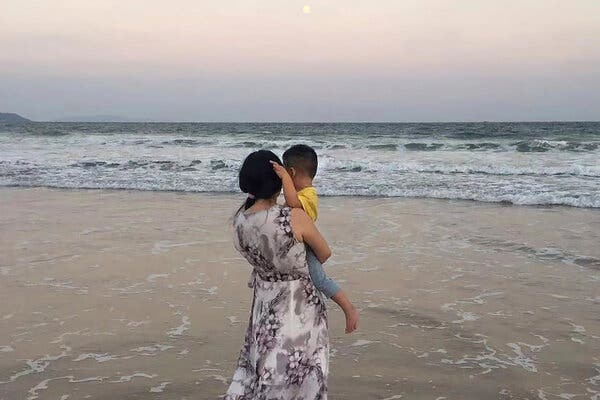
Unmarried mothers are often denied government benefits. A debate over the policy is being propelled by a declining birthrate and a new generation of independent Chinese women.For a few glorious weeks, Zou Xiaoqi, a single mother in Shanghai, felt accepted by her government.After giving birth in 2017, Ms. Zou, a financial worker, went to court to challenge Shanghai’s policy of giving maternity benefits to married women only. She had little success, losing a lawsuit and two appeals. Then, earlier this year, the city suddenly dropped its marriage requirement. In March, a jubilant Ms. Zou received a benefits check in her bank account.She had barely begun celebrating when the government reinstated the policy just weeks later. Unmarried women were once again ineligible to receive government payments for medical care and paid leave.“I always knew there was this possibility,” Ms. Zou, 45, said. “If they make me give the money back, I guess I’ll give it back.”The flip-flop by the Shanghai authorities reflects a broader reckoning in China about longstanding attitudes toward family and gender.Chinese law does not explicitly prohibit single women from giving birth. But official family planning policies mention only married couples, and local officials have long provided benefits based on those provisions. Only Guangdong Province, which borders Hong Kong, allows unmarried women to apply for maternity insurance. In many places, women still face fines or other penalties for giving birth outside of marriage.But as China’s birthrate has plummeted in recent years and a new generation of women embraces feminist ideals, those traditional values have come under increasing pressure. Now, a small but determined group of women is calling for guaranteed maternity benefits, regardless of marital status — and, more broadly, for recognition of their right to make their own reproductive decisions.Still, the about-face in Shanghai makes clear the challenges for feminists in China, where women face deep-rooted discrimination and a government suspicious of activism.It also demonstrates the authorities’ reluctance to relinquish decades of control over family planning, even in the face of demographic pressures. The ruling Communist Party announced on Monday that it would end its two-child policy, allowing couples to have three children, in hopes of lifting a sagging birthrate. But single mothers remain unrecognized.“There has never been a policy change,” a worker at Shanghai’s maternity insurance hotline said when reached by phone. “Single mothers have never met the requirements. ”Zou Xiaoqi, a single mother from Shanghai, sued the city to get maternity benefits.Zou Xiaoqi, via Associated PressMs. Zou, who found out she was pregnant after breaking up with her boyfriend, said she would continue fighting for recognition even though she did not need the money.“This is about the right to choose,” she said. Currently, when an unmarried woman gets pregnant, “you can either get married or have an abortion. Why not give people the right of a third choice?” As education levels have risen in recent years, more Chinese women have rejected marriage, childbirth or both. Only 8.1 million couples got married in 2020, according to government statistics, the lowest number since 2003. With the rejection of marriage has come heightened acknowledgment of single mothers. There are no official statistics on single mothers, but a 2018 report by the state-backed All-China Women’s Federation estimated there would be at least 19.4 million single mothers in 2020. The figure included widowed and divorced women.When Zhang A Lan, a 30-year-old filmmaker in central Hebei Province, was growing up, unmarried mothers were seen as sullied and sinful, she said. But by the time she decided two years ago to give birth without getting married, it was common to see people on social media challenging those old stereotypes.“Marriage is obviously not a prerequisite for childbirth,” said Ms. Zhang, who gave birth to a boy last year.Still, many women described a persistent gap between attitudes online and in reality.Many Chinese still worry about the financial burden and social stigma single mothers face, said Dong Xiaoying, a lawyer in Guangzhou who works to promote the rights of single mothers and gay couples. Lesbians are also often denied maternity rights, as China does not recognize same-sex unions.Ms. Dong, who herself wants to have a child outside of wedlock, said her parents find that decision incomprehensible.“It’s a little like coming out of the closet,” said Ms. Dong, 32. “There’s still a lot of pressure.”“Marriage is obviously not a prerequisite for childbirth,” said Zhang A Lan, pictured here with her son.The greatest obstacles, though, are official.By some measures, the authorities have begun to acknowledge the reproductive rights of single women. A representative to the National People’s Congress, China’s legislature, has for years submitted proposals on improving rights for unmarried women. While the authorities have closed down other feminist groups, those supporting unmarried mothers have largely evaded scrutiny.The authorities’ lighter touch may be, at least in part, because the women’s goals dovetail with national priorities.China’s birthrate has plummeted in recent years, after the decades-long one-child policy sharply reduced the number of women of childbearing age. Recognizing the threat to economic growth, the government has begun urging women to have more children; on Monday, it announced it would allow couples to have three children. The government’s latest Five Year Plan, released last year, promised more “inclusive” birth policies, sparking hopes for recognition of unwed mothers.One state-owned outlet was explicit in a recent headline about the original loosening of the policy in Shanghai: “More Chinese cities offer maternity insurance to unmarried mothers amid demographic crisis.”But the apparent support only goes so far, Ms. Dong said. Far from promoting women’s empowerment, the authorities recently have sought to push women out of the work force and back into traditional gender roles — the opposite of what would make single motherhood possible. “From a governance perspective, they don’t actually want to entirely open up,” she said.The National Health Commission this year emphasized that family planning is the responsibility of “husbands and wives together.” In January, the commission rejected a proposal to open egg freezing to single women, citing ethical and health concerns.Overt rejection of gender norms can still elicit reprisals. Last month, Douban, a social media site, shut down several popular forums where women discussed their desire not to marry or have children. Site moderators accused the groups of “extremism,” according to group administrators.Teresa Xu filed a lawsuit challenging China’s ban on egg freezing for single women.Yan Cong for The New York TimesShanghai’s about-face was the clearest example of the authorities’ mixed messaging on the reproductive rights of unmarried women.When the city appeared to expand maternity benefits earlier this year, officials never explicitly mentioned unmarried women. Their announcement said only that a “family planning review,” which required a marriage certificate, would no longer be carried out.But in April, women once again found themselves being asked for their marriage certificates when applying online.“The local administrators don’t want to take responsibility,” Ms. Dong said. “No higher national authority has said these family planning rules can be relaxed, so they don’t dare to be the ones to open this window.”Many women hope that pressure from an increasingly vocal public will make such regulations untenable.Teresa Xu, 32, saw that shift firsthand in 2019, when she filed a lawsuit challenging China’s ban on egg freezing for single women. At first, the judge treated her like a “naïve little girl,” she said. But as her case gained support on social media, officials became more respectful.Even so, her case is still pending, and officials have not given her an update in over a year. Ms. Xu said she was confident in the long run.“There’s no way to predict what they’ll do in the next two or three years,” she said. “But I believe there are some things that there’s no way to deny, when it comes to society’s development and desires. There’s no way to reverse this trend.”Joy Dong

Read more →

Two New Laws Restrict Police Use of DNA Search Method

Maryland and Montana have passed the nation’s first laws limiting forensic genealogy, the method that found the Golden State Killer.New laws in Maryland and Montana are the first in the nation to restrict law enforcement’s use of genetic genealogy, the DNA matching technique that in 2018 identified the Golden State Killer, in an effort to ensure the genetic privacy of the accused and their relatives.Beginning on Oct. 1, investigators working on Maryland cases will need a judge’s signoff before using the method, in which a “profile” of thousands of DNA markers from a crime scene is uploaded to genealogy websites to find relatives of the culprit. The new law, sponsored by Democratic lawmakers, also dictates that the technique be used only for serious crimes, such as murder and sexual assault. And it states that investigators may only use websites with strict policies around user consent.Montana’s new law, sponsored by a Republican, is narrower, requiring that government investigators obtain a search warrant before using a consumer DNA database, unless the consumer has waived the right to privacy.The laws “demonstrate that people across the political spectrum find law enforcement use of consumer genetic data chilling, concerning and privacy-invasive,” said Natalie Ram, a law professor at the University of Maryland who championed the Maryland law. “I hope to see more states embrace robust regulation of this law enforcement technique in the future.”Privacy advocates like Ms. Ram have been worried about genetic genealogy since 2018, when it was used to great fanfare to reveal the identity of the Golden State Killer, who murdered 13 people and raped dozens of women in the 1970s and ’80s. After matching the killer’s DNA to entries in two large genealogy databases, GEDmatch and FamilyTreeDNA, investigators in California identified some of the culprit’s cousins, and then spent months building his family tree to deduce his name — Joseph James DeAngelo Jr. — and arrest him.Ms. Ram subsequently published an article in a law journal calling on Maryland lawmakers to act against the practice. Granting police access to a suspect’s genome, she argued, including markers of sensitive health information, was akin to an unreasonable search, which is banned by the Fourth Amendment. In 2019, she testified to a state House committee after a delegate, Charles Sydnor, who is now a state senator, introduced legislation that would have banned the method outright.The ban did not pass. But it prompted discussions with legal experts, public defenders, prosecutors and police officers that led to a compromise bill, which passed unanimously this term in the state House and Senate.“This bill strikes a balance between this very important technology to identify people that do the very worst things to our Marylanders, yet it balances that against the privacy concerns and the trust that we need from the public,” John Fitzgerald, the chief of the Chevy Chase Village Police Department, testified to the Maryland House Judiciary Committee in February.But some experts said that the law could put a damper on the technology’s use in Maryland. For one thing, the law states that by 2024, genealogists working on such cases must be professionally certified — a credential that does not yet exist.Another sticky provision: Investigators may use only genealogy companies that have explicitly informed the public and their customers that law enforcement uses their databases, and that have asked for their customers’ consent to participate. Currently, customers of GEDmatch and FamilyTreeDNA are given a choice about whether to participate in these searches. But the companies provide little information about what those searches entail, and the opt-in settings are turned on by default.“We know well that most people do not read these kinds of forms closely,” Ms. Ram said. “This is likely to generate unwitting inclusion rather than actual consent.”Unlike 23andMe and Ancestry, which have kept their immense genetic databases unavailable to law enforcement without a court order, GEDmatch and FamilyTreeDNA are eager to cooperate. If other states do not follow Maryland’s lead, it seems unlikely that either company would make changes that would shrink the pool of DNA profiles available for these searches. Both companies said in statements that they had no plans to update their policies.“If the rest of the nation doesn’t have that requirement, why would they bow to Maryland’s needs?” said Paul Holes, a critic of the bill and a retired cold-case investigator who was on the team that found Mr. DeAngelo. “Now they’re serving the greater good at the expense of one state.”In the three years since Mr. Holes’s team found Mr. DeAngelo, likely several hundred cases, many of them decades old, have been solved nationwide with genetic genealogy. The method has been used to solve crimes, exonerate the innocent and find the names of unidentified remains. The Defense Department may use the technique to identify World War II soldiers.Joseph James DeAngelo Jr., also known as the Golden State Killer, appearing before the court during a sentencing hearing in August.Pool photo by Santiago MejiaIn some cases, customers may never know that the DNA markers they have uploaded into a database are being used by the police to identify culprits — or that using the database may bring trouble to their relatives. In 2018, police in Orlando, Fla., asked a woman for a DNA test, telling her that they believed she was related to a dead person they were trying to identify. She complied, only to find out that they were investigating her son, who was subsequently arrested and charged with murder.In other cases, detectives might surreptitiously collect the DNA of a suspect’s relative by testing an object that the relative discarded in the trash.Maryland’s new law states that when police officers test the DNA of “third parties” — people other than the suspect — they must get consent in writing first, unless a judge approves deceptive collection.Investigators cannot use any of the genetic information collected, whether from the suspect or third parties, to learn about a person’s psychological traits or disease predispositions. At the end of the investigation, all of the genetic and genealogical records that were created for it must be deleted from databases.And perhaps most consequential, Maryland investigators interested in genetic genealogy must first try their luck with a government-run DNA database, called Codis, whose profiles use far fewer genetic markers.Mr. Holes said that this part of the law could have tragic consequences. For old cases, he pointed out, DNA evidence is often highly degraded and fragile, and every DNA test consumes some of that precious sample. “In essence, the statute could potentially cause me to kill my case,” he said. And given the speed that DNA technology evolves, he added, it is unwise for a law to mandate use of any particular kind of test.But other experts called this provision crucial, because the potential privacy breach is far more severe for genetic genealogy, which gives law enforcement access to hundreds of thousands of genetic markers, than it is for Codis, which uses only about two dozen markers.These searches are “the equivalent of the government going through all of your medical records and all of your family records just to identify you,” said Leah Larkin, a genetic genealogist who runs a consulting business in the San Francisco Bay Area that is largely focused on helping adoptees and others find their biological relatives. “I don’t think people fully appreciate how much is in your genetic data.”

Read more →

Clinics Close, but Abortion Continues

Even as abortion is restricted, telemedicine allows some women to end unwanted pregnancies using legal medications.Abortion is once again a prominent source of controversy, restrictive legislation and, for many, great distress. A little background may help put this in perspective.Fifty years ago last fall, after New York State adopted the most lenient abortion law in the country, many out-of-state women with unwanted pregnancies sought help from New York doctors.On assignment from The Times, I accompanied two such women from Minnesota through their newly legal New York abortion experience. One was a Catholic woman on birth control pills, the mother of three children all with serious birth defects whose husband threatened to abandon the family if she had another child. The other was a 17-year-old who didn’t know that she got pregnant after her high school prom, not weeks later at her graduation party. Both women had abortions safely performed by reputable New York gynecologists.It was an emotionally fraught experience, but not nearly as harrowing as one I’d endured five years earlier when an unmarried friend with neither money nor access to a safe medical abortion tried in vain to terminate her pregnancy by drinking turpentine.It is a different world today, with many more and better contraceptives and a 1973 Supreme Court ruling, Roe v. Wade, that protects a woman’s right to choose abortion, now becoming increasingly curtailed by state-imposed restrictions and subject to the possibility of being overturned by the court. At the same time, according to a recent report, more women with unwanted pregnancies are finding a safe way to end them on their own using medications licensed by the Food and Drug Administration.Though dangerous methods — the proverbial coat-hanger abortions — are now relatively uncommon, they are by no means gone. Despite current availability of highly effective contraception covered for most women by the Affordable Care Act, the problem of unwanted or ill-timed pregnancies is still very much with us and likely always will be.According to the Guttmacher Institute, a champion of reproductive rights that gathers solid data on abortion and related issues, nearly a quarter of women in the United States will have an abortion by age 45. The institute states that three-fourths of women seeking abortions are poor or low-income, and more than half are already mothers who for various reasons — monetary, medical, emotional, societal or professional — cannot now afford to have another child.In the report, published in December in JAMA Network Open, a research team headed by Lauren Ralph, epidemiologist in reproductive medicine at the University of California, San Francisco, found in a nationally representative survey of 7,022 women aged 18 to 45 that 1.4 percent admitted to having tried to terminate a pregnancy without medical assistance. Such self-managed abortion attempts were more than three times as common among Black and Hispanic women than non-Hispanic white women, with finances playing an important role; 15 percent of respondents in the survey were living below the federal poverty level.Adjusting for the known level of underreporting of abortion, the research team “estimated that 7 percent of U.S. women will attempt self-managed abortion at some point in their lives,” often using ineffective and sometimes dangerous methods. Dr. Ralph said that data from abortion clinics on how many women had first attempted to induce abortion on their own greatly underestimates the true number of self-managed abortions because more than one in four attempts were likely to have been successful.Among women in the study, nearly half reported using the licensed abortion drug misoprostol or another medication in their most recent attempt to self-terminate a pregnancy, while 38 percent used herbs they heard could induce abortion, and nearly 20 percent used a physical method, such as being hit in the abdomen. Nearly 28 percent said they had succeeded in ending the pregnancy. Among those who had failed, 33.6 percent subsequently had abortions at a clinic (often 100 miles or more from home), and 13.4 percent continued the pregnancy. Eleven percent said they had suffered a complication following their self-attempt at abortion.The most common reasons they gave for having tried to end a pregnancy on their own, without involving the health care system, were that it seemed easier or faster, that the procedure at a facility was too expensive and that the nearest clinic was too far away. Although this survey did not include adolescents, pregnant teens are often reluctant or unable to seek parental consent that many states require for a medically supervised abortion, which prompts some teens to attempt a self-induced abortion.According to Dr. Ralph and co-authors, “abortion clinics and practitioners report caring for an increasing number of individuals who have attempted self-managed abortions.” The researchers predicted that efforts by women to induce abortions on their own will become increasingly common as access to facility-based abortion care continues to decline.For instance, the last clinic in Missouri that provides abortions, operated by Planned Parenthood, could be forced to stop the practice in a dispute with state regulators. It won a reprieve to continue operating through next May. Missouri and Mississippi are among a number of states in which lawmakers have banned abortions in early pregnancy, and most recently Texas banned all abortions after six weeks of pregnancy, a point at which the vast majority of women don’t yet know they are pregnant. Last month, the Supreme Court accepted a case that could result in overturning Roe v. Wade.“As more abortion clinics close and restrictions increase, the convenience of self-managed abortions will likely make them more prevalent,” Dr. Ralph said in an interview. “Just because states make abortion more difficult to access doesn’t mean the need for abortion will go away. We should make sure that women have the safest and most effective methods available.”She noted that pandemic-induced limitations on in-person medical visits may have made it easier for women in many states to access self-managed abortion in their homes. More doctors are now willing to provide abortion counseling over the phone and may even “distribute abortion medication by mail or hand it to women in the parking lot,” she said.Used correctly within 70 days of the start of a woman’s last menstrual period (10 weeks gestation), medical abortion is effective in ending pregnancy more than 95 percent of the time, the Guttmacher Institute has reported. There are two prescription drugs, best used in combination, that can induce abortion early in pregnancy. One, an oral drug called mifepristone, is taken first to block the hormone progesterone needed for pregnancy to continue; the other, misoprostol, is dissolved in the mouth or inserted vaginally one or two days later to induce contractions and expel the contents of the uterus, ending the pregnancy.Mifepristone access is rigidly controlled and can be difficult for doctors to prescribe, but misoprostol, which was licensed as an ulcer drug, is readily available in pharmacies with a doctor’s prescription and is usually effective in ending an early pregnancy even without mifepristone. Some women have ordered misoprostol online or obtained it from Mexico or elsewhere.Still, even with such drugs, if clinic access continues to decline or Roe is overturned, most women past 10 weeks of pregnancy might have no safe, legal access to abortion.

Read more →

‘On That Edge of Fear’: One Woman’s Struggle With Sickle Cell Pain

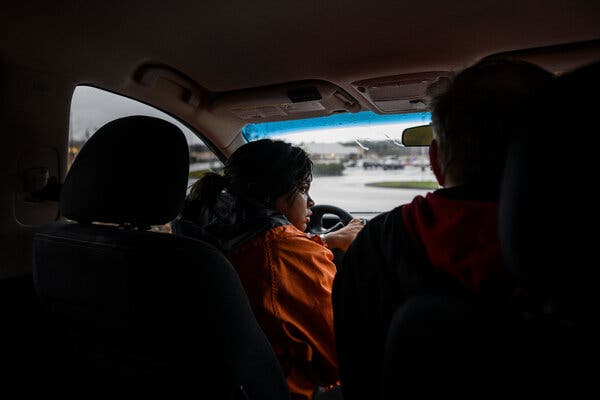
NASHVILLE — She struggled through the night as she had so many times before, restless from sickle cell pain that felt like knives stabbing her bones. When morning broke, she wept at the edge of her hotel-room bed, her stomach wrenched in a complicated knot of anger, trepidation and hope.It was a gray January morning, and Lisa Craig was in Nashville, three hours from her home in Knoxville, Tenn., preparing to see a sickle cell specialist she hoped could do something so many physicians had been unable to do: bring her painful disease under control.Ms. Craig, 48, had clashed with doctors over her treatment for years. Those tensions had only increased as the medical consensus around pain treatment shifted and regulations for opioid use became more stringent. Her anguish had grown so persistent and draining that she sometimes thought she’d be better off dead.She was willing to try just about anything to stop the deterioration of her body and mind — and her hope on this day in January 2019 rested in a Nigerian-born physician at Vanderbilt University Medical Center who had long treated the disease, which mostly afflicts people of African descent.That morning, she slipped on a cream-colored cardigan and a necklace with a heart-shaped pendant. She played some Whitney Houston before sliding behind the wheel of her black S.U.V. Her husband, in the passenger’s seat, punched their destination into his phone’s navigation system.“Live as if everything is a miracle,” reads a framed quote on Ms. Craig’s beige living room wall, and that’s exactly what she was hoping for.People with sickle cell, a rare, inherited blood disorder caused by a mutation in a single gene, typically endure episodes of debilitating pain as well as chronic pain. Roughly 100,000 Americans and millions of people globally, mostly in Africa, have the disease. Red blood cells that carry oxygen become stiff and curved like crescent moons, clogging blood vessels and starving the body of oxygen.Ms. Craig, on errands with her husband, Jeremy, in Knoxville, Tenn.Promising developments in gene therapy have given people with the disease hope that a cure is on the way for an illness that often causes organ failure and premature death. But the first such therapy is more than a year from regulatory approval. It will almost certainly be extremely expensive, cannot reverse the disease’s damage to tissues and organs, and may come too late for people whose bodies are so battered by the disease that they might not survive the grueling treatment.Most people with sickle cell are searching for something far more basic: a way to prevent or manage the disease’s devastating complications — strokes, depression and, above all, pain.That search can be rocky, as I learned following Ms. Craig over two and a half years of struggle and heartache. I joined her on doctor’s visits, shared meals with her family, parsed her medical records, sat in on a therapy session and tagged along as she ran errands around Knoxville and relaxed at home. I saw moments of anger, sadness and agony, but also determination, joy and love.Her efforts to find relief were complicated by a national opioid epidemic and the coronavirus pandemic, as well as the challenges of navigating a medical system that often mistreats Black people like her. At the same time, doctors were changing how they treated sickle cell as emerging research suggested that narcotics could actually worsen pain.Ms. Craig felt doctors were prone to stereotyping her as an addict cadging narcotics and didn’t believe in the extremity of her suffering.Racist myths persist in medical care, like the idea that Black people tolerate more pain than white people. Such stereotypes have led Black patients to receive poor care, extensive research suggests. That can be especially problematic for sickle cell patients like Ms. Craig, who describe rushing to the emergency room in agony and waiting hours to be seen, only to be sent home still in pain after doctors tell them that their lab results are fine and they should not be suffering.Biopsies can detect cancer, X-rays a broken bone. But there is no definitive clinical test to determine when a sickle cell patient is suffering a pain crisis.“This is the essence of the problem,” said Dr. Sophie Lanzkron, the director of the Sickle Cell Center for Adults at the Johns Hopkins Hospital. “There is no objective measure of crisis. The gold standard is the patient tells you, ‘I am having a crisis.’”The intensity of the disease as well as the subjectivity of treatment mean that a visit to a new doctor can feel like the cruelest game of roulette. And the weight of that pressure bore down on Ms. Craig as she parked at Vanderbilt and hobbled into the elevator. Would the doctor help her?“Chest hurts,” she told her husband.“You’ll be all right,” he assured her.‘That was unheard-of’Family photos on the walls of the Craig home. Lisa, whose illness was diagnosed when she was 5 and screenings weren’t yet routine, was the only person in her extended family ever to have sickle cell disease.The throbbing pounded the little girl’s body. It was in her arms and legs, and it often made her sob.Lisa’s parents were baffled. Her mother gave her warm baths and body rubs, and took her to the doctor frequently. But the pain persisted.Then one day in the late 1970s, when Lisa was about 5, her parents drove her from their home in Knoxville to the Mayo Clinic in Rochester, Minn. Doctors ran tests and discovered the cause: sickle cell disease.At the time, widespread screening for the illness in newborns was still about a decade away. Lisa was the only person in her extended family ever to have it diagnosed.“That was something that was unheard-of,” she said.Her mother was often her protector, coddling her when the pain set in, while her father urged her to carry on.Flare-ups of pain made her miss out on slumber parties, ice skating and plenty of school. But for all the restrictions, no one ever questioned whether her pain was real.At the East Tennessee Children’s Hospital where she was treated, the rooms were decorated with ocean- or circus-themed wallpaper. Nurses gave her games and puppets and tried to make her smile.“Pain medication was given because people believed I was in pain,” she wrote in her journal decades later.The medicines gave her relief, but also set her body on a path complicating her treatment decades later: She needed opioid painkillers to live comfortably.‘It’s a terrible treatment’Drawing blood from a port in her chest at Vanderbilt University Medical Center. She drives three hours from Knoxville for her appointments there.A crisis was brewing in society that complicated efforts to treat pain caused by sickle cell: the spread of addiction to opioids fueled in large part by reckless, even criminal marketing of the drugs by major pharmaceutical companies.Research showed that people with sickle cell were no more likely to become addicted to opioids than other chronic pain sufferers, and that their use of narcotics had not skyrocketed as it had in the general population.In March 2016, the Centers for Disease Control and Prevention released stringent guidelines on prescribing narcotic painkillers, though it carved out exceptions for sickle cell.A few months later, Ms. Craig’s doctors began cutting back on the amount of intravenous narcotics she was given for pain crises. She argued that the reduced doses were not working. Her hematologist, Dr. Jashmin K. Patel, urged her to take hydroxyurea, a chemotherapy drug that is a standard treatment for the disease, saying it would reduce her pain, according to medical records. Ms. Craig had tried it, but had an unusually severe reaction, with mouth sores, hair loss and vomiting, so she stopped. She said she felt that the doctor wasn’t taking her complaints about the side effects seriously. (Most patients can take the drug successfully.)“Why do you dear doctor still bully me to take it,” Ms. Craig wrote in her journal on Sept. 17, 2017.She didn’t want a doctor who preached to her, she wrote, but one who listened, because as someone “who deals with how MY body works with this disease don’t you think my expertise outweighs yours.”Ms. Craig, a mother of two, planning the next couple of days away from home for another round of medical appointments in Nashville.Over the past decade, even some of the best-informed sickle cell specialists have begun reconsidering their reliance on long-term opioid therapy. They have found little evidence to suggest that sickle cell patients who regularly take opioids see their quality of life improve. And their concern about long-term reliance on narcotics is especially high in patients like Ms. Craig, who are living well into middle age with a disease that used to kill its sufferers in childhood or early adulthood.Dr. Lanzkron at Johns Hopkins said her patients would “end up on these ridiculous doses” and “still have the same level of pain.”“It’s a terrible treatment,” she said.So the specialists started trying to teach people with sickle cell how to lessen and tolerate pain with techniques including therapy, meditation and hypnosis.Ms. Craig had tried everything — warm baths, elevating her feet, steady breathing. She hated feeling dependent on pills. Yet she dreaded the way a simple ache crescendoed to feel like a thousand bee stings or a hand smashed in a door.In July 2018, her need for relief led to conflict during a visit with Dr. Patel. Alarm bells began ringing in Ms. Craig’s head when the doctor stepped into the room accompanied by a stenographer.Dr. Patel said she was concerned that Ms. Craig was not taking hydroxyurea as she was supposed to, according to medical records reviewed by The New York Times. She told Ms. Craig that she was not going to increase her pain medication, noting in the file that Ms. Craig had called two weeks earlier for a refill.Ms. Craig said in an interview that she had never asked for an increase in medication and that Dr. Patel was twisting her words and ignoring her concerns. Neither Dr. Patel nor the practice where she worked responded to requests for comment.Voices were raised, feelings hurt. Eight days later — on July 18, 2018 — Ms. Craig got a letter from Dr. Patel saying she was no longer welcome at the practice, “because of your lack of cooperation in your medical treatment, non-compliance with treatment recommendations and frequent narcotic requests before agreed time-frame.”‘Why should you have pain?’Ms. Craig in her kitchen playing with the family dog, Bash.After she was kicked out of Dr. Patel’s practice, Ms. Craig went to Dr. Wahid T. Hanna, a veteran oncologist at the University of Tennessee Medical Center, who had treated dozens of sickle cell patients.By December 2018, familiar tensions arose. Dr. Hanna grew suspicious of her request for narcotics. She had gone through the 120 Oxycodone pills that he had prescribed a month earlier and wanted a refill.On several visits, Dr. Hanna repeated a refrain as if he were saying it for the first time: He was puzzled that she had pain because she had a generally less severe version of sickle cell.“So really, I don’t have any justification why should you have pain,” he told her on one of those visits.“I’ve always had pain,” she replied, according to a recording Ms. Craig’s husband took of the meeting.Months earlier, Tennessee had enacted some of the nation’s most stringent restrictions on doctors prescribing opioids during a deadly epidemic, though there were exceptions for sickle cell patients.“My question is, with the way the state is regulating the narcotics and all that, we could be questioned,” Dr. Hanna said. “We could be red-flagged.”If Ms. Craig had pain, Dr. Hanna said it might have been from arthritis or the heavy periods she complained of. Those could be managed without opioids, he said.“We do this every time I come, and I’m not understanding,” Ms. Craig said.“I’m saying this because we can be questioned,” Dr. Hanna said, and if the authorities asked him whether he saw a lot of pain in someone with her kind of sickle cell, “I’d say usually I don’t.”“You can’t say 100 percent that it’s not possible,” Ms. Craig said.“I want to take care of you, but I want to do it right,” he said.In that moment, Dr. Hanna said in a later interview, “I did not know whether her pain requirements were genuine or not.”Her red blood cell count was stable and her iron was low — metrics that, Dr. Hanna said, suggested that her sickle cell was not that severe. But experts who treat sickle cell say that iron and hemoglobin levels do not indicate how severe the disease is.Still, Dr. Hanna reduced her narcotic dosage, encouraged her to use over-the-counter pain medicines and scheduled her for an iron infusion, which he told her would make her “feel like a different person.”‘I feel beaten down’Testing lung functions on a plethysmograph with a respiratory therapist at Vanderbilt.Days after another disappointing visit to Dr. Hanna in December 2018, Ms. Craig sat on a light green leather couch beneath a painting of an ocean in her therapist’s office, choking back tears.“Putting up with somebody belittling me and making me feel less than is not worth it,” she told her therapist.It was difficult enough to control her physical pain, but reining in the mental anguish proved equally troublesome.A former preschool teacher who speaks with wide-eyed animation, Ms. Craig has not been able to work full time since 2005 because of her unpredictable pain. She finds purpose where she can, taking care of her family, picking up the occasional odd job, babysitting for relatives and friends.She exercised as her doctors advised, took 15 minutes a day to “be selfish” as a friend suggested and wrote prayers on brown slips of paper that she sealed in a jar. She listened as her therapist explained that there was no shame in trying to get prescriptions to relieve pain.But all around, the signals told Ms. Craig otherwise: the constant stream of news about the opioid crisis and, one evening shortly before her Vanderbilt visit, a heated discussion with an aunt at the family dining room table.“You can’t just come on in there and just say: ‘Look, this is the drug I take. And I know this’ll work,’” said her aunt, Nanette Henry Scruggs, who used to work at a hospital.“The hospitals tell people all the time to be your own advocate,” Ms. Craig said.Times were changing, her aunt explained, because doctors had overmedicated pain patients and now risked losing their licenses.“You don’t understand it because you have the disease,” Ms. Scruggs said.“And you don’t understand it because you don’t,” Ms. Craig fired back, her voice straining with emotion. “And you’re not the one that they look at and go, ‘Oh, she’s just exaggerating her pain.’ When I want to saw my own freaking legs off, that’s a problem!”Ms. Craig’s husband, Jeremy, first learned that she had sickle cell one night when they were dating and she told him she was having a pain crisis. He drove her to the emergency room, kissed her on the forehead and told her he loved her. She was sold.Many sickle cell patients feel frustrated that doctors don’t believe patients know what works. Often, that’s narcotic doses much higher than the average person requires. Yet asking for specific medications can fuel distrust, compounded by many doctors’ lack of familiarity with sickle cell.Only one in five family physicians said they were comfortable treating sickle cell, according to a 2015 survey. Even hematologists rarely specialize in it, with a greater focus on cancers of the blood, which are more prevalent.Ms. Craig lamented that sickle cell patients did not seem to get the sympathy given to people with other devastating illnesses. Somebody needed to change that, she told her aunt, “and I’m going to be that somebody.”“Sickle cell patients are not abusing, are not the major cause of people overdosing,” Ms. Craig told her.“I’m not saying that,” her aunt said, later adding, “She’s thinking I’m against her.”“I’m not saying you’re against me, but you’re definitely not standing shoulder to shoulder with me,” Ms. Craig said.With her daughter, Kaylyn, and Bash at home.Ms. Craig was now worked up, and her husband, Jeremy, urged her to calm down. He has long been her champion, but Ms. Craig worried her disease was a drag on her family. Jeremy, 45, their daughter, Kaylyn, 19, and their son, Mason, 15, have endured her at her weakest and angriest. They accompany her on middle-of-the-night emergency room runs and wake up when she paces their single-story brick home in the middle of the night because of pain.Still, they have always looked out for her. Her husband first learned that she had sickle cell when they were dating and she told him that she was having a pain crisis. He drove her to the emergency room at 2 a.m., kissed her on the forehead and told her he loved her. She was sold. And because he was white, there was a lower chance that he would carry the sickle cell mutation, meaning it was less likely that their children would have the disease — something she also found appealing.For Mr. Craig, simply watching his wife suffer was not an option. He always looked for solutions and thought he’d come up with one as he scrolled through his cellphone one evening in their dim living room: marijuana.“I think you should try it,” he said.Ms. Craig waved him off, but he insisted that it would be safe to try in states where it was legal.“What if it works?” he asked.“What if it doesn’t,” she replied. “I’m done talking to you about that whole situation.”“If we go to Washington State,” he insisted.“I’m not going,” she said, cutting him off. “To me, that feels like an addict.”Still, she was desperate for help as her relationship with Dr. Hanna deteriorated. A social worker suggested she consult specialists at Vanderbilt.She made the appointment. Just a few days before the visit, she made her fourth trip to the emergency room in six weeks for a pain crisis. The doctor gave her intravenous Tylenol and four oxycodone tablets. After four hours, she was still in pain and left the hospital, as she had many times, without relief.“I want to be extremely honest with u and let you know I am tired,” she wrote to me on Facebook at 1:16 a.m., after getting home from the emergency room. “I feel beaten down by these doctors as if I am an addict.”She was hurtling, she said, toward “a dangerous level of depression.”‘Win their trust’Dr. Adetola Kassim, Ms. Craig’s new hematologist, left, talked her and Mr. Craig through some test results.Ms. Craig fidgeted and sweat beaded around her lip, forehead and eyes. It was Jan. 18, 2019, and, at last, she sat in an exam room at Vanderbilt.Dr. Adetola A. Kassim strolled in, chomping gum. He shook hands with her and her husband.“So what brings you?” he asked.For half an hour, Ms. Craig guided him through her arduous journey: hip replacement, seizures, blood clots. Pain crises usually came right before her period, she told him, and he said that researchers were exploring whether there was a link between sickle cell pain and menstruation.Dr. Kassim, who heads Vanderbilt’s adult sickle cell program, is a native of Nigeria who has specialized in treating the disease for more than 20 years. As he listened to her medical history and symptoms, he contemplated the riddle of treating her.“What you’ve had over the years is an interplay of your disease with other chronic health problems,” he told her. “I’m going to think about it carefully because you’re a little complicated.”He told Ms. Craig that he needed to run tests to figure out the underlying causes of her chronic pain. Did she, for instance, have arthritis? Since hydroxyurea had so many side effects for her, he wanted to try another drug, Endari.And he wanted to manage her pain with sparing narcotic use. He worried she was susceptible to hyperalgesia, a condition in which prolonged opioid use can alter patients’ nerve receptors and actually cause more pain.In many ways, he was echoing Dr. Hanna. She needed to take fewer narcotics. Sickle cell probably was not the cause of some of her pain. But he never questioned whether she was hurting. He listened. He laid out a plan.“You can’t just come in one day and be like a cowboy,” Dr. Kassim said in a later interview. “You’ve got to win their trust and begin to slowly educate them.”After she left his office that day, Ms. Craig leaned her head on her husband’s shoulder. “I feel like we should have come here a long time ago,” she said.‘Too good to be true’A card in Ms. Craig’s living room.Three months after her first visit with Dr. Kassim, pain radiated through her lower back, left hip, elbows and knees. She was out of hydrocodone, and her next refill was more than a week away.“Continue alternating between Aleve and extra strength Tylenol,” Karina L. Wilkerson, a nurse practitioner in Dr. Kassim’s office, counseled her in an email, prescribing a muscle relaxer and telling her: “Rest, heat and hydrate.”Days later, the pain was so unrelenting that Ms. Craig went to the emergency room and got a dose of intravenous narcotics.She felt as if history was repeating itself. She was trying to wean herself from opioids, to rely mostly on over-the-counter meds, to use heat and ice, but it was not working.“I feel like I’m a junkie,” she said in an interview, her voice cracking.The pain returned a day after she left the hospital. With four days until her next visit to Dr. Kassim, she sent another message to ask whether there was anything more to be done, careful not to request hydrocodone. A nurse wrote that she could be prescribed more muscle relaxers, but “we cannot fill any narcotics for you before your appointment.”Ms. Craig felt as if she was back where she started. Dr. Kassim was friendly, attentive and knowledgeable, yet she was still enduring pain.“A part of me knew we’d be back in this position,” she said, “that it was too good to be true.”‘A defeated acceptance’Ms. Craig played with Adeline, a family friend’s child she was watching for a few hours.One day last May, Ms. Craig had spent a lot of time on her feet at a family gathering after a relative’s death. As she settled in for the evening, a family friend dropped off two children she had agreed to babysit, and she braced for the inevitable result of a busy day: pain.In the past, she would have taken a hydrocodone earlier in the day as a maintenance dose. But she had been seeing Dr. Kassim for more than a year, and although pain continued to gnaw at her, she was starting to buy into his advice. She had paid close attention to Facebook groups and news from medical journals with the latest developments on sickle cell. In her 48th year battling the disease, her perspective was changing.She had come to realize that no matter how much hydrocodone she took or how well versed her doctor was in the disease, her pain did not disappear — and that the medical consensus had shifted against relying mainly on narcotics.“It’s like a defeated acceptance,” she said.In the wee hours of the morning after the family gathering, she began to hurt. Her hips throbbed. She tried to sleep on her left side, then her right. She lay on her back and elevated her feet. Nothing worked.Still, she held off on the narcotics. Most people with sickle cell remember a crisis when their pain was “at a zillion and you were sitting in that emergency room, waiting for them to call you, and all you wanted to do was pass out,” she said. “We live on that edge of fear.”She held off until about 11 a.m., when she took a hydrocodone. It provided enough relief to keep her out of the hospital — just the kind of progress Dr. Kassim wanted from her.He sought to address the underlying triggers of her pain: sickle cell, worn joints, her menstrual cycle, nerve damage and prolonged opioid use. The main thing, he said, was to stabilize her quality of life. That goal motivated her.But the spread of the coronavirus has interfered with their plan.Dr. Kassim told Ms. Craig during a visit in February of last year that he wanted her to get an M.R.I. to better understand the underlying causes of her pain. But the pandemic hit, and she was not able to get that imaging until December. It revealed some of the pain triggers that Ms. Craig will have to get under control: a bulging disk in her back, and arthritis in both hips and her left shoulder.She held off going to physical therapy for fear of catching Covid-19, but is now planning to go since she has been vaccinated. She has tried to tolerate the pain and avoid the hospital, but not always successfully. There were three visits in a week last June and a five-hour wait during a September visit.Through the past year, she has grown more resolute, trying to raise awareness and support for people with the disease in Knoxville. She had masks made with the words “sickle cell” printed across the front. She has resolved to live with the disease, not suffer from it.“It’s just my life,” she said. “The one I’ve been dealt.”Ms. Craig standing outside her garage in Knoxville.

Read more →

Nepal’s Covid Crisis Worsens as Workers Pay the Price

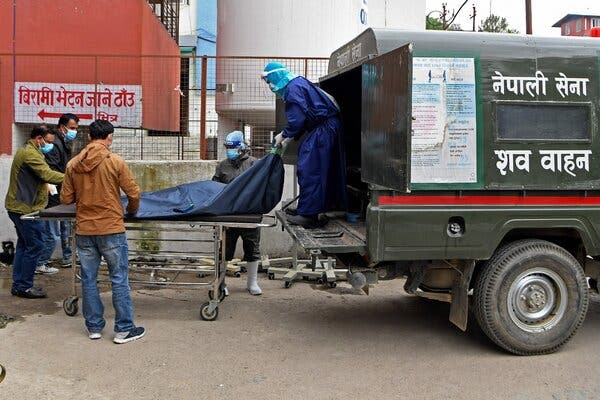
The Himalayan country is considering declaring a health emergency to help contain a second wave that experts say migrant laborers brought back from India.KATHMANDU, Nepal — Ram Singh Karki escaped the first wave of India’s pandemic by boarding a crowded bus and crossing the border home to Nepal. Months later, as the rate of new infections fell, he returned to his job at a printing press in New Delhi, which had sustained his family for two decades and helped pay the school fees of his three children.Then India was swept by a second wave, and Mr. Karki wasn’t as lucky.He was infected last month. Hospitals in New Delhi were overwhelmed. When his oxygen level dropped, his manager arranged for an ambulance to take him back to the border. He crossed into Nepal, carrying with him just the clothes on his back — and the virus.Nepal is now considering declaring a health emergency as the virus rampages virtually unchecked across the impoverished nation of 30 million people. Carried by returning migrant workers and others, a vicious second wave has stretched the country’s medical system beyond its meager limits.Nepal has recorded half a million Covid cases and 6,000 deaths, numbers that experts believe deeply undercount the toll. Testing remains limited. One figure could indicate the true severity: For weeks now, about 40 percent of the tests conducted have been positive.Heath workers moved the body of a patient who died of Covid-19 in Kathmandu, Nepal’s capital, in May.Prakash Mathema/Agence France-Presse — Getty ImagesA government in disarray has compounded the trouble. K.P. Sharma Oli, Nepal’s embattled prime minister, has been pushing for an election in November after the country’s Parliament was dissolved last week, an event that could worsen the spread.Earlier this week, Hridyesh Tripathi, Nepal’s minister for health and population, said the government was considering declaring a health emergency as infections rise.But such a declaration could be caught up in politics. The move would allow officials to limit people’s movements — a level of control that opposition groups worry could be used to quell dissent.In the meantime, officials in Kathmandu, the capital, have urged people to store food for at least a week and stay home.The impact is rippling beyond those infected. Remittances from migrant workers have slowed. Tourism and the economy have been damaged.“Millions of people continue to feel the increasing pressure not just with the direct health impact of Covid-19, but also with food, jobs, medical bills, kids out of school, payback loans, mental pressure, and much more,” said Ayshanie Medagangoda Labe, the resident representative of the United Nations Development Program in Nepal.Ram Singh Karki and his wife, Harena Devi, at a temple in Nepal in November, before he returned to India.Harena DeviMr. Karki’s family outside their home in Kanchanpur, Nepal. Mr. Karki, a migrant worker, contracted Covid-19 in India and returned home to Nepal, where he died.Harena Devi KarkiNepal’s close relationship with India helped make it vulnerable. India has long been its most important trade and transit partner. The two nations share a deep cultural bond across a porous 1,100-mile border. Nepal’s devastation mirrors that of its big neighbor — from patients spilling out into hospital corridors and onto lawns, to long lines at oxygen refilling facilities, to a government unprepared for crisis.Officials say laborers like Mr. Karki who were forced to come home by the second wave brought the virus with them. Villages along the border are some of the worst hit. Nepal’s health ministry said about 97 percent of the cases sent for genome sequencing show the B.1.617.2 variant found in India, which the World Health Organization has classified as a “variant of global concern.”Nepal’s leaders were unprepared. During India’s first wave last year, when about one million Nepali migrant workers returned home, Nepal instituted testing and quarantine measures at border crossings.A Covid-19 patient being treated outside of a hospital in Kathmandu in mid-May. Hospital wards in the capital have become full. Narendra Shrestha/EPA, via ShutterstockBut during this spring’s second wave, those measures were too little too late. By the time Nepal shut two thirds of its border crossings in early May, hundreds of thousands of laborers had made it back, trickling into their villages without proper testing or quarantine. Thousands continue to return daily.The government’s attention had shifted elsewhere. In February, when the virus seemed to be in retreat, Mr. Oli held rallies of thousands of supporters in Kathmandu and other cities. Opposition parties held their own rallies. Last year, Mr. Oli said the health of the Nepali people would deter the disease.The government’s defenders say the pandemic is a global problem and that officials are doing the best they can with few resources or vaccines.Mr. Oli has called for international aid, though it won’t be enough to meet Nepal’s needs. China has donated 800,000 vaccine doses, 20,000 oxygen cylinders and 100 ventilators. The United States and Spain have sent planeloads of medical equipment, including oxygen concentrators, antigen tests, face masks and surgical gloves. The United States provided $15 million this month to scale up Nepal’s Covid testing. Nepali migrant workers in Gulf nations have arranged for oxygen cylinders to be sent home.Medical supplies donated from Switzerland at Tribhuvan International Airport in Kathmandu.Prakash Mathema/Agence France-Presse — Getty ImagesBut Nepal can’t fight the pandemic without help from India. Already, an Indian vaccine manufacturer has told Nepal it can’t deliver a promised one million doses.Nepal is also dependent India for half of its medical equipment needs, according to the Chemical and Medical Suppliers Association of Nepal, but the latter country is keeping just about everything for its own urgent domestic needs. Equipment from China, already costly, has become more difficult to obtain because of Chinese pandemic restrictions.“For a month now, India has stopped the supply of medical equipment and medicine also, not just vaccines,” said Suresh Ghimirey, the association’s president.In some provinces that experienced the return of many migrant laborers in India, hospitals have run out of beds. In Surkhet district, the main provincial hospital said that it couldn’t admit more patients. Small outlying villages are quietly mourning their dead. Testing has been slow.Nepal’s prime minister, K.P. Sharma Oli, has come under fire for not acting fast enough to contain the virus. Nisha Bhandari/Agence France-Presse — Getty Images“Except a few villagers, many are unable to come out and do daily agricultural work,” said Jhupa Ram Lamsal, ward chief of the village of Gauri, where nine people died of Covid over 10 days earlier this month. “The worrying thing is that even symptomatic people aren’t ready for Covid tests.”Mr. Lamsal said he had recently reached Gauri, which is remote and lacks health facilities, along with a team of doctors to conduct antigen tests. Locals turned down health professionals’ plea for Covid tests, he said, arguing they would be dispirited if they found out they were positive.“The situation is out of control,” Mr. Lamsal said. “We are hopeless, helpless.”Mr. Kakri, the printing press worker, hailed from a village in the Bhimdatta Municipality, in Nepal’s western corner. The area of 110,000 people has officially recorded 3,600 infections, according to the health chief there, Narendra Joshi. But lack of measures at the border mean that the data may not fully measure the severity.“More than 38,000 people have returned from one of the two border points in the district since the second wave started in India,” said Mr. Joshi, “It’s hard to manage them.”A worker disinfecting a street in Kathmandu during a lockdown in mid-May.Narendra Shrestha/EPA, via ShutterstockMr. Karki was a high school dropout who went to India to work as a laborer when he was still a teenager, his wife, Harena Devi Karki, said. On his visits home twice a year, he was the life of gatherings — cracking jokes, making fun. The $350 a month he sent home covered his family’s household costs as well as the private school fees of their two teenage daughters and a 12-year old son.Even when the lockdown last year meant Mr. Karki was stuck at home for months with no earnings, he insisted the children continue with private school. He would repay the debts once the printing press opened again. He dreamed of seeing his eldest daughter — “she’s the most talented” — grow up to be a doctor.“I couldn’t complete my studies,” Ms. Karki remembers her husband saying. “Let me eat less, but we should send them to a better school for their education.”When Mr. Karki received her husband at the border around 2:30 a.m. on April 29, she said, he was frail and lacked the energy to even stand up. He was taken to a nearby hospital, where he died.“‘Everything is OK. Go home,’” her husband told her, Ms. Karki said. “But he never came home.”A newly built Covid-19 isolation and oxygen therapy center in Kathmandu.Navesh Chitrakar/Reuters

Read more →