Italy's plummeting birth rate worsened by pandemic
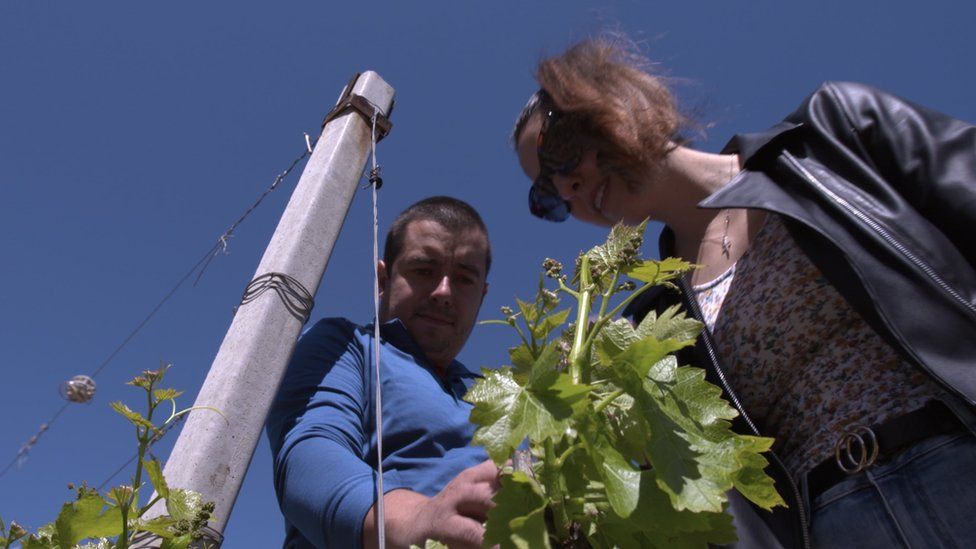
SharecloseShare pageCopy linkAbout sharingFor Micaela Pisanu and Pino Cadinu, the vines on their Sardinian hillside require an investment of love and care. Rather like their plan for a baby that they, like a record number of Italian couples, have felt compelled to postpone. The engaged Sardinian couple had planned to start a family last year. But then the pandemic hit, the bar Micaela was running closed and now they work on their small vineyard in the wildflower-filled fields above the town of Mamoiada, eking out a living and putting off their hopes of having a baby.”It’s very hard when you want to have a child but don’t feel able to because of uncertainty about your future,” Micaela says. “Things are so insecure that if I find work, then fall pregnant and maybe lose my job, it would be unmanageable. People will now think 20 times before having a baby.”Births outnumbered by deathsTheir difficulty, felt across this country, is crippling Italy’s birth rate, now at the lowest since its unification in 1861. It’s declined every year since the 2008 financial crisis.But Covid-19 has accentuated the fall, with its devastating financial effect and its impact on the divorce rate, which has risen in part, it’s thought, due to couples being stuck at home together. At just over 400,000 last year, Italy’s births were hugely outnumbered by deaths, leading the population to drop by 384,000: equivalent to the city of Florence being wiped off the map. The couple live with Pino’s mother, one of the post-war baby-boomer generation that Pino says could manage a job and a family. “But for ours, buying a house, owning land and still having enough money to give children opportunities is impossible.” It’s a problem that much of Europe is facing and could threaten economic growth, pension systems and public services. But Italy, with the world’s second-oldest population and a long-stagnating economy that’s helped drive 10% of its population to live abroad, is particularly vulnerable. ‘There’s not much work around’Sardinia has the country’s lowest birth rate of all: less than one child per family.In the little town of Gadoni in the centre of the island, the school of 25 pupils has brought together year groups in the same class, since there aren’t enough to be separated. In one classroom, 11 to 14-year-olds sit together for a lesson about depopulation, learning about the life they’re leading. “Where are people from here moving to?”, asks the teacher Marco Marras. “Europe,” says one pupil; “Australia,” another.Eleven-year-old Nicolas is in no doubt. “Lots of people have left for opportunities elsewhere, which makes sense,” he says, “as there’s not much work around.”His classmate Bilen has a positive spin: “It’s better that we’re together with the other grades because there are more of us,” he says. “It would have been boring if there were just a few people from my year.”Difficult future for SardiniaFor the school, the future looks bleak. With no births in Gadoni last year and none anticipated in 2021, there’s a constant risk that the school will eventually close.Maternity wards, too, are trying to resist being shut down. When we visited one in the southern city of Carbonia, just two rather hungry newborns lay in the nursery, surrounded by empty cribs. Last year, it fell far short of the threshold of 500 babies to stay open. And now it could close, says Debora Porrà, the mayor of a nearby town that the unit serves.”At this rate, the estimate is that Italy would lose a quarter of its population within 30 years,” she says.

BBCWe need to look at everything that’s missing here: jobs, public services and facilities for children. The solution lies with the politiciansDebora PorràMayor of VillamassargiaThey are beginning to tackle the problem with a new “family plan” that the government will finance with EU Covid recovery funds. It will include child benefits and investment in day care and schools. But it could be too late to turn the tide.Reversing Italy’s brain drainThe pandemic, though, has opened up another side to the story, leading an estimated 100,000 Italians who had moved abroad to return to Italy. Some have come back to be with family, others to work from home. In the tiny mountain hamlet of Lollove, Simone Ciferni calls his recently-opened farm and eco-hotel, named Lollovers, a “digital detox destination”. He studied and worked in the UK, US and South Africa, before deciding to return to his home village of 13 inhabitants, where most of the stone houses lie abandoned.”It’s the only way to save this hamlet,” he believes. “I thought it could die if I didn’t come back to do something here. In Italy we have more than 5,000 villages like Lollove that could disappear within the next 10 years.”As he feeds his goats, he admits he was tempted to stay abroad. “We need to discover the world to catch all the interesting stuff – but then we must come back to preserve our traditions.”It’s a partial reverse of the brain drain, but a drop in the ocean for a country in the grip of a demographic crisis. The traditional Italian image of large families is one outdated stereotype this country could do with recreating. Birth rate: Not just Italy’s issueChina allows three children in major policy shiftUS birth rate falls 4% to its lowest point everFrom boom to bust – why lockdown hasn’t led to more babies

Read more →
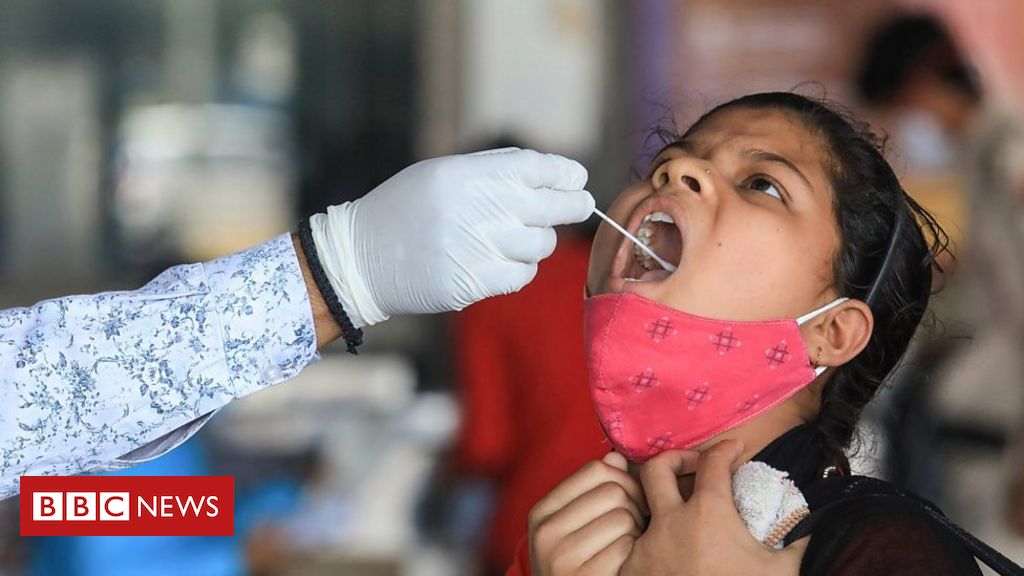

Have more young people had Covid in India’s second wave?

As India continues to battle a devastating second surge – there have been claims that young children and teenagers are more affected than before. But are they? Shruti Menon from BBC Reality Check goes through the numbers. My World makes videos on global issues for teenagers.Produced by Shruti Menon and Georgina PearceEdited by Soul Nazemi

Read more →

Free Hugs: Does Covid mean the end of hugging strangers?

For years, people have stood in city centres and music festivals holding ‘FREE HUGS’ signs and offering an embrace to anyone who wanted it.But the Covid pandemic put a stop to the Free Hugs movement – with social distancing guidelines and restrictions put in place in countries around the world.The strict advice around hugging friends and family has been eased but it’s not yet clear when restrictions across the UK will be lifted further. A decision for what’s due to happen in England should be reached by June 14.What have members of Free Hugs UK been up to during the pandemic? How do they feel about being potentially being allowed to hug again?BBC health reporter, Laura Foster, has reunited some of them to hear why they fear hugging strangers could be a thing of the past.

Read more →

A call for global oversight of unproven stem cell therapies

The promotion and marketing of unproven stem cell therapies is a global problem that needs a global solution, say experts in a perspective published June 8 in the journal Stem Cell Reports. The authors of the paper call for the World Health Organization (WHO) to establish an advisory committee on regenerative medicine to tackle this issue and provide guidance for countries around the world.
“The field of regenerative medicine, which entails the manipulation of cells and tissues to obtain therapeutic properties, has been hailed as the most promising research field in modern medicine,” says senior author Mohamed Abou-el-Enein, the executive director of the joint University of Southern California/Children’s Hospital of Los Angeles Cell Therapy Program. “Starting in the early 2000s, however, unregulated stem cell clinics offering untested and poorly characterized treatments with insufficient information on their safety and efficacy began emerging all over the world, taking advantage of the media hype around stem cells and patients’ hope and desperation.”
“Advancing regenerative medicine is key to addressing the chronic disease burden, which the WHO considers to be a top international priority,” says first author Zubin Master, an associate professor of biomedical ethics at the Mayo Clinic. “And even though we have had significant advancement in the field of regenerative medicine, more needs to be done to ensure the safe and timely delivery of evidence-based interventions to patients, many of whom have exhausted all available options.”
The three authors of the commentary are Lawrence Goldstein Science Policy Fellows for the International Society for Stem Cell Research (ISSCR) and ex-officio members of ISSCR’s Public Policy Committee. They decided to write it after realizing that the majority of efforts in this space have focused on the marketing practices of providers and clinics, with much less focus on the tightening of regulations and enforcement to deal with the issue from a global standpoint.
The commentary highlights several proposals, including the harmonization of regulatory definitions surrounding stem cell and regenerative medicine and the importance of balancing the scientific evidence demonstrating safety and efficacy of stem cell and regenerative products with the needs of the patient.
“Many patients with chronic diseases who desire a regenerative medicine option have exhausted conventional medicine treatments and have no other suitable option,” Master says. “We should aim to develop pathways to provide patients with evidenced-based experimental regenerative intervention as possible options where there is oversight, especially in circumstances where there is no suitable alternative left.”
The authors write that the WHO, which already has established an expert advisory committee to develop global standards for governance and oversight of human genome editing, could initiate a similar committee to address the spread of unproven stem cell treatments. They say that the committee could promote greater harmonization among regulatory standards, convince member nations to prioritize this issue on their public health agendas, and develop educational and outreach tools that could help increase awareness among physicians and patients on the danger of this practice.
“I believe that the global spread of unproven stem cell therapies reflects critical gaps in the international system for responding to health crises, which could put the life of thousands of patients in danger,” Abou-el-Enein says. “Urgent measures are needed to enhance the global regulatory capacity to detect and respond to this eminent crisis rapidly.”
The authors also propose the establishment of an active surveillance mechanism to collect and analyze information on dubious clinics performing these procedures and share it with the public to increase awareness, as well as taking the appropriate legal actions. They note the importance of educational programs for patients and physicians on the realistic potential of stem cells and the regulatory pathways that are in place for developing these promising therapies.
Story Source:
Materials provided by Cell Press. Note: Content may be edited for style and length.

Read more →

Microgel coating gives donor cells a boost in reversing pulmonary fibrosis

Researchers at the University of Illinois Chicago have shown that even after lung tissue has been damaged, it may be possible to reverse fibrosis and promote tissue repair through treatment with microgel-coated mesenchymal stromal cells.
Pulmonary fibrosis is a chronic disease caused by environmental toxins, medications or medical conditions like pneumonia and rheumatoid arthritis. It is characterized by the formation of scar tissue due to damage or an unchecked immune response, and it can cause mild to severe difficulty breathing and oxygen deprivation. Fibrosis is currently thought to be mostly irreversible, as current drug treatments are only mildly effective at managing symptoms and generally cause significant side effects.
Mesenchymal stromal cells, or MSCs, are multipotent and self-renewing, much like stem cells, and they have been studied for their potential to treat conditions like fibrosis.
“While previous studies tested the therapeutic effects of MSCs — which are known to suppress inflammation and to adapt to different tissue environments — their efficacy has so far been limited to early phases of the disease, when inflammation levels are high and scar tissue is still forming” said Jae-Won Shin, UIC assistant professor of pharmacology and bioengineering at the College of Medicine and corresponding author of the study. “Our approach was to optimize MSC-based therapeutics to work after inflammation has been reduced, which is when most people are diagnosed with fibrosis.”
As described in a new paper published in Nature Biomedical Engineering, the UIC researchers engineered a thin microgel that, when designed in a specific way, can boost the therapeutic potential of MSCs to degrade scar tissue and regenerate healthy tissue in mouse models of fibrosis.
Shin and his colleagues engineered the microgel, which is as soft as healthy lung tissue, and incorporated a small protein called tumor necrosis factor-alpha. Also known as TNF-alpha, this protein acts as an inflammatory signal that encourages MSCs to synthesize collagenase. Collagenase is an enzyme that degrades excess collagen in fibrotic tissues and promotes the restoration of damaged tissues.
To optimize the MSCs with the microgel, the UIC researchers designed a microfluidic device to encapsulate individual cells rapidly and consistently in the thin gel.
“We miniaturized down to the small scale, the individual cell, which is important for delivery of the therapeutic into the tiny airways of the lungs,” said study first author Sing-Wan Wong, a UIC postdoctoral research associate in the department of pharmacology and regenerative medicine.
In models of fibrotic injury, the UIC researchers observed reduced indicators of scaring and increased indicators of healthy lung tissue, such as normal collagen levels and architecture, only among the mice treated with MSCs coated in their TNF-alpha-incorporated gel via single cell encapsulation.
“This is really one of the first scientific demonstrations that collagen levels can be normalized well after fibrotic injury, and that the cell environment, not just the cells themselves, can be designed at the single-cell level in a precise manner,” Shin said. “Our results suggest a feasible approach to predictively program cellular functions for desired therapeutic outcomes.”
Story Source:
Materials provided by University of Illinois at Chicago. Note: Content may be edited for style and length.

Read more →

UIC research paves way for next-generation of crystalline material screening devices

Researchers at the University of Illinois Chicago have developed a novel continuous-flow microfluidic device that may help scientists and pharmaceutical companies more effectively study drug compounds and their crystalline shapes and structures, which are key components for drug stability.
The device consists of a series of wells in which a drug solution — made up of an active pharmaceutical ingredient, or API, dissolved in solvent, such as water — can be mixed with an anti-solvent in a highly controlled manner. When mixed together, the two solutions allow for the API crystals to form a nucleus and grow. With the device, the rates and ratios at which the drug solution is mixed with the anti-solvent can be altered in parallel by scientists, creating multiple conditions for crystal growth. As the crystals grow in different conditions, data on their growth rates, shapes and structures is gathered and imported into a data network.
With the data, scientists can more quickly identify the best conditions for manufacturing the most stable crystalline form with a desirable crystal morphology — a crystal with a plate-like shape instead of a crystal with a rod-like shape — of an API and scale up the crystallization of stable forms.
The UIC researchers led by Meenesh Singh, in collaboration with the Enabling Technologies Consortium, have validated the device using L-histidine, the active ingredient in medications that can potentially treat conditions like rheumatoid arthritis, allergic diseases and ulcers. The results are reported in Lab on a Chip, a journal of the Royal Society of Chemistry.
“The pharmaceutical industry needs a robust screening system that can accurately determine API polymorphs and crystallization kinetics in a shorter time frame. But most parallel and combinatorial screening systems cannot control the synthesis conditions actively, thereby leading to inaccurate results,” said Singh, UIC assistant professor of chemical engineering at the College of Engineering. “In this paper, we show a blueprint of such a microfluidic device that has parallel-connected micromixers to trap and grow crystals under multiple conditions simultaneously.”
In their study, the researchers found that the device was able to screen polymorphs, morphology and growth rates of L-histidine in eight different conditions. The conditions included variations in molar concentration, percentage of ethanol by volume and supersaturation — important variables that influence crystal growth rate. The overall screening time for L-histidine using the multi-well microfluidic device was about 30 minutes, which is at least eight times shorter than a sequential screening process.
The researchers also compared the screening results with a conventional device. They found that the conventional device significantly overestimated the fraction of stable form and showed high uncertainty in measured growth rates.
“The multi-well microfluidic device paves the way for next-generation microfluidic devices that are amenable to automation for high-throughput screening of crystalline materials,” Singh said. Better screening devices can improve API process development efficiency and enable timely and robust drug manufacturing, he said, which could ultimately lead to safer drugs that cost less money.
Story Source:
Materials provided by University of Illinois at Chicago. Note: Content may be edited for style and length.

Read more →

Saving the climate with solar fuel

Mobility analyses show: Only a small proportion of all vehicles are responsible for the majority of the kilometers driven. We are talking above all about long-distance trucks that transport goods all over Europe. If these continue to be fueled with fossil energy, it will hardly be possible to sufficiently reduce CO2 emissions in road traffic. Synthetic fuels from surplus renewable electricity can make a significant contribution to such frequent driver applications.
With electric mobility, hydrogen mobility and synthetic fuels, Empa’s future mobility demonstrator, “move,” is investigating three paths for CO2 reduction in road traffic against the background of a rapidly changing energy system. “All these concepts have advantages and drawbacks in terms of energy, operation and economics. In order to use them in a smart way, we need a deeper understanding of the overall system,” says Christian Bach, Head of Empa’s Automotive Powertrain Technologies lab. “Together with our ‘move’ partners, we are working to develop knowledge that can be put into practice.”
The latest project focuses on the production of synthetic methane from hydrogen and CO2 — the so-called methanization. Such fuels, produced synthetically with renewable energy — thus called synfuel or syngas -, can be transported via conventional routes and made available through the existing infrastructure. This is of interest for Switzerland as well as globally, because it opens up an enormous potential for renewable energy.
A methanization process developed at Empa
The basic chemical process of methanization has been known for over 100 years as the Sabatier reaction. In “move,” another process developed further at Empa will be used: the so-called sorption-enhanced methanization. Empa researchers hope that this novel process engineering concept will lead to simpler process control, higher efficiency and better suitability for dynamic operation. Methanization works as follows: Methane (CH4) and water (H2O) are produced by catalytic conversion from carbon dioxide (CO2) and hydrogen (H2). The water is causing problems with conventional processes, however: To remove it, serial methanization stages are typically required — with condensation areas in between. Due to the high reaction temperatures, a proportion of the water is converted back into hydrogen by the so-called water-gas shift reaction. The gaseous product of the methanization reaction thus contains a few percent hydrogen, which prevents direct feeding into the gas grid; the hydrogen must first be removed.
CO2 and water from the air
CO2 for the methanization as well as water for hydrogen production is taken directly from the atmosphere with a CO2 collector from the ETH spin-off Climeworks. The system sucks in ambient air and CO2 molecules remain attached to the filter. Using heat — around 100°C — the CO2 molecules can be released from the filter. Empa researchers see further potential for optimization in the heat required for this CO2 desorption. “Both hydrogen production and methanization continuously generate waste heat,” says Bach. “By means of a clever heat management, we want to cover the heat requirements of the CO2 collector as much as possible with this waste heat.” In addition to CO2, the Climeworks plant also extracts water from ambient air, which is used for hydrogen production in the electrolysis device. This means that such plants are also conceivable in regions without water supply, for example in deserts (see box).
In addition to new knowledge about technical and energetic aspects, insights about the economic efficiency of synthetic methane are one of the project’s prime goals. “In order to ensure this holistic perspective, the project consortium consists of partners who cover the entire value chain — from Empa researchers to energy suppliers, filling station and fleet operators and industrial partners in the technology and plant sectors,” says Brigitte Buchmann, member of Empa’s Board of Directors and strategic head of “move.” The project is supported by the Canton of Zurich, the ETH Board, Avenergy Suisse, Migros, Lidl Switzerland, Glattwerk, Armasuisse and Swisspower.
Currently, Christian Bach’s team is concentrating on the investigation of water adsorption on porous materials and the process control of the catalytic reaction. Construction of the plant is planned for mid-2021. “About a year later, we want to refuel the first vehicle,” says Buchmann. “With methane from solar energy.”
Synthetic fuels from the desert?
When converting our energy system to renewable sources, there is a major challenge: Renewable sources such as sun or wind are not always available everywhere. In winter we have too little renewable energy, in summer there is too much — in the northern hemisphere. In the southern hemisphere it is the other way round. But there are also areas with almost continuous sunshine — the so-called sun belt, in which the large deserts of the Earth are located. “From a global perspective, we do not have too little renewable energy worldwide, but “merely” an energy transport problem,” says Christian Bach. Synthetic energy carriers could help solve this problem.
Smaller plants in Switzerland can make a valuable contribution to the national energy system by harnessing surplus summer electricity and connecting different energy sectors. However, large plants could exploit their full potential above all in the Earth’s sunbelt. This is illustrated by a simple calculation: In order to cover Switzerland’s energy needs during winter not covered by hydropower as well as all long-distance domestic traffic exclusively with (imported) synthetic energy sources, a solar power plant would be required in a desert with an area of approximately 700 km2; that is 27 x 27 km or, in other words, 0.008% of the area of the Sahara. The water and CO2 needed for production could be extracted locally from the atmosphere (see main text). “Existing trade mechanisms, transport infrastructures, standards and expertise could simply be used further,” says Bach. So could the plant in “move” soon be a model for a gigawatt plant in the desert?

Read more →

Motor neurons derived from patients point to new possible drug target for ALS

Amyotrophic lateral sclerosis (ALS) is a severe, fatal neurodegenerative disorder causing loss of motor neurons and voluntary muscle action. While mouse studies have identified potential treatments, these drugs have typically done very poorly in human trials. Researchers at Boston Children’s Hospital, working in collaboration with Pfizer, now report a high-throughput target and drug discovery platform using motor neurons made from ALS patients. Using the platform, they confirmed two known targets and identified an existing class of drugs — agonists to the dopamine D2 receptor — as potential novel treatments.
The researchers, led by Clifford Woolf, MD, PhD, director of the F.M. Kirby Neurobiology Center at Boston Children’s, and first authors Xuan Huang, PhD, and Kasper Roet, PhD, in Woolf’s lab, describe the platform and their findings June 8 in the journal Cell Reports.
To create the motor neurons used for drug screening, the team used induced pluripotent stem cells, made by the lab of Kevin Eggan at Harvard University from tissue samples of patients with ALS who carried the SOD1(A4V) mutation. The Woolf lab also developed a high-throughput, live-cell imaging technology to measure the motor neurons’ hyperexcitability — the tendency to “fire” excessively — before and after exposure to candidate drugs. Woolf and colleagues previously showed that human motor neurons with ALS mutations are more excitable than normal motor neurons.
“This hyperexcitability makes the motor neurons more susceptible to degeneration and ultimately death,” says Woolf. “Our imaging platform is able to rapidly evaluate hyperactivity in 384-well plates of motor neurons and test the cells’ response to thousands of different drugs.”
The technology, called GCaMP imaging, had not been used on a mass scale before for ALS. GCaMP is a fluorescent reporter of calcium levels in the neurons, an indicator of how frequently the neurons are firing action potentials.
In all, the researchers screened a library of 2,900 drugs from Pfizer with known, annotated actions. After three rounds of screening, they found 67 compounds that reduced the hyperexcitability of the patient-derived motor neurons, without causing toxicity.

Read more →

Preclinical study suggests new approach to reduce COVID-19 death among the elderly

New research from the University of Minnesota Medical School and colleagues at the Mayo Clinic reveals a possible new approach to preventing death and severe disease in elderly people infected with SARS-CoV-2.
The researchers demonstrated in a preclinical study that senolytic drugs significantly reduced mortality upon infection from a beta-coronavirus closely related to SARS-CoV-2 in older mice. The study published in Science was co-led by Laura Niedernhofer, MD, PhD and Paul Robbins, PhD, both professors in the Department of Biochemistry, Molecular Biology and Biophysics and co-directors of the Institute on the Biology of Aging and Metabolism at the U of M Medical School, and Sara Hamilton, PhD, assistant professor in the Department of Laboratory Medicine and Pathology.
Senescent cells — which are cells in the body that are damaged — contribute to inflammation, multiple chronic diseases and age-related loss of resilience, and they accumulate in our body as we age. Senolytic drugs, previously co-discovered by the U of M Medical School and the Mayo Clinic researchers, selectively remove senescent cells from the body.
The COVID-19 pandemic has revealed the pronounced vulnerability of the elderly and chronically-ill to morbidity and mortality induced by SARS-CoV-2. The research team sought to discover why older people are more vulnerable to these adverse outcomes. The team hypothesized it was senescent cells and removing them with senolytics would dial back inflammation and enable an improved response to viral infection.
“We wanted to determine if therapeutically targeting fundamental aging mechanisms, such as cellular senescence, could reduce morbidity and mortality following viral infection,” said Christina Camell, PhD, an assistant professor in the Department of Biochemistry, Molecular Biology and Biophysics, and a first author of the study.
The researchers found that older mice exposed for the first time to a mouse beta-coronavirus experienced nearly 100% mortality, whereas young mice barely got sick. When they treated the older mice with senolytic drugs following infection, their survival rate increased to 50%. The senolytic drugs reduced mortality, cellular senescence and inflammatory markers and increased anti-viral antibodies.
“We have been working on a new approach to help the elderly remain healthy, which is to find therapeutics to treat aging rather than treating each individual disease associated with old age. The fact that senolytics worked to protect old organisms from a viral infection proves that approach is accurate,” Robbins said. “By getting rid of a piece of aging biology, senescent cells, with senolytics, the older mice were able to withstand the stress of infection. This suggests that reducing the burden of senescent cells in ill or elderly individuals could improve their resilience and reduce their risk of dying from COVID-19.”
These results in mice supported the initiation of two clinical trials to reduce mortality in elderly COVID-19 patients. The team also plans to study if senescent cells contribute to the long-hauler effect in many COVID-19 survivors.
This work was supported by the National Institutes of Health, the University of Minnesota Clinical and Translational Science Institute, the University of Minnesota Medical School and the Medical Discovery Team on the Biology of Aging, The Irene Diamond Fund/American Federation on Aging Research Postdoctoral Transition Award, the Fesler-Lampert Chair in Aging Studies, the AFAR Junior Faculty Award, the Paul F. Glenn Center for Biology of Aging Research at Mayo Clinic, the Glenn Foundation, the Connor Fund, Robert J. and Theresa W. Ryan and the Noaber Foundation.
Story Source:
Materials provided by University of Minnesota Medical School. Original written by Kelly Glynn. Note: Content may be edited for style and length.

Read more →

A drug from resin to combat epileptic seizures

New molecules, developed by researchers at Linköping University, have promising properties as possible drugs against epilepsy. A study published in the journal Epilepsia shows that several of the molecules have antiseizure effects.
In people with epilepsy, the nerve cells in the brain become overactive, causing epileptic seizures.
“More than 60 million people in the world have epilepsy. A third of them still experience seizures despite taking medication, so there is a pressing need for new types of drugs,” says Nina Ottosson, principal research engineer in the Department of Biomedical and Clinical Sciences, Linköping University.
Nerve impulses are electrical signals that travel along nerves lightning-fast. Epilepsy and several other conditions arise when the nerves transmit signals far too readily, at times when they should be electrically quiet. The nerve impulses are created when small channels, known as ion channels, located in the membranes of the nerve cells allow electrically charged ions to pass through. When sufficiently many ions have entered a cell, an electrical impulse arises, which is transmitted along a long nerve fibre and subsequently stimulates other nerve cells. The ion channels thus play a key role in epilepsy. Many of the drugs currently used to prevent epileptic seizures act by affecting ion channels.
Previous work by the research group at Linköping University has shown that resin acids, which are found in the resin from pine and spruce trees, can affect certain types of ion channel. The scientists used these natural resin acids as a starting point to develop new, similar molecules. The long-term goal is to create drugs that prevent epileptic seizures.
In the newly published study, the researchers have examined an ion channel that affects how readily a nerve impulse is stimulated. This channel, the potassium ion channel denoted by hKV7.2/7.3, plays an important role in epilepsy. If it is closed, an epileptic seizure can occur, while the seizure can be stopped if the channel opens. One drug, retigabine, can open hKV7.2/7.3, and this was useful in treating severe epilepsy. Retigabine, however, affects other ion channels, in particular channels in the smooth muscle found in, for example, the bladder and blood vessels. This gave undesired effects, such as abnormally low blood pressure and difficulties in urinating. Retigabine was withdrawn a couple of years ago.
The researchers have shown in the study that several of the new resin acid molecules can open hKV7.2/7.3. They also investigated whether the molecules affect a closely related ion channel, hKV7.4, which is opened by retigabine and contributes to its undesired effects. Experiments in tissue from rats demonstrated that the new molecules have less effect on smooth muscle, and it is thus less probable that they give undesired effects on blood vessels and the bladder. The new resin acids influence ion channels using a different mechanism than that used by retigabine. The researchers believe that the difference in the mechanism of action is significant for the effects in different tissues.
“I believe that the mechanism for how our molecules act on ion channels can be extremely important. We hope that through future collaborations we can take our molecules along the complete pathway to a drug in clinical use,” says Nina Ottosson.
Another important question is whether the new molecules can prevent seizures in a whole organism. The researchers thus investigated the effect of the molecules in zebrafish larvae in which epileptic seizures were provoked using a special substance.
“Several of the molecules had an antiseizure effect in these experiments when used at the same concentration as retigabine,” says Nina Ottosson.
The scientists are now continuing to work towards a detailed understanding of how the resin acid molecules affect ion channels, and how they can be improved such that they can be used as drugs.
“Patients and relatives often contact me, and their stories show how pressing the need for effective treatments is. It would be amazing if some of those affected could be helped in the long term by our research. But at the same time, we must realise how incredibly difficult it is to take a molecule along the complete pathway to a new drug. Our results may also contribute to development by stimulating other research,” says Fredrik Elinder, professor in the Department of Biomedical and Clinical Sciences at Linköping University.
Story Source:
Materials provided by Linköping University. Original written by Karin Söderlund Leifler. Note: Content may be edited for style and length.

Read more →