Study finds COVID-19 vaccines safe for IBD patients

Patients with inflammatory bowel diseases (IBD) do not appear to have increased risk of side effects from the Pfizer or Moderna COVID-19 vaccines, according to a recent Cedars-Sinai study published online and upcoming in print in the American Journal of Gastroenterology. In fact, those being treated with advanced immune-modifying therapies may experience them less often than the general population.
IBDs, including Crohn’s disease and ulcerative colitis, are chronic conditions that occur when the intestinal immune system becomes overreactive, causing chronic diarrhea and other digestive symptoms. In a published survey at the beginning of COVID-19 vaccine distribution, 70% of IBD patients reported concern about side effects from the vaccines.
“What we’ve learned is that if you have IBD, the side effects you’re likely to experience after a vaccine are no different than they would be for anyone else,” said Gil Melmed, MD, corresponding author of the study and director of Inflammatory Bowel Disease Clinical Research at Cedars-Sinai. “If you’re being treated with advanced therapies such as biologics, these side effects might even be milder. So, don’t let that be a reason that you’re not getting vaccinated.
Evaluating Post-Vaccine Side Effects
Patients with IBD and other immune-related conditions on biologic therapies were excluded from COVID-19 vaccine trials, so Melmed and fellow researchers evaluated post-vaccination side effects in 246 adult IBD patients in a nationwide COVID-19 vaccine registry used by investigators at Cedars-Sinai.
These patients, like those in the general population, most often reported pain and swelling at the injection site, followed by fatigue, headache and dizziness, fever and chills, and gastrointestinal symptoms. Most side effects were mild and lasted only a few days.

Read more →

Not just a phase for RNAs

A phenomenon in which an RNA named NORAD drives a protein named Pumilio to form liquid droplets in cells, much like oil in water, appears to tightly regulate the activity of Pumilio. A new study led by UT Southwestern scientists suggests that such RNA-driven “phase separation,” in turn, protects against genome instability, premature aging, and neurodegenerative diseases, and may represent a previously unrecognized way for RNAs to regulate cellular processes.
“It’s becoming more and more clear that phase separation is an important organizing principle in cells,” says Joshua Mendell, M.D., Ph.D., professor of molecular biology and a Howard Hughes Medical Institute investigator at UTSW who led the study published online today in Nature.
Other scientists at UTSW, including Michael Rosen, Ph.D., chair of biophysics, a member of the National Academy of Sciences (NAS), and a Howard Hughes Medical Institute investigator, and Steven McKnight, Ph.D., professor of biochemistry and a member of NAS and the National Academy of Medicine, have previously found that phase separation participates in many cellular pathways. “Our work,” says Mendell, “builds upon their findings, uncovering how phase separation enables some RNAs to regulate the activity of proteins that they interact with.”
Mendell and Mahmoud Elguindy, a student in UTSW’s Medical Scientist Training Program, uncovered this role for phase separation by studying an RNA known as “non-coding RNA activated by DNA damage,” or NORAD. Although NORAD isn’t directly responsible for generating proteins, it binds and inhibits Pumilio, a protein that represses the expression of hundreds of other messenger RNAs that encode proteins involved in cell division.
Previous work from the Mendell lab showed that human cells and lab animals genetically engineered to lack NORAD have too much active Pumilio, which prevents them from maintaining consistent numbers of chromosomes during cell division and causes them to prematurely age. On the flip side, mutations that lead to too little Pumilio have been linked to neurodegenerative diseases in humans.
But a fundamental question remained as to how NORAD regulates Pumilio to prevent disease. Because NORAD is only one RNA of hundreds in the cell that is bound by Pumilio, it was unclear how NORAD is able to outcompete these other RNAs to control levels of active Pumilio.
To answer this question, Mendell and Elguindy used microscopy to locate NORAD-Pumilio complexes in cells. They found that these complexes dotted the cells’ interiors, forming their own oil droplet-like structures separate from the cytoplasm, which they named “NORAD-Pumilio bodies.”
Further investigation showed that about half the Pumilio in cells was sequestered in NORAD-Pumilio bodies, and that phase separation was critical for concentrating Pumilio in these structures. Not only did Pumilio bind to numerous sites on each NORAD molecule, but interactions between Pumilio molecules also played a central role in droplet formation. This combination of attraction between the RNA and protein molecules provides a strong driving force that separates Pumilio proteins from the surrounding cellular environment, Elguindy says, preventing them from interacting with other RNAs.
When the researchers used techniques to disrupt this phase separation, NORAD was no longer able to sequester enough Pumilio, leading to chromosomal abnormalities.
“While phase separation has been observed in many different settings in cells, the scientific community has debated which cellular activities require this process,” says Elguindy. “Our study showed that in this instance, when you perturb phase separation, there are real consequences.”
Mendell adds that better understanding the NORAD-Pumilio system could lead to new ways to counter symptoms associated with aging and to treat neurodegenerative diseases. In addition, looking for more examples of phase separation by other RNA molecules could shed light on how cells regulate other key processes.
This work was funded by grants from the National Institutes of Health (R35CA197311, P30CA142543, P50CA196516) and The Welch Foundation (I-1961-20180324).

Read more →

Cholesterol metabolite induces production of cancer-promoting vesicles

Scientists working to understand the cellular processes linking high cholesterol to breast cancer recurrence and metastasis report that a byproduct of cholesterol metabolism causes some cells to send out cancer-promoting signals to other cells. These signals are packaged in membrane-bound compartments called extracellular vesicles.
Reported in the journal Endocrinology, the discovery could lead to the development of new anti-cancer therapies, researchers say.
“Extracellular vesicles play an important role in normal physiology, but they also have been implicated before in cancer biology,” said study lead Erik Nelson, a professor of molecular and integrative physiology at the University of Illinois Urbana-Champaign. “These particles carry cargo from one cell to another. This cargo is important because it’s diverse and acts as a communication network. But very little is known about what regulates the vesicles.”
In earlier studies, Nelson and his colleagues found that 27-hydroxycholesterol, a byproduct of cholesterol metabolism, promotes tumor growth by binding to estrogen receptors on various tissues, spurring estrogen-responsive cancer cells to proliferate and grow. The researchers also discovered that 27HC suppresses immune function.
To understand more precisely how 27HC acts on cells, in the new study the team exposed several types of cells to the metabolite — including immune cells known as polymorphonuclear neutrophils.
“When we treated neutrophils, a type of white blood cell, with 27-hydroxycholesterol, they started spewing out extracellular vesicles,” Nelson said.
The vesicles contained a unique collection of signaling molecules, the researchers found. And when injected into mouse models of mammary cancer, the vesicles “promoted both breast tumor growth and breast cancer metastasis,” Nelson said.
“This is an important study because it establishes that a hormone or a metabolite can regulate these extracellular vesicles,” Nelson said. “Understanding how this system works might prove to be therapeutically useful.”
Nelson also is a professor of nutritional sciences and an affiliate of the Carl R. Woese Institute for Genomic Biology and the Cancer Center at Illinois.
Story Source:
Materials provided by University of Illinois at Urbana-Champaign, News Bureau. Original written by Diana Yates. Note: Content may be edited for style and length.

Read more →

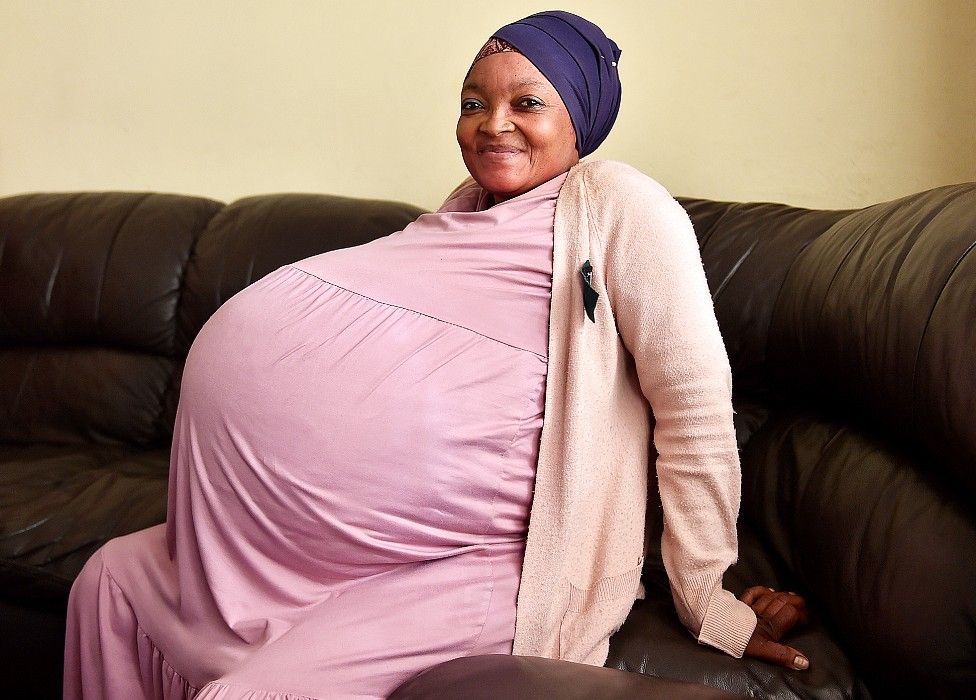
South African woman gives birth to 10 babies in Pretoria – reports

SharecloseShare pageCopy linkAbout sharingimage copyrightAfrican News Agency (ANA)A South African woman has reportedly given birth to 10 babies in what would be a new world record.Gosiame Thamara Sithole’s husband says they were astonished by decuplets after scans only showed eight in the womb.”It’s seven boys and three girls. I am happy. I am emotional. I can’t talk much,” her husband Teboho Tsotetsi told Pretoria News after the birth.One South African official confirmed the births to the BBC, however another said they were yet to see the babies.Guinness World Records told the BBC it was investigating Ms Sithole’s case. A woman who had eight babies in the US in 2009 currently holds the Guinness World Record for the most children delivered at a single birth to survive.Last month, 25-year-old Halima Cissé from Mali gave birth to nine babies, who are reportedly doing well at a clinic in Morocco.Africa Live: Latest news and views from the continentThe ‘controlled chaos’ of raising sextupletsMost pregnancies involving large numbers of babies end prematurely, says BBC Africa’s health reporter Rhoda Odhiambo.Multiple births involving more than three babies are rare and often the result of fertility treatments – but in this case the couple say they conceived naturally.Prayers and sleepless nightsMs Sithole, 37, previously gave birth to twins, who are now six years old.She is said to be in good health after delivering by caesarean section 29 weeks into her pregnancy in Pretoria on Monday evening.Speaking to Pretoria News a month ago, Ms Sithole said her pregnancy was “tough at the beginning” and she had prayed for a healthy birth, with many a sleepless night worrying about what was to come.”How would they fit in the womb? Would they survive?” she asked herself, but was reassured by doctors that her womb was expanding.image copyrightGetty ImagesWhen it was thought she was carrying eight foetuses, Ms Sithole was suffering leg pains and doctors found that two of the eight “were in the wrong tube”. “That was sorted and I have been okay since then. I can’t wait for my children,” she told the newspaper at the time.Her husband also said he was over the moon, and felt like “one of God’s chosen children. It’s a miracle which I appreciate”.You may also be interested in:Around the BBCAfrica Today podcasts

Read more →

Government Warns Doctors and Insurers: Don’t Bill for Covid Vaccines

Such billing has been rare, but public concern about it may be contributing to hesitancy about getting the shot.The New York Times is investigating the costs associated with coronavirus testing, treatment and vaccination. You can read more about the project and submit your medical bills here.The Biden administration is reminding doctors, hospitals, pharmacies and insurers that it is illegal to bill patients for coronavirus vaccines, a letter obtained by The Times shows.The new warning responds to concerns among unvaccinated Americans that they could receive a bill with their shot. A recent Kaiser Family Foundation poll found that about a third of unvaccinated adults were unsure whether insurance covered the new vaccine.In New York City, Covid-19 vaccination is available in some subway stations. The vaccine is free, but concerns persist about cost, polling shows. Brendan Mcdermid/Reuters“We recognize that there are costs associated with administering vaccines — from staff trainings to vaccine storage,” Xavier Becerra, the Health and Human Services secretary, wrote in a letter to vaccinators and insurers. “For these expenses, providers may not bill patients but can seek reimbursement through Medicare, Medicaid, private insurance or other applicable coverage.”The letter warns that billing patients could lead to state or federal “enforcement actions,” but does not specify what the penalty would be.The federal government wrote strong consumer protections to ensure that patients do not have to pay for coronavirus vaccines.In stimulus legislation last spring, it barred insurers from charging patients co-payments or deductibles for the vaccines. The same law also created a fund that would cover the costs of vaccinating uninsured Americans.Layered on top of those legislative protections are the contracts that doctors and hospitals signed to receive vaccines. Those documents specify that vaccinators cannot bill patients for the service.The stronger protections appear to have worked. While many patients have encountered coronavirus bills for testing, there have been only a handful involving vaccines.Still, the rules are not foolproof, and some patients have faced illegal charges. In April, the Health and Human Services office of the inspector general published a letter saying it was “aware of complaints by patients about charges by providers when getting their Covid-19 vaccines.”A few patients have submitted bills showing surprise charges to a Times project collecting patient bills for testing, treatment and vaccination. The fees range from $20 to $850. If you received a bill for your coronavirus vaccine, you can submit it here.Patients who receive bills for coronavirus vaccines can challenge the charge. Those with health insurance can reach out to their plan to ask why they received a bill when two federal laws — the Families First Coronavirus Response Act and the CARES Act — outlaw it.A small subset of health plans is exempt from the laws. These “grandfathered” plans existed before the Affordable Care Act, and are not subject to requirements to fully cover the coronavirus vaccine or any other preventive service.But even those patients are still protected by the contract that doctors signed barring any billing. The doctors can send the outstanding charges to a new Coverage Assistance Fund created by the Biden administration last month specifically to address patient coverage gaps.Uninsured patients can direct their providers to bill the Covid-19 Uninsured Program, which was set up to cover those without coverage.If an insurer or doctor is unwilling to reverse a bill, patients can seek help from state regulators. State departments of insurance typically deal with complaints about whether health plans are not appropriately covering medical care, while state attorneys general tend to field complaints about possible inappropriate bills from doctors and hospitals.

Read more →

The Best Type of Exercise? A Blood Test Holds Clues

Researchers are studying the proteins in blood to learn why some of us respond to certain forms of exercise better than others.If we all begin the same exercise routine tomorrow, some of us will become much fitter, others will get a little more in shape, and a few of us may actually lose fitness. Individual responses to exercise can vary that wildly and, until now, unpredictably. But a fascinating new study of more than 650 men and women suggests that the levels of certain proteins in our bloodstreams might foretell whether and how we will respond to various exercise regimens.The study needs replication and expansion, but represents a meaningful start toward a blood test to indicate the best types of exercise for each of us, and if we can expect to gain more or less benefit from the same workout as our spouse, offspring or other training partners or rivals.Exercise response is a topic that probably should be discussed more often and openly than it is. We know exercise is wonderful for our health. Countless studies show that people who exercise tend to live longer, more happily and with less risk of many diseases than sedentary people.But those findings refer to broad averages. Parse the study data closely and you can find a dizzying gamut of reactions, from outsized health and fitness gains in some people to none in others. (The same is true of responses to weight-loss programs.)Disobligingly, little about our bodies and lives currently predicts how we will respond to exercise, including our genetics. Identical twins, with identical DNA, can react quite differently to workouts, studies show, as can people who are equally lean, obese or aerobically fit at the start of a new exercise program. Some, for mysterious reasons, wind up fitter and healthier afterward than others.These enigmas intrigued researchers from Harvard University, the Beth Israel Deaconess Medical Center in Boston, and other institutions. The scientists had long been interested in how exercise alters the molecular environment inside the body, as well as how those changes influence health, and how diverse the alterations can be.Now, for the new study, which was published in May in Nature Metabolism, they decided to see if certain molecules in people’s blood might be related to how their physiologies react to workouts. To find out, they turned first to the valuable trove of data produced during the large-scale Heritage study, which had delved into exercise and health in parents and their adult offspring. The Heritage study included precise, laboratory testing of people’s aerobic fitness, as well as blood draws, followed by 20 weeks of moderate aerobic exercise, and more testing.The researchers now pulled records for 654 of the men and women who had participated in Heritage, covering a range of ages and ethnicities, and began looking deeply into their blood. They focused on the varieties of large, complex protein molecules created in tissues throughout the body that, when released into the bloodstream, flow to and jump-start biological processes elsewhere, affecting how well our bodies work.Using state-of-the-art molecular tools, the scientists began enumerating the numbers and types of thousands of proteins in each of the 654 people’s bloodstreams. Then they tabulated those figures with data about everyone’s aerobic fitness before and after their five months of exercise.And clear patterns emerged. The levels of 147 proteins were strongly associated with people’s baseline fitness, the researchers found. If some of those protein numbers were high and others low, the resulting molecular profiles indicated how fit someone was.More intriguing, a separate set of 102 proteins tended to predict people’s physical responses to exercise. Higher and lower levels of these molecules — few of which overlapped with the proteins related to people’s baseline fitness — prophesied the extent to which someone’s aerobic capacity would increase, if at all, with exercise.Finally, because aerobic fitness is so strongly linked to longevity, the scientists crosschecked levels of the various fitness-related proteins in the blood of people enrolled in a separate health study that included mortality records, and found that protein signatures implying lower or greater fitness response likewise signified shorter or longer lives.Taken as a whole, the new study’s results suggest that “molecular profiling tools might help to tailor” exercise plans, said Dr. Robert Gerszten, a professor of medicine at Harvard Medical School and chief of cardiovascular medicine at Beth Israel Deaconess Medical Center, who conducted the new study with its lead author, Dr. Jeremy Robbins, and others.Someone whose bloodstream protein signature suggests he or she might gain little fitness from a standard, moderate walking, cycling or swimming routine, for instance, might be nudged toward higher-intensity workouts or resistance training, Dr. Gerszten said.This area of research is still in its infancy, though, he and Dr. Robbins said. Scientists will need to study far more people, with far broader disparities in their health, fitness, age and lifestyle, to zero in on which proteins matter most for predicting an individual’s exercise response. The researchers hope, too, to backtrack and find where those molecules originated, to better understand how exercise remakes our bodies and molds our health. Expect further and more-refined results within a few years, Dr. Gerszten said.

Read more →

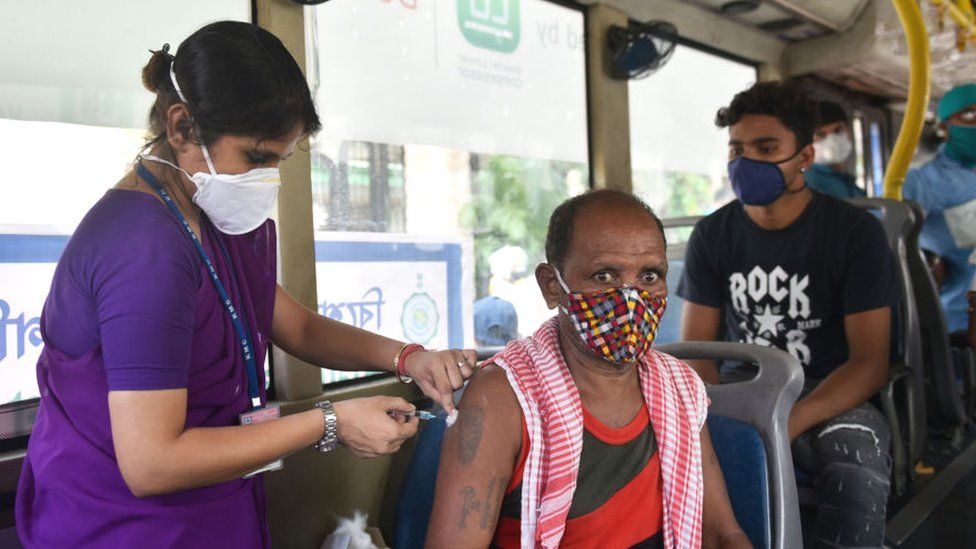
India coronavirus: What is the government's change to vaccine policy?

SharecloseShare pageCopy linkAbout sharingimage copyrightGetty ImagesIndian Prime Minister Narendra Modi has said that all adults in India will now get free vaccines. “It has been decided that from 21 June, all adults over the age of 18 will be vaccinated [for] free,” Mr Modi said. “Whether it is the poor, the lower middle class, the middle class, or the upper middle class, under the central government programme, everyone will get free vaccines,” Mr Modi said.But what does this mean for vaccination strategy in India, which has struggled with a severe second wave of coronavirus?How has the policy changed?Prime Minister Modi’s announcement came in a national address on TV, in which he talked about the history and logistics of vaccine programmes in India.Responsibility for vaccinations in India has historically been shared between the federal government in Delhi and state governments.image copyrightReutersUnder the earlier Covid vaccine policy, half of all vaccines produced in India went to the federal government, and the rest went to state administrations and private hospitals.But now the federal government will buy 75% of all vaccines manufactured.The state governments will receive their vaccines doses for free from the federal government, instead of negotiating directly with manufacturers.However, it’s worth noting that the remaining 25% of vaccines are still set aside for procurement by private hospitals as before.These vaccinations are not free – people have to pay at private hospitals.The federal government has fixed prices for the three approved vaccines at 780 rupees ($10.7; £7.5) for Covishield, 1,145 rupees ($15.7; £11) for Sputnik V, and 1,410 rupees ($19.3; £13.6) for Covaxin. What does it mean in practice?It means that state governments will now receive their allocated vaccine doses from the federal government based on the population of those states, the level of disease, vaccination progress and vaccine wastage. That relieves the state authorities of having to purchase doses from the manufacturer at higher prices than were offered to the federal government.How India’s vaccine drive went horribly wrongimage copyrightGetty ImagesIt also hands more control over the vaccine rollout to Delhi.The announcement also comes just days after the previous policy attracted criticism from India’s top court, which called it “arbitrary” and “irrational”. It questioned the rationale behind making states pay more for vaccines than the federal government had to. States had to procure them on the open market, and so the financial burden on some of the poorest states such as Bihar, Jharkhand and Uttar Pradesh significantly increased.”This is a step in the right direction and will streamline some procurement-related challenges,” says public policy and systems expert Dr Chandrakant Lahariya. What does it mean for ordinary people?The new policy is in fact similar to what India did when it began its vaccine rollout in January this year.This was even acknowledged by Mr Modi himself, who said “the old system, in place before 1 May, will be implemented again.””This announcement doesn’t change much for citizens,” says Dr Lahariya. The original policy was changed in April, when India was hit by a dramatic surge in case numbers and India’s vaccine drive was faltering. States were then allowed to bid for vaccines directly from manufacturers, which it was hoped would encourage other vaccine makers to enter the Indian market and boost supply. Can India get all adults vaccinated this year?But it didn’t work out like that, and shortages of vaccines began to emerge in a number of places as supply couldn’t keep up with demand.We’ve looked in other pieces at the challenges that face Indian vaccine manufacturers in trying to ramp up production.How is the vaccination drive going?India has administered a total of nearly 235 million vaccine doses since January. The vaccine drive picked up pace in early April, with 3.66 million doses administered on 10 April, the highest so far. But that figure then fell by nearly half in mid-May and several states suspended vaccinations for the 18-44 age group due to shortages.India’s adult population is estimated as being over 900 million.The Indian government has pledged to vaccinate all adults by the end of the year, a target many experts say would be difficult to meet at the current pace. Read more from Reality CheckSend us your questions

Read more →

How To Get a Better Night's Sleep

Is your sleep not what it used to be? Does your mind race when your head hits the pillow? Do you wake up at 4 a.m. and struggle to fall back asleep? Are you feeling drowsy and sleep-deprived no matter how many hours you spend in bed?For many people, sleeping poorly was the norm before the pandemic. Then the stress, anxiety and disruptions made our nightly slumber worse, giving rise to terms like “coronasomnia” to describe the surge in sleep disturbances last year. But recently, sleep experts noticed something that astonished them: More than a year into the pandemic, our collective sleep only continued to deteriorate.In a survey of thousands of adults last summer, the American Academy of Sleep Medicine found that 20 percent of Americans said they had trouble sleeping because of the pandemic. But when the academy repeated its survey 10 months later, in March, those numbers rose dramatically. Roughly 60 percent of people said they struggled with pandemic-related insomnia, and nearly half reported that the quality of their sleep had diminished — even though infection rates have fallen and the country is opening back up.“A lot of people thought that our sleep should be getting better because we can see the light at the end of the tunnel — but it’s worse now than it was last year,” said Dr. Fariha Abbasi-Feinberg, a sleep medicine specialist and spokeswoman for the American Academy of Sleep Medicine. “People are still really struggling.”Chronically bad sleep is more than just a nuisance. It weakens the immune system, reduces memory and attention span, and increases the likelihood of chronic conditions like depression, Type 2 diabetes and heart disease. The shorter your sleep, studies suggest, the shorter your life span. And for people over 50, sleeping less than six hours a night may even heighten the risk of dementia.“Over the past year, we’ve had the perfect storm of every possible bad thing that you can do for your sleep,” said Dr. Sabra Abbott, an assistant professor of neurology in sleep medicine at Northwestern University Feinberg School of Medicine in Chicago.Studies show that in the pandemic, people tended to keep irregular sleep schedules, going to bed far later and sleeping in longer than usual, which can disrupt our circadian rhythms. We slashed our physical activity levels and spent more time indoors; gained weight and drank more alcohol; and erased the lines that separate work and school from our homes and our bedrooms — all of which are damaging to sleep.Most striking of all, our stress and anxiety levels skyrocketed, which are two of the root causes of insomnia. In a report published in May, the American Psychiatric Association found that a majority of Americans were still anxious about their health, their finances and the possibility of a loved one getting Covid-19. More than half of parents said they were worried about the mental state of their children, and 41 percent of adults said that they had more anxiety today than they did during the first few months of the pandemic.Not everyone, of course, is suffering from disrupted sleep. A team of international researchers who studied three million people in New York, London, Los Angeles, Seoul and Stockholm found that, on average, people gained an extra 25 minutes of sleep each night during the pandemic compared to a year earlier. Those who benefited the most were people who naturally tend to go to bed late but no longer had to set an early alarm to commute to work or get their children ready for school, said Matthew Walker, a professor of neuroscience and psychology at the University of California, Berkeley, and the author of the best-selling book “Why We Sleep.”“If there is a success story, it is revenge of the night owls when it comes to Covid and sleep,” said Dr. Walker. “The night owls are finally starting to sleep a little more in synchrony with their biology.”But for millions of others who suffer from insomnia, the extra time in bed can paradoxically make matters worse. When people struggle to fall or stay asleep, their brains associate their beds with stressful experiences. “Your brain learns that your bed is the place where you don’t fall asleep,” Dr. Abbott said. “The more time you spend in bed, the more you reinforce that idea.” One of the standard treatments for insomnia is a strategy called sleep restriction, which makes people better and more efficient sleepers by teaching them to spend less time in bed, not more.So what more can we do to get our disrupted sleep back on track? Read on. And visit our top 20 questions from readers on how to get a better night’s sleep.How to Beat InsomniaIt’s normal to have trouble sleeping during big changes in your life. But when the sleep disruptions last longer than three months it can qualify as chronic insomnia, which can have long-term health consequences. One of the most effective treatments is cognitive behavioral therapy, or CBT. This approach helps you address the underlying thoughts, feelings and behaviors that are ruining your sleep. Here are some CBT-inspired ways to combat insomnia.Follow the 25-Minute RuleIf you get into bed and can’t fall asleep after 25 minutes, or you wake up at night and can’t get back to sleep after 25 minutes, then don’t stay in bed. Get up and do a quiet activity that calms your mind and makes you drowsy. “Just get up, don’t fret,” Dr. Walker said. “If you stay in bed awake for long periods of time, your brain thinks, ‘Every time I get into bed, this is the place where I should be awake.’ And you need to break that association.”Do any activity that relaxes you. Get up and stretch. Sit on your couch and meditate or read a magazine. Read a book in dim light. Do deep breathing exercises. Listen to a soothing podcast. You could sit in a chair and draw or knit if you like. Then, when you start to feel drowsy again, get back into bed and try to go to sleep. Just don’t get into bed unless you are tired. “You would never sit at the dinner table waiting to get hungry,” Dr. Walker said. “So why would you lie in bed waiting to get sleepy?”Throw Away Your WorriesSit down with a blank piece of paper one to two hours before bed each night. Then write down all of your thoughts, especially anything that is bothering you. It could be what you’re going to do at work tomorrow, the phone calls you have to make, or the bills you have to pay. “If most of what you’ve written down is stuff that you’re worried about, then crumple up the paper and throw it in the trash — that’s called discharging your thoughts,” said Dr. Ilene M. Rosen, a sleep medicine doctor and associate professor of clinical medicine at the Perelman School of Medicine at the University of Pennsylvania. The act of dumping your thoughts on a piece of paper and throwing it away is a symbolic gesture that empowers you and calms your mind, said Dr. Rosen. “You had those thoughts and now they’re gone,” she said.Screens in the Bedroom, Rules of EngagementOne reason sleep has suffered this past year is that people are sacrificing their slumber to catch up on all the fun things that they missed out on during the day, like scrolling through Instagram and watching YouTube videos. This phenomenon, known as revenge bedtime procrastination, is made worse by our attachment to our phones and screens, which often follow us into our beds. (How many times have you been glued to your phone long past your bedtime?)We all know that we shouldn’t look at bright screens late at night because the blue light that they emit tells your brain that it’s time to be awake. But many of us do it anyway. So follow this guideline: If you are going to use your phone or device after your bedtime, then use it only while standing. When you feel like sitting or lying down, you have to put the device away. “You’ll find after about 10 minutes of standing up at your normal bedtime that you’re going to say, ‘I need to lie down,’ — and that’s your body telling you that you need to put the phone away and get to sleep,” said Dr. Walker.Daily Habits for Better SleepGood sleep starts long before bedtime. Many of the things you do during the day will affect the quality of your slumber. So try these sleep-promoting habits.Wake up at the same time every morning.Our bodies follow a daily circadian rhythm, and waking up at different times throws it out of whack. It is best to keep your wake-up time consistent. Don’t sleep in, even on weekends. “When the alarm goes off, get out of bed and start your day regardless of how much you’ve slept,” said Dr. Rosen. “You may not feel great for a few days, but you’re reinforcing that when you’re in bed, you sleep.” The same goes for your bedtime: Keep it consistent. The less you deviate from your normal bed and wake-up times the better you’ll sleep.Get sunlight every morning.If you don’t commute to work, it can be easy to spend your entire mornings inside. But exposure to sunlight serves an important purpose: It shuts down the release of melatonin, a hormone that promotes sleep. “Most brain fog in the morning is caused by continued melatonin production,” said Michael Breus, a clinical psychologist and the author of “The Power of When.” “When sunlight hits your eye, it sends a signal to your brain to tell the melatonin faucet to turn off.” Aim to get at least 15 minutes of sunlight first thing every morning.Make your bed a haven.Working from home — sometimes from our beds — has erased a lot of the boundaries between work and sleep. But turning your mattress into an office can condition your brain to view your bed as a place that makes you stressed and alert, which can lead to insomnia. That’s why sleep experts say you have to reserve your bed for two activities only. “The bed is for sleeping or sex,” said Dr. Rosen. “If you’re not doing either of those things, then get out of bed. If you have the luxury of going to a different room, then that’s even better. You have to break the association of being awake in bed.”Exercise for better sleep.The pandemic led people to cut back on physical activity. But exercise is the easiest way to improve sleep, said Dr. Breus. “Sleep is recovery,” he added. “If you don’t have anything to recover from, your sleep isn’t going to be that great.” At least 29 studies have found that daily exercise, regardless of the type or intensity, helps people fall asleep faster and stay asleep longer, especially among people who are middle-aged or older. According to the Sleep Foundation, people with chronic insomnia can fall asleep about 13 minutes faster and gain up to 20 extra minutes of sleep per night by starting an exercise routine. One caveat: End your exercise at least four hours before bedtime, otherwise it could interfere with your sleep by raising your core body temperature, said Dr. Breus.Cut off caffeine at 2 p.m.Caffeine has a half-life of six to eight hours and a quarter-life of about 12 hours. That means that if you drink coffee at 4 p.m., “you’ll still have a quarter of the caffeine floating around in your brain at 4 a.m.,” said Dr. Breus. Avoiding caffeine in the evening is a no-brainer. But ideally you should steer clear of caffeine after 2 p.m. so your body has enough time to metabolize and clear most of it from your system.Follow the two-drink rule.If you drink alcohol, limit yourself to two drinks in the evening and stop at least three hours before bed. Alternate each drink with a glass of water. Because alcohol is a sedative, some people drink a nightcap to help them fall asleep faster. But alcohol suppresses REM sleep and causes sleep disruptions, which will worsen the overall quality of your sleep. “The closer you drink to your bedtime, the worse your sleep is going to be,” said Dr. Breus.Advice From Wirecutter on How to Sleep BetterWirecutter’s “Five Days to Better Sleep” ChallengeWide Awake at 3 a.m.? Don’t Look at Your Phone5 Ways to Beat Coronavirus Anxiety so You Can SleepI Tried a Virtual Bedside Sleep Coach for a Week. It Was Weird, and Weirdly Effective.When to Seek HelpThe occasional bout of insomnia is nothing to fret about. But if you make changes to your sleep routine and nothing seems to help, then it might be time to see a doctor. A sleep specialist can determine whether you need cognitive behavioral therapy, medication or another treatment. Or it could be the case that you have an underlying sleep disorder, such as restless legs syndrome or sleep apnea. A doctor would evaluate you to find out.If you need help, go to the American Academy of Sleep Medicine’s website, sleepeducation.org, and enter your ZIP code to find a local sleep doctor or provider. “Don’t suffer in silence,” said Dr. Abbasi-Feinberg. “Ask for help if you need it. There are sleep physicians everywhere, and that’s what we’re here for.”

Read more →

Increasing the memory capacity of intelligent systems based on the function of human neurons

Researchers from the University of Liège (Belgium) have recently developed a new artificial neuron inspired by the different modes of operation of human neurons. Called a Bistable Recurrent Cell (BRC), this process has enabled recurrent networks to learn temporal relationships of more than a thousand discrete time units where classical methods failed after only a hundred time units. These important results are published in the journal PLOS One.
The enormous interest in artificial intelligence (AI) in recent years has led to the development of extremely powerful machine learning techniques. For example, time series — any series of data where a time component is present, such as stock prices, weather patterns or electroencephalograms — are by their nature extremely common and of great interest due to their wide range of applications. Time-series analysis is a type of task for which machine learning techniques are of particular interest, enabling the prediction of future events based on past events. Given the diversity of potential applications, it is logical that the processing of such data via AI algorithms has become very popular in recent years.
A particular type of artificial neural network, called a recurrent neural network (RNN), has been specially developed in recent years to have a memory that enables the network to retain information over time in order to correctly process a time series. Each time new data is received, the network updates its memory to retain this new information. Despite these developments, it is still difficult to train such networks and their memory capability is limited in time. ” We can imagine the example of a network that receives new information every day, ” explains Nicolas Vecoven, a doctoral student in the Systems and Modeling lab at the University of Liège and first author of the study. ” but after the fiftieth day, we notice that the information from the first day had already been forgotten. ”
” However, human neurons capable of retaining information over an almost infinite period of time thanks to the bi-stability mechanism. This allows neurons to stabilise in two different states, depending on the history of the electrical currents they have been subjected to, and this for an infinite period of time. In other words, thanks to this mechanism, human neurons can retain a bit (a binary value) of information for an infinite time. ,” Nicolas further explains. Based on this bi-stability mechanism, Nicolas Vecoven and his colleagues Damien Ernst (an AI specialist) and Guillaume Drion (a neuroscience specialist) from ULiège, have constructed a new artificial neuron with this same mechanism and have integrated it into recurrent artificial networks. Called a Bistable Recurrent Cell (BRC), this new artificial neuron has enabled recurrent networks to learn temporal relationships of more than 1000 time steps, where classical methods have failed after only about 100 time steps. These are important and promising results that have been published in the journal PLOS One. The three researchers are continuing their research in this particular field and are continuing to develop technologies to improve the memories of RNNs, by promoting the emergence of equilibrium points within them.
Story Source:
Materials provided by University of Liege. Note: Content may be edited for style and length.

Read more →

Drinking alcohol is linked to reduced chances of pregnancy

A study of the associations between drinking alcohol and the chances of becoming pregnant suggests that women who want to conceive should avoid heavy drinking. In the second half of menstrual cycle even moderate drinking is linked to reduced chances of pregnancy.
The study, published today (Wednesday) in Human Reproduction [1], one of the world’s leading reproductive medicine journals, investigated alcohol intake and fecundability, which is defined as the probability of conceiving during a single menstrual cycle. It is the first study to look at this according to the difference phases of women’s menstrual cycles.
Researchers led by Dr Kira Taylor, associate professor of epidemiology and population health at the University of Louisville School of Public Health and Information Sciences (Kentucky, USA), analysed data from the Mount Sinai Study of Women Office Workers. Women aged 19-41 years were recruited between 1990 and 1994 and followed for a maximum of 19 menstrual cycles. The women completed daily diaries reporting how much alcohol they drank and what type, and they provided urine samples on the first and second day of each menstrual cycle in order to check for pregnancy.
Heavy drinking was defined as more than six alcoholic drinks a week, moderate drinking was three to six drinks a week, and binge drinking was defined as four or more drinks on a single day. Each drink consisted of a third of a litre of beer (355 millilitres), a medium glass of wine (148 millilitres), or just under a double shot of spirits (44 millilitres). The researchers collected information on factors that could affect the results, such as age, medical history, smoking, obesity, use of birth control methods and intention to become pregnant. Data on 413 women were available for the current study.
Dr Taylor said: “We found that heavy drinking during any phase of the menstrual cycle was significantly associated with a reduced probability of conception compared to non-drinkers. This is important because some women who are trying to conceive might believe it is ‘safe’ to drink during certain parts of the menstrual cycle.
“During the luteal phase, which is the last two weeks of the menstrual cycle before bleeding would start and when the process of implantation occurs, not only heavy drinking but also moderate drinking was significantly associated with a reduced probability of conception.

Read more →