Researchers explore microbial ecosystem in search of drugs to fight SARS-CoV-2

Researchers from Yonsei University in South Korea have found that certain commensal bacteria that reside in the human intestine produce compounds that inhibit SARS-CoV-2. The research will be presented on June 20 at World Microbe Forum, an online meeting of the American Society for Microbiology (ASM), the Federation of European Microbiological Societies (FEMS), and several other societies that will take place online June 20-24.
Previous clinical findings have shown that some patients with moderate to severe COVID-19 have gastro-intestinal symptoms, while others showed signs of infection solely in the lungs.
“We wondered whether gut resident bacteria could protect the intestine from invasion of the virus,” said Mohammed Ali, a Ph.D. student in Medicine at Yonsei University, Seoul, South Korea.
To investigate this hypothesis, the researchers screened dominant bacteria inhabiting the gut for activity against SARS-CoV-2. Their search revealed that Bifidobacteria, which have previously been shown to suppress other bacteria such as H. pylori and have proven active against irritable bowel syndrome, had such activity, said Ali.
The investigators also used machine learning to search for potential illness-fighting compounds in databases containing microbially produced molecules, discovering some that might also prove useful against SARS-CoV-2. “To train our model we leveraged previous coronavirus datasets in which several compounds were tested against targets from coronaviruses,” said Mr. Ali. “This approach seems to be significant as those targets share features in common with SARS-CoV-2.”
Ali emphasized the ecological nature of his approach to this work, observing that many existing antibiotics and cancer therapies are compounds that bacteria use to compete with each other within the gastrointestinal tract, and that these were initially purified from microbial secretions.
“Finding microbes that secrete anti-coronavirus molecules will be a promising method to develop natural or engineered probiotics to expand our therapeutics prevention techniques, to provide a more sustainable way to combat the viral infection,” said Ali.
Junebeom Kim, a master’s candidate, also contributed to this research. Ali and Kim were supervised by Sang Sun Yoon, Professor, Department of Microbiology and Immunology, Brain Korea 21 Project for Medical Sciences, Yonsei University College of Medicine, Seoul, South Korea.
World Microbe Forum is a collaboration between the American Society for Microbiology (ASM), the Federation of European Microbiological Societies (FEMS), and several other societies, which is breaking barriers to share science and address the most pressing challenges facing humankind today.
Story Source:
Materials provided by American Society for Microbiology. Note: Content may be edited for style and length.

Read more →

New technique allows for identification of potential drugs to fight resistant bacteria

Researchers from the Miami University in Ohio have optimized a new technique that will allow scientists to evaluate how potential inhibitors work on antibiotic-resistant bacteria. This technique, called native state mass spectrometry, provides a quick way for scientists to identify the best candidates for effective clinical drugs, particularly in cases where bacteria can no longer be treated with antibiotics alone. This research will be presented at the American Society for Microbiology World Microbe Forum online conference on June 21, 2021.
Overuse of antibiotics in the last century has led to a rise in bacterial resistance, leading to many bacterial infections that are no longer treatable with current antibiotics. In the United States each year, 2.8 million people are diagnosed with a bacterial infection that is resistant to one or more antibiotics, and 35,000 people die due to the resistant infection according to the Centers for Disease Control and Prevention.
“One method of combatting antibiotic resistance is using a combination drug/inhibitor therapy,” said Caitlyn Thomas, a Ph.D. candidate in chemistry, presenting author on the study. An example of this type of therapy is Augmentin, a prescription antibiotic used to treat bacterial infections of the respiratory tract, which is composed of the antibiotic amoxicillin and the inhibitor clavulanic acid. Clavulanic acid inactivates a key protein that the bacterium uses to become resistant to amoxicillin. With the bacterial protein inactivated, the antibiotic — amoxicillin — is left to kill the bacteria, thereby treating the infection.
Before any new inhibitor can be used in the clinic, scientists need to have a complete understanding of how the inhibitor works. In the current study, Thomas and her team studied a bacterial protein called metallo-beta-lactamase, which renders many clinical strains of bacteria resistant to all penicillin-like antibiotics. Penicillin-like antibiotics make up over 60% of the entire antibiotic arsenal that is available to treat bacterial infections.
While many research labs throughout the world are attempting to create new inhibitors that inactivate metallo-beta-lactamases, Thomas and collaborators instead analyze how these new inhibitors work. “Because metallo-beta-lactamases contain two metal ions we are able to use a variety of spectroscopic techniques to study them,” said Thomas. “These experiments give us more insight into how to inhibitor behaves and whether it could potentially be a candidate for clinical use in the future.”
Hundreds of potential inhibitors have been reported in the literature, and several patents have been filed dealing with metallo-beta-lactamase inhibitors. Some of the reported inhibitors work by removing a required component of the metallo-beta-lactamase. These same inhibitors may remove this same required component of other proteins in humans, causing serious side effects. Other inhibitors bind directly to the metallo-beta-lactamase and inactivate the protein; inhibitors of this type are optimal for any new inhibitor that could be used in the clinic.
Story Source:
Materials provided by American Society for Microbiology. Note: Content may be edited for style and length.

Read more →

Study evaluates potential causes of increased transmission in SARS-CoV-2 variants

Although two SARS-CoV-2 variants are associated with higher transmission, patients with these variants show no evidence of higher viral loads in their upper respiratory tracts compared to the control group, a Johns Hopkins School of Medicine study found.
The emergence and higher transmission of the evolving variants of SARS-CoV-2, the virus that causes COVID-19, has been concerning. The researchers investigated B.1.1.7, the variant first identified in the UK, and B.1.351, the variant first identified in South Africa, to evaluate if patients showed higher viral loads, and consequently increased shedding and transmissibility.
Variants were identified using whole genome sequencing. Researchers used a large cohort of samples to show that the UK variant constituted 75% of the circulating viruses by April 2021. The researchers compared 134 variant samples to 126 control samples and with access to the patients’ clinical information, were able to correlate the genomics data with the clinical disease and outcomes. All samples underwent additional testing to determine their viral load. The information was associated with the stage of the disease by looking at the days after the start of symptoms which added clarity in comparing viral shedding between groups.
“The reason why these variants show higher transmissibility is not yet clear,” said Adannaya Amadi, lead author on the study. “However, our findings did show that the patients infected with these variants are less likely to be asymptomatic compared to the control group. Although those infected with the variants were not at higher risk for death or intensive care admission, they were more likely to be hospitalized.”
This study was performed at Dr. Heba Mostafa’s research laboratory at Johns Hopkins School of Medicine, which has been performing large scale whole genome sequencing of SARS-CoV-2 for the State of Maryland and contributing data to the national publicly available surveillance figures.
Alex Luo, C. Paul Morris, Matthew Schwartz, Eili Y. Klein and Heba H. Mostafa also contributed to this work. The study was funded by NIH, the Johns Hopkins Department of Pathology, The Johns Hopkins University and the Maryland Department of Health.
This abstract will be presented at the World Microbe Forum online from June 20-24 live from Baltimore, Maryland. World Microbe Forum is a collaboration between the American Society for Microbiology (ASM), the Federation of European Microbiological Societies (FEMS), and several other societies, which is breaking barriers to share science and address the most pressing challenges facing humankind today.
Story Source:
Materials provided by American Society for Microbiology. Note: Content may be edited for style and length.

Read more →

Public Health England: 'UK learning to live with Covid'

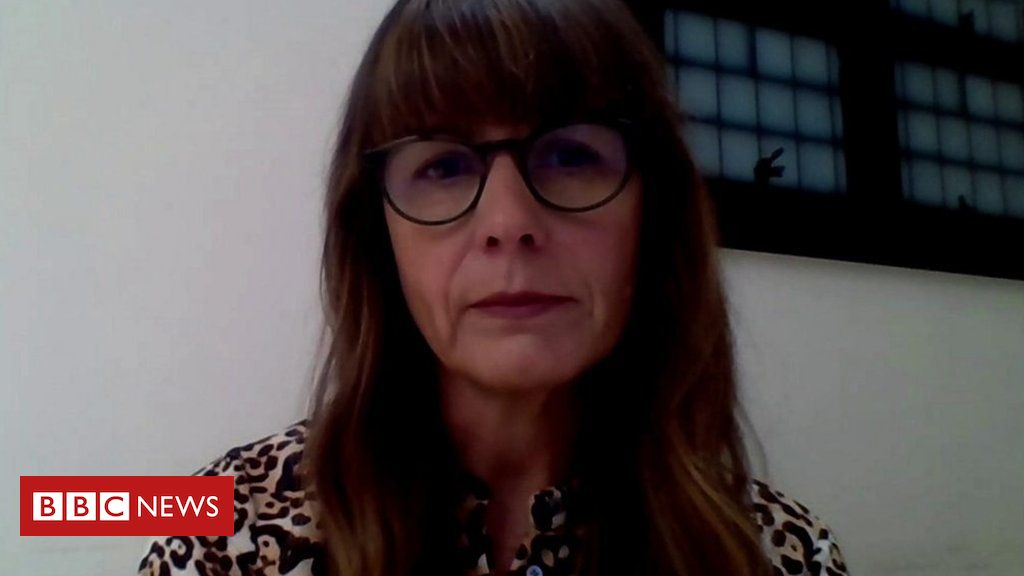
Vaccination, testing and new treatments should mean fewer restrictions and lower chances of lockdowns if Covid infections increase, Susan Hopkins of Public Health England told the Andrew Marr programme.Professor Hopkins did not rule further lockdowns this winter if the NHS becomes overwhelmed, but said that new ways of managing the virus that were not available last winter could soften the impact of a third wave.

Read more →

Desperate for Covid Care, Undocumented Immigrants Resort to Unproven Drugs

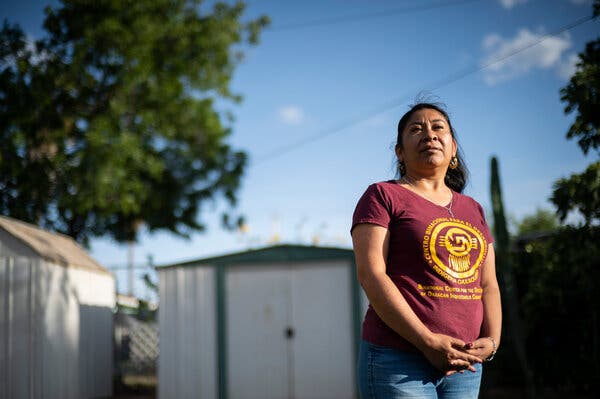
Shut out from mainstream medicine, some immigrants are buying expensive, unproven Covid therapies from “wellness” clinics or turning to the black market.FRESNO, Calif. — On a Tuesday afternoon in April, among tables of vegetables, clothes and telephone chargers at Fresno’s biggest outdoor flea market were prescription drugs being sold as treatments for Covid.Vendors sold $25 injections of the steroid dexamethasone, several kinds of antibiotics and the anti-parasitic drug ivermectin. Chloroquine and hydroxychloroquine — the malaria drugs pushed by President Donald J. Trump last year — make regular appearances at the market as well, as do sham herbal supplements.Health and consumer protection agencies have repeatedly warned that several of these treatments, as well as vitamin infusions and expensive injections of “peptide therapies” sold at alternative wellness clinics for more than $1,000, are not supported by reliable scientific evidence.But such unproven remedies, often promoted by doctors and companies on social media, have appealed to many people in low-income immigrant communities in places across the country where Covid-19 rates have been high but access to health care is low. Some turn to unregulated drugs because mainstream medicine is too expensive or is inaccessible because of language or cultural barriers.“It’s disappointing but not surprising” that people living below the poverty line have spent large sums of money for unproven treatments for Covid-19, said Rais Vohra, the interim head of Fresno County’s health department. “People are desperate and bombarded with misinformation and may not have the skills, time or context to interpret medical evidence.”The trend is not new. In 2014, Dr. Vohra published a case report on a Hmong woman who showed up at an emergency room in Fresno with life-threatening poisoning after overdosing on chloroquine that she had bought at the flea market under the label “red Tylenol.” He and his colleagues subsequently went to the market and to three smaller shops and found 35 different medications that were prescription-only or had been deemed unsafe by the Food and Drug Administration. “It was a real eye opener,” he said.Oralia Maceda Méndez, an advocate at a Fresno-based community group for Indigenous people from Oaxaca, Mexico, said those in her community feared that “the government might be trying to get rid of us.”Brian L. Frank for The New York TimesDuring the pandemic, many immigrants shut out of mainstream health care have turned to such markets for Covid-19 treatments. About 20 percent of Hispanic people in the United States lack health insurance, and the proportion is far higher among undocumented immigrants.What’s more, some immigrants mistrust doctors who don’t speak their language or who treat them curtly — and those concerns have been amplified by harsh political rhetoric directed at Mexicans and Central Americans.“My community fears that the government might be trying to get rid of us,” said Oralia Maceda Méndez, an advocate at a Fresno-based community group for Indigenous people from Oaxaca, Mexico. She has heard many stories from immigrants in her community who treat themselves for Covid-19 with penicillin, other antibiotics or a mix of vitamins and herbal therapies bought from shops or travelers selling medications bought in Mexico.“I am not surprised that people are taken advantage of,” she said. “We don’t have the care we need.”Some farmworkers have received unproven treatments at specialty clinics. A woman in Fresno recently described how her husband, a farmworker, had fallen so sick from Covid-19 that he couldn’t breathe or walk, but he refused to go to the hospital because he had heard rumors that undocumented immigrants had checked in and never left. She took him to a wellness clinic, where a doctor gave him injectable peptide treatments, recalled the woman, who requested anonymity because of her immigration status.She wasn’t prepared, she said, for the $1,400 bill, which included the cost of syringes and vials labeled thymosin-alpha 1, BPC-157 and LL-37. Pulling them out of a cabinet in the kitchen of her mobile home, she said she didn’t know exactly what they were, and she still feels the sting of the price.“I was shocked, but I was trying to act like it was OK because I had to be strong for my husband and my kids,” she said. He grew sicker despite the injections, but the family had no funds left for care. More than a month passed before he was well enough to return to the fields.Sandra Celedon, the president of a coalition of grass-roots organizations called Fresno Building Health Communities, said she and her colleagues have heard from several farmworkers and other low-income Latino immigrants who spent their savings on vitamin infusions and peptide therapies for Covid. “These folks are the poorest of the poor, and yet the doctors were requesting cash for their unproven treatments,” she said.Sandra Celedon, a leader of a coalition of grassroots organizations in Fresno, knows of several low-income immigrants who spent their savings on vitamin infusions and peptide therapies for Covid.Brian L. Frank for The New York TimesSome unregulated drugs can be dangerous. And even if they aren’t a health risk by themselves, they can lead people to postpone seeking help from doctors, which can be deadly. Delayed treatment is one reason Black and Hispanic people have died from Covid at twice the rate as white people in the United States.Alternative therapies can also limit a patient’s treatment options because doctors worry about toxic drug interactions, said Dr. Kathleen Page, an infectious-disease specialist at Johns Hopkins University School of Medicine in Baltimore.Undocumented immigrants from Mexico and Central America who have gone to the emergency room at her hospital often mention home remedies, vitamins or antibiotics they have injected or ingested before seeking care. “I’m not upset at patients when they tell me what they’ve taken,” Dr. Page said. “I’m upset about the system that makes it easier for them to get help from nontraditional places than from regular health care.”Unable or unwilling to talk with mainstream medical providers, some people turn instead to Facebook, YouTube or WhatsApp for advice. On Covid-19 Recipes and Home Remedies, for example, a Facebook page in Spanish that has about 10,000 members, people from the United States, Mexico and South America exchange tips on herbal concoctions, zinc, vitamin B12, ivermectin and chlorine dioxide — which has been tied to reports of respiratory and liver failure.Dr. Ignacio Guzman, who specializes in “anti-aging, regenerative and integrative medicine” at a clinic in an affluent area of northern Fresno, uses social media to advertise peptide therapy for a broad range of ailments. On Instagram, he promoted it in a photograph of himself getting a Covid-19 vaccine, writing that “integrating peptides with immunizations can double their efficacy!” (No clinical trials of Covid-19 vaccines support that claim, and the shots are highly effective on their own.)Another Instagram post, from March 2020, includes a photograph showing an intravenous line in the doctor’s arm above a caption in which he indicates that he is being infused with vitamin C. “This IV along with peptide therapy will limit my chances of acquiring infections such as Influenza A and the Corona Virus!” he wrote.The Fresno flea marketBrian L. Frank for The New York TimesThe F.D.A. points out that the thymosin-alpha 1 peptide therapy is not authorized in the United States to treat Covid-19, nor is it approved for any other condition. Over the past year, that agency and the Federal Trade Commission have cracked down on hundreds of companies making unsupported claims about supposed Covid-19 treatments, including thymosin-alpha 1, BPC-157 and vitamin C infusions. The F.T.C. warns that anyone who makes “deceptive claims related to the treatment, cure, or prevention of Covid-19” could be subject to penalties of up to $43,792 for each violation.Neither of those agencies has sent a public warning letter to Dr. Guzman. He and his lawyer did not respond to several requests for comment.Dr. Juan G. Bautista, who works with Dr. Guzman at the clinic, declined to comment on his colleague. “I don’t want to speak against another doctor if their intention was to take care of a patient,” he said.When Dr. Bautista came down with Covid-19 himself last year, he tried peptides, along with a host of standard treatments. He said that he hadn’t used peptides to treat Covid-19 in his patients but that he didn’t fault doctors who had used experimental therapies that they believed could help people recover from a never-before-seen virus.“Physicians were doing everything possible to keep patients outside of the hospital,” he said, citing the distress of intubation and medical bills that could wipe out the savings of his low-income patients from Fresno and the broader San Joaquin Valley. “There’s not a lot of people here in the Valley that take care of the poor.”Sandy Sirias contributed reporting. This story was supported by the Pulitzer Center.

Read more →

Covid Lab-Leak Theory Renews “Gain-of-Function” Research Debate

Talk of ‘gain-of-function’ research, a muddy category at best, brings up deep questions about how scientists should study viruses and other pathogens.At a Senate hearing on efforts to combat Covid-19 last month, Senator Rand Paul of Kentucky asked Dr. Anthony S. Fauci whether the National Institutes of Health had funded “gain-of-function” research on coronaviruses in China.“Gain-of-function research, as you know, is juicing up naturally occurring animal viruses to infect humans,” the senator said.Dr. Fauci, the nation’s top infectious disease expert, flatly rejected the claim: “Senator Paul, with all due respect, you are entirely and completely incorrect, that the N.I.H. has not ever and does not now fund gain-of-function research in the Wuhan Institute.”This exchange, and the bit of scientific jargon at the heart of it, has gained traction in recent weeks, usually by people suggesting that the coronavirus was engineered, rather than having jumped from animals to humans, the explanation favored by most experts on coronaviruses. The uproar has also drawn attention back to a decade-long debate among scientists over whether certain gain-of-function research is too risky to allow.Spurred by some contested bird flu experiments in 2012, the U.S. government adjusted its policies for oversight of certain types of pathogen studies. But some critics in the scientific community say that the policy is overly restrictive and that its enforcement has been far from transparent.The stakes of the debate could not be higher. Too little research on emerging viruses will leave us unprepared for future pandemics. But too little attention to the safety risks will increase the chances that an experimental pathogen may escape a lab through an accident and cause an outbreak of its own.Sorting out the balance of risks and benefits of the research has proved over the years to be immensely challenging. And now, the intensity of the politics and rhetoric over the lab leak theory threatens to push detailed science policy discussions to the sidelines.“It’s just going to make it harder to get back to a serious debate,” said Marc Lipsitch, an epidemiologist at the Harvard T.H. Chan School of Public Health who has urged the government to be more transparent about its support of gain-of-function research.The Wuhan Institute of Virology, the lab at the center of the lab-leak hypothesis.Roman Pilipey/EPA, via ShutterstockIn the 1970s, researchers were learning for the first time to move genes from one organism to another to make bacteria produce human insulin. From the start, critics worried that such experiments could accidentally create deadly pathogens if they escaped from labs.Tinkering with genes isn’t the only way that a scientist can give an organism new abilities. Researchers can also stage evolutionary experiments, in which pathogens are grown in the cells of an unfamiliar host species. At first, they don’t replicate well. But new mutations can help them adapt, gradually improving their performance.A decade ago, researchers used serial passage, as this procedure is known, to learn how new strains of influenza evolve. Flu strains start off in the guts of birds, and sometimes manage to mutate into a form that can spread among people.Two teams of researchers — one from the University of Wisconsin in Madison and the other at Erasmus Medical Center in Rotterdam, the Netherlands — designed experiments to identify which genetic mutations were essential for a successful jump from birds to people. They injected bird flu viruses into the noses of ferrets, waited for the viruses to replicate, and then transferred the new viruses to new ferrets. Soon the viruses evolved to become better at replicating in the ferrets.When news of the experiments broke in late 2011, a controversy exploded. Some critics said the research was reckless and shouldn’t be published, for fear that other researchers would copy the work and accidentally release a new pandemic strain of flu.A year later, the U.S. Department of Health and Human Services held a meeting to consider what it called “gain-of-function research.” The name took hold, but scientific experts have grown increasingly frustrated with it ever since.“It’s a horribly imprecise term,” said Gigi Gronvall, a senior scholar at the Johns Hopkins Center for Health Security.Many gain-of-function experiments could never pose an existential threat; instead, they have provided huge benefits to humanity. In 1937, researchers found that when they passed the yellow fever virus through chicken cells, it lost the ability to cause disease in humans — a discovery that led to a vaccine for yellow fever. Likewise, herpes viruses have been engineered to gain a new function of their own: attacking cancer cells. They’re now an approved treatment for melanoma.Inoculating fresh chicken eggs in Beijing in 2009 against the H1N1 flu strain.Adrian Bradshaw/Agence France-PresseBut the bird flu experiments raised concerns that certain gain-of-function studies could pose a tiny but real risk of dangerous outbreaks. In 2014, U.S. officials announced that 18 such studies would be paused. The experiments were not just on influenza viruses, but on the coronaviruses that caused SARS and MERS.Three years later, the government rolled out a new policy — the “P3CO framework” — for research on “enhanced potential pandemic pathogens.” The rule requires the agencies under the H.H.S. umbrella, like N.I.H. and its several institutes, to carry out a special review of grant applications for any research on “a credible source of a potential future human pandemic.” In 2019, after conducting such a scientific review, the agency gave the green light for two influenza projects to restart, triggering more debate about whether its policy was thorough enough.When questioning Dr. Fauci last month, Senator Paul brought up one of the most cited examples of gain-of-function research, a study of coronaviruses done by Ralph Baric at the University of North Carolina published in Nature Medicine in 2015. Working with data sent from Shi Zhengli, the director of the Wuhan Institute of Virology, Dr. Baric and his colleagues built a new coronavirus from an existing one. All of the work was done in the North Carolina lab, and neither Dr. Zhengli nor members of her lab participated.The so-called chimeric virus that resulted was not more pathogenic than the parental virus, Dr. Baric said. “This work was approved by the N.I.H.., was peer-reviewed, P3CO reviewed and approved,” Dr. Baric wrote in an email last month. The work also “involved a very different strain of beta coronavirus than the one that causes Covid-19,” he said, and was considered low risk because of the particular strain in question.In the paper, he and his colleagues cautioned others about similar research. “The potential to prepare for and mitigate future outbreaks must be weighed against the risk of creating more dangerous pathogens,” they wrote.The P3CO policy has a significant shortcoming, according to David Relman, a member of the U.S. National Science Advisory Board for Biosecurity and a microbiologist at Stanford University: It only applies to the grant process in agencies that are part of H.H.S. Grants from the National Science Foundation, the Pentagon or other agencies could include dangerous research and also need oversight, he said. Then there is the even thornier question of private research, not funded by the government.Dr. Relman has also criticized the government’s process for screening and approving gain-of-function research. At a January 2020 meeting of the advisory board, he objected to the lack of information released about how two research proposals were approved.Rozanne Sandri-Golin, editor in chief of the Journal of Virology, a scientist who works on the herpes virus and a fellow member of the board, said Dr. Relman made a strong case about the lack of transparency in the grant-screening process. The board was told that a committee made the decision but “their names weren’t published, their backgrounds weren’t published and the process that they used for deciding whether or not it was going to be all right to now proceed with this research was not clearly defined,” she said.The secrecy of the screening process was the most worrisome part of government oversight of potentially dangerous research, according to Angela Rasmussen, a virologist at University of Saskatchewan’s Vaccine and Infectious Disease Organization, who was doing research in the United States at that time. “It’s not clear how they decide what’s acceptable gain of function and what’s not,” she said.However, the “star chamber” nature of the process was not its biggest problem, said Richard Ebright, a molecular biologist at Rutgers who has also been one of the most vocal proponents of the lab leak theory, and a longtime advocate of stricter control of research on dangerous pathogens. An even bigger issue, he said, was that gain-of-function research was simply not being screened in accordance with the policy established by H.H.S., which includes the National Institute of Allergy and Infectious Diseases, run by Dr. Fauci.The ideal solution, he said, would be the creation of an independent body to provide the oversight of dangerous pathogen research, similar to what the Nuclear Regulatory Commission does for studies of radioactive materials.Biosafety suits for handling viral diseases at the U.S. Army Medical Research and Development Command at Fort Detrick in Frederick, Md.Andrew Harnik/Associated PressIn the United States, “there are no biosafety rules or regulations that have the force of law,” he said. “And this is in contrast to every other aspect of biomedical research.” There are enforceable rules, for example, for experiments with human subjects, vertebrate animals, radioactive materials and lasers, but none for research with disease-causing organisms.Dr. Relman, who also supports the need for independent regulation, cautioned that legal restrictions, as opposed to guidelines or more flexible regulations, could also pose problems. “The law is cumbersome and slow,” he said. At one point in the evolution of laws relating to biological warfare, for example, Congress prohibited the possession of smallpox. But the rule’s language, Dr. Relman said, also seemed to ban possession of the vaccine because of its genetic similarity to the virus itself. “To try to fix it took forever,” he said.The current H.H.S. policy also doesn’t offer much guidance about working with scientists in other countries. Some have different policies about gain-of-function research, while others have none at all.Dr. Gronvall of Johns Hopkins argued that the U.S. government cannot dictate what scientists do in other parts of the world. “You have to embrace self-governance,” she said. “You’re not able to sit on everyone’s shoulder.”Even if other countries fall short on gain-of-function research policies, Dr. Lipsitch said that shouldn’t stop the United States from developing better ones. As the world’s leader in biomedical research, the country could set an example. “The United States is sufficiently central,” Dr. Lipsitch said. “What we do really does matter.”Ironically, the pandemic put deliberations over such issues on hold. But there’s no question the coronavirus will influence the shape of the debate. Jesse Bloom, a virologist at the Fred Hutchinson Cancer Research Center, said that before the pandemic, the idea of a new virus sweeping the world and causing millions of deaths felt hypothetically plausible. Now he has seen what such a virus can do.“You have to think really carefully about any kind of research that could lead to that sort of mishap in the future,” Dr. Bloom said.

Read more →

'Finally having a wig puts the smile on your face'

A teenage girl who donated her hair to a cancer charity found out a year later she has cancer herself.Kiya, 15, sat a GCSE exam on the same day she was diagnosed with stage four Hodgkin’s lymphoma after discovering a lump in her neck. Twelve months after donating her hair to the Little Princess Trust, a charity that provides wigs to children with cancer, Kiya, from New Lubbesthorpe in Leicestershire, received her own wig from the charity following chemotherapy treatment.She’s now raising money for them and other cancer charities and has had some famous supporters.Scotland captain and Liverpool left-back Andy Robertson told Kiya in a message: “It’s so important for you to keep strong and keep fighting. You’ll never walk alone.”Wendy Tarplee-Morris, founder of The Little Princess Trust, said: “We know this must be an incredibly difficult time for Kiya so we are extremely grateful to her for thinking of us and supporting the charity, both prior to her own diagnosis and since.”Video journalist: Chris WaringFollow BBC East Midlands on Facebook, on Twitter, or on Instagram. Send your story ideas to eastmidsnews@bbc.co.uk.

Read more →

Common antibiotic found useful in accelerating recovery in tuberculosis patients

Globally, an estimated 10 million people develop tuberculosis (TB) each year and the disease remains a leading cause of death from a single infectious agent. Standard short-course anti-TB treatment still requires a regimen of at least six months of antimicrobial drugs, and drug-resistant TB is an increasing public health threat. Even after the traces of TB disease are quashed, patients often suffer from significant sequelae, such as lung scarring. TB survivors have approximately three to four times greater mortality than their local population.
In pulmonary TB, the most common form of active TB disease, the Mycobacterium tuberculosis bacteria causes the formation of sites of high bacterial load, known as cavities. These cavities are poorly penetrated by TB drugs. After TB treatment is complete, there is likely to be tissue damage within the lungs that can lead to further lung problems such as permanent respiratory dysfunction leading to difficulty in breathing, stiffness in the lungs and bronchiectasis, which can make people cough up blood.
Researchers from NUS Yong Loo Lin School of Medicine’s Infectious Diseases Translational Research Programme have discovered that the use of a common antibiotic, doxycycline, in combination with TB drug treatment, reduces the size of lung cavities and accelerates markers of lung recovery.
In the Phase 2 double-blind trial conducted at the National University Hospital and TB Control Unit, the treatment was found to be safe, with side effects similar to patients on placebo pills. The study shows promise in delivering a new standard-of-care which can potentially prevent long term complications and the study team is seeking funds for a fully-powered larger scale Phase 3 trial to verify these findings.
“Pulmonary TB patients tend to suffer from lung damage after TB, which is associated with mortality, and poorer quality of life. Doxycycline is a cheap and widely available antibiotic that can decrease lung damage, and potentially improve quality of life for these patients,” said Assistant Professor Catherine Ong, Principal Investigator of the study and member of the Infectious Diseases Translational Research Programme (TRP) at NUS Medicine. The study findings were published in the Journal of Clinical Investigation.
Professor Paul Tambyah, who was also involved in the study and is Deputy Director of the Infectious Diseases TRP commented, “While we have been able to successfully treat most cases of TB for the last few decades, we have seen many people suffer the complications of the lung damage from the original TB infection. If this common drug, doxycycline, can help prevent the complications of “Long TB” (to use a term currently in vogue), this will really help a lot of patients in Singapore and worldwide.”
The Infectious Diseases TRP aims to provide a holistic, patient-centric approach to infectious diseases that are relevant to Singapore and the region. The Programme focuses on programmatic research areas including pathogen evolution and transmission, host-microbe interactions and vaccine and therapeutics development.
Story Source:
Materials provided by National University of Singapore, Yong Loo Lin School of Medicine. Note: Content may be edited for style and length.

Read more →

Stronger together: How protein filaments interact

Just as the skeleton and muscles move the human body and hold its shape, all the cells of the body are stabilised and moved by a cellular skeleton. Unlike our skeleton, this cellular skeleton is a very dynamic structure, constantly changing and renewing itself. It consists of different types of protein filaments, which include intermediate filaments and microtubules. Now, a research team from the University of Göttingen is the first to succeed in observing a direct interaction between microtubules and intermediate filaments outside the cell, and also in quantitatively measuring this interaction. The results of the study were published in Nature Communications.
Microtubules are dynamic filaments that constantly grow and shrink again and, in this way, are responsible for many important processes in cells. The research team observed that intermediate filaments stabilise microtubules: when intermediate filaments are added to microtubules, shrinkage is suppressed and thus the lifespan of the microtubules is extended. To investigate whether this is actually due to direct interactions between the two filaments, a single microtubule was positioned crossed with a single intermediate filament.
Dr Laura Schaedel, who shares first authorship of the publication with Charlotta Lorenz (PhD student at the Institute for X-ray Physics at the University of Göttingen), explains: “The intermediate filament was ‘pulled’ over the microtubule like a bow over a violin string.” Lorenz adds, “This allows the two filaments to bind to each other. However, this bond is broken again shortly afterwards due to the pulling. The process of ‘tearing apart’ provides information about the strength of the bond.” Professor Stefan Klumpp from the Institute for the Dynamics of Complex Systems at Göttingen University, who led the project together with Professor Sarah Köster from the Institute for X-ray Physics, says, “In addition, we used models and simulations to show that the direct interaction leads to stabilisation.” The stabilisation of dynamic microtubules can be an important issue for biological cells, for example to regulate their local stability. “The interactions that we observed are important because they enable better understanding of cellular processes,” says Köster.
These results are in turn relevant for understanding many other processes, such as those involved in diseased cells. The new method to take direct measurements of the actual interaction of two different biopolymers can also be applied to other protein filaments, as well as to non-biological fibres.
Story Source:
Materials provided by University of Göttingen. Note: Content may be edited for style and length.

Read more →

One in 6 families in new study spent more than $5,000 to have a baby

The price tag for giving birth in America may bring some families sticker shock — even for those with private insurance.
And when delivering moms require caesarians or their newborns need neonatal care, some families may spend as much as $10,000 out-of-pocket, according to a new Michigan Medicine-led study.
“Childbirth is the most common reason for hospitalization in the U.S.,” said lead author Kao-Ping Chua, M.D., Ph.D.,a pediatrician and researcher at University of Michigan Health C.S. Mott Children’s Hospital and the Susan B. Meister Child Health Evaluation and Research Center.
“Our findings show that some privately insured families are shouldering an astoundingly high financial burden for childbirth-related hospitalizations.”
During 2016-2019, privately insured families paid an average of $3,000 out-of-pocket for maternal and newborn hospitalizations, according to the research in Pediatrics. But for one in 6 families, out-of-pocket spending exceeded $5,000. And when neonatal intensive care was required, the price climbed to over $10,000 for about 1 in 11 families.
“Many privately insured families believe that if they have health insurance, they’re protected from the costs of childbirth hospitalizations. Unfortunately, this is simply not true for many families, particularly if their baby needs NICU care,” Chua said.

Read more →