Study charts 60 years of treatments, health characteristics among people with dwarfism

In a retrospective study believed to be one of the largest of its kind, researchers say they have successfully charted the health risks, growth patterns, and medical and surgical outcomes of 1,374 people with the most common form of dwarfism, called achondroplasia, seen over a 60-year period at four academic medical centers, including Johns Hopkins Medicine. The findings, according to the researchers, not only affirm some long-standing views and trends in the care of those with the condition, but also offer a standardized baseline, a blueprint investigators hope will serve to speed diagnosis and improve patients’ quality of life and health.
Achondroplasia is caused by a rare genetic mutation that alters the activity of the fibroblast growth factor receptor 3 (FGFR3) gene involved in bone growth. Occurring in about 20,000 live births in the U.S. each year, the condition is marked by short stature, bowed legs, disproportionately large head and other musculoskeletal problems that cause pain, sleep problems and other symptoms.
Among other findings, the new study affirms that the vast majority — at least two-thirds — of those with the condition are born to parents of normal stature and bone development, meaning that the genetic mutation mostly arises spontaneously and randomly.
“We aimed to provide more uniformity of information about treatments in this field, because more precise information has great potential to improve therapies that alleviate symptoms and health problems among people with achondroplasia,” says Julie Hoover-Fong, M.D., Ph.D., director of the Greenberg Center for Skeletal Dysplasias and professor of genetic medicine at the Johns Hopkins University School of Medicine.
A summary of the findings appeared in the May 18 issue of Genetics in Medicine.
Hoover-Fong says she and her colleagues had talked about doing this type of “look-back,” or retrospective review of patient information for more than a decade, and began to do so in earnest in 2017. The data included medical records from 1,374 children and adults diagnosed with achondroplasia seen between 1957 and 2017 at one of four medical centers: The Johns Hopkins Hospital, Nemours/A.I. duPont Hospital for Children in Wilmington, Delaware, the University of Texas Health Science Center at Houston and the University of Wisconsin. There were an equal number of females and males, and 77.6% were white, 5.4% each were Black and Asian, 7.5% were Hispanic, 0.07% were Native American, 1.7% were a mix of more than one race or ethnicity, 1.7% were of unknown race or ethnicity and 0.4% were other ethnicities including those of middle eastern, African or South American descent.

Read more →

Some blood pressure-lowering meds linked to less memory decline in older adults, study finds

Older adults taking blood pressure-lowering medications known to cross the blood-brain barrier had better memory recall over time compared to those taking other types of medicines to treat high blood pressure, according to new research published today in the American Heart Association journal Hypertension.
High blood pressure, or hypertension, is a risk factor for cognitive decline and dementia in older adults. Nearly half of American adults have elevated blood pressure. Treating high blood pressure with blood pressure-lowering medicines reduced the cases of mild cognitive impairment by 19% in one large trial (SPRINT MIND).
ACE inhibitors, angiotensin II receptor blockers (ARBs), calcium channel blockers and diuretics are different classes of blood pressure-lowering medicines. Each class acts in a different way to reduce blood pressure, and some cross the blood-brain barrier, thereby impacting cognitive function.
“Research has been mixed on which medicines have the most benefit to cognition,” said study author Daniel A. Nation, Ph.D., an associate professor of psychological science in the Institute for Memory Impairments and Neurological Disorders at the University of California, Irvine. “Studies of angiotensin II receptor blockers and angiotensin-converting-enzyme (ACE) inhibitors have suggested these medicines may confer the greatest benefit to long-term cognition, while other studies have shown the benefits of calcium channel blockers and diuretics on reducing dementia risk.”
This is the first meta-analysis to compare the potential impact over time of blood pressure lowering medicines that do vs. those that do not cross the blood-brain barrier. The medicines were evaluated for their effects on several cognitive domains, including attention, language, verbal memory, learning and recall.
“Hypertension occurs decades prior to the onset of dementia symptoms, affecting blood flow not only in the body but also to the brain,” Nation said . “Treating hypertension is likely to have long-term beneficial effects on brain health and cognitive function later.”
Researchers gathered information from 14 studies of nearly 12,900 adults ages 50 years and older. These included studies done in the United States, Australia, Canada, Germany, Ireland and Japan. The meta-analysis found: Older adults taking blood pressure-lowering medicines that cross the blood-brain barrier had better memory recall for up to 3 years of follow-up compared to those taking medicines that do not cross the blood-brain barrier even though they had a higher level of vascular risk. Adults taking hypertension medications that did not cross the blood-brain barrier had better attention for up to 3 years of follow-up.”These findings represent the most powerful evidence to-date linking brain-penetrant ACE-inhibitors and angiotensin receptor blockers to better memory. It suggests that people who are being treated for hypertension may be protected from cognitive decline if they medications that cross the blood-brain barrier,” said study co-author Jean K. Ho, Ph.D., a postdoctoral fellow at the University of California, Irvine.
Blood pressure is considered elevated at 120/80 mm Hg and higher. The current American Heart Association/American College of Cardiology guidelines for treating high blood pressure suggest changes to diet and activity levels to lower blood pressure and adding blood pressure-lowering medication for people with levels of 130/80 mm Hg or higher depending on their risk status. If blood pressure reaches 140/90 mm Hg, blood pressure-lowering medication is recommended.
Limitations of this analysis are that the authors could not account for differences in racial/ethnic background based on the available studies, and there is a higher proportion of men vs. women in the group who took medications that cross the blood-brain barrier. This is an important area of future research since previous studies have shown that people from various racial/ethnic backgrounds may respond differently to different blood pressure medications.
The National Institute on Aging of the National Institutes of Health, and the Alzheimer’s Association funded this study.
Story Source:
Materials provided by American Heart Association. Note: Content may be edited for style and length.

Read more →

Genetic cause of neurodevelopmental disorder discovered

University of Maryland School of Medicine (UMSOM) researchers identified a new gene that may be linked to certain neurodevelopmental disorders and intellectual disabilities. The researchers believe that finding genes involved in certain types of developmental disorders, provide an important first step in determining the cause of these disorders and ultimately in developing potential therapies for treating them. The paper was recently published in the American Journal of Human Genetics.
About 3 percent of the world’s population has intellectual disability. Up to half the cases are due to genetics, however, because many thousands of genes contribute to brain development, it has been difficult to identify the specific cause for each patient.
Once the researchers identified the gene, they worked with collaborators to give clinical diagnoses to 10 other families around the world, who had relatives with this condition. The researchers also used zebrafish to show the gene’s role in development and survival, demonstrating its importance in helping the brain’s neurons function properly.
“Our goal is to find as many of these genes required for brain function and take this knowledge back to patients and families to provide a clinically relevant genetic diagnosis,” says Saima Riazuddin, PhD, MPH, MBA, Professor of Otorhinolaryngology-Head & Neck Surgery and Biochemistry & Molecular Biology at UMSOM.
Dr. Riazuddin and her team collaborate regularly with several scientists in Pakistan studying a group of 350 families geographically isolated, which as a result has led to inbreeding resulting in genetic disorders such as neurodevelopmental disorder and intellectual disability.
The team focused on one particular family with two brothers and an uncle with symptoms of intellectual disability, delayed speech and other developmental milestones and epilepsy. Other members of the family with similar symptoms had since passed in childhood or early adulthood. Dr. Riazuddin and her team identified the gene AP1G1 as the culprit.
Then through collaboration with 27 other institutions, her team was able to identify ten other families with the variations in the same gene that led to growth retardation and intellectual disability. These families lived in Italy, Germany, the Netherlands, Poland, and the United States.
To determine the gene’s role in development, the researchers engineered zebrafish without Ap1g1. These zebrafish embryos all began to die off by the fourth day. When the researchers added back mutated versions of the genes, like those found in the families with neurodevelopment disorder and intellectual disability, they observed a spectrum of symptoms with some zebrafish embryos dying off, some with major structural defects, and others with only minor tail deformities.
The gene AP1G1 contains the blueprints to make the protein Adaptor Protein 1 gamma 1 (AP1?1). This protein is one of five pieces that makes up the Adaptor Protein Complex, which builds transport vesicles to move materials around cells.
“Think of these transport vesicles as little vehicles like trucks that have to load, transport, and unload their cargo around the cells (e.g. neurons) to provide the necessary supplies for the cell to function,” says Dr. Riazuddin.
Dr. Riazuddin’s team made normal and mutant versions of AP1G1 which they put in mammalian cells with cargo molecules labeled in red. The cells with the mutant versions of AP1G1 had vesicles that were delayed in delivering their cargo or did not make their deliveries at all.
“Improving clinical diagnosis of these developmental disorders may eventually provide new targets for therapies, in order to one day be able to treat these conditions allowing more people to live independently,” says E. Albert Reece, MD, PhD, MBA, Executive Vice President for Medical Affairs, UM Baltimore, and the John Z. and Akiko K. Bowers Distinguished Professor and Dean, University of Maryland School of Medicine.
Story Source:
Materials provided by University of Maryland School of Medicine. Original written by Vanessa McMains. Note: Content may be edited for style and length.

Read more →

Covid-19: Matt Hancock hopes to scrap isolation for double-jabbed contacts

SharecloseShare pageCopy linkAbout sharingimage copyrightGetty ImagesThe health secretary has said he hopes to exempt fully vaccinated people from the requirement to isolate for 10 days if they come into contact with someone who has Covid. A current trial is offering daily rapid testing as an alternative to isolation.Matt Hancock said the approach would be adopted for people who have had two doses of a coronavirus jab, if the pilot was effective.The PM said the government was also looking at using it for travellers.Asked whether ministers were considering allowing double-vaccinated travellers to be exempt from quarantine on their return to the UK if they took daily tests, Boris Johnson told reporters: “When it comes to travel, we’ll certainly be looking at that. “But I want to stress this is going to be, whatever happens, a difficult year for travel – there will be hassle, there will be delays, I’m afraid, because the priority has got to be to keep the country safe and to stop the virus coming back in.”Currently, people arriving in the UK from a country on the government’s amber list must quarantine for 10 days – regardless of whether they have had a coronavirus jab.However, in England an individual may be able to end their quarantine period early if they pay for an additional test under the test-to-release scheme. How does the test-and-trace system work?Who has to self-isolate?What are the rules for travelling abroad?Mr Hancock told BBC Breakfast the government was piloting daily tests as an alternative to isolation for people who come into contact with someone who has tested positive for Covid. “We’re piloting that now to check that will be effective and it is something that we’re working on,” the health secretary said.”We’re not ready to be able to take that step yet. But it’s something that I want to see and we will introduce, subject to clinical advice, as soon as it’s reasonable to do so.”As part of a study by Public Health England and NHS Test and Trace, launched in May, as many as 40,000 people who have been in contact with someone who has tested positive for Covid will be given daily tests to gather evidence on alternatives to self-isolation. Instead contacts will be required to test themselves with a rapid lateral flow test every morning for seven days – and will be allowed to leave their home if they test negative. The trial is not expected to be completed until later in the summer. Currently, anybody who has been told by NHS Test and Trace that they are a contact of somebody who has tested positive for the virus must self-isolate for 10 days.This means not leaving home at all – even to buy food or medicines, or for exercise. The rule applies to people regardless of whether they have received a coronavirus jab. So far, nearly 60% of UK adults have had two doses of the vaccine, meaning they are fully vaccinated, and more than four in five adults have had their first dose.More than one million jabs were booked on Friday and Saturday in England, after vaccinations opened to all over-18s. image copyrightReutersMeanwhile, the prime minister said plans to ease Covid restrictions in England on 19 July were “looking good”. Speaking on a visit to a laboratory in Hertfordshire, Mr Johnson said: “At the moment it still looks to me as though 19 July is a terminus point.”Asked whether he could rule out further lockdowns this winter, he said: “You can never exclude that there will be some new disease, some new horror that we simply haven’t budgeted for, or accounted for.”But looking at where we are, looking at the efficacy of the vaccines against all variants that we can currently see – so Alpha, Delta, the lot of them, Kappa – I think it’s looking good for 19 July to be that terminus point.”The original date the government had planned to remove all legal limits on social contact in England was 21 June – but this has been delayed to allow more people to be vaccinated. However, some restrictions have still been eased. The number of guests at a wedding is no longer limited to 30 (although there are capacity rules depending on a venue’s size), visiting arrangements for care homes are changing, children can go on overnight trips in groups of 30, and pilots of large events like Euro 2020 games will continue.And in Wales, rules are also being lifted slightly, including capacity restrictions for music and comedy and the limits on weddings changing in line with a venue’s size.In Northern Ireland, a planned easing of restrictions has been pushed back to at least 5 July, and current rules in Scotland are expected to be extended until mid-July. POSE: The ground-breaking drama shining a light on 1980s New York ball culture “I WAS JUST FALLING FURTHER AND FURTHER BEHIND”: Heartfelt stories from people across the UK who struggle to read and write

Read more →

I’ve Recovered From Long Covid. I’m One of the Lucky Ones.

Much of the country is moving past the pandemic. But many people still can’t, and I know exactly how that feels.Times Insider explains who we are and what we do, and delivers behind-the-scenes insights into how our journalism comes together.I met a friend for lunch recently, one of my first New York social outings since Covid-19 forced the world into solitude 15 months ago. We laughed and shared a bottle of prosecco. We didn’t wear masks. We hugged. Twice. As we offered each other hearty goodbyes after our three-hour gabfest, a woman remarked as she passed us on the street, “It is so good to see people happy again.”Signs are everywhere that normal life, or whatever will pass for it in a postpandemic world, is re-emerging. But for the tens of thousands of people who contracted the coronavirus and have continued to have symptoms, the euphoria is short-lived. In April 2020 I was diagnosed with Covid-19 and, for nearly 10 months, was subject to chest pain, fatigue, fever, night sweats and other maladies that continued long after the virus left my body. I wrote about the experience for The Times Magazine earlier this year, wondering if I would ever feel like myself again.Happily, I seem to be back to normal. But I was uneasy when I got my second vaccination shot three weeks ago, worried about how my body would respond. I sobbed as the nurse stabbed me with a syringe; the next day I curled up in a ball on my bed, overwhelmed with chills and fever. Researchers suggest that the vaccine may help the immune system fight off any lingering residual virus. But the truth is there is still so much we don’t know about Covid.This month a study tracking the health insurance records of nearly two million people in the United States who contracted the coronavirus last year found that almost one-quarter of them — 23 percent — sought medical treatment for new conditions, including nerve and muscle pain, high cholesterol, high blood pressure and fatigue. People of all ages were affected, including children, and problems occurred even among those people who showed no symptoms from the virus.Doctors are only beginning to study the virus’s long-term effects. In February, the National Institutes of Health announced a $1.15 billion initiative to identify the causes of long Covid, as well as protocols to prevent and treat individuals whose symptoms persist. Dr. Francis S. Collins, director of the N.I.H., said then that given the number of individuals who had been infected, “the public health impact could be profound.”I got a glimpse of this while writing about my experience. And what I saw was a community in pain. Emails poured in from readers who had long Covid or knew relatives who suffered and didn’t know how to help. “Your incredibly factual and personal story truly hit like a sledgehammer,” one reader wrote. Another reader said, “I sometimes feel so alone in it, and seeing your piece made me feel seen, understood and less alone.”The article was read by more than half a million online readers in the first week alone, stretching from Tanzania to France, Japan, Brazil, India and beyond. I got calls and emails from doctors who circulated it among their patients. It was cited as essential reading at a meeting of medical professionals at Stanford University’s Medical Department. This awareness was a boon for long-Covid sufferers who worried that people regarded their seemingly random symptoms as psychological, not physiological.“I hope that your article helps doctors know we are not ‘in our heads’ with anxiety alone,” one reader wrote.People emailed me lots of advice. I was told to stop eating sugar, adopt a gluten-free diet and give up dairy products. One reader suggested acupuncture. Another recommended a vitamin cocktail with D and zinc, while others promoted breathing exercises and homeopathic medicine. Eliminating unnecessarily stressful situations made me feel better. But maybe that would have been helpful whether I had Covid or not. In this way, the virus is a shrewd teacher.What I find most troubling, though, is the helplessness that so many people still feel more than a year later as the country seems to be joyfully emerging from its coronavirus slumber. One man wrote me a letter in January about his daughter who got sick last summer and found little comfort. I wrote her an email (as I did the more than 200 readers who contacted me) and wished her a speedy recovery. When I emailed her father last month to see how the family was faring, he said little had improved.“She voices a sense of hopelessness, which is so heartbreaking to us,” he wrote.It’s heartbreaking to me too. I’m grateful to be hugging friends and having long lunches. But for too many others, the pain endures.

Read more →

Morning People May Be at Lower Risk of Depression Than Night Owls

Going to bed early and waking up early may help to provide some protection against depression, a new study suggests.If you are a morning person, you may be at reduced risk for major depression, a new study suggests.Several studies of the body’s circadian sleep-wake cycle have shown that being an early bird is associated with a lower risk for depression. But those studies were observational so could not prove cause and effect.For example, people who are early birds may have other health or lifestyle behaviors that reduce their risk for depression — they may have a healthier diet, for example, exercise more, or have fewer health conditions, such as chronic pain, that are associated with depression. All these factors, and many others, could explain the decreased risk for depression, and not the fact of being an early bird. Moreover, depression itself causes sleep disturbances, so it could be that depression is a cause of being a night owl, rather than the other way around.The new study, however, offers more compelling evidence that going to bed early and waking early may, in itself, provide protection against depression, independent of other factors. The study, published in JAMA Psychiatry, uses a research method called Mendelian randomization that helps pinpoint the cause of what may be a cause-and-effect relationship.With Mendelian randomization, researchers can compare large groups of people based on genetic variants that are independent of other health or behavioral characteristics — in this case, the tendency to being a night owl or a morning person, inherited traits that are randomly allocated during our development in the womb. More than 340 genetic variants associated with circadian sleep rhythm have been identified, and the researchers can compare large groups of people with the genetic variants for being a morning person with groups that lack them. Nature has, in essence, set up the randomized experiment for them.For the study, the scientists used two genetic databases of more than 800,000 adults to do a Mendelian randomization study of circadian rhythm and the risk for depression. They not only had genetic data, but also data on diagnoses of major depression and information on when people went to bed and woke up, collected with both self-reports and sleep laboratory records, which the researchers used to track the midpoint of sleep, a helpful scientific measure of someone’s sleep tendencies. A morning person who tended to go to bed at 10 and wake up at 6, for example, would have a sleep midpoint of 2 a.m.They found that in people with the genetic variants for being an early bird, for every hour earlier the sleep midpoint, there was a 23 percent lower risk of major depression.Dr. Till Roenneberg, an expert in chronobiology who was not involved in the research, said a shortcoming of the study was that the scientists had no data on when these people had to rise for work or other obligations. Even with Mendelian randomization, he said, they can’t account for the fact that late types often need to go to work too early, which in itself may contribute to depression.“They’ve drawn the right conclusions from their data,” he said, “but life is more complicated than that.”If you are a night owl, will changing your habits alleviate depression or decrease the risk for developing it? Not necessarily, said the lead author, Dr. Iyas Daghlas, a resident physician at the University of California, San Francisco. The study, he said, looks at large groups of people, not individuals.“This data tells us that certain trends in society” — such as using smartphones and other blue light devices at night, which make us go to sleep later — “may be having an effect on the level of depression in the population,” he said. “These results do not say that if you go to sleep earlier, you’ll get rid of depression. Discovering which intervention in which populations will be effective — that has to be left to clinical trials.”Still, he said, “While our data doesn’t tell us where the sweet spot is, I would say that if you’re an evening person, especially one who has to wake up early, advancing your bedtime about an hour or so is a safe intervention that might be helpful for your mental health.”

Read more →

The Secrets of ‘Cognitive Super-Agers’

By studying centenarians, researchers hope to develop strategies to ward off Alzheimer’s disease and slow brain aging for all of us.One of my greatest pleasures during the Covid-19 shutdowns was having the time to indulge in hourlong phone conversations with friends and family whom I could not see in person. Especially uplifting were my biweekly talks with Margaret Shryer, a twice-widowed 94-year-old Minneapolitan.I met Margaret in Minneapolis in 1963, six months after her first husband was killed by a drunken driver. With four small children to support, this young widow wasted no time getting qualified to teach German to high school students. Margaret and I are kindred spirits who bonded instantly, and despite living half a country apart since 1965, we’ve remained devoted friends now for 58 years.My conversations with Margaret are substantive and illuminating, covering topics that include politics, poetry, plays and philosophy as well as family pleasures and problems. I relish her wisdom and sage advice. I especially delight in the fact that she seems not to have lost an iota of her youthful brain power. She’s as sharp now as she was when we first met decades ago.Recent findings about the trajectories of human cognition suggest that if no physical insult, like a stroke, intervenes in the next six years, Margaret is destined to be a cognitively sharp centenarian.Fewer than 1 percent of Americans reach the age of 100, and new data from the Netherlands indicate that those who achieve that milestone with their mental faculties still intact are likely to remain so for their remaining years, even if their brains are riddled with the plaques and tangles that are the hallmarks of Alzheimer’s disease.Findings from the Dutch study may eventually pave a path for many more of us to become “cognitive super-agers,” as researchers call people who approach the end of the human life span with brains that function as if they were 30 years younger.One day everyone who is physically able to reach 100 may also be able to remain mentally healthy. By studying centenarians, researchers hope to identify reliable characteristics and develop treatments that would result in healthy cognitive aging for most of us. Meanwhile, there is much we can do now to keep our brains in tiptop condition, even if reaching 100 is neither a goal nor a possibility.These hopeful prospects stem from the study of 340 Dutch centenarians living independently who were tested and shown to be cognitively healthy when they enrolled. The 79 participants who neither died nor dropped out of the study returned for repeated cognitive testing, over an average follow-up of 19 months.The research team, directed by Henne Holstege at Vrije University in Amsterdam, reported in JAMA Network Open in January that these participants experienced no decline in major cognitive measures, except for a slight loss in memory function. Basically, the participants performed as if they were 30 years younger in overall cognition; ability to make decisions and plans and execute them; recreate by drawing a figure they had looked at; list animals or objects that began with a certain letter; and not becoming easily distracted when performing a task or getting lost when they left home.Even those with genes linked to an elevated risk of developing Alzheimer’s disease were able to perform well on the tests.Nearly a third of the participants agreed to donate their brains after death. Brain autopsies of 44 of the original centenarians revealed that many had substantial neuropathology common to people with Alzheimer’s disease although they had remained cognitively healthy for up to four years beyond 100.Dr. Thomas T. Perls, a geriatrician at Boston University who directs the New England Centenarian Study who wrote an accompanying editorial, said in an interview that the Dutch participants represented “the crème de la crème” of centenarians who had averted the onset of Alzheimer’s disease by at least 20 to 30 years. They seemed to be either resistant to the disease or cognitively resilient, somehow able to ward off manifestations of its brain-damaging effects. Perhaps both.Resistance, Dr. Perls explained, may reflect a relative absence of brain damage conferred by a person’s genes or lifestyle. Or they may have “protective biological mechanisms that slow brain aging and prevent clinical illness,” he said.Resilience, on the other hand, characterizes people with normal cognitive abilities even though their brains may have damage typical of Alzheimer’s, the leading cause of dementia. In addition to plaques and tangles, such changes include loss of neurons, inflammation and clogged blood vessels.People with cognitive resilience are able to accumulate “higher levels of brain damage before clinical symptoms appear,” the Dutch team reported.Yaakov Stern, neuropsychologist and director of cognitive neuroscience at Columbia University College of Physicians and Surgeons, said that while resistant individuals may be spared much of the brain pathology typical of Alzheimer’s disease, resilient individuals have what researchers call a cognitive reserve that enables them to cope better with pathological brain changes.Many studies have revealed that a variety of lifestyle factors may contribute to resilience, Dr. Stern said. Among them are obtaining a higher level and better quality education; choosing occupations that deal with complex facts and data; consuming a Mediterranean-style diet; engaging in leisure activities; socializing with other people; and exercising regularly.“Controlled trials of exercise have shown that it improves cognition,” he said. “It’s not just a result of better blood flow to the brain. Exercise thickens the cerebral cortex and the volume of the brain, including the frontal lobes that are associated with cognition.”Dr. Perls said, “Alzheimer’s disease is not an inevitable result of aging. Those genetically predisposed can markedly delay it or show no evidence of it before they die by doing the things we know are healthful: exercising regularly, maintaining a healthy weight, not smoking, minimizing red meat in the diet, and doing things that are cognitively new and challenging to the brain, like learning a new language or a musical instrument.”Also important is to maintain good hearing, said Dr. Perls, a 60-year-old who wears a hearing aid. “I can’t emphasize enough how important it is for people to optimize their ability to hear,” he said. “There’s a direct connection between hearing and preserving cognitive function. Being stubborn about wearing hearing aids is just silly. Hearing loss results in cognitive loss because you miss so much. You lose touch with your environment.”Vision, too, is important, especially for people who already are cognitively challenged. “Poor vision makes cognitive impairment worse,” Dr. Perls said. As his brain-challenging activity, he’s taken up birding, which requires both good hearing and good vision.For her part, my friend Margaret reads, writes and recites poetry and occasionally acts in a relative’s films.

Read more →

Uganda Covid-19: Tackling the third wave

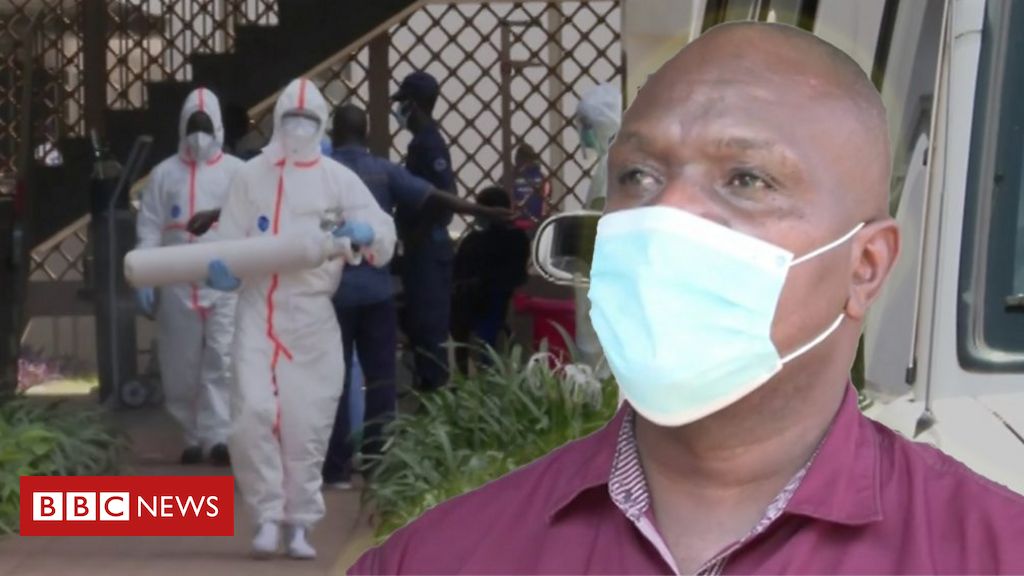
President Yoweri Museveni has reimposed a 42-day lockdown after there’s been a dramatic rise in coronavirus infections in Uganda.Several African countries have witnessed a sharp rise in Covid-19 infections including Uganda. The third wave seems to be affecting primarily a younger population aged between 20 and 39.Uganda is also running out of vaccines, hospital beds and oxygen.Police crackdowns have increased as people have continued to socialise despite curfews.Produced by Patience.AtuhaireEdited by Rajni Bottington

Read more →

With Vaccination Goal in Doubt, Biden Warns of Variant’s Threat

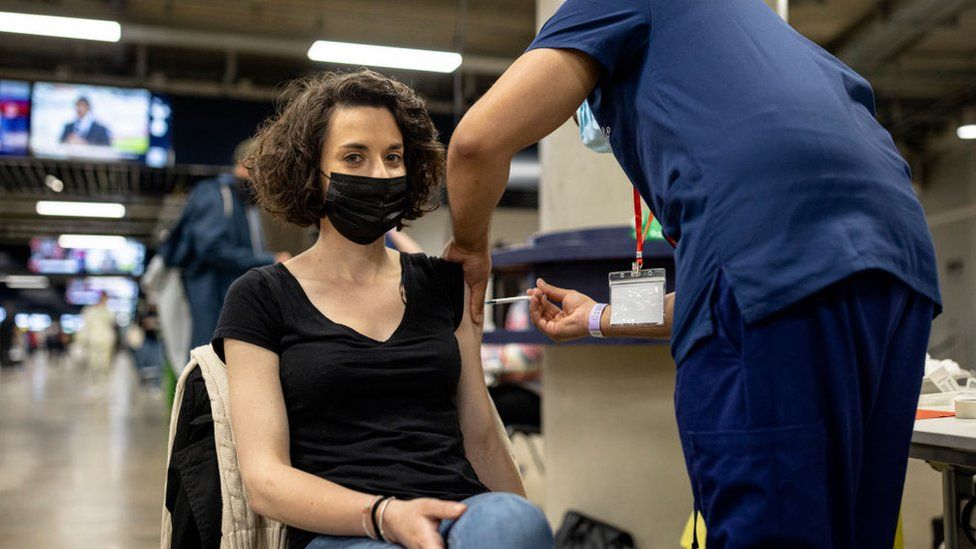
Speaking at the White House, the president did not mention his goal of getting 70 percent of adults partly vaccinated by July 4 but trumpeted a different milestone: 300 million shots in his first 150 days in office.With the nation unlikely to reach President Biden’s goal of having 70 percent of adults partly vaccinated against the coronavirus by July 4, he trumpeted a different milestone: 300 million shots given in his first 150 days.Stefani Reynolds for The New York TimesWASHINGTON — With the United States unlikely to reach his self-imposed deadline of having 70 percent of adults partly vaccinated against the coronavirus by July 4, President Biden on Friday stepped up his drive for Americans to get their shots, warning that those who decline risk becoming infected by a highly contagious and potentially deadly variant.In an afternoon appearance at the White House, Mr. Biden avoided mentioning the 70 percent target that he set in early May and instead trumpeted a different milestone: 300 million shots in his first 150 days in office. But even as he hailed the vaccination campaign’s success, he sounded a somber note about the worrisome Delta variant, which is spreading in states with low vaccination rates.“The best way to protect yourself against these variants is to get vaccinated,” the president declared.His remarks came as his administration begins a final push to reach the July 4 goal over the next two weeks. Vice President Kamala Harris and Xavier Becerra, the health and human services secretary, were both on the road on Friday, trying to drum up enthusiasm for the vaccine. Ms. Harris went to Atlanta, where she noted that less than half of people in Fulton County, where the city is, had at least one shot, and Mr. Becerra to Colorado.Mr. Biden took office in January warning of a “dark winter” ahead, as deaths were near peak levels and vaccinations were barely underway, and he has generally tried to portray the virus as in retreat as he approaches six months in office.A fact sheet distributed by the White House in advance of Friday’s remarks noted that in 15 states and the District of Columbia, 70 percent of adults or more have received at least one shot. “The results are clear: America is starting to look like America again, and entering a summer of joy and freedom,” the document proclaimed.But rates of vaccination, and of infection, are uneven around the country. And while those who took a “wait and see” attitude are becoming more open to getting vaccinated, 20 percent of American adults still say they will definitely not get the vaccine or will get vaccinated only if it is required, according to a poll released last month by the Kaiser Family Foundation.State health officials are trying to persuade the hesitant. In West Virginia, where just over a third of the population is fully vaccinated, Dr. Clay Marsh, the state’s coronavirus czar, said young people were proving especially difficult to win over.“There was a narrative earlier in the pandemic that is really haunting us, which is that young people are really protected,” he said. “There’s a false belief that for many young people who are otherwise healthy that they still have a relatively free ride with this, and if they get infected, they’ll be fine.”In Louisiana, where just 34 percent of the population is fully vaccinated and only 37 percent have at least a single dose, state officials announced on Thursday a new lottery for anyone in the state who had received one dose, with a grand prize of $1 million.And in Wyoming, with vaccination rates almost identical to Louisiana’s, Kim Deti, a health department spokeswoman, said that “politicization is a concern” as officials seek to increase the number of people inoculated. But she said there were also other reasons for slowing rates in her state.“We’ve had relatively low levels of Covid-19 illnesses statewide for a while now, which affects threat perception,” Ms. Deti wrote in an email. “With schools open all through the school year and most businesses open most of the past year, it has likely been harder for some people to see the personal need for vaccination.”Speaking to students at a vaccination mobilization event at Clark Atlanta University in Georgia on Friday, Ms. Harris warned of the dangers of misinformation and framed the decision to get vaccinated as a way to take power back from the virus.“Let’s arm ourselves with the truth,” she said. “When people say it seems like this vaccine came about overnight — no, it didn’t. It’s the result of many many years of research.”When Mr. Biden set the July 4 goal in early May, he said meeting it would demonstrate that the United States had taken “a serious step toward a return to normal,” and for many people, that already seems to be the case. This week, California and New York lifted virtually all of their pandemic restrictions on businesses and social gatherings.But the time frame is tight. An analysis by The New York Times shows that, if the rate of adult vaccinations continues on the seven-day average, the country will fall just short of Mr. Biden’s 70 percent goal, with 67.6 percent of American adults having had at least one shot by July 4.Vice President Kamala Harris visiting a vaccination site at a church in Atlanta on Friday in an effort to drum up enthusiasm for the vaccine.Sarahbeth Maney/The New York TimesAs of Friday, 65 percent of adults have had at least one shot, according to data from the C.D.C. But the number of Americans getting their first shot has been dropping steadily, to about 200,000 a day from about 500,000 a day since Mr. Biden announced that June would be a “month of action” to reach his goal.“I don’t see an intervention that could really bring back an exponential increase in demand to get the kind of numbers that we probably need to get to 70 percent,” said Dr. Marcus Plescia, the chief medical officer of the Association of State and Territorial Health officials.Experts say that from a disease control perspective, the difference between 67 percent and 70 percent is insignificant. But from a political perspective, it would be the first time Mr. Biden has set a pandemic-related goal that he has not met. He has continually set relatively modest targets for himself and exceeded them, including his pledge to get 100 million shots in the arms of Americans by his 100th day in office.“The 70 percent target is not a hard and fast number; not hitting it exactly does not mean the sky is falling,” said Jen Kates, the director of global health and H.I.V. policy at the Kaiser Family Foundation. “On the other hand, it has symbolic importance. There has been a lot of emphasis on getting to that point and not hitting it is a reminder of how difficult the remaining stretch is going to be.”In the White House, aides to Mr. Biden now say they are less concerned with reaching the 70 percent target than with having the nation feel the sense of normalcy that the president promised. Only a few months ago, they noted, he spoke of small family barbecues on July 4, whereas now big gatherings are possible.To prove the point, the White House is also planning a big July 4 celebration of “independence from the virus,” with fireworks on the National Mall here in Washington and a gathering of more than 1,000 military personnel and essential workers joining Mr. Biden, Ms. Harris and their spouses to watch the festivities from the South Lawn.In announcing the 70 percent target, on May 4, Mr. Biden made a personal plea to all of the unvaccinated: “This is your choice. It’s life and death.”A month later, in early June, he tried to rally the nation by declaring a “month of action,” and proposing incentives, including an offer of free child care for parents and caregivers while they receive their shots. He also promised a national canvassing effort resembling a get-out-the-vote drive.Since then, White House officials say, nonprofits and community groups around the country have been holding testing and vaccination events, particularly in Black churches. Planned Parenthood has invested in paid phone banking and the Service Employees International Union has joined with the National Association of Latino Elected and Appointed Officials to host vaccination clinics and canvassing events.Asked about the July 4 deadline this week, Jeffrey D. Zients, the White House coronavirus response coordinator, avoided saying specifically that the nation would reach the 70 percent threshold by that date.“We’ve made tremendous progress,” he said. “Hundreds of thousands of people are continuing to get their first shots each day, and we’re going to get to 70 percent, and we’re going to continue across the summer months to push beyond 70 percent.”Annie Karni

Read more →

Brazil Reported One of the Highest Covid-19 Death Tolls in the World

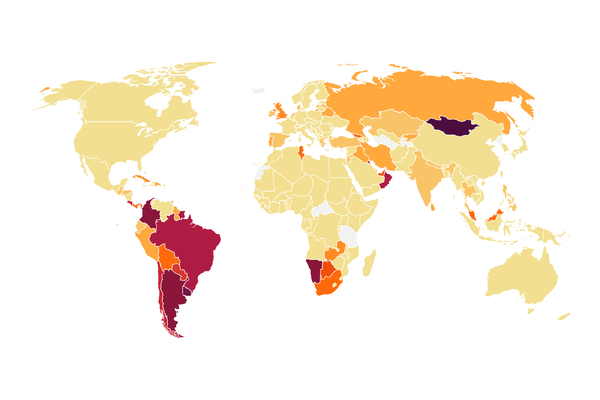
The Covid-19 death toll in Brazil has now surpassed 500,000, behind only the United States, which marked 600,000 deaths last week, and India, where deaths may range from 600,000 to as high as 4.2 million.Nearly 18 million people have been infected so far, and the country is averaging almost 73,000 new cases and some 2,000 deaths a day, according to official data. But many experts believe the numbers understate the true scope of the country’s epidemic, as they do in India.Brazil’s president, Jair Bolsonaro, has been heavily criticized for dismissing the threat posed by the virus, despite contracting it himself last year. On Saturday, thousands of people protested his response to the pandemic, including his resistance to mask-wearing edicts and the slow rollout of vaccines, according to Reuters. Only 11 percent of residents are believed to be fully vaccinated.A severe drought has also gripped the country, the worst in at least 91 years, and experts say a terrible fire season may further complicate the country’s struggle to manage the virus. The smoke could even aggravate cases of Covid-19, by increasing the inflammation in the lungs.“It’s a situation that’s dangerous,” said Dr. Aljerry Rêgo, a professor and director of a Covid facility in the Amazon state of Amapá. “And the biggest risk, of course, is overwhelming the public health system even further, which is already precarious in the Amazon.”In recent testimony before a legislative committee, Brazil’s former health ministers described Mr. Bolsonaro’s befuddling belief that an anti-malaria drug was effective against Covid-19, and an executive at Pfizer said that the company offered millions of doses of its Covid-19 vaccine to Brazil last year — but received no response from the government for months.Mr. Bolsonaro shrugged off the revelations. Last month, his government announced that Brazil would host the Copa America soccer tournament later this year, after Argentina decided it would be irresponsible to do so while the virus continued to spread.On Friday, officials reported that 82 people connected with the tournament had contracted Covid-19, according to The Associated Press. Brazil’s health ministry said in a statement that 37 players and staffers of the 10 tournament teams infected, along with 45 workers.Coronavirus World Map: Tracking the Global OutbreakThe virus has infected and killed millions of people around the world. See detailed maps and charts for each country.

Read more →