Sunflower peptide as 'template' for potential analgesic

A naturally occurring peptide in sunflower seeds was synthetically optimised and has now been identified as a potential drug for treating abdominal pain or inflammation (in the gastrointestinal tract, abdominal area and/or internal organs). That is the finding of an international study led by Christian Gruber from MedUni Vienna’s Institute of Pharmacology (Center for Physiology and Pharmacology), which was conducted jointly with the University of Queensland and Flinders University in Australia and has now been published.
The scientific aim of the study is to find analgesics that are only active in the periphery and do not cross the blood-brain barrier, as an alternative to commonly used synthetic opioids. Gruber explains the background: “Morphine was one of the first plant-based medicines and was isolated from the dried latex of poppies more than 200 years ago. It binds to opioid receptors in the brain and is still regarded as the main pillar of pain therapy. However, there is a high risk of opioid addiction, and an overdose — as a result of this strong dependency — inhibits the breathing centre in the brain, which can result in respiratory depression and, in the worst case, in death.” For this reason, researchers throughout the world are trying to make analgesics safer and to find active drug molecules that do not have the typical opioid side-effects.
Sunflower extracts were to some extent used in traditional medicine for their anti-inflammatory and analgesic properties. In the current study, the scientists from Austria and Australia, primarily PhD student Edin Muratspahic, isolated the plant molecule that may be responsible for this effect. Medicinal chemistry methods were then used to optimise the so-called sunflower trypsin inhibitor-1 (SFTI-1), one of the smallest naturally occurring cyclic peptides, by ‘grafting’ an endogenous opioid peptide into its scaffold.
A total of 19 peptides were chemically synthesized based on the original SFTI-1 blueprint and pharmacologically tested. “One of these variants turned out to be our lead candidate for as potential innovative analgesic molecule, especially for pain in the gastrointestinal tract or in the peripheral organs. This peptide is extremely stable, highly potent and its action is restricted to the body’s periphery. Its use is therefore expected to produce fewer of the typical side-effects associated with opioids,” point out Gruber and Muratspahic.
The mode-of-action of the peptide is via the so-called kappa opioid receptor; this cellular protein is a drug target for pain relief, but is often associated with mood disorders and depression. The sunflower peptide does not act in the brain, hence there is much less risk of dependency or addiction. Furthermore, it selectively activates only the molecular signalling pathway that influences pain transmission but does not cause the typical opioid side-effects. The data of the animal model in the current study are very promising: the scientists see great potential for using this peptide in the future to develop a safe medication — which could be administered orally in tablet form — to treat pain in the gastrointestinal tract, and this drug could potentially also be used for related painful conditions, e.g. for inflammatory bowel disease.
Using Nature’s blueprint
The research of this MedUni Vienna laboratory led by Christian Gruber exploits the concept of using Nature’s blueprint to develop optimised drugs. “We are searching through large databases containing genetic information of plants and animals, decoding new types of peptide molecules and studying their structure, with a view to testing them pharmacologically on enzymes or membrane receptors and ultimately utilizing them in the disease model,” explains Gruber. Finally, potential drug candidates are chemically synthesised in a slightly modified form based on the natural blueprint, to obtain optimised pharmacological properties.
Story Source:
Materials provided by Medical University of Vienna. Note: Content may be edited for style and length.
Read more →

New tools for pandemic prevention research: DNA sequencing from water and leeches

In a new scientific investigation headed by the German Leibniz Institute for Zoo and Wildlife Research (Leibniz-IZW), water from African and Mongolian waterholes as well as bloodmeals from Southeast Asian leeches were assessed for the ability to retrieve mammalian viruses without the need to find and catch the mammals. The scientists analysed the samples using high throughput sequencing to identify known viruses as well as viruses new to science. Both approaches proved to be suitable tools for pandemic prevention research as they allow finding and monitoring reservoirs of wildlife viruses. For example, a novel coronavirus most likely associated with Southeast Asian deer species was identified. The results are published in the scientific journal “Methods in Ecology and Evolution”.
Finding and monitoring reservoirs of wildlife viruses such as SARS-CoV-2 — for which the reservoir has yet to be discovered — is challenging. Many areas which wildlife inhabit are difficult to access and the species in question are hard to find or catch. In order to prevent future pandemics such as COVID-19, new and effective methods to discover and monitor viruses circulating in wildlife are urgently needed. Environmental DNA (eDNA) and invertebrate-derived DNA (iDNA) based approaches may enhance the available toolkit to overcome these challenges, when coupled with high throughput sequencing. The team of scientists assessed water from African and Mongolian waterholes and bloodmeals from Southeast Asian leeches for the ability to retrieve viruses from both sample types. The usual limitation of such samples is that they contain only tiny amounts of low-quality DNA, particularly pathogen DNA. The author therefore used a modern “hybridisation capture” approach to fish out sequences similar to those from currently known vertebrate viruses and then sequenced them using sophisticated high-throughput techniques. This approach was successful in that it allowed the identification of known and novel viruses in both water and leech samples.
The DNA from water samples yielded several viruses common to zebras and wild ass, which were expected as these animals frequently visit the waterholes in large numbers. In the case of the viruses found in African water holes, the authors demonstrated in a related publication that the viruses are still infectious, suggesting that the water itself may be a source of viral transmission. From the Southeast Asian leeches, many known as well as novel viruses were identified. Of particular interest was a novel coronavirus previously unknown to science, which potentially represents an entirely new genus in the Coronaviridae family and seems to be associated with deer species.
“For many of the deadliest viruses such as Ebola we still don’t know where they come from,” says Prof Alex Greenwood, head of the Department of Wildlife Diseases. “The current pandemic demonstrates that we still know very little about the viral diversity in nature. New methods might help us to identify novel viruses and their potential hosts without the usual logistical and ethical problems associated with collecting wildlife samples directly.” Environmental DNA is proving useful in a number of contexts including the characterisation of the diversity of wildlife species from inaccessible regions, the study of ancient populations and more recently in pathogen research. Environmental DNA from water and DNA derived from blood-sucking invertebrates can be useful in different environments. “Water is an essential resource for life and, particularly in areas of seasonal shortages, a concentration point for animals,” Greenwood says.
“Terrestrial leeches are often highly abundant in areas of previous viral emergence in Southeast Asia and their bloodmeals can be used to identify their mammalian hosts, including the pathogens contained in their blood,” adds Dr Niccolò Alfano, a former PostDoc from the Leibniz-IZW Departments of Wildlife Diseases and Ecological Dynamics, now working at the University of Pavia in Italy. “We identified mammalian viruses from five different viral families in our leech samples and more than 50 % of the samples contained mammalian viruses. Some of these, such as a porcine circovirus or a bear annellovirus could be assigned to the bearded pig and sun bear, their mammalian hosts which were also detected in the leech samples. Most interesting was the discovery of the novel coronavirus, as this showed that with our method we are able to discover viral pathogens previously unknown to science circulating in wildlife,” Alfano adds. This may help to identify potentially infectious viruses at an early stage which may help to prevent potential future epidemics.”
Further work will be needed to characterise the newly discovered viruses, such as sequencing their complete genomes and confirming their host-virus relationships. In addition, waterholes or leeches are not found in all environments. Soil, faeces and other invertebrates represent additional sources of nucleic acids that could be used to supplement direct animal sampling and enhance our ability to discover and monitor viruses as we go forward from the current pandemic and hopefully learn to prevent them in the future.
Story Source:
Materials provided by Leibniz Institute for Zoo and Wildlife Research (IZW). Note: Content may be edited for style and length.

Read more →

Scientists develop simple blood test for early detection of Alzheimer's disease

An international research team led by HKUST has developed a simple but robust blood test from Chinese patient data for early detection and screening of Alzheimer’s disease (AD) for the first time, with an accuracy level of over 96%.
Currently, doctors mainly rely on cognitive tests to diagnose a person with AD. Besides clinical assessment, brain imaging and lumbar puncture are the two most commonly used medical procedures to detect changes in the brain caused by AD. However, these methods are expensive, invasive, and frequently unavailable in many countries.
Now, a team led by Prof. Nancy IP, Vice-President for Research and Development at HKUST, has identified 19 out of the 429 plasma proteins associated with AD to form a biomarker panel representative of an “AD signature” in the blood. Based on this panel, the team has developed a scoring system that distinguishes AD patients from healthy people with more than 96% accuracy. This system can also differentiate among the early, intermediate, and late stages of AD, and can be used to monitor the progression of the disease over time. These exciting findings have led to the development of a high-performance, blood-based test for AD, and may also pave the way to novel therapeutic treatments for the disease.
“With the advancement of ultrasensitive blood-based protein detection technology, we have developed a simple, noninvasive, and accurate diagnostic solution for AD, which will greatly facilitate population-scale screening and staging of the disease,” said Prof. Nancy Ip, Morningside Professor of Life Science and the Director of the State Key Laboratory of Molecular Neuroscience at HKUST.
The work was conducted in collaboration with researchers at University College London and clinicians in local hospitals including the Prince of Wales Hospital and Queen Elizabeth Hospital. The discovery was made using the proximity extension assay (PEA) — a cutting-edge ultrasensitive and high-throughput protein measurement technology, to examine the levels of over 1,000 proteins in the plasma of AD patients in Hong Kong.
As the most comprehensive study of blood proteins in AD patients to date, the work has recently been published in Alzheimer’s & Dementia: The Journal of the Alzheimer’s Association, and has also been featured and actively discussed on different scholarly exchange platforms on AD research such as Alzforum.
AD, which affects over 50 million people worldwide, involves the dysfunction and loss of brain cells. Its symptoms include progressive memory loss as well as impaired movement, reasoning, and judgment. While patients often only seek medical attention and are diagnosed when they have memory problems, AD affects the brain at least 10-20 years before symptoms appear.
Story Source:
Materials provided by Hong Kong University of Science and Technology. Note: Content may be edited for style and length.

Read more →

Underground fiber optic sensors record sounds of COVID lockdown, reopening

In March 2020, daily life in the United States changed in an instant as the country locked down to deal with the initial wave of the COVID-19 pandemic. New research reveals how residents in one community returned to their routines as the restrictions lifted, according to a team of Penn State scientists.
“We used sound signals captured by underground fiber-optic sensors to understand how COVID measures impacted human activities,” said Junzhu Shen, a graduate student in geosciences at Penn State. “These sensors provide very accurate, high-resolution data that can help us understand what’s happening in our communities.”
The scientists analyzed sound data recorded from March through June 2020 in and around the Penn State University Park campus and State College, Pennsylvania. They observed a quiet period that coincided with the lockdown followed by a recovery of activity as the area moved from red to less-restrictive yellow and green phases.
By listening to small changes in vibrations at the surface, the scientists found construction activity and vehicle traffic recovered sooner than pedestrian traffic. They reported their findings in the open-access journal The Seismic Record.
“Footsteps disappeared and really did not recover after business re-opening in late May,” said Tieyuan Zhu, assistant professor of geosciences at Penn State. “But if you look at car traffic, it shows a different pattern. It decreased and recovered. This may give us a hint that people were conservative, working remotely and driving when they had to go outside for things like groceries.”
Other work to measure the impacts of COVID shutdowns on human activity has used seismic sensors or Google mobility data — GPS information collected from devices like cellphones. But using the fiber-optic network allows for higher-resolution data, with measurements collected about every six-and-a-half feet, the scientists said.

Read more →

Advanced care: Smart wound dressings with built-in healing sensors

Researchers have developed smart wound dressings with built-in nanosensors that glow to alert patients when a wound is not healing properly.
The multifunctional, antimicrobial dressings feature fluorescent sensors that glow brightly under UV light if infection starts to set in and can be used to monitor healing progress.
The smart dressings, developed by a team of scientists and engineers at RMIT University in Melbourne, Australia, harness the powerful antibacterial and antifungal properties of magnesium hydroxide.
They are cheaper to produce than silver-based dressings but equally as effective in fighting bacteria and fungi, with their antimicrobial power lasting up to a week.
Project leader Dr Vi Khanh Truong said the development of cost-effective antimicrobial dressings with built-in healing sensors would be a significant advance in wound care.
“Currently the only way to check the progress of wounds is by removing bandage dressings, which is both painful and risky, giving pathogens the chance to attack,” said Truong, a Vice-Chancellor’s Postdoctoral Fellow at RMIT.

Read more →

Researchers engineer cells to destroy malignant tumor cells but leave the rest alone

Researchers at McMaster University have developed a promising new cancer immunotherapy that uses cancer-killing cells genetically engineered outside the body to find and destroy malignant tumors.
The modified “natural killer” cells can differentiate between cancer cells and healthy cells that are often intermingled in and around tumors, destroying only the targeted cells.
The natural killer cells’ ability to distinguish the target cells, even from healthy cells that bear similar markers, brings new promise to this branch of immunotherapy, say members of the research team behind a paper published in the current issue of the journal iScience, newly posted on the PubMed database.
The experimental treatment is an alternative to chimeric antigen receptor T-cell therapy, or CAR-T, which received FDA approval in 2017. The engineered T-cells used in CAR-T therapy are highly effective against some blood-borne cancers but cannot distinguish between cancerous and non-cancerous cells, so while they offer important benefits, they are not uniformly applicable to all forms of cancer. In patients with solid tumors, the T-cells can cause devastating, even lethal side effects.
The team behind the research wanted a treatment with the same power as CAR-T, but which could be used safely against solid-tumor cancers. They first propagated natural killer cells taken from the blood of patients with breast cancer. Such cells perform a similar function to T-cells in the immune system.
The researchers then genetically modified them to target specific receptors on cancer cells, successfully testing the CAR-NK cells in the laboratory on tumor cells derived from breast cancer patients
“We want to be able to attack these malignancies that have been so resistant to other treatments,” says lead author Ana Portillo, a PhD candidate in the Department of Medicine. “The efficacy we see with CAR-NK cells in the laboratory is very promising and seeing that this technology is feasible is very important. Now, we have much better and safer options for solid tumors.”
“These CAR-NK cells are a little bit smarter, in a way, in that they only kill the enemy cells and not good cells that happen to have the same marker,” says Ashkar, Portillo’s supervisor and a Professor of Medicine at McMaster. “These cells have a sober second thought that says, ‘I recognize this target, but is this target part of a healthy cell or a cancer cell?’ They are able to leave the healthy cells alone and kill the cancer cells.”
Portillo and Ashkar’s 12 co-authors, most associated with McMaster’s Department of Medicine and its Immunology Research Centre, include McMaster’s Bindi Dhesy-Thind (Associate Professor, Oncology), who provided blood samples from patients being treated for breast cancer in her clinical practice at Hamilton Health Sciences’ Juravinski Cancer Centre.
“These are very exciting results, as to date the benefits of immunotherapy in breast cancer have lagged behind that of other malignancies,” she said. “These engineered CAR-NK cells are an important step towards having a viable immunotherapy option in this large group of patients.”
Ashkar says there is good reason to believe the technology would have a similar effect on solid tumors associated with lung, ovarian and other cancers.
The next step in moving the therapy toward clinical use is to conduct human trials, which the researchers are now arranging.
Story Source:
Materials provided by McMaster University. Note: Content may be edited for style and length.

Read more →

Transient pacemaker harmlessly dissolves in body

Researchers at Northwestern and George Washington (GW) universities have developed the first-ever transient pacemaker — a wireless, battery-free, fully implantable pacing device that disappears after it’s no longer needed.
The thin, flexible, lightweight device could be used in patients who need temporary pacing after cardiac surgery or while waiting for a permanent pacemaker. All components of the pacemaker are biocompatible and naturally absorb into the body’s biofluids over the course of five to seven weeks, without needing surgical extraction.
The device wirelessly harvests energy from an external, remote antenna using near-field communication protocols — the same technology used in smartphones for electronic payments and in RFID tags. This eliminates the need for bulky batteries and rigid hardware, including wires (or leads). Not only can leads introduce infections, they also can become enveloped in scar tissue, causing further damage when removed.
The study will be published June 28 in the journal Nature Biotechnology. The paper demonstrates the device’s efficacy across a series of large and small animal models.
“Hardware placed in or near the heart creates risks for infection and other complications,” said Northwestern’s John A. Rogers, who led the device’s development. “Our wireless, transient pacemakers overcome key disadvantages of traditional temporary devices by eliminating the need for percutaneous leads for surgical extraction procedures — thereby offering the potential for reduced costs and improved outcomes in patient care. This unusual type of device could represent the future of temporary pacing technology.”
“Sometimes patients only need pacemakers temporarily, perhaps after an open heart surgery, heart attack or drug overdose,” said Dr. Rishi Arora, a cardiologist at Northwestern Medicine who co-led the study. “After the patient’s heart is stabilized, we can remove the pacemaker. The current standard of care involves inserting a wire, which stays in place for three to seven days. These have potential to become infected or dislodged.”
“The transient electronics platform opens an entirely new chapter in medicine and biomedical research,” said GW’s Igor Efimov, who co-led the study with Rogers and Arora. “The bioresorbable materials at the foundation of this technology make it possible to create whole host of diagnostic and therapeutic transient devices for monitoring progression of diseases and therapies, delivering electrical, pharmacological, cell therapies, gene reprogramming and more.”

Read more →

New face mask prototype can detect COVID-19 infection

Engineers at MIT and Harvard University have designed a novel face mask that can diagnose the wearer with Covid-19 within about 90 minutes. The masks are embedded with tiny, disposable sensors that can be fitted into other face masks and could also be adapted to detect other viruses.
The sensors are based on freeze-dried cellular machinery that the research team has previously developed for use in paper diagnostics for viruses such as Ebola and Zika. In a new study, the researchers showed that the sensors could be incorporated into not only face masks but also clothing such as lab coats, potentially offering a new way to monitor health care workers’ exposure to a variety of pathogens or other threats.
“We’ve demonstrated that we can freeze-dry a broad range of synthetic biology sensors to detect viral or bacterial nucleic acids, as well as toxic chemicals, including nerve toxins. We envision that this platform could enable next-generation wearable biosensors for first responders, health care personnel, and military personnel,” says James Collins, the Termeer Professor of Medical Engineering and Science in MIT’s Institute for Medical Engineering and Science (IMES) and Department of Biological Engineering and the senior author of the study.
The face mask sensors are designed so that they can be activated by the wearer when they’re ready to perform the test, and the results are only displayed on the inside of the mask, for user privacy.
Peter Nguyen, a research scientist at Harvard University’s Wyss Institute for Biologically Inspired Engineering, and Luis Soenksen, a Venture Builder at MIT’s Abdul Latif Jameel Clinic for Machine Learning in Health and a former postdoc at the Wyss Institute, are the lead authors of the paper, which appears in Nature Biotechnology.
Wearable sensors
The new wearable sensors and diagnostic face mask are based on technology that Collins began developing several years ago. In 2014, he showed that proteins and nucleic acids needed to create synthetic gene networks that react to specific target molecules could be embedded into paper, and he used this approach to create paper diagnostics for the Ebola and Zika viruses. In work with Feng Zhang’s lab in 2017, Collins developed another cell-free sensor system, known as SHERLOCK, which is based on CRISPR enzymes and allows highly sensitive detection of nucleic acids.

Read more →

Gene discovery may hold key to better therapies for OCD

In the first analysis of its kind, researchers at Columbia University Vagelos College of Physicians and Surgeons and several other institutions have linked distinct patterns of genetic mutations with obsessive-compulsive disorder (OCD) in humans.
The work, published online June 28 in Nature Neuroscience, confirms the validity of targeting specific genes to develop new OCD treatments and points toward novel avenues for studying this often debilitating condition.
OCD, which affects 1% to 2% of the population, often runs in families and genes are known to play a large role in determining who develops the disease. However, the identity of many OCD genes remains unknown.
“Many neurological diseases are influenced by strongly acting mutations which can cause disease by themselves,” says David Goldstein, PhD, director of the Institute for Genomic Medicine at Columbia and a senior author on the new paper. “These mutations are individually very rare but important to find because they can provide a starting point for the development of therapeutics that target precise underlying causes of disease.”
Although strongly acting mutations have been hypothesized to exist in OCD, statistically reliable evidence has been difficult to obtain.
Most previous studies on the genetics of OCD have used a “candidate gene” approach, in which researchers focus on plausible genes that might be involved in pathogenesis and look for genetic signatures of risk. Although that approach has had some successes, it can lead to challenges in statistical interpretation and can miss unexpected genes. As a result, both funding agencies and the pharmaceutical industry increasingly focus on genome-wide analyses that can securely implicate genes in disease risk.

Read more →

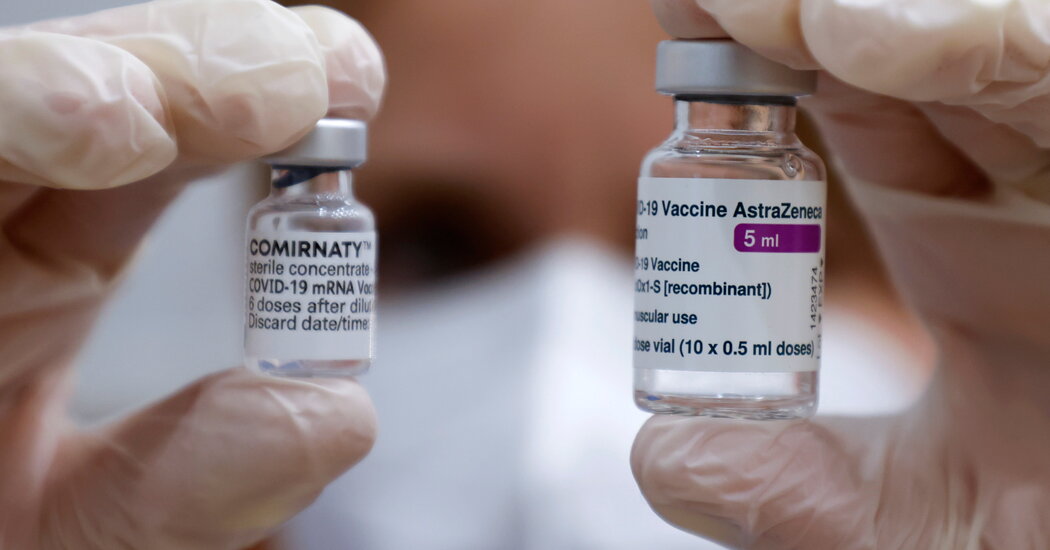
Mixing Pfizer and AstraZeneca vaccines provides strong protection, according to a preliminary study.

Early results from a British vaccine study suggest that mixing different brands of vaccines can provoke a protective immune response against Covid-19. In the trial, volunteers produced high levels of antibodies and immune cells after getting one dose of the Pfizer-BioNTech vaccine and one dose of the AstraZeneca-Oxford shot.Administering the vaccines in either order is likely to provide potent protection, Matthew Snape, a vaccine expert at the University of Oxford, said at a news conference on Monday. “Any of these schedules, I think could be argued, would be expected to be effective,” he said.Dr. Snape and his colleagues began the trial, called Com-COV, in February. In the first wave of the study, they gave 830 volunteers one of four combinations of vaccines. Some got two doses of either Pfizer or AstraZeneca, both of which have been shown to be effective against Covid-19. Others got a dose of AstraZeneca, followed by one of Pfizer, or vice versa.For the first wave of volunteers, the researchers waited four weeks between doses. Studies have found that the AstraZeneca vaccine provides stronger protection if the second dose is delayed for up to 12 weeks, so the researchers are also running a separate 12-week trial which should deliver results next month.The researchers found that volunteers reported more chills, headaches and muscle pain than people who get two doses of the same vaccine. But the side effects were short-lived.Dr. Snape and his colleagues then drew blood to measure the immune response in the volunteers. They found that those who got two doses of Pfizer-BioNTech produced levels of antibodies about 10 times as high as those who got two doses of AstraZeneca. Volunteers who got Pfizer followed by AstraZeneca showed antibody levels about five times as high as those with two doses of AstraZeneca. And volunteers who got AstraZeneca followed by Pfizer reached antibody levels about as high as those who got two doses of Pfizer.Dr. Snape said that the differences would most likely narrow in the volunteers who get a second dose after 12 weeks, when the AstraZeneca vaccine has had more time to strengthen its effects.The study also found that using different vaccines produced a higher level of immune cells primed to attack the coronavirus than did giving two doses of the same vaccine. Dr. Snape said it wasn’t clear yet why mixing had that advantage. “It’s very intriguing, let’s say that much,” he said.Dr. Snape and his colleagues have begun a similar trial, adding vaccines from Moderna and Novavax to the list of possibilities.For now, he said, the best course of action remains getting two doses of the same vaccine. Large clinical trials have clearly demonstrated that this strategy reduces the chances of getting Covid-19. “Your default should be what is proven to work,” Dr. Snape said.But there are many cases in which that may not be possible. Vaccine shipments are sometimes delayed because of manufacturing problems, for example. Younger people in some countries have been advised not to get a second dose of AstraZeneca because of concerns about the small risk of developing blood clots. In such situations, it’s important to know whether people can switch to another vaccine.“This provides reassuring evidence that should work,” Dr. Snape said.

Read more →