Mongoose in the city: How landscape can impact disease transmission in Botswana

Under a concrete drainage culvert at the edge of a town in Botswana, a troop of banded mongoose is getting ready to leave its den. Moving from shade into light, the cat-sized animals scan the area for signs of danger and for opportunities to find something to eat in an increasingly crowded neighborhood.
Unbeknownst to them, the genetics of this troop’s members — and others like them — are providing researchers in the College of Natural Resources and Environment with new understandings of how and why animal behavior changes in proximity to human development and how that change can impact infectious disease spread.
The researchers used genetic tools to identify changes in movement behavior among mongooses living in urban centers and natural areas, gaining important insights into how to better model disease transmission among wild animals living across complex landscapes. Results of their study, which was funded by a grant from the National Science Foundation’s Ecology and Evolution of Infectious Diseases program, have been published in the journal Ecology and Evolution.
“The question has always been how do we predict what’s going to happen once an infectious disease emerges,” said Kathleen Alexander, the William E. Lavery Professor in the Department of Fish and Wildlife Conservation. “By using systems that are tractable, we can begin to learn a lot more about how disease dynamics are shaped by host behavior and environmental drivers, including urbanizing landscapes.”
One tractable system can be found with social groups of banded mongooses, also known as troops, that live across urban and natural areas in Botswana. Over the past 20 years, researchers from the Chobe Research Institute and CARACAL, a nonprofit organization co-founded by Alexander, have been observing the behaviors of mongoose troops in the natural environment of Chobe National Park and in increasingly urban centers, such as Kasane.
Botswana’s banded mongooses are ideal study subjects because they live in territorial social groups across the landscape, and, in northern Botswana, are infected with a novel tuberculosis pathogen closely related to human tuberculosis.

Read more →

Blood-based biomarkers may predict HIV remission after stopping antiretroviral therapy

New biomarkers that predict HIV remission after antiretroviral therapy (ART) interruption are critical for the development of new therapeutic strategies that can achieve infection control without ART, a condition defined as functional cure. These biomarkers can also provide critical clues into the biological mechanisms that control HIV replication after stopping therapy, and can help design novel strategies to cure HIV. Scientists at The Wistar Institute have identified metabolic and glycomic signatures in the blood of a rare population of HIV-infected individuals who can naturally sustain viral suppression after ART cessation, known as post-treatment controllers. These findings were published in Nature Communications and may provide new, non-invasive biomarkers to predict both the likelihood and duration of HIV remission after treatment interruption.
Cure-directed clinical trials are designed to test new therapeutic interventions to eradicate HIV infection. These trials require study participants to undergo analytical treatment interruption (ATI) to allow researchers to evaluate their strategies in the absence of the confounding effect of ART. HIV remains undetectable during ART, yet in the vast majority of cases viral loads go up within a few days or weeks after stopping ART and need to be carefully monitored. Currently, there are no simple, non-invasive methods available to monitor viral rebound after ATI. Therefore, biomarkers are urgently needed to improve the safety of ATI by predicting how long a patient can be off ART, and will be critical to understanding the mechanisms of post-ART viral control.
“We analyzed one of the largest sets of samples ever studied from post-treatment controllers, who don’t experience viral rebound after ART interruption,” said Mohamed Abdel-Mohsen, Ph.D., assistant professor in The Wistar Institute Vaccine & Immunotherapy Center, who led the study. “This condition is extremely rare and provides very important insights into what a functional HIV cure looks like. Analyzing the blood of these individuals, we identified promising biomarker signatures that may fast-track future HIV cure trials and treatments. These biomarkers also provide us with insights on how post-treatment controllers restrain infection and how we can design novel HIV curative strategies to recapitulate this promising phenotype in the millions of HIV-infected individuals worldwide.”
The study was conducted using blood samples available from two cohorts of patients who participated in previous clinical trials: a group of 24 HIV-infected individuals who underwent an open-ended ATI without concurrent immunoregulatory agents (the Philadelphia cohort) and one group of 74 individuals from six AIDS Clinical Trial Group (ACTG) clinical studies that evaluated different vaccines and immunotherapies. Importantly, this cohort included all 27 participants from these studies that were identified as post-treatment controllers and 47 non-controllers from the same studies.
Researchers analyzed blood samples collected shortly before ATI for the presence and quantity of certain small molecules produced as a result of cellular metabolism, called metabolites, and proteins that have sugar molecules attached to them, called glycoproteins. Metabolites and glycoproteins are secreted or leaked from various tissues and enter the circulation, therefore their abundance and chemical characteristics can reflect the overall status of multiple organs, making them excellent candidates for biomarker discovery.
The team first performed metabolomic analyses on the Philadelphia cohort samples and identified a select set of metabolites linked to inflammation whose pre-ATI levels are associated with time to viral rebound. These observations were confirmed in virus reactivation assays in vitro.
They then extended the metabolomic analysis to the larger cohort, also including glycomic studies to measure the levels of sugar-bound proteins. Since this cohort includes post-treatment controllers and non-controllers, Abdel Mohsen and colleagues were able to confirm their observations by comparing the two groups.
Using machine learning algorithms, they then combined the identified biomarkers to create two models for prediction of the likelihood and timing of viral rebound, with 95% and 74% accuracy, respectively.
“A growing body of research applies metabolomics and glycomics methods for the unbiased discovery of biomarkers associated with clinical conditions,” said Leila Giron, Ph.D., postdoctoral fellow in the Abdel-Mohsen lab and first author on the study. “We are among the first to apply this strategy in the context of ATI to analyze two carefully selected and well characterized groups of individuals, including a rare population of post-treatment controllers.”
Overall, this study identified potential biomarkers associated with control of HIV after ART and has the potential to contribute significantly to both HIV cure research and discovery of novel biological mechanisms underlying viral control in people living with HIV.
Co-authors: Qin Liu, Xiangfan Yin, Emmanouil Papasavvas, Mohammad Damra, Aaron R. Goldman, Hsin-Yao Tang, and Luis J. Montaner from The Wistar Institute; Clovis S. Palmer (co-first author) from The Burnet Institute, Melbourne, Australia and Monash University, Melbourne, Australia; Radwa Sharaf, Behzad Etemad and Jonathan Z. Li from Brigham and Women’s Hospital, Harvard Medical School; Rowena Johnston from amfAR, The Foundation for AIDS Research; Karam Mounzer and Jay R. Kostman from Philadelphia FIGHT; Pablo Tebas from University of Pennsylvania; Alan Landay from Rush University; and Jeffrey M. Jacobson from Case Western Reserve University School of Medicine.
Work supported by: amfAR, The Foundation for AIDS Research; National Health Institutes (NIH) grants R21 AI143385, R01 DK123733, R01 AG062383, R01NS117458, R21 AI129636, R21NS106970, R01AI48398, BEAT-HIV Martin Delaney Collaboratory to cure HIV-1 infection (1UM1Al126620), UM1 AI068634, UM1 AI068636, UM1 AI106701, and Penn Center for AIDS Research (P30 AI 045008); W.W. Smith Charitable Trust; the Herbert Kean, M.D., Family Professorship; and the Robert I. Jacobs Fund of the Philadelphia Foundation. Support for The Wistar Institute core facilities was provided by Cancer Center Support Grant P30 CA010815. This work was also supported by NIH instrument award S10 OD023586.

Read more →

Cell-based immunotherapy shows promise against melanoma

An immunotherapy based on supercharging the immune system’s natural killer cells has been effective in treating patients with recurrent leukemia and other difficult to treat blood cancers. Now, researchers at Washington University School of Medicine in St. Louis have shown in preclinical studies conducted in mice and human cells that this type of cell-based immunotherapy also could be effective against solid tumors, starting with melanoma, a type of skin cancer that can be deadly if not caught early.
The study is published June 29 in Clinical Cancer Research, a journal of the American Association for Cancer Research.
In recent years, an immunotherapy called immune checkpoint inhibitors has revolutionized treatment for advanced melanoma. In one well-known example, this immunotherapy was successfully used to treat former President Jimmy Carter, whose melanoma had spread to his liver and brain.
But the therapy only works in about half of such patients. And even among those who respond well to the initial therapy, about half go on to develop resistance to it. Consequently, researchers have been seeking different ways to harness the immune system to attack melanoma cells. One possibility is to use natural killer (NK) cells, a part of the immune system’s first line of defense against dangerous cells, whether cancer cells or invading bacteria.
Todd A. Fehniger, MD, PhD, a professor of medicine, and his team have had success in clinical trials treating recurrent leukemia with a patient’s own natural killer cells or those from a donor. The NK cells are harvested from the patient’s or a donor’s blood and exposed to a set of chemical signals called cytokines that activate the cells and prime them to remember this activation. When these “cytokine-induced memory-like” NK cells are given to the patient, they are more potent in attacking the cancer because they already have been revved up, as Fehniger puts it.
“These ‘revved-up’ memory-like NK cells attack blood cancers quite well,” said Fehniger, the study’s co-senior author and an oncologist who treats patients at Siteman Cancer Center at Barnes-Jewish Hospital and Washington University School of Medicine. “But relatively little work has been done on whether these cells can be used against solid tumors. This is an unmet need in solid tumor oncology. Our study provides proof of principle that memory-like NK cells respond better than normal NK cells against melanoma, and it serves as a stepping stone to a first-in-human clinical trial of these cells in advanced melanoma.”
Added co-senior author Ryan C. Fields, MD, the Kim and Tim Eberlein Distinguished Professor of Surgical Oncology: “We hope this is also a step toward harnessing NK cells against multiple solid tumors. Melanoma was a good place to start because we know it responds to immune therapy. But because many patients don’t respond or develop resistance, we felt that targeting a different aspect of the immune system was a promising strategy to pursue.”

Read more →

Call to increase genetic diversity in immunogenomics

Historically, most large-scale immunogenomic studies — those exploring the association between genes and disease — were conducted with a bias toward individuals of European ancestry. Corey T. Watson, Ph.D., assistant professor in the University of Louisville Department of Biochemistry and Molecular Genetics, is leading a call to actively diversify the genetic resources he and fellow immunogenomics researchers use in their work to advance genomic medicine more equitably.
Watson, along with UofL post-doctoral fellow Oscar Rodriguez, Ph.D., and visiting fellow Yana Safonova, Ph.D., are part of an international group of researchers who say the narrow studies limit their ability to identify variation in human adaptive immune responses across populations.
“We need to better understand how genetics influences immune system function by studying population cohorts that better represent the diversity observed across the globe if we are to fully understand disease susceptibility, as well as design more tailored treatments and preventative measures,” Watson said.
In an article published in Nature Methods, Diversity in immunogenomics: the value and the challenge, the group advocates for resources used in immunogenomics research to actively include and specifically identify additional populations and minority groups. They say such diversity will make their research more relevant and help in understanding population and ancestry-specific gene-associated disease, leading to improvements in patient care.
“As scientists, we have a say in which populations are investigated. Therefore, it is critical for us to be actively inclusive of individuals representative of the world we live in. This is especially critical for genes that are as diverse and clinically relevant as those that encode antibodies and T cell receptors,” Rodriguez said.
Watson’s research focuses on immune function and molecular genetics. His team is studying a specific area of the genetic code that controls antibody function to better understand how differences in an individual’s genes determine their susceptibility to certain diseases or immune responses to vaccines.
In collaboration with Melissa Smith, Ph.D., assistant professor in the Department of Biochemistry and Molecular Genetics, the team is conducting the largest sequencing efforts of the antibody gene regions in humans and in animal models, Watson said.
“Specifically in humans, we are working to build catalogs of genetic variation in samples from multiple ethnic backgrounds and are engaged in projects that seek to understand how this genetic variation influences the immune response in infection, vaccination and other disease contexts,” he said.
Watson is involved in efforts to improve the resources and data standards for antibody and T cell receptor genes for immunogenomics researchers around the world.
The article in Nature Methods was co-authored by researchers from the United States, Canada, Norway, France, Sweden, the United Kingdom, Russia, Saudi Arabia, Israel, South Africa, Nigeria, Chile, Peru, China, Japan, Taiwan and French Polynesia with expertise in biomedical and translational research, population and public health genetics, health disparities and computational biology as well as immunogenomics.
Story Source:
Materials provided by University of Louisville. Original written by Betty Coffman. Note: Content may be edited for style and length.

Read more →

In a dish, a mouse, crafted from stem cells, begins to form

The tiny mouse embryo has a heart that beats. Its muscles, blood vessels, gut and nervous system are beginning to develop. But this embryo is unusual: It was made in a lab, out of mouse embryonic stem cells, and represents the most sophisticated in vitro (in a dish) model of a mammal ever so created.
This new model, developed at the University of Virginia School of Medicine by Christine and Bernard Thisse, is a major step forward in scientists’ efforts to mimic the natural development of a mammal by using stem cells. Its existence is a wonder that will help scientists understand mammalian development, battle diseases, create new drugs and, eventually, grow tissues and organs for people in need of transplants.
“We found a way to instruct aggregates of stem cells to initiate embryonic development. In response to this controlled instruction, the aggregates develop into embryo-like entities in a process that recapitulate the embryonic steps one-by-one,” explained Christine Thisse, PhD, of UVA’s Department of Cell Biology. “What is amazing is that we can get the variety of tissues that are present in an authentic mouse embryo.”
Bernard Thisse, PhD, who is also part of the Department of Cell Biology, noted the significance of the advance: “Human organs are made of multiple cell types that originate from different parts of the growing embryo,” he said. “The gut, for example, is made from cells that form an hollow tube. Models of this tube in a dish have been made and are called gut organoids. However, this tube is not enough to make a functional gut because this organ contains other components, such as smooth muscles, blood vessels and nerves that control the function of the gut and which are made from cells of a different origins. The only way to have all the variety of cells necessary to the formation of functional organs is to develop systems in which all precursor cells are present. The embryo-like entities we have engineered using stem cells are providing just this.”
The Potential of Stem Cells
Stem cells are special cells that can turn into other cell types with specific functions. For example, stem cells turn into our hearts, our brain, our bones, our nerves. So scientists have been eager to harness the potential of stem cells, to put them to work to advance medical research and benefit human patients. But building sophisticated models with multiple cell types has proved incredibly challenging. It is far easier to direct the formation of a single cell type in a dish than to conduct the orchestra needed to have an organism develop as in nature.

Read more →

Why You Still Might Want to Have a Home Covid Test on Hand

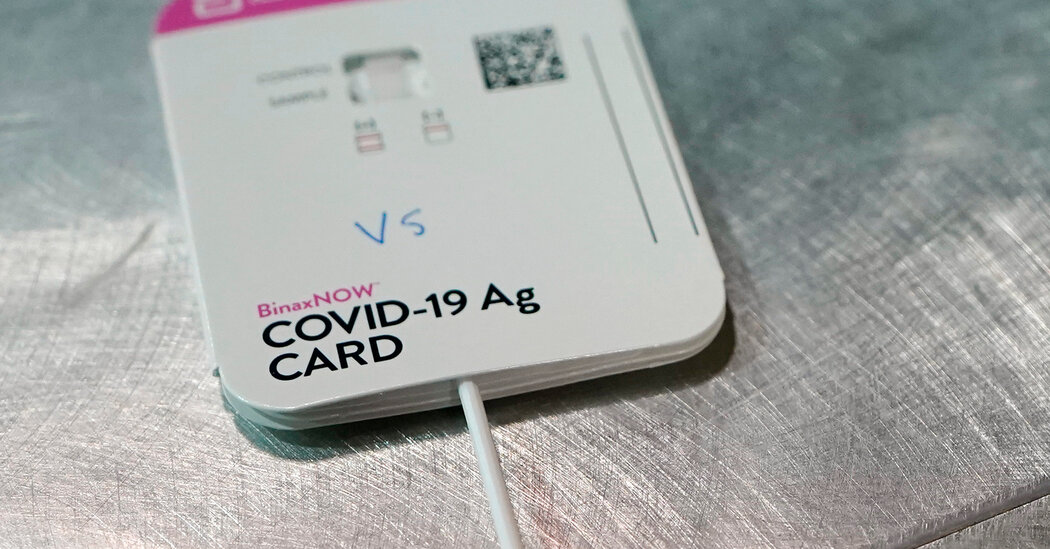
At-home rapid Covid-19 tests can offer unique benefits for weddings, parties, travel or for households with children or at-risk adults.Got the sniffles? Worried about that night out in a crowded dance club? Or maybe you just want to visit grandma but are concerned about her risk, even though you’re vaccinated.At-home rapid Covid tests — which allow you to swab your own nose and get the results in minutes — can be a useful and reassuring way for both the vaccinated and unvaccinated to navigate the ongoing pandemic.With the availability of vaccines for all people 12 years and older in the United States, it may be hard to imagine why anyone would still need a home test for Covid-19. But the coronavirus isn’t going away anytime soon, and a rise in infections this fall among the unvaccinated appears inevitable as a new, highly-infectious variant called Delta spreads around the world.In most cases, regular home testing isn’t necessary for someone who is fully vaccinated. The current crop of vaccines available in the United States have been shown to be effective against the variants, including Delta. But no vaccine is 100 percent protective, and breakthrough infections, though rare, continue to occur.A home test can offer reassurance to a vaccinated person who has traveled recently or spent time in a crowded bar. It can be used more frequently for families with young children who aren’t yet eligible for vaccination. Home tests are also useful for anyone with an at-risk family member or for people who, for whatever reason, remain unvaccinated.“The most important aspect of these tests is the rapid result,” said Dr. Michael Mina, an assistant professor of epidemiology and immunology at the Harvard T.H. Chan School of Public Health. “Waiting two to three days for laboratory test results isn’t ideal when you need results quickly to make decisions about going to school, work or a social gathering.”Dr. Mina, who championed the use of rapid testing at the height of the pandemic, said that more people should think about using at-home, rapid testing to keep children, the old and at-risk and the unvaccinated safer in the coming months.“As long as the virus is raging in other parts of the world, the risk is too high to completely let down our guard with testing,” Dr. Mina said. (Dr. Mina consults with a new home-testing company that doesn’t yet have any products on the market.) “Unvaccinated people will continue to spread the virus, which happens often without showing any symptoms. And while it’s much less likely, even vaccinated individuals can become infected.”Here are some scenarios where a rapid home test might be useful for vaccinated or unvaccinated people.For unvaccinated children, who could be tested periodically before going to camp or school or right before a birthday party.To regularly check and protect the health of a babysitter who spends time with your unvaccinated children or a home-health aide who is caring for a high-risk individual.As an added precaution for a vaccinated person who wants to spend time with a grandparent or someone who is immune compromised. (An unvaccinated person shouldn’t spend time indoors with a person at high risk.)After traveling on an airplane or spending time in an airport or a crowded bar. (While a vaccinated person does not need to be regularly tested after travel, a home test could be used as a precaution after spending extended time indoors with people whose vaccination status isn’t known.)To be sure a cough or sniffle is just allergies or a common cold rather than Covid-19.To test houseguests before a dinner party or overnight stay, if someone in the group is unvaccinated or at high risk.For guests at weddings or other large gatherings if they can’t provide proof of vaccination.There are two types of home tests that are authorized for use in the United States that give you results on the spot: a rapid antigen test, and a rapid molecular test.Rapid antigen tests are the least expensive (about $12 per test) and are available in retail stores and online. (They typically aren’t covered by insurance.) The BinaxNOW test, made by Abbott, contains two rapid antigen tests per box and costs around $24. To take the test, just swirl the swab in both nostrils and place in a special card. After 15 minutes, the result reads much like a pregnancy test: two pink lines indicate you’re positive for Covid-19. The QuickVue At-Home test, from Quidel, is similarly priced. After swabbing your nose, dip the swab in a solution in a test tube, and then in a test strip. You’ll get results in about 10 minutes.The rapid antigen tests are less reliable for finding Covid-19 in people with low viral loads compared to the “gold standard” P.C.R. tests you’d get from a health care provider. One study found that a rapid home antigen test had a 64 percent chance of correctly spotting the virus in people with symptoms who had tested positive on a P.C.R. test. (The test caught only about 36 percent of those who had the virus but didn’t have symptoms.)But don’t be dissuaded by those numbers. The affordable rapid antigen tests provide a reliable quick check to identify people with infectious levels of virus. For example, let’s say you want to invite friends into your home who are unvaccinated or who have an unvaccinated child. Before hosting an indoor gathering, you can reduce the risk of asymptomatic spread and infection by 90 percent or more if all guests use a rapid antigen test within an hour before the event, said Dr. Mina.Rapid testing can also be used as an added layer of protection before spending time with people who are at high risk of complications from Covid-19, such as those with immune problems or undergoing cancer treatments. Neeraj Sood, a professor and vice dean for research at the University of Southern California and director of the COVID Initiative at the U.S.C. Schaeffer Center, said that even though he’s vaccinated, he would use rapid testing to take extra precautions around such people.“If I was going to hang out in an enclosed space with a friend who’s getting chemotherapy and hasn’t gotten the vaccine, then I would do two tests,” Dr. Sood said. He would take one rapid antigen test three or four days before visiting the friend, and another test the same day of the visit. “If both are negative, I’m very confident I don’t have Covid, and I’m not going to transmit it to my friend,” he said.Rapid testing could also be used to make a small family indoor gathering or a child’s birthday party that included a mix of vaccinated and unvaccinated people safer. “If you put that extra layer in of home testing, I think you’re all making each other more safe,” said Irene Peterson, a professor of epidemiology and health informatics at University College London. “Or you could decide not to have the party.”If you want more certainty than a rapid antigen test can provide, you can consider a more costly rapid home molecular test. These tests work by detecting the virus’s actual genetic material (RNA) and amplifying it to determine if you’re infected. A home rapid molecular test works nearly as well as the P.C.R. tests given at testing centers that are processed by a laboratory, but they are also more expensive than the home antigen tests. Lucira makes a highly-accurate molecular test for $55 that uses nasal swabs and a battery-powered processing unit that provides results within 30 minutes.When would the cost of a rapid molecular test make sense? Families planning a wedding may have loved ones who aren’t vaccinated. (Some people are not fully vaccinated because of health conditions or because they had a bad reaction to the first dose.) For wedding guests who can’t provide a vaccination card or a lab-based negative P.C.R. test result taken within 36 hours of the event, you could ask them to take a home-use rapid molecular test. (You’ll have to work out who will pick up the tab for the test.)Dr. Mina noted that for a large event like a wedding that stretches over a few days, a molecular test would be more reliable than a rapid antigen test because it can detect an early infection as much as 48 hours before an antigen test will turn up positive, he said.Home tests also can be useful during cold and flu season to determine if someone with cold or flu symptoms actually has Covid-19.“Home testing is a great way to keep the virus from spreading within your home if someone is sick or was potentially exposed,” said Daniel Larremore, assistant professor in the department of computer science and the BioFrontiers Institute at the University of Colorado Boulder.Dr. Mina said he hopes more people consider the combined benefit of vaccination and home testing to keep people safer and get back to their routines while the virus is still out there. “The re-emergence of other respiratory viruses, like R.S.V. and influenza, will surely create challenges again this fall and winter,” he said. “If we want to return to normalcy and protect ourselves, accessible and accurate home testing should be one tool that we use and rely on to keep ourselves and loved ones safe.”

Read more →

How to Wash Fruits and Vegetables

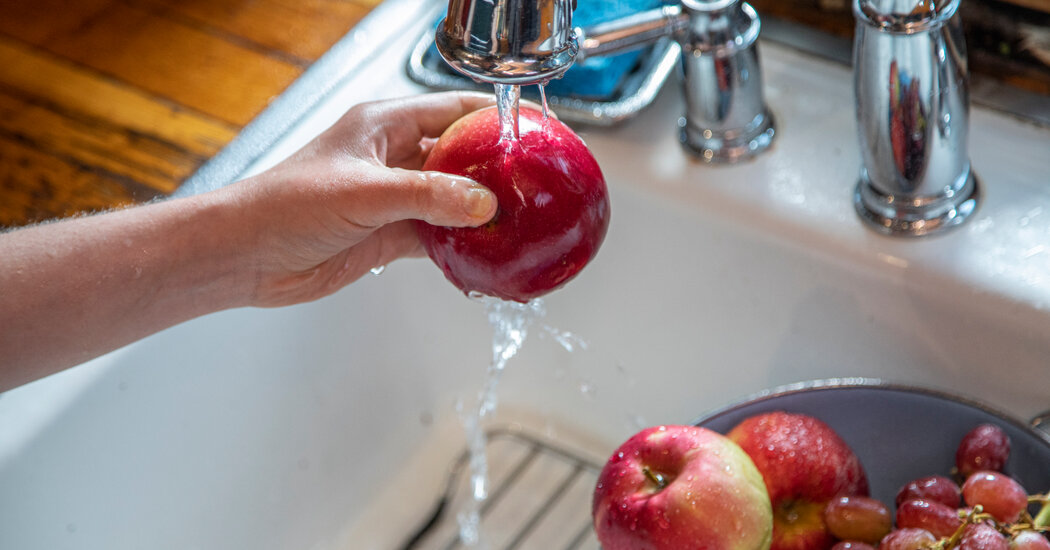
A food safety specialist offers tips on helping to keep your food safe.To minimize the risk of food poisoning, you really do need to wash produce before eating it, though no special produce washes are required.Wash your hands before handling any produce, then rinse the foods under cold, running tap water. Five to 10 seconds is typically sufficient, so long as you’re covering the full surface of the produce item. Rinsing removes debris and dirt and any microbial contaminants they may contain. Washing also helps remove some of the surface pesticides that may be present, though guidelines are generally the same for organic produce as for conventional produce.With greens, such as romaine lettuce, a good approach is to break off and rinse individual leaves, then dry in a salad spinner. Another strategy is to submerge the produce in a bowl of water before rinsing.“None of our food is sterile; there are always microorganisms there, but there are certain types that if we ingest, we become sick,” said Erin DiCaprio, assistant cooperative extension specialist in community food safety at the University of California, Davis. “So, washing is a best practice to help mitigate some of that risk.”By and large, the American food supply is quite safe, but food safety specialists keep their eyes on certain pathogens, both bacteria and viruses, that have been associated with dangerous outbreaks tied to produce. For example, E. coli O157:H7, a bacterium found in the intestines of cattle and other animals, also turns up in leafy greens and, if ingested, can cause nausea, vomiting and diarrhea. Certain groups, such as the very young and the very old, are particularly prone to developing severe symptoms and potentially deadly kidney failure.“We see a number of outbreaks caused by viruses in produce,” said Dr. DiCaprio. “So, when we talk about food-borne viruses, primarily it’s hepatitis A virus and norovirus. We see those viruses causing a number of outbreaks in soft berries because often these commodities are harvested by hand, so we as humans can cross-contaminate those berries during harvest.”If you see dirt, sand or grit on your produce — for example, in the grooves of a celery stalk —you’d certainly want to remove that material. But it’s also important to rinse off dust and other small debris that you may not see but that can also contain harmful germs.Early fears about the possible transmission of coronavirus on foods were not borne out, though other viruses may be spread by the dirty hands of other customers. So wash any fruits or vegetables you pull off the shelves or produce stand, including leafy greens, whole fruits and raw vegetables. Washing won’t completely decontaminate a piece of produce, Dr. DiCaprio said, but generally removes 90 percent to 99 percent of the microorganisms. Ingesting fewer microbes makes it less likely you’ll get sick.There’s no need to rewash greens or other items that say “pre-washed” on the package. In fact, washing them could raise the risk of cross-contamination with other foods, such as raw meat, that you may be preparing — a concern whenever you are washing any foods, so take care to keep work surfaces clean.It’s important to wash produce regardless of whether you’re going to eat the skin (such as apples) or peel it (such as bananas, carrots, oranges or avocados). Rinse before peeling or cutting. Using a clean brush to gently scrub firm surfaces of items like melons can also help remove any debris.Dr. DiCaprio does not recommend special produce washes, bleaches or detergents. “There can actually be negative impacts on health if consuming residual levels of soap or other detergents,” she said. “It’s more of a marketing type of thing. I personally wouldn’t spend my money on them because I know they aren’t any more effective than regular water.”Lastly, some temperature tips. While heat can inactivate microorganisms, hot water does not appear to be more effective than cold water in terms of food safety. The level of heat required would most likely be too hot to subject your hands to in the sink and might affect the quality of the produce.As for frozen produce, there’s no need to rinse before consumption. However, it’s important to follow the handling instructions on the package, including any heating recommendations.Sophie Egan is the author of “How to Be a Conscious Eater: Making Food Choices That Are Good for You, Others, and the Planet” (Workman, 2020).

Read more →

‘It’s Tough to Get Out’: How Caribbean Medical Schools Fail Their Students

The institutions are expensive, often operated for profit and eager to accept applicants. But graduates have trouble landing residencies and jobs.Last summer, when Dr. Sneha Sheth went online to begin filling out applications for residency — the next stage of her training after medical school — she was hit with a jolt of disappointment.Of the 500 residency programs she was considering, nearly half had been labeled unfriendly to international medical students, like her, by the website Match a Resident, which helps medical students abroad navigate the U.S. residency application process. Dr. Sheth submitted her applications in September and spent months on edge. Then came the distress of rejections from numerous programs, and no responses from others.“There are 50 percent of programs that don’t want you, which is a scary feeling,” said Dr. Sheth, 28, who graduated recently from a Caribbean medical school. “It’s like, if they don’t want you, who will?”The frustrations of the match process, which assigns graduates to programs where they can begin practicing medicine, made Dr. Sheth question whether she had been foolish to enroll in a Caribbean medical school. She had spent tens of thousands of dollars but ended up shut out of American residency programs (although she recently landed a spot in a Canadian one).In the 1970s, a wave of medical schools began to open across the Caribbean, catering largely to American students who had not been accepted to U.S. medical schools; today there are roughly 80 of them. Unlike their U.S. counterparts, the schools are predominantly for-profit institutions, their excess revenue from tuition and fees going to investors.Admissions standards at Caribbean schools tend to be more lax than at schools in the United States. Many do not consider scores on the standardized Medical College Admission Test as a factor in admissions. Acceptance rates at some are 10 times as high as those at American schools. They also do not guarantee as clear a career path. The residency match rate for international medical graduates is about 60 percent, compared with over 94 percent for U.S. graduates.In 2019, Tania Jenkins, a medical sociologist, studied the composition of U.S. residency programs and found that at more than a third of the country’s biggest university-affiliated internal medicine programs, the residency population was made up overwhelmingly of U.S. medical graduates. Caribbean medical school students match into residencies at a rate 30 percentage points lower than their U.S. counterparts.“U.S. medical school graduates enjoy tailwinds,” Ms. Jenkins said. “Caribbean medical students experience headwinds. They have a number of obstacles they have to overcome in order to be given a chance at lower-prestige and lower-quality training institutions.”The campus of St. George’s University Medical College in Grenada.AlamyThe challenges that Caribbean medical students face in career advancement have raised questions about the quality of their education. But with the rapid rise in the number of medical schools worldwide — from around 1,700 in the year 2000 to roughly 3,500 today — tracking and reporting on the quality of medical schools abroad has proved a difficult task.In recent years, medical educators and accreditors have made a more concerted effort to evaluate the credibility of those institutions, with the goal of keeping applicants informed about subpar Caribbean schools, which charge tens of thousands of dollars in tuition and fees and sometimes fail to position their students for career success.That effort has largely been led by the Educational Commission for Foreign Medical Graduates, which reviews and provides credentials for graduates of foreign medical schools, including documentation of their exam scores and their academic histories. In 2010, the commission announced an initiative requiring every physician applying for certification to have graduated from an accredited medical school. The group also said it would more closely scrutinize the standards for organizations that accredit medical schools around the world. The new rule will take effect by 2024.The commission has already penalized two Caribbean medical schools — the University of Science, Arts & Technology Faculty of Medicine in Montserrat and the Atlantic University School of Medicine in Antigua and Barbuda. The group refused to grant credentials to any of those schools’ graduates, saying it had found the schools to be “egregious in terms of how they treated students and misrepresented themselves.” The medical school in Montserrat subsequently sued the commission, but the case was dismissed in a U.S. federal court. The University of Science, Arts & Technology Faculty of Medicine in Montserrat did not respond to requests for comment.“I’m very concerned about students’ being taken advantage of by schools that may not give them proper information as to how they’re going to learn and what their opportunities are going to be when they finish school,” said Dr. William Pinsky, head of the commission.He said he hoped that students would be better protected by 2024, when accrediting organizations plan to complete evaluations of all international medical schools through a more rigorous accreditation process.One of the primary accrediting bodies for Caribbean medical schools is the Caribbean Accreditation Authority for Education in Medicine and Other Health Professions, known as CAAM-HP. Lorna Parkins, executive director of the organization, said that some of the key factors the group considers in denying accreditation include high attrition rates and low exam pass rates.Dr. Eltiganivia Yasien EltiganiBut Caribbean schools occasionally misrepresent their accreditation status on their websites, Ms. Parkins added. She sometimes hears from students who are struggling to transfer out of lower-quality schools.“It’s my daily concern,” Ms. Parkins said. “I know students have very high loans, and their families make great sacrifices to educate them.”Applying to medical school in the United States requires a certain level of know-how: how to study for the MCAT; how to apply for loans; and how to make yourself competitive for a select number of spots. Applicants with less access to resources and mentoring are at a disadvantage and are sometimes less aware of the drawbacks of international medical education.Dr. Yasien Eltigani, 27, who is Sudanese and immigrated from the United Arab Emirates to the United States, said he had little assistance in navigating the obstacle course of medical school applications. He applied to only nine schools, all in Texas, not realizing that most U.S. students apply more widely, and was rejected from all of them. Two years later, when he saw a Facebook advertisement for St. George’s University in Grenada, he decided to apply.Looking back, he says he wished he had reapplied to American schools instead of going the Caribbean route. Although he was able to match into a residency program, which he recently started, he found the process to be anxiety-inducing.“If you fall behind in a U.S. medical school, your chances of matching are decent, whereas in a Caribbean medical school you’re at risk,” he said. “As an immigrant, I didn’t have much in the way of guidance.”Caribbean medical school administrators say their intentions are straightforward: They aim to expand opportunities for students to go to medical school, especially those from racially, socioeconomically and geographically diverse backgrounds, to include people who might not have traditionally pursued careers in medicine.“U.S. medical schools have more applicants than they know what to do with,” said Neil Simon, president of the American University of Antigua College of Medicine. “So why do they object to medical schools that have obtained approval and are educating a student population that is much more diverse? Wouldn’t you think they’d welcome us with open arms?”Mr. Simon said that he was aware of the bias that A.U.A.’s graduates confront as they apply for residency positions in the United States and that he saw the stigma as unfounded. He added that international medical graduates were more likely to pursue family medicine and to work in underserved areas, especially rural communities.Students from the Ross University School of Medicine were evacuated from Dominica after Hurricane Maria in 2017.U.S. Air Force photo, via AlamyBut experts say that the proliferation of for-profit medical schools does not always serve the best interests of students. The Liaison Committee on Medical Education, which credentials U.S. schools, did not recognize any for-profit schools until 2013, when it changed its stance following an antitrust ruling mandating that the American Bar Association accredit for-profit law schools. Among medical educators, substantial skepticism still exists toward the for-profit model.“If medical students are viewed as dollar signs rather than trainees that require lots of investment, support and guidance, that fundamentally changes the training experience of these students and the way their education pans out,” Ms. Jenkins said.Some students at Caribbean medical schools said the quality of their education had declined even further in recent years as some campuses faced natural disasters.In 2017 when Hurricane Maria hit Dominica, where Ross University School of Medicine’s campus was situated, the school decided to offer its students accommodations on a ship docked near St. Kitts. To some of the students, this sounded like an adventure. But as soon as they arrived on the boat, they realized that it did not lend itself to rigorous study.With few study spots or electric outlets available on the ship, Kayla, a first-year-student, awoke each day at 2 a.m. to claim a place where she could study for the day. (Kayla asked to be identified by just her first name so that she could freely share her experience.) Her exams were held in a room filled with windows that looked out over the ocean waves. She and her classmates said that if they looked up from their tests, they had immediately felt nauseated. She couldn’t take Dramamine, she said, because that exacerbated her fatigue. Some of her classmates left before the semester ended because they could not handle study conditions on the ship.“We understand that extenuating circumstances posed challenges for all,” a spokesman for Adtalem Global Education, the parent organization of Ross University School of Medicine, said in an email. “We took extraordinary measures to provide options for students to continue their studies or to take a leave of absence until campus facilities could be restored.”But the combined challenges of these schools have given way to a saying: “It’s extremely easy to get into Caribbean schools,” said Abiola Ogunbi, a recent graduate of Trinity Medical Sciences University in Saint Vincent. “But it’s tough to get out.”As accreditation standards evolve, Ms. Jenkins said one of the most critical ways to protect students was to ensure transparency from the schools. “People should go into their training with their eyes wide open,” she said.

Read more →

Training the Next Generation of Indigenous Data Scientists

A new workshop explores the right of Indigenous people to govern the collection, ownership and use of their biological and cultural data.When Krystal Tsosie introduces her genomics students to the concept of biocommercialism — the extraction of biological resources from Indigenous communities without benefit — she always uses the same example: the Human Genome Diversity Project.The researchers who conceived of the project in the 1990s aimed to collect samples from human populations around the world, with particular emphasis on what they deemed “vanishing” Indigenous populations. “A lot of that information is now publicly available to advance the course of science,” said Ms. Tsosie, a genetics researcher at Vanderbilt University and a member of the Navajo Nation. “But who accesses these data sets?”Ms. Tsosie, answering her own question, cited as examples Ancestry and 23andMe, two companies that commercialize and profit from Indigenous genomic data sourced without consent from people in Central and South America. In 2018, 23andMe sold access to its database of digital sequence information to GlaxoSmithKline for $300 million. In 2020, 23andMe licensed a drug compound it developed from its trove of genetic information.Accordingly, Ms. Tsosie helped to organize IndigiData, a four-day remote workshop that took place for the first time in June. The workshop’s core goal was to introduce data science skills to undergraduates and graduates, and the definition of data was expansive, from the genetic sequences of soil microbiomes to traditional worldviews.“If you can’t view oral history as data, as something that can be parsed and archived and used to predict things, then you’re missing out on a whole data set,” said Keolu Fox, a Native Hawaiian geneticist at the University of California, San Diego, who presented at the workshop.Ms. Tsosie helped to organize IndigiData, a four-day remote workshop that took place for the first time in June. Tomás Karmelo Amaya for The New York TimesThe workshop centered on Indigenous data sovereignty, the idea that nations have the right to govern the collection, ownership and application of their own data. The movement pushes back on a long history of how researchers have taken Native data without permission, often stigmatizing the communities who participated or disregarding their customs surrounding the dead. In one infamous example, an Arizona State University researcher studying the high rates of diabetes in the Havasupai Tribe, who live near the Grand Canyon, gave other researchers access to the samples without the tribe’s consent. When the Havasupai learned of this, they went to court, won their samples back and banished the university from their borders.“Why are we over here spitting in tubes, giving our genomes away when we know that type of information can be used to make pharmaceutical drugs?” Dr. Fox asked. “Why not position ourselves so we’re in control of a treasure chest of data?”Organizing the ConferenceMs. Tsosie, one of the leaders of the conference, started her career in cancer biology. But she realized early on that any success she might have developing a cancer therapy drug might never reach her own community. Ms. Tsosie’s father worked for the Phoenix Indian Medical Center in Arizona for 42 years, and she remembered how difficult it was for her tribal community to access specialty services.“What am I doing in cancer biology?” Ms. Tsosie remembered thinking. She switched her academic focus and is now a graduate student in genomics and health disparities.In 2012, Ms. Tsosie met Joseph M. Yracheta, who is of the P’urhepecha and Raramuri peoples, through the Summer Internship for Indigenous Peoples in Genomics, a workshop that trains researchers in genetic science. They started talking about data ethics, and a few years later Matt Anderson, a microbiologist at Ohio State University and a descendant of the Eastern Band of Cherokee Indians, joined the conversation. The organizers recognized that there were limited resources to train Indigenous people how to think about and interpret their data.In January, with funding from the Amgen Foundation and the National Science Foundation, the workshop began to take shape. The participants hail from Indigenous communities across the country and internationally, and have wide-ranging research interests, such as archaeology and pollinators. “What ties us together is colonialism,” Dr. Fox said, and laughed.The Environmental MicrobiomeThe theme of the inaugural conference was environmental microbiomes, which the organizers felt would resonate with participants. An individual’s microbiomes — the communities of microorganisms that live inside and on a person — is deeply intertwined with the surroundings; for instance, the composition of the gut microbiome can be altered by diet as well as air pollution.In recent years, the “vanishing” rhetoric of the Human Genome Diversity Project has shifted to refer to the “vanishing” microbiome of traditional communities, Dr. Anderson said. “Except instead of people, they’re talking about the microbes associated with people,” Dr. Anderson said. One 2018 article in the journal Science emphasized the need to collect samples from “traditional peoples in developing countries” in order “to capture and preserve the human microbiota while it still exists.”Ms. Tsosie started her career in cancer biology but is now a graduate student in genomics and health disparities.Tomás Karmelo Amaya for The New York TimesMr. Yracheta, who is the managing director of the Native BioData Consortium — the first biobank in the U.S. led by Indigenous scientists and tribal members — believes the microbiome will be one of the next targeted data sets that Western scientists may seek from Indigenous communities. In Tanzania, the Hadza people have been studied extensively for the “richness and biodiversity” of their gut microbiota.“Native DNA is so sought after that people are looking for proxy data, and one of the big proxy data is the microbiome” Mr. Yracheta said. “If you’re a Native person, you have to consider all these variables if you want to protect your people and your culture.”In a presentation at the conference, Joslynn Lee, a member of the Navajo, Laguna Pueblo and Acoma Pueblo Nations and a biochemist at Fort Lewis College in Durango, Colo., spoke about her experience tracking the changes in microbial communities in rivers that experienced a mine wastewater spill in Silverton, Colo. Dr. Lee also offered practical tips on how to plan a microbiome analysis, from collecting a sample to processing it.In a data-science career panel, Rebecca Pollet, a biochemist and a member of the Cherokee Nation, noted how many mainstream pharmaceutical drugs were developed based on the traditional knowledge and plant medicine of Native people. The anti-malarial drug quinine, for example, was developed from the bark of a species of Cinchona trees, which the Quechua people historically used as medicine. Dr. Pollet, who studies the effects of pharmaceutical drugs and traditional food on the gut microbiome, asked: “How do we honor that traditional knowledge and make up for what’s been covered up?”One participant, the Lakota elder Les Ducheneaux, added that he believed that medicine derived from traditional knowledge wrongly removed the prayers and rituals that would traditionally accompany the treatment, rendering the medicine less effective. “You constantly have to weigh the scientific part of medicine with the cultural and spiritual part of what you’re doing,” he said.IndigiData in the FutureOver the course of the IndigiData conference, participants also discussed ways to take charge of their own data to serve their communities.Mason Grimshaw, a data scientist and a board member of Indigenous in A.I., talked about his research with language data on the International Wakashan A.I. Consortium. The consortium, led by an engineer, Michael Running Wolf, is developing an automatic speech recognition A.I. for Wakashan languages, a family of endangered languages spoken among several First Nations communities. The researchers believe automatic speech recognition models can preserve fluency in Wakashan languages and revitalize their use by future generations.Mason Grimshaw is a data scientist and a board member of Indigenous in A.I., in Rapid City, S.D.Dawnee LeBeau for The New York TimesTypical language models, such as Apple’s voice-controlled Siri, often try to predict the next word, or set of words, based on the start of a sentence or a prompt. But such models might falter under the cultural nuances of many Indigenous languages, Mr. Grimshaw noted. “The Wakashan folks have certain stories you would only tell in certain kinds of weather or at certain times of day,” he said, by way of example.Additionally, many Indigenous languages are polysynthetic; they do not have fixed vocabularies but rely instead on the recombinations of small building blocks of words. A polysynthetic language like Lakota technically allows there to be infinite words, Mr. Grimshaw said. Indigenous languages often have much less recorded language data to analyze, such as audio files of speakers in conversation, than more common languages do.Mr. Grimshaw sees these complications not as a problem but as a puzzle to be unscrambled. When asked about his wildest data dreams by a participant at the conference, Mr. Grimshaw smiled. “I want a Lakota version of Siri,” he said.IndigiData has funding for the next four years, and the organizers hope that the conference next year will be held in person at the Native BioData Consortium on the Cheyenne River Sioux Reservation. That location, Dr. Anderson noted, is a one-day drive from 13 tribal colleges.Dr. Fox hopes the conference will train the next generation of Indigenous data scientists not just to protect their data but to be empowered by its possibilities.“I’m not saying that I like capitalism,” he said. “But data is power, and that’s the way for us to revitalize our communities.”

Read more →

Covid: How Delta exposed Australia's pandemic weaknesses

SharecloseShare pageCopy linkAbout sharingFor the past year, Australia has been coasting along almost blissfully detached from the global pandemic. It had achieved a “Covid normal” where people could visit restaurants and nightclubs and join crowds at festivals and theatres.The country’s strong Covid defences – border closures and mandatory quarantine – worked 99.99% of the time. When cases did leak, officials acted quickly, locking down cities and chasing every infected contact.Sydney – Australia’s biggest and richest city – managed to avoid regular snap lockdowns helped by a “gold standard” contact-tracing system.But in the past fortnight, the Delta variant has managed to breach the city’s defences. In one week, positive cases have ballooned to more than 100.By Friday 25 June, officials conceded the need to put Sydney into lockdown. By the following Monday, the crisis had became a national one – with outbreaks in four states and territories.Fresh outbreaks send Australia cities into lockdownWhy are Asia’s Covid ‘winners’ facing new challenges?Sydney, Darwin, Perth and Brisbane – all capital cities – are now in lockdown. More than 20 million Australians, around 80% of the population, are living under restrictions – the highest number since a national lockdown at the start of the pandemic.In an emergency meeting on Monday, federal and state governments attempted to plug the holes by expanding vaccine access.But many Australians are asking why they’re back living under restrictions, seven months after the world started mass vaccinations.How Delta went through the weak spotsEpidemiologists say the Delta variant has proven to be the most infectious and transmissible of all the strains so far. Where there were cracks in Australia’s defence system, it succeeded in exploiting them.image copyrightGetty ImagesThe nation’s border and quarantine system had been increasingly challenged since the first variants emerged in late 2020.Officials documented cases where travellers were catching the virus in quarantine, despite staying in separate rooms. Experts raised concerns about air recirculation and the lack of fresh air in city hotels.Around 370,000 people have gone through the system. But there have been 10 breaches leading to outbreaks.Two outbreaks troubling Australia right now come from people who served hotel quarantine. One is a mine worker in the Northern Territory who caught the virus in Queensland quarantine. The other is a Queensland woman whose infection surfaced just as she completed her stay.The cracks in Australia’s hotel quarantine systemThe battle to open up ‘Fortress Australia’The other weak spot is workers at the border.Australia has been notoriously strict on gatekeeping who’s allowed into the country – with weekly limits on the number of returning citizens and outright bans from some virus hotspots.When they step off their plane, returnees are greeted by an intimidating coterie of soldiers, police officers and nurses – masked-up and gloved to escort arrivals straight to quarantine.But the same rigour isn’t applied to other workers – like drivers transporting arrivals.Patient Zero in the Sydney outbreak was a limo driver in his 60s who caught it from a passenger. He was neither vaccinated, wearing a mask nor being tested regularly – and he didn’t need to under the rules at the time.image copyrightGetty ImagesDespite these flaws, experts note that Delta is a “formidable foe” due to its high infection rates.In New South Wales, of which Sydney is the state capital, officials are reporting near 100% household transmission compared to 25% for earlier strains. People there have caught the virus just from passing one another in a shop.”Delta is just extremely, highly contagious. And even with the vaccinated workforce there’s still potential to transmit,” says Prof Nancy Baxter, head of the School of Population and Global Health at the University of Melbourne.She points out that prior to the outbreak, officials had seen Delta cases where “they can’t even identify how the transmission occurred”. “So I think even when the systems are perfect, it’s challenging. But the systems aren’t perfect, which just kind of makes us almost sitting ducks.”Unvaccinated and exposedDelta’s danger has also shone a light on failures in Australia’s vaccine programme. Just under 5% of the adult population is fully vaccinated, with 29% having received a first dose.Australia is last among OECD countries, when it comes to the rollout of vaccines. Critics say the government is responsible.Australia remains dead last in the OECD for the share of people who are fully vaccinated. Only 4% of the population has been able to get access to vaccines. That’s not because people don’t want it, it’s because Scott Morrison doesn’t have the supply to give it to them. pic.twitter.com/M6AelAGuxw— Mark Butler MP (@Mark_Butler_MP) June 28, 2021
The BBC is not responsible for the content of external sites.View original tweet on Twitter”You’ve got many more partially vaccinated people than you do vaccinated, and even more unvaccinated people,” says Prof Raina MacIntyre from the University of New South Wales.”In that sense, the population is very vulnerable.”The delay has been linked to supply issues, complacency over low Covid rates, and concerns around Astra Zeneca’s rare blood clotting risk.Spike in Australians rejecting AstraZeneca vaccineWhat’s gone wrong with Australia’s vaccine rollout?That led the government earlier this year to limit its use for people over 60, despite not having enough supply of its other option – Pfizer.The confused messaging was compounded by sensationalist media reports amplifying AstraZeneca’s risk.It spooked many Australians – including the limo driver linked to Sydney’s outbreak, who according to local media was afraid of taking the AstraZeneca jab. So what is Australia doing now?Experts are unanimous that the current outbreaks must be contained with lockdowns and other restrictions. While it’s early days, they hope that Sydney’s two-week shutdown will be enough to curb the virus’ spread.But to ward off future Delta outbreaks, Prime Minister Scott Morrison seems to have accepted what experts have been urging for some time: increasing the pace of vaccinations.image copyrightEPAHe has ordered mandatory jabs for aged care and quarantine workers in the most high-risk settings. Mr Morrison also opened access of the AstraZeneca vaccine to younger people, granting indemnity protection to doctors in case of adverse reactions. End of ‘Covid normal’Experts warn that Delta is likely to have changed Australia’s Covid landscape for good. With mass vaccination unachievable until 2022, and Australians continuing to return home from abroad, Delta’s threat will linger, experts say. That could mean measures like mask-wearing in public will need to be mandatory for some time yet.”Prior to this, it’s been wonderful. You’re going out to dinner, you’re going to shows with thousands of people,” said Dr Baxter.”But I’m not sure if we’re going to be able to do that again until we’re all vaccinated, because there’s too much of a risk. I just think we can’t live like Covid doesn’t exist any more.”

Read more →