Boris Johnson to set out England's final Covid lockdown easing

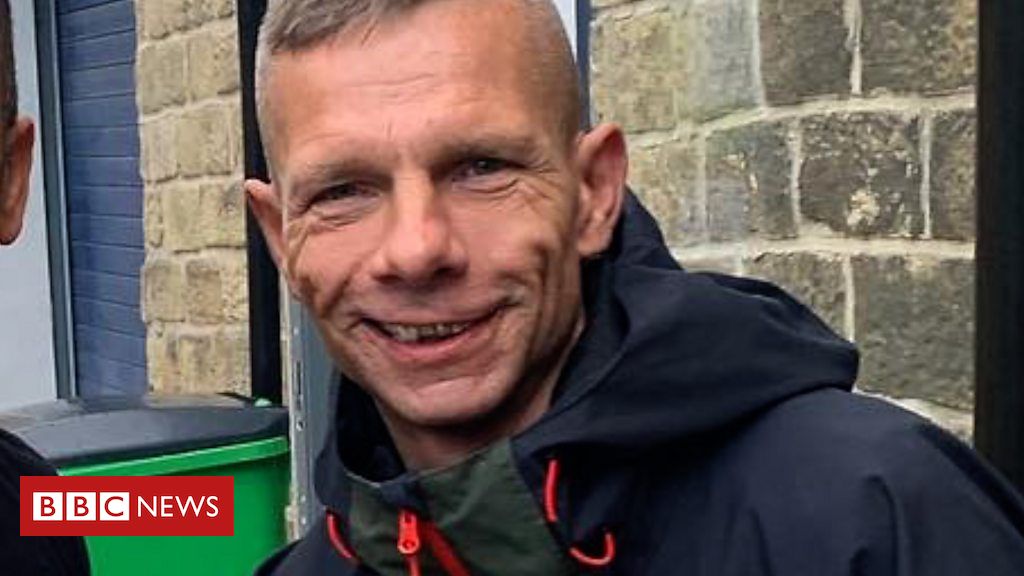
SharecloseShare pageCopy linkAbout sharingimage copyrightDowning Street/FlickrBoris Johnson is preparing to set out details of the final step of England’s roadmap out of lockdown.The PM is expected to announce the next steps on social distancing, face coverings and working from home, as well as on care home visits, during a No 10 news conference later.Step four of the roadmap was delayed last month to no earlier than 19 July.Mr Johnson said as we “learn to live with this virus, we must… exercise judgement when going about our lives”.Labour’s shadow health secretary Jonathan Ashworth urged the government to confirm “what level of mortality and cases of long Covid” it considers acceptable.”Letting cases rise with no action means further pressure on the NHS, more sickness, disruption to education – and risks a new variant emerging with a selection advantage,” he warned.Scotland, Wales and Northern Ireland are in charge of their own coronavirus rules, and the Scottish government has suggested it may retain some basic measures including masks at its next review in August.What’s happening with the plan to end Covid restrictions?Will we still have to socially distance this summer?How can I visit my relative in a care home?Praising the successful vaccine rollout, Mr Johnson said Monday’s update would “set out how we can restore people’s freedoms when we reach step four”.”But I must stress that the pandemic is not over and that cases will continue to rise over the coming weeks,” he added.Downing Street said step four would go ahead on 19 July only if the government’s “four tests” for easing curbs had been met.The verdict on those tests – on the jab rollout, vaccine effectiveness, hospital admissions, and new virus variants – would only be confirmed on 12 July following a review of the latest data, No 10 said.The findings of reviews on the use of Covid certification – or vaccine passports – and on social-distancing measures are also due to be announced by Mr Johnson on Monday.’Personal responsibility’Stephen Powis, the National Medical Director for NHS England, said infections were currently rising but hospital rates were not increasing at the same rate as previous peaks and “things are looking very good”.He told BBC Breakfast the NHS was “prepared” to deal with “any pressures” that emerge.Housing Secretary Robert Jenrick said on Sunday that England would move to a period without legal restrictions and with an emphasis on “personal responsibility”, including on face masks.But Paul Nowak, deputy general secretary of the Trade Unions Congress, told BBC Radio 4’s Today programme it was “vital” people returning to work places have confidence that locations are as Covid-secure as possible.”I just don’t think it is acceptable for the government to simply outsource its responsibilities to individuals and to individual employers,” he said. “Personal responsibility will have a role to play, but government cannot just wash its hands of this issue.”No mention of schools or isolation The government’s so-called roadmap for unlocking in England was first published in February. The anticipated dates for the easing of restrictions were all met.All, that is, apart from the final one, which was due to happen a fortnight ago on 21 June and is now expected to happen on 19 July, a fortnight from Monday. A final decision will be taken in a week’s time, after a review of the latest data. Boris Johnson is expected to host a news conference at 17:00 BST and Health Secretary Sajid Javid will make a Commons statement at around the same time. Many of the remaining restrictions in England look set to be swept away. But he’s not expected to address self isolation, the rules in schools, or travel restrictions. The health secretary used a column in a Sunday newspaper to argue that lifting lockdown restrictions as planned was crucial to protect the country’s wellbeing, as the risks from Covid are reduced by vaccines.Writing in the Mail on Sunday, Mr Javid said there was a compelling health argument for unlocking, as restrictions had caused a shocking rise in domestic violence and a terrible impact on mental health.He said England was on track to meet the fourth and final stage of lockdown lifting – but that “cases are going to rise significantly” and “no date we choose will ever come without risk”.Do rising cases matter?Back in March 2020, Boris Johnson talked about turning the tide on Covid in 12 weeks. More than 12 months on we are there – or at least we hope we are.Cases are rising rapidly, but thanks to the vaccination programme the numbers ending up in hospital and dying are way below what they once were.During the winter peak there was one death for every 60 infections. Now it is one per 1,000.It means the benefits of restrictions are much, much lower than they once were.But is this the right time to ditch them altogether? Some will argue it isn’t, but others will say we have already gone too far in trying to suppress the virus.What is certain is that before the summer is over many more people are going to be admitted to hospital and some will sadly die.But some kind of surge as we left lockdown was always inevitable – the hope is the amount of immunity built up in the population will soon start to curb the rises.The review of social-distancing measures has been of particular interest to the hospitality industry, which says many venues are unable to operate profitably under restrictions on capacity and table service rules.The findings of a review into Covid certification are also expected. The use of certificates to prove a person’s Covid vaccination or test status has been welcomed by some travel industry bosses and leading sports bodies – but the concept has raised concerns over discrimination and privacy.Separately, the PM will give further details on the future of care home visits. At the moment, care home residents in England can choose up to five people who can visit regularly, but no more than two people should visit at one time or in one day.It comes as a further 24,248 new coronavirus cases were reported in the UK on Sunday, alongside another 15 deaths within 28 days of a positive test.More than 63% of the UK adult population has now received a second vaccine dose, with 86% having now received at least a first dose, latest figures showed.No 10 has said the government is ensuring preparations are in place to offer third “booster” doses to everyone aged over 50 and the most vulnerable over the winter months.LOCKDOWN LOOK-UP: The rules in your areaSOCIAL DISTANCING: What are the rules now?SUPPORT BUBBLES: What are they and who can be in yours?TESTING: How do I get a virus test?THE VACCINE FRONTLINE: Hayley Pearce sets out to understand the fears and confusion around the Covid vaccineA BEGINNER’S GUIDE TO BIRD SONG: Can you distinguish a Robin’s song from a Wren’s?

Read more →
Tyson Foods Recalls 8.5 Million Pounds of Frozen Chicken

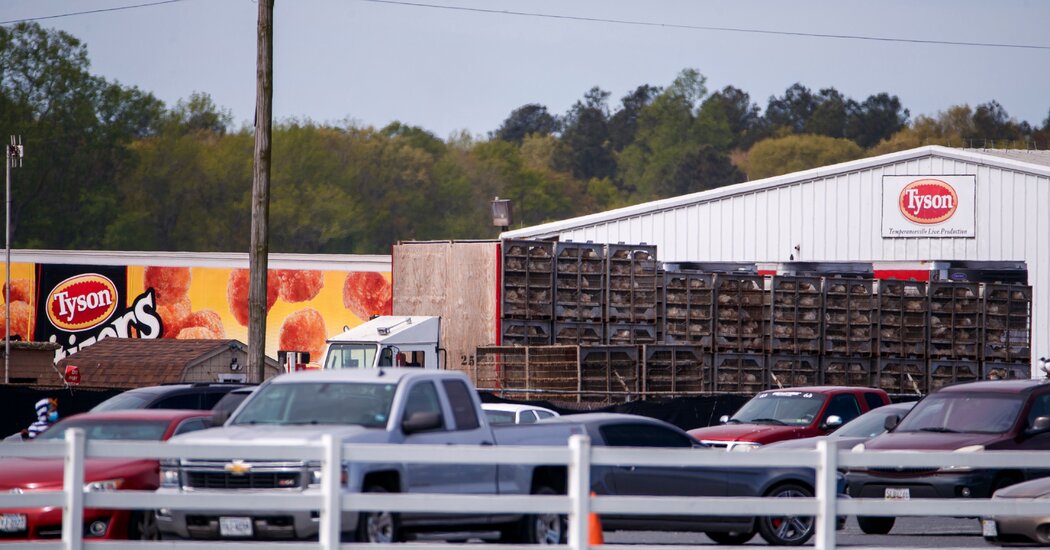
The voluntary recall comes after the Agriculture Department linked three cases of listeriosis to the cooked chicken products, including one death.Tyson Foods is recalling nearly 8.5 million pounds of frozen chicken that may have been contaminated with listeria, the Agriculture Department said.The voluntary recall was issued after Agriculture Department investigators were notified last month about two people who had been sickened with listeriosis, the department said in a statement on Saturday.An investigation found evidence linking those cases to frozen chicken from Tyson Foods, the agency said. Investigators eventually identified three cases linked to the recalled products, including one death, the department said.Symptoms of listeriosis, an infection caused by the bacterium Listeria monocytogenes, include fever, convulsions, muscle aches and gastrointestinal issues, according to the Agriculture Department.The recalled products were frozen, fully cooked chicken produced between December and April, the department said. The products include chicken strips, chicken pizza and pulled chicken breasts that were sold under brand names including Tyson, Jet’s Pizza and Casey’s General Store.The packages have the “establishment code” P-7089 printed on them, the department said.In a statement, Tyson Foods said the recalled products were produced at a plant in Dexter, Mo. The company distributed the chicken to stores, hospitals, schools, restaurants and other locations, the Agriculture Department said.“We’re committed to providing safe, healthy food that people rely on every day,” Scott Brooks, senior vice president for food safety and quality assurance at Tyson Foods, said in the statement. “We are taking this precautionary step out of an abundance of caution and in keeping with our commitment to safety.”The Agriculture Department said it would continue its investigation to determine if additional listeriosis cases were linked to the recalled products.The department urged people to throw away or return the recalled chicken. Pregnant women, adults over 65 and people with weakened immune systems are most susceptible to a serious case of listeriosis, according to the Centers for Disease Control and Prevention. Symptoms usually develop one to four weeks after eating food contaminated with listeria.

Read more →

Dr. Barbara Murphy, Kidney Transplant Expert, Dies at 56

Her focus was on immunology and how to predict and diagnose the outcomes of transplants. She was, a colleague said, “a great researcher and a great mentor to many people.”Dr. Barbara Murphy, a leading nephrologist who specialized in advanced research that focused on predicting and diagnosing the outcomes of kidney transplants, died on Wednesday at Mount Sinai Hospital in Manhattan, where she had worked since 1997. She was 56.The cause was glioblastoma, an aggressive form of brain cancer, her husband, Peter Fogarty, said.Dr. Murphy blended a passion for research into kidney transplant immunology with her role, since 2012, as the chairwoman of the department of medicine at the Icahn School of Medicine at Mount Sinai (and its broader health system). She was the first woman named to run a department of medicine at an academic medical center in New York City.“In baseball, they talk about five-tool players,” Dr. Dennis S. Charney, dean of the Icahn School, said by phone. “I don’t know how many tools she had, but she was a very strong administrator, a great researcher and a great mentor to many people.”Dr. Murphy, who was from Ireland, developed her interest in kidney transplantation while attending medical school at the Royal College of Surgeons in Dublin. She was drawn especially to how it transformed patients’ lives.“I love seeing how well patients do afterward,” she told Irish America magazine in 2016. “For all the years that I’ve been in this profession, the interaction between a living donor and a recipient in the recovery room still makes me proud to be a physician and to play a part in such a life-affirming moment.”After being recruited to Mount Sinai in 1997, she joined other researchers in examining the role of H.I.V. in kidney disease and helped establish the viability of kidney transplants for patients with H.I.V. In a speech at the Royal College in 2018, she recalled that there had been criticism of such transplants — as if there were a “moral hierarchy when it came to donor kidneys.”She added, “Two weeks ago, we received an email from one of our patients, thanking us on his 15th renal transplant birthday.”More recently, Dr. Murphy’s research at her laboratory at Mount Sinai focused on the genetics and genomics of predicting the results of transplants, and on why some kidneys are rejected.In findings reported in The Lancet in 2016, she and her collaborators said they had identified a set of 13 genes that predicted which patients would subsequently develop fibrosis, a hallmark of chronic kidney disease, and, ultimately, irreversible damage to the transplanted organ. Being able to predict which patients were at risk, they wrote, would allow for treatment to prevent fibrosis.Her research has been licensed to two companies. One, Verici DX, which is still in validation trials in advance of commercial sales, is developing RNA signature tests to determine how a patient is responding to, and will respond to, a transplant. The other company, Renalytix, uses an algorithm guided by artificial intelligence to identify a kidney disease risk score for patients. Dr. Murphy served on the boards of both companies.“Barbara was foundational to Verici,” Sara Barrington, the company’s chief executive, said by phone. She added, “Her lab will continue to file new discoveries out of her base research.”Dr. Murphy in 2014. “For all the years that I’ve been in this profession,” she once said, “the interaction between a living donor and a recipient in the recovery room still makes me proud to be a physician.”Roger Tully, via Mount Sinai Health SystemBarbara Therese Murphy was born on Oct. 15, 1964, in South Dublin. Her father, John, owned an airfreight company, and her mother, Anne (Duffy) Murphy, worked with him and also designed bridal wear.At age 4, Dr. Murphy recalled in a speech at a health care awards dinner sponsored by Irish America in 2016, she had to overcome a harsh judgment by a teacher.“My elementary school teacher told my mother I was a dunce and I would never be anything, and what’s more she shouldn’t even try,” she said. “Fortunately, my parents persevered.”After earning her medical degree at the Royal College in 1989, Dr. Murphy completed her residency and a nephrology fellowship at Beaumont Hospital, also in Dublin. She was also a nephrology fellow in the renal division of Brigham and Women’s Hospital in Boston, where she trained in transplant immunology.In 1997, she was recruited to Mount Sinai as director of transplant nephrology by Dr. Paul Klotman, then the chief of the division of nephrology, who promoted her to his former position in 2003 after he had become chairman of Icahn’s department of medicine.“She showed a lot of promise in transplant nephrology, which was emerging at the time,” Dr. Klotman, now the president of the Baylor College of Medicine in Houston, said by phone. “Over the years, she developed good leadership skills: She was very organized and task oriented.”In the spring of 2020, Dr. Murphy, like other physicians, noticed with alarm that Covid-19 was much more than a respiratory disease. It was causing a surge in kidney failure that led to shortages of machines, supplies and personnel needed for emergency dialysis.The number of patients needing dialysis “is orders of magnitude greater than the number of patients we normally dialyze,” she told The New York Times.One of Mount Sinai’s responses to the pandemic that May was to open the Center for Post-Covid Care for patients recovering from the virus. At the time, Mount Sinai had treated more than 8,000 patients who had been diagnosed with Covid-19.“Barbara was instrumental in forming the center,” Dr. Charney said, “and she was involved in the follow-up as it related to kidney disease caused by Covid.”Dr. Murphy was given the Young Investigator Award in Basic Science from the American Society of Transplantation in 2003 and was named nephrologist of the year by the American Kidney Fund in 2011. At her death, she was president-elect of the American Society of Nephrology.In addition to her husband, Dr. Murphy is survived by their son, Gavin; her sister, Dr. Celine Murphy, a cardiologist who works in occupational health; her brother, Dr. Kieran Murphy, an interventional neuroradiologist; and her parents.Dr. Murphy said she had learned an indelible lesson about the need for a strong patient-doctor relationship while still in medical school.“Scholarship alone was not enough,” she said at the Irish America award ceremony. “An example: If we had a patient with rheumatoid arthritis and we shook their hands and they winced, it didn’t matter how much we knew about the disease or how to treat it, we’d failed our exam because we hadn’t taken the patient’s overall well-being into consideration.”

Read more →

Jump rope: 'Buying a skipping rope saved me, mentally'

A woman who lost her job and had to postpone her wedding during the Covid-19 pandemic has become a social media star after learning to do jump rope.Lauren Flymen, from St Albans in Hertfordshire, has built up 150,000 followers on TikTok since she decided to buy a skipping rope and learn how to do tricks with it after being furloughed in April 2020.She said: “It saved me mentally, it saved me from worrying about work, it saved me from being upset about my wedding. It just gave me a whole distraction.”For her, the only negative aspect of becoming known on social media is messaging from trolls, which she resists responding to until she has replied to all the many positive ones.

Read more →

Cancer: Immunotherapies without side effects?

In recent years, immunotherapy has revolutionised the field of cancer treatment. However, inflammatory reactions in healthy tissues frequently trigger side effects that can be serious and lead to the permanent discontinuation of treatment. This toxicity is still poorly understood and is a major obstacle to the use of immunotherapy. Scientists from the University of Geneva (UNIGE), Switzerland, and Harvard Medical School, United States, have succeeded in establishing the differences between deleterious immune reactions and those targeting tumour cells that are sought after. It appears that while the immune mechanisms are similar, the cell populations involved are different. This work, published in the journal Science Immunology, makes it possible to envisage better targeted, more effective, and less dangerous treatments for cancer patients.
Based on massive stimulation of the patient’s immune system, immunotherapies have saved many lives. Unfortunately, they are not without consequences. “When the immune system is activated so intensively, the resulting inflammatory reaction can have harmful effects and sometimes cause significant damage to healthy tissue,” says Mikaël Pittet, holder of the ISREC Foundation Chair in Onco-Immunology at UNIGE Faculty of Medicine Department of Pathology and Immunology and Centre for Translational Research in Onco-Haematology, and a member of the Swiss Cancer Centre Leman. “Therefore, we wanted to know if there are differences between a desired immune response, which aims to eliminate cancer, and an unwanted response, which can affect healthy tissue. The identification of distinctive elements between these two immune reactions would indeed allow the development of new, more effective and less toxic therapeutic approaches.”
Using liver biopsy samples from patients treated at the CHUV and the HUG who had suffered such toxic reactions, the scientists studied the cellular and molecular mechanisms at work to reveal similarities and dissimilarities.
A similar response, but with different cells
In an immunotherapy-related toxic response, two types of immune cells — macrophage and neutrophil populations — appear to be responsible for attacking healthy tissue, but are not involved in killing cancer cells. In contrast, another cell type — a population of dendritic cells — is not involved in attacking healthy tissue but is essential for eliminating cancer cells. “Immunotherapies can trigger the production of specialised proteins that alert the immune system and trigger an inflammatory response, explains Mikaël Pittet. In a tumour, these proteins are welcome because they allow the immune system to destroy cancerous cells. In healthy tissue, however, the presence of these same proteins can lead to the destruction of healthy cells. The fact that these inflammatory proteins are produced by such different cells in tumours and healthy tissue is therefore an interesting finding.”
Dendritic cells are very rare, whereas macrophages and neutrophils are much more common. Some macrophages are present in most of our organs from embryonic development stages and remain there throughout our lives. Contrary to what was previously thought, these macrophages do not necessarily inhibit inflammation but, stimulated by immunotherapies, can trigger a harmful inflammatory response in the healthy tissue where they reside, thus explaining why toxicity can affect different organs.
Neutralising neutrophils for a double benefit
When macrophages are activated by drugs, they produce inflammatory proteins. These in turn activate neutrophils, which execute the toxic reaction. “This opens the possibility of limiting immunotherapy’s side effects by manipulating neutrophils,” says Mikaël Pittet.
The research team confirmed their discovery by studying the immune reactions of mice whose cell activity was modulated with genetic tools. They were able to identify a loophole that could be exploited to eliminate these side effects. Indeed, neutrophils produce some factors that are important for the development of toxicity, including TNF-α, which could be a therapeutic target. TNF-α inhibitors are already used to modulate the immune response in people with arthritis and could perhaps be useful in the cancer setting to inhibit the toxic effects of neutrophils during immunotherapy. “Furthermore, inhibiting neutrophils could be a more effective way to fight cancer: in addition to triggering a toxic response, some of these cells also promote tumour growth. Thus, by managing to control them, we could have a double beneficial effect: overcome the toxicity in healthy tissues, and limit the growth of cancerous cells,” concludes Mikaël Pittet.
Story Source:
Materials provided by Université de Genève. Note: Content may be edited for style and length.

Read more →

F.D.A. Releases Another Batch of Johnson & Johnson’s Vaccine

The move brings the total number of Johnson & Johnson doses made at the troubled plant and cleared by the F.D.A. to roughly 40 million.WASHINGTON — Federal regulators on Friday cleared a batch of vaccine that could furnish up to 15 million doses of Johnson & Johnson’s one-shot coronavirus vaccine, deciding they can be safely distributed despite production failures at the factory that ruined 75 million other doses.The move brings the total number of Johnson & Johnson doses made at the Baltimore facility and cleared by the Food and Drug Administration for distribution in the United States to roughly 40 million. But Johnson & Johnson remains far short of its commitment to deliver 100 million doses to the federal government by the end of June. European Union officials have said the company is missing its delivery targets there, as well.The vaccine cleared on Friday is not yet bottled, and the Biden administration’s plans for it remain unclear. But with new coronavirus cases dropping and the country awash in vaccines from two other authorized manufacturers, most new Johnson & Johnson doses produced in the United States are likely destined for export.Johnson & Johnson has been unable to produce much of its vaccine since April, when regulators shut down the Baltimore factory, operated by Emergent BioSolutions, because of major production errors. Johnson & Johnson had been relying on Emergent, its subcontractor, to produce vaccine for use in the United States as well as to meet its commitments overseas while it expanded its own plant in Leiden, the Netherlands.Even with the newly cleared batch, Johnson & Johnson remains nearly 40 million doses short of the 100 million doses called for in its federal contract. The F.D.A. did not disclose the precise number of doses cleared Friday, but multiple people familiar with Emergent’s operation said the batch amounted to as many as 15 million doses.Also on Friday, European regulators approved the reopening of Johnson & Johnson’s Dutch plant, a piece of good news for the company amid its supply woes. “Today’s approval represents progress in expanding our global manufacturing network to supply our Covid-19 vaccine worldwide,” the company said in a statement.The Baltimore factory is expected to remain shuttered for at least several more weeks while Emergent tries to bring it up to standard, according to people familiar with its operation who spoke on condition of anonymity. The F.D.A. said in a statement Friday that it was not yet ready to certify that the plant was following proper manufacturing practices.After the discovery in March that Emergent workers had contaminated a batch of Johnson & Johnson’s vaccine with a key ingredient for AstraZeneca’s Covid vaccine being made at the same plant, regulators cited Emergent for a series of regulatory violations. Emergent was forced to throw out the equivalent of 75 million doses of Johnson & Johnson vaccine. European authorities discarded another 17 million more doses, and South Africa, which is desperate for vaccine, pulled two million more.The Biden administration also had to pivot from relying on AstraZeneca doses to fulfill its pledge to donate vaccine to poorer nations, swapping in supplies from other makers. The F.D.A. has yet to rule on whether the equivalent of more than 100 million doses of both Johnson & Johnson and AstraZeneca vaccines produced by Emergent are suitable for use.The F.D.A. has been conducting a painstaking review of every vaccine batch from the Emergent plant, matching up records of deviations from manufacturing standards with production lots to determine whether the batches can be released. In a letter to Johnson & Johnson released late Friday, the agency said the batch it was releasing was suitable for distribution even though the factory was not adhering to proper manufacturing practices at the time it was produced.As deliveries of Johnson & Johnson’s vaccine stalled, the Biden administration ended up relying almost entirely on doses made by Pfizer-BioNTech and Moderna. With the pandemic now waning in the United States, demand for shots has plummeted. Johnson & Johnson has teamed up with the pharmaceutical giant Merck to make more doses, but the factory they intend to use is not expected to start operating until the fall.Although the Johnson & Johnson vaccine was once considered a game changer in the nation’s vaccination campaign, state health officials have struggled to use up even the limited supply they received in the spring. Roughly 12.5 million people in the United States have taken the vaccine, accounting for a little more than half of the available supply, and millions of doses are set to expire by August. It is still being used in doctors’ offices and at smaller events, state officials said.Enthusiasm for the Johnson & Johnson vaccine dropped in part because of a federally recommended pause in its use in April after a rare blood-clotting disorder was discovered in a few recipients.But federal health officials are still hoping that surplus doses of Johnson & Johnson’s vaccine will be useful overseas, where vaccine doses remain desperately scarce. White House officials said this week that some countries had requested the vaccine because it is easier to store and transport than the others, and because some people prefer a one-shot regimen. The vaccine has been deployed in 27 countries so far.On Thursday, Johnson & Johnson reported that early results of unpublished studies showed that its vaccine was effective against the highly contagious Delta variant, even eight months after inoculation. That was a reassuring finding for those who have gotten the company’s shot.The news came after earlier data showed Pfizer’s and Moderna’s mRNA vaccines as effective against the Delta variant, which is much more contagious than previous variants and is expected to quickly become the dominant version of the virus in the United States. Because Johnson & Johnson’s vaccine rolled out more slowly, information about its effectiveness against variants has also lagged.

Read more →

'I used drugs every day in lockdown, but now I'm drug-free'

When the UK went into its first lockdown and support services moved online, Lee, who has been battling a drug addiction for over 20 years, says his recovery attempts were “massively impacted”. During the first lockdown in April 2020, he says he went from taking drugs once a week to several times a day.He said: “My addiction became disgusting. I wouldn’t want to eat, I’d just want to score.”“I need face-to-face contact, not just a phone call.” According to research by the Forward Trust, 37% of people in recovery from addiction before the pandemic have experienced a relapse or increase in addictive behaviour since lockdown.If you have been affected by the issues raised in this video, you can find help and support at bbc.co.uk/actionline

Read more →

Zoo Animals Are Getting Experimental Coronavirus Vaccines

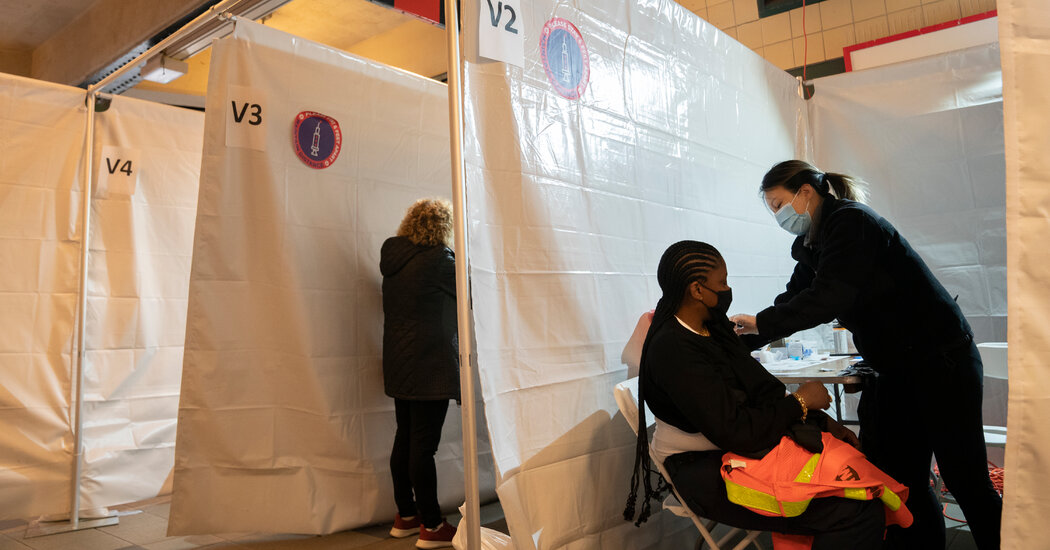
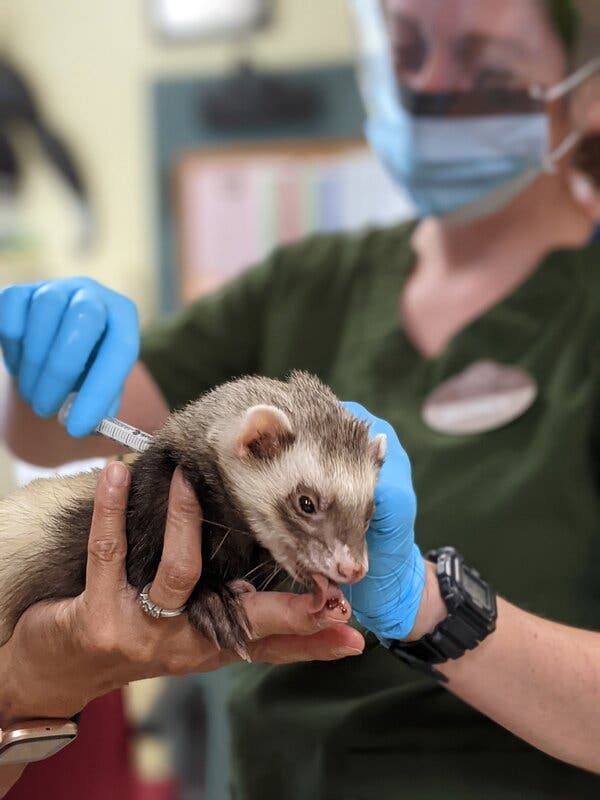
Big cats, ferrets, apes and bears are benefiting from a gift of 11,000 doses, but vaccines for pets are not recommended.The Oakland Zoo in California started this week with bears, mountain lions, tigers and ferrets, the first of about 100 animals that are set to receive an experimental vaccine against the coronavirus over the summer.Zoetis, a veterinary pharmaceutical company, is donating 11,000 doses of the vaccine to about 70 zoos as well as sanctuaries, universities and other animal conservation sites in 27 U.S. states, and the Oakland Zoo is one of the first to benefit. The vaccine is solely for animals, goes through a different approval process than for people, and cannot be used to protect humans.“It means a lot more safety for our beautiful animals,” Dr. Alex Herman, said vice president of veterinary services at the Oakland Zoo. “Our very first animals to get vaccinated at the zoo were two of our beautiful and elderly tigers.”The Oakland Zoo has not had any cases of animals infected with SARS-CoV-2, the virus that causes Covid in humans. But the zoo has taken extraordinary precautions, Dr. Herman said, by requiring that keepers maintain a safe distance from the animals and wear protective equipment.Big cats and other vulnerable animals like gorillas have, however, been infected at zoos in the United States and elsewhere. The San Diego Zoo in February vaccinated apes with the Zoetis vaccine, first tested in mink.The company, based in New Jersey, has also provided the same experimental vaccine to mink farmers in Oregon after the state ruled this spring that all farmed mink had to be vaccinated. The U.S. Department of Agriculture has approved the vaccine for experimental use “on a case-by-case basis,” according to Christina Lood, a senior communications director for Zoetis.The vaccine donation is the latest development in the patchwork reaction to animals that have become infected with the virus.From the start of the pandemic, pet owners, zookeepers, fur farmers and scientists all had their own particular concerns about animal infections. Pet owners have worried about the health of beloved cats and dogs, while epidemiologists and public health officials have cautioned that some animal species — domestic or wild — could become a reservoir where the virus can live and mutate even as the world tries to stamp it down in people.A staff member at the Oakland Zoo giving a ferret an experimental Covid vaccine. Zoetis/Oakland ZooInfections at Danish mink farms caused Denmark to destroy its entire mink population of about 17 million. Russia approved a vaccine for mink and other animals and has reportedly begun vaccinating cats and dogs.The U.S. Department of Agriculture has not considered any vaccine candidates for cats or dogs, and veterinarians have consistently noted that there is no evidence that pets transmit the virus to humans. The virus did, however, pass from farmed mink to humans.Scientists continue to find, however, that both cats and dogs catch the virus from their owners. Cats are more susceptible and although most have mild symptoms, several studies have reported cats with severe symptoms. One cat in Britain had to be euthanized.Dr. Dorothee Bienzle, a veterinarian and immunologist at the University of Guelph, in Ontario, who recently completed a study of cats and dogs living in households with humans who had Covid, found several cases of cats with severe symptoms. But she said that to definitively pin the symptoms on the coronavirus, all other illnesses would have had to be excluded; that wasn’t possible in her study, which depended on blood samples and owner descriptions of symptoms.Dr. Karen Terio, a veterinarian and pathologist at the veterinary school at the University of Illinois at Urbana-Champaign, echoed that sentiment, saying, “I have heard of cats with severe clinical signs but had not seen any cases where they could confirm that the signs were due to SARS-CoV-2.”At the recent online meeting of the European Congress of Clinical Microbiology & Infectious Diseases, Dr. Bienzle presented preliminary results of the research she and her colleagues had conducted.They first tested cats and dogs in households where humans had tested positive for the coronavirus. “We targeted a population that was likely to be positive,” Dr. Bienzle said.They found, as expected, that more cats than dogs tested positive, 67 percent compared with 43 percent. Also, in cats, time spent with owners, particularly sleeping on the same bed, increased their chances of infection. That was not true with dogs.The researchers then tested cats admitted to shelters and cats brought to low-cost clinics for neutering. These cats, which were not known to have lived with infected humans, had a remarkably lower incidence of infection, 9 percent for cats in shelters, and only 3 percent for cats brought to the clinics.Dr. Bienzle said the advice for pet owners has remained consistent throughout the pandemic. If you have Covid, you should isolate from your pets as you would from a human. Neither the United States nor Canada support the vaccination of pets. Dr. Bienzle said human transmission to the animals could be prevented with social distancing and masks.Researchers at sanctuaries and those working with vulnerable species like bats have adopted stricter measures to protect the animals from infection.For zoos, the question is not whether to vaccinate, but how to approach the patient when it’s a tiger. “With lots of positive reinforcement,” Dr. Herman said. The zoo trains its animals by giving them rewards to voluntarily present themselves to be jabbed. It’s pretty much the same idea as getting a lollipop after a shot, although the animals seem more willing to volunteer than humans.“The tiger leans against the fence,” Dr. Herman said. “The thousand-pound grizzly bear leans against the fence.”Good tiger. Good bear.

Read more →

Researchers find potential path to a broadly protective COVID-19 vaccine using T cells

Gaurav Gaiha, MD, DPhil, a member of the Ragon Institute of MGH, MIT and Harvard, studies HIV, one of the fastest-mutating viruses known to humankind. But HIV’s ability to mutate isn’t unique among RNA viruses — most viruses develop mutations, or changes in their genetic code, over time. If a virus is disease-causing, the right mutation can allow the virus to escape the immune response by changing the viral pieces the immune system uses to recognize the virus as a threat, pieces scientists call epitopes.
To combat HIV’s high rate of mutation, Gaiha and Elizabeth Rossin, MD, PhD, a Retina Fellow at Massachusetts Eye and Ear, a member of Mass General Brigham, developed an approach known as structure-based network analysis. With this, they can identify viral pieces that are constrained, or restricted, from mutation. Changes in mutationally constrained epitopes are rare, as they can cause the virus to lose its ability to infect and replicate, essentially rendering it unable to propagate itself.
When the pandemic began, Gaiha immediately recognized an opportunity to apply the principles of HIV structure-based network analysis to SARS-CoV-2, the virus that causes COVID-19. He and his team reasoned that the virus would likely mutate, potentially in ways that would allow it to escape both natural and vaccine-induced immunity. Using this approach, the team identified mutationally constrained SARS-CoV-2 epitopes that can be recognized by immune cells known as T cells. These epitopes could then be used in a vaccine to train T cells, providing protective immunity. Recently published in Cell, this work highlights the possibility of a T cell vaccine which could offer broad protection against new and emerging variants of SARS-CoV-2 and other SARS-like coronaviruses.
From the earliest stages of the COVID-19 pandemic, the team knew it was imperative to prepare against potential future mutations. Other labs already had published the protein structures (blueprints) of roughly 40% of the SARS-CoV-2 virus, and studies indicated that patients with a robust T cell response, specifically a CD8+ T cell response, were more likely to survive COVID-19 infection.
Gaiha’s team knew these insights could be combined with their unique approach: the network analysis platform to identify mutationally constrained epitopes and an assay they had just developed, a report on which is currently in press at Cell Reports, to identify epitopes that were successfully targeted by CD8+ T cells in HIV-infected individuals. Applying these advances to the SARS-CoV-2 virus, they identified 311 highly networked epitopes in SARS-CoV-2 likely to be both mutationally constrained and recognized by CD8+ T cells.
“These highly networked viral epitopes are connected to many other viral parts, which likely provides a form of stability to the virus,” says Anusha Nathan, a medical student in the Harvard-MIT Health Sciences and Technology program and co-first author of the study. “Therefore, the virus is unlikely to tolerate any structural changes in these highly networked areas, making them resistant to mutations.”
You can think of a virus’s structure like the design of a house, explains Nathan. The stability of a house depends on a few vital elements, like support beams and a foundation, which connect to and support the rest of the house’s structure. It is therefore possible to change the shape or size of features like doors and windows without endangering the house itself. Changes to structural elements, like support beams, however, are far riskier. In biological terms, these support beams would be mutationally constrained — any significant changes to size or shape would risk the structural integrity of the house and could easily lead to its collapse.

Read more →

Air pollution during pregnancy may affect growth of newborn babies

According to studies in recent years, air pollution affects the thyroid. Thyroid hormones are essential for regulating fetal growth and metabolism, and play an important role in neurological development. Thyroxine (T4) is the main thyroid hormone that is circulating and the thyroid-stimulating hormone is TSH. At 48 hours newborn babies undergo a heel prick test in which thyroxine and TSH levels in the blood are measured. In fact, if the balance of these thyroid hormones is not right, the risk of developing serious diseases increases. That is why, “this study set out to analyse the relationship between atmospheric pollution during pregnancy and the level of thyroxine in the newborn,” explained Amaia Irizar-Loibide, a researcher in the UPV/EHU’s Department of Preventive Medicine and Public Health.
Nitrogen dioxide (NO2) and fine particulate matter less than 2.5 micra in diameter (PM2.5) are two of the main pollutants related to air pollution and vehicle traffic. PM2.5 particles for example are very fine and easily enter the respiratory tract. “In this work we specifically analysed the effect of maternal exposure to these fine particles and to nitrogen dioxide during pregnancy and the link existing with thyroxine levels in newborn babies. We have been monitoring on a weekly basis, as the development of the fetus varies greatly from one week to the next. So we tried to conduct the most detailed research possible in order to find out which the most sensitive weeks of pregnancy are,” added the UPV/EHU researcher.
So the sample of the INMA (Environment and Childhood) project in Gipuzkoa was analysed. Data on the air pollutants PM2.5 and NO2, data on TSH and T4 levels from neonatal heels, etc. collected in the project were also used.
According to Amaia Irizar, “the results obtained in this study have revealed the direct relationship between exposure to fine particles during pregnancy and the level of thyroxine in newborns. However, we have not observed a clear link with exposure to nitrogen dioxide.” These results therefore coincide with the limited previous research. “What we have seen in this work,” stressed Irizar, “is that exposure during the first months of pregnancy has a direct influence on the balance of thyroid hormones. These babies tend to have a lower level of thyroxine. As the pregnancy progresses, we found that this relationship gradually diminishes, i.e. the mother’s exposure gradually becomes less important. In late pregnancy, however, this link becomes apparent again, but displays an opposite effect: as the concentration of these fine particles increases, we have seen that the level of thyroid hormones also increases, which has the opposite effect on the balance.” “It is not clear what mechanism lies behind all this. In any case, we have come to the conclusion that the most sensitive periods of pregnancy in terms of atmospheric pollution are the early and late months,” the UPV/EHU researcher stressed.
“The next task would be to study the mechanisms by which these fine particles cause opposing effects in early and late pregnancy. In fact, these particles are nothing more than small spheres made up of carbon, and it is not clear whether the effect these spheres exert is because they pass from the placenta to the baby, whether other components attached to the particles are released once they have entered the body…,” she explained. “We need to continue to investigate whether exposure during pregnancy affects not only thyroid hormones, but also other aspects such as neuropsychological development, growth, obesity, etc.,” explained Amaia Irizar.
Story Source:
Materials provided by University of the Basque Country. Note: Content may be edited for style and length.

Read more →