Prime Minister Boris Johnson announces 'five point plan for living with Covid'

The prime minister has set out his plan for “living with Covid”, which he hopes will give families and businesses time to prepare.Boris Johnson’s “five point plan” means businesses such as nightclubs will reopen, and the legal obligation on wearing a face covering is set to go.The PM stressed that a final decision on easing restrictions on 19 July will come next week.

Read more →

Psychedelic spurs growth of neural connections lost in depression

The psychedelic drug psilocybin, a naturally occurring compound found in some mushrooms, has been studied as a potential treatment for depression for years. But exactly how it works in the brain and how long beneficial results might last is still unclear.
In a new study, Yale researchers show that a single dose of psilocybin given to mice prompted an immediate and long-lasting increase in connections between neurons. The findings are published July 5 in the journal Neuron.
“We not only saw a 10% increase in the number of neuronal connections, but also they were on average about 10% larger, so the connections were stronger as well,” said Yale’s Alex Kwan, associate professor of psychiatry and of neuroscience and senior author of the paper.
Previous laboratory experiments had shown promise that psilocybin, as well as the anesthetic ketamine, can decrease depression. The new Yale research found that these compounds increase the density of dendritic spines, small protrusions found on nerve cells which aid in the transmission of information between neurons. Chronic stress and depression are known to reduce the number of these neuronal connections.
Using a laser-scanning microscope, Kwan and first author Ling-Xiao Shao, a postdoctoral associate in the Yale School of Medicine, imaged dendritic spines in high resolution and tracked them for multiple days in living mice. They found increases in the number of dendritic spines and in their size within 24 hours of administration of psilocybin. These changes were still present a month later. Also, mice subjected to stress showed behavioral improvements and increased neurotransmitter activity after being given psilocybin.
For some people, psilocybin, an active compound in “magic mushrooms,” can produce a profound mystical experience. The psychedelic was a staple of religious ceremonies among indigenous populations of the New World and is also a popular recreational drug.
It may be the novel psychological effects of psilocybin itself that spurs the growth of neuronal connections, Kwan said.
“It was a real surprise to see such enduring changes from just one dose of psilocybin,” he said. “These new connections may be the structural changes the brain uses to store new experiences.”
Story Source:
Materials provided by Yale University. Original written by Bill Hathaway. Note: Content may be edited for style and length.

Read more →

Structures discovered in brain cancer patients can help fight tumors

Researchers at Uppsala University have discovered lymph node-like structures close to the tumour in brain cancer patients, where immune cells can be activated to attack the tumour. They also found that immunotherapy enhanced the formation of these structures in a mouse model. This discovery suggests new opportunities to regulate the anti-tumour response of the immune system.
Glioma is a deadly brain tumour with a dismal prognosis. One reason why brain tumours are very hard to treat is that our immune system, which is designed to detect and destroy foreign cells including cancer cells, cannot easily reach the tumour site due to the barriers that surround the brain.
To fight a developing tumour, killer immune cells such as T lymphocytes must be activated and primed in our lymph nodes, before travelling to the tumour site to effectively kill the cancer cells. Because of the barriers around the brain, it is a challenging process for T lymphocytes to reach the tumour.
In the study now published in the journal Nature Communications, the researchers describe their discovery of structures similar to lymph nodes in the brain where T lymphocytes could be activated.
“It was extremely exciting to discover for the first time the presence of lymph node-like structures in glioma patients. These structures are known as tertiary lymphoid structures (TLS) and they are not found in healthy individuals. They have all the components needed to support lymphocyte activation on-site which means that they could have a positive effect on the anti-tumour immune response,” says Alessandra Vaccaro, PhD student at the Department of Immunology, Genetics and Pathology and shared first author of the study.
The researchers also showed that the formation of TLS in the brain can be induced by a type of immunotherapy in glioma-bearing mice. Indeed, when they treated the mice with immunostimulatory antibodies called αCD40, the formation of TLS was enhanced and always occurred in proximity to tumours.
“Learning that immunotherapies can modulate the formation of tertiary lymphoid structures in the brain offers exciting opportunities to find new ways of regulating the anti-tumour immune response in glioma,” says Anna Dimberg who has led the study.
αCD40 is currently being tested to treat brain tumours in a number of clinical trials. In the study now published, the researchers found that while αCD40 boosted TLS formation, it also counterproductively inhibited the tumour-killing ability of the T lymphocytes. The study has therefore provided important insights into the multifaceted effects of αCD40 therapy.
Story Source:
Materials provided by Uppsala University. Original written by Linda Koffmar. Note: Content may be edited for style and length.

Read more →

More filling? Tastes great? How flies, and maybe people, choose their food

Flies have discriminating taste. Like a gourmet perusing a menu, they spend much of their time seeking sweet nutritious calories and avoiding bitter, potentially toxic food. But what happens in their brains when they make these food choices?
Yale researchers discovered an interesting way to find out. They tricked them.
In a study that could also help illuminate how people make food choices, the researchers gave hungry fruit flies the choice between sweet, nutritious food laced with bitter quinine and a less sweet, but not bitter, food containing fewer calories. Then, using neuroimaging, they tracked neural activity in their brains as they made these tough choices.
So which won? Calories or better taste?
“It depends on how hungry they are,” said Michael Nitabach, professor of cellular and molecular physiology, genetics, and neuroscience at Yale School of Medicine and senior author of the study. “The hungrier they are, the more likely they will tolerate bitter taste to obtain more calories.”
But the real answer to how flies make these decisions is a little more complex, according to the study published July 5 in the journal Nature Communications.
According to the research team, led by Preeti Sareen, associate research scientist at Yale, flies relay sensory information to a portion of their brain called the fan-shaped body, where signals are integrated, triggering what amounts to the insect version of an executive decision. The researchers found that patterns of neuronal activity in the fan-shaped body change adaptively when novel food choices are introduced, which dictates the fly’s decision over what food to eat.
But researchers went a step further. And things got even stranger. They found they could change a fly’s choice by manipulating neurons in areas of the brain that feed into the fan-shaped body. For example, when they caused a decrease in activity in the neurons involved in metabolism, the found that it made hungry flies choose the lower calorie food.
“It is one big feedback loop, not just top-down decision making,” Nitabach said.
And this is where there are connections to food choices of humans, he said. Neural activity in both a fly’s brain and a human’s brain are regulated by the secretion of neuropeptides and the neurotransmitter dopamine, which in humans helps regulate sensations of reward. Changes in this network may alter how the brain responds to different types of food. In other words, neurochemistry may sometimes dictate food choices we think we are making consciously.
“The study provides a template to understand how it is that things like hunger and internal emotional states influence our behavior,” Nitabach said.
Sareen and Li Yan McCurdy, a graduate student at Yale School of Medicine, are co-authors of the paper.
Story Source:
Materials provided by Yale University. Original written by Bill Hathaway. Note: Content may be edited for style and length.

Read more →

Being clean and hygienic need not impair childhood immunity

The theory that modern society is too clean, leading to defective immune systems in children, should be swept under the rug, according to a new study by researchers at UCL and the London School of Hygiene & Tropical Medicine.
In medicine, the ‘hygiene hypothesis’ states that early childhood exposure to particular microorganisms protects against allergic diseases by contributing to the development of the immune system.
However, there is a pervading view (public narrative) that Western 21st century society is too hygienic, which means toddlers and children are likely to be less exposed to germs in early life and so become less resistant to allergies.
In this paper, published in the Journal of Allergy and Clinical Immunology, researchers point to four significant reasons which, they say, disprove this theory and conclude we are not “too clean for our own good.”
Lead author, Emeritus Professor of Medical Microbiology Graham Rook (UCL Infection & Immunity), said: “Exposure to microorganisms in early life is essential for the ‘education’ of the immune and metabolic systems.
“Organisms that populate our guts, skin and airways also play an important role in maintaining our health right into old age: so throughout life we need exposure to these beneficial microorganisms, derived mostly from our mothers, other family members and the natural environment.
“But for more than 20 years there has been a public narrative that hand and domestic hygiene practices, that are essential for stopping exposure to disease-causing pathogens, are also blocking exposure to the beneficial organisms.
“In this paper, we set out to reconcile the apparent conflict between the need for cleaning and hygiene to keep us free of pathogens, and the need for microbial inputs to populate our guts and set up our immune and metabolic systems.”
In a review of evidence, the researchers point to four factors. Firstly, the microorganisms found in a modern home are, to a significant degree, not the ones that we need for immunity. Secondly, vaccines, in addition to protecting us from the infection that they target, do a lot more to strengthen our immune systems, so we now know that we do not need to risk death by being exposed to the pathogens. Thirdly, we now have concrete evidence that the microorganisms of the natural green environment are particularly important for our health; domestic cleaning and hygiene have no bearing on our exposure to the natural environment. Finally, recent research demonstrates that when epidemiologists find an association between cleaning the home and health problems such as allergies, this is often not caused by the removal of organisms, but rather by exposure of the lungs to cleaning products that cause a type of damage that encourages the development of allergic responses.Professor Rook added: “So cleaning the home is good, and personal cleanliness is good, but, as explained in some detail in the paper, to prevent spread of infection it needs to be targeted to hands and surfaces most often involved in infection transmission. By targeting our cleaning practices, we also limit direct exposure of children to cleaning agents
“Exposure to our mothers, family members, the natural environment, and vaccines can provide all the microbial inputs that we need. These exposures are not in conflict with intelligently targeted hygiene or cleaning.”
Story Source:
Materials provided by University College London. Note: Content may be edited for style and length.

Read more →

NHS Covid thanksgiving service: 'They did what they could to save my life'

Senior NHS figures, frontline staff and patients gathered on Monday at St Paul’s Cathedral for a thanksgiving service celebrating the work of the health service in tackling Covid-19.The Duke of Cambridge also attended the event, held on the 73rd anniversary of the founding of the NHS.Ahead of the service, a doctor who was among those treating England’s first coronavirus patients, a Covid survivor and an NHS volunteer shared their reflections on Covid-19 with BBC Breakfast.

Read more →

Birthday Parties as Virus Vector

Just how much Covid was spreading behind closed doors last year? Quite a lot, as a new study with a simple yet creative approach found out.A study found a connection between birthdays in 2020 and increased Covid risk.Meghan Dhaliwal for The New York TimesAt the height of the pandemic, it was easy to worry that strangers would give you the virus. But a new study of what happened after people’s birthdays suggests that people we trust were also a common source of viral spread.Private gatherings have been harder for researchers to measure than big public events — they’re private, after all. And there has been a fierce debate for months among epidemiologists about just how big a factor they have been in how coronavirus moved from person to person.But a team of Harvard researchers used a creative method for finding them: Using health insurance claims data, they looked at the Covid rates of families in the two weeks after one of them had a birthday. Overall, their paper, published in Jama Internal Medicine, found that a recent family birthday increased Covid risk by nearly a third.Their theory is that the increased risk is almost certainly explained by birthday parties. Though the insurance claims don’t show whether any individual Covid patient had actually held a birthday party, several aspects of the data strongly suggest a connection. For one, when researchers looked at other days of the year by randomly assigning birthdays instead of using actual birthdays, or examined diagnoses in weeks before birthdays, they found no such pattern. But, perhaps more significantly, they found the biggest infection risk in the weeks after the birthday of a child.“My wife and I, we certainly didn’t see the need to gather indoors for our birthdays,” said Anupam Jena, a professor of health policy at Harvard Medical School and one of the paper’s co-authors, who said the study was inspired by his own daughter’s birthday. “Our kids might be more disappointed.”Birthday parties, of course, often involve groups huddling in close quarters, perhaps to watch a child blow out candles on a cake.Because birthdays occur all over the country and are spread throughout the calendar year, the researchers were able to look at the effects in places where Covid was widespread and places where it was more rare. Across the board, birthdays were followed by more infections.The study considered data from last year, when Covid was much more common and fewer Americans were vaccinated. But its conclusions are still relevant for Americans who are unvaccinated today — a group that includes all children under 12. That may be especially true as the new, more contagious Delta variant begins to circulate in more states.Many political debates about managing the pandemic have centered on what to do about public spaces — like whether restaurants should be allowed to open, or whether masks should be required. Public officials have had a harder time policing people’s behavior at home. They’ve also struggled to measure its effects.K.J. Seung, the chief of strategy and policy for Partners in Health’s Massachusetts Covid response, who helped set up the contact tracing system, said it has been hard for contact tracers to clearly demonstrate that people were contracting the virus in small private gatherings. Public exposures, like at a factory or a wedding, were easier for them to track. Individuals often didn’t share the nights they had a cousin over for dinner or drove a friend home from work, whether out of shame or forgetfulness — and if they did, they were reluctant to name names.“Small social gatherings are the most difficult locations to trace,” he said. Yet “when we talked to contact tracers around the country, they were like: Yeah, people are getting infected at these small gatherings.”So much behavior around the pandemic — including mask use and the uptake of vaccines — appears to differ by people’s political party. But the study found that birthdays led to increased Covid infections by similar levels in Republican and Democratic areas of the country. This suggests that although Democratic-leaning households may have been more likely to wear a mask while walking the dog, they may have differed less than Republicans in their comfort having a trusted friend over to visit.“There was definitely this element of your home is a safe place and therefore when you have your friends and family over in your home, it just doesn’t feel risky,” said Dr. Ashish Jha, the dean of the School of Public Health at Brown University, who described the paper as “creative” for finding an unusual way of capturing disease transmission that is otherwise hard to measure.For many Americans, birthday parties have gotten much safer in recent months. The Centers for Disease Control and Prevention says it’s safe for fully vaccinated people to gather indoors without wearing face coverings. But for those who remain unvaccinated, the study is a reminder that even activities that feel the most safe pose a threat of infection. In many parts of the country, unvaccinated people are clustered by region or social group, meaning that birthday parties — and other such festive, private occasions — can still be risky.

Read more →

The Challenges of Bipolar Disorder in Young People

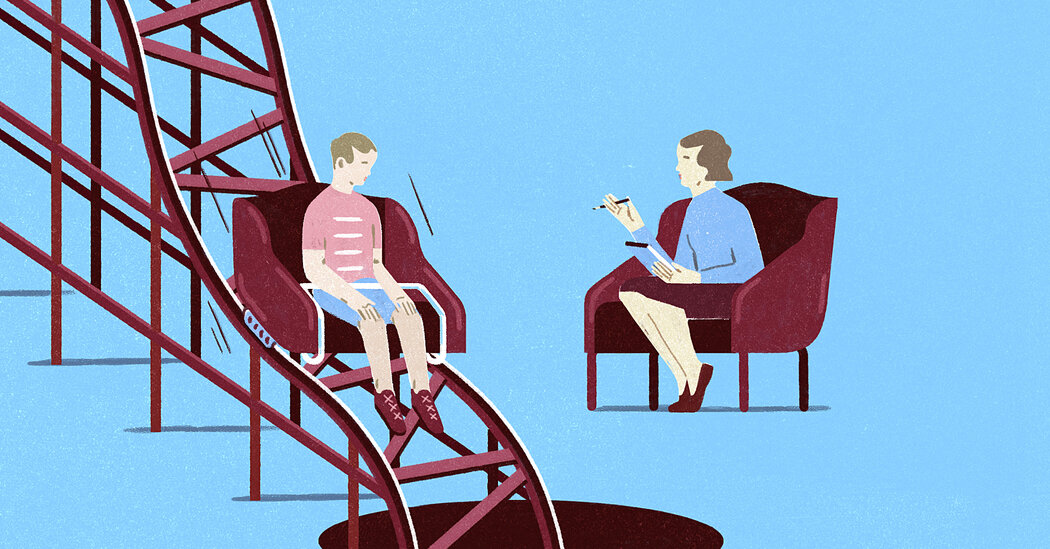
Symptoms in children may initially be mistaken for other conditions, and young people may suffer serious distress for years.I was doing research and interviews on bipolar disorder when notices appeared in my Brooklyn neighborhood about a 21-year-old man who had been missing for a week. He was described as “bipolar” and “may be experiencing a manic episode.”It took me back nearly seven decades when the state police in Texas called my father to say they had found his brother, my favorite uncle, wandering on a highway. How he got there from Brooklyn we never learned. He had apparently suffered a psychotic break and ended up in a New York State mental hospital that administered electric shock treatments but did little else to help him re-enter society effectively.Not until decades later did he receive a correct diagnosis of manic depression, now known as bipolar disorder. Characterized by extreme shifts in mood, “manic-depressive illness” was officially recognized by the American Psychiatric Association in 1952. But it would be many years before an effective treatment, the drug lithium, which acts on the brain to help stabilize debilitating episodes of severe mania and depression, was available to help my brilliant uncle resume a reasonably normal life.Bipolar disorder typically runs in families, with different members experiencing symptoms to a greater or lesser degree. If a parent has the disorder, a child’s risk can rise to 10 percent. My uncle’s only child displayed some minor behavioral characteristics of bipolar disorder, like very rapid speech and frenetic activity, but was able to complete two advanced degrees, marry, be a parent and succeed in an intellectually demanding career.Bipolar disorder is most often diagnosed in the later teen years or young adulthood, affecting some 4 percent of people at some point in their lives. But in recent decades, diagnosis of the disorder has soared in children and adolescents, although some experts believe the condition is overdiagnosed or overtreated with potent psychiatric drugs.Symptoms in children may initially be mistaken for other conditions, such as ADHD (attention deficit/hyperactivity disorder) or oppositional defiant disorder, and young people may suffer serious distress at home and in school for years. As David Miklowitz, professor of psychiatry at UCLA School of Medicine, told me, there is still “an average lag of 10 years between the onset of symptoms and getting proper treatment.”Based on studies of patients’ histories, Dr. Boris Birmaher, professor of psychiatry at the University of Pittsburgh School of Medicine, reported, “In up to 60 percent of adults with bipolar disorder, onset of mood symptoms occurred before age 20. However, pediatric bipolar disorder is often not recognized, and many youth with the disorder do not receive treatment or are treated for comorbid conditions rather than bipolar disorder.”Yet, Dr. Birmaher, who specializes in early onset bipolar disease, argues: “Pediatric bipolar disorder severely affects normal development and psychosocial functioning, and increases the risk for behavioral, academic, social and legal problems, as well as psychosis, substance abuse and suicide. The longer it takes to start appropriate treatment, the worse the adult outcomes.”With early detection, which is most likely to occur when there is a family history of bipolar disorder, some affected young people may respond well to family and behavioral therapy that obviates the need for medication, Dr. Miklowitz suggested.There is often resistance to treating children with drugs. Dr. Terence A. Ketter, retired professor of psychiatry at Stanford University, said one problem is that “faced with a bunch of badly behaved children, authorities want to give them antipsychotics to make them behave, but if they’re overtreated they can become like zombies.” In agreement with Dr. Miklowitz, he said, “On average it takes about a decade and three different doctors to get children the right diagnosis and treatment.”Another challenge to proper diagnosis and treatment stems from the boundless energy and extraordinary productivity and creativity that can accompany bouts of mania. Not until the mania reverts to severe depression or, as happened to my uncle, psychosis, might a young person with bipolar disorder be likely to receive needed medical attention.Ronald Braunstein, conductor of the Me2 Orchestra he created with Caroline Whiddon to support talented people with mental illness, recalled that he was riding a manic wave of artistic achievement in his early 20s when a crippling depression caused a professional and personal crash. Yet for decades he was not treated properly and experienced repeated cycles of great successes as a conductor followed by major failures.I asked Mr. Braunstein, now 65 and for the last 14 years finally being treated effectively for bipolar disorder, what he recalled about early signs of his mental illness.“Everything seemed off in my early teens — I didn’t feel emotionally balanced,” he said. “Things were weirder than they should have been as a teenager. My father once took me to a psychiatrist who diagnosed me as having ‘bad nerves.’”As he described one early symptom of mania, “I wanted to learn how to fly, and I thought if I ran down a hill fast enough and tilted my hands in a certain angle I would have flown. In high school I told fellow students I knew how to fly and I went to the top of a building to demonstrate. Fortunately, they talked me down.”He said, “I didn’t know what was wrong or that it could be treated.” He added that for parents of teenagers, who may have difficulty recognizing abnormal behavior in adolescents, “it’s sometimes hard to distinguish what is illness and what is normal grandiosity or normal sadness that might have been caused by a breakup with a girlfriend.”Dr. Birmaher noted that young people with bipolar disorder usually have recurring episodes of major depression, but that “depressive episodes are not necessary for making the diagnosis.” For some, mania is the primary symptom.When depression is the symptom that brings patients to professional attention, the correct diagnosis can be especially tricky. As Dr. Ketter explained, depressed individuals may be unable to recall previous episodes of mania that occurred when they were not depressed.Dr. Miklowitz said one of the first signs of bipolar disorder is “mood dysregulation — the child is angry or depressed one moment, then is excited and happy and full of ideas moments later.”He listed characteristics of mania that can help parents distinguish them from normal teenage highs and lows. The symptoms, several of which should be noticeable to other people, can include “grandiose thinking, decreased need for sleep, rapid or pressured speech and/or flight of ideas, racing thoughts, distractibility, excessive goal-driven activity, and impulsive or reckless behavior,” Dr. Miklowitz said.With depressive symptoms, he suggests looking for “an impairment in functioning — suddenly not going to school or going late, not finishing homework, sleeping through classes, a drop in grades, not wanting to eat with anyone else, talking about suicide, self-cutting.”Depending on the severity of a child’s impairment, if nonlife-threatening symptoms are caught in the early teens, Dr. Miklowitz said it may be possible to start with psychotherapy and avoid medication, which has side effects. “But if the child’s life is at risk, if he can’t function at home or at school, medication may be the answer,” he said. “There are risks to not medicating.”When medication is necessary, he said, the dosage should be just high enough to control symptoms and not be overly sedating.

Read more →

Colon Cancer Rising in Young Adults, Linked to Sugary Drinks

As consumption of sugar-laden drinks rose in the 1980s and ’90s, so did colorectal cancer rates among younger adults, a study in nurses found.Colon and rectal cancers are rising in younger adults, though researchers aren’t sure why. A new study of women and diet suggests that sugar-sweetened drinks may play a role.Rates of colorectal cancer in people under 50 have increased sharply in recent years. Compared with people born around 1950, those born around 1990 have twice the risk for colon cancer and four times the risk for rectal cancer.While sales of sugar-sweetened drinks have been decreasing in recent years, the percentage of calories consumed in sugary drinks rose dramatically between 1977 and 2001. During those years, the figure rose from 5.1 percent of total calories consumed to 12.3 percent among 19- to 39-year-olds, and from 4.8 percent to 10.3 percent among children 18 and under. By 2014 those figures had dropped, but 7 percent of calories consumed by Americans overall were still from sugary drinks.The new study, published in the medical journal Gut, examined the link between colorectal cancer and sweet drinks in 94,464 female registered nurses who were enrolled in a long-term prospective health study between 1991 and 2015, when they were 25 to 42 years old. They also looked at a subset of 41,272 nurses who reported their intake of sugary drinks at ages 13 to 18.The study included intakes of soft drinks, sports drinks and sweetened teas. The researchers also recorded fruit-juice consumption — apple, orange, grapefruit, prune and others.Over an average 24 years of follow-up, they found 109 cases of colorectal cancer among the nurses (the absolute risk for colon cancer in younger people is still small). But compared with women who averaged less than one eight-ounce serving of sugar-sweetened drinks a week, those who drank two or more had more than double the relative risk for the disease. Each additional serving of sweet drinks increased the risk by 16 percent. A serving a day in adolescence was linked to a 32 percent higher risk, and replacing sugary drinks with coffee or reduced-fat milk led to a 17 to 36 percent relative risk reduction. (They had no data on coffee sweetened with sugar.)“I was really interested to see that the study was on women,” said Caroline H. Johnson, an epidemiologist at the Yale School of Public Health who has published widely on the environmental risks for colon cancer but was not involved in this work. “The focus has mostly been on males. It will be interesting to see if it’s confirmed in men.”There was no association of the consumption of fruit juice or artificially sweetened drinks with early-onset colorectal cancer. The analysis controlled for various factors that can affect colon cancer risk, including race, B.M.I., menopausal hormone use, smoking, alcohol consumption and physical activity.The study showed only an association, so could not prove cause and effect. But Nour Makarem, an assistant professor of epidemiology at the Columbia Mailman School of Public Health who was not involved in the research, said, “This is robust evidence, novel evidence that higher intakes of soda are involved in a higher risk for colorectal cancer. We know that sugar-sweetened beverages have been linked to weight gain, glucose dysregulation and so on, which are also risk factors. So there’s a plausible mechanism that underlies these relationships.”The senior author of the study, Yin Cao, an associate professor of surgery at the Washington University School of Medicine in St. Louis, said that metabolic problems, such as insulin resistance and high cholesterol, as well as inflammation in the gut could play a larger role as a cause of cancer in the younger population than in older people, but that the exact potential mechanisms have not yet been pinpointed.“One hypothesis is that increased weight gain is causing the increase in risk,” she said, “but we controlled for obesity. Still, it might be one of the things contributing. In studies in mice, high fructose corn syrup has been found to contribute to cancer risk independent of obesity.“This is the first time sugar-sweetened beverages have been linked to early-onset colorectal cancer,” she continued, “and this study still needs to be replicated. But researchers and clinicians should be aware of this largely ignored risk factor for cancer at younger ages. This is an opportunity to revisit policies about how sugar-sweetened beverages are marketed, and how we can help reduce consumption.”

Read more →

Indonesia faces oxygen crisis amid worsening Covid surge

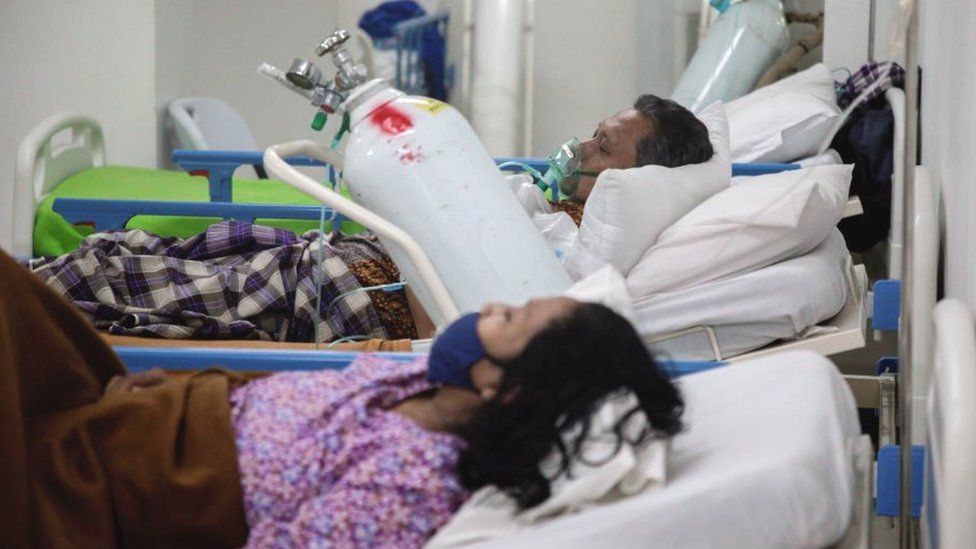
SharecloseShare pageCopy linkAbout sharingimage copyrightGetty ImagesIndonesia’s government has ordered producers to prioritise medical oxygen as it battles a Covid surge and a shortage of oxygen in a number cities.Hospitals say they have almost exhausted supplies, with one reporting that 63 patients died as a result of oxygen shortages. Indonesia is recording more than 25,000 new cases every day.Increased travel and the highly contagious Delta variant have exacerbated the crisis.Indonesia has had the worst Covid outbreak in South East Asia, with about 2.3 million positive cases and more than 60,000 deaths so far.Indonesia announces Covid lockdown as cases surgeReused Covid nose swab scam busted at airportHowever, experts warn that the overall numbers are potentially much higher because of severely inadequate testing outside the capital Jakarta.A lockdown was announced on the country’s main island Java, as well as in the tourist island of Bali last week.’A war-like emergency’On Monday, two hospitals in the city of Bandung announced that they had run out of oxygen, and had to reject new patients seeking emergency treatment. Over the weekend, emergency services and intensive care units of public hospitals in the cities of Bandung, Surakarta, and Pamekasan said they were struggling with an influx of people seeking admission with some having to turn away patients.Others have set up tents outside. “It’s a war-like emergency,” a woman seeking treatment for her elderly mother told the BBC’s Indonesian service. Her mother had first been rejected at a hospital that had run out of beds, and was only able to get admitted to a makeshift tent at another one.image copyrightGetty ImagesIn the Regional General Hospital (RSUD) in Bandung, the emergency room was closed for Covid patients as of 2 July, with the lack of oxygen being one of the reasons. “Four days ago, there was shortage of oxygen supply from distributors and vendors,” hospital head Mulyadi told the BBC on the weekend. “So four days ago, I tried to make the use of oxygen more efficient.”He added that producers are struggling to meet the increased demand from hospitals.”Every day a lot of people come, 10 to 15 Covid-19 patients, there are a lot of queues,” doctor Syaiful Hidayat at the Smart Pamekasan Hospital told the BBC. The pulmonary specialist says they initially set up an emergency tent for Covid patients but were later forced to turn some patients away. image copyrightGetty ImagesHealth ministry official Siti Nadia Tarmizi said they had asked the gas industry to step up production of medical oxygen, and appealed to people not to hoard.”We hope people don’t stock up on oxygen,” she said, adding that this would only worsen the shortage for others. Her comments come as people have been trying to privately secure oxygen cylinders to treat patients at home. New cylinders ands refills are hard to come by, and prices have doubled because of high demand. ‘The edge of a catastrophe’In Jakarta, the daily number of funerals following Covid protocols jumped 10-fold since early May, the government said on Sunday. There is also a high number of infections and deaths among the country’s medical frontline workers, despite most of them being vaccinated.The country is mostly relying on the Chinese Sinovac jabs and experts are now considering giving a third dose to boost efficacy against the new Delta variant.The International Federation of Red Cross and Red Crescent Societies said last week that the country was “teetering on the edge of a Covid-19 catastrophe”.Meanwhile, starting Tuesday, Indonesia will change entry rules for foreign visitors, only allowing in fully vaccinated people who present a negative Covid test, the authorities said.Incoming visitors will still have to spend eight days in quarantine upon arrival.

Read more →