Anti-androgen therapy can fuel spread of bone tumors in advanced prostate cancer

Dr Bock, under the mentorship of Distinguished Professor Dietmar Hutmacher, from QUT Centre for Biomedical Technologies, has focused her research on bone metastases from breast and prostate cancers.
She developed 3D miniature bone-like tissue models in which 3D printed biomimetic scaffolds are seeded with patient-derived bone cells and tumour cells to be used as clinical and preclinical drug testing tools.
The research team investigated their hypothesis that traditional anti-androgen therapy had limited effect in the microenvironment of prostate cancer bone tumours. The team’s findings are published in Science Advances.
“We wanted to see if the therapy could be a contributor of cancer cells’ adaptive responses that fuelled bone metastasis,” Professor Hutmacher said.
“We developed an all-human, microtissue-engineered model of metastatic tissue using human bone-forming cells, prostate cancer cells and 3D printing.”
Cancer biologist Distinguished Professor Judith Clements said the team bioengineered the microenvironment of a bone tumour to assess the effects of two clinically routinely used anti-androgen therapies — enzalutamide and bicalutamide — on the tumour cells.

Read more →

How vaccine-induced immune thrombotic thrombocytopenia (VITT) happens

A McMaster University team of researchers recently discovered how, exactly, the COVID-19 vaccines that use adenovirus vectors trigger a rare but sometimes fatal blood clotting reaction called vaccine-induced immune thrombotic thrombocytopenia or VITT.
The findings will put scientists on the path of finding a way to better diagnose and treat VITT, possibly prevent it and potentially make vaccines safer.
The researchers’ article was fast-tracked for publication today by the journal Nature in its accelerated article preview because of the importance of the research.
“Our work also answers important questions about the connection between antibodies and clotting,” said Ishac Nazy, principal investigator and corresponding author of the study. He added it will have both diagnostic and therapeutic implications.
Nazy is the scientific director of the McMaster Platelet Immunology Laboratory and an associate professor of medicine for the Michael G. DeGroote School of Medicine at McMaster.
The COVID-19 vaccines using adenoviral vectors, such as those from AstraZeneca and Johnson and Johnson, are associated with the VITT clotting disorder caused by unusual antibodies to blood platelets that are triggered by the vaccine.

Read more →

Study reveals how our immune system reacts to COVID-19 variants

Australian scientists researching how our immune system responds to COVID-19 have revealed that those infected by early variants in 2020 produced sustained antibodies, however, these antibodies are not as effective against contemporary variants of the virus.
The research is one of the world’s most comprehensive studies of the immune response against COVID-19 infection. It suggests vaccination is more effective than the body’s natural immune response following infection and shows the need to invest in new vaccine designs to keep pace with emerging COVID variants.
Published today in PLOS Medicine, the study was made possible by a partnership between the University of Sydney, Kids Research, Sydney Children’s Hospitals Network, the Kirby Institute at UNSW Sydney, Australian Red Cross Lifeblood, St Vincent’s Hospital and NSW Health Pathology, as well as other local and international collaborators.
The team analysed the serum of 233 individuals diagnosed with COVID-19 over 7 months and uncovered that the level of immunity over time is dependent on disease severity and the viral variant. They show that antibodies developed during the first wave had reduced effectiveness against six variants, ranging from those observed in the second wave in Australia through to three variants of concern that have driven the global pandemic in the UK, Brazil and South Africa.
How do we study the immune response?
The serum of COVID-19 infected individuals was of interest as it is the part of our blood that contains crucial information about our immune system. Analysis of the serum made it possible to create a detailed timeline of the level of ‘neutralising antibodies’ produced against COVID-19 infection, and so to see if there was long-term immunity.

Read more →

Mucus and mucins may become the medicine of the future

Many people instinctively associate mucus with something disgusting, but in fact, it has incredibly many valuable functions for our health. It keeps track of our important intestinal flora and feeds the bacteria. It covers all internal surfaces of our body, and, as a barrier to the outside world, it helps us protect ourselves from infectious diseases.
This is because mucus acts as a filter that keeps the bacteria in or out, and the bacteria feed on the sugars in the mucus between meals. So, if we can produce the mucus that is already present in the body with the right sugars, it might be used in brand new medical treatments.
Now, researchers from the DNRF Centre of Excellence, Copenhagen Center for Glycomics, have discovered how to artificially produce the healthy mucus.
‘We have developed a method for producing the important information found in human mucus, also called mucins, with their important sugars. Now, we show that it is possible to artificially produce it in the same way as we produce other therapeutic biologics today, such as antibodies and other biological medicine’, says Professor Henrik Clausen, lead author of the study and Director of the Copenhagen Center for Glycomics.
The mucus, or mucins, consist mostly of sugars. In the study, the researchers show that it is actually special patterns of sugars on the mucins that the bacteria recognise.
‘It is the body’s way of selecting the good bacteria and deselecting those that cause diseases. And it is precisely the sugars in the mucus that we are now able to design as needed’, says first author of the study, Ph.D. student Rebecca Nason.

Read more →

Fitbits Detect Lasting Changes After Covid-19

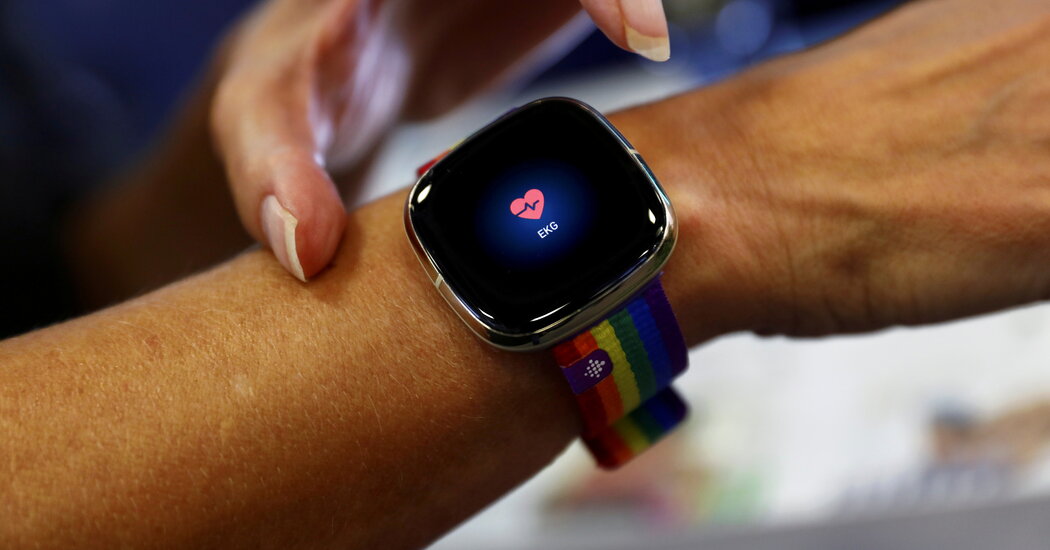
Some people recovering from a coronavirus infection had an elevated heart rate for months, according to a new study.Last spring, when the nation’s Covid-19 cases were soaring and tests were in short supply, some scientists wondered whether a new approach to disease surveillance might be on Americans’ wrists.One in five Americans uses a Fitbit, Apple Watch or other wearable fitness tracker. And over the past year, several studies have suggested that the devices — which can continually collect data on heart rates, body temperature, physical activity and more — could help detect early signs of Covid-19 symptoms.Now, research suggests that these wearables can also help track patients’ recovery from the disease, providing insight into its long-term effects.In a paper published on Wednesday in the journal JAMA Network Open, researchers studying Fitbit data reported that people who tested positive for Covid-19 displayed behavioral and physiological changes, including an elevated heart rate, that could last for weeks or months. These symptoms lasted longer in people with Covid than in those with other respiratory illnesses, the scientists found.“This was an interesting study, and I think it’s important,” said Dr. Robert Hirten, a gastroenterologist and wearables expert at the Icahn School of Medicine at Mount Sinai who was not involved in the new work. “Wearable devices offer an ability for us to be able to monitor people unobtrusively over long periods of time to see in an objective way — how really has the virus affected them?”The results are from the Digital Engagement and Tracking for Early Control and Treatment (DETECT) trial run by scientists at the Scripps Research Translational Institute in La Jolla, Calif. From March 25, 2020 to Jan. 24, 2021, more than 37,000 people enrolled in the trial.Participants downloaded the MyDataHelps research app and agreed to share data from their Fitbit, Apple Watch or other wearable device. They also used the app to report illness symptoms and the results of any Covid-19 tests.In October, the same researchers reported in Nature Medicine that when they combined wearable data with self-reported symptoms, they could detect Covid-19 cases more accurately than when they analyzed symptoms alone.But the data, the researchers realized, could also help them track what happened to people after the worst of the illness had passed. People recovering from Covid have reported a wide range of lasting health effects, including fatigue, “brain fog,” shortness of breath, headache, depression, heart palpitations and chest pain. (These lingering effects are often known as long Covid.)The new study focuses on a subset of 875 Fitbit-wearing participants who reported a fever, cough, body aches or other symptoms of a respiratory illness and were tested for Covid-19. Of those, 234 people tested positive for the disease. The rest were presumed to have other kinds of infections.The Scripps Research DETECT trial, which collects data from volunteers’ Fitbits, enrolled more than 37,000 people.Gregory Bull/Associated PressParticipants in both groups slept more and walked less after they got sick, and their resting heart rates rose. But these changes were more pronounced in people with Covid-19. “There was a much larger change in resting heart rate for individuals who had Covid compared to other viral infections,” said Jennifer Radin, an epidemiologist at Scripps who leads the DETECT trial. “We also have a much more drastic change in steps and sleep.”The scientists also found that about nine days after participants with Covid first began reporting symptoms, their heart rates dropped. After this dip, which was not observed in those with other illnesses, their heart rates rose again and remained elevated for months. It took 79 days, on average, for their resting heart rates to return to normal, compared with just four days for those in the non-Covid group.This prolonged heart rate elevation may be a sign that Covid-19 disrupts the autonomic nervous system, which regulates basic physiological processes. The heart palpitations and dizziness reported by many people who are recovering from Covid may be symptoms of this disruption.“Lots of people who get Covid end up getting autonomic dysfunction and a kind of ongoing inflammation, and this may adversely affect their body’s ability to regulate their pulse,” Dr. Radin said.Sleep and physical activity levels also returned to baseline more slowly in those with Covid-19 compared to those with other ailments, Dr. Radin and her colleagues found.The researchers identified a small subset of people with Covid whose heart rates remained more than five beats per minute above normal one to two months after infection. Nearly 14 percent of those with the disease fell into this category, and their heart rates did not return to normal for more than 133 days, on average.These participants were also significantly more likely to report having had a cough, shortness of breath and body aches during the acute phase of their illness than did other Covid patients.One limitation of the study is that it did not ask participants to continue reporting their symptoms in the weeks and months after they first fell ill. But the scientists are planning to ask volunteers to do that in future research.“We want to kind of do a better job of collecting long-term symptoms so we can compare the physiological changes that we’re seeing with symptoms that participants are actually experiencing,” Dr. Radin said. “So this is really a preliminary study that opens up many other studies down the road.”In February, the National Institutes of Health announced that it would provide $1.15 billion over the next four years to fund research on long Covid. The new study highlights the role that wearables could play in that research, Dr. Hirten said: “Combining these sort of techniques with other studies that are being done looking at this issue of long-term symptoms could really offer a nice objective insight into what’s going on with people.”

Read more →

Time Is Running Out to Get U.S. Students Vaccinated by Fall

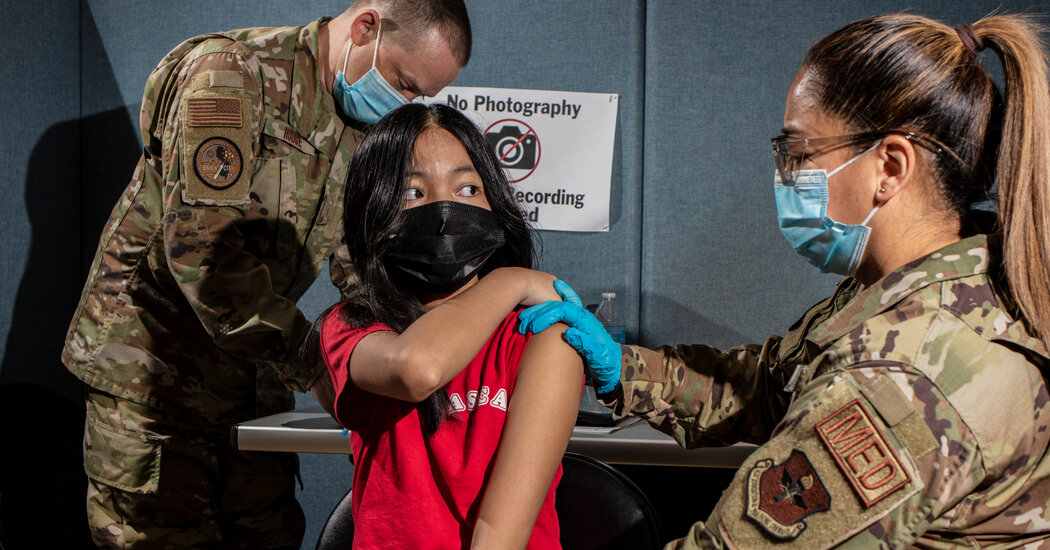
School may still seem blissfully far off for American students in the midst of summer. But for many who are eligible, time may be running out for a back-to-school necessity: getting fully vaccinated against the coronavirus before classes resume.Many of the country’s more than 13,000 districts, especially in the South and Southwest, plan to start the 2021-22 school year well before Labor Day. Completing a course of Pfizer-BioNTech’s vaccine, the only vaccine now federally authorized for 12- to 17-year-olds, takes at least five weeks for the two shots to be administered and full protection to be reached. In many of those early-starting districts, students would need to get their first dose in the next few days to be fully immune in time.In the Hamilton County School District in Tennessee, the first day of school is scheduled for Aug. 12. Counting back from then, students would have to get their first shot no later than Thursday to be fully protected by opening day.Cody Patterson, a spokesman for the district, which encompasses Chattanooga and serves 45,000 students, said that while vaccinations are not mandatory for the new school year, the district was making clear to parents “that we believe vaccination is a key strategy to keeping school open.”Mr. Patterson said that individual schools in the district would probably accommodate students case by case if they are worried about finishing their vaccinations.Schools across the country closed and switched to online instruction when the pandemic took hold last year. But as the pandemic wore on, research showed that elementary and secondary schools were not major drivers of infection.Colleges are another matter, with a number of outbreaks seen on campuses. Many colleges (along with some private secondary schools) are requiring vaccinations for students to attend in person this fall. It’s harder for public middle and high schools to do that, for legal and other reasons, and a spokesman for the American Federation of Teachers said the union was not aware of any U.S. school district that is mandating vaccinations.It has only been since May that any vaccine was available for 12- to 15-year-olds in the United States. In many states, teenagers need parental consent to be vaccinated. No vaccine has yet been authorized for children under 12.Michael Poore, the superintendent of the Little Rock School District in Arkansas, said that the district had contacted parents, worked with local health authorities and done extensive outreach on local and social media to persuade students and their parents to get a vaccine.The district also ran vaccination events at its 11 middle and high schools, he said, but only 300 to 400 of the district’s roughly 11,000 eligible students got shots at the events.School in Little Rock starts on Aug. 16, so to be fully protected by then, students would have to get their first dose by Monday.“We’re really going to push the vaccines in August,” Mr. Poore said, “because if you haven’t had the shot and you’re in close proximity to someone who has the virus, you’re going to have to be quarantined.”It is already too late for not-yet-vaccinated students to get fully protected before school starts in some places, like the Chandler Unified School District in Arizona, which reopens July 21.Kimberly Guevara, a district spokeswoman, said the district had informed parents when the vaccine was authorized for teenagers and told them how to get a shot, but “we’re not going to force vaccinations on students.”Ms. Guevara said she and the eligible members of her family got vaccinated as soon as they could.

Read more →

Slow-Wheeling to the Sea

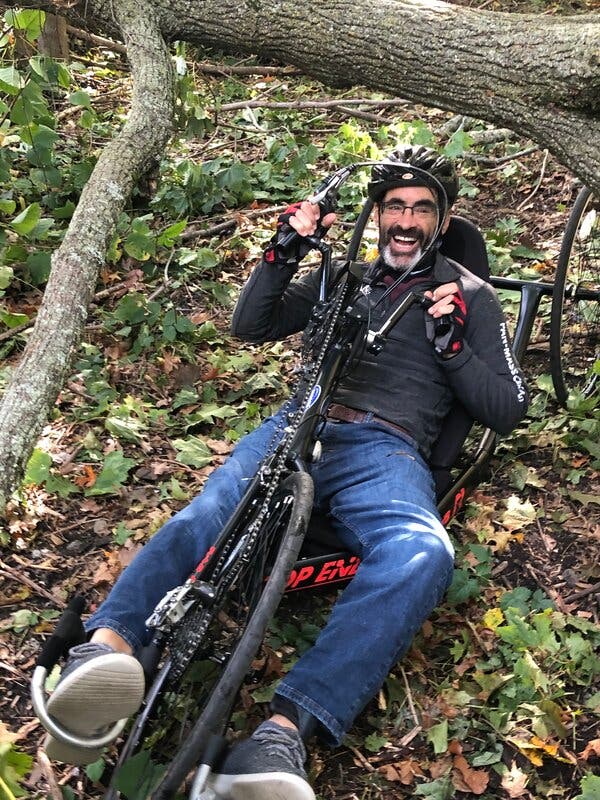
Using a hand-powered recumbent trike, the disabled author retraces the 35 miles of a pioneering cycling tour of Boston’s North Shore taken more than a century ago.“People will look,” warned Minna Caroline Smith in Lapham’s Quarterly about her pioneering tricycling touring of the coastal North Shore in eastern Massachusetts. It wasn’t just that the self-powered adult tricycles were novel, but so, too, were the women riding them. It was 1885.The gender shock may now be gone but as the only person steering a tricycle on the same roads a century plus later, I knew exactly what the incisive Smith meant. My weekend travel convenience, a low-riding recumbent trike powered by hands instead of feet, was arguably even more attention-getting. This was a first try at adaptive bike touring. After a lifetime of riding around the world, I was changing to a hand cycle after spine cancer and a complication that left my legs partially paralyzed.The author, Todd Balf, pedaled beneath a storm-tossed tree on the route. His low-riding recumbent tricycle is powered by hands instead of feet.Neil StantonI had hesitated initially, aware of how low-riding would look. When I finally flipped the mental switch, I went all in. In the ultralight, performance trike I had rented from a shop called Northeast Passage in Durham, N.H., I was supine with my legs suspended in aluminum stirrups as if stretched on a low chaise longue with my head and upper torso propped up with a back-cradling husband pillow. The pedal hand grips were eye level, the black cranks and silver chain whirring around in front of me like a hamster wheel. A long pole with blinking LED lights and an orange flag trailed behind me to alert the rest of the world to notice me.In 2019, the author traveled over the then-crumbling Saugus River footbridge with the help of cycling friends. Tony Cenicola/The New York TimesCycling the coastal North ShoreIn two days retracing Smith’s 35-mile route from Malden Center to Cape Ann, I had kids gush at me and my curious rig, and young adults clandestinely stick their iPhones out car windows to catch me on video. One person whooped so unreservedly it shattered the village quiet in Manchester by the Sea.“Do you fall asleep in that thing?” an older man in the Magnolia section of Gloucester asked covetously. At Manchester’s Singing Beach, a motorist complained I was hard to see and offered a safety suggestion. “You should go find a track somewhere,” he said.I was glad to be riding again. I identified with the 19th-century Smith, not as a freethinking crusader exactly, but as part of the disenfranchised — a disabled man trying to join able-bodied fun. I felt a tie. Our modern, mixed-gender, middle-aged party consisted of six riders: a few experienced cyclists, others first timers. My wife Patty used a pedal assist e-bike, the rest standard issue road bikes. The vibe would be low key; there was no need to rush.Boston’s North Shore has always been a premier cycling destination. “In and Around Cape Ann,” a popular wheelman’s guidebook published in the 1880s, lauded the views from the largely well-tended and graded dirt lanes. In 1898, in the heyday of the pre-car bike riding mania, a Boston newspaper printed a lavishly illustrated map of our bike touring route, devoting hand-drawn individual panels to snapshots of bridges, churches, elm tree-shaded gateways and signature offshore views.The gathering point, above, for the start of the route retracing a pioneering cycling tour taken more than a century ago,Tony Cenicola/The New York TimesThe modern route’s start was no Currier & Ives postcard — a bustling Route 60 fronted our suburban hockey rink parking lot gathering point. But minutes later the automotive tumult disappeared as we set out on the Northern Strand Trail, an eight-mile, newly constructed rail trail through Everett, Malden, Revere, Saugus and coastal Lynn. The trail is also part of the East Coast Greenway, a partially completed 3,000-mile bike and pedestrian network linking towns and cities from Key West, Fla., to Calais, Maine.The wide, well-marked trail was a revelation, creatively bordered with community gardens, vibrant murals, public sculpture and assorted green spaces and sprawling salt marshes. The road surface began with pavement then continued on gravel and dirt (since our Northern Strand ride in 2019 there have been several trail improvements, including a handsome new bridge across the Saugus River, and pavement throughout.)We traversed on the trail beneath the Route 1 overpass and around the Revere Showcase cinemas. All of us, lifetime New Englanders and some living only a handful of miles away, kept saying some variation of the same thing: We had no idea any of this was here.In Revere, Mass., the author and his cycling friends traversed on the trail beneath the Route 1 overpass.Tony Cenicola/The New York TimesThe Rumney Marsh Reservation, a gorgeous 600-acre salt marsh bordering the trail and spanning parts of Saugus and Revere, would have sent Smith’s poetic heart soaring. Only five miles from downtown Boston, the habitat was a stopover for migratory birds and a permanent hangout for majestic tidal giants like great blue herons, one of which we saw flying overhead.

Read more →

A Young Naturalist Inspires With Joy, Not Doom

At 17, Dara McAnulty is becoming one of Britain’s most acclaimed nature writers, with work that touches on his autism as much as the world around his home.MONEYDARRAGH, Northern Ireland — While he carefully stepped from one moss-carpeted rock to another, Dara McAnulty outlined his rules for nature watching.

Read more →

How Weight Training May Help With Weight Control

People who regularly do muscle-strengthening exercises are about 20 to 30 percent less likely to become obese over time than people who do not.Lifting weights a few times a week might help us stave off obesity, according to an interesting new study of resistance exercise and body fat. It shows that people who regularly complete muscle-strengthening exercises of any kind are about 20 to 30 percent less likely to become obese over time than people who do not, whether they also work out aerobically or not.The findings indicate that weight training could be more consequential for weight control than many of us might expect, and a little lifting now may keep us lighter, later.The incidence of obesity in America is rising, with about 40 percent of adults currently meeting the standard criteria for obesity. That number is expected to increase to more than 50 percent by the end of this decade.Unfortunately, few of us will drop any added pounds, long term, once we gain them. Most people who shed more than about 5 percent of their body weight regain it within five years.The most effective way to deal with obesity, then, is probably to prevent it. And regular exercise can help in that regard. Many studies show that people who often walk, jog, cycle, swim or otherwise work out aerobically tend to gain less weight with age than sedentary people and are at lower risk of becoming obese.But far less has been known about whether weight training likewise influences weight. Some past research hints that resistance training helps people retain muscle mass while people are trying to lose weight. But whether it might also check long-term weight gain and avert obesity has not been clear.So, for the new study, which was published in June in PLOS Medicine, researchers at Iowa State University in Ames, Iowa, and other institutions, decided to look into the relationship, if any, between weights and waistlines. They began by turning to the large and useful database compiled for the Aerobics Center Longitudinal Study, a famous undertaking that had tracked the medical, health and fitness status of tens of thousands of patients who visited the Cooper Clinic in Dallas between 1987 and 2005. The men and women had gone through extensive testing during repeated visits to the clinic over the years.Now, the Iowa researchers pulled the records for almost 12,000 of the participants, most of them middle-aged. None of them was obese, based on their B.M.I., when they first joined the Aerobics Center study. (B.M.I., or body mass index, indirectly estimates body fat, based on your height and weight. You can check yours online here.)These particular men and women had completed the typical array of health and fitness measurements during their visits to the clinic and also filled out an exercise questionnaire that asked, among other issues, about weight training. Did they ever engage in “muscle-strengthening exercises,” it inquired, and if so, how often and for how many minutes each week?The researchers then began crosschecking, comparing people’s weights and other measurements from one clinic visit to the next. Based on B.M.I., about 7 percent of the men and women had become obese within about six years of their first visit to the clinic.But B.M.I. is a loose approximation of body composition and not always an accurate measure of obesity. So the researchers also checked changes to people’s waist circumferences and their body-fat percentage to determine if they had become obese. By the yardsticks of a waist circumference greater than 40 inches for men and 35 for women, or a body-fat percentage above 25 percent for men and 30 percent for women, as many as 19 percent of participants developed obesity over the years.Weight lifting, however, changed those outcomes, the researchers found, substantially lowering the risk that someone would become obese, by any measure. Men and women who reported strengthening their muscles a few times a week, for a weekly total of one to two hours, were about 20 percent less likely to become obese over the years, based on B.M.I., and about 30 percent less likely, based on waist circumference or body-fat percentage.The benefits remained when the researchers controlled for age, sex, smoking, general health and aerobic exercise. People who worked out aerobically and lifted weights were much less likely to become obese. But so were those who lifted almost exclusively and reported little, if any, aerobic exercise.The results suggest that “you can get a lot of benefit from even a little” weight training, says Angelique Brellenthin, a professor of kinesiology at Iowa State, who led the new study.Of course, the study was observational and does not prove that resistance training prevents weight gain, only that they are linked. It also did not consider people’s diets, genetics or health attitudes, any of which could affect obesity risk.Perhaps most important, it does not tell us how muscle strengthening influences weight, although it is likely that resistance training builds and maintains muscle mass, Dr. Brellenthin says. A metabolically active tissue, muscle burns calories and slightly increases our metabolic rate. Interestingly, the desirable effect of adding muscle mass may also explain why fewer lifters avoided obesity when the researchers used B.M.I. as a measure. B.M.I. does not differentiate muscle from fat, Dr. Brellenthin points out. If you add muscle with weight training, your B.M.I. can rise.Still, the primary message of the study is that some weight training likely helps, over time, with weight control. “So, my advice would be to fit in a few body weight exercises before or after your usual daily walk,” Dr. Brellenthin suggests. Or join a gym or an online class. Or try one of Well’s easy, at-home resistance-training routines, like the 7-Minute Standing Workout.

Read more →

How to Support Adult Children Struggling With Mental Health

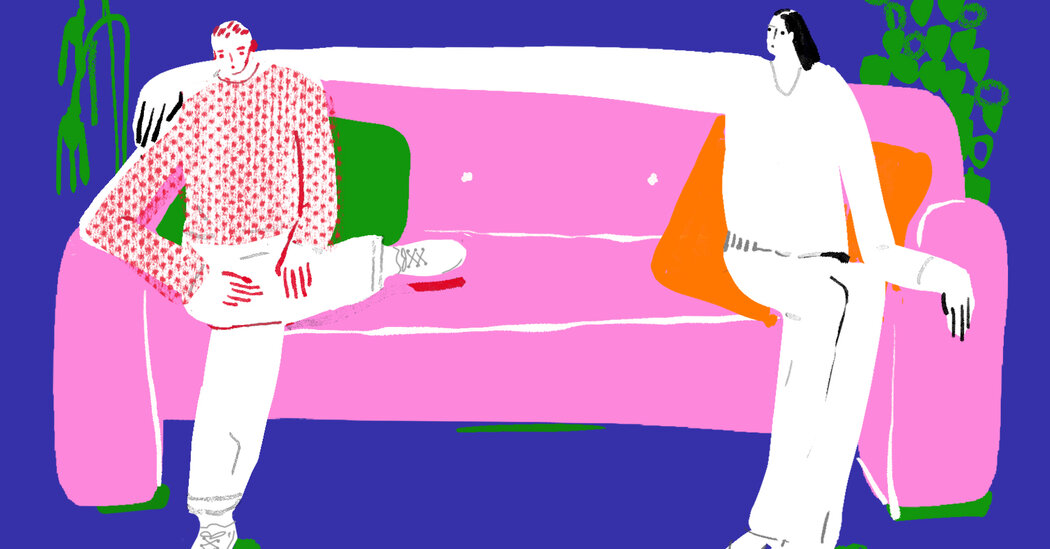
Expert advice on how to gently offer help and compassion.Katie Bradeen of Colorado Springs, Colo., began to worry about her 20-year-old son, Ryan, when he came home for Christmas break of 2020. She said he had a “gray demeanor” and “he seemed to be in slow motion.”Though Mr. Bradeen was on campus for his sophomore year of college, the social distancing and virtual classes during the pandemic were challenging, especially for him as a theater major. The winter of 2021 “was even more difficult and excruciating than the fall 2020 semester,” he said.His mother didn’t think he’d be open to a face-to face conversation, so she left a note on his pillow, written on pink heart stationery. She said she wouldn’t pry, but was “available to listen anytime he wants.” Mr. Bradeen said that he had been wanting to get counseling for a while but his mom’s raising the issue made him feel he had the “thumbs up.” He started therapy early in 2021, and his mother said she can already see the difference; there’s “more laughter and jokes, less grumpiness.”Many parents like Ms. Bradeen were navigating the sticky territory of how to help young adults with mental health issues long before Covid-19. But the pandemic brought greater challenges, taxing already-vulnerable young adults even more.Data from May 26 to June 7 from the Centers for Diseases Control and Prevention’s Household Pulse Survey shows that 43.6 percent of adults 18 to 29 experienced symptoms of an anxiety or depressive disorder in the previous seven days. The National Center for Health Statistics partnered with the Census Bureau on the survey questions, which are based on self-reporting and are not a clinical diagnosis; the data are weighted to be nationally representative.The American Psychological Association’s 2020 Stress in America survey found that 34 percent of those 18 to 23 said their mental health has worsened compared with before the pandemic, a number higher than any other generation. Risa Garon, a licensed clinical social worker in Silver Spring, Md., and executive director of the National Family Resiliency Center, has seen in her practice that the pandemic has caused many young adults to lose “the rhythm of living,” she said.Even before the pandemic, many young people struggled with major student loan debt, overall economic uncertainties and unrealistic expectations of success from social media, Ms. Garon said. Then Covid-19 hit, with its mandated isolation disrupting friendships and romantic relationships. It doesn’t always go as well as it did for Ms. Bradeen and her son. Ms. Garon said it can be common for adult children in her practice to brush off a parent’s suggestion that they need help.David Palmiter, a professor at Marywood University with a private practice in Clarks Summit, Pa., and author of the book “Working Parents, Thriving Families: 10 Strategies That Make a Difference,” said that if a parent tries to intervene the wrong way, it could “drive a wedge in the relationship with the child.” But there are effective strategies that can at least open the door to a young adult receiving help if parents see signs that their child is struggling.If children aren’t local, Dr. Palmiter said, parents could arrange a weekly phone call or FaceTime and wait to establish that connection before broaching the subject of getting help.Ms. Garon said that if parents fear that a young adult may be suicidal or likely to harm others, it would be appropriate to act immediately and call 9-1-1.Show empathy.Parents should avoid the temptation to lecture, which comes across as criticism and may shut down communication, Dr. Palmiter said. Instead, he suggested a sequence he called “pain, empathy, question.” Start by asking questions that help parents understand how the young adult is hurting, with language like: “How’s your mood these days? You’re doing so much.”The next step, empathy, can promote more open sharing. If a child complains that their boss is yelling at them all the time, don’t step in and try to problem solve. Instead, say, “It’s terrible to go into work and be yelled at when you’re working as hard as you are. I’m sorry you’re experiencing that.” Then the parent can raise the issue of getting support.If this does not lead to a child being more open to help, he said don’t fight it. Instead say, “If you ever change your mind, I’d be happy to partner with you in thinking about possible solutions.”Laura Dollinger, of Beaver, Pa., tried this approach. She began to worry about the mental state of her daughter Emily after two distressing events: the breakup with her boyfriend in November of 2018 and the loss of one of her best friends in a car accident in February 2019. A straight-A student, Emily, now 19, said that she began to push “people away, slept a lot, skipped classes, and made friends with people who filled their own voids with unhealthy things.” Concerned about her daughter, Ms. Dollinger got a recommendation for a good therapist.“My mom presented it in a nonthreatening way; I knew she cared about me and loved me,” Emily Dollinger said. She took the recommendation and said her counselor helped her to develop healthy coping skills, which she used in dealing with a recent breakup. The difference therapy made “was night and day,” Laura Dollinger said.Mirean Coleman, a clinical manager for the National Association of Social Workers with a private practice in Washington, D.C., agrees that normalizing the situation is key; tell your child that many people struggle with their mental health and that it often helps to talk to someone about how they’re feeling. “Let them know that you will be with them every step of the way” and help them get to a better place, she said.Ms. Garon encourages her young adult patients to approach treatment of mental health just as they would a physical ailment. Conveying the message that mental health issues are similarly treatable provides a “sense of hope.”Offer help gently.If a young adult is willing to seek treatment and can’t afford it, Ms. Garon said parents who can afford to help should offer to pay with sensitivity. Ms. Garon suggests saying something like: “We want to help. We know payment may be an issue. We don’t want that to be an obstacle.” She said it’s also important to respect young adults’ choice of treatment and medications.Dr. Palmiter said for most circumstances with young adults, “Parents would do well to realize that they may ultimately have limited control.”That was something Kelly Kerlin of Greenwood, Minn., came to understand. When her daughter Hayley, now 25, began to lose a significant amount of weight in 2015, she felt it was a way for her to have control in her life. “I was in an abusive relationship, so I felt like food and my body were two things I had control over when everything else felt chaotic and overwhelming,” Hayley Kerlin said.When her mother realized it was an eating disorder and suggested she get treatment, the younger Ms. Kerlin initially balked. A year later, when she was so exhausted that she couldn’t fulfill her duties working at a restaurant, she checked herself into a residential eating disorder treatment center. Her mother recalled her saying, “I’m too thin. I don’t like what I look like and I don’t want to die.”Even though she didn’t immediately follow her mother’s advice, Hayley Kerlin said that when she sought treatment, “I do feel like it helped to have my mom’s support.”Seeking treatment is a huge step, she said, so parents should continue to be encouraging, be respectful and “give your young adult space to work through their experiences on their own terms.” Hayley Kerlin also suggests parents consider seeking therapy for themselves to help navigate these complex situations.Ms. Kerlin completed treatment just over three years ago and said she’s doing well and will be starting a program to earn her master’s degree in education in the fall.Even though seeking help as a young adult can be scary, she said it’s important to not be afraid to reach out to friends or family members so you don’t go through it alone. “Mental illness tends to thrive in secret,” she said. So telling somebody “can take a huge weight off your shoulders.” Though she was initially scared to seek help, “it ended up being one of the best decisions I’ve ever made.”Mental Health Resources:National Suicide Prevention Lifeline, 1-800-273-8255 (TALK) provides free, 24/7 support and crisis resources for those in distress.Crisis Text Line: Text 741741 to speak with a crisis counselor 24/7NAMI Family Support Groups are peer-led support groups for any adult with a loved one who has experienced symptoms of a mental health condition. You can find your nearest support group by visiting www.nami.org/local.The Substance Abuse and Mental Health Services Administration is a taxpayer-funded resource that helps people connect with evidence-based substance-use treatment options near them: 800-662-HELP (4357).

Read more →