PMQs: Labour call to give Covid vaccines to teenagers

The autumn term could be “very severely affected” if older pupils are not vaccinated the shadow schools minister has said.Peter Kyle called on the prime minister to give Covid vaccines to teenagers, as there were 800,000 students currently self-isolating.Boris Johnson said it was a “matter” for the Joint Committee on Vaccination and Immunisation (JCVI) to give advice on that call.PMQs coverage in text, images and video

Read more →

He Thought It Was the Flu, but He Had Never Been So Sick

Was there a clue in the dark color of his urine?The 22-year-old man struggled to get out of bed. The E.M.T.s were just outside his door, if he could only get there. The previous day he felt that he was coming down with something. Normally he never took naps, but that afternoon, he returned from class feeling completely wiped out and slept long and hard. Yet when he awoke, he felt even worse. Every muscle was sore. He felt feverish. This must be the flu, he told himself. He had the flu shot before starting school that year, but of course no vaccine is 100 percent effective.He spent the rest of that afternoon in bed, too tired and in too much pain to even get up to join his partner for dinner. When he awoke in the middle of the night to go to the bathroom, he was so weak and sore he could hardly sit up. He maneuvered to the edge of the bed and, using the headboard, pulled himself to his feet, but his partner had to help him get to the bathroom. Once he was there, the urine he produced was startlingly dark — the color of Coca-Cola.The next day he felt no better. His partner wanted to stay home with him, but he hurried her off to work. It’s just the flu, he assured her. But as the morning wore on, he started to worry. He called his parents, who were both nurses. They were worried too; influenza can be bad. When he got the same message from a doctor back home in New York, he started wondering if he should go to the hospital. He’d never been this sick before.It was late morning when fear overcame embarrassment and the young man called 911. And now that the E.M.T.s were here, he was worried that he couldn’t get to them. Just standing had every fiber in his legs on fire. He supported himself by leaning on furniture and slowly made his way to the front door. He was grateful that they had pulled the stretcher to the bottom of the steps leading to his porch.An Off-the-Charts Test ResultHe wasn’t in the emergency department of C.H.A. Cambridge Hospital in Massachusetts for long before the decision to admit him was made. The test for the flu was negative, but the blood tests done were dangerously abnormal. His kidneys were failing, and it looked as if his liver was damaged, too. His white-blood-cell count was twice the normal level, suggesting a severe infection.The patient told the doctor that he had been working out a few days before he got sick, so the doctor sent a blood sample to look for the presence of creatine kinase (C.K.), an enzyme that goes up when muscle tissue is injured. Extreme bouts of exercise can cause this kind of injury, and when C.K. and other muscle components leak into the bloodstream, they can cause all kinds of damage — a condition called rhabdomyolysis. A normal level of creatine kinase is in the 100 to 200 range. This patient’s C.K. was over 40,000. Just how much over was unknown because that was as high as this initial test could measure.Dr. Frances Ue was the third-year resident assigned to care for the young man. He hadn’t been working out that hard, he told her, after she explained the possible link between his exercise and his current pain. He went to the gym three times a week to help him manage the stress of grad school. He had added a couple of new exercises to his regimen, but nothing extreme. The doctor asked if he was using any drugs or supplements to help him build muscle. Absolutely not. Was he using any drugs like cocaine or Adderall, either recreationally or as study aids? These can increase the risk of developing rhabdomyolysis. Again, his answer was no.She asked if anything like this had ever happened to him before. Never. Later he recalled an episode of really dark urine when he was sick as a child. But he never had this kind of muscle pain before.The doctors in the emergency room thought exercise-induced rhabdomyolysis was the most likely cause of his symptoms and lab abnormalities, but not the only possibility. They had already sent off tests to look for infections known to affect the liver and kidneys: hepatitis A, B and C, Epstein-Barr virus, cytomegalovirus. They also ordered a blood test to look for Wilson’s disease, an inherited inability to eliminate copper from the body, which can cause sudden liver failure in young adults. What else? Ue wasn’t sure.Ina JangFlushing Out the KidneysWhatever the cause, she told the anxious young man, his muscles would recover. But his kidneys were in danger. His urine was dark because the oxygen-carrying parts of the muscle known as myoglobin were collecting in the kidneys. Myoglobin is a dark red color; it’s why muscle is red. The most important thing the medical team was doing for him right then was giving him fluids to help his kidneys flush out myoglobin and other components released by the damaged muscle.Ue ordered additional tests to track the patient’s creatine kinase. On admission, his total C.K., initially reported at over 40,000, had actually been 189,000. It peaked the next day at nearly twice that: 364,000. Ue kept the IV fluids going and looked for a reason for the worst case of rhabdo she had ever seen. It wasn’t hepatitis or any of the common viruses they tested for. It wasn’t Wilson’s disease. It wasn’t any of the drugs she checked for.A Fuel Problem?What else? In search of an answer, she turned to the medical literature and found a paper describing two young people who, like her patient, developed severe rhabdo after a moderate workout. The writers listed factors that could predispose a patient to having this kind of muscle injury, and Ue found what she was looking for. There are people born with abnormalities in how their bodies use the fuel provided by the foods they eat. Because of this abnormality, when stressed or working hard these people could quite literally run out of fuel. Could he have one of these rare inherited diseases? To answer that question, after the patient recovered enough to leave the hospital, Ue referred him to a neurologist who specializes in neuromuscular diseases.It was months later when the patient had enough of a break in his schedule to make an appointment to see Dr. Courtney McIlduff, a neurologist at Beth Israel Deaconess Medical Center in Boston. Since his week in the hospital, the man reported, he had two more episodes — though neither as severe as the first. Both happened after he took an easy walk. Hearing that, McIlduff, like Ue, began considering an inherited problem in turning food into fuel. These so-called metabolic myopathies sometimes didn’t reveal themselves until adolescence or even adulthood.McIlduff examined the man carefully, looking for muscle weakness. Many forms of muscle disease can permanently alter how muscles look or work, but most metabolic myopathies don’t. The patient’s muscle exam was completely normal. She sent him to get genetic testing, to look for one of the several inborn errors of metabolism.And indeed, he had one: He was born without the ability to make an enzyme called carnitine palmitoyltransferase type 2. Patients with CPT2 deficiency are missing the necessary biological equipment to turn some dietary fats into energy. Normally the body runs on a type of sugar made from carbohydrates and stored in the liver. When that sugar is used up, the body switches to fat for fuel. Patients with CPT2 deficiency can’t do that, or at least not well. Without the proper fuel, the muscle cells are injured and release their contents, causing the pain and dark urine. Neither of the man’s parents have this disorder, but they both have one copy of the erroneous gene for this enzyme. It takes two copies to get the disease, and so their son got one copy from each of them.There is no cure for CPT2 deficiency. It’s managed with diet and lifestyle changes, as well as a supplement that provides fats that these bodies can break down. It has been a year and a half since this young man’s condition was diagnosed. To learn how to live with it, he has turned to others who have it, too. An online community called What Can You Do Despite CPT Type 2 has provided real-time tips and tales from those who, like him, live with this genetic abnormality. He has figured out how to eat, how to rest and how to exercise with this disorder. He is, he says, determined to learn how to take care of the only body he’ll ever have.Lisa Sanders, M.D., is a contributing writer for the magazine. Her latest book is “Diagnosis: Solving the Most Baffling Medical Mysteries.” If you have a solved case to share with Dr. Sanders, write her at Lisa.Sandersmd@gmail.com.

Read more →

Vocal Anti-Vaccine Chiropractors Split the Profession

The conflict among chiropractors has become more consequential as the Delta variant of the coronavirus spreads and the rate of new vaccinations slows.Anyone who listened to the Idaho chiropractor Steven Baker’s podcast in May would have heard a cornucopia of misinformation about the coronavirus and the vaccines protecting hundreds of millions of people against it.In an episode titled “Are the ‘Vaccinated’ People Dangerous?” (they aren’t), he claimed that scientists had never identified the whole virus (they have), that the vaccines turned people into “modern-day zombies” who spewed spike proteins in every breath and body fluid (they don’t), and that vaccinated people could disrupt the menstrual cycles of women around them (they can’t).So, Dr. Baker said, he had a new policy: If any patients made “what I would consider a horribly poor decision to go get this shot,” he would not allow them inside his office for 30 days.Dr. Baker, who didn’t respond to a request for comment, doesn’t represent all chiropractors, many of whom support vaccinations. But he is among a vocal cadre who have promoted doubts about the coronavirus vaccines online and in their clinics and, in the process, exposed a longstanding split within the profession.On one side are people like him, who dismiss the overwhelming medical consensus that the vaccines are effective and safe. These chiropractors closely follow the ideas espoused more than a century ago by the profession’s founder, Daniel David Palmer, who rejected germ theory and believed that diseases were caused by spinal misalignments called subluxations that disrupted an innate life force.The chiropractic profession, which involves adjustment of the spine through manual manipulation and is sometimes just called chiropractic, “emerged from this vitalistic, almost supernatural idea of healing,” said Timothy Caulfield, the Canada research chair in health law and policy at the University of Alberta. “It’s difficult for them to escape their roots, and I think that’s one of the reasons that so many people continue to be attracted to chiropractic who are more likely to be vaccination hesitant, and why so many chiropractic practitioners are in fact vaccination hesitant.”An athlete massaged by a chiropractor after a training session.Kim Kyung-Hoon/ReutersOn the other side are chiropractors who have called on their peers to encourage vaccination as recommended by the Centers for Disease Control and Prevention and other medical authorities. In a 2013 paper in the Journal of the Canadian Chiropractic Association, for example, four chiropractors wrote that by recommending vaccines “as clinically indicated, the chiropractic profession would promote the public good and, by doing so, would be in a better position to be embraced by the broader health care community.”That paper, said one of its authors, Brian Gleberzon, a professor at Canadian Memorial Chiropractic College, “is still relevant.”As the Delta variant of the coronavirus spreads and the rate of new vaccinations slows, the conflict within the profession has become more consequential. The United States is administering about 530,000 doses per day on average — compared with a peak of more than three million in April — and while case numbers are low nationally, they are spiking in states like Missouri and Arkansas, where vaccination rates are lagging.Many fields of alternative medicine are home to anti-vaccination sentiment, but chiropractic is one of the most popular of those fields, and its tensions are more in the open. More than 35 million Americans visit a chiropractor each year, according to the American Chiropractic Association. And even though chiropractors aren’t required to receive specialized training in infectious diseases — they must attend chiropractic school, not medical school — many patients look to them for medical advice.Professor Caulfield’s research has found that people who are attracted to alternative therapies like chiropractic are “also the people who are likely to be susceptible to misinformation,” he said. “If you’re open to alternative medicine, you’re also more likely to be attracted to anti-vaccination rhetoric, so the ideas cluster.”Annette Bernat, a spokeswoman for the American Chiropractic Association, said the group encouraged members to follow C.D.C. guidance on Covid-19 prevention and supported “evidence-informed care and generally accepted best practices based on current, high-quality research,” but had no stance on vaccines.But several state organizations said it could be appropriate for chiropractors to weigh in on vaccinations or other medical issues outside their scope of practice.The Arizona Association of Chiropractic — one of 11 reached for this article — said individual chiropractors were free “to make their own decision with regard to the efficacy of vaccinations.”Speaking for himself and not on behalf of the organization, James Bogash, a board member, argued that vaccination should be an individual choice based on risk tolerance and said scientists could not yet know the vaccines’ long-term effects.Mr. Bogash also expressed frustration “that prior Covid infection is completely not part of the discussion, despite every evidence to support the fact that natural immunity is stronger and longer lasting than acquired immunity.” (Research indicates that the vaccines are likely to create stronger and more reliable immunity, particularly against variants.)Without mentioning vaccines, Dawn Benton, executive vice president of the California Chiropractic Association, said chiropractors were “well trained in the recognition of conditions that are outside of our scope so that we can determine when a patient is best treated in our office or by another health care professional.”“Given our training,” she said, “there are times when a doctor of chiropractic can appropriately comment on many medical topics, and we leave the decision on that up to each individual doctor of chiropractic and the regulations they practice under.”Only two of the 11 organizations reached — the Delaware Chiropractic Society and the Washington State Chiropractic Association — said directly that chiropractors should refer patients to medical doctors for questions on medical subjects.“Providing clinical advice on out-of-scope topics would violate numerous statutes and regulations governing health care licensees,” said Jeff Curwen, the executive director of the Washington association. “Chiropractors can and should discuss with their patients how nonchiropractic treatments may affect their chiropractic care, but they should always refer those patients to the appropriate provider type for specific answers to out-of-scope questions.”Some practitioners, though, have shared inaccurate or unsourced information without prompting.On his website, Greg Werner, a chiropractor in New York City and Westchester County, N.Y., claims that there is no proof vaccines work and that germ theory “doesn’t exist” because “if it did EVERYONE would be sick ALL the time.” (He declined an interview request.)A New Jersey chiropractor, J. Zimmerman, has routinely cited figures on his blog from the Vaccine Adverse Event Reporting System — a federal database to which anyone can report health problems after vaccination — and suggested that vaccines caused the problems reported. He did not mention the C.D.C.’s disclaimer — “A report to VAERS does not mean that the vaccine caused the adverse event, only that the adverse event occurred some time after vaccination” — in his posts until after The New York Times emailed him questions about his use of VAERS.Dr. Zimmerman did not answer those questions.Sean B. Carroll, vice president for science education at the Howard Hughes Medical Institute and a professor of biology at the University of Maryland, wrote in Scientific American in November that the chiropractic arguments against vaccines reminded him of arguments against evolution.He identified six tactics, the first five being “doubt the science,” “question scientists’ motives and integrity,” “magnify disagreements among scientists and cite gadflies as authorities,” “exaggerate potential harm” and “appeal to personal freedom.”People challenged on one front, he said, typically shift to another. And if all else fails, he said, they turn to the sixth: “Reject whatever would repudiate a key philosophy.” It is because of this pattern that pro-vaccine chiropractors’ voices are essential, Dr. Carroll said: Just as he cannot persuade creationists to accept evolution but clergy members sometimes can, chiropractors may be able to persuade their colleagues to accept vaccines where scientists can’t.“Outsiders are suspect, and they’re pretty much disregarded on the face of things,” he said. “Always the best way is that somebody from the in-group, or some group from the in-group, says, ‘We think differently.’”

Read more →

How Walking Can Build Up the Brain

Older men and women who walked for six months showed improvements in white matter and memory, while those who danced or did stretching exercises did not.Exercise can freshen and renovate the white matter in our brains, potentially improving our ability to think and remember as we age, according to a new study of walking, dancing and brain health. It shows that white matter, which connects and supports the cells in our brains, remodels itself when people become more physically active. In those who remain sedentary, on the other hand, white matter tends to fray and shrink.The findings underscore the dynamism of our brains and how they constantly transform themselves — for better and worse — in response to how we live and move.The idea that adult brains can be malleable is a fairly recent finding, in scientific terms. Until the late 1990s, most researchers believed human brains were physically fixed and inflexible after early childhood. We were born, it was thought, with most of the brain cells we would ever have and could not make more. In this scenario, the structure and function of our brains would only decline with age.But science advanced, thankfully, and revised that gloomy forecast. Complex studies using specialized dyes to identify newborn cells indicated that some parts of our brains create neurons deep into adulthood, a process known as neurogenesis. Follow-up studies then established that exercise amplifies neurogenesis. When rodents run, for example, they pump out three or four times as many new brain cells as inactive animals, while in people, beginning a program of regular exercise leads to greater brain volume. In essence, this research shows, our brains retain lifelong plasticity, changing as we do, including in response to how we exercise.These past studies of brain plasticity generally focused on gray matter, though, which contains the celebrated little gray cells, or neurons, that permit and create thoughts and memories. Less research has looked at white matter, the brain’s wiring. Made up mostly of fat-wrapped nerve fibers known as axons, white matter connects neurons and is essential for brain health. But it can be fragile, thinning and developing small lesions as we age, dilapidations that can be precursors of cognitive decline. Worryingly, it also has been considered relatively static, with little plasticity, or ability to adapt much as our lives change.But Agnieszka Burzynska, a professor of neuroscience and human development at Colorado State University in Fort Collins, suspected that science was underestimating white matter. “It’s been like the ugly, neglected stepsister” of gray matter, she says, ignored and misjudged. She considered it likely that white matter possessed as much plasticity as its gray counterpart and could refashion itself, especially if people began to move.So, for the new study, which was published online in June in NeuroImage, she and her graduate student Andrea Mendez Colmenares and other colleagues set out to make over people’s white matter. They began by gathering almost 250 older men and women who were sedentary but otherwise healthy. At the lab, they tested these volunteers’ current aerobic fitness and cognitive skills and also measured the health and function of their white matter, using a sophisticated form of M.R.I. brain scan.Then they divided the volunteers into groups, one of which began a supervised program of stretching and balance training three times a week, to serve as an active control. Another started walking together three times a week, briskly, for about 40 minutes. And the final group took up dancing, meeting three times a week to learn and practice line dances and group choreography. All of the groups trained for six months, then returned to the lab to repeat the tests from the study’s start.And, for many, their bodies and brains had changed, the scientists found. The walkers and dancers were aerobically fitter, as expected. Even more important, their white matter seemed renewed. In the new scans, the nerve fibers in certain portions of their brains looked larger, and any tissue lesions had shrunk. These desirable alterations were most prevalent among the walkers, who also performed better on memory tests now. The dancers, in general, did not.Meanwhile, the members of the control group, who had not exercised aerobically, showed declining white matter health after the six months, with greater thinning and tattering of their axons and falling cognitive scores.For the exercisers, these findings “are very promising,” Dr. Burzynska says. They tell us that white matter remains plastic and active, whatever our age, and a few brisk walks a week might be enough, she says, to burnish the tissue and slow or stave off memory decline.Of course, the brain changes were subtle and somewhat inconsistent. Dr. Burzynska and her colleagues had expected, for instance, that dancing would produce greater white matter and cognitive improvements than walking, she says, since dancing entails more learning and practice. But walking was more potent, suggesting that aerobic exercise, by itself, matters most for white matter health. “The dancers spent some of their time each session watching the instructors and not moving much,” Dr. Burzynska says. “That probably affected their results.”The study participants also were past 60, inactive and worked out for only six months. It remains unclear whether the brains of younger, fitter people would likewise benefit or if longer-term aerobic exercise might prompt larger improvements in memory and thinking. But, for now, Dr. Burzynska says, the results offer “a strong case for getting up and moving” for the sake of our white matter.

Read more →

Covid: Masks to remain compulsory on London transport

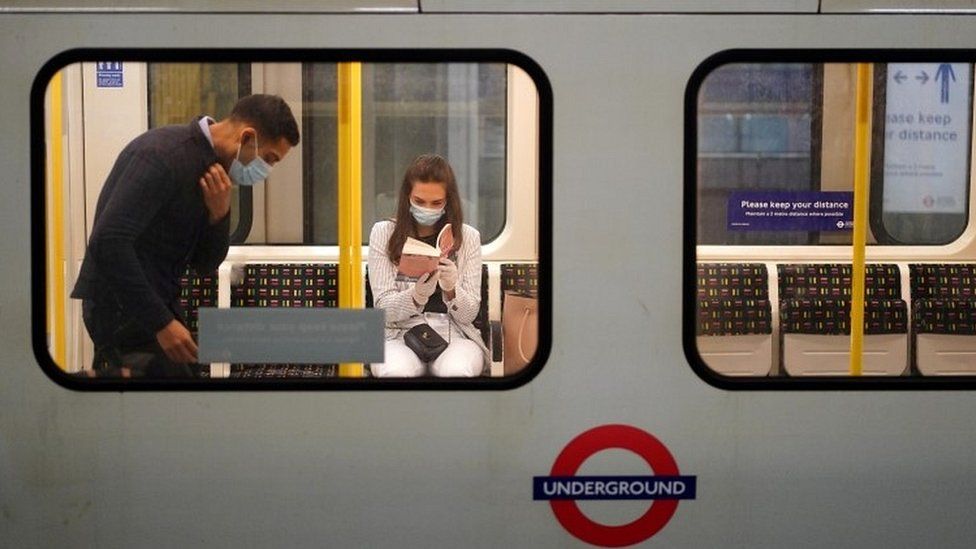
SharecloseShare pageCopy linkAbout sharingimage copyrightReutersFace coverings must be worn on London’s transport network despite restrictions easing on 19 July, London’s mayor says.Sadiq Khan said he was not prepared to put Tube, bus and other transport users at risk by relaxing the rules on face coverings.Face masks have been mandatory on public transport for the past year to reduce the spread of the virus.But those rules will be replaced with government guidance advising passengers to wear masks only on busy services.England is removing most of its Covid restrictions next Monday, and while Prime Minister Boris Johnson has said he expects masks to be worn in crowded places, such as on a busy Tube train, their use will no longer be compulsory.London is the first English city to insist on face coverings after Covid restrictions ease.In Scotland, the mandatory use of face coverings will remain in place for “some time”, First Minister Nicola Sturgeon has said, even after the country eases most of its other restrictions on 19 July. The rules for masks apply in shops and public transport – as well as pubs and restaurants when not seated.image copyrightPA MediaIn Wales, face masks will continue to be required by law in some settings. The Welsh government has said face coverings in Wales would still be mandatory on public transport and in health and social care settings.Mr Khan has made face masks a condition of carriage for the Tube, bus, tram, DLR, Overground and TfL Rail.This means that, despite the easing of restrictions on 19 July, it will be listed as a condition in a legal agreement between Transport for London (TfL) and its customers.Mr Khan said: “We know from the government’s own advisors and from the World Health Organisation, that wearing a face covering indoors does reduce transmissions.”It leads to greater public safety and greater public confidence as well.Scotland and England now have different rules for masksEngland lockdown rules to end on 19 JulyFirms left to decide own rules on face masks”As long as the virus is still with us, and as long as we’re still concerned about the virus being transmitted, we will make it compulsory.”He said he was “confident you will see from Monday high levels of the rules being followed just like there have been since last June”.TfL’s 400 enforcement officers will deny those without a face covering from using London transport, under the plan.TfL staff and bus drivers will continue to remind passengers that masks are a requirement, Mr Khan said. Greater Manchester Mayor Andy Burnham has said he will not ‘”rule out” mandating face masks on public transport.Mr Burnham told the BBC he had not yet taken the decision to mandate masks on trams in Manchester and wanted to avoid adding to people’s confusion.Analysis By Tom Edwards, BBC London Transport CorrespondentThe reaction from commuters has been pretty unanimous – the message over masks is mixed and confusing. Now, for example, at many merged stations in London – like Barking, Richmond, Wimbledon & Shepherd’s Bush – you could go from a rail service where masks are personal choice, to a TfL service where they are a condition of carriage. Sometimes the same services even use the same the platform. So you’ll have to become very adept at differentiating a TfL rail service from a national rail one. For an industry that is trying to become more uniform, standardised and is meant to be about making fares and interchanges easier, it’s a complete mess. The rail industry says masks will put people off using public transport – polling in London says the opposite. The question now is will other mayors and train operators follow London’s example? Or could a simple single rule for all public transport emerge, even at this late stage?image copyrightGetty ImagesA poll from the travel watchdog TransportFocus found 56% of Londoners said say they will not use public transport “unless passengers are required to wear a face covering”.The legal requirement to wear a face covering in shops, public transport and other enclosed public spaces will end on 19 July. It will be replaced with government guidance. A government spokeswoman stressed there would be a shift from “universal government diktat to relying on people’s personal responsibility”.”The guidance is clear that people are expected and recommended to wear a mask when they come into contact with people they don’t normally meet in enclosed and crowded spaces,” she said.Transport Secretary Grant Shapps said the rules were “just common sense when you think about it” as “you would be in a crowded area” on London transport.Labour has said it is “irresponsible” to drop the legal requirement to wear masks.’Ludicrous position’The move has been welcomed by the RMT union, which represents rail workers. It said the approach was consistent with the rules that are currently in place in Scotland, Wales and on Eurostar services to the continent.However, it said: “We now have the ludicrous position where a passenger travelling through London will have different rules on the Tube and the mainline services.”Mr Shapps said: “We’ve seen lots of these rules being different in different parts of the UK.”The same way you can’t drink alcohol on London transport systems, but you can on some long distance journeys.”From 2 May to 29 May 2021, 86% of TfL customers said they were wearing face coverings at all times on public transport. Of the 14% not wearing a face covering at all times or not at all, almost three-quarters (74%) claim to have an exemption or good reason under the current regulations for not doing so, TfL research shows.Andy Byford, London’s Transport Commissioner, said: “The transport network is cleaner than ever, with an enhanced cleaning regime, hospital grade cleaning products, widely-available hand sanitizer and UV light fittings on escalator handrails to kill viruses. “It is great news that regular independent testing for the virus by Imperial College has found no trace on our services, and we are now ready to safely welcome back more and more customers from 19 July as people head out to enjoy all that the capital has to offer.”What do you think about masks remaining compulsory on London transport? Are you a public transport worker?WhatsApp: +44 7756 165803Tweet: @BBC_HaveYourSayPlease read our terms & conditions and privacy policyOr use this form to get in touch:

If you are reading this page and can’t see the form you will need to visit the mobile version of the BBC website to submit your comment or send it via email to HaveYourSay@bbc.co.uk. Please include your name, age and location with any comment you send in. “THEY’RE NOT FANS, THEY’RE RACISTS”: Football, Racism and Social Media MAYANS MC: Blood runs thicker than water in the cartels between the US and MexicoRelated Internet LinksGovernment face coverings adviceMayor of LondonThe BBC is not responsible for the content of external sites.

Read more →

'It was heartbreaking' – Postpartum psychosis as a new mum

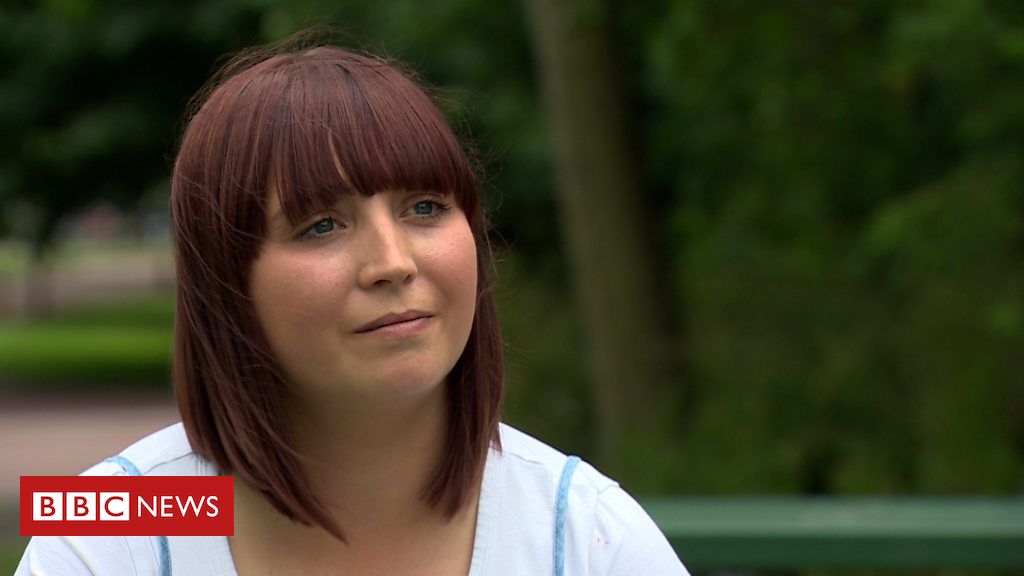
A County Antrim woman who suffered perinatal mental health issues says she thought she was part of an “experiment” after being admitted to a psychiatric unit. Justine Lewis, 34 , suffered postpartum psychosis following the birth of her daughter Willow in 2019.Northern Ireland is the only region in the UK which does not have a specialist mother and baby unit to help women diagnosed with the condition. Ms Lewis told BBC News NI it was a “big shock” for her and her family because there was no history of mental illness.Read more of Justine’s story here.

Read more →

Study shows benefits of early anticlotting therapy in moderate COVID-19

COVID-19 is marked by heightened inflammation and abnormal clotting in the blood vessels, particularly in the lungs, and is believed to contribute to progression to severe disease and death. New trial results show that administering a full dose of a standard blood thinner early to moderately ill hospitalized patients with COVID-19 could halt the thrombo-inflammation process and reduce the risk of severe disease and death.
The study, led by investigators at St. Michael’s Hospital, a site of Unity Health Toronto, and the University of Vermont Larner College of Medicine, is available as a preprint on MedRxiv.
Heparin — a blood thinner given regularly at low dose to hospitalized patients — stops clots from forming and reduces inflammation. “This study was designed to detect a difference in the primary outcome that included ICU transfer, mechanical ventilation or death,” says Mary Cushman, M.D., M.Sc., study co-principal investigator and a professor of medicine at the University of Vermont’s Larner College of Medicine.
The open-label randomized international multi-center RAPID Trial (also known as the RAPID COVID COAG — RAPID Trial) examined the benefits of administering a therapeutic full dose of heparin versus a prophylactic low dose to moderately ill patients admitted to hospital wards with COVID-19.
The primary outcome was a composite of ICU admission, mechanical ventilation, or death up to 28 days. Safety outcomes included major bleeding. Primary outcome occurred in 37 of 228 patients (16.2%) with therapeutic full dose heparin, and 52 of 237 (21.9%) with low dose heparin (odds ratio [OR], 0.69; 95% confidence interval [CI], 0.43-1.10; p=0.12). Four patients (1.8%) with therapeutic heparin died vs. 18 (7.6%) with prophylactic heparin (OR, 0.22; 95% CI, 0.07-0.65).
“While we found that therapeutic heparin didn’t statistically significantly lower incidence of the primary composite of death, mechanical ventilation or ICU admission compared with low dose heparin, the odds of all-cause death were significantly reduced by 78 percent with therapeutic heparin,” says first author and co-principal investigator Michelle Sholzberg, M.D.C.M., M.Sc., Head of Division of Hematology-Oncology, medical director of the Coagulation Laboratory at St. Michael’s Hospital of Unity Health Toronto, and assistant professor at the University of Toronto.
Peter Jüni, M.D., co-principal investigator, director of the Applied Health Research Centre (AHRC) at St. Michael’s, and professor of medicine at the University of Toronto, says that the researchers also presented a meta-analysis of randomized evidence (including data from a large multiplatform trial of ATTACC, ACTIV-4a and REMAP-CAP), which clearly indicated that therapeutic heparin is beneficial in moderately ill hospitalized COVID-19 patients. He adds that an additional meta-analysis presented in the preprint showed that therapeutic heparin is beneficial in moderately ill hospitalized patients but not in severely ill ICU patients.
Another unique aspect of the RAPID Trial was its funding mechanism — a sort of grassroots effort in which support was gathered via Defence Research Development Canada, St. Michael’s Hospital Foundation, St. Joseph’s Healthcare Foundation, participating institutional grants, and even a GoFundMe campaign, among other sources.
“We called this trial ‘The Little Engine that Could,’ because of the sheer will of investigators around the world to conduct it,” says Cushman.
Sholzberg says, “We believe that the findings of our trial and the multiplatform trial taken together should result in a change in clinical practice for moderately ill ward patients with COVID-19.”

Read more →

Impairments found in neurons derived from people with schizophrenia and genetic mutation

A scientific team has shown that the release of neurotransmitters in the brain is impaired in patients with schizophrenia who have a rare, single-gene mutation known to predispose people to a range of neurodevelopmental disorders.
Significantly, the results from the research with human-derived neurons validated previous and new experiments that found the same major decrease in neurotransmitter release and synaptic signaling in genetically engineered human neurons with the same genetic variant — the deletion of neurexin 1 (NRXN1). NRXN1 is a protein-coding gene at the synapse, a cellular junction that connects two nerve cells to communicate efficiently.
Both the research with human-derived and engineered human neurons also found an increase in the levels of CASK, an NRXN1-binding protein, which were associated with changes in gene expression.
“Losing one copy of this neurexin 1 gene somehow contributes to the etiology or the disease mechanism in these schizophrenia patients,” says molecular neuroscientist ChangHui Pak, assistant professor of biochemistry and molecular biology at the University of Massachusetts Amherst and lead author of the research published in the Proceedings of the National Academy of Sciences. “It causes a deficit in neural communication.”
Pak is quick to add that although this single-gene mutation puts people at risk for schizophrenia, autism, Tourette syndrome and other neuropsychiatric disorders, “at the end of the day, we don’t know what causes schizophrenia. This variant gives us insight into what cellular pathways would be perturbed among people with schizophrenia and a lead to study this biology.”
When she conducted most of the research, Pak was working in the Stanford University lab of Thomas Südhof, a neuroscientist who shared the 2013 Nobel Prize in Physiology or Medicine for helping to lay the molecular basis for brain chemistry, including neurotransmitter release.
The research team obtained cell specimens from schizophrenia patients with an NRXN1 deletion who donated samples to a national biorepository for genetic studies of psychiatric disorders. Pak and colleagues converted the participants’ specimens into stem cells and then turned them into functional neurons to study. “We’re rewinding these cells back, almost like a time machine — what did these patients’ brains look like early on,” Pak explains.
Labs at Stanford, Rutgers University and FUJIFILM Cellular Dynamics were independently involved in the generation and analysis of neurons. For comparison with the human-derived neurons, Pak and team also created human neurons from embryonic stem cells, engineering them to have one less copy of the NRXN1 gene. With engineered human neurons, they had previously noted the neurotransmitter impairment and were interested in whether they would have the same findings with patient-derived neurons.
“It was good to see the consistent biological finding that indeed the neurexin 1 deletion in these patients actually does mess up their neuronal synaptic communication, and secondly that this is reproducible across different sites whoever does the experiment,” Pak says.
Notably, the researchers did not see the same decrease in neurotransmitter release and other effects in engineered mouse neurons with analogous NRXN1 deletion. “What this suggests is there is a human-specific component to this phenotype. The human neurons are particularly vulnerable to this genetic insult, compared to other organisms, adding to the value of studying human mutations in human cellular systems,” Pak says.
Being able to reproduce the results is key to the development of drugs that can better treat schizophrenia. “Everything was done blindly and at different sites. We wanted to not only learn about the biology but also be at the top of our game to ensure rigor and reproducibility of these findings,” Pak says. “We showed the field how this can be done.”
Pak and her team are now continuing the research in the Pak Lab, supported by a five-year, $2.25 million grant from the National Institute of Mental Health. The scientists are using the latest stem cell and neuroscience methodologies to explore the molecular basis of synaptic dysfunction in schizophrenia and other neuropsychiatric disorders.

Read more →

Biden to Nominate Rahul Gupta to Run National Office of Drug Control Policy

President Biden intends to nominate Dr. Rahul Gupta, who led West Virginia’s response to a devastating opioid crisis, to run the National Office of Drug Control Policy — a choice that may generate opposition from advocates for people with substance abuse problems.If confirmed by the Senate, he would become the first medical doctor to serve as the nation’s “drug czar” since the role was created in 1988. Dr. Gupta is currently the chief medical and health officer at March of Dimes.White House officials confirmed Mr. Biden’s choice of Dr. Gupta, which was reported earlier in The Washington Post. The president is expected to make his announcement later on Tuesday.On Wednesday, the Centers for Disease Control and Prevention will publish preliminary statistics on drug overdose deaths in 2020 that, by all indications, will shatter previous records. Overdose deaths rose by nearly 30 percent over the 12-month period that ended in November, from more than 71,000 to more than 90,000, according to preliminary federal data released last month.As West Virginia’s commissioner of public health and state health officer from 2015 to 2018, Dr. Gupta won praise for his aggressive response to the opioid crisis. Mr. Biden’s choice of Dr. Gupta may also be politically strategic: He is an ally of Senator Manchin, the moderate West Virginia Democrat whose vote is crucial to the president’s legislative agenda.But Dr. Gupta also garnered criticism for failing to stop the city of Charleston from closing its needle exchange program — a key component of the strategy known as “harm reduction,” which has been embraced by the Biden administration.Instead of helping drug users achieve abstinence, harm reduction aims to reduce their risk of dying or acquiring infectious diseases like AIDS, including by giving them sterile equipment.While Dr. Gupta was health commissioner, his department issued a report that found fault with the Charleston program and led to its decertification after it had already shut it down. The program had been nationally recognized, but was criticized by the city’s mayor at the time. Public health experts said its closure had a chilling effect on other programs, and kept some from getting off the ground.“The Biden administration has made enhancing evidence-based harm reduction programs a priority, and it’s my sincere hope that Dr. Gupta will embrace that policy and show clear leadership on that issue,” said Robin Pollini, an associate professor of behavioral medicine of psychiatry at West Virginia University, who has in the past been critical of Dr. Gupta.In a 2018 interview with West Virginia public broadcasting, Dr. Gupta spoke out against the closure, saying it was “not in the best interest of the community” when needle exchange programs like Charleston’s are shut down “reactively.”“It plays into that stigma and is more harmful long-term than it is beneficial,” the outlet quoted him as saying.The son of an Indian diplomat, Dr. Gupta was born in India and grew up in Washington, D.C. He completed medical school at the University of Delhi when he was 21, according to a biography supplied by the White House.The drug control policy office was created by Congress as part of the Anti-Drug Abuse Act of 1988, signed into law by President Ronald Reagan.

Read more →