New UK study reveals extent of brain complications in children hospitalized with COVID-19

Although the risk of a child being admitted to hospital due to COVID-19 is small, a new UK study has found that around 1 in 20 of children hospitalised with COVID-19 develop brain or nerve complications linked to the viral infection.
The research, published in The Lancet Child and Adolescent Health and led by the University of Liverpool, identifies a wide spectrum of neurological complications in children and suggests they may be more common than in adults admitted with COVID-19.
While neurological problems have been reported in children with the newly described post-COVID condition paediatric inflammatory multisystem syndrome temporally associated with SARS-CoV-2 (PIMS-TS), the capacity of COVID-19 to cause a broad range of nervous system complications in children has been under-recognised.
To address this, the CoroNerve Studies Group, a collaboration between the universities of Liverpool, Newcastle, Southampton and UCL, developed a real-time UK-wide notification system in partnership with the British Paediatric Neurology Association.
Between April 2020 and January 2021, they identified 52 cases of children less than 18 years old with neurological complications among 1,334 children hospitalised with COVID-19, giving an estimated prevalence of 3.8%. This compares to an estimated prevalence of 0.9% in adults admitted with COVID-19.
Eight (15%) children presenting with neurological features did not have COVID-19 symptoms although the virus was detected by PCR, underscoring the importance of screening children with acute neurological disorders for the virus.
Ethnicity was found to be a risk factor, over two thirds of children being of Black or Asian background.
For the first time, the study identified key differences between those with PIMS-TS versus those with non-PIMS-TS neurological complications. The 25 children (48%) diagnosed with PIMS-TS displayed multiple neurological features including encephalopathy, stroke, behavioural change, and hallucinations; they were more likely to require intensive care. Conversely, the non-PIMS-TS 27 (52%) children had a primary neurological disorder such as prolonged seizures, encephalitis (brain inflammation), Guillain-Barré syndrome and psychosis. In almost half of these cases, this was a recognised post-infectious neuro-immune disorder, compared to just one child in the PIMS-TS group, suggesting that different immune mechanisms are at work.
Short-term outcomes were apparently good in two thirds (65%) although a third (33%) had some degree of disability and one child died at the time of follow-up. However, the impacts on the developing brain and longer-term consequences are not yet known.
First author Dr Stephen Ray, a Wellcome Trust clinical fellow and paediatrician at the University of Liverpool said: “The risk of a child being admitted to hospital due to COVID-19 is small, but among those hospitalised, brain and nerve complications occur in almost 4%. Our nationwide study confirms that children with the novel post-infection hyper-inflammatory syndrome PIMS-TS can have brain and nerve problems; but we have also identified a wide spectrum of neurological disorders in children due to COVID-19 who didn’t have PIMS-TS. These were often due to the child’s immune response after COVID-19 infection.”
Joint senior-author Dr Rachel Kneen, a Consultant Paediatric Neurologist at Alder Hey Children’s NHS Foundation Trust and honorary clinical Senior Lecturer at the University of Liverpool said: “Many of the children identified were very unwell. Whilst they had a low risk of death, half needed intensive care support and a third had neurological disability identified. Many were given complex medication and treatments, often aimed at controlling their own immune system. We need to follow these children up to understand the impact in the long term.”
Joint senior-author Dr Benedict Michael, a senior clinician scientist and MRC Fellow at the University of Liverpool said: “Now we appreciate the capacity for COVID-19 to cause a wide range of brain complications in those children who are hospitalised with this disease, with the potential to cause life-long disability, we desperately need research to understand the immune mechanisms which drive this. Most importantly- How do we identify those children at risk and how should we treat them to prevent lasting brain injury? We are so pleased that the UK government has funded our COVID-CNS study to understand exactly these questions so that we can help inform doctors to better recognise and treat these children.”

Read more →

Monoclonal antibodies may neutralize many norovirus variants

Researchers at Vanderbilt University Medical Center (VUMC) and the Baylor College of Medicine in Houston, Texas, have taken a big step toward developing targeted treatments and vaccines against a family of viruses that attacks the gastrointestinal tract.
Each year in the United States circulating strains of the human norovirus are responsible for approximately 20 million cases of acute gastroenteritis. Hallmark symptoms include severe abdominal cramping, diarrhea and vomiting.
Several vaccine candidates are in clinical trials, but it is unclear how effective they will be, given the periodic emergence of novel norovirus variants. Developing broadly effective vaccines will require an understanding of the genetic diversity of the virus and the mechanisms by which the immune system can neutralize it.
Reporting this week in the journal Nature Communications, the researchers isolated a panel of human monoclonal antibodies from subjects with a history of acute gastroenteritis that are cross-reactive and which neutralize a broad range of norovirus variants in laboratory tests.
They describe a conserved, antigenic site on the norovirus that could be used to reformulate vaccine candidates so that they are broadly effective against circulating viral strains. The monoclonal antibodies also could be used to treat or prevent norovirus infection directly or as diagnostic reagents, they added.
Leading the research were the paper’s corresponding authors, James Crowe Jr., MD, director of the Vanderbilt Vaccine Center, and B.V. Venkataram Prasad, PhD, the Alvin Romansky Chair in Biochemistry, in collaboration with Mary Estes, PhD, the Cullen Chair and professor of virology at Baylor College of Medicine.
First authors of the paper were Gabriela Alvarado, PhD, formerly of the Crowe lab, now at the National Institute of Allergy and Infectious Diseases, and Wilhelm Salmen, a graduate student in the Prasad lab.
“We were surprised to find naturally occurring antibodies that recognized so many different noroviruses,” said Crowe, the Ann Scott Carell Chair and professor of Pediatrics and Pathology, Microbiology & Immunology at VUMC.
“Previously, many experts thought that this would not be possible because of the extreme sequence diversity in the various groups and types of noroviruses in circulation,” he said. “The human immune system continues to surprise us in its capacity to recognize diverse virus variants.”
“One of the fascinating aspects of this study was the unexpected finding of where the human antibody attacks the virus for neutralization,” Prasad said.
“It is exciting to now have human monoclonal antibodies that neutralize many norovirus variants,” added Estes.
Story Source:
Materials provided by Vanderbilt University Medical Center. Original written by Bill Snyder. Note: Content may be edited for style and length.

Read more →

Americans are Flocking to Mexico. Should They Be?

U.S. arrivals are up, but so are coronavirus cases, especially in hot tourism spots like Los Cabos and Cancún. Experts urge caution, but visitors keep coming.Mexico’s reputation as an alluring travel destination both before and during the pandemic has met a sobering reality: Despite growing vaccine efforts, the coronavirus is surging, especially in tourist hot spots.Though the U.S. land border with Mexico has been closed to nonessential travel since the start of the pandemic, vacationers can fly into the country with no quarantine or testing requirements, opening the door to unvaccinated travelers who might contract the virus in Mexico and bring it back home, or for any traveler to pass it on to a Mexican citizen.But those risks didn’t deter the more than 2 million Americans who visited Mexico in the first four months of this year. According to Mexican government statistics, they represent 76 percent of all international visitors arriving by air. Forward Keys, a service that analyzes flight data, found that air ticketing for American arrivals to Mexico is up nearly 32 percent in the third quarter of 2021, compared to the same period in 2019.But infections in Mexico are also up — by about 85 percent in the first two weeks of July, according to data from the Center for Systems Science and Engineering at Johns Hopkins University. In a recent news conference, Hugo López-Gatell, Mexico’s deputy health minister, confirmed a spike in infections that constitutes a third wave in the pandemic and the second in 2021.Three of the five Mexican states with the highest rates of infection are popular with tourists, including Quintana Roo, home to Cancún and the Riviera Maya; neighboring Yucatán; and Baja California Sur, home to Los Cabos.The latter leads all others in infection rates, with 47 cases per 100,000 people. The popular resort destination of Los Cabos, at the tip of the Baja Peninsula, accounts for 54 percent of the active cases in Baja California Sur.“Covid is substantial down here,” said Jon Gabrielsen, an American living in Los Cabos. “It’s not like the U.S. where they have brought infection rates down to very low numbers with the vaccine. The vaccination rate is not very high here. Fellow Americans should understand they need to mask up.”Higher infections, lower vaccinationsThe recent rise in cases comes as Mexico races to acquire and distribute vaccines. About 16 percent of the population is fully vaccinated and 28 percent have received at least one dose. (This is much lower compared to the United States, where about 56 percent of those eligible for the vaccine are fully vaccinated, and 65 percent have received at least one dose.)“Understandably, the health minister is talking about a new wave,” said Lin H. Chen, the immediate past president of the International Society of Travel Medicine and the director of the Mount Auburn Travel Medicine Center, noting that the variants, including the highly infectious Delta variant, have been found in Mexico.The Centers for Disease Control and Prevention puts the threat level of the coronavirus in Mexico at Level 3 of 4, or High, and recommended travel only for those who are fully vaccinated. (It also recommends vaccinated travelers get tested three to five days after they have returned from Mexico.)“I would feel more comfortable if a destination is in the 60 to 70 percent vaccination range,” before traveling there, Dr. Chen said, advising even fully vaccinated travelers to wear face masks indoors, maintain social distancing and dine outdoors.‘Mexico has made it not very complicated’Economic pressure prevailed when Mexico reopened last summer without testing or quarantine mandates, hurdles that might have crimped tourism more than it already has — international visitors are down about 45 percent in the first four months of 2021, according to the Mexican Ministry of Tourism, compared to 2019 — particularly in its tourist hot spots.In Los Cabos, about 80 percent of the economy depends on tourism. For the first half of 2021, its tourism figures were off only about 20 percent compared to the same period in 2019, a relatively healthy figure in a time of scant international travel.“Mexico has made it not very complicated for us to travel to their country, as far as testing,” said Christen Perry, the owner of Classic Travel Connection, a travel agency in Birmingham, Ala.It also helps that Mexico is affordable (Americans get nearly 20 Mexican pesos to the dollar), a quick flight from many American airports (under three hours from Dallas to Cancún) and much of its appeal is outdoors.Red light, green lightTravelers bound for Mexico will find coronavirus precautions dictated by a cautionary stoplight system applied state-by-state and ranging from red — with maximum restrictions — to green, or fully open. While most of the country is in green, five states — Tamaulipas and Tabasco as well as Baja California Sur, Quintana Roo and Yucatán — are orange, the second highest level.Under the orange designation, restaurants and hotels are restricted to 50 percent capacity, markets to 75 percent capacity and theaters and museums to 25 percent capacity, according to the U.S. embassy in Mexico. Mask mandates are in effect in many places.The three tourist-heavy states say they are strictly abiding by health and safety protocols, including mask mandates, social distancing, curfews and banning large groups. In Los Cabos, fireworks for the American Fourth of July holiday were prohibited to prevent people from congregating.Amy Lytle, the owner of the travel agency House of Travel in Baton Rouge, La., is sending about 100 clients to Mexico this summer. She had one travel adviser in Los Cabos in June when the state went from yellow to orange on the stoplight system and said taxi drivers were rounding up diners at restaurants to get them back to their resorts before the 11 p.m. curfew.“Most destinations are taking it probably even more seriously than they are here, but it’s also their livelihood and the last thing they want is for someone to get sick at a resort,” she said.A crowded beach in Cancún, a tourist hot spot where cases of the coronavirus are on the rise.Alonso Cupul/EPA, via ShutterstockStill, reports on social media, including packed streets of revelers in Cancún, indicate some travelers are flouting the rules.The tourism authority of Quintana Roo responded to an inquiry from The Times that the state government conducts random rapid testing in the nightclub area of downtown Cancún and has deployed workers to dispense hand sanitizer and masks.“What impresses me here is how businesses, bars and restaurants have respected government protocols and, in some cases, exceeded them,” wrote David Saito-Chung, a financial writer based in Los Angeles who has vacationed in San José del Cabo several times since early 2020, in an email.He estimated local compliance with the mask mandates in the area to be above 80 percent.“Tourists here mostly go without a mask,” he added. “So, it makes me wonder if the chance of infection through close contact with other visitors is higher.”Testing to come homeThe United States, of course, has its own deterrent in the requirement that all travelers, even fully vaccinated ones, test negative before returning home. Anyone testing positive will be subject to a mandatory quarantine.Tourism authorities said the positive rate has been low. “One of the first conversations we have with clients is you have to understand the risks and rewards,” said Ms. Perry, the travel adviser, who spells out the potential consequences of quarantines and flight cancellations; none of her clients have been denied re-entry. “There’s more risk associated with travel than ever before.”Lori Speers, the owner of the Dallas-based travel agency Levarte Travel has sent hundreds of clients to Mexico since last summer, largely booking her groups in all-inclusive beach resorts where testing to date has been complimentary.“During Covid, bookings never slowed down,” she said, noting that some resorts are planning to begin charging for the tests later this month, with rates running from $50 to $150.In Los Cabos, Mr. Chung paid $40 for his Covid test.Lynda Hower, a travel adviser based in Pittsburgh, was vacationing in the Cancún area with her family earlier this month. She said the airport customs lines were crowded with several flights landing at the same time, resulting in little social distancing. To reach the resort, she opted for a private transfer. A few days before returning home, the family was tested for free at the resort and able to receive their negative results via text at the pool.“It was very professional,” she said, noting she got the results in 20 minutes.No 4 a.m. tequila shotsThe state of Jalisco, home to Puerto Vallarta, is green on the stoplight system, and it’s not hard to spot a tourist in town, especially as travel has picked up this year.“The majority are still masked down here and if someone is not masked, you can assume they are probably a tourist,” said Robert Nelson, a California native who lives in Puerto Vallarta and runs the subscription website Expats in Mexico. “We are working hard to get more people vaccinated, but we need a little help from the folks visiting to abide by the local regulations.”But even compliant travelers will find the experience changed, because of fewer visitors or safety protocols.“Don’t expect bars to allow you to stay until 4 or 5 in the morning doing shots,” Mr. Nelson added.In San Miguel de Allende, the popular colonial town in Guanajuato in central Mexico, public statues are dressed in masks and anyone entering the central plaza must pass through an arch that mists sanitizer. Local police admonish visitors to wear or pull up their masks and have been known to take scofflaws to jail for flouting the rules.Ann Kuffner, an American retiree who has been living in San Miguel de Allende for the past three years, is telling friends who want to visit to wait until fall when vaccination rates will be higher and the events for which San Miguel is known, such as Day of the Dead festivities, may safely return.“All Mexicans are wearing masks,” said Ms. Kuffner. “Some Americans aren’t because they’re vaccinated, but personally, I think it’s rude. Wearing one is a sign of respect, and respect is an important thing in the Mexican culture.”Follow New York Times Travel on Instagram, Twitter and Facebook. And sign up for our weekly Travel Dispatch newsletter to receive expert tips on traveling smarter and inspiration for your next vacation. Dreaming up a future getaway or just armchair traveling? Check out our 52 Places list for 2021.

Read more →

The Unknowability of Other People’s Pain

While my father was alive, it was impossible for me to imagine his agony.In the emergency department, the nurse asked me to rate my pain on a scale of one to 10 — “10 being the worst you can imagine.”I wondered how the worst I could imagine compared to the worst I’d ever felt. That, I was pretty sure, I’d experienced that morning. For three hours, I’d been trapped in my bedroom, crawling from mattress to floor and back again, desperate to find a tolerable position. In all that time, I’d managed only one clear thought: So this is writhing. Mostly, though, the pain was so severe it kept me from thinking about anything else. Physical suffering will do that. It “destroys a person’s self and world,” as Elaine Scarry, a Harvard scholar, noted in her influential book “The Body in Pain.” It shrinks the universe and magnifies the individual until the hurt becomes all there is.The pain hadn’t been nearly as bad when it started, the day before, as an unfamiliar cramp in my gut. I couldn’t hold down food and assumed I had a particularly bad case of food poisoning. My stomach stayed knotted all day, but the discomfort — caused by a kidney stone on the move, as I would learn later — was mild enough at first that I was able to think about other things. Mainly what preoccupied me was my dead father, and the gastrointestinal trouble that he’d lived with for half a lifetime.His health problems surfaced when my mother died, in my childhood, of cancer. He’d suffered with her through more than four years of treatment by then, and surely the prolonged strain was part of the reason that my 45-year-old father developed digestive disturbances that persisted for three decades, becoming near-constant in the years before his death. He took his life either late the day before or early on the morning of what would have been my mother’s 72nd birthday, and hours before what would have been his umpteenth visit to the gastroenterologist. The police report even mentions his gastric pain as a complicating factor.A copy of the report, which I’d belatedly requested, happened to arrive a few days before my own mysterious illness surfaced, so my father was already foremost in my mind when my stomach balled up. If what he endured for 30 years was anything like the writhing pain I’d experienced that morning, then no wonder he killed himself, I remember thinking.While my father was alive, it was impossible for me to imagine his agony. Instead, whenever he described his trips to the toilet — in revolting detail — I’d get irritated. It seemed crazy, and inappropriate, that he should tell me, his daughter, so much about his bowels. But I suppose he couldn’t know. As Ms. Scarry writes, “Physical pain … obliterates all psychological content, painful, pleasurable and neutral.”Hours after my father’s brother discovered his body, an obtuse relative told me, “Your father could never be strong for you.” In some respects, that remark felt like redemption. Before then, no one in my extended family, full of an older generation of Irish Catholic immigrants who avoided discussing difficult things, acknowledged my father’s troubling behaviors, let alone their effect on me, though he became devastatingly unreliable after my mother died the summer I turned 8. I think he remembered one of my birthdays in my childhood, but only one. And after he forgot to give me the ride I needed to my big seventh-grade basketball tournament, I never played again.More than that, I never knew if he’d return from work in the form of the charismatic storyteller who was the world to me, or — so much more often, it seemed — as the half-feral creature who’d pace the kitchen in a drunken rage, sometimes literally cornering me as he taunted me for what seemed like no reason at all. (For a while, I couldn’t even ask how his day was without him sneering that I didn’t really want to know.)Yet my father, born into poverty in Ireland and uneducated, also showed formidable strength — and not just because of his sledgehammer arms and the broad-chested build he maintained, through manual labor, till he died. Savagery at the hands of a sadistic priest may have been the least of the obstacles he had to overcome during his childhood. He also had two mentally ill parents. And when he was 13, his beloved younger brother P.J. died, on Christmas Day — a formative trauma for my father, which he relived with me every year.Late every Christmas Eve, he’d tell me about it again. Eight-year-old P.J. had stepped on an old can that cut through his tattered shoe. The puncture wound became infected with tetanus — fatal even now in 10 percent of cases, far more so in rural Ireland at midcentury. The closest hospital was hours away, and no one in my father’s fishing village owned a car. Finally, some wealthy man came to drive P.J., but too late: In the back seat, his body already stiff and jaw locked, P.J. died, rigid, stretched out on the laps of my 13-year-old father and his father.Every time my father told the story, I’d find myself looking out of his eyes, down at his dying little brother, only 8 years old. P.J.’s body had become his coffin. That must have been so terrifying. My father must have felt so helpless.From helpless boy, my father grew to intimidating man, in part through determination. He’d had no control over P.J.’s death, and not much over my mother’s. And yet the rage his powerlessness engendered became a motivating energy that transformed into physical strength. He managed to work so hard and so steadily, to be so self-denying and steadfast about saving money, that he paid my way through an Ivy League college.His strength may have proved itself most of all, however, in the way he endured his physical suffering for so long. By the time he reached his 70s, he was constantly, unpredictably sidelined by stomach upset or bowel trouble, which no doctor could adequately treat, or even diagnose. The intractability of his maladies should have made me more concerned about him. Instead, he became the father who cried wolf. I couldn’t, or didn’t want to, put myself in his tormented body; and to the extent that I put myself in his mind, I decided that his sickness was exacerbated by his tendency to brood.Something I didn’t learn until after my father’s suicide is that depression can cause chronic gastrointestinal torment, much as stress can cause back pain, or sadness can cause tears. I doubt that any doctor sufficiently explained that to my father. The mere suggestion that his suffering might have had a “psychosomatic” element made him protest that what was happening to him wasn’t all “in his head.” Of course not. And yet, the brain is as much part of the body as the gut. The brain not only perceives physical pain but can help trigger painful bodily responses, too.If my father had a better understanding of the mind-body connection, would that have saved him? I can’t say. But while I could imagine his emotional or psychological suffering, I resisted empathizing with him physically. I could put myself into his vision, as he looked down at his dying brother. But I resisted his hurting body. And perhaps because of that — because we think of depression as so much in the mind when it can also be in the flesh and blood and organs — I tried to push him to change his perception. What I should have been pushing for was better medical attention for his body, in all that pain.Maura Kelly is working on a memoir about her father. She encourages anyone experiencing a mental health crisis to go to an emergency room, call the National Suicide Prevention Lifeline (1-800-273-8255) or visit the National Alliance on Mental Illness site (nami.org).

Read more →

Body mass index as a risk factor for diabetes varies throughout the world

The unprecedented increase in overweight and obesity in low- and middle-income countries (LMICs) has led to an alarming rise in diabetes in these regions. Of the estimated 463 million people with diabetes worldwide, 79% live in LMICs.
Until now, however, there were scant empirical data to guide clinicians and health systems in determining which individuals should be screened for diabetes based on body mass index (BMI). “There are guidelines from the World Health Organization that recommend screening individuals age 40 and older with a BMI of 25 kg/m2 and above for diabetes,” says Jennifer Manne-Goehler, MD, ScD, faculty member at the Medical Practice Evaluation Center at Massachusetts General Hospital (MGH). “But it’s long been suspected that these BMI and age thresholds may not be optimal for diabetes screening in all regions of the world. Our goal was to estimate the relationship between BMI and diabetes risk across many low- and middle-income countries to help resource-strapped health systems devise the most effective screening programs for their populations,” says Manne-Goehler, senior author of a new study published in The Lancet.
Manne-Goehler and investigators from 57 countries spent five years compiling and leveraging existing datasets of more than 680,000 people in LMICs that included every individual’s weight, height and a diabetes biomarker — either a blood glucose measurement or hemoglobin A1c.
The study, the first of its kind, found substantial regional differences in the association between BMI and diabetes risk. Across all LMICs, people with a BMI of 23 kg/m2 or greater had an increased risk of diabetes. There was, however, variability in the optimal BMI to choose for diabetes screening among regions and genders, ranging from 23.8 kg/m2 among men in East/Southeast Asia to 28.3 kg/m2 among women in the Middle East, North Africa, Latin America and the Caribbean. The investigators also found differences in the risk of diabetes across BMI categories in several regions. For example, men and women in sub-Saharan Africa and East/Southeast Asia had more than a 100% increase in the risk of diabetes between being overweight and obese. These findings, in part, reinforced a growing literature from Asian and South Asian countries that recommends using lower BMI thresholds to better characterize metabolic risk in these populations.
And while diabetes increased in middle age and beyond, the proportion of individuals with diabetes rose steeply across all regions in the 35-to-44 age group, and among men 25 to 34 years old in sub-Saharan Africa. “Diagnosing diabetes in younger adults can prevent long-term complications of the disease,” says Manne-Goehler.
“Although the data aren’t prescriptive, our hope is that policymakers in LMICs will find this evidence useful as they try to decide how they will spend limited resources to optimize diabetes screening for their particular populations,” she adds.
The research also demonstrates the power of collaborations among countries to create important evidence to inform public health guidelines. “It’s difficult to draw meaningful high-level global conclusions when individual countries are examining diabetes risk in only one country’s survey,” says Manne-Goehler. The World Health Organization is creating a global strategy called the Global Diabetes Compact to scale up care for people with diabetes, for example. “We believe that our collaboration of many investigators across these 57 countries can help inform best diabetes screening practices throughout the world,” she says.
“LMICs now have evidence-based specific answers to the ‘Who? When? and How much?’ regarding diabetes prevention and screening in relation with BMI,” writes Siméon Pierre Choukem, MD, dean of the faculty of Medicine and Pharmaceutical Sciences, University of Dschang, Cameroon, in a related commentary in The Lancet. “These results have major public health implications as the actual burden of diabetes in LMICs is probably underestimated because of the current screening guidelines, and it is unclear to what extent.”
The global team of investigators are now studying how waist circumference might increase the accuracy of diabetes risk assessment when used with BMI, and they are also examining the relationship between behavioral factors — alcohol, smoking, physical activity and diet — and risk of diabetes across these 57 countries. In the future, the researchers also hope to create collaborations that include surveys from high-income countries to facilitate direct comparisons across a wider spectrum of global health settings. “Health systems in every country in the world have to make the best use of their resources to improve the health of their populations,” says Manne-Goehler.
Manne-Goehler is an attending physician in the Division of Infectious Diseases at Brigham and Women’s Hospital. First author Felix Teufel is a medical student and research assistant at the Heidelberg Institute of Global Health, Heidelberg University Hospital, Germany. Second author Jacqueline Seiglie, MD, MSc, is an endocrinologist and global health fellow at MGH and an instructor in Medicine at Harvard Medical School (HMS). The other MGH co-authors are James Meigs, MD, MPH, co-director of the MGH Clinical Research Program’s Clinical Effectiveness Research Group and professor of Medicine at HMS, and Deborah Wexler, MD, MSc, associate clinical chief of the MGH Diabetes Unit, clinical director of the MGH Diabetes Center and associate professor of Medicine at HMS.

Read more →

Common medication used to reduce cholesterol levels may reduce COVID-19 severity

In a new study from University of California San Diego School of Medicine, researchers have confirmed that patients taking statin medications had a 41 percent lower risk of in-hospital death from COVID-19. The findings were published July 15, 2021 in PLOS ONE and expand upon prior research conducted at UC San Diego Health in 2020.
Statins are commonly used to reduce blood cholesterol levels by blocking liver enzymes responsible for making cholesterol. They are widely prescribed: The Centers for Disease Control estimates that 93 percent of patients who use a cholesterol-lowering drug use a statin.
“When faced with this virus at the beginning of the pandemic, there was a lot of speculation surrounding certain medications that affect the body’s ACE2 receptor, including statins, and whether they may influence COVID-19 risk,” said Lori Daniels, MD, lead study author, professor and director of the Cardiovascular Intensive Care Unit at UC San Diego Health.
“At the time, we thought that statins may inhibit SARS-CoV-2 infection through their known anti-inflammatory effects and binding capabilities, which could potentially stop progression of the virus.”
Using data from the American Heart Association’s COVID-19 Cardiovascular Disease Registry, the research team at UC San Diego applied their original findings to a much larger cohort: more than 10,000 hospitalized COVID-19 patients across the United States.
Specifically, researchers analyzed anonymized medical records of 10,541 patients admitted for COVID-19 over a nine-month period, January through September 2020, at 104 different hospitals.

Read more →

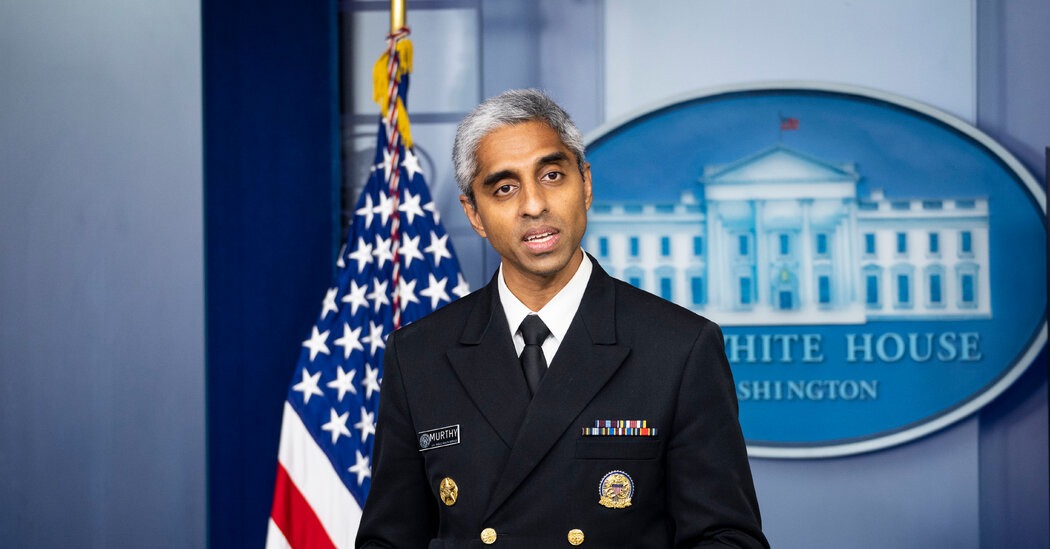
Surgeon General Assails Tech Companies Over Misinformation on Covid-19

Dr. Vivek Murthy issued an advisory declaring health misinformation an “urgent threat” and said tech and social media companies needed to fight it more aggressively.President Biden’s surgeon general on Thursday used his first formal advisory to the United States to deliver a broadside against tech and social media companies, which he accused of not doing enough to stop the spread of dangerous health misinformation — especially about Covid-19.The official, Dr. Vivek Murthy, declared such misinformation “an urgent threat to public health.” His pronouncement came just days after representatives from his office met with Twitter officials, according to a person with knowledge of the matter who spoke on condition of anonymity.Surgeons general have traditionally used advisories — short statements meant to call Americans’ attention to a public health issue and provide recommendations for addressing it — to talk about such health matters as tobacco use, opioid addiction, suicide prevention and breastfeeding.But Dr. Murthy’s advisory, a 22-page report with footnotes, had a more political context. Fox News hosts like Tucker Carlson and Laura Ingraham, along with their guests, are among those who have been casting doubt on Covid-19 vaccines, which studies show are highly effective at preventing death and hospitalization from the disease.Dr. Murthy couched his criticism of tech companies in a broader declaration about the dangers of inaccurate and false information about health, including misinformation about coronavirus vaccinations. He called on all Americans to take pains to share accurate information, and said the United States needs “an all-of-society approach” to combat the problem.But at a news briefing Thursday, Dr. Murthy joined the White House press secretary, Jen Psaki, and made clear that tech and social media companies were his main target, saying they have a singular responsibility to be more aggressive in fighting misinformation and citing Facebook by name.“Modern technology companies have enabled misinformation to poison our information environment, with little accountability to their users,” Dr. Murthy said.“We expect more from our technology companies,” he added. “We’re asking them to operate with greater transparency and accountability. We’re asking them to monitor misinformation, more closely.”Facebook, Twitter and YouTube all said Thursday that they had taken steps to crack down on misleading health information, in keeping with their coronavirus misinformation policies. All three said they had introduced features to point users to authoritative health sources on their platforms.“We permanently ban pages, groups and accounts that repeatedly break our rules on Covid misinfo, and this includes more than a dozen pages, groups and accounts from some of the individuals referenced in the press briefing today,” said Dani Lever, a spokeswoman for Facebook.YouTube said in a statement that it welcomed many aspects of the surgeon general’s report. Twitter said it agreed with Dr. Murthy’s approach and welcomed his partnership.Calling out tech and media companies is tricky business, and the White House has danced around the question of whether it would try to regulate companies like Facebook that have become platforms for health disinformation. Asked about this at her Wednesday briefing, Ms. Psaki was noncommittal.“Obviously, decisions to regulate or hold to account any platform would certainly be a policy decision,” she said. “But in the interim, we’re going to continue to call out disinformation and call out where that information travels.”Hours after Dr. Murthy’s report was issued, the Rockefeller Foundation announced in a news release that it would provide $13.5 million in new funding to strengthen coronavirus response efforts in the United States, Africa, India and Latin America, and particularly “to counter health mis- and disinformation.”The Digital Public Library of America also said it would partner with the surgeon general by bringing librarians, scholars, journalists and civic leaders together to talk about the role libraries can play in combating misinformation.Misinformation about social distancing, mask use, treatments and vaccines has been rampant during the pandemic. The report is a sign that the Biden administration, faced with a steep decline in the number of new vaccinations, is moving more forcefully to confront it. Fewer than 50 percent of Americans are fully vaccinated, and many top health experts have called for the president to do more to reach people who have yet to get shots.While nationwide cases and hospitalization numbers remain relatively low, more local hot spots are emerging and the national trends are moving in the wrong direction, fueled by the spread of the more contagious Delta variant. Vaccines are effective against the variant. Counties that voted for Mr. Biden average higher vaccination levels than those that voted for former President Donald J. Trump. Conservatives tend to decline vaccination far more often than Democrats.The surgeon general’s report is assiduously apolitical, and does not name any specific purveyors of misinformation. But it comes as some Republican leaders, concerned that the virus is spreading quickly through conservative swaths of the country, are beginning to promote vaccination and speak out against media figures and elected officials who are casting doubt on vaccines.Health misinformation is not a recent phenomenon — and is not limited to news media. In the 1990s, the report notes, “a poorly designed study” — later retracted — falsely claimed that the measles, mumps, rubella vaccine caused autism. “Even after the retraction, the claim gained some traction and contributed to lower immunization rates over the next 20 years,” the report said.It cites evidence of the spread of misinformation, including a study by the Kaiser Family Foundation that found, as of late May, that 67 percent of unvaccinated adults had heard at least one Covid-19 vaccine myth and either believed it to be true or were unsure. A Science Magazine analysis of millions of social media posts found that false news stories were 70 percent more likely to be shared than true stories.Another recent study showed that even brief exposure to misinformation made people less likely to want a vaccine, the surgeon general said.

Read more →

High daily screen time linked to cognitive, behavioral problems in children born extremely preterm

NIH/Eunice Kennedy Shriver National Institute of Child Health and Human Development. “High daily screen time linked to cognitive, behavioral problems in children born extremely preterm: NIH-funded study finds deficits in overall IQ, problem solving skills and impulse control.” ScienceDaily. ScienceDaily, 15 July 2021. .
NIH/Eunice Kennedy Shriver National Institute of Child Health and Human Development. (2021, July 15). High daily screen time linked to cognitive, behavioral problems in children born extremely preterm: NIH-funded study finds deficits in overall IQ, problem solving skills and impulse control. ScienceDaily. Retrieved July 16, 2021 from www.sciencedaily.com/releases/2021/07/210715142419.htm
NIH/Eunice Kennedy Shriver National Institute of Child Health and Human Development. “High daily screen time linked to cognitive, behavioral problems in children born extremely preterm: NIH-funded study finds deficits in overall IQ, problem solving skills and impulse control.” ScienceDaily. www.sciencedaily.com/releases/2021/07/210715142419.htm (accessed July 16, 2021).

Read more →

Human cells harness power of detergents to wipe out bacteria

Cells, like many of us, fend off germs with cleaning products.
Researchers have discovered that a molecule made throughout much of the body wipes out invading bacteria like a detergent attacking an oily stain.
This killer cleaner, a protein known as APOL3, thwarts infections by dissolving bacterial membranes, Howard Hughes Medical Institute Investigator John MacMicking and his colleagues report in the journal Science on July 15, 2021. His team tested the protein on the food-poisoning bacteria Salmonella and other similar microbes.
The work offers new insight into how human cells defend themselves against infection, a process termed cell-autonomous immunity. While scientists knew that cells could attack bacterial membranes, this study uncovers what appears to be the first example of a protective intracellular protein with detergent-like action.
MacMicking hopes the findings could one day aid efforts to develop new treatments for infections. “This is a case where humans make their own antibiotic in the form a protein that acts like a detergent,” says MacMicking, an immunologist at Yale University. “We can learn from that.”
Breaching barriers
When it comes to defending the human body, the specialized cells of the immune system act as a crew of cellular bodyguards. But the same alarm signals that mobilize these cells can also activate average citizens. A signal called interferon gamma, for instance, cranks up protein production in non-immune cells that compose our tissues and organs. But scientists know little about how such proteins help cells fight pathogens.

Read more →

Red blood cell 'traffic' contributes to changes in brain oxygenation

Adequate blood flow supplies the brain with oxygen and nutrients, but the oxygenation tends to fluctuate in a distinct, consistent manner. The root of this varied activity, though, is poorly understood.
Now, Penn State researchers have identified one cause of the fluctuations: inherent randomness in the flow rate of red blood cells through tiny blood vessels called capillaries. According to the researchers, this randomness could have potential implications for understanding the biological build-up mechanisms underlying neurodegenerative diseases, such as Alzheimer’s disease. They published their findings in PLOS Biology today (July 15).
“These oxygenation fluctuations also occur in other tissues, like muscle,” said Patrick Drew, Huck Distinguished Associate Professor of Engineering Science and Mechanics, Neurosurgery and Biomedical Engineering.?”The question we had was: Are these fluctuations caused by neural activity or something else?”
The fluctuations resemble 1/f-like noise, a statistical pattern showing large fluctuations made up of many small fluctuations and naturally occurring in a variety of phenomena, from stock-market prices to river heights. The researchers investigated the fluctuations in mice due to their brains’ similarities to those of humans, according to Drew, who also serves as associate director of the Penn State Neuroscience Institute.
First, the researchers monitored the blood flow, oxygenation and electrical signals produced by brain activity — the first time the latter two had been tracked simultaneously, according to Drew — in awake mice. They collected the data as mice moved on a spherical treadmill for up to 40 minutes at a time.
Next, to investigate the relationship between brain activity and oxygenation fluctuations, the researchers used pharmacological compounds to temporarily and reversibly silence neural signals in the mice’s brains. Despite the silencing, the fluctuations continued, showing little correlation between neural activity and oxygenation.
The passage of red blood cells, however, told a different story. Using two-photon laser scanning microscopy, an imaging technique used to visualize cells deep inside living tissue, the researchers could visualize the passage of individual red blood cells through capillaries.
“It’s like traffic,” Drew said. “Sometimes there are a lot of cars going by, and the traffic gets plugged up, and sometimes there aren’t. And red blood cells go either way when they approach a junction, so this random flow can lead to bottlenecks and stalls in the vessel.”
Importing experimental data into a statistical model allowed the researchers to run further simulations and make inferences based on massive amounts of data produced by the model. The researchers discovered that these random red blood cell stoppages contributed to the fluctuations in oxygenation, further supporting a relationship between the flow of red blood cells through capillaries and the tiny changes in oxygenation that formed larger trends.
Better understanding the regulation of blood flow and subsequent transport of oxygen can help researchers improve medical technology and explore causes of diseases such as Alzheimer’s, according to Drew. While the researchers identified the link between red blood cell transport and oxygenation, further research is needed to investigate additional contributors to oxygenation fluctuations that could play a role in neurodegenerative diseases.
Kyle Gheres, a graduate student in the intercollege Graduate Program in Molecular Cellular and Integrative Biosciences, also contributed to this paper. Qingguang Zhang, assistant research professor of engineering science and mechanics, served as first author on the paper. This work was supported by the National Institutes of Health.
Story Source:
Materials provided by Penn State. Original written by Gabrielle Stewart. Note: Content may be edited for style and length.

Read more →