Biden Predicts F.D.A. Will Give Final Vaccine Approval by the Fall

The president also defended his opposition to eliminating the Senate filibuster, even though it is being used to block voting rights legislation he has championed.President Biden said on Wednesday that he expected the Food and Drug Administration would give final approval quickly for coronavirus vaccines, as he pressed for skeptical Americans to get vaccinated and stop another surge of the pandemic.Speaking to a town hall audience in Ohio, Mr. Biden said he was not intervening in the decisions of government scientists, but pointed toward a potential decision soon from the F.D.A. to give final approval for the vaccines, which are currently authorized for emergency use. Many medical professionals have pushed for the final approval, saying it could help increase uptake of the vaccines.“My expectation talking to the group of scientists we put together, over 20 of them plus others in the field, is that sometime maybe in the beginning of the school year, at the end of August, beginning of September, October, they’ll get a final approval” for the vaccines, Mr. Biden said.The president also said he expected children younger than 12, who are not currently eligible to receive the vaccine, to be cleared to get it on an emergency basis “soon, I believe.”In an hourlong discussion with a largely friendly crowd and moderator, CNN’s Don Lemon, at Mount St. Joseph University, Mr. Biden fielded questions about the economy, gun violence, the opioid crisis, immigration, the virtues of bipartisan compromise, the pandemic and online misinformation about vaccines. In typical Biden fashion, he frequently veered into personal stories and punctuated answers with “I’m serious,” and he sometimes did not give direct answers in the process.Mr. Biden defended his opposition to eliminating the Senate filibuster — which requires 60 votes to move most major legislation — to pass a voting rights bill that he has called crucial for democracy, even when Mr. Lemon pushed him to explain why he would keep in place a weapon that senators have used over decades to block civil rights legislation.“There’s no reason to protect it,” Mr. Biden said, “other than, you’re going to throw the entire Congress into chaos and nothing will get done.”Mr. Biden expressed optimism that Republican and Democratic senators would reach a final agreement on a bipartisan infrastructure package next week, which he also promised would “absolutely” make it possible to replace the beleaguered Brent Spence Bridge between Kentucky and Ohio.He acknowledged concerns about rising inflation across the economy but predicted price spikes would prove temporary, and he cited analysis from economists at Moody’s who said this week that Mr. Biden’s ongoing spending plans — including trillions for child care, education, antipoverty efforts and more — would dampen inflation in the years to come.“We’re going to be providing good opportunities and jobs for people who, in fact, are going to be reinvesting that money back in all the things we’re talking about,” Mr. Biden said. “Driving down prices, not raising prices.”The president did not give a direct answer to the owner of a restaurant chain who said he was having trouble hiring workers as the economy recovered.Mr. Biden said that it was good that workers had the ability to search for new and better jobs, and that companies had to compete to hire them. He said he saw “no evidence” that expanded unemployment benefits, which were included in the $1.9 trillion stimulus package he signed into law in March, were deterring workers — but even if they were, he said, the benefits are set to end soon.“I think it really is a matter of people deciding now that they have opportunities to do other things and there’s a shortage of employees, people are looking to make more money and to bargain,” Mr. Biden told the restaurant owner. “So I think your business and the tourist business is really going to be in a bind for a little while.”While Mr. Biden was flying to the Kentucky airport that serves Cincinnati, senators voted Wednesday on a motion to advance the bipartisan infrastructure framework, which is not yet finalized nearly a month after Mr. Biden and centrist lawmakers unveiled it at the White House. The vote failed, leaving Senator Chuck Schumer, Democrat of New York and the majority leader, to reserve the right to schedule another vote next week in hopes of moving the agreement forward.Administration officials have engaged in negotiations with Republicans and Democrats in recent days to finalize the deal, including how to fully pay for its spending. Lawmakers indicated on Wednesday that they expect to reach final agreement in days.Asked how long it will take to get the bipartisan deal done, Mr. Biden replied, “Till Monday.”“I come from a tradition in the Senate, you shake your hand, that’s it. You keep your word,” Mr. Biden said. He predicted Republicans would do so. “I think it’s going to get done.”But Mr. Biden was less solicitous of his Republican counterparts when it came to the issues of gun violence and policing. He told a questioner that the country needed more police officers, not fewer. Asked how he responds to Republicans who paint his party as anti-police, he replied, “They’re lying.”Asked to clarify his administration’s stance on immigrants attempting to cross into the country at the border, Mr. Biden said he was pushing for asylum seekers to do so in embassies in their own countries. “They should not come,” he said.

Read more →

Covid: Where and why is the US vaccine rollout slowing down?

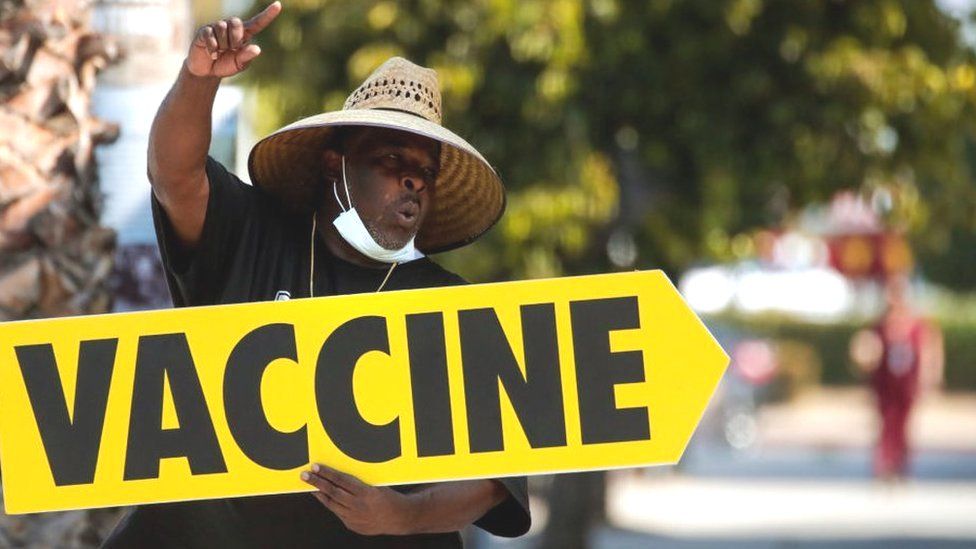
SharecloseShare pageCopy linkAbout sharingimage copyrightGetty ImagesPresident Joe Biden is urging Americans to get jabbed as the country’s vaccination rollout slows down.Infections are rising across the country, and in some states fewer than half of residents have received their first dose.We’ve looked into where vaccinations are lagging, and why this might be.US falling behindSupply isn’t generally a problem in the US, and anyone over the age of 12 is eligible to receive an authorised vaccine.But after being one of the world leaders in vaccine uptake until the middle of April, the US vaccination rate has slowed down.The US now lags behind neighbouring Canada in terms of doses administered as share of total population, as well as the UK, Italy and Germany.It’s still ahead of some other major economies, such as Japan, but the vaccination rate in the US is dropping off as it climbs elsewhere.The US still hasn’t reached the target set by President Biden of 4 July for getting 70% of those over 18 vaccinated with at least one shot – currently around 68% of adults have received their first dose.New infections have more than doubled in the US in the past month – and according to the US Centers for Disease Control and Prevention, the vast majority of new cases and deaths are among the unvaccinated.What states are lagging behind?States in the south of the US tend to have the lowest vaccine uptake.Mississippi and Louisiana have the lowest – both with less than 40% of residents having received at least one dose.North-eastern states tend to have among the highest vaccine uptake – with about 75% of people in Vermont and Massachusetts receiving at least one dose.Professor Peter Hotez, a vaccine expert at the Baylor College of Medicine, says: “It’s practically halted in the southern states – despite the widespread availability of the vaccine, we have a sharp divide.””In the southern states, and in the mountain west states, most of older adults are vaccinated but a lot of the younger ones are not – and that’s where the big gap lies.”image copyrightGetty ImagesData shows that in states such as Mississippi, Alabama and Louisiana, around 80% of people over 65 are vaccinated, but only around 40% of under-65s are.In contrast, in Vermont and Massachusetts almost everyone over 65 has received at least one dose, as have almost 80% of those under 65.Why has uptake slowed down?In the middle of April, the US was administering more than three million doses a day, but it is now down to about 500,000 a day.This is partly because there aren’t as many people to vaccinate – the UK has also seen its vaccination rate drop off, although not as rapidly as the US.And the UK and other developed countries have typically reached a larger share of their population before their vaccination rate has dipped.Experts say there is a lack of urgency among some healthy young people in the US, who aren’t in a rush to get a vaccine.Concern about vaccine safety and resistance to the idea of having vaccines are also issues.image copyrightGetty ImagesDr Jennifer Kates, vice-president of the Kaiser Family Foundation, which monitors vaccine sentiment, says: “Some people raise safety concerns, and say they may be more likely to get vaccinated when a vaccine is fully approved vs just authorized.” The vaccines used in the US are not yet formally approved, but have received emergency authorisation due to the urgency of the pandemic.Dr Kates adds: “A persistent share of about 20% are hold-outs, who say they won’t get vaccinated at all, or only will if required by their employer.”The Biden administration has blamed online misinformation in large part for the resistance to vaccines.The White House surgeon general has said: “It’s one of several reasons why people are not getting vaccinated, but it’s a very important one, because of what we know from polls.”We’ve reported on many examples of misinformation spreading online throughout the pandemic – such as the baseless theory that the vaccine is being used to microchip and track people.A recent poll suggests some of these unfounded claims have taken hold – with one in five Americans believing the microchip theory.Polling also suggests resistance to vaccinations is divided down political lines – with almost 30% of Republicans saying they will not get vaccinated, compared with just 4% of Democrats.Twitter suspends Marjorie Taylor Greene over ‘misleading’ Covid postsBiden rows back on Facebook ‘killing people’ commentThis would partly explain why vaccine uptake is lower in southern states, which are typically home to more Republican voters. image copyrightGetty ImagesProf Hotez says: “The biggest reason from my perspective is defiance along a political divide.”The messaging coming from conservative news outlets and conservative members of Congress is if you’re a young person you don’t need it because the death rates are low and vaccines are being used as an instrument of control by the liberals.”But there are also access issues for some people.Dr Kates says: “Despite supply not being an issue, there are still people who face barriers to getting vaccinated – not sure they can get time off work, lack of transportation, and the worry that they might have to pay.”Federal rules say Americans shouldn’t have to pay anything for vaccines, regardless of their immigration or health insurance status.Read more from Reality CheckSend us your questions

Read more →

'She just wouldn't eat'

NHS data given exclusively to BBC News shows a 50% increase in eating disorder admissions in 2020-21 among under-19s compared to the year before. It means there are long waits for help.The BBCs Jayne McCubbin met a family who went through lockdown trying to cope as their daughter developed anorexia.

Read more →

Olympics Virus Cases Raise Tricky Questions About Testing

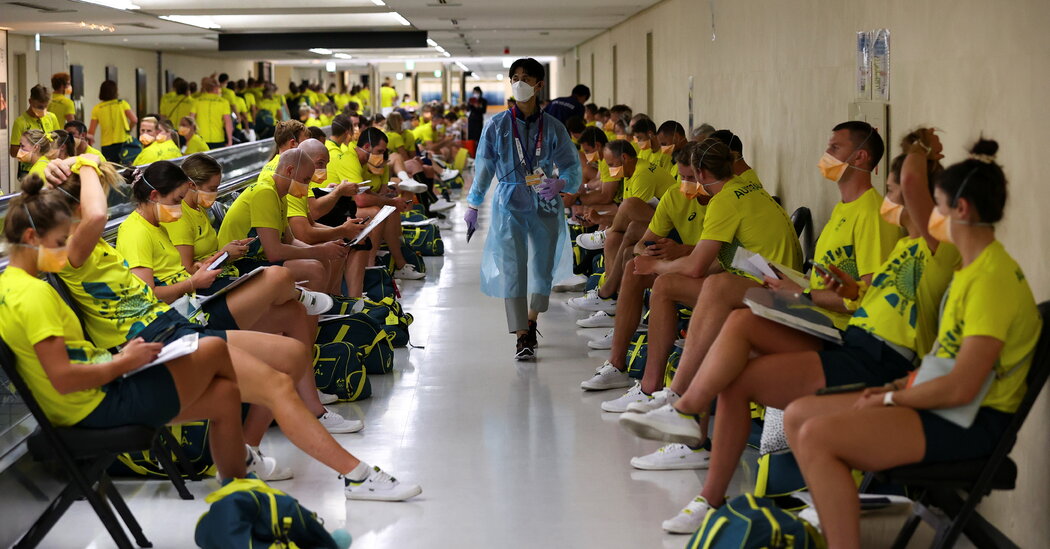
Frequent screening of healthy, vaccinated people will pick up even the mildest infections. How much testing is too much?On Sunday, officials announced that two players on South Africa’s soccer team had become the first athletes to test positive for the coronavirus inside Tokyo’s Olympic Village. The next day, news broke that an alternate on the American women’s gymnastics team, training outside of Tokyo, tested positive.Another cluster of cases has reportedly popped up on the Czech men’s beach volleyball team. There will be more.“The Olympic Village isn’t the type of lockdown bubble that you saw in the N.B.A.,” said Zachary Binney, a sports epidemiologist at Oxford College of Emory University. “So I think you are going to continue to see cases pop up, including among vaccinated people.”It is too early to judge what impact, if any, the Olympics will have on the Covid-19 pandemic writ large — or if the Games may ultimately fuel larger outbreaks.But the discovery of isolated cases, even in vaccinated athletes, is entirely expected, scientists say, and not necessarily a cause for alarm. “This isn’t really that much of a surprise,” said Angela Rasmussen, a virologist at the Vaccine and Infectious Disease Organization at the University of Saskatchewan.Still, these cases do raise thorny questions about how to design testing programs — and respond to test results — at this phase of the pandemic, in which the patchy rollout of vaccines means that some people and communities are well protected from the virus while others remain at risk.As Dr. Rasmussen put it: “When does a positive test really indicate that there’s a problem?”Counting casesCovid-19 tests, which were once profoundly limited, are now widely available in most of the developed world, making it possible for organizations — including private employers, schools, professional sports leagues and the Olympics organizers — to routinely screen people for the virus.Vaccination is not required for Olympic participants, and officials are relying heavily on testing to keep the virus at bay in Tokyo. Those headed to the Games must submit two negative tests taken on separate days within 96 hours of leaving for Japan regardless of vaccination status, according to the Olympic playbooks, or manuals.At least one of the two tests must be taken within 72 hours of departure. Participants are again tested upon arrival at the airport.Athletes, coaches and officials are also required to take daily antigen tests, which are less sensitive than P.C.R. tests but are generally quicker and cheaper. (Olympic staff and volunteers may be tested less frequently, depending on their level of interaction with athletes and officials.) If a test comes back unclear or positive, a P.C.R. test is administered.“Each layer of filtering is a reduction in the risk for everybody else,” Brian McCloskey, the chair of the Independent Expert Panel of the International Olympic Committee, told reporters this week, adding that the number of confirmed infections so far are “lower than we expected.”But when you look that hard for infections — especially in a group of people who have recently flown in from all over the globe and have had varying levels of access to vaccines — you’re all but destined to find some.“The bottom line is there’s still just a lot of SARS-CoV-2 around the world that’s spreading,” Dr. Rasmussen said, referring to the virus that causes Covid-19.Tennis practice at an empty Ariake Tennis Park on Tuesday.Chang W. Lee/The New York TimesSo far, 75 people with Olympic credentials have tested positive for the coronavirus, including six athletes, according to Toyko 2020’s public database. That number does not include those who tested positive before their departure to Japan. Little information has been released about the severity of most of these cases, though public reports suggest that the athletes are generally experiencing mild or no symptoms.It is also unclear how many of these athletes have been fully vaccinated. The I.O.C. said that it expected 85 percent of athletes, coaches and team staff staying in the Olympic Village to be vaccinated.The vaccines provide strong protection against severe disease, but they are not an impenetrable shield. There have been concerns, in particular, about the effectiveness of China’s Sinopharm and Sinovac vaccines, which some Olympic participants may have received.Some breakthrough infections are inevitable, even with the best vaccines. And these infections, which tend to be mild and rare, are more likely to be caught — and reported — when they crop up in Olympians.“You’re hearing about cases particularly among famous people and athletes because they’re well known, and they’re being tested frequently,” Dr. Binney said. It’s not just Olympians. Last week, six Yankees players tested positive for the virus, at least three of whom were fully vaccinated. It was the second breakthrough cluster on the Yankees. Five fully vaccinated state lawmakers from Texas also tested positive for the virus after racing to Washington last week in an effort to stop the passage of a restrictive state voting rights bill.As expected, most of these cases were apparently mild or even entirely asymptomatic. But P.C.R. tests can detect even minute traces of the virus.“You’re going to pick up on these low-grade infections, and the players are going to be quarantined and out of competition,” said John Moore, a virologist at Weill Cornell Medicine in New York. “And they’re probably not going to be ill, because they’re young, healthy athletes.”According to the Olympic playbooks, athletes with positive P.C.R. tests are to be isolated at designated facilities, though the location and length of isolation vary depending on the severity of the case. Japan’s health authorities require a 10-day quarantine at facilities outside the Olympic Village, and multiple negative P.C.R. tests before discharge, an I.O.C. official said in an email.Some athletes who have been flagged as close contacts of positive cases have also been moved into isolation or quarantine, although they may be allowed to continue training or competing on a case-by-case basis.Those who are cleared to compete may have to adhere to “enhanced countermeasures,” the I.O.C. says, such as eating meals alone, training at a safe distance from others and taking daily P.C.R. tests.Changing courseA testing area of the Olympic media center in Tokyo on Tuesday.Loic Venance/Agence France-Presse — Getty ImagesGiven these kinds of disruptions, some experts say that the benefits of routine testing of asymptomatic vaccinated individuals may not be worth the costs..css-1xzcza9{list-style-type:disc;padding-inline-start:1em;}.css-3btd0c{font-family:nyt-franklin,helvetica,arial,sans-serif;font-size:1rem;line-height:1.375rem;color:#333;margin-bottom:0.78125rem;}@media (min-width:740px){.css-3btd0c{font-size:1.0625rem;line-height:1.5rem;margin-bottom:0.9375rem;}}.css-3btd0c strong{font-weight:600;}.css-3btd0c em{font-style:italic;}.css-w739ur{margin:0 auto 5px;font-family:nyt-franklin,helvetica,arial,sans-serif;font-weight:700;font-size:1.125rem;line-height:1.3125rem;color:#121212;}#NYT_BELOW_MAIN_CONTENT_REGION .css-w739ur{font-family:nyt-cheltenham,georgia,’times new roman’,times,serif;font-weight:700;font-size:1.375rem;line-height:1.625rem;}@media (min-width:740px){#NYT_BELOW_MAIN_CONTENT_REGION .css-w739ur{font-size:1.6875rem;line-height:1.875rem;}}@media (min-width:740px){.css-w739ur{font-size:1.25rem;line-height:1.4375rem;}}.css-9s9ecg{margin-bottom:15px;}.css-uf1ume{display:-webkit-box;display:-webkit-flex;display:-ms-flexbox;display:flex;-webkit-box-pack:justify;-webkit-justify-content:space-between;-ms-flex-pack:justify;justify-content:space-between;}.css-wxi1cx{display:-webkit-box;display:-webkit-flex;display:-ms-flexbox;display:flex;-webkit-flex-direction:column;-ms-flex-direction:column;flex-direction:column;-webkit-align-self:flex-end;-ms-flex-item-align:end;align-self:flex-end;}.css-12vbvwq{background-color:white;border:1px solid #e2e2e2;width:calc(100% – 40px);max-width:600px;margin:1.5rem auto 1.9rem;padding:15px;box-sizing:border-box;}@media (min-width:740px){.css-12vbvwq{padding:20px;width:100%;}}.css-12vbvwq:focus{outline:1px solid #e2e2e2;}#NYT_BELOW_MAIN_CONTENT_REGION .css-12vbvwq{border:none;padding:10px 0 0;border-top:2px solid #121212;}.css-12vbvwq[data-truncated] .css-rdoyk0{-webkit-transform:rotate(0deg);-ms-transform:rotate(0deg);transform:rotate(0deg);}.css-12vbvwq[data-truncated] .css-eb027h{max-height:300px;overflow:hidden;-webkit-transition:none;transition:none;}.css-12vbvwq[data-truncated] .css-5gimkt:after{content:’See more’;}.css-12vbvwq[data-truncated] .css-6mllg9{opacity:1;}.css-qjk116{margin:0 auto;overflow:hidden;}.css-qjk116 strong{font-weight:700;}.css-qjk116 em{font-style:italic;}.css-qjk116 a{color:#326891;-webkit-text-decoration:underline;text-decoration:underline;text-underline-offset:1px;-webkit-text-decoration-thickness:1px;text-decoration-thickness:1px;-webkit-text-decoration-color:#326891;text-decoration-color:#326891;}.css-qjk116 a:visited{color:#326891;-webkit-text-decoration-color:#326891;text-decoration-color:#326891;}.css-qjk116 a:hover{-webkit-text-decoration:none;text-decoration:none;}“Many places are still continuing to asymptomatically screen fully vaccinated individuals, which isn’t something that the C.D.C. guidance recommends,” said Dr. Amesh A. Adalja, an infectious disease expert at Johns Hopkins Center for Health Security. “It lends itself to all of these kind of pseudo outbreaks that you might see with a bunch of asymptomatic infections.”Testing remains vital for people who have symptoms of Covid-19, he noted. But it no longer makes sense for those who feel fine and have been fully vaccinated, particularly with one of “the big four” vaccines — Pfizer, Moderna, Johnson & Johnson or AstraZeneca — for which there is the most data, he added.But officials may not always know who has been vaccinated and what vaccine they have received, Dr. Rasmussen noted. In those instances, they “really have no choice” but to use testing and contact tracing to minimize risks.Moreover, questions about transmission remain unsettled. Vaccinated people with asymptomatic or breakthrough infections may still be able to pass the virus on to others, but it is not yet clear how often that happens.Until that science is more definitive, or until vaccination rates rise, it is best to err on the side of safety and regular testing, many experts said. At the Olympics, for instance, frequent testing could help protect the broader Japanese population, which has relatively low vaccination rates, as well as the support staff, who may be older and at higher risk.“It’s those folks I’m most worried about, really,” said Dr. Lisa Brosseau, a research consultant at University of Minnesota’s Center for Infection Disease Research and Policy.Not only can they contract the virus, adding strain on the Japanese health care system, but they can also become sources of transmission: “Everybody’s at risk, and everybody could potentially be infected,” she said.According to the Tokyo 2020 press office, all Olympics staff and volunteers have been offered the opportunity to be vaccinated, though officials did not provide data on how many had received the shots.Instead of testing less frequently, officials could rethink how they respond to positive tests, Dr. Binney said. For instance, if someone who is vaccinated and asymptomatic tests positive, he or she should still be isolated — but perhaps close contacts could simply be monitored, rather than being placed into quarantine.“You’re trying to balance the disruptive nature of what you do when somebody vaccinated tests positive against any gains at slowing or stopping the spread of the virus,” Dr. Binney said.Organizations and officials could also adjust their testing protocols, depending on the vaccination rates in a given group and local virus transmission levels. If most people are vaccinated and the virus is circulating at low levels, officials and managers could decide to test less often or use a less sensitive test, said Andrew Pekosz, a virologist at the Johns Hopkins Bloomberg School of Public Health.At this stage of the pandemic, there is room to be more strategic about testing, said Michael Mina, an epidemiologist at Harvard T.H. Chan School of Public Health who called for widespread rapid testing when the virus hit last year.“I think testing is never going to go away as a way to know what’s happening with the virus,” he said, noting that it remains particularly important as a strategy for controlling outbreaks.“We can do the frequent testing when we need to, but only when we need to, because people are tired,” he added. “And it can be considered a very dynamic process.”

Read more →

The jungle-trekking Covid vaccinators helping to protect remote Indian villages.

With fears of a new wave of Covid hitting India, pressure is on to vaccinate more of the population. Despite being the world’s largest producer of Covid vaccines, there’s been criticism that the rollout has been slow. Health experts say that until the virus is contained in countries like India, the pandemic won’t be over for the world. But there are some glimmers of hope. BBC South Asia correspondent Rajini Vaidyanathan reports from one remote district in the north-eastern state of Arunachal Pradesh, which has managed to vaccinate the vast majority of adults – against all odds. Video by Rajini Vaidyanathan, Kunal Sehgal and Pritam Roy

Read more →

Study finds calcium precisely directs blood flow in the brain

Unlike the rest of the body, there is not enough real estate in the brain for stored energy. Instead, the brain relies on the hundreds of miles of blood vessels within it to supply fresh energy via the blood. Yet, how the brain expresses a need for more energy during increased activity and then directs its blood supply to specific hot spots was, until now, poorly understood.
Now, University of Maryland School of Medicine and University of Vermont researchers have shown how the brain communicates to blood vessels when in need of energy, and how these blood vessels respond by relaxing or constricting to direct blood flow to specific brain regions.
In their new paper, published on July 21 in Science Advances, the researchers say that understanding how the brain directs energy to itself in intricate detail can help determine what goes wrong in conditions like Alzheimer’s disease and dementia, where faulty blood flow is a predictor for cognitive impairment. If the brain does not get blood to where it needs it when it needs it, the neurons become stressed, and over time they deteriorate ultimately leading to cognitive decline and memory problems.
Large arteries feed medium-sized vessels known as arterioles that then feed even tinier capillaries — so small that only a single blood cell can pass through at once. In a 2017 Nature Neuroscience paper, the researchers showed that electrical pulses coursing through the capillaries direct blood flow from the medium-sized arterioles supplying large regions of the brain. For this latest paper, the team wanted to study the fine-tuning of blood as it flows through the capillaries to precisely regulate energy supply to tiny regions in the brain.
“There seem to be two mechanisms working in tandem to ensure that energy in the form of blood makes it to specific regions of the brain: one broad and the other precise,” says Thomas Longden, Ph.D., Assistant Professor of Physiology at University of Maryland School of Medicine. “The first electrical mechanism is like a crude sledgehammer approach to get more blood to the general vicinity of the increased brain activity by controlling the medium-sized arterioles, and then capillary calcium signals ensure exquisite fine-tuning to make sure the blood gets to exactly the right place at the right time through the tiny capillaries.”
Dr. Longden and his collaborators used a protein which emits green light when calcium increases in the cell. Due to the efforts of Michael Kotlikoff’s team at Cornell University, they were able to turn this tool on in the cells lining blood vessels of mice. The researchers then looked through little windows in the brains of these mice to investigate calcium’s role in controlling blood flow in the brain’s capillaries. When the cells lining the blood vessels received an influx of calcium, they glowed green. They detected 5,000 calcium signals per second in the capillaries in the tiny section of brain visible through the window, which they say amounts to about 1,000,000 of these responses each second in the entire brain’s blood vessel system.
“Until we deployed this new technology, there was this wholly unseen world of calcium signaling in the brain hidden from view, and now we can see a ton of activity within the brains blood vessels — they are constantly firing,” says Dr. Longden.
Dr. Longden and the research team then dissected the intricate cellular mechanism behind calcium’s role in directing blood branch-by-branch through the tiny vessels of the brain. They found that when neurons fire electrical signals, they cause an increase in calcium in the cells lining the blood vessels. Then enzymes detect this calcium and direct the cells to make nitric oxide. Nitric oxide is a hormone (and a gas) that causes muscle-like cells around blood vessels to relax, which then widens the vessels allowing more blood to flow in.
“Capillaries were traditionally thought as simple conduits for red blood cells, and the barrier between the blood and brain,” says co-senior author Mark T. Nelson, PhD, University of Vermont Distinguished Professor and Chair of Pharmacology. “Here, we revealed an unknown universe of calcium signaling in capillaries, and much like traffic lights, these calcium signals direct vital nutrients to nearby active neurons.”
“The first step towards figuring out what goes wrong in diseases is to determine how the system works as it normally should,” says E. Albert Reece, MD, PhD, MBA, Executive Vice President for Medical Affairs, UM Baltimore, and the John Z. and Akiko K. Bowers Distinguished Professor and Dean, University of Maryland School of Medicine. “Now that the researchers have a handle on how this process works, they can begin to investigate how the blood flow is disrupted in Alzheimer’s disease and dementia in order to figure out ways to fix it.”
Story Source:
Materials provided by University of Maryland School of Medicine. Original written by Vanessa McMains. Note: Content may be edited for style and length.

Read more →

Evidence of sustained benefits of pimavanserin for dementia-related psychosis

Evidence of the sustained benefits of an investigational antipsychotic treatment for people with dementia-related psychosis has been published.
Up to half of the 45 million people worldwide who are living with Alzheimer’s disease will experience psychotic episodes, a figure that is even higher in some other forms of dementia. Psychosis is linked to a faster deterioration in dementia.
Despite this, there is no approved safe and effective treatment for these particularly distressing symptoms. In people with dementia, widely-used antipsychotics lead to sedation, falls and increased risk of deaths.
Pimavanserin works by blocking serotonin 5HT2A receptors, and doesn’t interact with the dopamine receptors. It is licensed in the US to treat hallucinations and delusions in people with Parkinson’s disease psychosis.
A new paper published in the New England Journal of Medicine outlines a clinical trial, conducted in 392 people with psychosis associated with Alzheimer’s disease, Parkinson’s disease, Lewy body, frontotemporal, or vascular dementia. All participants were given pimavanserin for 12 weeks. Those who met a threshold of symptom improvement were then assigned to pimavanserin or placebo for up to 26 weeks.
The trial was stopped early for positive efficacy results. Of the 351 participants, 217 (61.8%) had a sustained initial treatment benefit, of whom 112 were assigned to placebo and 105 to pimavanserin. Relapse occurred in 28/99 (28.3%) of the placebo group, compared to 12/95 (12.6%) of the pimvanserin group, with pimvanserin more than halving the relapse rate and significantly improving the sustained benefit.
Professor Clive Ballard, Executive Dean of the University of Exeter Medical School, said: “Psychosis affects up to half of all people with dementia, and it’s a particularly distressing symptom — yet there’s currently no safe and effective treatment. Currently used antipsychotics are known to cause harms, and best practice guidelines recommend prescribing for no longer than 12 weeks for people with dementia as a result. We urgently need alternatives. It’s exciting that the relapse rate in the pimavanserin group was lower than the placebo group, indicating that the treatment benefits may be sustained over time. We now need longer and larger scale trials to explore this further.”
The trial found headache, urinary tract infection and constipation occurred more frequently in the pimavanserin group, but there was no increase in mortality or the other serious events, such as stroke, which are known to increase with other antipsychotics.
Story Source:
Materials provided by University of Exeter. Note: Content may be edited for style and length.

Read more →

Dynamic heart model mimics hemodynamic loads, advances engineered heart tissue technology

Efforts to understand cardiac disease progression and develop therapeutic tissues that can repair the human heart are just a few areas of focus for the Feinberg research group at Carnegie Mellon University. The group’s latest dynamic model, created in partnership with collaborators in the Netherlands, mimics physiologic loads on engineering heart muscle tissues, yielding an unprecedented view of how genetics and mechanical forces contribute to heart muscle function.
“Our lab has been working for a long time on engineering and building human heart muscle tissue, so we can better track how disease manifests and also, create therapeutic tissues to one day repair and replace heart damage,” explains Adam Feinberg, a professor of biomedical engineering and materials science and engineering. “One of the challenges is that we have to build these small pieces of heart muscle in a petri dish, and we’ve been doing that for many years. What we’ve realized is that these in-vitro systems do not accurately recreate the mechanical loading we see in the real heart due to blood pressure.”
Hemodynamic loads, or the preload (stretch on heart muscle during chamber filling) and afterload (when the heart muscle contracts), are important not only for healthy heart muscle function, but can also contribute to cardiac disease progression. Preload and afterload can lead to maladaptive changes in heart muscle, as is the case of hypertension, myocardial infarction, and cardiomyopathies.
In new research published in Science Translational Medicine, the group introduces a system comprised of engineered heart muscle tissue (EHT) that is attached to an elastic strip designed to mimic physiologic preloads and afterloads. This first-of-its-kind model shows that recreating exercise-like loading drives formation of more functional heart muscle that is better organized and generates more force each time it contracts. However, using cells from patients with certain types of heart disease, these same exercise-like loads can result in heart muscle dysfunction.
“One of the really important things about this work is that it’s a collaborative effort between our lab and collaborators in the Netherlands, including Cardiologist Peter van der Meer,” says Feinberg. “Peter treats patients that have genetically-linked cardiovascular disease, including a type called arrhythmogenic cardiomyopathy (ACM) that often becomes worse with exercise. We have been able to get patient-specific induced pluripotent stem cells, differentiate these into heart muscle cells, and then use these in our new EHT model to recreate ACM in a petri dish, so we can better understand it.”
Jacqueline Bliley, a biomedical engineering graduate student and co-first author of the recently published paper, adds, “The collaborative nature of this work is so important, to be able to ensure reproducibility of the research and compare findings across the world.”
Looking to the future, the collaborators aim to use their model and findings to study a wide range of other heart diseases with genetic mutations, develop new therapeutic treatments and test drugs to gauge their effectiveness.
“We can take lessons learned from building the EHT in a dish to create larger pieces of heart muscle that could be used therapeutically. By combining these new results with our previous work involving 3D bioprinting heart muscle (published in Science in 2019), we hope to one day engineer tissues large and functional enough to implant, and repair the human heart,” projects Feinberg.
Story Source:
Materials provided by College of Engineering, Carnegie Mellon University. Original written by Sara Vaccar. Note: Content may be edited for style and length.

Read more →

Researchers find immune component to rare neurodegenerative disease

UT Southwestern researchers have identified an immune protein tied to the rare neurodegenerative condition known as Niemann-Pick disease type C. The finding, made in mouse models and published online in Nature, could offer a powerful new therapeutic target for Niemann-Pick disease type C, a condition that was identified more than a century ago but still lacks effective treatments.
“Niemann-Pick disease has never been considered an immune disorder,” says study leader Nan Yan, Ph.D., associate professor of immunology and microbiology. “These findings put it in a whole new light.”
Niemann-Pick disease type C, which affects about 1 in every 150,000 people worldwide, has long been considered a disease of cholesterol metabolism and distribution, a topic well-studied at UT Southwestern, where faculty members Michael Brown, M.D., and Joseph Goldstein, M.D., won the Nobel Prize in 1985 for their discovery of low-density lipoprotein (LDL) receptors, which led to the development of statin drugs.
When the Npc1 gene is mutated, cholesterol isn’t sent where it’s needed in cells, causing the progressive decline in motor and intellectual abilities that characterize Niemann-Pick. Yan’s lab, which doesn’t study cholesterol metabolism, made its discovery by chance while researching an immune protein known as STING, short for stimulator of interferon genes.
STING is a critical part of the body’s defense against viruses, typically relying on another protein known as cyclic GMP-AMP synthase (cGAS) to sense DNA and turn on immune genes to fight off viral invaders. The cGAS enzyme was identified at UT Southwestern.
STING journeys to different organelles to perform various tasks before it ends up in lysosomes, which serve as cellular garbage dumps. Disposal of STING is critical for an appropriate immune response, explains Yan; research from his lab and others has shown that when STING isn’t properly discarded, it continues to signal immune cells, leading to a variety of autoimmune conditions.

Read more →

New study confirms relationship between toxic pollution, climate risks to human health

For more than 30 years, scientists on the U.N.’s Intergovernmental Panel on Climate Change have focused on human-induced climate change. Their fifth assessment report led to the Paris Agreement in 2015 and, shortly after, a special report on the danger of global warming exceeding 1.5 degrees Celsius above pre-industrial levels. The Nobel Prize-winning team stressed that mitigating global warming “would make it markedly easier to achieve many aspects of sustainable development, with greater potential to eradicate poverty and reduce inequalities.”
In a first-of-its-kind study that combines assessments of the risks of toxic emissions (e.g., fine particulate matter), nontoxic emissions (e.g., greenhouse gases) and people’s vulnerability to them, University of Notre Dame postdoctoral research associate Drew (Richard) Marcantonio, doctoral student Sean Field (anthropology), Associate Professor of Political Science Debra Javeline and Princeton’s Agustin Fuentes (formerly of Notre Dame) found a strong and statistically significant relationship between the spatial distribution of global climate risk and toxic pollution. In other words, countries that are most at risk of the impacts of climate change are most often also the countries facing the highest risks of toxic pollution.
They also measured other variables, including the correlation of the spatial distribution of toxic environments, total mortality due to pollution and climate risk, and they found a strong interconnection. They write in their in their forthcoming PLOS paper, “Global distribution and coincidence of pollution, climate impacts, and health risk in the Anthropocene”: “Deaths resulting from toxic pollution are highest where the distribution of toxic pollution is greatest and, critically, also where the impacts of climate change pose the greatest risk.”
“It is not surprising to find that these risks are highly correlated, but this article provides the data and analysis to inform policy, data and analysis that were previously lacking,” Javeline said.
To complete the study, Javeline, Marcantonio, Field and Fuentes used data from three indexes. ND-GAIN is an index of 182 countries that summarizes a country’s vulnerability and exposure to climate impacts risks and its readiness to improve climate resilience. EPI ranks 180 countries on 24 performance indicators across 10 issue categories covering environmental health and ecosystem vitality. Lastly, GAHP estimates the number of toxic pollution deaths for a country, including deaths caused by exposure to toxic air, water, soil and chemical pollution globally.
In order to make their results the most advantageous for policymakers, the authors created what they call “Target,” a measure that combines a country’s climate impacts risk, toxic pollution risk and its potential readiness to mitigate these risks. Based on these criteria, the top 10 countries they recommend concentrating on are Singapore, Rwanda, China, India, Solomon Islands, Bhutan, Botswana, Georgia, the Republic of Korea and Thailand. Among those countries appearing at the bottom of the list are Equatorial Guinea, Iraq, Jordan, Central African Republic and Venezuela. These nations are most likely to have outstanding governance issues that currently stand in the way of effectively addressing pollution.
“Notably, our results find that the top one-third of countries at risk of toxic pollution and climate impacts represent more than two-thirds of the world’s population, highlighting the magnitude of the problem and unequal distribution of environmental risk. Given that a large portion of the world’s population lives in countries at higher toxic pollution and climate impacts risk, understanding where and how to target in pollution risk mitigation is critical to maximizing reductions of potential human harm,” they write.
The authors also note that by mitigating toxic pollution in large countries with high populations such as China and India, neighboring countries will also benefit. China’s Air Pollution and Prevention and Control Action Plan of 2013, which specifically targets toxic emissions, is producing impressive results. Researchers have found a 40 percent reduction in toxic emissions since the plan was enacted.
“The idea of Target is to highlight where action can be taken to reduce risk to human health and flourishing, but how that targeting is done — e.g., incentives vs. sanctions — requires moral reflection to determine what actions should be taken and who should take them. This is especially true given the general inverse relationship between who is most responsible for producing these risks versus who is most at risk,” Marcantonio said.
During the 2021-22 academic year, the University, through its annual Notre Dame Forum, will engage in a series of conversations devoted to the theme “Care for Our Common Home: Just Transition to a Sustainable Future.” Inspired by Laudato Si’ and Pope Francis’ continued emphasis on these issues, the forum will feature a wide range of discussions and events over the coming year. Since its establishment in 2005, the Notre Dame Forum has featured major talks by leading authorities on issues of importance to the University, the nation and the larger world, including the challenges and opportunities of globalization, the role of presidential debates, immigration and the place of faith in a pluralistic society.

Read more →