Scientists discover a surprising new way that tuberculosis suppresses immunity

When Mycobacterium tuberculosis (Mtb), the bacterium that causes tuberculosis, infects a person, the body’s immune response is critical to how the disease will progress — either helping the body fight the bacterium or exacerbating the infection
University of Maryland researchers discovered a way that Mtb can cause a person’s immune cells to lower their defenses. Specifically, they identified a gene in the bacterium that suppresses immune defenses in infected human cells, which could exacerbate the infection.
This new finding may point to an effective target for a gene-based treatment or preventative therapy for tuberculosis, which sickens about 10 million people and kills 1-2 million people annually according to the World Health Organization. Available treatments are only 85% effective and multidrug-resistant forms of tuberculosis pose a public health threat in many parts of the world. The study was published on July 29, 2021, in the journal PLOS Pathogens.
“In order to develop novel therapeutic targets, an understanding of the molecular mechanisms of how bacterial proteins interact with human cells is essential,” said Volker Briken, a professor of cell biology and molecular genetics at UMD and the senior author of the study. “This is exciting that we have discovered an interaction that has never been observed before between the bacteria that causes tuberculosis and a signaling system in human cells that is important in the cell’s defense against pathogens.”
Briken and his team, which was led by postdoctoral fellow and lead author of the study Shivangi Rastogi, made their discovery by infecting a type of white blood cell called a macrophage with either Mtb — the bacterium that causes tuberculosis — or a non-virulent bacterium and observing the cell’s response. The researchers found that a complex of proteins called the inflammasome was dramatically limited in cells infected with Mtb, but not in those infected with the non-virulent bacteria. The inflammasome surveys a cell’s interior for pathogens and then signals the cell to launch an immune response
“It was very unexpected for us to find this primary observation that Mtb can actually inhibit the inflammasome,” Briken said. “The infection also causes some minor activation of the inflammasome, and so no one bothered to look for a potential of Mtb to inhibit the process. It is a classic example of the tug of war between the pathogen wanting to suppress host immunity and the host cell sensing the pathogen to activate immune responses.”
Next, the team wanted to know if a specific Mtb gene was responsible for suppressing the inflammasome. The researchers inserted genes of Mtb into a non-virulent mycobacterium species and used these mutants to infect new macrophages. They discovered that infections with non-virulent bacteria carrying the Mtb gene named PknF limited the inflammasome response in host cells
“We don’t know how this gene inhibits the inflammasome,” Briken said, “but the function of this gene is to regulate the production and/or secretions of lipids, so we think maybe the bacterium modifies lipid secretion in a way that influences the inflammasome. That is what we will be investigating in future studies.”
How PknF suppresses the inflammasome of host cells is just one of the questions Briken would like to answer. He and his team are also working to determine PknF’s role in the virulence of the disease. If it turns out that suppressing the inflammasome allows Mtb to be more virulent, then the PknF gene could become a good target for future drug therapies to treat the disease.
Story Source:
Materials provided by University of Maryland. Original written by Kimbra Cutlip. Note: Content may be edited for style and length.

Read more →

A blood test for your body clock? It's on the horizon

The answer, mounting research suggests, can influence everything from a person’s predisposition to diabetes, heart disease and depression to the optimal time for them to take medication. But unlike routine blood tests for cholesterol and hormone levels, there’s no easy way to precisely measure a person’s individual circadian rhythm.
New CU Boulder research, published in the Journal of Biological Rhythms, suggests that day could come in the not-too-distant future. The study found that it’s possible to determine the timing of a person’s internal circadian or biological clock by analyzing a combination of molecules in a single blood draw.
“If we can understand each individual person’s circadian clock, we can potentially prescribe the optimal time of day for them to be eating or exercising or taking medication,” said senior author Christopher Depner, who conducted the study while an assistant professor of integrative physiology at CU Boulder. “From a personalized medicine perspective, it could be groundbreaking.”
A central ‘master clock’ in a region of the brain called the hypothalamus helps to regulate the body’s 24-hour cycle, including when people naturally feel sleepy at night and have the urge to wake up in the morning.
Recent studies have revealed that nearly every tissue or organ in the body also has an internal timing device, synced with that master clock, dictating when we secrete certain hormones, how our heart and lungs function throughout the day, the cadence of our metabolism of fats and sugars, and more.

Read more →

New relevant target for PARP inhibitor talazoparib

Drugs that target specific proteins have greatly improved patient outcomes across a broad range of tumor types; however, patients often develop drug resistance and tumor recurrence. There is a great unmet need to identify new targets that could be used for drug development. In a new study published in Cell Chemical Biology, Moffitt Cancer Center researchers report their identification of a new target for the PARP inhibitor drug talazoparib and show that combination treatment with talazoparib and the WEE1 inhibitor adavosertib results in enhanced anti-cancer effects.
The PARP1 protein is an important molecule that is involved in DNA damage repair in cells. Scientists have discovered that drugs that block the repair activity of PARP1 can cause cell death in cancer types that have additional genetic mutations in repair pathways. Several drugs that inhibit PARP1 activity have been approved over the past several years to treat breast and ovarian cancer patients with mutations in the BRCA1/2 genes, including the drugs olaparib, rucaparib, niraparib, and most recently, talazoparib. PARP inhibitors have also shown activity in small cell lung cancer; however, it is unclear how PARP inhibitors work in these tumor types since they do not have mutations in BRCA1/2.
Researchers in Moffitt’s Lung Cancer Center of Excellence wanted to determine how PARP inhibitors work in small cell lung cancer and identify other potential drug targets. Rather than using typical approaches to identify new drug targets that focus on single genes, they used a chemical proteomics approach to determine whether PARP inhibitors may target proteins other than PARP1.
The researchers performed a series of laboratory experiments and discovered that out of the four PARP inhibitors approved to treat breast and ovarian cancer, talazoparib had the greatest activity among a panel of small cell lung cancer cell lines. They found that unlike other PARP inhibitors, talazoparib also binds to and inhibits the protein PARP16. This suggests that a potential reason for talazoparib’s strong activity in specific small cell lung cancer cells is its ability to target both PARP1 and PARP16. The researchers confirmed that genetic approaches that targeted PARP16 combined with another PARP inhibitor olaparib resulted in enhanced anti-cancer activity in small cell lung cancer and other tumor types, such as Ewing sarcoma.
The researchers wanted to further determine whether combining talazoparib with other drugs could be effective in small cell lung cancer. They performed a drug screen with 240 targeted compounds and discovered that the strongest hit was with the WEE1/PLK1 inhibitor adavosertib. They further showed that combination treatment with talazoparib and adavosertib resulted in enhanced anti-cancer effects and confirmed that targeting PARP16 with genetic approaches combined with olaparib and adavosertib treatment resulted in reduced cell viability compared to either approach alone.
“We believe that PARP16, especially in combination with PARP1, constitutes an attractive anti-cancer target for tumor types with significant unmet medical needs, such as small cell lung cancer,” said Uwe Rix, Ph.D., senior author and associate member of the Drug Discovery Department at Moffitt. “While the combination of olaparib with adavosertib has recently been shown to have promising preclinical activity and is currently under clinical investigation, it is possible that the combination of adavosertib with the dual PARP1/PARP16 inhibitor talazoparib could be even more advantageous.”
Rix says their discovery could have potential for other tumor types, but more research is needed.
The study was supported by the National Cancer Institute (R01 CA181746, R50 CA211447, P30 CA076292), the V Foundation and Miles for Moffitt.
Story Source:
Materials provided by H. Lee Moffitt Cancer Center & Research Institute. Note: Content may be edited for style and length.

Read more →

Preventing childhood obesity requires changes in parents’ and clinicians’ early-life care

Rates of childhood obesity are at historically high levels in the U.S., yet there are few interventions that promote healthy weight gain in children from infancy to age two — a critical period for the development and prevention of childhood obesity. A new study published in Pediatrics found that fewer infants gained excess weight when low-income pregnant women received individualized health coaching in tandem with clinicians in community health centers and public health programs systematically changing how they delivered care to women and their infants.
“Most interventions to prevent obesity in children attempt to change the behavior of the child’s parent or family,” explains lead author Elsie Taveras, MD, MPH, chief of the Division of General Academic Pediatrics at Massachusetts General Hospital (MGH). “But a child’s health is also influenced by how well clinical and public-health systems interact with families and provide care targeted to reducing the risk of obesity.”
The novel intervention, called the First 1,000 Days program, has the potential to have a much broader impact on childhood obesity because it reaches all women and infants. “We can be so much more effective at preventing childhood obesity if all obstetricians pay close attention to a woman’s excess weight gain in pregnancy and if all pediatricians are trained in identifying problematic weight gain in infants, for example,” says Taveras, a professor of Pediatrics at Harvard Medical School (HMS). The First 1,000 Days program is also unique in combatting obesity starting in the first trimester of pregnancy and in focusing on low-income families, who have the highest risk for childhood obesity.
The investigators compared infants’ weight outcomes in women and infants who received the intervention and those who received usual care. The intervention group included 995 pregnant women in their first trimester and their infants receiving care at two community health centers affiliated with Mass General Brigham. The comparison group consisted of 650 pregnant women and their infants who received usual care at two other community health centers serving low-income patients.
The intervention had two goals: to promote the adoption of healthy behavior in the women and their infants and to make systematic changes in the clinical care the women and infants received. The systems-level component of the intervention included, for example, standardizing obesity-prevention training for pediatric clinicians and staff, close tracking of infants’ weight gain, screening pregnant women for adverse health behaviors and social determinants of health, and providing educational materials and text messages to families that promoted healthy feeding and sleeping behaviors of their infants. In addition, women in the intervention group received individual support and coaching during pregnancy and the first six weeks postpartum on diet, physical activity, sleep and stress reduction.
Infants in the intervention group had 54% lower odds of being overweight at six months and 40% lower odds of being overweight at 12 months compared with infants who received usual infant care. The researchers will continue to follow the children through age two. Mothers at the intervention sites had modestly lower, but clinically insignificant, weight retention at six weeks’ postpartum compared with mothers receiving usual care. But more women in the intervention group had a postpartum visit with a primary care clinician than the women who received usual care. “The first six weeks after delivery are very important for positively influencing a woman’s health trajectory, so we may need a more robust intervention to achieve postpartum weight reduction,” says Taveras.
Making changes in systems of care holds the promise to improve the health of all women and their babies at community health centers and public-health programs, Taveras adds. “We believe we can create a sustained reduction in childhood obesity by moving beyond simply modifying individual behaviors and risk factors, one parent at a time.”
The next steps for the research are to find the best approaches to disseminate the intervention to other health systems that care for low-income families and to train frontline clinicians in how to implement the program for preventing childhood obesity into their practices.
Major funding for this research was provided by the Boston Foundation and the National Institutes of Health.
Taveras is the Conrad Taff Endowed Professor of Nutrition in the department of Pediatrics at Harvard Medical School (HMS). Other authors are Alexy Arauz-Boudreau, MD, MPH, associate director for Pediatric Population Health at MGH and assistant professor of Pediatrics at HMS; Tiffany Blake-Lamb, MD, MSc, an assistant in Obstetrics & Gynecology at MGH and instructor of Obstetrics, Gynecology and Reproductive Biology at HMS; Milton Kotelchuck, PhD, MPH, a professor of Pediatrics at HMS and senior scientist at the Center for Child & Adolescent Health Research and Policy at MGH; Sarah Matathia, MD, MPH, a family physician at MGH and an Instructor in Medicine at HMS; Meghan Perkins, MPH, senior program manager in the Division of General Pediatrics at MGH; Man Luo, MPH, a biostatistician in the Division of General Pediatrics at MGH; Sarah Price, MPH, a senior health educator in the Division of General Pediatrics at MGH; and Erika Cheng, PhD, MPA, an assistant professor of Pediatrics at Indiana University School of Medicine.

Read more →

Mice treated with this cytokine lose weight by ‘sweating’ fat

Treating obese mice with the cytokine known as TSLP led to significant abdominal fat and weight loss compared to controls, according to new research published Thursday in Science from researchers in the Perelman School of Medicine at the University of Pennsylvania. Unexpectedly, the fat loss was notassociated with decreased food intake or faster metabolism. Instead, the researchers discovered that TSLP stimulated the immune system to release lipids through the skin’s oil-producing sebaceous glands.
“This was a completely unforeseen finding, but we’ve demonstrated that fat loss can be achieved by secreting calories from the skin in the form of energy-rich sebum,” said principal investigator Taku Kambayashi, MD, PhD,an associate professor of Pathology and Laboratory Medicine at Penn, who led the study with fourth-year medical student Ruth Choa, PhD. “We believe that we are the first group to show a non-hormonal way to induce this process, highlighting an unexpected role for the body’s immune system.”
The animal model findings, Kambayashi said, support the possibility that increasing sebum production via the immune system could be a strategy for treating obesity in people.
The Hypothesis
Thymic stromal lymphopoietin (TSLP) is a cytokine — a type of immune system protein — involved in asthma and other allergic diseases. The Kambayashi research group has been investigating the expanded role of this cytokine to activate Type 2 immune cells and expand T regulatory cells. Since past studies have indicated that these cells can regulate energy metabolism, the researchers predicted that treating overweight mice with TSLP could stimulate an immune response, which could subsequently counteract some of the harmful effects of obesity.
“Initially, we did not think TSLP would have any effect on obesity itself. What we wanted to find out was whether it could impact insulin resistance,” Kambayashi said. “We thought that the cytokine could correct Type 2 diabetes, without actually causing the mice to lose any weight.”
The Experiment

Read more →

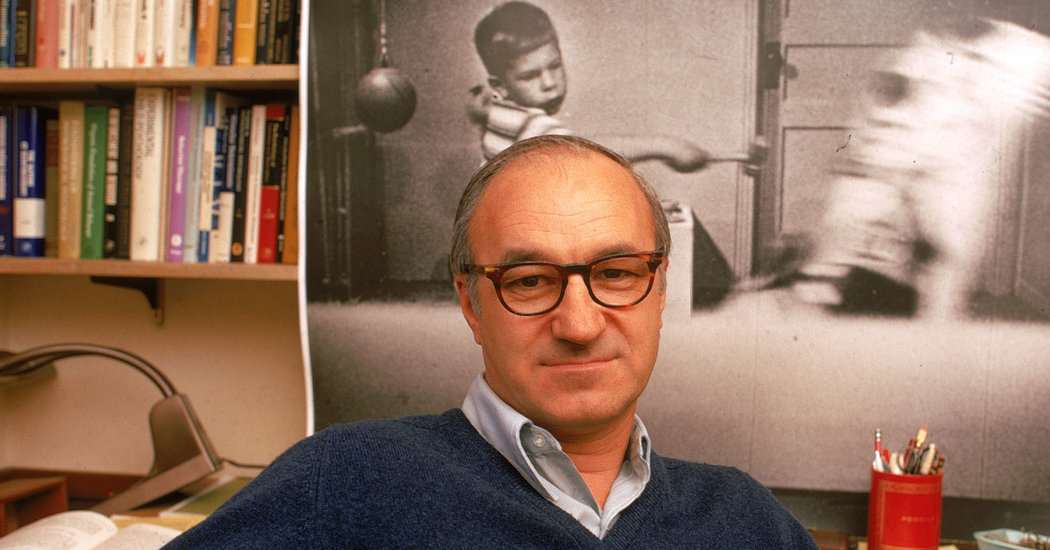
Albert Bandura, Leading Psychologist of Aggression, Dies at 95

He was most known for his Bobo doll experiment, in which children mimicked adults in attacking an inflatable doll. The work challenged basic tenets of psychology.Albert Bandura, a psychologist whose landmark studies on aggression are a staple of introductory psychology classes and whose work on the role of people’s beliefs in shaping their behavior transformed American psychology, died on Monday at his home in Stanford, Calif. He was 95.The cause was congestive heart failure, his daughter Carol Bandura Cowley said.Dr. Bandura, a native of Canada who joined the Stanford University faculty in 1953 and remained affiliated with the university until his death, was widely regarded as one of the most influential psychologists of his time. In a 2002 survey, he ranked fourth among the most-cited psychologists of the 20th century, behind Sigmund Freud, B.F. Skinner and the Swiss psychologist Jean Piaget.His social cognitive theory of human functioning emphasized people’s capacity for self-reflection and personal agency, and his extensive writing and research contributed to the understanding of personality formation, cognition, morality and the treatment of mental disorders like phobias. His theory of self-efficacy — people’s belief in their own competence and ability to exert control over their behavior and social environment — has been widely applied across many areas, including education, public health and drug and alcohol abuse.But Dr. Bandura was most widely recognized for a series of laboratory studies — collectively known as the Bobo doll experiment — that he carried out with two colleagues at Stanford in the early 1960s.In the first study, nursery school children watched an adult heaping verbal and physical abuse on an inflatable Bobo the clown doll, punching it in the nose, kicking it, hitting it on the head with a mallet and throwing it around the room. When the children were then given a chance to interact with a similar doll, they copied the adult’s abusive behavior and produced additional forms of abuse that they thought up on their own.In contrast, children who watched an adult interacting peacefully with the doll, or who were not shown a model at all, were significantly less aggressive, Dr. Bandura and his colleagues found. Later studies indicated that just showing a film of an adult acting aggressively could produce similar results. And the children’s response to the adult model could be influenced by whether the aggressive behavior was rewarded or punished.Scenes from Dr. Bandura’s Bobo doll experiments, in which children mimicked the aggressive behavior of an adult toward an inflatable Bobo doll.Stanford UniversityThe Bobo doll findings challenged a basic tenet of classical behaviorism: that if a behavior is rewarded, it will persist and sometimes increase; and that if it is punished, it will diminish and eventually cease. In contrast, the Bobo doll studies demonstrated what any parent or schoolteacher knew: that children also learn from observing other people’s behavior.In a 2006 autobiographical account, Dr. Bandura wrote that behaviorism’s narrow focus on reward and punishment had seemed to him “discordant with the obvious social reality that much of what we learn is through the power of social modeling.”Lee Ross, a professor of psychology and colleague of Dr. Bandura’s at Stanford, said in an interview for this obituary in 2018 that strict behaviorism, as championed by John Watson, Skinner and other psychologists, made sense when applied to pigeons or rats, but was less important when it came to humans.“Al jumped on that and understood it,” Dr. Ross said. “He was in many ways the transition from old learning theory to modern cognitive psychology.” (Dr. Ross died in June.)The results of the Bobo doll experiment were at odds with behaviorism and conflicted with the reigning mental health theory of the time, psychoanalysis, which held that vicarious aggression — watching a violent film, for example — would provide a catharsis, diminishing the need to act out aggressive impulses.The distinction might seem academic, but its outcome had real-world implications. The 1960s and ’70s were a time of increasing public anxiety about the effects of television violence on children. Coverage of the Vietnam War had brought startling images of carnage into people’s living rooms, news programs carried reports of crimes that seemed to mimic television dramas, and children had been injured while reproducing actions shown in television advertisements.Dr. Bandura in 1999. In a 2002 survey, he ranked fourth among the most-cited psychologists of the 20th century, behind Sigmund Freud, B.F. Skinner and the Swiss psychologist Jean Piaget.Linda A. Cicero/Stanford News ServiceDr. Bandura was drawn into the public debate and testified before congressional committees and the National Commission on the Causes and Prevention of Violence, a task force created after the assassination of Senator Robert F. Kennedy in 1968.His research did not sit well with the broadcast industry. His findings were criticized in articles commissioned by the networks, and the Television Information Office, part of the National Association of Broadcasters, sent its sponsor stations elaborate rebuttals to his findings. After Dr. Bandura and several other social scientists were excluded from a committee that the surgeon general had asked to evaluate the effects of television violence, Dr. Bandura later wrote, he discovered that broadcast networks had been allowed to veto the nominations of committee members.“I began to feel a kinship with the battered Bobo doll,” he wrote.In the end, his work won out, his findings becoming even more relevant in a world where social media and a 24-hour-a-day news cycle have afforded violence models far greater reach.The Bobo doll experiment became a staple of psychology classes around the world. People mailed Bobo dolls to Dr. Bandura requesting autographs and knocked on his office door in Stanford’s Jordan Hall, hoping to have their photograph taken with the famous psychologist.In an interview for this obituary in 2018, Dr. Bandura said he had once received an email from some high school students.“Professor Bandura,” they wrote, “we’re having a huge fight in our class and you’re the only one who can answer it: Professor Bandura, are you still living?”He wrote the students back: “This email is being sent from the other side. We have email there, but not Facebook.”Albert Bandura was born on Dec. 4, 1925, in the prairie town of Mundare, about 50 miles east of Edmonton, Alberta. His parents, like most of the settlement’s 400 residents, were immigrants from Eastern Europe, his father from Krakow, Poland, his mother from Ukraine. His father, Joseph Bandura, laid track for the trans-Canada railway and turned a heavily wooded homestead into a working farm. His mother, Justyna (Berezanski) Bandura, ran a delivery service, transporting goods from the railway station to the store.In the summers, Dr. Bandura helped his father on the farm or worked in other manual labor jobs. When he was 7, one of his many siblings died, and his parents, concerned about the grief-stricken atmosphere in the house, sent him to live for a year with the eldest of his five older sisters, a teacher in Mundare’s only schoolhouse. The town’s lack of educational resources forced him to take charge of his own schooling, and taught him a valuable skill.“The content of courses is perishable,” he later wrote, “but self-regulatory skills have lasting functional value whatever the pursuit might be.”Dr. Bandura did not plan to become a psychologist. But his social cognitive theory emphasized that fortuitous events often play a role in determining a person’s life path, and in his case that event was reading a course catalog at the University of British Columbia and discovering an introductory psychology course that would fill an empty slot in his class schedule.After completing his undergraduate degree in three years, he pursued graduate studies at the University of Iowa, which was home to some of the biggest names in psychology at a time of great excitement in the field. Many psychologists were hoping to construct a science of human behavior that would mirror the rigor and predictive power of the natural sciences.Central to this endeavor was the study of learning, the research focus of the psychology department’s chairman, Kenneth W. Spence. With his mentor, Clark L. Hull at Yale, Dr. Spence had developed an influential theory of learning that was rooted in the work of earlier behaviorists.At Iowa, Dr. Bandura met Virginia Varns, an instructor at the nursing school. They were married in 1952 and moved to Stanford, where he had been offered a teaching position.In California, Dr. Bandura’s career advanced rapidly. He served for a short time as psychology department chairman, and in 1974 served as president of the American Psychological Association, where he devoted his tenure to increasing the credibility of the field and helping to settle growing public fears over behavior modification, set off by movies like “A Clockwork Orange” and books like Skinner’s “Beyond Freedom and Dignity.”Virginia Bandura died in 2011. In addition to his daughter Carol, Dr. Bandura is survived by another daughter, Mary Bandura, and two grandsons.Dr. Bandura was known at Stanford as a highly organized teacher and a prolific writer and researcher who never failed to get excited about new projects. Daniel P. Cervone, a professor of psychology at the University of Illinois, Chicago, and a former student of Dr. Bandura’s, described Dr. Bandura as someone who was “absolutely lacking in personality tics and quirks” and who drew a strict line between his personal and professional lives. “If Al Bandura’s cat had been run over in the morning and you met with him in the afternoon, he would not be talking about how his cat was run over by a car,” Dr. Cervone said.In his research, Dr. Bandura increasingly focused on beliefs and self-reflection and the role they played in human behavior and development — “how people talk about and to themselves,” as Dr. Cervone put it.Dr. Bandura found that people’s confidence in their ability to perform a task or to control something that was threatening could have a remarkable impact on how they lived their lives. Providing people with positive models to follow and an environment in which they could succeed could treat a range of disabling problems, including phobias.In studies, Dr. Bandura and his collaborators were able to eliminate longstanding fears of snakes in a few hours. The treatment, he wrote, “instilled a robust sense of coping efficacy, transformed attitudes toward the phobic objects from abhorrence to liking, wiped out anxiety, biological stress reactions and phobic behavior.” Dr. Bandura studied how people’s beliefs about the self were developed, how they functioned and how they affected behavior. He used social cognitive theory — codified in his 1986 book, “Social Foundations of Thought and Action” — as a lens through which to examine various topics, from the reduction of disease to how individuals and societies fall into morally transgressive behavior.Dr. Bandura during a White House ceremony in 2016 in which President Barack Obama presented him with the National Medal of Science. Carolyn Kaster/Associated PressThe author of many books and hundreds of papers, Dr. Bandura was appointed to the Order of Canada in 2015. The next year, President Barack Obama presented him with the National Medal of Science.The Bobo doll experiment remained Dr. Bandura’s best-known work.“His experiments with kids dramatically demonstrated that both the content of what models do, and even the style of what they do, is very, very influential, particularly early in life,” Walter Mischel, a longtime colleague, said in 2018. (He died later that year.) “Learning through observation may seem obvious,” he added, “but the brilliance of Al was to show what its applications are for changing all types of behavior.”If there was a single principle undergirding his work, however, it was the idea of personal agency — that people, through their beliefs about themselves and the processes of self-reflection and self-regulation, can exert control over their lives.“If you look at my life path, you try to make the most of whatever is there,” Dr. Bandura said. “And to do that, you have to believe that through your actions you can influence the course of your life.”Alex Traub contributed reporting

Read more →

Adding color to your plate may lower risk of cognitive decline

A new study shows that people who eat a diet that includes at least half a serving per day of foods high in flavonoids like strawberries, oranges, peppers and apples may have a 20% lower risk of cognitive decline. The research is published in the July 28, 2021, online issue of Neurology the medical journal of the American Academy of Neurology. The study looked at several types of flavonoids, and found that flavones and anthocyanins may have the most protective effect.
Flavonoids are naturally occurring compounds found in plants and are considered powerful antioxidants. It is thought that having too few antioxidants may play a role in cognitive decline as you age.
“There is mounting evidence suggesting flavonoids are powerhouses when it comes to preventing your thinking skills from declining as you get older,” said study author Walter Willett, MD, DrPH, of Harvard University in Boston, Mass. “Our results are exciting because they show that making simple changes to your diet could help prevent cognitive decline.”
The study looked at 49,493 women with an average age of 48 and 27,842 men with an average age of 51 at the start of the study. Over 20 years of follow up, people completed several questionnaires about how often they ate various foods. Their intake of different types of flavonoids was calculated by multiplying the flavonoid content of each food by its frequency. Study participants evaluated their own cognitive abilities twice during the study, using questions like, “Do you have more trouble than usual remembering recent events?” and “Do you have more trouble than usual remembering a short list of items?” This assessment captures early memory problems when people’s memory has worsened enough for them to notice, but not necessarily enough to be detected on a screening test.
The people in the group that represented the highest 20% of flavonoid consumers, on average, had about 600 milligrams (mg) in their diets each day, compared to the people in the lowest 20% of flavonoid consumers, who had about 150 mg in their diets each day. Strawberries, for example, have about 180 mg of flavonoids per 100 gram serving, while apples have about 113.
After adjusting for factors like age and total caloric intake, people who consumed more flavonoids in their diets reported lower risk of cognitive decline. The group of highest flavonoid consumers had 20% less risk of self-reported cognitive decline than the people in the lowest group.
Researchers also looked at individual flavonoids. Flavones, found in some spices and yellow or orange fruits and vegetables, had the strongest protective qualities, and were associated with a 38% reduction in risk of cognitive decline, which is the equivalent of being three to four years younger in age. Peppers have about 5 mg of flavones per 100 gram serving. Anthocyanins, found in blueberries, blackberries and cherries, were associated with a 24% reduced risk of cognitive decline. Blueberries have about 164 mg of anthocyanins per 100 gram serving.
“The people in our study who did the best over time ate an average of at least half a serving per day of foods like orange juice, oranges, peppers, celery, grapefruits, grapefruit juice, apples and pears,” Willett said. “While it is possible other phytochemicals are at work here, a colorful diet rich in flavonoids — and specifically flavones and anthocyanins — seems to be a good bet for promoting long-term brain health. And it’s never too late to start, because we saw those protective relationships whether people were consuming the flavonoids in their diet 20 years ago, or if they started incorporating them more recently.”
A limitation of the study is that participants reported on their diets and may not recall perfectly what they ate or how much.
The study was supported by the National Institutes of Health.
Story Source:
Materials provided by American Academy of Neurology. Note: Content may be edited for style and length.

Read more →

Fruit compound may have potential to prevent and treat Parkinson's disease

Johns Hopkins Medicine researchers say they have added to evidence that the compound farnesol, found naturally in herbs, and berries and other fruits, prevents and reverses brain damage linked to Parkinson’s disease in mouse studies.
The compound, used in flavorings and perfume-making, can prevent the loss of neurons that produce dopamine in the brains of mice by deactivating PARIS, a key protein involved in the disease’s progression. Loss of such neurons affects movement and cognition, leading to hallmark symptoms of Parkinson’s disease such as tremors, muscle rigidity, confusion and dementia. Farnesol’s ability to block PARIS, say the researchers, could guide development of new Parkinson’s disease interventions that specifically target this protein.
“Our experiments showed that farnesol both significantly prevented the loss of dopamine neurons and reversed behavioral deficits in mice, indicating its promise as a potential drug treatment to prevent Parkinson’s disease,” says Ted Dawson, M.D., Ph.D., director of the Johns Hopkins Institute for Cell Engineering and professor of neurology at the Johns Hopkins University School of Medicine.
Results of the new study, published July 28, in Science Translational Medicine, detail how the researchers identified farnesol’s potential by screening a large library of drugs to find those that inhibited PARIS.
In the brains of people with Parkinson’s disease, a buildup of PARIS slows down the manufacture of the protective protein PGC-1alpha. The protein shields brain cells from damaging reactive oxygen molecules that accumulate in the brain. Without PGC-1alpha, dopamine neurons die off, leading to the cognitive and physical changes associated with Parkinson’s disease.
To study whether farnesol could protect brains from the effects of PARIS accumulation, the researchers fed mice either a farnesol-supplemented diet or a regular mouse diet for one week. Then, the researchers administered pre-formed fibrils of the protein alpha-synuclein, which is associated with the effects of Parkinson’s disease in the brain.
The researchers found that the mice fed the farnesol diet performed better on a strength and coordination test designed to detect advancement of Parkinson’s disease symptoms. On average, the mice performed 100% better than mice injected with alpha-synuclein, but fed a regular diet.
When the researchers later studied brain tissue of mice in the two groups, they found that the mice fed a farnesol-supplemented diet had twice as many healthy dopamine neurons than mice not fed the farnesol-enriched diet. The farnesol-fed mice also had approximately 55% more of the protective protein PGC-1alpha in their brains than the untreated mice.
In chemical experiments, the researchers confirmed that farnesol binds to PARIS, changing the protein’s shape so that it can no longer interfere with PGC-1alpha production.
While farnesol is naturally produced, synthetic versions are used in commerce, and the amounts people get through diet is unclear. The researchers caution that safe doses of farnesol for humans have not yet been determined, and that only carefully controlled clinical trials can do so.
Though more research is needed, Dawson and his team hope farnesol can someday be used to create treatments that prevent or reverse brain damage caused by Parkinson’s disease.
Story Source:
Materials provided by Johns Hopkins Medicine. Note: Content may be edited for style and length.

Read more →

Second-hand marijuana smoke exposure associated with respiratory infections in children

Children whose parents regularly smoke or vape marijuana may experience viral respiratory infections, such as the common cold, more frequently than those whose parents do not smoke, according to a study published in the journal Pediatric Research.
Researchers from Wake Forest School of Medicine and Children’s Hospital Colorado, USA surveyed 1,491 parents and caregivers who lived in Colorado, a US state where recreational and medicinal use of marijuana is legal. The researchers found that parents who regularly smoked or vaped marijuana reported that their children experienced more viral respiratory infections in the year prior to the survey, compared to children whose parents did not smoke tobacco or marijuana. Parents who smoked or vaped marijuana reported that their children had not experienced other conditions often related to second-hand tobacco smoke exposure, such as ear infections and asthma attacks, more frequently nor that they had visited a hospital emergency department more often in the previous year, compared to children whose parents did not smoke.
Adam Johnson, the corresponding author said: “The negative impact that exposure to second-hand tobacco smoke can have on children’s health has been extensively studied but the impact of second-hand marijuana smoke on young children is unclear. Our findings identify the potential for increased respiratory infections in children exposed to second-hand marijuana smoke. This could have significant healthcare implications as more states in the USA move towards legalising recreational marijuana use.”
Of the parents and caregivers who participated in the survey, 78 (5.2%) reported regularly smoking or vaping only marijuana, 214 (14.3%) reported regularly smoking only tobacco and 80 (5.4%) reported regularly smoking both marijuana and tobacco. The researchers found that those who only smoked marijuana tended to be younger, educated to a higher level, less likely to identify as Hispanic, and have a higher income than those who did not smoke or who only smoked tobacco. Parents and caregivers who smoked both marijuana and tobacco tended to be younger and were less likely to identify as Hispanic than non-smokers. They also had lower income and education levels than non-smokers, compared to those who only smoked marijuana and those who only smoked tobacco.
Adam Johnson said: “Our findings highlight the prevalence of marijuana use among parents and caregivers and indicate which children may be more likely to be exposed to second-hand marijuana smoke in a US state where recreational and medicinal marijuana use is legal. These findings could be used to help target and shape public health messaging aimed at parents and caregivers in order to raise awareness of the potential negative impacts that second-hand marijuana smoke exposure can have on children’s health.”
To examine the impact of second-hand marijuana smoke exposure on children, the authors surveyed parents and caregivers who all attended the pediatric emergency department at Children’s Hospital Colorado with a child younger than 12 years old, between 2015 and 2017. Parents and caregivers reported the frequency and location of their marijuana or tobacco use and how often in the past year their child had been taken to an emergency department or had been affected by asthma attacks, ear infections or viral respiratory infections, such as a common cold or bronchiolitis.
The authors caution that the observational nature of the study does not allow for conclusions about a causal relationship between second-hand marijuana smoke exposure and the frequency of viral respiratory infections. Additionally, as the authors surveyed a small number of parents and caregivers in one US state where marijuana use is legal, their findings may not be generalizable to all children living in areas where marijuana use is legal or those living in areas where marijuana use is illegal. Future research could assess the impact that parent and caregiver use of other types of marijuana products, such as those taken orally or applied to the skin, may have on children.
Story Source:
Materials provided by Springer. Note: Content may be edited for style and length.

Read more →