Food scientists create national atlas for deadly listeria

Among the deadliest of foodborne pathogens, Listeria monocytogenessoon may become easier to track down in food recalls and other investigations, thanks to a new genomic and geological mapping tool created by Cornell University food scientists.
The national atlas will tell scientists where listeria and other related species reside within the contiguous United States, which could help them trace and pinpoint sources of listeria found in ingredients, food processing facilities and finished products, according to research published July 15 in Nature Microbiology.
“As we’re trying to figure out the risk of getting listeria from soil and different locations, our group created a more systematic way of assessing how frequently different listeria are found in different locations,” said senior author Martin Wiedmann, food safety and food science professor in the College of Agriculture and Life Sciences. “We’ve studied listeriain places as diverse as New York, Colorado and California, but before this atlas, [it] was difficult to make comparisons and assess listeria diversity in different locations.”
Listeria mononcytogenes in foods can make people extremely sick. The Centers for Disease Control and Prevention (CDC) estimate that each year 1,600 people in the U.S. get listeriosis; of those, about 260 die.
Knowing that listeria occurs naturally in soil, the Cornell group asked hundreds of other scientists across the country to scoop up soil samples from generally undisturbed places in the natural world, such as the off-trail areas of state and national parks.
From these samples, the group developed a nationwide atlas of 1,854 listeria isolates, representing 594 strains and 12 families of the bacteria called phylogroups.
Lead author Jingqiu Liao, who worked in Wiedmann’s laboratory as a graduate student, is now a post-doctoral researcher at Columbia University. She had supplemented the research by acquiring soil samples in her own travels and found listeriapresent across a wide range of environmental circumstances. This bacterium is controlled mainly by soil moisture, salinity concentrations and molybdenum — a trace mineral found in milk, cheese, grains, legumes, leafy vegetables and organ meats.
“The goal of this work was to systematically collect soil samples across the United States,” said Liao, “and to capture the true large-scale spatial distribution, genomic diversity and population structure of listeria species in the natural environment.
“With whole genome sequencing and comprehensive population genomics analyses,” Liao said, “we provided answers to the ecological and evolutionary drivers of bacterial genome flexibility — an important open question in the field of microbiology.”
Liao explained that this work can serve as a reference for future population genomics studies and will likely benefit the food industry by locating listeria contaminations that may have a natural origin.
If listeria is found in a processing facility in the western U.S., for example, and that facility had used ingredients from a distant state, Wiedmann said, “knowing the genomic information of listeriaisolates and their possible locations across the U.S., we can better narrow the origins to a specific region. You can use this information almost like a traceback. It’s not always proof, but it leads you to evidence.”
The research was funded by the Center for Produce Safety in Woodland, California.
Story Source:
Materials provided by Cornell University. Original written by Blaine Friedlander. Note: Content may be edited for style and length.

Read more →

Increasing the immune system’s appetite for cancer protectors

A two-arm molecule can effectively deplete cancer-protecting cells inside tumors, allowing the immune system to fight off tumors without becoming overactive. The finding, published online in Science Translational Medicine, could lead to new types of cancer immunotherapies.
“By effectively removing these immune-suppressive cells inside tumors instead of in the whole body, the immune system can attack cancers without causing harmful autoimmune conditions,” said study leader Yang-Xin Fu, M.D., Ph.D., Professor of Pathology, Immunology, and Radiation Oncology at UT Southwestern. Dr. Fu co-led this study with Anli Zhang, Ph.D., and Zhenhua Ren, Ph.D., two postdoctoral researchers in his lab.
For decades, researchers have known that the immune system not only plays a key role in battling cancers through the direct action of killer T cells and other components, but also opposes these efforts through cells known as regulatory T cells (Tregs). These Tregs help to regulate the immune response by preventing various immune cells from becoming overactive and causing autoimmune diseases. However, they also accumulate in tumors, shielding them from immune attack.
Tregs maintain a balance of two proteins on their surfaces — CTLA-4 and CD47 — that respectively broadcast “eat me” and “don’t eat me” signals to phagocytes that keep Tregs in check, explained Dr. Fu. Various immunotherapies have sought to boost the “eat me” signal or decrease the “don’t eat me signal” to reduce Tregs in tumors. However, each strategy has drawbacks: Increasing the “eat me” signal has systemic effects that spur autoimmunity, while decreasing the “don’t eat me” signal has only shown promise for treating blood cancers, such as leukemias.
Searching for a new way to deplete Tregs, Drs. Fu, Zhang, Ren, and their colleagues created a two-arm molecule that simultaneously increases the “eat me” signal while blocking the “don’t eat me” signal to prompt phagocytes to consume those immune suppressive cells. When it was injected into mouse models of colon cancer, they found that it preferentially depleted Tregs in tumors without affecting those in the rest of the body, sparing the animals from treatment-induced autoimmune disease. However, dosing these animals with equivalent, separate amounts of the “eat me” booster and “don’t eat me” blocker had systemic autoimmune side effects, suggesting that combining them within one molecule is key to reaching Tregs in tumors.
As the number of Tregs decreased with treatment, the animals’ tumors shrank significantly. This strategy also worked in mice carrying human lung cancer tumors, suggesting that it could be viable in human patients.
“In the past, there’s been no way to get rid of these suppressive Tregs without severe toxicity,” Dr. Fu said. “Our study suggests a way to this outcome.”
Dr. Fu holds the Mary Nell and Ralph B. Rogers Professorship in Immunology and is a member of the Harold C. Simmons Comprehensive Cancer Center, rated as one of the 25 best centers for cancer care in the nation by U.S. News & World Report. He is a consulting adviser to Aetio Biotherapy.
Other researchers who contributed to this study include Huiyu Li, Changzheng Lu, and John D. Minna of UTSW; Kuo-Fu Tseng of Aetio Biotherapy; and Xiaojuan Liu and Yueqi Cai of the Chinese Academy of Sciences.
Dr. Minna holds the Max L. Thomas Distinguished Chair in Molecular Pulmonary Oncology and the Sarah M. and Charles E. Seay Distinguished Chair in Cancer Research.
This work was supported by Cancer Prevention and Research Institute of Texas grants (RR150072 and RP180725) and a National Cancer Institute SPORE grant (P50CA070907).
Story Source:
Materials provided by UT Southwestern Medical Center. Note: Content may be edited for style and length.
Read more →

They Came for Covid Vaccines. They Got $100.

They Came for Covid Vaccines. They Got $100.Sara Aridi📍 Reporting from Corona, QueensByron Smith for The New York TimesChristian Quartiles, 44, brought his son, Christian Jr., 16, to get his first shot. His son said he felt “iffy,” but “since they’re offering the $100, it’s like a win-win situation.”

Read more →

As demand surges in the U.S., counties reopen virus testing sites.

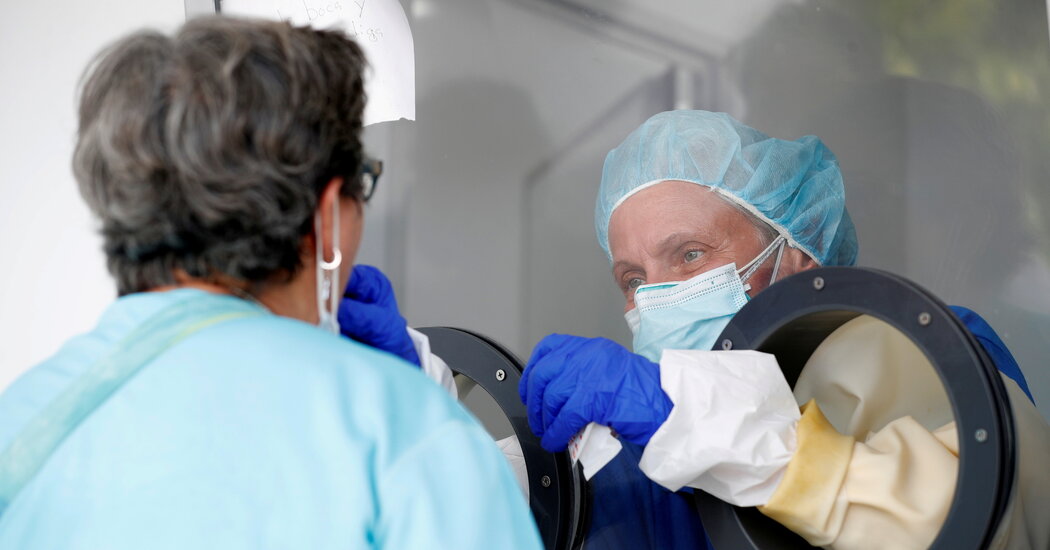
As the Delta variant of the coronavirus spreads in the United States, some counties are reopening community testing sites that they shuttered last spring, when case counts were falling and attention was shifting to vaccination.The demand for testing has been rising over the last month. By the end of July, an average of nearly 900,000 coronavirus tests were being performed daily, compared with 500,000 to 600,000 a day in earlier in the month, according to the U.S. Department of Health and Human Services.Several factors are likely responsible for the increase, including the spread of the highly contagious Delta variant, as well as new mandates that require unvaccinated people to take frequent tests. The Centers for Disease Control and Prevention also recently changed its guidance for vaccinated people, recommending that they be tested if they are exposed to the virus, even if they don’t have any symptoms.Testing has been a trouble spot for the United States since the start of the pandemic. A flawed test, regulatory red tape and supply shortages initially led to hourslong lines at testing sites and dayslong waits for results.Officials eventually ironed out some of these kinks and when infections were soaring last year, government-run mass testing sites, offering free virus tests to all comers, sprang up all over the country. Some delays and problems persisted, however, even as capacity increased.When the vaccines were authorized, many of large testing sites were converted into vaccination sites and some shut down entirely. Virus testing largely shifted to the private sector — to local pharmacies and commercial labs, for instance.“There are far fewer testing sites, public testing sites, than existed six months ago,” said Mara Aspinall, an expert in biomedical diagnostics at Arizona State University. “So that to me is a concern.”After residents began reporting a three-day wait for testing appointments at pharmacies in Hillsborough County, Fla., the county opened two free, walk-in testing sites last weekend. Officials had planned to administer about 500 tests a day at each site and ended up performing almost twice that many, said Kevin Watler, a spokesman for the Florida Department of Health.“It was very, very busy,” he said. “So the demand is certainly there.”Many other testing sites are springing up across Florida, where the virus is surging, as well as across the country. In California, San Diego County added five new test sites last week after an increase in traffic at its existing sites, officials said.Other localities are expanding the hours at testing sites or deploying pop-up testing clinics, and some are combining their testing and vaccination services. Last week, Delaware’s Division of Public Health announced that it would begin offering tests at its vaccination sites, and a new drive-through testing and vaccination site opened in New Orleans .“As we experience the fourth and most severe surge of Covid-19 in Louisiana, we must take a multipronged approach to combat the virus,” Dr. Jennifer Avegno, the director of the New Orleans Health Department, said in a statement. “Masking slows the spread, testing identifies cases and pandemic trends, and vaccines prevent hospitalizations and deaths. It only makes sense to co-locate these resources so that residents can access the tools they need to stay safe in one stop.”

Read more →

C.D.C. Endorses Covid Vaccinations for Pregnant People

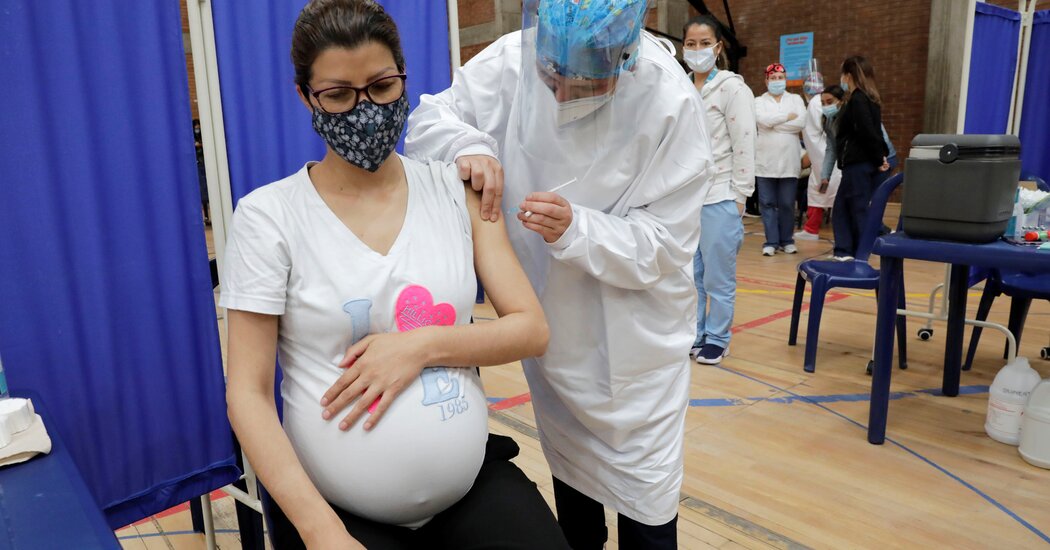
Federal health officials on Wednesday bolstered their recommendation that pregnant people be vaccinated against Covid-19, pointing to new safety data that found no increased risk of miscarriage among those were immunized during the first 20 weeks of gestation.Earlier research found similarly reassuring data for those vaccinated later in pregnancy.Until now, the Centers for Disease Control and Prevention has said the vaccine could be offered during pregnancy; the recent update in guidance strengthens the official advice, urging pregnant people to be immunized.The new guidance brings the C.D.C. in line with recommendations made by the American College of Obstetricians and Gynecologists and other medical specialty groups, which strongly recommend vaccination.“At this time, the benefits of vaccination, and the known risks of Covid during pregnancy and the high rates of transmission right now, outweigh any theoretical risks of the vaccine,” Sascha R. Ellington, an epidemiologist who leads the emergency preparedness response team in the division of reproductive health at the C.D.C.The risks of having Covid-19 during a pregnancy are well-established, she said, and include severe illness, admission to intensive care, needing mechanical ventilation, having a preterm birth and death.So far, there is limited data on birth outcomes, she added, since the vaccine has only been available since December. But the small number of pregnancies followed to term have not identified any safety signals.Pregnant women were not included in the clinical trials of the vaccines, and uptake of the shots has been low among pregnant women. The majority of pregnant women seem to reluctant to be inoculated: Only 23 percent of pregnant women had received one or more doses of vaccine as of May, a recent study found.Dr. Adam Urato, a maternal-fetal medicine specialist in Framingham, Mass., who counsels patients about the vaccine almost daily, said pregnant women are very wary of exposure to synthetic chemicals and want more solid scientific evidence that the vaccines are safe.“The one question my patients ask me all the time is, are we absolutely sure that these vaccines won’t affect my baby?” he said.

Read more →

Most of UC San Diego's COVID-19 cases detected early by wastewater screening

People infected with SARS-CoV-2, the virus that causes COVID-19, are known to shed it in their stool, even if they aren’t experiencing any symptoms. With that in mind, University of California San Diego School of Medicine researchers have been screening wastewater from campus buildings for signs of the virus since the summer of 2020, thinking the information could help prevent outbreaks.
Now they have data to back it up: Screening for SARS-CoV-2 in wastewater, the team showed they can detect even a single infected, asymptomatic person living or working in a large building. Notification to occupants of each building with positive wastewater increased COVID-19 testing rates by as much as 13-fold. Once an occupant tested positive, isolation and contact tracing helped prevent further spread of the virus.
The approach enabled early detection of 85 percent of COVID-19 cases on the campus, researchers reported in the August 10, 2021 issue of mSystems. In other words, wastewater samples tested positive before most individual case diagnoses.
“University campuses especially benefit from wastewater surveillance as a means to avert COVID-19 outbreaks, as they’re full of largely asymptomatic populations, and are potential hot spots for transmission that necessitate frequent diagnostic testing,” said first author Smruthi Karthikeyan, PhD, an environmental engineer and postdoctoral researcher at UC San Diego School of Medicine.
Karthikeyan led the study with senior author Rob Knight, PhD, professor and director of the Center for Microbiome Innovation at UC San Diego.
Wastewater screening is an integral part of UC San Diego’s Return to Learn program, an evidence-based approach that has allowed the university to offer on-campus housing and in-person classes and research opportunities throughout most of the pandemic.

Read more →

Getting oxygenated blood to exercising muscles

Researchers have discovered a certain type of blood vessel cell in muscles that multiplies rapidly upon exercise, thereby forming new blood vessels. Researchers can use this to find novel therapies for vascular disorders of the muscle.
“In industrialised countries, the leading cause of surgeons having to amputate a foot or leg is impaired vascular supply to the muscles of diabetic patients,” Katrien De Bock says. As Professor for Exercise and Health at ETH Zurich, she and her team study how to treat vascular disorders of the muscles and how new blood vessels form. It’s common knowledge that exercise and sport stimulate the formation of blood vessels. By contrast, very little is known about the underlying molecular and cellular mechanisms. “Once we understand these mechanisms, we can work towards systematically improving the blood supply of patients’ muscles,” De Bock says.
In mice and using cultured human cells, De Bock and her colleagues have now investigated how exercise promotes the formation of thin blood capillaries in the muscle in healthy subjects. Turning the spotlight onto the cells of the vascular wall (known as endothelial cells), they discovered that there are two capillary endothelial cell types, which can be distinguished by the molecular marker ATF4. It turns out that cells with very little ATF4 are mainly found in the capillaries supplying the white muscle fibres, while cells with high levels of ATF4 primarily form part of the blood vessels close to red muscle fibres.
Ready to go
Moreover, the scientists demonstrated that exercise predominantly stimulates cell division of endothelial cells with high levels of ATF4 (those near red muscle fibres), leading to the formation of new capillaries. By contrast, exercise does not elicit a direct response in cells with very little ATF4. “Endothelial cells with high levels of ATF4 are on ‘metabolic standby mode’, always ready to start forming new vessels,” De Bock says. ATF4 is a regulatory protein inside the cell. Cells with this protein are primed to quickly respond to the appropriate stimulus. As soon as a person — or, in this case, a mouse — starts exercising, these cells increase their amino acid intake and accelerate the formation of DNA and proteins, encouraging rapid cell proliferation. This ultimately leads to the formation of new blood vessels.
Why these ‘ready to go’ endothelial cells are mainly found near red muscle fibres is not yet known. The researchers intend to unravel this mystery next. In addition, the scientists hope to use these findings to develop therapies that stimulate the growth of muscular blood vessels in patients suffering from diabetes or arterial occlusions and in organ transplant recipients.
Story Source:
Materials provided by ETH Zurich. Original written by Fabio Bergamin. Note: Content may be edited for style and length.

Read more →

Dendrimers: The tiny tentacles shown to evade our immune response

Tiny synthetic particles known as dendrimers have been shown to avoid detection by our immune system and so could be used to develop a new system to deliver drugs into the body without triggering a reaction.
The new research led by Professor Moein Moghimi, Professor of Pharmaceutics and Nanomedicine at the School of Pharmacy, Newcastle University, UK, in collaboration with international colleagues is published in Nature Communications alongside an accompanying blog.
The dendrimer is a chemically-created molecule with tentacles branching out in a highly-symmetrical structure around a central core. The research describes how dendrimer tentacles arranged incredibly closely to each other — less than one nanometer apart — avoided detection by the complement system, part of our immune system.
Our immune system is equipped with many tools to recognise and eliminate invaders. For example, our blood contains sensors belonging to a family of defence system known as the “complement system,” which recognises unique patterns expressed by invaders such as bacteria and viruses. Binding of these sensors to pathogens alarms the immune system and triggers an immune response. These sensors are termed “complement pattern-recognition (CPR)” molecules.
CPR can sense surface patterns that are regularly repeated so close to each other, for instance in 2-15 nanometer ranges — a distance, which is at least 5000 times thinner than the thickness of a typical sheet of paper.
The international team discovered however, that the CPR could not sense patterns repeated closer to each other, for instance, at 1 nanometer or less.

Read more →

Fine aerosols emitted during talking and singing may play a crucial role in COVID-19 transmission: Singapore study

The coronavirus disease 2019 (COVID-19) has been thought to spread primarily when an infected person coughs or sneezes, but little is known about its transmissibility through activities such as breathing, talking and singing.
A new study led by researchers from the National University of Singapore (NUS), and conducted at the National Centre for Infectious Diseases (NCID), revealed that severe acute respiratory syndrome coronavirus (SARS-CoV-2) particles can be aerosolised by an infected person during talking and singing. They also found that fine aerosols (less than 5 micrometres, or ?m) generated from these two types of activities contain more viral particles than coarse aerosols (more than 5 ?m). The researchers concluded that fine respiratory aerosols may play a significant role in SARS-CoV-2 transmission, especially in an indoor environment, and hence, should be taken into consideration when planning infection prevention measures.
“While previous studies have established the relative amount of aerosols (or the amount of particles) produced through similar activities, they did not measure the amount of SARS-CoV-2 virus particles generated. To our knowledge, this is the first study to quantify and compare SARS-CoV-2 particles in aerosols generated through breathing, talking and singing. Therefore, our team’s work provides a foundation for estimating the risk of transmission of infection,” said project leader Associate Professor Tham Kwok Wai, who is from the Department of the Built Environment at the NUS School of Design and Environment.
The study was first published online in the journal Clinical Infectious Diseases on 6 August 2021. Within a day of its publication, the paper was ranked among the top 5 per cent of all research outputs scored by data science company Altmetric, and was given one of the highest attention score after different factors, like the relative reach from social media sites, blogs, policy documents, and more, were taken into account.
Measuring SARS-CoV-2 particles in respiratory aerosols
The study involved 22 COVID-19 positive patients who were admitted to the NCID from February to April 2021. The NCID was the research site that selected and recruited the patients, and performed whole genome sequencing to determine their viral strains of infection.

Read more →

Human Lyme Borreliosis and Puumala hantavirus infection incidence follow rodent abundance variations in Northern Europe

A recent study shows the association between bank vole abundance variations and the incidence of Lyme Borreliosis and Puumala hantavirus infections. The study, carried out by the University of Jyväskylä, the University of Oulu, National Institute for Health and Welfare and and Natural resources institute Finland, showed that the abundance variations of the reservoir hosts of wildlife originated pathogens have importance in estimating the risks these pathogens pose to humans. The results of the work can be taken into account in the risk communication by health authorities. The paper was published in Scientific Reports in 9th August 2021.
Bank vole is the most common rodent species in Northern Europe and the reservoir host for Puumala hantavirus and Borrelia bacteria causing Lyme Borreliosis.
The study quantifies the associations between the time series of bank vole abundance as well as Lyme Borreliosis and Puumala hantavirus infection incidence in Central Finland and Northern Savo regions.
The study shows that the 3-year abundance fluctuations of bank vole are reflected into Puumala hantavirus and Lyme Borreliosis infection incidence. Puumala infection incidence followed the bank vole abundance fluctuations with a couple of months time lag. Hence, the infections are common when bank voles are abundant.
The relationship between bank vole abundance fluctuations and the incidence of Lyme borreliosis was complex. Lyme borreliosis incidence followed the vole abundance variations with longer, approximately one year lag.
One year lag is expected based on the lifecycle of Borrelia -bacteria: A tick larva acquires Borrelia -bactreria while feeding on an infected vole and moults to an infectious nymph and an adult typically one and two years later, respectively.
In Finland, two tick species circulate Borrelia-bacteria. Typically, Ixodes ricinus -tick bites human as a nymph, which explains the one-year lag between bank vole abundance and Lyme borreliosis incidence. Ixodes persulcatus -tick often bites human as an adult. The study identified also a two-year time lag between bank vole abundance and Lyme borreliosis incidence, which may have resulted from bites of adult I. persulcatus ticks.
The study also showed that the strength of the association between Lyme Borreliosis and approximately one year earlier bank vole abundance changed over ther study period. Also the bank vole population dynamics changed over the study period, which may have affected the infestation of ticks on voles and thus the circulation of Borrelia -bacteria between voles and ticks, consequently affecting the proportion of ticks carrying the bacteria and thus the human infection incidence.
Story Source:
Materials provided by University of Jyväskylä – Jyväskylän yliopisto. Note: Content may be edited for style and length.

Read more →